10 Chic Informal Wedding Dresses for City Hall & Beyond
Informal Wedding Dresses: A Complete Guide to Styles, Fabrics, and Venue-Ready Styling
Informal wedding dresses are a favorite for couples planning courthouse ceremonies, backyard celebrations, seaside vows, and destination weddings where comfort and personal style matter as much as tradition. Instead of heavy structure, dramatic trains, or high-shine embellishment, an informal bridal gown typically leans into lighter fabrics, simpler lines, and easy movement—while still feeling bridal and photo-ready. If you’re searching for a casual wedding dress that looks intentional (not underdressed), this guide walks you through defining features, the most popular silhouettes, fabric and detail choices, venue-based styling, budget considerations (including affordable options under $500), and practical questions to ask while shopping.
Because “informal” can mean different things depending on the setting, the goal isn’t to follow one strict rule. The goal is to choose a dress that matches your venue, your comfort preferences, and the overall tone you want—minimalist, boho, beach-ready, or classic white with understated elegance.
What defines an informal wedding dress?
An informal wedding dress is best understood as a bridal look designed for ease: it’s comfortable, often lightweight, and typically simpler in silhouette and detail than a formal gown. “Informal” doesn’t mean casual in the everyday sense—it means relaxed sophistication. Many informal wedding dresses still use bridal classics like white, ivory, and champagne tones, and they can include lace or subtle embellishments, just in a more restrained way.
In practical terms, informal wedding attire tends to fit smaller ceremonies and less formal environments: city hall, backyard gatherings, garden celebrations, beach weddings, and travel-friendly destination events. Informal bridal gowns are also popular for brides who want a second look for an intimate ceremony or a simple dress that can be reworn.
Informal vs. formal: what changes?
The difference is usually in weight, structure, and “how much dress” you’re wearing. Formal gowns often rely on heavier layers, pronounced trains, and structured bodices. Informal styles typically prioritize mobility and comfort with lighter construction, simpler lines, and minimal fuss—making them especially appealing for outdoor settings, warm-weather venues, and any celebration where you want to move easily.
Tips: a quick “informal check” before you buy
If you’re unsure whether a dress reads informal, focus on feel and function. Ask yourself if you can walk comfortably, sit easily, and move without constantly adjusting straps or layers. If the dress feels light enough for your venue, the silhouette is uncomplicated, and the details are delicate rather than dramatic, you’re likely in informal wedding dress territory.
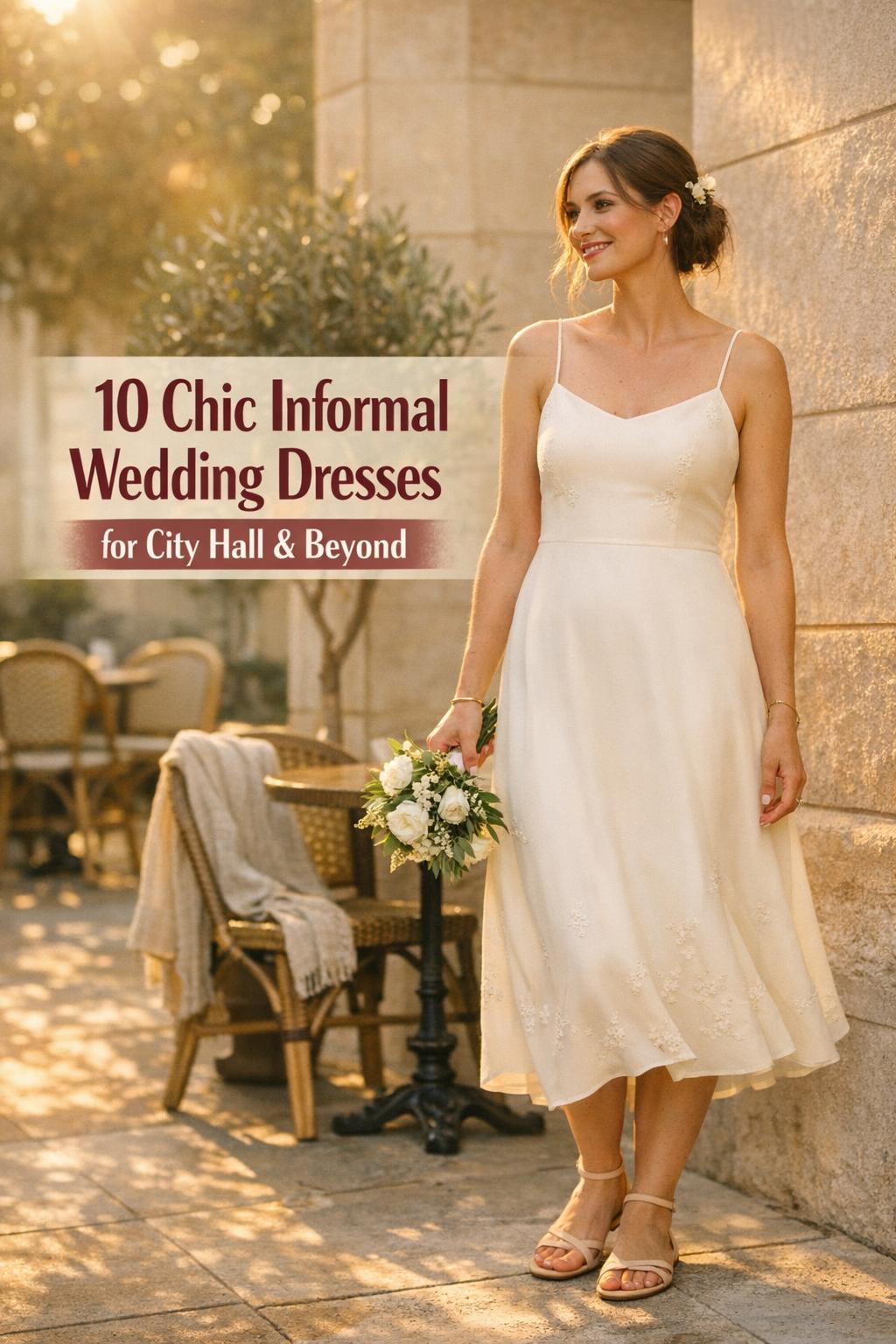
Popular silhouettes for informal weddings
Silhouette is the fastest way to set the tone. Informal wedding dresses come in a wide range of shapes—A-line, fit-and-flare, tea-length, midi, sheath, slip, maxi, mini—so you can keep the vibe relaxed without sacrificing a flattering fit or a bridal finish.
A-line and fit-and-flare: flattering, versatile, and easy to style
A-line and fit-and-flare silhouettes are common choices for informal weddings because they balance polish with wearability. An A-line informal wedding dress offers a classic bridal shape without needing heavy structure, while a fit-and-flare creates definition and movement that still feels appropriate for casual settings like seaside ceremonies or courthouse vows.
These silhouettes also adapt well across dress lengths and fabric choices, making them ideal if you’re planning a ceremony that shifts from outdoors to indoors, or if you want one dress that fits multiple moments (ceremony, dinner, photos).
Tea-length and midi gowns: retro charm with modern comfort
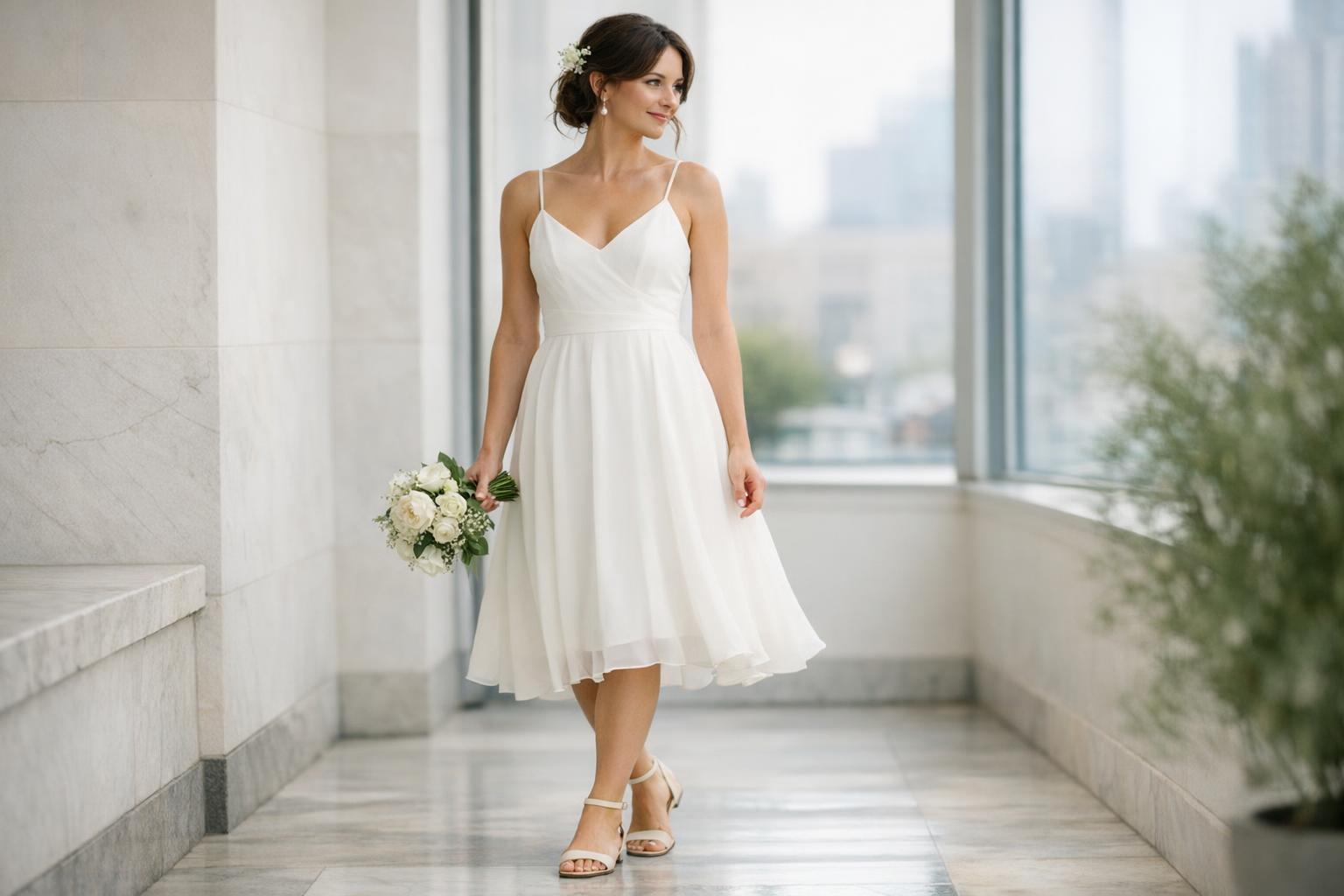
Tea-length and midi informal wedding dress styles are especially popular for courthouse weddings, garden parties, and city celebrations. They feel intentionally “bridal,” photograph beautifully, and are often easier to walk in than a floor-length gown. If you love a playful, vintage-inspired mood or simply want less fabric to manage, a tea-length wedding dress can be a confident, venue-appropriate choice.
These lengths also spotlight your shoes—perfect if you’re planning flats for comfort, simple sandals for a destination wedding, or a minimalist heel for a modern city look.
Sheath and slip dresses: minimalist elegance for modern venues
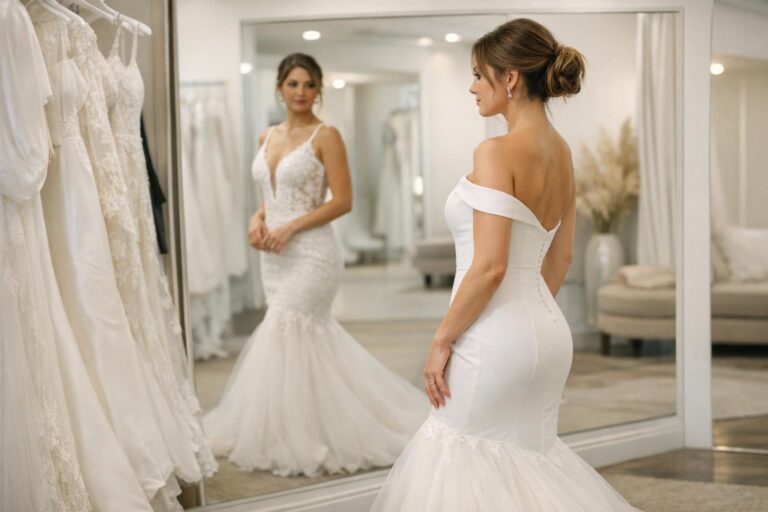
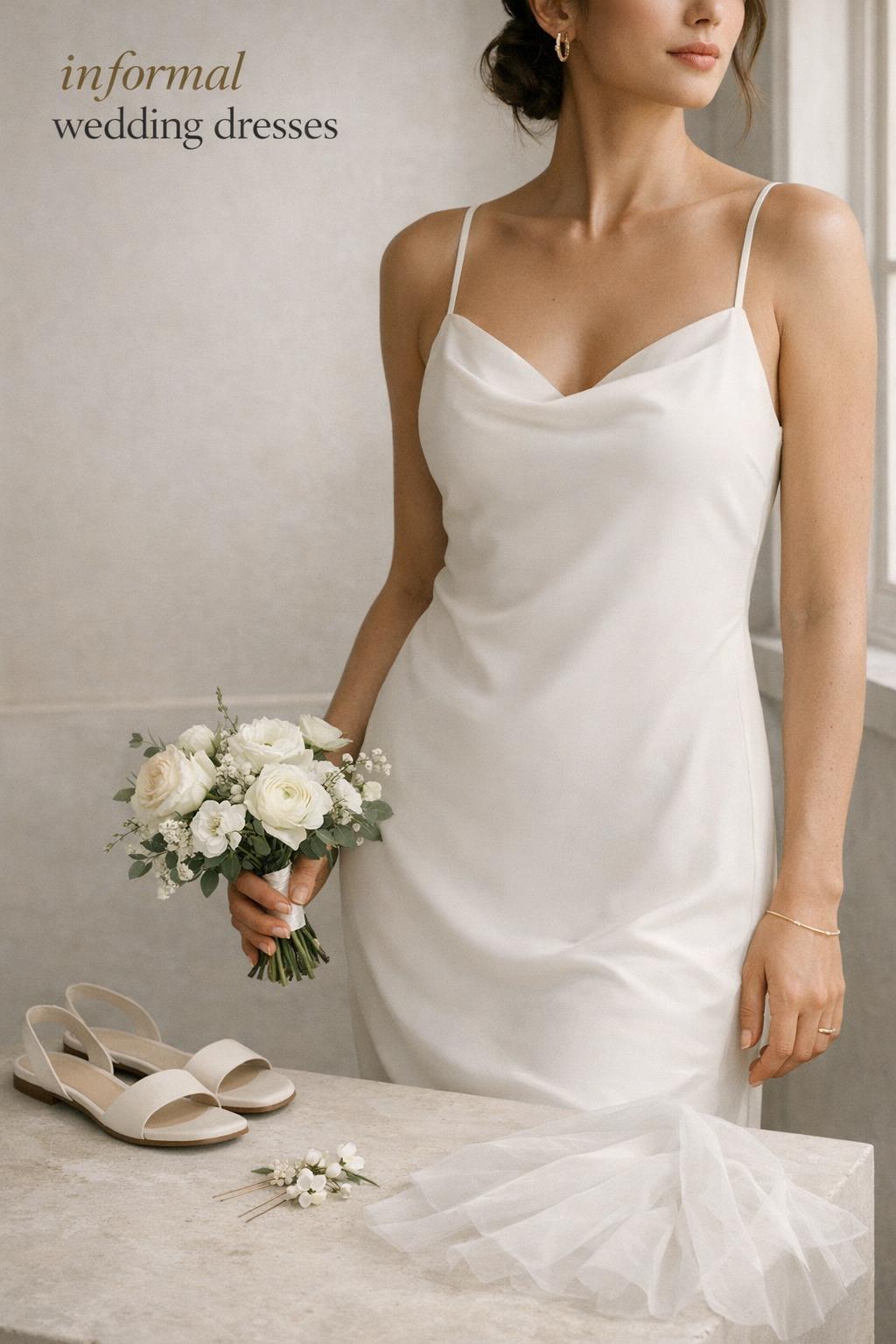
Sheath and slip dresses are the go-to silhouettes for brides drawn to minimalist wedding dress styling. Clean lines and streamlined shapes often read relaxed and contemporary, making them a natural fit for courthouse ceremonies, modern city hall weddings, and intimate celebrations where understated elegance feels right.
Because these silhouettes are less forgiving than fuller skirts, fabric choice and fit matter. A smooth, comfortable fabric with the right amount of drape can keep the look effortless rather than restrictive.
Maxi, mini, and “short and sweet” options for elopements and small celebrations
Informal wedding dresses often include a wide range of lengths—from mini to maxi—depending on the tone you want. Shorter hemlines can feel playful and practical for courthouse weddings or casual outdoor celebrations, while a simple maxi can still feel bridal without the formality of a traditional ballgown shape.
If you’re planning an elopement or a small ceremony, choosing a length that lets you move freely (and that fits your setting) can make the entire day feel smoother.
Beach and destination silhouettes: light, breathable, and travel-friendly
A beach wedding dress in an informal style usually comes down to two priorities: breathability and ease. Relaxed silhouettes pair naturally with lightweight fabrics like chiffon, tulle, and organza, and simpler shapes tend to pack and travel more easily. Destination wedding dresses in a casual spirit also benefit from minimal layers—especially if you’ll be walking on sand or moving between outdoor locations.
For beach and destination settings, choose a silhouette that won’t feel heavy in warm weather and that won’t require constant fussing in wind or humidity.
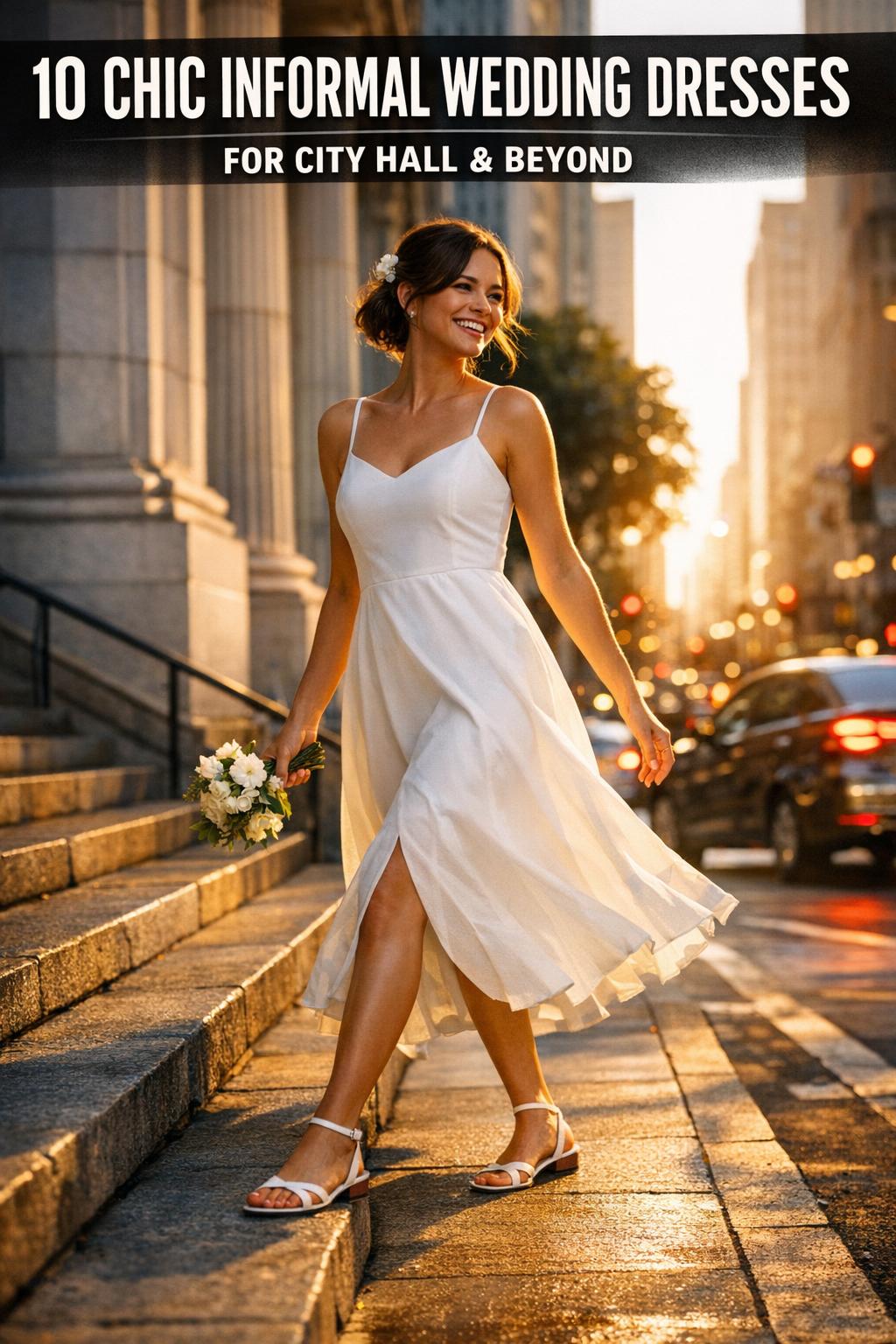
Fabrics and details that read “informal”
Fabric and detailing do as much to set the formality level as silhouette. Even a classic shape can feel laid-back if the fabric is light and the embellishment is subtle. Informal bridal gowns typically favor comfort-forward materials and restrained finishing.
Fabrics to favor: chiffon, tulle, organza, crepe, and lightweight lace
Many informal wedding dresses use airy fabrics that move easily and feel comfortable for long wear. Chiffon and organza are frequently associated with lightness and flow, while tulle can add softness without needing a heavily structured skirt. Crepe is often chosen for minimalist wedding dress looks because it supports clean lines and a modern feel. Lightweight lace can bring romance and texture without making the dress feel overly formal.
When comparing dresses, pay attention to how the fabric behaves when you move. The most wearable casual bridal gown fabrics tend to drape naturally and feel comfortable against the skin, especially for outdoor ceremonies.
Embellishments that feel restrained: delicate beading and simple embroidery
Informal doesn’t mean “plain.” It means the details don’t overwhelm the dress. Instead of heavy sparkle, look for delicate beading, simple embroidery, or lace placement that adds interest without feeling overly ornate. This approach keeps the look relaxed while still reading as bridal in photos.
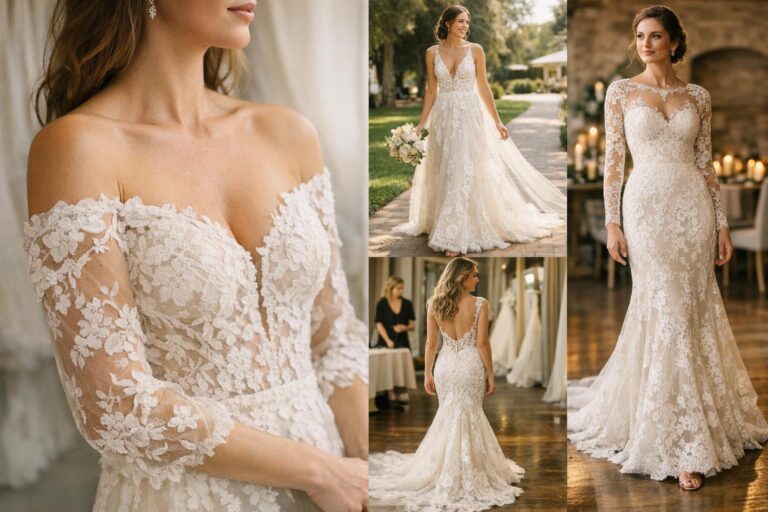
If you’re shopping a lace casual wedding dress, consider how the lace pattern supports your overall vibe—boho, classic, or minimalist—and whether the lace adds texture without adding weight.
Necklines and back details that feel relaxed (but still bridal)
Necklines and back details can subtly set a casual tone. V-necks and scoop necklines often feel easy and modern, while an open back can add drama without adding bulk—especially when executed with restraint. The most successful informal looks balance comfort with thoughtful detail, so the dress looks intentional from every angle.
Tips: choose comfort details you’ll appreciate all day
Small construction details can make a big difference in how an informal wedding dress wears. If you’re planning a long day—ceremony, photos, dinner—prioritize features that reduce fuss, like comfortable straps, soft linings, and a secure bodice that doesn’t require constant adjusting. The more effortless your dress feels, the more confident you’ll look.
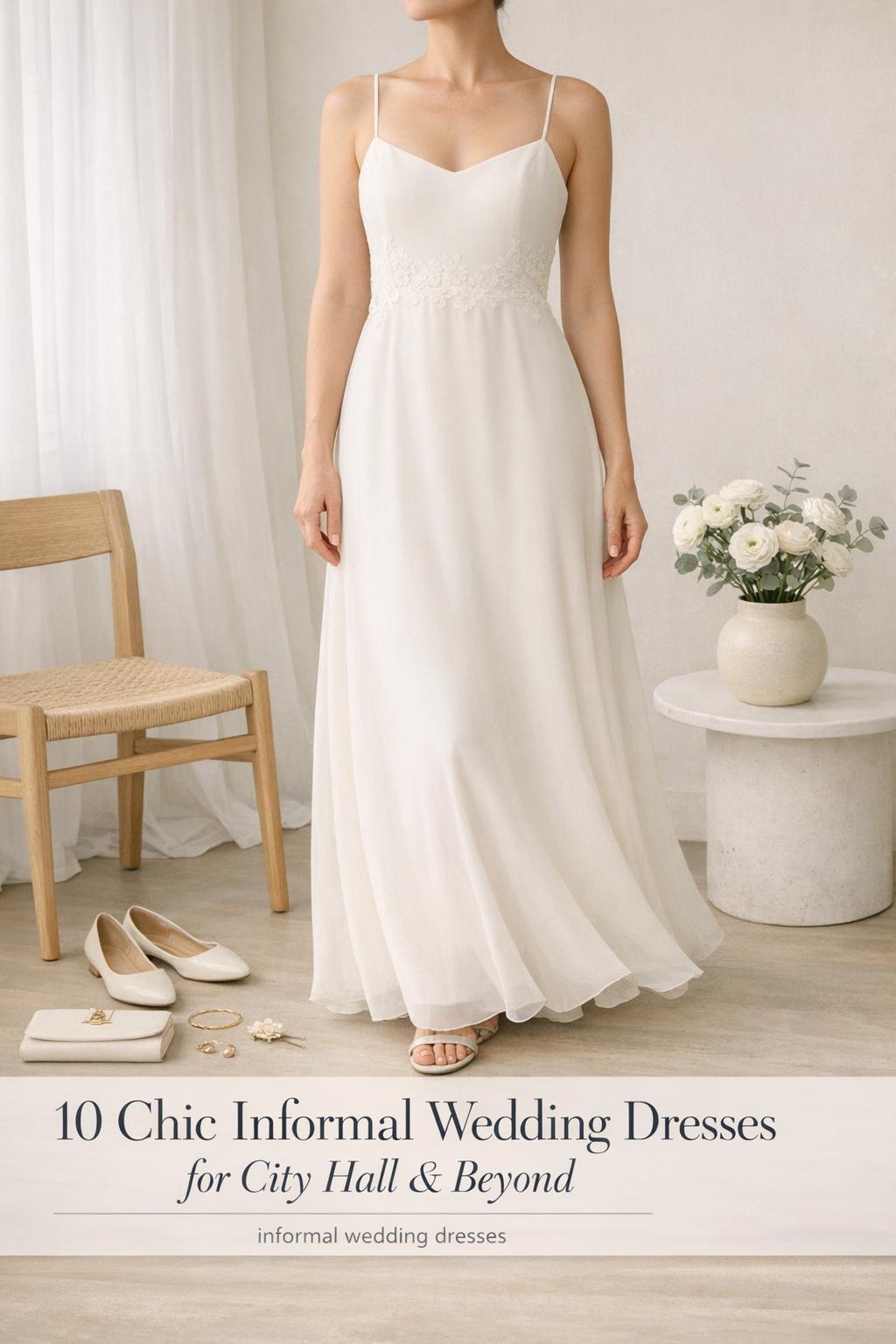
How to style an informal dress for different U.S. venues
Styling is where informal wedding dresses truly shine. Because the dress itself often stays simple, your choices in shoes, jewelry, and hair can tailor the look to your setting—courthouse, backyard, garden, or beach—without needing a second outfit.
Courthouse or city hall wedding: clean lines, comfortable shoes, minimal jewelry
For a courthouse wedding dress with a casual feel, a minimalist silhouette (like a sheath, slip, midi, or simple A-line) pairs well with understated accessories. Flats are a common choice for comfort and practicality, and simple jewelry supports the clean, modern mood. The goal is polished and confident—an outfit you can walk in easily, sit comfortably in, and photograph well in a city setting.
Tips: if your ceremony includes walking between buildings or navigating stairs, test your shoes with the hem length you’re choosing. A comfortable shoe choice can be the difference between feeling relaxed and feeling rushed.
Backyard wedding: relaxed romance with natural beauty
A backyard wedding often calls for a laid-back wedding dress that still feels special. A-line, tea-length, and simple lace dresses fit naturally in this environment, especially when paired with light, comfortable footwear. Styling can lean soft and approachable: minimal jewelry, natural makeup, and accessories that match the intimacy of the setting.
Tips: backyard surfaces can be uneven. If you’re wearing a longer hem, consider how it will move across grass or patios. Choosing a manageable length—or a silhouette that doesn’t drag—can make your day feel easier.
Garden wedding: floral accents and a breezy silhouette
Garden weddings pair beautifully with informal wedding dresses that feel airy and romantic—think lightweight lace, chiffon, and soft tulle with restrained detailing. Many brides complement this venue with gentle styling choices like a floral hairpiece and natural makeup, letting the setting and the dress work together. Tea-length and midi gowns are especially at home here, but an A-line can also look effortless when the fabric stays light.
- Choose breathable fabrics for outdoor comfort
- Keep jewelry simple so the overall look doesn’t compete with the scenery
- Consider shoe comfort if you’ll be walking on grass or garden paths
Beach wedding or destination wedding: light layers and sandal-friendly hems
For a beach wedding dress in an informal style, prioritize lightweight, breathable fabrics and silhouettes that move easily. Chiffon, organza, and soft tulle are frequently associated with breezy comfort. Footwear tends to be simple and practical—sandals, flats, or even barefoot styling—so a hem that doesn’t feel heavy or restrictive can make the whole look feel intentional rather than complicated.
Tips: if you’re traveling, focus on dresses that feel easy to pack and wear. A simpler silhouette and lighter fabric generally support a destination wedding dress that’s comfortable from ceremony through photos.
Ideas by aesthetic: classic white, minimalist, boho, or something unique
“Informal” doesn’t limit your personality. In fact, casual wedding dress styling often gives you more room to express it—through texture, length, and subtle details—without the pressure of a traditional formal silhouette. Whether you want classic white, soft neutrals like ivory or champagne, or something that feels unique, the foundation stays the same: comfort, simplicity, and a cohesive venue-ready look.
Classic white (and close relatives like ivory and champagne)
If you want a timeless bridal look, classic white remains a popular choice in informal bridal gowns, often alongside ivory and champagne tones. These palettes work across venues—from courthouse to seaside—and they photograph well while keeping the outfit firmly in “wedding” territory even when the silhouette is simple.
Minimalist wedding dresses that still feel bridal
Minimalist wedding dress styles are often defined by clean shapes, smooth fabrics, and limited embellishment. Sheath and slip silhouettes are common here, but you can also find minimalist A-lines or fit-and-flare designs that keep the look sleek. The key is choosing one or two focal points—like a refined neckline or an open back—without adding heavy decorative elements.
Boho and lace-forward informal looks
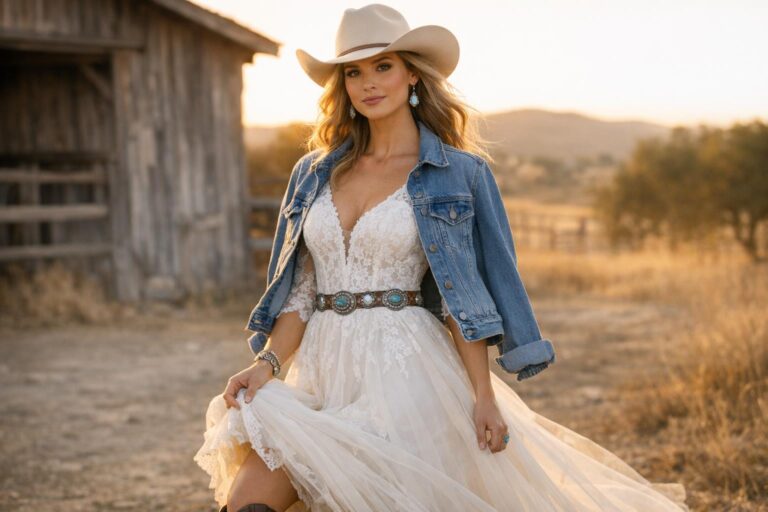
Boho wedding dress energy often shows up in lace, soft silhouettes, and a relaxed overall feel. For an informal wedding, lace can add romance without forcing the dress into a formal category—especially when the lace is lightweight and the silhouette stays easy to wear. This aesthetic is especially popular for outdoor celebrations like gardens, backyards, and destination settings.
Tips: keep the “casual” feeling intentional
The most successful informal wedding outfits are styled with purpose. Even if you’re wearing a simple dress, small choices—like cohesive accessories, comfortable but polished shoes, and a hairstyle that matches your venue—help the look feel curated rather than last-minute.
Budget-friendly informal wedding dresses: how to shop smart (including options under $500)
One major appeal of informal wedding dresses is budget flexibility. Many shoppers specifically look for affordable informal wedding dress options under $500, especially for courthouse ceremonies, small weddings, and destination events where simplicity is part of the plan. Budget doesn’t have to mean compromise; it means knowing what to check before you buy.
How to spot a great value in a casual bridal gown
Value comes from comfort, fabric behavior, and construction that supports an all-day wear. Lightweight fabrics like chiffon and crepe can look elevated when they drape well, and simple lace can feel bridal without needing heavy embellishments. Look closely at how the dress is finished—especially around straps, closures, and seams—because even a minimalist design should feel secure and comfortable.
- Focus on fit and comfort first, then details
- Choose fabrics that move easily and suit your venue (especially outdoors)
- Prioritize a silhouette you can walk and sit in without fussing
Alterations: what to expect and why they matter for informal styles
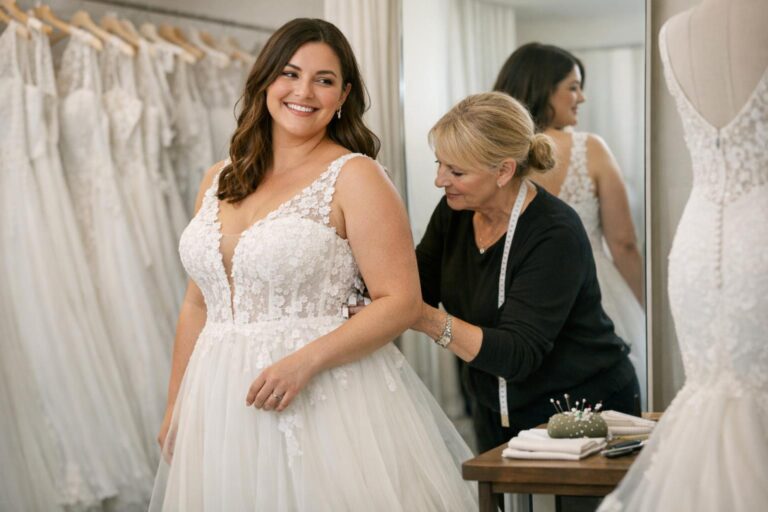
Even a simple, informal wedding dress may need small adjustments for the best result—especially hemming for tea-length, midi, or long styles, or refining fit around straps and the bodice. Because informal gowns often rely on clean lines, fit becomes part of the design. Planning ahead for alterations and leaving enough time helps ensure your dress looks effortless rather than “almost right.”
Tips: try on your dress with the shoes you intend to wear (or shoes with a similar height) before finalizing hem decisions. This is especially useful for courtyard, backyard, or beach settings where the ground may influence your ideal length.
Affordable doesn’t mean one-note: ways to create a high-impact look
If you’re working within a tight budget, consider using styling to elevate a simple dress. A minimalist dress can look intentionally bridal with thoughtfully chosen accessories, while a lace or boho-leaning dress can feel complete with understated jewelry and venue-appropriate shoes. The advantage of an informal gown is that you can shift the mood—modern, romantic, beach-ready—without needing major changes to the dress itself.
Real-world inspiration: informal wedding dress ideas by scenario
Informal wedding dresses are popular because they match real wedding plans: short ceremonies, outdoor celebrations, destination travel, and intimate gatherings. Below are practical, scenario-based ideas to help you visualize what works and why—using silhouettes, fabrics, and styling choices that align with the relaxed, comfortable definition of informal bridal attire.
Scenario 1: City hall ceremony with a minimalist slip or sheath
For a clean city look, a slip or sheath informal wedding dress pairs naturally with flats or simple shoes and minimal jewelry. This approach is streamlined and modern, ideal for couples who want a low-key ceremony with polished photos.
Scenario 2: Backyard vows in a simple A-line or light lace dress
A backyard celebration is a natural match for an A-line informal gown in lightweight fabric or a casual lace dress with restrained detail. The silhouette stays flattering and bridal, while the overall feel remains relaxed and comfortable for mingling and moving between spaces.
Scenario 3: Garden ceremony with a tea-length dress and soft styling
Tea-length and midi gowns feel especially suited to garden environments because they’re easy to walk in and visually balanced with outdoor scenery. Soft, natural makeup and a simple hair accessory (like a floral accent) can complement the venue without overpowering a more understated dress.
Scenario 4: Beach or destination celebration in chiffon or organza
For beach settings, lightweight fabrics such as chiffon, organza, and soft tulle support comfort and ease. An informal beach wedding dress often looks best when the silhouette stays simple and the hemline doesn’t create extra weight. Styling can stay minimal and practical, especially if you’re navigating sand or travel schedules.
Tips: turn inspiration into a decision faster
When you’re torn between styles, start with the venue and your movement needs. If you’re traveling or outdoors, lightweight fabric and easy silhouettes usually win. If the ceremony is in a courthouse, prioritize clean lines and comfort for walking and sitting. Once the practical needs are met, choose the aesthetic—minimalist, boho, classic—through details like lace, neckline, and accessories.
Practical shopping guide: questions to ask before you commit
Shopping for informal wedding dresses often happens online or through broad collections of casual bridal gowns. That convenience is a huge advantage, but it also means you should shop with a clear checklist. A simple, comfortable dress still needs to fit your timeline, your venue, and your expectations for returns and adjustments.
Alterations: what can be adjusted easily?
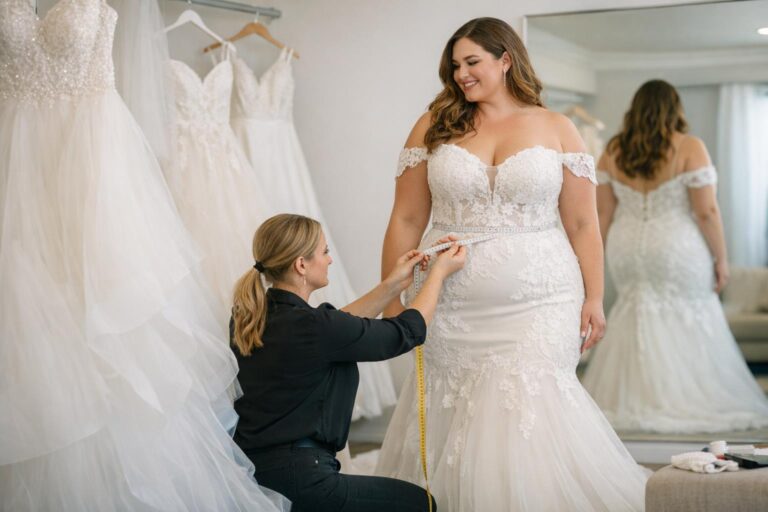
Ask what alterations are most common for the silhouette you’re choosing. Hemming is frequent for tea-length, midi, and long dresses; strap adjustments and bodice refinements may also be needed for secure comfort. Because informal designs can be minimal, even small tailoring changes can make a noticeable difference in how polished the final look feels.
Returns, exchanges, and shipping timelines
Before ordering, confirm return and exchange options and make sure shipping timelines match your wedding date. Informal wedding dresses are often chosen for shorter planning windows (like courthouse weddings and elopements), so clarity around delivery and policies helps prevent last-minute stress.
Fabric care and long-term wear
Lightweight fabrics can be comfortable and beautiful, but they also require thoughtful care. Ask how to care for chiffon, lace, crepe, tulle, or organza—especially if you’re traveling, getting married outdoors, or planning to rewear the dress later. Knowing how the fabric should be handled helps you keep the dress looking crisp from first fitting through final photos.
Tips: choose the right level of customization
Many informal dress shoppers want flexibility in size and fit, and some retailers emphasize customization and size range options. If you’re considering a customized approach, confirm what changes are possible, how long they take, and how that affects returns. The best experience comes from aligning your fit needs with a realistic timeline.
Putting it all together: a simple decision framework
If you feel overwhelmed by the number of casual wedding dress options, use a straightforward order of operations. Decide based on venue and comfort first, silhouette second, fabric third, and then finish with details and styling. This approach keeps you from falling in love with a dress that looks great in photos but doesn’t match your day’s logistics.
- Pick your venue category: courthouse, backyard, garden, beach, destination
- Choose a silhouette you can move in: A-line, fit-and-flare, tea-length, midi, sheath, slip
- Select a fabric that fits your comfort needs: chiffon, crepe, lightweight lace, tulle, organza
- Decide on your aesthetic: classic, minimalist, boho, beach-ready
- Finalize styling: shoes first, then jewelry and hair details
Informal wedding dresses work best when they look like a deliberate choice, not a compromise. When comfort, venue, and style all align, the result is a bridal look that feels easy to wear and fully “you.”
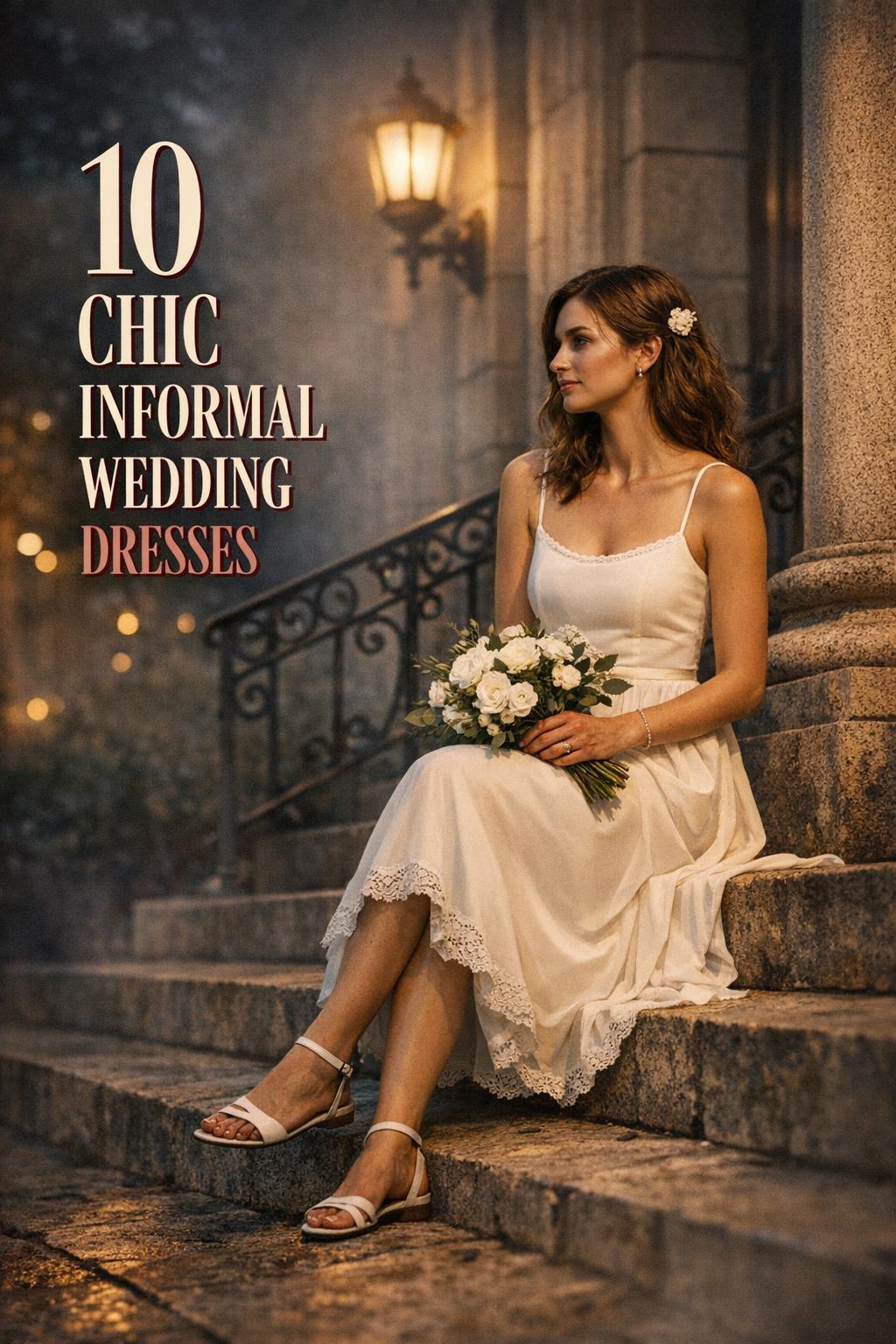
FAQ
What makes a dress informal?
An informal wedding dress is typically defined by comfort and simplicity: lighter fabrics, fewer heavy layers, and restrained embellishments compared with formal gowns. The overall look is relaxed and wearable while still feeling bridal and polished.
Are informal wedding dresses appropriate for a courthouse wedding?
Yes—courthouse ceremonies are one of the most common settings for informal wedding dresses. Minimalist silhouettes like sheath, slip, tea-length, and midi styles pair well with flats or simple shoes and understated jewelry for a clean, modern look.
What silhouettes are most popular for informal weddings?
Popular informal silhouettes include A-line and fit-and-flare for versatility, tea-length and midi for comfort and movement, and sheath or slip dresses for minimalist styling. Mini, maxi, and simple lace styles are also common depending on the venue and vibe.
What fabrics work best for a casual or destination wedding dress?
Lightweight fabrics are often favored for casual and destination settings, including chiffon, organza, tulle, crepe, and lightweight lace. These materials tend to feel comfortable, breathe better in outdoor venues, and support a relaxed, easy-to-wear look.
How should I style an informal wedding dress for a beach wedding?
Keep the styling light and practical: choose comfortable, sandal-friendly footwear (or go barefoot if that fits your plan), and pair it with simple jewelry and an easy hairstyle. A breathable fabric and a manageable hemline help the dress feel effortless in wind and warm weather.
Can an informal wedding dress still be lace or boho?
Yes—lace and boho-inspired styles are common in informal bridal gowns, especially for outdoor and destination weddings. The key is choosing lace that feels lightweight and details that stay restrained, so the overall look remains relaxed rather than overly formal.
Are there affordable informal wedding dresses under $500?
Yes, many shoppers look specifically for informal wedding dresses under $500, especially for courthouse weddings, small ceremonies, and destination events. To get the best value, prioritize fit, comfort, and fabric drape, and plan ahead for any small alterations like hemming.
Do informal wedding dresses still need alterations?
Often, yes—common adjustments include hemming and small fit refinements around straps or the bodice. Because informal dresses can be minimalist, proper fit plays a big role in making the final look feel polished and intentional.
What colors are common for informal bridal gowns?
Classic bridal shades are common in informal wedding dresses, including white, ivory, and champagne. These colors keep even a simple silhouette looking wedding-appropriate across venues like city hall, gardens, backyards, and beaches.