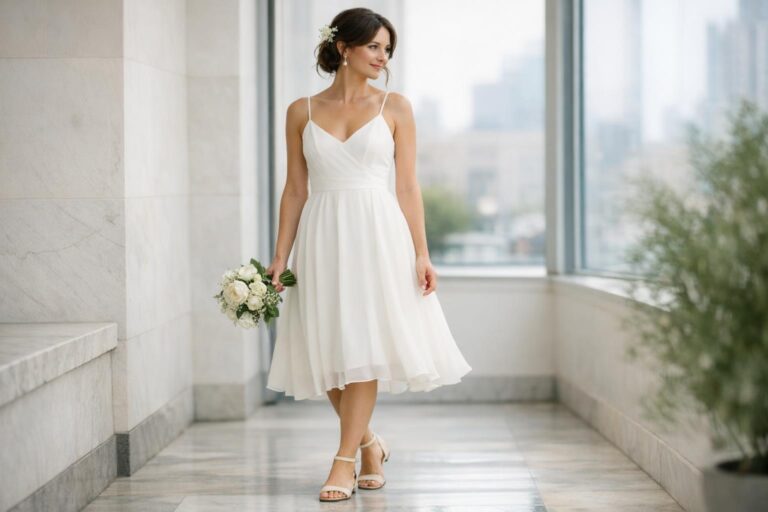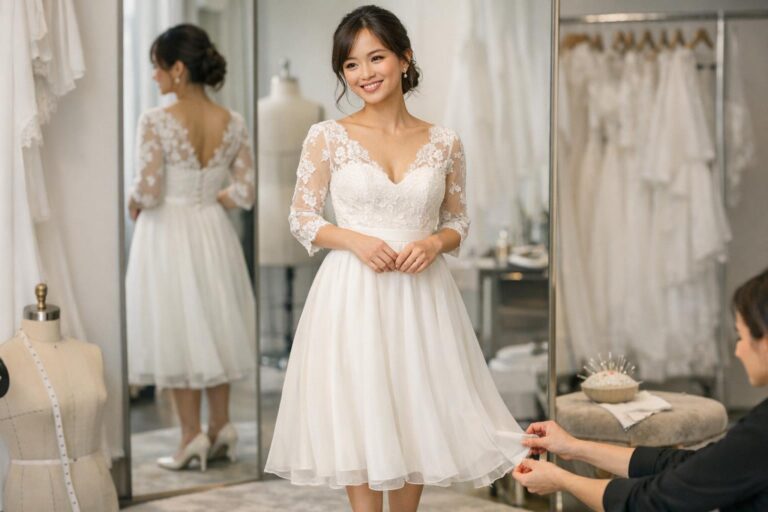
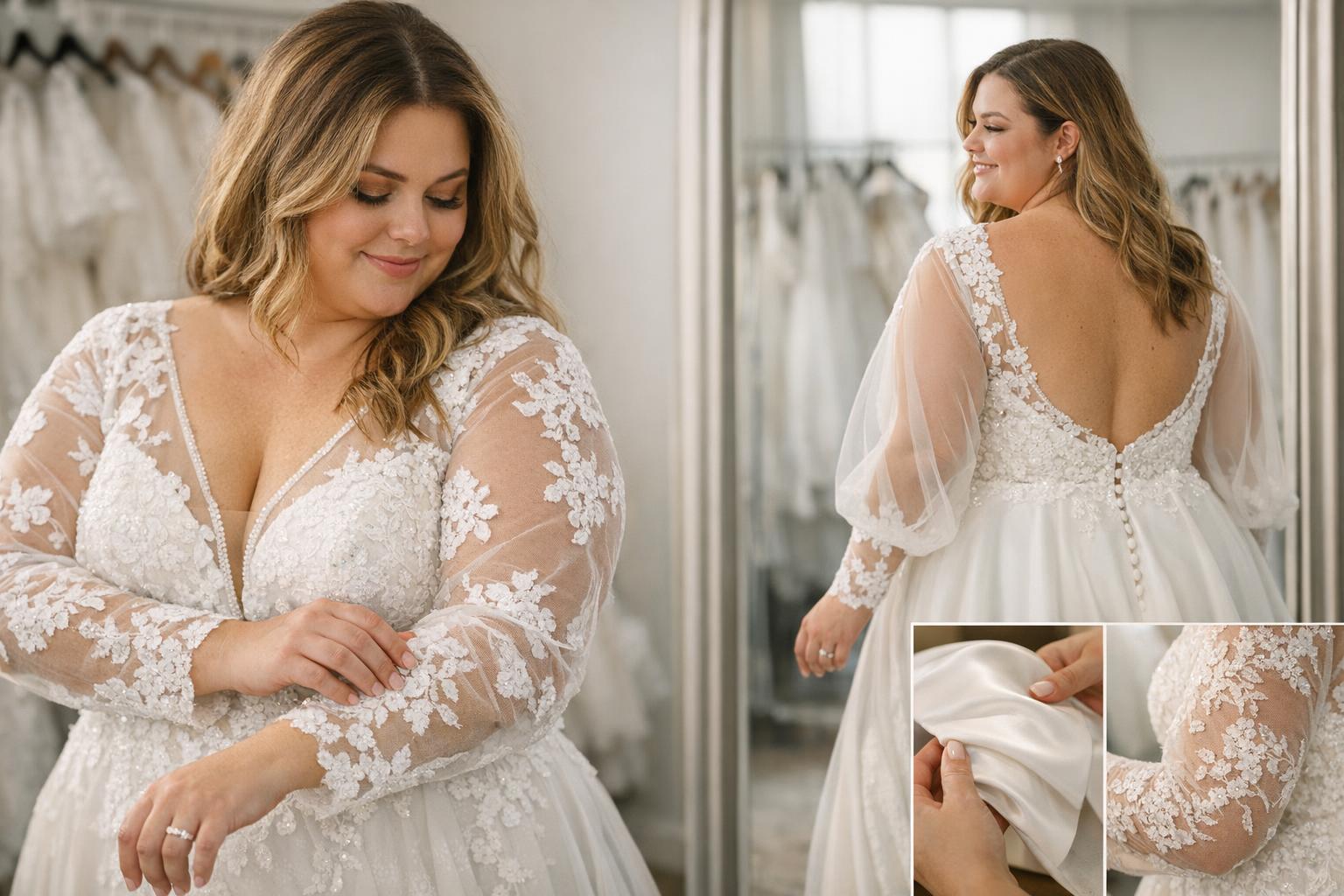
12 Plus Size Wedding Dresses With Sleeves for US Brides: Fit Tips & Styles
Plus Size Wedding Dresses with Sleeves: A Complete Guide for Confident Shopping
Shopping for plus size wedding dresses with sleeves is often about balancing three things at once: the look you love, the comfort you need, and the coverage you want (whether that’s for style, support, or confidence). Sleeves can change how a gown feels on your body, how it photographs, and how easy it is to move through your day—from the ceremony to dinner to the last dance.
This guide breaks down the sleeve styles you’ll see most often (like illusion mesh sleeves, lace full-length sleeves, 3/4 sleeves, and detachable sleeves), how sleeves work with popular silhouettes (A-line, ballgown, mermaid/trumpet, sheath), what fabrics tend to show up in sleeved gowns (lace, tulle, mesh, satin, mikado, crepe), and what to pay attention to for fit, alterations, and shopping decisions such as store availability and return policies.
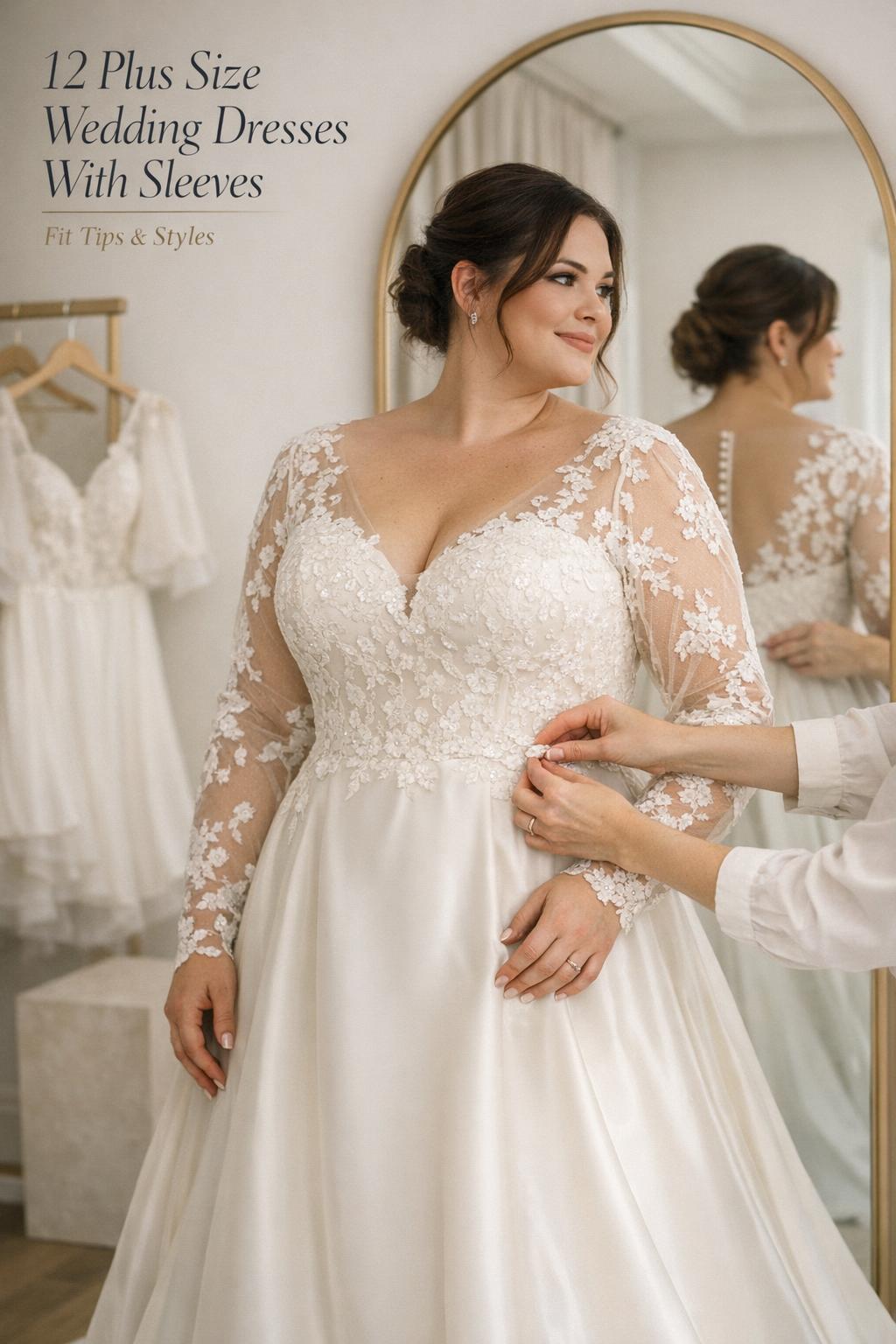
If you’re browsing collections or product pages and seeing terms like long sleeve, illusion sleeves, beaded lace, low back, buttons, or detachable long sleeve options, you’re in the right place. Use the sections below to narrow your choices and feel more certain when it’s time to book appointments, place orders, and plan alterations.
Why Sleeves Matter for Plus-Size Brides
Sleeves can be a design feature, a comfort feature, or both. Many plus-size brides prioritize sleeves for coverage and confidence, but the best sleeve choice is also about how the gown supports your movement and complements the rest of the design—neckline, back detail, and skirt shape.
A sleeved gown can also simplify styling decisions. When the sleeves are already providing visual interest (lace motifs, beading, or sheer/illusion texture), you may not need as many add-ons to make the look feel complete. On the other hand, sleeves can raise practical questions: How will the armhole fit? Will the sleeve feel tight by the end of the night? Is the back open, buttoned, or low enough to affect undergarments?
When you evaluate sleeves early—before you fall in love with a silhouette—you’ll be more likely to choose a dress that’s beautiful and wearable, not just beautiful on a hanger.
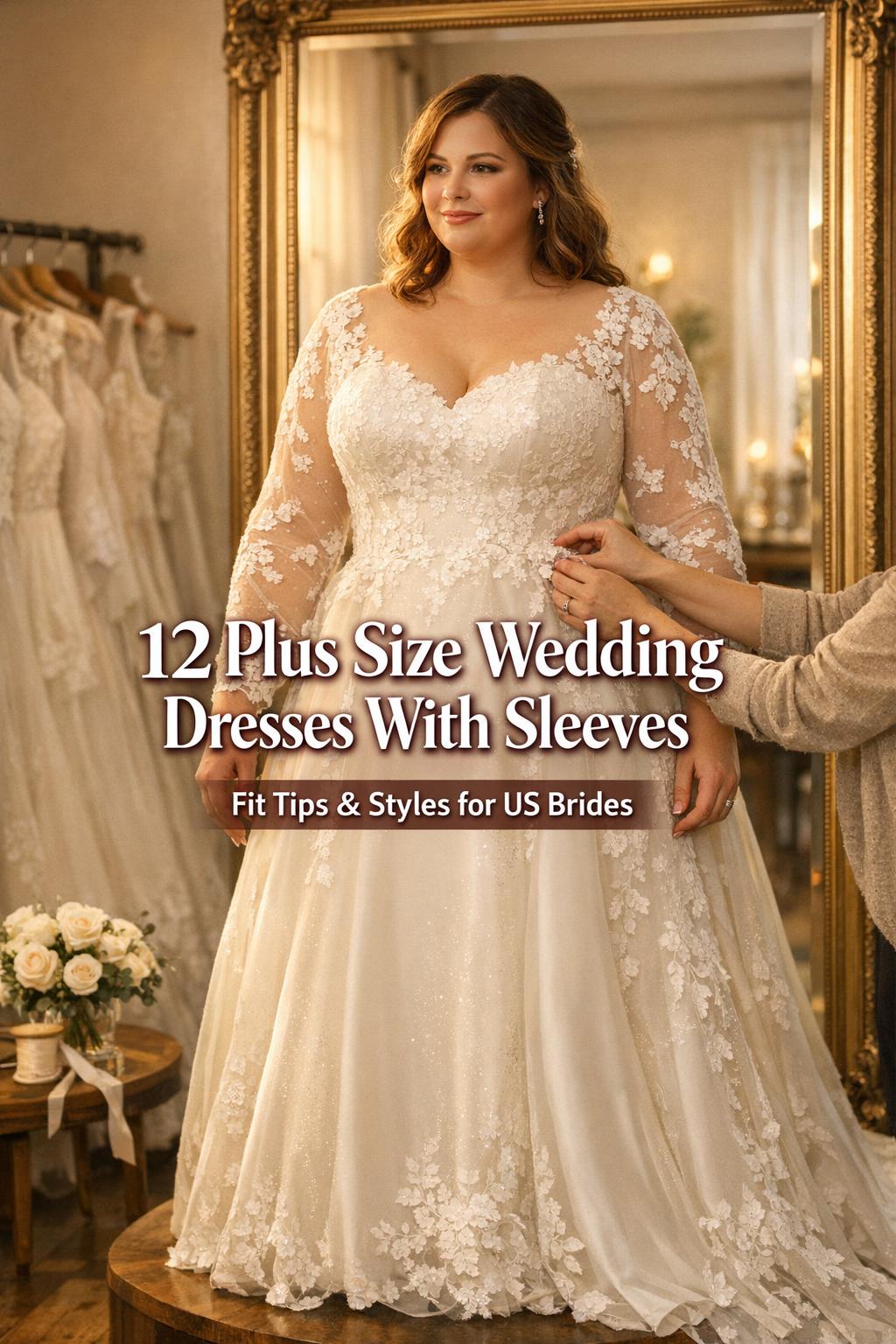
Sleeve Styles for Plus-Size Brides
Sleeves aren’t one-size-fits-all. Two dresses can both be labeled “long sleeve,” but feel entirely different depending on whether the sleeve is illusion mesh, full lace, narrow and fitted, or detachable. Use the sleeve categories below as a quick selector as you browse wedding dresses with sleeves.
Illusion and Sheer Sleeves (Mesh Sleeves)
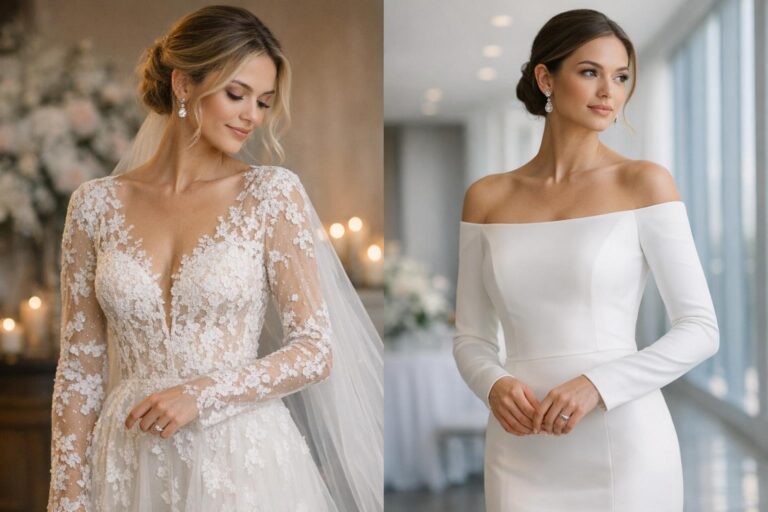
Illusion sleeves use sheer materials—often described as illusion mesh or sheer mesh sleeves—to create coverage without visual heaviness. They can frame details like a V-neck and can feel lighter than a fully lined sleeve, which matters if you want a long sleeve look without feeling wrapped up.
Illusion sleeves frequently appear alongside delicate detail work, such as lace placements or beading, and they pair naturally with airy skirts like tulle. They also show up in designs featuring a low back, where the sleeve and neckline shape work together to keep the dress feeling secure while still open and modern.
Tip: When you try on an illusion sleeve, raise your arms and sit down. If the mesh pulls sharply at the underarm or across the upper arm, ask whether the dress can be altered at the armhole or sleeve seam for more ease.
Lace Full-Length Sleeves
Full-length lace sleeves are a classic choice for a long sleeve lace wedding dress plus size brides often seek. Lace sleeves can feel romantic and intentional, especially when the lace motif connects to the bodice or neckline. Some designs emphasize scalloped edges at the neckline or cuffs, creating a finished look that doesn’t require extra layers.
Lace sleeves also show up with beaded lace details, which add sparkle and texture. If you’re drawn to a beaded lace gown, pay attention to how the beads sit along the sleeve: beading can be stunning in photos, but you’ll want the sleeve to feel smooth enough to wear comfortably for hours.
Tip: If lace feels itchy or too structured on the arm, ask about lining, the placement of seams, and whether the sleeve has any stretch or “give.” Even small comfort improvements can change the entire wear experience.
3/4 Sleeves, Elbow-Length, and Narrow Sleeves
3/4 sleeves and elbow-length sleeves are a popular middle ground: they provide coverage while keeping the wrist and hand area open for jewelry, bouquets, and movement. Narrow sleeves (sleeves that are more fitted through the forearm) can create a clean silhouette, especially when the bodice is detailed.
This sleeve length can also feel less formal than full-length sleeves (depending on fabric), making it a flexible option for many wedding styles. If you’re browsing a collection that includes multiple sleeve options, 3/4 sleeves are worth a serious look when you want coverage without committing to a full sleeve.
Tip: If you’re between sleeve lengths, consider what you’ll do during the reception—hugging, dancing, lifting your arms for photos. 3/4 sleeves can offer coverage while reducing the chance of tightness at the wrist or cuff.
Detachable Sleeves and Convertible Sleeve Options
Detachable sleeves are one of the most practical trends for plus size wedding dresses with sleeves, because they let you shift the look (and feel) of the gown between moments. A dress might be designed with detachable long sleeves so you can have more coverage for the ceremony and a lighter, freer feel later.
Detachable sleeves also open up customization. Some designs highlight sleeve add-ons as a featured option, which can be especially helpful if you want a strapless or sleeveless base with the flexibility to create a more full-coverage look when you choose.
Tip: Ask exactly how detachable sleeves connect (buttons, hooks, or another method) and whether the attachment points will be visible in close-up photos. If you plan to remove sleeves mid-event, practice the change so it feels smooth and stress-free.
Cap Sleeves, Bell Sleeves, and Traditional Long Sleeves
Beyond the most common long sleeve options, you’ll also see cap sleeves and more dramatic shapes like bell sleeves. These can shift the overall style direction of the gown, especially when paired with specific silhouettes. Traditional long sleeves can be sleek and refined, while bell sleeves can create a softer, more expressive line through the arm.
If you’re drawn to these styles, focus on balance. A dramatic sleeve shape may look best when the rest of the gown is simpler, while a clean long sleeve can be the perfect counterpoint to lace, beading, or an open-back detail.
- Choose cap sleeves when you want a subtle sleeve look without full arm coverage.
- Consider bell sleeves if you want a statement sleeve shape that reads clearly in photos.
- Pick traditional long sleeves for a streamlined look that pairs well with beading, lace placements, or a defined waist.
Silhouette Considerations: How Sleeves Change the Look
Silhouette and sleeves work as a team. Sleeves draw attention to the upper body, while the skirt shape controls the overall proportion of the look. When you combine the right sleeves with the right silhouette, the result feels balanced—especially important when you’re deciding between similar dresses.
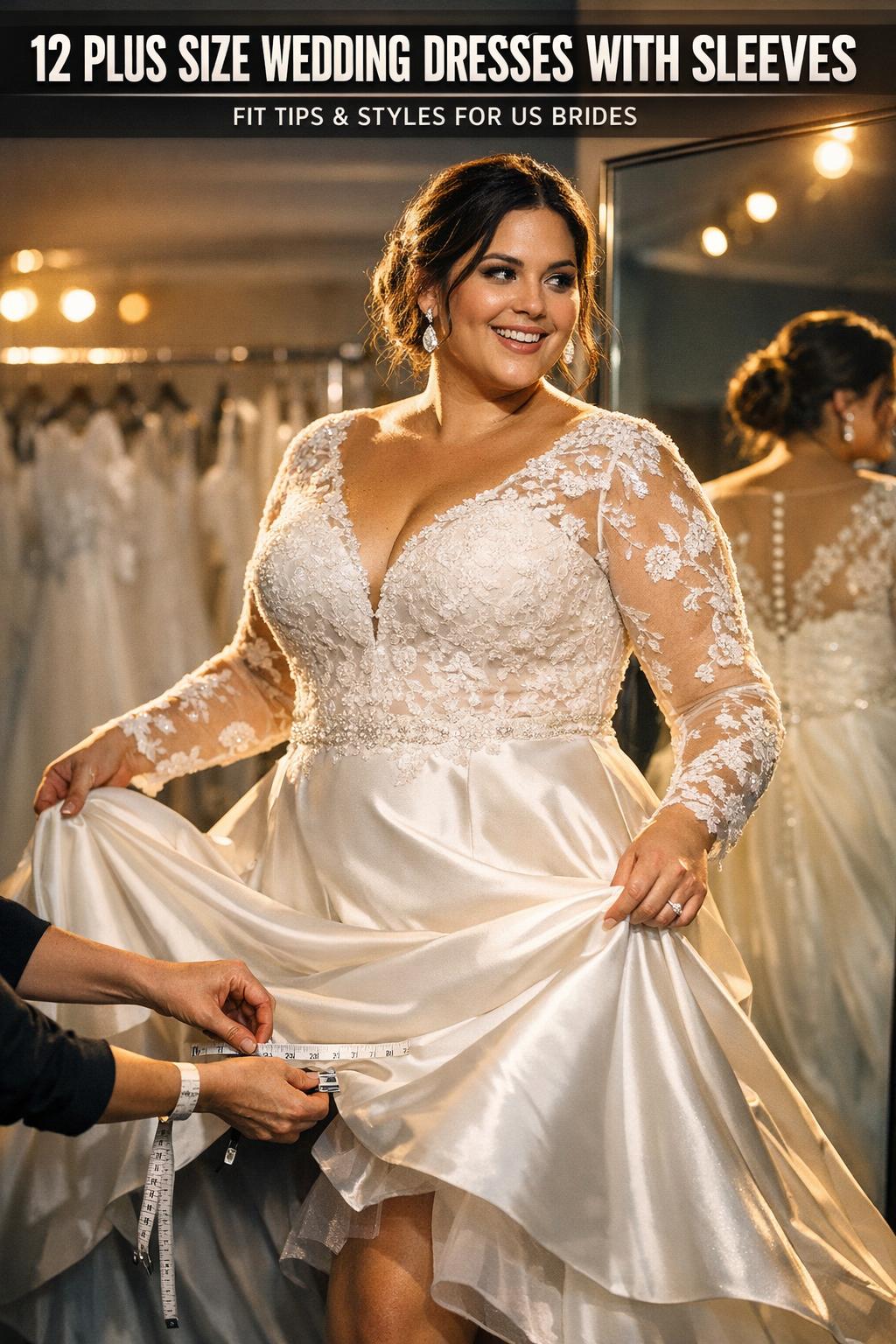
A-Line Wedding Dresses with Sleeves
An A-line plus-size gown with sleeves is a consistent favorite because it tends to feel easy to wear and visually balanced. A-line skirts often appear in lighter fabrics like tulle, and they pair beautifully with long sleeves—especially illusion sleeves or lace sleeves—because the top and bottom feel cohesive rather than competing.
If you see a gown described with features like a V-neck, illusion mesh sleeves, and an A-line tulle skirt, that combination is designed to highlight the neckline while keeping the skirt airy and classic.
Ballgown Wedding Dresses with Sleeves
Ballgown styles bring volume and drama, which can make sleeve choices feel even more impactful. Long sleeves—especially lace or beaded lace—can add structure and formality on top, creating a polished, complete look. Sheer sleeves can also work well here, because they give coverage without adding too much visual weight to an already voluminous skirt.
When the skirt is very full, small sleeve details may get lost. If sleeves are a priority for you, look for sleeves with clear texture (lace patterning, beading, or defined cuffs) so the detail reads in photos.
Mermaid and Trumpet Wedding Dresses with Sleeves
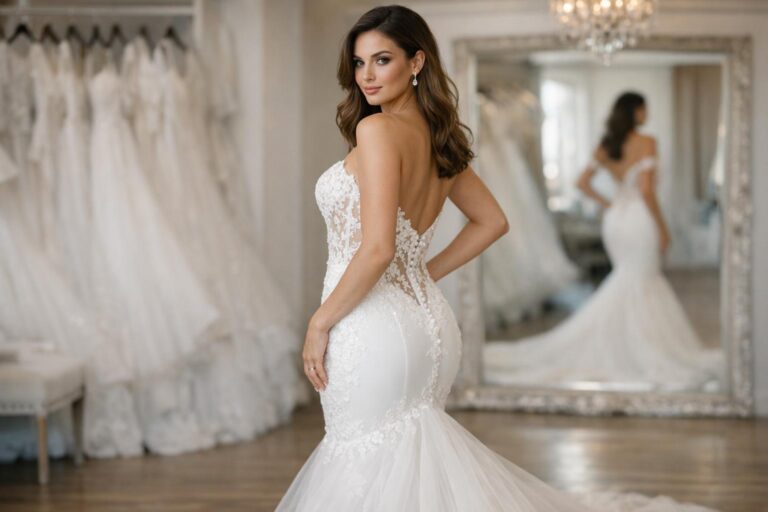
Mermaid and trumpet silhouettes emphasize curves, so sleeves can be used to create a deliberate contrast. A fitted gown with long sleeves—particularly a long sleeve lace wedding dress plus size brides often search for—can look striking because the sleeve adds romance and detail while the skirt highlights shape.
Because this silhouette is more fitted overall, comfort and mobility deserve extra attention. If the dress is fitted through the torso and hip, you’ll want to ensure the sleeve and armhole allow movement without pulling the bodice out of place.
Sheath Wedding Dresses with Sleeves
Sheath gowns are often chosen for a clean, elongated line. Sleeves can add interest without changing the simple shape—especially when the sleeve is the star feature (like lace full-length sleeves or a well-placed illusion sleeve design). If you want a minimal silhouette with a strong sleeve moment, sheath styles can be a smart starting point.
Because sheath dresses can look sleek, consider how the back detail fits into the overall design. If you’re drawn to an open back with buttons or a low back, double-check how that affects undergarments and support.
Fabric and Texture Pairings for Sleeved Gowns
Fabric matters more when a gown has sleeves because the sleeve material sits directly on your skin and must move with your arms. Many popular sleeved designs combine multiple materials—lace over lining, mesh sleeves paired with tulle skirts, or more structured fabrics paired with sleek sleeves.
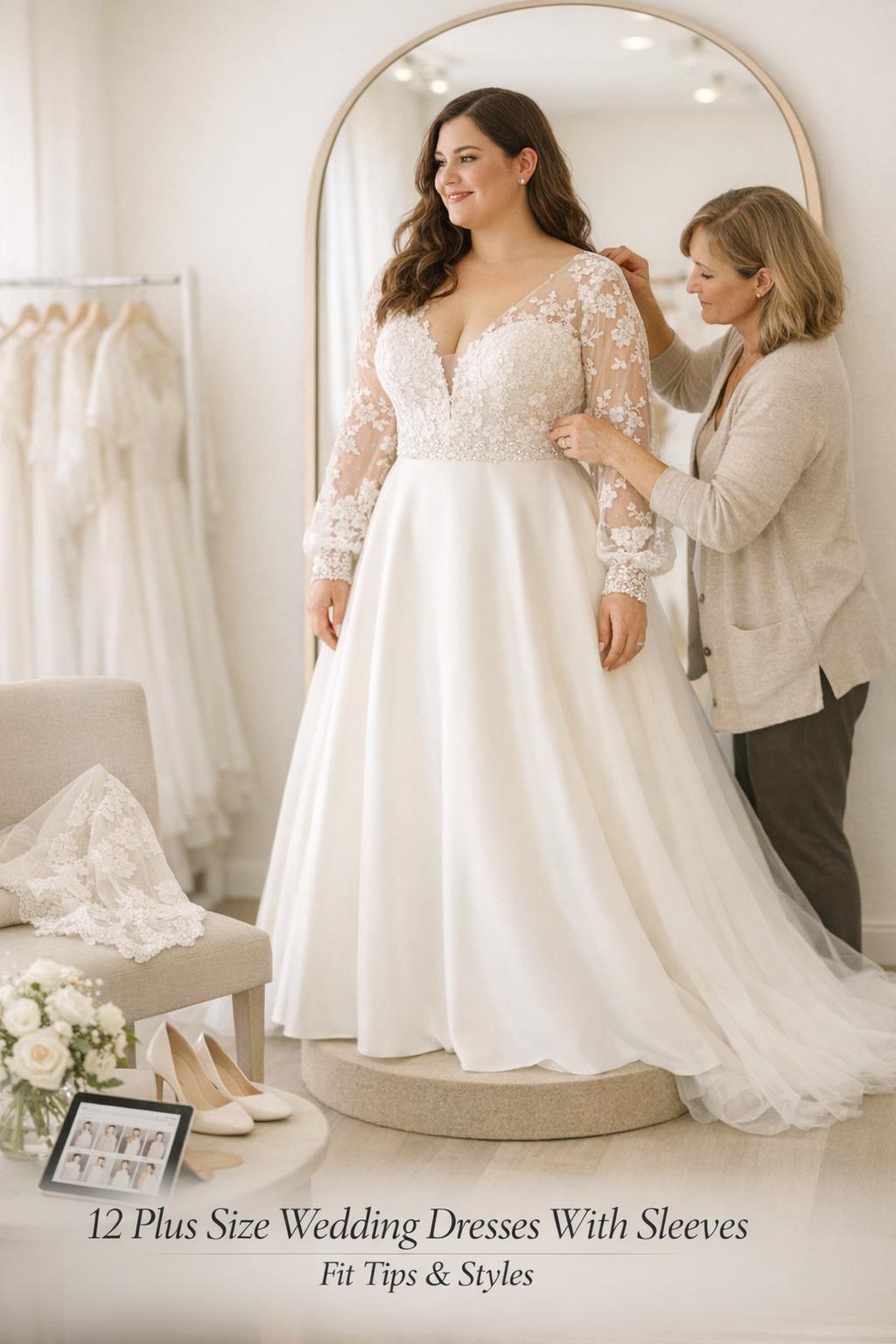
Lace, Tulle, and Mesh Combinations
Lace, tulle, and mesh are commonly used together in wedding dresses with sleeves. Lace can create the visual pattern (sometimes with beading), mesh can create an illusion effect for the sleeves, and tulle can keep the skirt light and romantic. This trio is especially common in A-line designs, where a lace or illusion-sleeve bodice flows into a tulle skirt.
If you’re selecting an illusion sleeve, pay attention to how the mesh matches your skin tone and how the lace is placed on top of it. The overall effect should look intentional and smooth, not like the sleeve is an afterthought.
Mikado, Satin, and Crepe with Sleeves
Some brides prefer cleaner, more structured fabrics. Mikado, satin, and crepe can give a modern, refined look, and sleeves in these materials tend to read as more tailored. If the gown is minimal, sleeve shape and seam placement become more noticeable—making fit and alteration planning especially important.
If you’re drawn to texture, consider mixing: a smoother fabric through the skirt with lace or illusion sleeves can create contrast while keeping the look cohesive.
Fit, Sizing, and Alterations: What to Watch With Sleeves
Fit is the make-or-break factor for a sleeved gown. With plus-size wedding dresses with sleeves, the areas that deserve the most attention are the armhole, the upper arm, and the sleeve length. A dress can fit beautifully through the bust and waist but still feel uncomfortable if the sleeve is too tight or the armhole sits incorrectly.
How to Evaluate Sleeve Fit When You Try On
Sleeves should feel secure without restricting movement. During a fitting or try-on, don’t just stand still. Move the way you’ll move on your wedding day so you can spot problems early.
- Lift your arms above shoulder height and check whether the bodice shifts or the underarm pinches.
- Bend your elbows and make sure the sleeve doesn’t pull tightly across the forearm.
- Reach forward (as if hugging someone) to see whether the back and armhole stay comfortable.
- Sit down to check whether the sleeve and bodice stay smooth without digging in.
Tip: If a sleeve feels only slightly snug, that’s not always a dealbreaker. Ask what can realistically be altered at the armhole or sleeve seam, and whether the material (lace, mesh, or beaded lace) affects what’s possible.
Alteration Considerations (Armhole, Sleeve Length, and Ease)
Sleeved gowns often need thoughtful alterations because changes to the sleeve can affect the bodice and vice versa. Common adjustments include refining sleeve length, improving comfort at the upper arm, and adjusting the armhole for better range of motion. Dresses with highly detailed sleeves—such as beaded lace—may require extra care to preserve the pattern and finish.
Also look closely at back details when planning alterations. Features like an open back with buttons or a low back can change how supportive the dress feels and what adjustments are needed to keep everything secure.
Undergarments and Shapewear With Sleeved Dresses
What you wear underneath matters, especially if the gown includes a low back or open back detail. The sleeve itself doesn’t determine undergarments, but the full design does: neckline shape, back height, and the structure of the bodice. When you try on dresses, keep notes about which necklines and back styles feel compatible with your preferred support options.
Tip: If the dress has a low back or open back with buttons, bring that up early when discussing alterations, since it can affect what support solutions will feel comfortable and look seamless.
Styling and Accessorizing Sleeved Wedding Dresses
Sleeves naturally influence how you style the rest of your look. With the right accessories, sleeves can look intentional and elevated rather than simply “added for coverage.” Focus on coordinating sleeve detail with your veil, jewelry, and hairstyle so nothing feels overcrowded.
Veils, Capes, and Boleros: When (and When Not) to Layer
Some brides love additional layers like capes or boleros, but with built-in sleeves, layering needs more restraint. If your gown already has lace sleeves or beaded lace sleeves, a simpler veil can keep the overall look balanced. If your sleeves are illusion mesh and very minimal, you may have more freedom to add a statement veil or a light cape without competing details.
Tip: If you plan to add a layer, test it with the dress while moving your arms. Layers that look fine standing still can feel restrictive once you start walking, hugging, and dancing.
Jewelry and Hairstyles That Work With Sleeves
When sleeves are detailed, the neckline becomes a key decision point. A V-neck with long sleeves can look polished with jewelry that doesn’t overwhelm the neckline. If sleeves are beaded or lace-heavy, consider keeping jewelry simpler so the dress details remain the focal point. Hairstyles can also help: when sleeves and neckline details are prominent, pulling hair back can showcase the bodice and sleeve design more clearly.
Seasonal and Venue Considerations for Sleeves
Sleeves can make a gown feel more comfortable or more demanding depending on conditions. While sleeves are often associated with cooler settings, the right sleeve construction—especially illusion mesh sleeves—can feel lighter than expected. Conversely, heavily detailed sleeves may feel more substantial over a long day.
Think through your wedding timeline and settings: ceremony location, photo time, and reception environment. If you anticipate wanting two different feels, detachable sleeves can offer flexibility without requiring a second dress.
- If you love full coverage but want a lighter feel, consider illusion sleeves over fully lined sleeves.
- If you want a ceremony-to-reception transformation, prioritize detachable sleeves or convertible sleeve options.
- If your dress has heavy beading on sleeves, plan comfort checks during fittings to ensure the detail remains wearable for hours.
Real-Brides Inspiration: Sleeve Choices That Solve Common Concerns
Many plus-size brides start with a simple goal—“I want sleeves”—and then refine the decision once they see how different sleeve types affect comfort, movement, and overall style. The most successful choices usually come from matching the sleeve to a specific concern or priority.
When You Want Coverage Without Weight
If your priority is a more covered look but you don’t want the gown to feel heavy, illusion mesh sleeves are often the practical compromise. They provide visible sleeve coverage, highlight the neckline and bodice, and can feel lighter than fully constructed sleeves—especially when paired with a tulle skirt.
When You Love Detail and Texture in Photos
If your priority is a sleeve that reads clearly in photos, lace full-length sleeves or beaded lace sleeves deliver texture and dimension. This direction can be especially striking with a defined silhouette, where the sleeve detail creates a strong visual frame for the bodice and neckline.
When You Want Two Looks Without Two Dresses
If your priority is flexibility, detachable sleeves let you shift the look across your day. A detachable long sleeve option can feel more formal for the ceremony and more relaxed for the reception, while keeping the base gown consistent and cohesive.
Shopping Guide: Where to Buy Plus-Size Dresses With Sleeves
Most shoppers encounter sleeved options through a mix of individual product pages and collection pages. Product pages often highlight specific sleeve features (like illusion mesh sleeves, full-length lace sleeves, or beaded lace) alongside details such as V-necklines, low backs, buttons, A-line skirts, and fabric descriptions. Collection pages help you browse multiple silhouettes and sleeve variations (including 3/4 sleeves, sheer sleeves, and detachable sleeves) in one place.
When deciding where to buy, focus on practical shopping factors that affect real outcomes: the clarity of product details, the availability of alterations support (whether through a store or your own tailor), and how returns and shipping work for your timeline.
How to Compare Dresses Quickly While Browsing
To avoid getting overwhelmed, compare gowns using the same set of checkpoints each time. This makes it easier to notice which dresses truly fit your needs versus which ones are simply pretty in photos.
- Sleeve type: illusion mesh, lace full-length, 3/4, detachable sleeves, or another style
- Neckline: note whether it’s a V-neck or another shape and how it pairs with the sleeves
- Back detail: low back, open back, buttons, and how secure it feels
- Skirt/silhouette: A-line, ballgown, mermaid/trumpet, sheath
- Fabric feel: lace, tulle, mesh, or smoother fabrics like satin/mikado/crepe
Tip: Save screenshots or links with notes that include sleeve type and back detail. These two elements often determine comfort and support more than you expect, and they’re easy to forget after viewing dozens of dresses.
Returns, Shipping, and Appointment Planning
Many shoppers rely on a blend of online browsing and in-person try-ons. If you plan to visit a store, booking an appointment can help you focus on sleeve priorities without rushing. If you plan to order online, pay close attention to the return process and timeline so you can handle exchanges or changes without stress. Sleeves add complexity, so build extra time for fittings and any sleeve-related alterations.
Checklist: 10 Must-Haves Before You Buy a Sleeved Gown
Use this checklist as your final filter before committing. It’s designed to catch the most common sleeve-related issues early, when you still have options.
- The sleeve type matches your comfort goal (illusion, lace, 3/4, detachable, etc.).
- The armhole feels comfortable when you raise and lower your arms.
- The upper arm area has enough ease to move, sit, and hug without pulling the bodice.
- The sleeve length feels right (especially at wrist or elbow) and can be altered if needed.
- The neckline and sleeves look balanced together (especially with a V-neck).
- The back detail (low back, open back, buttons) works with your support needs.
- The fabric against your skin feels wearable for hours (especially lace or beaded lace).
- The skirt/silhouette feels compatible with the sleeve style (A-line, ballgown, mermaid/trumpet, sheath).
- You have a clear plan for alterations, including sleeve-specific work.
- You understand the ordering timeline, shipping, and returns in case you need a size or style change.
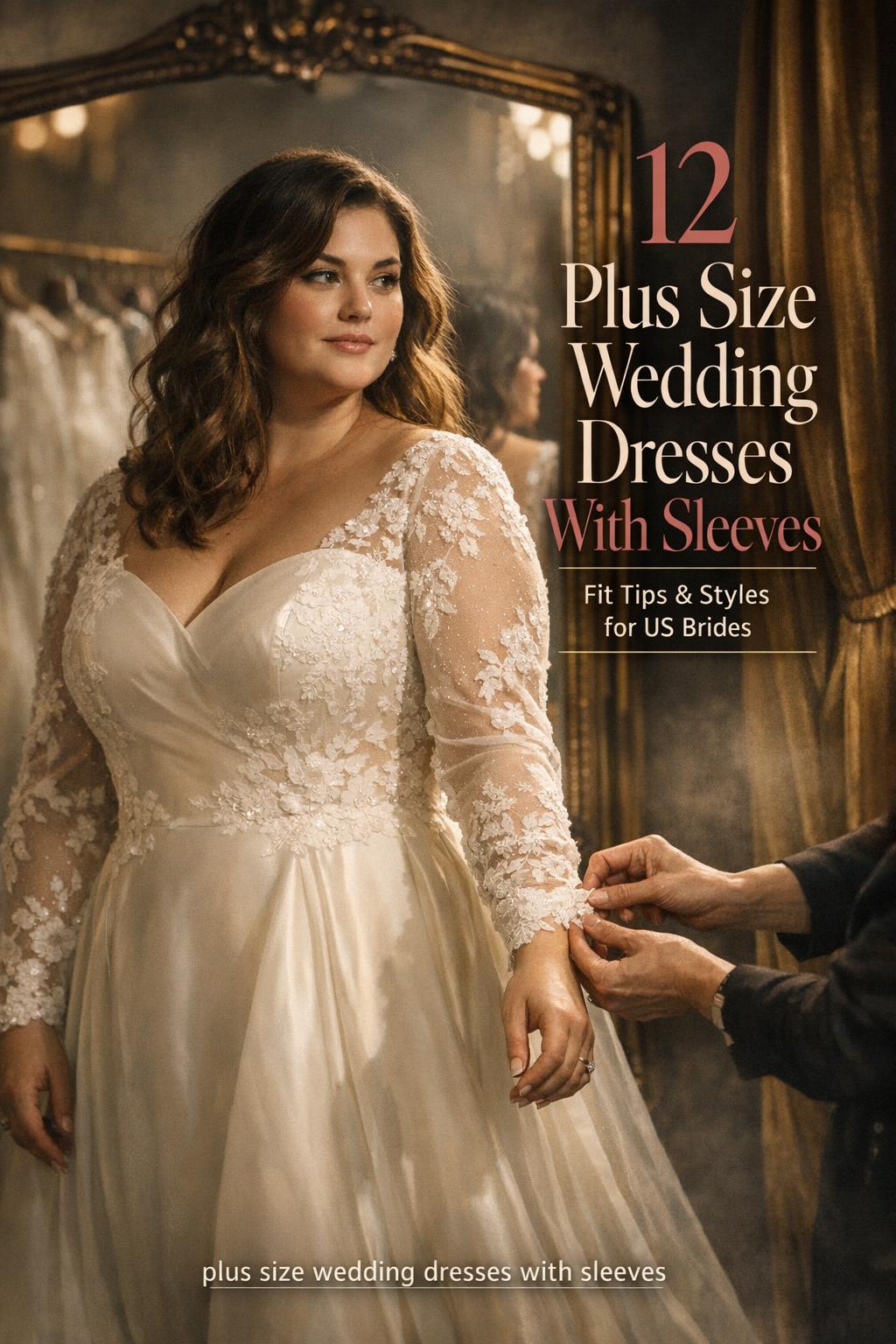
FAQ
What are the most popular sleeve types in plus size wedding dresses with sleeves?
Common options include illusion or sheer mesh sleeves, full-length lace sleeves, 3/4 or elbow-length sleeves, and detachable sleeves that can be added or removed for a convertible look.
Are illusion sleeves the same as long sleeves?
Illusion sleeves can be long sleeves, but they’re defined by material rather than length: they typically use sheer mesh to create coverage with a lighter visual and feel compared with fully lined sleeves.
How do I know if a sleeved gown fits correctly in the arms?
A good sleeve fit lets you lift your arms, bend your elbows, reach forward, and sit down without pinching at the underarm, pulling across the upper arm, or shifting the bodice out of place.
Can detachable sleeves work for a ceremony-to-reception outfit change?
Yes, detachable sleeves are designed for that kind of flexibility, allowing you to wear sleeves for a more formal ceremony look and remove them later for a lighter feel while keeping the same base gown.
What silhouettes pair best with sleeves for plus-size brides?
A-line styles are a widely balanced option with sleeves, while ballgowns can support more formal sleeve detailing and mermaid/trumpet silhouettes can look especially striking with long lace sleeves when mobility and comfort are addressed.
What should I watch for with beaded lace sleeves?
Beaded lace sleeves can add beautiful texture, but you’ll want to ensure the sleeve feels comfortable against your skin and that any alterations preserve the beading and lace pattern without creating scratchy or stiff spots.
Do long sleeves work with low-back or open-back wedding dresses?
They can, and many designs combine long sleeves with low-back or open-back details, but you should confirm how the back style affects support and undergarments and discuss those needs during fitting and alteration planning.
How can I compare sleeved dresses quickly when shopping online?
Compare each dress by sleeve type, neckline, back detail, silhouette, and fabric feel, then narrow choices based on which combinations best match your comfort needs and the look you want.