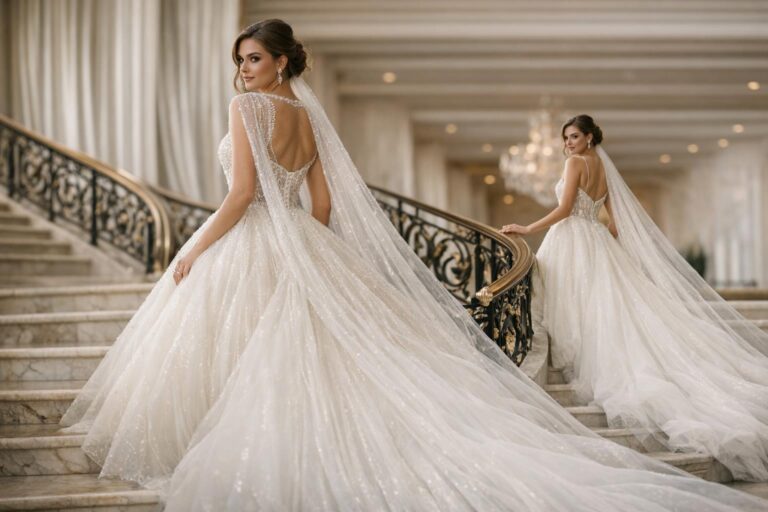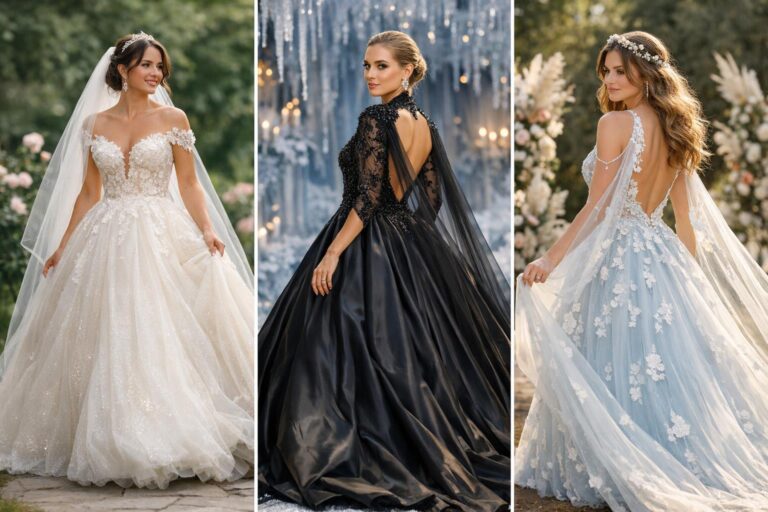
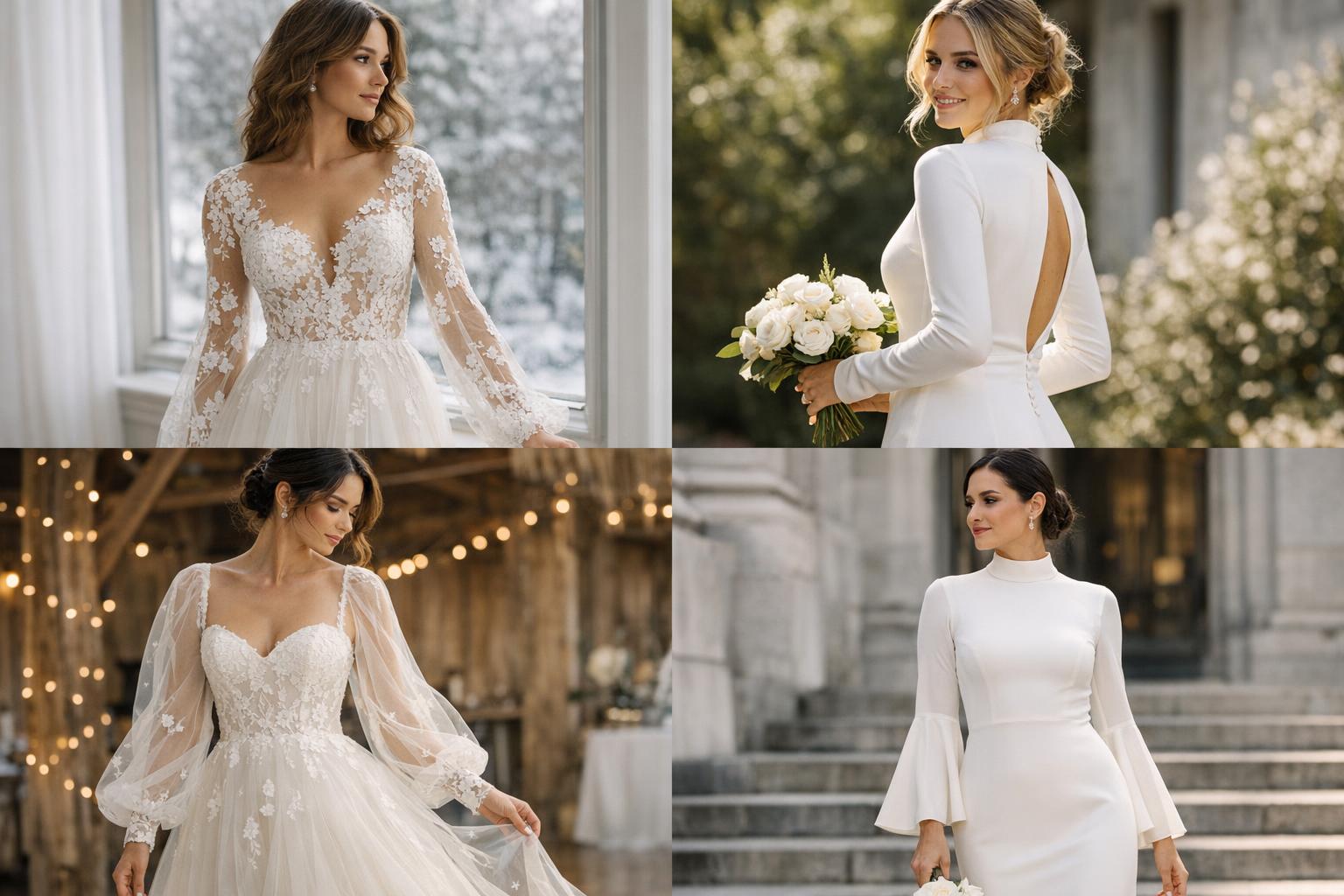
7 2026 Trends in Wedding Dresses Long Sleeve Brides Love (US)
Wedding Dresses Long Sleeve: The Ultimate Guide for 2026
Wedding dresses long sleeve styles have become a go-to choice for brides who want coverage without sacrificing fashion, comfort, or personality. From sleek satin and crepe to romantic lace and airy illusion sleeves, long sleeves can look timeless, modern, modest, dramatic, or effortlessly simple—often all at once. This guide breaks down the sleeve styles, fabrics, silhouettes, seasonal considerations, inclusive sizing tips, styling ideas, and shopping guidance you need to confidently choose a long sleeve wedding dress that fits your venue, your body, and your vision.
Because many shoppers searching for long sleeve bridal gowns are ready to compare and buy, you’ll also find practical decision tools throughout: how to match sleeve types to necklines, when to prioritize breathability versus structure, what to look for in delicate sleeve construction, and how to plan for alterations. Whether you’re picturing lace long sleeve wedding dress romance, a minimalist satin long sleeve wedding dress, or a modern mock neck long sleeve wedding dress, the goal is the same: a gown that looks stunning and feels right from the first photo to the last dance.
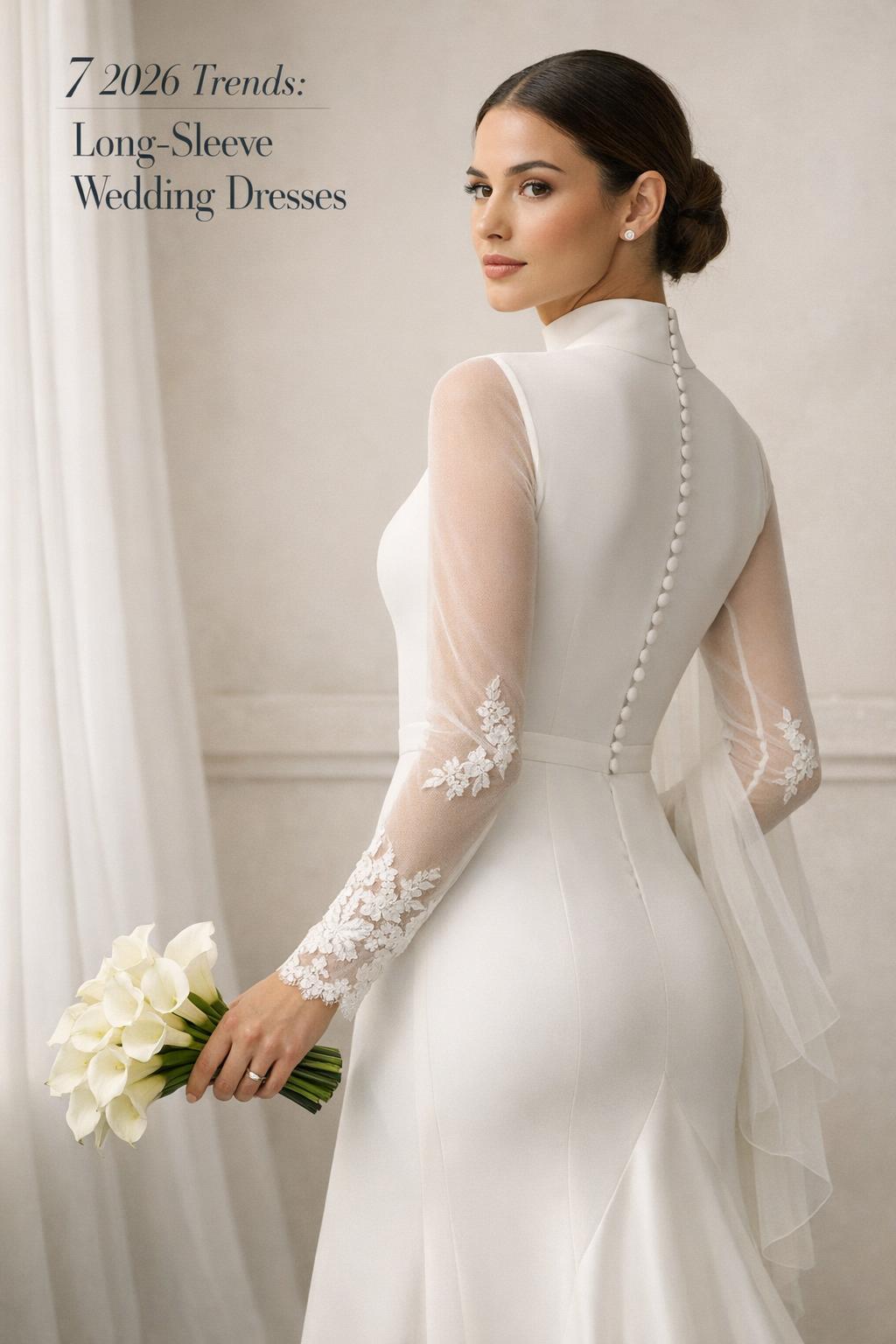
Why Brides Choose Long Sleeve Wedding Dresses
Long sleeves do more than add coverage—they shape the entire tone of a bridal look. A sleeve can frame the neckline, balance a full skirt, soften a fitted silhouette, and create a focal point with lace, beading, or sheer details. For many brides, long sleeves also support confidence: they can offer a modest wedding dress feel, create a refined profile, or provide comfort when a strapless bodice simply isn’t the right match.
Long sleeves also adapt well to different themes and venues. A rustic celebration may pair beautifully with lace sleeves and a relaxed silhouette, while an urban venue might call for crisp lines, satin or crepe, and a sleek long sleeve sheath. The key benefit is versatility: long sleeves can be designed to look airy and breathable (through sheer or illusion panels) or more substantial and structured (through satin, mikado, or fully opaque sleeves).
Tip: If you’re choosing long sleeves for coverage, think about where you want the emphasis. Delicate illusion sleeves can draw attention to lacework and skin-sheer detail, while solid sleeves in satin, mikado, or crepe can create a clean, editorial statement.
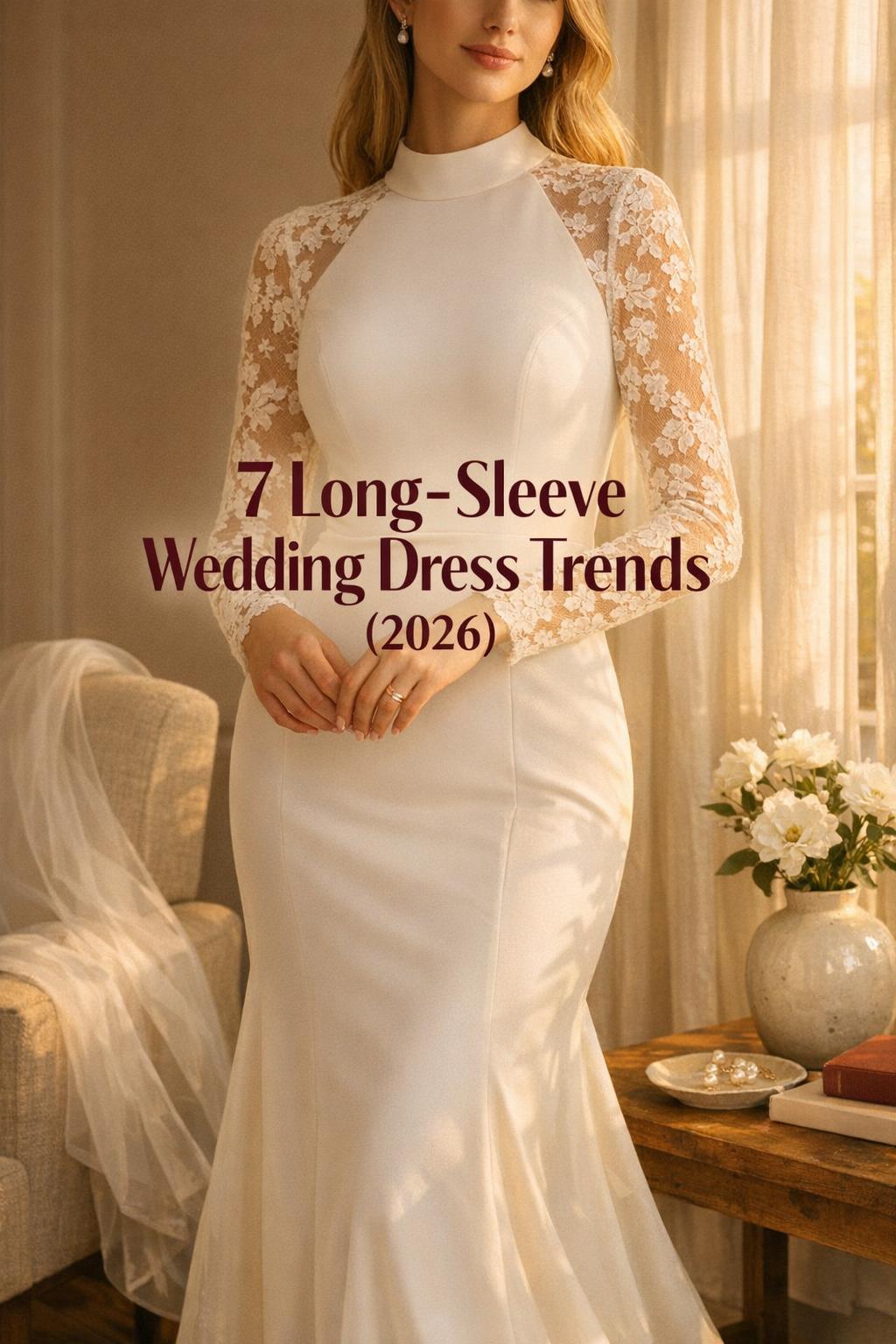
How to Pick the Right Sleeve Style for Your Body
Sleeves aren’t one-size-fits-all, and the best choice is the one that works with your proportions, neckline, and movement needs. Many long sleeve wedding gowns offer variations such as illusion sleeves, bishop sleeves, puff sleeves, bell sleeves, and flare shapes. Each style changes how the gown reads in photos and how it feels during the ceremony and reception.
Illusion Lace Sleeves
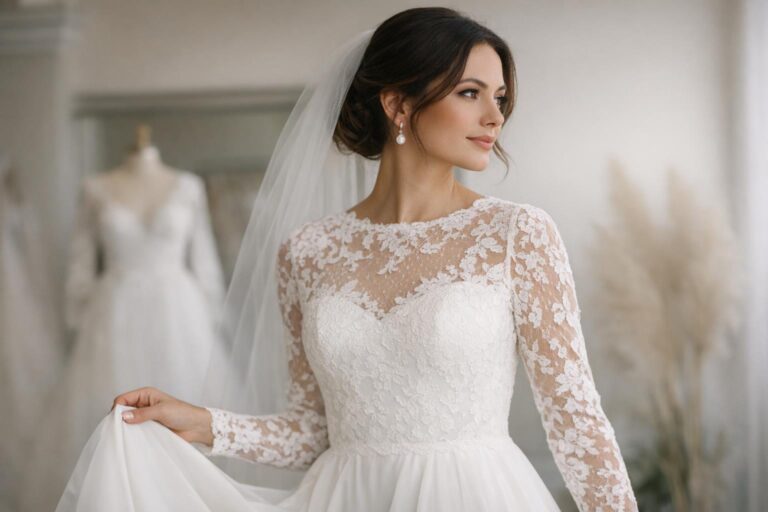
Illusion sleeves are a favorite for brides who want the look of long sleeves without heavy coverage. They often rely on sheer fabric with lace appliqués or embroidery placed strategically for a “barely there” feel. This approach can look light and refined while still delivering sleeve length and detail.
Tips for getting illusion sleeves right: pay close attention to how the lace placement aligns at the shoulders and wrists, and make sure the sheer portion feels comfortable against your skin. Illusion sleeves can be stunning for spring/summer weddings when you want breathability with coverage, or for any season when you want the sleeve to feel delicate rather than dense.
Bishop and Puff Sleeves
Bishop sleeves and puff sleeves bring volume, romance, and a fashion-forward attitude. They can add softness to streamlined silhouettes and create a sense of drama without requiring heavy embellishment throughout the gown. If you love sleeves that move beautifully as you walk and gesture, this family of styles can be especially expressive.
Tip: If you choose a voluminous sleeve, consider balancing it with a simpler neckline or cleaner bodice details so the overall look feels intentional rather than crowded.
Bell and Flare Sleeves
Bell sleeves and flare sleeves widen as they approach the wrist, creating an elongated, flowing silhouette that can feel bohemian, vintage-inspired, or modern depending on the fabric and the rest of the gown. They’re especially eye-catching in photos because the sleeve shape adds movement and a distinctive outline.
Tips for comfort and function: think about what you’ll be doing throughout the day—holding a bouquet, greeting guests, or dancing. If you want a dramatic flare, make sure the sleeve opening doesn’t catch on jewelry or feel cumbersome during the reception.
Lace vs Sheer vs Solid Sleeves
The “right” long sleeve isn’t only about shape—it’s about opacity and texture. Lace sleeves can feel romantic and classic, sheer sleeves can look light and modern, and solid sleeves can feel minimalist and bold. If you’re comparing bridal dresses with sleeves, ask yourself whether you want the sleeve to blend in as a subtle extension of the bodice or stand out as a statement feature.
- Lace sleeves: detailed, romantic, often the focal point of the look
- Sheer/illusion sleeves: airy, lightweight appearance, highlights appliqués and placement
- Solid sleeves: clean lines, strong silhouette definition, can feel couture and modern
Fabric and Texture Deep Dive
Fabric choice is one of the biggest factors in how a long sleeve wedding dress feels and photographs. A lace long sleeve wedding dress reads differently from a satin long sleeve wedding dress, and a crepe long sleeve wedding gown can look sleek and understated in contrast to embellished or beaded sleeves. Many collections feature fabrics like lace, satin, mikado, crepe, and tulle, each bringing a different kind of structure, shine, and movement.
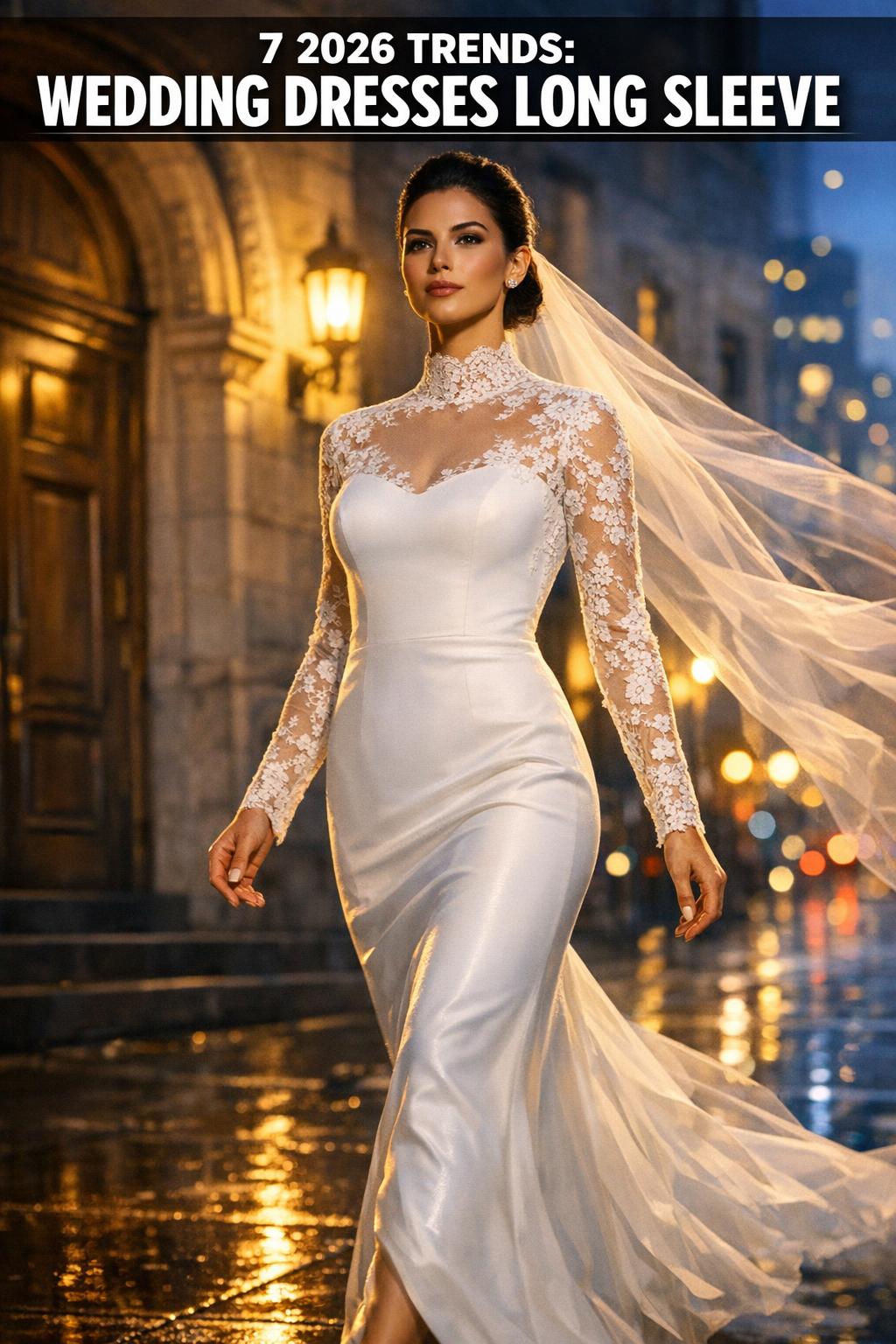
Lace, Satin, Mikado, Crepe, Tulle
Lace is often chosen when the sleeve itself is meant to be a feature—especially in illusion constructions where appliqués create dimension. Satin can deliver a smooth, luminous finish that reads polished and classic. Mikado is frequently associated with a more structured look, which can help sleeves and bodices hold clean shapes. Crepe is often preferred for minimalist silhouettes because it can look refined and modern with fewer seams or embellishments. Tulle commonly appears in illusion sleeves and layered details, offering a soft, airy effect.
Tip: When comparing fabrics, consider how you want your sleeves to behave as you move. Some fabrics emphasize drape and softness, while others keep a crisp outline that looks sharp in photos.
Sheer vs Opaque Sleeves
Sheer sleeves can make a long sleeve gown feel lighter and more breathable, while opaque sleeves can provide a stronger coverage effect. If your priority is a “barely there” sleeve that still reads formal, sheer or illusion is often the bridge between comfort and coverage. If you want full arm coverage with clean lines, opaque sleeves in satin, mikado, or crepe may align better with your vision.
Tips for a confident decision: if you’re torn, look at the neckline and bodice first. A high-neck or mock neck can pair beautifully with sleek, opaque sleeves for a modern statement, while a softer neckline can be enhanced by sheer lace sleeves that keep the look delicate.
Seasonal and Regional Considerations
Long sleeves naturally suit cooler seasons, but they’re not limited to winter. The most comfortable long-sleeve wedding dresses align sleeve construction with climate and venue—especially when sheer details, lace patterns, or fabric weight can shift how warm or breathable the gown feels. If you’re shopping in the U.S., think beyond the month on the calendar and focus on your actual setting: indoor vs outdoor, ceremony time of day, and whether you’ll be moving between locations.
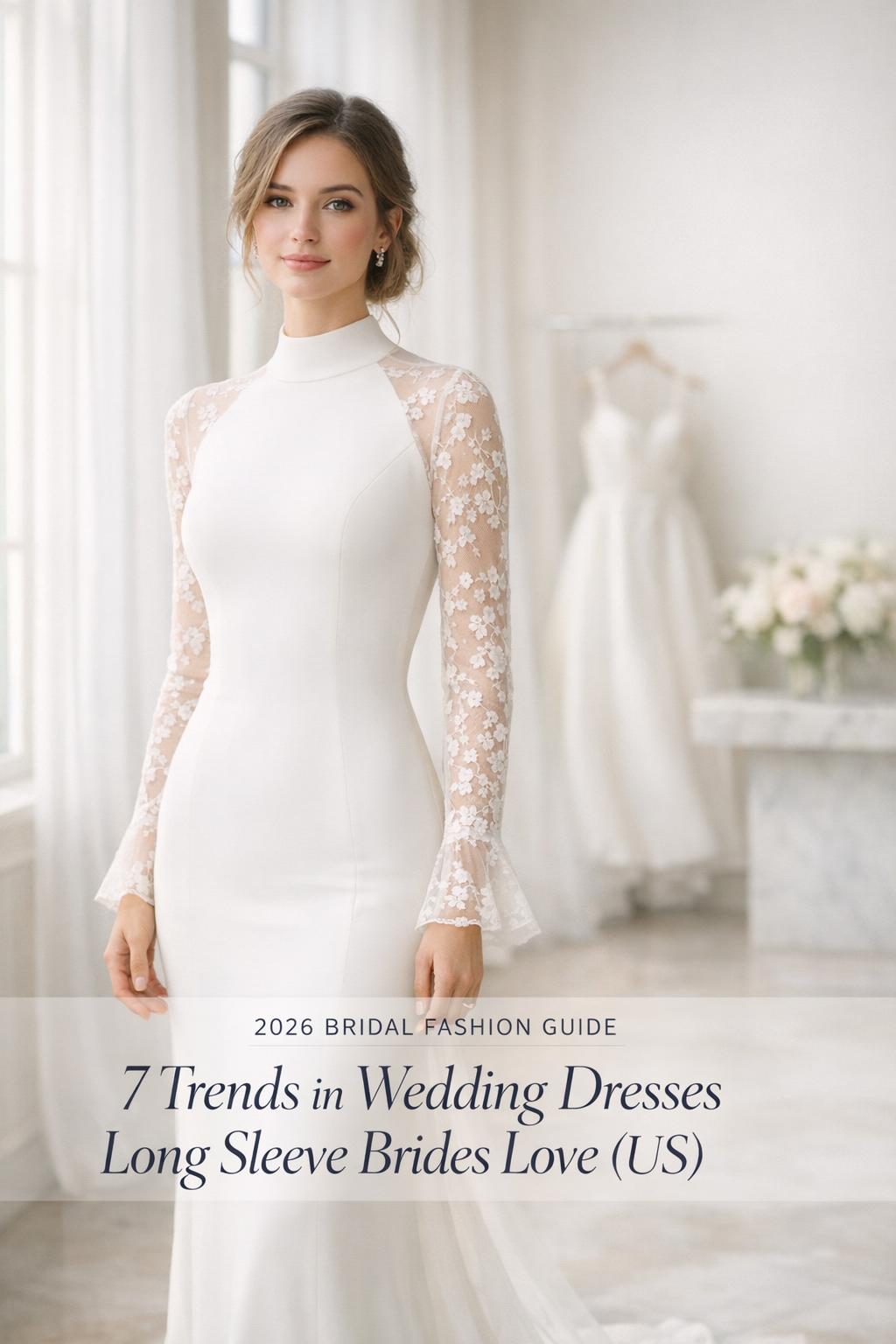
Winter Weddings: Warmth, Layers, and Coverage
Winter brides often gravitate toward long sleeves for a cozy, elegant look. Solid sleeves can feel more insulating, while lace can still work if the rest of the gown offers enough coverage for your comfort. Many brides also plan outerwear pairings—wraps, boleros, or capes—so they can stay warm without hiding the dress.
- Prioritize comfort at the wrists and underarms so you can move easily through the day
- Consider pairing long sleeves with a cape for a dramatic layered effect
- Think about coverage in photos: sleeves, neckline, and back details should feel cohesive
Spring/Summer: Breathability with Sheer Details
For warm-weather weddings, long sleeves can still be a great fit when the sleeve is designed for airflow—often through illusion tulle, lace patterning, or sheer panels. This is where illusion sleeve wedding dress options shine: they can look like full sleeves while feeling significantly lighter.
Tip: If you’re planning for heat or humidity, consider how the sleeve feels during movement. A sleeve that looks beautiful but feels restrictive may become distracting over hours of wear.
Fall: Transitional Fabrics and Styling Flexibility
Fall weddings sit in a sweet spot where long sleeves feel seasonally appropriate, but you may not need maximum warmth. This is a great time for lace sleeves, crepe long sleeve wedding gown silhouettes, and thoughtful styling like belts, veils, or capes that can be added or removed as temperatures shift.
Silhouette Pairings: A-Line, Sheath, Ball Gown, Fit & Flare
Silhouette and sleeve design should work together. A long sleeve A-line wedding dress can feel classic and universally flattering, while a long sleeve sheath can look minimalist and modern. Ball gowns with long sleeves can lean regal and formal, and fit & flare silhouettes can highlight shape while letting the sleeves add balance and detail.
When comparing silhouettes, pay attention to how the sleeve connects to the bodice and shoulder line. A structured bodice with long sleeves can create a sharp, tailored look, while softer sleeve fabrics can give the same silhouette a more romantic, flowing feel. If your sleeves are highly detailed—lace, beading, or appliqués—consider whether you want the skirt to be equally ornate or more restrained so the eye has a clear focal point.
- A-line: balanced proportions; works well with lace sleeves or clean, solid sleeves
- Sheath: sleek and contemporary; pairs beautifully with crepe or satin long sleeves
- Ball gown: dramatic and formal; long sleeves can elevate the regal effect
- Fit & flare: shape-focused; sleeves can add softness or couture-level polish depending on fabric
Tip: If you want your long sleeves to look intentional rather than “added on,” look for gowns where sleeve design is clearly integrated into the overall structure—matching lace motifs, consistent fabric choice, and a cohesive neckline-to-wrist story.
Plus-Size and Inclusive Sizing
Inclusive sizing matters, and long sleeve wedding gowns can be incredibly flattering across a wide range of body types when the fit is right through the shoulders, bust, and arms. Many collections highlight plus-size long sleeve wedding dress options, and sleeves can be a powerful design tool—creating a smooth line, highlighting lace artistry, or balancing the silhouette depending on the gown’s structure.
Finding Flattering Fits for Curves
When shopping, prioritize comfort at key mobility points: upper arm, elbow, and underarm. A sleeve that is too tight can restrict movement and pull at the bodice, while a sleeve that is too loose may bunch in photos. Illusion sleeves can offer a lighter feel, while solid sleeves can provide a clean line—both can work beautifully if the gown is properly sized and tailored.
Tips for a smoother try-on: move your arms the way you will on the wedding day. Lift them, hug yourself, and mimic dancing. The best long sleeves will look polished while still letting you move naturally.
Alteration Tips and Custom Sizing
Long sleeves often benefit from precise alterations because the fit is visible across the entire arm. Small adjustments at the wrist, forearm, or shoulder seam can dramatically improve comfort and appearance. If your dress includes lace appliqués or beading on the sleeves, plan alterations thoughtfully so the design remains balanced.
Tip: If you’re choosing a beaded or lace sleeve, ask early how alterations will affect the pattern placement. The goal is to keep the sleeve design symmetrical and intentional after tailoring.
Accessorizing Your Long Sleeve Gown
Long sleeves change how you accessorize—especially jewelry and outer layers. With sleeves already creating a strong frame, the best accessories often complement rather than compete. Your veil choice, any belt detail, and whether you add a cape can all be shaped by sleeve texture and neckline.
Veils, Jewelry, Belts, Capes
Veils can echo lace motifs in your sleeves or provide contrast with clean, minimalist tulle. Jewelry depends heavily on neckline: a higher neckline or mock neck long sleeve wedding dress may call for simpler earrings rather than a statement necklace. Belts can define the waist—especially when sleeves and bodice are sleek and you want a focal point. Capes can layer beautifully over long sleeves for a dramatic, fashion-forward finish.
- If your sleeves are lace-heavy, consider understated jewelry to let texture stand out
- If your gown is minimalist (satin or crepe), a belt can add a deliberate styling point
- If you want extra drama for the ceremony, a cape can layer over sleeves without hiding them
Hair and Outerwear Pairings for Cold Weather
Cold-weather styling is all about keeping the look cohesive. Outerwear like wraps and boleros can be chosen to match the gown’s level of formality. Hair can also influence how sleeves and necklines read: an updo can highlight lace detail at the shoulders and neckline, while hair worn down can soften a structured bodice and sleeve combination.
Tip: If you plan to wear a wrap or bolero, try it on with your dress early so you can confirm it doesn’t snag on lace sleeves or interfere with beading.
Sleeve Style Playbook: Match the Look to Your Venue and Theme
If you’re deciding among multiple sleeves wedding gown options, it helps to map sleeve style to the overall vibe you’re building. Many shoppers start with “long sleeves” and then narrow down to lace, illusion, bishop, bell, or mock neck designs based on what feels aligned with their celebration. Use this playbook to clarify which details you want to lead the look.
- Classic, refined: solid long sleeves in satin, crepe, or mikado with clean lines
- Romantic, detailed: lace long sleeves, possibly with illusion panels or 3D appliqués
- Modern, fashion-forward: mock neck long sleeve wedding dress silhouettes with sleek structure
- Bohemian or soft: bell or flare sleeves with airy fabric and flowing movement
- Statement sleeve moment: bishop or puff sleeves paired with a simpler bodice
Tip: If you’re unsure, decide whether the sleeve should be the star. If yes, keep the rest of the gown simpler. If no, choose sleeves that blend seamlessly into the bodice and let the silhouette or skirt do the talking.
Buying Guide: Fit, Care, and Alterations
Shopping for a long sleeve wedding dress is often a mix of inspiration and practical planning. Because sleeves affect comfort, mobility, and tailoring, it helps to approach try-ons and online browsing with a clear checklist. Many stores and brand sites organize long sleeve wedding gowns by silhouette, fabric, price, and size range, which makes it easier to compare options once you know your priorities.
How to Choose Size, Plan for Returns, and Prep for Alterations
Start with the areas most impacted by sleeves: shoulder fit, upper arm comfort, and how the bodice sits when your arms move. When browsing online, use category filters thoughtfully—narrow by fabric (lace, satin, crepe, mikado) and silhouette (A-line, sheath, ball gown, fit & flare) so you’re comparing like with like. Then plan ahead for tailoring, since sleeve length and snugness often need refinement for a polished finish.
- Raise and lower your arms during try-ons to test bodice stability and sleeve comfort
- Check wrist fit so sleeves don’t feel tight or slide awkwardly
- If you’re between sizes, prioritize the fit at shoulders and upper arms since that’s harder to adjust
- Expect that sleeve length or cuff fit may need tailoring for a crisp look in photos
Care Tips for Delicate Sleeves (Lace, Beading, and Sheer Details)
Long sleeves often feature intricate details—lace patterns, appliqués, beading, or illusion mesh. Those details are beautiful, but they can be delicate. Protect the sleeves during fittings and transport, and be mindful of snag risks from rings, bracelets, or rough surfaces. If your sleeves include beading, treat them as a focal area that deserves extra care from the moment you bring the gown home to the final wear.
Tip: On the wedding day, put your dress on with intention: avoid rushing sleeves over jewelry, and do a final comfort check at the elbows and underarms before photos begin.
Shop the Look: How to Compare Long Sleeve Gowns Online
Most brides shopping online will encounter long sleeve wedding dress collections organized as product grids with filtering by price, silhouette, fabric, and size. This structure makes it easier to move from broad inspiration to a shortlist you can actually try on or order. When you’re comparing, focus on what you can evaluate consistently across brands: sleeve type, fabric, neckline, silhouette, and how much of the sleeve is sheer versus opaque.
If you’re building a shortlist, consider creating three categories: a “dream dress” that reflects your favorite aesthetic, a “practical favorite” that checks comfort and venue needs, and a “wild card” that experiments with sleeve shape (like bishop sleeves or bell sleeves). This approach keeps you from fixating too early while still moving toward a decision.
- Use fabric filters to separate lace-heavy looks from minimalist satin or crepe options
- Compare similar silhouettes side by side (A-line vs sheath vs ball gown vs fit & flare)
- Look closely at sleeve construction: illusion mesh, lace placement, cuff finish, and seam lines
- Consider whether you want a casual long sleeve wedding dress vibe or a more formal statement
Real-World Styling Scenarios: Long Sleeve Gowns in Action
Long sleeves can adapt to wildly different wedding settings, from winter ceremonies to rustic venues to sleek city celebrations. The most successful looks are built from consistent choices: sleeve style matches silhouette, fabric supports the season, and accessories finish the story without overwhelming it. Even without changing the core dress, small adjustments—like adding a cape, swapping jewelry, or choosing a veil that echoes lace motifs—can shift the final vibe dramatically.
Winter Weddings
For winter weddings, long sleeves can feel both practical and elevated. Solid sleeves can reinforce a refined, formal impression, while lace sleeves can maintain romance with the option to add outer layers like wraps, boleros, or capes for warmth and drama.
Rustic Venues
Rustic venues often pair well with lace sleeves, softer silhouettes, and a slightly relaxed styling approach. Bell and flare sleeves can enhance a bohemian feel, while illusion lace sleeves can keep the overall look light and detailed without appearing heavy.
Urban City Weddings
City weddings often shine with cleaner lines: satin or crepe long sleeves, sleek sheath or structured silhouettes, and refined accessories. A mock neck long sleeve wedding dress can feel modern and confident, especially when the dress relies on fit and fabric rather than heavy embellishment.
FAQ
Are long sleeve wedding dresses in style?
Yes—long sleeve wedding dresses remain a popular choice because they can look timeless, modern, modest, or fashion-forward depending on the sleeve shape, fabric, and silhouette, from illusion lace styles to sleek satin or crepe designs.
What sleeve styles are most common in long sleeve bridal gowns?
Common long sleeve options include illusion lace sleeves, bishop sleeves, puff sleeves, bell or flare sleeves, and solid sleeves in fabrics like satin, crepe, or mikado, each creating a different overall look and level of coverage.
What fabrics work best for sleeves in different weather?
For warmer conditions, sheer or illusion sleeves using tulle or lace details can feel lighter, while cooler seasons often pair well with more opaque sleeves and structured fabrics such as satin, mikado, or crepe for a stronger coverage effect.
How do I choose between lace, sheer, and solid long sleeves?
Choose lace when you want the sleeve to be a romantic focal point, sheer/illusion when you want coverage with a lighter feel, and solid sleeves when you want clean lines and a more minimalist, structured statement.
Which silhouettes pair best with long sleeves?
Long sleeves can work across silhouettes, including A-line, sheath, ball gown, and fit & flare; the best pairing depends on whether you want the sleeves to be the main detail or a seamless extension of the bodice and overall shape.
Are there plus-size long sleeve wedding dress options?
Yes—many collections include plus-size long sleeve wedding dress options, and getting the right fit through shoulders, upper arms, and the bodice is key to ensuring comfort and a polished look.
What should I check during a try-on for a long sleeve wedding dress?
Test comfort and movement by raising and lowering your arms, checking tightness at the underarm and elbow, and confirming the wrist fit and sleeve length, since these areas often determine whether the gown feels secure and easy to wear.
How should I accessorize a long sleeve wedding gown?
Accessories should balance the sleeves and neckline: lace-heavy sleeves often pair best with understated jewelry, minimalist gowns can handle a belt for definition, and for colder weather or added drama, capes, wraps, or boleros can layer without changing the dress itself.