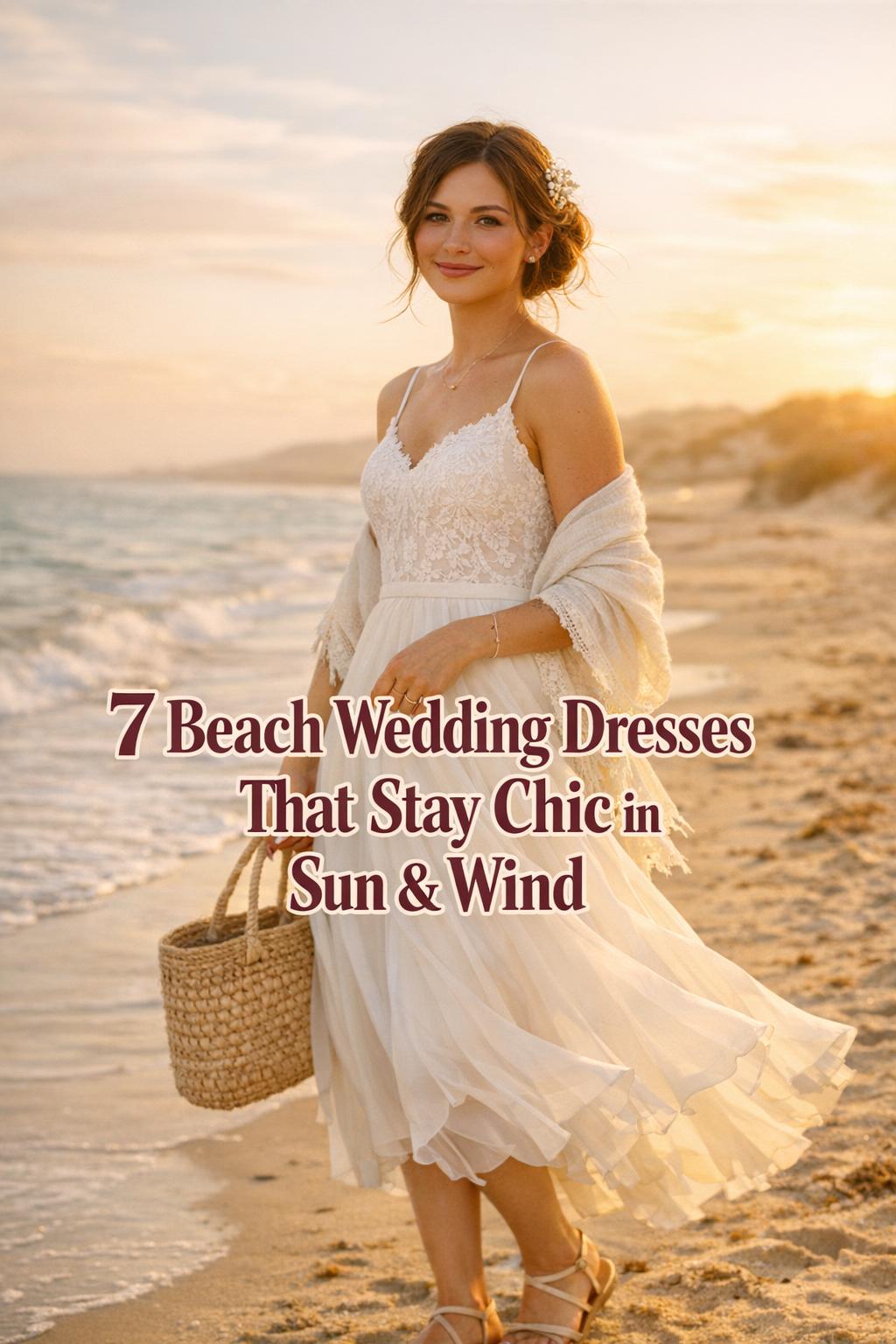
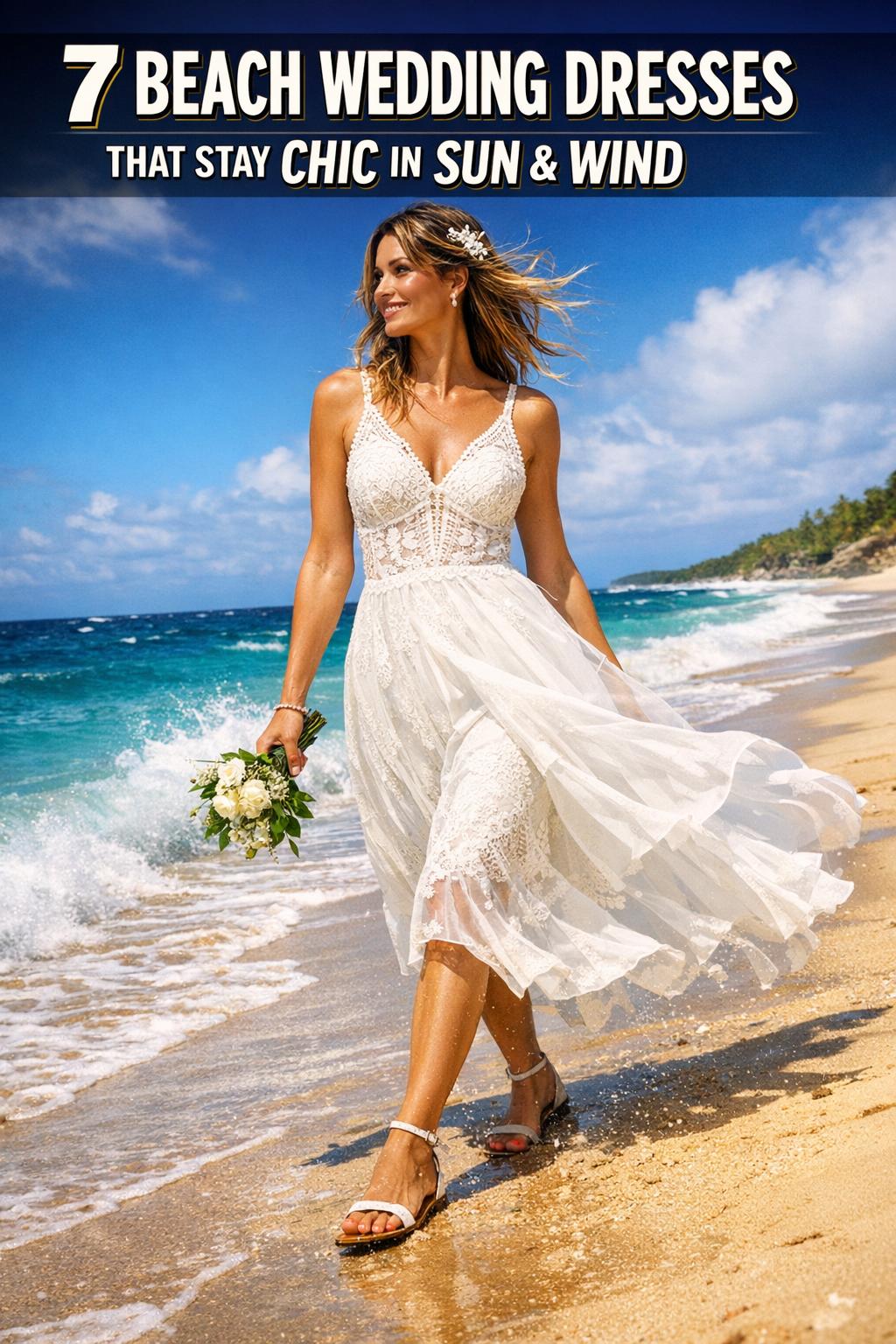
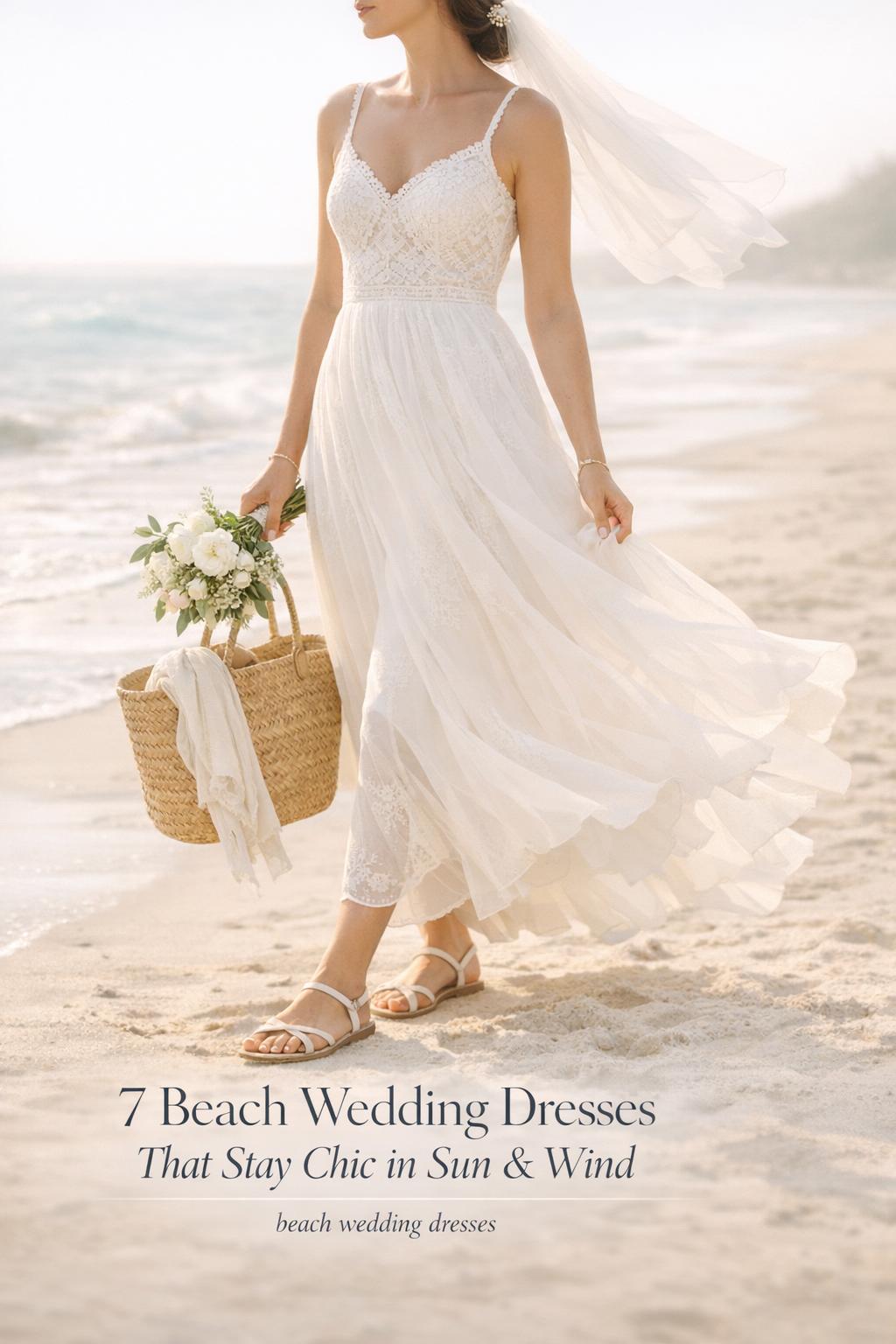
7 Beach Wedding Dresses That Stay Chic in Sun & Wind
Beach Wedding Dresses: Your Ultimate Guide to Gown Choices for Sand, Sea, and Sun
Beach wedding dresses need to do more than look beautiful in photos—they also have to work with sand, sea breeze, humidity, and often travel logistics. The right beach-appropriate wedding dress balances style with comfort and practicality, so you can move easily, feel confident, and stay focused on the ceremony rather than your hemline, straps, or fabric.
This guide covers what makes a sand-friendly wedding dress different, the best lightweight fabrics, silhouettes that shine on the shore, wind-friendly and travel-friendly details, and how to shop (from inspiration to “add to cart”) without surprises. You’ll also find tips for accessories and shoes designed for beach conditions, plus answers to the most common questions about beach ceremonies and gowns.
Why Beach-Worthy Gowns Are Different
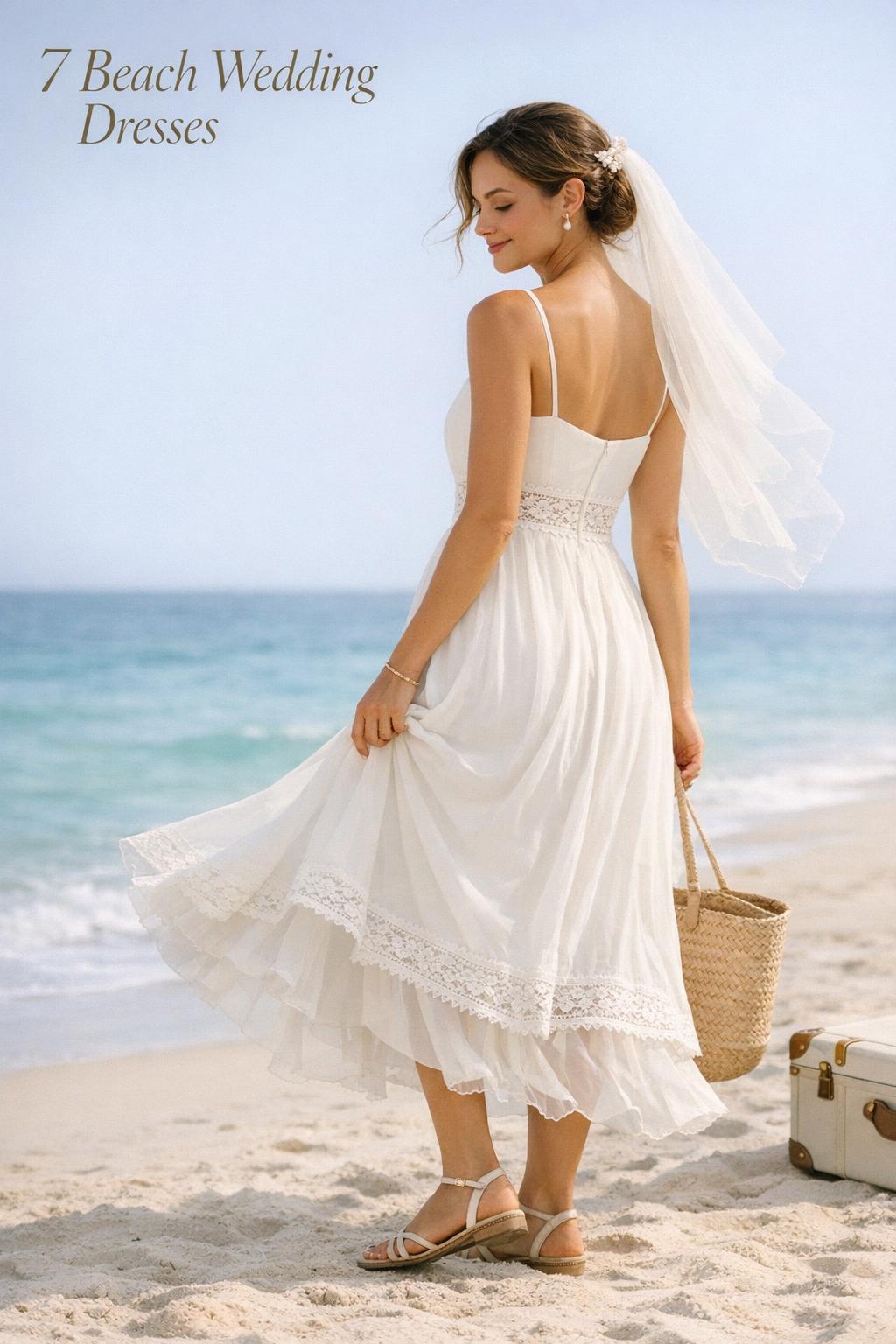
A coastal wedding gown faces a different environment than a traditional indoor or ballroom dress. Sand can cling and shift underfoot, wind can lift veils and skirts, and humidity can affect comfort and fabric feel. Add travel—especially for destination celebrations—and your dress needs to be easy to pack, quick to steam, and comfortable for extended wear.
That doesn’t mean you need to sacrifice your aesthetic. Whether you love boho beach wedding dress vibes, a streamlined sheath, a flowing A-line, or a beach wedding dress with sleeves, “beach-ready” is about smart choices: lighter weight, breathable construction, manageable length, and styling that stays secure in sea breeze.
Beach constraints to plan for (sand, wind, humidity, travel)
- Sand: hemlines can drag, collect grit, and feel heavy; footwear can sink or slip.
- Wind: skirts, veils, and loose layers can lift or twist; strapless styles may need extra security.
- Humidity and heat: breathability matters; comfort becomes a key part of “fit.”
- Travel and packing: wrinkles, carrying space, and quick prep become part of your dress decision.
Tip: Before you fall in love with a look, picture the entire experience—walking across sand, standing during vows, hugging guests, and taking photos in a breeze. If a gown feels delicate, heavy, or high-maintenance in those moments, you may want a similar style in a more beach-appropriate fabric or length.
Fabric Essentials for Beach Weddings
Fabric is one of the biggest decision points for seaside wedding dresses. The best choices tend to be lightweight, fluid, and comfortable against the skin, with enough structure to look polished even when the wind picks up. Fabric also affects how a dress photographs: movement, transparency in bright sun, and how the material drapes all shape the final look.
Lightweight fabrics that move with the breeze
If you want that effortless, flowy beach wedding dress look, start with fabrics known for movement. Chiffon is a standout for its airy drape and soft motion, while other lightweight options can give you a similar wind-friendly flutter without feeling bulky. If your style leans romantic, embroidered tulle can bring texture while still feeling light—just pay attention to layers and how they feel in humidity.
Tip: When trying on a dress, gently lift and release the skirt to see how it falls back into place. A fabric that settles smoothly tends to look calmer in a breeze and is often easier to manage during portraits.
Breathability and comfort
Comfort is not a “nice-to-have” for a beach ceremony—it’s central to how you’ll feel all day. Breathable lining choices and a comfortable inner structure matter as much as the outer fabric. If you’re considering fitted styles like a sheath, pay attention to how the dress feels when you sit, turn, and walk. If you’re leaning toward structured bodices, focus on a secure fit that doesn’t require constant adjusting in wind or humidity.
Tips: In the fitting room, do a full movement test: walk, sit, lift your arms, and take a few deep breaths. If you notice rubbing, pinching, or slippage, address it early through sizing, supportive construction, or planned alterations.
Care and durability on the shore
Beach settings introduce special care concerns, especially around salt spray, sand contact, and outdoor wear. A sand-safe approach often means choosing fabrics and finishes that don’t snag easily and planning how you’ll protect the dress before and after the ceremony. Even if you’re not walking far, the shore can be unpredictable—so it helps to think about how the hem and train will hold up during photos and movement.
- Choose a hem length you can comfortably manage on uneven sand.
- Plan for quick touch-ups, especially if you’re traveling with the dress.
- Consider how layered fabrics feel when they pick up moisture in humid air.
Tip: If you love the look of a longer skirt but want more durability and ease, prioritize designs that feel light in the hand and avoid overly heavy layering. Movement and comfort often photograph better than weight and stiffness at the beach.
Silhouettes That Shine on the Beach
Silhouette choice for beach wedding dresses is less about “rules” and more about what works best with sand, wind, and the kind of location you’re using—public beach, private beach, beach club, or an island resort. Many brides gravitate toward streamlined shapes and flowing skirts because they’re easier to walk in and feel naturally suited to coastal scenery.
Flowing A-line and sheath styles
A-line and sheath are among the most common beach-friendly silhouettes because they’re typically lighter and simpler to manage. An A-line can give you romance and movement without the bulk that can feel heavy outdoors, while a sheath creates a clean, modern profile that’s easy to walk in. For a destination beach wedding dress, these silhouettes often pair well with minimal styling and relaxed accessories.
Tip: If you’re choosing a sheath, pay extra attention to stride and comfort on sand. If you’re choosing an A-line, consider how much skirt volume you truly want—wind and walking conditions can make very full skirts feel like more work than expected.
Boho & rustic: crochet, lace, and tiered layers
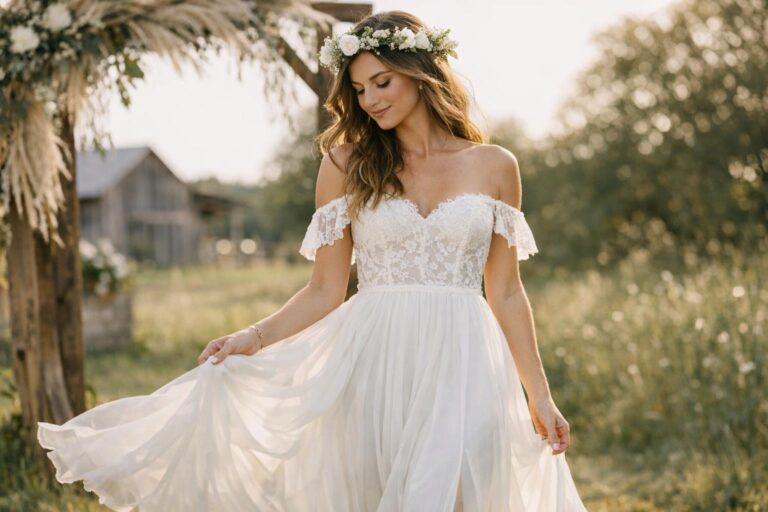
A boho beach wedding dress often leans into texture—lace, crochet-inspired details, and tiered layers that look effortless against a seaside backdrop. This style can be especially striking when paired with light, airy fabrics that move in a breeze. If you love lace, think about how it feels against the skin in heat and how it behaves when it catches wind; many brides prefer lace elements balanced with lighter, flowing underlayers.
Tips: When trying on lace-heavy gowns, check comfort at the underarm and waist, and consider lining choices for both breathability and coverage in bright sun.
Shorter lengths, jumpsuits, and two-piece sets
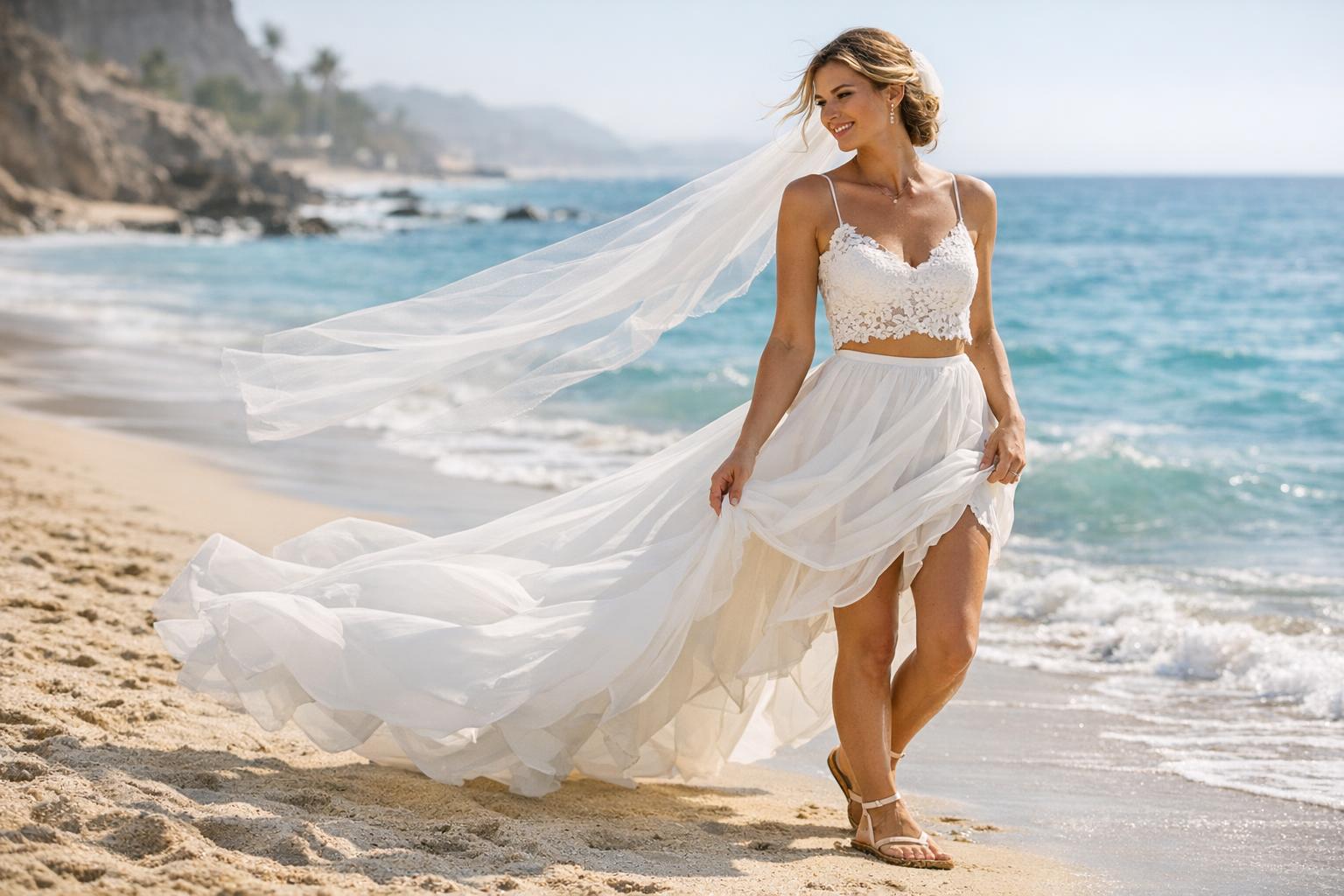
If you want maximum freedom on sand, consider tea-length options, a beach jumpsuit, or a two-piece wedding dress. Shorter lengths can be ideal for a more casual shoreline ceremony or beach club celebration, and they minimize the chance of dragging a hem through sand. Two-piece sets can offer a modern, destination-ready feel and can be easier to pack and style.
- Tea-length: easy to walk, playful, and less sand exposure.
- Jumpsuits: sleek and practical, often great for travel.
- Two-piece sets: flexible styling and potentially easier packing.
Tip: If you’re going shorter, consider how the outfit looks in motion. Walk, turn, and imagine photos from different angles—beach lighting can be bright, and movement is part of the look.
Sleeves and coverage options for sun or breeze
A beach wedding dress with sleeves can be practical as well as beautiful, offering coverage from sun or a cool breeze. Options like flutter sleeves or illusion sleeves can add softness without feeling heavy. Coverage can also come from a light layer or a cover-up approach that you remove after the ceremony, keeping your look versatile across changing conditions.
Tip: If you’re sensitive to heat, prioritize sleeves that feel airy and flexible. For breezier coasts, look for sleeve shapes that won’t flap aggressively in wind and distract from your overall silhouette.
Best Fabrics and How They Behave by Location
Not all beaches feel the same. A calm, humid shoreline can call for different dress choices than a windier coast. Thinking about location helps you decide how much structure you want, what kind of movement photographs best, and how you’ll feel standing outside during the ceremony.
Gulf Coast vs. Pacific/North Atlantic winds
Some coastal climates are known more for humidity and warmth, while others are known for stronger winds and cooler air. In more humid settings, lightweight, breathable choices and comfortable lining become a priority. In windier areas, you may want a silhouette and fabric that won’t balloon, plus styling details that stay secure. The goal is a coastal wedding gown that looks intentional in the environment—not constantly in motion in a way that feels distracting.
Tips: If your beach is typically breezy, consider a more streamlined skirt or a slit that supports movement without excess fabric. If humidity is your main concern, pay attention to how the dress feels against the skin and whether the inner structure stays comfortable over time.
Color, transparency, and lining choices
Bright beach light can change how a dress reads—especially with sheer lace, tulle, and lighter layers. Many beach-appropriate wedding dresses look stunning with airy textures, but you’ll want to consider transparency and lining. Lining choices can affect breathability and comfort, as well as how confident you feel in direct sunlight. The right balance makes the dress look luminous rather than overly sheer.
Tip: If possible, view your top dress contenders in natural light (or near a bright window) to check coverage and color tone. This is especially helpful for layered, sheer, or lace-heavy designs.
Practical Guide: How to Try and Buy for a Beach Wedding
Shopping for beach wedding dresses is often a mix of inspiration and practicality. Many shoppers want a curated list of options, but also need concrete guidance on fit, comfort, alterations, budgets, and where to buy. Use the steps below to narrow choices quickly—then focus on the details that matter most for a beach ceremony.
Sizing, alterations, and fit tips
Fit can make or break a beach wedding dress experience. A secure bodice helps in wind; comfortable construction matters in heat; and smart alterations can improve mobility on sand. Many retailers provide size charts and fit guidance—use them early, especially if you’re ordering online or buying from a catalog-style collection. If you anticipate walking long distances on sand, consider alterations that help manage length and movement.
- Prioritize stability: a secure bodice reduces fussing in wind.
- Think about mobility: walking on sand can change how your hem behaves.
- Plan ahead: alterations are easier when you decide early what “beach-ready” means for you.
Tip: During try-ons, practice the motions you’ll actually do at the beach: stepping forward carefully, turning into a breeze, and walking at a slower pace. If the dress feels effortless in those moments, it’s likely a strong match for a shoreline setting.
Packing and travel logistics
Destination celebrations add a layer of complexity: packing, carrying, and preparing your gown on arrival. A travel-friendly dress is typically easier to manage—lighter weight, less bulky layering, and fabrics that respond well to steaming. Planning these details helps reduce stress and protects your look from wrinkles and last-minute surprises.
Tips: Build a simple packing checklist that includes what you need to prep the dress on-site, and leave time after arrival for a calm try-on. If you’re traveling with multiple events (welcome dinner, ceremony, brunch), consider how your dress and accessories can adapt without extra luggage.
Budgeting your beach dress: value vs. investment
Beach wedding dresses span a wide range—from affordable beach wedding dresses to designer investment pieces. A practical approach is to decide what you’re paying for: fabric quality, construction, brand, or specific design details. Some shoppers focus on budget picks (including under-$1,000 categories seen in popular roundups), while others prioritize a standout silhouette or special lace and embroidery. Either approach can work if the dress suits the environment.
Tip: If you’re balancing style and cost, start with silhouette and fabric first, then refine by price. A simple, well-fitting dress in a beach-friendly material often looks more elevated on the shore than a heavily layered gown that fights the wind.
Where to shop (brands and retailers)
Shoppers typically find beach-appropriate wedding dresses in two primary places: bridal ecommerce collections with filtering (by silhouette, fabric, and sometimes color options) and editorial-style guides that curate “best of” picks by budget or designer spotlight. Many brides use a mix: start with editorial inspiration, then move to retailer collections to compare fit, sizing, and availability. Well-known places to browse include BHLDN and David’s Bridal collections, along with brand blogs that pair guidance with “shop the look” suggestions.
- If you want fast narrowing: start with ecommerce collections and filter by silhouette and fabric.
- If you want inspiration and variety: use curated roundups (including budget-focused lists) to discover styles.
- If you want guidance plus shopping: look for brand or retailer hubs that combine fit tips with product links.
Tip: If you’re ordering online, focus on pages that include clear sizing & fit notes, fabric descriptions, and guidance on alterations. These details matter even more when you can’t feel the fabric in person.
Real Weddings and Beach Dress Inspiration
Real-wedding inspiration helps you see how seaside wedding dresses perform in the conditions that matter: wind, bright sun, and uneven sand. Many popular guides include real-wedding sections because they show fabric movement, practical styling, and how different silhouettes look outdoors. When reviewing photos, pay attention not only to the front-facing portrait, but also walking shots and candid moments—those reveal comfort and manageability.
Destination spotlight: Florida, California coast, Hawaii, Caribbean
Destination beach weddings often center around recognizable coastal locations—Florida, the California coast, Hawaii, and Caribbean settings. While the exact vibe varies by venue (beach club versus public shoreline versus island resort), the same principles hold: lightweight fabrics, thoughtful hemlines, wind-aware styling, and comfortable construction. If you’re deciding between two gowns, let the destination conditions break the tie.
Tip: When you save inspiration images, note what you like in practical terms (fabric, sleeve style, hem length, neckline stability) rather than only the overall aesthetic. That makes it easier to shop and communicate with a stylist or tailor.
Reader submissions and gallery-style shopping
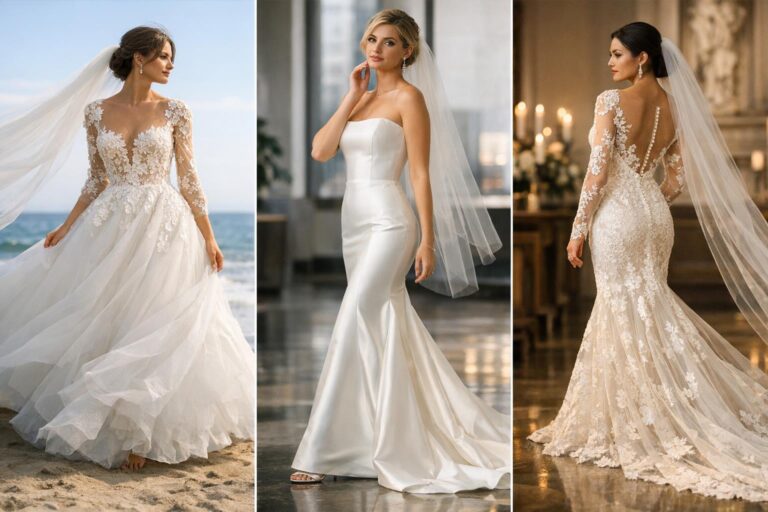
A gallery approach—sorting looks by silhouette, fabric, and budget—can make beach dress shopping faster. It’s also where you can compare similar styles: a flowy A-line versus a sheath, a lace boho dress versus a simpler chiffon option, or a strapless beach wedding dress versus one with flutter sleeves for added security. If you’re building your own shortlist, create mini-galleries by category so you can see patterns in what consistently appeals to you.
Tip: Limit each shortlist category to a handful of options. Too many “maybe” dresses slows decisions and makes it harder to spot what’s truly best for your beach ceremony.
Accessories and Shoes for the Beach
Accessories can make a beach look feel intentional, but they also need to function in wind and sand. The best approach is to choose a few pieces that complement your dress without adding weight or fuss. For shoes, think about stability first—then style. For hairpieces and veils, think about what stays put in a sea breeze.
Footwear that won’t sink in sand
Sand changes everything about walking. The goal is to avoid footwear that sinks or feels unstable and to choose something you can comfortably wear for the full event. Many brides prefer sandals, wedges, or flat beaded sandals for a sand-friendly approach. If you love the look of height, prioritize shapes that distribute weight more evenly than a narrow heel.
- Sandals: simple, beach-appropriate, and easy to walk in.
- Wedges: more stable than narrow heels and often better on uneven surfaces.
- Flat beaded sandals: decorative without compromising comfort.
Tip: Break in your shoes in advance and test them on a surface that mimics sand’s instability (even a soft rug can reveal issues). If your venue allows, consider having a backup option for comfort.
Veils, jewelry, and hairpieces for sea breeze
Sea breeze can turn accessories into distractions if they aren’t chosen thoughtfully. Lightweight veils can look dreamy but may require careful placement. Hair combs and secure hairpieces can feel more controlled than loose pieces. Jewelry works best when it’s comfortable, won’t snag, and complements your neckline—especially if you’re wearing an illusion sleeve, a strapless bodice, or lace details near the collarbone.
Tip: If you’re unsure about a veil, consider alternatives that are naturally wind-friendly, like a secure hair accessory. If you do choose a veil, think about how it will behave during walking shots and whether you want it for the ceremony only.
Quick-Start Recommendations to Narrow Your Options
If you’re early in the process and want a faster way to choose, start by matching a silhouette to your comfort needs, then confirm fabric behavior for wind and heat, and finally set a budget range. This quick-start approach mirrors how many successful shoppers move from inspiration to purchase: less guessing, more filtering.
Editors’ style picks by silhouette (what to look for)
- Flowy A-line: look for lightweight fabrics and manageable volume for wind.
- Sheath: look for comfortable lining and enough ease to walk on sand.
- Boho lace: look for breathable construction and lining that feels secure in bright light.
- Tea-length or shorter: look for easy movement and a polished hem finish.
- Jumpsuit or two-piece: look for comfort, secure fit, and travel-friendly structure.
Tip: If you’re drawn to a strapless beach wedding dress, prioritize stability—choose a bodice that feels secure during movement tests. If you’re torn between strapless and sleeves, a light sleeve option can be a practical compromise for breezy shorelines.
Best value under $1,000 vs. investment pieces (how to decide)
Many shoppers compare affordable beach wedding dresses (often organized in under-$1,000 roundups) with higher-end choices. The key is to decide what “value” means for you. For some, it’s a lighter, simpler dress that travels well and looks effortless outdoors. For others, it’s a designer spotlight look with special lace, embroidery, or a signature silhouette. Both can be “right” if they match your beach conditions and comfort needs.
Tip: When deciding where to spend, prioritize what impacts your day the most: fabric comfort, fit stability, and how well the dress handles wind and sand. Those factors often matter more at the beach than extra layers or heavy embellishment.
FAQ
Do I need a special dress for a beach ceremony?
You don’t need a “special” dress, but you do want a beach-appropriate wedding dress that works with sand, wind, humidity, and outdoor movement—typically by choosing lighter fabrics, manageable lengths, and a secure fit.
What fabrics are best for beach wedding dresses?
Lightweight, breathable fabrics that move well—such as chiffon and other airy materials—are popular because they feel comfortable in warm conditions and look beautiful in motion, while still being easier to manage in a breeze than heavy layering.
Are strapless beach wedding dresses a good idea in windy conditions?
They can be, but stability is essential; if you choose strapless, focus on a bodice that feels secure during walking and turning tests, and consider fit adjustments or supportive construction so you’re not constantly readjusting in the wind.
How do I prevent wrinkles when traveling with a destination beach wedding dress?
Choose a travel-friendly dress when possible and plan ahead by leaving time after arrival for a calm prep session; many brides rely on steaming and careful packing to reduce wrinkles, especially with lightweight, flowy fabrics.
What alterations are typical for beach gowns?
Common adjustments include tailoring the fit for security (especially in the bodice) and managing hem length for walking on sand; the goal is a comfortable fit that stays put in wind and remains easy to move in outdoors.
What silhouettes work best for a sand-friendly wedding dress?
Flowing A-line and sheath styles are frequent favorites because they’re typically lighter and easier to walk in, while tea-length options, jumpsuits, and two-piece sets can be even more practical if you want minimal fabric on the sand.
How do I choose between a boho beach wedding dress and a more minimal style?
Start with your comfort needs and beach conditions, then choose the aesthetic that fits: boho lace and textured details can look stunning, but a more minimal, lightweight dress can be easier in wind and humidity; either works when the fabric, lining, and fit are beach-ready.
What shoes are best for a beach wedding?
Shoes that won’t sink in sand tend to work best, including sandals, wedges, and flat beaded sandals, because they offer more stability on uneven surfaces than narrow heels.
Where should I shop for beach wedding dresses?
Many shoppers browse a mix of curated editorial roundups for inspiration and ecommerce collections for filtering and fit details; popular options include retailer collections like BHLDN and David’s Bridal, along with brand guides that combine practical tips with “shop the look” ideas.