7 Beautiful Wedding Dresses Trends for US Brides in 2026
Beautiful Wedding Dresses: The Ultimate Guide for 2026
Searching for beautiful wedding dresses usually starts with inspiration and quickly turns into a real-world mission: find a gown that looks unforgettable, feels like you, fits the venue and season, and makes sense for your budget and timeline. This guide brings those priorities together in one place, with clear options across silhouettes, fabrics, necklines, and styling—plus a practical shopping playbook, care tips, and a comprehensive FAQ.
Whether your taste leans classic, modern, bohemian, glam, or minimal, “beautiful” tends to come down to a few consistent factors: a flattering silhouette, fabric that moves the way you want it to, details that feel intentional (not distracting), and a fit that supports you from ceremony through the last dance.
What Defines a Beautiful Wedding Dress
A beautiful wedding dress is rarely about one feature in isolation. It’s the balance between silhouette and proportion, the way a fabric drapes on your body, and how the overall look aligns with the mood of your ceremony. Many brides also discover that “beautiful” includes comfort—because confidence reads instantly in photos and in person.
Start by thinking in three layers: structure (silhouette and construction), surface (fabric and embellishments), and framing (neckline, sleeves, and accessories). When those layers support each other, your gown looks cohesive—whether it’s dramatic and couture-inspired or simple and understated.
Tips: A simple way to spot the right kind of beauty
As you browse bridal gowns, pause on the gowns you keep revisiting and note what repeats: a certain waistline, a type of lace, a clean satin finish, or a specific neckline like a V-neck or off-the-shoulder. This pattern is often more helpful than saving dozens of unrelated images, and it becomes your filter when you begin trying on wedding dresses.
Dress Silhouettes That Flatter Every Bride
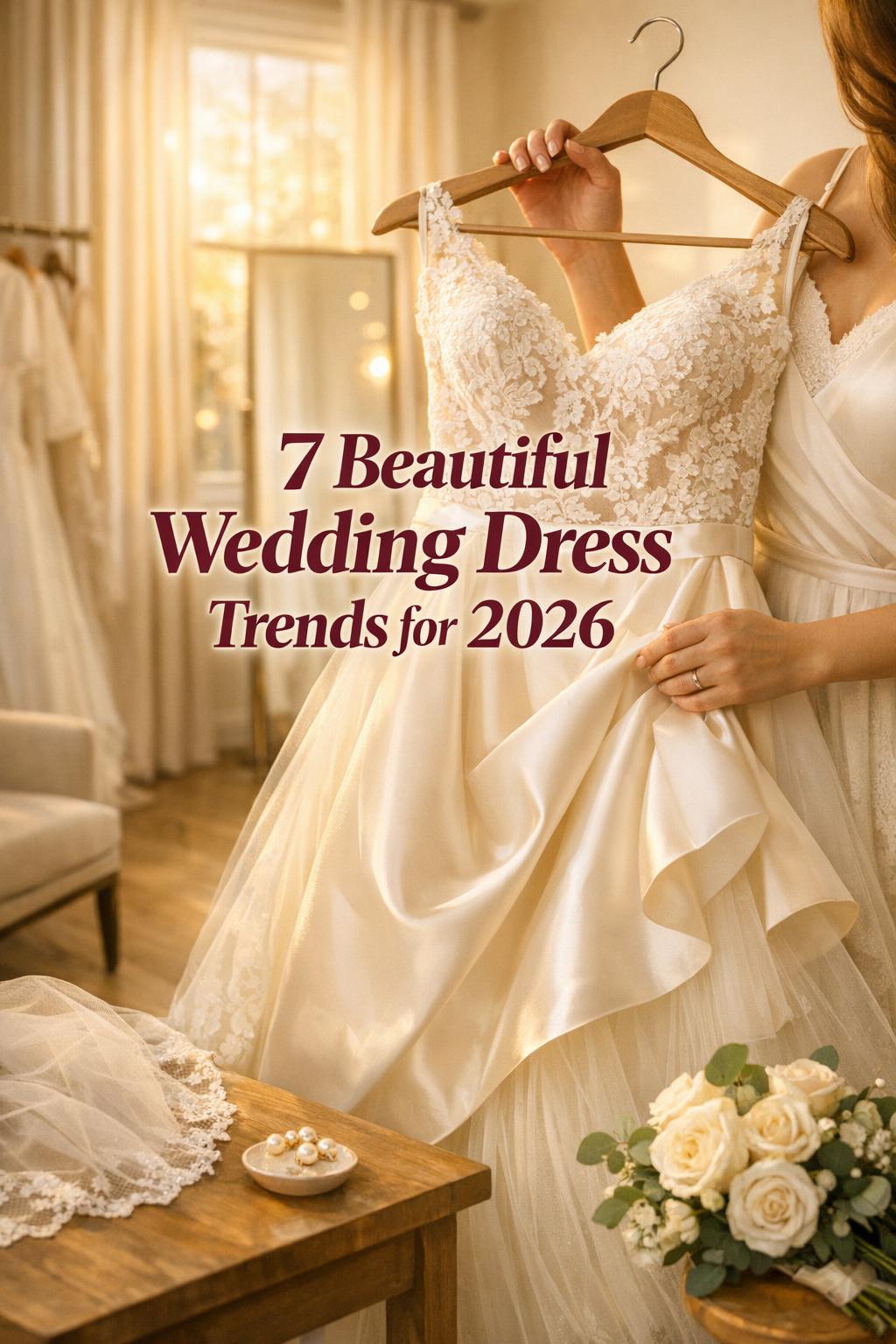
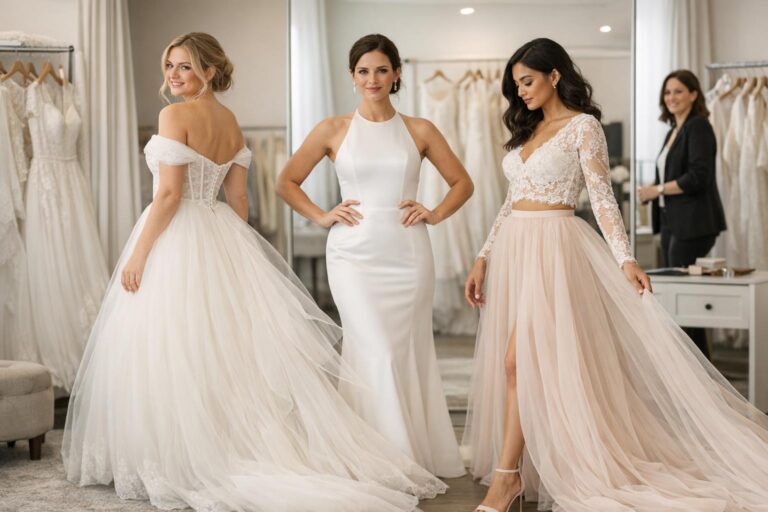
Silhouette is the foundation of most wedding gown silhouettes and the fastest way to narrow your shortlist. The right shape can highlight your favorite features, create balance, and set the tone for the entire look—romantic, sleek, dramatic, or minimalist. Below are the most common silhouettes you’ll see while shopping, with practical pros, cons, and best-use scenarios.
A-Line: versatile and widely flattering
An A-line wedding dress is fitted through the bodice and then gradually flares from the waist, creating a classic “A” shape. It’s often considered one of the most versatile options because it can feel traditional or modern depending on fabric and details.
- Why it’s beautiful: balanced proportions and an easy, timeless shape that works across venues
- Potential trade-off: less of a “wow” volume moment than a ballgown, unless you choose a more structured fabric
- Great for: brides who want elegance without feeling overly restricted
Ballgown: dramatic, fairytale impact
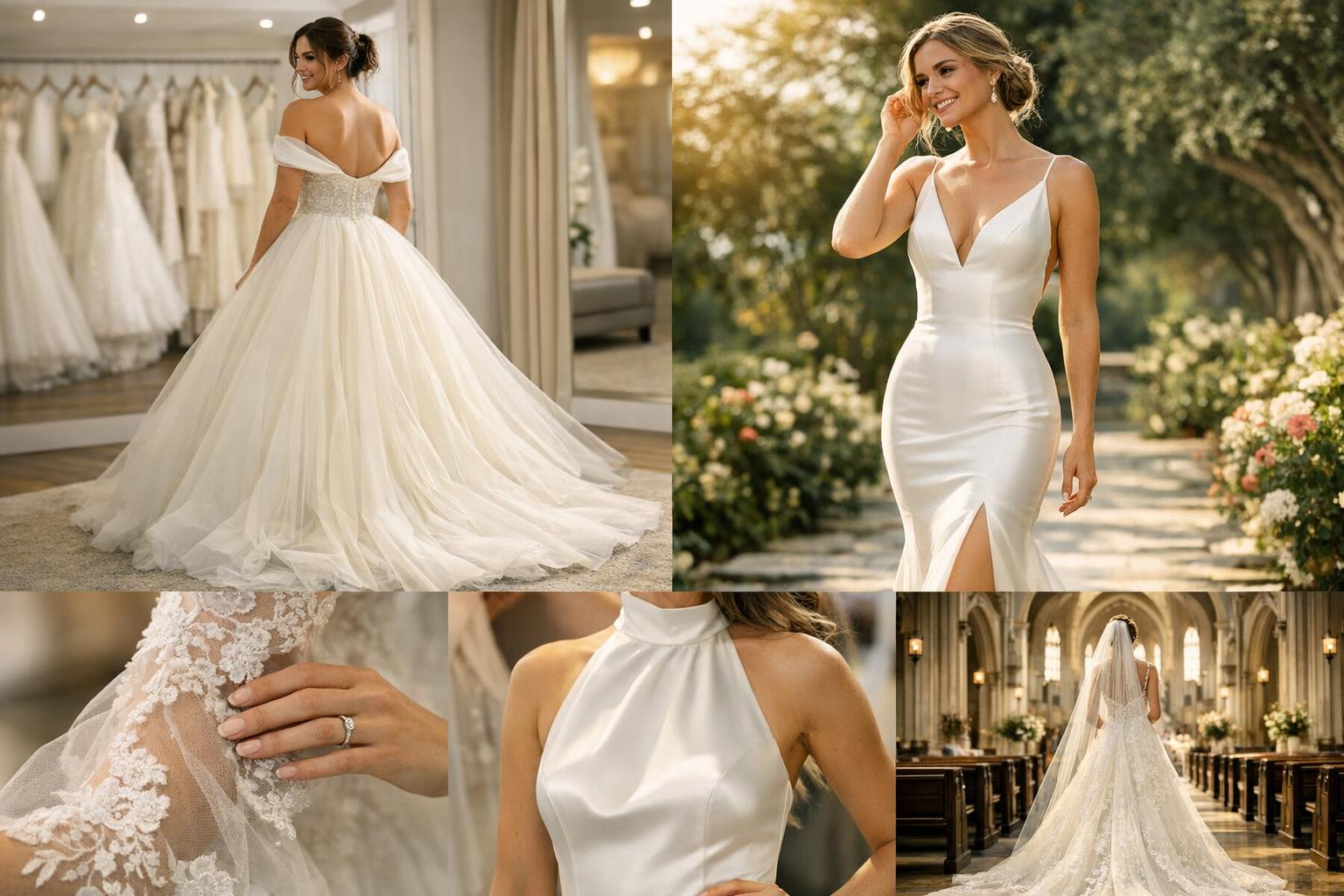
A ballgown wedding dress has a fitted bodice and a full skirt that makes an immediate statement. It’s a go-to for brides drawn to iconic, regal bridal moments and can look especially striking in a formal ceremony setting.
- Why it’s beautiful: the silhouette creates instant drama and classic bridal presence
- Potential trade-off: more volume can mean more weight and less ease of movement, depending on layers and fabric
- Great for: a cathedral-style ceremony, a grand entrance, or a bride who loves traditional romance
Sheath: sleek lines with modern simplicity
A sheath gown follows the body more closely, creating a streamlined look that reads modern and sophisticated. It can be especially compelling in minimal styling or when paired with a distinctive neckline or back detail.
If you’re drawn to clean design, a sheath can make fabric and fit the star. Because it’s less about volume, the success of the look often hinges on tailoring and how the fabric moves as you walk and sit.
Mermaid: curve-emphasizing and statement-making
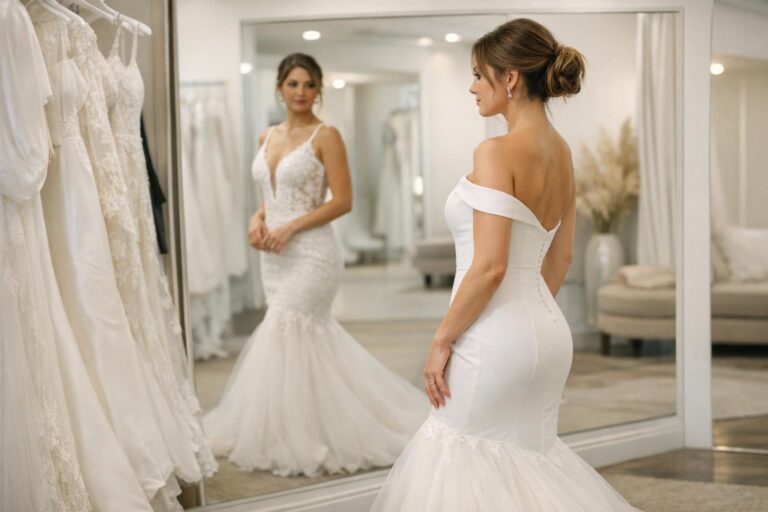
A mermaid wedding dress is fitted through the bodice, waist, and hips, then flares out lower on the leg. It’s a bold, glamorous silhouette that can feel red-carpet inspired, especially with structured fabric or beading.
Because it’s closely fitted through key movement areas, comfort and alterations matter. If you want the look but prefer slightly more ease, you may gravitate toward fit-and-flare instead.
Fit-and-flare: waist definition with easier movement
Fit-and-flare hugs through the bodice and waist, then flares earlier and more gently than a mermaid. It offers a similar “shaped” effect while often feeling more walkable and dance-friendly.
Tips: Choosing a silhouette when you feel torn
If you love two very different looks—say, a ballgown and a sheath—try them on back-to-back early in your appointments. The contrast teaches you what you truly like: the feeling of volume, the definition of the waist, or the clean line of a sleek skirt. Once you identify what you’re responding to, it becomes easier to find a “best-of-both” option, like an A-line in satin for structure or a fit-and-flare with softer fabric for movement.
Fabrics, Details, and How They Move
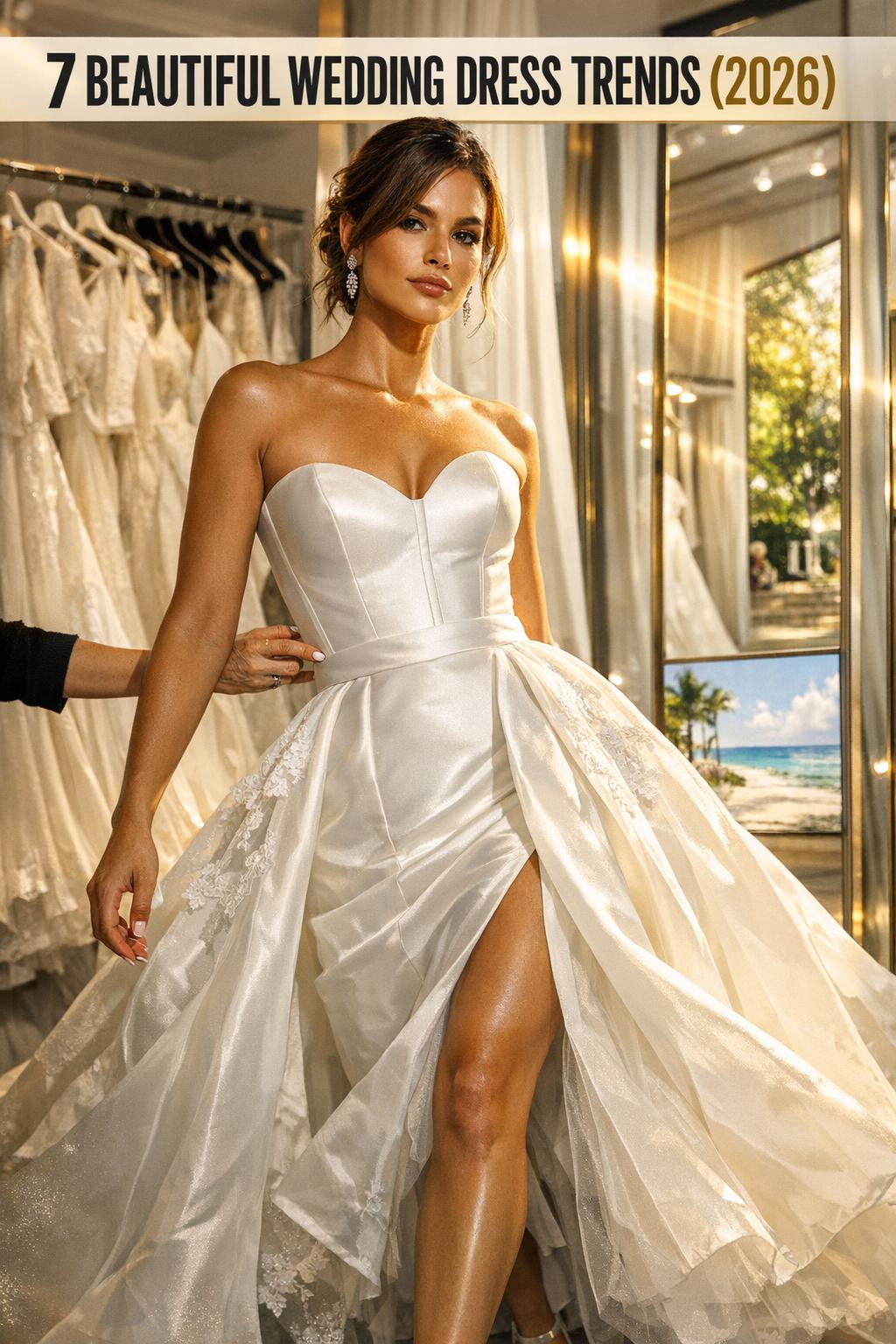
Fabric changes everything: the weight, the drape, the sheen in photos, and how comfortable you feel throughout the day. Many beautiful wedding dresses become iconic because of the way materials support the design—whether that’s crisp structure, airy softness, or intricate surface texture.
Lace: texture, romance, and dimension
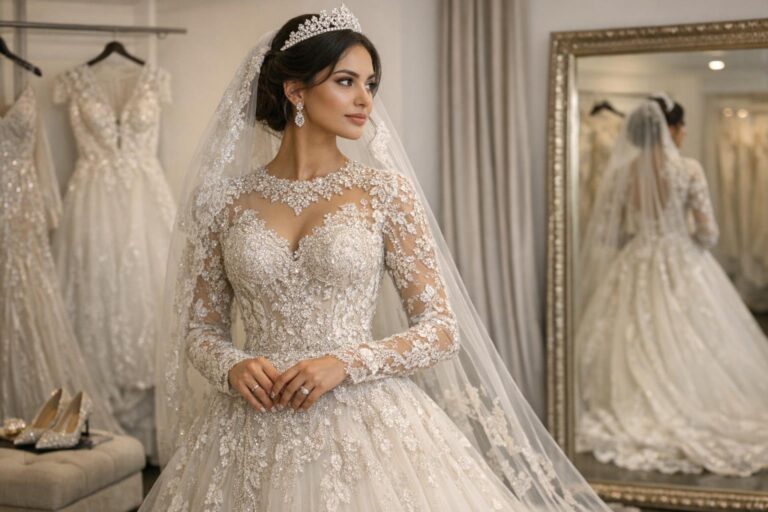
A lace wedding dress can read classic, bohemian, vintage-inspired, or even modern depending on scale and placement. Lace can appear as an allover fabric or as appliqué layered on top of a base. It photographs beautifully because it creates depth and detail without needing heavy accessories.
Satin: smooth, polished, and timeless
Satin is often chosen for a clean, elegant finish and can look especially striking in minimal silhouettes where the cut is the focal point. It can also amplify drama in a ballgown by giving the skirt a more defined presence.
Tulle: airy volume and soft movement
Tulle is known for creating volume without the same heaviness you might expect from a full skirt. It can feel whimsical and romantic, and it’s commonly used for layered skirts and veils.
Chiffon: light, floaty, and relaxed
Chiffon tends to suit brides who want a softer, more effortless feel. It’s often associated with easy movement and can work well for a more relaxed ceremony style, especially when paired with minimal embellishment.
Mikado: structured elegance with modern edge
Mikado is often chosen when you want structure and a sculpted silhouette. It can elevate a simple design into something that feels architectural and refined, especially in A-line and ballgown shapes.
Embellishments and special details: beading, appliqué, embroidery, illusion
Details are where many bridal gowns become uniquely “you.” Beading can add shimmer for a glam look, embroidery can add artistry, and appliqué can create dimensional romance. Illusion necklines or illusion backs add a soft, barely-there effect that can feel modern while still offering coverage.
- Beading: adds sparkle and a more eveningwear mood
- Appliqué: creates raised texture and highlights specific areas (like the bodice or train)
- Embroidery: can feel refined and couture-inspired
- Illusion details: combine coverage with a light, airy look
Tips: Match fabric to your comfort, not just the photo
When you try on a gown, walk, sit, and raise your arms. Pay attention to how the fabric behaves and whether embellishments feel scratchy or heavy. The most beautiful wedding gowns are the ones you can live in for the entire day—not just stand in for a single snapshot.
Necklines and Sleeves: Finding Your Frame
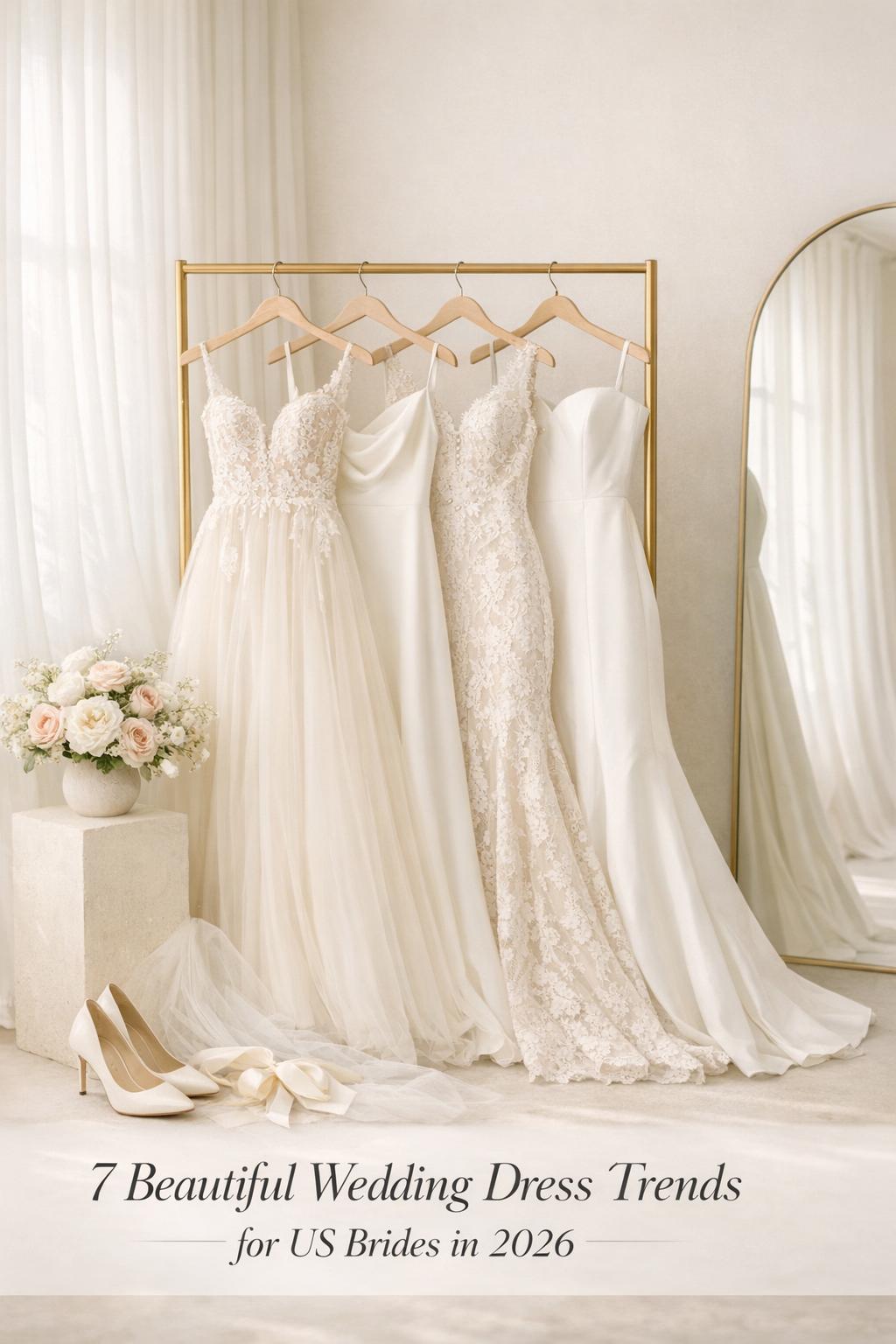
The neckline and sleeves frame your face, shoulders, and overall proportions. Small changes here can shift a look from classic to modern, from romantic to sleek, or from minimal to fashion-forward. If you’re unsure what suits you, start with a few core necklines and compare them in the mirror under similar lighting.
Sweetheart: romantic and traditionally bridal
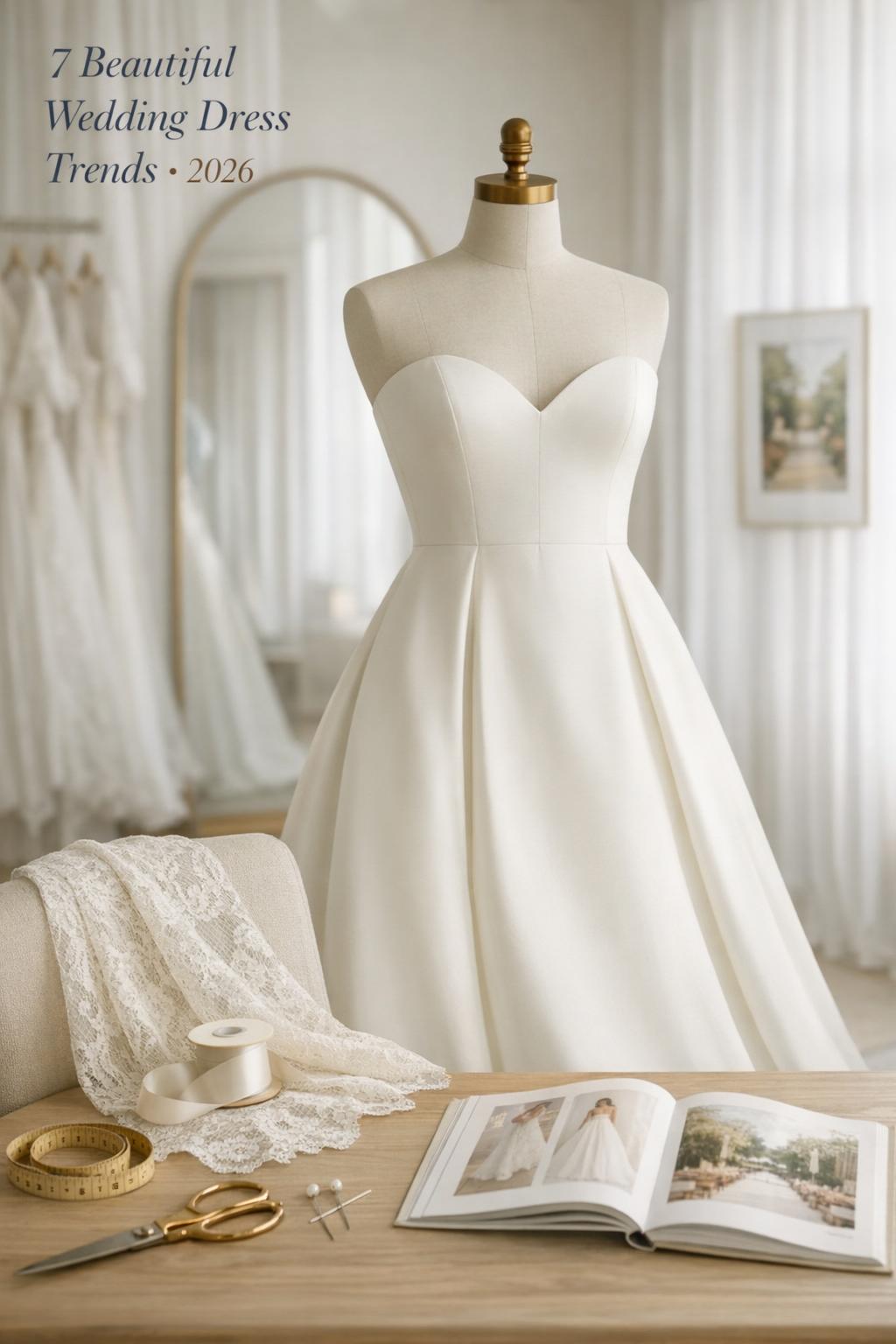
A sweetheart neckline creates a soft heart-like curve at the bust. It’s often paired with ballgowns, fit-and-flare shapes, or lace bodices, and it can feel timeless when kept clean or more ornate when layered with lace appliqué.
V-neck: elongating and versatile
A V-neck can look classic or modern depending on the depth of the V and the fabric choice. It pairs well with many silhouettes, including A-line and sheath, and can feel especially polished with satin or structured materials.
Illusion neckline: soft coverage with a modern finish
An illusion neckline uses sheer material to create a barely-there effect, often featuring lace or embroidery that appears to float on the skin. It’s a popular choice for brides who want a refined look with a little extra coverage.
Off-the-shoulder: romantic, sculptural framing
Off-the-shoulder necklines highlight the collarbones and bring a romantic mood. They can look especially beautiful in structured fabrics that hold the shape of the neckline, or in lace for a softer effect.
Halter: clean lines and a confident silhouette
A halter neckline creates a strong, modern line through the shoulders and can look striking in minimal designs. It’s often favored by brides who want a sleek frame and a fashion-forward feel.
Sleeves: long sleeve, cap sleeve, and sheer coverage
Sleeves can shift the personality of a gown dramatically. A long sleeve wedding dress can feel classic, elegant, or modern depending on whether the sleeve is structured, lace, or sheer. Cap sleeves can add a soft, modest touch, while sheer sleeves offer coverage without visual heaviness.
Tips: Prioritize mobility when evaluating sleeves
If you love the look of sleeves, test movement in the fitting room: hug yourself, lift your arms, and practice a “dance move” or two. Beautiful sleeves should feel like part of you, not like something you’re managing all day.
How to Choose the Right Dress for Your Venue and Season
Your venue and date do more than set the backdrop—they influence comfort, practicality, and the overall aesthetic. Many brides find their decision becomes easier when they commit to the setting first: beach vs. garden vs. cathedral, and warm months vs. cooler months.
Beach vs. garden vs. cathedral: aligning the gown with the setting
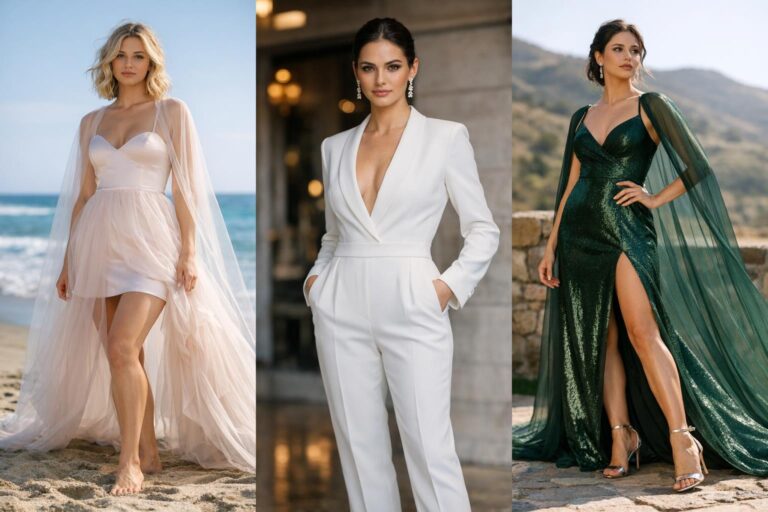
For beach ceremonies, many brides lean toward silhouettes and fabrics that feel easy to move in and less restrictive, especially if you’ll be walking on sand. Garden weddings often pair well with romantic textures like lace or soft tulle, while cathedral or formal indoor venues can support dramatic silhouettes like ballgowns and longer trains.
- Beach: prioritize movement, comfort, and a silhouette that won’t feel heavy
- Garden: consider lace, soft volume, and details that feel romantic in natural light
- Cathedral: dramatic silhouettes and structured fabrics can look especially cohesive
Seasonal fabric recommendations by month (practical approach)
Rather than memorizing rules, focus on how fabrics behave in heat or cooler air and how much coverage you want. Light, airy materials often feel better in warmer months, while structured fabrics and sleeves can feel more comfortable in cooler months—especially if your ceremony and reception involve temperature changes between indoors and outdoors.
Tips: Use the “movement test” for venue readiness
Imagine the most demanding part of your day at your venue—stairs, grass, outdoor walkways, or a long aisle—and test whether the dress supports that moment. A gown can be visually perfect and still feel wrong if it fights the environment.
The Shopping Playbook: Timeline, Budget, and Alterations
Beautiful wedding dresses are easier to find when you plan around real constraints: when you need the dress, what you want to spend, and how much tailoring it may require. This section outlines a practical end-to-end approach, from early browsing to fittings, without assuming a one-size-fits-all experience.
A practical timeline: from engagement to first fitting
Give yourself space to explore, decide, and tailor. Many dress shopping journeys include browsing for inspiration, trying on multiple silhouettes, placing an order or committing to a purchase, and then scheduling alterations closer to the wedding date. If you’re working with a shorter timeline, focus on what’s available sooner and lean into a simpler design that can still look stunning with excellent fit.
- Early phase: gather inspiration and identify repeating preferences (silhouette, neckline, fabric)
- Try-on phase: compare multiple silhouettes, then narrow to a shortlist
- Decision phase: commit with enough time for fittings and final adjustments
- Fitting phase: plan for alterations and a final try-on close to the event
Wedding dress budget: building a realistic range
Budget planning is easier when you think in categories: the gown itself, alterations, and the styling pieces that complete the look. Designer wedding dresses, mid-range options, and affordable wedding dresses can all look beautiful; the difference is often in materials, construction, and how much customization you can expect. Decide what matters most to you—fabric, silhouette, details, or brand—and allocate accordingly.
If you’re searching for affordable beautiful wedding dresses under $1,000, focus on clean lines, strong fit, and a few intentional details rather than trying to replicate every couture element at once. If you’re exploring luxury, prioritize how the gown wears and moves, not just how it looks on a hanger.
Alterations: what to expect and how to plan
Alterations are where a dress becomes yours. Even a gorgeous gown can fall flat if the bodice isn’t secure or the hem isn’t right for your shoes and venue. Plan for multiple fittings if needed, and bring the shoes and key undergarments you’ll wear on the wedding day so the fit decisions match reality.
- Hem and length adjustments for your shoes and walking surfaces
- Bodice and waist shaping for security and comfort
- Strap and sleeve refinements for mobility
- Train management for ease (especially for dancing and moving between spaces)
Tips: Make your appointments more productive
Walk into each appointment with a short list: two silhouettes you want to try, one “wild card,” and one must-have comfort requirement. Take notes after each try-on about what felt good and what didn’t. This approach prevents decision fatigue and helps you quickly identify the wedding dress neckline and silhouette combinations that flatter you most.
Real-Brides Inspiration: A Gallery You Can Recreate
Real-bride inspiration is most useful when it’s organized by style direction. Instead of chasing a single viral photo, focus on categories you can recreate with silhouette, fabric, and details. Use these groupings to communicate clearly with boutiques, designers, or online retailers.
Classic
Classic bridal looks often center on timeless silhouettes like A-line or ballgown, refined fabrics like satin or mikado, and clean styling. The beauty comes from proportion, polish, and a gown that holds its shape beautifully from ceremony to reception.
Modern
Modern gowns frequently lean into sleek shapes like sheath or structured fit-and-flare, crisp fabric choices, and distinctive design moments such as a strong V-neck, a minimalist finish, or an illusion detail placed with intention.
Bohemian
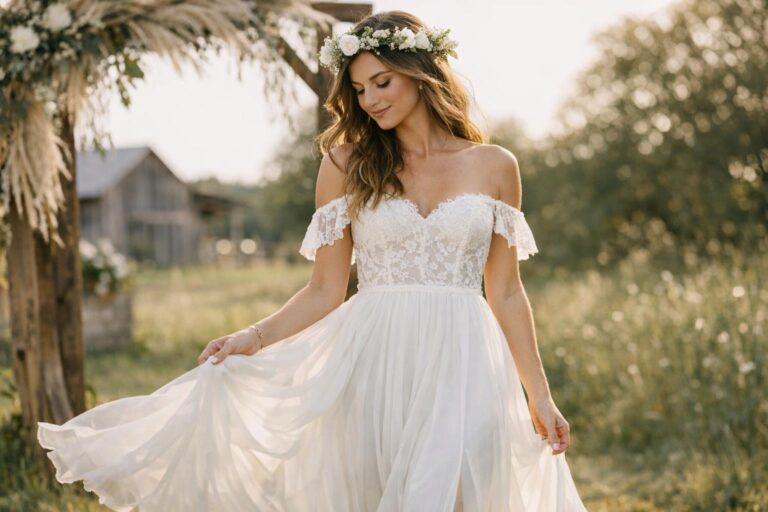
Bohemian bridal inspiration often highlights lace, softer silhouettes, and a more effortless feel. The goal is movement and texture, with details that look organic rather than overly formal.
Glam
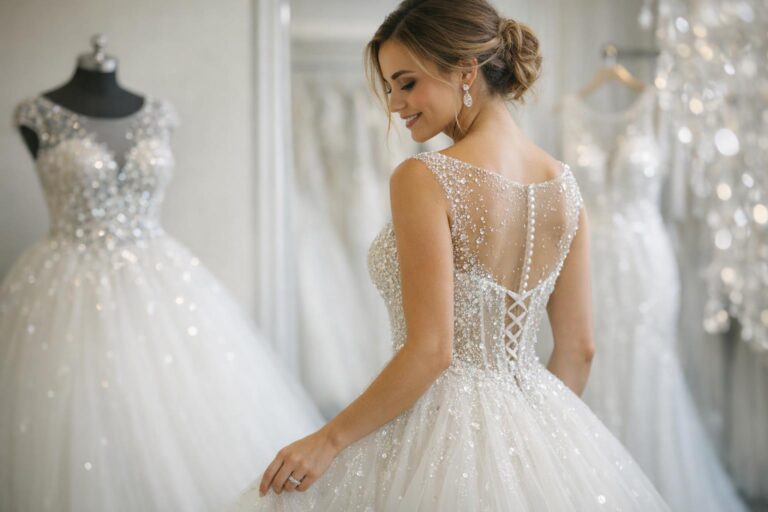
Glam looks typically feature statement silhouettes like mermaid or dramatic ballgown, plus beading or high-impact embellishments. The overall effect is elevated and photo-forward, especially under evening lighting.
Minimal
Minimal wedding gowns prove that simplicity can be the most striking choice. With fewer surface details, fit, fabric quality, and neckline design do the heavy lifting—making alterations and tailoring especially important.
Tips: Use inspiration to build a “bridal uniform”
Once you choose a direction—classic, modern, bohemian, glam, or minimal—define two non-negotiables and one flexible element. For example: “A-line silhouette and V-neck, flexible on fabric,” or “long sleeves and lace, flexible on skirt shape.” This keeps your search focused without boxing you in.
Maintenance, Preservation, and Dress Care
Wedding dress care starts before the wedding day. The way you store and transport your gown can affect how it looks when it’s time to walk down the aisle, and planning ahead reduces last-minute stress. After the wedding, proper cleaning and preservation help protect the fabric and details.
Before the wedding: storage and handling
Keep your dress in a clean, dry place and handle it with care, especially if it has delicate lace, beading, or illusion sections. If you’re traveling, plan how you’ll move the gown from one location to another so you can maintain its shape and finish as much as possible.
After the wedding: cleaning and preservation
After the celebration, take steps to clean and store the gown in a way that supports long-term preservation. This is particularly important for dresses with detailed embellishments or lighter fabrics that can show wear more easily.
Tips: Make a “day-after” plan while you’re planning the wedding
Decide in advance who will be responsible for getting the gown back to a safe place after the reception, especially if your schedule includes travel. This small plan can protect your dress and make preservation decisions feel calm rather than rushed.
Where to Shop: Editorial Picks by Silhouette and Budget
Where you shop often shapes what you find. Editorial inspiration can point you toward iconic looks and designer references, while shopping portals and department-store-style selections can make it easier to filter by silhouette, fabric, and price range. Many brides use a blended approach: gather ideas from high-fashion and real-bride sources, then shortlist options through boutiques and retailers.
By silhouette: build a shortlist fast
If you already know the shape you want, shop by silhouette first. This is especially helpful when you’re comparing A-line wedding dress options across different materials, or when you want to see how a mermaid differs from fit-and-flare at various price points.
- A-line: look for variation through fabric (lace vs. satin vs. mikado) and neckline
- Ballgown: compare skirt volume and how structured the bodice feels
- Sheath: focus on fit and fabric drape, plus neckline and back details
- Mermaid and fit-and-flare: prioritize comfort and movement while maintaining shape
By budget: affordable, mid-range, and designer
Beautiful wedding dresses exist at every budget, but the shopping experience can differ. With affordable options, you may prioritize availability and clean design, then refine the look through tailoring and accessories. With mid-range and designer categories, you may see more complex construction, richer materials, and more elaborate details.
If your goal is “best value,” look for the intersection of a flattering silhouette, a fabric you love against your skin, and a design that won’t require extensive changes to feel right. If your goal is luxury, focus on the overall finish and cohesion—how the gown looks from every angle, and how it moves in real time.
Tips: Use a comparison matrix when you’re down to three gowns
When you have finalists, compare them side by side using the same criteria: comfort, mobility, fabric feel, silhouette effect, venue match, and how many alterations you’d likely need. The “most beautiful” dress is often the one that checks the most real-life boxes, not the one with the most dramatic single detail.
Conclusion: Your Dream Dress Is Within Reach
Beautiful wedding dresses aren’t limited to one trend, one designer, or one body type. Start with silhouette, confirm the fabric and movement, frame the look with the right neckline and sleeves, and then make it real with a smart timeline and alteration plan. With those steps, you’ll be able to choose a gown that photographs beautifully, feels comfortable, and reflects your personal style—whether your wedding vision is timeless, fashion-forward, or somewhere in between.
FAQ
How soon should I buy my wedding dress?
Buy as soon as you comfortably can within your planning window so you have time to explore silhouettes, make a confident decision, and schedule alterations and fittings without feeling rushed.
Do alterations change the look of a wedding dress?
Yes, alterations can subtly or noticeably change the look, especially at the bodice, waist, straps, sleeves, and hem; the goal is usually to improve fit and support so the original design looks its best on you.
How do I choose a dress silhouette that flatters me?
Try on a few core wedding gown silhouettes—A-line, ballgown, sheath, mermaid, and fit-and-flare—and compare how you feel in each; the most flattering option is typically the one that balances proportion, supports movement, and aligns with your comfort.
What are the best fabrics to consider for comfort and movement?
Comfort and movement depend on how a fabric drapes and feels against your skin; many brides compare lace, satin, tulle, chiffon, and mikado in person to see which one matches their desired structure, softness, and ease of walking and sitting.
How do I choose a dress for my venue?
Match the gown to the environment by considering how you’ll move through the space—sand at a beach, grass in a garden, or long aisles and stairs in a cathedral—and choose a silhouette and fabric that support comfort and the overall mood.
Can I find affordable beautiful wedding dresses under $1,000?
Yes, focus on strong fit, a flattering silhouette, and a few intentional details, then plan for tailoring; a clean design that fits well often looks more elevated than a heavily detailed dress that feels off.
What neckline options should I try if I’m undecided?
Try a small set of popular options—sweetheart, V-neck, illusion, off-the-shoulder, and halter—because the neckline frames your face and changes the entire look, even when the silhouette stays the same.
How should I care for my dress before and after the wedding?
Before the wedding, store the gown carefully in a clean, dry place and plan transport to protect the fabric and details; after the wedding, prioritize cleaning and preservation steps to help maintain the dress’s condition long-term.