7 Expert Tips for Buying Old Wedding Dresses in the US
The Ultimate Guide to Old Wedding Dresses: How to Buy, Wear, and Care for Vintage Bridal Gowns
Old wedding dresses have become a modern bridal favorite for couples who want something one-of-a-kind, meaningful, and often more sustainable than buying new. But shopping vintage or second-hand isn’t the same as walking into a traditional bridal salon: sizing can be unpredictable, condition varies widely, and tailoring can make (or break) your experience.
This guide walks you through the entire process—how to decode eras and silhouettes, where to buy, how to evaluate authenticity and condition, what to expect with sizing and alterations, and how to care for an older gown so it’s wedding-day ready. Along the way, you’ll find practical tips, questions to ask sellers, and a quick-start checklist you can use immediately.
Why brides choose old wedding dresses
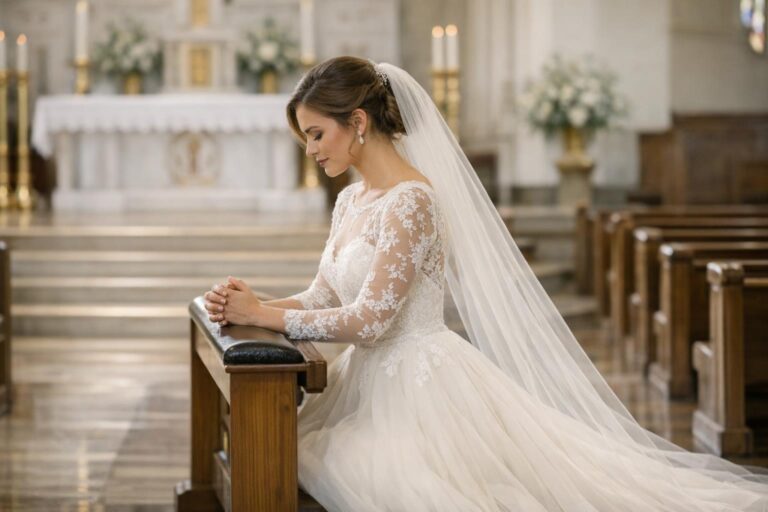
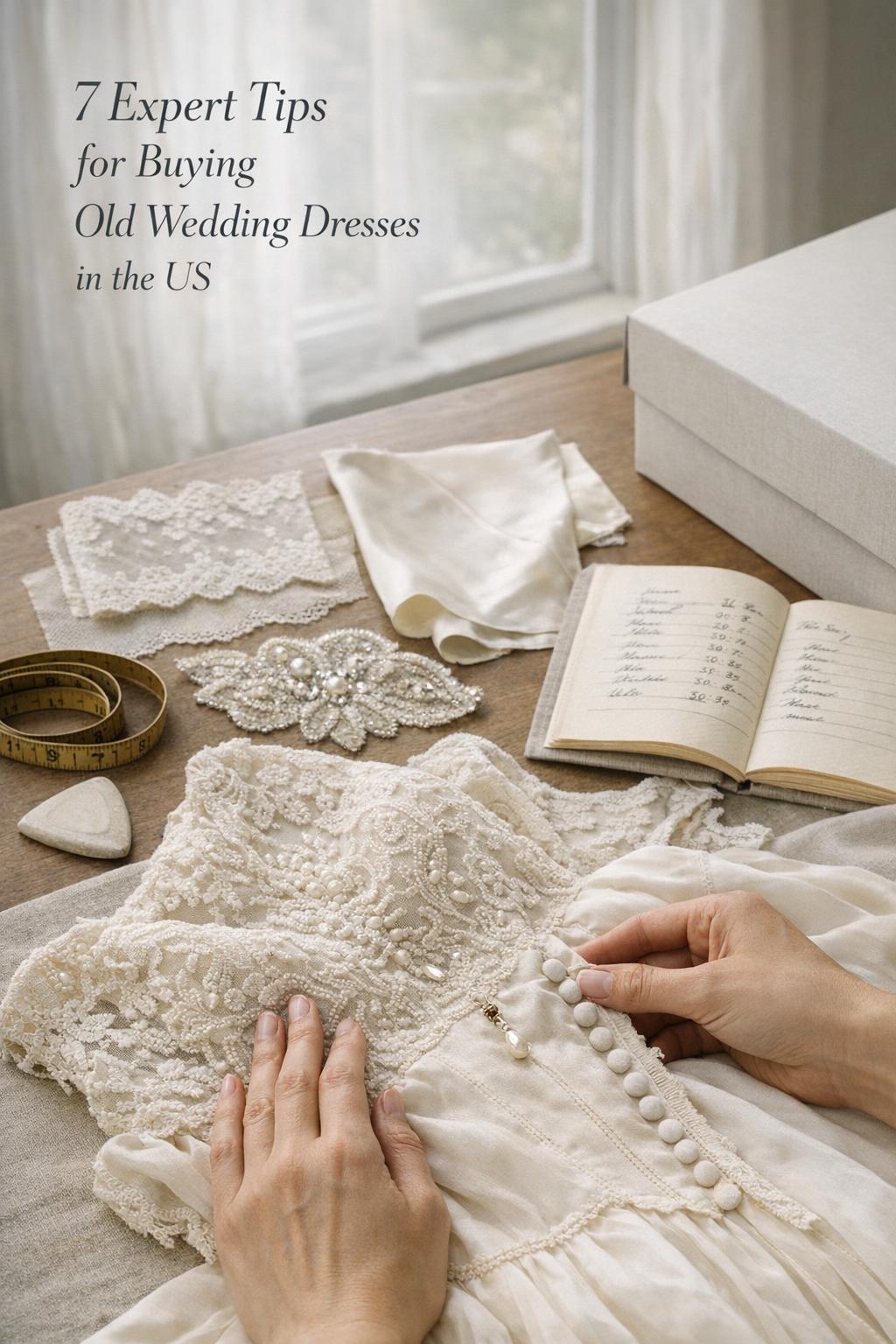
Brides gravitate toward vintage wedding dresses and second-hand wedding dresses for reasons that go well beyond aesthetics. Many want a gown with character—something that doesn’t look like every other dress on the aisle. Others are drawn to the idea of giving an existing garment a new life, aligning their wedding wardrobe with a more thoughtful approach to consumption.
Old bridal gowns can also feel more personal: you might be wearing a piece that has already been part of a love story, or you may be preserving an heirloom wedding dress that connects you to family history. And for many shoppers, the appeal is practical as well—vintage and pre-owned marketplaces offer a wide range of price points, from affordable finds to rare, collectible pieces.
Tip: Before you shop, decide what matters most to you: uniqueness, budget, sustainability, an era-specific look, or the romance of wearing something with a past. That single decision will help you choose the best source (curated boutique vs. online marketplace vs. direct-from-owner) and the right level of risk you’re comfortable taking.
Decoding vintage: eras, silhouettes, and materials
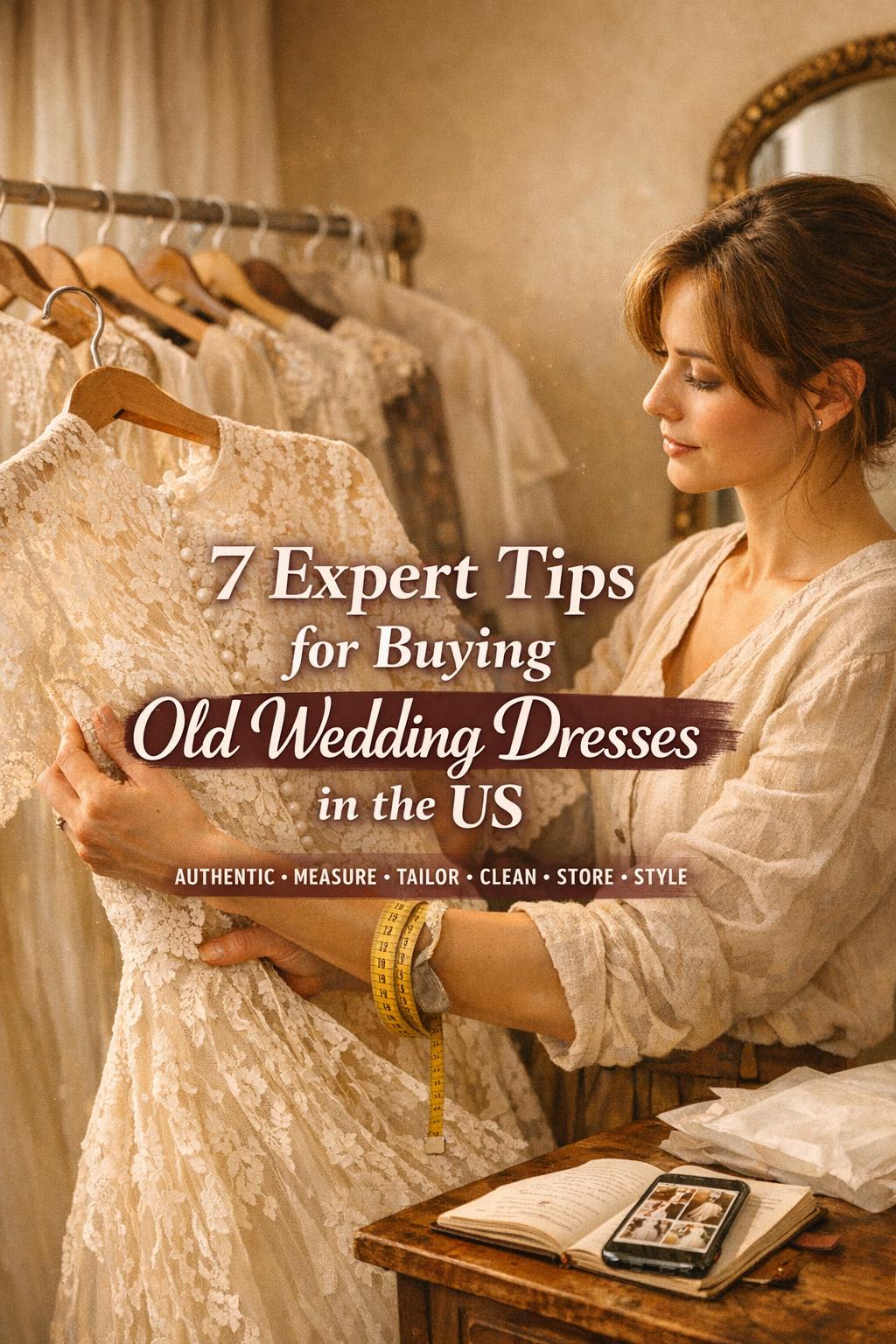
“Vintage” is often used broadly, but old wedding dresses can look dramatically different depending on decade, construction, and fabric choices. Understanding the broad “vintage DNA” of different eras helps you shop with clearer expectations, spot details you love faster, and ask smarter questions about fit and condition.
1920s–1930s: bias-cut elegance and dropped waists
These decades are often associated with softer, more fluid lines and distinctive waist placement—frequently lower than modern bridal norms. If you’re drawn to a long, elegant line with an “effortless” feel, you may naturally gravitate here, but be prepared to pay close attention to fabric condition and fit across the hips and torso.
1940s–1950s: structured gowns with lace and tulle
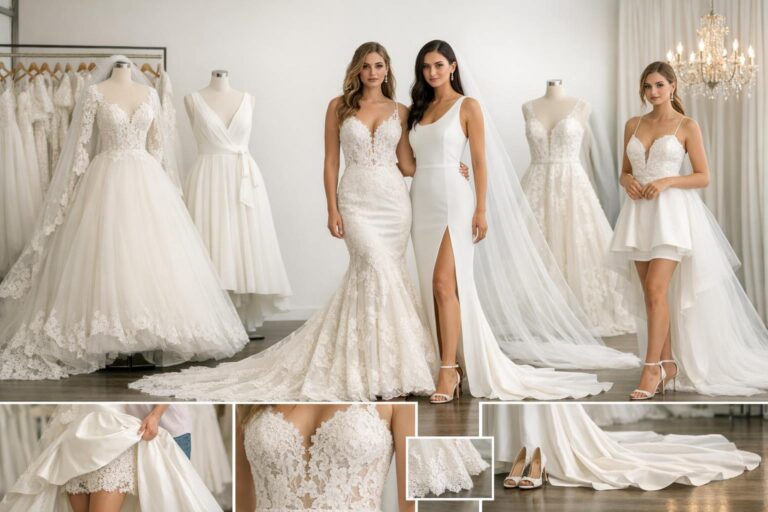
This era often reads as classically “bridal,” with more structure and a recognizable gown silhouette. Lace and tulle details can be showstoppers, but they also demand careful inspection: age can reveal itself in delicate trims, seams, and areas that experience stress during movement.
1960s–1970s: minimalist lines vs. volume
These decades can swing from clean, simple shapes to more expressive volume, which is part of the appeal. If you like a vintage bridal dress that still feels “wearable” and not overly formal, you may find options here that pair well with modern accessories and contemporary venues.
1980s–1990s: glam, big silhouettes, and beadwork
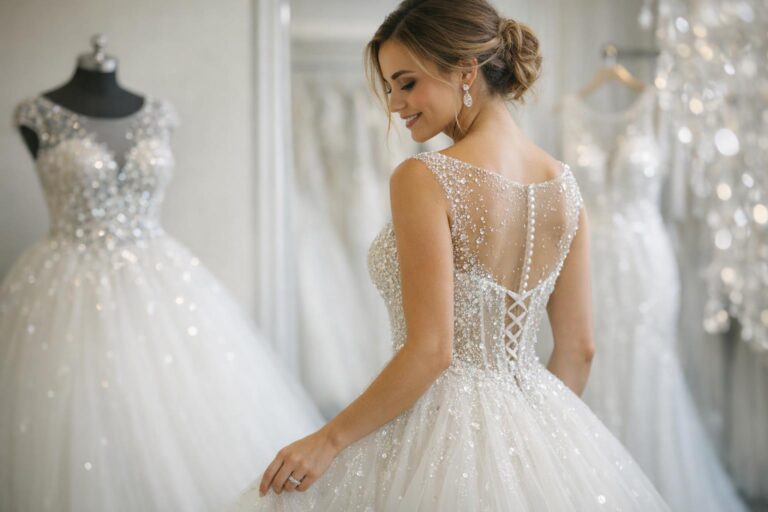
If you love statement volume or intricate embellishment, the late 20th century is a major hunting ground. Beadwork can photograph beautifully, but it also introduces another category of condition checks: missing beads, weakened threads, and areas where the weight of embellishment may have stressed the underlying fabric.
Tip: Treat your inspiration board or mood board as a starting point, not a strict rule. Many brides fall in love with an era they didn’t expect once they try dresses on or see how a silhouette works with their body and venue.
Where to buy old wedding dresses (platforms and sources)
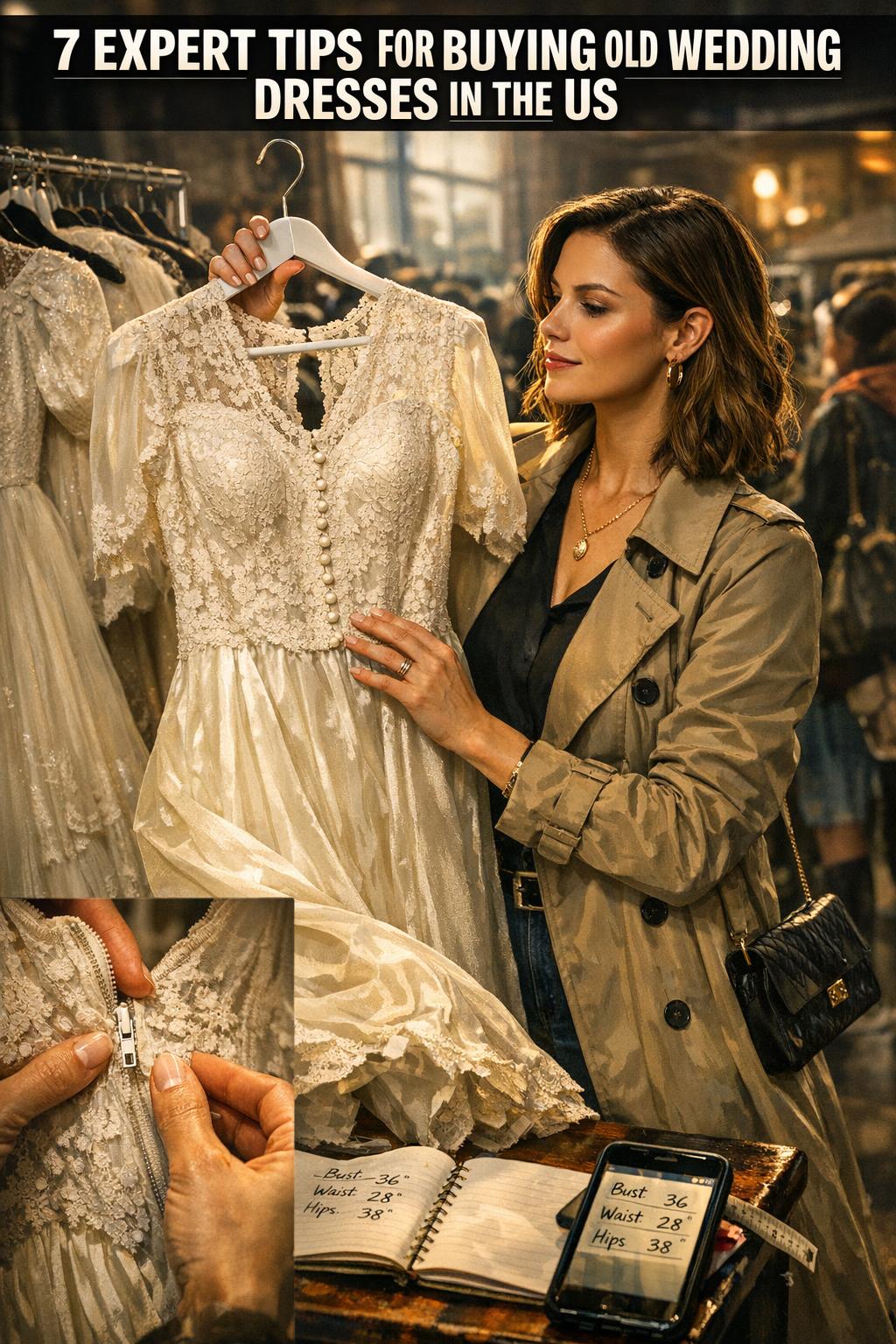
Where you buy matters almost as much as what you buy. Curated vintage boutiques can offer guidance and a higher level of screening, while online marketplaces and direct-from-owner listings can provide wider selection and sometimes better prices—often with more responsibility on you to verify measurements and condition.
Reputable boutiques and vintage shops (curated sourcing)
Curated sources can be ideal if you want editorial-level styling help, clearer provenance, or simply less uncertainty. The tradeoff is that a curated selection may come with a higher price tag or fewer options in your exact size range, especially for older pieces where sizing is already a challenge.
Tips for boutique shopping: Stay open-minded about minor fit issues if the core structure and condition are strong, and ask what level of tailoring the shop recommends for each dress you try.
Online marketplaces (Stillwhite and other platforms)
Online marketplace shopping can be a powerful way to browse many vintage wedding gowns quickly, compare listings, and filter by style and budget. Marketplace listings are typically less “styled,” which puts more emphasis on your ability to evaluate photos, request details, and plan for alterations.
Tip: When you find a promising listing, slow down and treat it like due diligence. A few extra messages and photos up front can save you from buying a dress that can’t be altered safely or restored in time.
Multi-brand fashion resale platforms (including Vestiaire Collective and ReSee)
Resale platforms that handle vintage and designer resale can be useful if you’re shopping with an eye for recognizable labels or looking for a specific kind of wardrobe-level quality. Because these platforms aren’t exclusively bridal, you may need to use broader searches (like “vintage bridal dress” or “white lace gown”) and then verify bridal-appropriate construction and condition.
Large vintage marketplaces (including Etsy)
Large marketplaces can be excellent for discovery, especially if you’re open to a range of decades and details. The variety is a strength, but it also means the quality of listings can be uneven. Clear questions, careful photo review, and realistic expectations about condition are essential.
In-person vintage fairs and trunk shows
In-person shopping can be the fastest way to understand fabric hand-feel, see true color, and spot repairs or stains that photos may hide. It also helps you move quickly if you’re on a tighter timeline, because you can often try on and decide in the same day.
Direct-from-owner and second-hand channels
Buying directly from a previous owner can be especially meaningful for brides drawn to the “something old” spirit. It can also be practical—sometimes you’ll get a more detailed backstory and a realistic account of how the dress wore during a wedding day. The key is to approach it with the same structure you’d use anywhere else: measurements, condition, and a plan for cleaning and tailoring.
- Best for: sentimental buyers, budget-focused shoppers, and brides open to tailoring
- Watch for: unclear measurements, limited photos, and vague descriptions of wear
How to evaluate a vintage gown: condition, authenticity, and fit
Old wedding dresses can be incredible, but they require a more thorough evaluation than most new gowns. The goal isn’t perfection; it’s understanding what you’re buying and whether any issues are manageable within your budget and timeline.
Condition checks: what to look for before you buy
Condition is the first non-negotiable, because some issues affect whether a dress can be safely worn, altered, or cleaned. Pay special attention to the high-stress areas (like closures and seams) and the most delicate design features (like lace, tulle, and beadwork). Even when a dress looks pristine in a full-length photo, small issues can be hidden in close-ups.
- Seams and stitching: look for strain, gaps, or areas that appear weakened
- Fabric aging: check for thinning, tearing, or fragility in high-contact zones
- Stains and discoloration: ask where they are and whether they’ve been treated
- Beading integrity: confirm missing beads, loose threads, or sagging from weight
- Closures and fastenings: zippers, hooks, and buttons should function smoothly
Tip: Ask for close-up photos in natural light of the bodice, underarms, waist seams, hem, and any heavily embellished areas. These are common “truth zones” for wear, repairs, and fabric stress.
Sizing realities: why vintage fit is different
Sizing is a challenge with vintage wedding dresses, and it’s one of the biggest reasons buyers feel disappointed. Size labels (if they exist at all) are less reliable than measurements, and the fit can be affected by old construction methods, fabric stretch (or lack of it), and previous alterations. The most successful shoppers treat the listed size as a rough clue and base decisions on actual garment measurements.
Tips for sizing success: Focus on whether the dress can work at your largest measurement area, because taking in is often more feasible than letting out, especially when seam allowances are limited or fragile.
Authentication and provenance signals
Many buyers want an authentic vintage wedding dress, not a modern dress described as “vintage-inspired.” Provenance can be as simple as a clear timeline of ownership or as specific as original details that match the era’s typical construction and design cues. If authenticity is important to you, ask targeted questions and request additional documentation or photos when available.
- Ask how the seller dates the piece (era estimate, owner history, or label details)
- Request photos of labels, interior seams, and closures
- Clarify whether the dress has been altered and what was changed
Asking the right questions: a seller communication script you can reuse
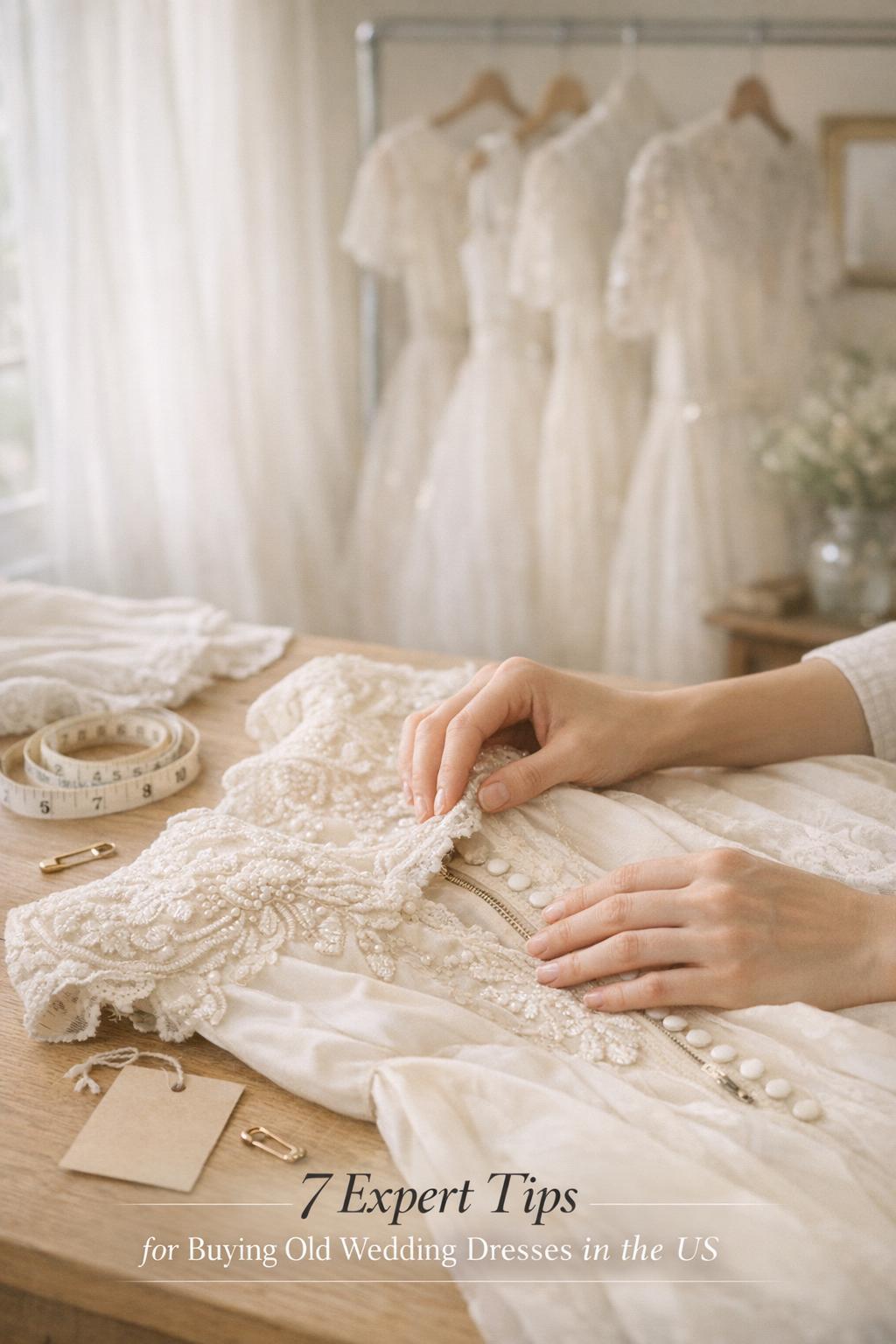
When you shop old wedding dresses online or through second-hand channels, your questions are your fitting room. The more specific you are, the easier it is to compare listings and avoid surprises. Be ready to ask a lot of questions—clear communication is a hallmark of a good purchase experience.
- Can you share the dress measurements (bust, waist, hips, and length) taken flat, plus any additional measurements you recommend?
- Are there any stains, yellowing, or discoloration? If yes, where exactly and how visible is it in natural light?
- Are there any repairs, weak seams, missing beads, or areas of fabric thinning?
- Has the gown been altered previously? If so, what was changed and is there remaining seam allowance?
- Can you provide close-up photos of the bodice, closures, interior seams, hem, and embellishments?
- What is the return policy (if any), and what happens if the dress arrives with undisclosed damage?
- How is the dress stored now, and will it be shipped with protection to prevent snagging or crushing?
Tip: If a seller is vague, unwilling to provide additional photos, or inconsistent in their answers, treat that as useful information. With vintage bridal, transparency is part of the value of the item.
Sizing and tailoring: making a one-of-a-kind gown fit today
Tailoring is often the bridge between falling in love with a vintage bridal gown and actually wearing it comfortably. Not all hope is lost if a dress isn’t perfect off the rack—an incredible tailor can transform the fit while preserving what makes the piece special. The key is to be realistic about what’s possible and to start early enough to do it safely.
Measuring for vintage shapes
Measurements are your best protection against disappointment, especially when shopping online. Because older gowns can have less forgiving structure, you’ll want to consider not only your body measurements but also how you plan to wear the dress (with which undergarments) and how you want to move in it (sitting, dancing, walking).
Tips for taking measurements: Measure yourself and compare to garment measurements, not the tag. Then factor in the shape of the bodice and the level of structure; a structured bodice may require more precision than a softer silhouette.
Finding the right tailor (and why “vintage experience” matters)
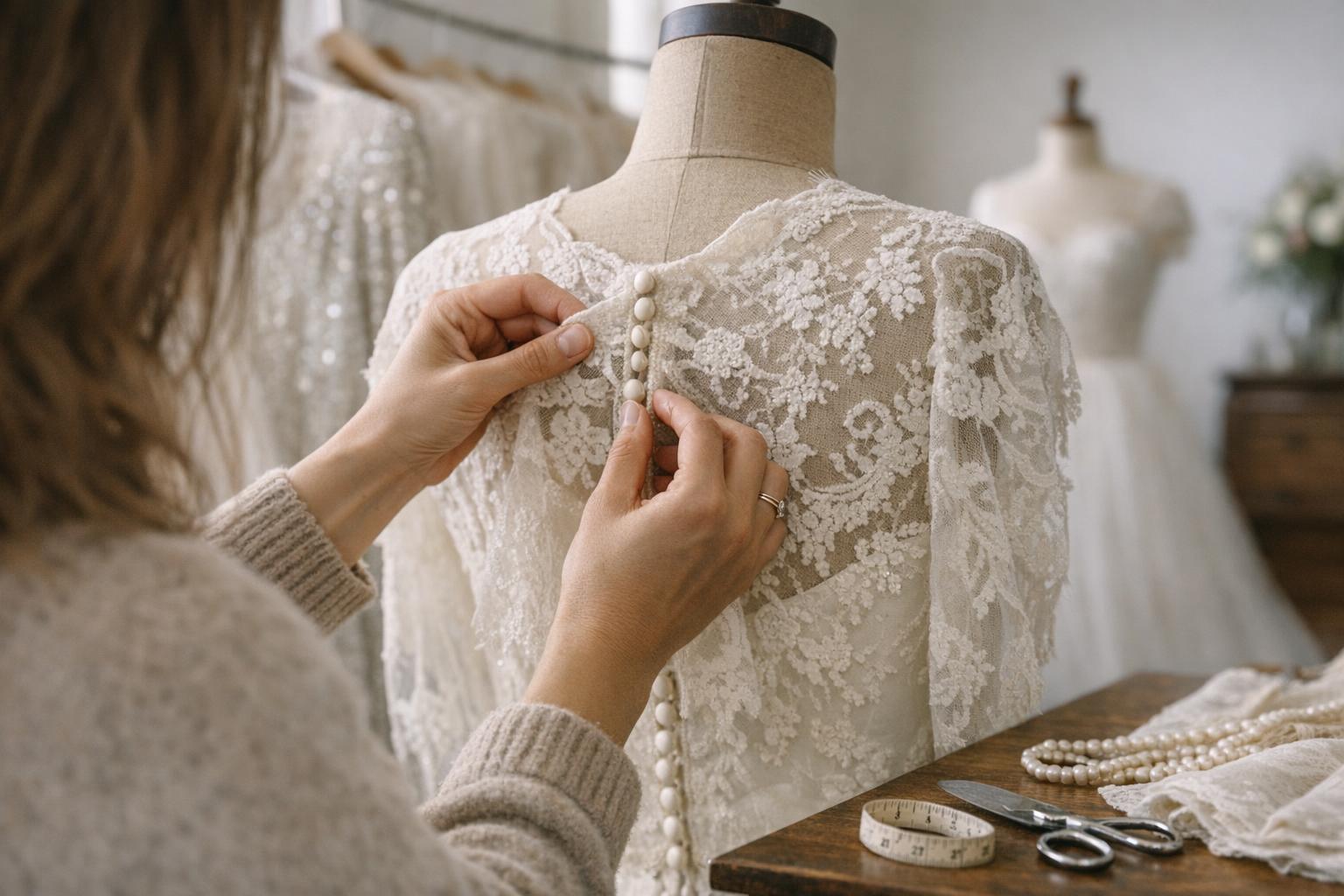
Vintage tailoring isn’t just standard alterations. Older fabrics can be more delicate, seams may have been stressed over time, and embellishments may need to be temporarily removed and reapplied. Look for a tailor who is comfortable working with vintage construction and who respects the design integrity of the dress rather than forcing a one-size-fits-all approach.
- Ask if they have experience with vintage or delicate fabrics and embellishment
- Bring close-up photos of any fragile areas (beading, lace, tulle, seams)
- Discuss your comfort needs: sitting, breathing room, and mobility
- Agree on what must be preserved versus what can be modernized
Alteration scope and timing: plan before you purchase
Because vintage sizing can be unpredictable, it’s smart to think about tailoring before you commit. A dress that needs only minor adjustment is usually a simpler, lower-risk project than one that needs significant restructuring. Give yourself time for fittings and for any restoration steps your tailor recommends before alterations begin.
Tip: If you’re torn between two old wedding dresses, the “better buy” is often the gown in stronger condition that fits closer to your measurements—even if the other one is more dramatic in photos. Condition and fit typically determine how confident you’ll feel wearing it.
Caring for and restoring an old wedding dress
Caring for a vintage wedding dress is about protecting fragile materials, preventing further discoloration, and ensuring the gown is comfortable and safe to wear. Cleaning and storage choices can affect not only how the dress looks on the wedding day, but also whether it remains wearable for the long term.
Cleaning considerations: professional cleaning vs. home care
Older fabrics and trims can react unpredictably to aggressive cleaning, and embellishments may be sensitive to moisture and agitation. For that reason, many buyers prefer professional cleaning for vintage bridal pieces, particularly when stains, yellowing, or delicate details are involved. If you’re unsure, pause and consult a specialist before you attempt any at-home methods.
Tip: Don’t wait until the final weeks to address cleaning. If the dress needs special handling, you’ll want time to evaluate results and adjust your plan without rushing.
Storage tips to prevent yellowing and damage
Storage affects color and fabric strength over time. A gown that arrives in good shape can degrade if it’s stored carelessly, exposed to moisture, or crushed under weight. Keep the dress protected from snagging and avoid unnecessary handling, especially in the bodice and embellished areas.
- Store in a way that supports the dress shape and reduces stress on seams
- Protect delicate lace, tulle, and beadwork from friction and snagging
- Minimize unnecessary folding and crushing that can set creases and stress fibers
Long-term preservation strategies
If your goal is to preserve an heirloom wedding dress or keep your gown in wearable condition after the wedding, think beyond the event itself. Preservation is easier when the dress begins in stable condition and when any cleaning or repairs are handled thoughtfully. A preservation-minded approach also helps if you plan to resell the gown through a marketplace later.
Tip: Decide early whether you’re a preservationist (keep it as original as possible) or a modernizer (adapt it for today). That choice will influence cleaning, alteration decisions, and how much you’re willing to change the original structure.
Styling an old wedding dress for today
Styling is where old meets new. The most compelling vintage bridal looks often balance the dress’s inherent character with modern choices that make it feel intentional rather than costume-like. The goal is to let the gown lead while choosing accessories and underpinnings that support the silhouette and your comfort.
Accessories that complement vintage gowns
Accessories can either reinforce the era or create a fresh contrast. If your gown has bold detailing—like heavy lace or beadwork—consider keeping other elements clean and focused. If your dress is minimalist, you may have more room to play with statement accessories while staying cohesive.
Tip: If you feel unsure, build your look around one anchor: the dress. Then add one supporting statement (veil, headpiece, or jewelry) instead of many competing pieces.
Modern underpinnings and proper undergarments
Undergarments and structure can change how a vintage silhouette sits on your body. The right foundation can improve comfort, support, and drape—especially if the dress is older and the internal structure isn’t designed for today’s expectations. This is also a practical way to fine-tune fit before requesting major alterations.
Footwear and venue considerations
Consider where you’ll wear the dress and how long you’ll be in it. Venue surfaces and weather can affect the hem and delicate trims, and your ability to move comfortably matters just as much as the look. A dress you’re afraid to walk in isn’t a win, no matter how beautiful it is on a hanger.
Tip: Do a test wear after alterations: walk, sit, lift your arms, and practice turning. Vintage gowns can feel different once they’re fitted, and it’s better to discover any pinch points before the wedding day.
Real-world bridal stories: what wearing second-hand can teach you
Personal stories are a big part of why old wedding dresses resonate. Brides who choose second-hand often describe a more emotional shopping journey—less about chasing a trend and more about finding a dress that feels right. The most common lesson from real-life experiences is that the dress becomes more meaningful when you understand its past and take an active role in preparing it for your day.
Second-hand and vintage also come with practical takeaways. Brides frequently emphasize the value of patience, flexibility, and asking questions early. Many say the best decision they made was working with a tailor who understood vintage construction and helped them preserve the gown’s integrity while making it comfortable.
Tip: If you’re shopping old bridal gowns because you want a unique look, give yourself permission to choose a dress that doesn’t match your original plan. The “right” vintage dress often surprises you.
Quick-start checklist for shopping old wedding dresses
Use this checklist to keep your search focused and to avoid the most common mistakes—especially when you’re shopping online or through second-hand channels where you can’t try the gown on immediately.
- Define your priority: era, silhouette, budget, sustainability, or heirloom value
- Create a flexible inspiration reference (mood board) and note must-have details
- Take current measurements and note your “largest area” for fit decisions
- Choose your sources: boutique, marketplace, resale platform, fair, or direct-from-owner
- Request detailed measurements of the garment (not just the tag size)
- Ask for close-up photos of seams, closures, hems, and embellishments
- Confirm known issues: stains, discoloration, missing beads, repairs, fabric thinning
- Ask about prior alterations and whether seam allowance remains
- Plan your timeline for tailoring and any cleaning/restoration before fittings
- Decide your approach: preserve original character or modernize thoughtfully
Tip: Save your seller Q&A in one place (notes app or a single document) so you can compare dresses objectively. When you’re looking at multiple vintage wedding gowns, it’s easy to forget which listing had which issue.
Conclusion: embracing one-of-a-kind vintage on your wedding day
Old wedding dresses offer something rare in modern bridal: genuine individuality. With the right approach—open-minded browsing, careful condition checks, and realistic tailoring plans—you can find a vintage wedding dress that feels both personal and wearable, and you can carry its story forward in a way that feels entirely your own.
FAQ
Can you alter a vintage wedding dress to fit modern sizes?
Often, yes, but results depend on the dress’s construction, fabric condition, and any remaining seam allowance from prior alterations. Many brides successfully tailor vintage gowns by working with an experienced tailor who understands delicate materials and can adjust fit while preserving the original design.
Why is sizing such a challenge with old wedding dresses?
Vintage sizing labels are less reliable than modern sizing and may not reflect today’s expectations of fit. Older gowns can also have less forgiving structure and may have been altered before, so you’ll get the most accurate picture by relying on detailed garment measurements rather than the tag size.
What are the best places to buy vintage wedding dresses?
Common options include curated vintage boutiques and shops, online marketplaces that list vintage categories, and large resale or vintage platforms such as Etsy, Vestiaire Collective, and ReSee. The best place for you depends on whether you prioritize hands-on shopping and guidance or wide selection and online browsing.
What questions should I ask a seller before buying a second-hand wedding dress?
Ask for exact garment measurements, clear details about stains or discoloration, information on repairs or missing embellishments, whether the dress was altered previously, and close-up photos of seams, closures, hems, and any delicate features. Also confirm shipping protection and the return policy before you commit.
How do I evaluate the condition of a vintage bridal gown online?
Request close-up photos in natural light and focus on common risk areas like seams, underarms, closures, hems, lace, tulle, and beadwork. Look for signs of fabric aging, weakened stitching, stains, or missing beads, and make sure the seller describes any issues clearly and consistently.
How can I tell if a vintage wedding dress is authentic?
Ask how the seller dates the dress, request photos of labels and interior construction, and clarify what alterations have been done. Provenance can include ownership history and details that align with the era’s typical silhouette and construction, but you’ll usually need multiple signals rather than just one.
Should I clean an old wedding dress before alterations?
In many cases, yes, because cleaning can affect fabric behavior and reveal issues that matter for tailoring, but the safest sequence depends on the dress’s condition and materials. If the gown is delicate or heavily embellished, consult a professional cleaner or a vintage-experienced tailor before attempting any at-home cleaning.
Do I need a tailor who specializes in vintage wedding dresses?
It’s strongly recommended because vintage fabrics, seams, and embellishments can be more fragile and may require specialized handling. A tailor with vintage experience is more likely to preserve the gown’s integrity while making it comfortable and wearable for today.