7 Expert Tips for Mermaid Style Wedding Dresses in the US
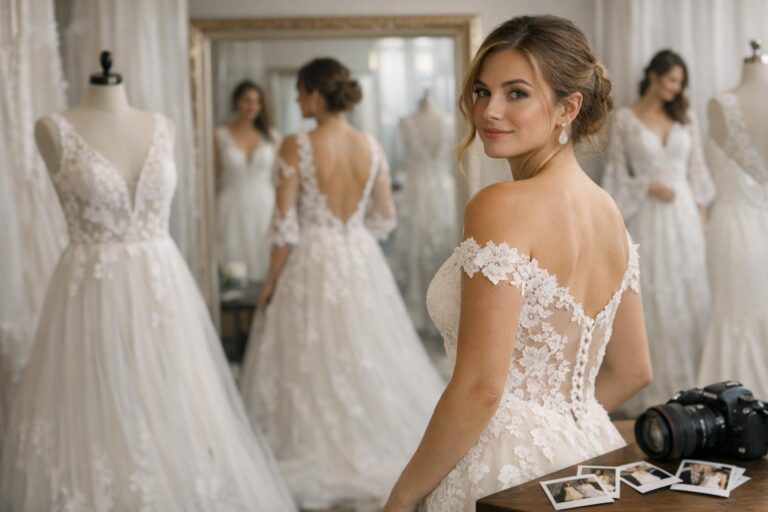
Mermaid style wedding dresses are designed to hug the body through the bodice, waist, and hips, then flare out near the knee to create a dramatic, sculpted shape. Brides search for this silhouette because it delivers instant definition, glamorous lines, and a “wow” moment from nearly every angle—especially once you add signature details like lace, beading, illusion bodices, or detachable sleeves.
This guide breaks down what a mermaid silhouette really is (and how it differs from fit-and-flare and trumpet styles), then walks through the most important decisions: fabric, neckline and sleeve options, train choices, body-type considerations, comfort and movement, shopping by price range, and practical tips for fittings, alterations, and long-wear confidence.
What Is a Mermaid Style Dress?
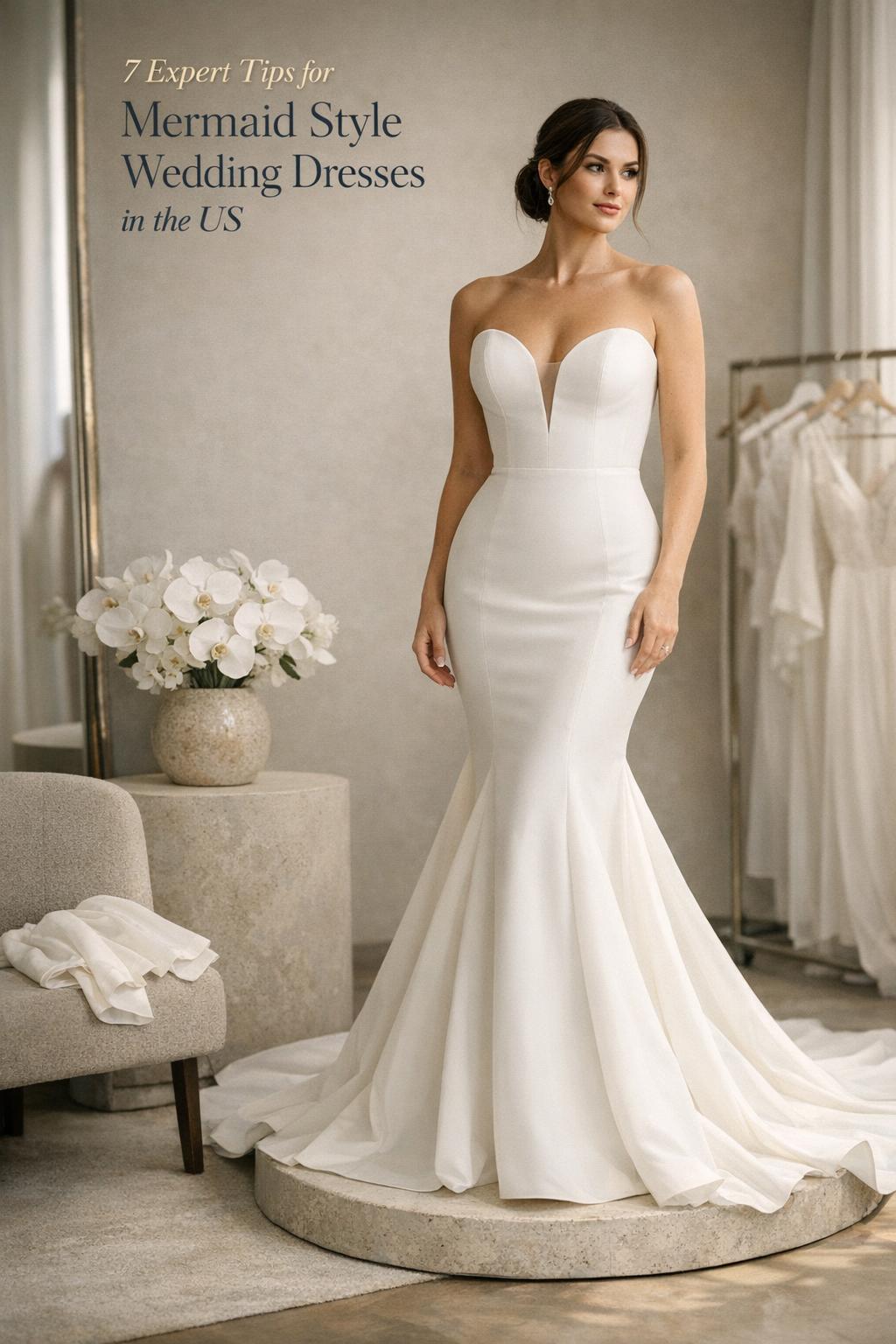
A mermaid style wedding dress is a fitted gown that closely follows the body through the torso and hips, then flares out around the knee into a fuller skirt. That “break” point—where the skirt begins to expand—is what creates the signature mermaid effect: a clean, contoured silhouette that flows into a train and reads as bold, polished, and intentionally structured.
You’ll also see overlapping terms like mermaid silhouette, fit-and-flare, and trumpet. While these silhouettes can look similar in photos, the difference becomes clear in how the skirt behaves as you walk, sit, and dance—so it’s worth understanding the nuance before you shop.
Mermaid vs. Fit-and-Flare vs. Trumpet
Mermaid wedding dresses are typically the most fitted through the hips and upper thigh, with a more pronounced flare closer to the knee. Fit-and-flare wedding dresses offer a softer transition: the gown still hugs the body, but the flare can begin higher and expand more gradually, often feeling easier to move in. Trumpet wedding dresses sit between the two—fitted through the hips, with a flare that tends to begin around mid-thigh rather than at the knee, creating a balanced “sculpted but fluid” look.
Tip: When you’re trying on gowns, focus less on the label and more on where the skirt “breaks.” If you love the idea of a mermaid but want more ease, try both mermaid and fit-and-flare options and compare how each feels when you take normal steps and turn.
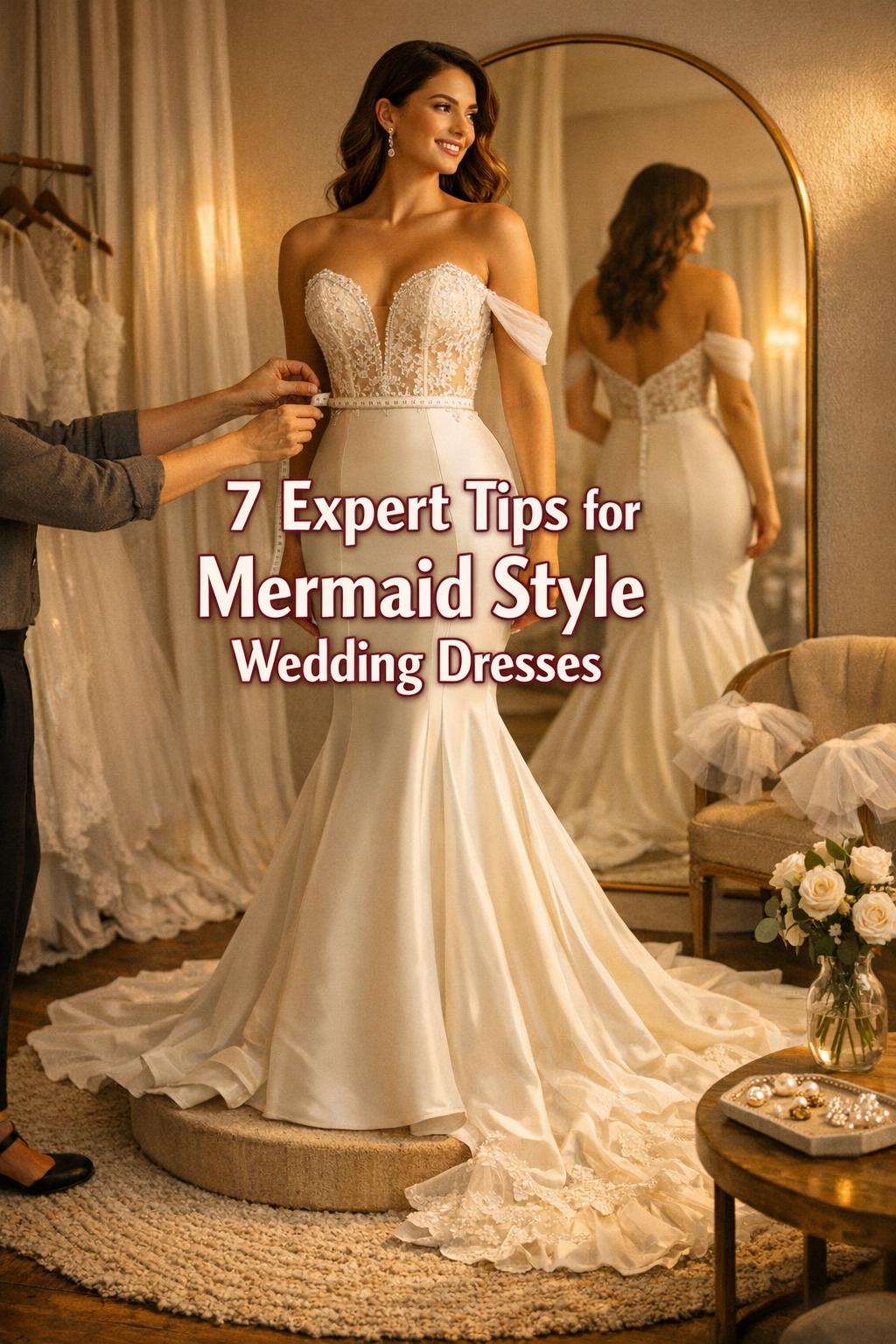
Mermaid Styles by Fabric
Fabric choice changes everything in mermaid style wedding dresses: the overall vibe, the level of structure, how the skirt moves, and how the gown feels over a full day. Some fabrics emphasize a crisp, sculpted line; others soften the silhouette so it reads more romantic or beachy. Many collections highlight popular mermaid materials like lace, crepe, satin, and Mikado, often paired with design details such as beading, embroidery, or illusion panels.
Lace Mermaid Dresses
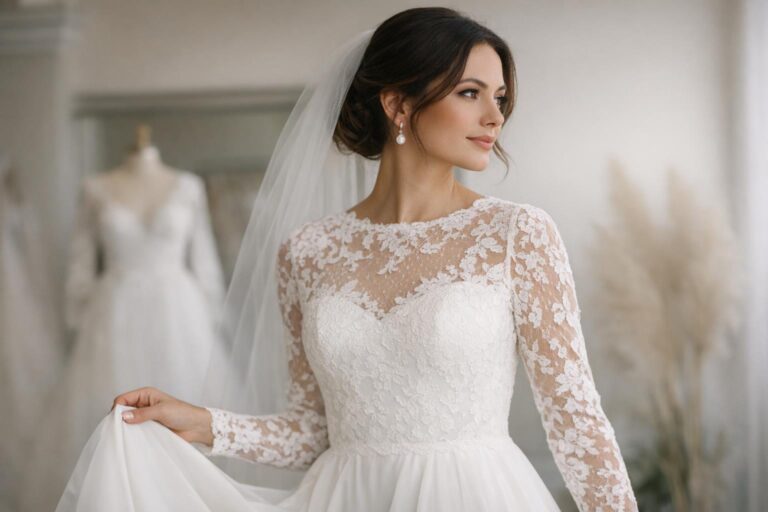
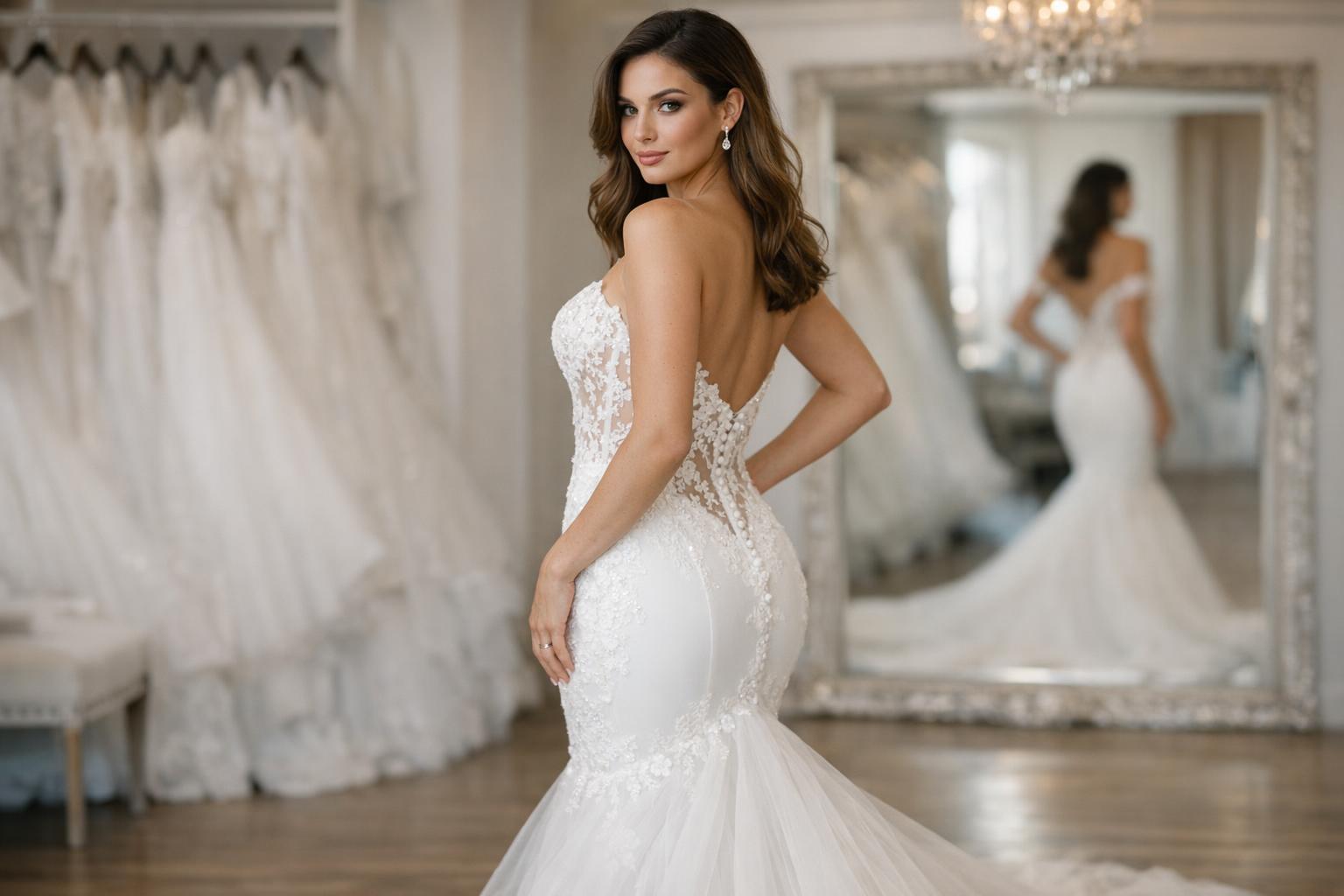
A lace mermaid dress often reads as timeless and textured, with pattern and dimension that photograph beautifully. Lace can be used as an allover layer, as appliqué placed to contour the body, or combined with illusion effects to create contrast between coverage and sheerness. Lace pairs naturally with romantic details like long sleeves, delicate necklines, and train-focused drama.
Tip: If you love lace but don’t want the silhouette to feel overly “busy,” look for lace placement that feels intentional—such as motifs that draw the eye upward to the neckline or down into the flare for a balanced look.
Satin and Mikado Mermaid Dresses
Satin and Mikado are popular choices for brides who want a cleaner, more polished mermaid silhouette. These fabrics tend to highlight the gown’s architecture—seaming, boning, and the transition from fitted body to flared skirt. In editorial and designer-focused collections, satin and Mikado mermaid gowns often lean modern, with sleek necklines, minimalist detailing, and statement trains that carry the drama.
Tip: If you’re drawn to a smooth, structured look, ask to see mermaid gowns with crisp construction in the bodice. The right support can make a fitted silhouette feel more secure and comfortable throughout the day.
Crepe Mermaid Dresses
A crepe mermaid wedding dress is often chosen for its refined, contemporary feel. Crepe tends to drape smoothly and can create a streamlined line from bust to flare, making it ideal for brides who want a clean silhouette that still feels wearable. Crepe is also frequently styled with modern accessories and can look striking with minimal embellishment—or elevated with a bold back detail or sculptural neckline.
Tip: Crepe’s simplicity can be a strength. If you choose a sleek crepe mermaid, consider where you want your “feature moment”—neckline, back, sleeves, or train—so the overall look feels intentional.
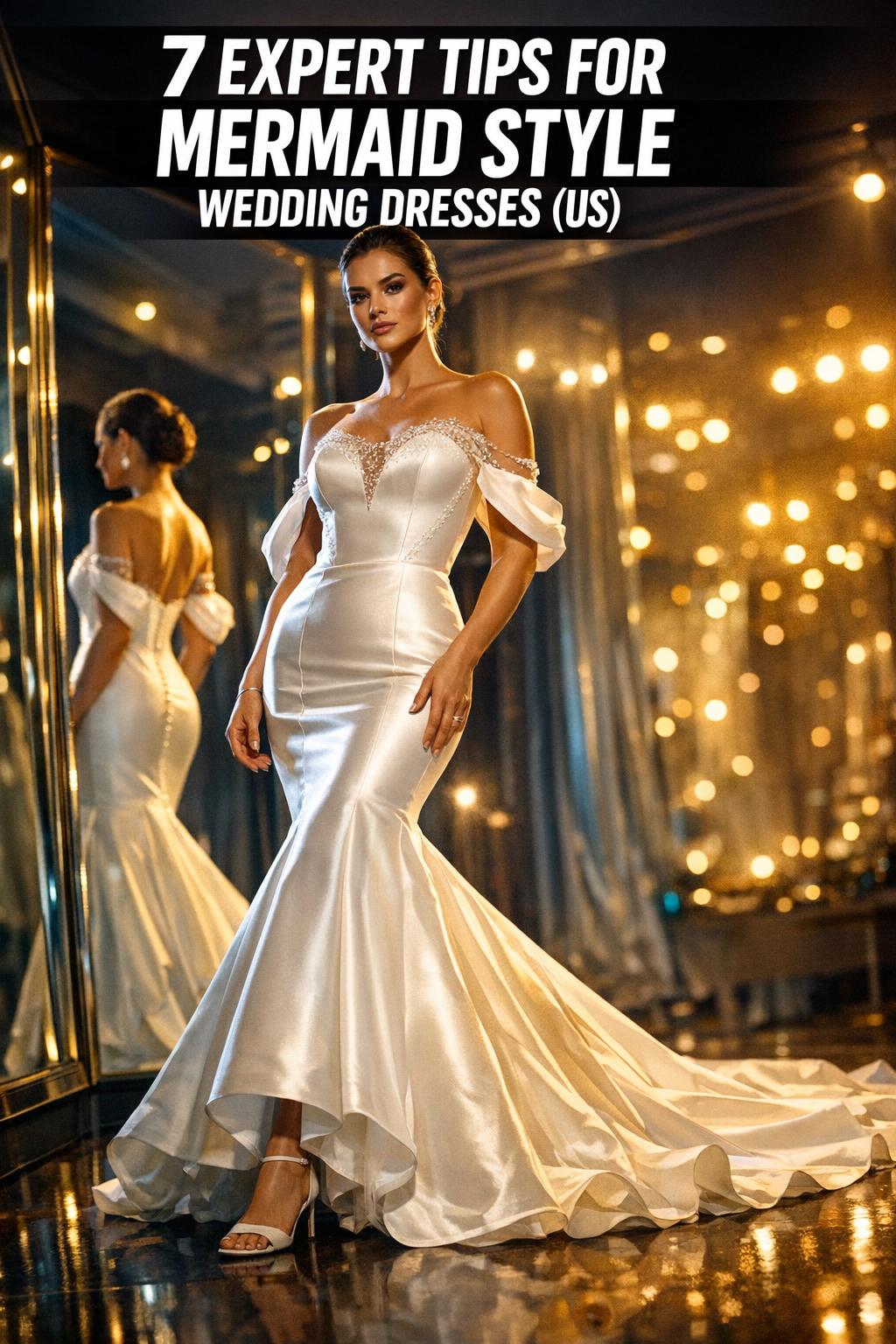
Necklines and Details That Define Mermaid Gowns
Mermaid style wedding dresses often stand out because the silhouette creates a built-in statement, and the details refine the mood. Necklines can shift the vibe from romantic to fashion-forward, while embellishments like beading and embroidery add dimension and sparkle. Many top mermaid designs also offer sleeve options—especially detachable sleeves—so you can change your look between ceremony and reception.
Sweetheart and Plunging Necklines
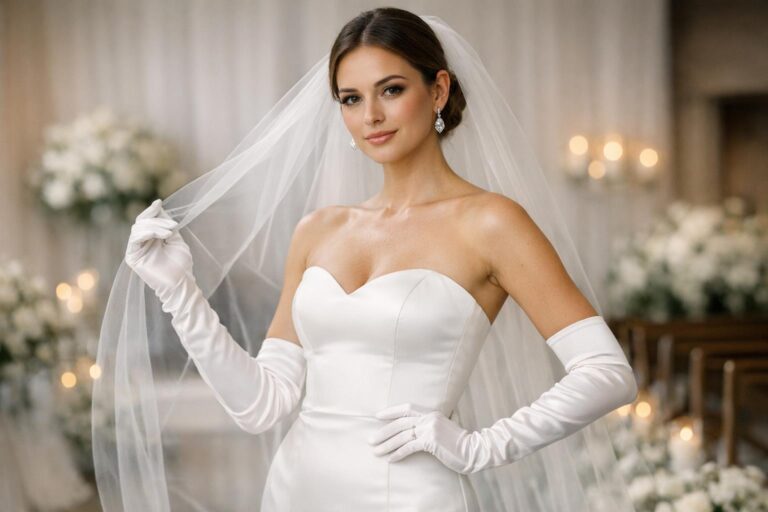
Sweetheart necklines are a classic pairing with the mermaid silhouette because they emphasize the bodice and feel naturally bridal. Plunging necklines add a bolder edge and can create a lengthening effect through the torso. Both styles can work beautifully in lace, satin, Mikado, or crepe, depending on whether you want soft romance or a sleek statement.
Tip: When evaluating a neckline, move around—raise your arms, sit, and take a deep breath. A neckline you love in the mirror should also feel secure and comfortable, especially in a fitted silhouette.
Illusion Bodices, Beading, and Embroidery
Illusion bodices and illusion necklines are common in mermaid wedding dresses because they allow designers to play with structure and transparency. Beading and embroidery add depth and highlight the curves that the silhouette is designed to celebrate. If you want a gown that catches light in photos and feels especially elevated, a beaded mermaid dress can deliver that “gala” effect without changing the core shape.
Tip: With heavy beading or dense embroidery, pay attention to how the gown feels at the waist and hips. The silhouette is fitted by nature; choosing a comfortable interior construction matters just as much as the exterior sparkle.
Sleeve Options: Off-the-Shoulder, Long Sleeves, and Detachable Sleeves
Sleeves can dramatically change the mood of mermaid style wedding dresses. Off-the-shoulder sleeves often feel romantic and soft against the fitted structure of the gown. Long sleeves can bring a refined, editorial look—especially in lace or illusion styles. Detachable sleeves are a favorite detail for brides who want versatility: you can create a more dramatic ceremony look and then remove sleeves for easier movement at the reception.
- Off-the-shoulder sleeves: romantic and balanced against a fitted bodice
- Long sleeves: elegant, often paired with lace or illusion details
- Detachable sleeves: flexible styling for ceremony-to-reception transitions
Tip: If sleeves are a must-have, bring your hairstyle vision into the try-on. An updo, half-up style, or hair down can change how sleeves and neckline details read from the front and in photos.
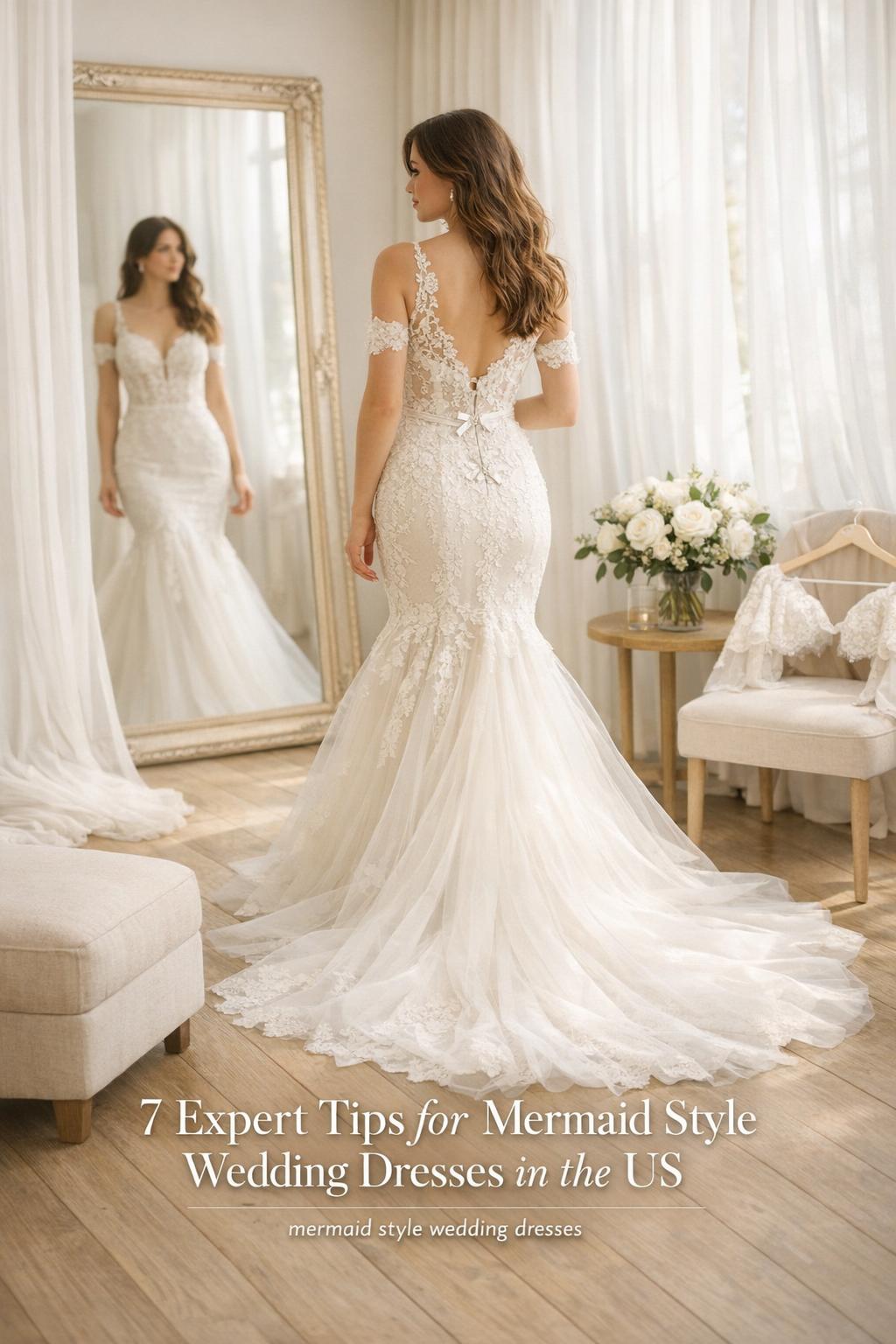
Body Type Considerations for Mermaid Style Wedding Dresses
Mermaid silhouettes are often associated with hourglass figures, but the best approach is to focus on proportion and personal comfort rather than any single “ideal” body type. Designers and editors frequently frame mermaid gowns as especially flattering for hourglass shapes because the silhouette echoes natural curves; however, variations in fabric, construction, neckline, and flare placement can shift the effect for many brides.
Hourglass and Pear Shapes
For hourglass figures, a mermaid silhouette can emphasize balance between bust and hips, especially when the bodice has supportive structure and the flare begins near the knee. For pear shapes, many brides like how a fitted bodice and hip-hugging skirt celebrates curves while the flare adds drama and movement below. The key is ensuring the gown fits smoothly through the hips without feeling restrictive.
Tip: If you love the mermaid look but want a slightly softer approach through the hip area, try a fit-and-flare wedding dress alongside true mermaids. Small differences in flare placement can make the silhouette feel more natural on your body.
Petite and Tall Considerations
For petite brides, the placement of the flare matters: if the “break” point hits too low, it can visually shorten the leg line; if it’s placed thoughtfully, it can create a sleek, elongated look. Tall brides often have more flexibility with flare placement and can lean into dramatic trains and sculptural details, since the silhouette has more vertical space to showcase the design.
Tip: Don’t judge a mermaid gown solely from the front. Walk, turn, and view it from the side and back. Mermaid style wedding dresses are designed to be impactful in motion and in full-length angles, not just straight-on.
Alterations and Fit: The Make-or-Break Factor
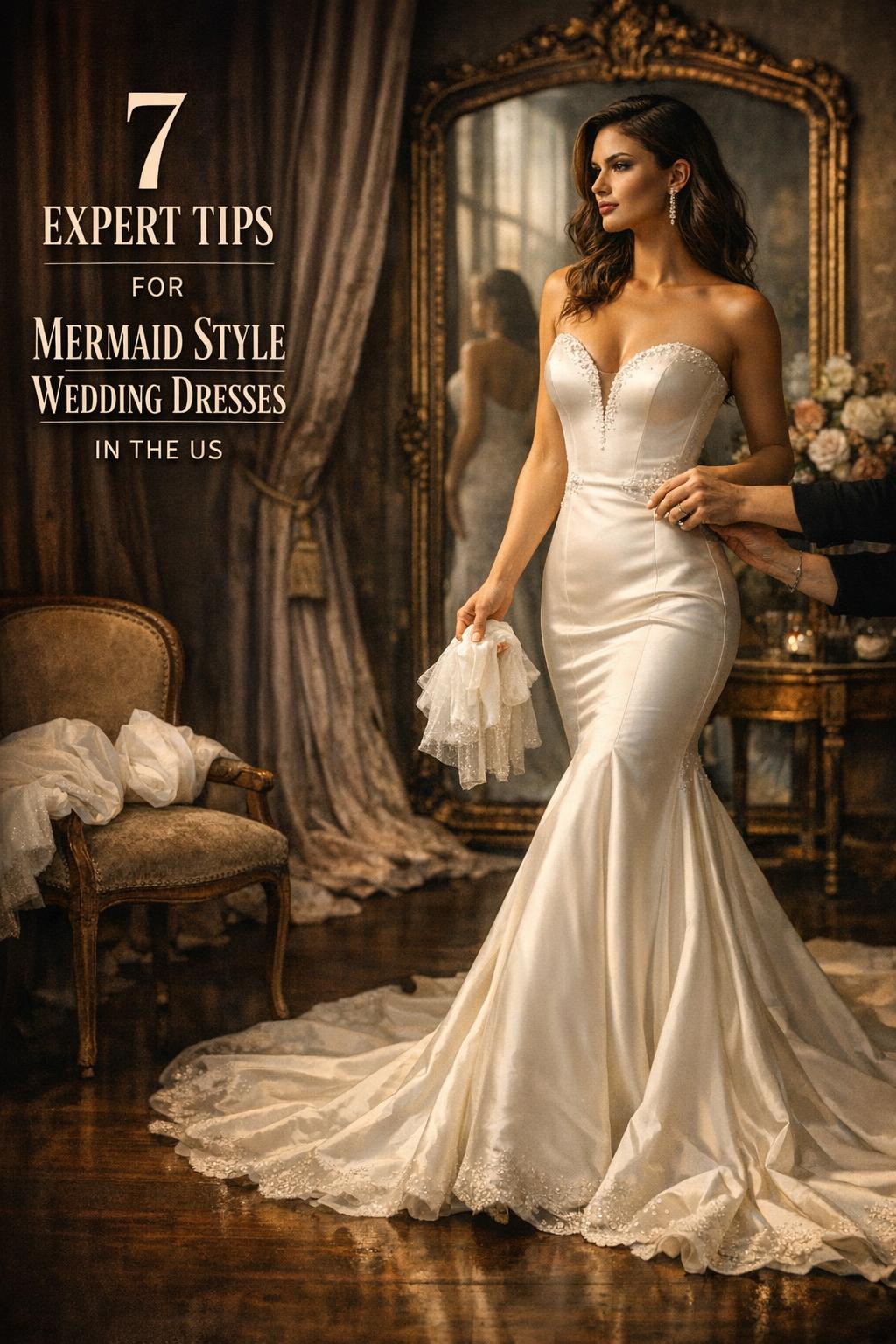
Because mermaid silhouettes are fitted through the hips, tailoring is especially important. Even a gorgeous gown can feel “off” if the waist or hip fit isn’t precise, or if the flare begins at an awkward point for your height. This is why fittings and alterations are a core part of mermaid dress success: the goal is a smooth fit through the bodice and hips, with a flare that starts where it best complements your proportions.
Tip: During your try-on, note whether you feel pressure when sitting or taking steps. That feedback helps your stylist or seamstress recommend either a different mermaid cut (such as fit-and-flare) or a change in fabric and construction that better supports movement.
Dress Length, Train, and Movement
Trains are a natural match for mermaid style wedding dresses because the silhouette already builds toward a dramatic finish. The train also influences how formal the dress feels and how it behaves in a venue. Beyond aesthetics, think about movement: you’ll be walking, standing, hugging, and likely dancing—so your train choice should match your day’s pace.
Train Choices: Cathedral, Chapel, and Sweep
Mermaid trains often fall into a few familiar categories, each with a distinct level of drama and practicality. A cathedral train makes the biggest statement and is often chosen for formal settings. A chapel train still feels bridal and elevated while being more manageable. A sweep train offers a softer finish and can be ideal if you want the mermaid effect without maximizing length behind you.
- Cathedral train: maximum drama and a striking aisle moment
- Chapel train: classic bridal impact with easier manageability
- Sweep train: subtle, practical, and less likely to feel heavy
Tip: If you love a longer train for the ceremony, ask about options that help you transition for the reception—whether that’s a bustle approach during alterations or styling choices that make movement easier while keeping the silhouette intact.
Movement and Comfort Tips for Dancing
Comfort in a mermaid gown is mostly about hip mobility and how the flare is cut. Some mermaid wedding dresses feel more flexible because the fabric and construction allow a more natural step; others are intentionally structured and will feel more “sculpted.” The best test is practical: take real steps, sit down, and do a gentle dance move in the fitting room.
Tip: When comparing dresses, ask yourself where you want to compromise—maximum sculpted drama, or maximum freedom. Many brides find their sweet spot in a fit-and-flare that delivers the same general vibe while feeling easier for a long reception.
Price Ranges and Where to Shop
Brides typically approach mermaid style wedding dresses with both inspiration and shopping intent—meaning you may be browsing a gallery of styles, narrowing down by details like an illusion neckline or detachable sleeves, and then looking for a place to try on or buy. There are also multiple ways to shop: curated editorial roundups that highlight designers and features, brand collections with appointment CTAs, and retailer catalogs that showcase variety and price points.
Budget-Friendly Mermaid Gowns
If you’re searching for an affordable mermaid wedding dress, focus on retailers and collection pages that show clear assortments and options. Budget-friendly doesn’t have to mean simple: many catalogs include mermaid silhouettes with sleeves, back details, and varied fabrics. The most helpful approach is to shortlist a few must-have features—like lace vs. crepe, sleeves vs. strapless, or a specific neckline—so you’re comparing similar designs within your budget range.
Tip: When shopping budget-friendly options, ask about what’s included in the purchase and what may still be needed for the final look (especially tailoring). Mermaid silhouettes rely on fit, so planning for adjustments is part of smart budgeting.
Designer and Couture Options
Designer mermaid dresses often emphasize distinctive construction and high-impact detailing: intricate beading, elevated lace work, and fashion-forward silhouettes that feel runway-inspired. Editorial coverage also highlights mermaid variants within broader high-fashion collections—showing how designers use sculpted lines, transformable elements, and dramatic finishes to reimagine the mermaid concept.
Tip: For designer and couture-leaning mermaid gowns, bring inspiration images that show the exact detail you love (beading density, neckline depth, sleeve shape). In this category, small design choices can significantly change the overall mood.
How to Choose Where to Shop: Editorial Galleries, Brand Boutiques, and Aggregators
Different sources serve different shopping stages. Editorial galleries can help you identify what you’re drawn to—beaded mermaid glamour, minimalist crepe, lace romance, or sleeves and illusion detailing. Brand boutiques and collections make it easier to book appointments and focus on a consistent aesthetic. Aggregator-style catalogs are useful when you want a wide list of mermaid options to compare quickly.
- Use editorial roundups to discover silhouettes and details you love
- Use brand collections to explore a cohesive design style and book a fitting
- Use retailer catalogs and listings to compare options and narrow by features
Tip: Create a short “feature checklist” before you shop: preferred fabric, neckline style, sleeves (including detachable sleeves), and train length. It keeps appointments focused and reduces the overwhelm that can come with scrolling large catalogs.
Real Weddings and Style Inspirations
Mermaid silhouettes are inherently photogenic, but styling choices make the look feel personal. Many mermaid designs are presented with accessory and styling guidance—especially veils and jewelry—because the fitted bodice and dramatic skirt naturally frame statement pieces. The best inspiration is practical: pairing your gown’s mood with your venue and your comfort priorities.
Venue Pairings: Beach, Garden, and Ballroom
Mermaid wedding inspiration often centers on matching the silhouette’s drama to the setting. Beach and destination vibes can lean toward softer, streamlined mermaid interpretations with lighter-looking fabrics and less structured styling. Garden weddings pair well with romantic lace and delicate details. Ballrooms and formal venues often amplify the impact of beading, statement trains, and polished fabrics like satin or Mikado.
Tip: Picture your full day, not just the ceremony. If your venue involves lots of walking, stairs, or tight seating, consider how your flare and train will behave. The right mermaid gown is the one that looks stunning and still lets you be present and comfortable.
Accessory Pairings: Veils, Jewelry, and Finishing Touches
Because mermaid style wedding dresses often create a strong line through the body, accessories can either complement the clean shape or add contrast. Veils are a common styling choice, especially when you want to echo the drama of the train. Jewelry decisions often follow the neckline: a sweetheart neckline can pair with a classic necklace or statement earrings, while an illusion neckline may look best with earrings and a simpler neckline area.
Tip: Use one focal point. If your gown is heavily beaded or embroidered, consider more restrained jewelry. If your gown is sleek crepe or minimalist satin, you can use accessories to create the “extra” moment without altering the silhouette.
How to Choose and Try On a Mermaid Dress
Choosing a mermaid gown is a balance of inspiration and real-life fit. Many top mermaid pages emphasize discovery (photos and features), then move quickly into practical next steps like booking appointments, comparing styles, and checking fit guidance. Your goal in the try-on process is to identify the mermaid shape that makes you feel confident—and to confirm you can move the way you want to move.
Fitting Tips, Alterations, and Undergarments
Mermaid silhouettes are less forgiving of minor fit issues because they’re designed to be close to the body through the hips. During fittings, pay attention to how the bodice feels (support and security), whether the waist sits comfortably, and whether the hip area allows natural steps. Undergarments should support the smooth line you want, especially with crepe or satin styles that highlight construction and seams.
- Walk and sit test: confirm you can take comfortable steps and sit without strain
- Check the flare placement: confirm the skirt breaks where it flatters you most
- Evaluate the bodice: look for secure support that doesn’t pinch or slide
- Plan for tailoring: mermaid gowns often rely on precise fit to look their best
Tip: If you’re deciding between two similar dresses, choose the one that feels better in motion. You’ll remember how you felt wearing it just as much as how it looked in photos.
What to Bring to a Mermaid Dress Appointment
Appointments go more smoothly when you arrive prepared to evaluate both style and wearability. Bring inspiration images that show the exact details you love—like an illusion neckline, beaded bodice, lace pattern, or detachable sleeves. If you already know you want a specific vibe (modern crepe, romantic lace, or polished satin/Mikado), mention it early so your stylist can pull the most relevant silhouettes.
Tip: Wear (or bring) shoes with a similar height to what you might wear on the wedding day. Mermaid flare placement and train length can look different depending on your height, posture, and heel choice.
Care, Preservation, and Longevity
Mermaid style wedding dresses can include lace, crepe, satin, Mikado, and heavy embellishments like beading and embroidery—all of which benefit from thoughtful care. Even if you’re focused on the wedding day right now, it helps to consider what happens after: cleaning, storage, and how to protect the structure and detailing that make a mermaid gown so striking.
Cleaning Considerations for Beaded Lace, Satin, and Mikado
Different materials and details call for different levels of care. Beaded lace and embroidered areas can require extra attention because embellishments add texture and weight. Smooth fabrics like satin and Mikado highlight surface changes more easily, while crepe emphasizes clean lines. The safest approach is to follow professional guidance appropriate to your gown’s fabric and detailing so the silhouette and finish remain intact.
Tip: Before the wedding, ask how your gown’s details should be handled if a quick spot-clean is needed. Knowing what to do (and what not to do) can prevent stress during a busy weekend.
Storage Best Practices
Mermaid gowns often include structured bodices and trains that benefit from careful storage. The priority is protecting the shape and preventing unnecessary creasing or stress on detailed areas like beading, lace appliqué, and seams around the fitted hip zone. Proper storage helps preserve the look whether you’re keeping the gown as a keepsake or considering future use.
Tip: If your gown has a dramatic train or dense embellishment, handle it gently when lifting or moving it. Supporting the weight of the skirt and train reduces strain on seams and decorative elements.
Expert Tips and Common Pitfalls
Mermaid style wedding dresses reward thoughtful selection. The most common disappointments come from choosing a silhouette for the photo without planning for fit, movement, and the reality of a full day in a fitted gown. Use these practical tips to avoid the usual pitfalls and feel confident from first look to last dance.
- Don’t rely on the name alone: “mermaid,” “trumpet,” and “fit-and-flare” can overlap—judge the flare placement and movement on your body
- Prioritize construction: a supportive bodice often makes a fitted gown feel more comfortable and secure
- Balance detail with simplicity: if you choose heavy beading or embroidery, consider cleaner accessories; if you choose minimalist crepe, let accessories add impact
- Test your real day: walk, sit, and turn in the dressing room to check hip mobility and comfort
- Plan for the transition: detachable sleeves or a reception-ready styling change can give you two distinct looks without changing dresses
Tip: If you feel torn between drama and ease, try a few mermaid silhouettes with different flare points. Sometimes the “right” dress isn’t a different style—it’s the same style with a more flattering break point and a fabric that suits your comfort preferences.
Conclusion: Is a Mermaid Style Right for Your Bride Moment?
Mermaid style wedding dresses are for brides who love a defined, sculpted line and a memorable finish—especially when paired with thoughtful fabric choices, a flattering neckline, and a train that matches the vibe of the day. If you prioritize fit, test movement during try-ons, and choose details that feel like you, the mermaid silhouette can deliver both confidence and impact in a way few other styles can.
FAQ
What makes mermaid style wedding dresses different from fit-and-flare wedding dresses?
Mermaid style wedding dresses are typically more fitted through the hips and upper thigh and flare closer to the knee for a more dramatic “break,” while fit-and-flare gowns transition more gradually into the skirt and often feel less restrictive in movement.
Are mermaid wedding dresses only flattering on hourglass figures?
Hourglass figures are often highlighted as a natural match for mermaid silhouettes, but the most flattering result depends on flare placement, fabric, and construction; many brides find a mermaid or fit-and-flare variation that works well once it’s properly tailored.
Can I dance and move comfortably in a mermaid silhouette wedding dress?
Yes, but comfort varies by gown; the best way to know is to walk, sit, and gently move during your try-on, paying attention to hip mobility and how the flare is cut, since some mermaid gowns are more structured while others allow easier steps.
What fabrics are most popular for mermaid dresses?
Lace, crepe, satin, and Mikado are commonly featured in mermaid collections, with lace adding texture and romance, crepe offering a sleek modern line, and satin or Mikado emphasizing polished structure and clean silhouette definition.
What are common detail features brides look for in mermaid gowns?
Popular details include illusion necklines and bodices, beading and embroidery for dimension, and sleeve options like off-the-shoulder, long sleeves, or detachable sleeves for a versatile ceremony-to-reception look.
How do I choose the right train length for a mermaid wedding dress?
Choose based on the level of drama you want and how much movement you’ll need: cathedral trains are the most dramatic, chapel trains balance impact and manageability, and sweep trains offer a more subtle finish that can feel easier for a busy day.
What should I pay attention to during mermaid dress fittings and alterations?
Focus on bodice security, comfort at the waist, smooth fit through the hips, and whether the flare begins at a flattering point for your height; mermaid silhouettes rely heavily on precise tailoring, so small adjustments can make a major difference.
Are detachable sleeves a good idea for a mermaid style wedding dress?
Detachable sleeves can be a strong choice if you want two looks in one, adding drama and coverage for the ceremony and then removing sleeves for easier movement and a lighter feel at the reception.
How should I think about accessories with a beaded or heavily detailed mermaid gown?
When the gown has prominent beading or embroidery, accessories often look best when they’re more restrained so the dress stays the focal point; when the gown is sleek and minimalist, accessories can provide the statement moment without changing the silhouette.