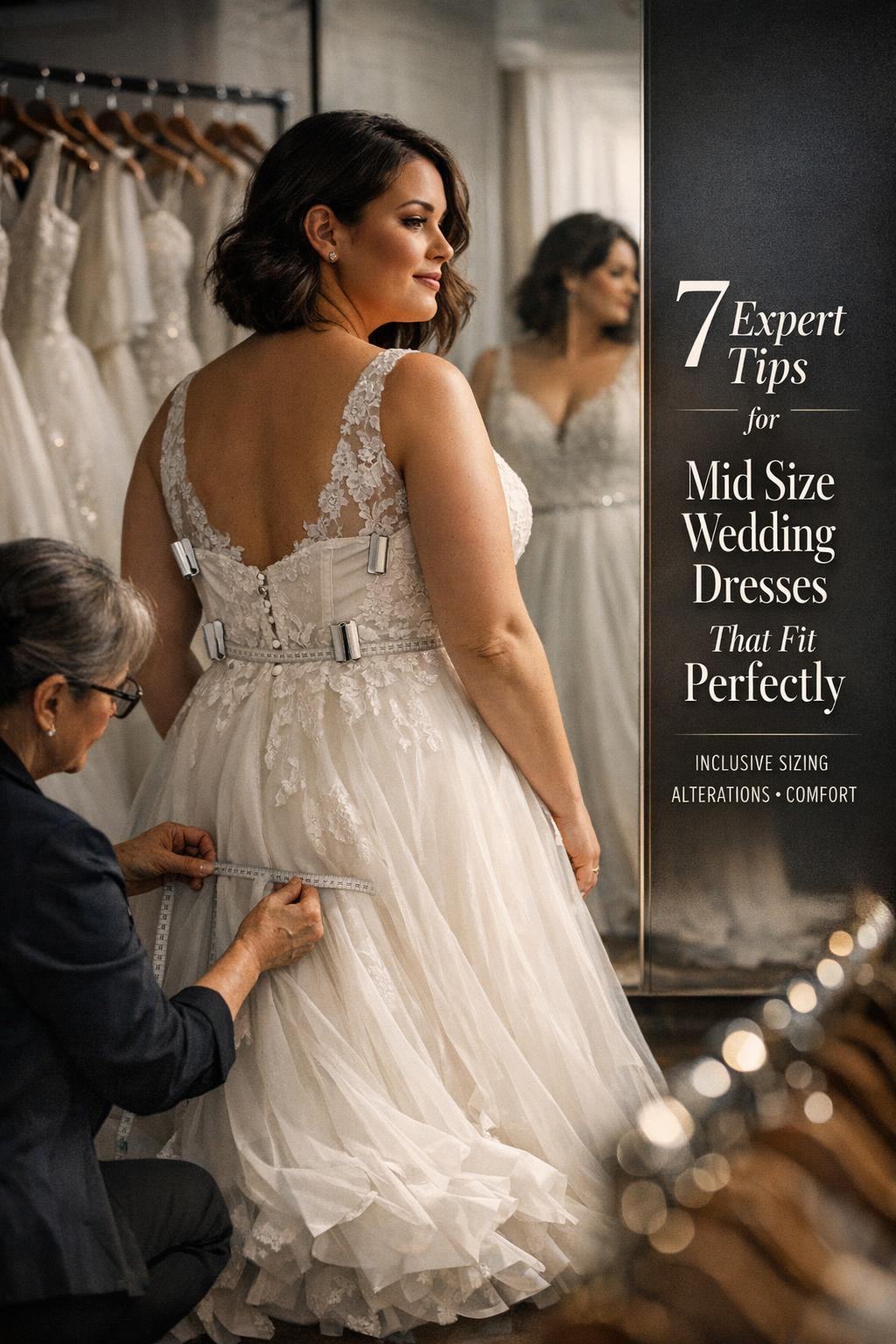
7 Expert Tips for Mid Size Wedding Dresses That Fit Perfectly
Mid Size Wedding Dresses: A Complete, Size-Inclusive Guide
Shopping for mid size wedding dresses is often a blend of excitement and very practical decision-making: you’re choosing a look you love while also navigating sizing labels, sample sizes, and the realities of alterations. This guide is built around what mid-size brides typically need most—clear sizing context, silhouette and fabric direction, inclusive shopping options, and an alteration-friendly roadmap—so you can focus on finding a gown that fits well and feels amazing from the first try-on to the last dance.
Because “mid-size” can overlap with “extended sizing” and sometimes gets grouped into “plus” categories depending on the retailer, the most reliable approach is to prioritize size-inclusive options, confirm size ranges and try-on accessibility early, and plan your timeline around ordering and tailoring. The goal is not to fit a label; it’s to find the dress that fits you.
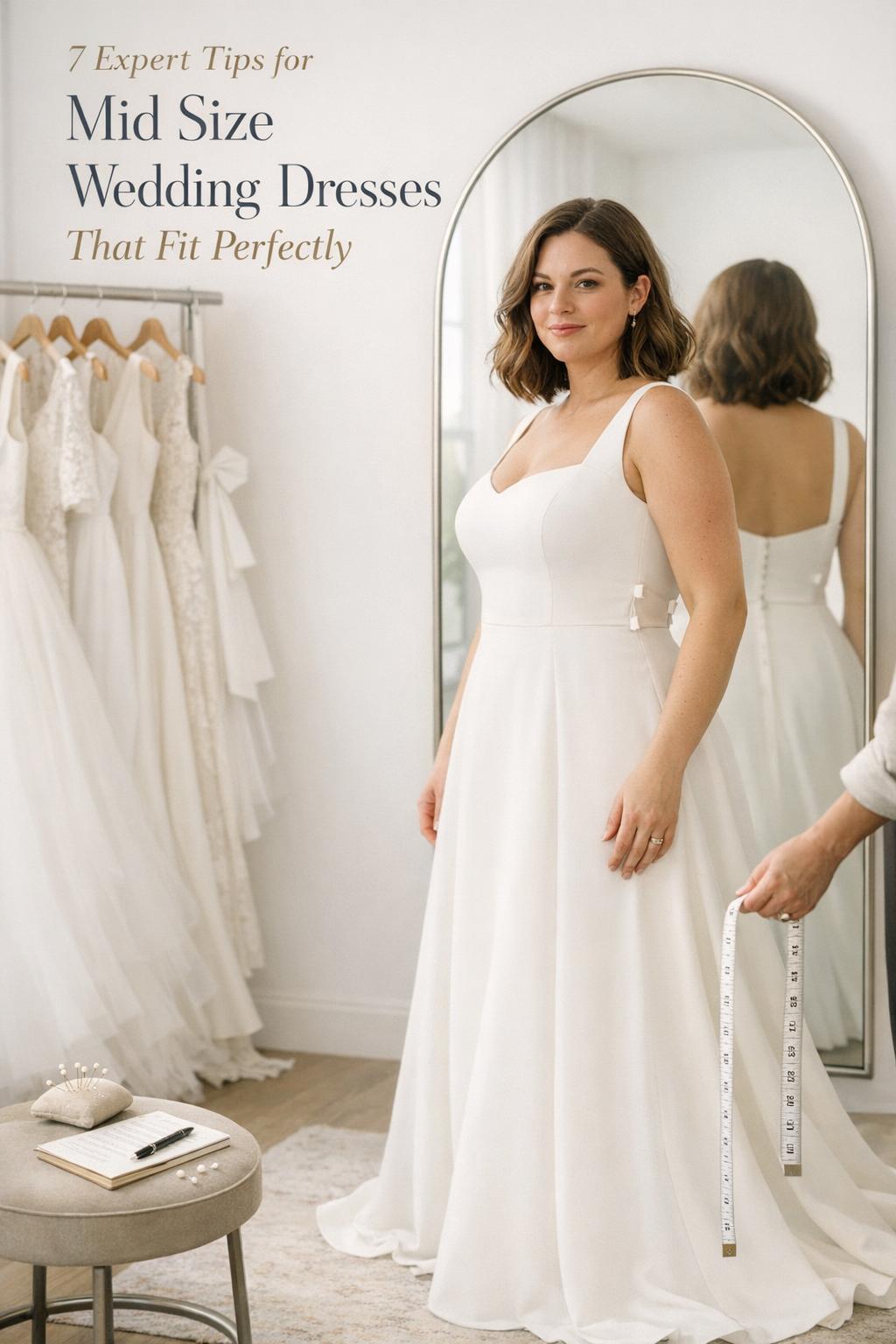
What “Mid Size” Means in Bridal (and Why It Can Feel Confusing)
In bridal, “mid size” isn’t a standardized measurement category, and that’s why it can feel inconsistent from one shop to the next. Many brides who identify as mid-size find that bridal sizing and sample sizing don’t match their everyday clothing expectations, and that some brands label the same range as standard, extended, or plus depending on their size chart and inventory approach.
The most helpful way to interpret “mid-size wedding dress” shopping is to treat it as a size-inclusive search: you’re looking for retailers and designers that consistently offer extended size ranges, carry accessible samples to try on, and have clear support for alterations and fit. If you see phrases like size-inclusive wedding gowns or wedding dresses size 14 and up, you’re in the right neighborhood—what matters is the availability of your measurements in that brand’s chart and a realistic plan for tailoring.
Tips: How to Approach Bridal Sizing with Confidence
Start by separating your identity and your measurements from the number on a tag. When you focus on a brand’s size chart and how their samples run, you can make better decisions faster, avoid discouraging try-ons, and choose a gown that can be tailored cleanly.
- Use the retailer’s or designer’s size chart as your reference point, not your street size.
- Ask what sample sizes are available for try-on before booking an appointment.
- Plan for alterations as a normal part of the process, not a last resort.
- Prioritize shops with clear policies on ordering sizes, returns (when applicable), and tailoring support.
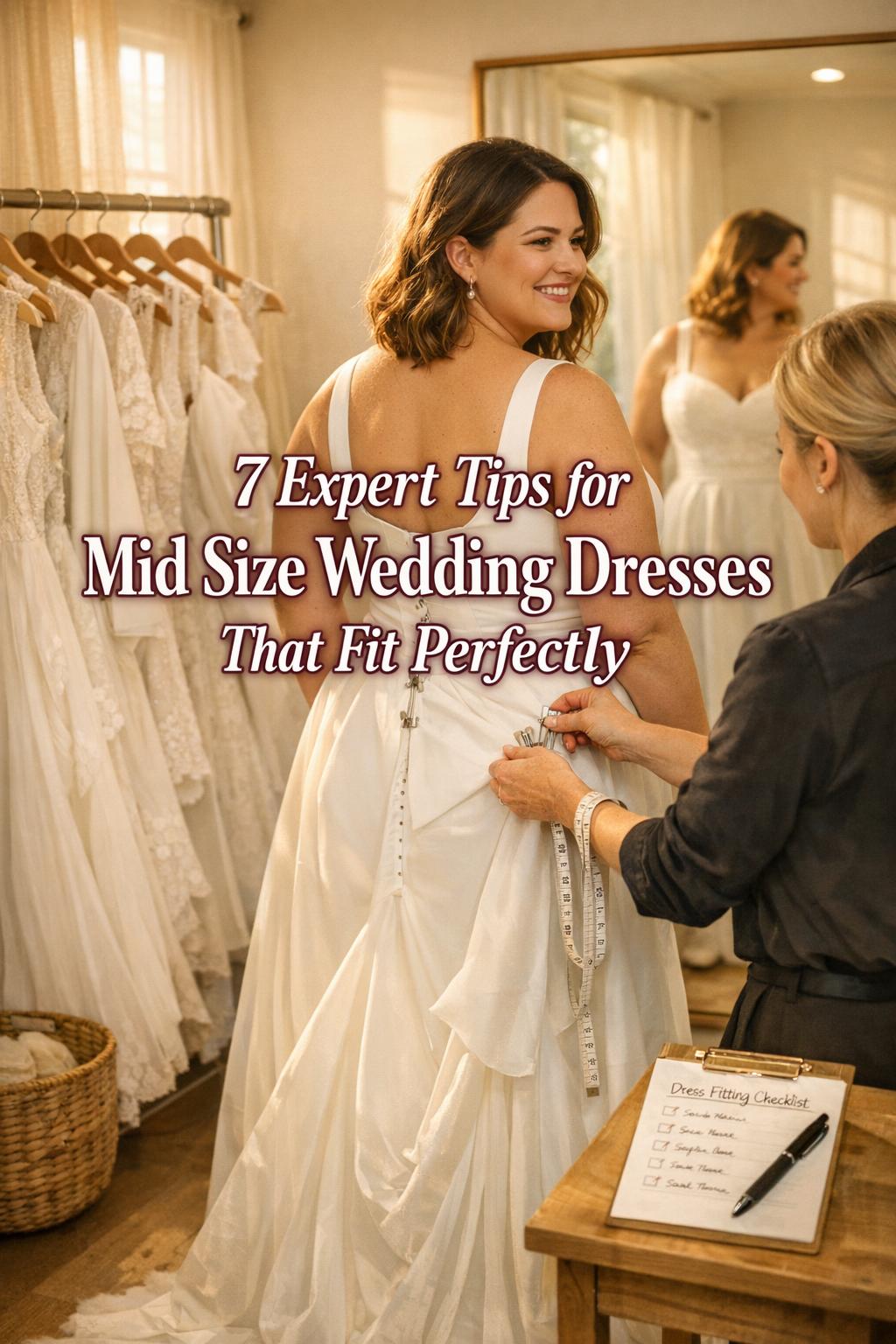
Key Silhouettes for Mid-Size Brides
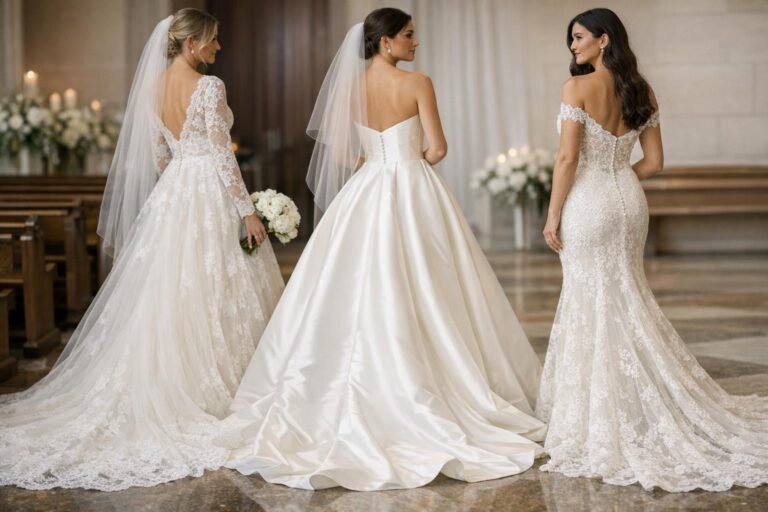
Silhouette is one of the fastest ways to narrow your options when you’re comparing mid size wedding dresses. The right shape can make fit more forgiving, improve comfort, and simplify alterations—especially if you’re choosing between multiple wedding styles (boho, classic, modern) or planning for a long day of wear.
A-Line
The A-line is a go-to in size-inclusive wedding gowns because it balances structure with ease. It typically defines the waist (or gives the impression of definition) and then skims over the hips, which can make it feel comfortable while still looking polished and intentional.
Practical styling tip: if you want more movement without adding bulk, focus on how the skirt fabric drapes rather than automatically choosing more volume. Also, pay attention to how the bodice is built—boning, seaming, and strap structure can be the difference between “pretty” and “secure.”
Ball Gown
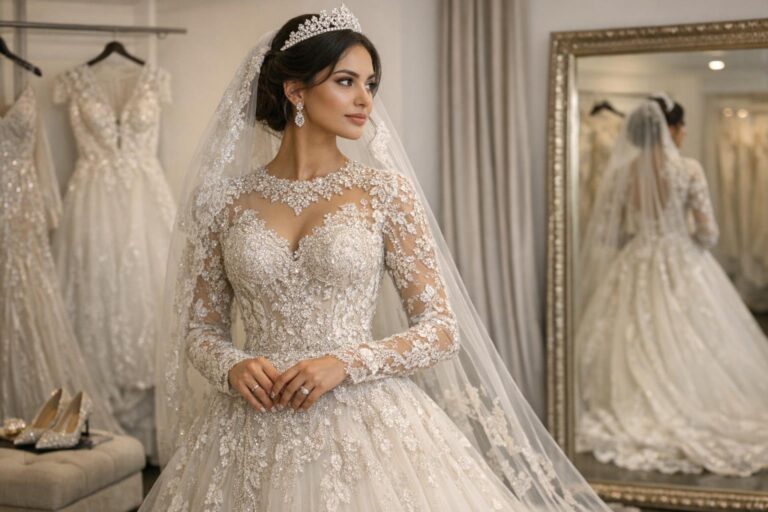
Ball gowns create a dramatic shape with a fitted bodice and full skirt. For curvy wedding dresses and mid-size shoppers, this silhouette can feel supportive up top while offering space and comfort from the waist down. It can also be a strong choice if you’re leaning into a classic bridal moment.
Considerations: volume can mean weight, and weight can affect comfort across hours of photos, ceremony, and reception. Pay attention to how heavy fabrics and layers feel when you sit, walk, and turn.
Sheath/Column
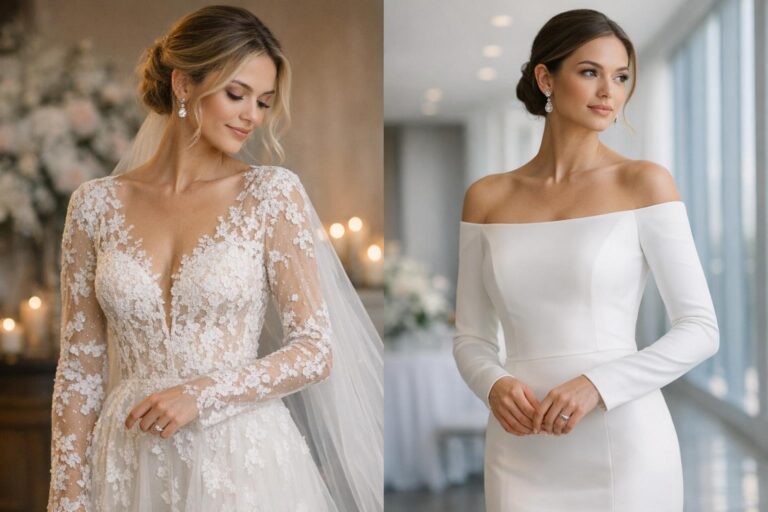
Sheath and column gowns follow the body more closely, creating an elongated line that many mid-size brides love—especially for modern, minimalist, or venue-forward weddings. Because these shapes are less forgiving, the details that matter most are fit through the bust, waist, and hip, plus the ability to move comfortably.
Practical styling tip: if you love a sleek look but want a little more flexibility, focus on fabric choice and internal structure rather than sizing down. A confident fit is one that lets you breathe, sit, and dance without constant adjustments.
Fit-and-Flare
Fit-and-flare silhouettes highlight curves while still allowing more mobility than a true mermaid. This is often a sweet spot for mid-size wedding dresses because it offers shape, definition, and a classic bridal outline without feeling as restrictive.
Considerations: because the shape is intentional through the torso and upper hip, tailoring precision matters. If you want this style, prioritize a clean fit at the bust and waist first; the flare does the rest of the visual work.
Mermaid
Mermaid gowns are dramatic and curve-forward, with a closer fit through the hips and a flare lower down. Many mid-size brides choose mermaid when they want a confident, fashion-forward statement, but it’s a silhouette where mobility and alterations deserve extra attention.
Considerations: plan to test movement early—walking, sitting, stepping sideways, and dancing. If it feels restrictive in the sample, ask how the final gown can be adjusted for comfort while maintaining the intended line.
Tips: A Simple Silhouette Shortlist Method
If you feel overwhelmed, pick two “home base” silhouettes and one “wild card.” For example, try an A-line and a fit-and-flare as your anchors, then add either a sheath/column (sleek) or a ball gown (drama). This keeps your appointment focused while still leaving room for surprise favorites.
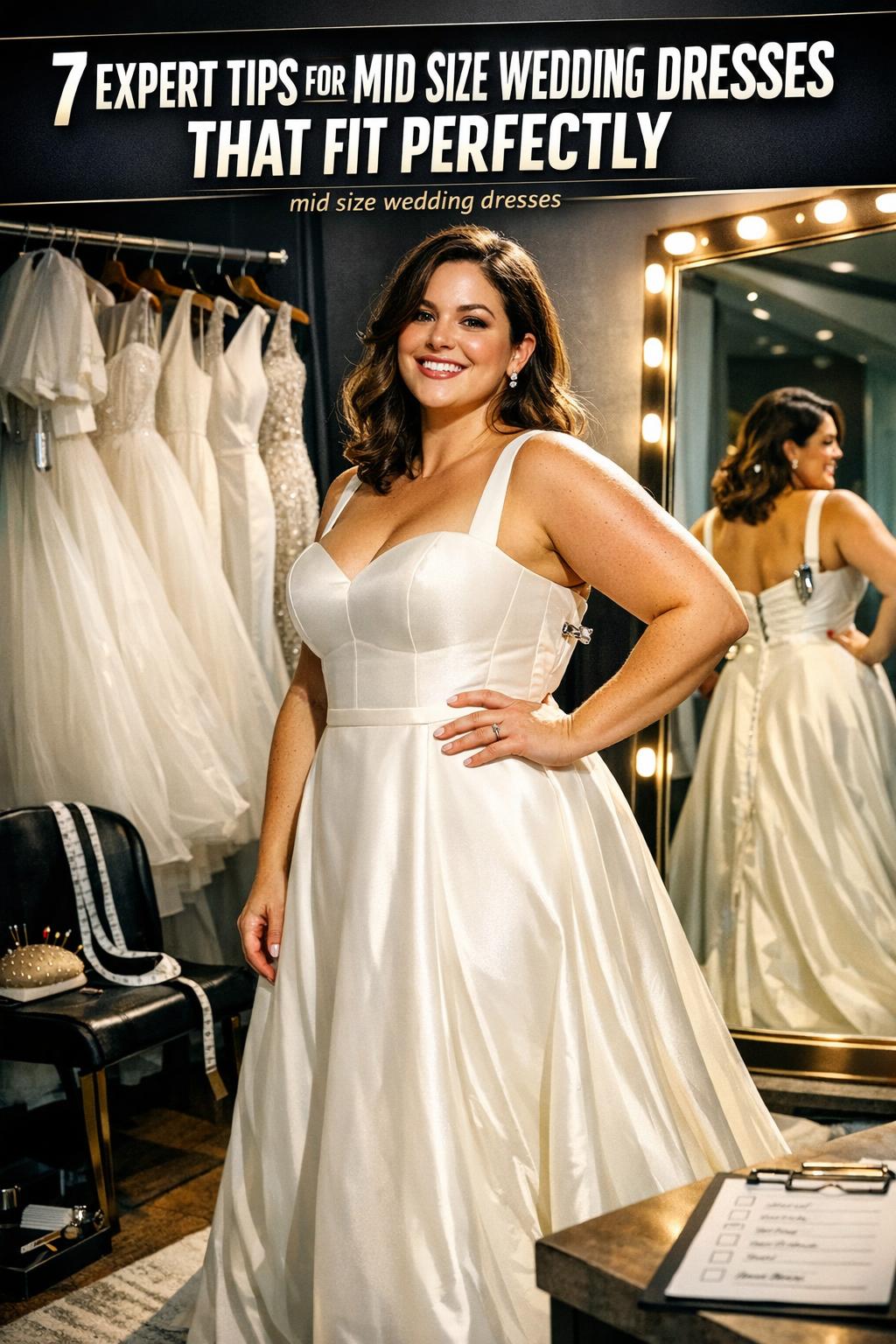
Fabric and Detailing Considerations
Fabric and detailing can make the same silhouette feel completely different in comfort, structure, and overall effect. When you’re shopping size-inclusive wedding gowns, fabric matters not just for style, but for how the dress drapes, how it handles movement, and how tailoring changes the final look.
Lightweight vs. Heavy Fabrics
Lightweight fabrics can feel easier for long wear, especially if your day includes lots of standing, walking, and dancing. Heavier fabrics can offer structure and a more sculpted look, but you’ll want to pay attention to how the gown carries its weight and whether it feels comfortable over time.
Tip to test comfort: during a try-on, take a few minutes to sit, stand, and walk in the dress. If the fabric feels heavy, ask whether the structure is coming from the fabric, the lining, or both—because that can affect how alterations behave later.
Lace, Crepe, Tulle, Satin: How Texture Impacts Fit
Texture changes how seams and construction read on the body. Lace can add dimension and romance; crepe is known for clean lines; tulle can create soft volume; satin can look classic and smooth. The key is how the fabric drapes and whether it supports the silhouette you want without fighting your movement.
Practical note: if you’re choosing a sleek silhouette like a sheath/column or a close fit-and-flare, fabric choice becomes even more important because the gown’s line is meant to be uninterrupted. If you’re choosing something fuller like an A-line or ball gown, the skirt fabric will influence weight and flow more than body-contour.
Embellishments and Silhouette Integrity When Sizing Up
Beading, appliqué, and heavy embellishments can add visual interest, but they also add weight and can influence how a gown sits. When ordering extended sizes or tailoring a sample experience into your final gown, ask how embellishments are handled in alterations—especially around seams, hems, and strap adjustments.
Tip for decision-making: choose the silhouette first, then let embellishments be the finishing layer. This helps you avoid picking a dress solely for details that may not translate the same way after tailoring.
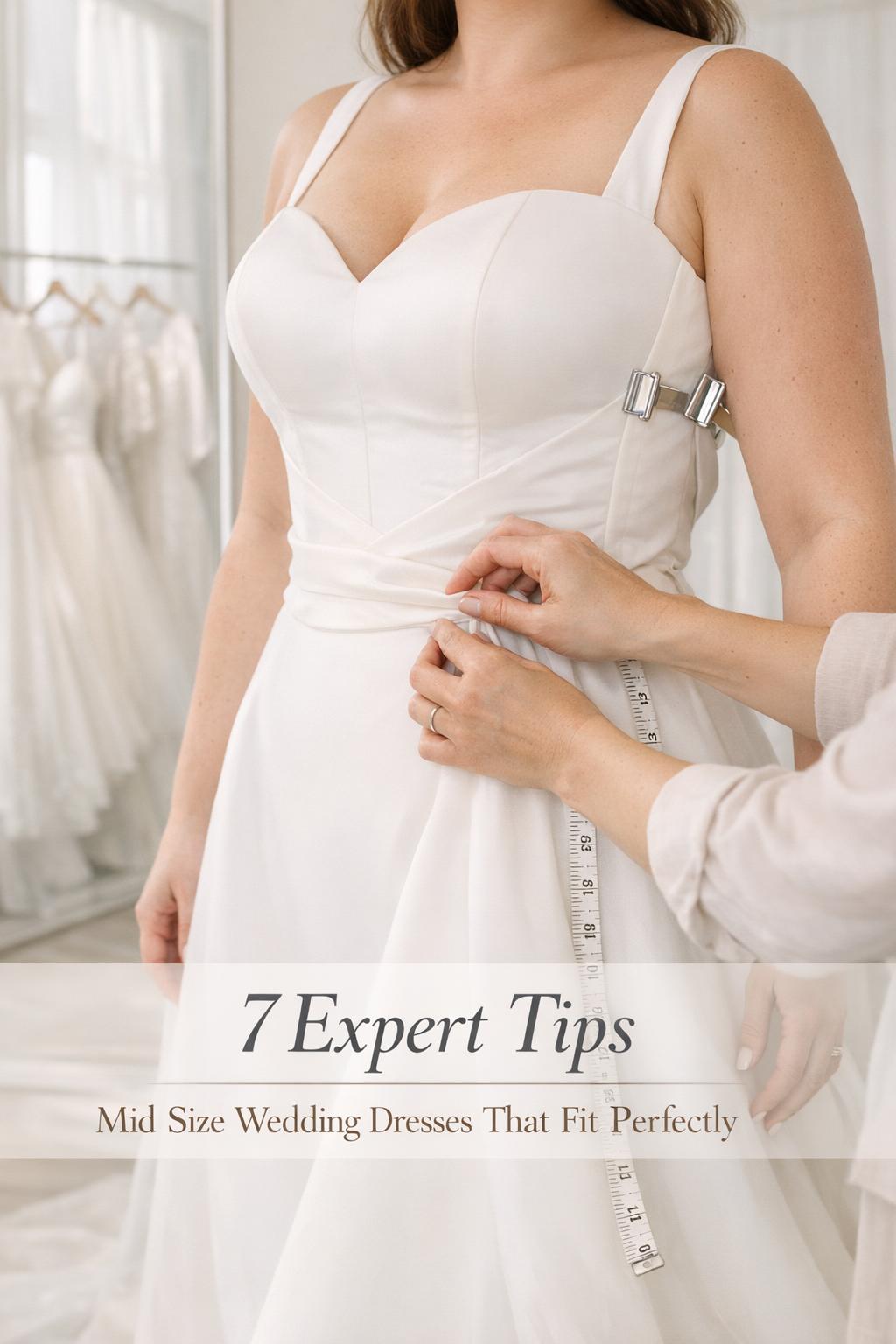
Finding Mid-Size Gowns: A Shopping Guide That Prioritizes Inclusivity
The best mid size wedding dresses are the ones you can actually try, order, and tailor without unnecessary friction. That means choosing shops and online options that treat extended sizing as a normal part of their assortment—not a limited add-on—and that can support you with clear size charts, accessible try-ons, and reasonable policies.
Where to Shop for Size-Inclusive Wedding Dresses
Many brides start with well-known bridal retailers and size-inclusive boutiques, then expand into online options that offer broader size ranges. If you’re building a shortlist, focus on places recognized for inclusive sizing availability and a clear bridal shopping experience. Examples often discussed in inclusive shopping conversations include David’s Bridal, Azazie, Kleinfeld, Sydneys Closet, and boutiques such as The Curvy Bride.
Different retailers vary in how they stock samples, how they handle ordering, and how they support fittings. You’ll save time by calling ahead or checking the retailer’s size chart and appointment details before you commit to a day of try-ons.
How to Evaluate Size Inclusivity Before You Book an Appointment
Inclusivity isn’t just about the maximum size on a chart. It’s also about whether you can have a meaningful try-on experience, whether the shop respects your comfort, and whether the ordering and alteration path is straightforward.
- Size ranges: confirm the full range offered for the designers you want to try.
- Sample sizing: ask what sizes are available in-store for try-on.
- Try-on experience: confirm whether the store can clip samples safely and comfortably to approximate fit.
- Alteration support: ask what tailoring is commonly done for the silhouettes you’re considering.
- Policies: review timelines, deposits, and any return or exchange rules that apply to your purchase method.
Budget Considerations: New vs. Sample Sale vs. Pre-Owned
Mid-size and extended size shopping can intersect with budget in a very real way: a dress that fits well off the rack may require fewer changes, while a major tailoring project can increase your overall spend. A smart approach is to think in “total look” cost—dress plus alterations and any fit-focused additions you may need to feel secure and comfortable.
If you’re exploring sample sales or pre-owned options, prioritize dresses that are close to your measurements and that have a silhouette known for alteration flexibility. If you’re ordering new, build your timeline around production lead times and reserve enough time for multiple fittings.
Tips: How to Prepare for a Mid-Size Fitting Session
A strong try-on plan makes the day more productive and less emotionally draining. Your goal is to collect clear data about comfort, support, and movement—not to judge yourself in unfamiliar lighting and sample sizes.
- Bring or wear undergarments you can move in and that feel similar to what you’ll wear on the day.
- Take photos (if allowed) from multiple angles so you can compare silhouettes later.
- Ask for honest guidance on whether a dress is “close and tailorable” or likely to be a complicated alteration.
- Evaluate movement: walk, sit, lift your arms, and simulate dancing.
Sizing and Alterations: A Practical Roadmap
For most brides, the final fit of mid size wedding dresses is achieved through a combination of correct ordering and thoughtful alterations. Planning for this early helps you choose silhouettes and fabrics that tailor well, keeps your timeline realistic, and reduces last-minute stress.
How to Measure Accurately
Accurate measurements are the foundation of a good ordering decision, especially when you’re comparing size charts across multiple retailers. The most important measurements are typically bust, waist, and hips, and the most important habit is consistency: measure the same way each time, and match your numbers to the brand’s chart rather than guessing.
Tip for clarity: write down your measurements in a single note on your phone and bring it to every appointment. When you’re speaking with a consultant or browsing online, it keeps the conversation focused on fit rather than labels.
Alteration Timelines and Typical Costs
Alterations are normal, and they’re one of the biggest reasons you’ll want a realistic shopping timeline. Even if your gown arrives close to perfect, common adjustments can take multiple fittings. The most helpful approach is to plan early enough that tailoring can be done carefully rather than rushed.
Because costs and timelines vary widely by location, shop, and dress complexity, ask for a vendor-agnostic estimate range early in the process and request a general schedule for fittings. What matters most is not a single number, but whether the shop’s timeline aligns with your wedding date and your availability for appointments.
What Alterations Often Include
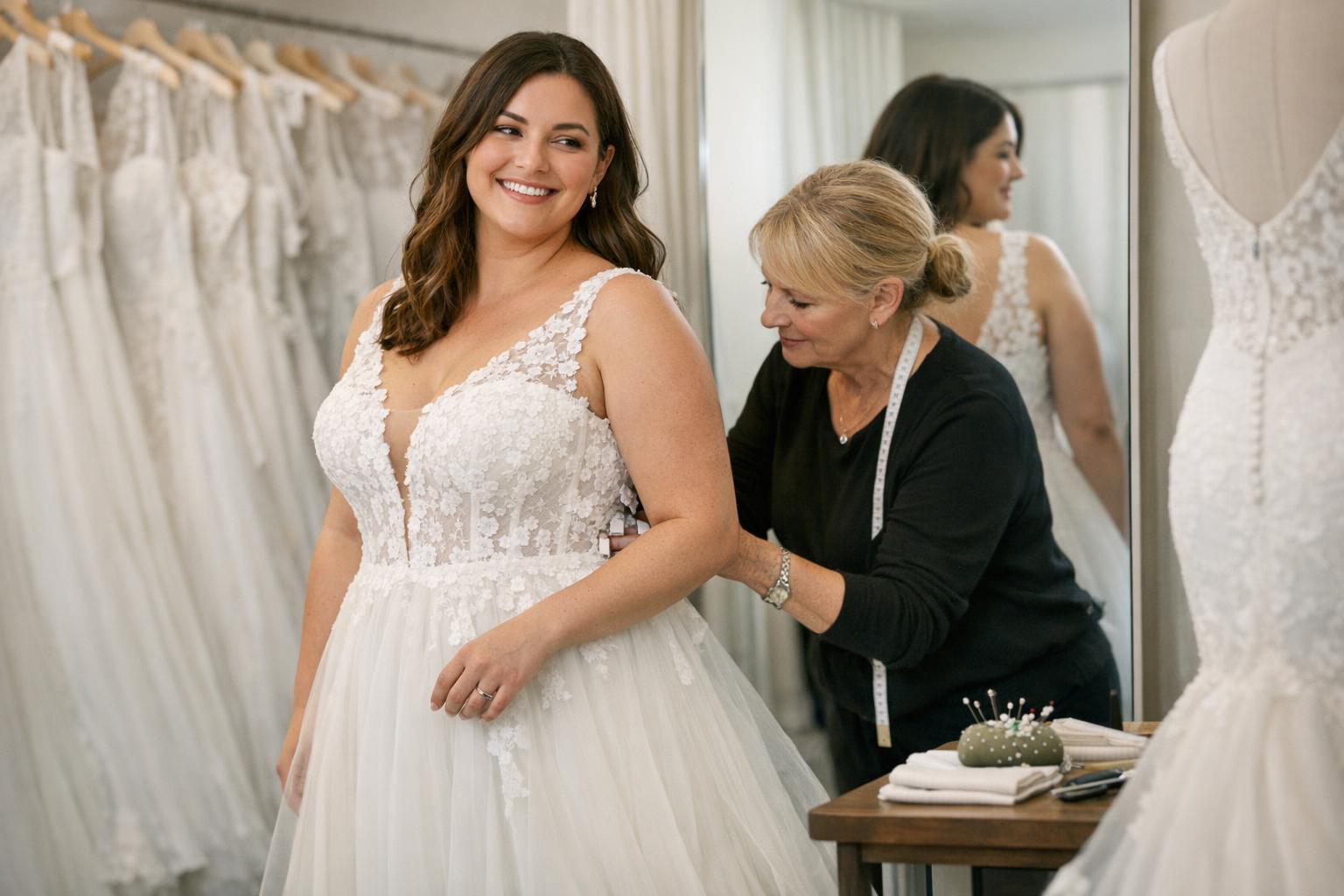
Many mid-size brides use alterations to fine-tune the bodice support, straps, and hem so the gown stays comfortable for hours. The closer the dress is to your measurements at ordering, the simpler this process tends to be, but even straightforward tailoring can transform how confident and secure you feel.
- Hem and bustle planning to support movement and dancing
- Bodice adjustments for comfort and secure support
- Strap or sleeve refinements to improve stability and ease of wear
- Waist and hip tailoring to match the intended silhouette line
Tips: Choose Alteration-Friendly Dresses on Purpose
If you’re deciding between two dresses you like equally, choose the one that is easier to tailor for your needs. A dress that feels comfortable and balanced in the sample stage often stays that way after alterations, while a dress that already feels restrictive can become an ongoing project.
Try-On and Showroom Strategy: Make the Experience Work for You
A successful mid-size bridal appointment is one where you leave with clarity: what silhouettes you like, what structure you need, and which retailers are truly size-inclusive in practice. Going in with a plan allows you to evaluate gowns on fit and feel rather than getting pulled in too many directions.
What to Bring and What to Ask
Preparing a few questions ahead of time helps you get real answers quickly. You’re allowed to advocate for a try-on experience that is respectful, efficient, and focused on your comfort.
- Ask what sample sizes are available in the styles you want to try.
- Ask how they recommend ordering when you’re trying on samples that don’t match your exact size.
- Ask what alterations are most common for your preferred silhouettes.
- Ask about timing: ordering lead time, alteration schedule, and how many fittings are typical.
How to Evaluate Comfort for Long Wear
Comfort is not a vague preference; it’s measurable. When you’re in the fitting room, test your range of motion and pay attention to pressure points. A gown can be visually stunning but still be the wrong choice if it demands constant adjusting or limits your movement.
Tip: give each dress a “five-minute test.” Don’t rush to change immediately—stand in it, sit, take a few steps, and notice whether you’re thinking about the dress or simply enjoying how you look.
Budget-to-Investment Paths: Choosing What Matters Most
Mid size wedding dresses span a wide range of price points, and the “right” spend is personal. A useful framework is to decide where you want to invest: the silhouette and structure that makes you feel supported, the fabric that gives you the look you want, or the overall shopping experience (such as in-person support and fittings).
Some brides prioritize accessible pricing and a straightforward ordering process, while others prioritize premium construction or a boutique experience. Either route can work well if you account for alterations and pick a dress that aligns with how you’ll move through your day.
Tips: A Simple Decision Filter When You’re Torn Between Two Dresses
If two gowns are equally beautiful, choose the one that requires fewer compromises. The best choice is usually the dress that feels stable at the bodice, comfortable at the waist and hips, and easy to move in—because that’s the dress you’ll enjoy wearing for hours, not just for photos.
Quick Reference: Mid-Size Wedding Dress Shopping Checklist
Use this checklist as a practical guide before appointments and before placing an order. It’s designed to keep the process focused on inclusive sizing, comfort, and a realistic timeline.
- Measurements saved (bust, waist, hips) and ready to reference against size charts
- Two main silhouettes to try plus one wildcard silhouette
- Fabric preferences noted (lightweight vs. structured; lace/crepe/tulle/satin)
- Try-on plan: confirm sample sizes and appointment expectations in advance
- Alteration plan: ask about typical changes for your chosen silhouettes
- Timeline mapped: ordering lead time plus multiple fittings
- Budget set as a total (dress plus anticipated alterations)
- Comfort test during try-on: sit, walk, lift arms, and simulate dancing
Conclusion: Finding a Dress That Fits Your Body and Your Life
The best mid size wedding dresses are the ones that combine style with a supportive, inclusive shopping path—clear size charts, accessible try-ons, and a plan for alterations that respects your schedule. Start with silhouettes that match your vision, choose fabrics that feel good for long wear, and prioritize retailers that treat extended sizing as standard. When you focus on fit, comfort, and a realistic timeline, you’ll end up with a gown that looks beautiful and feels like you from the inside out.
FAQ
What does “mid size” mean for wedding dresses?
“Mid size” in bridal isn’t a standardized category, and it often overlaps with extended sizing that some retailers label as plus; the most reliable approach is to use your measurements with each brand’s size chart and prioritize stores that offer size-inclusive wedding gowns and accessible sample sizes.
Where can I shop for mid size wedding dresses in the U.S.?
Many brides start with inclusive retailers and boutiques known for extended size availability, including examples frequently referenced in size-inclusive shopping such as David’s Bridal, Azazie, Kleinfeld, Sydneys Closet, and boutiques like The Curvy Bride, then confirm size ranges and sample availability before booking appointments.
Which silhouettes are most popular for mid-size brides?
Popular options include A-line for balanced ease, ball gown for dramatic structure and space through the skirt, sheath/column for clean modern lines, fit-and-flare for curve definition with mobility, and mermaid for a dramatic shape that benefits from careful movement testing.
How do I order the right size if I’m trying on sample gowns that don’t fit?
Use your bust, waist, and hip measurements against the brand’s size chart and ask the consultant how they recommend ordering when samples are clipped or not available in your exact size, then plan on alterations to refine the final fit.
How much time should I plan for alterations?
Plan enough time for multiple fittings because even small changes like bodice refinement and hemming can take several appointments; ask your retailer or tailor for a schedule that matches your wedding date and avoids rushed last-minute work.
What alterations are most common for mid size wedding dresses?
Common alterations include hemming and bustle planning for movement, bodice adjustments for secure support, strap or sleeve refinements for stability, and waist or hip tailoring to match the intended silhouette line.
Do mid-size gowns come in standard bridal colors?
Yes, mid-size and size-inclusive wedding gowns are typically offered in standard bridal color options, but availability varies by retailer and designer, so it’s best to confirm color options for the specific dress you’re considering before ordering.
How do I know if a shop is truly size-inclusive?
Look beyond the size chart by asking what sample sizes they carry, how they handle try-ons for extended sizes, what their alteration support looks like, and whether their policies and appointment process make it easy to shop confidently in your size range.
What’s the best way to compare dresses across different retailers?
Compare using a consistent set of criteria—your measurements against each size chart, silhouette comfort and mobility during try-on, fabric weight and drape for long wear, and the total plan including ordering lead time and alterations—so you’re choosing based on fit and feasibility, not just appearance.