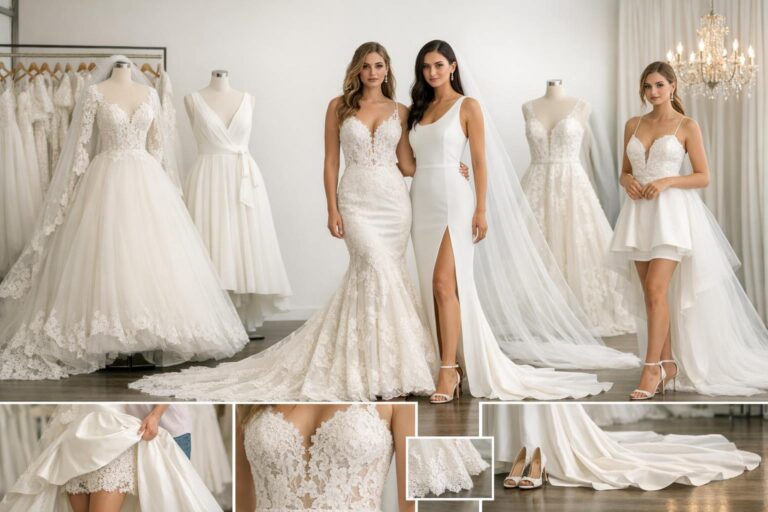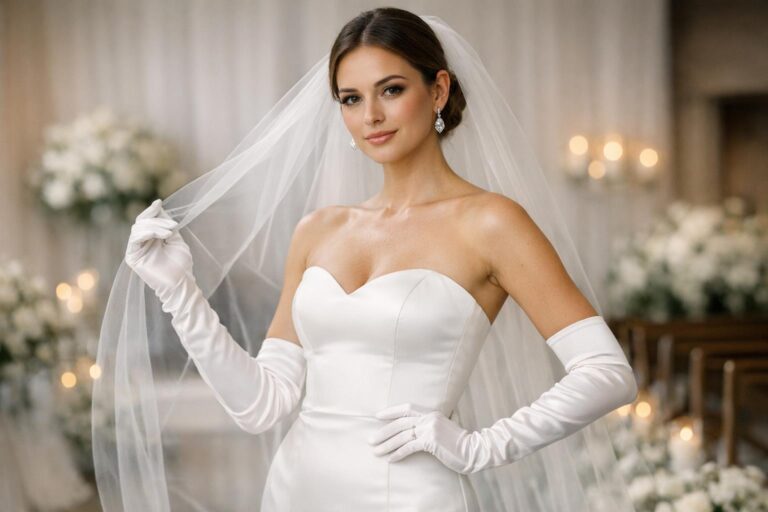
7 Fairytale Wedding Dresses: Modern, Budget-Smart Picks
Fairytale Wedding Dresses: A Storybook Guide to Styles, Details, and How to Buy
Fairytale wedding dresses sit at the intersection of romance and spectacle: dramatic silhouettes, ethereal fabrics, ornate detailing, and styling that feels transported from a storybook. Some shoppers come to this look through licensed, princess-inspired designs (including official Disney Fairy Tale Weddings collections), while others simply want a “magical” or “whimsical” gown that reads enchanting without being tied to a specific character. Either way, the shopping journey tends to be highly visual and highly personal—driven by browsing collections, comparing silhouettes, and narrowing in on the details that make a dress feel like your version of a modern fairy tale.
This guide brings structure to that search. You’ll learn what actually defines a fairy tale wedding gown, which silhouettes and fabrics create the strongest fairytale effect, how themed collections (Princess and Villains included) fit into the landscape, and what to watch for when ordering online, from sizing to customization to realistic lead times. Along the way, you’ll find practical tips, inspiration prompts, and a clear shopping checklist so you can move from dreamy browsing to confident decisions.
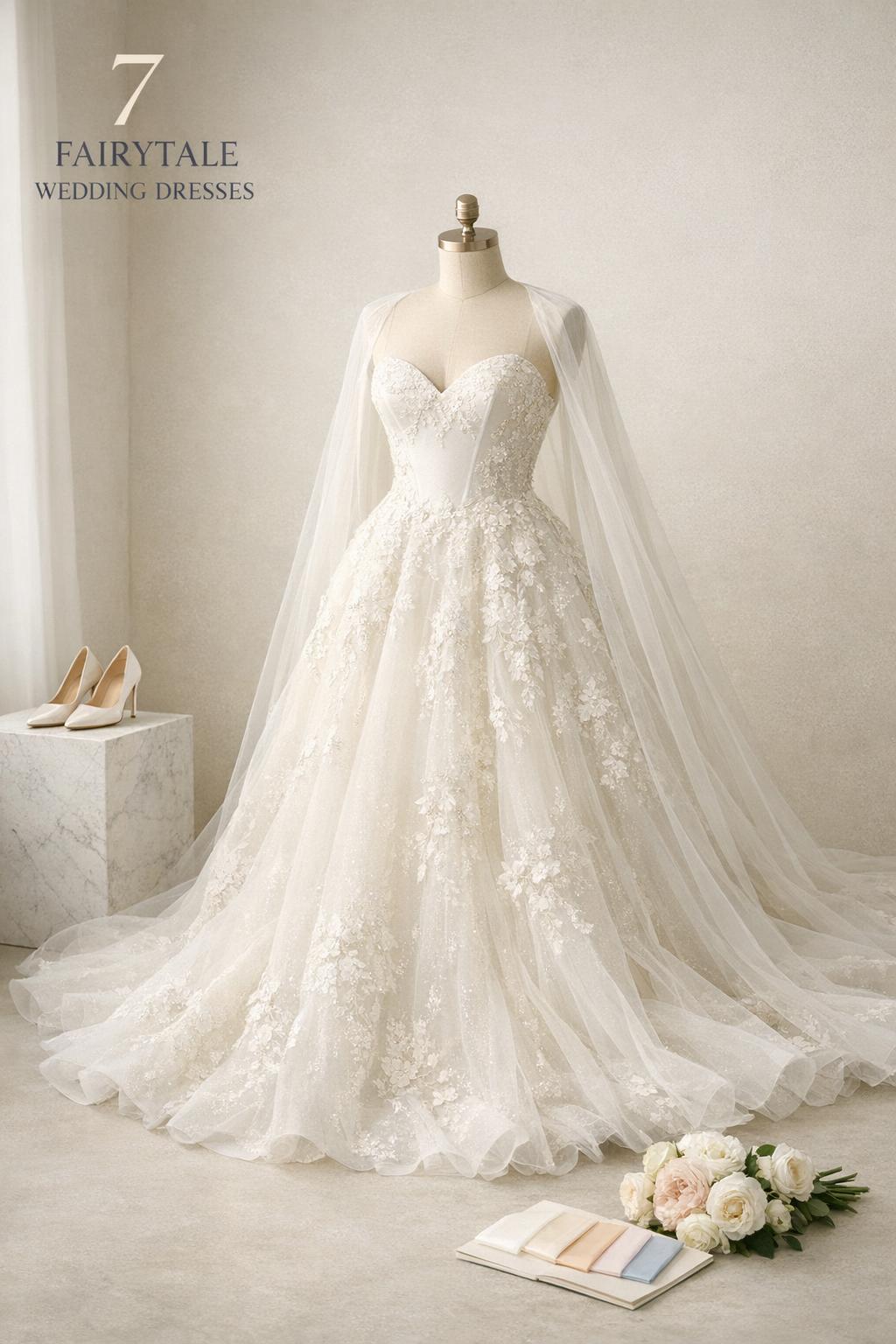
What Makes a Dress a Fairytale Wedding Dress?
“Fairytale” is an aesthetic more than a single cut. In practice, fairytale wedding dresses share a few recognizable cues: a romantic, princess-inspired mood; silhouettes that feel grand (or at least intentionally sculpted); fabrics that look light, layered, or lustrous; and embellishments that add texture and sparkle without feeling purely minimal. Many collections lean on classic ballgown volume or a sweeping train, but “fairy tale wedding gowns” can also be sleek and modern as long as the styling still evokes enchantment.
A helpful way to identify authentic fairytale energy is to look for “moment” elements—those details that read magical at first glance. That might be layered tulle that catches light, lace appliqués that look like botanical embroidery, a cape-like overlay, or a color palette that goes beyond straightforward ivory. Even when a gown is wearable and streamlined, the fairytale signature often shows up in the finishing details.
Fairytale vs. Whimsical vs. Princess-Inspired: How the Terms Overlap
Shoppers often use “whimsical wedding dresses,” “magical wedding dresses,” “fairytale bridal gowns,” and “princess-inspired wedding dresses” interchangeably. In browsing collections, you’ll see these phrases used to describe similar design families: romantic silhouettes, soft textures, and ornate decoration. “Princess-inspired” usually signals a more defined character-like mood (especially when tied to themed lines), while “whimsical” can suggest lighter, airy elements like chiffon, capes, or floral lace. “Fairytale” is the umbrella term that can include both—grand ballgowns and airy, romantic designs—so long as the overall impression feels storybook.
Classic Fairytale Silhouettes: Ballgown, A-Line, and More
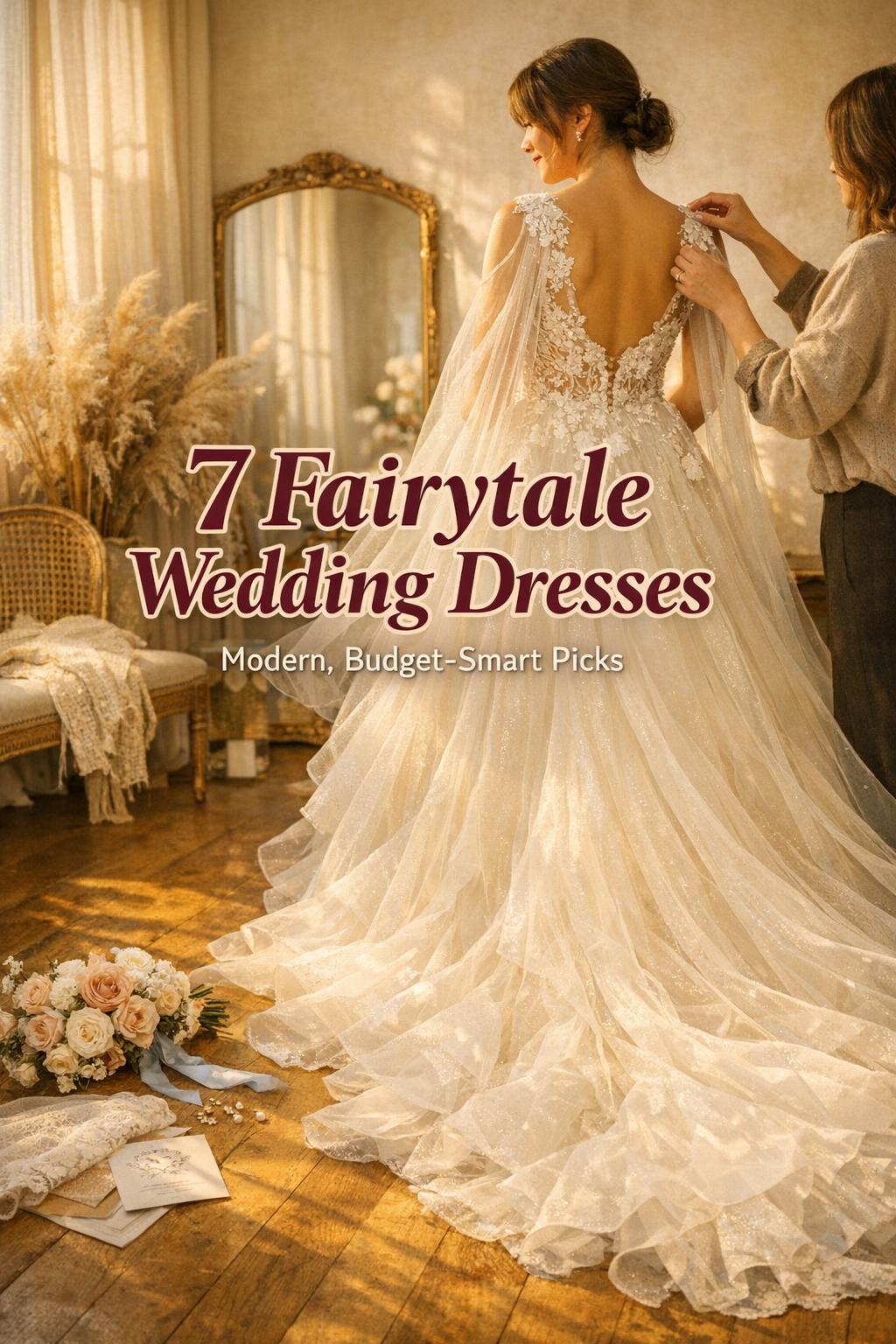
Silhouette is the fastest way to communicate “fairytale.” Top collections and marketplaces commonly organize fairytale wedding gowns by shape because it’s how most brides start narrowing options. Below are the key silhouettes that show up again and again when people shop fairytale wedding dresses, plus how to decide which one matches your venue, comfort needs, and desired level of drama.
Ballgown: The Iconic Storybook Statement
If your mental image of a fairytale gown includes a grand entrance, a defined waist, and a full skirt, you’re picturing the ballgown. It’s the silhouette most associated with princess wedding dresses and classic “fairy tale wedding dresses” styling. The volume itself creates the fantasy—especially when paired with ornate embellishment, layered tulle, or a dramatic train.
Tip: When browsing ballgowns, look closely at how the skirt volume is achieved. A softer, layered look reads ethereal and “floating,” while a more structured, sculpted skirt reads regal and formal. Both can be fairytale; your venue and personal style decide which feels right.
A-Line: Modern Fairytale With Everyday Wearability
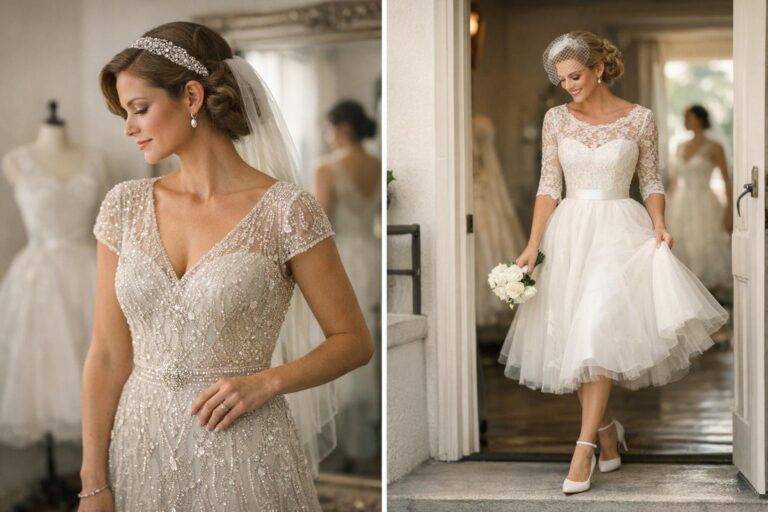
An A-line wedding dress can deliver the fairytale vibe without the maximum volume of a ballgown. This is a common choice for brides who want that romantic, princess-adjacent feel while keeping movement easier for ceremonies, photos, and dancing. Many fairytale gown collections feature A-lines with lace overlays, embroidered bodices, and soft, flowing skirts—elements that keep the look enchanting but less “royal court.”
Tip: If you’re unsure between ballgown and A-line, use the train and bodice detail as your “magic dial.” A longer train and more ornate bodice can give A-line silhouettes a bigger fairytale impact while maintaining practicality.
Mermaid/Trumpet and Luxe Lace: Subtle Magic
Not every fairytale bride wants a full skirt. Mermaid and trumpet shapes can still read magical, especially when paired with luxe lace, intricate appliqués, or a statement back detail. This category often leans “romantic enchantment” rather than “princess ball,” but it still fits the fairytale umbrella when the materials and embellishments are richly textured and intentionally dramatic.
Tip: If you love a fitted silhouette but want a storybook finish, prioritize embellishment placement (for example, lace motifs that cascade) and consider a detachable element like a cape or overskirt if available from the seller or through customization options.
Fabrics, Details, and Color Palettes That Evoke Enchantment
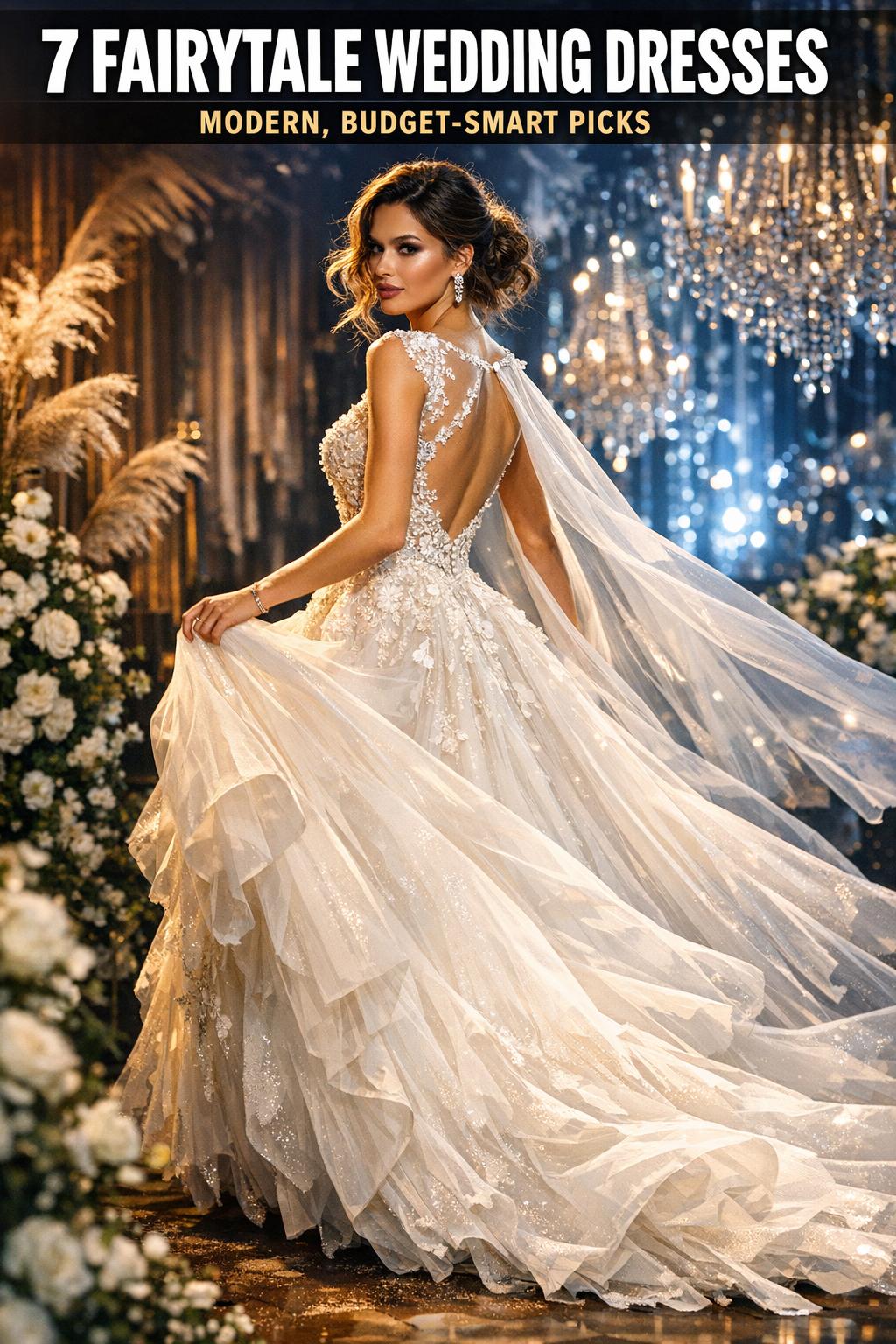
Once you know your silhouette direction, fabrics and details determine whether the dress reads “classic bridal” or unmistakably fairytale. Across major collections, boutique catalogs, and marketplace listings, the fairytale look is built through layered materials, texture-rich surfaces, and romantic finishing touches. Color can also play a starring role, especially as themed and princess-inspired lines introduce more variety.
Fabrics That Create a Fairytale Effect
Fairytale wedding dresses frequently spotlight light-catching, movement-friendly fabrics (like tulle and organza), texture-forward lace, and more structured materials that hold a regal shape (like silk mikado). Chiffon also appears in the “whimsical” end of the fairytale spectrum, especially when paired with airy sleeves or cape-like layers.
- Tulle wedding dress looks: Often feel airy, layered, and dreamy—ideal for floating movement and soft volume.
- Lace wedding dress looks: Add romance and detail density, especially when the lace is used as appliqué or layered over a base fabric.
- Organza: Can create a light, ethereal sheen and structured softness.
- Silk mikado: Supports sculpted shapes and a more regal, formal kind of fairytale presence.
- Chiffon: Common in whimsical interpretations, emphasizing flow and softness.
Tip: If you’re shopping online, don’t just search by silhouette—search by fabric too. Queries like “fairytale wedding dresses lace” can help you quickly find the designs that feel ornate and storybook rather than plain and minimal.
Details That Signal “Storybook” at First Glance
Embellishment is where fairytale bridal gowns truly differentiate themselves. In many fairytale and fantasy bridal gown collections, you’ll see embroidery, beadwork, and appliqués emphasized because they photograph beautifully and convey craftsmanship and theme. Open-back styling and cape elements can also push a gown from “romantic” into unmistakably magical.
- Embroidery: Adds dimension and a hand-touched feeling, often used to create romantic motifs.
- Beadwork: Contributes sparkle and depth, especially noticeable in ceremony lighting and photos.
- Appliqués: Create a layered, sculpted effect—often used to make lace feel more three-dimensional.
- Open-back designs: A modern way to add drama without increasing skirt volume.
- Capes and cape-like overlays: A direct route to a fairytale reveal, especially for “fairy” or “whimsy” styles.
Tip: When comparing two dresses that look similar in thumbnails, zoom in on the embellishment scale. Larger, more dimensional appliqués often read more “fantasy” than very fine, flat lace—even if both are beautiful.
Color Palettes: Beyond Ivory
While ivory remains a staple in fairytale wedding gowns, colorways can be a defining feature—particularly in princess-inspired lines that introduce more playful or romantic tones. Common fairytale-friendly shades include champagne and blush, and some collections also incorporate powder blue and other soft tints that feel theatrical but still bridal. Color can be the difference between “classic wedding” and “storybook character energy,” even when the silhouette stays traditional.
Tip: If you’re curious about a colored wedding dress but want to keep it subtle, start by browsing champagne and blush options before moving into more distinct hues. The fairytale effect often comes from softness and cohesion rather than high saturation.
Licensed and Themed Fairytale Collections: Disney, Princess-Inspired, and Villains
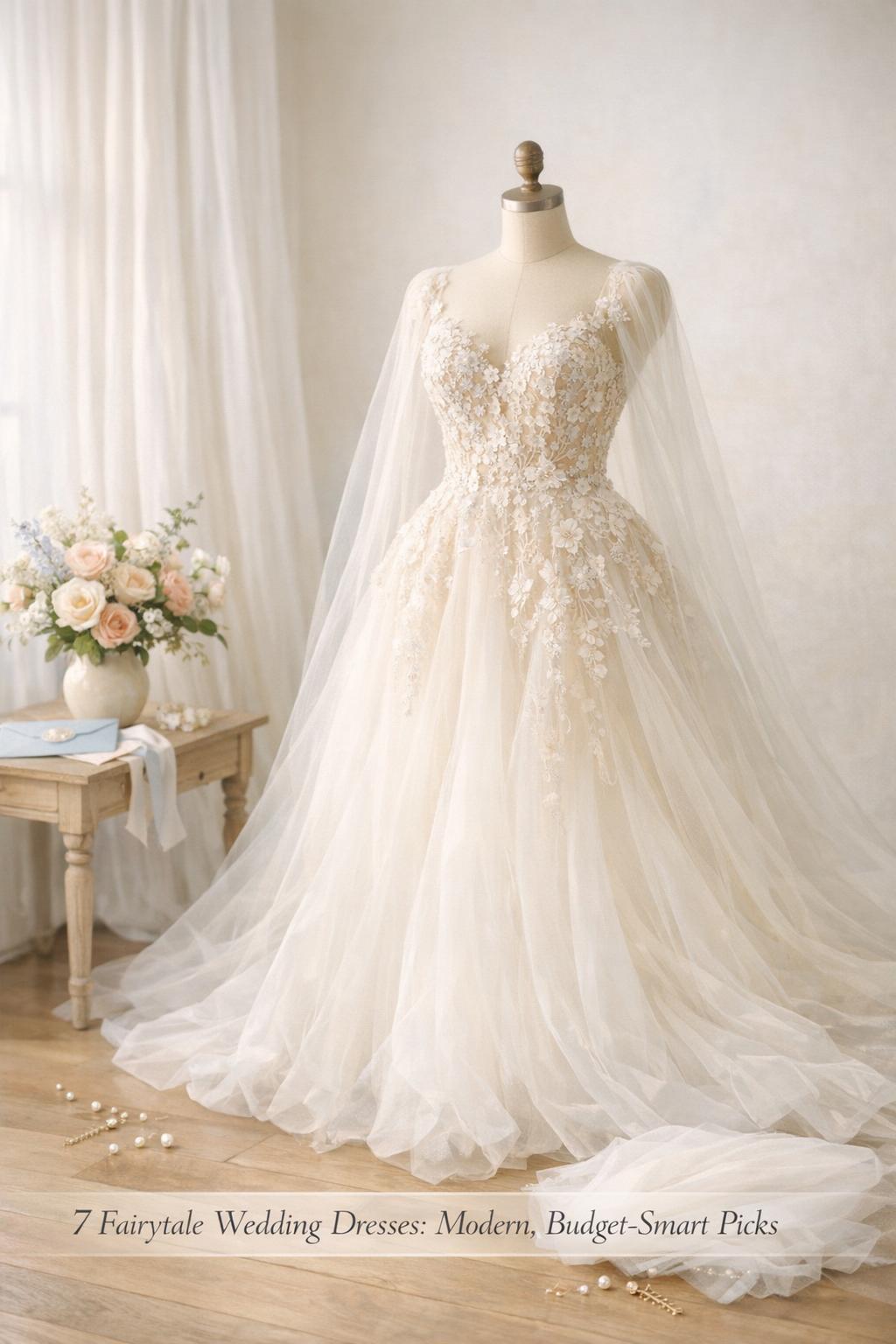
A major part of today’s fairytale wedding dress landscape is the presence of licensed and themed collections. These designs appeal to shoppers who want a gown that clearly signals a character-inspired narrative, supported by brand storytelling, collection breadth, and official availability details. The best-known example is Disney Fairy Tale Weddings, which includes princess-inspired wedding gowns and has expanded to include villains-inspired designs as well.
Disney Fairy Tale Weddings: Official Princess-Inspired Gowns
Disney Fairy Tale Weddings collections are presented as official, character-inspired bridal gowns with a strong emphasis on “shop by princess” browsing, silhouette notes, and styling ideas. For many brides, the draw is clarity: the designs are explicitly tied to recognizable inspiration, and the presentation makes it easy to compare styles across a broad collection rather than guessing whether a gown is truly “princess.”
Tip: If you’re exploring a themed collection, treat the inspiration as a starting point—not a constraint. Focus on what you actually love (skirt volume, neckline, lace density, color) and use the theme to narrow your options instead of forcing a perfect “match” to a single character concept.
Princess vs. Villains: Two Very Different Kinds of Drama
Within Disney Fairy Tale Weddings coverage, you’ll also see attention on villains-inspired gowns, which lean into bolder design cues. Rather than purely romantic softness, villains-inspired lines highlight a different kind of fairytale mood—darker, more intense, and more fashion-forward in its storytelling. This expands the fairytale category beyond classic princess vibes and gives shoppers permission to interpret “fairy tale” as anything from sweet to striking.
Tip: If you love the idea of villains-inspired styling but still want a traditional bridal feel, look for a balance: a classic silhouette paired with more dramatic surface detail, or an unconventional palette paired with a familiar cut.
Non-Disney Fairytale Aesthetics: Whimsy, Fantasy, and Boutique Interpretations
Not every bride wants a licensed theme, and plenty of fairytale wedding dresses are sold simply as fantasy, fairy, or whimsical bridal gowns. Boutique collections and category pages often organize these looks by “fairytale/fantasy,” “fairy wedding dress,” or “fairy whimsy,” highlighting airy fabrics, lace-forward romance, open-back designs, and cape options. The benefit here is creative range: you can chase the storybook feeling without aligning to a specific princess or villain identity.
As you browse boutique and retailer collections, you’ll notice a spectrum: some stores emphasize affordable pricing signals and broad catalogs, while others emphasize customization and a curated mood. Marketplaces add another layer—handmade, made-to-order, and varied sellers—where uniqueness and customization are often part of the appeal.
Whimsical “Fairy” Details to Look For
Even when a gown isn’t labeled “princess,” design elements can still read unmistakably fairy tale. In fairy wedding dress collections, look for softness, movement, and romantic drama that feels effortless rather than heavy.
- Cape styling or cape-like overlays for a magical reveal
- Lace appliqués that suggest florals or storybook motifs
- Chiffon layers for airy movement
- Open-back designs for modern drama
- Ornate bodices paired with lighter skirts for balance
Tip: If you’re drawn to “whimsy” rather than “royal,” prioritize lighter fabrics and less rigid structure. The fairytale effect will come from movement, layering, and delicate detail.
How to Choose Your Fairytale Dress: A Practical Guide
Fairytale styling is emotional, but choosing a gown is ultimately a practical purchase. The best outcomes come from pairing a clear aesthetic target with real-world constraints like budget, lead time, and the likelihood of alterations. This section focuses on the decisions that prevent regret: selecting the right silhouette for your comfort level, planning for customization, and approaching fittings with a timeline that respects how gowns are actually ordered and adjusted.
Start With Silhouette, Then Confirm the “Magic” in the Details
Silhouette is your foundation. Decide whether your fairytale goal is grand (ballgown), balanced and romantic (A-line), or fitted with luxe detail (mermaid/trumpet). Once you choose that structure, evaluate fabrics and embellishments to confirm the dress still reads “fairytale bridal gown” rather than a standard formal dress. This approach keeps you from getting lost in endless browsing and helps you compare gowns across different stores and collections.
Tip: When torn between two styles, ask yourself what you want to feel: “royal entrance,” “ethereal softness,” or “glamorous drama.” Those three emotional goals map cleanly to ballgown, airy A-line, and fitted lace-forward designs.
Budgeting and Lead Times: Especially Important for Customization
Fairytale wedding gowns are often detail-heavy, and detail can affect cost and timelines—especially if you’re ordering from boutiques, custom-focused sellers, or marketplace listings that emphasize made-to-order work. In many fairytale collections, customization and contact options are part of the shopping experience, which is a benefit if you want a specific sleeve, back detail, or colorway. It’s also a signal to plan ahead and get clarity before you commit.
- Confirm whether the gown is standard sizing, made-to-order, or customizable
- Ask what customization is possible (color, sleeve length, train, cape)
- Clarify when final measurements are needed and what happens if they change
- Account for shipping realities, especially for online purchases
- Reserve room in your budget for alterations after the dress arrives
Tip: If you’re comparing “fairytale wedding dress gowns price” across multiple sellers, don’t stop at the listed price. Factor in likely alterations, shipping, and whether changes you want are included or treated as customization.
Alterations and Fittings Timeline: Plan for the Finish
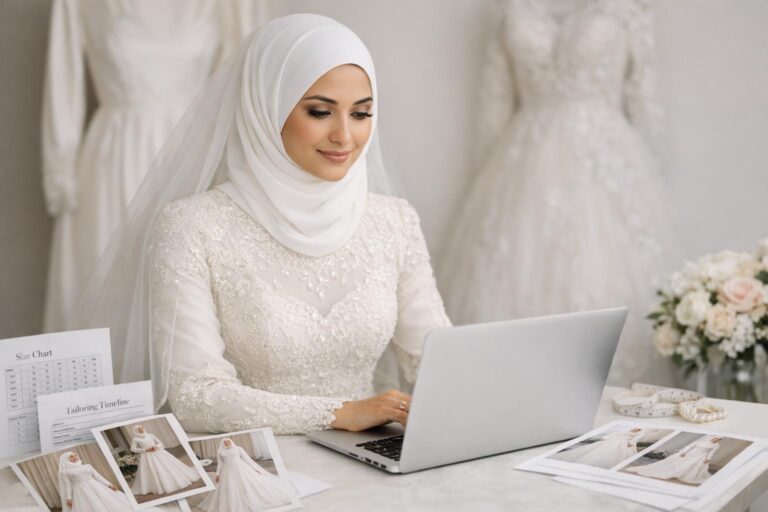
Even the most magical gown usually needs fine-tuning. Fairytale wedding dresses often include layers (tulle, organza), heavy embellishment (beadwork, appliqués), or dramatic features (long trains, capes) that can influence how the dress sits and moves. Because of that, your fittings matter as much as your initial selection.
Tip: Build your schedule around when the dress arrives, not when you order it. The moment it’s in your hands is when you can truly assess hem length, bustle needs (if relevant), comfort, and how any cape or open-back detail behaves during movement.
Inspiration Gallery: 12 Fairytale Bridal Look Ideas (By Theme)
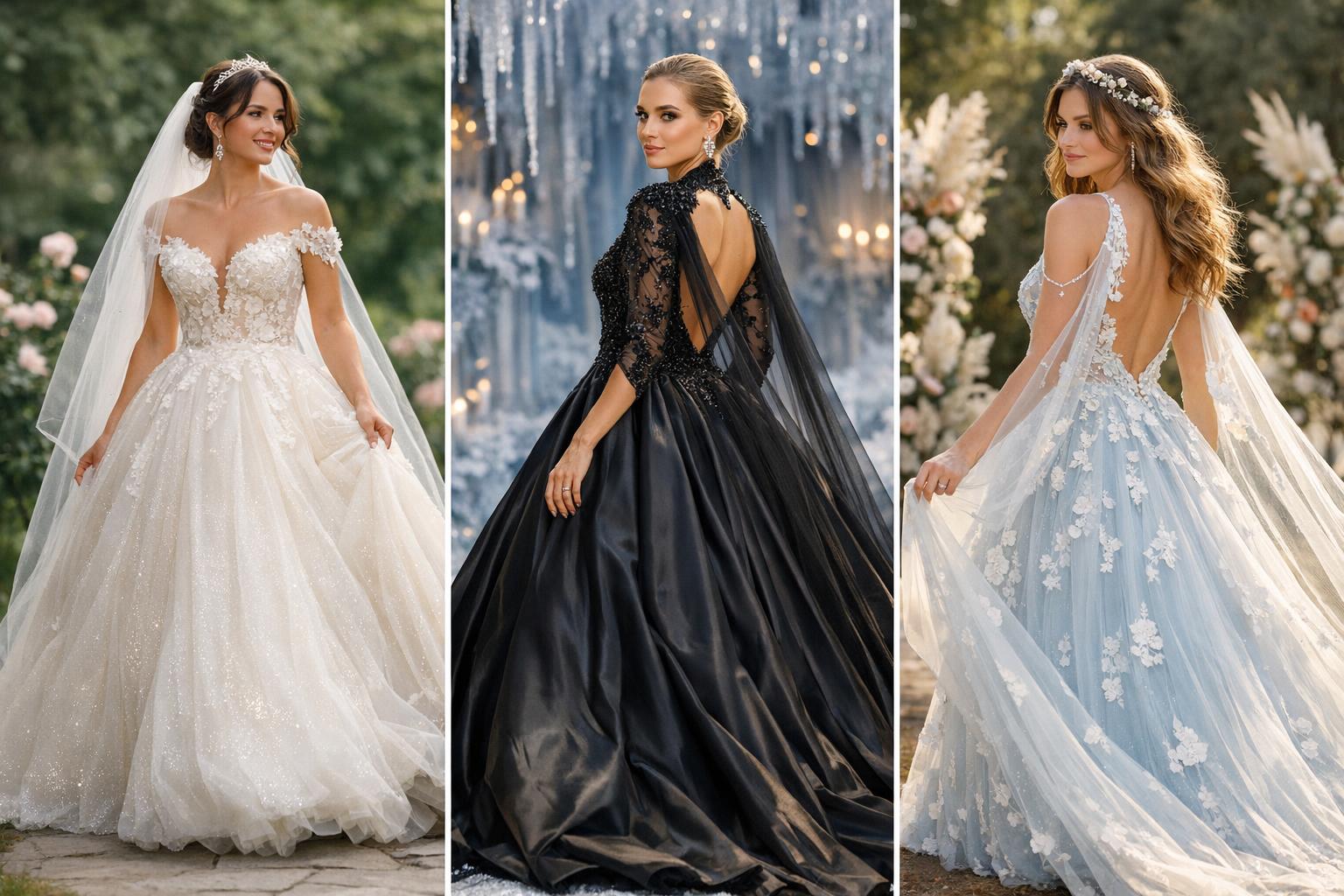
Fairytale is a flexible theme, and you can express it through venue mood, seasonal styling, and accessory choices. Below are 12 look ideas organized into three popular fairytale directions—garden romance, winter wonderland, and boho fairytale blends. Use these prompts when browsing collections, saving favorites, or describing what you want to a boutique or seller.
Garden Fairytale Weddings
Look 1: A-line lace wedding dress with appliqués concentrated at the bodice, fading into a softer skirt for a romantic “in bloom” effect.
Look 2: Whimsical chiffon-forward gown with delicate embellishment and a light, airy skirt that feels effortless in an outdoor setting.
Look 3: Ballgown with layered tulle and embroidery that reads botanical, styled to feel romantic rather than formal-court.
Look 4: Open-back fairy tale wedding gown with lace framing, balancing modern drama with soft romance.
Winter Wonderland Fairytale Weddings
Look 5: Regal ballgown in a structured fabric like silk mikado for a crisp, formal storybook presence.
Look 6: Beadwork-forward gown where sparkle is the “snowfall” element—especially impactful in low, warm lighting.
Look 7: A-line with a longer train and ornate bodice detail to create drama without overwhelming movement.
Look 8: Cape styling that delivers a cinematic entrance and a magical silhouette shift between ceremony and reception.
Boho Fairytale Blends
Look 9: Lace-forward A-line that reads whimsical rather than formal, with softer structure and airy layering.
Look 10: Romantic gown featuring floral lace motifs as the hero detail, creating storybook texture without needing a huge skirt.
Look 11: Mermaid/trumpet silhouette with luxe lace and intentional drama—subtle fairytale through texture and contour.
Look 12: Colored wedding dress in a soft fairytale palette (like champagne, blush, or powder blue) paired with classic styling for balance.
Tip: Save inspiration in categories (silhouette, fabric, detail, and overall mood). Fairytale styling can be easy to over-collect; sorting your favorites helps reveal what you consistently love.
Shopping Guide: Where to Buy and What to Watch For
Most shoppers land in one of three places when buying fairytale wedding dresses: official brand collections (including licensed lines), multi-item retailer catalogs with broad price signals, or marketplaces with many sellers and wide variation. Each path can work; the key is knowing what to verify before purchasing, especially when you’re ordering online or relying on customization.
Authorized Retailers vs. Marketplaces: Choosing Your Comfort Level
Authorized retailers and brand collection pages tend to offer consistency: clear collection identity, defined browsing by theme (like princess), and straightforward “where to buy” direction. Marketplaces offer breadth and uniqueness, often with customization potential and a wide price spectrum, but require more careful diligence because sellers and standards vary. Boutique sites often sit in between, combining a curated aesthetic with a direct-to-shop experience and optional customization.
Tip: Match the shopping channel to your priorities. If you want official themed storytelling and a structured shopping journey, start with brand/collection pages. If you want variety and niche aesthetics, browse boutique collections and marketplaces—but expect to do more verification work.
Sizing, Returns, and Shipping Realities for Fairytale Gowns
Fairytale wedding gowns often involve volume, layers, and embellishment, so fit and comfort can change dramatically with small measurement differences. Many sellers highlight sizing and ordering guidance; some emphasize customization. Regardless of where you purchase, clarify sizing approach, return expectations, and shipping timelines before you commit—especially if your gown is made-to-order or altered to your specifications.
- Read the sizing guidance carefully and decide whether you’re ordering standard size or custom measurements
- Confirm how customization affects returns or exchanges
- Ask about shipping timelines and what “processing time” includes
- Plan for the gown’s arrival date to leave room for alterations
- Consider how layered skirts, trains, and capes will be packed and shipped
Tip: If you’re buying a lace or heavily embellished gown online, prioritize listings or product pages that explain construction details and ordering steps. Clarity upfront is often the best predictor of a smooth experience.
Quick-Start Shopping Checklist
Use this checklist to move from browsing to a short list you can actually decide from—whether you’re looking at Disney fairy tale wedding dresses, boutique “fairy whimsy” collections, or marketplace gowns.
- Choose your fairytale direction: princess-inspired, whimsical fairy, regal classic, or villains-inspired drama
- Pick a silhouette family: ballgown, A-line, or fitted (mermaid/trumpet)
- Identify 2–3 must-have details: lace, beadwork, embroidery, open back, cape
- Decide whether you want traditional ivory or a fairytale color palette (champagne, blush, powder blue)
- Set a total budget that includes alterations and shipping
- Confirm lead time, customization options, and how sizing is handled
- Shortlist 5–8 gowns and compare them side by side for comfort, movement, and overall “storybook” impact
Build Your Fairytale Look: Accessories and Styling Ideas
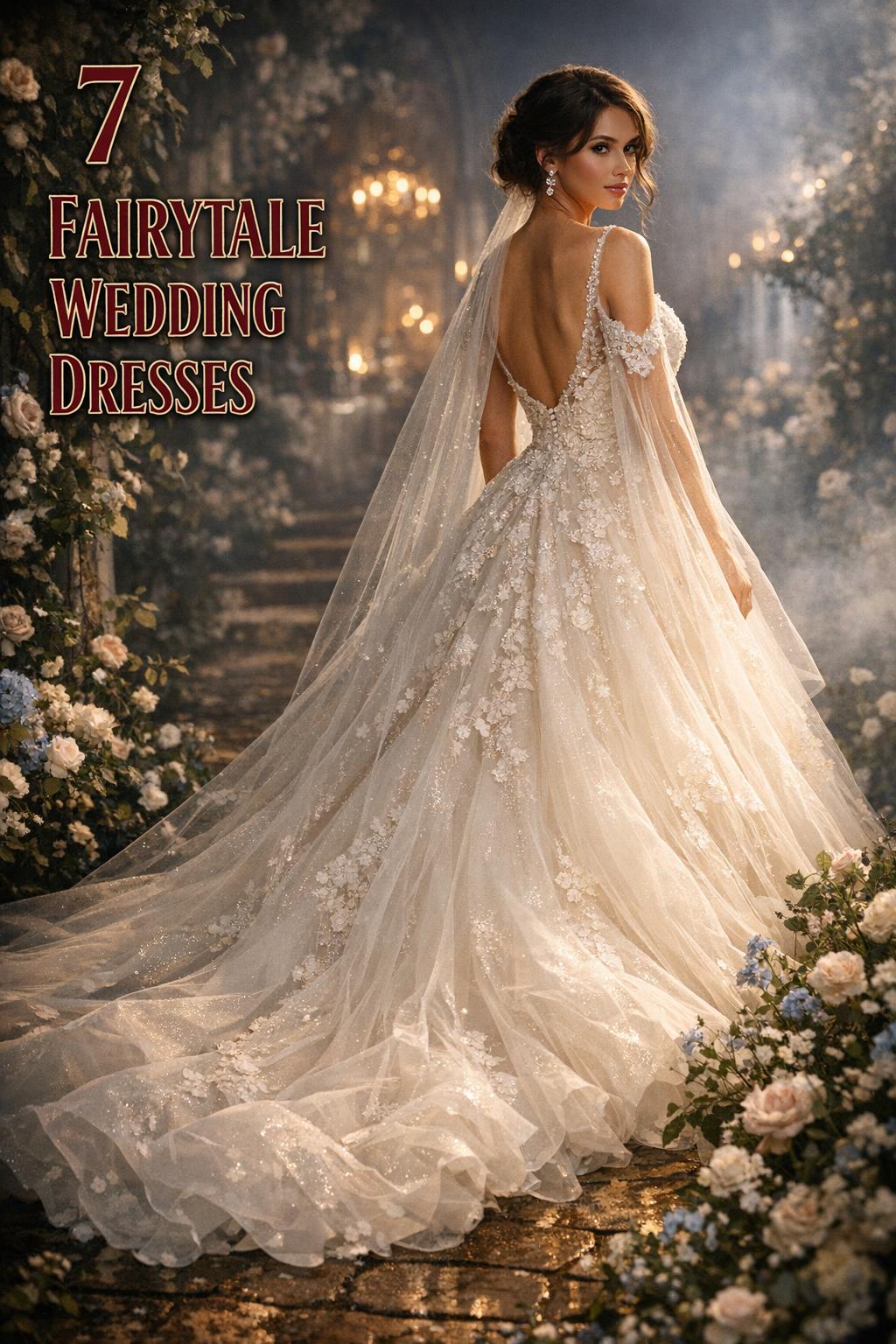
Fairytale doesn’t stop at the dress. The most cohesive “storybook” looks treat the gown as the centerpiece and build outward with accessories and styling that amplify the same mood—romantic, magical, whimsical, or boldly dramatic. Even small choices can shift the vibe: a cape can transform a clean silhouette into a fantasy moment, while choosing a softer colorway can make a classic shape feel newly enchanted.
Accessory Direction: Match the Mood of the Gown
Because fairytale wedding dresses already carry visual impact, accessories work best when they reinforce one message. If your gown is lace-heavy and ornate, you may want accessories that feel refined and intentional rather than competing for attention. If your gown is simpler in shape, accessories like cape styling can become the key fairytale cue.
Tip: Make one element the “secondary star.” For example, pair a dramatic skirt with a quieter accessory plan, or pair a simpler A-line with a more theatrical layer like a cape. Keeping the hierarchy clear helps the look feel elevated rather than busy.
Color and Texture: Keep the Fairytale Palette Cohesive
When working with non-ivory tones—like champagne, blush, or powder blue—cohesion is the difference between “intentional fairytale” and “mismatched.” The same is true of texture: lace, beadwork, and embroidery can all be present, but they should feel like part of the same design language rather than separate ideas layered together.
Tip: If you’re unsure about mixing textures, let the dress lead. If the gown’s detail is heavy (dense beadwork or ornate appliqué), keep additional texture minimal. If the gown is airy (tulle, chiffon), you can add detail through a single statement element.
FAQ
What makes a dress a “fairytale wedding dress”?
A fairytale wedding dress is defined by storybook cues such as romantic silhouettes (often ballgown or A-line), ethereal fabrics like tulle or organza, ornate detailing like lace appliqués, embroidery, or beadwork, and overall styling that feels magical or princess-inspired rather than purely minimalist.
Are fairytale wedding dresses only for princess themes?
No—while princess-inspired wedding dresses are a major part of the category (including official themed collections), fairytale bridal gowns also include whimsical “fairy” styles, romantic lace-forward designs, and even villains-inspired looks that interpret fairytale drama in a bolder direction.
Which silhouettes look the most fairytale?
Ballgowns are the most iconic fairytale silhouette because of their dramatic skirt volume, but A-line dresses can feel equally storybook with the right lace, train, or embellishment; mermaid/trumpet silhouettes can also read fairytale when paired with luxe lace and statement details like an open back or cape styling.
What fabrics are common in fairy tale wedding gowns?
Common fabrics include tulle for airy volume, lace for romance and texture, organza for ethereal structure, silk mikado for a more regal and sculpted look, and chiffon for a softer, whimsical effect—often paired with embroidery, appliqués, or beadwork to enhance the magical feel.
Can I customize a fairytale wedding dress (color, sleeves, train, cape)?
Many fairytale-focused boutiques and collections highlight customization options, which can include changes to colorways, sleeve length, train length, and sometimes cape-like elements; the key is confirming what’s possible before ordering and understanding how customization may affect returns and timelines.
Where can I buy fairytale wedding dresses?
You can shop fairytale wedding dresses through official brand collection pages (including licensed themed lines), retailer catalog collections with broad style and price variety, boutique stores offering curated “fairytale/fantasy” edits, and marketplaces where many sellers offer a wide spectrum of designs and customization levels.
How should I think about sizing when ordering online?
Start by determining whether you’re ordering standard sizing or custom measurements, then follow the seller’s sizing and ordering instructions carefully; because fairytale gowns often include layered skirts and embellishment, small measurement differences can affect comfort and movement, so clarify measurement requirements and timing before purchase.
How long does it take to order a custom fairytale gown?
Timing varies by seller and whether the gown is made-to-order or customized, so you should confirm lead times and shipping expectations directly before ordering; as a practical approach, plan your schedule around the dress arrival date so you still have adequate time for alterations and final fittings.
Are fairytale gowns suitable for all venues?
Yes—fairytale styling can be adapted to different venues by adjusting the silhouette and details: a dramatic ballgown can create a regal statement, while an A-line or lighter, whimsical design (such as chiffon with lace) can deliver the same storybook feeling with easier movement and a more relaxed footprint.