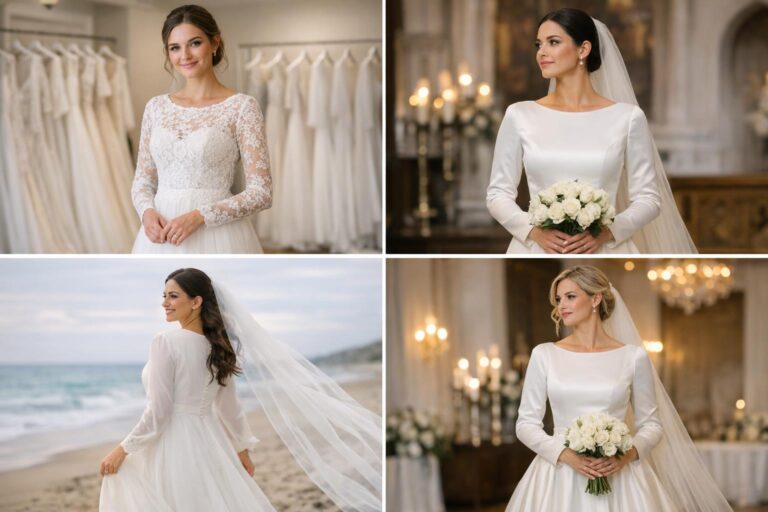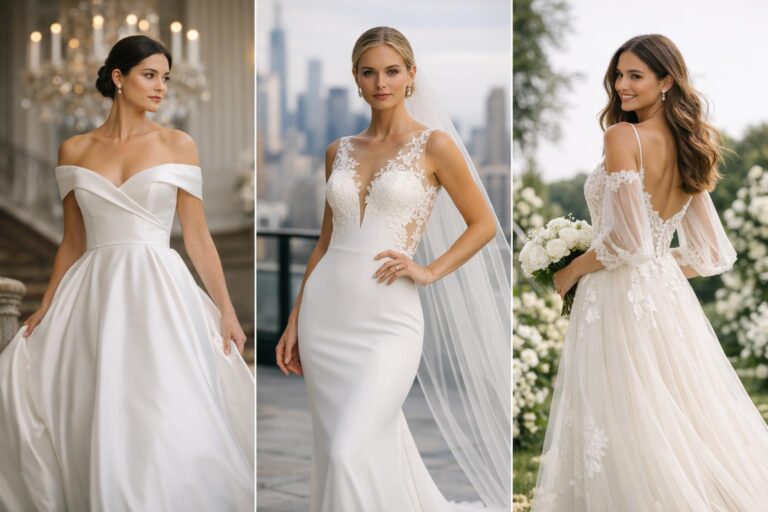
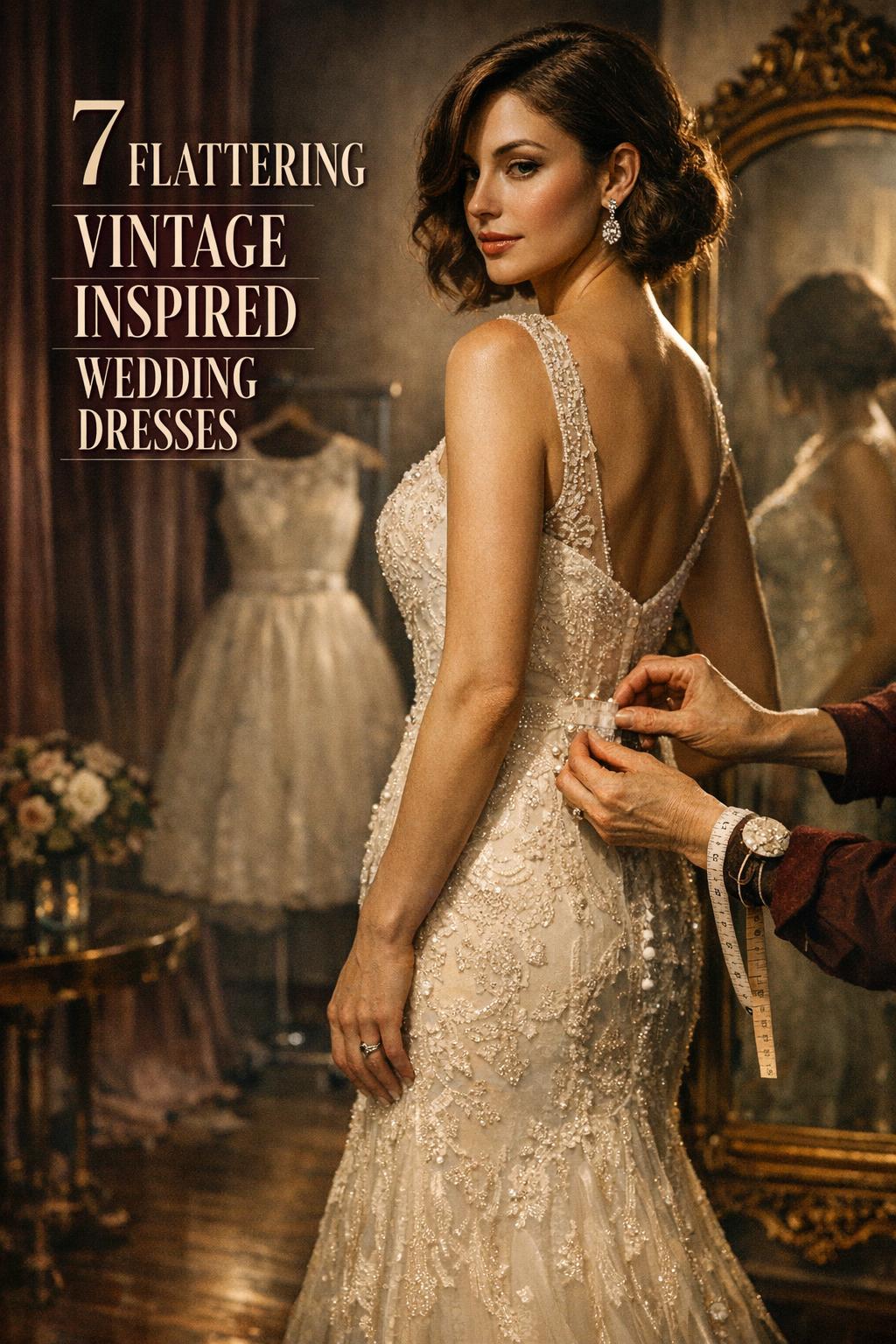
7 Flattering Vintage Inspired Wedding Dresses for US Brides
Vintage Inspired Wedding Dresses: Timeless Silhouettes, Modern Comfort, Modern Romance
Vintage inspired wedding dresses capture the romance of past decades while fitting the realities of a modern wedding day: movement, comfort, and a look that photographs beautifully from every angle. Instead of feeling like a costume, the best vintage-inspired gowns borrow recognizable design cues—lace motifs, beading patterns, distinctive necklines, and era-specific silhouettes—then refine them with contemporary construction and wearability. Whether you’re drawn to a Gatsby-esque mood, a mid-century tea-length moment, or an old-world lace statement, this guide walks you through what “vintage inspired” really means, how to choose the right silhouette for your body type, how to shop with confidence, and how to care for delicate details so your dress stays stunning long after the last dance.
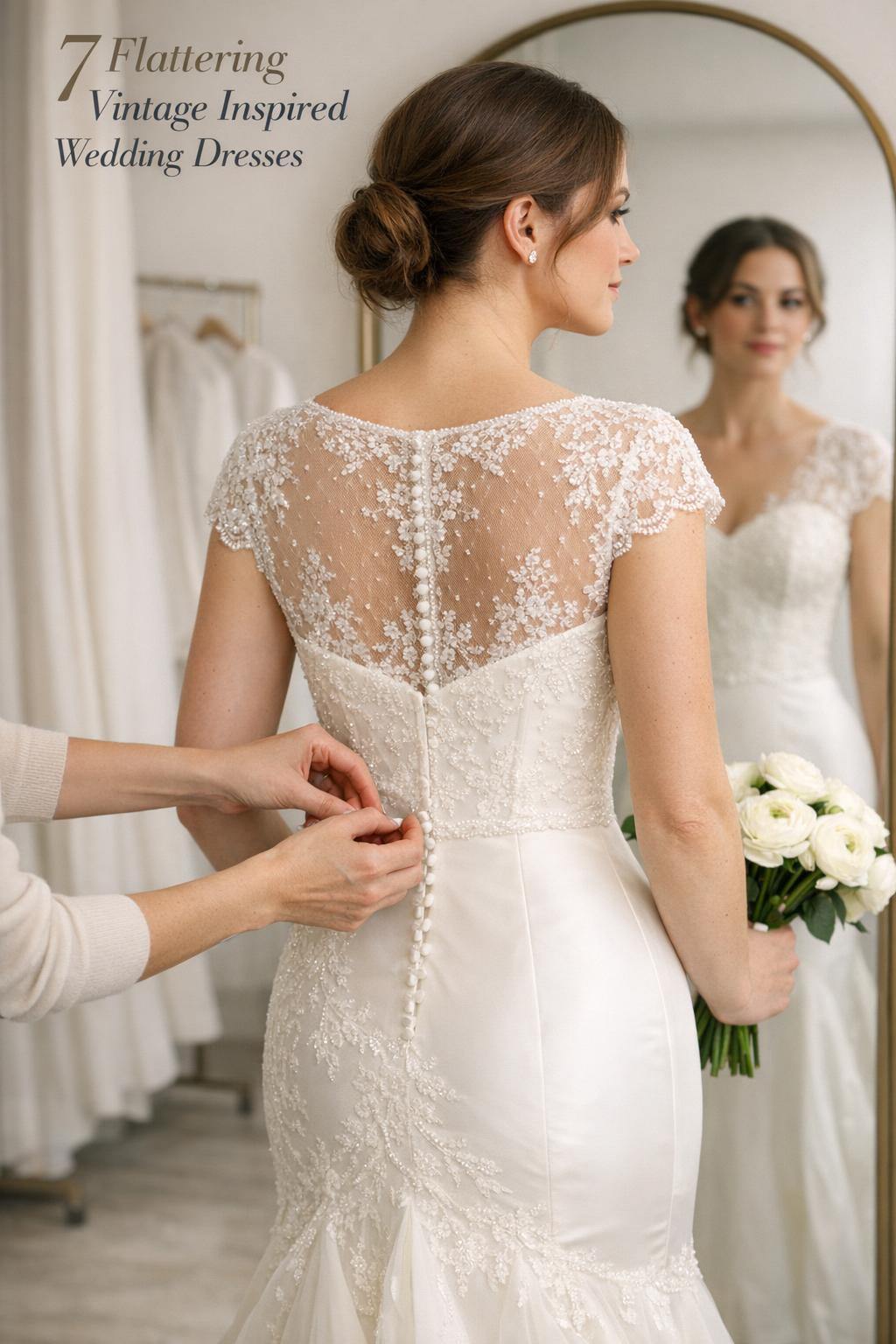
What Makes a Wedding Dress Vintage Inspired?
“Vintage inspired” sits in a sweet spot: it echoes the past without requiring you to wear an actual archival garment. In practice, it means a gown designed today that intentionally references earlier fashion eras through shape, detailing, and styling—often paired with modern comfort-focused choices like lighter construction, easier mobility, and breathable fabrics. You’ll see this approach across editorial roundups and designer collections alike: dresses that signal a decade at first glance, but still feel like they belong in the present.
Key hallmarks: silhouette, lace, beading, neckline
Most vintage-inspired bridal looks can be recognized by a few repeating design elements. Silhouette leads the story—think A-line, fit-and-flare, structured bodices, and tea-length proportions—while surface details like lace and beading add the “heirloom” feeling. Necklines and sleeves are often the finishing signature: a neckline can instantly read “old Hollywood” or “mid-century,” and sleeves can shift the mood from delicate to dramatic.
- Silhouettes with clear era cues (A-line, fit-and-flare, tea-length, structured bodices)
- Lace that feels nostalgic rather than minimal (often a focal feature, not an afterthought)
- Beading that suggests a specific decade (from subtle shimmer to statement patterning)
- Necklines and sleeves that carry a period mood (high necks, classic shapes, or sleeve emphasis)
Modern updates that keep gowns wearable
Modern vintage style wedding dresses often look intricate, yet they’re designed for the realities of a long day: walking, sitting, hugging, dancing, and changing weather. Many designers emphasize comfort and movement—lighter-weight materials, thoughtful structure, and construction that supports you without feeling heavy or restrictive. The result is “vintage soul with modern energy”: the aesthetic cues you love, with day-of practicality built in.
Tips: When you’re trying on a vintage inspired bridal silhouette, do a full comfort check before you fall for the details. Sit down, raise your arms, take a few steps, and simulate a hug. If the gown’s charm depends on a delicate neckline, beading, or sleeves, comfort testing helps you confirm you’ll enjoy wearing it all day—not just in photos.
Popular eras and their signatures
Many brides start with a decade “mood” and then choose a silhouette that works for their body and venue. While designers interpret eras differently, vintage-inspired gowns commonly nod to the 1920s, 1930s, 1940s, 1950s, and 1960s, with occasional references to earlier old-world aesthetics like Edwardian romance. Think of the era as your starting language, then translate it into a modern dress that suits how you want to move and feel.
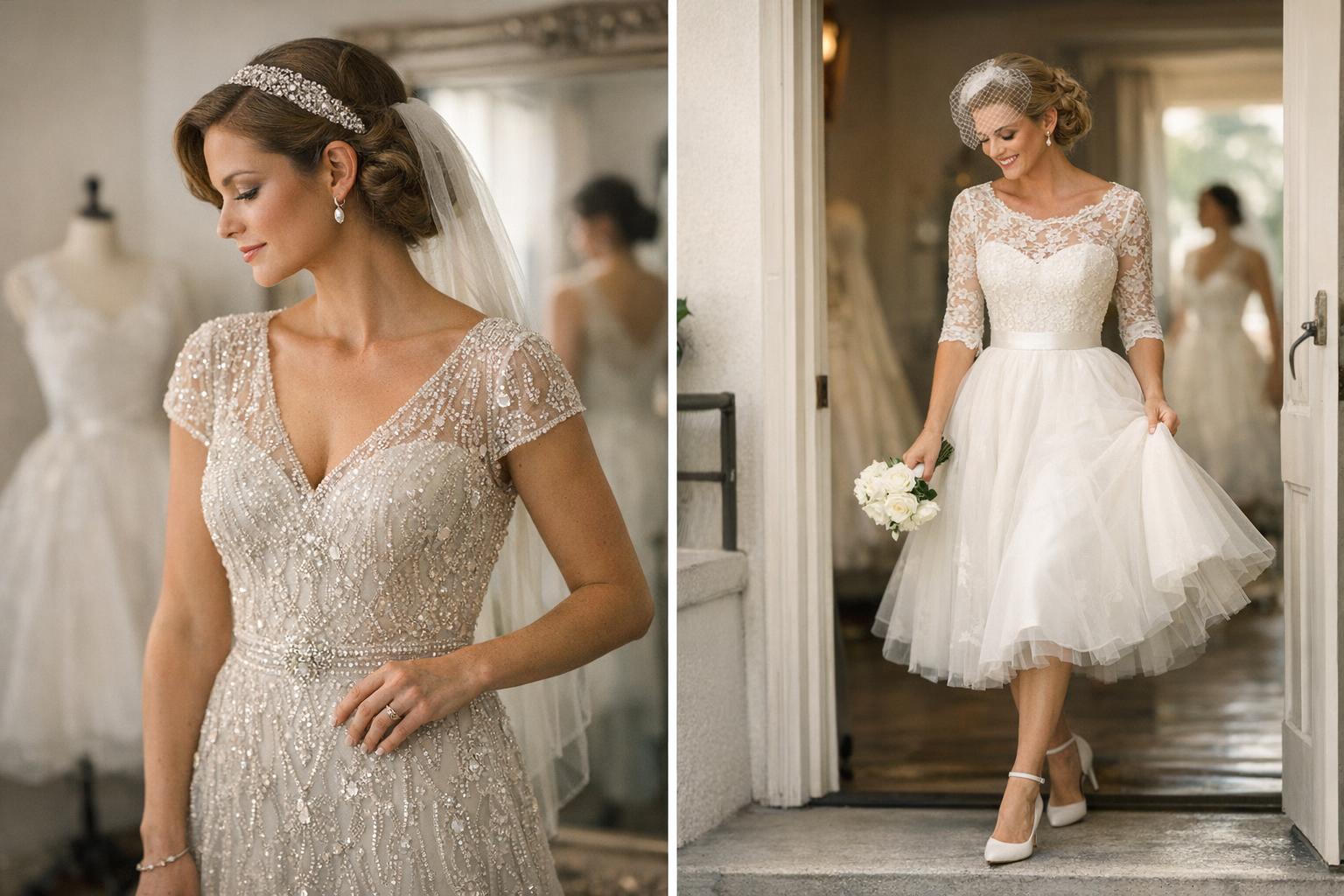
- 1920s / Gatsby glamour: Beading patterns and an artful shimmer that reads instantly “Gatsby gown”
- 1930s / old Hollywood influence: Glamour-forward lines that feel elegant and refined
- 1940s inspiration: Classic, polished styling cues with a timeless sensibility
- 1950s: Tea-length vintage wedding dress proportions and a romantic, celebratory feel
- 1960s: Clean, mod-leaning shapes like a sheath-inspired direction
- Edwardian / old-world romance: A historic mood that emphasizes classic elegance and heirloom detailing
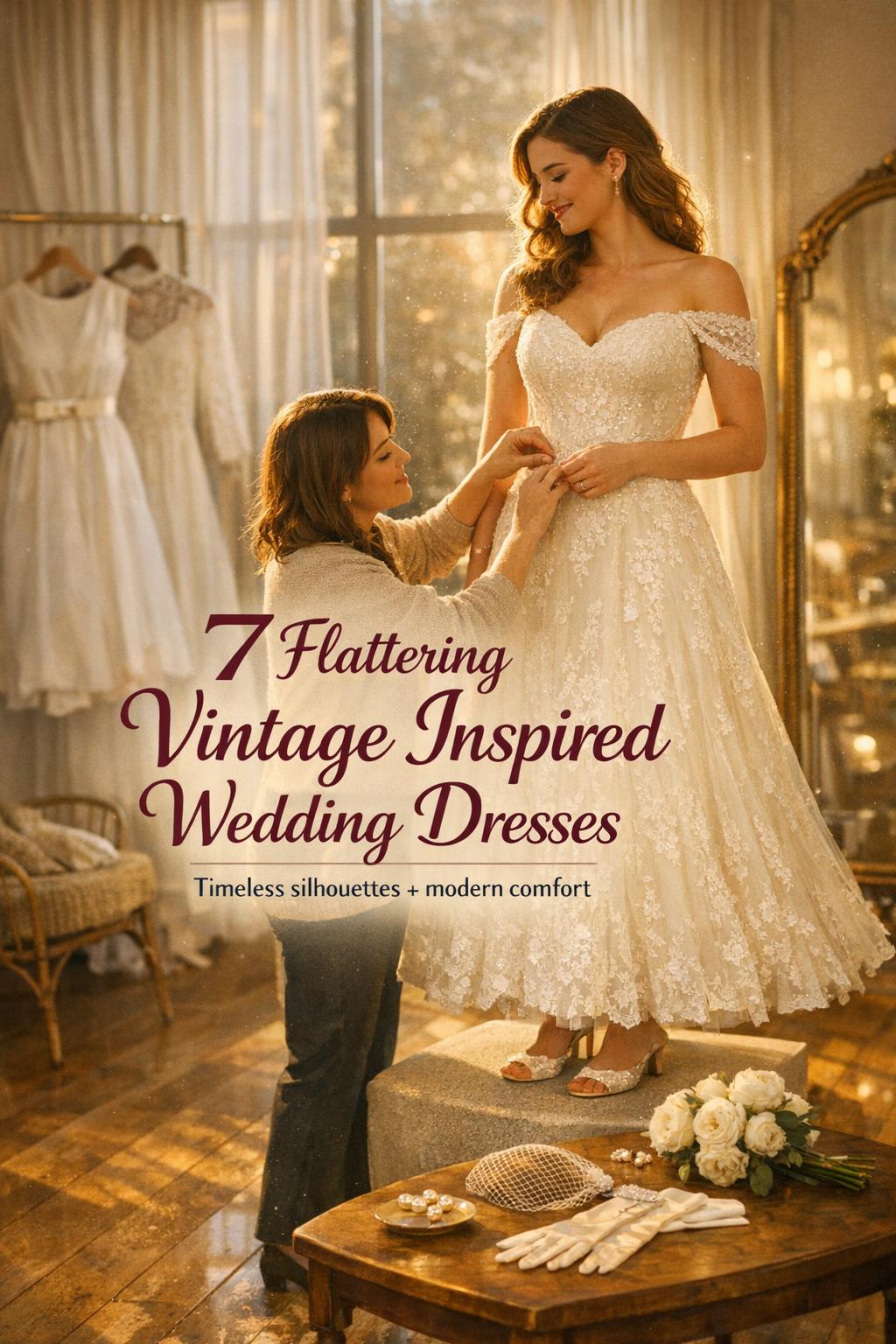
How to Choose a Vintage Inspired Dress for Your Body Type
Vintage-inspired design is wonderfully flexible: the same era can be expressed through multiple silhouettes, necklines, and sleeve choices. The goal isn’t to “match” a decade perfectly—it’s to find a version of that mood that flatters your proportions and supports how you want to feel. A smart approach is to choose your preferred visual era first (Gatsby, tea-length romance, old-world lace), then test silhouettes that align with it.
Pear, apple, hourglass, and petite silhouettes that flatter vintage styles
Because vintage inspired wedding dresses often feature defined bodices, intentional waistlines, and statement detailing, small silhouette choices can make a big difference. If you’ve searched for a “vintage inspired wedding dress for pear shape” or the “best vintage-inspired wedding dress for petite bride,” you’re already thinking the right way: use silhouette and proportion strategically, then let lace or beading deliver the era feel.
- Pear: Consider vintage-inspired looks where the bodice detail draws attention upward and the skirt provides balance; A-line styles are commonly explored for this reason.
- Apple: Look for vintage-inspired structure that feels supportive through the bodice, then choose a skirt that allows comfortable movement and a clean line.
- Hourglass: Explore silhouettes that highlight the waist and showcase vintage lace or beading without overwhelming your proportions.
- Petite: Seek proportion-friendly vintage cues—necklines, sleeves, and lace placement that feel intentional rather than heavy, and silhouettes that don’t visually “weigh down” your frame.
Tips: If you love heavy-looking beading or ornate lace but worry it will overwhelm your frame, look for vintage-inspired gowns where the detail is concentrated thoughtfully (for example, placed to highlight the bodice or neckline) instead of covering every inch. The dress can still read “antique-style wedding gown” without feeling visually busy.
Proportions, sleeves, necklines, and alteration considerations
Vintage-inspired gowns often rise or fall on proportion. A sleeve can shift your whole balance; a neckline can bring old-world polish; a waistline can define the silhouette’s era. Because these features are so defining, alterations matter—not only to improve fit, but to preserve the intended vintage cues. When you plan for tailoring early, you keep the “timeless bridal gown” feeling intact while ensuring the dress fits your body, not the other way around.
- Sleeves are a focal point in many vintage looks; confirm they allow comfortable arm movement and sitting.
- Necklines are often the quickest way to signal a decade; choose one that flatters your proportions and feels secure.
- Waist emphasis (including structured bodice styling) can create an old-world silhouette; ensure it sits where your body naturally wants it to sit.
- Plan tailoring with the dress’s detailing in mind; lace placement and beading may influence what changes are realistic.
Tips: In your fitting, ask the simplest question that protects the vintage effect: “If we adjust this, will it change the era vibe?” It keeps the conversation focused on preserving what made you choose the dress in the first place—whether that’s a 1950s tea-length proportion, a Gatsby beading pattern, or an old-world neckline.
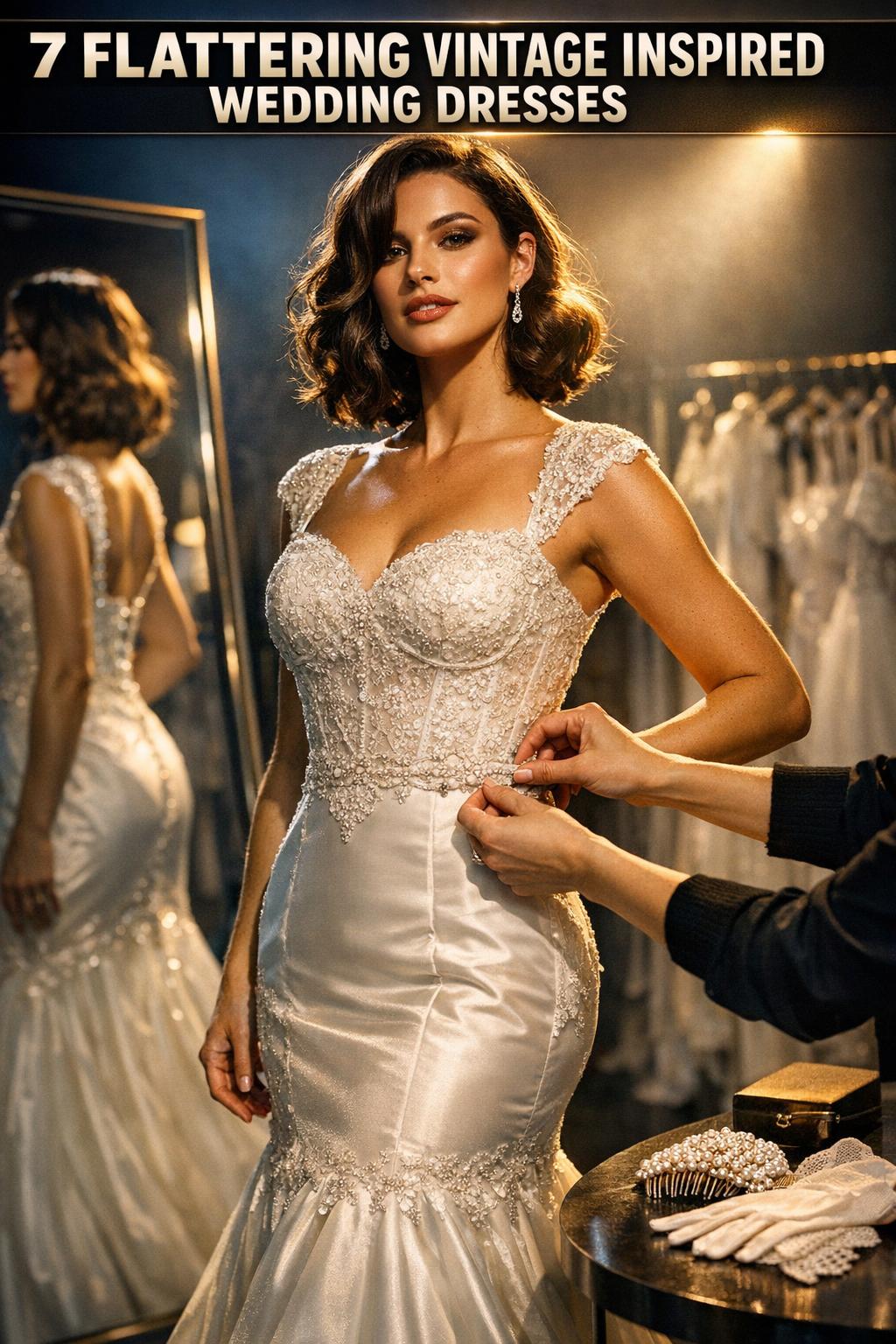
Where to Find Vintage Inspired Wedding Dresses (Shopping Guide)
Shopping for vintage-inspired gowns usually falls into two paths: online browsing with direct-to-consumer convenience, or boutique studios with guided fittings and hands-on support. Both can work beautifully, and many modern brands build the experience around easier access—clear collections, storytelling descriptions, and service options like appointments or at-home try-on programs. The right choice depends on how confident you feel about fit, how much you want professional guidance, and your timeline.
Online retailers vs. boutique studios
Online shopping can be ideal for brides who want to browse widely and compare different interpretations of “vintage style wedding dresses” quickly. Boutique studios can be equally compelling for brides who want hands-on help, a curated selection, and guidance around customization and alterations. Many boutiques highlight appointment experiences and services that make the process feel personal and manageable, especially if you’re committed to a specific vintage aesthetic and want it executed precisely.
- Online: Great for broad inspiration, easy browsing, and quick comparison of silhouettes and era cues.
- Boutique studio: Best when you want guided try-ons, more individualized service, and a tailored experience.
- At-home try-on options: A useful middle ground if you want to evaluate comfort and movement in your own space.
Tips: If you’re torn between multiple decades (for example, Gatsby glamour vs. mid-century romance), try on one gown from each “era family” before you narrow your search. Many brides discover that their real-world comfort preferences—sleeves, waist definition, and mobility—choose the era for them.
How to evaluate quality (fabric, beadwork, construction)
Vintage inspired wedding dresses often rely on tactile, visible details: lace, embroidery, beading, and thoughtful construction. Those details are where quality shows most clearly. When you evaluate a gown, look beyond the overall vibe and inspect how the dress is put together—especially in areas that influence comfort and longevity, such as seams, linings, and how embellishments are attached.
- Check lace and embroidery for consistency and intentional placement that supports the design story.
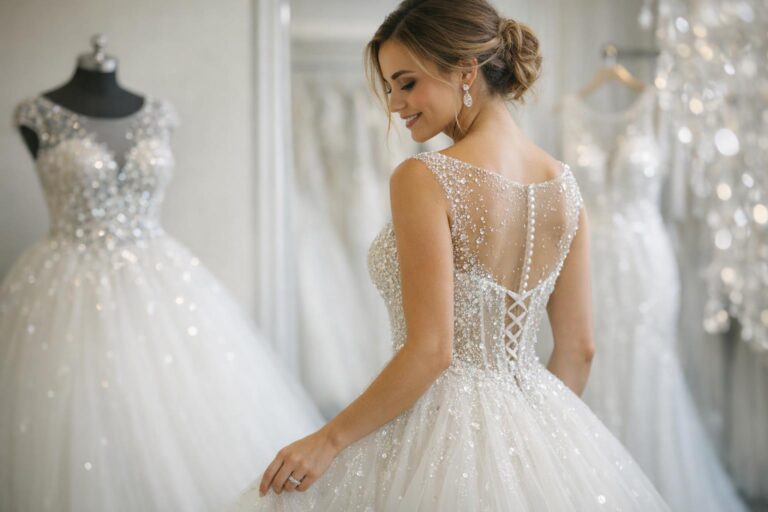
- Inspect beadwork for secure attachment and a finish that feels smooth against the skin.
- Look for clean seams and supportive lining that helps the dress keep its shape.
- Consider how the gown moves; a vintage-inspired look should still feel wearable, not stiff.
Sizing and timing for vintage inspired gowns
Timing matters because vintage-inspired designs can be detail-heavy, and details can influence fitting complexity. Whether you buy online or through a studio, plan for a realistic alteration window and confirm what lead time to expect. It’s also wise to ask directly about sizing expectations, since many brides wonder whether vintage-inspired gowns run small or large. The most reliable approach is to anchor your decision in measurements, comfort, and how the dress sits at key points like the bodice and waist.
Tips: Treat sizing and alterations as part of the purchase, not an afterthought. If your dream look includes vintage lace, sleeves, or significant beading, build in extra time for fittings so adjustments don’t compromise the gown’s defining features.
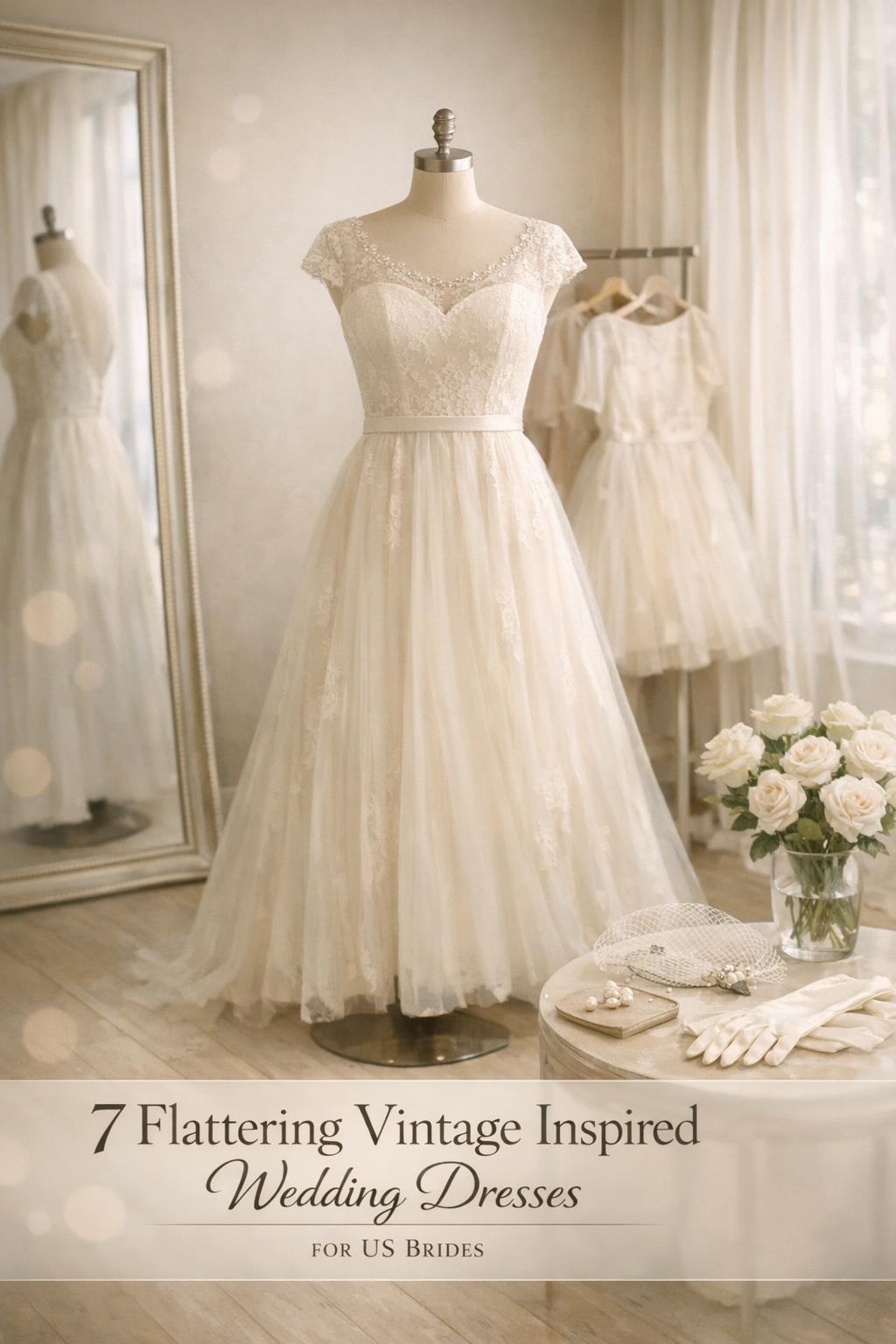
Styling 101: Accessorizing Vintage Inspired Gowns
Styling is where vintage inspiration becomes a cohesive look. The dress does the heavy lifting, but accessories, hair, and makeup translate the gown’s cues into an unmistakable era mood. The key is consistency: if your gown leans Gatsby, choose accessories that echo that glamour; if your gown leans tea-length romance, let your styling feel polished and celebratory; if your gown leans old-world bridal couture, keep details refined and timeless.
Veils, jewelry, and headpieces that enhance vintage looks
Vintage bridal accessories work best when they amplify what’s already in the gown. If the dress features beading, your jewelry can be quieter; if the dress is lace-forward, accessories can echo that softness. The goal is to avoid competing focal points and instead create a clean visual hierarchy: one statement, supported by complementary pieces.
- For Gatsby glamour: consider a headpiece or veil choice that feels intentional with beading and shimmer.
- For tea-length romance: choose classic accessories that feel celebratory without overwhelming the silhouette.
- For old-world couture: keep jewelry refined and let heirloom-style detailing remain the focus.
Tips: If you’re wearing a vintage lace wedding dress with a distinctive neckline or sleeves, try your veil and jewelry with the dress at the same time (not later). These are the areas where styling can accidentally clutter the look; testing early keeps the final result elegant and cohesive.
Hair and makeup directions by era
Hair and makeup don’t need to be literal to feel vintage inspired. A subtle nod—shape, polish, or a softly structured finish—often reads more timeless than a strict recreation. Align your hair and makeup with the gown’s main message: glamour for a beaded Gatsby gown; classic refinement for old Hollywood; clean lines for a mod-leaning sheath direction; or romantic softness for tea-length styles.
Tips: If you’re unsure which direction to take, match your beauty choices to the dress’s most prominent feature. A high-impact neckline may pair best with pulled-back hair, while ornate beading may call for a more understated makeup approach to keep the look balanced.
Real Brides, Real Looks: Case Studies
It’s one thing to admire nostalgic bridal fashion in photos; it’s another to live in it for an entire wedding day. Real-bride journeys highlight the decisions that matter most: choosing a decade-inspired look without feeling like you’re wearing a costume, prioritizing comfort, and planning alterations that protect signature details like lace and beading. Use the following examples as a way to think through your own priorities and questions.
Case study 1: From “Gatsby gown” inspiration to an all-day wearable dress
A bride begins with a clear image in mind: 1920s-inspired beading and a glamorous, vintage-inspired mood. She tries on multiple options and realizes that the most ornate versions feel heavy and distract from movement. She ultimately chooses a gown that still reads Gatsby through its beading pattern and overall styling, but incorporates modern wearability—lighter feel, easier movement, and a silhouette she can sit and dance in comfortably. In alterations, she focuses on fit through the bodice and secure placement of the dress so the vintage beading remains the focal point without constant adjusting throughout the day.
Case study 2: Tea-length romance with modern polish
Another bride is drawn to a 1950s tea-length vintage wedding dress vibe—playful, romantic, and celebratory. Her priorities are comfort, freedom of movement, and a look that feels timeless in photos. She shops with a simple filter: the silhouette must feel balanced, and the dress must maintain its shape without requiring constant readjustment. During fittings, she pays close attention to hem proportion and how the waistline sits, since tea-length styling depends heavily on clean proportions. Her final look feels mid-century inspired without leaning into costume territory, thanks to careful accessory choices and a polished overall finish.
Venue and season considerations
Vintage-inspired styling isn’t just about the dress; it’s also about where and when you’re wearing it. A gown that feels perfect in a studio can feel different outdoors, in heat, or during a long ceremony. Consider whether your venue calls for more mobility, whether your season demands lighter comfort, and how much structure you want across hours of wear. Many modern vintage-inspired collections emphasize comfort and movement specifically because real weddings require flexibility.
- For outdoor celebrations, prioritize movement-friendly cuts and comfort-first construction so the gown stays enjoyable to wear.
- For long wedding days, confirm the bodice feels secure and the dress remains comfortable when sitting and walking.
- For different weather conditions, consider how breathable and lightweight the materials feel during extended wear.
Care, Preservation, and Longevity of Vintage Inspired Dresses
One of the joys of vintage-inspired bridal is the emphasis on lace, beadwork, and heirloom-level detailing. Those same elements also deserve thoughtful care. Whether your gown is a modern purchase with antique-style cues or a pre-owned find, gentle cleaning, smart storage, and a plan for preservation help protect the look you invested in—especially if you hope to keep the gown as a meaningful keepsake.
Cleaning and storage tips
Lace and beadwork can be delicate, and even a single day of celebration can leave marks that should be addressed promptly. A careful approach to cleaning and storage helps prevent unnecessary wear. The goal is to keep the gown’s details—lace motifs, embroidery, and beading—intact and looking as refined as they did at the start of your wedding day.
- Handle embellished areas gently to avoid snagging lace or stressing beadwork.
- Store the gown thoughtfully so lace and delicate details don’t catch or crease unnecessarily.
- Choose a care approach that respects the dress’s materials and construction, especially if it has intricate detailing.
Insurance and authenticity considerations
If you’re investing in a gown with significant craftsmanship—or purchasing pre-owned—consider practical protections. Insurance can help you feel more secure about your investment, and authenticity checks matter when a dress is represented as vintage or antique rather than simply vintage inspired. Even when you’re choosing a modern gown, it’s worth documenting what you purchased and how it’s constructed, since that information helps with future care, preservation, and potential resale considerations.
Tips: If you’re buying pre-owned and the listing language feels ambiguous, ask direct questions: Is it truly vintage, or vintage inspired? What is the condition of lace and beading? Has it been altered? Clear answers protect both your budget and your expectations.
Final Thought: Finding Your Dream Vintage Inspired Dress
The best vintage inspired wedding dresses don’t just reference a decade—they reflect you. Start with the era that sparks an emotional reaction, then choose the silhouette that supports your body type, venue, and comfort needs. Focus on the details that make the gown feel heirloom—lace placement, beadwork, neckline, sleeve shape—while giving yourself the advantage of modern wearability. When you balance timeless style with practical fit, you end up with a look that feels romantic, confident, and authentically yours.
FAQ
What does “vintage inspired” mean exactly?
Vintage inspired means a wedding dress designed today that intentionally references past eras through silhouettes, lace, beading, necklines, and other signature details, while using modern construction to improve comfort, fit, and wearability.
What’s the difference between vintage inspired and vintage-style wedding dresses?
Both phrases are commonly used to describe modern gowns with nostalgic cues, but “vintage inspired” often emphasizes thoughtful references to specific eras combined with modern updates, while “vintage-style” may be used more broadly to describe an overall retro or timeless bridal look.
Do vintage inspired gowns run small or large?
Fit can vary by designer and silhouette, so the most reliable approach is to use measurements, confirm how the dress fits through key areas like the bodice and waist, and plan for alterations—especially if the gown includes sleeves, structured details, lace placement, or heavy embellishment.
Are vintage inspired wedding dresses comfortable to wear all day?
They can be, particularly when the design includes modern comfort-focused updates like lighter construction and movement-friendly cuts, but comfort depends on the specific silhouette, bodice structure, sleeves, and how securely the dress fits after alterations.
How do I choose a vintage-inspired wedding dress for my body type?
Start by selecting an era mood you love, then try silhouettes that balance your proportions—paying close attention to waist placement, neckline shape, sleeve design, and how detailing like lace or beading is distributed—so the vintage cues enhance your natural shape rather than overpower it.
What should I look for when evaluating the quality of a vintage lace or beaded gown?
Inspect how lace and beadwork are placed and secured, check for smooth, supportive lining and clean seams, and confirm the dress feels wearable when you move, sit, and lift your arms, since quality shows in both craftsmanship and comfort.
Is it better to shop online or in a boutique for vintage inspired wedding dresses?
Online shopping is great for browsing widely and comparing styles quickly, while boutiques can offer guided fittings, personalization, and support with alterations and customization; the better choice depends on how much hands-on help you want and how confident you feel about fit and timeline.
How do I accessorize a vintage inspired wedding dress without overdoing it?
Choose one focal point—like a beaded headpiece, a veil style that matches the era mood, or a standout neckline—and keep other accessories supportive and refined so the gown’s vintage details remain the star rather than competing with multiple statement pieces.
How should I care for a vintage inspired dress after the wedding?
Handle lace and beading gently to avoid snags, prioritize careful cleaning that respects delicate materials, and store the gown thoughtfully so detailed areas don’t catch, crease, or stress, helping preserve the dress’s look and craftsmanship over time.