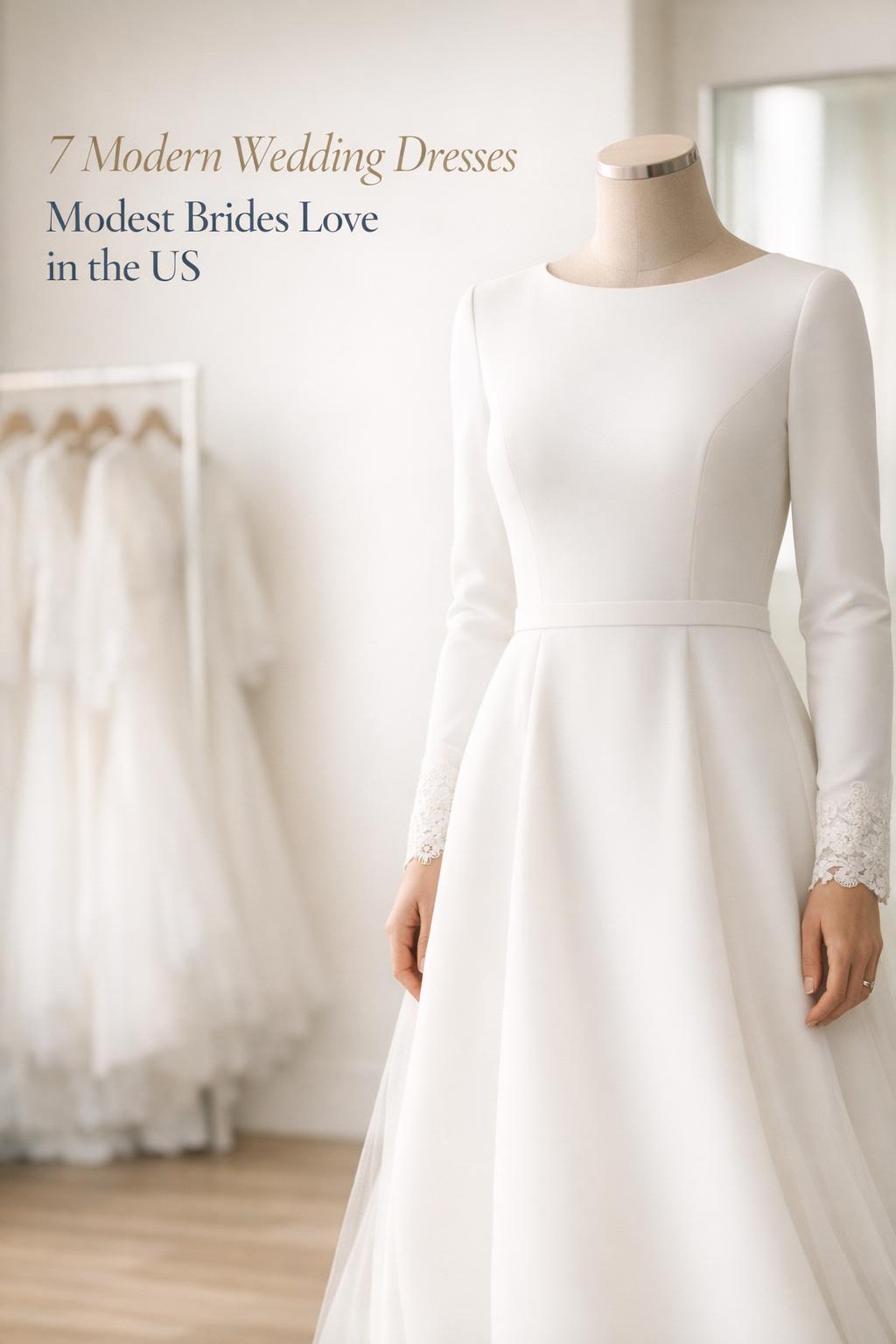
7 Modern Wedding Dresses Modest Brides Love in the US
The Ultimate Guide to Wedding Dresses Modest
Shopping for wedding dresses modest enough to match your comfort level, ceremony setting, or faith tradition shouldn’t mean settling for something that feels dated or overly simple. Today’s modest bridal look spans structured A-line gowns, regal ballgowns, sleek sheaths, and fitted silhouettes with higher necklines, sleeves, and thoughtful linings—often finished with lace appliqué, beading, crepe, satin, or tulle details. This guide breaks down the most common modest coverage options, how to compare styles by silhouette and fabric, how to style for different venues and seasons, and what to know about alterations and customization when you need a very specific level of coverage.
Because many shoppers begin with a collection page and filters, you’ll also find a practical framework for narrowing choices by silhouette, neckline, waistline, sleeve, fabric, and overall style so you can move from “I want something modest” to “I know exactly what I’m trying on.”
What “Modest” Means in Bridal Fashion Today
In modern bridal fashion, “modest” is less a single rule and more a set of coverage preferences. For some brides, modest means a covered neckline gown with minimal décolletage. For others, it’s primarily about sleeves—such as a long sleeve wedding dress modest in feel—paired with a balanced bodice and secure back. Many brides also use “modest” interchangeably with conservative wedding dress or traditional wedding dress with sleeves, while still wanting refined details like lace, appliqué, and elegant shaping.
Modesty can also be audience- and setting-specific. Some brides are dressing for LDS, Orthodox, Jewish, or otherwise conservative ceremonies, where coverage standards can be more defined. Others simply want comfort, confidence, and a classic look for a church ceremony, a formal venue, or family-focused photos.
Common Modest Silhouette Options (and How to Choose)
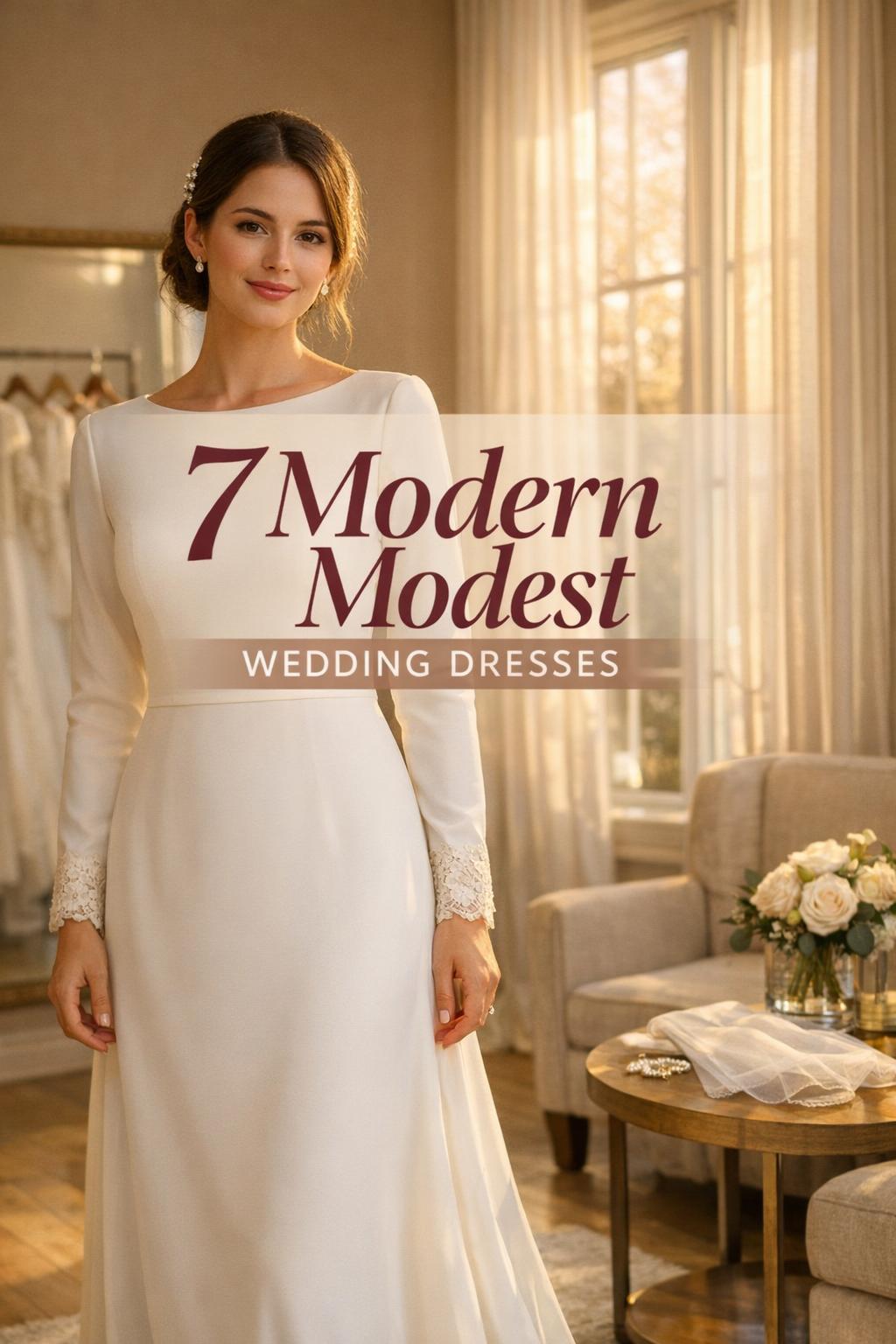
Silhouette is one of the fastest ways to narrow modest wedding dresses, especially when you’re scanning a catalog with filters. The silhouette influences how coverage feels, how fabric lays, and how details like lace sleeves or high necklines balance the whole look.
A-Line for Flattering Coverage
A modest A-line wedding dress is a go-to choice because it naturally balances a covered bodice with a skirt that skims rather than clings. It can feel traditional without being heavy, and it tends to pair well with many sleeve types—from full-length lace sleeves to more minimal covered-shoulder options—while keeping the overall line clean and comfortable.
If you’re unsure where to start, A-line is often the easiest silhouette to “try first” because it works across many venues and style directions, from classic and structured to more romantic lace-forward designs.
Ballgown for Regal Presence
Ballgowns are a natural match for modest styling because they’re inherently formal and often feel “complete” with a higher neckline or long sleeves. If you want a traditional wedding dress with sleeves and a strong bridal presence, ballgown proportions can emphasize elegance and ceremony without relying on skin-baring design elements.
This silhouette also gives you room to play with fabric and detail: lace bodices, satin skirts, tulle volume, and embellished overlays can all read classic and modest while still feeling special.
Sheath/Column for Sleek Modesty
Sheath or column silhouettes can absolutely be modest, but they often depend more on construction and fabric choice to achieve the right coverage and comfort. A sheath modest wedding gown may look especially refined with a high neckline wedding dress approach—like bateau/boat neck or higher illusion lace—combined with a smooth fabric such as crepe or a clean satin finish.
When shopping this silhouette, pay close attention to lining and fit through the hips and waistline, since modesty can also be about how secure and supported you feel, not only how much skin is covered.
Fitted Silhouettes (Including Mermaid) with Modest Details
Many brides want a fitted silhouette but still prefer conservative coverage. Modest fitted gowns often rely on long sleeves, higher necklines, and lace placement to keep the look balanced. A fitted style can still feel traditional when it’s paired with a covered neckline gown design and thoughtful fabric choices like lace over lining or sleek crepe with a structured bodice.
If you love a fitted look, consider how the neckline and sleeves “anchor” the silhouette. The goal is a cohesive line: secure bodice, intentional coverage, and a skirt shape that fits your comfort level.
Necklines and Sleeves: Coverage Without Compromise
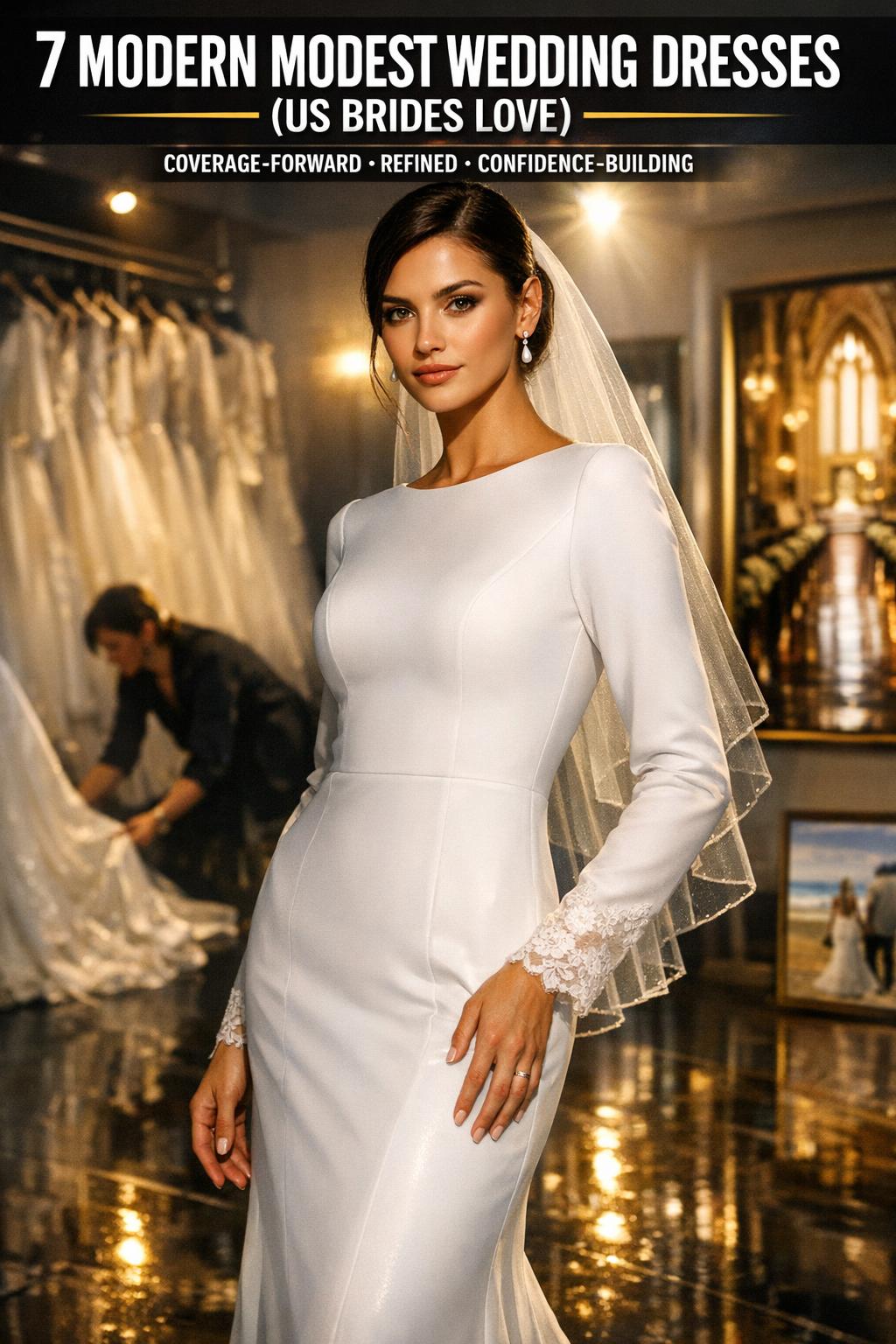
When brides search wedding dresses modest, they often mean “I want more coverage up top,” which usually comes down to neckline and sleeve choices. These elements are also the most customizable, making them key if you’re trying to match a particular standard for a church ceremony or a religious dress code.
High Necklines: Polished, Traditional, and Secure
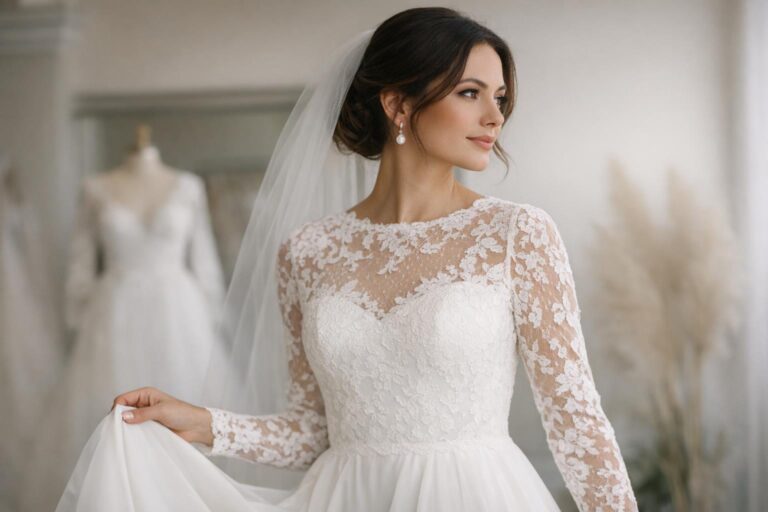
A high neck modest wedding dress can look timeless and refined, especially when paired with lace or illusion elements that add dimension without changing coverage. High necklines are also practical: they often feel more secure during movement, hugging, photos, and long ceremonies.
Common modest neckline directions include higher lace overlays, illusion lace that visually reads covered, and classic shapes like bateau.
Boat Neck (Bateau): A Classic Modest Option
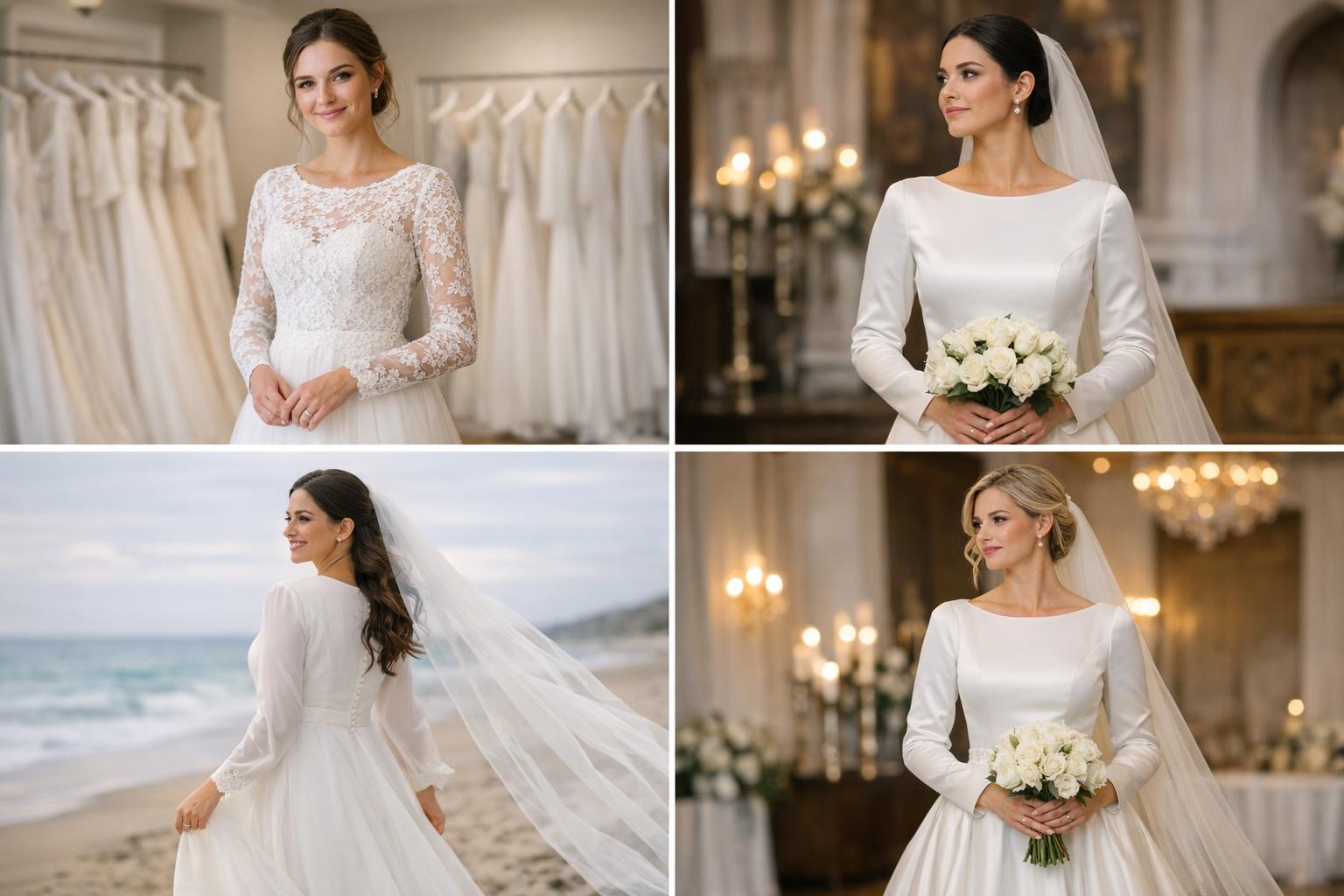
A boat neck modest gown is a favorite for brides who want a traditional line across the collarbone without going fully high-neck. It can read clean and minimal in crepe, or romantic in lace. Boat necklines also pair naturally with sleeves, creating a continuous, elegant frame for the face and veil.
Long Sleeves: Lace, Clean, or Structured
A modest long-sleeve wedding dress is one of the most requested coverage features, and it comes in many variations. Some brides prefer lace sleeves for softness and detail; others want a smooth, simple sleeve in crepe or satin for a more minimalist finish. Long sleeves can also support the “traditional wedding dress with sleeves” look, especially when the gown includes a structured bodice and a balanced neckline.
Sleeves can also help align the dress with LDS bridal dress expectations or other conservative standards, particularly when paired with a higher neckline and a fully lined bodice.
Cap Sleeves and Other Covered-Shoulder Options
If you want modesty but don’t want full-length sleeves, covered-shoulder designs can be a middle ground. Cap sleeves and similar sleeve shapes often look especially cohesive with lace bodices, creating a modest frame while keeping the dress lighter and easier to wear across climates and venues.
Fabrics and Details That Read Modest (Lace, Crepe, Satin, Tulle)
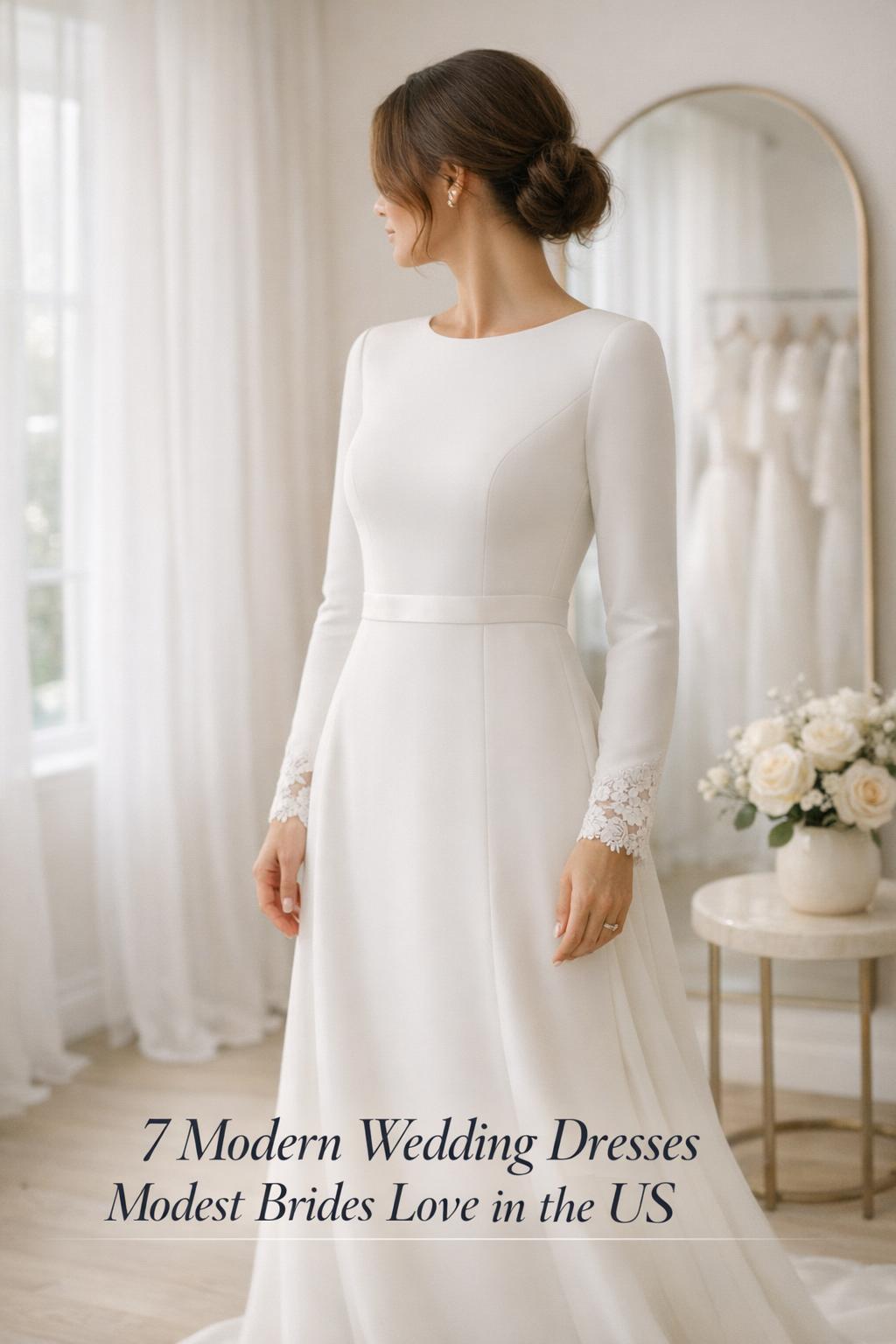
Fabric choice affects not just how a modest wedding gown looks, but how it feels throughout the day. Different materials create different levels of structure, movement, and visual coverage—especially in the bodice and sleeves.
Lace and Lace Appliqué: Romantic Coverage with Dimension
A lace modest wedding dress is popular because lace can add coverage while still feeling light and detailed. Lace overlays and lace appliqué can create a covered look on the bodice and sleeves, and lace is often used to shape modest necklines in a way that feels intentional rather than “added on.”
For brides seeking a lace-covered modest gown style, pay attention to how lace is layered over lining. The same lace pattern can read more conservative or more sheer depending on the lining and placement.
Crepe: Sleek, Minimal, and Modern Modest
A modest crepe wedding dress can feel crisp and understated, making it a strong option for brides who want coverage without heavy embellishment. Crepe tends to highlight clean lines, so it often pairs well with higher necklines, bateau shapes, and long sleeves where the silhouette itself becomes the design feature.
Crepe is also a common choice for sheath or column modest gowns because it supports a smooth, uninterrupted look—ideal if you want simplicity with a conservative finish.
Satin: Traditional Shine and Structured Elegance
Satin wedding dress modest styles often look formal and timeless. Satin can hold structure in the bodice and skirt, which complements classic modest design cues like higher necklines and long sleeves. If you want a more regal look—especially in a ballgown—satin can emphasize that traditional bridal presence.
Tulle and Chiffon: Lightness, Volume, and Movement
Tulle is often associated with volume and fairytale energy, which can work beautifully in modest ballgowns or A-lines when paired with a covered bodice. Chiffon modest wedding dress options tend to feel airy and soft, offering movement and an easy, romantic drape—especially appealing when you want a lighter overall feel with conservative coverage up top.
How to Use Filters to Find Your Modest Match Faster
Many modest wedding dress collections are organized around filters that let you narrow quickly without scrolling endless grids. If you approach filters in a deliberate order, you can reduce options to only the gowns that match your coverage and style needs.
- Start with silhouette: A-line, ballgown, sheath/column, or fitted styles.
- Set neckline requirements: high neck, bateau/boat neck, or other covered neckline preferences.
- Choose sleeve coverage: long sleeve, lace sleeve, cap sleeve, or covered-shoulder options.
- Pick fabric direction: lace, crepe, satin, tulle, chiffon.
- Refine by style: traditional, boho touches, fairytale volume, or clean minimal lines.
This approach mirrors how many collections are structured: the broadest visual impact comes from silhouette, the most specific modesty needs come from neckline and sleeves, and fabric/style are the finishing layers that make the gown feel like you.
How to Style a Modest Wedding Dress (Accessories, Veils, and Layering)
Modesty doesn’t have to be “all or nothing.” Styling lets you fine-tune coverage and shift the vibe between ceremony and reception while keeping the dress itself true to your preference. Accessories can also help a conservative bridal gown feel personalized, whether your aesthetic is classic, romantic lace, or clean and modern.
Veils: A Natural Companion to Covered Necklines
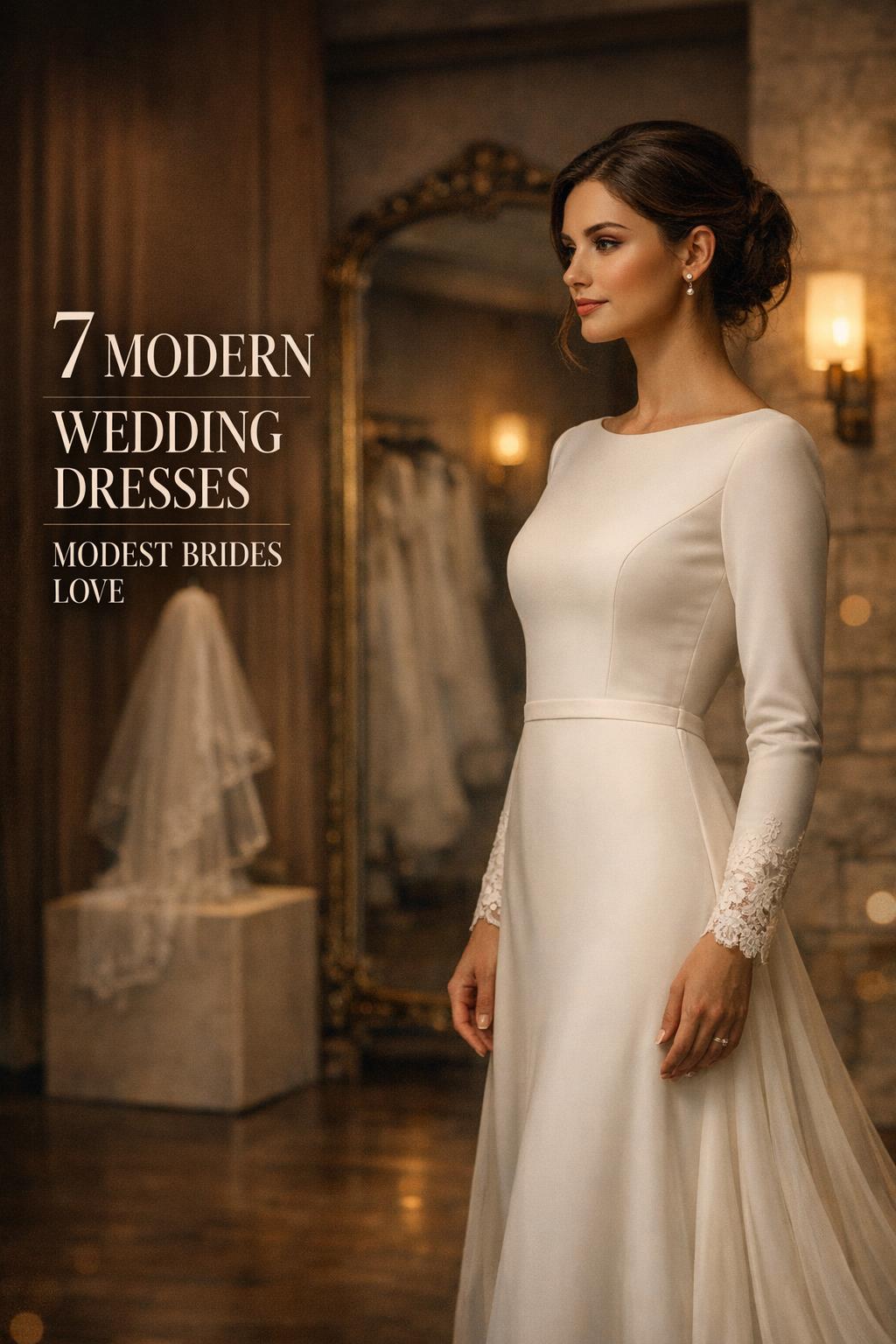
Veils often pair beautifully with higher necklines and long sleeves because they extend the vertical line and reinforce a traditional bridal look. If your dress has detailed lace on the bodice or sleeves, consider how the veil’s edge detail will interact—sometimes a simpler veil lets the dress detail lead, while a lace-edged veil can echo lace appliqué for a cohesive finish.
Jackets, Boleros, Capes, and Overlays
Layering pieces can add coverage for a ceremony or create a second look later on. This is especially helpful if you found a dress you love but want more coverage across the neckline, shoulders, or arms for a church setting. A removable layer can also help you adapt to seasonal changes without compromising the gown’s main design.
Tips: Keep the Look Modest and Intentional
Tip: If your gown already features a high neckline and long sleeves, avoid adding too many competing focal points at once. Choose one “highlight” accessory—veil edge detail, statement hairpiece, or a refined jacket/overlay—so the overall result feels curated rather than busy.
Tip: When your modesty preference is tied to a dress code, focus first on coverage (neckline, sleeves, and lining) and treat accessories as the finishing touches, not the solution. This keeps you comfortable and confident even if you remove a veil or change layers during the day.
Modest Dresses in Real Life: Matching Coverage to Venue and Theme
One reason modest bridal fashion continues to evolve is that brides want coverage that fits real wedding scenarios: ceremonies in religious spaces, formal venues, and destination celebrations where climate and comfort matter. The goal is to choose a modest framework—neckline, sleeve, and lining—that still suits the day’s setting.
Religious and Conservative Ceremonies (Including LDS and Jewish)
For LDS bridal dress needs and other conservative settings, coverage typically focuses on higher necklines, sleeves, and bodices that are lined and secure. Many brides start by shopping from collections specifically labeled modest wedding gowns, since those designs are built with coverage in mind rather than requiring heavy changes after purchase.
If you’re dressing for a specific community standard, prioritize dresses that already align with your baseline: a high neckline wedding dress option, long sleeves (often lace sleeves), and a silhouette that feels comfortable for extended wear.
Beach or Destination Weddings with a Modest Approach
Destination and beach weddings can still work with a modest look, but the balance often shifts toward breathable structure and ease of movement. Lightweight fabrics like chiffon, airy tulle layers, or lace used strategically over lining can help you maintain coverage while feeling less weighed down. Consider how sleeves will feel in warm conditions: some brides prefer lace sleeves or lighter sleeve constructions to keep the look modest without feeling restrictive.
Boho and Fairytale Touches Without Losing Coverage
Modesty doesn’t limit you to one aesthetic. Some collections highlight modest boho wedding dress styling through lace textures and softer silhouettes, while others lean into fairytale volume through tulle and ballgown shapes. The consistent thread is coverage: choose a neckline and sleeve combination that meets your comfort level, then express your style through fabric, texture, and silhouette.
How to Choose Your Modest Dress: A Step-by-Step Buying Guide
With so many modest wedding dresses available, it helps to make decisions in a structured sequence. This is especially true if your coverage requirements are non-negotiable or if you expect to rely on customization to meet your standards.
- Define your coverage baseline: decide on neckline height, sleeve length, and whether you want a fully lined bodice.
- Pick your silhouette first: A-line for balanced ease, ballgown for formal presence, sheath for sleek minimalism, or fitted silhouettes with coverage-focused details.
- Choose your fabric direction: lace for romance, crepe for clean lines, satin for structure, tulle for volume, chiffon for softness.
- Consider the setting: church ceremony vs. outdoor venue vs. destination celebration; think about comfort and movement.
- Decide how much you’re willing to alter: select gowns that are already close to your modesty preference when possible.
- Use store locators and retailer tools: plan where you can try on, compare, and confirm fit and coverage.
This sequence helps you avoid falling in love with a gown that would need major changes to become a covered neckline gown or a true modest long-sleeve wedding dress.
Tips: Questions to Ask While Browsing
Tip: When you see a lace modest wedding dress you love, look closely at how the lace is backed. If the lace is layered over lining, it will read more covered; if it’s laid over illusion elements, it may be modest in shape but still appear sheerer in certain lighting.
Tip: If you’re prioritizing sleeves, confirm how they’re constructed. A long sleeve can be lace, crepe, or satin; each will feel different on the day and can change the overall vibe from romantic to minimalist.
Customization and Alterations: Getting the Right Coverage
Many brides choose modest wedding gowns specifically because coverage is built into the design. Still, customization and tailoring can be essential—especially if you need to match a particular modest standard or you want to adapt a gown to your exact preferences. Some modest-focused boutiques emphasize customization options, which can be helpful when you’re trying to fine-tune sleeves, neckline height, or bodice lining.
Sleeve Adjustments
Sleeves are one of the most common coverage-related alteration points. Brides may want to adjust sleeve length, refine the fit, or change the look (for example, a more delicate lace sleeve versus a cleaner sleeve in a smooth fabric). The best starting point is choosing a dress that already has sleeves in the direction you want, then tailoring for comfort and proportion.
Neckline Changes
If your ideal is a high neck modest wedding dress but you find a gown that’s close, neckline changes can sometimes provide the extra coverage you need. In practice, the most seamless outcomes come from gowns designed with higher necklines, illusion lace, or lace overlays—elements that can support a modest look without appearing like a last-minute add-on.
Lining, Structure, and Support
Modesty is often as much about how secure you feel as what’s covered. Lining choices can affect how a lace bodice reads and how comfortable the dress feels for a long ceremony. Support and structure also matter for confident movement. If you’re comparing conservative bridal gown options, prioritize dresses that look and feel stable through the bodice, especially if you’ll be wearing the gown for an extended day.
Tips: Plan Alterations Around Your “Non-Negotiables”
Tip: Identify the elements you will not compromise on—such as long sleeves, a covered neckline, or fully lined lace—then choose a gown that already includes those features. Alterations are best for refining fit and small adjustments, not for transforming an entirely different style into a modest one.
Tip: If you’re shopping across multiple retailers or collections, keep notes on which filters you used (silhouette, neckline, sleeve, fabric). This makes it easier to compare gowns fairly and explain your preferences if you pursue customization.
Budgeting for a Modest Dress: What to Expect and How to Prioritize Value
Modest bridal is available across a range of price points, from value-driven boutiques to designer collections. Because pricing varies widely across retailers and brands, the most helpful approach is to budget based on the features you care about most, then compare gowns within that lane rather than assuming modest always means more expensive—or less stylish.
Features that may influence what you choose include lace detailing, sleeve construction (especially intricate lace sleeves), the structure of the bodice, and the amount of fabric used in the skirt (for example, a voluminous tulle ballgown versus a sleek crepe sheath). If customization is a priority, factor that into your plan early so you can focus on gowns that already meet your core coverage goals.
Tips: Spend Where It Matters Most
Tip: If sleeves and neckline coverage are your highest priorities, invest your attention in construction and fit in the bodice and arms first. A modest long-sleeve wedding dress should feel secure and comfortable, not merely covered.
Tip: If you love lace, look for lace appliqué placement that feels intentional across the bodice and sleeves. The right lace layout can deliver the “lace-covered modest gown” effect without relying on heavy layers or complicated styling add-ons.
Where to Shop and How to Try On Modest Wedding Dresses
Many brides start online by browsing modest collections with robust filters for silhouette, neckline, sleeves, and fabric. This is an efficient way to learn what you like before you step into a fitting environment. When you’re ready to try on, look for retailer tools like store locators and clear size information so you can plan appointments and confirm what can be ordered or customized.
If your modesty needs are tied to a specific dress code (such as LDS, Orthodox, or Jewish standards), consider starting with collections that are explicitly labeled modest wedding gowns, since those designs are more likely to align from the beginning and reduce the need for major changes.
FAQ
What makes a wedding dress “modest”?
A modest wedding dress typically emphasizes more coverage in key areas such as the neckline, shoulders, back, and arms, often through higher necklines, sleeves (including long sleeves), and lined bodices, while still using bridal elements like lace, crepe, satin, or tulle.
Are modest wedding dresses only for religious weddings?
No. While many brides shop modest wedding gowns for LDS, Jewish, or other conservative ceremonies, plenty of brides choose modest styles for comfort, personal preference, a traditional look, or a church setting, regardless of religious requirements.
What neckline options are best if I want more coverage?
Common coverage-forward choices include a high neck modest wedding dress style, bateau (boat neck) shapes, and lace or illusion lace overlays that visually read covered while keeping the look detailed and bridal.
What sleeve styles are most common for a modest look?
Long sleeves are the most requested for a modest look, especially lace sleeves or clean, minimalist sleeves in crepe or satin; cap sleeves and covered-shoulder options are also popular for brides who want modesty without full-length sleeves.
Which silhouettes work best for modest wedding dresses?
A-line, ballgown, and sheath/column silhouettes are all common in modest bridal; the best option depends on your comfort level and style, with A-line offering balanced ease, ballgown giving a more formal presence, and sheath/column providing sleek, minimal lines when paired with a higher neckline and sleeves.
Can a lace wedding dress be modest?
Yes. A lace modest wedding dress can be very modest when lace is layered over lining and used to create covered necklines and sleeves; the key difference is whether lace is backed for fuller coverage or placed over illusion elements that may appear sheerer in certain lighting.
How do I keep my look modest from ceremony to reception?
Choose a gown that meets your baseline coverage needs first, then use styling elements like veils or removable layering pieces (such as a jacket, bolero, cape, or overlay) to fine-tune coverage and adjust the look across different parts of the day.
Do modest wedding dresses require special alterations?
They don’t always, but alterations are common for refining sleeve fit and length, adjusting a neckline for additional coverage, and ensuring bodice lining and structure feel secure; starting with a dress designed to be modest usually reduces the amount of change needed.
Where should I start if I’m overwhelmed by options?
Start by setting your non-negotiables (neckline height, sleeve length, and lining preference), then narrow by silhouette, then fabric; using collection filters for silhouette, neckline, sleeve, and fabric is often the fastest way to find wedding dresses modest enough for your needs.