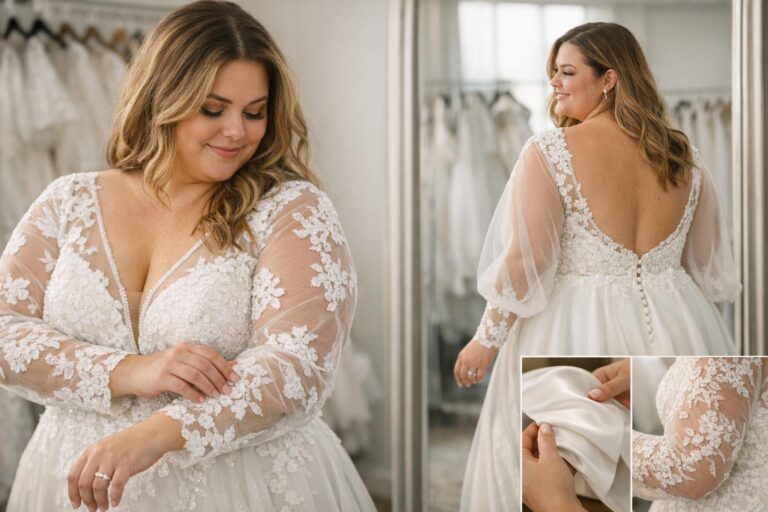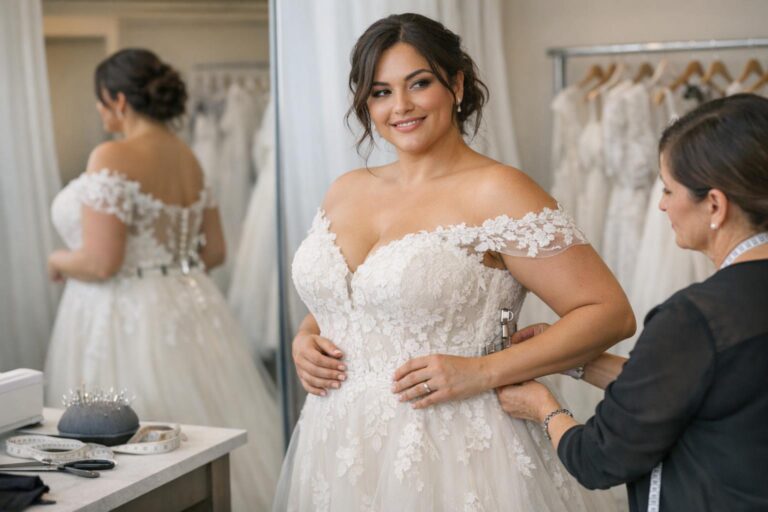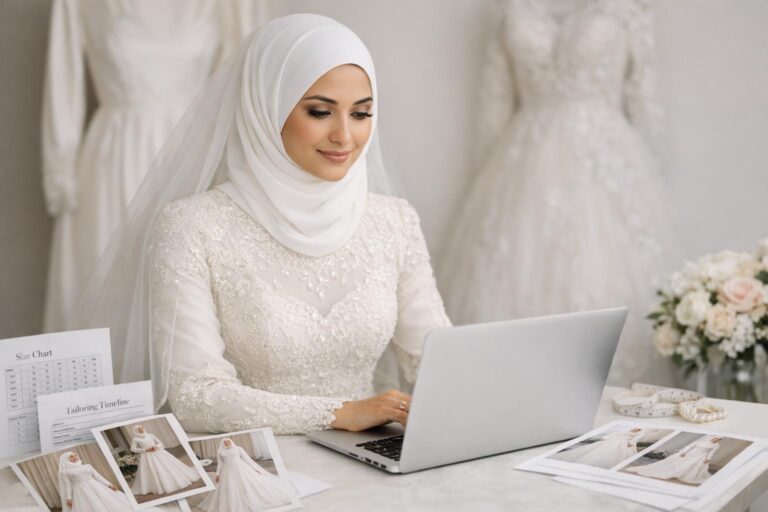
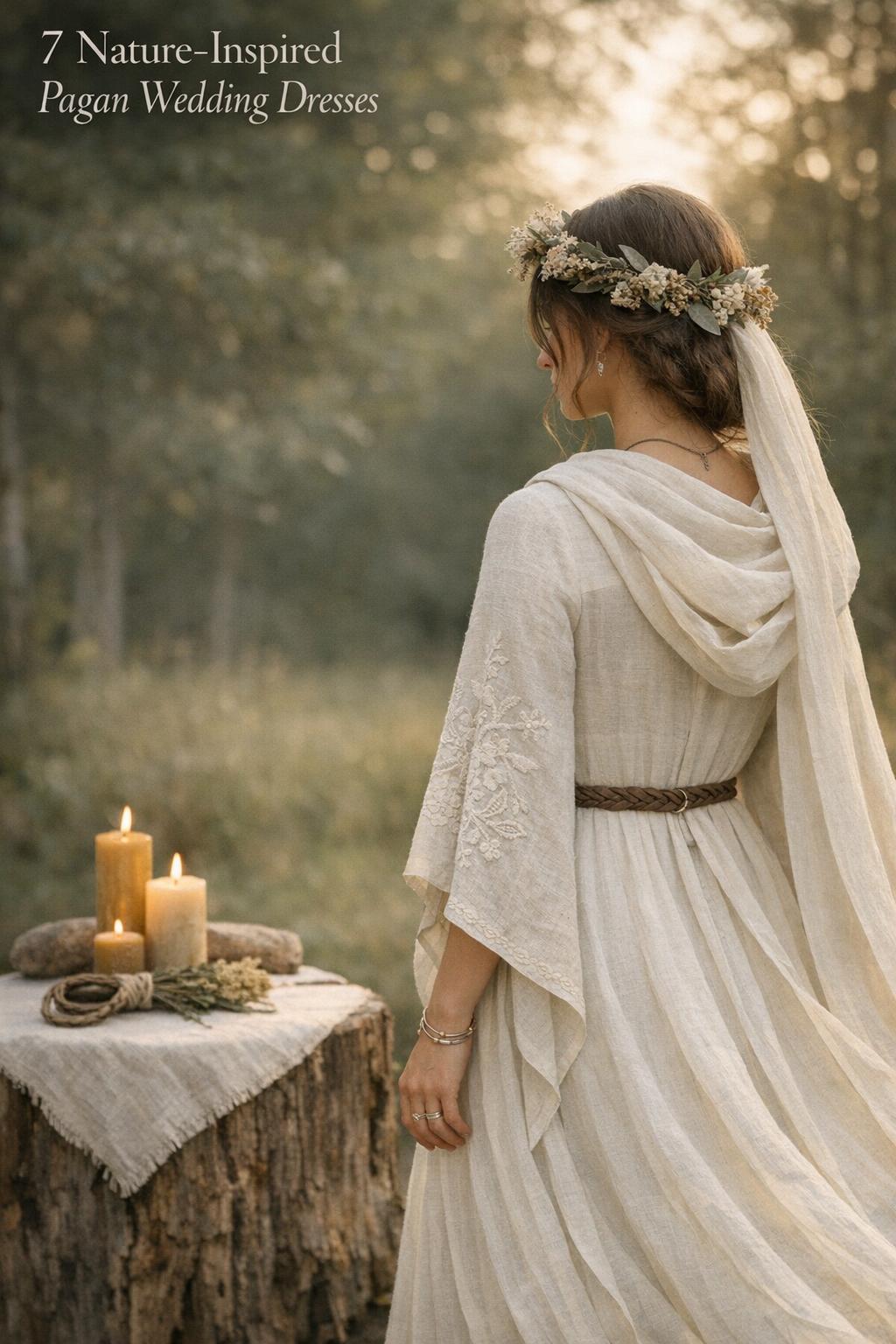
7 Nature-Inspired pagan wedding dresses for U.S. Rituals
Pagan Wedding Dresses: Styles, Sourcing, and Ritual-Inspired Gowns for a US Pagan Wedding
Pagan wedding dresses sit at a beautiful crossroads: bridal fashion, personal spirituality, and nature-centered celebration. In the U.S., people searching for pagan wedding dresses often want both inspiration and practical help—what to wear for a handfasting, how to choose natural fabrics that feel right outdoors, how to honor a specific path (Celtic, Norse/Viking-inspired, Wiccan, Druidic, and more), and where to buy or commission a gown that aligns with their values.
This guide brings those needs together in one place. You’ll find what makes a dress “pagan-ready,” tradition-based style ideas, ceremony-focused styling, practical fit and care guidance for natural materials, and a sourcing roadmap that includes ready-to-wear, made-to-order, rental, and secondhand approaches. The goal is simple: help you choose a dress that feels authentic to your path, comfortable in real-world conditions, and thoughtfully made.
What Makes a Dress “Pagan-Ready”? Core Features to Look For
A “pagan-ready” wedding dress is less about a single approved look and more about alignment—materials that feel grounded, silhouettes that support movement and ritual, and details that connect to your symbolism and setting. Many popular options lean toward natural materials and handmade or custom construction, reflecting a desire for intentionality and comfort during ceremony.
Natural-fiber fabrics show up again and again in pagan and handfasting attire because they can feel breathable, tactile, and at home in outdoor environments. Cotton lace, linen, and hemp are common examples of “nature-first” fabric choices associated with earth-centered aesthetics, especially when the dress is handmade or made-to-order.
- Natural materials and texture: Fabrics like linen, cotton lace, and hemp support a grounded, organic look and can pair naturally with woodland, rustic, or outdoor ceremony settings.
- Movement-friendly silhouettes: Flowing skirts, comfortable sleeves, and designs that allow easy walking, standing, and ritual gestures matter—especially in handfasting ceremonies.
- Symbolic details: Motifs and accessories that reference your path (for example, knotwork, runic-inspired accents, or nature imagery) can be woven into belts, cloaks, jewelry, or subtle trim.
- Color and season awareness: Pagan wedding attire often expands beyond pure white. Earthy tones, seasonal palettes, and “goddess” or nature-inspired styling can all fit depending on the ceremony vibe.
- Handmade and custom sizing: Many pagan wedding dresses are sold with custom sizing or made-to-order options, which can be especially helpful for comfort and inclusive fit.
Tip: Before you fall in love with a design, imagine the full ceremony. Will you be outdoors? Will you be standing for a while? Will you be wrapping cords or ribbons around your hands for a handfasting? Prioritize comfort and mobility early, then layer in symbolism through accessories and finishing details.
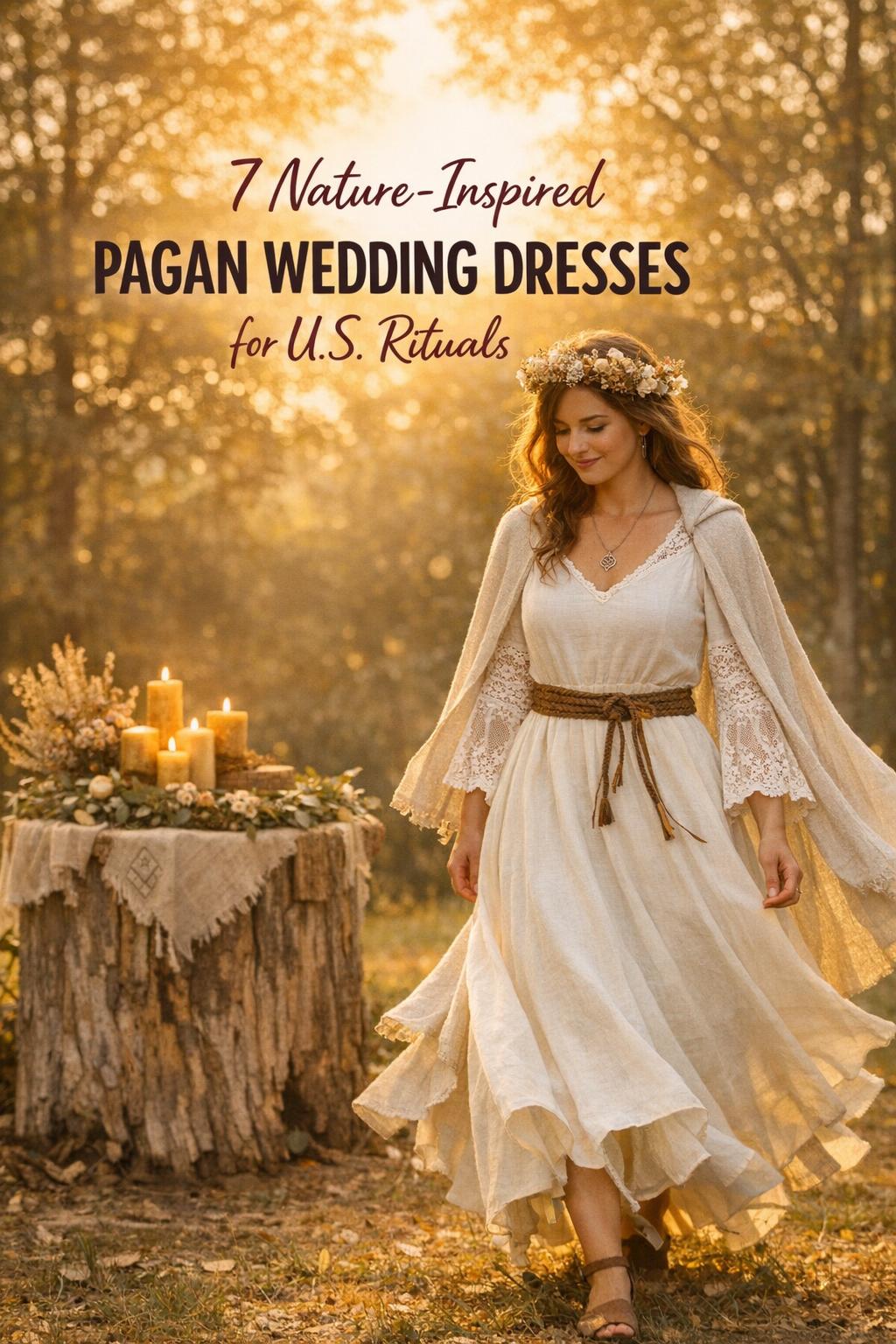
Dress Styles by Tradition (Celtic, Norse/Viking, Wiccan, Druidic, Other)
Many couples want their wedding attire to reflect a specific tradition—or at least an aesthetic closely connected to it. The key is to treat “inspired by” as a design direction rather than a costume, and to choose details that feel respectful and meaningful to you. Below are approachable ways to translate tradition into silhouette, fabric, and styling choices while keeping the focus on wearable bridal attire.
Celtic Pagan Wedding Dresses: Knotwork, Earthy Tones, and Natural Fibers
Celtic pagan wedding dress styles commonly lean toward medieval-leaning or folkloric silhouettes and handfasting-friendly construction. You’ll often see dresses presented specifically as Celtic wedding dresses or pagan handfasting dresses, with natural cotton lace and handmade craftsmanship emphasized. Sleeves—whether fitted, flowing, or structured—can add drama while also offering practical warmth for outdoor ceremonies.
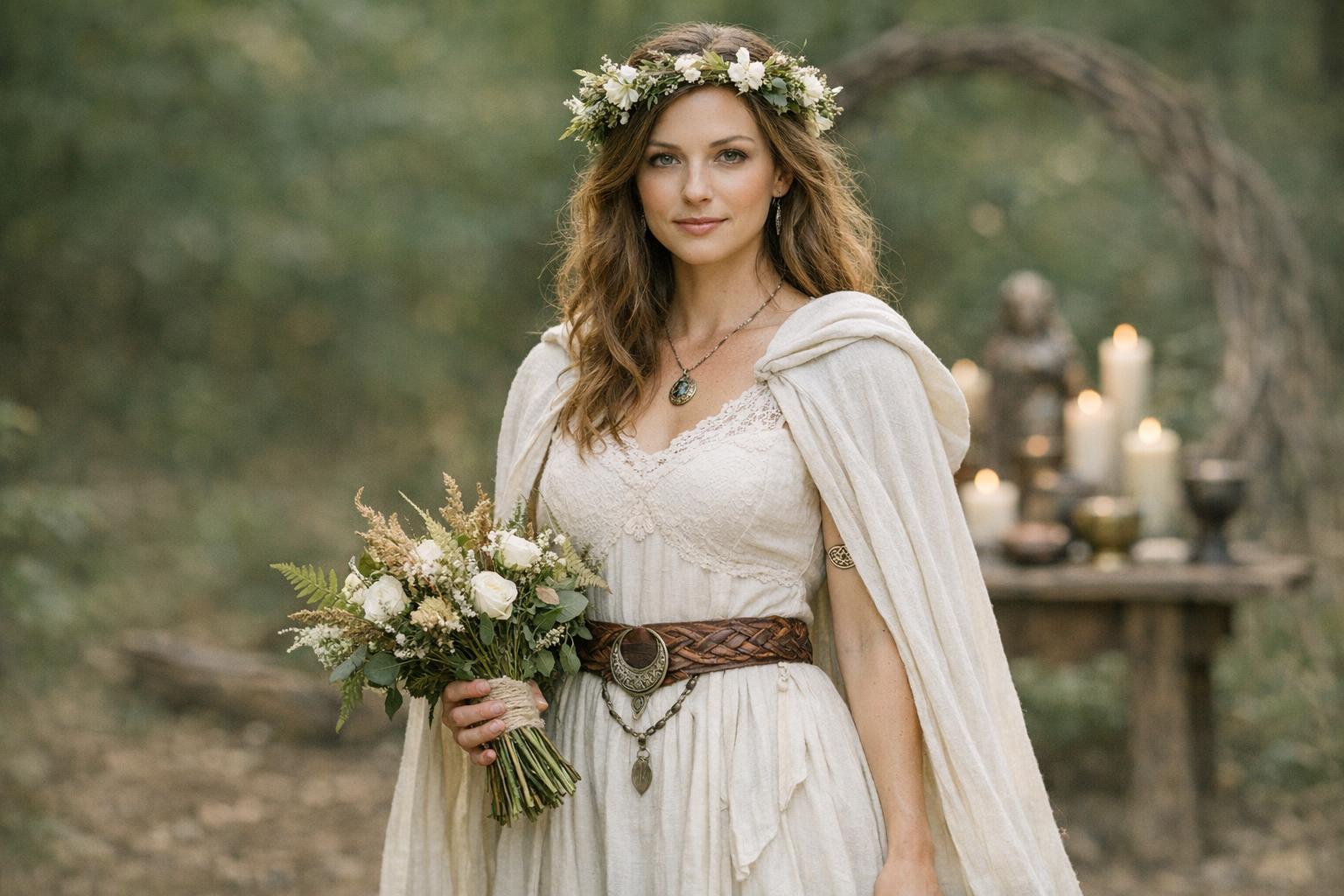
For a Celtic-leaning look, focus on texture and line: cotton lace for an organic bridal feel, a belt or cinch at the waist to define the silhouette, and accessories that echo knotwork or earth-centered symbolism. If you want a subtle approach, keep the gown simple and bring in Celtic motifs through a belt, cloak, or jewelry rather than bold iconography across the dress itself.
Tip: If you’re planning a handfasting, consider sleeve shape and wrist comfort. You’ll likely be holding hands, wrapping cords, or exchanging tokens—so ensure sleeves won’t bunch, snag, or interfere with the binding.
Norse/Viking-Inspired Gowns: Linen, Draped Capes, and Fealty to Weather
Norse or Viking-inspired pagan wedding dresses tend to pair well with sturdy natural fabrics and layered styling, especially for outdoor settings where weather matters. Even when the base gown is simple and modern, linen-like textures, practical layering, and cloak or cape elements can create a grounded, ceremonial feel that looks intentional rather than theatrical.
Because many Norse-inspired ceremonies are imagined in open air—forests, shorelines, fields—comfort becomes a core design feature. Consider a gown silhouette that can handle movement, uneven ground, and variable temperatures, then add meaningful accents through belts, jewelry, or a draped outer layer that can be removed after the ritual.
Tip: If your venue is windy or chilly, plan one “warm layer” that still feels bridal. A cloak or cape can do double duty: a visual statement during the ceremony and real comfort in photos and processions.
Wiccan & Earth-Centered Styles: Flowing Silhouettes, Floral Embellishments
Wiccan wedding dress searches often overlap with nature-inspired wedding dress, woodland wedding dress, and boho pagan wedding dress aesthetics. These looks commonly favor flowing silhouettes, soft drape, and botanical or floral embellishments that echo the natural world. The styling can be ethereal and “goddess-inspired” without needing overt symbols on the gown itself.
If your ceremony includes intentional color symbolism, Wiccan and earth-centered attire can easily incorporate palette choices through sashes, belts, floral crowns, or jewelry—letting you keep the dress versatile while still tying it to your ritual theme.
Tip: For an outdoor altar moment or circle ritual, prioritize a hemline and train length you can manage. If you love a dramatic skirt, consider bustle options or a removable overskirt so your gown transitions from ceremony to celebration smoothly.
Other Traditions: Slavic and Greco-Roman Goddess-Inspired Looks
Many pagan weddings draw inspiration from a wider range of traditions, including Slavic influences and Greco-Roman goddess-inspired styling. In U.S. bridal culture, these influences often show up as draped, romantic silhouettes and “goddess” vibes—looks that overlap with broader editorial bridal trends while still feeling aligned with a pagan ceremony when paired with intentional details.
When your inspiration comes from outside your direct lineage or practice, it helps to approach the styling with care: focus on universal nature symbolism, seasonality, and materials rather than copying sacred or culturally specific elements you don’t fully understand. You can still achieve a powerful, ritual-ready aesthetic through fabric choice, color palette, and ceremony accessories that reflect your beliefs.
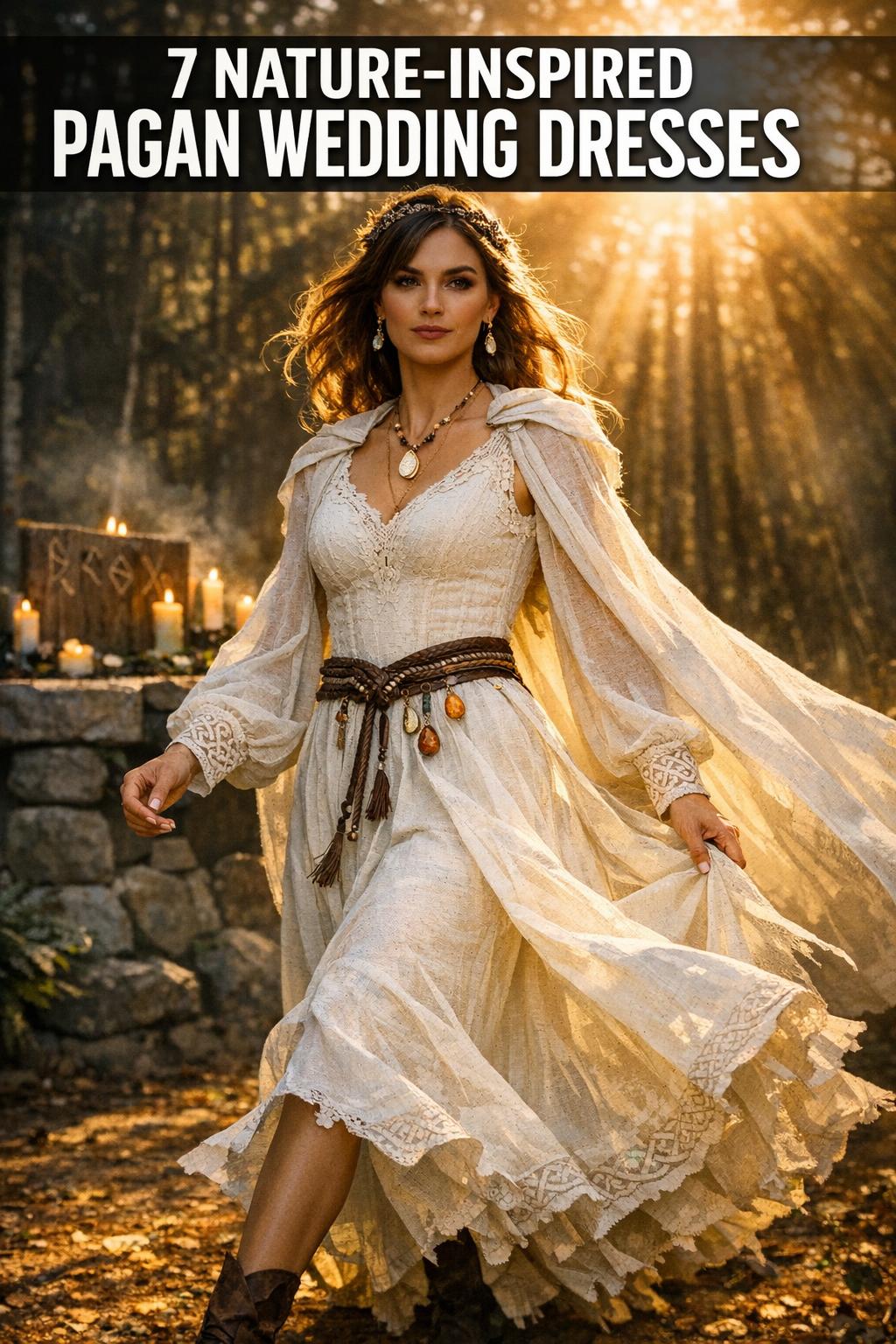
Gallery: Real-World Pagan Wedding Dresses (Inspiration)
Even without a literal photo gallery in front of you, you can plan your own inspiration “set” by identifying a few repeatable dress archetypes and imagining them in real ceremony contexts—handfasting, woodland vows, or an altar-focused rite. Below are practical inspiration prompts you can use when browsing catalogs, marketplace listings, and bridal shops.
- Celtic knotwork handfasting dress in cotton lace: A fitted bodice with sleeves and lace texture, paired with a belt that anchors the waist and frames ritual cords during binding.
- Off-shoulder pagan handfasting dress: A romantic neckline that pairs well with floral or crystal jewelry and keeps arm movement easy during vows and handfasting.
- Medieval-leaning Celtic wedding dress with accessories: A gown that feels historical in silhouette, styled with a belt and simple cloak for ceremony emphasis.
- Woodland wedding dress with nature-inspired styling: A flowing skirt and soft, organic materials, paired with botanical accessories for an earth-centered feel.
- Goddess-inspired, nature-forward gown: A sleek or draped silhouette with subtle celestial or nature cues, ideal for couples who want pagan symbolism without a costume vibe.
Tip: When saving inspiration, label each image or listing with three notes: ceremony setting (forest, backyard, indoor circle), fabric/material (linen, cotton lace, mixed), and one symbolic anchor (knotwork belt, cloak, seasonal color). This keeps your choices cohesive and avoids impulse buys that don’t fit the day.
Where to Buy: Eco-Friendly, Inclusive, and Custom Options in the US
Shopping for pagan wedding dresses in the U.S. usually splits into two main paths: marketplace listings that feature handmade or niche designs, and dedicated brand shops with made-to-order pagan or handfasting styles. Many shoppers also use inspiration hubs to narrow down silhouettes and then seek a vendor who can deliver the look with the right sizing, timeline, and materials.
Ready-to-Wear vs Made-to-Order
Ready-to-wear can be faster and simpler, especially if you’re working with a short timeline or plan to alter the dress locally. Made-to-order is often appealing for pagan wedding attire because it can support custom sizing, handmade construction, and specific material choices—common needs when you want a dress that fits comfortably for ceremony and outdoor conditions.
- Choose ready-to-wear if you want quick delivery, a straightforward return process, or a base dress you can transform with accessories like belts, cloaks, and jewelry.
- Choose made-to-order if fit is a priority, you want a specific fabric like cotton lace, or you’re investing in a handmade handfasting dress with personalized details.
Tip: If you’re ordering made-to-order, build in buffer time. Many pagan handfasting dresses are handmade, and you may need time for measurement checks, production, shipping, and any final alterations.
Rental and Secondhand Avenues
Not every pagan wedding dress needs to be purchased new. Some couples prefer secondhand or rental routes as part of an eco-friendly, mindful approach. This can also be a practical way to access high-quality materials or distinctive silhouettes at a more manageable price, especially if you plan to allocate budget to ceremony elements, photography, or travel.
Tip: If you’re going secondhand, prioritize fabric condition and alteration potential. Natural materials can be resilient, but they also show wear in distinct ways—so check seams, closures, and lace integrity, and confirm a tailor can work with the fabric.
Custom Dress Designers and Small Brands (Celtic/Norse-Focused)
Custom designers and small brands are a strong fit for pagan wedding attire because they often understand ritual-centered needs: comfort, movement, symbolic detailing, and natural materials. You’ll find dedicated pagan handfasting dresses, Celtic wedding dresses, and medieval-inspired bridal gowns offered with size selection or custom options, sometimes alongside matching accessories.
When you compare vendors, focus on the practical buying details that affect your experience: sizing approach (standard vs custom), what “handmade” entails, shipping expectations, and whether the listing clearly describes materials such as cotton lace. A clear product description and transparent process are meaningful signals of reliability—especially when the dress is a core part of your ceremony.
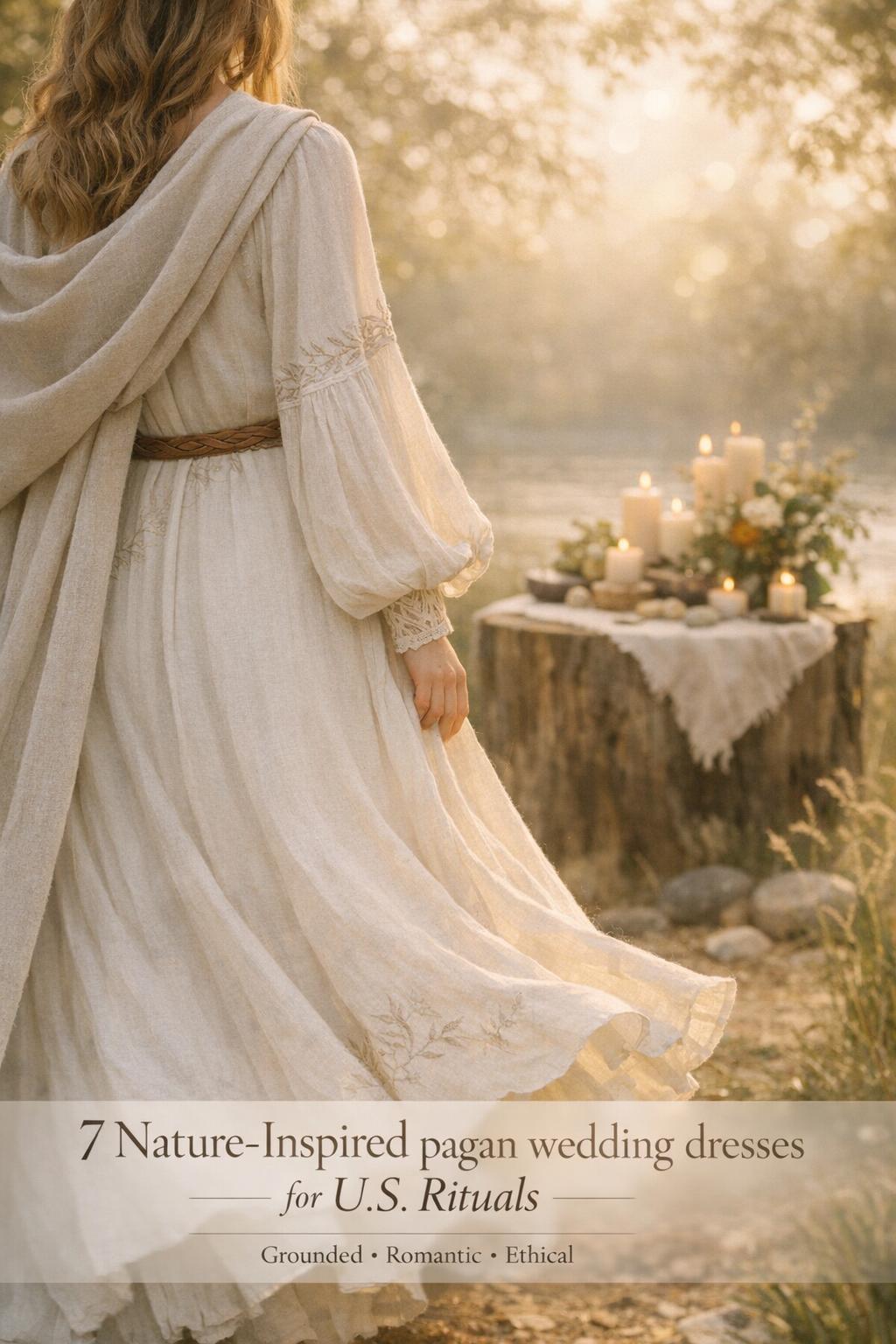
How to Accessorize for a Pagan Ceremony (Veils, Cloaks, Belts, Jewelry)
Accessories often carry the symbolism that transforms a gown into pagan wedding attire. This approach can also keep your dress versatile: you can choose a silhouette you truly love, then “ritualize” it with a few intentional pieces. Accessories are also easier to swap between ceremony and reception, which helps your look evolve across the day.
- Belts and waist accents: A belt can visually anchor the outfit and create a natural place for symbolic motifs (for example, a tree-of-life style cue or knotwork-inspired patterning).
- Cloaks and capes: Ideal for outdoor weddings and for creating a ceremonial moment during processions or circle rites.
- Jewelry with meaning: Crystal accents, nature motifs, or runic-inspired shapes can support the aesthetic while staying wearable and personal.
- Veils and hair pieces: A veil can work beautifully with earth-centered styling, or you can swap it for a floral or nature-inspired headpiece depending on your ritual approach.
Tip: If you’re incorporating a handfasting cord or binding ribbon, try on your accessories together before the wedding. A bulky necklace, tight sleeves, or a high collar can conflict with where cords sit or how your hands move during the rite.
Ceremony Styling: Colors, Calendars, and Symbolism
Pagan ceremonies often highlight seasonality, natural cycles, and symbolism. Your dress can participate in that without becoming overly literal. Think of the gown as the canvas and your styling as the story—color choices, textures, and small meaningful accents that connect you to your ritual and setting.
Color Palettes for Pagan Rituals
Color is one of the most flexible ways to personalize pagan wedding dresses. Many couples use earthy tones, nature-inspired neutrals, or a palette that echoes the season and location. Others prefer a more classic bridal shade and weave color through accessories like belts, cloaks, jewelry, or florals. The most cohesive results usually come from choosing one “anchor” color direction and repeating it in a few small places.
Tip: If you want color but feel unsure, start with a neutral gown and add a single colored layer—like a belt or cloak—so your look stays bridal while still ritual-specific.
Symbolic Details to Tie Dress to Ceremony
Symbolism can be woven into the wedding look through motifs and objects that are easy to wear. Many people prefer subtlety: a nature-inspired dress, a handfasting belt, a cloak for the circle, or jewelry that reflects personal meaning. This approach also supports authenticity and respect because it emphasizes your lived beliefs and choices rather than generic “pagan costume” signals.
When in doubt, keep symbolism focused. One or two strong symbolic anchors—like a belt plus a cloak, or a piece of jewelry plus a meaningful color—often feel more powerful than many competing symbols layered together.
Fit, Sizing, and Care for Natural Fabrics
Fit and fabric care are major quality-of-life factors for any wedding dress, and they’re especially important when you’re choosing natural materials and planning an outdoor-leaning ceremony. Whether you’re buying a handmade Celtic wedding dress, a pagan handfasting dress, or a nature-inspired gown, plan for measurement accuracy, realistic lead times, and simple care practices that protect delicate lace and fibers.
Measurements, Alterations, and Lead Times
Many pagan wedding dresses are offered with custom sizing or made-to-order production, which can reduce the need for heavy alterations but increases the importance of accurate measurements and timeline planning. If your dress is handmade, you may need extra time for communication, production, and shipping, plus a final try-on window.
- Take measurements carefully and consistently, and keep a record so you can compare against sizing charts or custom order forms.
- Plan an alteration window even for made-to-order dresses, because minor adjustments can improve comfort and confidence.
- Consider the full outfit when assessing fit, including belts, cloaks, and the layers you’ll wear for outdoor weather.
Tip: If you’re planning a handfasting, practice the ceremony gestures in your dress (or a close-fitting mock outfit). Simple movements like raising hands, holding cords, or turning in place can reveal sleeve or neckline issues early.
Care Instructions for Linen, Cotton Lace, Hemp
Natural materials can be wonderfully comfortable, but they deserve thoughtful handling—especially cotton lace and other textured fabrics. Always follow the seller’s care instructions when available, and plan your wedding-day logistics to minimize strain: avoid snag risks, keep hems protected outdoors, and pack the dress carefully for travel.
Tip: If your ceremony is in a forest, field, or beach-like environment, consider a reception switch plan. A cloak or overskirt can protect the gown during outdoor photos, or you can change into a simpler outfit after the ritual while keeping key symbolic accessories on.
Real Weddings Q&A: Designers’ Tips and Bride Stories (What to Ask and What to Notice)
Real wedding features and vendor stories are popular in pagan wedding planning because they show how dresses perform in actual ceremonies—not just how they look on a product page. Even if you’re not reading a full interview, you can borrow the Q&A approach by asking the same practical questions that designers and experienced brides tend to emphasize: comfort, symbolism, weather, and logistics.
- What ceremony actions will you do while wearing the dress? Handfasting, circle movement, altar moments, and outdoor walking all shape the best silhouette choice.
- Which detail is the “meaning anchor”? Decide if it’s the fabric, the belt, the cloak, or a piece of jewelry so your styling stays focused.
- What’s the plan for weather and ground conditions? Choose sleeves, layers, and hem length with real comfort in mind.
- What did you wish you’d known about lead times and sizing? Many handmade and custom gowns are worth the wait, but only if you plan early enough to avoid stress.
Tip: If you’re working with a small brand or marketplace seller, keep your communication simple and specific. Ask direct questions about materials (for example, cotton lace), customization options, and what happens if minor sizing adjustments are needed.
Sustainability & Ethics: Mindful Sourcing Without Losing the Magic
Many people drawn to pagan wedding attire care deeply about sustainability and ethics. The most practical approach is to define what “mindful sourcing” means for you and then shop accordingly—whether that means choosing natural fibers, supporting handmade work, buying secondhand, or selecting vendors with clear, transparent descriptions of materials and construction.
Ethics can also include authenticity and respect. If you’re borrowing inspiration from a tradition, aim for a look that feels aligned with your own practice and values rather than copying elements you don’t understand. Subtle nature-inspired styling, season-based color choices, and thoughtful accessories can express your path without relying on potentially inappropriate symbols.
Tip: If you’re unsure whether a motif is appropriate, choose a more universal nature-centered cue—like botanical styling, earth tones, or a meaningful color palette—and let your vows and ritual actions communicate the deeper significance.
Putting It All Together: A Simple Process to Choose Your Dress
With so many directions—Celtic, Norse, Wiccan, boho, woodland, goddess-inspired—it helps to choose your dress using a structured process. This keeps your search grounded and prevents you from buying a gown that’s gorgeous in photos but stressful in real life.
- Step 1: Name your ceremony type. Handfasting? Outdoor circle? Indoor ritual with an altar moment? Let this drive mobility and sleeve decisions.
- Step 2: Choose your fabric priority. If natural materials matter most, filter early for linen, cotton lace, hemp, or other nature-forward textiles.
- Step 3: Pick one tradition or aesthetic lane. Celtic pagan wedding dress, Norse-inspired, Wiccan/earth-centered, or goddess-inspired—start with one clear direction.
- Step 4: Decide where symbolism lives. In the gown, or in accessories like a belt, cloak, and jewelry?
- Step 5: Lock your timeline. If you need made-to-order or custom sizing, commit early and build buffer for shipping and alterations.
Tip: If you’re torn between two looks, choose the gown that best supports comfort and movement, then use accessories to bring in the second aesthetic. For example, a simple nature-inspired dress can become distinctly Celtic with the right belt and styling, or more Norse-inspired with a cloak and grounded textures.
Conclusion: Choosing a Dress that Honors Your Path
The best pagan wedding dresses don’t all look the same—and that’s the point. Your wedding attire can be handmade and lace-textured or sleek and goddess-inspired; it can lean Celtic, Norse/Viking-inspired, Wiccan and earth-centered, or a blend that reflects your personal practice. Focus on natural materials when they matter to you, prioritize fit and mobility for the ceremony you’re actually having, and treat symbolism as intentional design: a few meaningful choices carried with confidence.
When your dress supports your ritual—comfortably, respectfully, and beautifully—you’ll feel it in every step of the day, from vows to celebration.
FAQ
What is a handfasting dress, and do I need a specific one?
A handfasting dress is simply a wedding dress that works well for a handfasting ceremony, where comfort, mobility, and sleeve/arm ease matter because your hands may be bound with cords or ribbons; you don’t need a specific labeled dress as long as the silhouette supports the ritual actions.
What fabrics are common for pagan wedding dresses?
Many pagan wedding dresses emphasize natural materials, with fabrics like linen, cotton lace, and hemp commonly associated with nature-forward, earth-centered aesthetics and with handmade or made-to-order construction.
Can a white or traditional bridal gown still be pagan wedding attire?
Yes—many couples use a classic bridal gown and make it pagan-ready through intentional styling, such as nature-inspired accessories, a symbolic belt, a cloak for ceremony, or color choices that reflect seasonality and ritual symbolism.
Where can I buy pagan wedding dresses in the U.S.?
Common shopping routes include marketplace listings that feature handmade and niche designs and dedicated brand shops offering pagan or handfasting styles, along with inspiration hubs that help you identify silhouettes before choosing a vendor that fits your sizing, timeline, and material needs.
Is made-to-order better than ready-to-wear for a pagan handfasting dress?
Made-to-order can be better if you want custom sizing, handmade construction, or specific natural materials, while ready-to-wear can be better for faster timelines or simpler returns; the best choice depends on your schedule and how exact you want the fit and details to be.
What accessories work best for pagan wedding ceremonies?
Belts, cloaks or capes, and meaningful jewelry are popular because they carry symbolism without requiring the gown itself to be heavily themed, and they can also add comfort and ceremony impact—especially for outdoor settings.
How do I choose a dress style that matches my tradition (Celtic, Norse, Wiccan, Druidic)?
Start by selecting one main direction—such as Celtic knotwork and natural fibers, Norse-inspired layering and weather-friendly styling, or Wiccan/earth-centered flowing silhouettes—then keep symbolism focused in one or two elements like fabric choice and a belt or cloak.
How far in advance should I order a handmade pagan wedding dress?
Because many pagan wedding dresses are handmade or made-to-order, you should plan for production time, shipping time, and a buffer for final alterations; ordering earlier helps reduce stress if sizing adjustments or delays occur.
How can I avoid an outfit that feels like a costume?
Choose a wearable bridal silhouette you genuinely love, prioritize natural materials and comfort, and express pagan symbolism through a small number of intentional details—like a belt, cloak, jewelry, or a seasonal color palette—rather than layering many overt symbols at once.