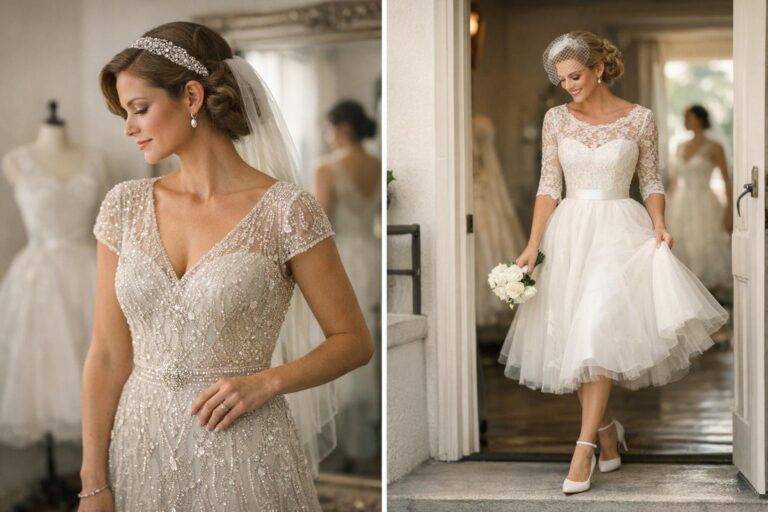
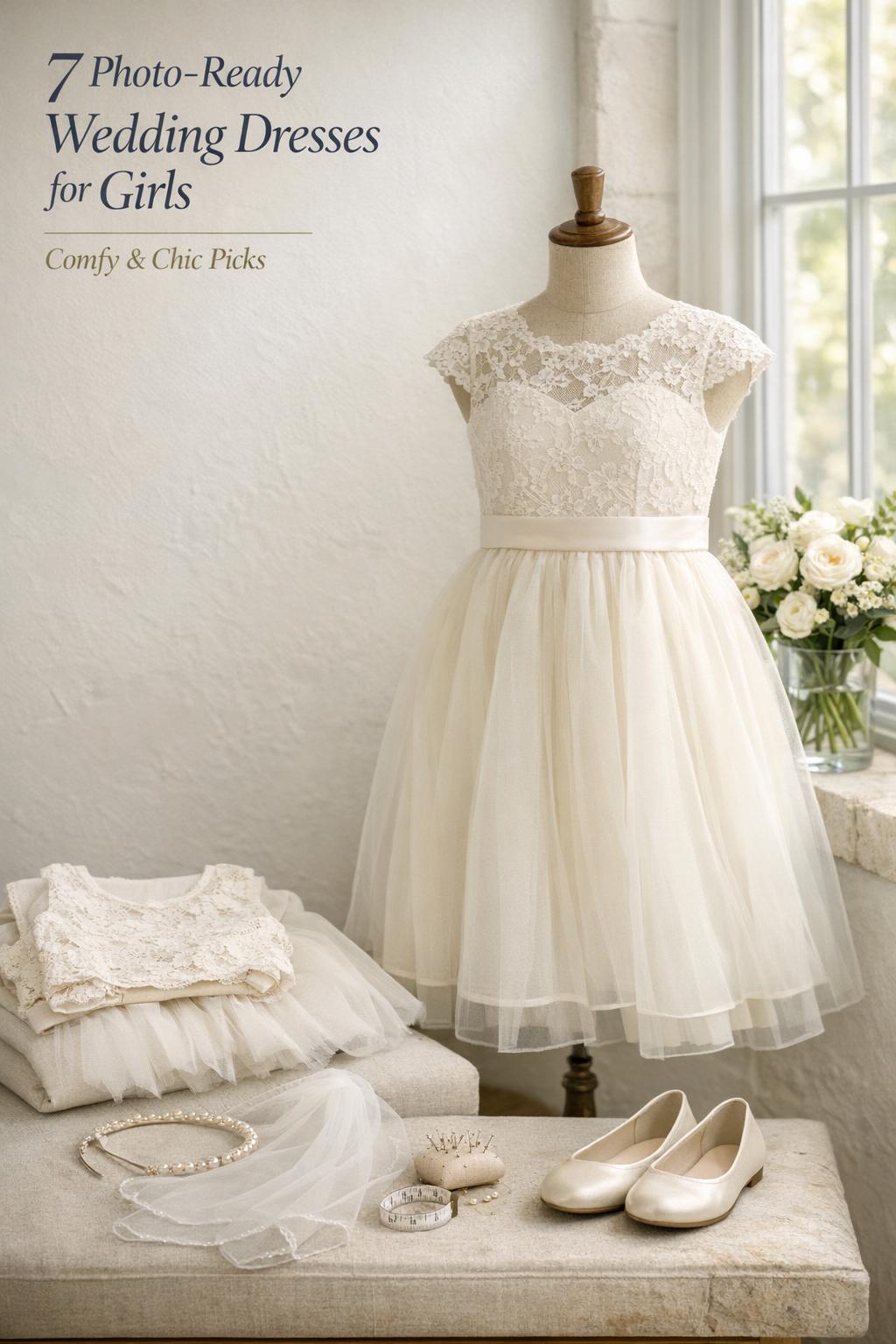
7 Photo-Ready Wedding Dresses for Girls: Comfy & Chic Picks
Wedding Dresses for Girls: Styles, Fits, and Tips for Flower Girls
Shopping for wedding dresses for girls often starts with one simple goal: find a dress that looks special in photos and feels comfortable enough for a child to wear through a long ceremony and reception. Whether you’re dressing a flower girl, a junior member of the bridal party, or a young wedding guest, today’s options range from classic ivory lace and satin to airy tulle ball gowns, modern two-piece looks, and even licensed, fantasy-inspired styles that lean into “princess” vibes.
This guide breaks down the essentials—what makes a dress wedding-appropriate, how to choose fabrics and lengths, how to coordinate color with the wedding theme, and how to handle sizing, fit, and quick fixes. You’ll also find a U.S.-focused shopping approach, accessory ideas, and practical tips designed to reduce last-minute stress for parents and wedding planners.
Understanding the Basics of Girl’s Wedding Dresses
What Makes a Dress Suitable for a Flower Girl
A flower girl dress (or kids’ wedding gown) should balance formality with kid-friendly wearability. Most families look for a “wedding-ready” feel—structured enough for the ceremony, polished enough for photos—without restricting movement. That usually means thoughtful coverage, a secure fit that stays put during walking and dancing, and details that won’t irritate skin or snag easily. Many wedding dresses for girls also mirror bridal aesthetics in scaled-down ways, using formal fabrics and classic silhouettes while keeping the design age-appropriate.
Tip: When evaluating any flower girl gown, imagine the full day: walking down the aisle, sitting during the ceremony, posing for photos, and playing at the reception. A dress that looks perfect standing still but feels scratchy or heavy after an hour can become a struggle later.
Key Fabrics to Look For
Fabric is one of the biggest factors in comfort, look, and durability. Wedding-appropriate girls’ dresses commonly feature tulle, lace, and satin, often layered to create shape and softness. Lace can add timeless texture, satin creates a smooth, formal finish, and tulle provides volume for everything from gentle A-line skirts to full ball gown silhouettes. Because children’s skin can be sensitive, it helps to prioritize soft linings and finishes that reduce scratchiness and keep the dress comfortable for extended wear.
Tip: If a dress includes lace, beading, crystals, or other embellishments, check where those details sit—especially around the neckline, armholes, and waist—so nothing rubs in high-movement areas.
How to Choose Length and Style by Age
Length affects both safety and style. Knee-length flower girl dresses can be easier for energetic kids and help avoid tripping, while tea-length styles often give a formal look without the drag of a floor-length skirt. Floor-length wedding dresses for girls can look especially traditional and photo-ready, but they may require extra attention to fit and movement, particularly for younger children. The “right” length often comes down to how active the child is and how formal the wedding feels.
- Knee-length: Practical for movement, dancing, and warm venues; often easier for toddlers and younger girls.
- Tea-length: A classic in-between option that reads formal and keeps steps clear.
- Floor-length: Most traditional and gown-like; works well for very formal settings with a careful fit.
Tip: If you love a floor-length look but worry about tripping, consider a dress with a slightly shorter front hem or a silhouette that doesn’t overwhelm the child’s frame.
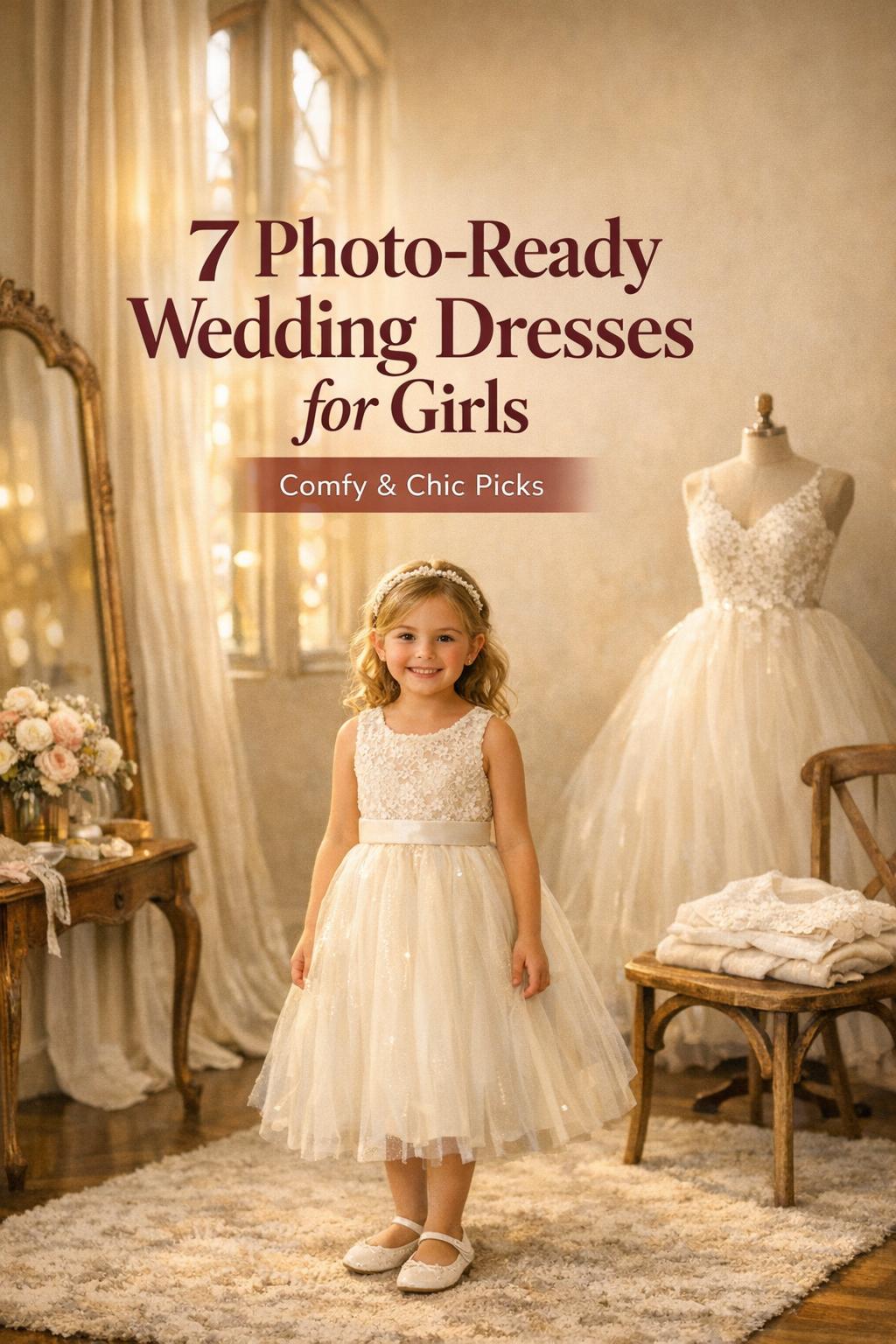
Styles and Silhouettes for Girls’ Wedding Dresses
Most shoppers narrow options quickly once they choose a silhouette. Many retailers organize wedding dresses for girls using filters like style, length, color, and fabric. That’s helpful because two dresses in the same color can feel completely different based on skirt shape, bodice structure, and the amount of detail.
Classic Ivory Lace and Satin
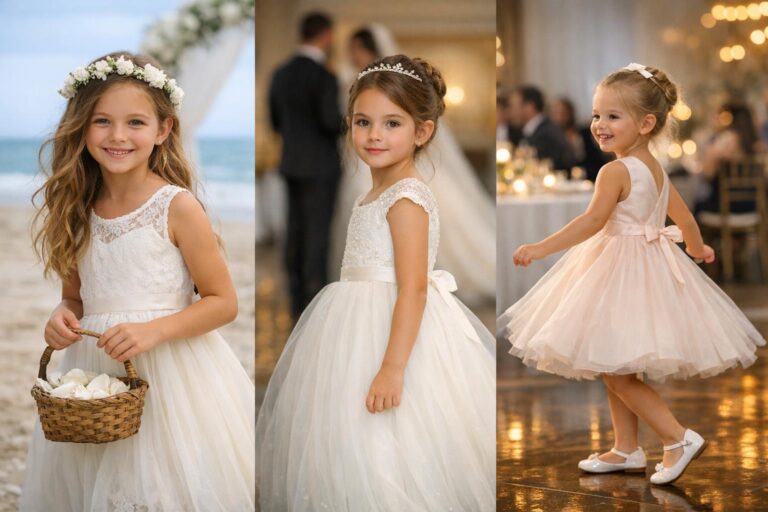
Classic ivory lace dresses and satin flower girl dresses remain popular because they match a wide range of wedding themes. Ivory feels traditional and blends beautifully into formal ceremony settings, while lace adds an heirloom-like finish that photographs well. Satin creates a clean, elegant surface that can look structured and polished without needing heavy embellishment.
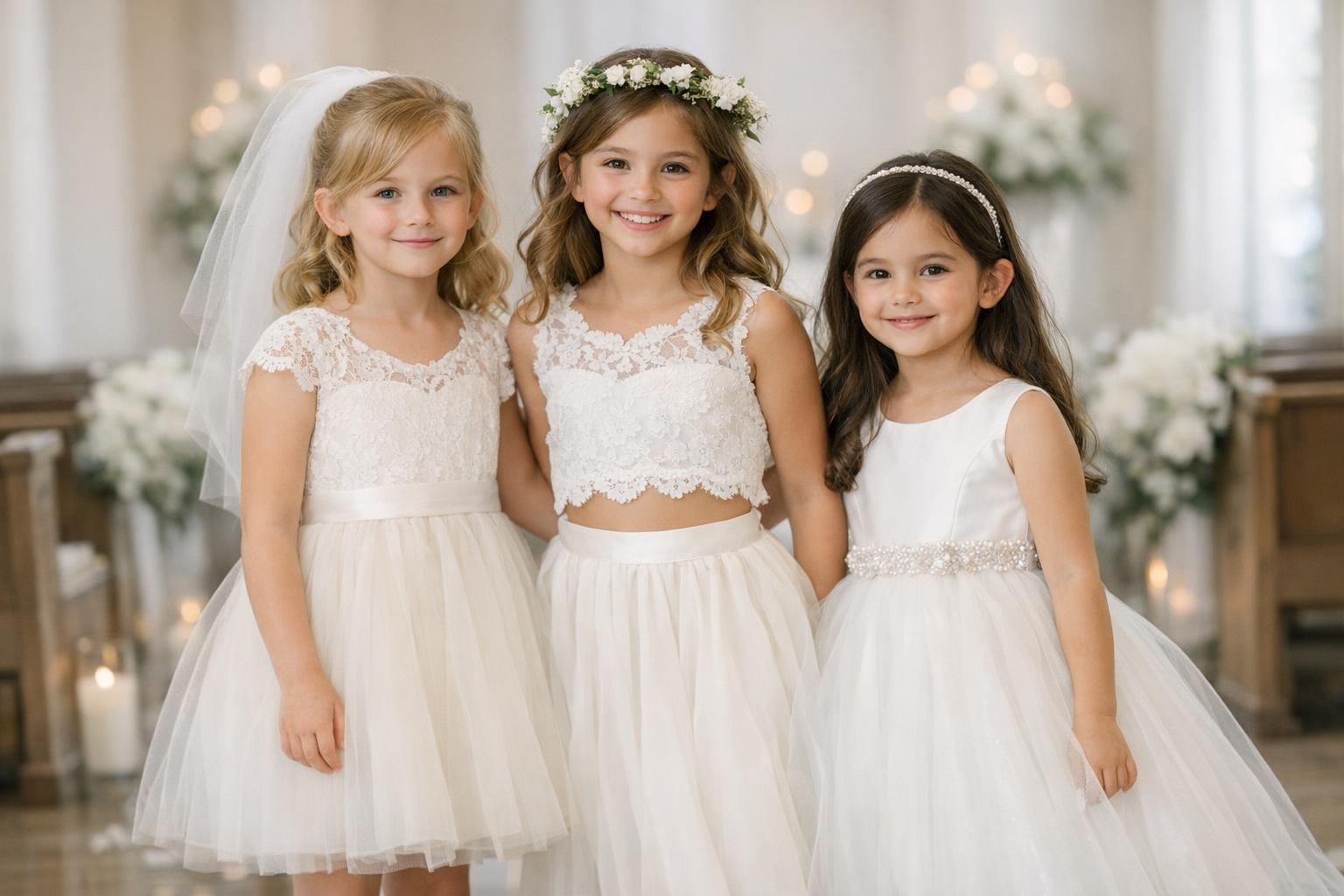
These styles also tend to be highly wearable: an ivory lace flower girl dress can suit a formal indoor wedding, a church ceremony, or a classic venue where timeless details feel appropriate. If you’re choosing one dress for multiple children, classic fabrics and colors can make it easier to coordinate across ages and sizes.
Tulle and Ball Gown Options
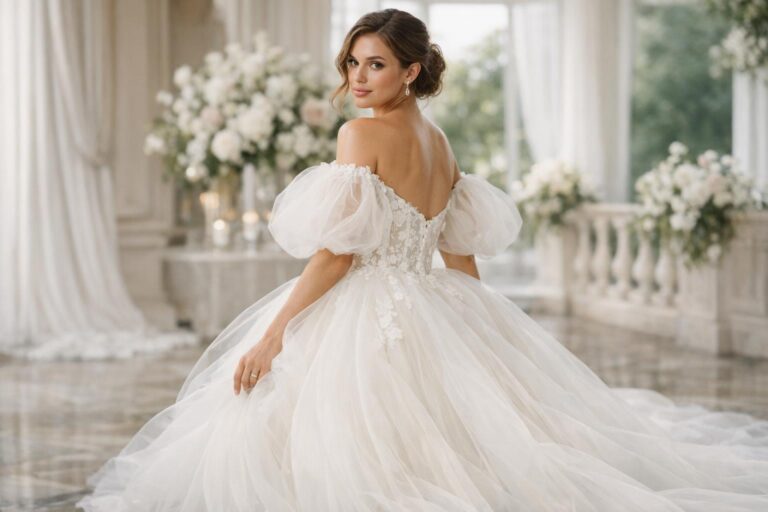
Tulle dresses and ball gown flower girl styles are the most “storybook” options—especially for families who want an unmistakably bridal-party look. Tulle can create soft layers and volume without looking heavy, making it a go-to choice for dramatic skirts. Many wedding dresses for kids use tulle overlays paired with satin underlayers or lace bodices to balance texture and structure.
Because volume changes how a child moves through doorways, chairs, and dance floors, it’s worth checking how the skirt behaves when the child walks and sits. A fuller skirt may look stunning in photos but can be distracting if it’s hard to manage.
Tip: If you’re buying a tulle dress for a younger child, focus on comfort features like soft linings and smooth waist finishes. A dress that feels “floaty” rather than stiff is often easier for kids to tolerate for hours.
Boho, Modern, and Two-Piece Styles
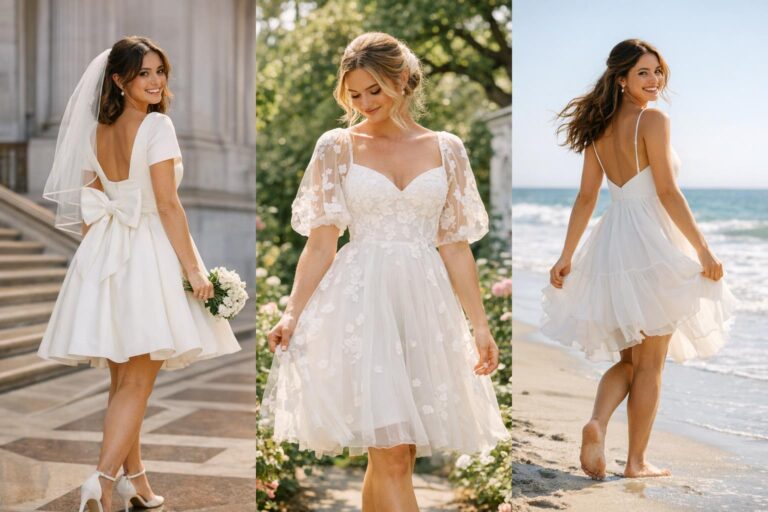
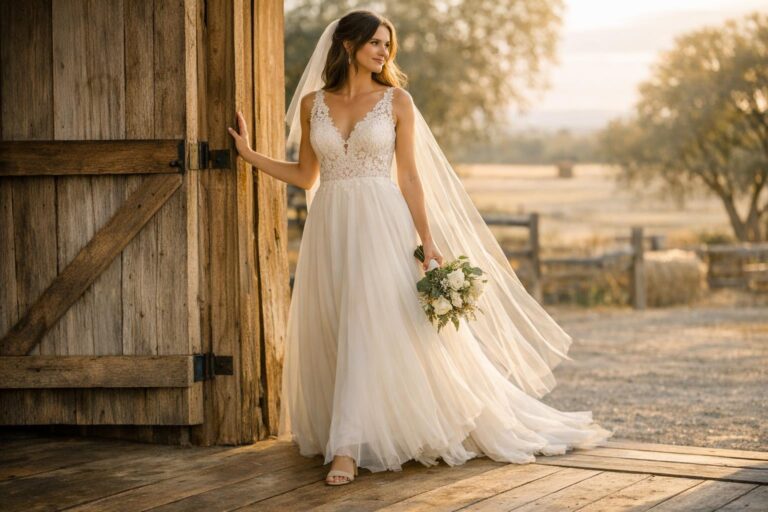
Not every wedding calls for a traditional gown. Boho flower girl dresses and modern silhouettes can work especially well for outdoor ceremonies, minimalist venues, and more relaxed dress codes. These options often favor simpler lines, lighter structure, and an unfussy feel, while still using wedding-appropriate fabrics like lace and tulle.
Two-piece dress sets for kids add a contemporary edge and can be practical for fit. Separates can help with comfort, bathroom breaks, and mix-and-match styling, and they can sometimes be reused later as party looks. If you’re aiming for a coordinated bridal party with a fresh twist, two-piece options can offer a distinctive look without requiring a full ball gown.
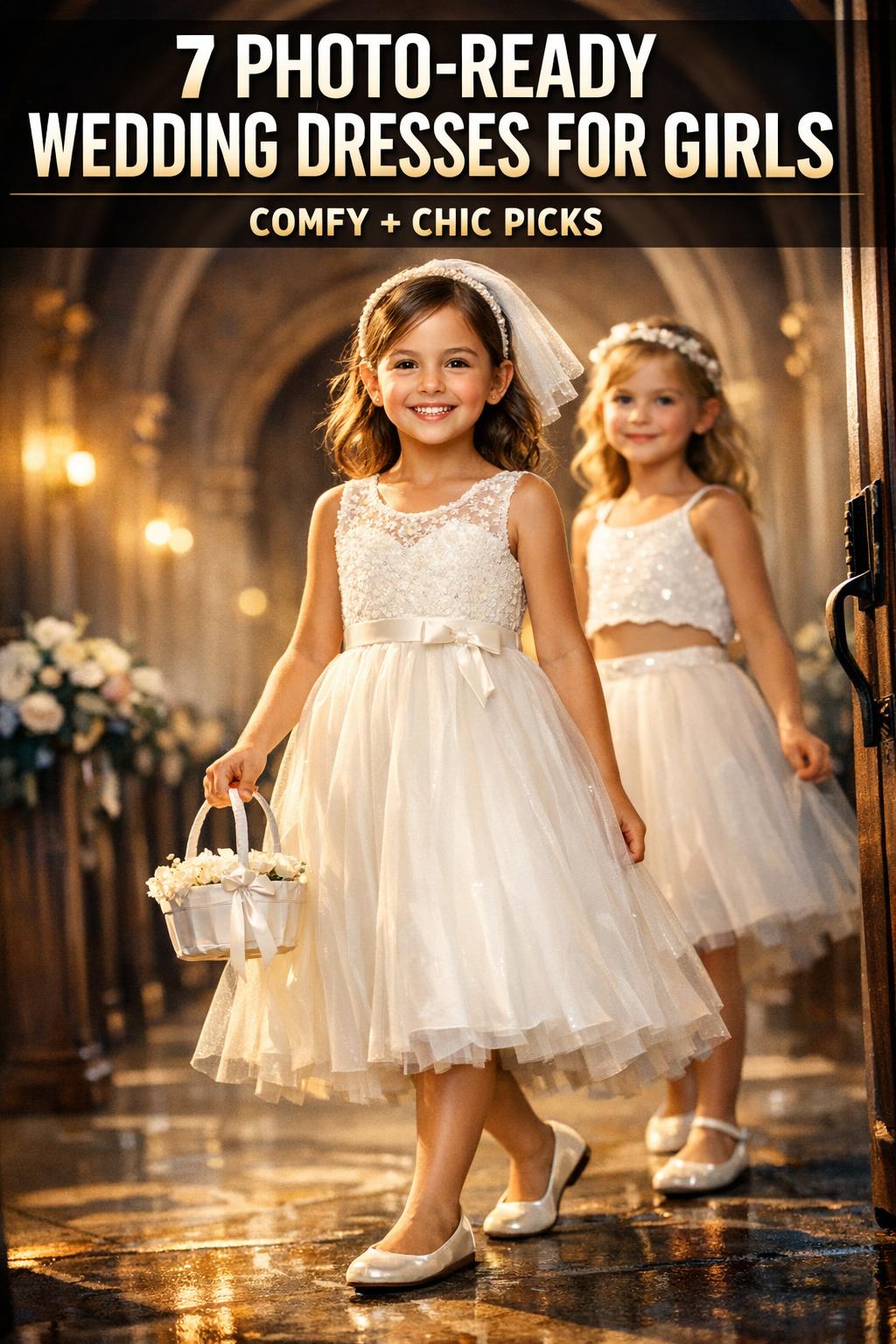
Color Trends and How to Coordinate with the Wedding Theme
Color is often the fastest way to make wedding dresses for girls feel intentionally coordinated with the wedding party. While ivory remains a classic choice, many families also explore blush flower girl dresses, pastel flower girl dresses, and other soft palettes that complement bridesmaid shades or seasonal décor. Trend-driven inspiration—from brand collaborations and princess-inspired collections to playful, fashion-forward palettes—can also guide the look, especially for weddings leaning into a whimsical or themed aesthetic.
Popular Colors for 2026–2027 Weddings
Many shoppers gravitate toward a spectrum of soft, wedding-friendly tones: ivory for traditional settings, blush for romantic themes, and pastel tones for light, airy palettes. These colors can be chosen to match floral arrangements, invitation suites, or bridal party attire. The overall direction in kids’ wedding attire also includes more playful and colorful inspiration, influenced by pop-culture and princess-themed collections that spotlight distinctive palettes.
Tip: If you’re uncertain about a specific shade, start with the wedding’s “anchor” color (often bridesmaid dresses) and decide whether the flower girl should match exactly or complement with a softer or lighter variation.
How to Pair Dresses with Bridesmaid Colors
When coordinating with bridesmaids, the easiest approach is to use the same color family but adjust intensity for a child-friendly look. A softer tone (like a pastel version) can coordinate without competing. Another common approach is to keep the flower girl in ivory or a neutral shade while matching accessories—like a headband or sash—to the bridal party color. This method is especially helpful if you have multiple flower girls in different sizes and you want one cohesive look.
- Exact-match approach: Choose the same color as bridesmaids for a uniform bridal party appearance.
- Complement approach: Select a lighter or pastel shade that harmonizes with bridesmaid colors.
- Neutral dress + matching accents: Use ivory as the base and tie in wedding colors through accessories.
Tip: If the wedding includes strong theme elements—like princess-inspired styling or playful branded inspiration—consider keeping the silhouette classic while letting color or small details nod to the theme.
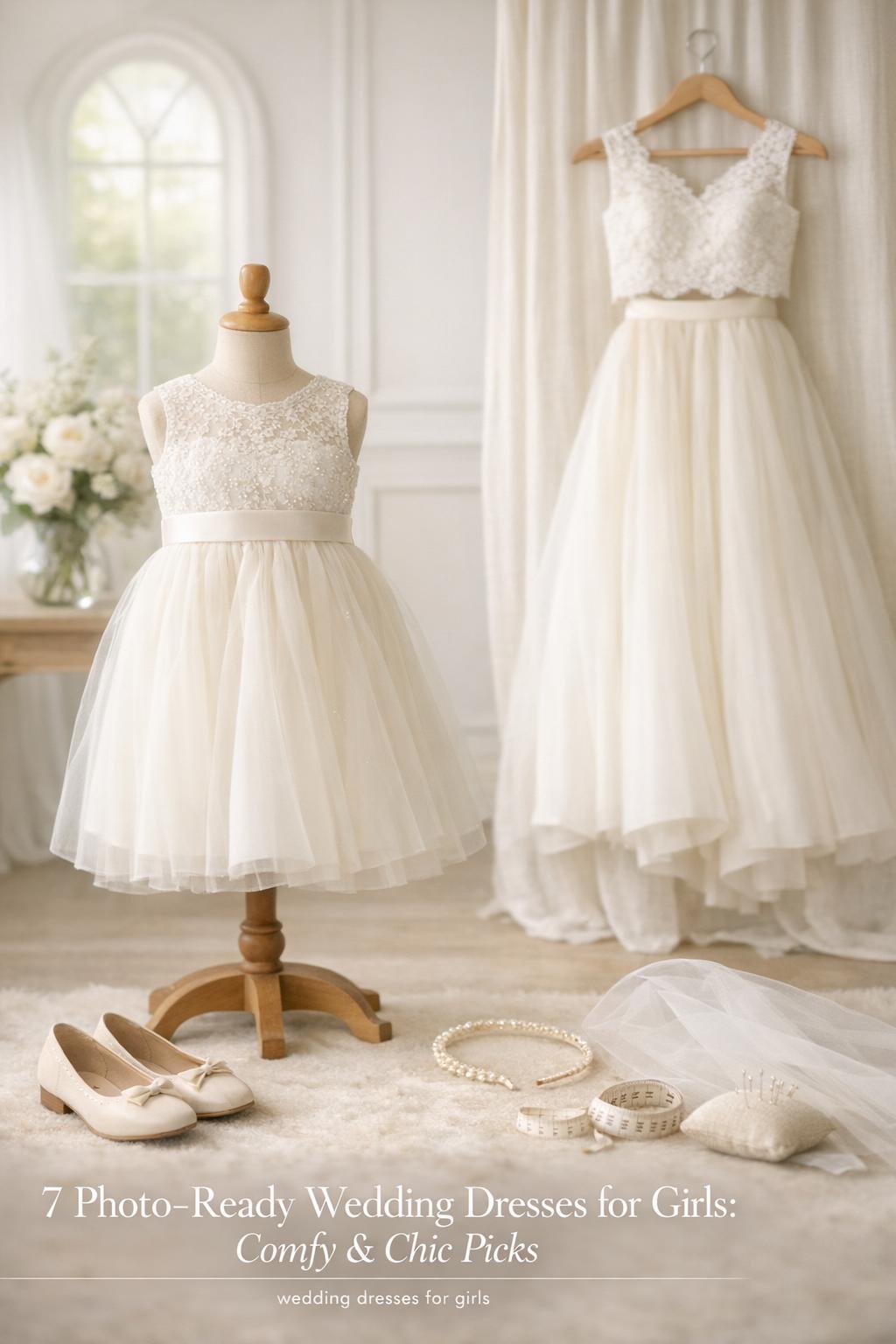
Practical Buying Guide: Sizing, Fit, and Alterations
Shopping for kids’ wedding gowns is different from shopping for adults: children grow quickly, sizing can vary by brand, and comfort can matter even more than perfect tailoring. Many shoppers rely on category filters (size, color, length, fabric) to narrow down options, but fit still comes down to accurate measurements and smart timing.
Getting Accurate Measurements for a Child
Accurate measurements reduce returns and last-minute stress. Even when buying from a well-organized catalog with robust filters, it’s important to measure the child rather than guessing based on age alone. Pay attention to how the dress is meant to fit (structured bodice vs. flowy shape) and choose sizing accordingly.
- Measure at a calm time when the child can stand comfortably.
- Focus on key areas that affect comfort and movement, like the bodice fit and overall length.
- If the dress has a fitted waist or detailed bodice, prioritize a secure but non-restrictive fit.
Tip: If the wedding date is close, avoid buying a dress that requires a complex fit “gamble.” A slightly more forgiving silhouette can be easier to manage if the child grows unexpectedly.
Alterations and Quick Fixes
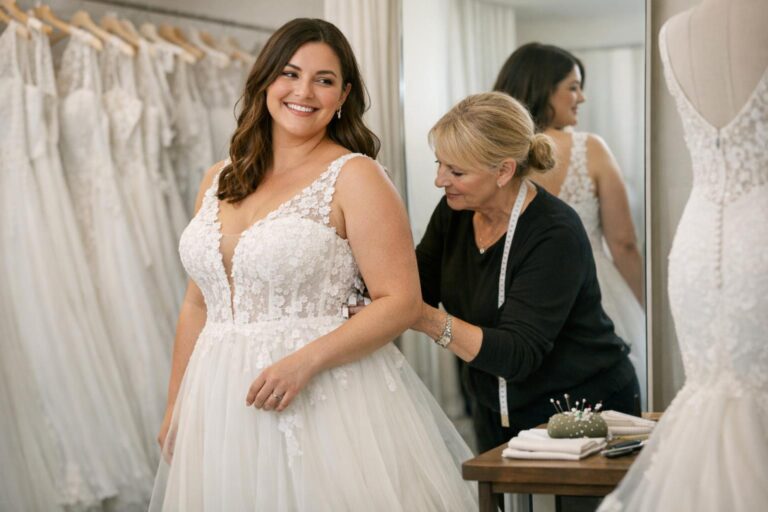
Alterations can make a flower girl dress look custom, but they also require time. Simple adjustments—like length tweaks or minor fit refinements—can be helpful, especially for floor-length dresses where hemming affects safety and ease of walking. For younger children, comfort-focused fixes matter just as much as appearance; even small changes can improve how a dress feels during a long event.
Tips for planning alterations: Try the dress on as soon as it arrives, schedule changes with enough buffer before the wedding, and do a final try-on with the intended shoes. If the dress includes tulle layers, lace overlays, or embellishments like crystals, treat the timeline as more sensitive, since details can complicate adjustments.
Where to Shop: U.S.-Focused Options
Most U.S. shoppers encounter two main categories when looking for wedding dresses for girls: large, budget-friendly retailers with accessible options and easy browsing, and specialized boutiques or brands offering formal flower girl gowns with more intricate materials and finishes. There are also bridal-party-focused stores that carry high-end kids’ party dresses, including embellished designs and two-piece sets.
Stores with Broad Selection and Strong Filters
Many shoppers start with large catalogs that make it easy to sort by color, style, length, and fabric. This approach is especially effective when you’re comparing multiple looks—like ivory lace knee-length flower girl dress options versus tea-length tulle dresses—because you can narrow your search quickly and evaluate details side by side. Filter-driven shopping is also helpful when you’re dressing more than one child and need consistent color families or matching design elements.
Tip: Use filters to make decisions in stages. Start by selecting the length (knee-length, tea-length, or floor-length), then choose fabric (lace, satin, tulle), and only then refine by color and embellishments. This prevents getting overwhelmed by large product grids.
Budget-Friendly Brands and Stores
Budget-friendly options often focus on practicality and accessibility, offering a range of ages and easy-to-shop categories. These can be a strong fit when you need something wedding-appropriate that still feels manageable for parents—especially for younger kids who may only wear the dress once. In this space, you’ll typically see simple formal silhouettes, a mix of everyday-to-formal styling, and straightforward size and color filtering.
Tip: When choosing an affordable option, prioritize comfort and fit over heavy embellishment. A clean, well-fitting dress can look more polished than a more ornate dress that distracts the child or doesn’t sit correctly.
Designer and Luxury Options
Luxury flower girl dresses tend to emphasize craftsmanship, couture-like finishing, and comfort details such as breathable linings and carefully chosen fabrics. These designs can be a great match for highly formal weddings, for families who value premium materials, or when the dress is meant to be a standout piece. High-end bridal-party collections may also include beading and embellishments, plus modern options like two-piece sets designed for special occasions beyond the wedding.
Tip: If you’re considering a premium dress with detailed lace or heavy embellishment, plan extra time for shipping and for a try-on window. Even the best-made kids’ wedding gown benefits from checking movement and comfort early.
Dress Details That Matter: Comfort, Movement, and Wearability
A child’s wedding dress needs to look beautiful, but the day’s success often depends on small comfort decisions. Many formal dresses include tulle, lace, satin, and decorative features like crystals or beading, which can elevate the look but also introduce scratchy edges or weight. Since kids move constantly, the most reliable choices keep the dress secure at the shoulders and waist, minimize irritating seams, and allow walking and sitting without constant adjustment.
- Linings: Look for designs that prioritize a soft feel against the skin, especially under lace bodices and tulle skirts.
- Necklines and coverage: Choose shapes that stay in place during activity and remain age-appropriate.
- Weight and layers: More layers often mean more volume; balance the visual impact with what the child can comfortably wear for hours.
- Ease of dressing: Consider how quickly the dress can be put on and removed, especially for younger children.
Tip: Do a “real life” test at home: have the child walk, sit, lift arms, and dance briefly. If anything pinches, slips, or scratches, it will be magnified during the wedding.
Accessories That Complete the Look
Accessories can make wedding dresses for girls feel intentional and ceremony-ready without changing the dress itself. Small additions—like a flower girl veil, a headband, or wedding-appropriate shoes—can tie the look to the bridal party and the overall theme. Accessories are also a flexible way to coordinate multiple flower girls if their dresses aren’t identical.
Veils, Headbands, Shoes, and Jewelry
When accessories are chosen thoughtfully, they enhance the dress rather than competing with it. If the dress is heavily embellished, simple accessories can keep the look balanced. If the dress is minimalist, a more decorative headband or a subtle veil can add a bridal-party feel. Shoes should be comfortable enough for walking and standing, and any jewelry should be light and secure to avoid fussing.
- Headbands: A simple, secure piece can coordinate color without overwhelming the dress.
- Veils: A flower girl veil can add ceremony formality, especially with classic ivory lace and satin looks.
- Shoes: Choose comfort-first options that match the dress’s level of formality.
- Jewelry: Keep it minimal and wearable so it doesn’t distract the child.
Tip: If you’re coordinating several children, standardize one element—like matching headbands—so the group looks cohesive even if the dresses vary slightly by size or style.
Inspiration: From Timeless Flower Girl Gowns to Princess-Inspired Moments
Inspiration for kids’ wedding attire ranges from traditional flower girl gowns to trend-forward collections influenced by major collaborations and princess-inspired aesthetics. If the wedding theme is classic, an ivory lace or satin dress can deliver a timeless look. If the wedding leans whimsical, fantasy-inspired styling can be incorporated through color, silhouette, or accessories while keeping the overall outfit wedding-appropriate and age-appropriate.
When you’re choosing between a classic and a themed direction, it can help to anchor the decision in the wedding’s visual priorities. For example, some families want the flower girl’s look to echo bridal design details (lace, tulle, formal structure), while others want a playful moment that still feels coordinated with the ceremony colors and the bridal party’s formality.
Tip: If you love a “princess flower girl dress for wedding” look, consider selecting a classic silhouette in a theme-friendly color. This keeps the outfit aligned with the wedding’s formality while still feeling special for the child.
Planning and Timing: How to Buy Without Stress
Even the perfect dress can become stressful if it arrives late or requires unexpected changes. A smoother process usually comes from starting early enough to compare styles and confirm sizing, then building in time for shipping, try-ons, and any alterations. Because many shoppers use filterable catalogs to compare options, it’s easy to shortlist quickly—but you still want enough calendar room to handle exchanges if needed.
- Start by choosing the style direction (classic, tulle ball gown, boho/modern, two-piece) and a color plan that matches the wedding theme.
- Use size and length filters to narrow choices, then measure the child before purchasing.
- Order early enough to allow for a try-on and any fit adjustments.
- Do a final outfit check with accessories and shoes so the complete look feels cohesive.
Tip: If you’re deciding between two sizes, consider how tailored the bodice is. A more structured bodice often benefits from a more precise fit, while a forgiving silhouette may handle a little growth more easily.
Choosing the Best Wedding Dress for Multiple Flower Girls
Multiple flower girls can look charming and coordinated, but the shopping approach works best when you choose a consistent framework. Rather than requiring identical dresses for different ages and body types, many families match one or two key elements—like fabric (all lace), skirt style (all tulle), or color (all ivory)—and allow the rest to vary. This can be especially helpful when dressing a baby/toddler alongside an older girl, since comfort and movement needs may differ significantly.
Tip: If the kids are different ages, aim for the same “dress family” (for example, all lace bodices with tulle skirts) but choose lengths appropriate for each child. The photos will still read as coordinated without forcing one silhouette on everyone.
Conclusion: A Dress Your Little One Will Actually Enjoy Wearing
The best wedding dresses for girls look beautiful in photos, coordinate with the wedding theme, and feel comfortable enough for a child to move freely. Start with the basics—fabric, length, and silhouette—then refine by color and details. Use shopping filters to compare efficiently, measure carefully, and give yourself time for a try-on and any quick fixes. With a thoughtful plan, you can choose a flower girl dress that feels special for the day and easy for everyone involved.
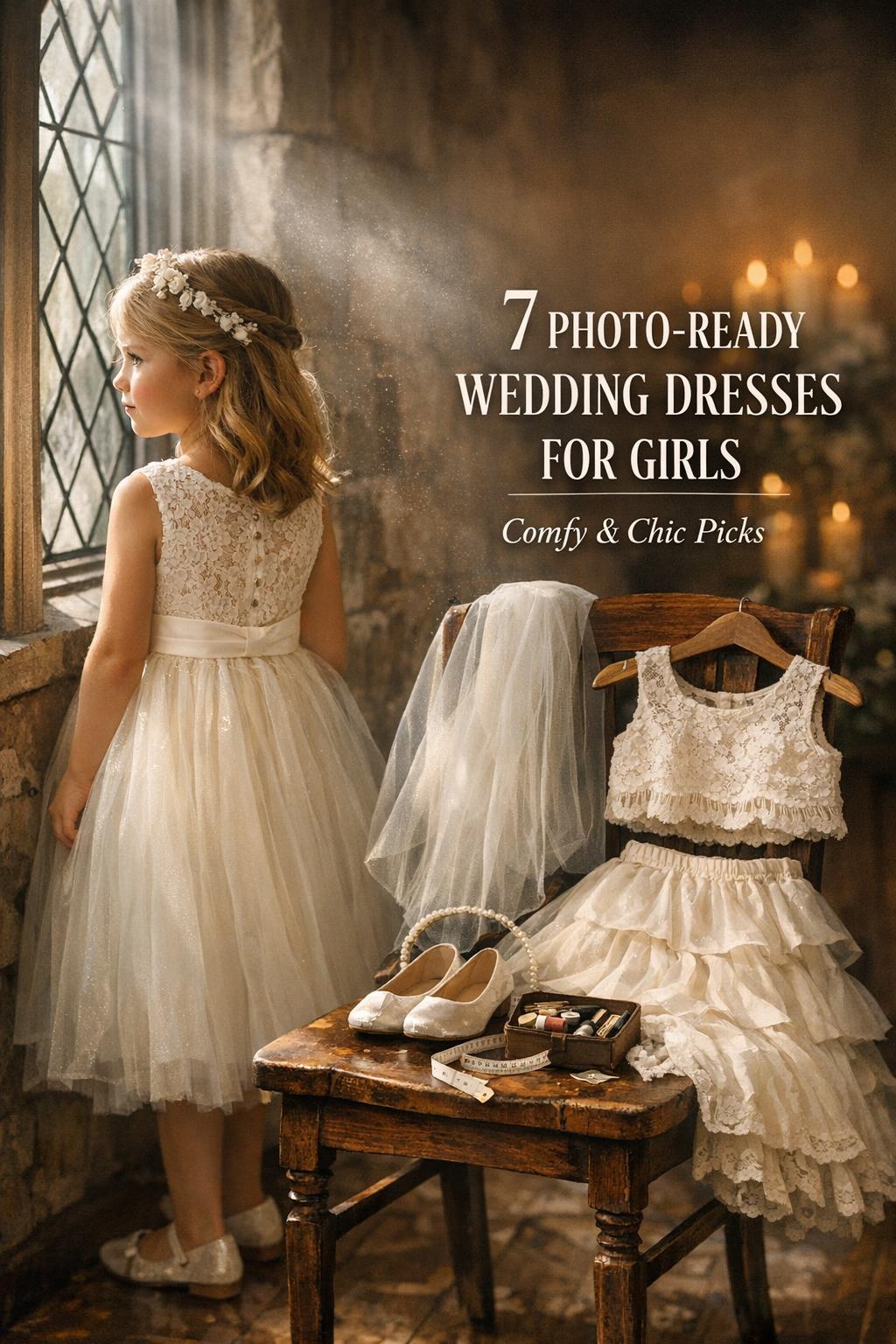
FAQ
How early should I shop for a flower girl dress?
Shop early enough to compare styles, confirm measurements, and allow time for shipping, try-ons, and any alterations or exchanges; waiting until the last minute can limit your options and increase stress.
What makes a dress “wedding-appropriate” for a child?
A wedding-appropriate dress typically balances a formal look (often using fabrics like lace, satin, or tulle) with comfort, secure fit, and age-appropriate coverage so the child can walk, sit, and play without constant adjustment.
Which length is best: knee-length, tea-length, or floor-length?
Knee-length and tea-length styles are often easiest for movement and reduce tripping risk, while floor-length dresses look most traditional and gown-like but usually require more attention to fit and walking comfort.
How do I coordinate a flower girl dress with bridesmaid colors?
You can match bridesmaids exactly, choose a softer complementary shade (like a pastel version), or keep the dress neutral (often ivory) and coordinate the wedding color through accessories such as a headband or sash.
Are tulle and ball gown flower girl dresses comfortable for kids?
They can be comfortable if the dress has soft linings and kid-friendly finishing, but the extra volume and layers can affect movement, so it’s important to do a walk-sit-dance try-on before the wedding day.
Can a flower girl dress be repurposed for other events?
Many wedding dresses for girls can be reused for formal parties or special occasions, especially classic lace or satin styles and modern two-piece sets that are easier to mix and match.
What if there are multiple flower girls in different ages and sizes?
A cohesive look is often easiest when you match one or two elements—such as color, fabric, or overall silhouette—while choosing lengths and fits that suit each child’s comfort and movement needs.
What should I prioritize if I’m buying a budget-friendly wedding dress for a girl?
Prioritize comfort, a secure fit, and a clean, wedding-appropriate silhouette first, then add polish through simple accessories; a well-fitting dress often looks more refined than an ornate dress that irritates or shifts.
Do kids’ wedding dresses commonly need alterations?
They sometimes do—especially for length on floor-length styles or for small fit tweaks—so it’s best to try the dress on as soon as it arrives and leave enough time for any adjustments before the event.