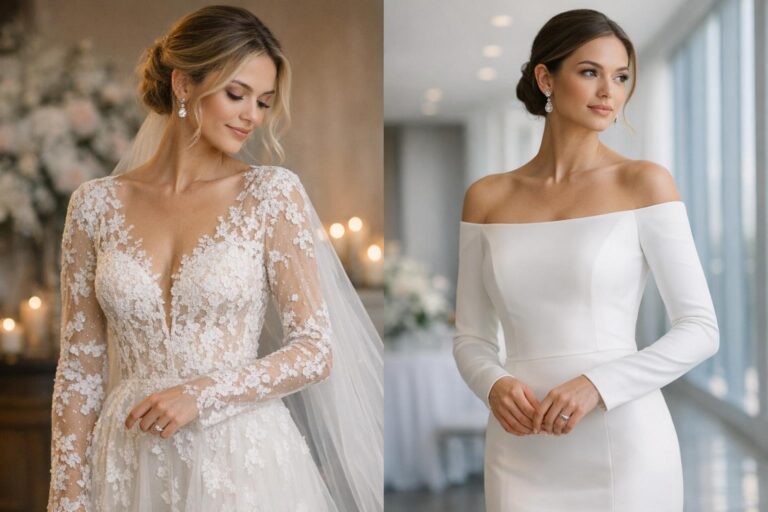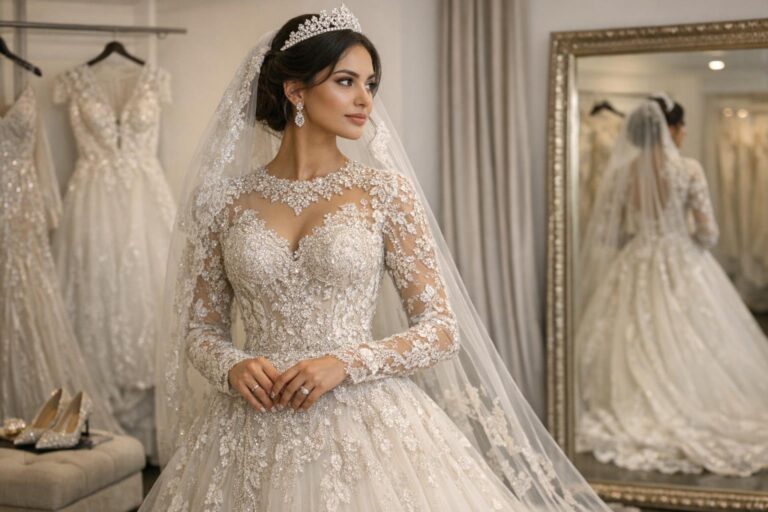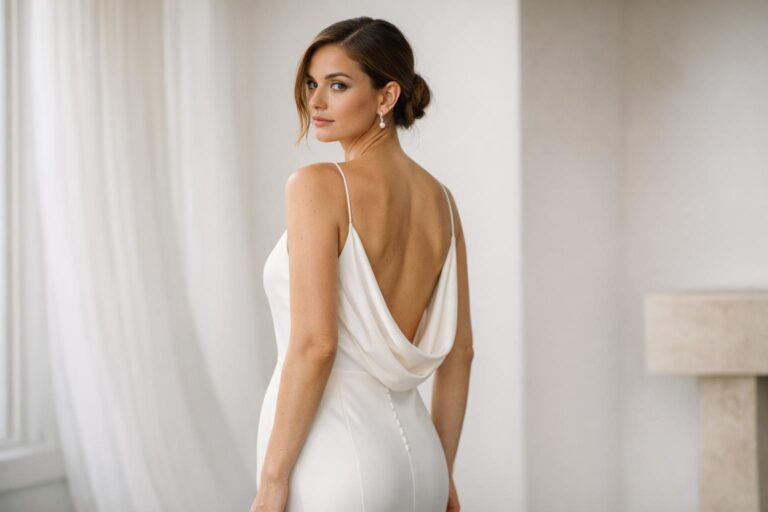
7 Photo-Ready Wedding Dresses Hijab Brides Love in the US
Wedding Dresses Hijab: A Complete US Guide to Modest, Stylish Bridal Gowns
Shopping for wedding dresses hijab in the U.S. often comes with a specific set of needs: full coverage that still feels bridal, sleeves and necklines that align with your comfort level, fabrics that drape well under layered styling, and sizing support that matches U.S. expectations. At the same time, many brides want the same things every bride wants—beautiful photos, confident movement, a flattering silhouette, and a look that feels unmistakably “you.”
This guide walks through what defines a hijab wedding dress, the most popular silhouettes, fabric and embellishment considerations, and a practical step-by-step way to shop in the U.S. It also includes tips for coordinating a bridal gown with a hijab, a detailed shopping checklist, where to buy (including retailers and marketplaces), and a focused FAQ to answer common questions directly.
What Defines a Hijab-Wedding Dress?
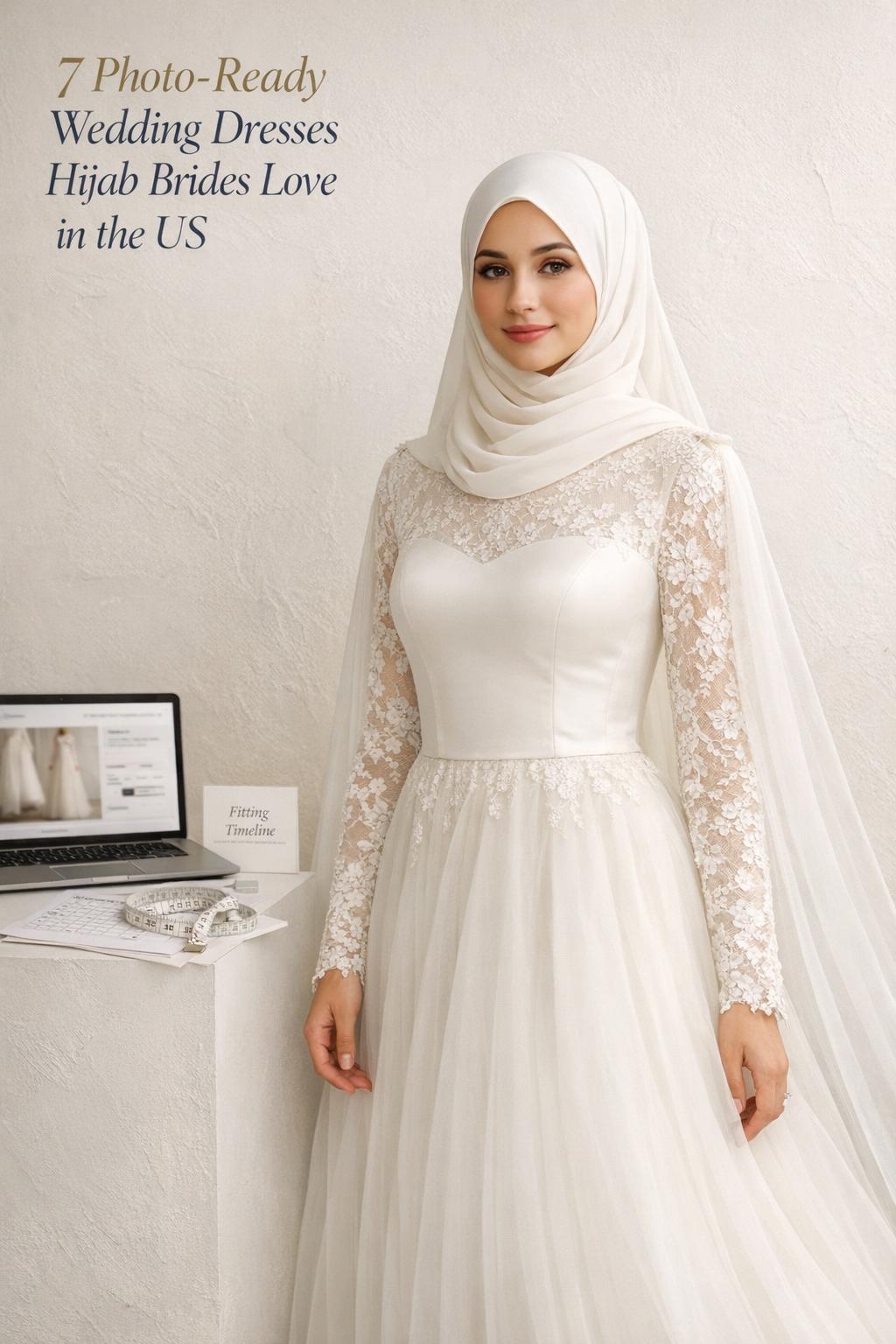
A hijab wedding dress (often also described as a modest wedding dress or Muslim wedding dress) is designed—or easily adapted—to be worn with a hijab while maintaining a covered, cohesive bridal look. Instead of relying on a single “one-style-fits-all” definition, these gowns typically share a set of modest design elements that support coverage, comfort, and seamless styling.
Key features usually center on coverage across the neckline, shoulders, arms, and back, plus a silhouette that feels elegant without requiring revealing structure. Some gowns are sold as bridal gowns with hijab styling in mind, while others are “hijab-friendly” because their construction makes layering and coordination simple.
- Higher necklines or coverage-friendly bodices that don’t compete with hijab styling
- Long sleeves (or sleeve options), often paired with a lined bodice for consistent coverage
- Back coverage that stays modest from multiple angles, especially in photos
- Fabric and drape that work well with layered looks (gown + underlayer + hijab)
- Room for customization, whether made-to-measure or adjusted with tailoring
In many online listings, you’ll see related phrasing such as hijab bridal gown, covered wedding dress, abaya wedding dress, or nikah dress hijab. These terms often signal the same intent: a bridal outfit that honors modesty without sacrificing style.
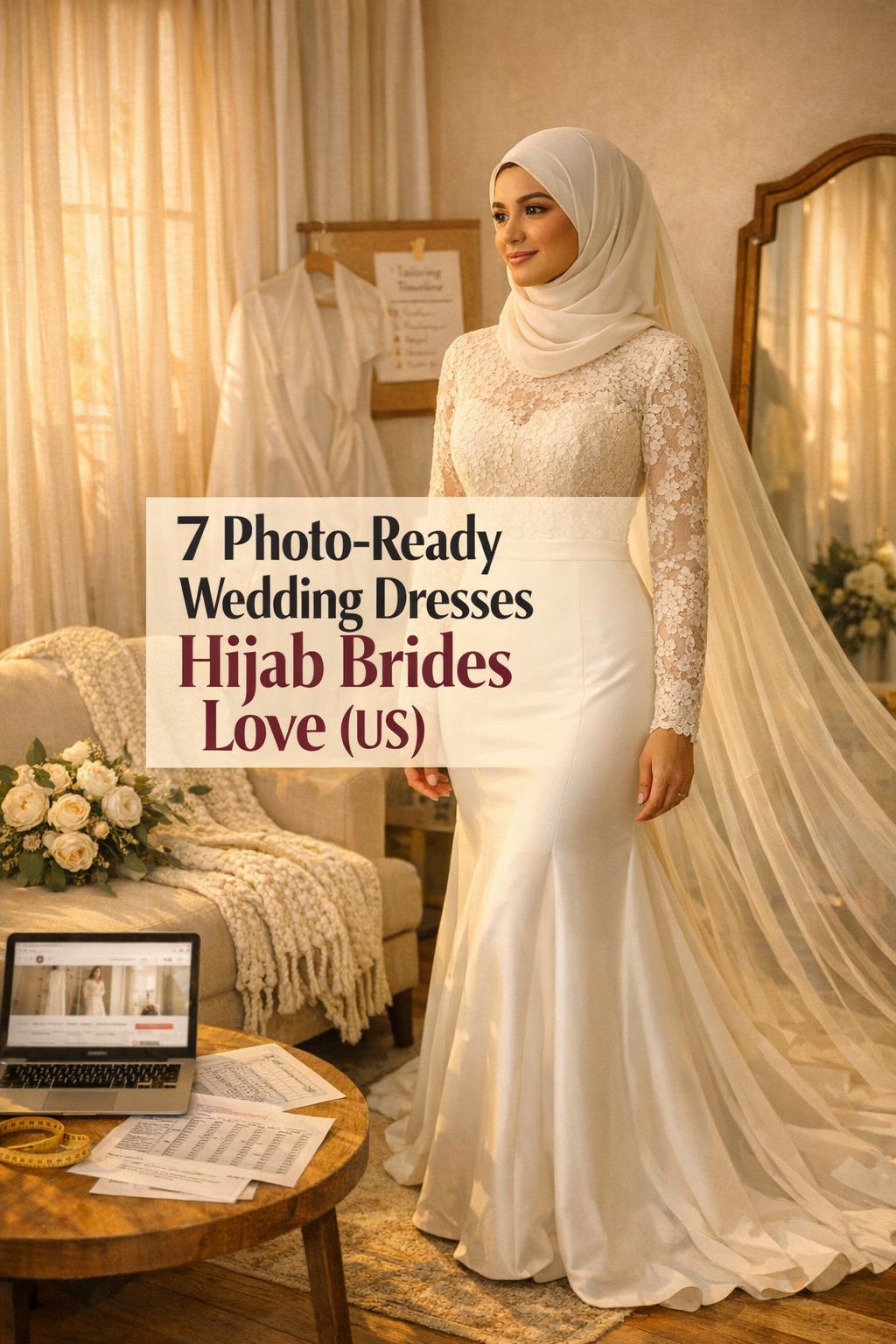
Popular Silhouettes for Hijab Brides
Silhouette is one of the fastest ways to narrow choices when you’re comparing modest bridal gowns. Many hijab-friendly designs appear in familiar bridal shapes—A-line, ball gown, and mermaid styles—enhanced with long sleeves, higher coverage, and modest detailing.
A-Line Hijab Wedding Dresses
An A-line hijab wedding dress is a reliable option for brides who want a classic bridal shape with easy movement and a balanced look. The gentle flare from the waist creates a refined outline that typically pairs well with long sleeves and a covered bodice, keeping the overall styling modest without looking heavy.
Many A-line listings emphasize off-white tones, full-length coverage, and sleeve details. If you like a gown that feels structured but not restrictive, A-line is often a strong starting point when shopping online in the U.S., especially if the product page offers clear size and customization options.
Ball Gown with Modest Detailing
A modest ball gown leans into drama: volume, bridal presence, and a silhouette that’s clearly formal. For hijab brides, the key is ensuring the bodice is comfortably lined and the neckline and back provide the coverage you want in both standing and seated positions. Ball gowns can look especially cohesive with a hijab when the gown’s detailing is placed thoughtfully—such as lace or subtle embellishments that don’t visually “fight” with the headscarf.
When browsing ball gown options, pay close attention to sleeve construction and bodice support, since volume below the waist can pull focus; the top half of the look should still feel intentional and bridal. If your ceremony includes lots of walking, greeting, or extended wear time, consider how easy it is to move and sit in the skirt.
Mermaid Styles with Long Sleeves
Mermaid (and similar fitted styles) show up frequently in hijab wedding dress collections, often styled as luxury Muslim wedding dresses with long sleeves and detailed finishes. Because the silhouette is more body-following, modesty often comes from coverage and fabric choice rather than shape alone. A well-designed long sleeve top with careful lining can create a polished, elevated look that still aligns with modest preferences.
If you’re drawn to this silhouette, focus on how the dress is constructed through the torso and hips, and whether the design allows comfortable movement. Custom sizing and tailoring details can be particularly important in fitted styles, especially if you’re ordering online for U.S. delivery and want the gown to feel secure through the day.
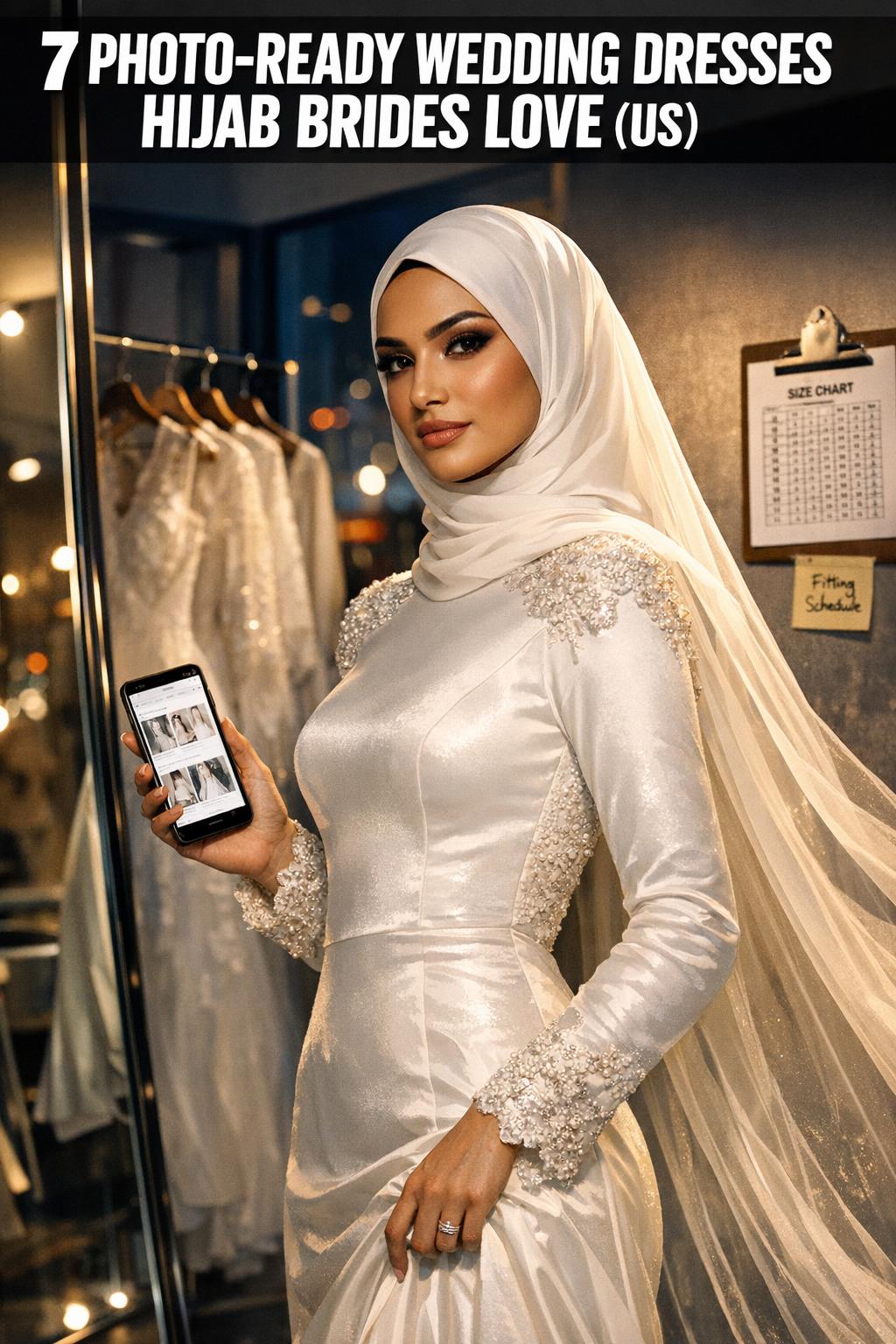
Fabrics, Embellishments, and Comfort
In hijab bridal styling, fabric matters because you’re often coordinating multiple elements at once: the gown, any underlayer or lining decisions, and the hijab itself. The goal is a unified look that photographs well and feels comfortable across the ceremony and reception.
Fabrics for Modest Bridal Gowns
Many hijab-friendly gowns highlight fabrics and finishes like satin, lace, and tulle, and modest bridal fashion discussions often include materials such as crepe, duchesse satin, georgette, and overlay constructions. In practice, you’re looking for a fabric that supports your preferred drape and doesn’t create unwanted bulk when layered with sleeves, lining, or a hijab.
If you’re unsure which fabric will feel best, use the product photos and descriptions to assess sheen (matte vs. glossy), structure (soft vs. firm), and how the material behaves around sleeves and the neckline. A dress can look modest but still feel uncomfortable if the fabric is too stiff in the arms or too heavy once layered.
Embellishments That Honor Modesty
Hijab wedding dresses often feature lace, beading, and refined detailing. The most wearable embellishment placements tend to be those that complement the areas already covered—sleeves, cuffs, bodice panels, or skirt overlays—so the dress feels intentionally designed for modesty rather than “made modest at the last minute.”
When evaluating embellishments, look for consistency. If the bodice is richly detailed but sleeves are plain, the top half can feel visually unbalanced once you add a hijab. Similarly, heavy beading around the neck can compete with a wrapped style, while softer lace placement can blend more naturally with hijab drape.
Comfort and Wearability (Breathability, Movement, Heat)
Comfort is part of modesty—if your gown restricts movement or makes you overheat, you may spend the day adjusting your sleeves, neckline, or hijab rather than enjoying the moment. Because a wedding dress with hijab styling can involve multiple layers, consider the day’s conditions and how long you’ll wear the look continuously.
Pay attention to sleeve fit at the upper arm and forearm, the ease of movement in the shoulders, and how the neckline sits once your hijab is pinned and secured. If your dress is custom or made-to-measure, communicate comfort priorities clearly so the gown supports you through photos, greetings, walking, and sitting.
Tip: When comparing two dresses that look similar in photos, choose the one with clearer information on lining, sleeve construction, and customization. Those details tend to have the biggest impact on how comfortable a hijab-friendly bridal gown feels in real life.
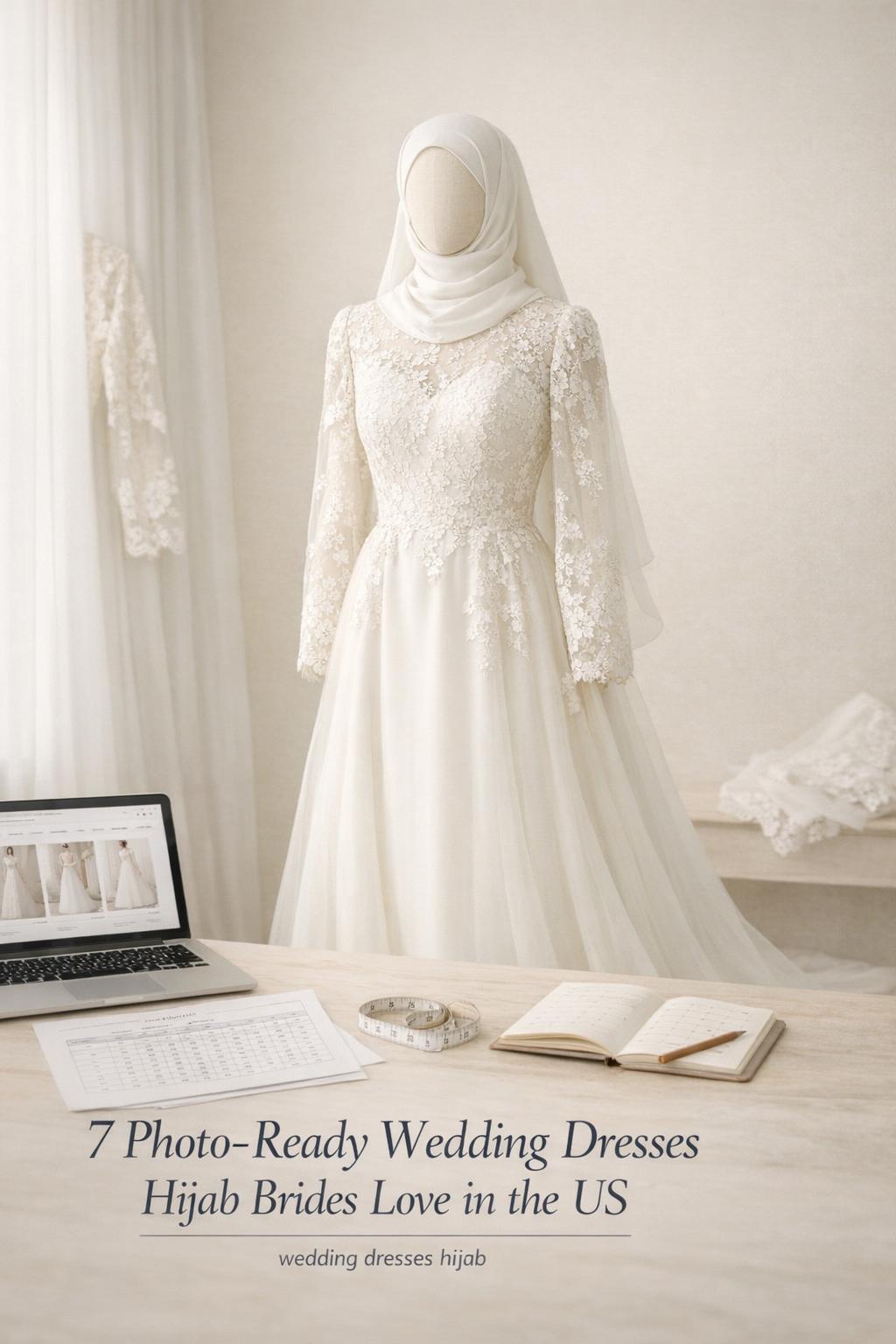
How to Coordinate the Hijab and the Wedding Dress
Coordinating a bridal gown with a hijab is less about following one “correct” method and more about creating a cohesive visual line from the neckline upward. The most successful pairings consider the gown’s neckline shape, the sleeve detailing, and how much embellishment sits near the collarbone and shoulders.
Start by identifying the dress’s focal point. If the bodice is heavily detailed, the most seamless hijab styling usually supports that detail rather than covering it completely. If the dress is minimalist, the hijab can be the element that adds softness or visual framing—while still staying elegant and bridal.
- If the neckline is higher and clean, a smooth, simple wrap tends to look intentional and refined.
- If the neckline has lace or embellishment, plan a hijab drape that frames (not smothers) the detailing.
- If sleeves are a standout feature (lace, beading, or structured cuffs), keep the head-and-shoulder area balanced so the look doesn’t feel top-heavy.
- If you’re wearing a veil or cape element, confirm how it sits with the hijab so layers don’t shift during movement.
Tip: Before you finalize your gown, choose a likely hijab styling direction and then re-check the neckline and shoulder area. The same dress can look dramatically different depending on how the hijab is wrapped and pinned, especially in close-up photos.
How to Shop for Hijab Wedding Dresses in the US
Most searches for hijab wedding dress USA and similar phrases show strong purchase intent: brides want styles they can order, customize, and receive with clear expectations. In the U.S. market, shopping often happens online through bridal retailers, custom dress studios, and marketplaces with independent sellers offering modest gowns.
A practical approach is to narrow decisions in a specific order: modesty level and coverage requirements first, then silhouette, then fabric/finish, and finally sizing and delivery timeline. This keeps you from falling in love with a photo before confirming whether a dress truly meets your needs.
Step-by-Step Shopping Flow
Use a simple process to compare options across retailers and listings. Many pages emphasize customization and sizing; treat these as key decision points rather than afterthoughts.
- Define your coverage needs: neckline height, sleeve length, back coverage, and how fitted you want the dress to be.
- Pick your silhouette: A-line, ball gown, or mermaid/fitted styles.
- Decide the “finish”: lace-forward, satin-smooth, tulle overlay, or subtle beading.
- Confirm customization: sleeves, length adjustments, lining, and made-to-measure options.
- Check trust details: shipping to the U.S., return policies, and timelines for tailoring.
- Plan alteration time: assume you’ll need at least minor adjustments, especially for formalwear.
What to Ask Retailers and Dressmakers
Because hijab-friendly bridal gowns often rely on specific construction details, your questions should focus on how the gown will actually fit and wear. Product photos can be beautiful but incomplete if they don’t show the dress from multiple angles or clarify lining and coverage.
- Is the bodice fully lined, and what areas are sheer (if any)?
- Are long sleeves standard, optional, or customizable?
- Can the neckline be raised or adjusted without changing the overall design?
- What sizing system is used, and how does it map to U.S. sizes?
- Is made-to-measure available, and what measurements are required?
- What is the production timeline and expected shipping time to the U.S.?
- What is the policy for returns or exchanges, especially for custom items?
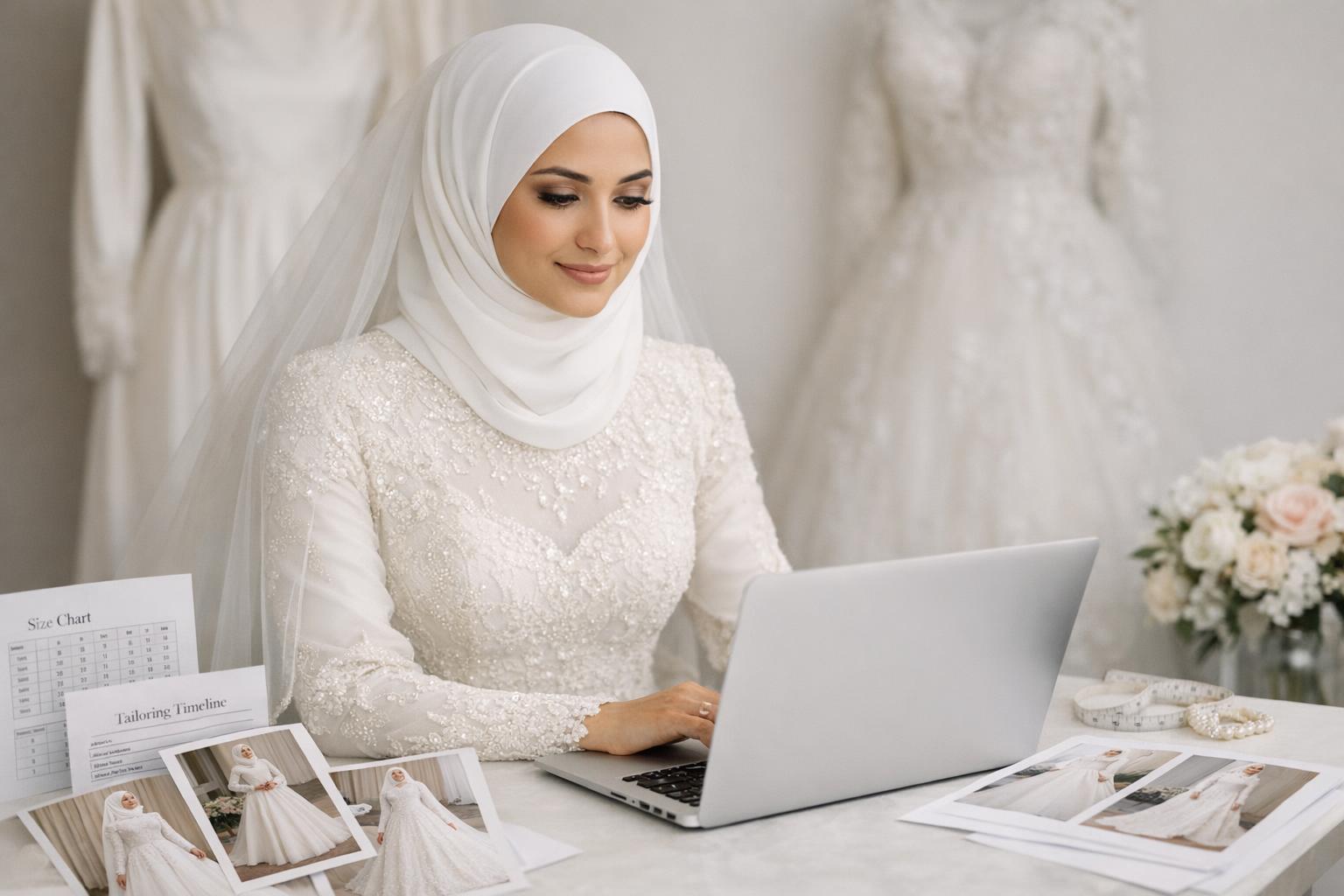
Tip: Save screenshots of the product description, size chart, and customization notes when you order. If you need follow-up support on sizing, sleeves, or delivery timing, having the original listing details helps keep communication clear.
Made-to-Measure, Custom Sizing, and Fit Guidance
Many hijab wedding dress listings emphasize customization and made-to-measure options, which can be especially helpful when you want exact sleeve length, full coverage, and a clean fit at the neckline and shoulders. Even when you choose a standard size, modest gowns often benefit from tailoring to ensure coverage stays consistent when you move.
Fit priorities for a modest bridal gown often differ slightly from mainstream strapless-focused tailoring. You want sleeves that allow you to lift your arms comfortably, a neckline that remains secure with hijab styling, and a bodice that doesn’t shift when you walk or sit—especially during long events.
Fit Areas to Prioritize for Hijab-Friendly Gowns
When comparing a modest wedding dress with sleeves long hijab styling, prioritize the parts of the gown that will be most visible in photos and most affected by movement.
- Neckline and collarbone area (how it sits with pins and folds)
- Shoulders (mobility without pulling the bodice)
- Sleeves (comfort at the upper arm, elbow, and cuff)
- Back coverage (how it looks from behind and when seated)
- Waist and hip fit (especially for fitted silhouettes)
- Hem length (especially if you plan to wear a specific shoe height)
Tip: If you’re ordering from an online retailer that offers customization, be specific about your modesty requirements in plain language (for example: “fully lined bodice,” “no sheer panels,” “full back coverage,” “long sleeves to the wrist”). Clear requests reduce the chance of surprises when the dress arrives.
Real Brides: Gallery and Case-Study Ideas You Can Use
Many brides look for a hijab wedding dress gallery to see how modest gowns appear in real settings, beyond studio photos. Even if you’re not viewing a formal gallery yet, you can use “case-study thinking” to evaluate whether a dress will work for your own event: identify the silhouette, coverage choices, and the coordination plan between gown and hijab.
Below are examples of real-bride scenarios you can model while shopping. Use them as templates for questions to ask and photos to request from a retailer or dressmaker.
Case Study 1: A-Line, Long Sleeves, Clean Neckline
This look centers on a classic A-line shape with full-length sleeves and a calm neckline that pairs easily with hijab drape. The styling focus is balance: a structured dress line with a smooth head-and-shoulder finish so the overall look feels timeless and cohesive.
Case Study 2: Ball Gown with Lace Placement That Frames the Hijab
A voluminous skirt makes the gown unmistakably bridal, while lace or subtle embellishment near the bodice creates a frame for the hijab rather than competing with it. The key is confirming the bodice lining and ensuring the neckline remains secure and comfortable throughout the day.
Case Study 3: Fitted (Mermaid) Silhouette with Full Coverage
A fitted silhouette can still be a modest Muslim wedding gown when coverage and fabric choices are thoughtfully executed. Long sleeves and a covered back help maintain modesty, while the overall shape creates a modern, formal feel. In this case, custom sizing and tailoring support are especially valuable for comfort and confidence.
Case Study 4: Satin-Focused “Luxury” Look with Minimal Embellishment
This approach relies on a clean, luminous finish rather than heavy lace. The success of the look depends on precision: sleeve fit, neckline alignment, and a consistent color match between gown and hijab. It’s a strong option for brides who want a refined covered wedding dress style that still feels elevated.
Tip: When you find a gown you like, ask for photos showing the neckline and shoulders from multiple angles. This is where hijab styling and gown design meet, and it’s the most common area for a dress to look different in real life than in a single product image.
The Complete Shopping Checklist for Hijab Brides
A strong hijab wedding dress buying guide isn’t just about aesthetics. It’s also about timing, fit, comfort, and policies—especially if you’re ordering online in the U.S. Use this checklist to keep your search focused and reduce last-minute stress.
- Set your budget range early (dress, tailoring, and any customization)
- Confirm your preferred modesty level (neckline, sleeves, back)
- Choose your top silhouette (A-line, ball gown, fitted/mermaid)
- Decide whether you want a dress designed to be worn with a hijab or a hijab-friendly dress you’ll adapt
- Plan hijab coordination from the start (drape style, how it sits at the neckline)
- Check fabric behavior for layering (drape, weight, comfort)
- Evaluate embellishment placement (especially around neckline and sleeves)
- Confirm whether the bodice is fully lined and where, if anywhere, it’s sheer
- Review sizing and whether U.S. sizes are supported clearly
- Ask about made-to-measure and what measurements are required
- Confirm production lead time and shipping timeline to the U.S.
- Read return/exchange terms, especially for custom items
- Build in time for alterations and final try-on
- Plan comfort needs for movement, seating, and a full day of wear
- Document product details (photos, description, size chart, customization notes)
Tip: If two gowns are equally beautiful, choose the one with clearer information on sizing, customization, and policies. For online modest bridal shopping, clarity is often the best indicator of a smoother experience.
Where to Buy: Retailers, Custom Studios, and Marketplaces
In the U.S., many shoppers start with online retailers and marketplaces because they offer broad selection and direct filtering for hijab wedding dress styles, long sleeves, and modest coverage. Some sites focus on ready-to-purchase listings with variants, while others emphasize a custom process with tailoring lead times.
E-commerce Retailers with Hijab-Friendly Collections
Some bridal retailers present dedicated collections of modest and Muslim bridal gowns, showcasing a variety of silhouettes such as mermaid, ball gown, and A-line. These collections often highlight fabric finishes like lace, tulle, and satin, and they may include notes on sizing options and customization.
When browsing retailer collections, look for consistent product information across listings. A strong collection makes it easy to compare sleeve construction, coverage, and customization options without guessing from photos alone.
Custom and Made-to-Order Hijab Wedding Dresses
Custom dressmakers and made-to-order bridal studios commonly emphasize modest design, tailored fit, and lead times for production. If your priority is exact sleeve length, precise neckline coverage, or a specific fit through the shoulders and bodice, a made-to-measure approach can be a practical choice.
Because custom orders often come with specific policy considerations, confirm timelines and return terms before placing your order. Clear communication about measurements and modesty requirements is essential for a successful result.
Marketplaces (Including Etsy)
Marketplaces can offer an enormous range of hijab wedding dresses, modest bridal gowns, and related accessories at many price points. They’re also a common place to find independent sellers who offer customization. The tradeoff is variability: listings and policies differ widely from one seller to another, so careful comparison is important.
Tip: On marketplaces, prioritize listings that clearly describe sleeve length, lining, coverage, and customization options. If details are vague, ask questions before ordering so you can confirm the dress matches your modesty needs.
Practical Care and Alteration Tips for Modest Bridal Gowns
Hijab wedding dresses often include delicate elements—lace, tulle overlays, embellishments, and fitted long sleeves—that benefit from thoughtful handling before, during, and after the wedding day. Care planning protects the modest details that make the gown feel complete.
Alterations That Commonly Matter for Hijab Brides
Even when a gown is labeled as hijab-friendly, minor alterations can make the difference between “technically modest” and truly comfortable. Focus on changes that help the dress stay in place and maintain coverage while you move.
- Adjusting sleeve length for full wrist coverage and comfortable arm movement
- Refining the neckline so it sits smoothly with hijab styling
- Ensuring the bodice is secure and doesn’t shift during wear
- Confirming the back coverage looks consistent in photos and while seated
- Hemming to your chosen shoe height to avoid tripping and tugging
Day-Of Wearability Tips
On the wedding day, your goal is to avoid constant readjustment. Plan your hijab styling with the gown’s neckline and shoulder shape in mind, and do a full “wear test” in advance if possible—dress, hijab styling approach, and any additional layers—so you can confirm comfort and movement.
Tip: When you do your final try-on, take photos from the front, side, and back, and include close-ups of the neckline and sleeves. If something feels off, those angles will help you describe exactly what needs to be adjusted.
Choosing Your Perfect Hijab-Wedding Dress
The best wedding dresses hijab options are the ones that let you feel covered, confident, and fully bridal—without spending the day worrying about fit, shifting layers, or unclear construction. Start with your coverage requirements, choose a silhouette that matches your comfort and style, then narrow by fabric and finishing details that coordinate smoothly with your hijab.
Once you’ve shortlisted a few gowns, focus on the practical side—customization, sizing clarity, timelines, and policies—so your final choice is beautiful and dependable from the first fitting through the last photo.
FAQ
What is a hijab wedding dress?
A hijab wedding dress is a bridal gown designed or chosen to be worn with a hijab while maintaining modest coverage, commonly featuring long sleeves, a coverage-friendly neckline and back, and construction that supports comfortable layering and secure wear.
Can I wear a hijab with a regular wedding dress?
Yes, many brides wear a hijab with a regular wedding dress, but it works best when the gown is hijab-friendly—meaning the neckline, bodice, and back coverage coordinate well with hijab styling and the dress can be comfortably layered or tailored to meet your modesty preferences.
What silhouettes are most popular for hijab wedding dresses?
Commonly chosen silhouettes include A-line hijab wedding dresses for classic balance and movement, modest ball gowns for dramatic bridal volume, and fitted or mermaid styles paired with long sleeves and full coverage for a more modern, sculpted look.
What should I look for in a modest wedding dress with long sleeves?
Focus on sleeve comfort and mobility, a bodice that stays secure, and clear information on lining and coverage—especially around the neckline and back—so the dress remains modest and comfortable while you move, sit, and take photos.
Is made-to-measure worth it for a hijab wedding dress?
Made-to-measure can be especially helpful for hijab brides because modest styling often depends on precise sleeve length, neckline placement, and secure coverage; custom sizing can reduce the need for major alterations and improve comfort and confidence.
How do I coordinate the hijab with the dress neckline?
Start by identifying the dress’s focal point, then choose a hijab drape that frames the neckline and any embellishment rather than covering it entirely; the goal is a smooth visual line at the shoulders and collarbone so the gown and hijab look intentionally styled together.
What should I ask before ordering a hijab wedding dress online in the US?
Ask about bodice lining and any sheer areas, whether long sleeves are standard or customizable, how sizing maps to U.S. sizes, what measurements are required for made-to-measure, production and shipping timelines, and return or exchange terms—especially for custom items.
Where can I buy hijab wedding dresses in the US?
You can buy hijab wedding dresses through e-commerce bridal retailers with modest collections, custom and made-to-order bridal studios that offer tailored sizing and lead times, and marketplaces such as Etsy that provide a wide range of styles and independent sellers with varying customization options.