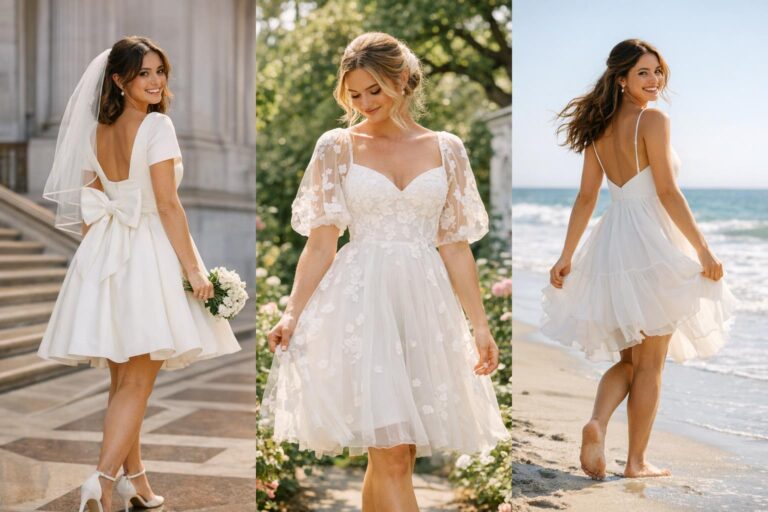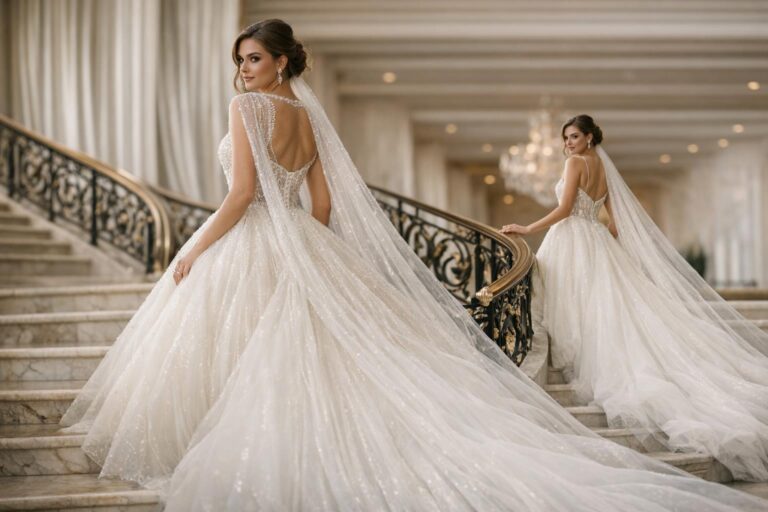
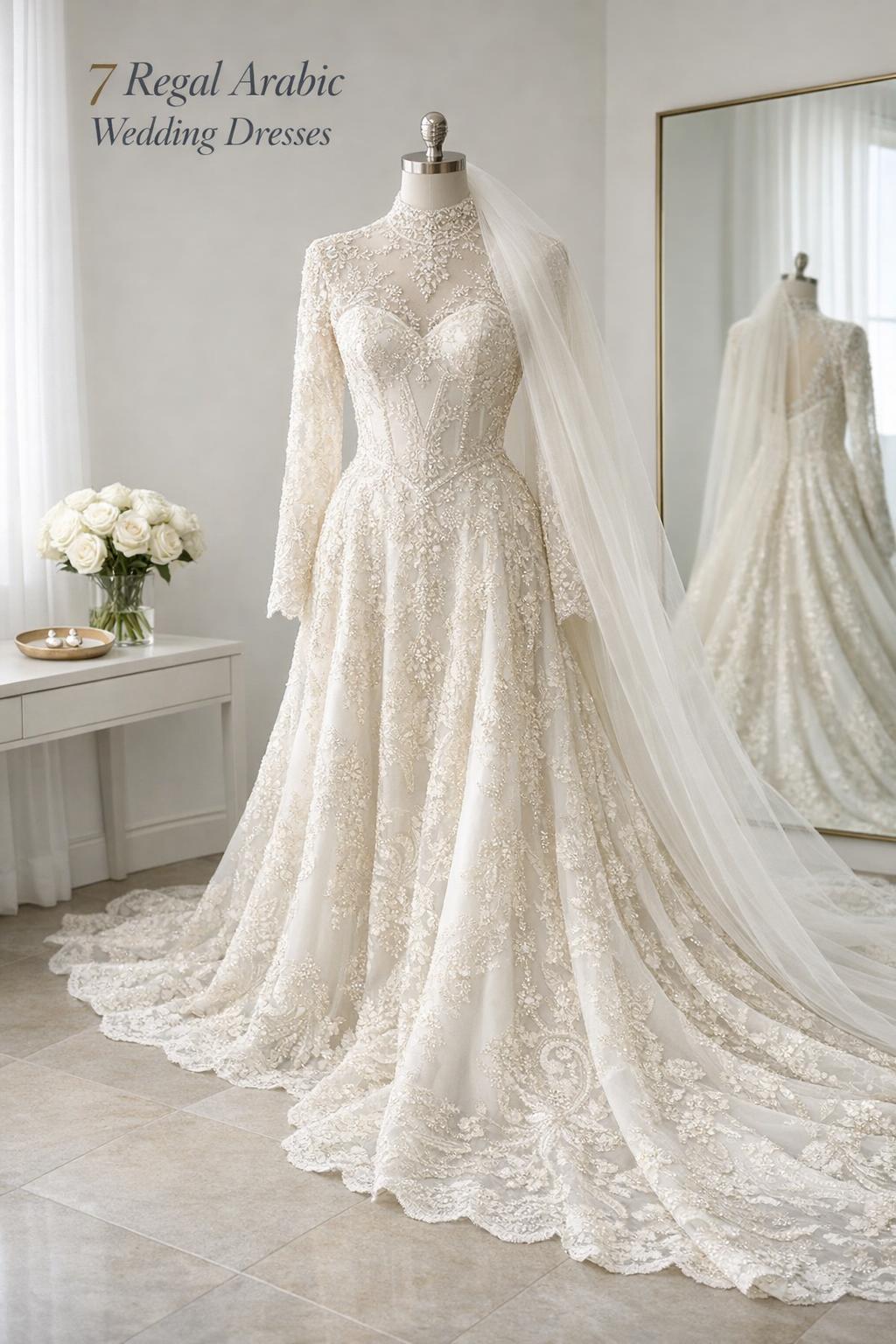
7 Regal Arabic Wedding Dresses U.S. Brides Can Try Now
Arabic Wedding Dresses in the United States: Styles, Tips, and Where to Buy
Shopping for arabic wedding dresses in the United States often comes with two goals at once: finding a gown that feels breathtaking and celebratory, while also honoring the design language many brides associate with Arabic and Middle Eastern bridal style—luxurious embellishment, intentional coverage options, and couture-like detailing. At the same time, U.S. shoppers typically want clarity on practical issues like sizing, lead times, customization, and how to style and preserve a gown with lace, beadwork, or ornate embroidery.
This guide breaks down what defines an Arabic wedding dress, how traditional and modern interpretations differ, what to look for in fabrics and embellishments, how to navigate modesty and coverage preferences, and how to approach buying in the U.S.—whether you’re considering a catalog-style purchase or a bespoke Arabic bridal gown. You’ll also find practical tips for fittings, accessories, and long-term care, plus a detailed FAQ at the end.
What Defines an Arabic Wedding Dress?
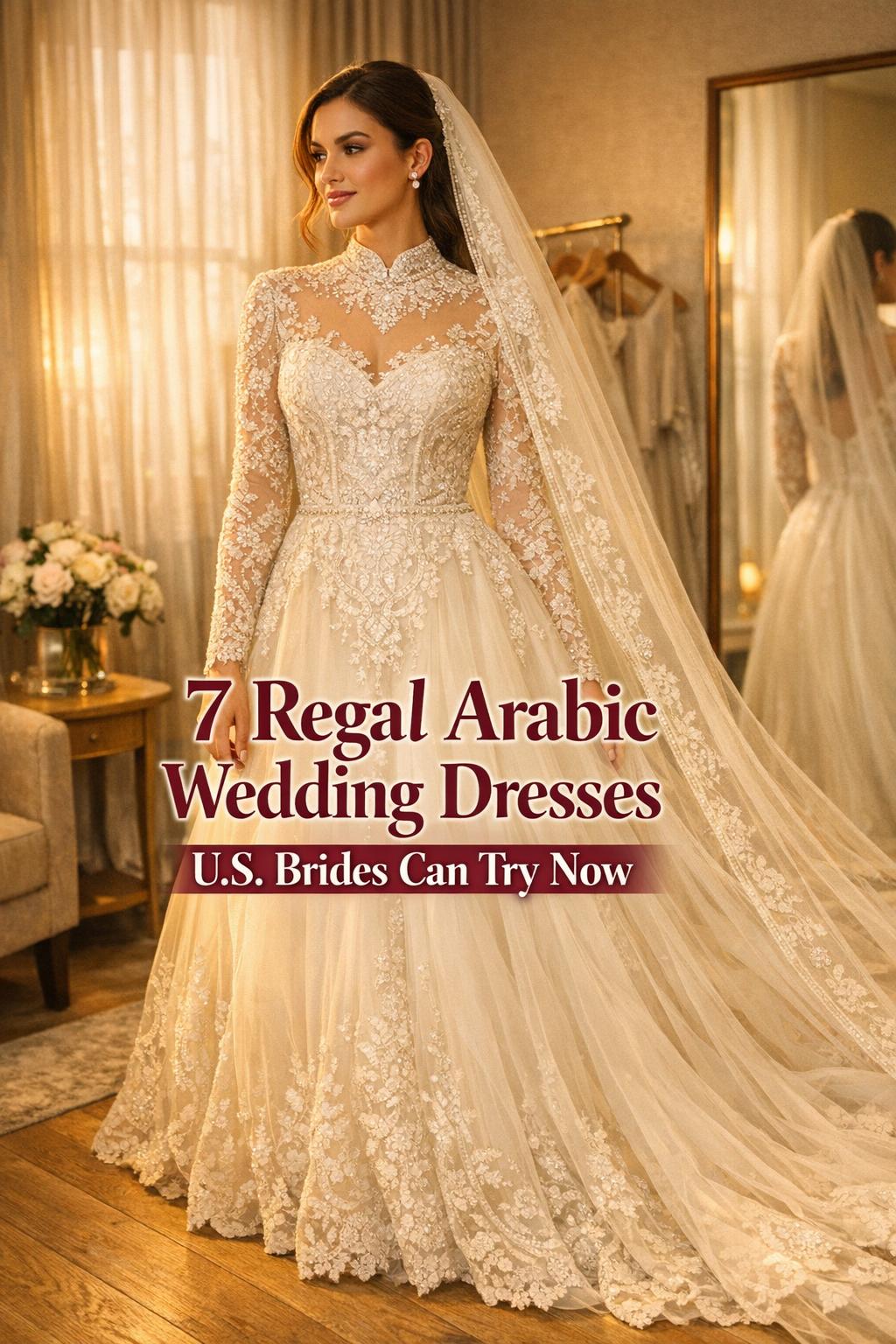
“Arabic wedding dress” can describe a range of bridal looks rather than one single uniform style. In U.S. shopping terms, it often points to Arabic-inspired wedding gowns and Arabic wedding gowns that emphasize ornate craftsmanship—beading, lacework, embroidery motifs—and thoughtful silhouette and coverage options that can align with modest bridal preferences (including long sleeves, higher necklines, and more covered backs).
Key design cues: modesty, embroidery, lacework, and beading
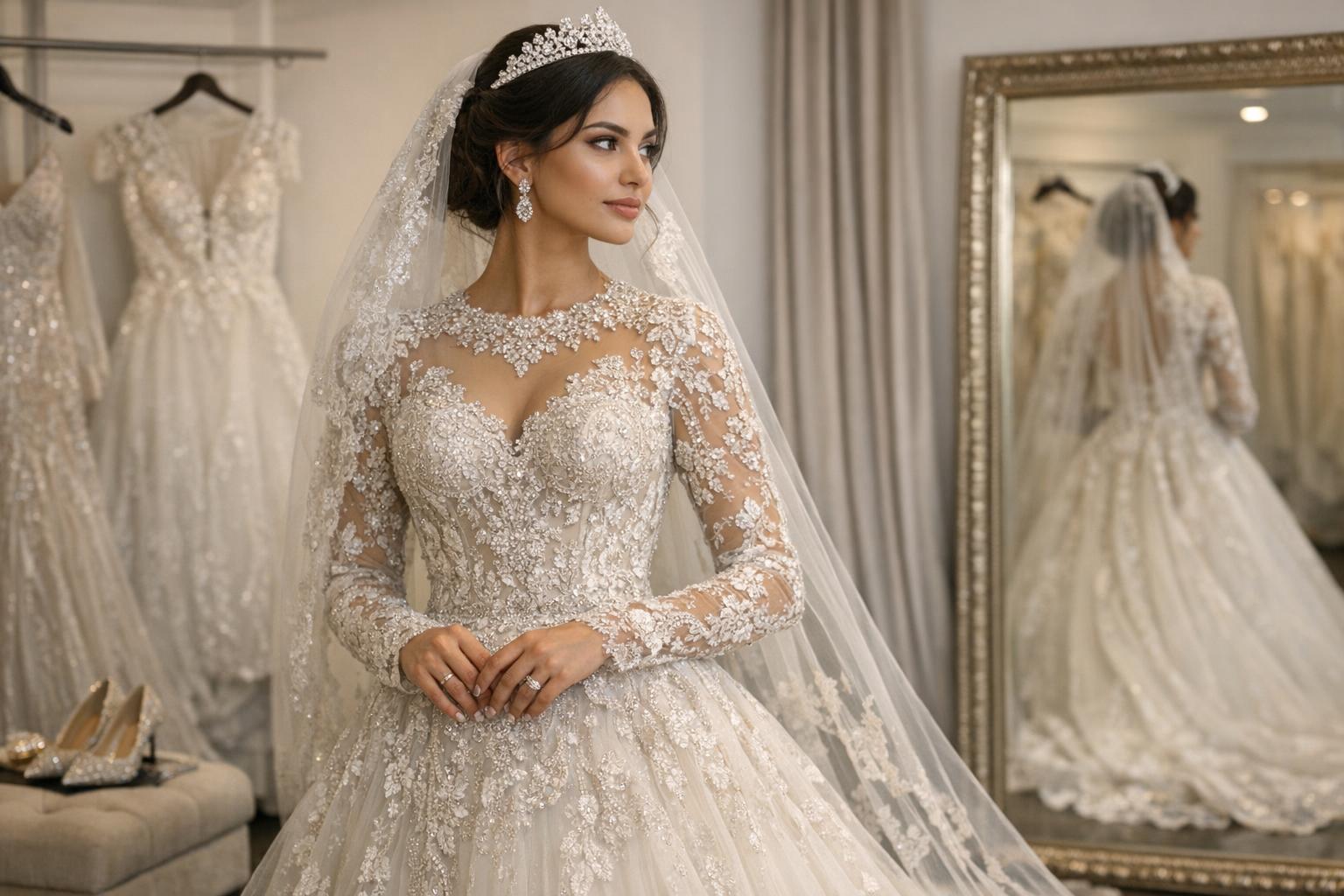
Across many Arabic bridal aesthetics, common design cues include statement embellishment and meticulous finishing: lace layered over structured bases, beaded patterns that catch light, and embroidery placed with intention across bodices, sleeves, and trains. Many brides also associate the category with designs that offer coverage flexibility—like sleeves or higher necklines—without sacrificing a formal, couture impression.
- Embellishment-forward surfaces: beading, lace, and embroidery that reads “formal” even from a distance
- Defined bodices and structured silhouettes paired with soft overlays like tulle
- Coverage options that can include long sleeves, higher necklines, and covered backs
- Bridal looks that balance tradition with contemporary shaping
Common fabrics: lace, tulle, satin, and organza
Fabric choice is central to the look and the experience of wearing an Arabic wedding gown. Lace and tulle often create dimension and softness, while satin and organza can add structure, sheen, and a clean, formal base for beadwork or embroidery. These fabrics also influence comfort, movement, and how the dress photographs—important considerations for U.S. brides planning full-day wear and long event timelines.
Tip: When comparing two dresses that look similar online, focus on what creates the surface effect (lace vs. beadwork vs. embroidery) and how the base fabric behaves (structured satin vs. airy tulle). Those two variables often determine whether a gown feels regal and sculpted or soft and romantic.
Traditional vs. Modern: Common Silhouettes
In the U.S., many brides start with silhouette because it’s the quickest way to narrow down what will feel right on the body. Arabic wedding dress silhouettes commonly found in collections span classic bridal shapes—A-line, ball gown, mermaid, sheath—then layer in signature details like ornate lace, beading, sleeves, and dramatic trains.
A-line, ball gown, mermaid, and sheath silhouettes
Each silhouette creates a different mood and wearing experience. A-line is widely loved for its balanced shape and versatility with embellishments. Ball gowns lean into ceremony and grandeur—especially when paired with beaded bodices and layered tulle. Mermaid silhouettes highlight curves and often look especially striking with dense lace or beading placed to accent lines. Sheath silhouettes tend to read modern and streamlined, which can pair beautifully with highly detailed sleeves or a dramatic back design.
Tip: If you’re drawn to heavy embellishment (like a beaded Arabic wedding dress), consider how weight will feel over time. You can often get the same “wow” effect by concentrating beadwork on the bodice and sleeves while keeping the skirt lighter with tulle or a simpler overlay.
Sleeves and necklines: long sleeve, high neck, and off-shoulder variations
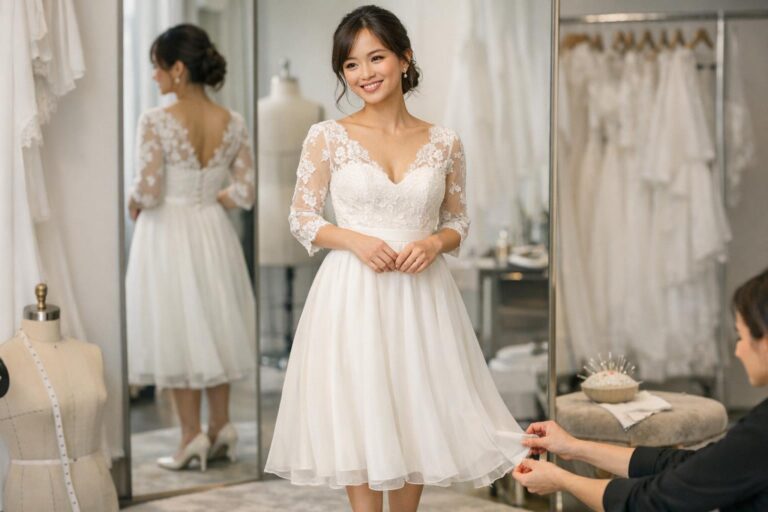
Arabic wedding dresses with sleeves are a major shopping intent in the U.S., especially for brides who want modest coverage or simply love the elegance of a long sleeve bridal look. Long sleeves can be lace-forward, sheer with appliqué, or fully lined for more coverage. Necklines also vary widely—high neck designs are popular for a regal, formal feel, while off-shoulder variations can provide a modern bridal look that still pairs with ornate detailing.
- Long sleeve Arabic wedding gowns for a classic modest silhouette and ornate sleeve detailing
- High neck styles for a structured, formal look (often paired with lace or beading)
- Off-shoulder variations for a modern interpretation that still works with embroidery motifs
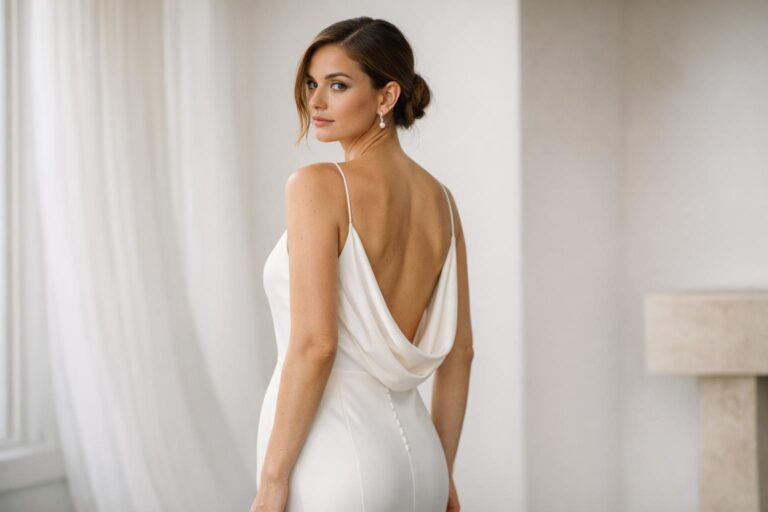
- Back design options that can range from fully covered to more open, depending on comfort and cultural preference
Fabrics, Embellishments, and Motifs
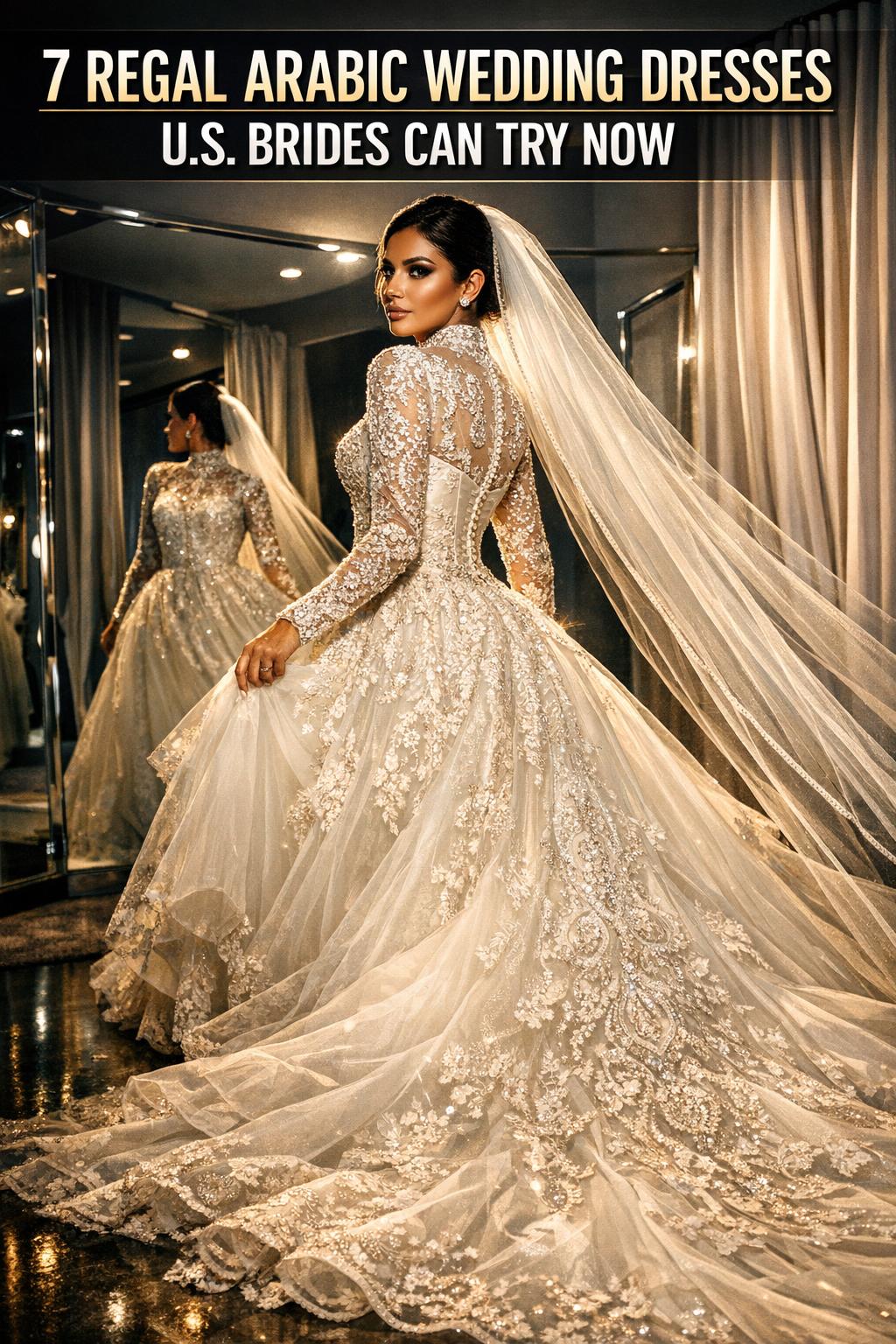
What often sets Arabic-inspired bridal gowns apart is the surface artistry: embroidery motifs, beadwork placement, and lace layering that creates texture and depth. These details are visually stunning, but they also affect comfort, movement, and care—especially for U.S. brides planning travel, long receptions, or multiple events.
Embroidery motifs and beadwork: floral, geometric, and paisley-inspired looks
Motifs can read romantic, architectural, or regal depending on scale and placement. Floral designs often feel classic and bridal, while geometric motifs can feel more modern and structured. Paisley-inspired shapes are another recognizable decorative direction that can add richness and heritage feel. The key is cohesion: motifs should feel intentional across bodice, sleeves, and skirt rather than randomly placed.
Tip: When evaluating online photos, zoom in on motif edges. Clean finishing and consistent spacing often signal careful craftsmanship, which matters for how the dress looks up close and in high-resolution wedding photography.
How to assess quality and comfort in embellished gowns
Quality isn’t only about appearance—it’s about how the dress wears. Beading and lace can scratch if not lined well, and dense embellishment can add weight. Look for thoughtful construction choices like lining under lace, well-finished seams, and stable closures that can handle movement across a full event day. In U.S. shopping, product descriptions often highlight details like lace, satin, tulle, and beaded finishes; use those details to anticipate feel and structure.
- Ask whether sleeves are lined or sheer and how that affects coverage and comfort
- Consider where beadwork sits (bodice and cuffs tend to be comfortable; underarm beadwork can irritate)
- Check whether the skirt fabric is light enough to move easily if the bodice is heavily embellished
- Look for secure closures that match the dress weight and structure
Modesty & Coverage: Navigating the Options in the U.S.
Many shoppers use “Arabic wedding dress” interchangeably with “Muslim wedding dress,” “Islamic wedding dress,” or “modest bridal gown,” especially when they’re looking for coverage-forward designs. In practice, modesty preferences vary widely, and the U.S. market offers a mix of ready-to-buy dresses and customizable options that can adapt sleeves, necklines, and back coverage.
Sleeves, back coverage, and neckline considerations
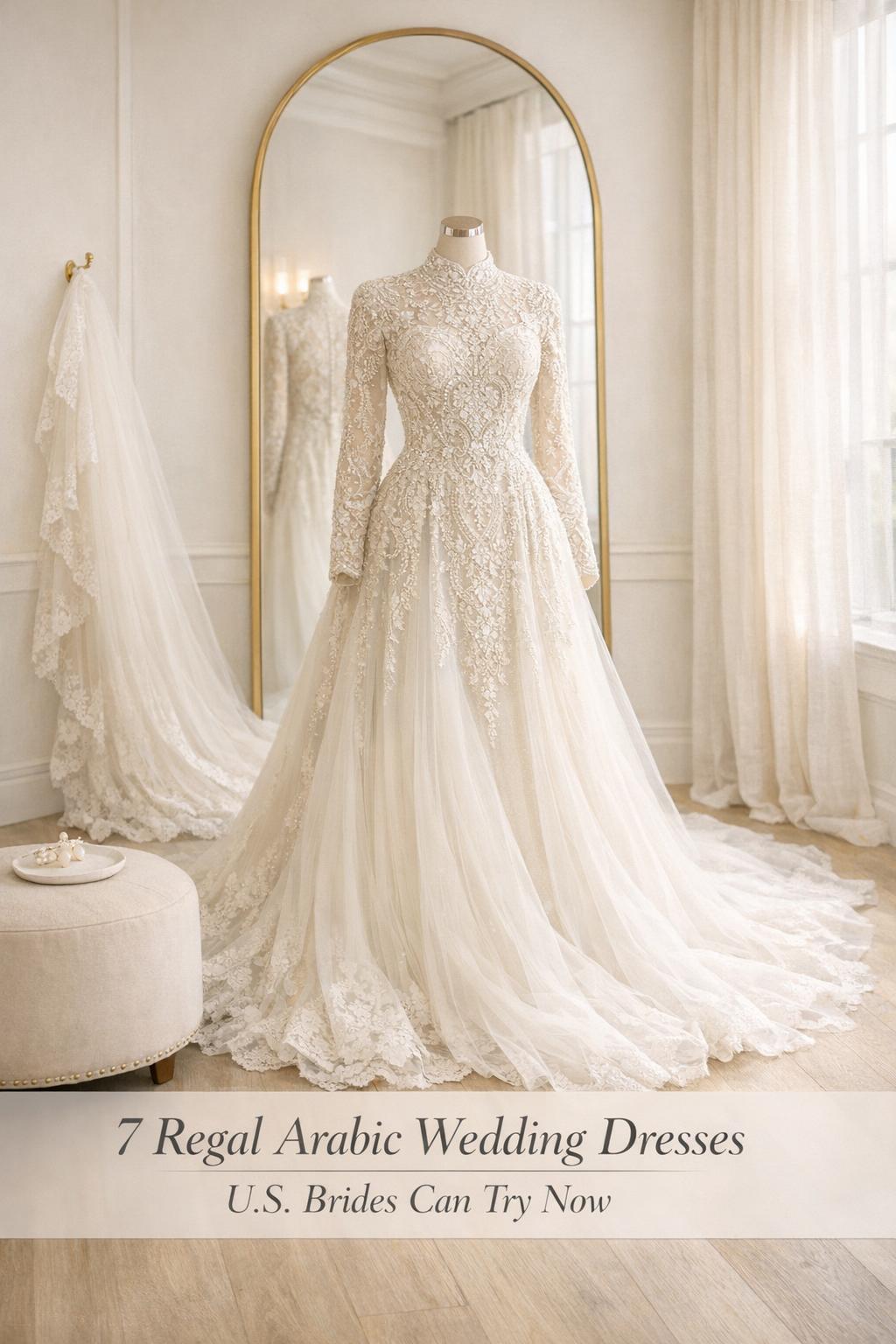
Coverage decisions are easiest when you treat the dress as a system: sleeve length, neckline height, and back design should work together. For example, a high neck long sleeve Arabic Muslim wedding gown can feel balanced with a full skirt, while a more open neckline might be paired with more sleeve coverage or a more covered back design. Many collections highlight these options explicitly—especially long sleeves and back design variations—because they’re a top deciding factor for brides.
Tip: Decide your “non-negotiables” early. If your must-haves are long sleeves and a covered back, prioritize dresses designed that way from the start instead of relying on heavy alterations, which can be more complex depending on fabric and embellishment placement.
Customization options in U.S. markets
Customization is a major reason brides gravitate toward certain retailers and boutiques. Many Arabic wedding dress collections highlight color options, sizing customization, and style variations—like sleeve types, neckline choices, or specific back designs. In the U.S., customization can help align a gown with modest preferences, body proportions, and comfort needs, especially for heavily beaded or lace-intensive designs.
- Adjusting sleeve length or lining for comfort and coverage
- Modifying necklines (raising, reshaping, or adding illusion lace)
- Altering back designs for coverage while maintaining the intended silhouette
- Tailoring the fit through bodice, waist, and hip for structure under embellishment
Color, Symbolism, and Cultural Nuance
Color is one of the most personal choices in bridal, and Arabic wedding dress color meanings can be part of how brides connect to tradition and cultural nuance. In U.S. shopping, you’ll commonly see classic bridal tones like ivory, white, and champagne referenced in Arabic bridal collections, sometimes alongside accents or richly embellished finishes that shift how the base color reads under light.
Traditional vs. contemporary palettes: ivory, white, champagne, and accents
Ivory vs. white wedding dress choices can look very different depending on fabric. Satin can make white look crisp and bright, while lace overlays can soften tones into ivory or champagne. Brides drawn to Arabic-inspired wedding gowns often choose shades that make beadwork and embroidery stand out, creating contrast and depth. Even subtle tone differences can change the “feel” from modern and bright to warm and romantic.
Tip: If you’re ordering online, think in terms of “how the embellishment reads” rather than the color name alone. The same ivory base can look dramatically different depending on lace density, bead color, and fabric sheen.
How to choose respectfully when blending traditions
Many U.S. brides are navigating multicultural weddings, diaspora traditions, or Arabic-inspired styling without sharing the same background. The key is intention and clarity: focus on craftsmanship, silhouette, and styling choices that align with your event setting and personal comfort. If you’re incorporating cultural cues, it helps to be thoughtful about what details feel meaningful to you and how you’ll explain them to family and guests.
Where to Buy in the U.S.: Retailers, Boutiques, and Designers
In the U.S., the buying journey for Arabic wedding dresses typically falls into two paths: catalog-style shopping through online collections with many listed designs, or a boutique/designer approach that may offer more guided selection and customization. Both can work well, but they serve different priorities around time, control, and the try-on experience.
Catalog vs. bespoke: choosing the right path
Catalog shopping is often straightforward: you browse a wide range of silhouettes (A-line, ball gown, mermaid), fabrics (lace, tulle, satin), and embellishment levels (beaded, embroidered) with color and size options. Bespoke or made-to-order routes can be appealing if you have specific modesty requirements, want a particular back design, or need a fit that’s hard to achieve off-the-rack—especially with long sleeves and heavily detailed bodices.
- Choose a catalog route if you want lots of options, clear product visuals, and faster decision-making
- Choose bespoke if coverage, fit precision, and design control are your top priorities
- Consider a hybrid approach when you love a base design but need targeted customization (sleeves, neckline, back coverage)
What to expect: lead times, alterations, and pricing conversations
Even when a dress is available in standard sizes, most brides should plan for alterations—especially if the gown includes long sleeves, detailed lace placement, or a structured bodice. If you’re considering custom work, factor in additional time for production and fittings. In U.S. shopping, it’s also wise to clarify policies early—particularly for custom sizing or customized designs—since return and exchange expectations can differ from standard retail purchases.
Tip: Before you commit, ask yourself what you need more: speed, customization, or the ability to try on in person. Your answer often points to the best buying channel for your situation.
Alterations, Sizing, and Fittings: A Practical Guide
Arabic wedding gowns often rely on precise fit to support structure and highlight embellishment placement. In the U.S., tailoring is a normal part of the bridal process, but modest designs can come with additional nuances—like ensuring sleeves sit comfortably, neckline coverage is consistent, and lace or beadwork remains symmetrical after adjustments.
How to prepare for fittings (especially with sleeves and high necklines)
Fittings are smoother when you bring the right underlayers and accessories early. Sleeve comfort and range of motion matter: you’ll want to lift your arms, sit, and move as you would on the wedding day. High neck and covered back styles should feel secure without pinching, and closures should lie flat so beadwork and lace don’t distort.
- Bring the undergarments you plan to wear (or the closest equivalent) to your first fitting
- Test movement: raising arms, hugging, sitting, and walking on different surfaces
- Check sleeve comfort at the underarm and wrist, especially if beadwork is present
- Confirm that embellishment placement still looks centered after pinning
Sizing tips: off-the-rack vs. custom sizing
Off-the-rack sizing can work well for many brides, particularly when the dress construction and fabric allow straightforward tailoring. Custom sizing can be helpful when you want a specific modest Arabic wedding dress fit—like long sleeves that hit at the wrist, a high neckline that sits comfortably, or a bodice that supports heavy embellishment without shifting. Either way, clarity matters: confirm measurement instructions, understand what can be adjusted later, and plan for at least one or more fittings depending on complexity.
Tip: If a gown has dense lace or beading at the waist or hip, ask in advance how resizing impacts the pattern. It’s usually easier to tailor areas with less dense embellishment than areas with heavy, continuous motif work.
Styling Tips: Accessories, Veils, and Jewelry
Styling Arabic wedding dress accessories is about balance. When a gown already features intense lace and beading, accessories can either elevate the look or compete with it. The goal is to create a unified visual story: the dress is the centerpiece, and the veil and jewelry should reinforce the same mood—regal, romantic, modern, or vintage-inspired.
Veil lengths and how to pair them with embellished gowns
Veils can add softness, drama, or tradition depending on length and edge detailing. With heavily embellished Arabic bridal gowns, consider whether you want the veil to be minimal (so the dress remains the focus) or coordinated (echoing lace motifs). Also think about what parts of the dress you want visible during key moments and photos, including the back design and train.
Tip: If your dress has a standout back design or detailed train, choose a veil that frames rather than covers it—either by going simpler in the veil fabric or selecting a length that won’t visually overwhelm the dress details.
Jewelry and headpieces that complement embroidery
Jewelry choices should account for neckline height, sleeve detailing, and overall embellishment density. A high neck long sleeve gown may need simpler earrings or a more understated headpiece, while a more open neckline might accommodate a bolder statement piece. The most cohesive looks often repeat a single idea—sparkle, floral, geometric—rather than mixing multiple competing motifs.
- If sleeves are heavily embellished, keep bracelets minimal to avoid visual overload
- If the neckline is high, consider earrings as the main focal accessory
- If the gown is lace-forward, choose accessories that don’t snag delicate lace surfaces
- Coordinate metal tones and sparkle level with the dress’s beadwork for a unified finish
Care, Preservation, and Longevity
Caring for lace and beaded gowns is part of protecting your investment. Arabic wedding dresses often include delicate surfaces that can snag or lose shape if handled roughly. Planning for cleaning and storage early helps prevent last-minute stress—especially if you’re traveling, changing outfits during events, or wearing the gown for extended hours.
Cleaning considerations for lace and beaded wedding dresses
Beaded and lace-forward designs typically require gentle handling and careful attention to the areas that rub during wear, such as underarms, waistlines, and hems. Even if you plan to clean the gown after the wedding, you’ll want to reduce risk during the event by avoiding unnecessary friction and being mindful of where the dress touches floors, seating, and jewelry.
Tip: Before the wedding day, do a quick “snag check” by wearing the dress (or carefully trying it) with your planned accessories. If anything catches lace or beadwork, swap it out now rather than discovering the issue during photos or the reception.
Storage and future wearability
Proper storage supports longevity, especially for gowns with structured bodices, long sleeves, and ornate embellishment. If you hope to preserve the dress as an heirloom or re-wear it for future events, prioritize maintaining shape and protecting delicate surfaces from crushing, pulling, or snagging. The more detailed the gown, the more it benefits from being stored in a way that avoids stress on seams and beadwork.
- Protect delicate surfaces from snagging by keeping them separated from rough materials
- Avoid compressing heavy beadwork in a way that can distort the fabric beneath
- Plan storage that supports the structure of the bodice and sleeves
- Keep key accessories (veil, headpiece) stored so they don’t catch on lace or embroidery
Lookbook: Real U.S. Bridal Scenarios Using Arabic-Inspired Style
A “lookbook” doesn’t have to mean copying a single dress—it can be a way to visualize how Arabic-inspired bridal elements translate to real U.S. wedding settings. Use these scenarios to clarify what you want: silhouette, sleeve type, neckline, embellishment density, and how you’ll style the full look from ceremony to reception.
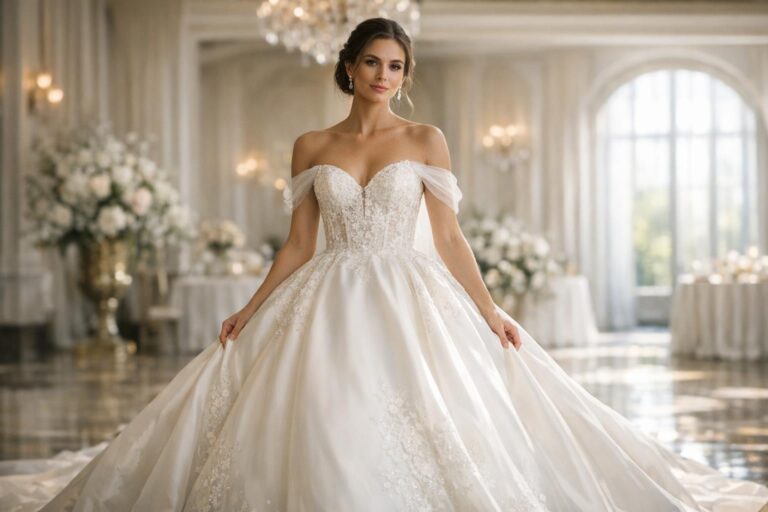
Scenario 1: Regal ball gown with long sleeves and dense beadwork
This look emphasizes formality and grandeur: a full ball gown skirt paired with long sleeves and a structured bodice. The styling approach is usually simplest when the dress is very ornate—choose a veil that doesn’t compete with beadwork and jewelry that echoes the same sparkle level without overwhelming the neckline or sleeves.
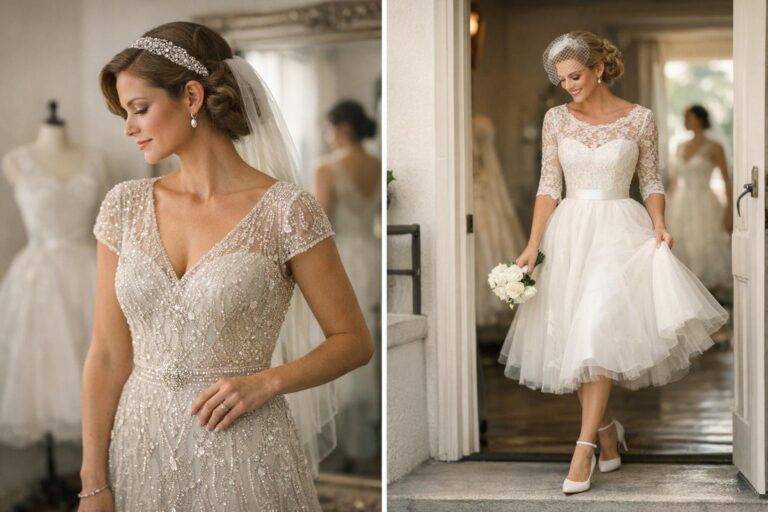
Scenario 2: A-line lace gown with a high neck for a modest, timeless feel
An A-line silhouette with lace overlays and a high neckline can read classic and refined while still delivering the detailed finish many brides associate with Arabic wedding gowns. This is often a strong choice for brides prioritizing modest coverage with a balanced silhouette that works across venues and event timelines.
Scenario 3: Mermaid silhouette with statement embroidery motifs
A mermaid silhouette creates drama through shape, while embroidery motifs can create a couture impression when placed thoughtfully along the bodice and skirt. If you’re choosing this direction, comfort and movement deserve extra attention during fittings—especially around the knees and hips—and you may want sleeve or neckline details that balance the boldness of the silhouette.
Scenario 4: Modern sheath with ornate sleeves and a considered back design
A sheath silhouette can feel minimalist in shape while still embracing Arabic-inspired detailing through sleeves, lacework, or beadwork. Many brides who like contemporary bridal lines choose this approach, then elevate it with a dramatic veil choice or a coordinated headpiece that complements embroidery motifs.
Final Checklist and Resources
Arabic wedding dresses reward a plan. Whether you’re buying from a large online collection or commissioning a bespoke gown, the best outcomes come from aligning your vision (silhouette, coverage, embellishment) with practical constraints (timing, fittings, and comfort). Use this checklist to keep the process focused and reduce last-minute changes.
Quick-start shopping checklist
- Choose your silhouette first (A-line, ball gown, mermaid, sheath) to narrow options quickly
- Define coverage preferences (sleeves, neckline height, back coverage) before falling in love with details
- Decide the main surface focus: lace, beading, or embroidery motifs
- Select a color direction (white, ivory, champagne) based on how you want embellishments to stand out
- Confirm whether you need customization and how it affects timelines and policies
- Plan for alterations, especially with long sleeves, high necklines, or heavy embellishment
- Choose accessories to complement—not compete with—the gown’s detailing
- Think ahead about care: avoiding snags, planning storage, and preserving delicate fabrics
Planning tips for a smoother experience
Tip: Keep your decision-making consistent by creating a simple “yes list” you can repeat for every dress: silhouette, coverage, fabric base, embellishment type, and comfort. If a gown misses two or more of your must-haves, move on quickly—Arabic-inspired collections are often large, and momentum matters.
Tip: If you’re ordering a dress with detailed sleeves or a distinctive back design, prioritize photos that show those elements clearly. Sleeves and back coverage are among the most important decision points for modest bridal gowns and Arabic wedding dresses with sleeves.
FAQ
What is considered an Arabic wedding dress?
An Arabic wedding dress typically refers to a bridal gown style associated with Arabic and Middle Eastern-inspired design cues such as ornate beading, lacework, embroidery motifs, and often flexible coverage options like long sleeves, higher necklines, or more covered back designs, though the exact look can vary widely.
Are Arabic wedding dresses the same as Muslim or Islamic wedding dresses?
They can overlap in U.S. shopping because many brides use these terms while looking for modest bridal coverage and formal detailing, but they are not identical categories; “Arabic wedding dress” often describes an aesthetic and craftsmanship style, while “Muslim” or “Islamic” wedding dress searches may focus more specifically on modesty needs.
Can I wear an Arabic-inspired wedding gown if I’m not Arabic?
Many brides choose Arabic-inspired wedding gowns for their craftsmanship, silhouettes, and elegant coverage options; the most respectful approach is to be intentional about what you’re incorporating, align your styling with your event setting, and choose elements because they genuinely fit your vision rather than treating them as a costume.
What silhouettes are most common for Arabic wedding gowns?
Common Arabic wedding dress silhouettes include A-line, ball gown, mermaid, and sheath, often paired with embellishments like lace, beadwork, and embroidery, plus sleeve and neckline options that can range from long sleeve and high neck to more modern variations.
How do I choose between ivory, white, and champagne for an Arabic wedding dress?
Start by considering how your gown’s fabric and embellishments will read under light: satin can make white look crisp, while lace overlays can soften tones toward ivory or champagne, and beadwork may stand out differently depending on the base shade, so choose the color that best highlights the detailing you love.
What should I prioritize if I want Arabic wedding dresses with sleeves?
Prioritize sleeve construction and comfort by checking whether sleeves are lined or sheer, how embellishments are placed (especially near the underarm and wrist), and whether the dress is designed for sleeves from the start rather than relying on extensive alterations to add them later.
Should I buy from an online collection or look for a bespoke option in the U.S.?
Online collections can be ideal when you want broad selection and a straightforward purchase path, while bespoke or made-to-order options can be better if you need precise coverage, specific back design choices, or a highly controlled fit for heavy lace or beading; your decision should reflect your timeline, fitting access, and customization needs.
What alterations are most common for modest Arabic wedding dresses?
Common alterations often involve refining sleeve fit and length, adjusting neckline height or shape, tailoring the bodice for support under embellishment, and modifying back coverage, with extra care taken to keep lace patterns and beadwork placement symmetrical after adjustments.
How do I style accessories with a heavily beaded Arabic wedding dress?
Balance is key: if the dress already has dense beading or embroidery, choose a veil and jewelry that support the overall mood without competing for attention, often by keeping one accessory as the focal point and coordinating sparkle level and motif style with the gown’s detailing.
How should I think about care and storage for lace and beaded gowns?
Plan to protect delicate surfaces from snagging and avoid compressing heavy beadwork in ways that can distort fabric, and choose storage that supports the gown’s structure—especially the bodice and sleeves—so the dress maintains shape and the embellishments remain secure over time.