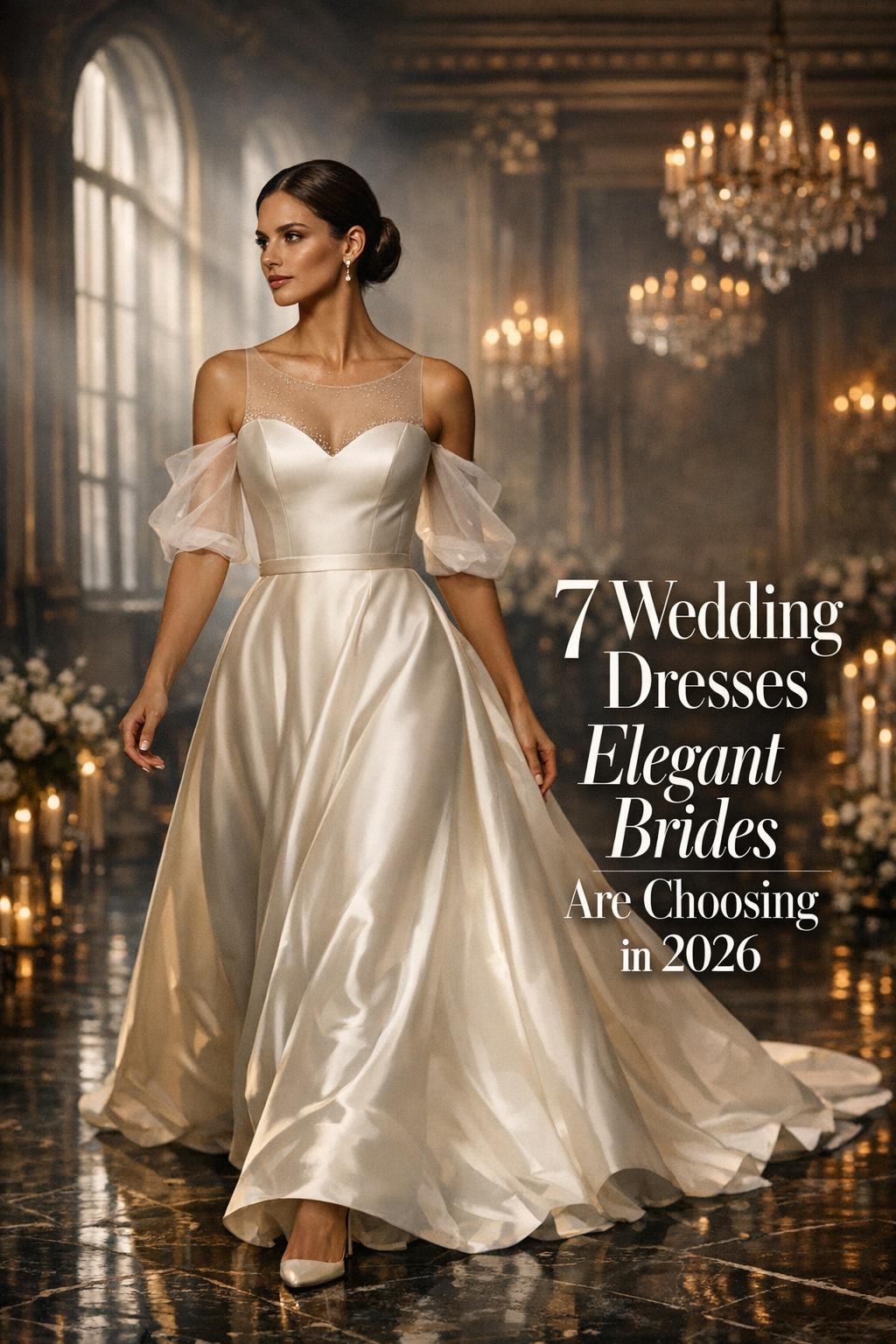
7 Wedding Dresses Elegant Brides Are Choosing in 2026
Wedding Dresses Elegant: Timeless Styles for a Sophisticated Day
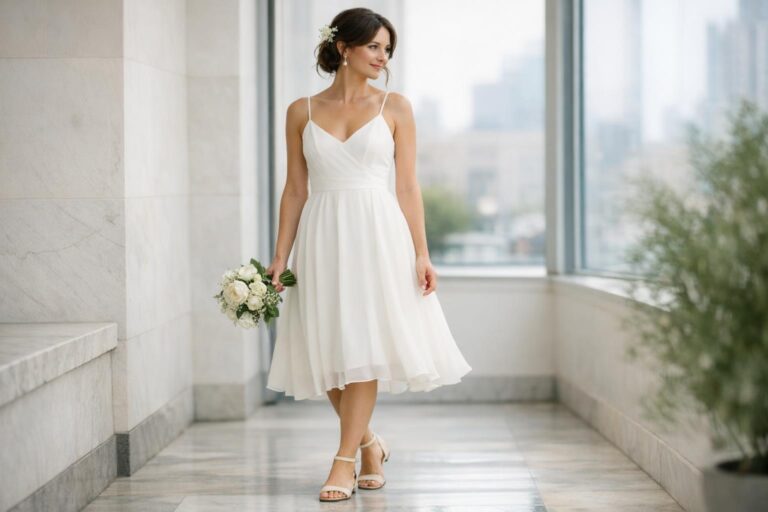
When you search for wedding dresses elegant enough for a truly refined, memorable aisle moment, you’re usually balancing two goals: a look that feels timeless in photos and a dress that fits your venue, body, and comfort needs. “Elegant” can mean structured and figure-flattering, sleek and minimalist, or classic and romantic with lace and thoughtful detailing. The best elegant wedding dress is the one that looks polished from every angle—especially in motion—while still feeling like you.
This guide brings together the most consistent ideas found across modern bridal catalogs and editorial roundups: how structure changes the entire look of a gown, which silhouettes read most sophisticated, what fabrics and details signal elevated style, and how to shop with confidence (including size ranges, fittings, and practical filters like neckline, sleeve, and silhouette). You’ll also find tips for styling your day-of look so your gown stays the centerpiece, not a costume.
Understanding Elegance: What Makes a Dress Feel Sophisticated
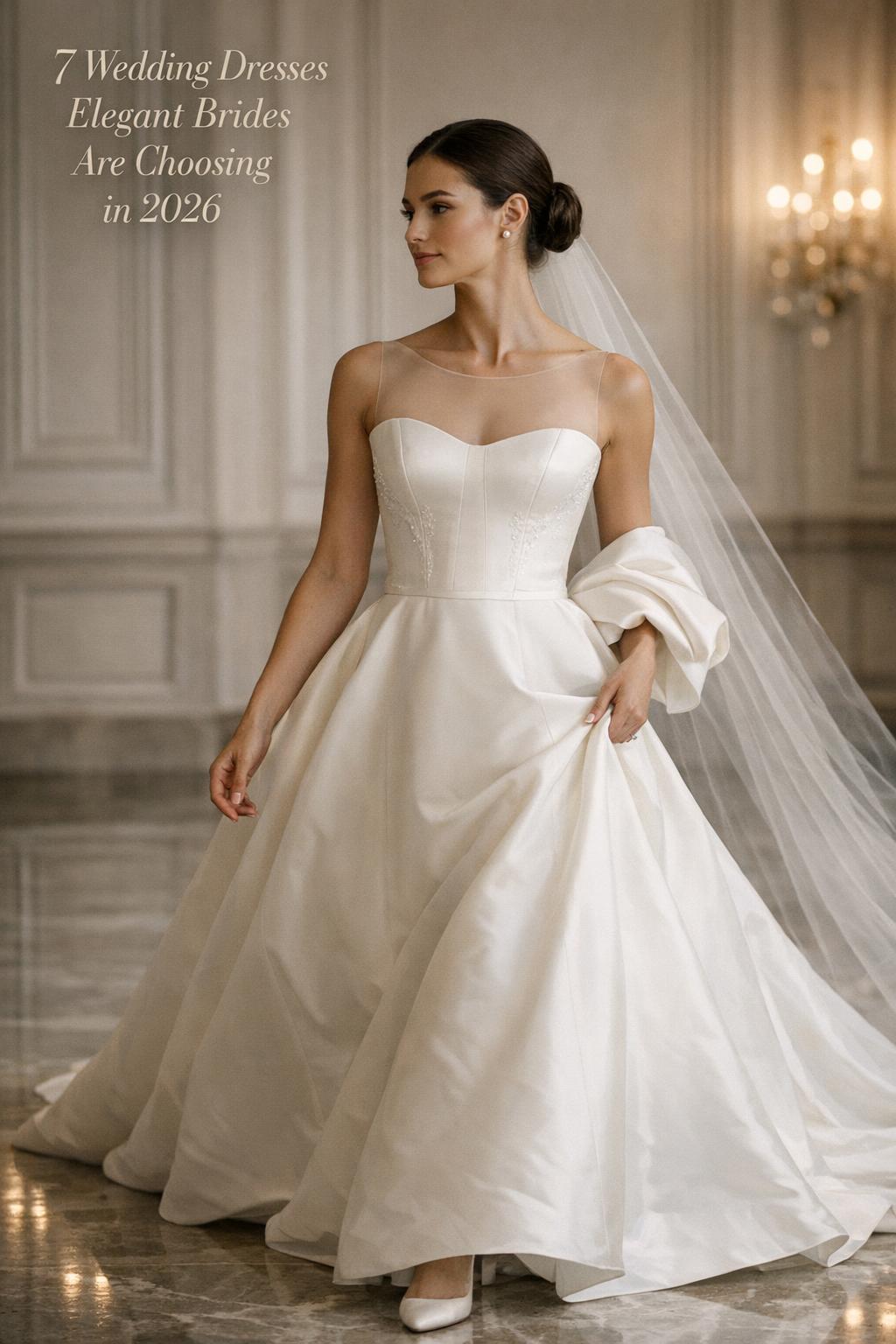
Elegance isn’t only about embellishment or a high price point. In bridal fashion, elegance tends to come from proportion, clean finishing, and intentional details—especially when the dress is structured, fits well, and moves gracefully. From sleek sheath silhouettes to dramatic ballgowns, a refined gown usually shares a few common qualities: a flattering line, fabric that holds its shape (or drapes with purpose), and design details that support the overall look rather than compete with it.
Silhouette and structure that exude refinement
Many of today’s most elegant gowns lean on structure: built-in support, carefully shaped bodices, and silhouettes that create a smooth, confident profile. Structured wedding gowns are often described as figure-flattering because the construction helps define the waist, support the bust, and keep the dress looking crisp—especially in photos. Whether you prefer an elegant A-line wedding dress or a sculpted mermaid, structure can be the difference between “pretty” and “polished.”
Fabric and detailing that elevate the look
Fabric choice is a major driver of sophistication. Satin wedding dresses often read formal and classic, crepe can look sleek and modern, and lace can feel romantic and couture-inspired when placed intentionally. Elegant gowns frequently use details like embroidery, appliqués, beading, illusion panels, and thoughtfully finished seams to create depth without looking overly busy. The goal is harmony: the fabric, construction, and detailing should all point to the same style story.
Fit, comfort, and movement for a graceful walk down the aisle
An elegant bridal gown should be comfortable enough to stand, sit, and dance without constant adjusting. Refinement shows when you can move naturally and maintain good posture. That’s why fittings matter: a gown can look flawless on a hanger and still need adjustments to the bodice, straps, hem, or sleeves to feel secure. Comfort also affects confidence, and confidence is a key ingredient in a sophisticated wedding-day presence.
Iconic Elegant Silhouettes to Consider
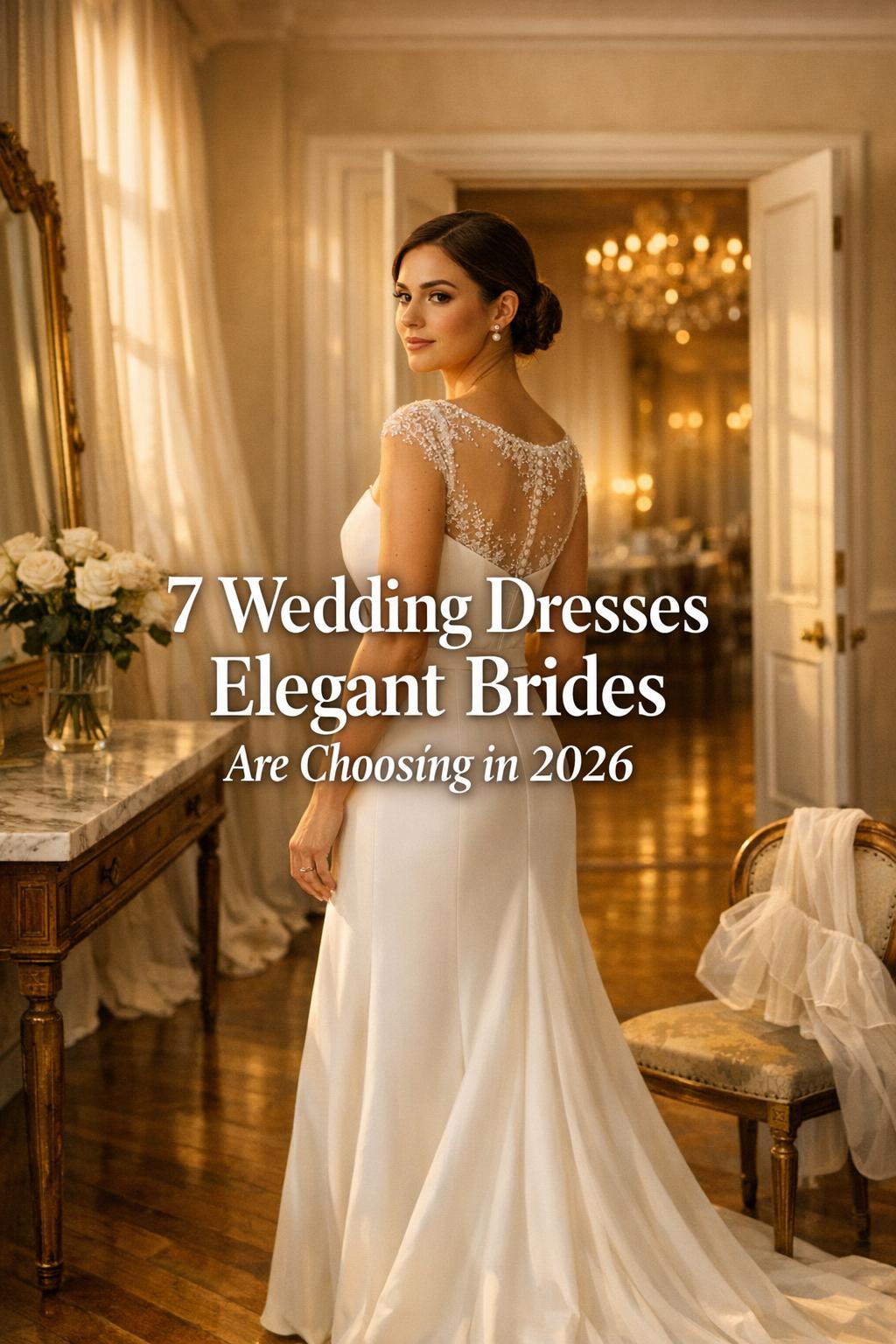
Silhouette is often the first “big” decision. Many bridal shops and online collections let you filter by shape (A-line, mermaid, sheath, and more), because the silhouette sets the tone instantly. Below are elegant wedding dress ideas by silhouette, including what each style communicates and how to make it feel elevated.
A-line for classic balance
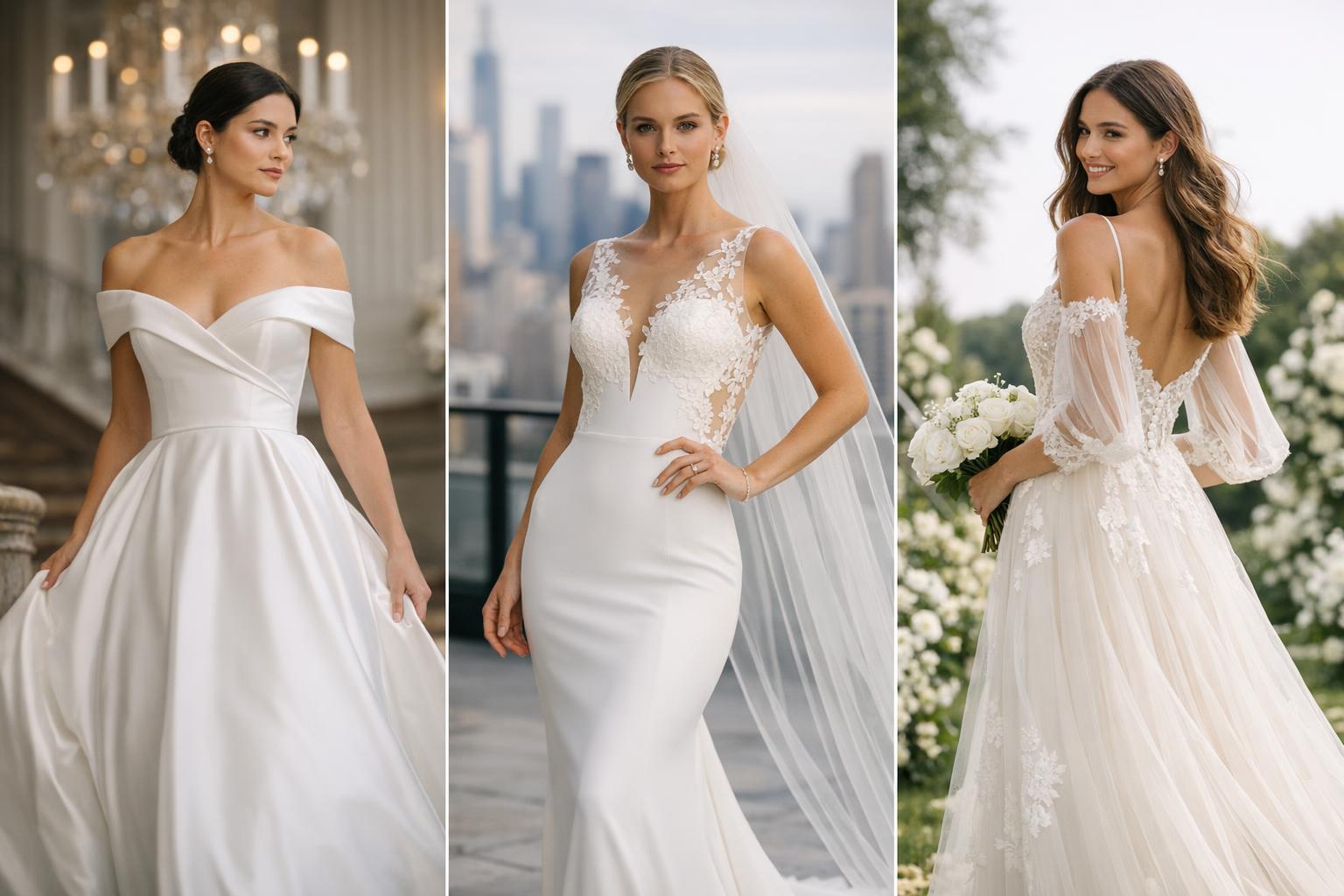
An elegant A-line wedding dress is a long-standing favorite for a reason: it typically offers a defined waist with a skirt that skims over the hips, creating a balanced, classic line. A-line gowns can feel understated and formal in satin, romantic in lace, or modern in crepe. They’re also compatible with many necklines, from timeless strapless to refined high-neck designs.
Tips: If you love the A-line silhouette but want extra sophistication, prioritize a structured bodice and a fabric with a clean finish. The shape will look intentional rather than “floaty,” and it will photograph beautifully from the front and side.
Ballgown for dramatic elegance
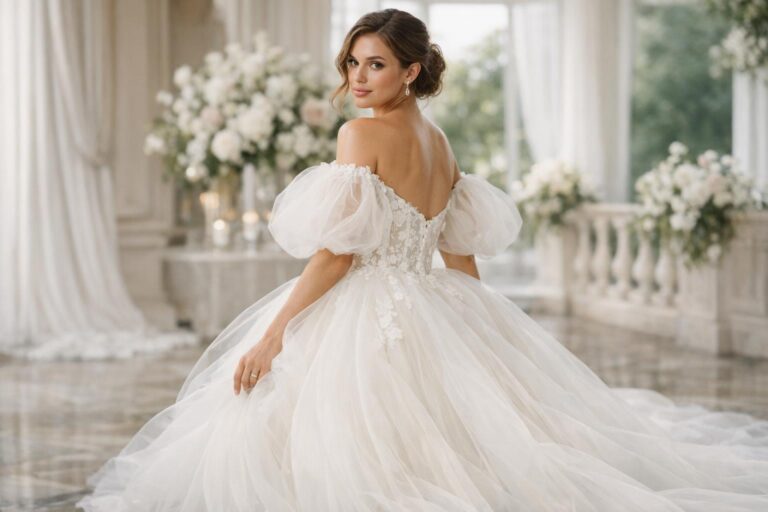
Ballgowns are made for statement entrances, and they’re a natural match for formal venues. The hallmark is a fitted bodice paired with a fuller skirt. In an elegant ballgown, the drama usually comes from proportion and fabric rather than cluttered decoration. A refined ballgown might feature a clean satin skirt, subtle embroidery, or carefully placed lace that highlights the bodice.
For brides inspired by iconic elegance in cultural touchstones (including royal gowns often celebrated for their symbolism and impact), a ballgown silhouette can deliver that “once-in-a-lifetime” feeling while still looking timeless when details remain cohesive.
Mermaid and fit-and-flare for sculpted sophistication
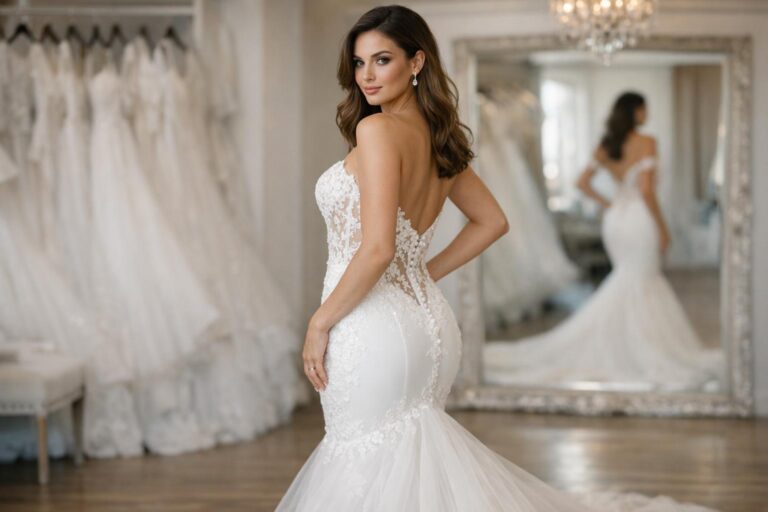
Mermaid and fit-and-flare gowns create a sculpted look that many brides associate with red-carpet polish. These silhouettes tend to spotlight the bodice and hips before flaring out, so construction and fabric choice matter. Structured wedding gowns in this category often use supportive bodice construction to keep the line smooth and secure. In crepe, the look can be sleek and modern; in lace, it becomes romantic and detailed while still feeling refined.
Tips: If you’re considering an elegant mermaid gown, pay special attention to comfort and mobility. A precise hem and a well-placed flare can make the style feel graceful instead of restrictive.
Sheath for sleek minimalism
Sheath gowns are a strong choice for brides who want sophistication with minimal fuss. The silhouette follows the body more closely, often with a clean line that highlights fabric quality and tailoring. A sheath dress can look especially elevated in satin or crepe, and it pairs well with refined necklines and sleeve options. Because the style is less about volume, small design decisions—like a crisp neckline, illusion detailing, or subtle embroidery—have an outsized impact.
Jumpsuits and two-piece gowns for modern elegance
Modern bridal fashion has widened the definition of elegant, and that includes polished jumpsuits and two-piece looks. When executed with structured tailoring and elevated fabric, these options can feel formal and sophisticated—especially for city ceremonies, contemporary venues, or brides who want clean lines. The key is intentional styling: a sleek silhouette, refined neckline, and finishing touches that still feel bridal.
Fabrics, Details, and How They Convey Elegance
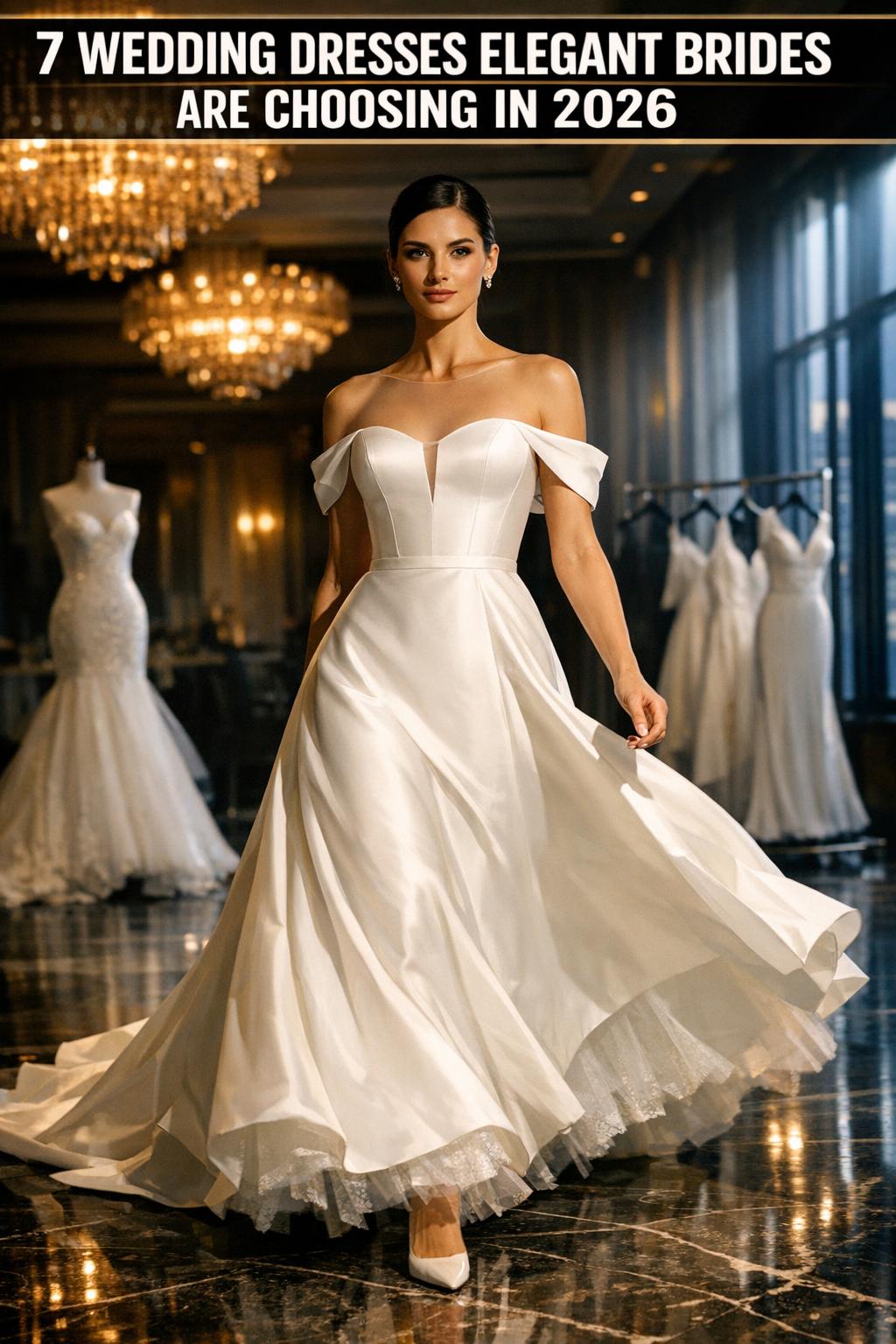
Once you know your general silhouette, fabric and detailing take your gown from “the right shape” to “the right mood.” Many elegant gowns use classic materials—lace, satin, crepe, tulle—combined with design elements like embroidery, beading, or illusion panels. What matters most is how these parts work together to create a cohesive impression.
Lace, satin, crepe, tulle, and illusion panels
Lace wedding dresses can look soft and romantic or crisp and architectural depending on the pattern and placement. Satin wedding dresses often read the most formal and traditional, especially when paired with structured bodice construction. Crepe is frequently used for sleek sophistication, making it popular for fitted silhouettes and minimalist designs. Tulle can bring lightness and volume—particularly in A-line and ballgown skirts—while illusion panels can add coverage or design intrigue without feeling heavy.
- Lace: Romantic, detailed, timeless; can be used all over or as targeted appliqués
- Satin: Smooth, classic, formal; highlights clean lines and tailoring
- Crepe: Sleek and modern; best when the fit is precise
- Tulle: Airy volume; often used to create soft drama
- Illusion: Adds structure or coverage while keeping the look light
Embellishments: beading, embroidery, and elevated finishing
Elegance often comes down to editing. Beading can read luxurious when it’s concentrated in specific areas (like the bodice) rather than spread everywhere. Embroidery and appliqués can create texture and dimension while keeping the overall design cohesive. Even if you love sparkle, an elegant gown usually uses embellishment to guide the eye: framing the neckline, defining the waist, or accenting the train.
Tips: If you’re torn between “simple” and “detailed,” look for a dress with one hero element—like embroidery on the bodice or refined beading at the waist—then keep the rest clean. This approach can feel couture without feeling overly ornate.
Necklines and sleeves that add refinement
Neckline and sleeve choices can shift a gown’s personality quickly. Many online bridal collections let you shop by neckline and sleeve because these details strongly influence the overall impression. Long sleeves can feel especially formal and polished, while strapless looks can read classic and timeless. Detachable sleeves have become a versatile option for brides who want two looks in one—structured and covered for the ceremony, then lighter for the reception.
- Strapless: Classic and balanced, especially with a structured bodice
- Sleeved styles: Often feel formal and sophisticated; can add a clean, tailored look
- Detachable sleeves: A practical way to personalize elegance from ceremony to reception
- Illusion necklines: Refined detail that can add coverage without heaviness
Color and Underskirts: Subtle Variations of Elegant
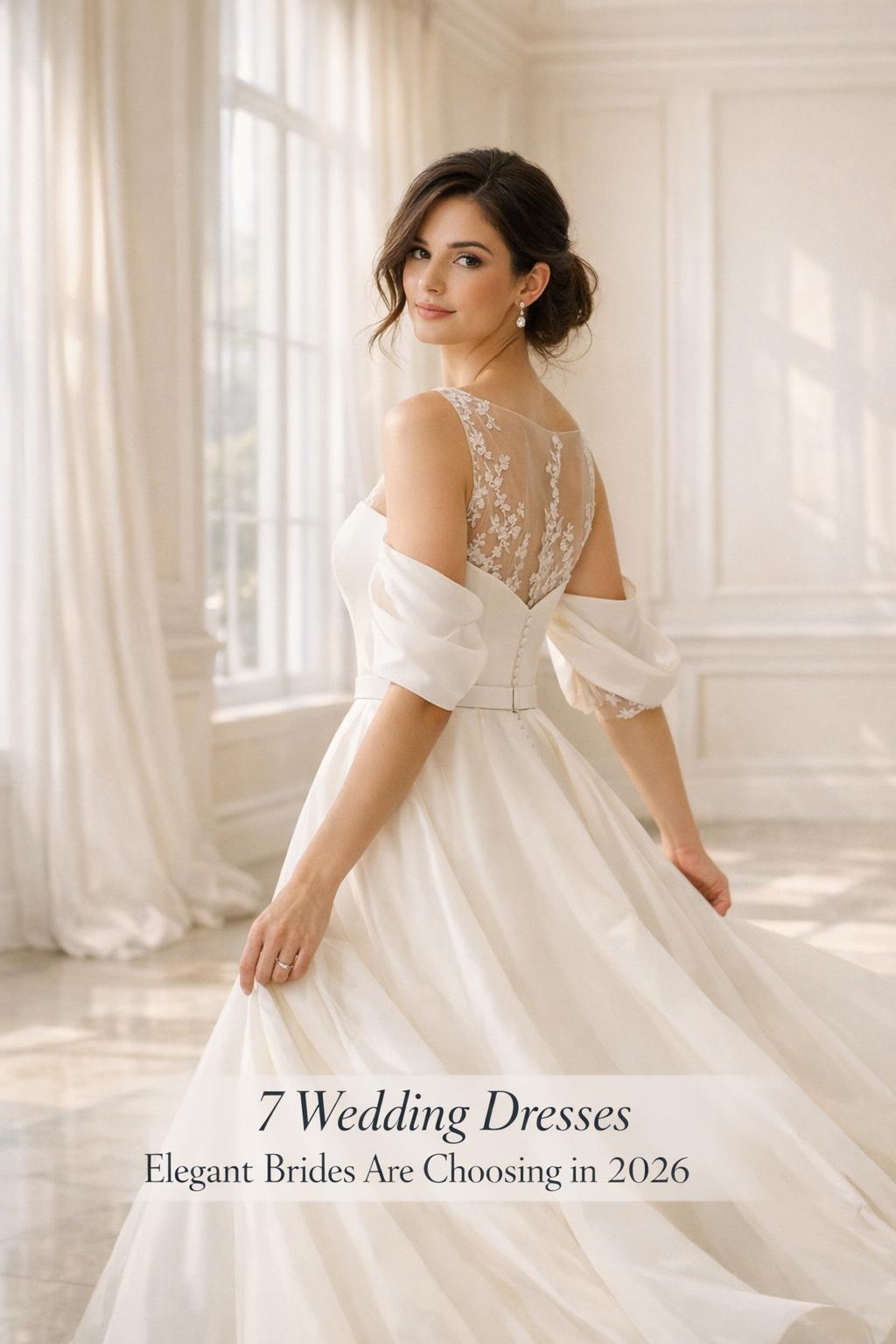
Elegant doesn’t mean you must choose a single shade of white. Many gowns come in variations like ivory wedding dress tones and champagne-inspired hues that still read bridal while changing the warmth of the overall look. Underskirts, linings, and opacity also influence how lace and embroidery appear—sometimes dramatically—especially in photos.
Traditional ivory/white vs. champagne
Traditional white and ivory remain enduring choices for a sophisticated wedding look. Champagne can feel subtly vintage or fashion-forward depending on fabric and detailing. What matters most is the cohesion between your dress color and its design elements; for example, lace and embroidery can look softer or more contrasted depending on the base tone underneath.
Underlayers, lining opacity, and color peeking through
Underlayers can be used to create depth, highlight lace motifs, or keep a look more modest and streamlined. If your gown has illusion panels or lace overlays, lining choices can shift the overall aesthetic from bold to classic. An elegant look often benefits from thoughtful opacity: enough structure and coverage to feel polished, while still letting the design details show clearly.
Tips: When trying on dresses, view the gown in different lighting and from multiple angles. A lining that feels perfect in a fitting room can look different in daylight or flash photography, and that difference can change how “clean” or “contrasty” the details appear.
How to Choose Your Elegant Dress
Choosing among elegant gowns can feel overwhelming because so many styles qualify as “sophisticated.” The most helpful approach is to narrow your options by structure needs, silhouette preference, venue alignment, and realistic budget. Many brides also benefit from thinking in terms of an “elegance profile”: classic, modern, romantic, or dramatic—then selecting fabric and details that support that direction.
Body type mapping to silhouettes (a practical starting point)
Structured wedding gowns are frequently recommended because the construction can provide shape and support that helps many different figures look balanced. Rather than chasing rigid rules, use body type mapping as a starting point: identify where you want definition (often the waist), where you want smoothness (often the midsection or hips), and how much volume feels comfortable. A-line gowns often create an effortlessly balanced look, mermaid styles emphasize curves, and sheath silhouettes highlight clean lines.
- If you want a balanced, classic line: Start with an elegant A-line wedding dress and explore necklines and sleeves for personalization
- If you love a sculpted, fashion-forward shape: Try a structured mermaid or fit-and-flare with supportive bodice construction
- If you want minimalism and clean lines: Explore a sheath in crepe or satin with refined finishing
- If you want high drama in a formal setting: Consider an elegant ballgown with intentional, edited detailing
Venue and season alignment
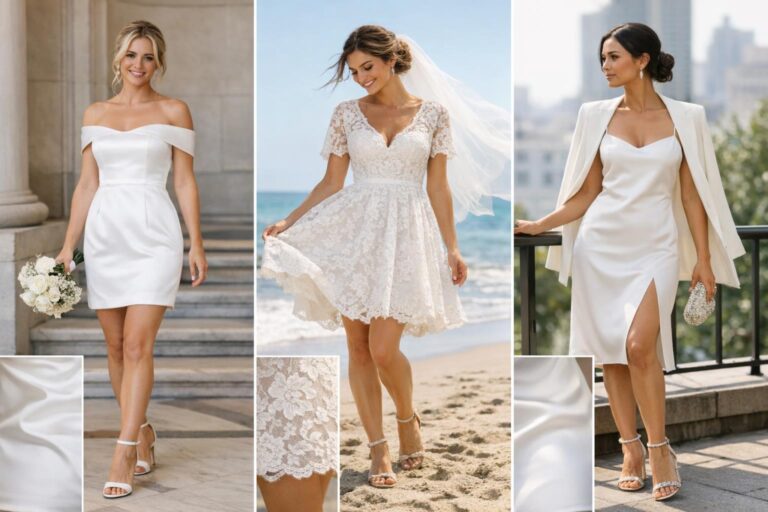
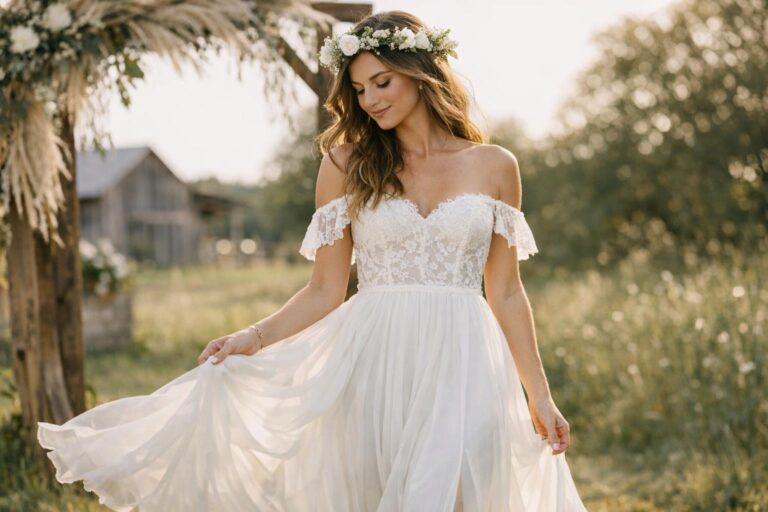
Elegance looks different depending on where you’re getting married. A ballroom setting naturally complements dramatic silhouettes and formal fabrics, while a garden or beach ceremony often calls for lighter movement and a more effortless line. The most sophisticated choice is the one that looks like it belongs in your setting, rather than fighting it. Matching the dress’s structure, fabric weight, and details to your venue helps the entire look feel intentional.
Tips: If you’re planning an outdoor ceremony, prioritize a gown that maintains its shape in motion and feels comfortable in real conditions. A structured bodice can help the dress look polished even when you’re walking on grass, sand, or uneven pathways.
Budget ranges and where elegance shows up most
Elegant wedding dresses exist across price points, from affordable elegant bridal gown options to designer-level pieces. If you’re trying to maximize elegance on a budget, focus on the elements that change the look most: a strong silhouette, supportive construction, and fabric that photographs cleanly. Many shoppers also benefit from using online filters—silhouette, neckline, sleeve, fabric, and price—to narrow quickly and avoid decision fatigue.
Gown Personalization: Small Changes That Elevate Elegance
Personalization is one of the most effective ways to make a sophisticated wedding gown feel uniquely yours without losing its timeless appeal. The most common elegant upgrades are also the most practical: detachable elements, refined sleeve options, and subtle waist definition. These additions can help you create a ceremony look and a reception look without switching dresses.
Detachable sleeves and versatile styling
Detachable sleeves have become a popular personalization feature because they offer flexibility without requiring major redesign. They can make a strapless gown feel more formal for a ceremony, then convert into a cleaner silhouette for the reception. The most elegant result typically comes from keeping the detachable component consistent with the gown’s fabric and detailing, so the change looks intentional.
Belts, waist emphasis, and minimal embellishment
A subtle belt or waist detail can bring a polished finish, especially for simple gowns. The key is restraint: choose one accent that complements the dress rather than introducing a new theme. For example, a refined waist detail can help define the silhouette while keeping the overall look sophisticated and clean.
Shopping Guide: Where to Find Elegant Wedding Dresses
Most brides shop in two major ways: browsing large online catalogs with filters and price transparency, and using editorial inspiration to identify silhouettes, structured looks, and design details they want to try on. Retailers and bridal collections often provide extensive browsing by silhouette (mermaid, A-line, sheath), fabric, and neckline, while brand spotlights and gown roundups help you compare aesthetics like structured bodices, beading, and detachable details.
Retail catalogs and designer selections
Online collections can be especially helpful for narrowing your preferences because you can quickly compare shapes and styles side by side. Many catalogs highlight elegant wedding dresses across silhouettes and include product-level details like fabrics, necklines, size ranges, and pricing. Department-store-style selections often emphasize designer variety and reviews, while bridal-focused shops highlight wedding-specific construction and formal finishing.
Size inclusivity, alterations, and return considerations
Before you commit, confirm the practical details that affect fit and satisfaction: available size ranges, customization options, and how fittings or returns are handled. Even the most beautiful sophisticated wedding gown needs tailoring to look truly elegant. Knowing your timeline for fittings, your comfort with alterations, and the shop’s policies helps prevent last-minute stress and protects your overall look.
Virtual try-ons, at-home fittings, and showroom visits
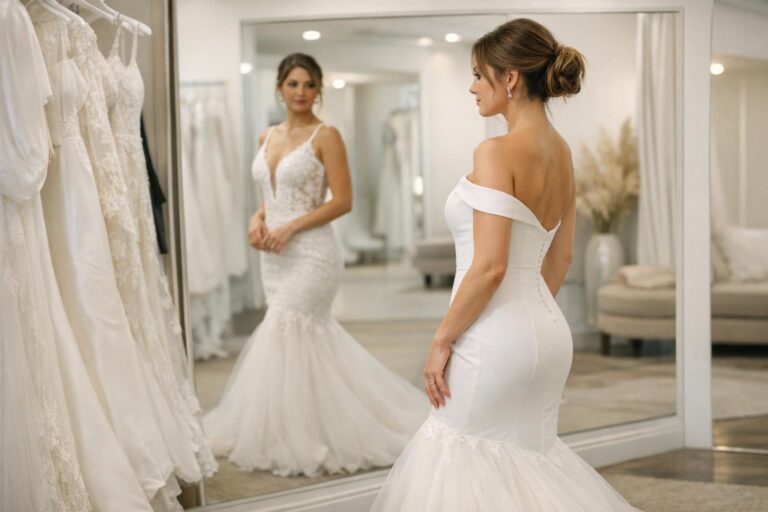
Many brides use a hybrid approach: browse online for elegant wedding dress ideas, shortlist a few silhouettes, then try on in a showroom or order select options for at-home evaluation when available. The key is consistency—try similar silhouettes in different fabrics to learn what feels most refined on you, and note how structured bodices change support and posture. Bringing the right undergarments and shoes to fittings can also help you judge comfort and line accurately.
Real-World Inspirations: Building an Elegant Look Without Overcomplicating It
Elegant styling is often more about curation than accumulation. Whether your gown is lace-forward or minimalist, the most sophisticated results come from a clear point of view: a shape you love, a fabric that supports that shape, and details that reinforce the same mood. Some brides draw inspiration from iconic wedding dresses remembered for their cultural influence, while others prefer modern structured gowns celebrated for their figure-flattering construction. Both can be “elegant” when the final look is cohesive.
If you’re building your look from scratch, consider writing a one-sentence style brief for yourself—something like “sleek satin sheath with refined neckline” or “structured A-line with delicate lace and detachable sleeves.” That single sentence can keep your shopping focused and help you evaluate each dress quickly.
Practical Tips for an Elegant Day-Of Look
Accessories: keep the focus on the gown
Accessories should support the dress’s design language. A structured, minimalist gown often pairs best with equally refined pieces, while a detailed lace wedding dress may need simpler accessories so the overall effect stays balanced. The most elegant approach is to choose one focal point—veil or headpiece, statement earrings or bold neckline—rather than stacking multiple competing elements.
Shoes and movement: elegance is visible when you walk
An elegant gown photographs in motion as much as it does in portraits. Shoes affect posture, stride, and how the hem falls, so plan to practice walking and turning during fittings. If your gown is fitted (like a mermaid or sheath), movement becomes even more important to test early so any necessary tailoring adjustments can be made comfortably.
Fittings and rehearsal runs: the underrated elegance factor
Multiple fittings are common for formal bridal gowns because small adjustments dramatically improve polish. Plan time not only for alterations but also for rehearsal moments: sitting, lifting your arms, walking on stairs, and dancing. The difference between a gown that looks “nice” and a gown that looks truly sophisticated is often the final tailoring and how confidently you can move in it.
Tips: In your final fitting, take photos and short videos from multiple angles. A structured gown should look smooth at the bodice and waist, and the skirt should fall evenly. If something distracts you on camera, it will likely distract you on the wedding day—bring it up while adjustments are still possible.
Quick Reference: A Small Glossary for Elegant Bridal Shopping
When you’re comparing sophisticated wedding gowns across catalogs and shops, you’ll often see repeated terminology. Understanding these terms makes it easier to shop by filters and communicate your preferences during fittings.
- Silhouette: The overall shape of the gown (A-line, ballgown, mermaid, sheath)
- Structured bodice: Construction designed to support and shape the torso for a crisp, flattering line
- Illusion: Sheer panels used for neckline, sleeves, or side details to create design and coverage
- Appliqué: Decorative lace or embroidery pieces applied to the fabric for dimension
- Beading: Embellishment that can add shine and texture, especially when used strategically
- Detachable sleeves: Removable sleeve components that allow two looks in one gown
FAQ
What makes wedding dresses elegant compared to other bridal styles?
Elegant wedding dresses typically rely on refined proportions, polished tailoring, and cohesive design choices, often featuring structured bodices, elevated fabrics like satin, crepe, or lace, and intentional detailing such as embroidery, beading, or illusion elements used with restraint.
Are structured wedding gowns more flattering?
Structured wedding gowns are often described as figure-flattering because supportive bodice construction can define the waist, support the bust, and maintain a smooth, crisp line that looks polished in photos and stays secure as you move.
Which silhouette is best if I want a timeless elegant look?
A-line is a consistently timeless choice because it creates classic balance and works with many necklines and fabrics, but a sleek sheath, a formal ballgown, or a sculpted mermaid can also look timeless when the fit is precise and the detailing is cohesive.
How can I make a simple gown look more sophisticated without overdoing it?
Focus on one elevated element—such as a structured bodice, refined neckline, subtle embroidery or beading, or a clean satin finish—and keep the rest of the styling minimal so the overall look stays balanced and intentional.
What are detachable sleeves, and do they work for elegant gowns?
Detachable sleeves are removable sleeve pieces that let you transform your look between the ceremony and reception, and they can be especially elegant when the sleeve fabric and detailing match the gown so the change feels seamless and formal.
How do I choose between an ivory wedding dress and a champagne gown?
Ivory and traditional white are classic options that read timeless, while champagne can add warmth and subtle vintage or modern character; the most important factor is how the base tone interacts with lace, embroidery, and lining opacity in the lighting you’ll be photographed in.
How many fittings are typical for an elegant wedding dress?
Multiple fittings are common for formal, elegant gowns because tailoring the bodice support, straps or sleeves, hem, and overall balance is what makes the final result look truly polished and feel comfortable for walking, sitting, and dancing.
How can I maintain an elegant look in heat or humidity?
Prioritize comfort and secure fit so you’re not adjusting your dress throughout the day, and choose a silhouette and fabric that allow natural movement; a well-structured bodice can also help the gown keep a crisp, refined line even in challenging conditions.
Can an elegant dress be altered for a second wedding or another formal event?
Many elegant gowns can be altered because changes like sleeve updates, bodice adjustments, and hemming are common in bridal tailoring, but the best approach is to discuss the specific silhouette, structure, and desired changes early so the construction supports the new fit and look.