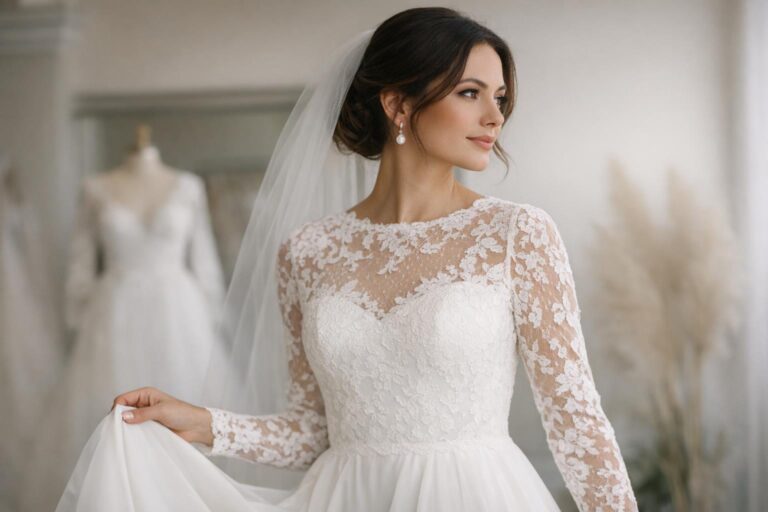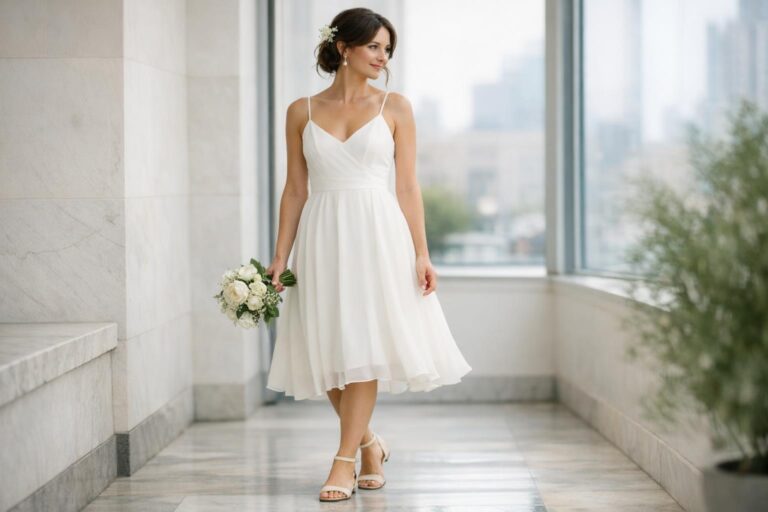
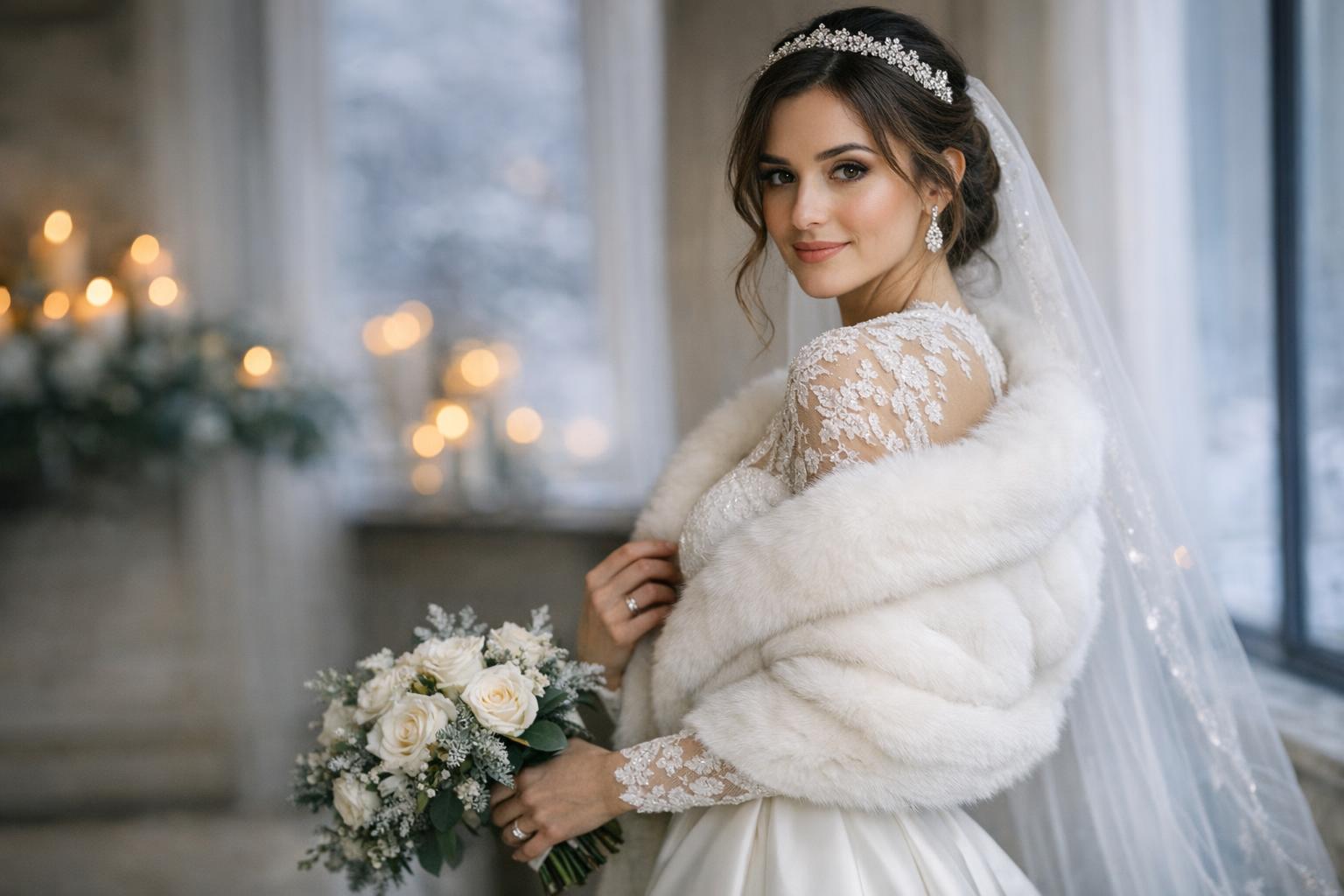
7 Winter Wedding Dresses That Stay Warm & Photograph Stunningly
Winter Wedding Dresses: The Ultimate Guide for Brides and Guests
Winter wedding dresses have a different job than gowns for any other season: they need to look celebratory and photograph beautifully while also helping you stay comfortable in cold weather, drafty venues, and long stretches of time spent standing, walking, greeting, and dancing. Whether you’re the bride choosing a winter wedding gown or a guest trying to decode a dress code when temperatures drop, the best winter choices balance thoughtful coverage, rich textures, and layer-friendly design.
This guide brings together the most consistent themes seen across modern winter bridal and guest style: long sleeves and high necklines, velvet and satin moments, sparkly and jewelled embellishments that feel right at home in darker winter light, and smart outerwear pairings like capes, faux fur wraps, and tailored coats. You’ll also find a practical decision framework, fabric guidance, style ideas by occasion, and a comprehensive FAQ for the most common winter-wedding questions.
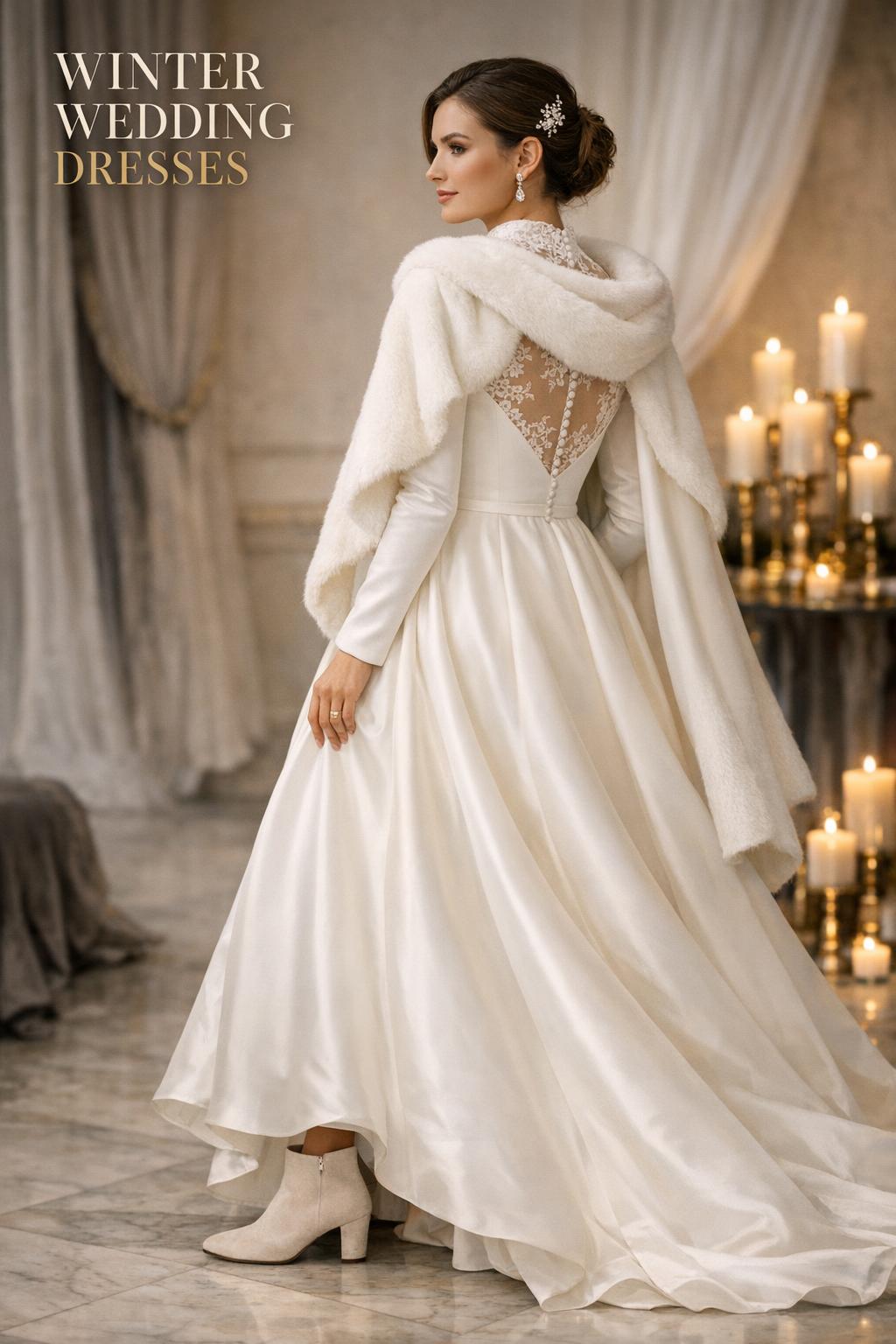
Why Winter Changes Everything: Materials, Layers, and Comfort
Cold-weather weddings place real demands on clothing. A dress that feels perfect in a warm fitting room can feel completely different in a church, a formal venue with marble floors, or a ceremony that includes outdoor photos. Winter attire succeeds when the materials and construction work with you, not against you: sleeves that move easily, necklines that don’t leave you constantly adjusting, and fabrics that feel substantial without looking heavy.
Just as important: winter styling is rarely about a single piece. Even the most beautiful winter wedding gowns and winter wedding guest dresses usually need an outer layer at some point in the day. That’s why “layer-friendly” design matters—choosing silhouettes and necklines that pair naturally with wraps, capes, and coats so you don’t have to sacrifice the look for warmth.
Tip: Think in Three Moments (Ceremony, Photos, Reception)
A winter wedding day often has different temperature zones. Plan your dress around three moments: the ceremony (often the coldest or most formal), photos (the most exposed to weather if taken outdoors), and the reception (usually warmer and more movement-heavy). A long sleeve wedding dress winter style might be perfect for the ceremony, while a cape or faux fur wrap can carry you through photos, and comfort-focused fit will matter most once you’re dancing.
Trending Styles for 2026: Velvet, High Necklines, Long Sleeves, and Capes
Winter bridal fashion and winter guest attire consistently lean into a few signature ideas: coverage that feels intentional, textures that look rich in low winter light, and silhouettes that feel at home in formal settings. Across editorials and retailer roundups, the most repeated winter motifs include long sleeves (often paired with off-the-shoulder shapes), high necks, illusion backs, and dramatic finishing layers like capes.
For guests, velvet and satin remain leading choices for a winter wedding guest dress, while metallics and sequin looks show up often for black-tie celebrations. For brides, winter wedding dresses with sleeves and statement necklines are especially popular, with detachable elements—like removable sleeves or overskirts—serving as a practical way to shift from ceremony elegance to reception ease.
- Long sleeves, including off-the-shoulder long sleeves and fitted sleeve silhouettes
- High necklines and illusion details (including illusion backs)
- Velvet-forward looks for cold-weather luxe
- Satin and crepe styles that feel sleek for formal venues
- Jewelled, sparkly, or embellished finishes that read festive in winter
- Capes, wraps, and other outer layers that look integrated—not like an afterthought
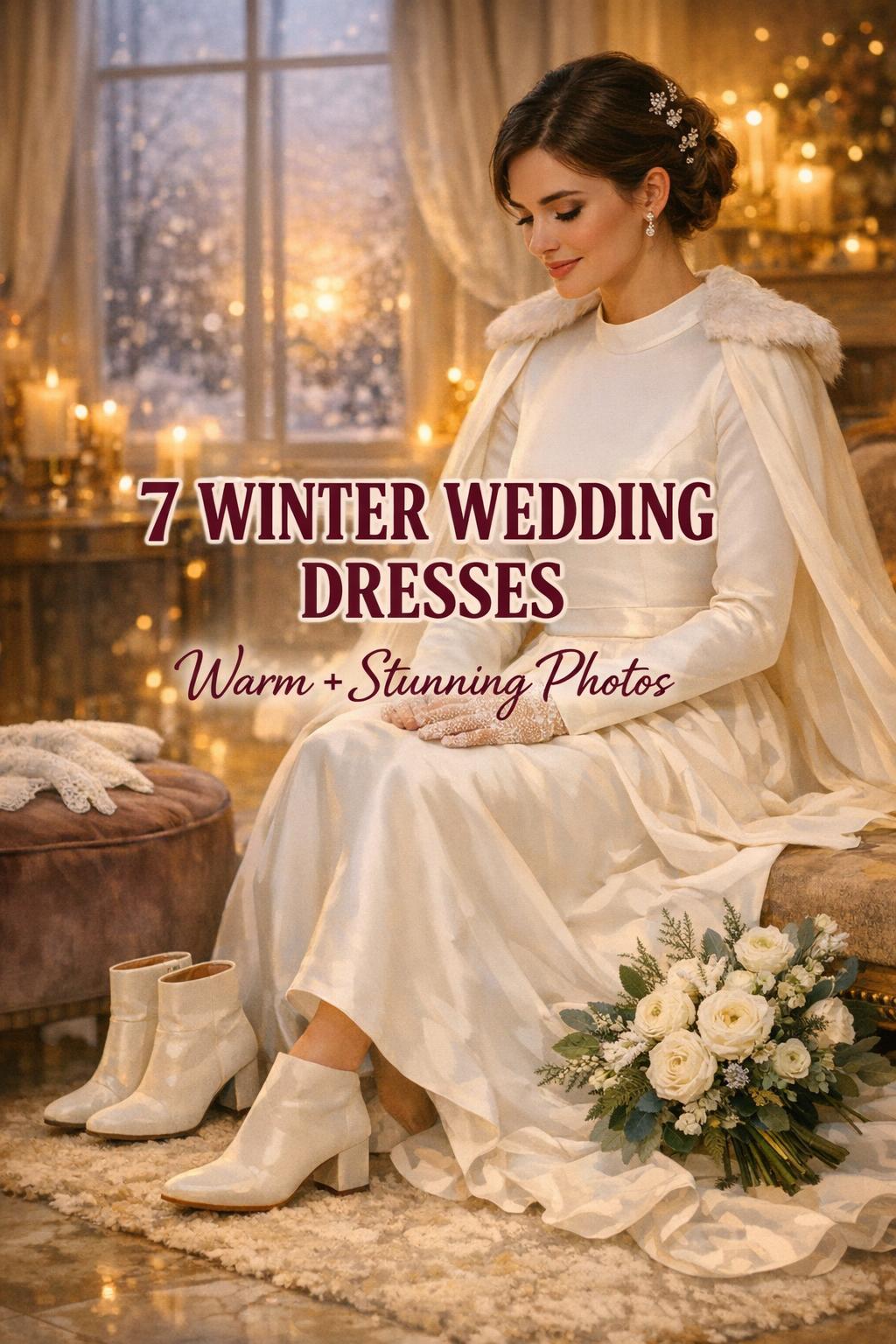
For Brides: Best Winter Gown Archetypes (By Silhouette)
Bridal trends may change, but winter bridal gowns tend to revolve around a few reliable archetypes. Use these as starting points when you’re deciding what kind of winter wedding gown will feel seasonally appropriate and comfortable—especially if you’re shopping specifically for a long sleeve wedding dress winter look, a high-neck winter wedding gown, or something that can pair gracefully with a cape or wrap.
A-Line Winter Wedding Dresses With Long Sleeves
An A-line with sleeves is one of the most versatile cold-weather bridal options. The silhouette is classic, it layers well (especially at the shoulders and neckline), and it offers ease of movement—helpful for long ceremonies and full receptions. Long sleeves can create a polished winter feel without requiring extra styling to signal the season.
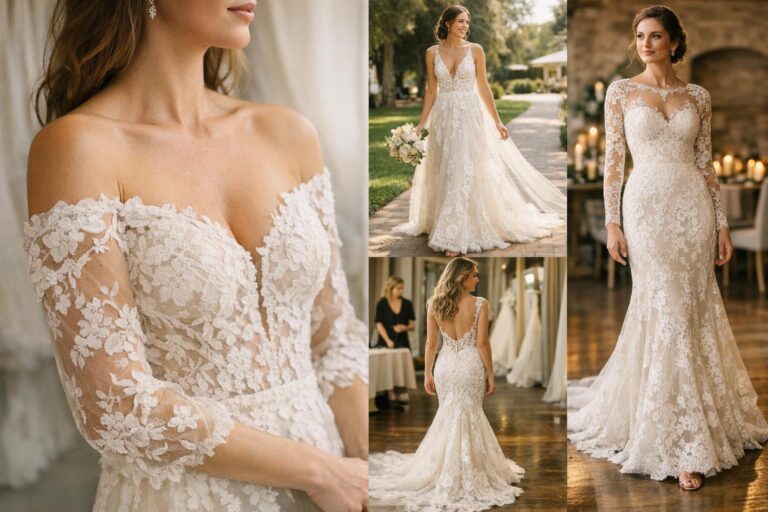
If you’re drawn to sleeve-forward looks, consider how the sleeve shape affects comfort. A fitted sleeve reads sleek and formal; a softer sleeve can feel romantic. Off-the-shoulder long sleeves are a common winter silhouette as well, offering coverage while still feeling fashion-forward.
Fit-and-Flare Winter Wedding Gowns in Rich Fabrics
Fit-and-flare silhouettes can be ideal for winter ceremonies that move between spaces because they feel sculptural and intentional, even under a cape or wrap. In winter, the most convincing versions lean on rich fabrics and clean lines, often paired with a higher neckline or statement sleeve to reinforce the cold-weather mood.
For brides who want a refined look, sleek fabric choices like satin or crepe can deliver a black-tie feel without requiring heavy embellishment. This approach also makes layering simpler: when the gown is streamlined, outerwear and accessories can take on more visual impact.
Ballgown Winter Wedding Dresses With Warmth-Boosting Details
Ballgowns naturally suit winter’s formal energy—especially for indoor venues, grand spaces, and evening celebrations. The key is choosing warmth-boosting details that still look elevated: long sleeves, higher necklines, and embellishments that catch winter light. Sparkly or jewelled details can read especially festive in winter, adding dimension and ceremony without needing bright color.
If you love drama but worry about comfort, focus on how the bodice feels and how the skirt moves. Winter weddings often include layers and extra accessories; a comfortable base gown ensures those additions enhance the day rather than complicate it.
The Velvet Retreat: Cold-Weather Luxe for Winter Bridal Gowns
Velvet is the fabric that instantly signals winter. It has depth, a naturally cozy visual texture, and a formal presence that works for candlelit venues and black-tie settings. While velvet is more commonly highlighted for winter guest dresses, the same cold-weather logic applies to bridal looks: it’s a direct route to a seasonal statement.
For brides who want something unconventional yet clearly “winter,” velvet can make the entire look feel intentional even with minimal accessories. If you’re exploring a best velvet winter wedding dress style, prioritize clean seaming and a neckline you’ll feel confident in all day, since velvet tends to draw the eye to shape and structure.
High Neck and Illusion Details: Elegant Coverage Without Heaviness
A high-neck winter wedding gown is one of the most refined options for cold weather. High necklines feel naturally season-appropriate, especially in formal spaces, and they photograph beautifully in winter settings. Illusion elements—like illusion backs and illusion necklines—add dimension while maintaining coverage.
This archetype is also a strong option if you want sleeves but don’t want the look to feel overly covered. High neck plus illusion details can provide a balance: warm, formal, and fashion-forward without relying on heavy layers.
Detachable Sleeves and Convertible Looks for Winter Weddings
Winter weddings are tailor-made for convertible styling. A winter wedding dress with detachable sleeves can help you adapt across the day: more coverage for the ceremony and photos, then a lighter feel for the reception. Detachable elements also allow you to keep the gown’s core silhouette while changing the mood—perfect for brides who want versatility without switching dresses.
When considering detachable options, focus on whether the “with” and “without” versions both feel complete. The goal is to create two intentional looks, not one finished look plus an incomplete backup.
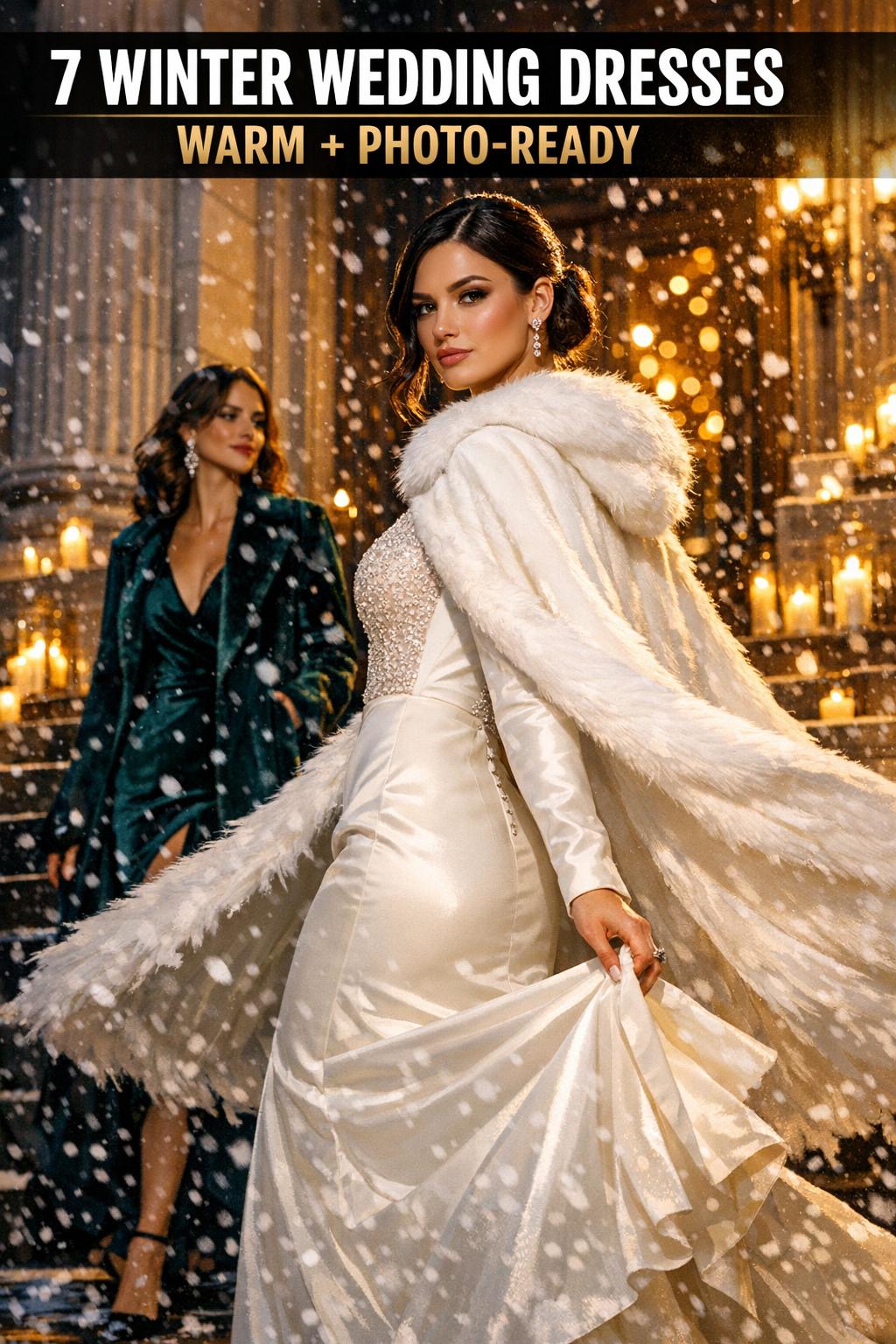
For Guests: Winter-Appropriate Guest Dresses (By Occasion)
Winter wedding guest outfits are often a balancing act: warm enough to arrive comfortably, formal enough to respect the event, and practical enough to move through cold sidewalks, transportation, and crowded coat checks. The good news is that winter is one of the most stylish seasons for formalwear—velvet, satin, metallics, and sequins all feel right at home.
Black-Tie Winter Wedding Guest Looks
For black-tie celebrations, winter is your opportunity to lean into truly formal textures. Satin and velvet are consistent go-to fabrics, while metallics and sequin looks are common when the wedding feels more like a gala. If the venue reads grand (or the invitation signals evening formality), a floor-length gown is often the simplest way to look aligned with the moment.
- Velvet gowns for a rich, cold-weather finish
- Satin dresses for a sleek, formal look
- Metallics and sequin dresses for festive winter light
- Long sleeves or higher necklines for warmth without needing constant layering
Day-Into-Night Velvet and Knit Options
Not every winter wedding is black-tie. For daytime ceremonies that transition into evening, velvet remains a standout because it can look polished without being overly “night-only.” Knit winter dresses are also frequently mentioned in broader seasonal dress guidance, especially when rewearability and comfort matter. The most successful day-into-night guest looks are those you can layer easily, move in comfortably, and style up with accessories.
For guests looking for winter wedding guest dress ideas that don’t feel one-and-done, prioritize silhouettes that can work with a tailored coat and can stand up to winter accessories (closed-toe shoes, tights if you wear them, and structured bags). The goal is to look deliberate, not bundled.
Outerwear Pairings That Elevate Any Look
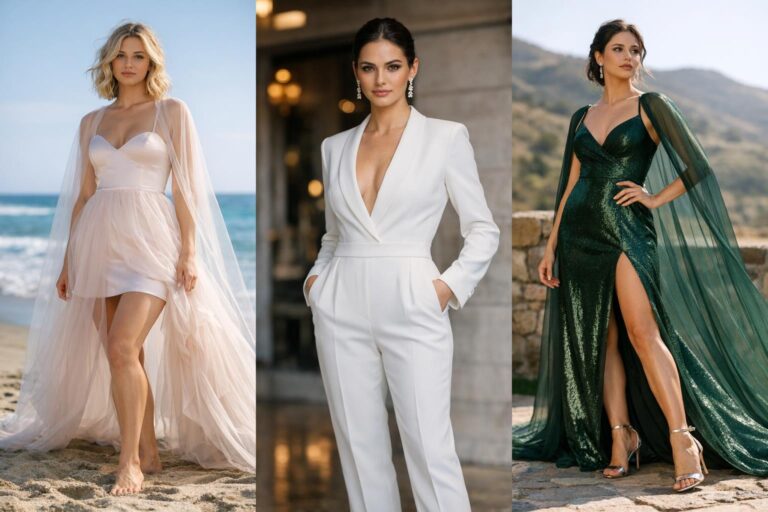
Outerwear matters because it’s often the first thing people see. The most winter-appropriate outer layers aren’t just warm—they look like part of the outfit. Capes and faux fur wraps are frequently suggested because they complement formal silhouettes, while tailored coats provide a clean line for arrivals and departures.
When planning a winter guest look, consider the neckline and sleeve length of your dress before choosing outerwear. A wrap can compete with a high neck, while a cape can sit more naturally over long sleeves. The easiest pairings are those that don’t force you to tug or adjust throughout the evening.
Tip: Plan for the “In-Between” Moments
A lot of winter discomfort happens in the transitions: waiting for rides, walking into the venue, standing during greetings, and stepping outside for a quick photo. Choose a guest dress and outerwear combination that you can keep on without ruining the look, so you aren’t forced to choose between freezing and hiding your outfit.
Fabrics and Warmth: Keeping Cozy Without Compromising Style
Fabric choice is one of the clearest predictors of how a dress will feel at a winter wedding. While many winter wedding dresses and guest gowns share the same visual goals—rich texture, elegant drape, formal polish—the experience can differ dramatically depending on the fabric and whether the garment is lined.
Fabric Quick-Compare: Velvet, Satin, Crepe, Lace
Velvet is the strongest signal for winter and frequently appears in winter wedding guest dress guides, thanks to its depth and cozy look. Satin is a staple for black-tie and formal settings, offering shine and structure. Crepe often appears in sleek, modern silhouettes because it can look refined without needing heavy embellishment. Lace is common in bridal styling and often shows up alongside sleeves and illusion effects, giving coverage with a lighter visual feel.
- Velvet: rich texture and winter-forward presence, especially for formal guest looks
- Satin: sleek, dress-code-friendly polish for black-tie and evening weddings
- Crepe: modern, clean lines that layer well with capes and coats
- Lace (including illusion effects): romantic coverage, often used for sleeves and neckline detailing
Lining and Temperature Considerations
For both brides and guests, lining can be the difference between “looks winter” and “feels winter.” A lined dress typically feels more substantial and comfortable in cold venues. Even when the outer fabric is visually warm, the interior construction influences how long you’ll stay comfortable, especially during ceremonies or extended photo sessions.
Also consider how the fabric interacts with outerwear. Smooth fabrics can glide under a cape or coat more easily, while textured fabrics can create friction that makes layering feel cumbersome. If you anticipate frequent on-and-off layering, prioritize fabrics and silhouettes that don’t fight your outer layer.
Tip: Choose Warmth Where It Counts (Neckline, Sleeves, and Back)
If you can’t (or don’t want to) choose a heavier fabric, focus on strategic coverage. Winter-appropriate necklines and long sleeves can make a gown feel significantly more comfortable, and illusion backs can offer the look of open detailing while keeping the overall feel more winter-friendly than a fully open back.
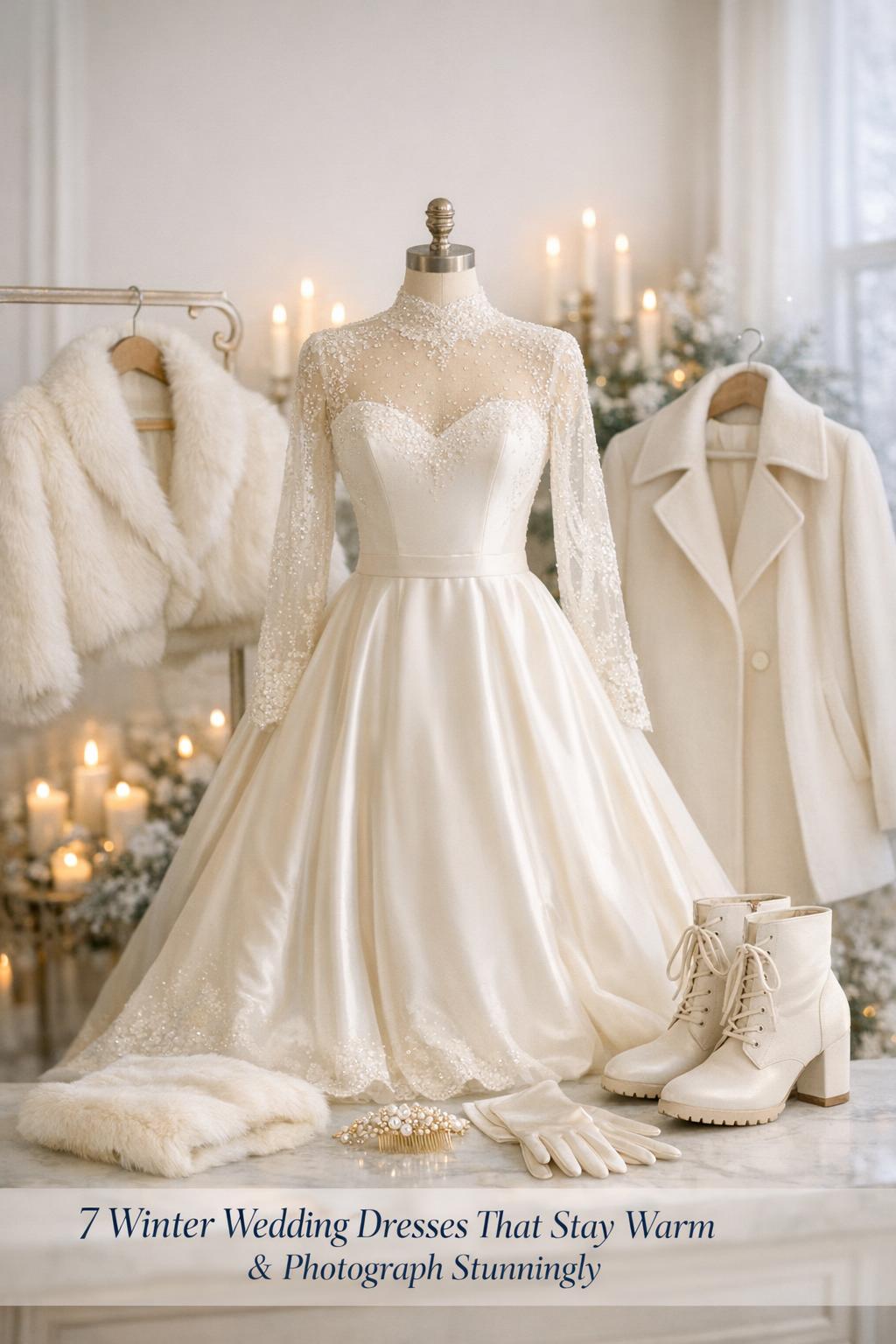
Layering Made Easy: Coats, Capes, Wraps, and Shoes
Layering is not a compromise in winter—it’s often what makes the outfit feel complete. The key is to pick layers that match the formality of the wedding and the style of the dress. Many winter wedding dress ideas look their best when the outerwear feels intentionally chosen, not like a last-minute add-on.
Outerwear Pairings by Dress Type
Different dresses need different outerwear. A sleek satin or crepe gown can pair beautifully with a dramatic cape because the lines stay clean. A highly embellished or sparkly dress often looks best with a simpler wrap so the dress remains the focal point. Faux fur wraps are frequently suggested for winter weddings because they add warmth and a classic cold-weather mood, especially for evening events.
- Long-sleeve dresses: capes or tailored coats that sit cleanly at the shoulder
- High-neck dresses: structured coats or simple stoles that don’t crowd the neckline
- Sparkly or jewelled dresses: streamlined wraps to avoid competing textures
- Minimal dresses: more dramatic outerwear (cape, faux fur wrap) to build winter impact
Footwear for Snow, Cold, and Winter Surfaces
Winter weddings can include wet sidewalks, snowy steps, and slippery entryways. Shoes should support the reality of the environment while still matching the dress code. If you expect outdoor time, prioritize stability and comfort so you can move confidently between the ceremony, photos, and reception.
If your dress is long, you may be able to choose a more practical shoe without changing the look. If your dress is shorter, consider how footwear becomes a bigger part of the visible outfit and plan accordingly so the overall look stays cohesive.
A Practical Decision Framework: Choosing a Winter Dress That Works in Real Life
Because winter conditions can vary widely by venue and schedule, the easiest way to choose between winter wedding gowns and winter wedding guest dresses is to make a few key decisions upfront. This helps you avoid falling for a style that looks perfect online but doesn’t fit your day’s reality.
- Venue: Is it an indoor gala-style space, a church or historic building, or a setting that requires outdoor walking and photos?
- Formality: Does the wedding lean black-tie, cocktail, or daytime semi-formal?
- Coverage: Do you want built-in warmth (long sleeves, high neck) or do you prefer to rely on outerwear like capes and wraps?
- Movement: Can you sit, walk, and dance comfortably in the silhouette you’re considering?
- Layer plan: What will you wear over the dress during arrival, transitions, and photos—and does it look intentional?
Tip: Decide Whether You Want Warmth Built In or Styled On
Some people feel most confident with warmth built into the dress (winter wedding dresses with sleeves, higher necklines, richer fabrics). Others prefer a lighter dress with a strong outerwear plan (cape, faux fur wrap, tailored coat). Neither is “better,” but deciding early prevents you from mixing a delicate warm-weather dress with an outer layer that never quite looks right.
Shopping Guide: Budget, Mid-Range, and Luxe Winter Wedding Dresses (What to Look For)
Many winter wedding dress roundups are either heavily luxury-focused (designer spotlights) or purely shopping catalogs. A more useful approach is to shop by features that matter in cold weather and then compare options across price tiers. Whether you’re searching for affordable winter wedding dresses, a mid-range long sleeve gown, or a designer winter wedding dress for a black-tie venue, the same core details will help you identify a strong choice.
Budget Priorities: Get the Winter Effect Through Smart Details
When budget is top of mind, prioritize the details that create the strongest winter signal. Long sleeves, higher necklines, and winter-friendly textures do a lot of work even on simpler silhouettes. Guests can often get the most winter impact from velvet or satin, while brides can focus on sleeve and neckline design that looks intentional in cold-weather settings.
Mid-Range Priorities: Balance Fabric, Construction, and Comfort
In the mid-range, look for dresses where the fabric and structure feel elevated—especially if you want a clean, formal silhouette. This is also where convertible styling (like detachable sleeves) can become a practical advantage, giving you ceremony and reception flexibility without needing a second outfit.
Luxe Priorities: Statement Design and Winter-Ready Drama
Luxe winter bridal gowns often emphasize designer signature details: striking silhouettes, intricate embellishments, and fashion-forward necklines and sleeves. If you’re planning a formal winter celebration, dramatic elements like couture-level sleeves, high-neck designs, and standout finishing details can feel especially at home.
Quick Checklist: Features Worth Paying Attention To
- Long sleeves or sleeve options that feel comfortable and allow movement
- High necklines or illusion details for elegant coverage
- Layer-friendly shoulders and back design (especially if you want a cape)
- Rich winter textures like velvet, or sleek formality like satin and crepe
- Embellishments that add winter sparkle without overwhelming the silhouette
Real-World Winter Styling Ideas (No Outfit Change Required)
You don’t need multiple outfits to have a winter-ready look that shifts throughout the day. Small, deliberate styling choices can take a single dress from ceremony to photos to reception while keeping you comfortable. The key is coordination: your outer layer and accessories should look like part of the plan.
Idea 1: Ceremony-First Elegance With a High Neck and Clean Lines
A high-neck look naturally feels formal and winter-appropriate, especially in traditional venues. Pair it with a tailored coat or a simple stole for arrivals, then remove the outer layer inside for a clean, elegant silhouette that stands on its own. This idea works for both brides (high-neck winter wedding gown styles) and guests aiming for a refined winter guest dress approach.
Idea 2: Long Sleeves + Cape for Classic Winter Drama
Long sleeves create built-in warmth, and a cape adds drama without the bulk of a heavy coat. This combination is especially effective for photos, where the cape reads as intentional styling. It also suits formal celebrations where outerwear needs to look elevated rather than purely functional.
Idea 3: Velvet for Guests (and Velvet Mood for Brides)
Velvet guest dresses remain one of the most reliable winter wedding guest dress ideas because the fabric alone communicates season and formality. Brides who love the velvet mood can echo the same winter richness through silhouette choices: long sleeves, higher necklines, and sparkly or jewelled accents that complement winter’s darker light.
Idea 4: Sparkle for Evening Receptions Without Overcomplicating the Look
Jewelled and sparkly winter dresses work well for evening receptions and black-tie celebrations, particularly when balanced with clean outerwear. Keep the outer layer streamlined so the dress remains the focal point, and choose accessories that don’t compete with the dress’s shine.
Tips for Brides: Planning and Peace of Mind for Cold-Weather Weddings
Bridal shopping for winter is easier when you plan around the realities of the day. The best winter wedding dresses aren’t just pretty in photos—they support you through temperature changes, long wear time, and the practical logistics of a busy schedule.
Tip: Make Sure Your Dress and Outerwear Don’t Compete
If your gown has statement sleeves, a dramatic neckline, or heavy embellishment, keep your outer layer simpler. If the dress is minimal, you can choose a more dramatic cape or faux fur wrap to create winter impact. The goal is a cohesive look that feels curated from the start.
Tip: Prioritize Comfort in the Parts You’ll Feel All Day
Winter weddings can involve longer periods of standing still, which can feel colder than you expect. Focus on comfort at the sleeves, neckline, and bodice—areas that can become distracting if they pinch, itch, or require constant adjusting. A dress that feels comfortable will look more confident in photos and let you stay present throughout the day.
Tip: Consider a Convertible Element for Flexibility
Detachable sleeves and other convertible details are especially practical in winter. They let you lean into warmth and formality when you need it, then simplify your silhouette for the reception. If you love two different looks (more covered for ceremony, more open for dancing), a convertible approach can meet both goals.
Tips for Guests: How to Dress for a Winter Wedding Without Guessing
For guests, winter dressing is as much about strategy as it is about style. The best winter wedding guest outfits are planned from the outside in: you arrive warm, transition into the venue gracefully, and still look polished when the coat comes off.
Tip: Match the Fabric to the Mood
Velvet and satin are recurring favorites because they align naturally with winter formality. If the wedding reads like an evening event, these fabrics help you look appropriate without overthinking it. Metallics and sequin looks are also commonly suggested for winter black-tie energy.
Tip: Choose Outerwear You’ll Be Seen In
In winter, outerwear is part of the outfit. Capes, faux fur wraps, and tailored coats are popular because they look intentional with formal dresses. If you plan to take photos outside, your outer layer may be featured—so choose one that complements your dress rather than hiding it.
Tip: Make “Rewearability” a Design Requirement
Many winter wedding guest dress guides emphasize pieces you can wear again, and winter is ideal for that. A velvet, satin, or knit dress in a classic silhouette can work for multiple events with different accessories. If you’re investing in a dress, aim for a look that can be restyled rather than something so specific it only works once.
FAQ
What styles are most popular for winter wedding dresses right now?
Common winter-forward styles include winter wedding dresses with sleeves, high necklines, illusion details (including illusion backs), and dramatic layering pieces like capes. Rich textures and festive finishes—such as velvet-inspired looks or sparkly, jewelled embellishments—also show up frequently for winter ceremonies and formal receptions.
How can a bride stay warm in a winter wedding gown without hiding the dress?
Start with built-in coverage such as long sleeves or a high neckline, then add an intentional outer layer for transitions and photos, like a cape or faux fur wrap. Choosing a layer-friendly silhouette helps the outerwear look like part of the bridal styling rather than a last-minute necessity.
What fabrics work best for winter wedding guest dresses?
Velvet and satin are consistently highlighted for winter wedding guest dresses because they look formal and season-appropriate. Metallics and sequins are also popular for black-tie winter weddings, while knit winter dresses can work well for daytime or rewearable guest outfits when styled thoughtfully with polished accessories and outerwear.
What should I wear over my dress to a winter wedding?
Choose outerwear that matches the event’s formality and complements your dress’s neckline and sleeves. Capes and faux fur wraps are frequently suggested for elevated winter styling, while tailored coats offer a clean, classic option for arrivals and departures. The best choice is one you can wear comfortably without constantly adjusting it.
Are long sleeves always the best choice for a winter wedding dress?
Long sleeves are a popular and practical option for winter, but they aren’t the only solution. Some brides and guests prefer a lighter dress paired with a strong outerwear plan, such as a cape, wrap, or tailored coat. The best approach depends on the venue, how much time you’ll spend outdoors, and whether you want warmth built into the dress or styled on with layers.
What is a good approach for black-tie winter wedding guest looks?
For black-tie winter weddings, lean into formal fabrics and silhouettes: satin and velvet gowns are common choices, and metallics or sequin styles can feel especially fitting for evening celebrations. Prioritize an outer layer that looks elevated—like a cape, faux fur wrap, or tailored coat—so the full look stays polished from arrival to reception.
How do detachable sleeves help for winter weddings?
A winter wedding dress with detachable sleeves can adapt to different parts of the day. Sleeves can add coverage for the ceremony and outdoor photos, then be removed for the reception to create a lighter, more dance-friendly feel. The most successful convertible looks feel complete in both versions, not just in one.
What should I consider when choosing shoes for a winter wedding?
Consider the surfaces you’ll walk on—cold sidewalks, wet entryways, or snowy steps can affect comfort and stability. Choose footwear that supports the environment and the dress code, and remember that long dresses may allow more practical shoes without changing the visible look as much as a shorter hemline would.
How do I decide between a high-neck gown and an off-the-shoulder long sleeve look?
High-neck winter wedding gowns tend to feel especially formal and naturally season-appropriate, often pairing well with structured outerwear. Off-the-shoulder long sleeve styles offer coverage while keeping a more open neckline, which can feel fashion-forward for winter. The best choice is the one that matches your venue’s formality, your layering plan, and what feels most comfortable for all-day wear.