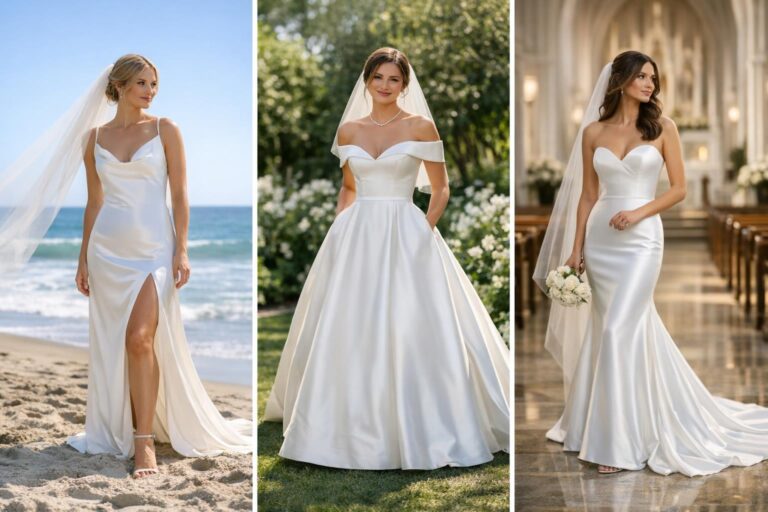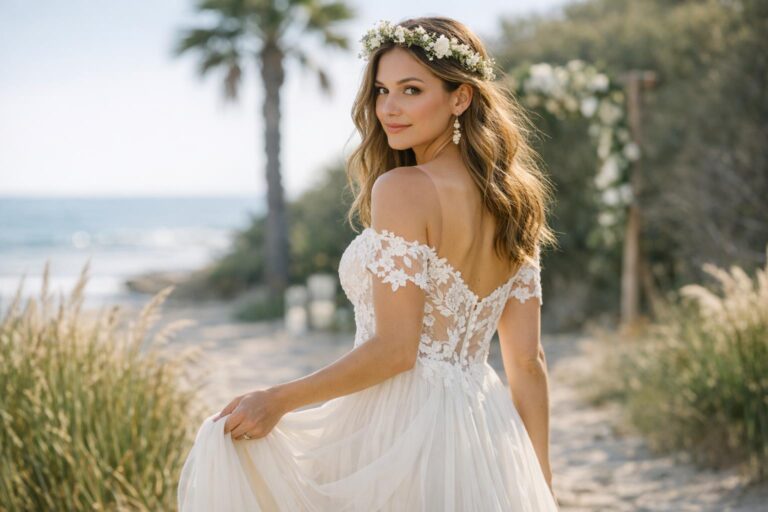
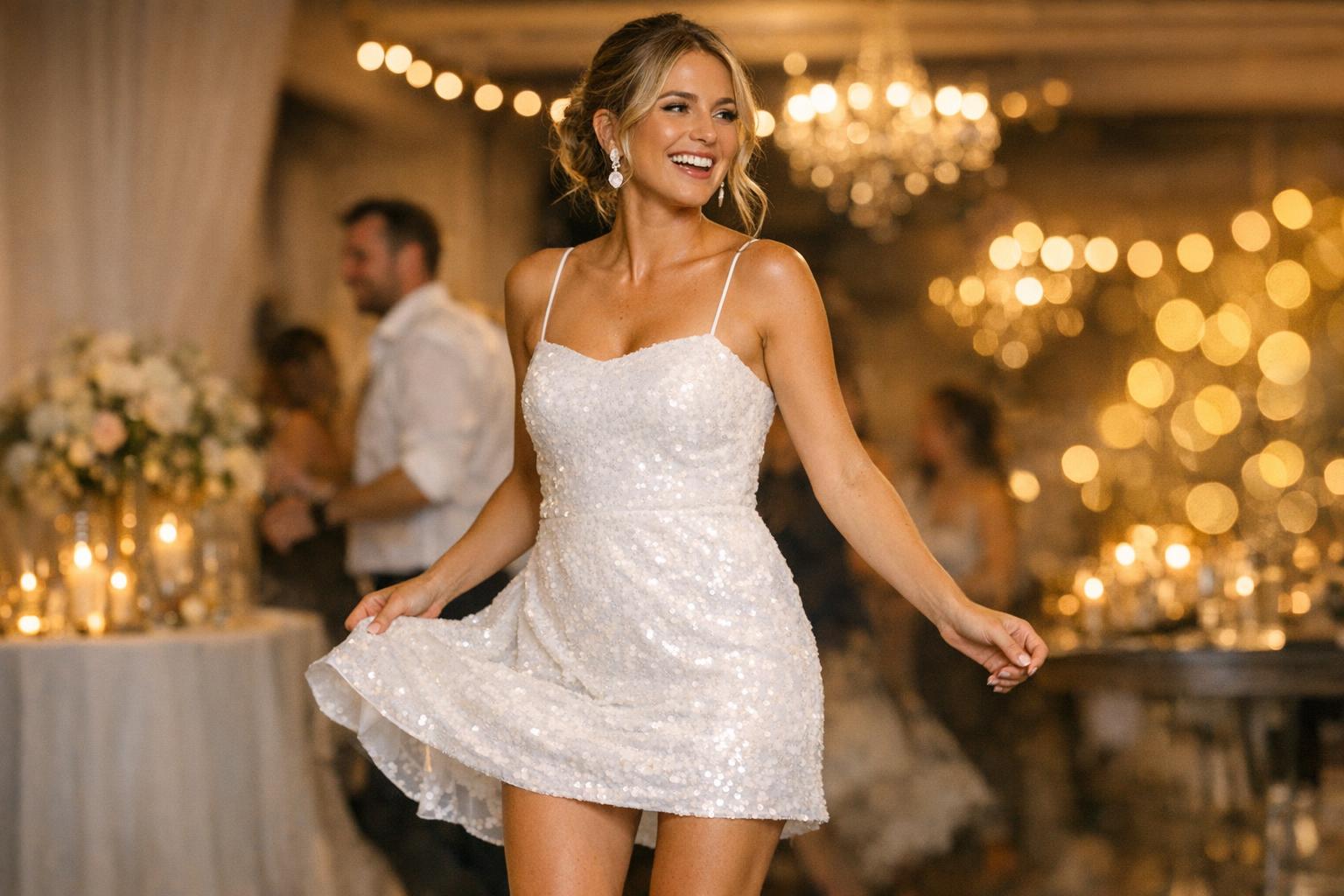
8 Wedding Reception Dresses for Bride: Dance-Ready Picks
Wedding Reception Dresses for Bride: The Complete Guide to a Second Look You Can Actually Dance In
Wedding reception dresses for bride searches usually mean one thing: you love your ceremony look, but you want a second outfit that’s easier to move in, more comfortable for hours of celebrating, and still unmistakably bridal. Whether you’re planning a full outfit change or a two-in-one transformation (like a detachable overskirt or a reception-ready skirt switch), a reception dress can help you transition from “I do” to the dance floor without compromising your style.
This guide walks through the most popular reception dress ideas—mini, midi, maxi, sleek minimalist styles, sparkle-forward looks, romantic silhouettes, and bold alternatives like jumpsuits and separates—plus practical tips for timing the change, choosing fabrics that move well, and shopping across budgets. You’ll also find a planning-focused approach that goes beyond a simple roundup, so your second look feels intentional, cohesive, and stress-free.
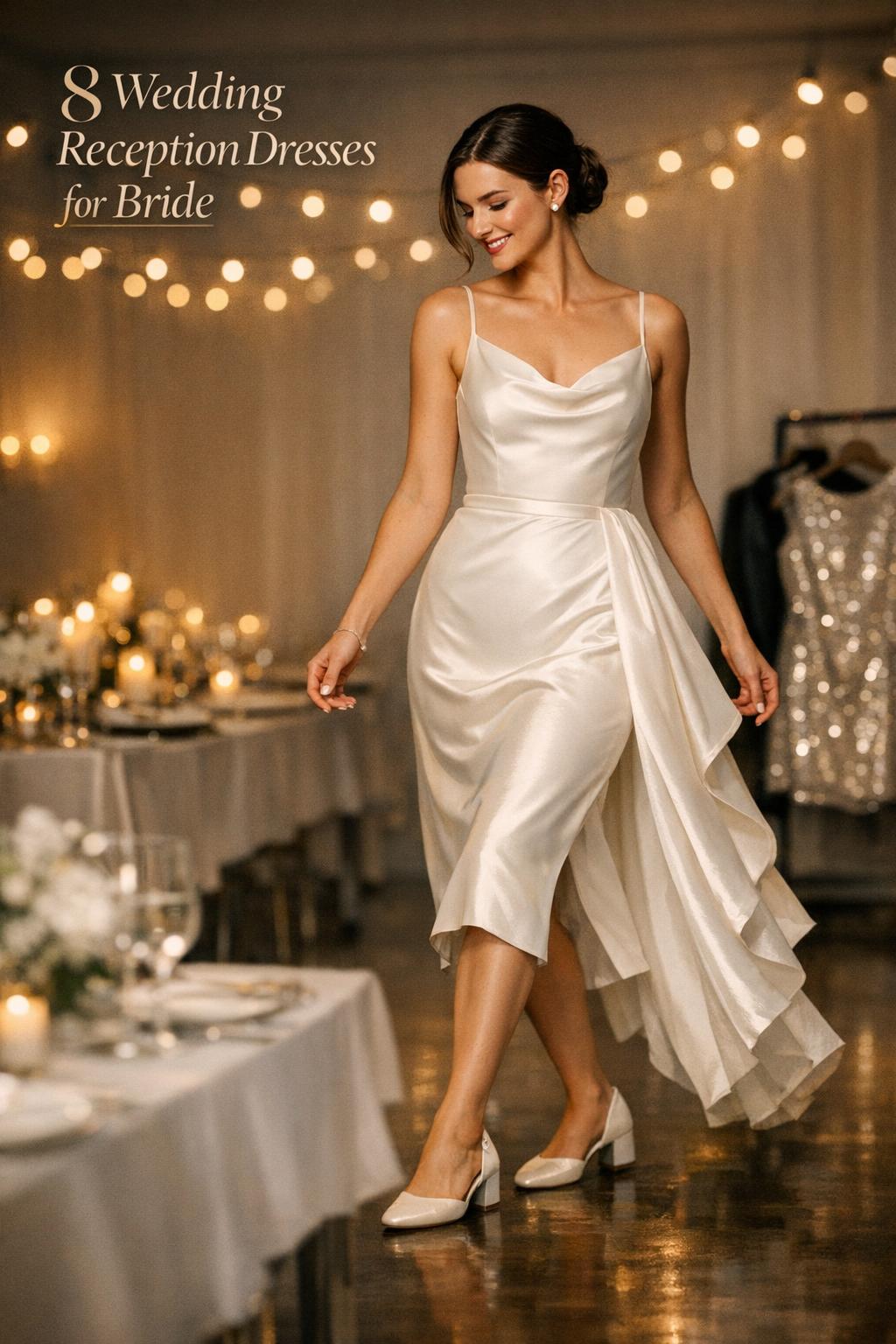
Why Brides Wear a Reception Dress—and When to Change
A wedding reception dress (sometimes called a second-look wedding dress or bridal reception gown) is designed for the part of the day when comfort and movement matter most. Many brides love the impact of a ceremony gown but want something lighter, less restrictive, or more “party” once the formalities are done.
The most common reasons to change are practical: dancing, mingling, staying cool (or warm), and minimizing the worry of stepping on a train or managing heavy fabric. But a reception dress is also a style moment. It lets you lean into a different vibe—minimalist chic, sparkle queen energy, romantic flair, or a bold and modern alternative—while keeping the overall look bridal.
Best times to switch into your second look
Your changeover can be timed around natural “chapter breaks” in the day. The right moment depends on your schedule and what you want photographed in each outfit.
- After the ceremony but before grand entrance, if you want most reception photos in the second look
- After dinner and toasts, if you want your ceremony dress for the formal portion but something dance-friendly later
- Right before the first dance, if dancing is the main reason you’re changing
- Mid-reception as a surprise moment, if you want a dramatic reveal
Tips: Make the outfit change feel effortless
Plan the change like any other part of the day: decide where you’ll change, who will help, and what accessories move from look one to look two. Tip: keep your reception shoes, jewelry, and any hair accessories together in one place so you’re not hunting for them at the exact moment you want to get back to the party.
If your goal is speed, prioritize simple closures and minimal layers. Tip: if you’re considering a two-in-one concept (like a detachable overskirt or a transformation from ceremony to reception), rehearse it once so the change doesn’t become a time-consuming puzzle.
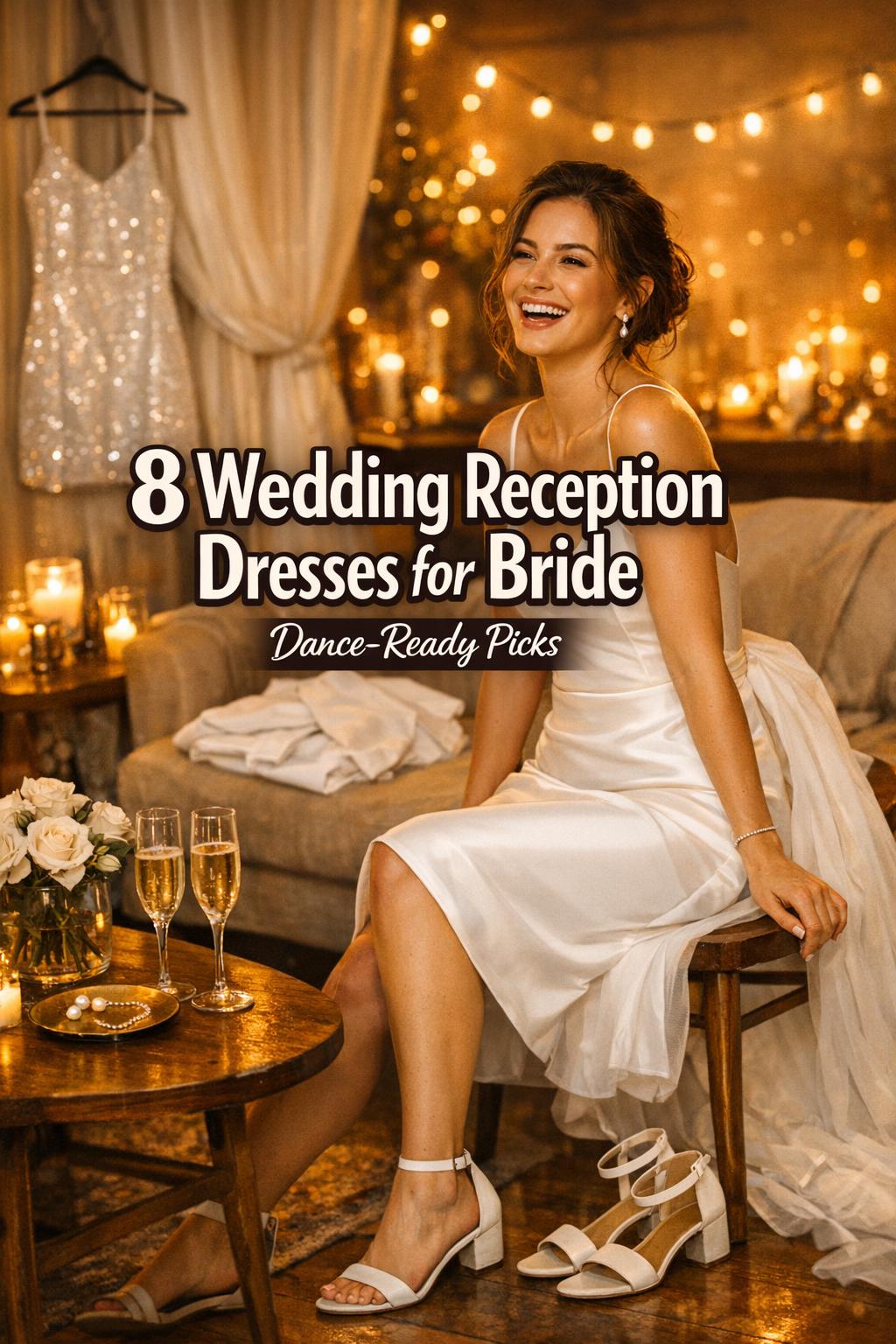
How to Choose the Right Reception Dress for Your Vibe
Reception dresses aren’t one-size-fits-all in terms of mood. Many of the strongest reception looks start with a clear vibe: minimalist chic, sparkle-forward glam, romantic softness, or a bold modern alternative. Once you identify the vibe, it’s much easier to choose length, silhouette, and details that feel cohesive with your venue and your overall wedding style.
Determine your reception style: glam, garden romance, or modern minimal
If you’re drawn to clean lines and understated elegance, a minimalist chic reception dress can feel fresh and fashion-forward. This approach often favors sleek silhouettes and simple structure that photographs beautifully and moves easily.
If you want a party look that catches the light, lean into sparkle—sequins, shimmer, and high-impact details that look incredible under reception lighting. Sparkle-forward styles are especially popular when the reception feels like nightlife: energetic, music-driven, and made for dancing.
If your wedding leans soft and romantic, look for romantic flair in your second look: flowy movement, delicate details, and silhouettes that feel celebratory without feeling restrictive. Romantic doesn’t have to mean heavy; many modern romantic styles are designed to be dance-floor friendly.
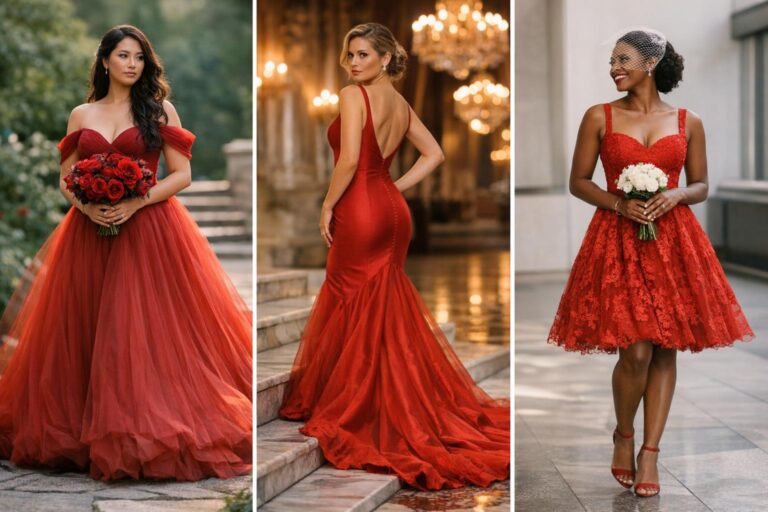
For brides who want something unexpected, bold & modern alternatives—like jumpsuits, separates, or sharply tailored silhouettes—bring a strong personality to the reception. These options can be especially appealing if you want an outfit that feels distinctly “you” while still reading bridal.
Fabric, weight, and movement for dancing
One of the biggest differences between a ceremony gown and a reception-friendly wedding dress is how it behaves in motion. You’re sitting, hugging, lifting your arms, and moving quickly—so the dress should support that. Think in terms of weight and movement: lighter fabrics and streamlined shapes generally feel easier during a long reception.
Tip: when you try on a reception dress (or when it arrives if you’re shopping online), do a quick “dance test.” Walk fast, lift your arms, sit down, and turn side-to-side. You’re looking for ease through the hips and waist, and a hemline that won’t trip you when the dance floor gets crowded.
Lengths and silhouettes that match your venue
Length is one of the fastest ways to tailor a second look to your reception setting. Minis and midis are popular for high-energy dance floors. Maxis can feel more formal and elegant while still being easier to wear than a heavy ceremony gown—especially when designed without a dramatic train.
If you love the drama of a gown but want flexibility, consider a two-in-one approach: a detachable overskirt or a skirt transformation that lets you keep a bridal silhouette for some moments while switching to something more mobile for the party portion.
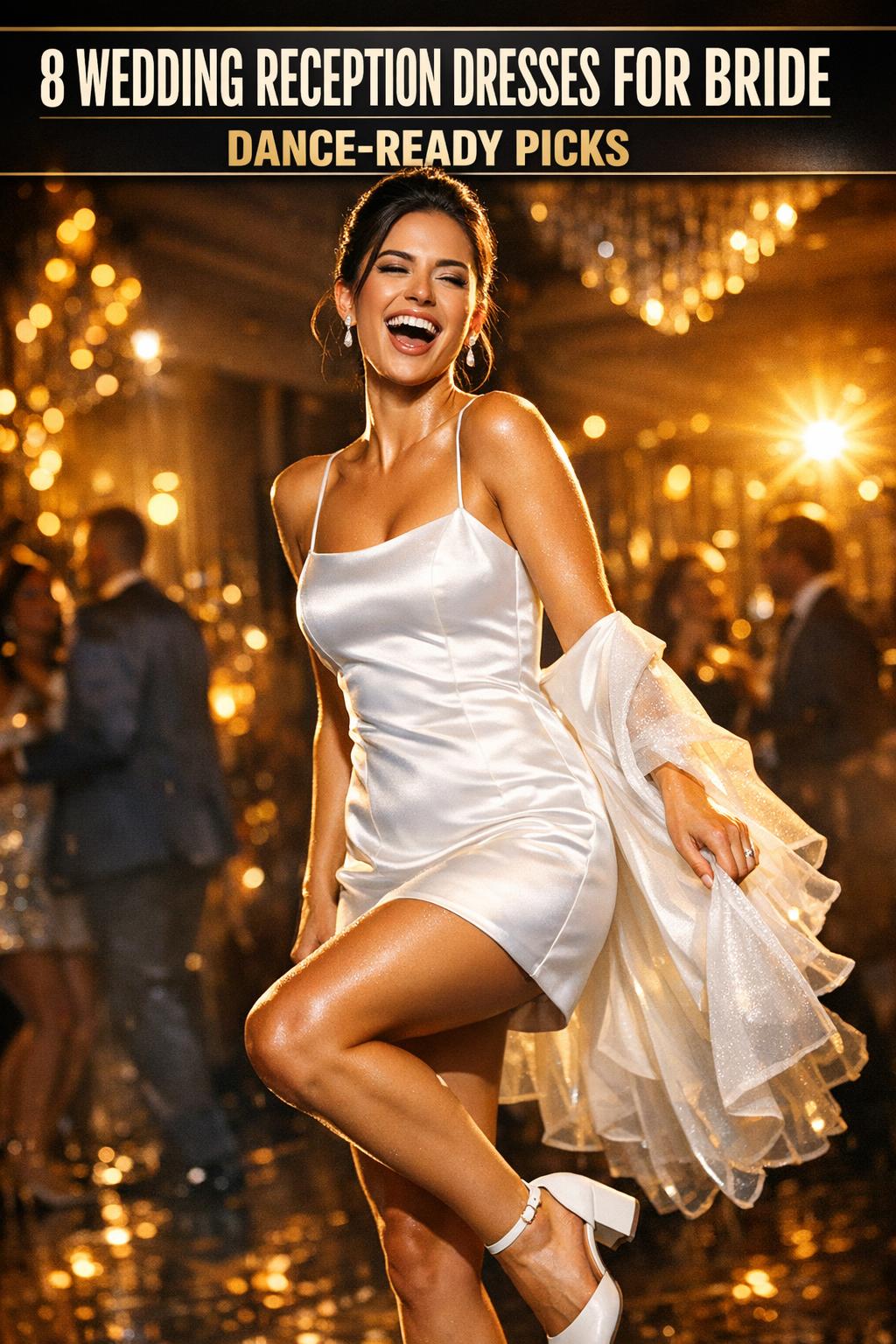
Top Reception Dress Styles for Brides
Reception dress style options tend to fall into a few core categories: short party-ready looks, longer sleek options, and alternative bridal outfits. Below are high-performing directions that align with what brides typically shop for when they want a second look.
Mini reception dresses: the classic dance-floor move
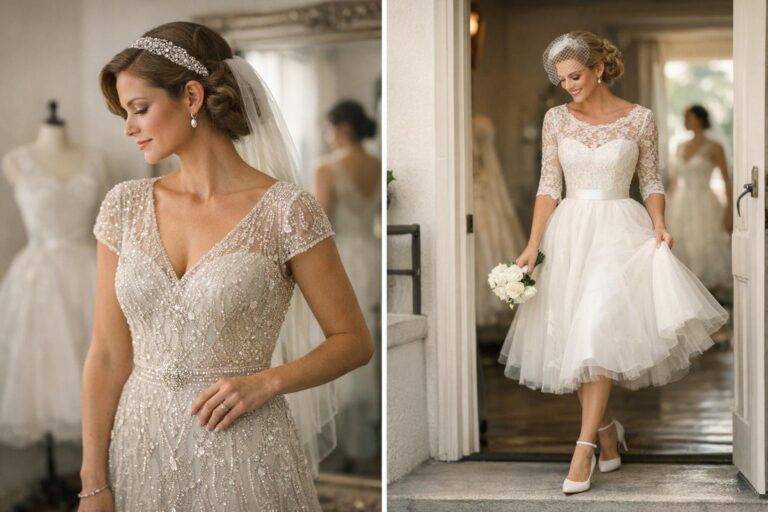
A mini reception dress is a go-to for brides who want maximum freedom of movement and a clear “party” signal. This is often the easiest choice if your priority is dancing, comfort, and a modern reception vibe. Minis can lean minimalist chic or go full sparkle queen depending on fabric and embellishments.
Tip: if you’re wearing a mini, think about balance with your shoes. If your heels are high, make sure the hemline feels secure and you can move confidently—especially if your reception includes lots of walking between spaces.
Midi reception dresses: polished, practical, and photo-friendly
Midi lengths are a favorite for brides who want dance-friendly ease without going fully short. A midi can feel timeless and elegant, and it’s often a comfortable compromise if you want a second look that still feels “wedding” rather than “afterparty.”
Midi silhouettes can also suit a wide range of reception settings, from romantic garden receptions to modern minimalist venues. Tip: pay attention to how the skirt moves at mid-calf—some shapes swing beautifully, while others can feel restrictive if too narrow.
Maxi reception dresses: effortless elegance without the ceremony weight
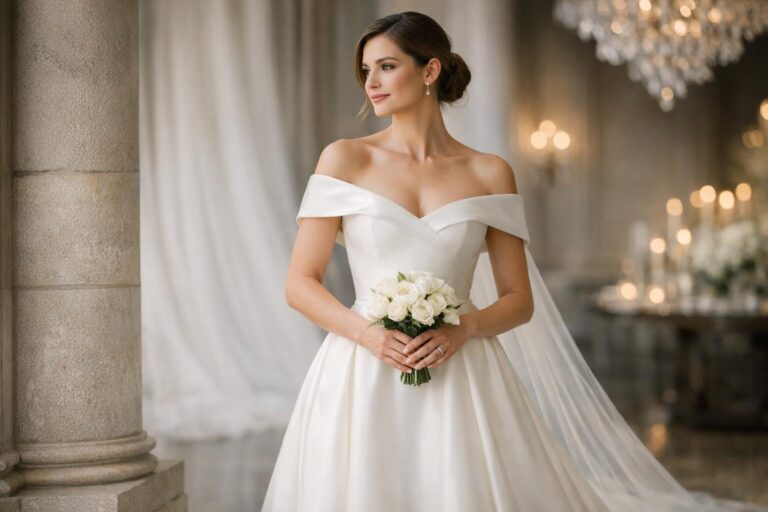
If you want a second look that’s still long and formal, a maxi reception dress can keep the bridal presence while reducing the fuss of a traditional ceremony gown. Many brides choose a simpler long silhouette for the reception to maintain an elevated feel while gaining mobility.
Tip: consider hem length carefully. A slightly shorter “just above the floor” hem can reduce stepping and make dancing easier, while still looking like a gown in photos.
Two-in-one looks: detachable overskirts and reception transformations
Two-in-one wedding dress for reception planning is ideal if you love your ceremony dress but want to change the silhouette or weight for later. Transformations can be as simple as removing an overskirt, changing a skirt layer, or shifting into a reception-specific piece that coordinates with your first look.
Tip: if you’re relying on a transformation moment, make sure you know exactly where the pieces will be stored and who will handle them. The most stylish two-in-one moment can fall flat if it creates stress or delays.
Minimalist chic: sleek silhouettes that feel modern
Minimalist chic reception dresses are all about clean lines, refined shape, and a “less is more” finish. This style direction is especially popular for brides who want a contemporary second look that still feels elevated and intentional.
A minimalist second look can also make accessorizing easier. If your ceremony outfit was detailed or embellished, switching to minimalism can feel like a fresh reset while staying bridal.
Sparkle queen: sequins, shimmer, and light-catching details
If your reception lighting is warm, dim, or nightclub-like, sparkle reads incredibly well. Sequins and shimmer details can turn your second look into a true party dress for bride energy—perfect for the dance floor, grand exit moments, and high-impact photos.
Tip: comfort matters with sparkle. If you’re choosing a sequin reception dress, pay attention to lining and how the material feels at the underarms and along the sides. You want the shine without the scratchiness.
Romantic flair: soft movement with a bridal feel
Romantic reception dresses often focus on softness—gentle structure, flowing skirt movement, and a look that feels dreamy but still practical for a long night. This is a strong choice if your wedding overall leans romantic and you want the second look to blend seamlessly into your story.
Tip: prioritize movement. Romantic is most successful at the reception when you can spin, step, and mingle without constantly adjusting the dress.
Bold & modern alternatives: jumpsuits and separates
Jumpsuits and separates are standout options for brides who want a fashion-forward reception outfit. They can feel sleek, confident, and dance-ready—especially if you prefer an outfit that moves with you rather than around you.
Tip: if you’re considering a jumpsuit, do a real comfort check for sitting and restroom breaks. A reception look should make your night easier, not more complicated.
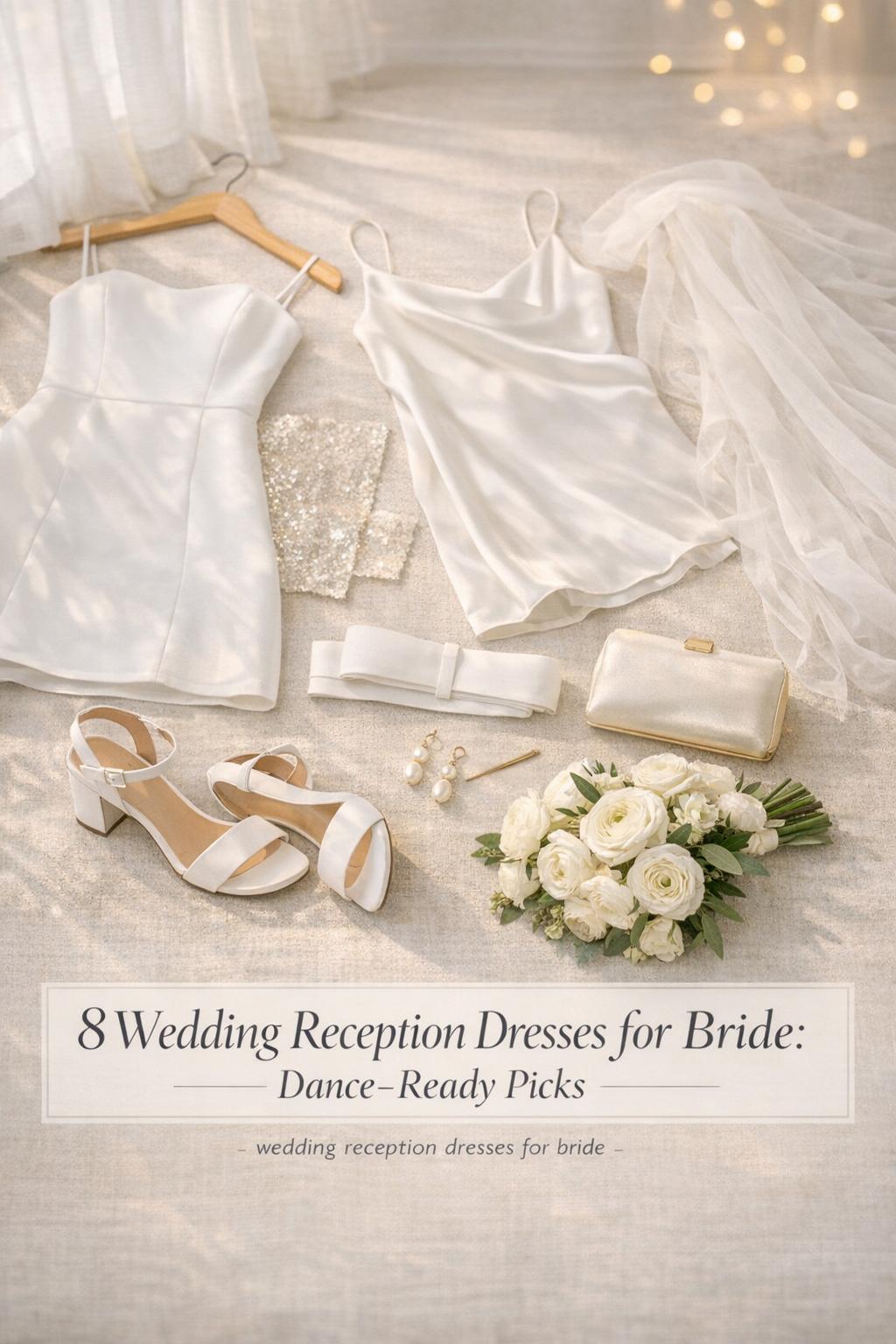
Fabrics, Details, and Fit That Shine on the Dance Floor
Reception dresses succeed when they combine style with wearability. It’s not only about choosing a pretty silhouette; it’s about making sure you can move, sit, and celebrate comfortably for hours. The right details can elevate the look, but the wrong ones can distract you all night.
Sparkle, sequins, and illusion details
Light-catching details are popular for receptions because they photograph well and feel festive. Sparkle can be subtle or dramatic, and illusion details can add interest while keeping the overall shape easy to wear. The key is making sure the dress still feels comfortable through your full range of motion.
Tip: if you love sparkle, make sure it complements your jewelry rather than competing with it. Sometimes the best second look styling choice is to simplify accessories and let the dress do the work.
Comfortable lining and breathable construction
Comfort details matter more at the reception than almost any other time. A well-lined dress that doesn’t pinch or rub can make the difference between feeling confident and feeling distracted. Breathability is also key, especially if you anticipate a high-energy dance floor.
Tip: if you’re shopping online, prioritize retailers that clearly show multiple angles and provide enough product detail for you to judge structure and comfort. When the dress arrives, try it on early enough that you have time to adjust sizing if needed.
Alterations and fit: a reception-specific approach
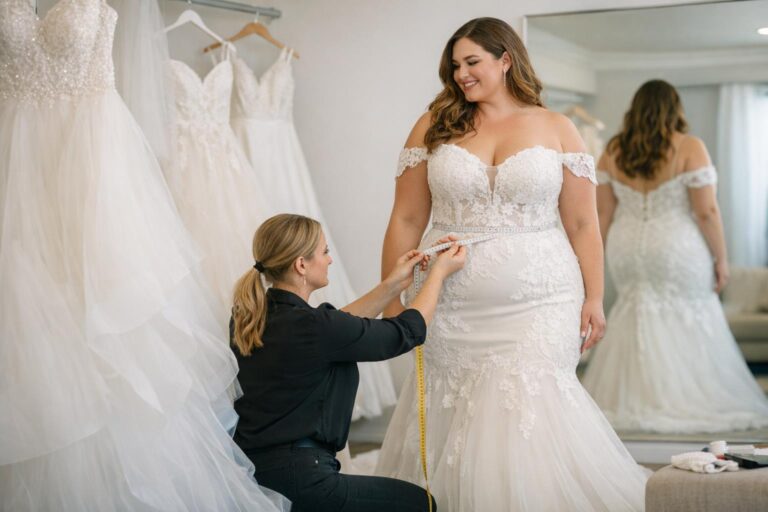
Even a simpler reception dress can benefit from small adjustments. The goal is a flattering fit that stays put through movement—especially at the waist, bust, and straps. Reception dresses often need mobility more than a ceremony gown, so you want a fit that feels secure without being overly tight.
- Check strap stability by moving your arms as if you’re dancing
- Sit down and stand up several times to confirm the waist and hips feel comfortable
- Walk quickly to see if the hemline catches under your shoes
- If you’re doing a two-in-one transformation, test the switch so it doesn’t pull or shift your base outfit
Tip: build in time for tailoring even if the dress seems “easy.” A small hem or strap adjustment can dramatically improve comfort and confidence on the dance floor.
Second-Look Planning: A Practical Checklist for Your Reception Dress
A reception dress is only as good as the plan behind it. Brides often focus on finding the dress and forget the logistics: where it will be stored, when it will be changed into, and how accessories will transition. A simple plan prevents your second look from becoming a last-minute scramble.
Your “second look” essentials to prep in advance
- Reception dress (plus a backup fastening solution if needed)
- Reception shoes selected for comfort and dancing
- Jewelry plan: what stays from the ceremony and what changes
- Hair plan: keep as-is or add/remove one accessory for a fresh look
- A clear place to store removed items like a detachable overskirt or ceremony accessories
Tip: keep your second-look items grouped together as a single “set.” If possible, label the bag or garment cover so it’s easy for a helper to grab quickly.
Tips: Make your two looks feel cohesive
Your reception look can be different without feeling disconnected. Tip: choose one bridge element—like consistent color, a similar neckline family, or repeating texture (minimal satin-like simplicity, romantic softness, or sparkle). That continuity helps your reception photos feel like part of the same story.
If your ceremony dress is dramatic, a simpler reception look often feels like a relief and still reads as bridal. If your ceremony dress is simple, the reception look is your chance to go bold—sparkle, a mini, or a fashion-forward jumpsuit—without changing the entire vibe of the wedding.
Real-Brides-Inspired Reception Dress Ideas by Venue Vibe
Even without copying a specific look, it helps to think in “venue stories.” Many brides choose their reception outfit based on how the space feels and how they want to move through it. Use the ideas below as inspiration for building a second look that matches your setting and your energy.
Garden party glow: romantic, light, and easy to move in
For garden receptions, romantic flair tends to shine—soft silhouettes that feel natural and effortless. Minis and midis can work especially well when you want to mingle easily and move across different areas. The goal is a reception-friendly wedding dress that feels comfortable and celebratory rather than heavy.
Tip: if your reception involves outdoor movement, prioritize a hemline that won’t snag or drag. Dance-friendly doesn’t only mean dancing—it also means walking smoothly from moment to moment.
Ballroom glam: sparkle queen energy and elevated silhouettes
A ballroom reception often invites a more glamorous second look. Sparkle details and polished silhouettes read beautifully in formal spaces and under reception lighting. If you want drama with flexibility, a two-in-one concept can be especially satisfying here—giving you the option of a fuller shape early and a streamlined party-ready look later.
Tip: if you love a long look for the ballroom, make sure it still passes the movement test. A maxi can be elegant and reception-appropriate as long as it doesn’t restrict your stride or feel heavy by hour three.
Beachside breeze: simple, modern, and comfortable
For beachside or breezy settings, many brides gravitate toward minimalist chic or simplified silhouettes—often in lengths that make movement easier. The reception dress should feel comfortable and uncomplicated while still making you feel like the bride.
Tip: if you anticipate warmth and lots of movement, focus on comfort-first construction and avoid anything that feels overly restrictive. Your second look should help you enjoy the reception, not manage it.
Shopping Guide: Where to Buy Wedding Reception Dresses for Bride Across Budgets
Reception dresses are widely available, from large curated catalogs with hundreds of options to designer-focused collections and editorial-style selections that help you shop by vibe. You’ll find everything from affordable reception-ready party dresses to higher-end options with detailed construction and curated filters by silhouette and length.
Shopping is typically easiest when you decide what matters most: length (mini, midi, maxi), style direction (minimalist, sparkle, romantic, bold alternative), and how quickly you need it. Many brides also consider whether they want a dedicated second dress or a transformation approach, such as a detachable overskirt or reception skirt switch.
Budget tiers: under $200, $200–$600, and $600+
Reception dresses exist at many price points, including affordable options and sale-focused selections, mid-range choices with lots of variety, and designer collections with a more curated feel. The key is aligning the price with your priorities: comfort, impact, versatility, and how central the second look is to your overall plan.
- Under $200: often best for minis, simple midis, and trend-forward party looks where you want value and dance-floor ease
- $200–$600: a common range for brides who want more fabric options, more formal silhouettes, and a wider range of styles
- $600+: best suited to designer reception looks, elevated construction, and statement pieces (including transformation concepts and more detailed finishes)
How to shop online vs. in-store
Online shopping offers breadth: lots of categories, filters by silhouette and length, and quick access to everything from minimalist chic to sparkle queen styles. In-store shopping can be helpful if you want immediate fit feedback and a clearer sense of fabric feel and movement.
Tip: if you’re shopping online, narrow quickly by length and silhouette first, then choose your vibe. This reduces overwhelm and keeps you focused on reception-appropriate options rather than full ceremony gowns.
Return policies and sizing tips
Because reception dresses are often purchased closer to the wedding than the ceremony gown, returns and exchanges can matter a lot. You want enough time to try the dress on, test movement, and decide if you need a different size or a different silhouette.
Tip: set a personal “decision deadline” for your reception dress so you’re not making sizing calls under pressure. Also consider your undergarment plan early; what you wear underneath can affect fit and comfort, especially in sleek minimalist styles.
Styling Your Reception Look: Accessories, Shoes, and Finishing Touches
Styling is what makes your reception dress feel complete. The goal is to look bridal and polished while keeping the outfit easy enough to enjoy. Since many reception dresses are simpler or shorter than ceremony gowns, accessories can become the “wow” factor—or they can be intentionally minimal to let the dress lead.
Shoes that support dancing (without sacrificing the look)
Reception shoes matter because you’ll be on your feet for the longest stretch of the day. Many brides choose a different pair for the reception than for the ceremony—one that feels more secure and dance-friendly.
Tip: choose shoes early enough that you can test your hem length (especially for maxis and midis). The best reception dress ideas for dancing often fail if you’re constantly stepping on the hem or adjusting your stride.
Jewelry and hair: small changes that make the second look feel new
You don’t need a full restyle to make a second look feel intentional. A small change—like switching earrings, adding a hair accessory, or simplifying a necklace—can create a distinct reception moment while keeping your overall bridal identity consistent.
Tip: if your reception dress has sparkle or strong detailing, consider dialing back jewelry to avoid visual competition. If your dress is minimalist chic, a bolder accessory can create the perfect contrast.
Common Mistakes to Avoid With a Reception Dress
A second look should reduce stress, not add to it. Most reception dress regrets come from planning gaps rather than the dress itself: choosing a style that’s hard to move in, leaving no time for alterations, or failing to plan the changeover.
- Choosing a dress that looks great standing still but feels restrictive when you sit or dance
- Waiting too long to order, leaving no buffer for exchanges or small tailoring
- Planning an elaborate transformation without rehearsing it
- Forgetting that shoes affect hem length and movement
- Over-accessorizing a dress that already has strong sparkle or detailing
Tip: when you find a dress you love, don’t stop at “it’s pretty.” Confirm it’s wearable for the real reception—walking, hugging, sitting, and dancing—because that’s when a reception-friendly wedding dress proves its value.
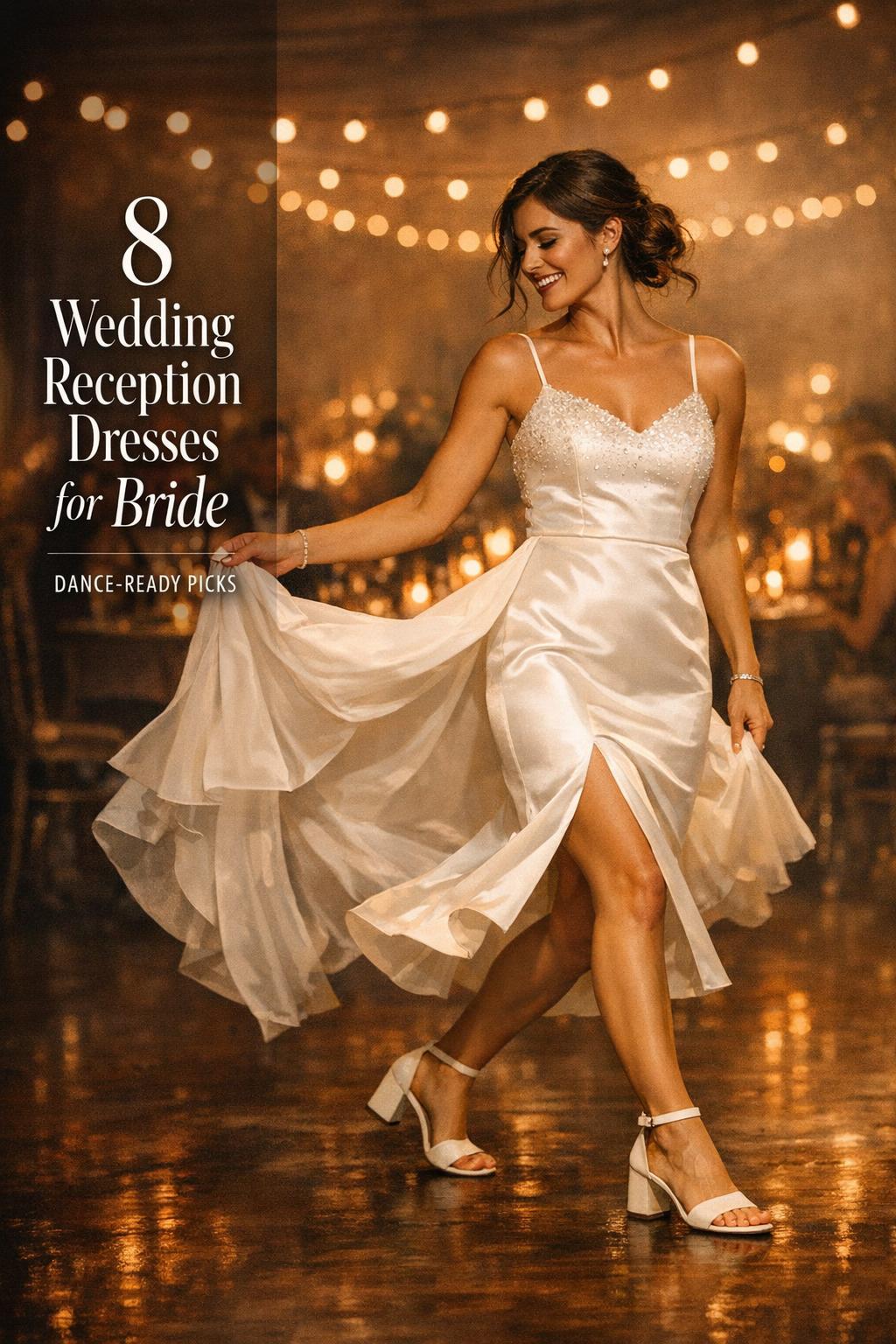
FAQ
Do I need a second dress for my wedding reception?
You don’t need one, but many brides choose a reception dress for comfort, movement, and a distinct party-ready look. If dancing, mingling, and ease are high priorities, a second look can make the reception more enjoyable while still feeling bridal.
When should I change into my reception dress?
Popular change times include after the ceremony (before the grand entrance), after dinner and toasts, or right before the dance floor opens. The best choice depends on which parts of the reception you want photographed in each outfit and how much time you want to spend changing.
What are the best wedding reception dresses for bride who want to dance?
Dance-friendly options are often mini and midi lengths, streamlined silhouettes, and designs that feel light and comfortable through the hips and waist. The most reliable way to choose is to do a movement test: sit, lift your arms, walk quickly, and turn to make sure the dress stays comfortable and secure.
Can I do a two-in-one wedding dress transformation instead of buying a second dress?
Yes, two-in-one options like detachable overskirts or reception skirt changes can give you a ceremony-to-reception transition without a full outfit swap. To make it smooth, rehearse the change once and plan exactly where the removable pieces will be stored and who will help.
Should my reception dress match my ceremony dress?
It doesn’t have to match, but it should feel cohesive. Many brides keep one consistent element—like a similar vibe (minimalist chic, romantic, or sparkle-forward), a complementary silhouette, or consistent accessories—so the second look feels like part of the same wedding story.
Are mini reception dresses still considered bridal?
Yes, mini dresses are a popular bridal reception choice because they signal “party” while keeping you clearly in the spotlight as the bride. Styling choices like shoes, jewelry, and hair details can make the look feel even more wedding-specific.
How do I choose between a midi and a maxi for the reception?
Choose a midi if you want an easy, polished length that’s often great for movement and dancing, and choose a maxi if you want a more formal long look with less weight and complication than a ceremony gown. In both cases, prioritize comfort and hem length so you can move confidently all night.
How soon should I start shopping for a reception dress?
Start early enough to allow time for shipping, trying it on, possible exchanges, and small alterations like hemming or strap adjustments. Even if the dress is simpler than a ceremony gown, having a buffer reduces stress and gives you time to confirm the fit for dancing and sitting.
Can I wear my reception dress for other bridal events or engagement photos?
Yes, many reception dresses—especially minimalist chic styles, romantic midis, or bold modern alternatives like jumpsuits—can work well for other bridal moments. If you want versatility, choose a style that feels bridal but not overly specific to one part of the wedding day.