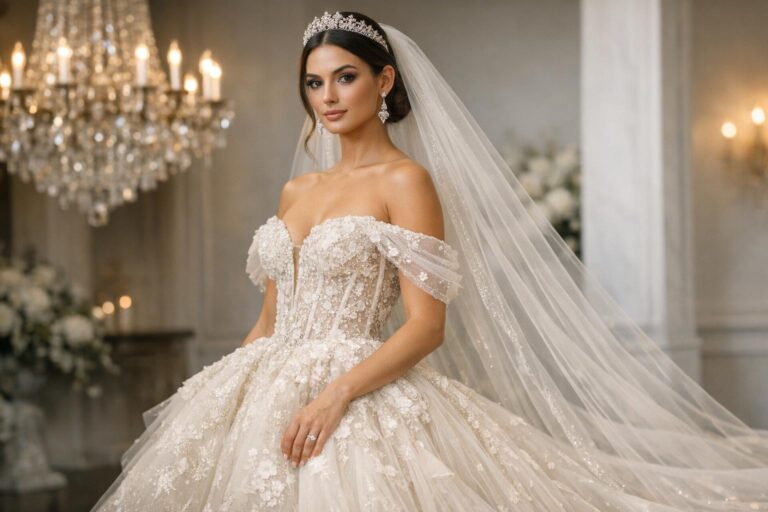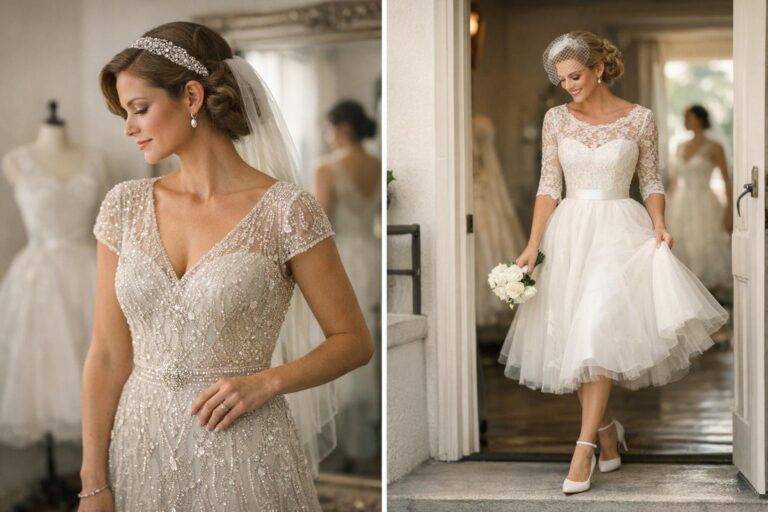
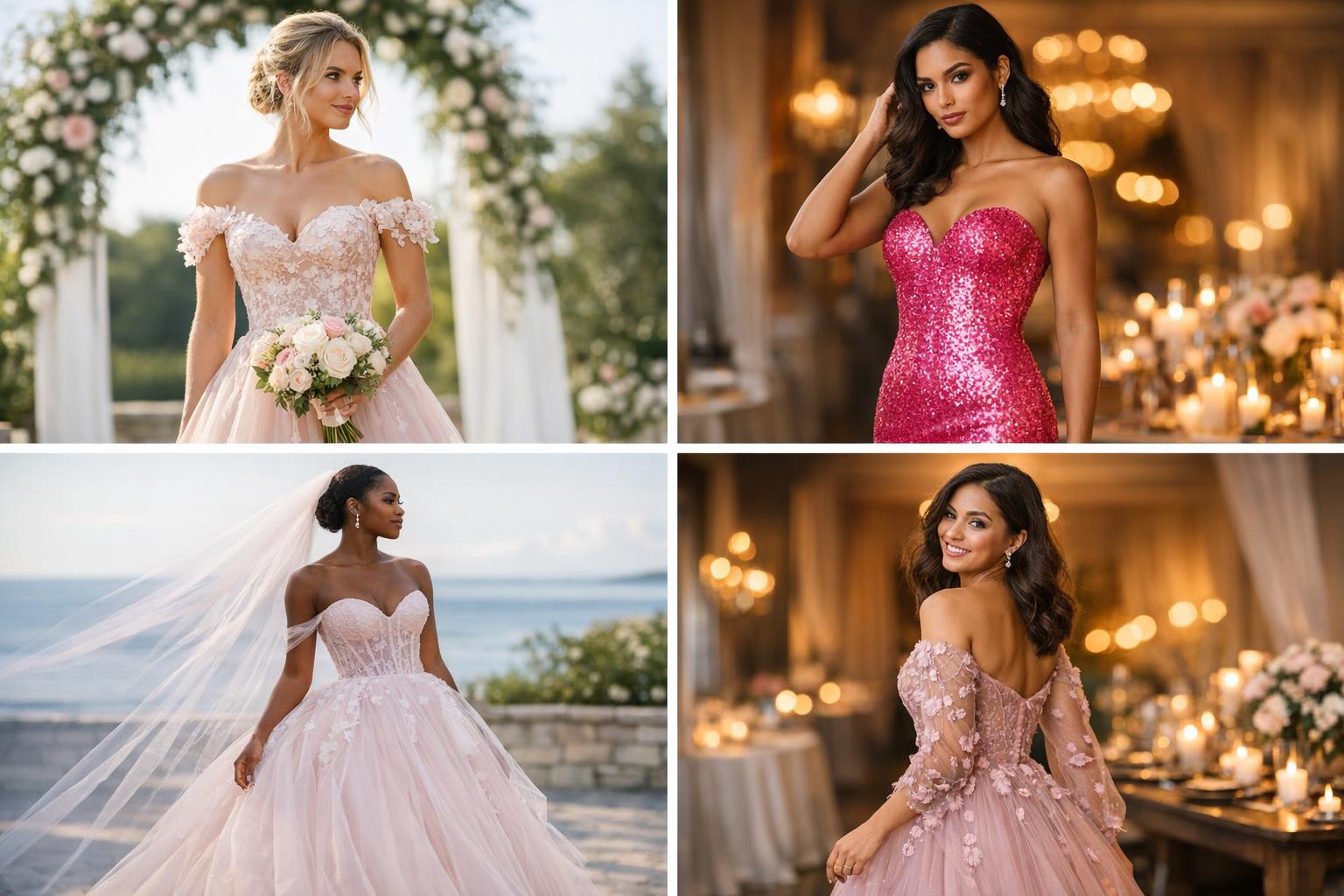
9 Pink Wedding Dresses for Every U.S. Venue & Skin Tone
Pink Wedding Dresses: The Ultimate Guide to Choosing Your Pink Bridal Gown
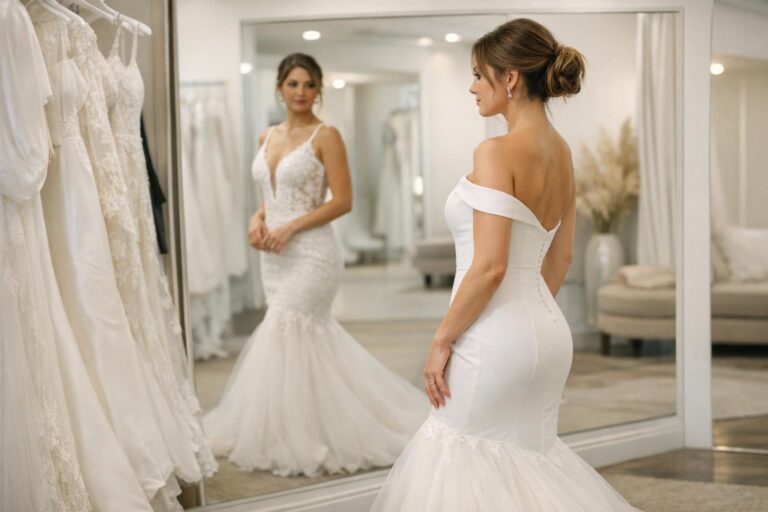
Pink wedding dresses have moved from niche to genuinely sought-after, and the reason is simple: pink can feel just as bridal as traditional neutrals while offering more personality, softness, or drama depending on the shade and fabric. Whether you’re drawn to a barely-there blush wedding dress, a romantic dusty rose, or a bolder statement pink, the best choice comes down to how the color reads on you, how it photographs in your venue lighting, and which silhouettes and details make you feel unmistakably confident.
This guide brings together practical, shop-ready ideas to help you choose a pink bridal gown with intention. You’ll find a clear shade guide, silhouette recommendations, fabric and detailing notes (especially for how pink appears on camera), where to buy across price tiers, and styling and care tips that matter specifically for pink gowns.
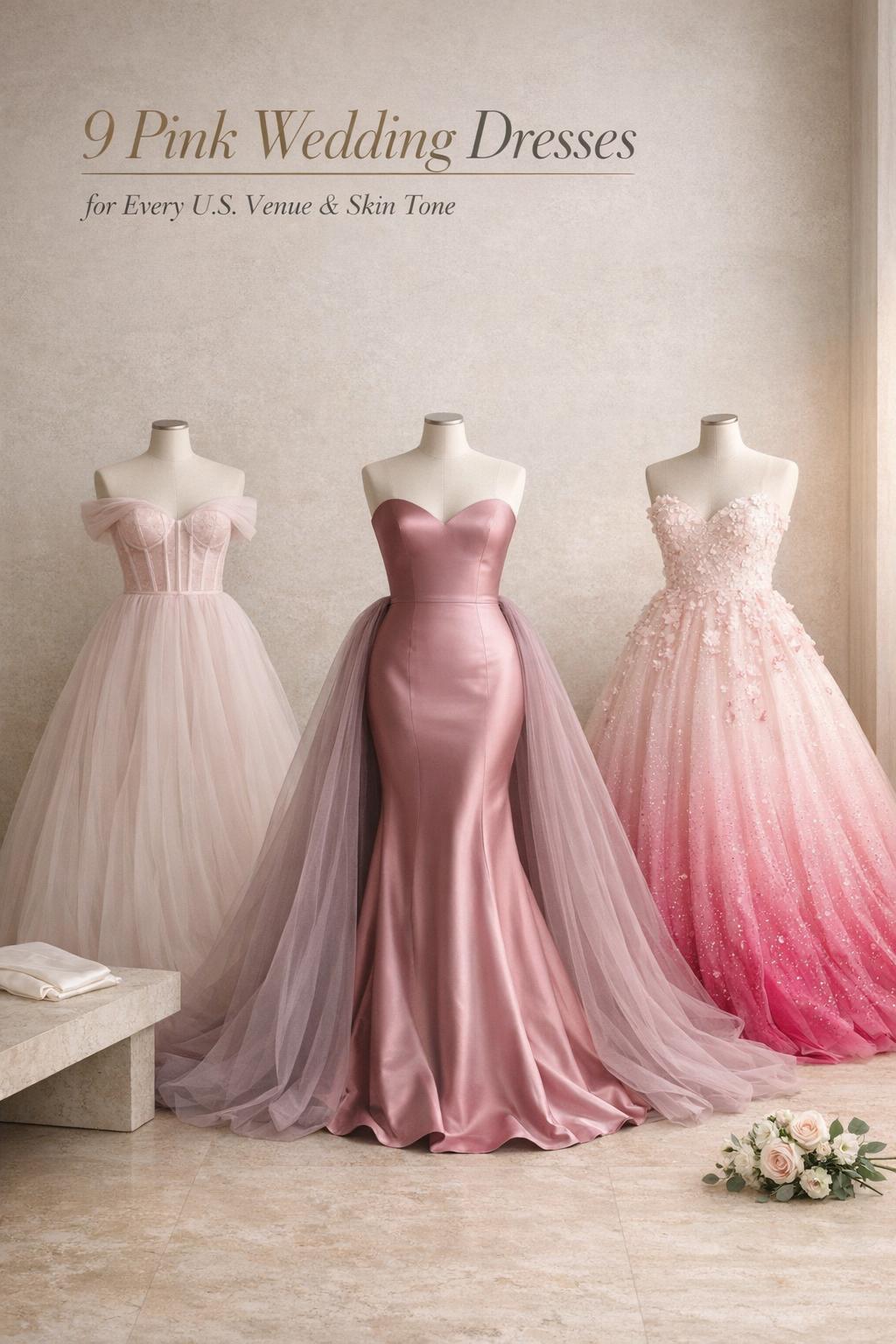
Why Brides Choose Pink: Color Psychology and Style Trends
Many brides choose pink because it delivers romance without feeling predictable. Pink can signal softness and celebration, but it can also be fashion-forward when the shade is brighter or when the design includes modern structure like corsetry, clean lines, or strong shaping. The appeal isn’t only about standing out; it’s about selecting a color that supports the mood of the wedding and the personality of the bride.
Pink also has a strong presence in bridal storytelling and editorial inspiration. When a pink wedding dress is highlighted in popular bridal fashion coverage, it’s often framed as a deliberate design choice—one that communicates character, era-inspired romance, or a fresh take on tradition. That editorial validation matters for many brides: it confirms that pink can be timeless, not just trendy.
Tip: If you’re unsure whether pink feels “bridal enough,” focus on bridal elements first—silhouette, construction, and detailing—then choose the pink shade that supports those elements. A lace bodice, a structured corset, or a classic ball gown shape can make even a more noticeable pink read unmistakably wedding-day appropriate.
Shade Guide: From Blush to Hot Pink
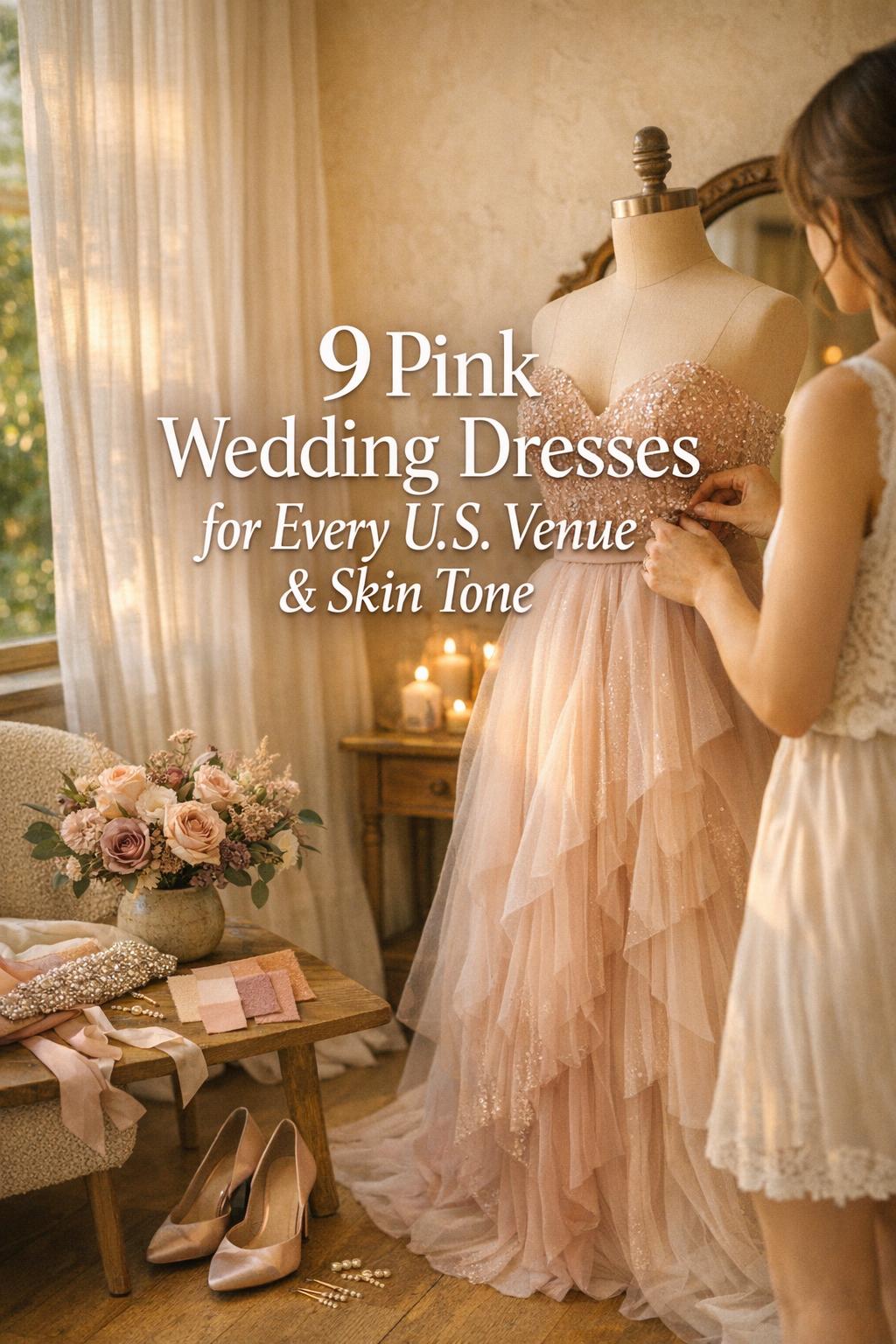
One of the most helpful ways to shop pink wedding gowns is to treat “pink” as a full palette. Different shades project different moods, and the same shade can look different depending on fabric, embellishment, and lighting. Use the shade categories below to narrow your search and communicate clearly with retailers and designers.
Blush and Dusty Rose: Soft, romantic looks
Blush and dusty rose are the most common “entry point” for brides considering bridal pink dresses. These shades read delicate and romantic, often pairing beautifully with lace, tulle, and floral embellishments. They’re also easier to coordinate with traditional bridal styling, which is why blush gowns frequently show up in wide retailer selections and curated collections.
Tips for choosing blush: If you want a blush pink wedding dress with lace, look at how the lace color interacts with the base layer. A blush underlayer can make lace appear warmer and more dimensional, while a paler base can make lace details feel airy and light.
Rose and Mauve: Vintage romance with a modern twist
Rose and mauve tones can feel slightly deeper, moodier, or more vintage-inspired than blush, especially when paired with classic silhouettes or ornate detailing. These shades often complement bridal looks that want romance with a touch of drama, and they can feel especially elegant when used in structured designs or in gowns with pronounced texture.
Tip: If you’re aiming for a “vintage romance” vibe, pay attention to the finish of the fabric. Even without changing the shade, different finishes can shift a gown from sweet to sophisticated.
Ice Pink and Pastel Pink: Light, luminous, and couture-leaning
Ice pink and pastel pink bridal gowns can read ethereal and refined, especially when paired with couture-style construction, layered tulle, or delicate lace placement. This is the kind of pink that often looks luminous and airy rather than overtly colorful. If you love the idea of pink but want a subtle, elevated result, ice pink can be a strong direction—particularly in dresses featuring corsetry and layered textures.
Tips for ice pink: Because the tone is so light, the fabric and layering matter. When shopping, look for product photos that show dimension—pleats, overlays, lace motifs, or other texture—so the color doesn’t flatten in bright daylight photography.
Hot Pink and Statement Pinks: Bold, celebratory impact
Brighter pinks create an unmistakable statement. If your goal is a modern fashion moment, a vivid pink gown can be the centerpiece, especially when styled with cleaner accessories or when the silhouette is dramatic (like a ball gown or a sculpted mermaid). Statement pinks are also a clear choice for brides who want their wedding attire inspiration to feel high-energy and unforgettable.
Tip: With strong color, keep your decision-making focused: pick one standout factor (shade, silhouette, or embellishment) to lead, and let the other elements support it. This is an easy way to avoid a look that feels visually crowded.
Ombre and sequined pinks: Extra dimension for photos
If you love movement and visual texture, consider pink ombre effects or gowns that incorporate shimmer through sequins or beading. These approaches can add depth that translates well in photography, especially in evening lighting. They also help create contrast within the pink palette, which can be useful if you want pink to feel complex rather than flat.
Silhouette Spotlight: Which Pink Style Flows Best on Your Shape
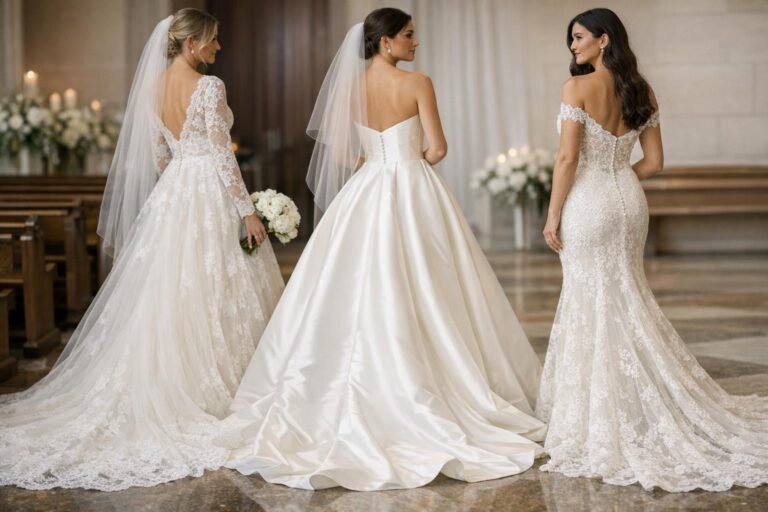
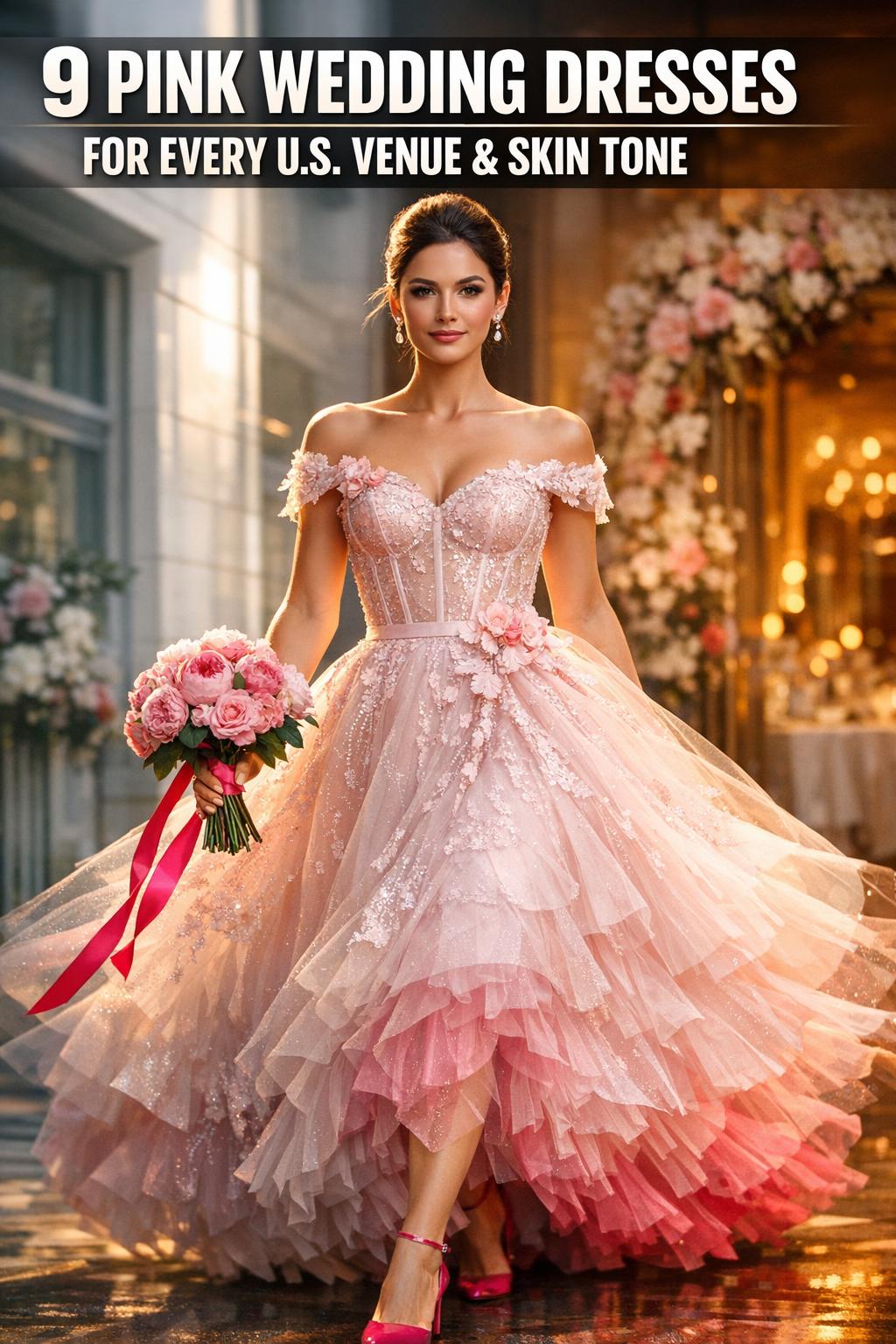
Because pink reads differently than traditional bridal neutrals, the silhouette can play a bigger role than you expect. A dramatic shape can make a soft pink feel more bridal, while a sleek silhouette can make the same shade feel modern and intentional. Below are some of the most searched and commonly offered silhouettes across retailers, designer collections, and curated pink wedding dress roundups.
A-line in pink: Flattering and versatile
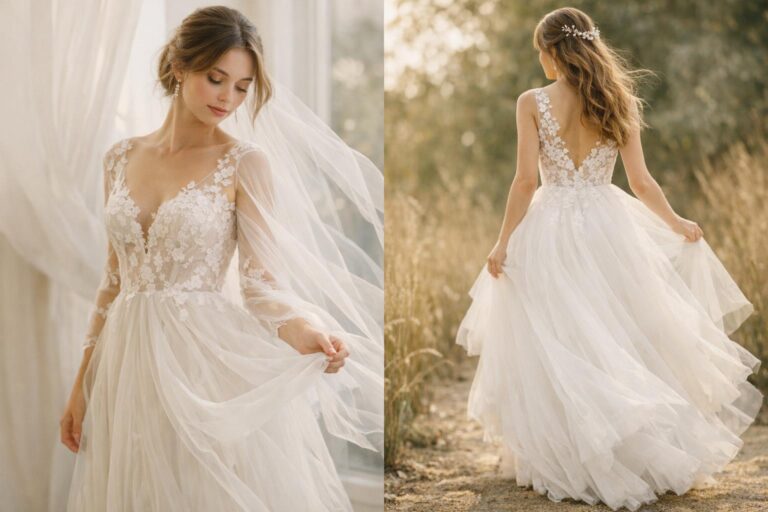
A pink A-line dress is one of the easiest ways to wear color while keeping the overall look classic. A-lines tend to balance comfort, movement, and structure, making them suitable for many venues and wedding styles. This silhouette also works well with lace, off-shoulder necklines, and layered tulle—details that often appear in pink gown selections.
Tip: If you’re deciding between blush and rose in an A-line, consider your venue lighting. Softer blush tones can appear even lighter in bright daylight, while rose tones may hold their color more clearly across different lighting conditions.
Ball gown in pink: Fairy-tale drama
A pink ball gown wedding dress leans into fantasy and celebration. The volume of a ball gown gives pink room to shine—especially in layered fabrics like tulle—while still feeling undeniably bridal. This is a popular direction for brides who want a romantic, statement-making look without relying on heavy embellishment.
- Best for: grand venues, formal ceremonies, and brides who want dramatic movement
- Often paired with: corset structure, layered skirts, lace detailing, and off-shoulder styling
- Color notes: blush and pastel pink read dreamy; brighter pinks read editorial and bold
Mermaid and trumpet in pink: Drama with curves
Mermaid and trumpet silhouettes highlight the figure and naturally amplify the impact of color. In pink, this can feel especially striking because the silhouette already signals confidence and drama. If you’re considering a pink mermaid gown, look closely at how the color is distributed—solid pink throughout feels bold, while lace overlays and layered skirts can soften the effect.
Tip: If you want drama but not too much intensity, look for pinks that are softened by lace, tulle layers, or mixed tonal elements rather than a single, flat fabric panel.
Sheath and boho pink: Modern minimalism
A sheath or more boho-leaning pink gown can read modern and relaxed—especially for brides who prefer a lighter, less structured look. These silhouettes can work beautifully for simpler ceremonies or settings where ease and movement matter. Because the silhouette is streamlined, the fabric choice becomes especially important for how pink reads on camera.
Tip: If you’re searching for a pink wedding dress for a beach wedding, a simpler silhouette can be appealing. Prioritize easy movement and consider how a lighter pink can look in bright outdoor conditions. The goal is a shade and fabric that stays dimensional rather than washing out.
Fabric and Detailing: How Pink Appears on Camera
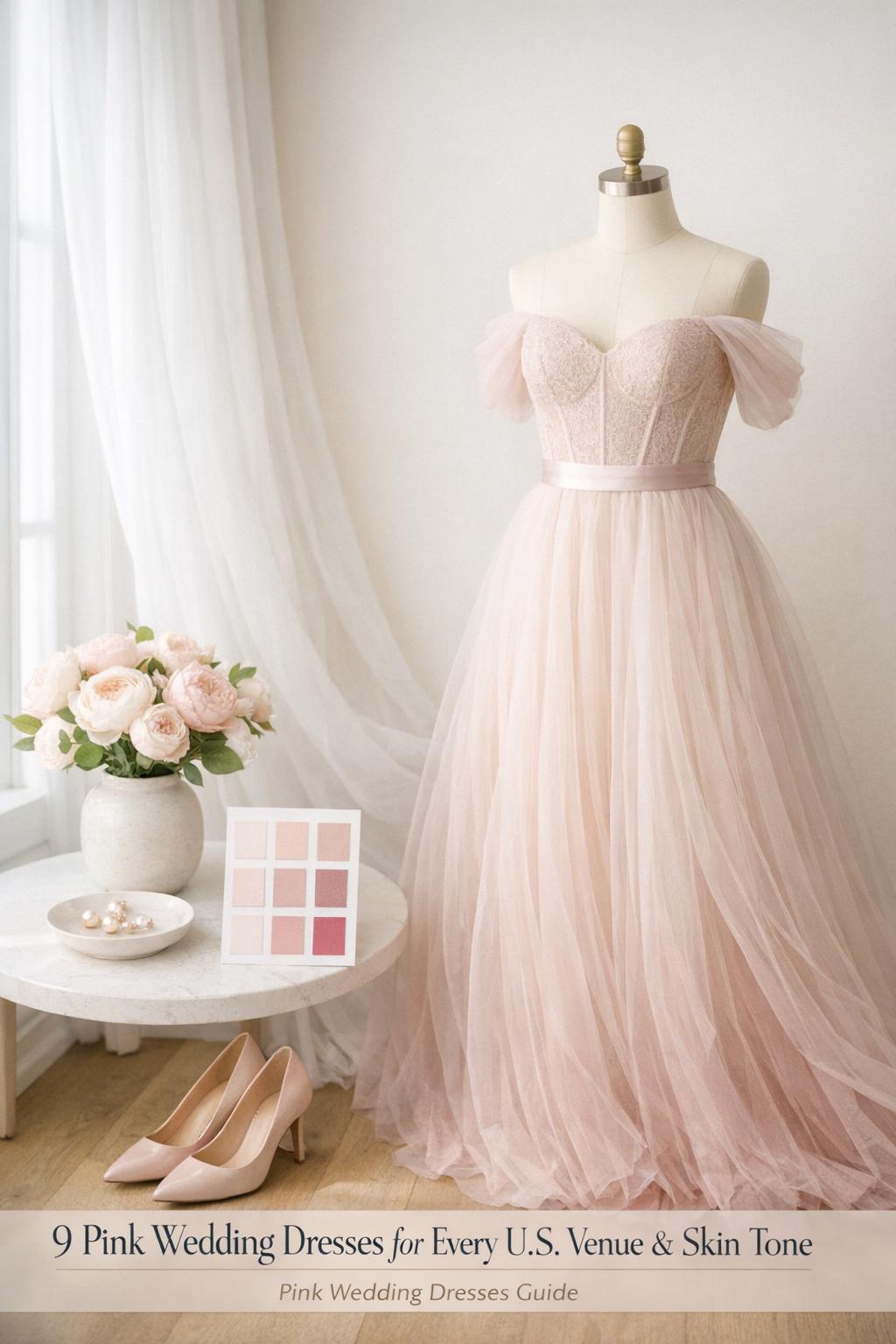
With pink wedding dresses, fabric and detail don’t just affect style—they affect color perception. Two dresses described as “blush” can look dramatically different depending on whether the base is satin, tulle, or lace, and whether the dress is layered or embellished. Thinking about photography early helps you avoid surprises when you see your wedding album.
Lace, satin, and tulle in pink
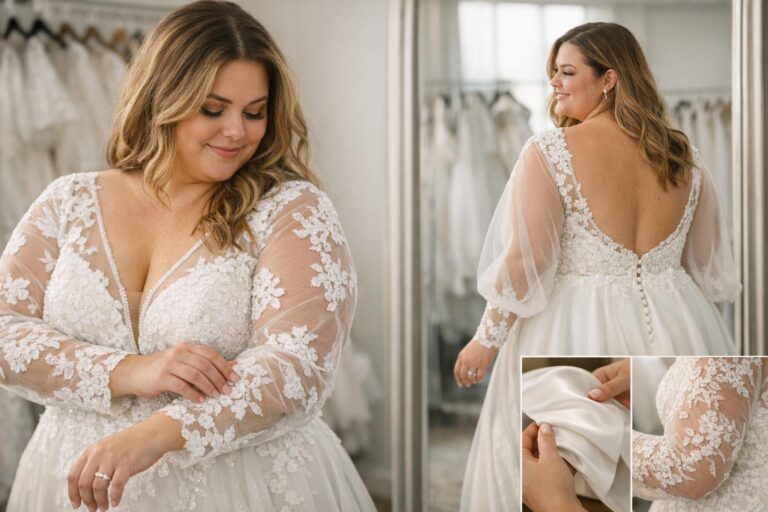
Lace is a common choice for pink lace wedding dresses because it adds texture and romantic detail. Lace also helps create contrast, which can keep pale pinks from appearing too flat. Satin, by contrast, can make pink appear smoother and more uniform; it can look sleek and elevated, but it may reflect light in ways that shift the shade in photos. Tulle is often used to create soft volume and layered color, which can make blush and pastel tones feel airy and multidimensional.
- Lace: adds texture and depth; often reads romantic and bridal
- Satin: smooth and clean; can look modern; pay attention to light reflection
- Tulle: soft volume and layered color; often enhances a dreamy or fairy-tale effect
Embellishments in pink: 3D florals, beading, and shine
Embellishments can either blend into pink or stand out against it, depending on their tone and placement. Beading and sparkle can bring out dimension in low light, while floral elements can reinforce the romantic mood that many brides want from a pink bridal gown. If you’re considering a pink beaded gown, look for images that show both daylight and indoor lighting so you can see whether the embellishment reads subtle or prominent.
Tips for camera-ready pink: Try to evaluate your favorite dresses in multiple lighting conditions whenever possible. Pink can shift between daylight and evening settings, and layered fabrics or lace can help maintain depth. If your wedding includes both an outdoor ceremony and an evening reception, aim for a shade and fabric combination that still looks intentional in both.
Where to Buy: Top Retailers, Marketplaces, and Designers for Pink Dresses
Shopping for pink wedding gowns in the U.S. usually falls into three paths: large retailers with extensive filterable catalogs, marketplaces where you can browse multiple brands (including resale), and designer houses offering made-to-order or couture-level customization. Each path has advantages depending on budget, timeline, and how specific your vision is.
Budget-friendly options (often under $1,000)
If you want affordable pink wedding dresses online, start with large bridal retailers and brand catalogs that let you filter by color, price, and silhouette. These stores typically carry a wide range of styles—off-shoulder, lace, mermaid, and ball gown—so you can compare many options quickly. You’ll also see availability and pricing up front, which is especially helpful if you’re on a tight schedule.
Tip: Use filters strategically: choose your silhouette first, then refine by shade and neckline. This helps you avoid falling for a color that doesn’t align with your comfort level or the structure you want.
Mid-range shopping (often $1,000–$2,500)
In the mid-range, you’ll often find more distinctive detailing, richer fabric work, and a stronger variety of pink tones that go beyond basic blush. Shopping at this tier can be a sweet spot for brides who want something noticeably special but still prefer a ready-to-shop experience with clear options and predictable ordering.
Tip: When comparing pink bridal gown ideas at this level, prioritize construction details that affect fit and support. A color you love will feel even better when the dress structure matches your needs.
Luxury and couture (often above $2,500)
Luxury and couture pink wedding dresses often emphasize craftsmanship, intricate lace, layered textures like pleated tulle, and corset-driven shaping. Designers may also offer made-to-order processes and customization, including nuanced tones like ice pink and carefully engineered details that create a distinct silhouette. If your vision is very specific—especially in shade precision and couture finishing—this path can deliver a refined, editorial look.
Tips for couture shoppers: Collect reference images of your ideal shade and texture and communicate what you want the pink to do (subtle glow, soft romance, bold statement). Precision matters more at this level because small changes in layering or lace tone can shift the overall effect.
Resale and marketplace finds: more brands, more price variety
If you love browsing multiple brands in one place, a bridal resale marketplace can expand your options and expose you to pink gowns from a wide range of labels. This is also a practical route if you want access to designer looks with more flexible pricing, or if you’re open to discovering silhouettes and shades you didn’t originally consider.
Tip: When shopping resale, confirm the exact shade description and look closely at listing photos for how the color appears in different lighting. Pink can shift, and you want a listing that shows enough detail to judge the true tone.
Real-World Inspiration: Making Pink Work for Your Wedding Setting
Pink wedding attire inspiration often looks perfect in curated photos, but your real goal is a gown that feels right in your setting and photographs beautifully throughout your day. Instead of chasing a single “perfect” pink, think in combinations: shade + silhouette + fabric + lighting. That approach makes it easier to predict how your dress will perform from ceremony to reception.
Venue and lighting: how to keep pink looking intentional
Lighting has a major influence on pink. In bright conditions, very light blush or pastel shades can appear lighter than expected. In dimmer settings, deeper pinks may look richer and more saturated, while sparkle and embellishment may become more prominent. If you want a pink that stays consistent, choose a shade with enough depth to read clearly, and consider fabrics or details that add texture.
Tip: When you’re deciding between two pink shades, imagine the “worst case” lighting for each—very bright daylight and warm indoor evening light. Choose the option that still looks like your intended pink in both scenarios.
Wedding party coordination: pink palette harmony
Pink doesn’t have to mean everything matches exactly. In fact, pink often looks most elevated when it’s treated as a palette rather than a single color chip. Bridesmaid styling inspiration commonly ranges from blush to deeper pinks, and that same approach can support a pink bridal gown—especially if your dress is blush or dusty rose and you want the wedding party to feel cohesive without competing.
- Use tonal variety: blend blush, rose, and deeper pinks for dimension
- Let the bride lead: keep bridesmaids slightly deeper or slightly lighter than the gown so the bride remains visually distinct
- Repeat an accent: tie the palette together with a recurring pink tone in florals or accessories
Accessories and Style Tips: Completing the Pink Bride Look
Styling a pink wedding dress is about balance. You can lean classic with soft, bridal accessories, or lean fashion-forward by making intentional contrast choices. The right finishing pieces help pink feel purposeful rather than accidental.
Veils, jewelry, and shoes: pink or complementary tones
When choosing accessories for pink wedding dresses, decide whether your accessories should blend or contrast. Blending choices support a soft, romantic look; contrast choices emphasize modern style. Consider how metallic tones, sparkle, and translucency interact with your gown’s undertone and detailing.
- If your gown is heavily detailed (lace, beading, 3D florals), keep accessories simpler so the dress stays the focus
- If your gown is minimal, you can add personality through bolder jewelry or a statement shoe
- If your pink is very subtle, an accessory with a gentle complementary tone can help reinforce the “pink bridal” intention in photos
Bouquet coordination with pink gowns
Your bouquet is one of the most photographed styling elements next to your dress. With a pink bridal gown, you can either echo the pink in florals for a cohesive look or use a complementary palette to create contrast. The most important factor is clarity: make sure your bouquet doesn’t visually disappear against the dress in photos.
Tip: Before finalizing bouquet colors, hold swatches (or even a photo printout) of your dress shade next to the tones you’re considering. The goal is distinct separation so the bouquet reads clearly, especially in bright outdoor lighting.
Buying Tips: Finding “The One” in Pink
Because pink has more shade variation than many shoppers expect, the buying process benefits from a simple framework. Focus first on the elements that affect wearability and confidence, then refine color and detail. This keeps you from committing to a shade that looks beautiful online but doesn’t align with your real-world needs.
A practical try-on framework
- Start with silhouette: choose what you love on your body (A-line, ball gown, mermaid/trumpet, sheath/boho)
- Choose your “pink lane”: blush/dusty rose, rose/mauve, ice/pastel, hot/statement pink
- Confirm fabric behavior: lace vs satin vs tulle, and how it changes the look of the shade
- Check photos in multiple lighting: especially if the listing or lookbook shows both indoor and outdoor images
- Validate budget and timeline: narrow to retailers, marketplaces, or designers that fit your schedule
Tip: If you keep wavering, try comparing two dresses that share the same silhouette and fabric but different pink shades. It’s easier to choose color when you remove other variables.
Measuring and fit: setting yourself up for success
Online shopping can be especially effective for pink wedding gowns because many retailers provide sizing guidance and structured filters. But fit still determines whether a dress looks polished. Start with accurate measurements and be realistic about what will need tailoring. Even when a dress is close to perfect, small adjustments can elevate the final result.
Tip: When you’re choosing between two sizes, prioritize the size that protects the integrity of the design details (like lace placement or a structured bodice). Alterations can refine, but the dress should start with the right foundation.
Care, Alterations, and Longevity of Pink Gowns
Pink gowns come with a few practical considerations that brides don’t always think about early: stain visibility, color consistency across layers, and the importance of careful cleaning. Planning ahead helps protect your investment and keeps your dress looking its best from first fitting to final photos.
Cleaning and handling: protecting the color
Pink fabrics can show marks differently depending on the shade and texture, and layered designs can have multiple materials that respond differently to cleaning. Handle your gown thoughtfully during fittings and transport, and plan for professional cleaning appropriate to the materials and detailing.
Tip: If your gown has multiple layers in slightly different pink tones, treat it as a coordinated system. Keeping the dress clean and stored properly helps preserve the intended color relationship between layers and overlays.
Alteration considerations unique to pink
Alterations for pink wedding dresses should consider not only fit but also how the pink appears after adjustments. Hemming or resizing can change how layers sit, which can subtly shift the way the color reads—especially in tulle-heavy skirts or lace overlays. If your dress has prominent lace motifs, ask your alterations specialist how changes will affect placement and symmetry.
Tip: Bring a clear photo of the dress as designed (from the listing or lookbook) to your fittings so you can compare how the layers and details are sitting after each adjustment.
Conclusion: Making the Pink Choice Confidently
Pink wedding dresses offer a spectrum of possibilities—from barely-there blush gowns that feel classic and romantic to couture-leaning ice pink designs and full-impact statement shades. The most successful pink bridal gown choices are the ones made with clarity: pick a silhouette that feels like you, select a pink lane that matches your mood, and let fabric and detailing do the work of creating dimension in every lighting scenario. With the right balance of inspiration and practical decision-making, pink can feel not only beautiful, but truly bridal.
FAQ
What shade of pink looks best for a wedding dress?
The best shade is the one that supports your overall look and photographs well in your venue lighting; blush and dusty rose are popular for soft romance, rose and mauve lean more vintage, ice pink feels subtle and refined, and hot pink delivers bold statement impact.
How do I choose between blush, rose, and ice pink?
Start with the mood you want: blush is delicate and classic, rose/mauve feels deeper and more vintage-romantic, and ice pink reads luminous and understated; then confirm your choice by looking at how each shade appears on your preferred fabric (lace, satin, or tulle) and in both daylight and evening lighting.
Which silhouettes are most common for pink wedding gowns?
Many pink wedding gowns are offered in A-line, ball gown, and mermaid/trumpet silhouettes, with additional options in sheath or boho-leaning shapes; choosing the silhouette first can make it easier to select the right shade and level of drama.
Do pink wedding dresses photograph differently than white dresses?
Yes, pink can shift more noticeably with lighting and fabric finish, so it helps to choose a dress with texture (like lace or layered tulle) for dimension and to evaluate photos of the gown in multiple lighting situations whenever possible.
Where can I buy affordable pink wedding dresses online?
Affordable options are often easiest to find through large bridal retailers and brand catalogs that offer filterable color and price tools, and you can also broaden your price range by browsing resale marketplaces that list pink gowns from multiple brands.
Are there pink wedding dresses suitable for a beach wedding?
Yes, many brides consider simpler silhouettes for beach settings because they’re easier to move in, and lighter pinks can look beautiful outdoors; the key is choosing a shade and fabric combination that stays dimensional in bright daylight.
How should I coordinate bridesmaids with a pink bridal gown?
A cohesive approach is to treat pink as a palette rather than a single exact match, using a range of pink hues for bridesmaids while keeping the bride visually distinct by selecting dresses that are slightly lighter or deeper than the gown.
What accessories pair best with pink wedding dresses?
Accessories work best when they balance the dress: detailed gowns often look strongest with simpler finishing pieces, while minimal gowns can handle bolder jewelry or shoes; the goal is to either blend gently with the pink tone or create intentional contrast without competing with the dress.
What should I know about alterations and care for pink gowns?
Pink gowns may show marks differently depending on shade and texture, and alterations can change how layered fabrics sit and therefore how the pink reads, so it’s important to plan careful handling, appropriate cleaning for the materials, and fittings that preserve the intended placement of details like lace overlays.