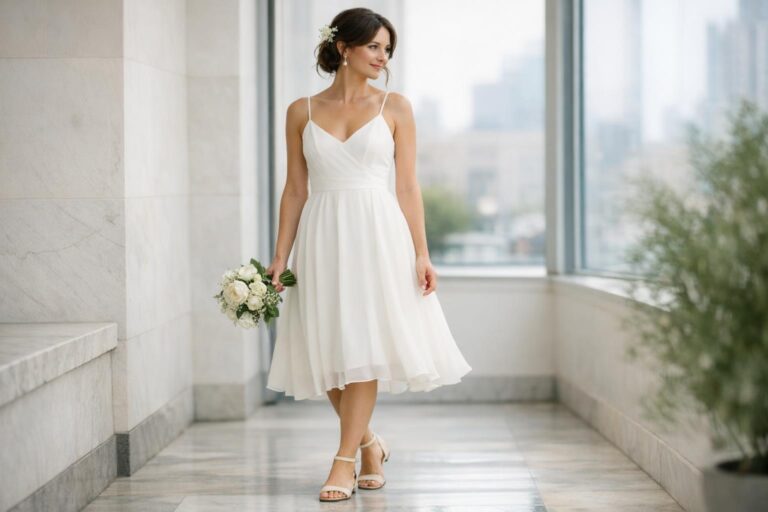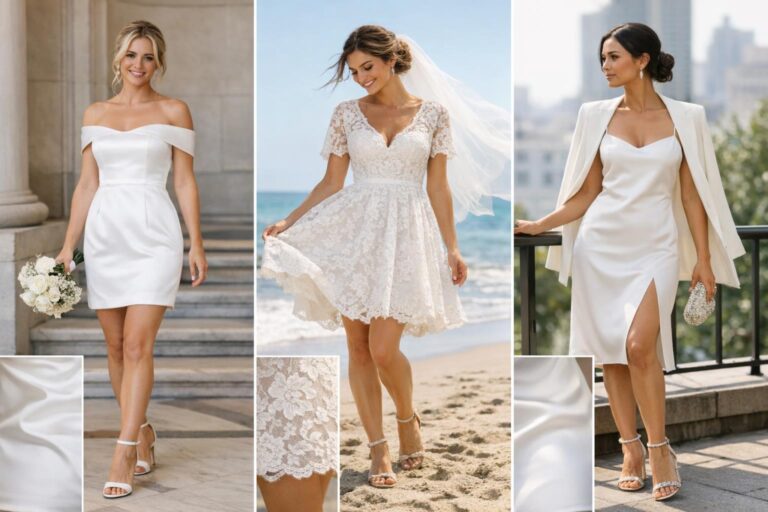
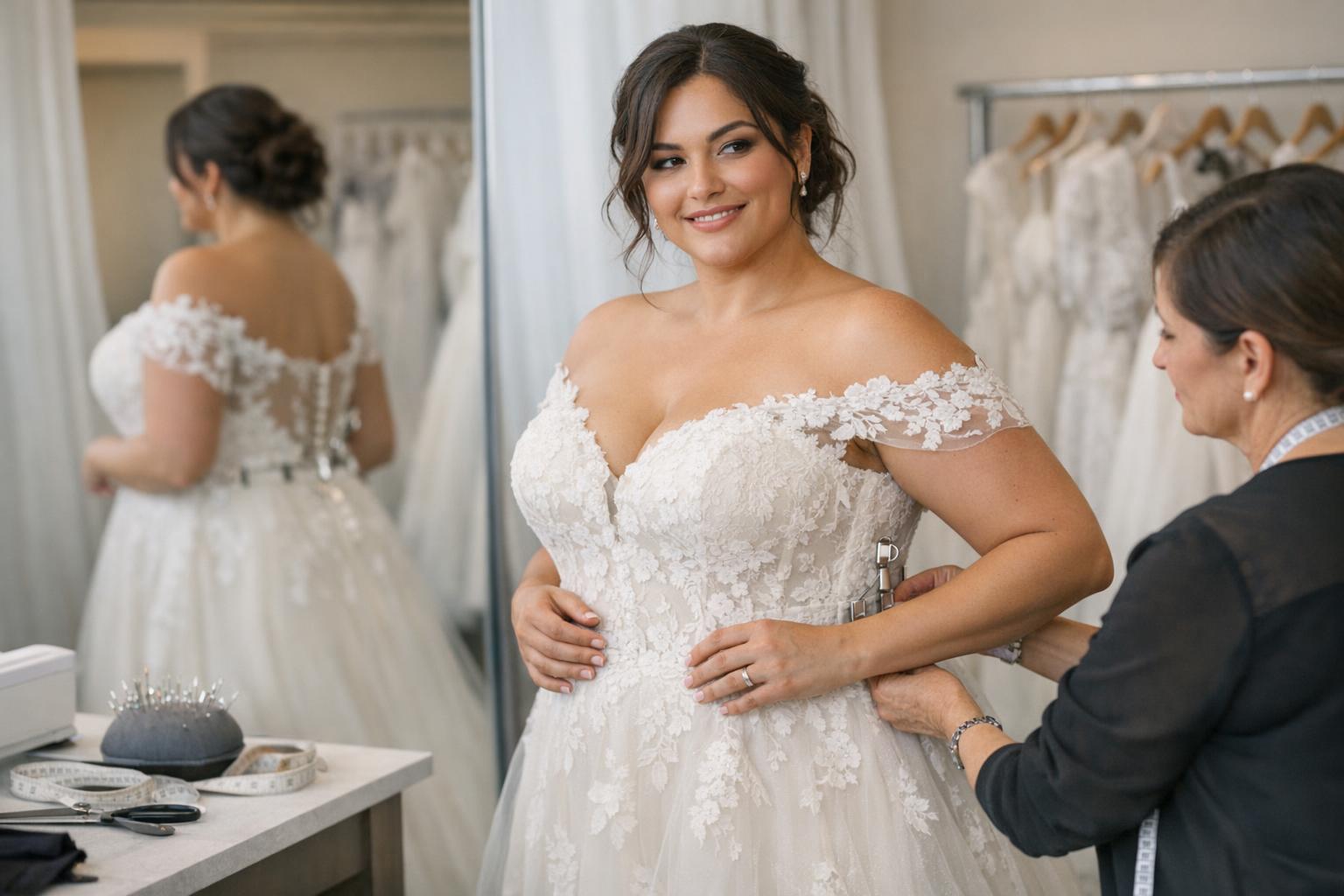
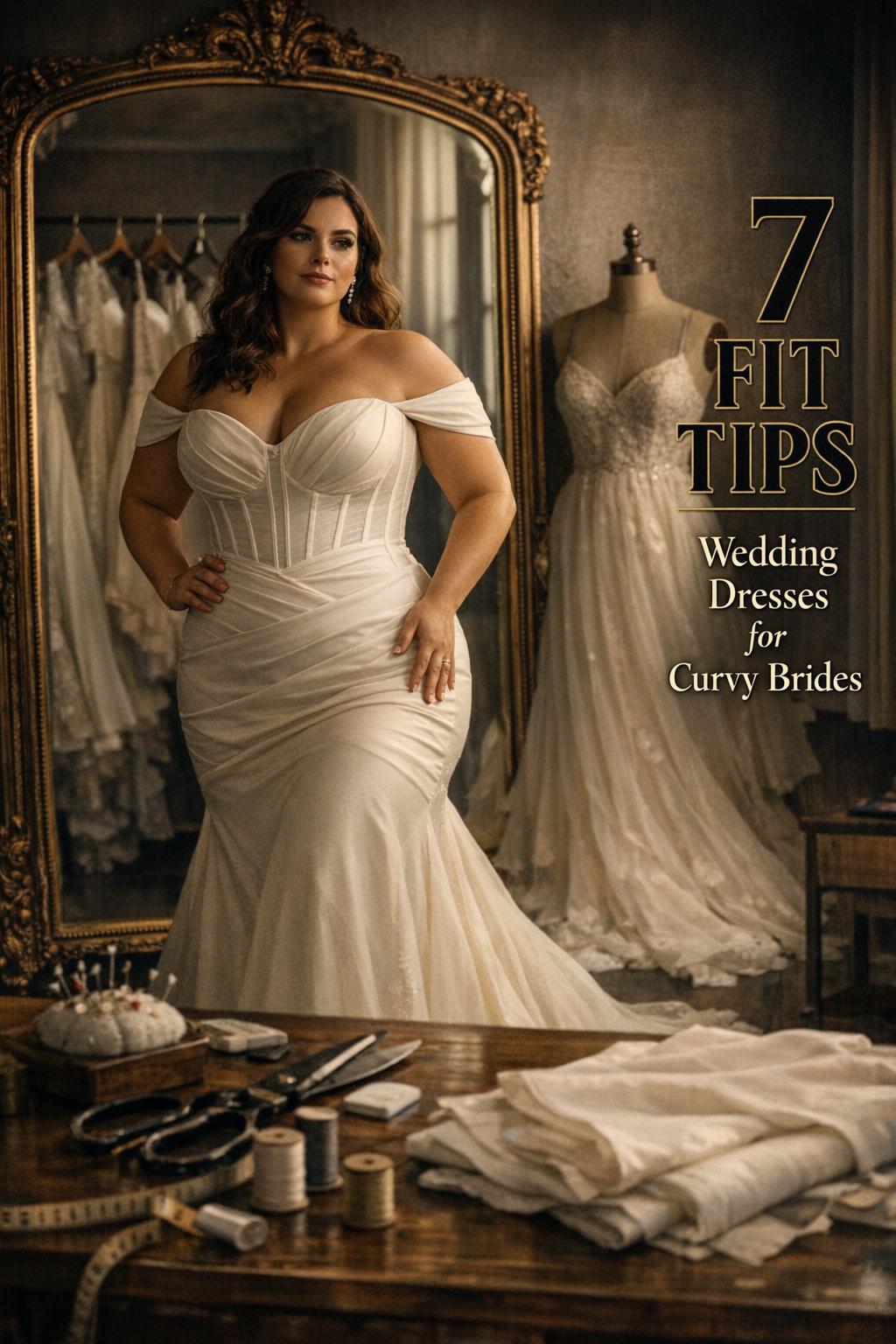
7 Fit Tips: Wedding Dresses for Curvy Brides (US Guide)
Wedding Dresses for Curvy Brides: The Ultimate Guide to Flattering Silhouettes, Fabrics, and Fit
Shopping for wedding dresses for curvy brides should feel exciting, not stressful. The best results come from a clear plan: understand what shapes and design details tend to flatter curves, prioritize comfort and support, and shop with realistic expectations around sizing and alterations. This guide pulls those pieces together so you can narrow your options faster, communicate clearly in boutiques or online, and end up with a gown that looks intentional, feels secure, and photographs beautifully.
Curvy brides often see a mix of inspiration content (roundups, galleries, real-bride style notes) and shopping-led content (catalog filters, brand “curvy collections,” and plus-size sections). The sweet spot is using inspiration to define your style while using practical fit guidance to make choices you can confidently wear all day.
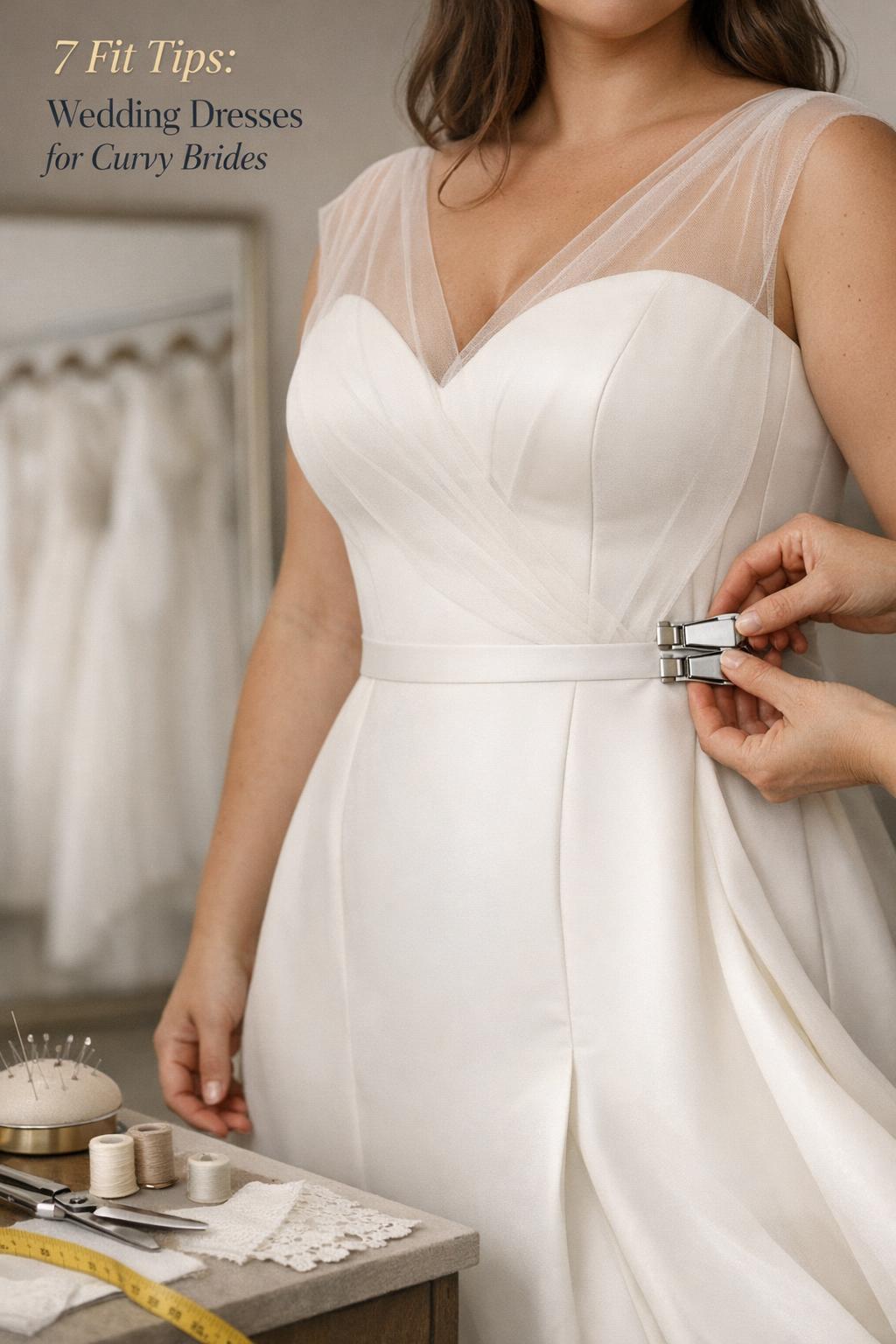
Understanding Your Curves: How Body Shape Impacts Dress Choice
Curvy bodies are not one-size-fits-all, so “flattering” isn’t a single rule. A helpful approach is to think in terms of balance and structure: where a dress adds shape, where it skims, and where it offers support (especially through the bodice). When you identify what you want to highlight and what you want to feel secure in, silhouettes and necklines become easier to compare.
Many curvy brides describe their shape with broad categories such as hourglass, pear, or apple. These labels aren’t about limitations; they’re simply a shortcut to predict what will feel balanced. For example, if your shoulders and hips feel more proportionate with a defined waist, you may gravitate toward styles that intentionally shape the midsection. If you prefer to soften the waistline, you may like designs that skim through the torso and create length through the neckline.
Your wedding look is only the beginning.
Keep your guest list, vendors, timeline, and every important detail together with Zarellea — so your day feels as considered as your style.
Tip: Start with comfort and support, then refine style
Before you focus on lace patterns or sparkle, decide what you need from the structure of the dress: how supported you want the bust to feel, whether you want straps or sleeves, and how much freedom of movement you need for sitting and dancing. Once those needs are clear, you can try multiple aesthetics within the same supportive “framework,” like A-line with different necklines or fit-and-flare in different fabrics.
Best Silhouettes for Curvy Brides
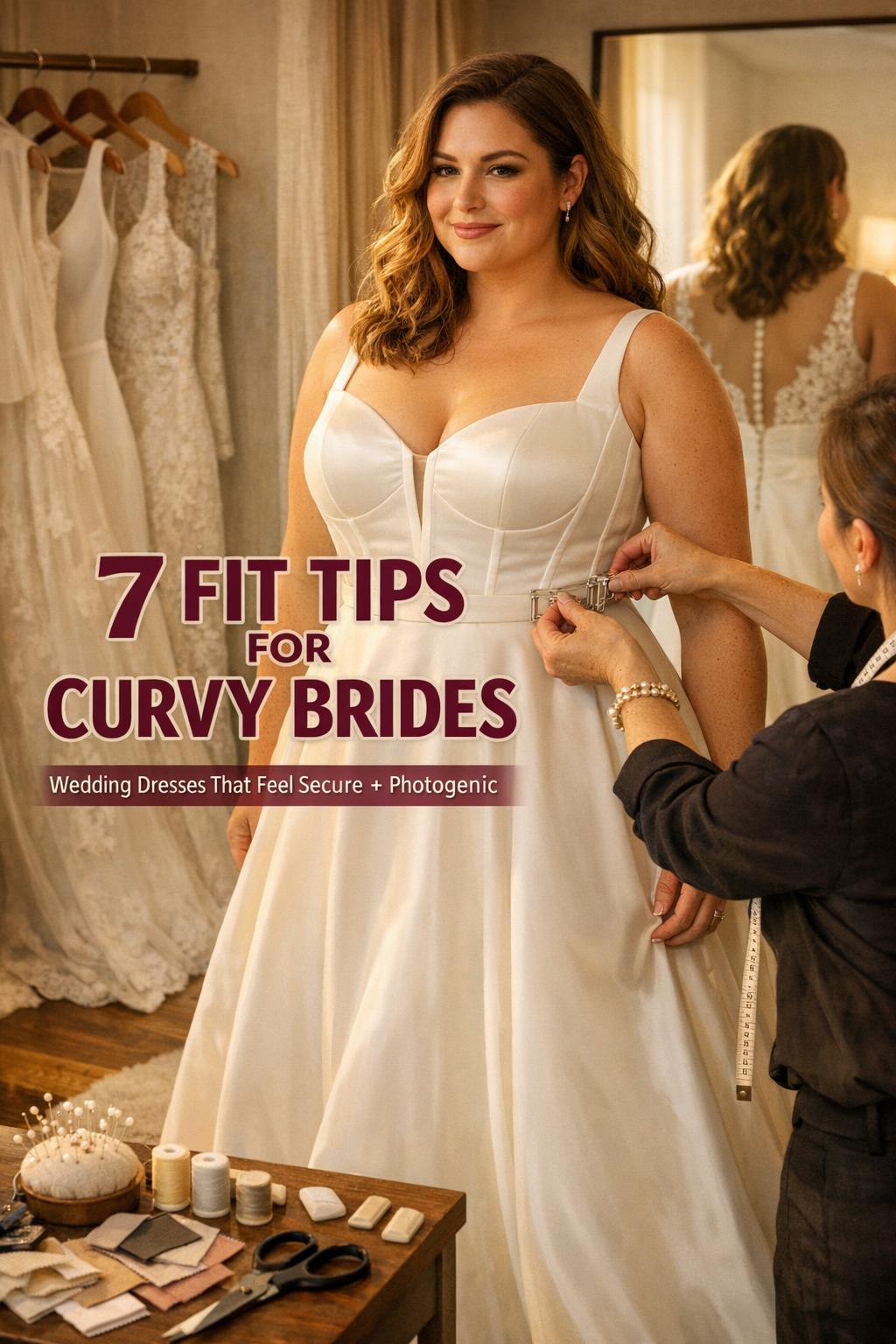
Silhouette is the foundation of a curvy-friendly wedding gown. The most common guidance is to choose a shape that creates balance between the bodice and skirt while letting the fabric move the way you want it to. Below are the silhouettes that frequently appear in plus-size wedding dresses and “curvy collection” assortments, along with what to watch for when you try them on.
A-Line: Timeless and universally flattering
A-line gowns are a consistent favorite because they define the upper body and then glide away from the hips without clinging. This can create a smooth, balanced line that feels comfortable across a range of curvy body types. A-line also adapts well to many fabrics, from structured options to softer overlays, and it can be styled for minimal, modern looks or more ornate, romantic looks.
When you’re trying on A-line dresses, pay attention to where the skirt begins to release from the body. A well-placed transition (often around the natural waist) can enhance the overall proportion and make the bodice feel more secure.
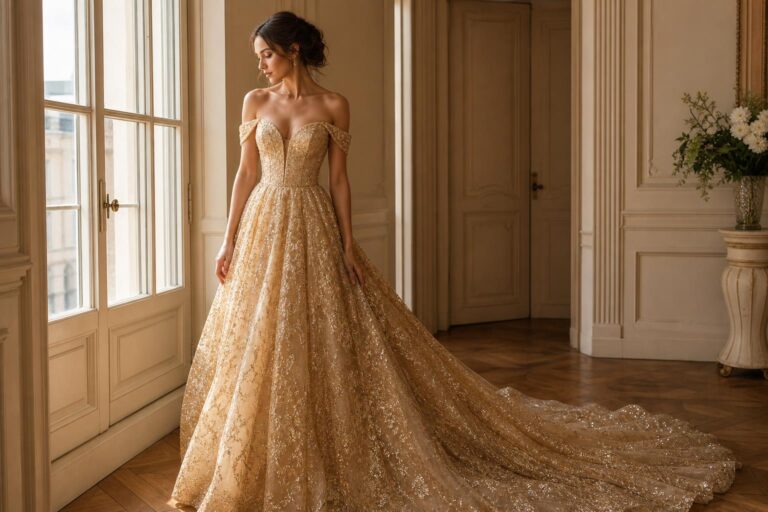
Ball Gown: For dramatic entrances
Ball gowns deliver impact. For curvy brides, the key is a bodice that feels firmly anchored so the volume reads as intentional rather than overwhelming. This silhouette can highlight the waist and create a classic bridal shape, especially when the bodice has thoughtful seaming, supportive construction, or details that draw the eye upward toward the neckline.
Ball gowns are also a great option if you want freedom of movement through the lower half without a fitted skirt. The tradeoff is weight and bulk, which makes fabric choice and comfort especially important.
Fit-and-Flare: Emphasizes curves with balance
Fit-and-flare is often described as a curve-forward silhouette that still offers a forgiving transition. It typically follows the body through the bodice and hips and then flares out, giving shape without requiring the extreme narrowness of a true mermaid. Many curvy brides like fit-and-flare when they want definition but also want to sit and move comfortably.
Because fit-and-flare highlights your natural lines, fabric and construction matter. Look for options that feel supportive through the bodice and smooth through the hip area, especially if you prefer a clean, modern look.
Mermaid: For pronounced curves with structure
Mermaid gowns are designed to celebrate curves with a dramatic, sculpted shape. For curvy brides, mermaid can be stunning when the gown has enough structure to stay smooth and stable, particularly through the bodice and upper hip. The goal is not to “hide” curves but to ensure the silhouette holds its shape in motion and feels secure for a full day of wear.
If you love the mermaid look but want a slightly easier feel, compare it directly against fit-and-flare. The difference in where the skirt begins to flare can make a major difference in comfort.
Necklines, Sleeves, and Back Details That Flatter Curves
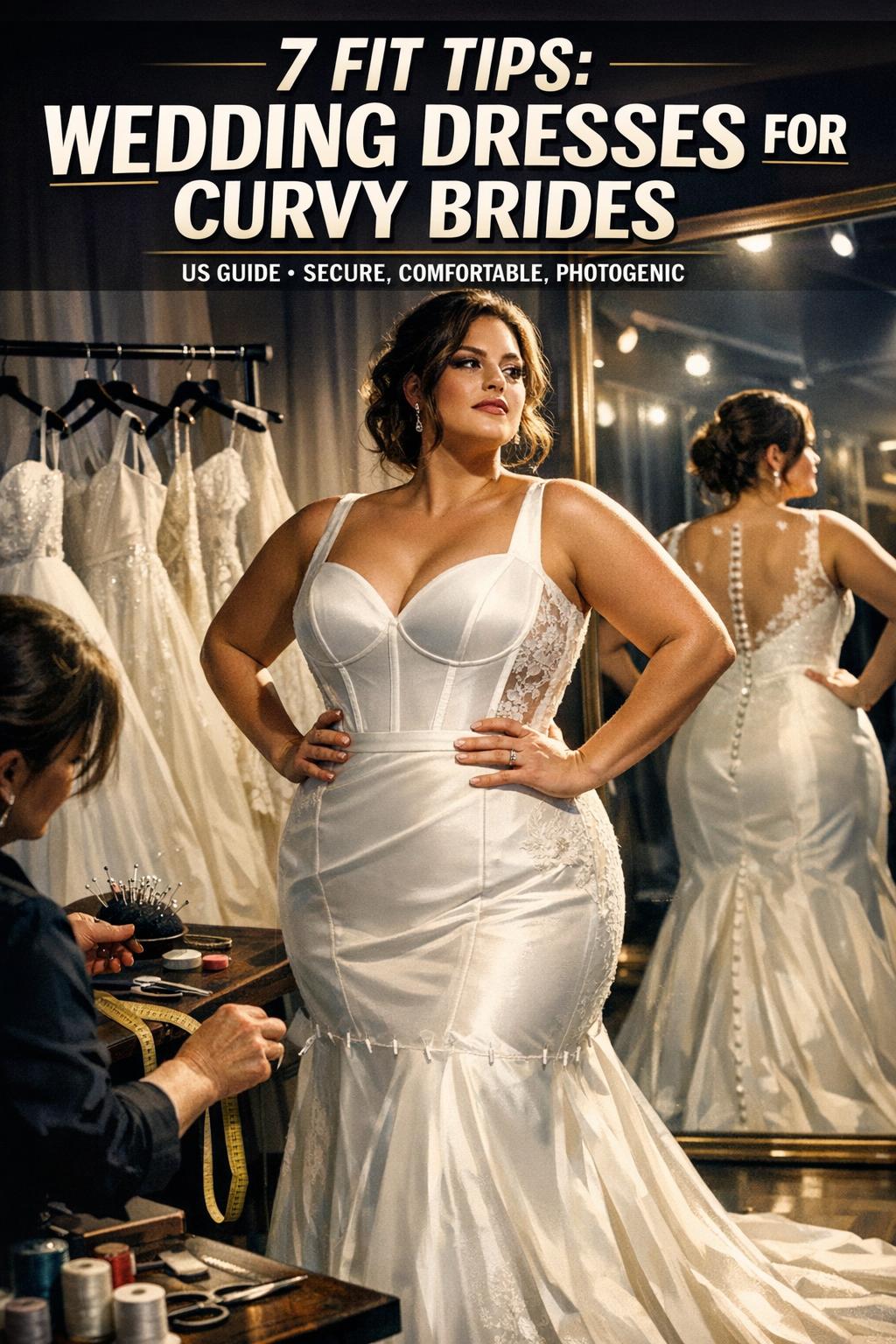
The neckline and sleeves can change how a gown frames the upper body, how supported you feel, and how balanced the silhouette looks overall. Many plus-size wedding dress guides emphasize necklines that create length through the torso and highlight the face and décolletage, while sleeves and straps can add security and comfort without sacrificing style.
Sweetheart, V-neck, and illusion: three reliable starting points
Sweetheart necklines are popular because they create a defined shape at the top of the bodice and can feel classically bridal. V-necks can add a sense of vertical length, which many curvy brides find balancing, especially in fitted silhouettes. Illusion details (often using tulle overlays) can create visual interest and a lighter look around the neckline while offering more coverage than a fully open neckline.
When comparing necklines, focus on where the neckline edge sits and how it interacts with the bodice structure. A neckline you love visually should still feel stable when you move your arms, sit, and take a deep breath.
Sleeves: cap, flutter, and long sleeve support
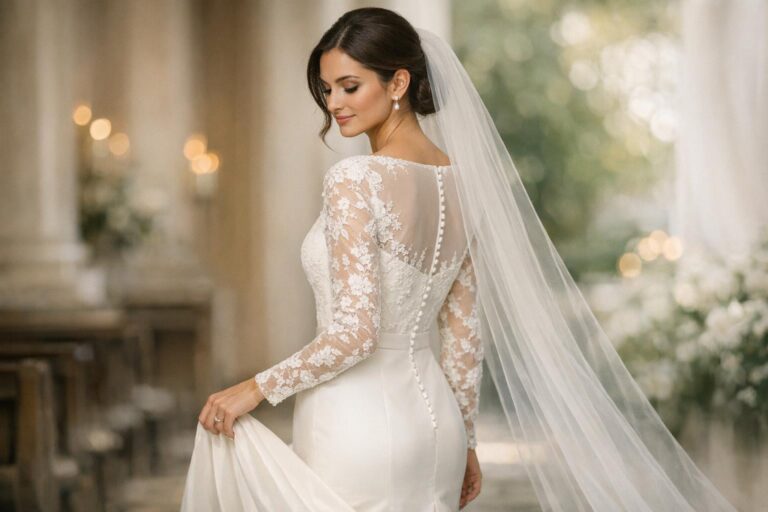
Sleeves can be both aesthetic and functional. Cap sleeves and flutter sleeves can soften the shoulder line and add romance without heavy coverage. Long sleeves can create a polished, elegant finish and are often paired with illusion details for a lighter effect. For many curvy brides, sleeves also provide a sense of security, especially if you prefer not to worry about a strapless bodice shifting.
If sleeves are important to you, treat them like a fit feature: check range of motion and how the sleeve attaches to the bodice. A beautiful sleeve that restricts movement can become distracting during your ceremony or reception.
Back details: illusion backs, buttons, and length
Back design can add drama and also affect support. Illusion backs can feel light and detailed while providing coverage. Button detailing can create a traditional finish and draws the eye along the back line. As you try on gowns, notice whether the back feels secure at the top edge and whether the closure type (buttons, zipper, or a combination) feels stable.
Tip: Choose neckline and sleeve combinations that match your support needs
If you’re debating between strapless and sleeved options, don’t decide based on photos alone. Try on both styles in similar silhouettes and compare how your posture and comfort change. The gown that makes you stand tall and relax your shoulders often becomes the one you love most in pictures and in real life.
Fabrics and Texture: Comfort, Fit, and Visual Refinement
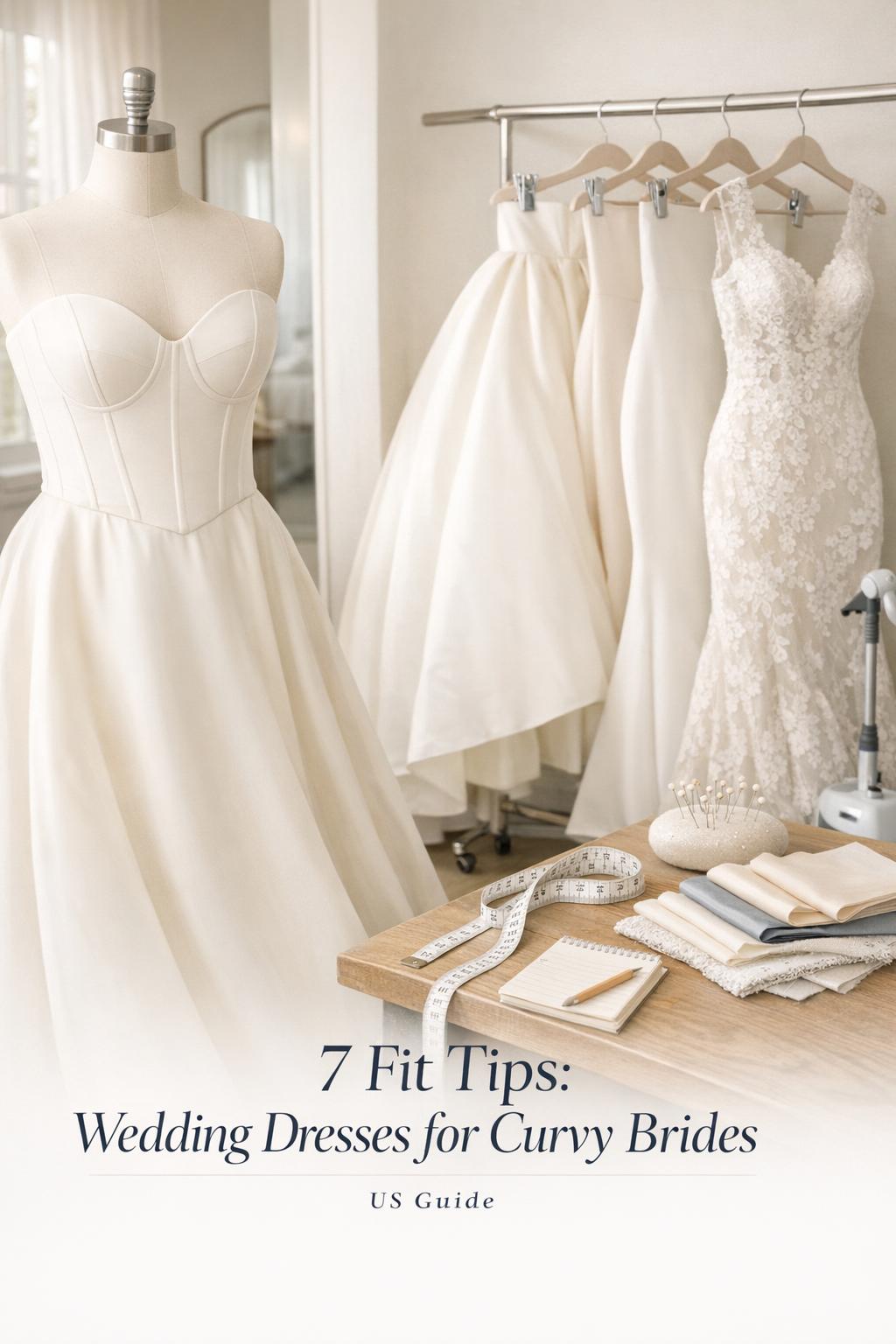
Fabric determines how a dress moves, how it feels against the skin, and how it drapes over curves. Many curvy wedding gown descriptions emphasize fabrics that hold shape, fabrics that skim, and design elements like lace overlays or ruching that can add texture and interest. The right fabric choice is the one that aligns with your comfort and the silhouette you want to achieve.
Matte crepe, satin, and mikado: structure and polish
Structured fabrics and cleaner finishes are common in modern curvy-friendly gowns. Matte crepe can create a sleek line, while satin offers a classic bridal sheen. Mikado is often discussed alongside structured silhouettes because it can hold shape and create defined architectural lines. These fabric families are frequently used to support A-line and ball gown shapes, and they can also work in fit-and-flare when the construction is strong.
In any structured fabric, pay attention to how the bodice feels when you sit and breathe. The more structured the material, the more important the tailoring and the correct size choice become.
Lace overlays, illusion tulle, and ruching: texture with strategy
Lace overlays and illusion tulle are often used to create dimension, soften lines, and add bridal detail without relying only on heavy embellishment. Ruching and draping are especially common in curvy collections because they can create visual texture through the bodice and help the dress feel intentionally shaped. Many curvy brides also look for bodice details like ruching or shirring because they can complement the torso and draw attention to the waist.
If you love lace, compare how different lace placements change the overall look. Lace can be a focal point, a soft overlay, or an accent that frames the neckline and sleeves.
Tip: Decide whether you want the fabric to skim or to sculpt
A helpful way to choose fabrics is to decide how you want the gown to behave. Skimming fabrics can feel gentle and fluid; sculpting fabrics feel more structured and defined. Neither is “better,” but your preference will influence whether you love a sleek fit-and-flare or a more forgiving A-line with overlay and draping.
How to Shop for Plus-Size Wedding Dresses (A Practical Guide)
Shopping for plus-size wedding dresses often includes a mix of boutique appointments, brand catalogs, and online retailers with size-inclusive options. The most consistent success comes from a process: measure accurately, plan for alterations, and keep budget and timing visible from the start. Curvy brides also benefit from knowing that sample sizes may not match their final size, so the goal of try-ons is to identify what works, not to judge a number on a tag.
Measuring tips and common sizing pitfalls
Accurate measurements help you interpret size ranges across brands and reduce surprises when ordering. Many shopping guides highlight that bridal sizing can vary and that different designers and collections will fit differently. Treat measurements as your anchor point, then use try-ons to confirm which silhouettes and bodice constructions feel best.
- Measure with the undergarments you plan to wear when trying on gowns, or use a consistent baseline.
- Focus on key areas that affect fit most: bust, waist, and hips.
- Expect variation across designers and collections; compare fit notes rather than assuming one “true size.”
- Remember that samples in stores may be clipped; use that information to understand shape, not final fit.
Alterations timeline and expectations
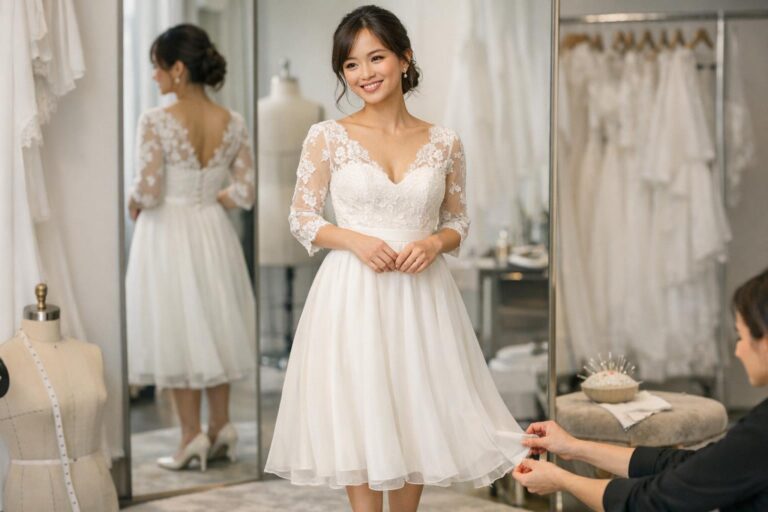
Alterations are a normal part of wedding dress shopping, and curvy brides often benefit from tailoring that fine-tunes the bodice, adjusts straps or sleeves, and ensures the hem works with your shoes. Many bridal resources emphasize building in time for tailoring and being realistic about what can be adjusted comfortably.
A practical approach is to treat alterations as a stage of the process rather than a last-minute fix. Once you choose your dress, ask about typical lead times for fittings and schedule them early enough that changes can be done thoughtfully.
Budgeting and a simple price-ladder mindset
Search results for curvy wedding gowns include both editorial inspiration and retailer catalogs, which means you’ll see a wide range of prices. Instead of trying to pin down exact costs from photos, use a price-ladder mindset: decide your comfortable range first, then filter silhouettes and fabrics within that range. Keep alteration costs in mind as part of your overall plan, especially for gowns with complex bodices, sleeves, heavy fabric, or substantial detailing.
Tip: Use a two-list system to stay decisive
Create two lists as you shop: a “must-have” fit list (support level, neckline comfort, movement) and a “love-to-have” style list (lace type, sleeve look, back details). If a gown meets your must-haves, it stays in the running even if you tweak styling later. This keeps you from choosing a dress that photographs well but feels distracting to wear.
Real Brides, Real Inspiration: How to Use Galleries and Style Notes
Many of the most helpful plus-size wedding dress resources include galleries with captions and real-bride style notes. That’s useful because it shows how gowns look in motion and in real settings, not only in catalog styling. When you use galleries as inspiration, the key is to translate what you like into repeatable elements you can try on.
Instead of saving an image because the model looks “perfect,” save it because you can name what you like: a V-neck plus a supportive bodice, an A-line skirt with lace overlay, or sleeves that balance the silhouette. This turns inspiration into a fitting strategy.
- Save images by element, not just by dress: silhouette, neckline, sleeve style, fabric, and bodice detailing (like ruching or draping).
- When you see a look you love, note why it works: structure at the top, balance at the waist, or movement in the skirt.
- Look for a range of body types in inspiration, and prioritize photos that show sitting, walking, and dancing.
- Use style notes to spot patterns, such as repeated recommendations for fit-and-flare, A-line, illusion details, or ruched bodices.
Tip: Build a “try-on map” from your inspiration
From your saved images, choose three silhouettes to try first (for example: A-line, fit-and-flare, and ball gown) and two necklines (such as V-neck and sweetheart). Try those combinations early in the process. Even if you don’t choose one of them, you’ll learn quickly what makes you feel most confident, which is the fastest way to narrow options.
Where to Buy: Brands and Retailers with Plus-Size Options
Curvy brides typically shop through a mix of bridal publications (for roundups and guidance), brand “curvy collections” (for consistent design language and sizing availability), and retailers with dedicated plus-size sections (for broad selection and filters). You’ll see a few recurring pathways: designer collections highlighted in editorial coverage, brand catalogs that emphasize curvy-friendly construction, and retailers that let you filter by silhouette, neckline, and size range.
Brand spotlights and curvy collections
Several established bridal brands present dedicated curvy collections or plus-size wedding dress categories, often showcasing a range of silhouettes and design details intended to complement curves. For example, you may see “Curvy Collection” or “plus-size wedding dresses” sections that feature A-line, fit-and-flare, and other shapes with design elements like draping, beading, and supportive bodices.
Designer-focused editorial coverage can also be useful if you want a specific aesthetic. These features often describe collections, materials, and silhouette direction, helping you decide which designers to seek out in boutiques or retailer catalogs.
Retailers and boutiques with extended size ranges and filters
Retailers with plus-size bridal categories can help you compare many dresses quickly. Catalog-style shopping pages often highlight designer variety, featured gowns, and filters for silhouettes and necklines. Boutique blogs may also share curated favorites for curvy brides, including notes on what they order in-store and size availability. This mix of catalog breadth and boutique curation can be a strong combination: use catalogs to explore, and boutiques to refine fit and construction preferences.
- Use brand catalogs when you want a consistent design approach and a dedicated curvy assortment.
- Use retailer category pages when you want many designers in one place and filtering by size, neckline, or silhouette.
- Use boutique editorials when you want a curated point of view and styling notes on specific gowns.
- When comparing sources, prioritize clear fit notes, size ranges, and tailoring guidance.
Alterations and Fit Tips for Curvy Brides
Alterations are where a good dress becomes your dress. Curvy brides often benefit most from tailoring that ensures the bodice feels secure, the neckline sits correctly, and the proportions of the gown match your height and shoes. Many plus-size bridal guides emphasize that tailoring is expected and that the best outcome comes from clear communication about comfort as well as appearance.
What to request from your seamstress
The most useful alteration conversations are specific. Instead of saying “make it more flattering,” describe what you want to feel: more supported at the bust, more stability at the top edge, smoother through the waist, or more freedom in the arms. Curvy brides also often ask for refinements that keep the dress secure for hours, especially if the gown is strapless or has an illusion neckline.
- Ask for bodice stability first: comfort when breathing, sitting, and lifting your arms.
- Discuss strap or sleeve adjustments if you want more security or better movement.
- Confirm hem length with your wedding shoes to avoid tripping and to keep the skirt’s shape intentional.
- Ask how the fabric will behave after alterations, especially if the gown has draping or ruching.
Common alterations: what they accomplish
Common wedding dress alterations for curvy brides often include bodice adjustments, bust refinements, strap work, and hemming. These changes help the gown sit correctly and feel secure. The goal is a balanced fit: supported on top, smooth through the midsection, and easy to move in through the skirt.
When your dress has detailed lace, illusion elements, buttons, beading, or layered fabrics, ask early how those features affect tailoring. This helps you plan both timeline and budget with fewer surprises.
Tip: Do a movement test at every fitting
At each fitting, do a simple movement routine: sit down, stand up, take a deep breath, lift your arms as if hugging someone, and walk a few steps. If something pinches, shifts, or distracts you, say it immediately. Fit issues are easiest to fix when they’re identified early, and comfort is a major part of how confident you’ll look in photos.
Quick Reference: 10 Curvy-Dress Essentials to Add to Your Wishlist
If you want a fast way to build a strong try-on list, these essentials reflect the most common elements highlighted in curvy-friendly dress guides, brand collections, and boutique favorites. Use them as prompts while browsing catalogs or preparing for appointments.
- An A-line gown with a supportive bodice you can comfortably wear for hours
- A fit-and-flare option to compare against mermaid for comfort and mobility
- A ball gown with a waist definition that feels stable, not heavy
- A V-neck style to test how vertical lines change the overall balance
- A sweetheart neckline option for a classic bridal shape
- An illusion neckline or illusion back for coverage with detail
- A dress with sleeves (cap, flutter, or long sleeve) to compare support and movement
- A gown featuring draping or a ruched bodice to evaluate texture and shaping
- A structured fabric option (such as satin or mikado) for a crisp, defined silhouette
- A lace overlay option to see how texture and pattern affect the look on your curves
Conclusion: Your Perfect Curvy Wedding Dress Is Within Reach
The best wedding dresses for curvy brides combine three things: a silhouette that creates the balance you want, design details that support and highlight your favorite features, and a practical plan for sizing and alterations. Use inspiration galleries to define your style, lean on try-ons to confirm comfort and structure, and treat tailoring as a normal part of the process. When you prioritize how you want to feel in the gown, you’ll choose a dress that looks stunning and lets you stay present for every moment of the day.
FAQ
Do curvy brides need to order a bigger size in wedding dresses?
Not necessarily, but bridal sizing can vary by designer and collection, so it’s common to choose a size based on your measurements rather than the size you usually wear. The goal is to start with the size that fits your largest measurement area most comfortably, then use alterations to refine the bodice, waist, straps, and hem for a secure, polished fit.
What silhouettes are most flattering for plus-size wedding dresses?
A-line is often considered universally flattering because it defines the upper body and skims away from the hips, while fit-and-flare and mermaid highlight curves with more definition. Ball gowns are also popular for creating a classic bridal shape with a dramatic skirt, as long as the bodice feels supportive and stable.
Which necklines work well for curvy brides?
Sweetheart, V-neck, and illusion necklines are common starting points because they frame the upper body in a defined way and can create a balanced look. The best neckline is the one that feels secure when you move and matches your preferences for coverage and support.
Are sleeves a good idea for curvy wedding gowns?
Sleeves can be both stylish and supportive, with options like cap sleeves, flutter sleeves, and long sleeves often appearing in curvy-friendly selections. The key is to check mobility and comfort, since sleeves should allow you to lift your arms and move naturally throughout the day.
What fabric details should curvy brides look for?
Many curvy brides compare structured fabrics such as satin or mikado with sleeker options like matte crepe, then add texture through lace overlays, illusion tulle, or draping and ruching. Fabric choice matters because it affects comfort, how the dress drapes over curves, and how stable the silhouette feels over hours of wear.
How far in advance should I plan for alterations?
Plan for alterations as a normal stage of the process and build in enough time for multiple fittings, especially if your gown has detailed features like lace, illusion elements, buttons, beading, or layered fabrics. Scheduling early helps you avoid rushed changes and gives you time to confirm comfort and movement.
What are the most common alterations for plus-size bridal gowns?
Common alterations include adjusting the bodice for support and stability, refining the bust area, shortening or tightening straps or sleeves for security, and hemming the skirt to match your shoes. These changes help the gown feel anchored on top and balanced through the silhouette.
Where can I shop for size-inclusive bridal gowns?
You can shop through designer and brand sites that offer dedicated curvy or plus-size collections, retailer category pages that let you filter by size and silhouette, and boutiques that curate styles for curvy brides. Combining inspiration from editorial roundups with the practical filtering tools of retailer and brand catalogs often makes the search faster and more focused.
Are strapless dresses realistic for curvy brides?
They can be, as long as the bodice construction feels secure and comfortable during movement. If you’re considering strapless, do a movement test during try-ons and fittings—sit, stand, breathe deeply, and lift your arms—so you can confirm the dress stays stable and supportive.
How do I use real-bride galleries to choose a dress more confidently?
Save images for specific elements you can replicate in try-ons—such as silhouette, neckline, sleeves, and fabric details like ruching or lace overlays—rather than saving a look only because the photo is beautiful. This helps you translate inspiration into a clear try-on plan focused on fit, comfort, and the design details that consistently work for your preferences.