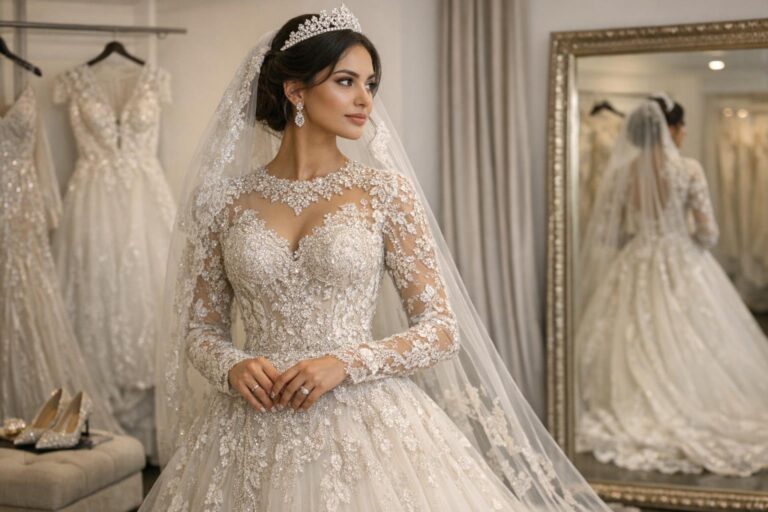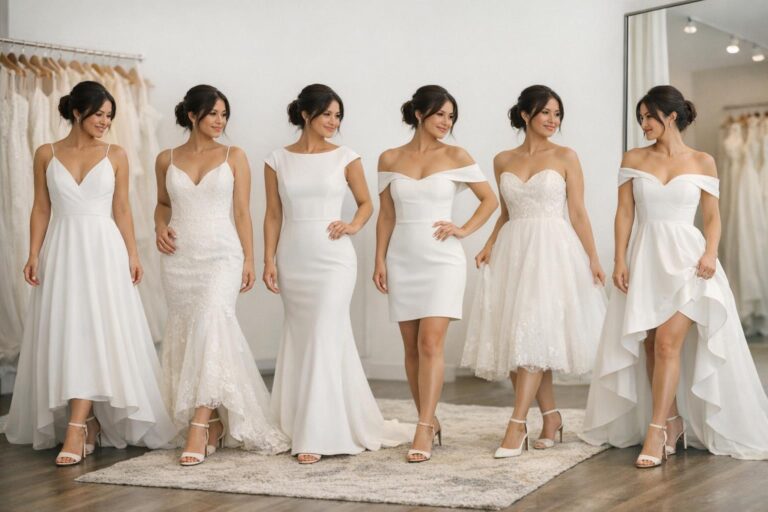
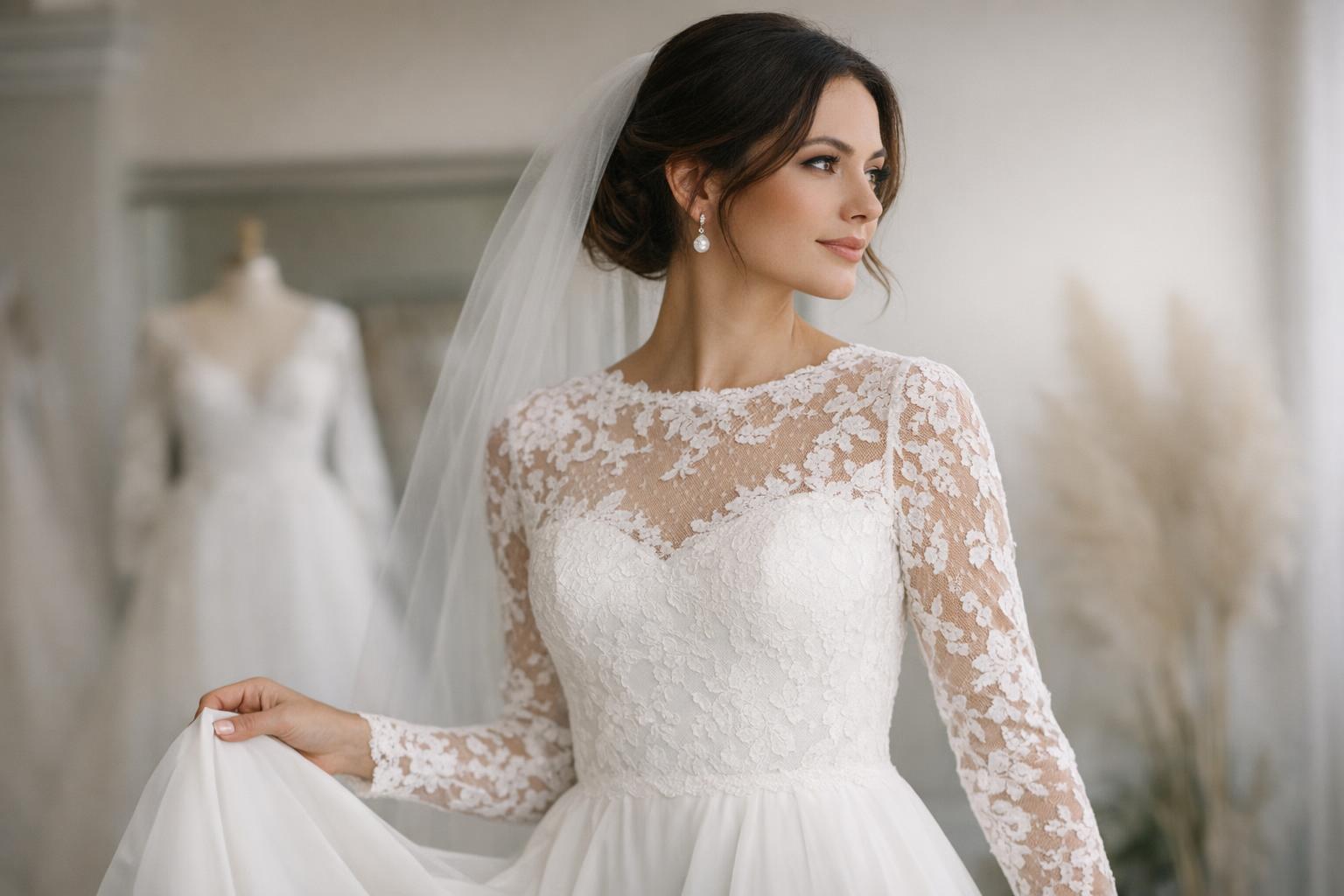
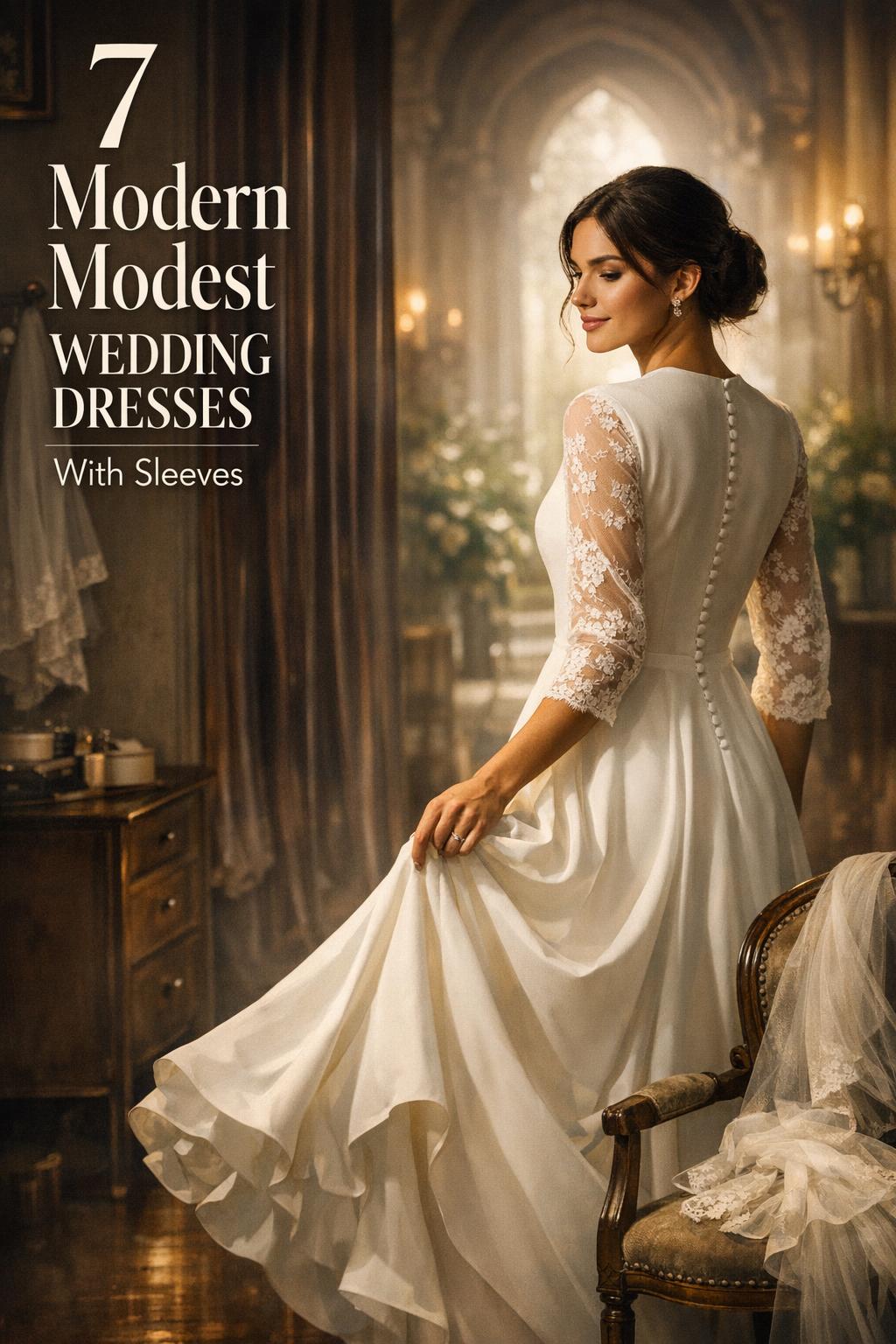
7 Modern Modest Wedding Dresses With Sleeves for US Brides
Modest Wedding Dresses with Sleeves: Coverage, Style, and Silhouette
Modest wedding dresses with sleeves have become a go-to choice for brides who want beautiful coverage without sacrificing style. Whether you’re drawn to long lace sleeves, a clean crepe sleeve, an airy illusion sleeve, or subtle cap sleeves, sleeved gowns can feel timeless, modern, and ceremony-appropriate all at once. The key is knowing how different sleeve types, necklines, silhouettes, and fabrics work together so your dress feels as comfortable as it looks.
This guide breaks down sleeve styles, neckline pairings, silhouette balance, fabric comfort, venue and season considerations, and practical shopping steps (including alterations and detachable options). You’ll also find a brand roundup of modest sleeve collections to explore and a detailed FAQ to help you make confident decisions.
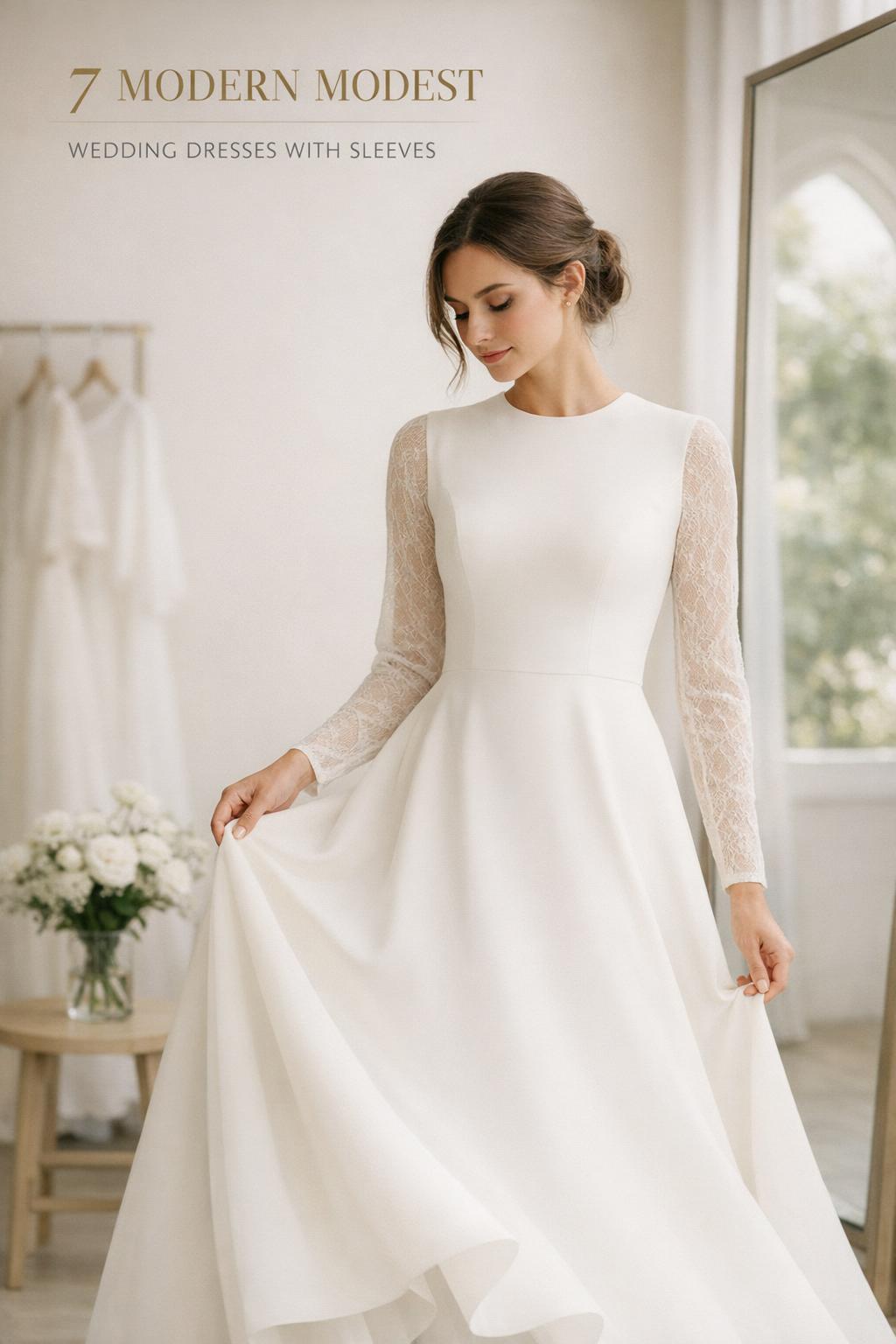
What Counts as Modest? Understanding Coverage, Necklines, and Sleeves
“Modest” in bridal typically refers to more coverage in the bodice, neckline, back, and arms—often created through higher necklines, lined bodices, and sleeves that range from cap to long. Many modest bridal gowns use design details like lace, illusion, crepe, and tulle to create coverage that still feels light, refined, and bridal.
Coverage isn’t one single look. Some brides want full-coverage wedding gowns with long sleeves and high necklines, while others prefer demure wedding dresses that show a bit of shape with a sheath silhouette and three-quarter sleeves. You can also find modest gowns that feel contemporary by combining sleek fabrics (like crepe) with thoughtful sleeve construction and clean lines.
Your wedding look is only the beginning.
Keep your guest list, vendors, timeline, and every important detail together with Zarellea — so your day feels as considered as your style.
When you’re defining “modest” for your own wedding, it helps to decide which area matters most: sleeve coverage, neckline height, or overall silhouette. Once you’re clear on that priority, it becomes much easier to narrow down wedding dresses with sleeves that match your comfort level and your venue.
Tips: Define your coverage goals before you fall in love with a dress
Before booking appointments or browsing collections, set a simple baseline for yourself: sleeve length (cap, three-quarter, or long), neckline preference (higher versus more open), and whether you want any sheer/illusion elements. That quick clarity prevents you from wasting time on gowns that will require major changes to meet your modesty needs.
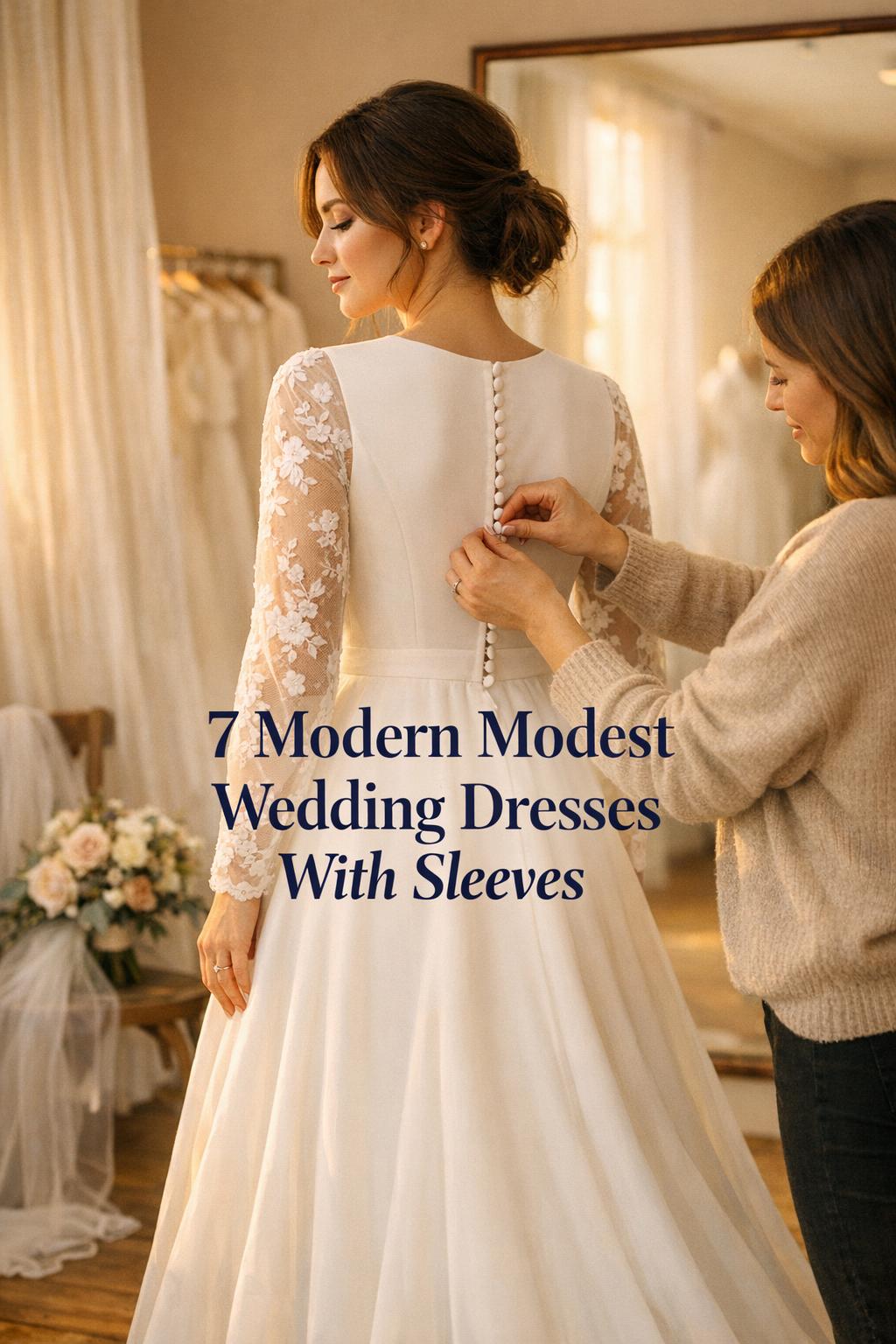
Sleeve Styles and How They Transform Your Dress
Sleeves do more than provide coverage—they shape the overall mood of the gown. A long sleeve can feel classic and regal, a flutter sleeve can feel romantic and soft, and an illusion sleeve can feel delicate and breathable while still offering modesty. Below are the most common sleeve directions seen across modest bridal attire and covered wedding dress collections.
Long Sleeves: Classic Elegance and Full Coverage
Long-sleeve wedding dresses are a cornerstone of modest bridal style, especially for brides who want full arm coverage for faith-based ceremonies, conservative weddings, or simply personal preference. Long sleeves often appear in lace, crepe, and combinations that include illusion panels for a lighter feel.
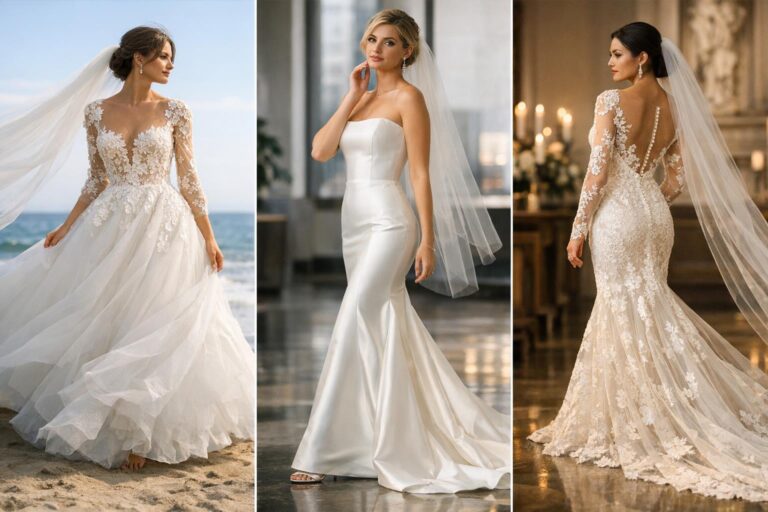
In many modest collections, long sleeves are paired with higher necklines and structured bodices, creating a refined, balanced look that photographs beautifully. Lace long sleeve gowns can lean romantic and detailed, while crepe long sleeves tend to look sleek and minimalist.
Three-Quarter Sleeves: Polished, Practical, and Flattering
Three-quarter sleeve wedding dress styles are a popular modest option when you want coverage without the full length of a long sleeve. This sleeve length can feel especially versatile for movement and comfort, and it often blends well with sheath silhouettes and clean, modern gown designs.
Because the sleeve stops between the elbow and wrist, it can create a balanced line that feels intentional—particularly when paired with a modest neckline or a more covered bodice.
Cap Sleeves and Short Sleeves: Subtle Coverage with a Light Feel
Cap sleeve modest wedding dress styles offer coverage at the shoulder while keeping the overall look airy. Short sleeves can add a touch more coverage down the upper arm while still feeling light and approachable—often a good match for brides who want a modest gown without a fully covered arm.
Cap and short sleeves can look especially elegant when the dress has other coverage elements, like a higher neckline or a fully lined bodice. They’re also a natural fit for brides who want a balance between demure and modern.
Illusion and Sheer Sleeves: Delicate Coverage with Breathability
Illusion sleeve wedding gown styles use sheer fabric (often with lace) to create coverage that feels soft and romantic. Many brides love illusion sleeves because they can appear light and breathable while still aligning with modest wedding dress sleeves preferences.
Illusion can also help blend a sleeve into the neckline or bodice design, which is useful when you want a higher neckline effect without heavy layering. This category is especially common in lace-forward modest gowns where the sleeve detail becomes part of the dress’s focal point.
Flutter, Bell, and Bishop Sleeves: Romantic Volume and Movement
For brides who want modesty with a fashion-forward silhouette, flutter sleeves, bell sleeves, and bishop sleeves bring drama and softness. These sleeves add volume and movement, which can complement gowns that otherwise have clean lines or classic shapes.
Statement sleeves can also shift the overall vibe of a dress: flutter sleeves can feel light and dreamy, while bishop sleeves can feel romantic and editorial. If your venue or personal style leans toward classic elegance, you can still embrace volume by choosing refined fabric and a balanced neckline.
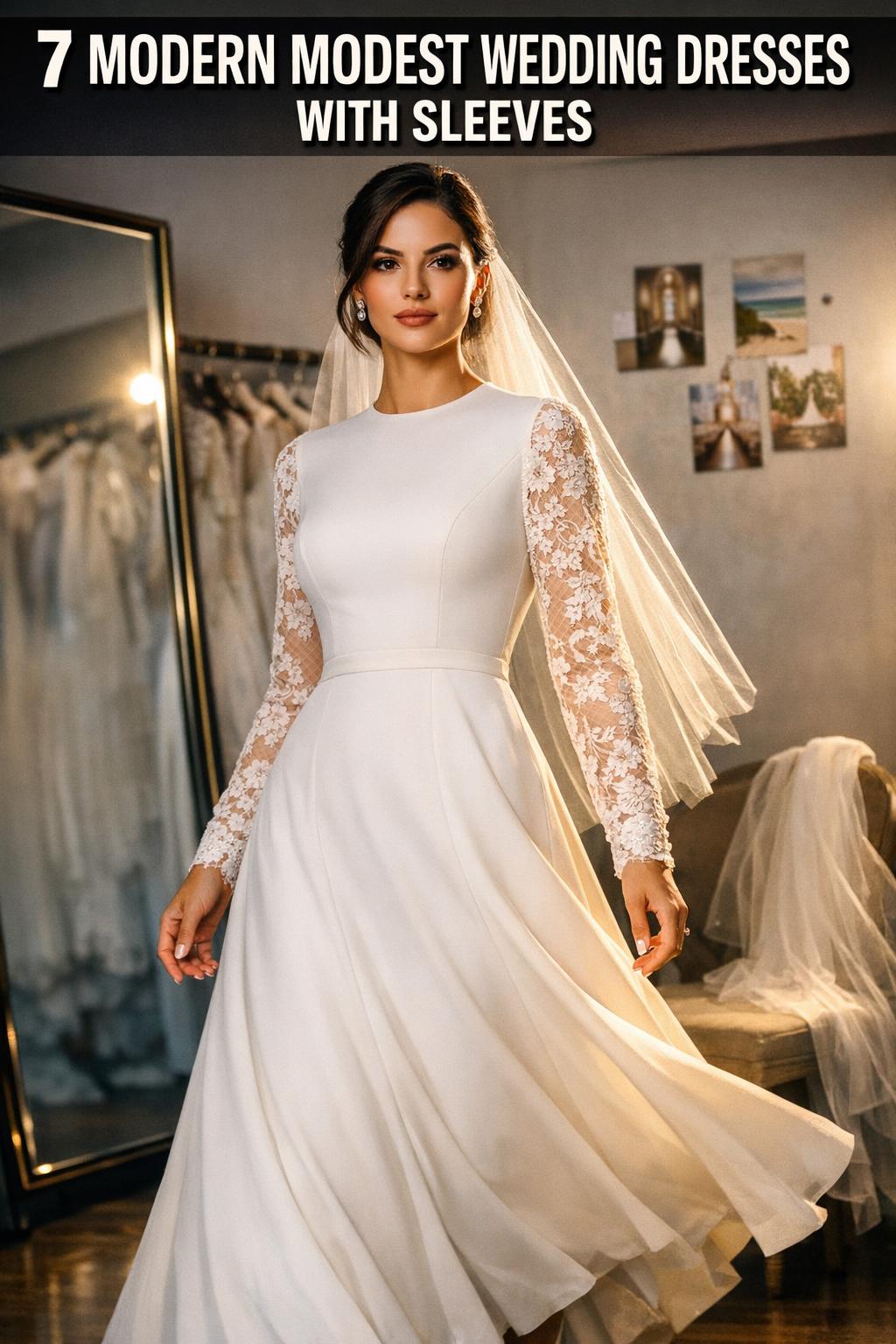
Necklines and Silhouettes That Pair Perfectly With Sleeves
A modest gown looks most intentional when sleeves and neckline work together. The goal is visual harmony: if sleeves add structure or detail, the neckline should complement that energy, and the silhouette should support the overall balance. Many modest bridal gowns achieve this with high necklines, clean bodices, and sleeves that echo the gown’s fabric story—lace with lace, crepe with crepe, or sheer with delicate detailing.
A-Line with Long Sleeves: Balanced and Timeless
An A-line silhouette is a reliable pairing for long sleeves because it creates an elegant proportion from top to hem. If your sleeves are detailed (lace or illusion), an A-line skirt can keep the look classic rather than overwhelming. If your sleeves are sleek (like crepe), an A-line can add softness and movement.
This pairing is especially appealing for brides seeking modest gowns with sleeves for conservative weddings because it offers coverage and comfort while still feeling undeniably bridal.
Ball Gown with Modest Sleeves: Statement Coverage
Ballgown silhouettes naturally feel formal and grand, and modest sleeves can enhance that regal effect. Lace sleeves with a ballgown can look romantic and classic, while a cleaner sleeve can create a modern, minimalist version of a traditional shape.
If you love the idea of a high neck long sleeve wedding dress, a ballgown silhouette can amplify that elevated, ceremony-ready feel—especially for more formal venues.
Sheath with Three-Quarter or Illusion Sleeves: Modern Modesty
Sheath silhouettes tend to feel streamlined, making them a strong match for sleeves that add refined detail without adding bulk. Three-quarter sleeves can feel polished and practical, while illusion sleeves can bring delicacy to a sleek shape. This is a helpful direction if you want modest wedding dresses with sleeves that still feel modern and unfussy.
When choosing sleeves for a sheath gown, pay attention to how the sleeve attaches at the armhole and how the fabric moves when you lift your arms—comfort and mobility are crucial for a fitted silhouette.
High Necklines and Sleeves: A Clean, Refined Frame
Higher necklines are a common anchor for modest bridal attire, and they pair naturally with sleeves of nearly any length. With long sleeves, you get a fully framed, covered look. With cap sleeves or short sleeves, you get a modest neckline with a lighter arm, which can feel especially balanced for brides who want coverage but not full sleeves.
Tips: Use a “balance check” when comparing gowns
When you try on sleeved gowns, step back and ask: where is the visual emphasis—neckline, sleeves, waist, or skirt? If sleeves are heavily detailed, consider a simpler skirt. If the skirt is dramatic (like a ballgown), consider sleeves that complement rather than compete, unless your goal is a bold, statement look.
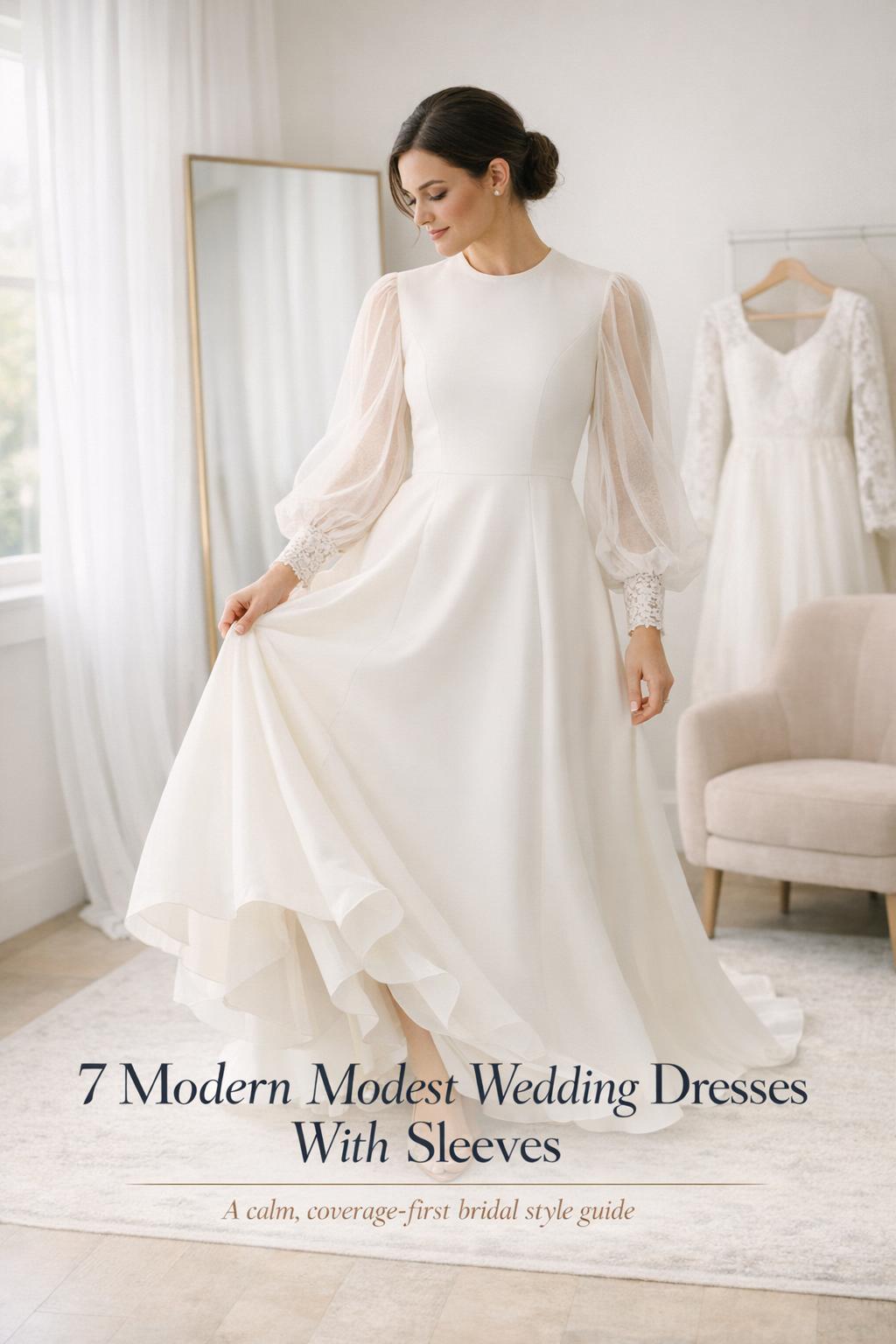
Fabrics and Comfort: Choosing the Right Material for Sleeves
Fabric matters more with sleeves than many brides expect. Sleeves sit on joints and high-movement areas, so the feel against skin, the breathability, and the way the fabric drapes can make or break your comfort—especially during a long ceremony and reception.
Lace, Tulle, Crepe, and Satin: How They Tend to Feel
Lace sleeves are often chosen for classic bridal texture and romantic detail, and they can range from bold patterns to softer, delicate looks. Tulle and illusion materials can create a sheer sleeve effect that appears light while maintaining coverage. Crepe sleeves generally look clean and modern, often appealing to brides who want modest gowns without heavy embellishment. Satin can read more formal and structured, which can be striking with modest design lines.
Many sleeved modest gowns mix fabrics—like a structured bodice with lace sleeves or an illusion neckline with lace motifs—so the overall design feels cohesive and intentional rather than “added on.”
Breathability and Movement: The Sleeves Test
Comfort is not just about how a sleeve looks standing still. It’s about how it moves when you sit, hug, lift your arms, and dance. Breathability can matter even more in long sleeves or higher necklines, and sheer or illusion sleeves are often chosen for a lighter feel while keeping coverage.
- Raise your arms overhead and then forward as if you’re hugging someone; the bodice should stay secure without pulling painfully at the sleeve seam.
- Sit down and stand up; check whether the sleeve bites at the elbow or pulls at the shoulder.
- Notice any scratchy sensation on the forearm or underarm, especially with lace.
- Pay attention to how the sleeve edge at the wrist or elbow feels; it should be comfortable for hours of wear.
Seasonal and Venue-Specific Guidance for Sleeved Modest Gowns
Many brides start their search with sleeve length, but season and venue often determine which sleeve styles feel best. A church ceremony may call for fuller coverage, while an outdoor summer wedding may push you toward breathable materials and lighter sleeve construction. The best choice is the one that matches your setting and helps you feel confident from start to finish.
Summer Garden Weddings: Light Sleeves, Comfortable Coverage
For warm-weather celebrations, modesty and comfort can absolutely coexist. Consider cap sleeves, short sleeves, or illusion sleeves that offer coverage without feeling heavy. If you love the look of long sleeves, prioritize designs that appear airy through sheer or illusion elements so the dress feels wearable for an outdoor ceremony.
Tip: If you’re committed to long sleeves for a summer wedding, focus on how the sleeve feels during movement and how the neckline sits; breathable construction and comfortable fit become the top priorities.
Church or Temple Ceremonies: Full Coverage and Elevated Details
Modest wedding dresses with sleeves for church weddings often lean toward higher necklines, lined bodices, and longer sleeve lengths. Long lace sleeves and high neck designs can feel especially aligned with formal, traditional settings. Ballgowns and A-lines are common choices here because they pair naturally with coverage-focused styling.
For brides who want a conservative look without feeling overly covered, three-quarter sleeves can be a strong middle ground, particularly when paired with a modest neckline.
Beach Weddings: Modesty with Ease of Movement
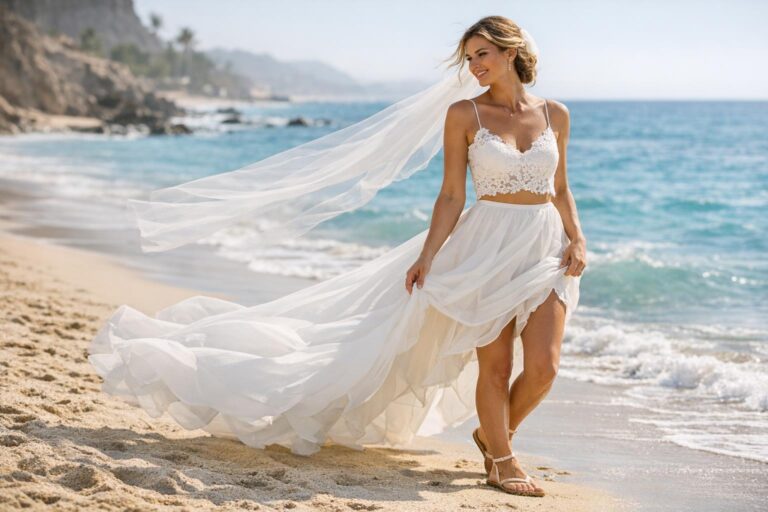
Beach weddings tend to highlight comfort, movement, and a lighter visual feel. Consider illusion sleeves, short sleeves, or softer sleeve shapes that won’t feel restrictive. A sheath silhouette with a delicate sleeve can feel modern and streamlined, while an A-line can add flow without feeling heavy.
Tip: For beach settings, prioritize sleeves that won’t feel cumbersome when walking and that maintain comfort in a more open-air environment.
How to Shop: Fit, Alterations, Detailing, and Detachable Options
Shopping for modest gowns with sleeves is easiest when you approach it with a fit-first mindset. Sleeves are one of the most technical parts of a gown—small fit issues can affect comfort, range of motion, and how the bodice sits. A dress that looks perfect on a hanger can feel completely different once you move your arms, sit, and walk.
Sleeve Fit: What to Look for in the Fitting Room
When you try on wedding dresses with sleeves, evaluate how the sleeve and bodice work as a unit. If the bodice shifts when you lift your arms, the sleeve may be too tight at the upper arm or the armhole may need adjustment. If the sleeve feels overly loose, it may lose the refined, demure look many brides want from modest bridal gowns.
- Check comfort at the upper arm, elbow, and wrist (or sleeve edge for shorter lengths).
- Confirm you can lift your arms comfortably without the bodice riding up excessively.
- Look closely at how lace or illusion sits on skin; it should lie smoothly without puckering.
- Assess symmetry: sleeves should match in length and placement on both sides.
Alterations for Sleeves: Common Adjustments to Expect
Even when a dress already meets your modesty needs, sleeve alterations are common. Brides often adjust sleeve length, refine the fit for comfort, or ensure the sleeve and bodice align cleanly. If you’re choosing between two gowns, the one with the better shoulder and armhole fit often becomes the better long-term choice because it’s more likely to feel comfortable throughout the day.
Tip: When comparing gowns, ask yourself which one requires the least structural change to the sleeve and shoulder area. Small refinements are usually more predictable than major sleeve reconstruction.
Detachable Sleeves and Jacket Options: Flexibility Without Compromise
If you want a ceremony look with more coverage and a reception look with a lighter feel, detachable sleeves or jacket-style toppers can be a practical path. Some bridal styling approaches also use layering—such as pairing a dress with a cover—so you can tailor your modesty level to different moments of the day.
Tip: If you’re considering detachable elements, think through the transitions: when you’ll remove them, who will help, and how the dress looks and feels in both versions. The best detachable approach looks intentional in both the covered and uncovered styling.
Details That Matter: Neckline-to-Sleeve Integration
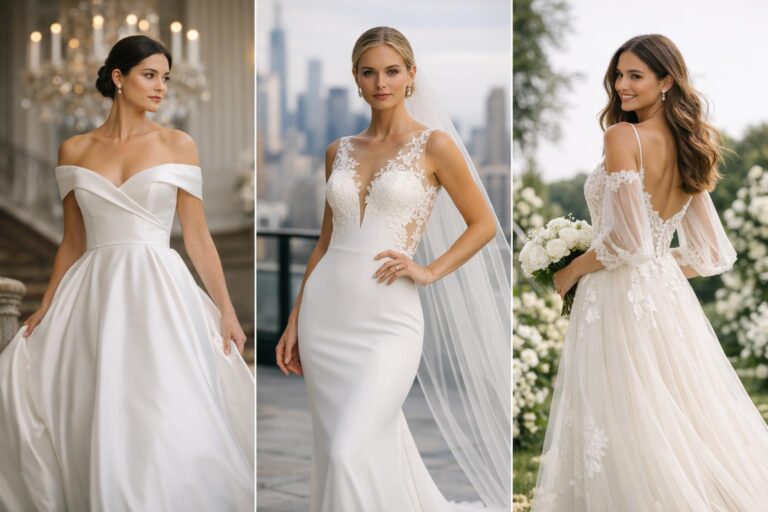
Many of the most polished modest looks come from seamless integration between the neckline and sleeve. Illusion necklines that extend into illusion sleeves can create a delicate frame. Lace motifs that repeat from bodice to sleeve can look cohesive. Sleek crepe sleeves paired with a clean neckline can feel contemporary and confident.
When you’re browsing, look for gowns where the sleeve feels “built in” to the design rather than added as an afterthought. This is especially important if you’re drawn to lace long sleeve wedding dress modesty styles, where the placement and pattern of lace can define the entire look.
Brand Roundup: Modest Sleeve Collections to Explore
Many designers and boutiques offer dedicated modest wedding dress categories or curated modest lines that highlight sleeves, higher necklines, and refined coverage. If you prefer to start with ready-made options rather than custom changes, browsing these collections can help you quickly identify your favorite sleeve types, silhouettes, and fabric directions.
Allure Bridals: Allure Modest Collection
Allure’s modest collection highlights coverage-forward gowns featuring sleeve variety such as long sleeves and cap sleeves, along with higher necklines and silhouettes that include A-line, ballgown, and sheath. Many styles emphasize classic bridal fabrics and detailing like lace, crepe, and tulle, making it a strong starting point if you want a clearly modest category with multiple design directions.
Mon Cheri: Modest Wedding Dresses with Sleeves
Mon Cheri’s modest-with-sleeves category focuses on sleeve variety, including long sleeves, cap sleeves, flutter sleeves, and three-quarter sleeves. The category also references multiple brand lines, offering a broad range of silhouettes, necklines, and fabric approaches for brides who want to compare different “levels” of modesty while keeping sleeves as a priority.
Grace Loves Lace: Modern Modest Dresses with Comfort in Mind
Grace Loves Lace’s modest collection emphasizes modern takes on coverage, including sleeve options such as long sleeves and lace elements, with an overall focus on how the dress feels and moves. If comfort and a contemporary silhouette are high priorities, exploring a modest collection framed around wearability can be especially helpful.
Maggie Sottero: Modest Dress Inspiration and Styling Ideas
Maggie Sottero’s modest-focused content highlights sleeves like lace sleeves, illusion sleeves, and long sleeves, along with ideas for layering and accessories such as covers or jackets. If you’re building a modest bridal look from multiple elements—or want inspiration for how to add coverage thoughtfully—this approach can help you visualize solutions beyond a single dress style.
Sophia Tolli: Modest Options with Sleeve-Inclusive Designs
Sophia Tolli offers a modest wedding dress category featuring specific gown options that incorporate sleeves, modest necklines, and a range of silhouettes and fabric choices. This is useful if you want to browse a designer-led category and compare how different modest gowns handle sleeve design and overall coverage.
IEIE Bridal: Modest Gown Listings Featuring Sleeve Variants
IEIE Bridal’s modest wedding gown collection includes product listings that highlight sleeve variations, such as short sleeves, long sleeves, and lace sleeve designs, across silhouettes like A-line and ballgown. This can be a helpful browsing path when you want to see sleeve types called out directly in the dress presentation.
Retailers and Boutiques: Appointment-Based Help for Modest Sleeves
Some bridal shops position modest wedding dresses as a dedicated offering and encourage brides to book appointments to explore sleeve coverage options, including looks that can be friendly to additional modest styling needs. If you want hands-on guidance comparing sleeve construction and fit across designers, an in-person boutique experience can make the decision feel much clearer.
Real-Bride Gallery: Modest Sleeved Looks to Inspire Your Search
If you’re collecting inspiration, organize it by sleeve type first and silhouette second. That method keeps you focused on the feature that matters most and helps you avoid saving images that are beautiful but don’t actually match your coverage goals.
- Long lace sleeves + A-line silhouette: classic, balanced, and timeless.
- Illusion sleeves + higher neckline: delicate coverage with a lighter look.
- Three-quarter sleeves + sheath silhouette: streamlined, modern modesty.
- Cap sleeves + covered bodice: subtle arm coverage with a refined frame.
- Statement sleeves (flutter, bell, bishop) + clean skirt: romantic movement without visual clutter.
Tip: When you save inspiration images, note what you’re actually responding to: the sleeve length, the lace pattern, the neckline height, or the overall silhouette. That one-sentence note makes your shopping appointments more productive.
Tips for Choosing Sleeves That Feel Confident and Comfortable
Tip 1: Decide whether you want coverage, detail, or both
Some sleeves are about coverage (clean long sleeves), while others are about detail (lace or illusion). Knowing whether you want sleeves to be the focal point helps you choose a neckline and skirt that support the look.
Tip 2: Match sleeve weight to your venue
For outdoor and warm-weather settings, lean toward lighter constructions like illusion sleeves or shorter sleeve lengths. For formal ceremonies, long sleeves and higher necklines can create a polished, elevated impression.
Tip 3: Don’t underestimate mobility
Sleeves affect how your bodice feels when you move. In the fitting room, test real-life motions—raising arms, hugging, sitting—so your modest wedding dress sleeves feel great beyond the mirror moment.
Your 7-Step Sleeve Shopping Checklist
- Define your modesty baseline: sleeve length, neckline height, and whether sheer/illusion is acceptable.
- Choose your venue focus: church/temple, outdoor garden, beach, or a more formal indoor setting.
- Pick a silhouette direction: A-line, ballgown, or sheath, based on what feels most like you.
- Select your sleeve style: long, three-quarter, cap/short, illusion, or statement sleeves (flutter/bell/bishop).
- Identify fabric preferences: lace, crepe, tulle/illusion, satin, or a combination that feels cohesive.
- Plan for fit: prioritize shoulder and arm comfort; note likely sleeve alterations early.
- Make a shopping short list: browse designer collections and book retailer or boutique appointments to try on comparable options.
Tip: Bring one or two non-negotiables (for example, long sleeves and a higher neckline) and one flexible preference (like lace versus crepe). That balance keeps you focused while still allowing you to discover unexpected favorites.
Resources and Where to Buy
If your goal is efficient browsing, start with dedicated modest wedding dress categories and modest-with-sleeves collections from designers and boutiques. Many brands present modest gowns as curated collections, while some retailers and bridal shops provide educational guidance and appointment-based support to help you compare sleeve types, necklines, and silhouettes in person.
As you explore, keep your own checklist close: sleeve type, neckline, silhouette, fabric, and comfort. The best “where to buy” strategy is the one that gets you into dresses that already meet your baseline coverage so you can focus on fit, feel, and personal style.
FAQ
Are long sleeves appropriate for summer weddings?
Yes, but prioritize comfort by looking for long sleeves with a lighter feel, such as illusion or sheer sleeve designs, and make sure you test breathability and mobility during try-ons so you stay comfortable in warm weather.
What sleeve styles look most “modest” without feeling heavy?
Illusion sleeves and three-quarter sleeves are popular for creating a modest look while keeping the overall dress feeling lighter, especially when paired with a higher neckline or a well-lined bodice for balanced coverage.
Can I get modest coverage with short sleeves or cap sleeves?
Yes, cap sleeves and short sleeves can create a modest impression when the bodice and neckline provide additional coverage, offering a refined, demure look without fully covering the arms.
How do I know if a sleeved gown will be comfortable all day?
During try-ons, move your arms through real-life motions like lifting, hugging, and sitting, and pay attention to pulling at the shoulder and armhole area; a comfortable sleeve should allow movement without making the bodice shift excessively.
Do sleeves affect which silhouettes look best?
They can, because sleeves change the visual balance of the gown; long sleeves often pair beautifully with A-line silhouettes for a timeless proportion, while three-quarter or illusion sleeves can feel especially polished with a streamlined sheath shape.
What are common alteration needs for modest wedding dress sleeves?
Sleeve alterations often involve adjusting sleeve length and refining fit for comfort and smooth lines, so it’s wise to prioritize dresses that already fit well at the shoulder and armhole where sleeve comfort is most affected.
Are detachable sleeves or jackets a good option for modest weddings?
They can be a practical way to increase coverage for the ceremony and shift to a lighter look later, especially if you want flexibility across different moments of the day while keeping the overall styling intentional.
What’s the easiest way to start shopping for modest wedding dresses with sleeves?
Begin with dedicated modest collections and modest-with-sleeves categories from designers and boutiques, then narrow your options by sleeve type, neckline preference, silhouette, and fabric so you’re trying on dresses that already match your coverage baseline.