9 Types of Wedding Dresses: Silhouettes That Flatter & Move
Types of Wedding Dresses: A Complete Guide to Silhouettes for Every Bride
When you search for types of wedding dresses, you’re usually trying to answer one core question: which silhouette will look and feel right for you on your wedding day. “Wedding dress styles” can mean a lot of things—necklines, sleeves, fabric, or embellishments—but the silhouette (the overall shape) is the clearest starting point because it determines how the gown fits, how it moves, and how it photographs.
This guide breaks down the most common wedding dress silhouettes—ball gown, A-line, mermaid and trumpet, fit-and-flare, sheath/column, empire waist, plus practical variants like overskirts, toppers, and detachable trains. You’ll also find non-traditional options such as two-piece gowns, convertible 2-in-1 dresses, and colored wedding dresses, along with styling and shopping tips to help you narrow choices with confidence.
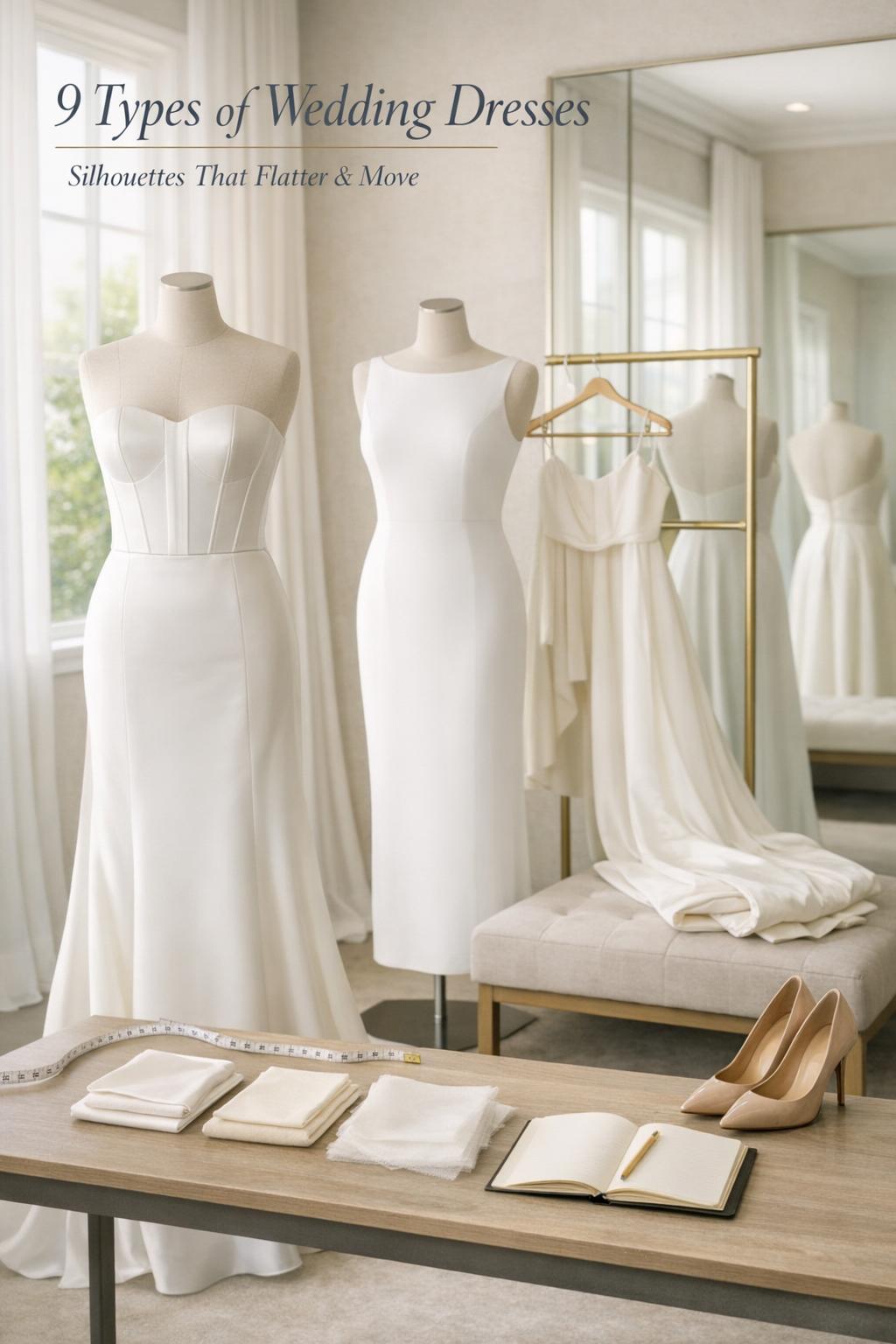
How to Read a Wedding Dress Silhouette (Quick Primer)
A wedding dress silhouette is the “outline” of the gown—how it sits on your shoulders and torso, where it defines your waist (or doesn’t), and how the skirt falls from the hips down. Two dresses can share the same silhouette and still feel totally different based on necklines, sleeve choices, structure (like corsetry), and add-ons such as overskirts or toppers.
What defines a silhouette: fit, flare, and finishings
Most bridal gown silhouettes are defined by three things: where the dress is fitted (bodice, waist, hips), how quickly it flares (gradual like an A-line or dramatic like a mermaid), and any architectural details that change the outline (corseted bodices, drop waists, detachable trains, or an overskirt). Even necklines—halter, strapless, V-neck, or off-the-shoulder—can visually shift proportions and change how “balanced” a silhouette feels.
Your wedding look is only the beginning.
Keep your guest list, vendors, timeline, and every important detail together with Zarellea — so your day feels as considered as your style.
How to choose by body type and wedding theme
Many brides start with a venue or vibe (classic ballroom, modern city, garden, courthouse, beach) and then find a silhouette that supports it—dramatic volume for formal settings, clean lines for minimalist looks, or fluid shapes for relaxed celebrations. Body type matters too, but the most useful approach is practical: pick silhouettes you can move in, sit in, and dance in, then refine the look with necklines, sleeves, and accessories. Alterations can also expand what works, so it’s worth treating your first try-on as an experiment rather than a final decision.
Tip: If you feel torn between “timeless” and “trendy,” start with a classic silhouette (like A-line or sheath) and express personality through details—lace pattern, corsetry, a topper, or a detachable overskirt for a second look.
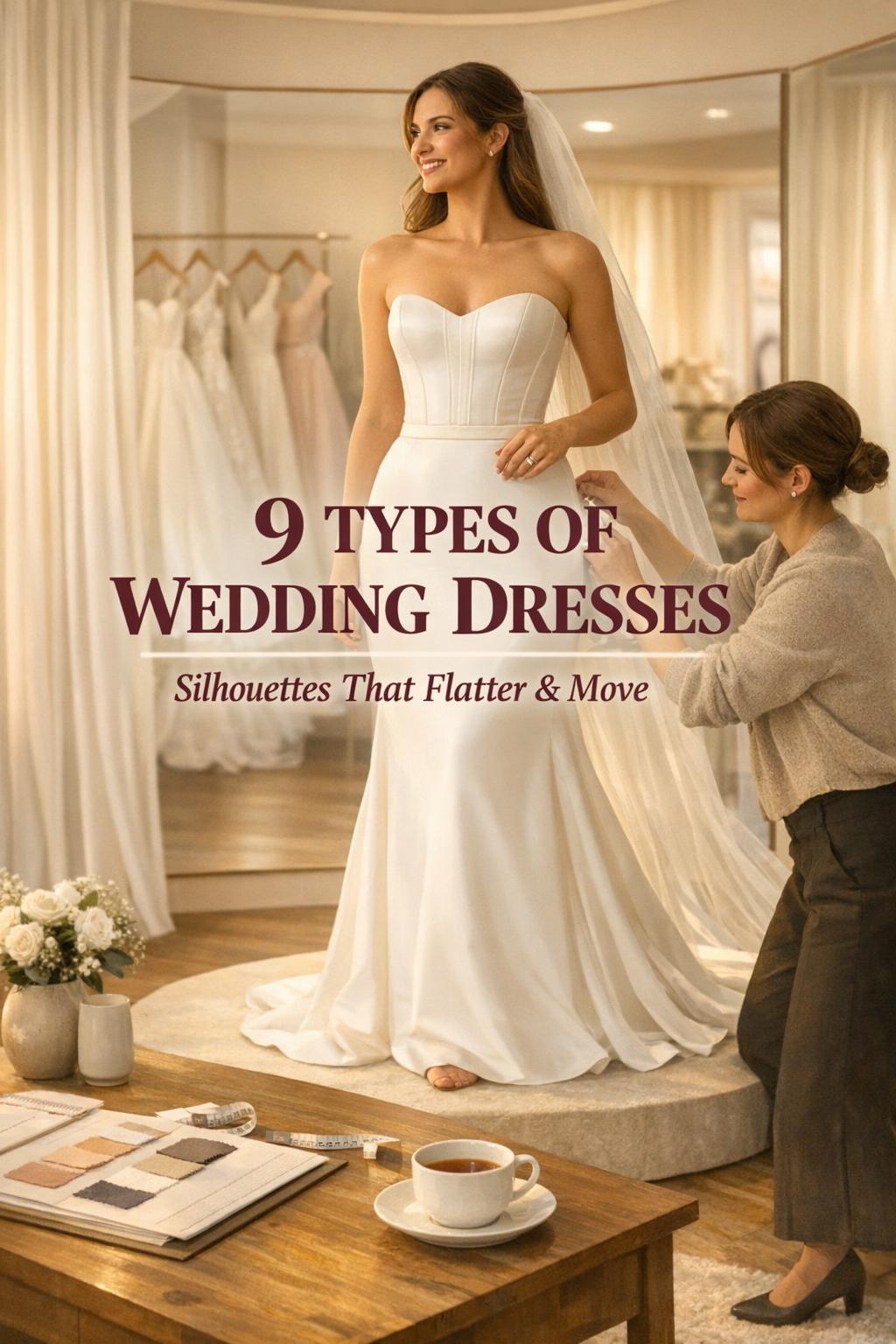
Ball Gown
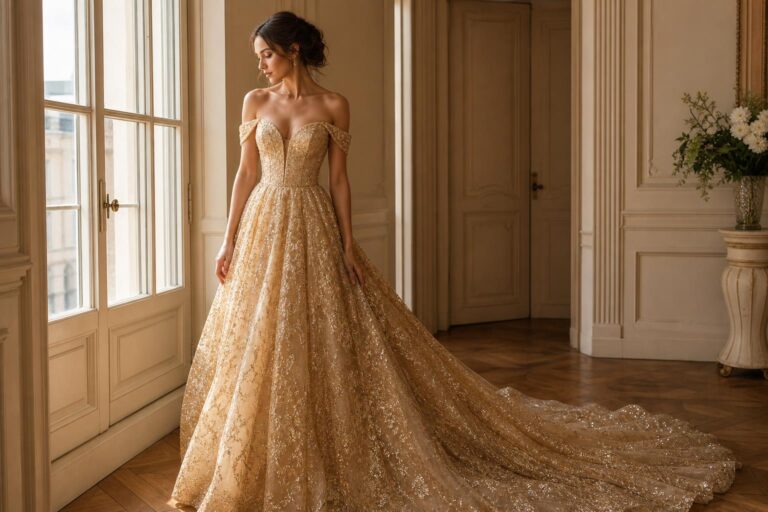
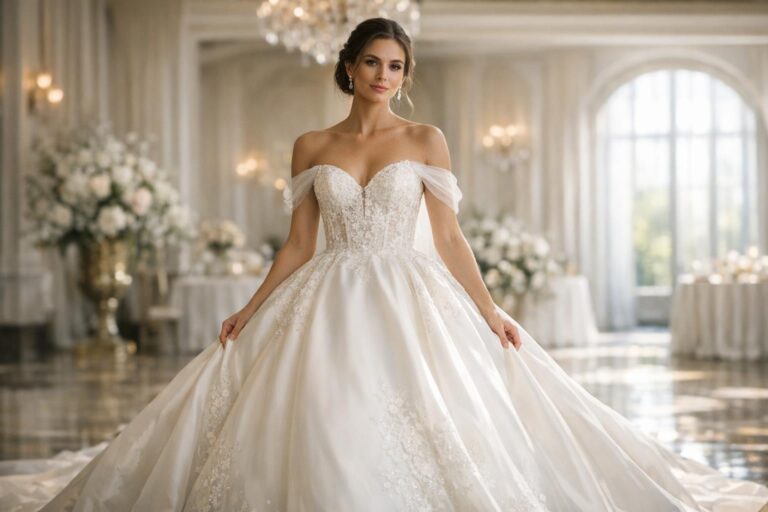
A ball gown wedding dress is the classic “princess” silhouette: a fitted bodice paired with a full skirt. It’s one of the most recognizable bridal gown shapes, and it’s ideal if you want drama, volume, and a formal feel from the first moment you step into the ceremony space.
Features, who it suits, and how it moves
The ball gown silhouette emphasizes the waist and creates strong contrast between the bodice and skirt. Because the skirt is full, it can feel surprisingly forgiving through the hips and legs, but it also takes up space—great for a grand entrance, less effortless for tight aisles or crowded dance floors. If you love the look but worry about comfort, pay attention to how the waist and bodice are supported (a corseted dress can provide structure, but you’ll want to be able to breathe and sit comfortably).
Fabric notes: tulle, organza, satin—and what they change
Ball gowns are often built with fabrics that hold shape or layer well. Tulle and organza can create airy volume, while satin can look sleek and formal with a more defined skirt shape. The same silhouette can read soft and romantic or crisp and regal depending on the fabric’s weight and how the skirt is constructed.
- Best for: formal ceremonies, dramatic photos, statement entrances
- Considerations: sitting and dancing comfort, space in venue aisles, bustle planning if there’s a train
- Pairs well with: strapless, off-the-shoulder, or corseted bodices; veils that complement the skirt volume
Tip: Try walking, turning, and sitting during your appointment. A ball gown should feel supported at the waist, not like it’s pulling downward—if it does, ask about structure and alteration options.
A-Line
An A-line wedding dress is often called the most versatile of all wedding dress silhouettes. It’s fitted at the bodice and gradually flares out from the waist, creating a balanced shape that can look classic, romantic, modern, or bohemian depending on fabric and styling.
Why it’s a go-to for so many brides
A-line gowns offer many of the flattering effects of a ball gown without the same level of volume. The skirt typically provides ease of movement and can feel lighter and easier to manage for long ceremonies and active receptions. This silhouette also adapts well to different levels of formality: a sleek A-line can feel minimalist chic, while an A-line with lace can lean romantic.
Necklines and sleeve variations that work beautifully
A-line dresses pair well with a wide range of necklines—strapless, V-neck, halter, and off-the-shoulder—and can accommodate sleeves from barely-there to long sleeve. If you’re deciding between neckline options, consider the overall “vertical line” you want: V-necks tend to elongate, while high necklines can feel refined and structured. Off-the-shoulder designs can highlight collarbones and create a soft, romantic frame.
- Best for: nearly any venue and wedding theme, from classic to modern
- Considerations: how much flare you want (some A-lines are subtle, others closer to ball gown)
- Common style directions: romantic lace, minimalist satin, airy tulle
Tip: If you’re comparing ball gown vs A-line vs mermaid, A-line is often the easiest “baseline” to try first. It helps you learn how you feel in a fitted bodice with a skirt before committing to more volume or more cling.
Mermaid & Trumpet
Mermaid wedding dresses and trumpet gowns are both fitted silhouettes designed to highlight curves and create a dramatic flare. They’re often grouped together because the overall idea is similar: fitted through the bodice and hips, then flaring toward the lower skirt. The difference comes down to where the flare begins and how intense the contrast feels.
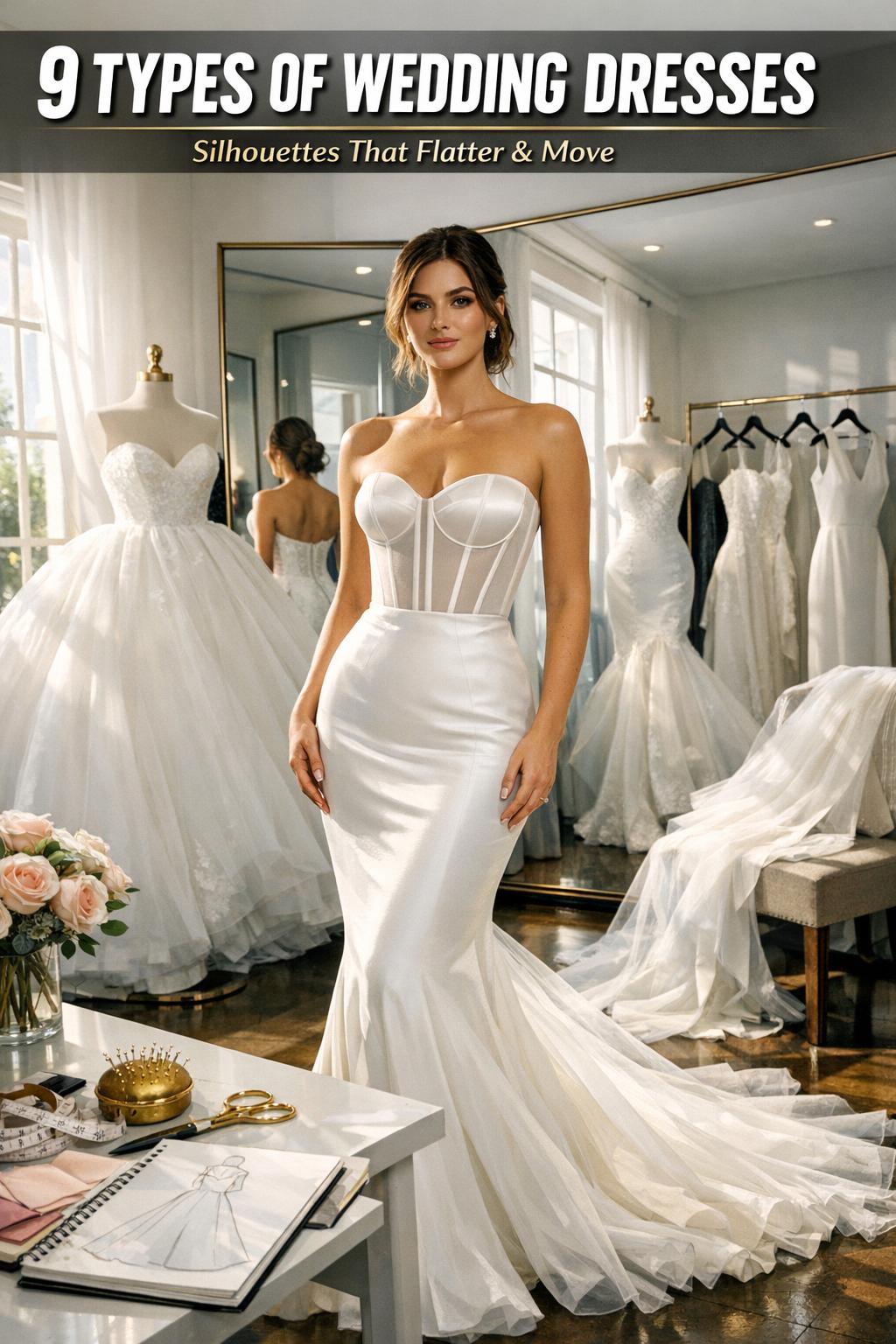
Mermaid vs trumpet: how to choose (drama vs comfort)
A mermaid silhouette typically stays fitted longer through the hips before it flares, creating a more pronounced “hourglass” look. A trumpet gown begins flaring a bit higher, which can feel slightly easier to move in while still delivering that statement shape. If you love the idea of a fitted look but want a touch more practicality, trumpet can be a smart middle ground.
Design details that show up often in these silhouettes
These silhouettes are frequently paired with strong bodice structure and eye-catching surface details, including lace overlays (from romantic to graphic lace) or embroidered tulle that emphasizes the lines of the body. Because the fit is close through the hips and thighs, construction and tailoring matter—this is a silhouette where small fit adjustments can make a major difference in comfort and confidence.
- Best for: statement-making entrances, fashion-forward looks, dramatic photos
- Considerations: stride length, sitting comfort, dancing range of motion, understructure
- Common pairings: off-the-shoulder mermaid, strapless bodices, corseted construction
Tip: When you try a mermaid or trumpet, test real-life movement: take small steps, sit down, and do a gentle “dance check.” If you feel restricted, ask whether the gown is designed with a fit-and-flare approach or whether alterations can improve mobility while keeping the look.
Fit-and-Flare
A fit-and-flare wedding dress is a close cousin to mermaid and trumpet silhouettes, but it typically feels more wearable for long periods. It follows the body through the bodice and waist, then flares out more gradually—often creating a smoother line that still looks polished and defined without being as restrictive.
When to choose fit-and-flare over mermaid
If you like the idea of a fitted gown but worry about comfort during a full day of photos, ceremony, dinner, and dancing, fit-and-flare is often the practical choice. It gives shape and definition while allowing more ease through the legs. This silhouette can also be a great option if you want a modern, streamlined look without committing to a dramatic flare.
Alteration tips that protect movement
Because fit-and-flare dresses rely on clean lines, the fit through the hips and upper thigh area is key. Alterations should preserve enough room for normal steps and sitting while keeping the gown’s intended contour. Pay attention to how the fabric behaves when you walk: it should skim, not grab or bunch.
Tip: If you’re on the fence between trumpet vs mermaid vs fit-and-flare, try them back-to-back in the same appointment. Feeling the difference in stride and comfort is often more decisive than seeing the difference on a hanger.
Sheath / Column
A sheath (also called a column) wedding dress is a sleek, body-skimming silhouette that falls in a relatively straight line from the shoulders down. This is a popular choice for minimalist weddings and modern bridal style because it can feel effortless while still reading unmistakably bridal.
Why sheath works for minimalist and modern weddings
Sheath gowns are defined more by line and proportion than by volume. They can be styled to look sharp and architectural (especially with a structured bodice) or soft and romantic (especially with lace). Because the skirt isn’t heavily built up, the overall look often feels lighter and less formal than a ball gown, but it can still be elevated through details like a corseted dress bodice, a statement neckline, or a dramatic veil.
Length, veiling, and accessories
Since the silhouette is streamlined, accessories stand out. A topper can change the entire mood of a sheath gown, and an overskirt can transform it into a fuller ceremony look. Necklines such as halter, strapless, V-neck, and off-the-shoulder can each shift the overall impression—from clean and modern to romantic and soft.
- Best for: modern venues, minimalist chic style, easy movement
- Considerations: the fit is visible, so tailoring matters; underlayers can affect the line
- Pairs well with: toppers, veils, clean jewelry choices, or a bold neckline
Tip: If you want a sheath but also want a “wow” moment in photos, explore a detachable train or overskirt so you can keep the sleek silhouette for the reception.
Empire Waist
An empire waist wedding dress has a raised waistline that sits above the natural waist, with a skirt that flows downward from that higher seam. This silhouette is known for an elongated look and an easy, comfortable feel—especially compared with heavily structured gowns.
Why it can be a strong choice for petite or maternity needs
Because the waistline is higher, an empire waist gown can create the impression of longer legs and a longer overall line. It’s also frequently considered when comfort is a top priority. If you want a silhouette that feels less restrictive through the midsection, this shape can be appealing while still looking intentional and bridal.
Styling tips to elongate the silhouette
Empire waist dresses can be styled in many directions with neckline and sleeve choices. A V-neck can enhance the vertical line, while a high neckline can create a refined, classic feel. If you’re concerned about losing definition, look for thoughtful bodice structure or details that keep the upper half visually anchored.
Tip: If you love the comfort of empire waist but still want a shaped look in photos, try a version with subtle structure in the bodice (including corsetry) while keeping the skirt soft and flowing.
Ball Gown Alternatives and Variants: Overskirts, Toppers, and Detachable Trains
Not every “type of wedding dress” is a standalone silhouette. Some of the most useful modern bridal solutions are add-ons and convertible features that let you change the outline of your gown between ceremony and reception. If you want multiple looks without buying multiple dresses, these variants are worth prioritizing early in your shopping process.
Overskirts: instant drama without committing all day
An overskirt can add volume over a slimmer base dress, giving you a ceremony-ready look that can later be removed for a streamlined reception style. This approach is often used to mimic a ball gown effect while keeping the base silhouette more mobile.
Toppers: transform neckline, sleeves, and overall vibe
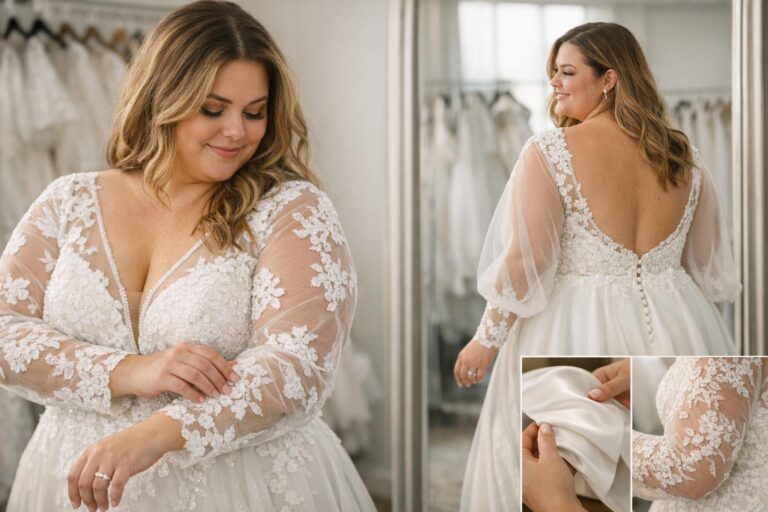
A topper can change the way a dress reads—adding coverage, texture, or a different neckline effect without altering the original gown. This can be especially useful if you want a strapless base for comfort but prefer a high neckline or long sleeve effect for the ceremony.
Detachable trains: ceremony drama, reception freedom
A detachable train is a practical way to get a dramatic finish for the aisle and photos, then remove it to dance and move more easily. This is one of the simplest ways to transition a gown from formal ceremony to party-ready reception without changing the entire dress.
- Best for: brides who want a 2-in-1 feel without fully changing outfits
- Considerations: how pieces attach, how they look from all angles, and how quickly they can be removed
- Works with: sheath/column, A-line, and many fit-and-flare styles
Tip: When trying on a dress with an overskirt or detachable train, ask to see (and feel) the attachment points. Comfort matters, but so does how clean the transition looks in photos—especially from the back.
Non-Traditional Wedding Dresses: Color, Two-Piece, and Convertible 2-in-1 Styles
Modern “wedding dress styles” increasingly include options beyond the traditional all-white, one-piece gown. If your goal is individuality, comfort, or versatility, non-traditional wedding dresses can be just as bridal—sometimes even more aligned with your personal style and the day’s timeline.
Colored wedding dresses and modern bridal direction
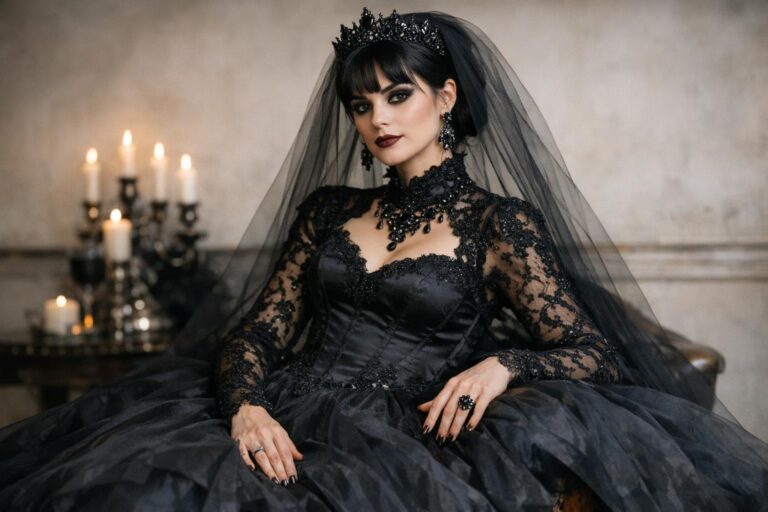
Colored wedding dresses are a popular way to shift the mood of a classic silhouette. Color can soften an A-line, make a minimalist sheath feel fashion-forward, or help lace and embroidery stand out differently than they do on bright white. If you’re color-curious, you don’t have to abandon timeless shapes; you can simply choose a familiar silhouette in a less traditional tone.
Two-piece wedding dress styles
A two-piece wedding dress typically combines a separate top and skirt. This approach can offer flexibility in fit and styling and can create a fresh, modern bridal look. Two-piece options also make it easier to mix aesthetics—like pairing a structured top with a softer skirt—or to change your look later by swapping one component.
Convertible and 2-in-1 dresses
Convertible or 2-in-1 wedding dresses are designed for transformation—often through removable skirts, trains, toppers, or sleeve elements. This category is especially useful if your day includes multiple settings (a formal ceremony and a more relaxed reception) and you want your outfit to keep up without the hassle of a full wardrobe change.
- Best for: brides who want a unique look or a practical outfit plan
- Considerations: how changes impact comfort, how the dress looks in each “mode,” and whether the transformation is quick
- Style-forward pairings: minimalist chic lines, graphic lace elements, embroidered tulle statements
Tip: If you’re deciding between a second dress and a convertible gown, focus on your schedule. If you want a fast switch between ceremony and reception, a detachable overskirt, train, or topper may deliver the impact with less complexity.
Necklines and Bodice Details That Change the Look of Any Silhouette
While silhouettes define the overall shape, necklines and bodice construction often determine how “you” the dress feels. A ball gown can look classic or modern depending on whether it’s paired with a strapless neckline, a halter neckline, or a sculpted corseted bodice. The same is true for sheath, A-line, and fit-and-flare shapes.
Common necklines to know (and what they emphasize)
Strapless necklines keep the upper body open and highlight shoulders and collarbones. V-neck designs create a longer vertical line and can feel sleek and elongating. Halter necklines draw attention upward and can feel modern and clean. Off-the-shoulder styles frame the upper body with a romantic feel. High necklines can read refined and structured, especially when paired with long sleeves.
Corseted dresses and structure
Corseted dresses can add definition and support, changing how a gown sits and how secure it feels. Structure is especially important in fitted silhouettes (like mermaid or fit-and-flare) and in strapless designs, where support affects both comfort and confidence. If you love the look of corsetry, prioritize a fit that feels firm but wearable for hours.
Tip: When trying on different types of wedding dresses, keep one variable consistent. For example, try multiple silhouettes with the same neckline (like strapless) or try one silhouette with multiple necklines. This helps you identify what’s truly driving the “yes” feeling.
Accessories and Finishings by Silhouette
Accessories should complement the silhouette rather than compete with it. The goal is balance: if the gown has dramatic volume, you may want cleaner finishing touches; if the gown is minimalist, accessories can provide the visual focal point. Many brides also use accessories to create that ceremony-to-reception transition without changing the base dress.
Veils, capes, sleeves, belts, and jewelry: pairing principles
With ball gowns, consider accessories that match the scale of the skirt—often a veil that doesn’t disappear against the volume. With sheath and column dresses, a statement veil, cape-like effect, or topper can add drama while preserving clean lines. A-line dresses can go in nearly any direction, from romantic lace styling to minimalist chic. Belts can add definition at the waist, especially when you want a clearer break between bodice and skirt.
- Ball gown: balanced accessories that hold their own against a full skirt
- A-line: flexible—works with romantic, classic, or modern styling
- Mermaid/trumpet/fit-and-flare: consider movement-friendly accessories and a cohesive back view
- Sheath/column: accessories can supply the “statement” (veil, topper, detachable train)
- Empire waist: choose details that keep the upper body visually anchored
Tip: Always evaluate accessories from the back and in motion. Many wedding dress styles look perfect head-on but feel different once you see how a veil, overskirt, or detachable train sits while walking.
Real-World Try-On Strategy: Compare Silhouettes Efficiently
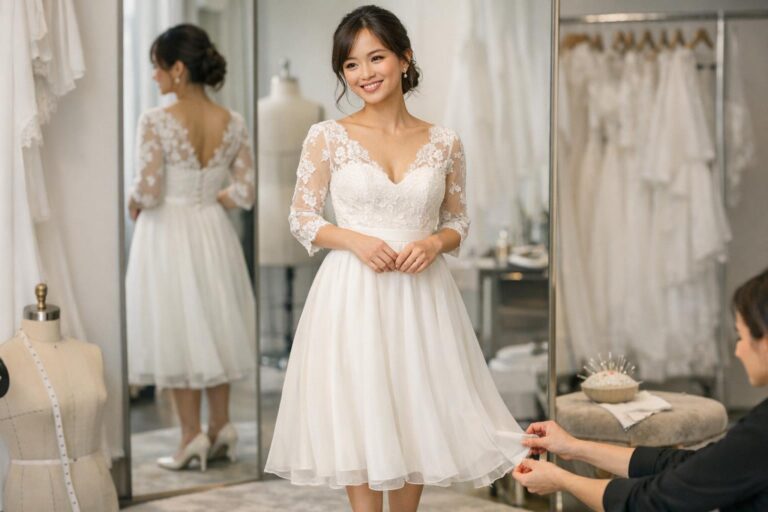
Trying on dresses can feel overwhelming because small details change everything. A strategic approach helps you identify your best silhouette quickly, then refine with necklines, sleeves, lace patterns, and accessories. The goal isn’t to try on every dress—it’s to learn what your body and comfort level prefer.
A practical lineup for your first appointment
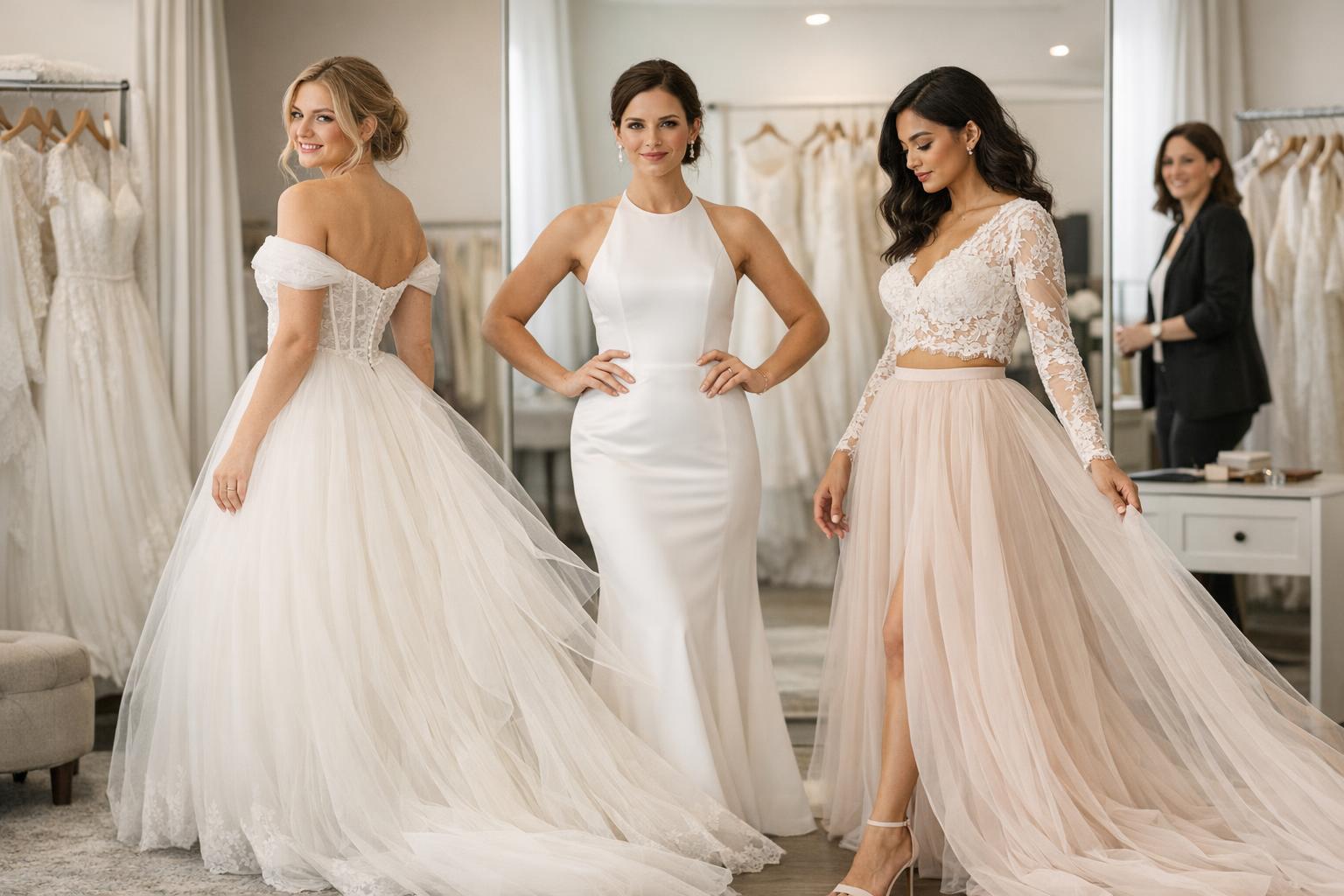
For most brides, it’s useful to try a range: one ball gown (for volume), one A-line (for versatility), one fitted option (mermaid/trumpet or fit-and-flare), and one sheath/column (for minimal lines). Even if you “think” you know what you want, these comparisons reveal what you actually like in a mirror and in movement.
- Start with A-line as a baseline
- Try ball gown for maximum drama (even if you think it’s not you)
- Try mermaid or trumpet for a fitted comparison
- Try fit-and-flare if mermaid feels restrictive
- Try sheath/column for a minimalist perspective
Comfort checks you should do in every dress
Every silhouette should pass basic real-life tests: walking, sitting, raising your arms, and turning. For strapless or corseted dresses, pay attention to how secure the bodice feels without constant adjusting. For fitted silhouettes, notice whether you can take a normal step. These small tests prevent you from choosing a gown you only like when standing still.
Tip: If you’re considering a 2-in-1 or convertible wedding dress, practice the transition in-store (even a quick demonstration). The ease of removing a topper or overskirt matters as much as how it looks.
How to Shop for Your Silhouette: Budget, Alterations, and Timeline
Choosing among the types of wedding dresses is partly about aesthetics and partly about logistics. Silhouette influences not only your comfort, but also the likely alteration approach and how you’ll handle the gown throughout the day. Thinking ahead can save stress later—especially if you want a second look through detachable elements.
Budget planning with silhouette in mind
Silhouettes with more structure or volume may require more planning for fit and finishing touches. If you’re drawn to dramatic shapes (ball gown skirts, fitted mermaid lines, corseted bodices), it’s smart to anticipate that tailoring and support details will matter. If you want a streamlined approach, sheath and simpler A-line gowns can feel more straightforward, especially if you’re keeping accessories minimal.
Trying on strategically and planning for fittings
Go into appointments with a plan: start broad, identify one or two best silhouettes, then refine with necklines (strapless, V-neck, halter, off-the-shoulder, high neckline) and styling direction (romantic lace, minimalist chic, embroidered tulle, graphic lace). Once you choose a gown, fittings are where comfort and confidence are built—especially for fitted silhouettes and strapless designs.
Tip: Take notes after each try-on: silhouette, neckline, and one sentence about comfort. Brides often remember “pretty,” but it’s the comfort note that prevents regret later.
FAQ
What are the main types of wedding dresses?
The most common types of wedding dresses are defined by silhouette: ball gown, A-line, mermaid, trumpet, fit-and-flare, sheath/column, and empire waist, along with variants like overskirts, toppers, and detachable trains that can change the overall outline.
What’s the difference between a mermaid wedding dress and a trumpet gown?
Both silhouettes are fitted through the body and flare out, but a mermaid typically stays fitted longer through the hips before flaring, creating more drama, while a trumpet starts flaring a bit higher, often making it feel slightly easier to move in.
Is fit-and-flare the same as mermaid?
No—fit-and-flare is generally less extreme than a mermaid silhouette, following the body through the bodice and waist and then flaring more gradually, which usually makes it a more movement-friendly option while still looking shaped and defined.
How do I choose between ball gown vs A-line vs mermaid?
Ball gowns offer maximum volume and classic drama, A-line is typically the most versatile with easier movement, and mermaid is the most fitted and statement-making; the best choice comes down to comfort in motion, the level of drama you want, and how the silhouette fits your venue and personal style.
What wedding dress silhouette is best for a minimalist look?
Sheath/column silhouettes are a popular minimalist choice because they create a clean, streamlined line; you can keep it modern with simple styling or add impact with accessories like a topper or detachable train.
Can I get two looks without buying two dresses?
Yes—convertible and 2-in-1 wedding dresses, plus add-ons like overskirts, toppers, and detachable trains, are designed to shift your look between ceremony and reception while keeping one primary gown.
Are colored wedding dresses considered “bridal”?
Yes—colored wedding dresses are a modern, non-traditional option that can still feel distinctly bridal, especially when paired with classic silhouettes like A-line, ball gown, or sheath and finished with bridal accessories.
How many fittings are typical, and do silhouettes affect alterations?
Fittings are where your dress becomes wearable and secure, and silhouettes can affect the focus of alterations—fitted styles like mermaid and fit-and-flare often need especially precise work through the hips and thighs, while strapless and corseted bodices require careful adjustment for support and comfort.
Do necklines really change how a silhouette looks?
Yes—necklines such as strapless, V-neck, halter, off-the-shoulder, and high neckline can change how your proportions read and how the entire gown feels, even when the underlying silhouette stays the same.