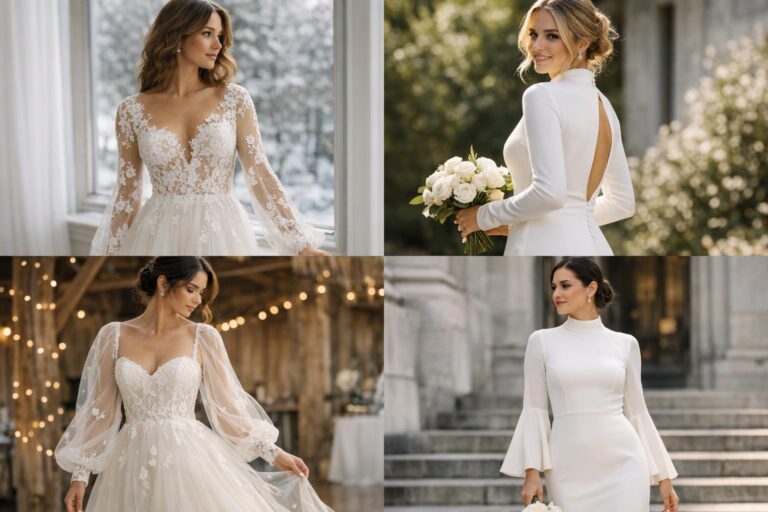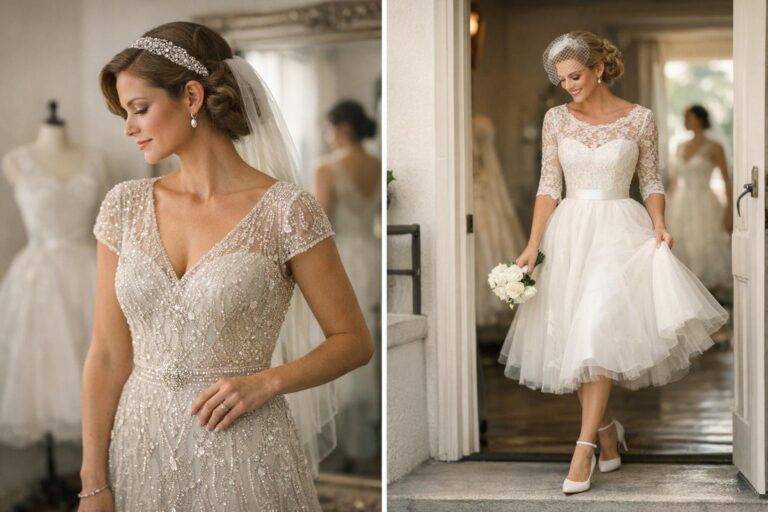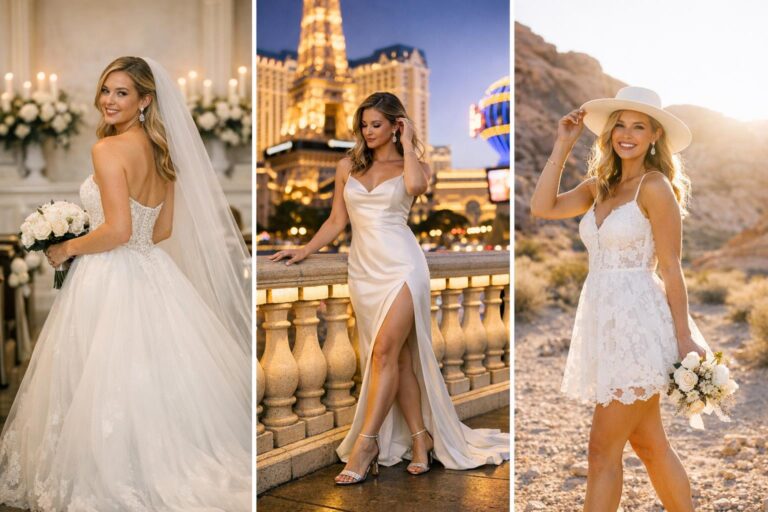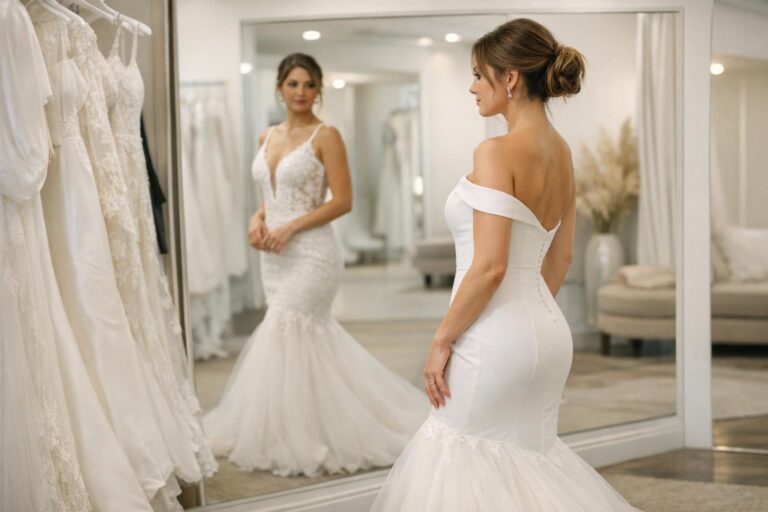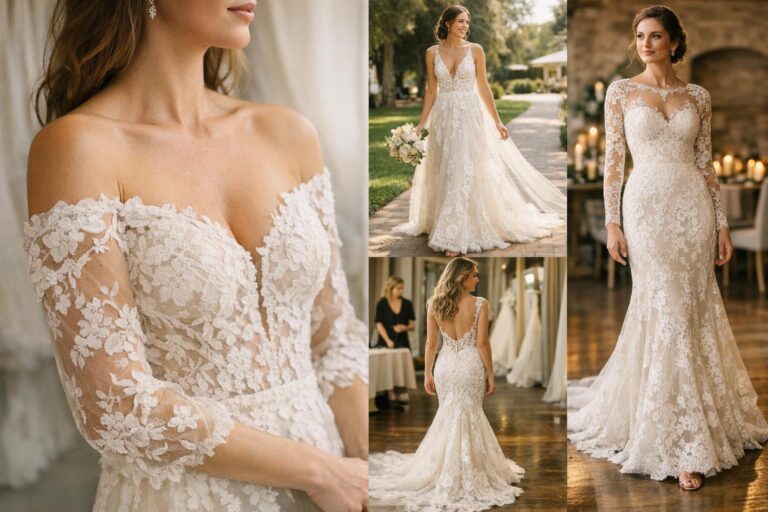
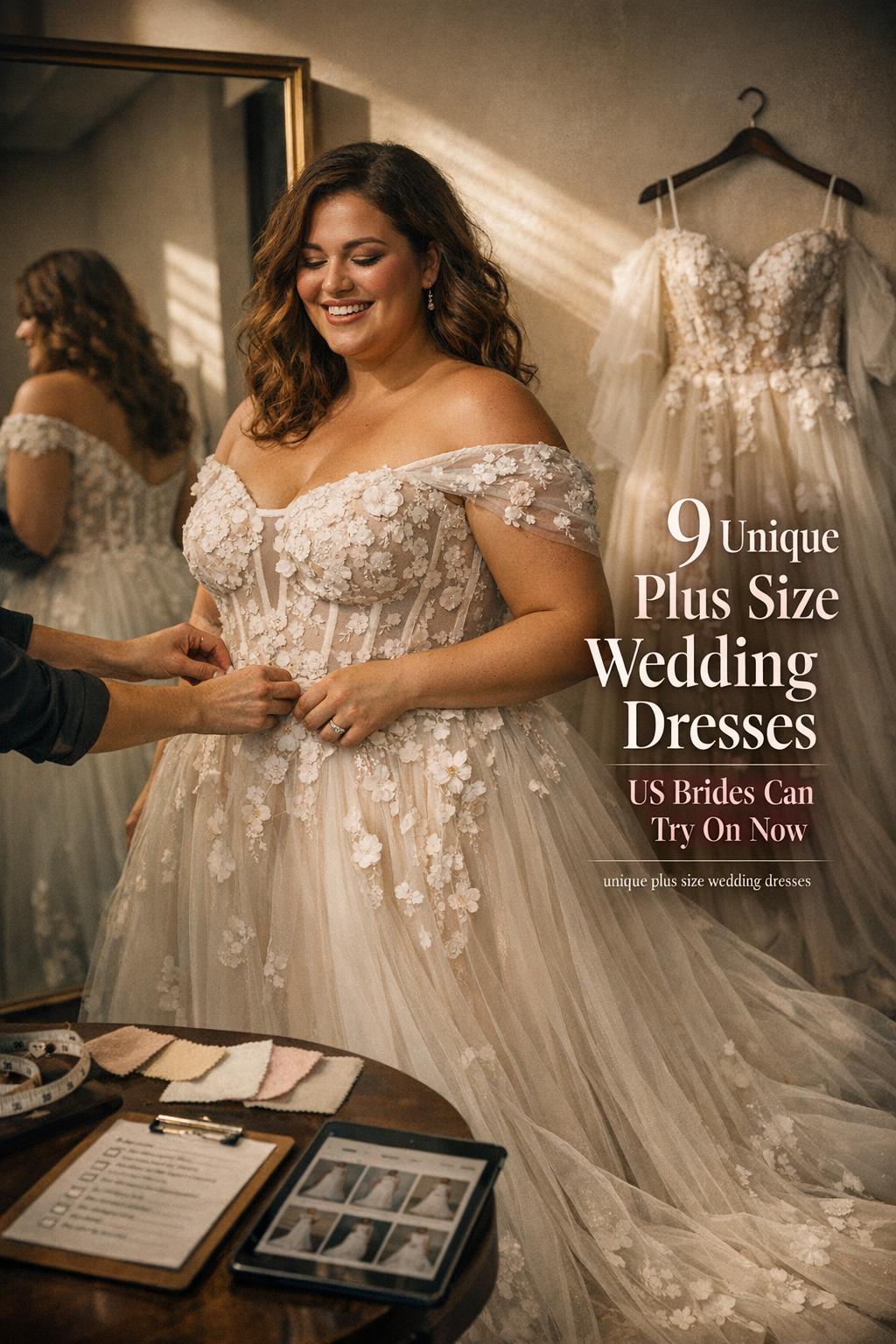
9 Unique Plus Size Wedding Dresses US Brides Can Try On Now
Unique Plus Size Wedding Dresses: A Modern Guide to Standout Style and Confident Fit
Shopping for unique plus size wedding dresses should feel like opening doors, not narrowing options. Today’s size-inclusive bridal fashion spans everything from classic silhouettes with unexpected details to trend-forward looks featuring texture, soft hues, and convertible elements—while still prioritizing comfort, movement, and support for a long wedding day.
This guide is designed for U.S. brides who want inspiration and practical direction in one place: how to choose a flattering silhouette, what construction details matter most, which trends are shaping 2026–2027, where to shop across designer lines and retailers, and how to plan sizing and alterations with fewer surprises. You’ll also find tools you can use immediately—tips, checklists, and a shop-ready strategy.
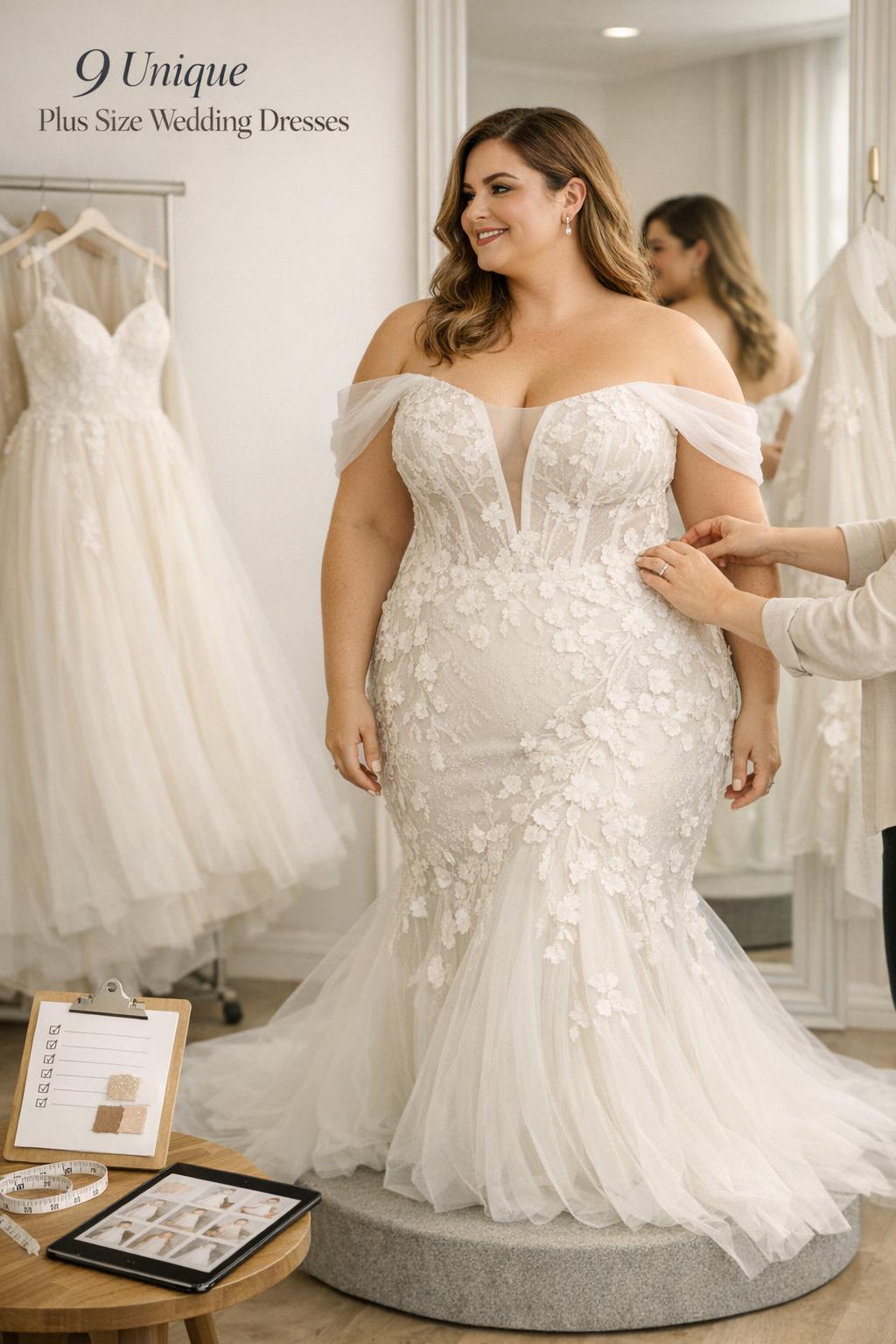
“Unique” doesn’t have to mean impractical. A gown can be memorable because of its neckline, sleeves, texture, embroidery, 3D florals, subtle color accents, or a detachable overskirt—without compromising fit. The goal is a dress that looks unmistakably like you and feels wearable from the first photo to the last dance.
Understanding Your Shape: Choosing Silhouettes That Flatter You
When brides search for plus-size wedding dresses, the heart of the decision is almost always silhouette. Silhouette shapes how the gown balances proportion, highlights curves, and supports movement. The best starting point isn’t a number on a tag—it’s how you want to feel and what you want the dress to do: define, skim, sculpt, float, or make an entrance.
Your wedding look is only the beginning.
Keep your guest list, vendors, timeline, and every important detail together with Zarellea — so your day feels as considered as your style.
A-line vs. Ball Gown: Two Classic Shapes with Very Different Energy
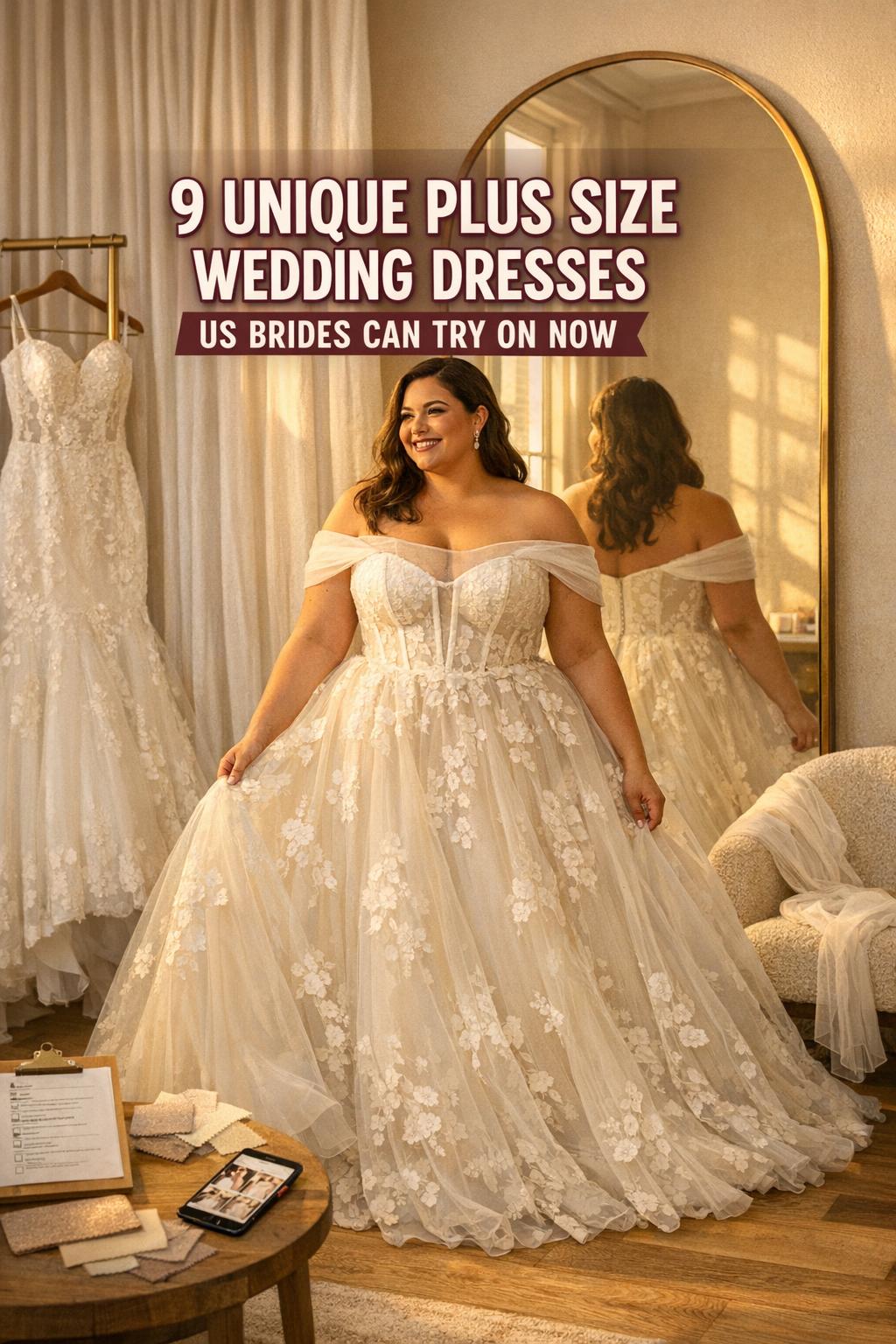
A-line and ball gown silhouettes show up repeatedly in plus-size roundups and size-inclusive collections because they’re adaptable and visually impactful. An A-line typically creates a long, clean line from the waist down, while a ball gown leans into volume and drama. Both can be “unique” depending on the neckline, fabric, and detailing.
- Choose A-line when you want movement, a balanced shape, and a versatile base that works with many necklines and sleeve styles.
- Choose ball gown when you want a statement skirt, a more princess-inspired feel, or visual contrast between a structured bodice and a full skirt.
- Make it unique with illusion details, off-the-shoulder styling, tulle volume, or embroidery/texture that reads clearly in photos.
Tip: If you’re drawn to a ball gown but worried about feeling overwhelmed, focus on bodice construction and neckline balance. A supportive bodice paired with a clean neckline can make the look feel intentional and modern rather than heavy.
Mermaid and Fit-and-Flare: When Curves Meet Drama
Mermaid and fit-and-flare silhouettes are often chosen for their curve-forward impact. The difference is in how quickly they open up below the hips: fit-and-flare tends to allow easier movement, while mermaid creates a more sculpted, high-drama outline. If you want a unique plus-size bridal gown that feels red-carpet inspired, this family of silhouettes is where many brides start.
Because these shapes put more emphasis on the bodice and hip area, comfort and construction become central. Look for supportive linings, structure that holds its shape, and fabrics that feel stable rather than flimsy. If you love the look but want a less restrictive feel, try a fit-and-flare as a compromise: you still get definition, with a touch more freedom through the legs.
Tip: When trying on a mermaid or fit-and-flare, do a “movement test” in the fitting room: sit, take a few steps, and simulate a turn. The most photogenic dress is the one you can comfortably live in for hours.
Necklines and Sleeves: Finding Balance, Coverage, and Confidence
Necklines and sleeves are where many plus-size brides find the “unique” factor—especially when the base silhouette is classic. Popular editorial coverage highlights design-focused options like daring necklines and distinctive neckline shapes, while many shopping-focused guides show the lasting appeal of off-the-shoulder and long-sleeve looks. The right neckline is less about rules and more about what feels supportive and balanced on you.
- Off-the-shoulder can feel romantic and modern, especially with illusion elements or refined lace placement.
- Long sleeves can add elegance and can be especially striking when paired with tulle, lace, or embroidered texture.
- Daring necklines can be memorable and fashion-forward when paired with structure that feels secure.
- Statement necklines (including cat-eye-inspired shapes) can make a gown feel editorial without changing the silhouette.
Tip: If you want sleeves but worry about feeling restricted, consider looks with removable sleeves or lighter, breathable sleeve fabrics. Convertible elements can give you ceremony coverage and reception freedom.
Fabric, Comfort, and Construction for All-Day Wear
A wedding day is long, and comfort is part of luxury. Many top bridal guides mention the practical side of shopping—support, alterations, and undergarments—because a gown can look incredible on a hanger but feel completely different after hours of wear. For plus-size bridal gowns, construction details are especially important: linings, structure, and how the gown is meant to move with you.
Breathable Fabrics and Supportive Linings
Fabric choices shape both the look and the lived experience of your dress. Trend coverage points to texture-forward design—like embroidered details and floral elements—while shopping roundups frequently feature staples such as tulle and lace. Whatever aesthetic you choose, prioritize how the fabric feels against your skin and whether the lining provides comfort.
Breathability and structure aren’t opposites. A gown can feel light while still offering support through its lining and internal construction. If you’re planning an all-day event, pay attention to how the dress feels in warm spaces, how it handles movement, and whether the interior is smooth and comfortable.
Tips for comfort-first fabric decisions: If a textured fabric feels scratchy during a short try-on, it will likely feel worse after hours. If the skirt feels heavy, ask how that weight will be managed in the waist and hips, and whether a bustle will be needed for the train.
Structure Without Sacrificing Movement
In trend-focused editorial coverage, structural details like exposed boning are highlighted for their blend of design and function. For many curvy brides, structure is the key to feeling secure—especially with strapless looks, daring necklines, or sculpted silhouettes.
Look for gowns that feel stable in the bodice and predictable in how they sit on your torso. A structured bodice can help reduce constant adjusting and can support a range of necklines. At the same time, structure should never trap you in place. You should be able to breathe fully, sit comfortably, and raise your arms without the bodice shifting dramatically.
Tip: During try-ons, notice where the dress “asks” for help—does it need straps to feel secure, does the neckline shift when you move, or does the waist feel like it’s sliding? These are construction and fit signals that can often be addressed through smart selection and alterations planning.
Alterations: What You Need to Ask For (and Why It Matters)
Alterations are a normal part of bridal shopping, and many shopping guides mention them because the best final result usually comes from tailoring. For plus-size wedding dresses, alterations are also where comfort and confidence are refined—smoothing, securing, and balancing the gown so it works with your body rather than against it.
- Ask how the bodice can be stabilized if you’re choosing strapless, off-the-shoulder, or a daring neckline.
- Ask about sleeve comfort if you’re choosing long sleeves or fitted sleeves; movement should be tested and adjusted.
- Ask about the waist and hip fit for mermaid and fit-and-flare silhouettes where contouring is central.
- Ask about the train and bustle plan so the dress stays practical during the reception.
Tip: Bring your shoe height (or a similar heel) to key fittings whenever possible. Hem and posture change the overall line of the silhouette, especially for A-line and fit-and-flare gowns where length is part of the visual impact.
2026–2027 Trends: Color, Embellishment, and Detail Ideas That Feel Unique
If you want unique plus size wedding dresses, trends can be a helpful starting point—especially when you treat them as design elements to mix and match rather than strict rules. The most discussed direction for 2026 is detail-driven: texture, dimensional florals, structural elements, and subtle color shifts. These trends can be incorporated into any silhouette, from A-line to ball gown to fit-and-flare.
Texture, Embroidery, and 3D Floral Appliqués
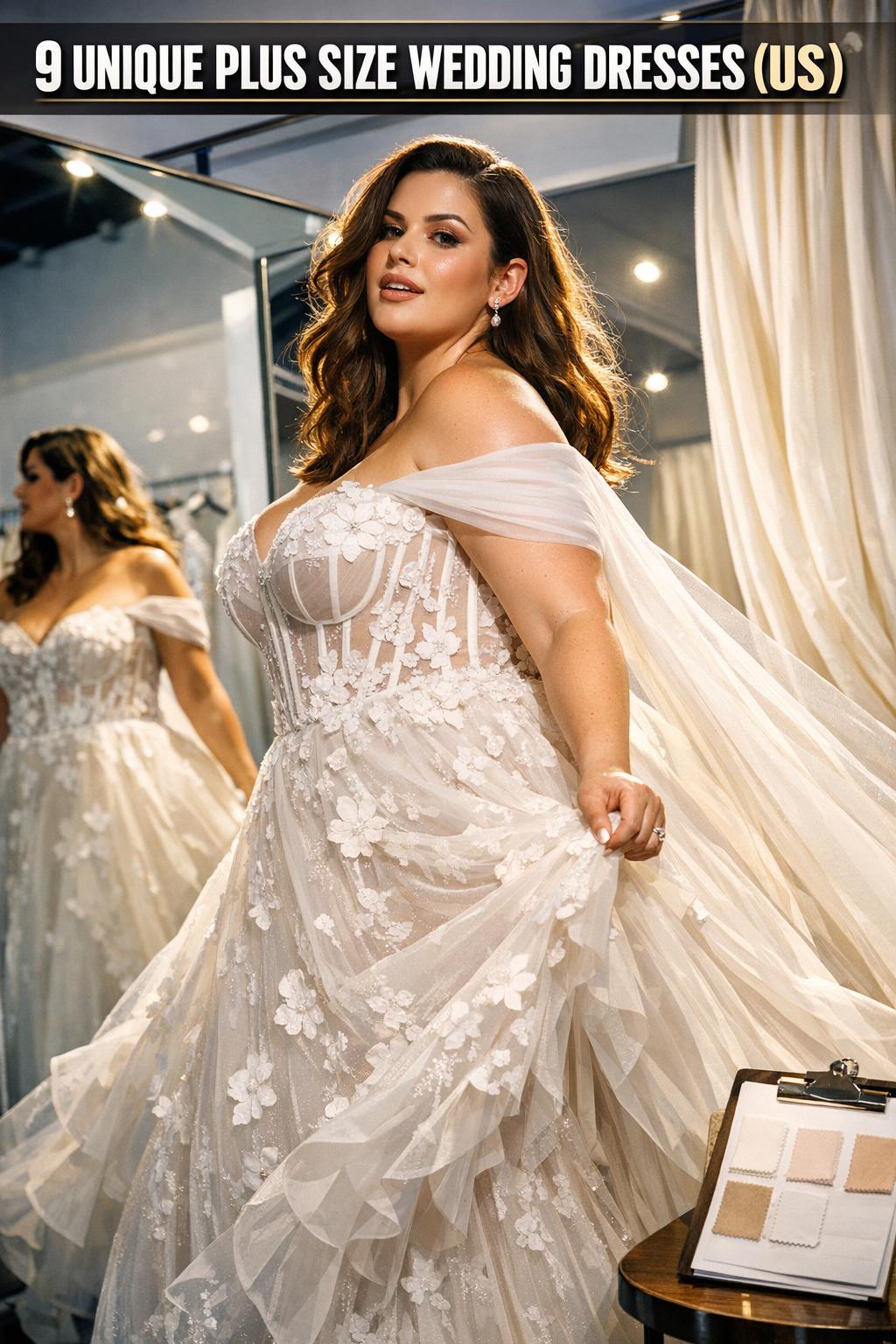
Dimensional detailing—especially 3D floral appliqués—stands out in trend coverage and offers a straightforward way to make a dress feel unforgettable. Texture also photographs beautifully, creating depth in both close-ups and full-length shots. These elements can appear across the bodice, trail down the skirt, or be used in a more minimal placement for a refined look.
For plus-size brides, texture can also be used strategically: you can emphasize areas you love (like an embroidered neckline or sleeves) while keeping other areas clean for balance. The result is a gown that feels intentional, not overdone.
Tip: If you love 3D florals, check how they feel when you sit and move. Comfort matters, and the best dimensional details are those you don’t notice after the first few minutes.
Subtle Color Touches and Soft Hues
Soft hues and subtle color touches are highlighted in trend-forward plus-size bridal content as a way to create a unique look without abandoning a bridal feel. Instead of a stark “all one shade” effect, gentle shifts can add warmth, softness, and individuality—especially when paired with floral embroidery or layered textures.
This approach can work across aesthetics: romantic, modern, boho-inspired, or fashion-editorial. If you want color but prefer something understated, consider how color appears through layering, embroidery, or soft undertones rather than bold contrast.
Convertible and Detachable Elements for Versatility
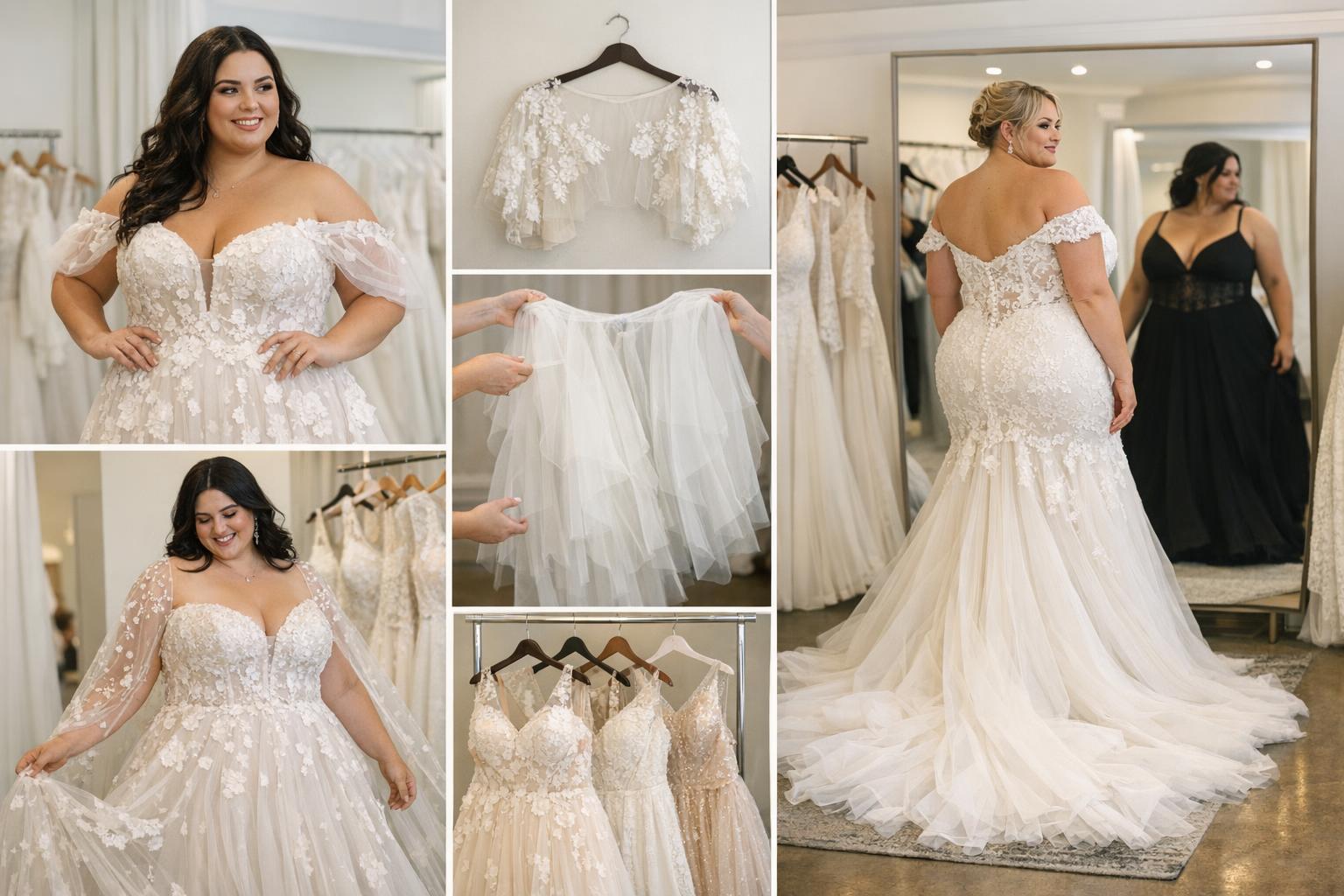
Convertible design is one of the most practical “unique” directions for curvy bridal fashion because it adds versatility for a long wedding day. Trend and shopping content both point to removable components—such as detachable sleeves or overskirts—as a way to change your look between ceremony and reception without changing dresses.
- Removable sleeves can offer coverage and drama for the ceremony, then a lighter feel later.
- Detachable overskirts can give you a ball gown moment, then reveal a sleeker silhouette underneath.
- Cape-inspired coverage can provide a statement layer while keeping the base dress simple and wearable.
Tip: When evaluating a convertible gown, ask how the detachable parts fasten and how visible the attachments are in photos. The most seamless conversions look intentional in both versions of the dress.
Where to Shop: Brands and Retailers with Size-Inclusive Plus-Size Bridal Gowns
Many top search results for plus-size wedding dresses are shopping-led: magazine roundups that feature multiple designers and retailers, brand collection pages, and retailer catalogs. That mix reflects how most brides actually shop—by comparing silhouettes, details, and budget across multiple sources.
When you want a unique gown, it helps to shop in two lanes at once: editorial inspiration (to identify what you’re drawn to) and retailer/designer collections (to find what’s available in size-inclusive ranges and to understand how each line approaches fit).
Designer Lines Often Featured for Plus-Size Options
Across bridal publisher roundups and retailer guides, certain designer names and labels appear frequently in plus-size dress recommendations. These include lines and designers such as Azazie, Maggie Sottero (including Rebecca Ingram), Watters (including Wtoo by Watters), Avery Austin, and Christina Wu, all commonly referenced in the context of size-inclusive plus-size wedding dresses.
If you’re deciding where to start, use designers as a way to filter by vibe. Some brands are known for romantic silhouettes and lace, others for clean lines and modern structure, and others for dramatic skirts and statement details. Your goal isn’t to pick “the best brand” but to identify the design language that matches your taste and your comfort needs.
Tip: When browsing a designer’s plus-size bridal collection, focus on three consistent signals: silhouette variety (A-line, ball gown, mermaid/fit-and-flare), neckline and sleeve options, and fit messaging that indicates curve-focused construction.
Retailers and Catalog Collections: How to Use Them Strategically
Retail and multi-designer catalog collections can be useful because they allow quick comparison across styles, price cues, silhouettes, and size availability. In the search landscape, retailers and catalogs such as Wedding Shoppe, Catherines, and Couture Candy appear as destinations where brides can browse plus-size bridal gowns in one place. These pages tend to be product-forward, making them a strong option when you’re ready to narrow down choices.
- Use retailer catalogs for breadth: scan many silhouettes quickly, noting what details repeat across dresses you love.
- Use designer collections for depth: once you spot a direction you like, explore the designer’s approach to fit and structure.
- Track “must-have” features: sleeves, neckline type, fabric feel, train length, and any convertible elements.
Tip: If you’re trying to find something truly unique, don’t just search by silhouette. Filter by design features (like illusion details, detachable sleeves, embroidered texture, or 3D florals) and then work backward to silhouette.
Curated Style Ideas: What Makes a Plus-Size Wedding Dress Feel Truly Unique
“Unique” can be built from details you can name and shop for. This section translates the most common inspiration categories—silhouette, neckline, sleeves, texture, color, and convertibility—into concrete style directions you can take into try-ons. Use these as a menu: you can choose one signature element or combine two for a more custom feel.
Statement Sleeves That Still Feel Wearable
Plus size wedding dresses with sleeves remain a high-interest direction because sleeves can deliver coverage, style, and a polished finish. The “unique” angle comes from how the sleeves are designed: long sleeves with delicate texture, removable sleeves for a two-look day, or sleeve details that frame the neckline and balance the silhouette.
Tip: Always check sleeve mobility. If you plan to hug people, dance, or raise your arms for photos, sleeve comfort isn’t optional—it’s part of the fit.
Off-the-Shoulder and Illusion Details for a Modern Romantic Look
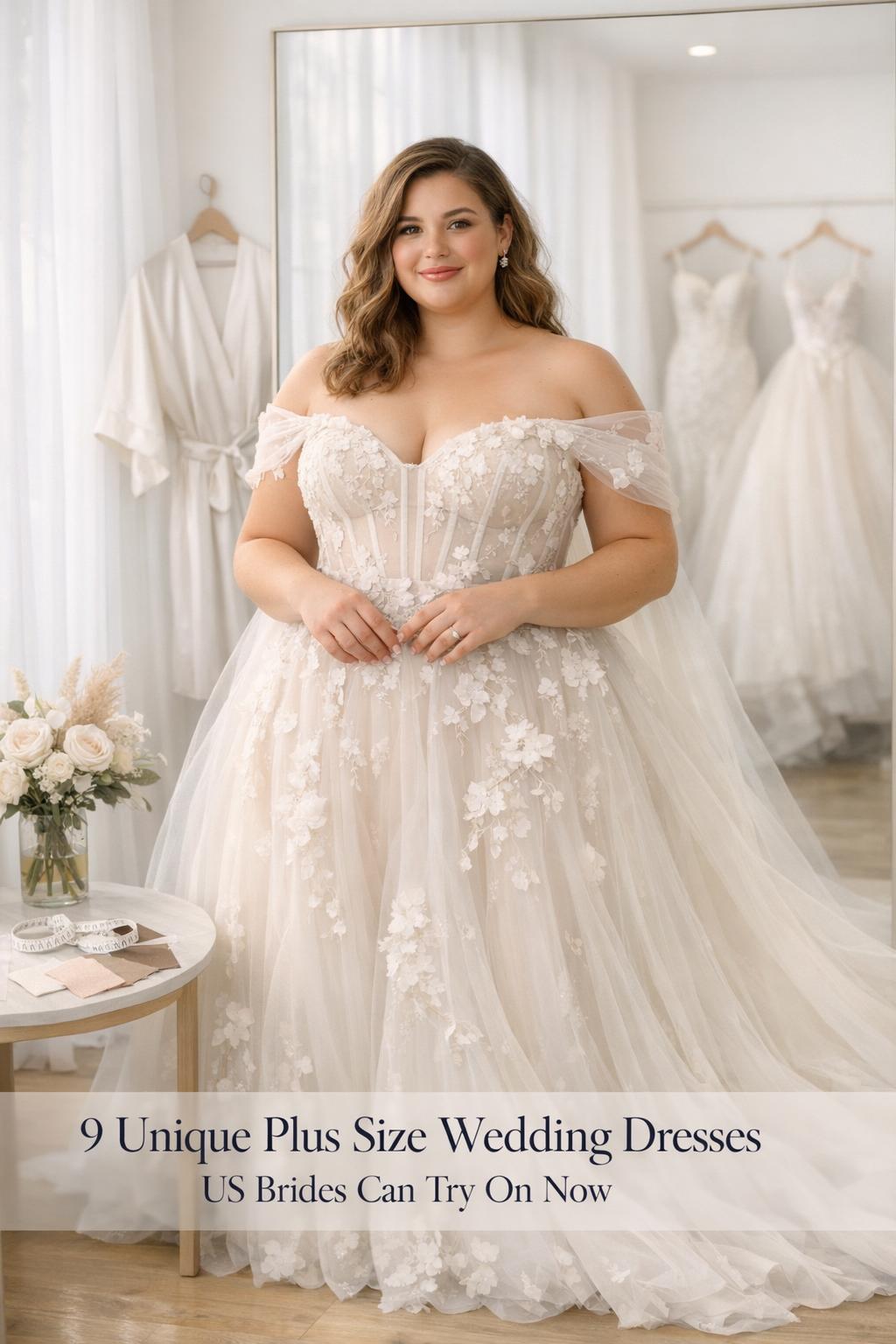
Off-the-shoulder styling frequently appears in plus-size dress roundups, often paired with illusion elements that add softness and dimension. This pairing can feel romantic without being overly traditional, especially when the rest of the gown is clean or when the skirt is made of airy tulle.
Because the neckline becomes a focal point, this style can feel especially striking when the fit is secure. Prioritize a bodice that feels stable during movement; that stability is what makes a fashion-forward neckline feel effortless rather than fussy.
Texture-Forward Skirts: From Tulle Drama to Embroidered Depth
Texture is one of the simplest ways to elevate a plus-size bridal gown into something memorable. A tulle ball gown can create a dramatic silhouette; embroidered textures and 3D florals create depth that reads beautifully in person and in photos. The key is balance: if the skirt is highly textured, a cleaner bodice can keep the look modern; if the bodice is richly embellished, a simpler skirt can let the silhouette shine.
Tip: Ask yourself where you want the eye to go first in photos. Put your most dramatic detail there—neckline, sleeves, bodice, or skirt—then let the rest of the gown support it.
Convertible “Two-Look” Gowns for Ceremony-to-Reception Ease
Convertible gowns are a practical way to make a dress feel unique while solving real day-of needs. Detachable overskirts, removable sleeves, and other modular elements let you create a ceremony look that feels formal and a reception look that feels lighter—without changing your entire dress.
This approach can be especially appealing if you’re torn between silhouettes, like wanting a ball gown moment but also wanting the comfort of a sleeker shape. A modular design gives you both experiences in one plan.
Real-World Fit: Before/After Alterations Thinking for Plus-Size Gowns
Many brides discover that the best-looking dress in photos is often the one that fits best after tailoring. While shopping pages and editorials frequently emphasize silhouettes and trends, a true “dress success story” is usually built on what happens between purchase and wedding day: fittings, adjustments, and small refinements that make the gown feel personal.
What “Perfect Fit” Often Means in Practice
In practical terms, a perfected fit usually means the bodice stays in place, the neckline sits smoothly, and the skirt hangs cleanly without constant adjustment. For plus-size wedding dresses—especially strapless, off-the-shoulder, and mermaid/fit-and-flare shapes—support is often the difference between “pretty” and “powerful.”
Think of fit as a system: silhouette choice + fabric behavior + construction + alterations. When these elements work together, you stop thinking about the dress and start enjoying the day.
Alteration Checklist You Can Bring to Consultations
- Bodice security: Does it stay put when you move, breathe, and sit?
- Neckline smoothness: Is there gaping, pulling, or shifting with motion?
- Sleeve comfort: Can you raise your arms and move naturally?
- Waist placement: Does the waistline sit where you want it to visually define your shape?
- Skirt flow: Does the skirt hang evenly and feel manageable in weight?
- Train plan: Is there a clear approach for bustling for the reception?
Tip: Use your fittings to test real actions: walking, sitting, turning, and lifting your arms. The most helpful feedback is specific and movement-based, not just “it feels tight.”
Your Shopping Plan: Sizing, Budget, Timeline, and Try-On Strategy
The best shopping experiences are structured. Many plus-size bridal resources focus either on inspiration (galleries and trends) or product discovery (catalog pages). A shop-ready plan bridges the two: it helps you compare dresses fairly, stay grounded in fit, and avoid last-minute stress.
Measuring at Home and Creating a Simple “Size Map”
Even before you book appointments or start filling carts, measuring at home helps you shop with clarity—especially when comparing multiple brands and retailers. Your goal isn’t to self-diagnose the perfect size; it’s to create a consistent reference point you can use across size-inclusive wedding dress lines.
- Take consistent measurements and keep them saved where you can access them while browsing.
- Use those measurements to guide what to request in-store or what to order for try-on.
- Expect variation between designers and collections, and plan for tailoring as part of the process.
Tip: If you’re choosing between two sizes, prioritize the size that gives you a stable, comfortable bodice and a smooth neckline. Many final refinements are handled through alterations, but starting with a secure base makes everything easier.
Budgeting for the Dress and Alterations as One Decision
Shopping content often includes price cues, while practical guides emphasize alterations and fit. Combine both ideas: consider the gown price and the likely tailoring needs at the same time. This is especially important if you’re choosing a dramatic silhouette, a heavily detailed gown, or a dress with convertible elements that may require additional fitting attention.
Tip: When comparing two dresses you love, ask: which one needs fewer changes to become “my dress”? The dress with the clearer fit path is often the better value, even if it isn’t the cheapest starting price.
Virtual Try-Ons and In-Store Fittings: Building Confidence Faster
In today’s bridal landscape, many brides mix online browsing with in-person fittings. Catalog collections make it easy to shortlist plus-size bridal gowns; in-store try-ons confirm what silhouettes and construction details actually work for your body and comfort preferences.
Use virtual browsing to identify your “top features” (like long sleeves, a specific neckline, or 3D florals), then use fittings to test what matters most: structure, movement, and how the dress sits during real-life motion.
Tip: Treat your first try-on session as research. Try at least one A-line, one ball gown, and one curve-defining option (mermaid or fit-and-flare). Even if you think you already know what you want, the comparison gives you clarity quickly.
Gallery Guide: Curvy Couture Inspiration You Can Turn Into a Shortlist
Many top bridal resources use gallery-style roundups because they help brides compare quickly. Use the categories below as a way to organize your search across designers and retailers. Each category can be paired with a variety of necklines, sleeves, textures, and trend details.
Everyday Wearability to Red-Carpet Glam: Style Board Categories
- Modern romantic A-line: Off-the-shoulder or illusion details, light texture, comfortable movement.
- Statement ball gown: Dramatic skirt volume, tulle, embroidery, or 3D florals for depth.
- Sculpted fit-and-flare: Curve-forward shape with structure for security and a clean, confident line.
- Long-sleeve elegance: Sleeve-focused design where texture or embroidery becomes the standout feature.
- Soft hue bridal: Subtle color touches paired with floral embroidery or dimensional accents.
- Convertible two-look gown: Detachable overskirt or removable sleeves for ceremony-to-reception versatility.
Tip: When building a shortlist, write down what’s unique about each dress in one sentence (for example: “off-the-shoulder A-line with illusion detail” or “fit-and-flare with exposed boning look”). If you can’t describe why it’s special, it may not be your final pick.
Final Checklist: A 30-Day Plan to Find Your Dress Without Second-Guessing
If you’re ready to move from browsing to choosing, a simple timeline helps. The goal over 30 days is to reduce overwhelm by focusing on fit, construction, and the details that make your look unique—rather than trying to evaluate everything at once.
- Days 1–7: Identify your top three must-haves (silhouette family, neckline/sleeves, and one unique detail like texture, 3D florals, or soft hue).
- Days 8–14: Build a shortlist from designer lines and retailer catalogs, saving options across at least two shopping sources.
- Days 15–21: Try on a range of silhouettes in person when possible, or order a controlled set of try-ons to compare structure and comfort.
- Days 22–26: Narrow to two finalists and evaluate them using a fit-and-movement test plus an alterations conversation.
- Days 27–30: Choose the gown that meets your comfort and confidence goals, then outline your fittings and any detachable/convertible styling plan.
Tip: Decision confidence often comes from one question: “Would I be happy wearing this for an entire day?” If the answer is yes, the uniqueness will shine because you’ll be fully present.
FAQ
Do plus-size wedding dresses come in specific size ranges?
Many designers and retailers offer size-inclusive ranges for plus-size bridal gowns, and collections commonly highlight their inclusivity alongside fit-focused messaging; availability varies by brand and retailer, so confirm sizing options directly on the product listing or collection page before committing.
What silhouettes are most flattering if I want a unique plus-size wedding dress?
A-line and ball gown silhouettes are widely featured because they’re adaptable and can feel unique through details like illusion necklines, embroidery, or tulle volume, while mermaid and fit-and-flare silhouettes deliver dramatic, curve-forward impact when paired with supportive construction.
How do I choose between A-line and ball gown as a curvy bride?
Choose A-line if you want a versatile shape with easy movement and a long, balanced line, and choose ball gown if you want more dramatic skirt volume and a statement silhouette; in both cases, the most important factor is a stable, comfortable bodice that keeps the overall look intentional.
Are plus size wedding dresses with sleeves a good option for comfort?
Sleeves can add comfort and confidence when they’re designed for mobility, and long sleeves are a popular style direction; if you’re concerned about restriction, look for lighter sleeve materials or removable sleeves so you can adjust your coverage between ceremony and reception.
What 2026–2027 trends help a gown feel more unique?
Trend-focused bridal coverage highlights dimensional texture like embroidery and 3D floral appliqués, subtle color touches and soft hues, and structural details such as exposed boning, along with convertible elements like detachable overskirts and removable sleeves for a two-look effect.
How can I prevent gaping at the bust or back?
Start by prioritizing a secure bodice and testing movement during try-ons, then discuss stabilization and neckline refinement during alterations; a structured bodice and thoughtful tailoring are commonly emphasized as practical solutions for keeping the fit smooth and secure.
Where should I shop for size-inclusive plus-size bridal gowns in the U.S.?
Brides often shop across a mix of bridal publisher roundups, designer collections, and retailer catalogs, with commonly referenced sources including designers such as Azazie, Maggie Sottero (including Rebecca Ingram), Watters (including Wtoo by Watters), Avery Austin, and Christina Wu, plus retailers and catalogs like Wedding Shoppe, Catherines, and Couture Candy.
What should I ask about alterations for a plus-size wedding dress?
Ask how the bodice will be secured, how the neckline will be kept smooth during movement, how sleeves will be adjusted for comfort if you have them, and what the plan is for the train and bustle, since alterations are frequently noted as a key step in turning an off-the-rack gown into a confident, wearable fit.
How can I shop online and still make a confident decision?
Use online browsing to shortlist dresses by silhouette and specific features (like sleeves, neckline style, 3D florals, or convertible elements), then prioritize try-on opportunities—virtual or in-person—to confirm comfort, structure, and movement before finalizing your choice.