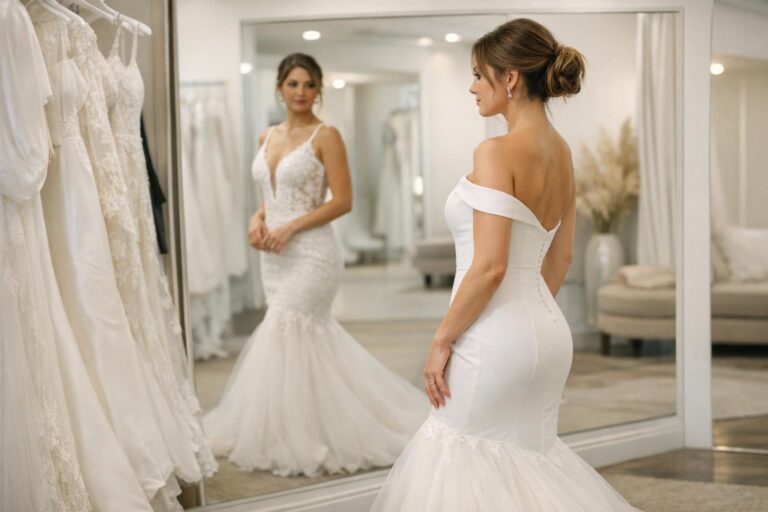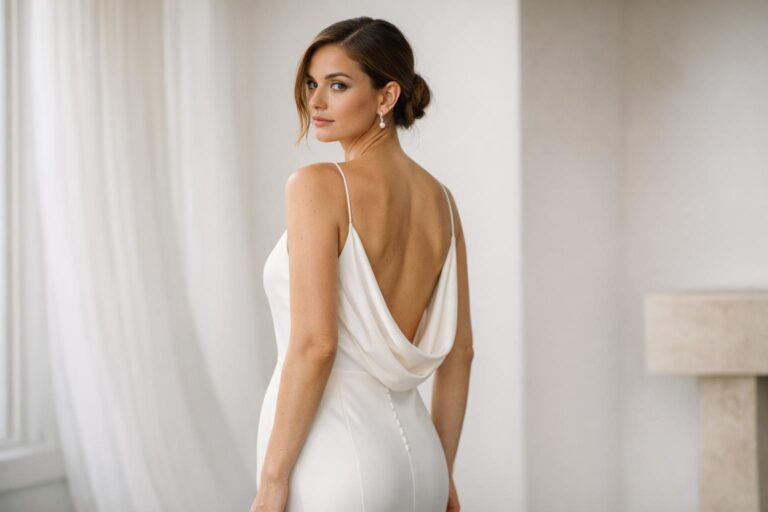
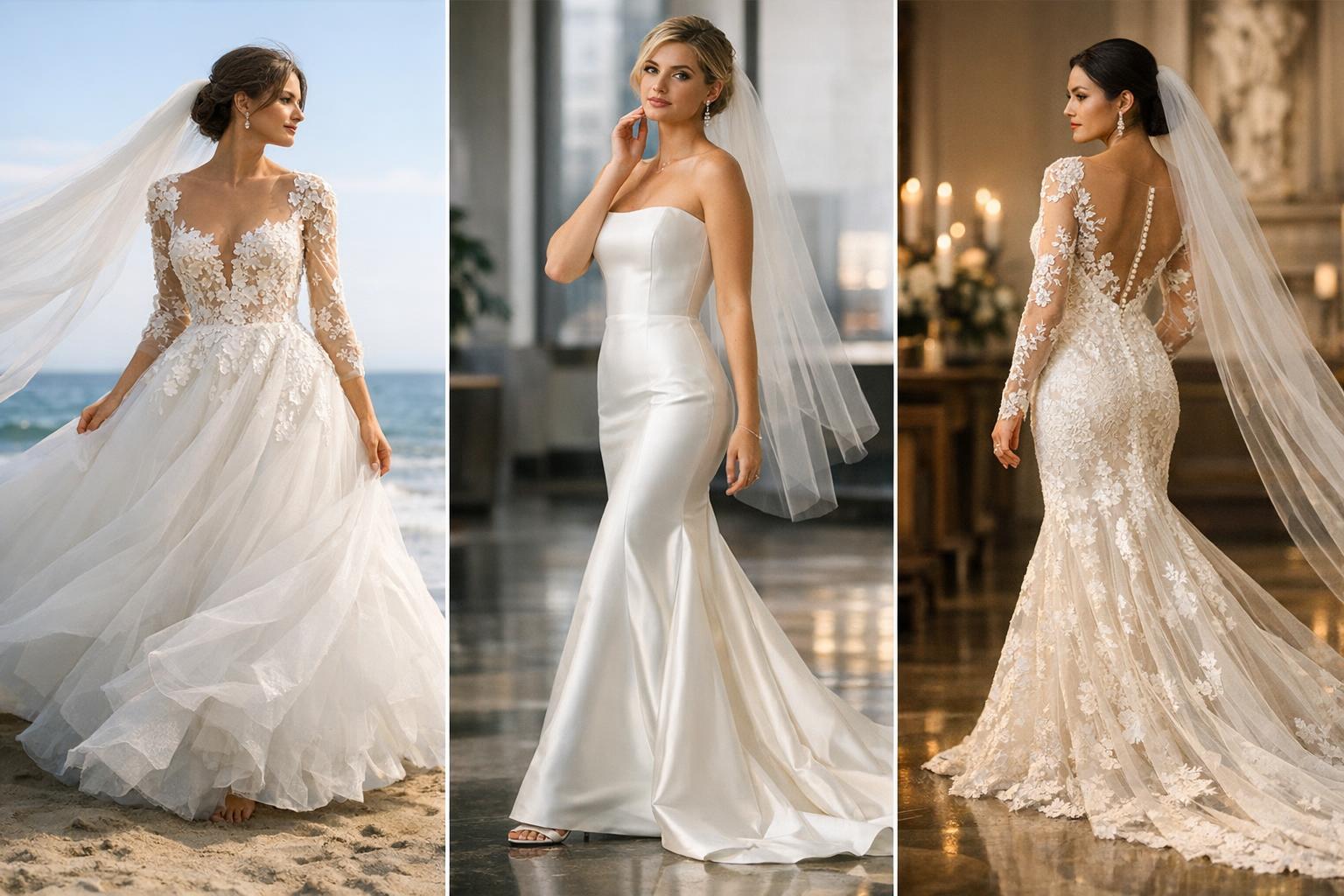
7 Stunning Wedding Dresses for 2026: US Venue Style Guide
Stunning Wedding Dresses: 2026 Trends, Gowns, and How to Choose Your Dream Dress
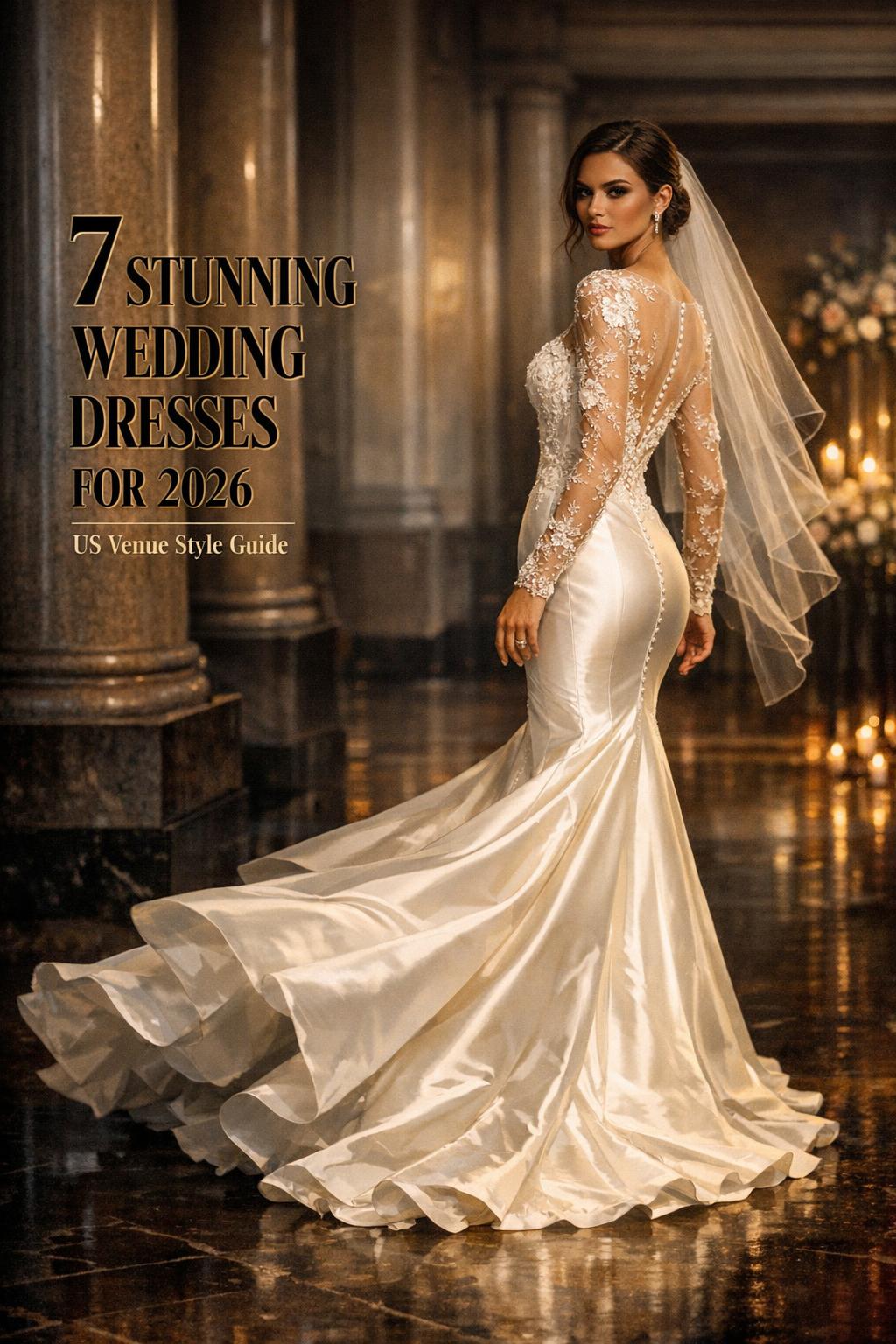
Stunning wedding dresses aren’t defined by a single silhouette or a specific level of sparkle—they’re the gowns that look intentional from every angle, fit the wedding setting, and feel like an elevated version of you. In 2026, brides continue to gravitate toward standout details (beading, embroidery, illusion elements, and 3D florals), alongside strong, flattering shapes like ball gowns, A-line wedding dresses, and sculpted mermaid or trumpet styles.
This guide brings together the most requested ideas brides search for in the U.S.: inspiring gown directions, the design elements that photograph beautifully, a practical step-by-step shopping plan (including timing, trunk shows, and fittings), plus venue-specific guidance for beach, garden, city hall, and chapel weddings. You’ll also find a designer-focused gallery framework, budgeting guidance that keeps the “wow” factor intact, and a clear FAQ at the end for common shopping questions.
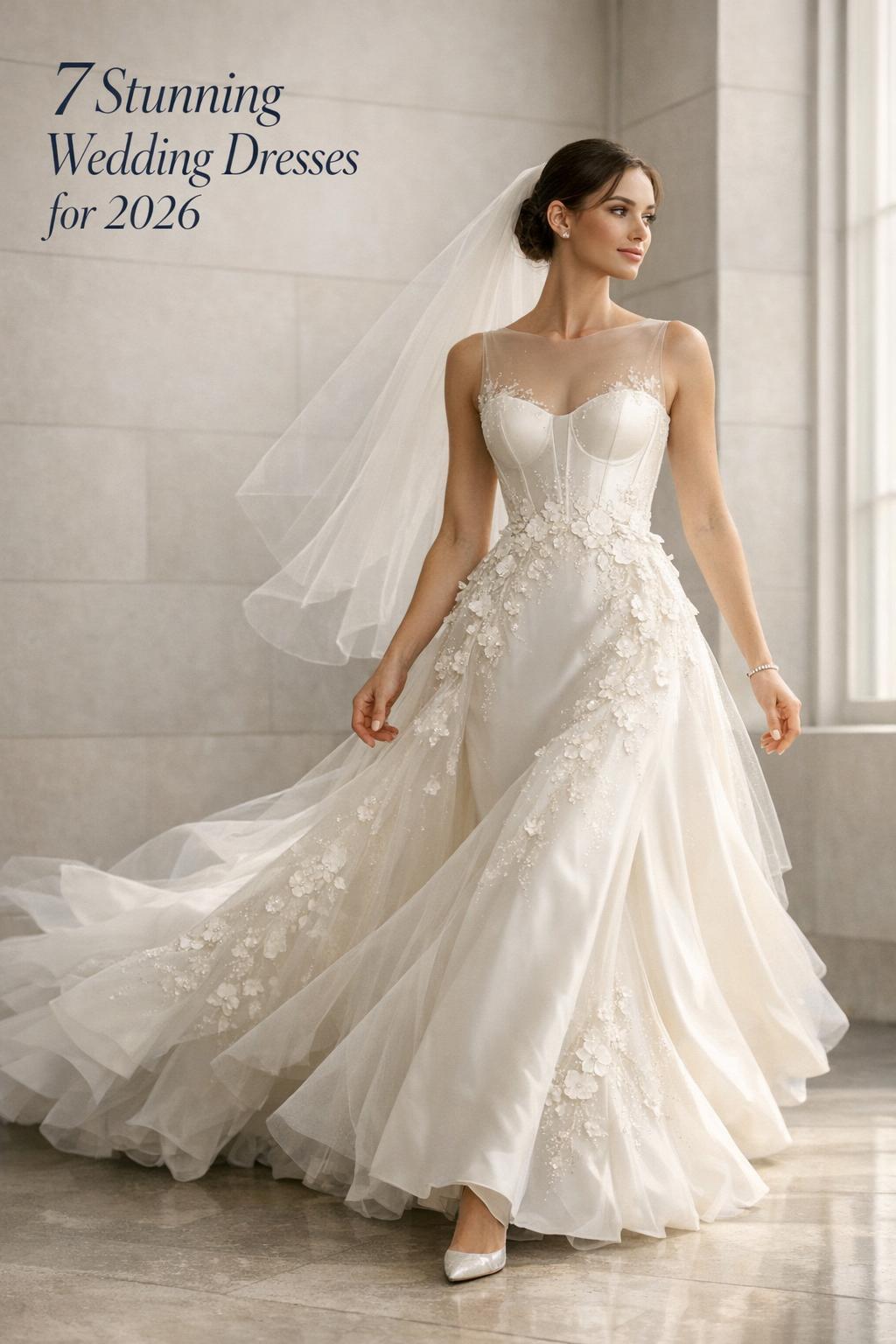
What Makes a Dress Truly Stunning
“Stunning” is usually the result of multiple elements working together: a silhouette that supports your proportions, fabric that moves the way you want, embellishments that add dimension (without overwhelming you), and a fit that looks custom. The most memorable bridal gowns don’t rely on one trend; they combine strong fundamentals with a few intentional focal points.
Think of stunning wedding dresses as a balance of structure and artistry. Structure is the engineering—boning, seaming, and shaping that holds a line cleanly. Artistry is the surface story—lace placement, embroidered motifs, beading patterns, illusion necklines, and layered tulle or satin that catch light differently in photos.
Your wedding look is only the beginning.
Keep your guest list, vendors, timeline, and every important detail together with Zarellea — so your day feels as considered as your style.
Tips: When you’re judging a gown on the hanger, look for where the design wants the eye to go. Is the focal point your neckline, waist, back, or train? A truly stunning gown typically has one clear “hero” feature and a few supporting details—not competing statements everywhere at once.
Popular Silhouettes for a Stunning Look
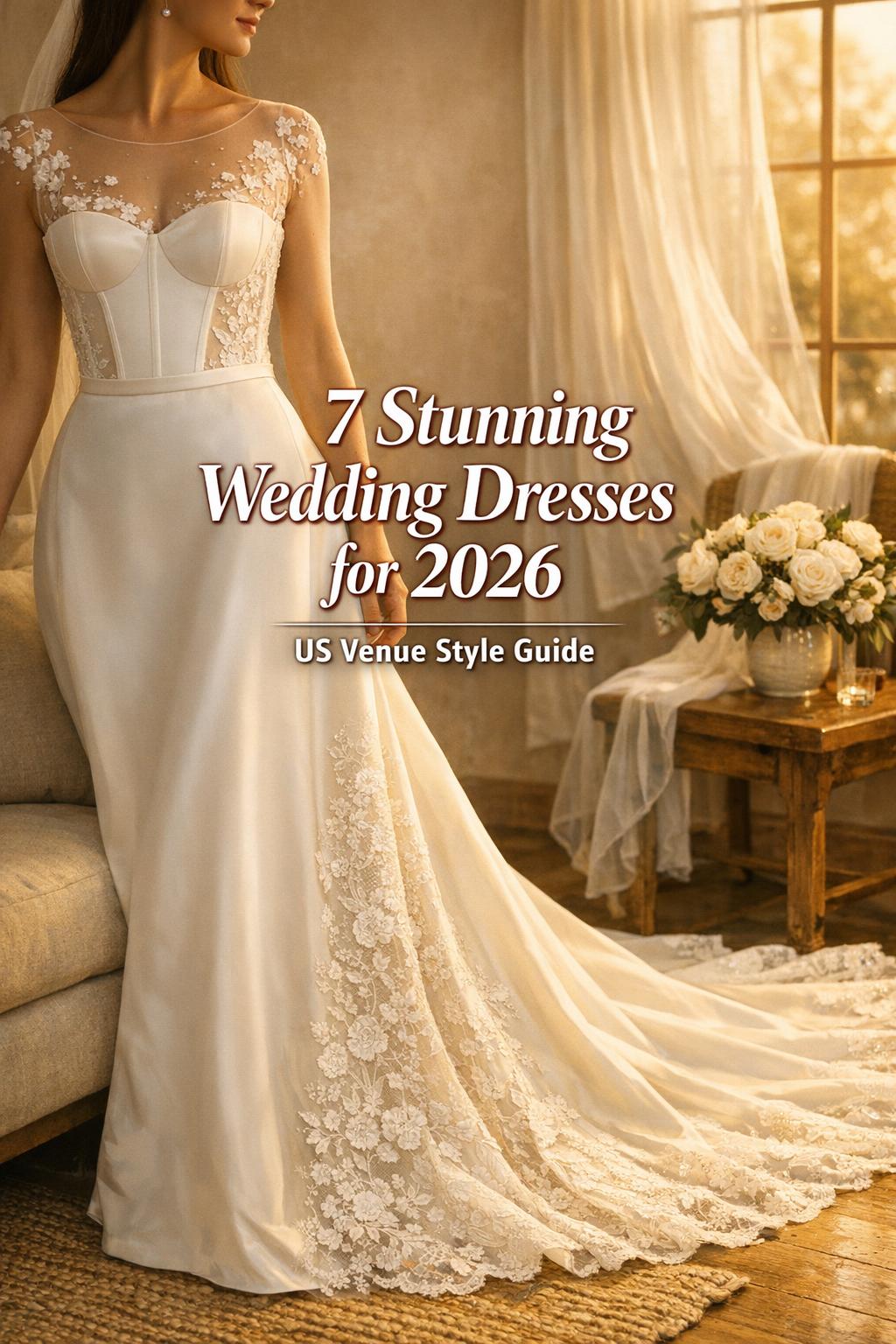
Silhouette is the fastest way to change a gown from simply pretty to undeniably striking. Top bridal fashion galleries and collections consistently spotlight three families of shapes—ball gown, A-line, and mermaid/trumpet—because each one creates a recognizable, photograph-friendly outline while leaving room for modern detailing like beading, illusion, and embroidery.
Ball Gown: Classic Drama With Modern Detailing
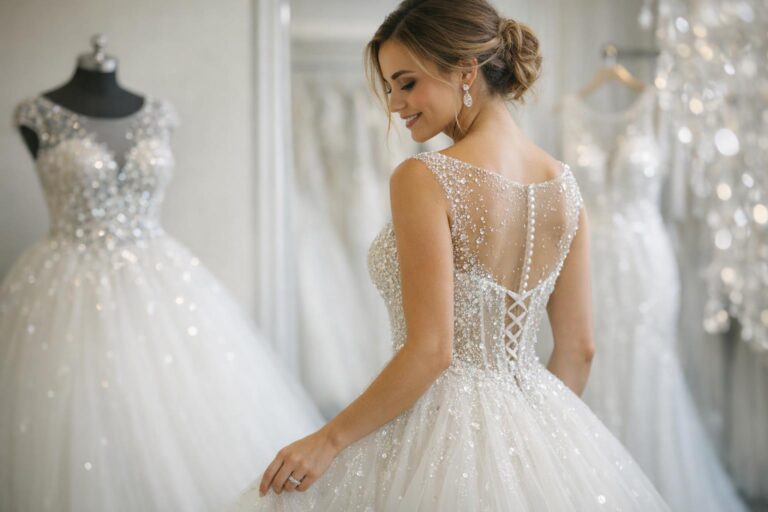
A ball gown wedding dress is the definition of high-impact bridal style: a fitted bodice paired with a full skirt that creates instant drama. This silhouette is a natural match for glamorous beaded designs, embroidered bodices, and statement necklines (including off-the-shoulder looks). It’s also a favorite for brides who want that “princess wedding dress” feeling while still keeping the details current.
Tips: If you love the ball gown shape but worry about heaviness, pay attention to how the skirt is constructed and how it moves when you turn and sit. The most comfortable dramatic gowns are the ones that keep the volume balanced and allow you to walk without constantly lifting the skirt.
A-Line: Effortless Elegance for Many Body Types
An A-line wedding dress is one of the most versatile options for brides seeking a stunning look without feeling overwhelmed by fabric. The gentle flare creates a clean line that works beautifully with lace wedding dress styling, illusion sleeves, and carefully placed embroidery or beading that draws attention upward.
A-line bridal gowns also adapt well to venue shifts. Whether you’re planning an outdoor garden ceremony, a city celebration, or a chapel wedding, you can refine the same silhouette through fabric choices and embellishments—from minimal and modern to richly detailed.
Mermaid/Trumpet: Sculpted Silhouettes for a Night-Out-on-the-Aisle Vibe
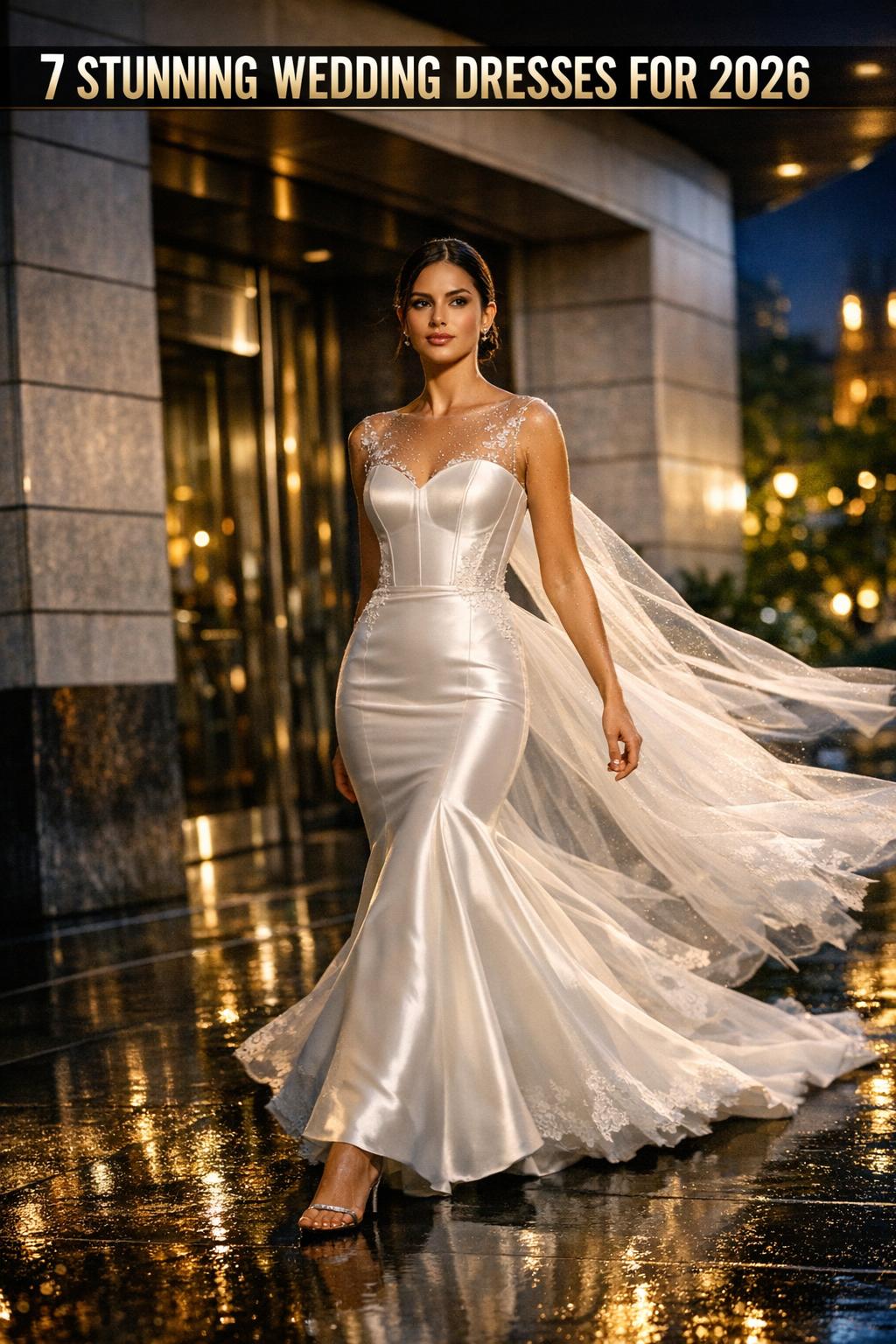
Mermaid and trumpet silhouettes deliver that sculpted, fashion-forward impact many brides associate with red carpet wedding dress energy. These shapes emphasize the body’s natural lines and often pair well with glamorous wedding dresses with beading, illusion necklines, and fitted lace patterns that highlight the gown’s architecture.
Tips: When trying a mermaid wedding dress, test real movement—not just standing. Take a few steps, sit down, and practice turning. A stunning look only stays stunning if you can move comfortably enough to enjoy your day and stay confident for photos.
Fabrics and Embellishments That Sparkle
Fabric and embellishment choices can transform the same silhouette into completely different moods—romantic, modern minimalist, glamorous, or timeless. Many of today’s most eye-catching bridal gown trends revolve around texture, dimension, and the way details photograph, especially under event lighting.
Lace, Beading, and Embroidery
Lace wedding dresses remain central to the “stunning” category because lace adds detail without needing extra accessories. Embroidery and beading can be used to emphasize specific areas—like the neckline, bodice, or hip—while keeping the overall design cohesive. Glamorous wedding dresses with beading tend to shine in evening settings and reception lighting, where the detail can catch highlights as you move.
Tips: In the fitting room, step into different lighting if possible (brighter and softer). Beading and embroidery can look subtle in one light and bold in another—your wedding environment matters.
Illusion Fabrics and 3D Floral Appliqués
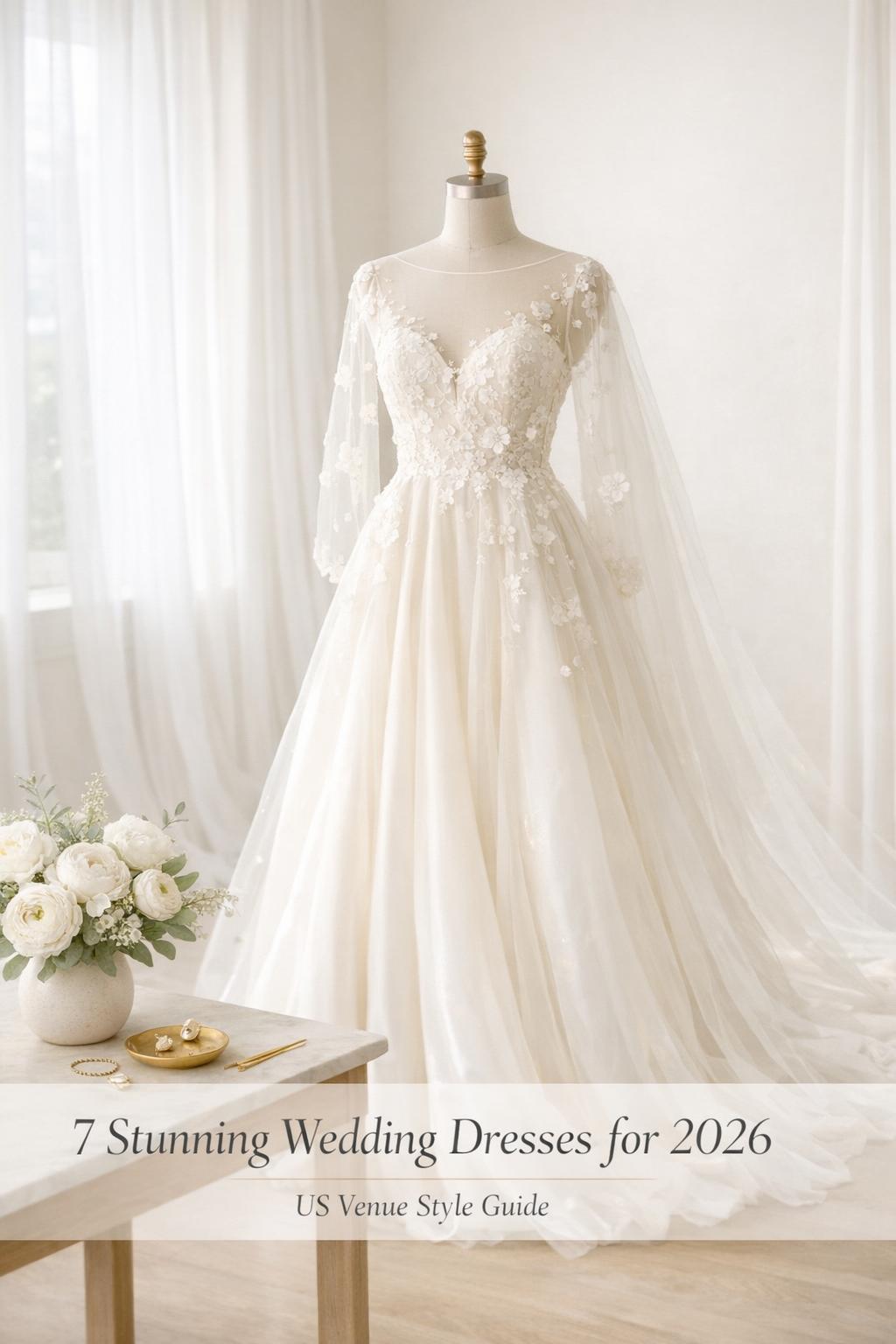
Illusion elements—like an illusion neckline or wedding dresses with illusion sleeves—create structure while keeping the look airy. They can also provide coverage in a way that still feels modern and fashion-forward. 3D floral appliqués add depth and movement, giving the gown a dimensional finish that reads beautifully in photos and curated galleries.
These details are especially popular for brides who want a statement without going fully glitter-heavy. Illusion and 3D florals often deliver impact up close while staying elegant from a distance.
Luxurious Fabrics (Silk, Satin, Tulle)
Luxurious fabrics shape the entire impression of a wedding gown. Satin reads polished and structured, silk suggests refined simplicity, and tulle offers softness and volume—ideal for layered skirts and romantic silhouettes. Even when a gown is minimally embellished, fabric choice can make it feel couture-inspired, especially when paired with strong tailoring and intentional styling.
Tips: If you’re drawn to modern minimalist gowns, focus on the quality of the fabric and the precision of the seams. In a simpler design, the fit and finish become the detail.
The 2026 Gallery: Gowns by Leading Designers (Curated)
Brides often search designer wedding dresses when they want a clear aesthetic direction, consistent quality, and recognizable design signatures. In many bridal gown collections, you’ll see a spectrum—from classic silhouettes updated with modern necklines to glamorous, embellishment-forward looks meant for statement entrances.
Designer Spotlights: Allure Bridals, Maggie Sottero, Mon Cheri, Liz Martinez
These names frequently appear in bridal fashion editorials and collection galleries because they represent distinct lanes of style—ranging from romantic lace and timeless silhouettes to more glamorous, couture-leaning detailing. When you’re browsing, pay attention to recurring elements each designer emphasizes, such as lace-and-illusion combinations, sculpted silhouettes, or beadwork that reads like jewelry built into the dress.
If you’re building your shortlist, it can help to save a few favorites from different designers and compare them by silhouette, neckline, sleeve style, and embellishment density. That comparison often reveals what you truly mean by “stunning.”
Price Bands and Where to Shop (Boutiques, Trunk Shows, Online Retailers)
In the U.S., many brides shop stunning wedding dresses through bridal boutiques and appointments, then broaden their options through designer trunk shows, sample sales, and online retailers that provide extensive galleries. Catalog-style shopping can be especially helpful when you want to filter by silhouette, neckline, or sleeves—like off-the-shoulder, plunging necklines, or illusion sleeves.
Tips: When you book boutique appointments, bring photos that show both the full dress and close-ups of the detail you love (beading pattern, lace placement, illusion panel). Bridal consultants can match design features faster than they can match a vague vibe.
How to Choose Your Stunning Wedding Dress (Step-by-Step)
The phrase “how to choose a stunning wedding dress” usually means you want inspiration and a plan. A plan matters because the best gown is the one you can order (or purchase) on a realistic timeline, tailor to your body, and style for your venue—without second-guessing yourself at every step.
- Clarify your venue, season, and dress code
- Choose the silhouette family you feel best in (ball gown, A-line, mermaid/trumpet)
- Decide what “stunning” means to you (fabric, sparkle level, lace vs. minimalist, statement sleeves, dramatic train)
- Set a budget that includes alterations and accessories
- Plan appointments with enough lead time for ordering and fittings
Determine Your Wedding Venue and Dress Code
Venue is your reality check. A cathedral-length, heavily beaded ball gown creates a certain kind of stunning moment, but it may not feel as effortless at a beach ceremony. Likewise, a sleek minimalist gown can look striking at city hall, while a richly embroidered A-line may feel perfectly at home in a chapel or formal indoor setting.
Tips: Before you fall in love with a dress online, picture three moments: walking, sitting, and dancing. If the venue involves stairs, grass, sand, or a long aisle, the most stunning choice is often the one that looks incredible and behaves well in the environment.
Set a Realistic Budget and Plan for Alterations
Budgeting for stunning wedding dresses works best when you think in categories: the gown, alterations, and styling pieces (veil, shoes, jewelry, hair and makeup). Alterations are not a last-minute detail; they’re how many gowns become truly jaw-dropping on the body, especially fitted silhouettes and illusion bodices that need clean, secure lines.
Tips: When comparing dresses, ask yourself what you’re paying for: fabric quality, construction, and detail density (like extensive beading or embroidery). If a gown is simpler, make sure the fit and fabric do the heavy lifting. If a gown is highly embellished, confirm it’s comfortable and not scratchy or heavy where it matters most.
Consider Body Type, Comfort, and Movement
Many top galleries include guidance on selecting a dress by body type and wedding style, but the most useful filter is confidence plus comfort. A-line shapes are often chosen for their ease and balance; ball gowns create dramatic proportion; mermaid and trumpet styles emphasize a sculpted outline. The right choice depends on how you want to feel—and how you want to move—throughout the day.
Inclusive sizing matters here. If you’re shopping beautiful wedding dresses for plus size, prioritize boutiques or retailers that clearly support a wide range of sizes and offer try-on options that help you visualize the final fit. Feeling supported in the bodice, secure in straps or sleeves, and free enough to breathe and dance is part of what makes a gown read as stunning.
Try-On Strategy and Timing (Trunk Shows, Appointments, Sample Sales)
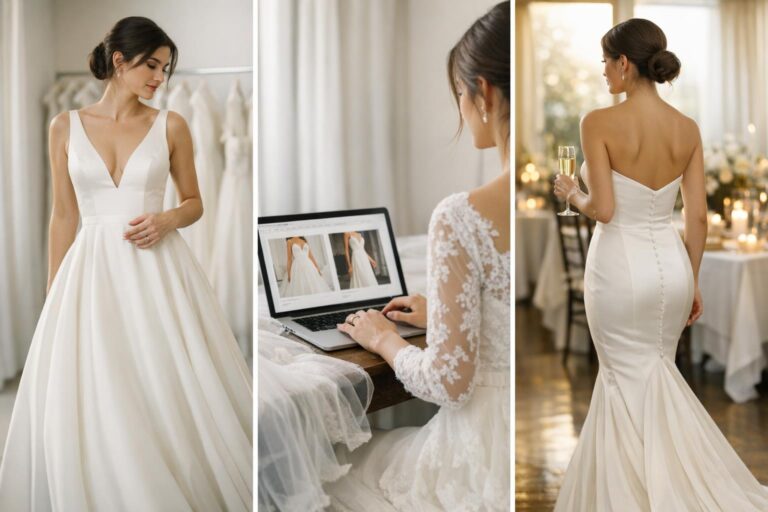
A smart try-on strategy saves time and reduces decision fatigue. Start with a short list of silhouettes and a clear idea of your preferred embellishment level (minimal, lace-forward, beaded, or highly detailed). Then schedule appointments with boutiques that carry designers aligned with those preferences, and consider trunk shows or sample sales if you’re drawn to specific collections.
- Bring the undergarments and shoes (or heel height) you expect to wear
- Take photos from the front, side, and back to compare silhouettes fairly
- Test sitting, walking, and a few dance steps in each finalist
- Ask about ordering timelines and how many fittings are typical
- Try at least one “wild card” gown to confirm your direction
Tips: If you’re attending a trunk show, arrive with reference photos and a prioritized list of features you want to try first (like an illusion sleeve, lace bodice, or beaded fit-and-flare). The more specific you are, the faster you’ll find a real contender.
Accessorizing for a Stunning Look
Accessories should enhance the gown, not compete with it. Many brides search for styling ideas (veils, jewelry, shoes) because a stunning dress can look unfinished without the right supporting pieces—or overloaded with too many statements at once. Your goal is a cohesive look that reads beautifully from across the room and in close-up photos.
Veils, Capes, Jewelry, and Shoes That Enhance the Gown
Start by identifying the gown’s focal point. If the dress is heavily beaded or embroidered at the neckline, consider simpler jewelry so the detail remains the star. If the gown is sleek and minimalist, you may choose a more dramatic veil or a statement accessory to add a sense of ceremony.
- If the bodice is detailed: choose understated earrings and let the dress shine
- If the gown is minimalist: consider a veil or cape to add drama without changing the silhouette
- If you’re wearing a ball gown: test whether the veil length complements the skirt volume
- If you’re in a fitted silhouette: prioritize comfort and stability in shoes for walking and dancing
Tips: Try on your accessories with the dress (or a similar neckline) before committing. Many styling “mistakes” happen because the pieces are chosen in isolation.
Hair and Makeup Synergy With Gown Style
Hair and makeup choices are part of the overall styling architecture. A romantic lace wedding dress often pairs naturally with softer, classic beauty, while a modern minimalist gown can look striking with clean lines and polished styling. For glamorous wedding dresses with beading, you may want hair that keeps the neckline visible, so the detail reads clearly in photos.
Tips: If your dress has an illusion neckline or detailed sleeves, consider wearing your hair up or swept back during the ceremony to keep those features visible—then changing it for the reception if you want a different vibe.
Dressing for Different Venues: Beach, Garden, City Hall, and Chapel
The most stunning wedding dresses are the ones that look like they belong in the setting. Venue affects everything: fabric comfort, how easily you move, whether your train behaves, and how the dress photographs against the background. Brides searching for venue-appropriate gown ideas typically want to avoid two problems—overdressing the space or choosing something that looks great in theory but feels difficult on the day.
Dress Length, Fabric, and Comfort in Varying Weather and Terrain
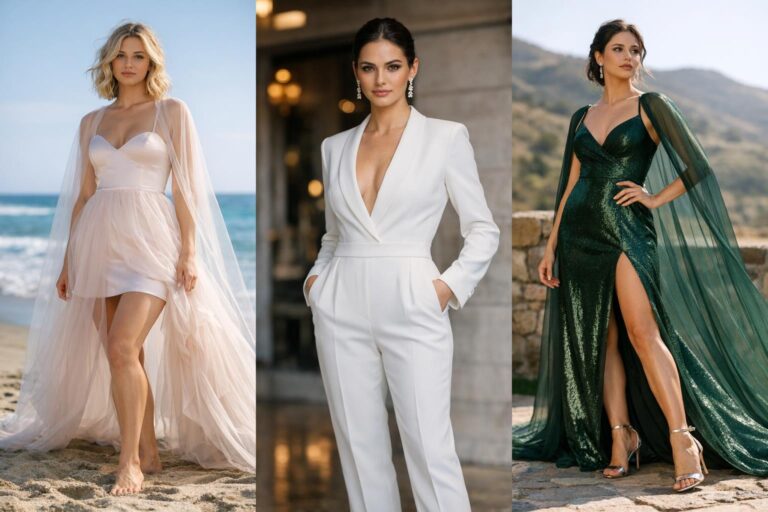
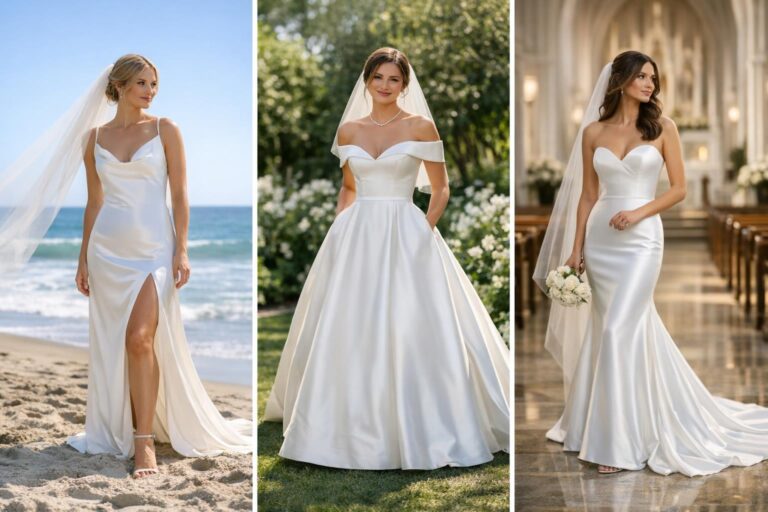
Beach wedding dress choices often prioritize ease and movement: lighter fabrics, less weight from heavy embellishments, and a skirt that won’t fight the wind or sand. Garden settings can support romantic textures like lace and floral appliqués, especially when the gown’s details complement natural scenery. City hall weddings frequently pair well with clean, modern lines, while chapels and churches often invite more formal silhouettes and classic drama.
- Beach: prioritize movement, comfort, and fabrics that feel light
- Garden: romantic lace, 3D florals, and soft silhouettes often feel at home
- City hall: minimalist or tailored looks can read especially polished
- Chapel/church: classic silhouettes like ball gown and elegant A-line feel naturally aligned
Tips: If you love a dramatic train but worry about practicality, ask about bustle options early. Planning for reception movement is part of making a dramatic gown feel wearable.
Movement and Photos: Posing Tips for “Stunning” Gowns
A stunning gown moment is often a photography moment. Movement creates shape: the way a skirt spreads, how a train trails, how beading catches light, and how an illusion neckline reads up close. You don’t need complicated posing; you need a few reliable motions that show the dress doing what it was designed to do.
- For ball gowns: take a slow turn to show skirt volume and bodice structure
- For A-line: walk forward naturally to highlight drape and line
- For mermaid/trumpet: angle your body slightly to emphasize the silhouette
- For beading: pause under light sources so details can catch highlights
Tips: Practice one or two movements in your fittings (a turn, a step, a seated pose). If you know how the dress behaves, you’ll look more relaxed—and your photos will read more confident.
Real Brides Gallery: Stunning Dresses in Real Weddings
Gown galleries can be inspiring, but “real wedding dresses” inspiration is where you see how a bridal look performs—walking outdoors, hugging people, dancing, and posing in different light. The most useful real-bride inspiration focuses less on perfection and more on practical choices: what details stood out, how the silhouette felt throughout the day, and how styling completed the look.
Mini Profiles to Guide Your Own Shortlist
When you review real-bride photos, look for patterns you can apply to your own shopping. For example, you may notice that brides who choose heavily embellished gowns keep accessories refined, or that illusion sleeves provide a confident, secure feel while maintaining a modern look. You may also see that certain silhouettes consistently suit certain venues—like an A-line for garden ease or a dramatic ball gown for a formal indoor ceremony.
Tips: Save examples in three categories: your favorite silhouette, your favorite fabric/embellishment direction, and your favorite complete styling (veil, hair, jewelry). If a dress checks all three, it’s likely close to your “one.”
Quick Reference: Top Designers and Manufacturers for Stunning Gowns (U.S. Availability)
If you’re trying to move from inspiration to action, it helps to shortlist designers and manufacturers whose collections consistently align with your preferred mood—classic, modern minimalist, romantic lace-and-illusion, or full glamour. Many U.S.-focused bridal catalog experiences make it easier to narrow your options by silhouette, neckline, and sleeve style, which is especially useful if you know you want something specific like off-the-shoulder, plunging necklines, or illusion sleeves.
- Allure Bridals: frequently featured in designer spotlights and new-season galleries
- Maggie Sottero: often associated with glamorous and statement-driven bridal looks
- Mon Cheri (Enchanting): known for collection breadth and filterable style categories (necklines, sleeves, silhouettes)
- Martin Thornburg: designer catalog approach highlighting silhouettes, necklines, sleeves, and named models
- Liz Martinez: appears in curated designer discussions tied to standout couture-leaning design language
Tips: Even if you plan to shop locally, browse designer catalogs first to learn the vocabulary of what you love (lace placement, illusion details, beading style, sleeve type). You’ll communicate more clearly at appointments and get better recommendations.
Stunning on Any Budget: Getting the Look Without Losing the Magic
Many brides want a “budget-to-glam” path—how to look stunning whether you’re shopping a boutique appointment, attending a trunk show, browsing an online gallery, or considering a sale. The most consistent way to protect your results is to prioritize what matters most: silhouette, fit, and one standout design element.
Some brides choose a gown with a clean base and build glamour through styling, while others choose detail-forward dresses and keep accessories minimal. Either approach can work, as long as the overall look remains cohesive and wearable.
Tips: If your dream dress is highly embellished, consider focusing on one major area of detail (like a beaded bodice or embroidered train) rather than choosing heavy embellishment everywhere. This can preserve impact while keeping the look refined and often easier to alter.
Accessibility and Inclusive Shopping: Finding Your Dress With Confidence
Shopping for stunning wedding dresses should feel supportive, not stressful. Many brides look for accessible options like clear sizing guidance, inclusive representation, and shopping experiences that accommodate different comfort needs—whether that means a wider size range, more flexible appointment formats, or the ability to browse detailed product attributes online (necklines, sleeves, and silhouettes).
Inclusive shopping also includes the practical side: choosing a gown that supports your movement, aligns with your comfort preferences, and can be altered effectively. Whether you’re shopping glamorous wedding dresses in a specialty category or browsing broader bridal gown collections, prioritize retailers and boutiques that provide clear details and a respectful, guided experience.
Tips: If you’re unsure where to start, begin with one silhouette you already like (A-line, ball gown, mermaid) and request variations in neckline and sleeve styles. This keeps the process focused while still giving you enough range to discover what feels best.
Internal and External Resources to Support Your Dress Search
As you refine your shortlist, it helps to use a combination of curated galleries, designer collections, and shopping guidance pages. Designer sites and catalogs make it easier to compare silhouettes and details across a full line, while bridal publication galleries can provide styling context—like how veils, jewelry, and shoes complete the look.
Tips: Keep one folder or album for saved dress images and add quick notes to each one: silhouette, neckline, sleeve type, and the single detail that makes it feel stunning (beading, lace, embroidery, illusion). This simple habit makes appointments more productive and decisions clearer.
FAQ
How do I know if a dress is “the one”?
A dress is usually “the one” when it aligns with your venue and style, highlights the features you want to emphasize, and feels comfortable enough that you stop adjusting it and start imagining your day in it. If you love the silhouette, feel confident in the fit, and the details (lace, beading, embroidery, or illusion elements) match your vision without needing major changes, you’re likely very close.
How many fittings do I typically need?
Many brides plan for multiple fittings because the goal is a secure, personalized fit—especially for structured bodices, illusion necklines, and fitted silhouettes like mermaid or trumpet. The exact number depends on the dress construction and the alterations needed, but you should expect more than one visit if you want the gown to look truly tailored.
How should I budget for alterations and accessories?
Budget beyond the gown itself by setting aside room for alterations and styling pieces like a veil, jewelry, and shoes. Alterations are often what transforms a beautiful dress into a stunning one, and accessories should be chosen to support the gown’s focal point rather than compete with it.
What silhouettes are most popular for stunning wedding dresses?
Ball gown, A-line, and mermaid/trumpet silhouettes are consistently popular because they create clear, camera-friendly shapes and pair well with both minimalist and embellished design directions. Your best silhouette is the one that fits your venue, comfort needs, and the kind of impact you want—dramatic, effortless, or sculpted.
How do I choose a stunning wedding dress for my venue (beach, garden, city hall, chapel)?
Match the dress to the environment by prioritizing movement and comfort for beach settings, romantic textures for gardens, clean and modern lines for city hall, and classic formality for chapels. The most stunning venue match is the gown that looks intentional in photos and feels manageable as you walk, sit, and celebrate.
Are illusion necklines and illusion sleeves still in style?
Illusion elements remain a popular choice because they can add structure, coverage, and modern detail without making a gown feel heavy. They’re especially striking when paired with lace, embroidery, or beading that creates a seamless, dimensional effect in both close-up and full-length photos.
How do I keep a heavily beaded or embroidered dress from feeling “too much”?
Choose one main statement area—such as a beaded bodice, an embroidered train, or a dramatic neckline—and keep the rest of the styling clean and supportive. Minimal accessories and thoughtful hair placement can let the gown’s detail read as luxurious and intentional rather than overwhelming.
What should I bring to a bridal boutique appointment or trunk show?
Bring reference photos that show both the overall silhouette and the details you love (lace placement, beading style, illusion features), plus the undergarments and shoe height you expect to wear. Going in with a prioritized list of must-have features helps you use appointment time efficiently and compare dresses fairly.
How can I make sure my dress photographs as “stunning”?
Prioritize fit, movement, and a clear focal point in the design, then practice a few simple motions—walking, turning, and a relaxed pause that lets the fabric and embellishments catch light. A cohesive styling plan (veil, jewelry, hair) that supports the gown’s standout features will also help your look read strongly in both wide shots and close-ups.