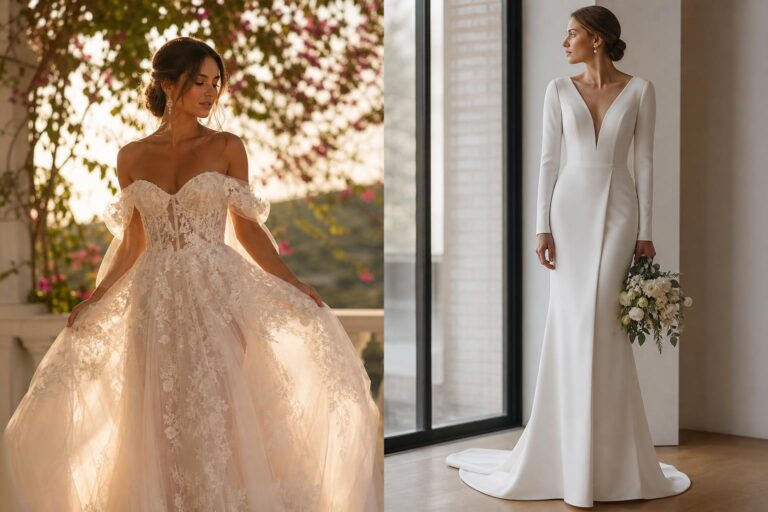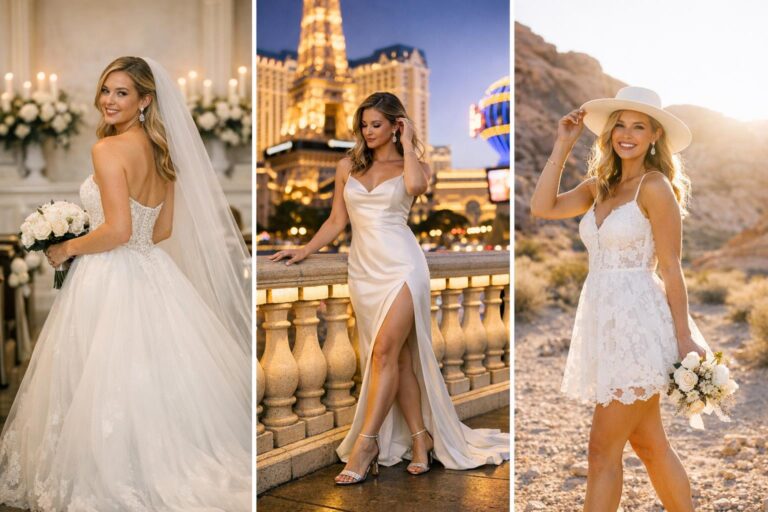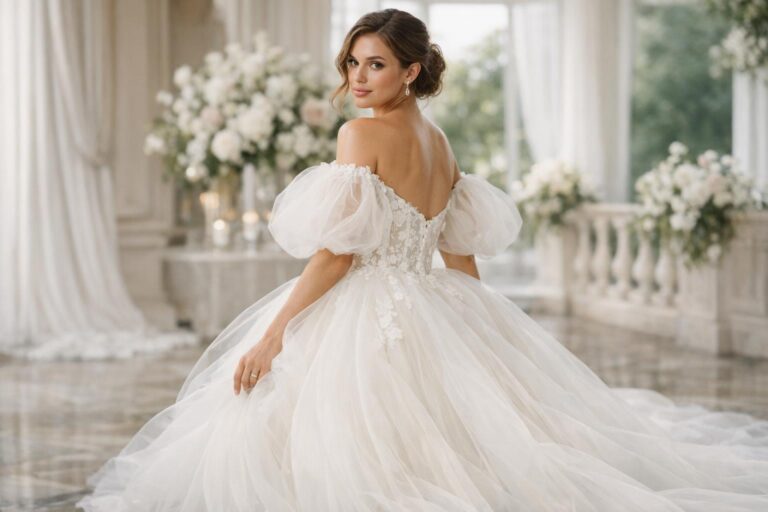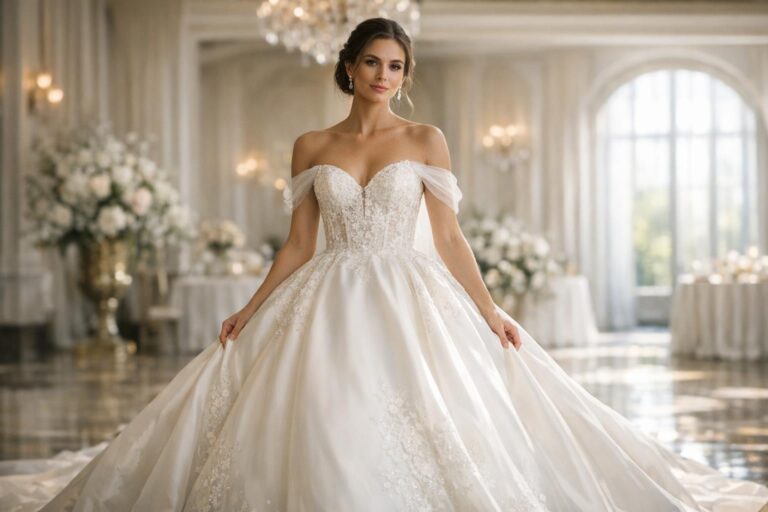
7 Fit-First Tips for Mermaid Wedding Dresses in the US
Mermaid Wedding Dresses: A Sleek, Figure-Flattering Silhouette With Dramatic Impact
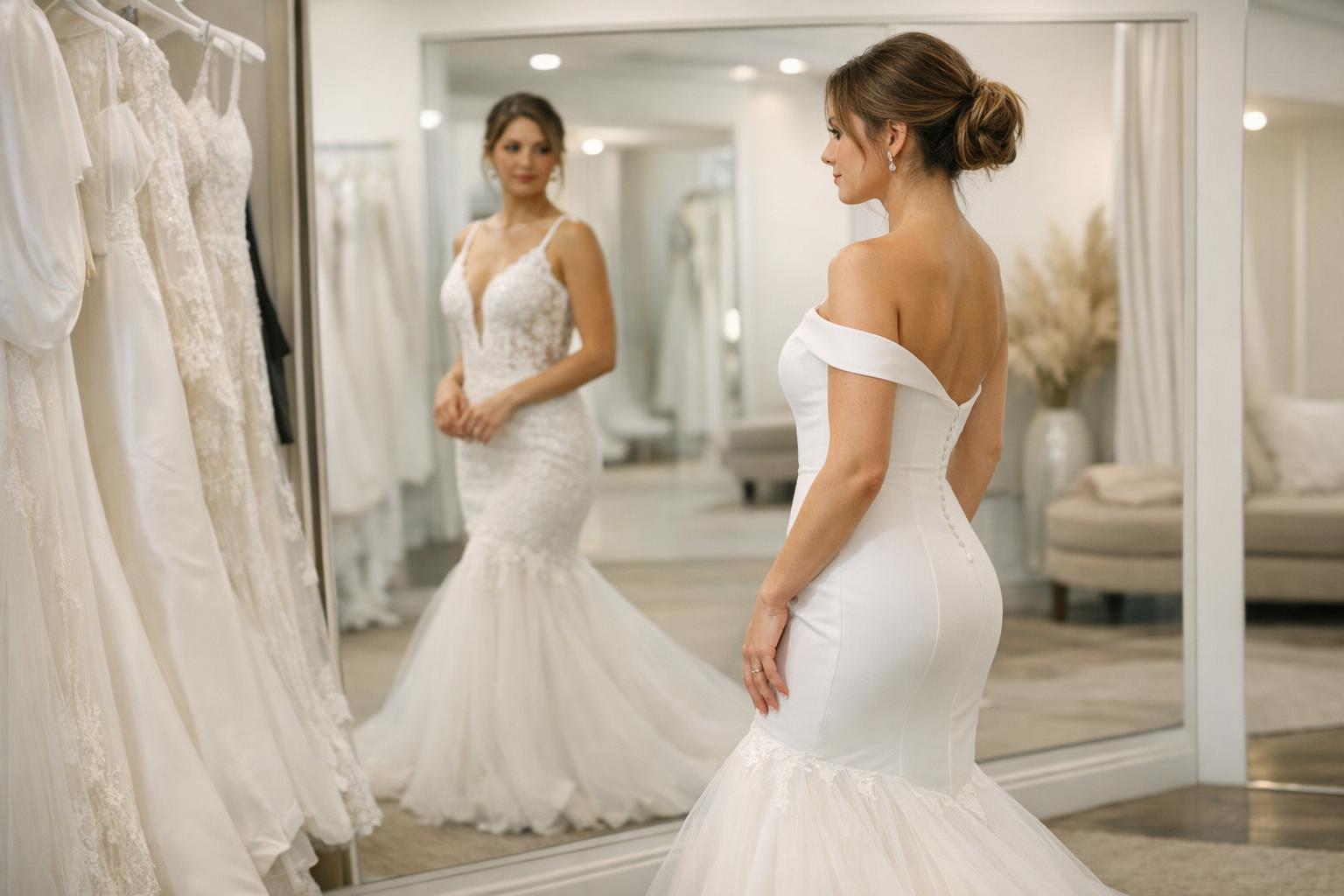
Mermaid wedding dresses are known for a body-contouring shape that highlights curves through the bodice, waist, and hips, then flares out into a statement skirt—often finished with a train for extra drama. If you’re browsing bridal dresses with a confident, fashion-forward feel (from clean crepe to lace appliqués, from long sleeves to strapless necklines), the mermaid silhouette is one of the most distinctive options you’ll try on.
This guide breaks down what makes a mermaid silhouette different from close relatives like trumpet and fit-and-flare, then walks you through the most common fabrics, necklines, sleeves, and decorative details you’ll see while shopping. You’ll also find practical try-on advice, alteration considerations, comfort notes, and a structured FAQ to help you narrow down your search—whether you’re seeking an ivory mermaid wedding dress, a lace mermaid dress, a beaded mermaid gown, or a mermaid wedding dress with a train.
What Is a Mermaid Wedding Dress?
A mermaid wedding dress is designed to fit closely through the bodice and hips, then flare out lower on the skirt to create a dramatic, curve-focused profile. Compared with other silhouettes, it reads more sculpted and more intentionally “fitted,” which is why many collections describe it as sleek, sensual, and sophisticated.
Many mermaid gowns are paired with trains, lace overlays, beading, or other statement details because the silhouette naturally draws the eye down the body and into the flare. That combination—close fit plus dramatic finish—is what makes mermaid-cut bridal gowns so recognizable in modern catalogs.
Your wedding look is only the beginning.
Keep your guest list, vendors, timeline, and every important detail together with Zarellea — so your day feels as considered as your style.
Mermaid vs. Trumpet vs. Fit-and-Flare: Key Differences
These terms are often grouped together because they all fall into the “fitted wedding dress” family, but the placement and intensity of the flare changes the overall look and feel. Knowing the differences helps you filter faster and choose a silhouette that matches your comfort level.
- Mermaid silhouette wedding dress: Most fitted through the hips with a more dramatic flare, creating a clearly defined “curve-then-flare” shape.
- Trumpet wedding dress: Still fitted, but the flare tends to begin a bit higher and can look slightly softer than a classic mermaid, depending on fabric and construction.
- Fit-and-flare: A broad category that includes less dramatic, more gradual flares; it can feel like a bridge between a sheath and a true mermaid-cut gown.
Tip: If you love the idea of a mermaid look but want more freedom of movement, start by trying on trumpet or softer fit-and-flare styles first, then compare them side by side with a true mermaid. That quick comparison can clarify whether you want a subtle curve-hugging silhouette or a bold, dramatic flare.
Mermaid Dress Styles: Fabrics, Details, and Necklines
When shopping mermaid wedding dresses, two dresses labeled “mermaid” can look completely different depending on fabric choice, neckline, sleeves, and decorative elements. Some are minimalist and clean; others are ornate with beading, lace appliqués, and layered textures. The best approach is to choose a structure first (how fitted you want it to feel), then layer in style preferences like sleeves, train, and embellishment level.
Fabrics That Define Mermaid Gowns
Mermaid gowns are especially sensitive to fabric because the silhouette depends on how a material drapes, holds shape, and supports the fitted portion before the flare. Collections commonly feature fabrics like ivory crepe, mikado, chiffon, satin, and lace overlays—each creating a different mood and level of structure.
- Crepe: Often chosen for a sleek, streamlined mermaid silhouette with an elevated, modern feel, especially in ivory crepe options.
- Mikado: A structured fabric that can emphasize a crisp, sculpted mermaid shape and a clean finish.
- Satin: A classic choice that can read romantic or glamorous depending on the cut, neckline, and train.
- Chiffon: Frequently associated with a softer, lighter effect; in mermaid designs it can bring movement and a gentler overall impression.
- Lace and lace overlays: Common in lace mermaid wedding dresses, often paired with appliqués, beading, or embroidery for texture and dimension.
Tip: If you’re deciding between a “clean” look and a more ornate one, start by picking a fabric direction: crepe and mikado tend to read more minimal and architectural, while lace overlays and beaded layers naturally move you toward a more decorative, statement style.
Necklines and Sleeves That Change the Mood
Because the mermaid shape is already bold, the neckline and sleeves become your main tools for balancing the overall look. Many mermaid wedding dresses are offered with necklines such as V-neck, off-the-shoulder, and boat neck, plus sleeve options ranging from sleeveless to long lace sleeves and illusion styles.
A V-neck mermaid gown can elongate the look and keep the fitted silhouette feeling refined rather than heavy. Off-the-shoulder styles can add romance and softness, while a boat neck can create a more classic, structured line. If you love detail without an all-over embellished skirt, long sleeves—especially lace sleeves—can bring drama and coverage while keeping the silhouette clean and focused.
Tip: When trying on sleeves, do a simple comfort test: lift your arms, sit, and take a few steps. Mermaid gowns already ask the skirt to do a lot; sleeves should never make you feel restricted on top of that.
Decorative Details: Lace Appliqués, Beading, and Embroidery
Mermaid wedding dresses often highlight decorative work because the fitted base creates a strong canvas for texture. Common catalog descriptions emphasize lace appliqués, beading, and embroidered elements that trace the bodice, contour the hips, or cascade into the flare.
In general, lace appliqués can create a sculpted, dimensional look, while beading pushes the gown toward a more glamorous, light-catching style. Embroidery often sits in between—visually rich without necessarily looking as “sparkly” as heavy beading. The key is to decide whether you want detail concentrated on the bodice, throughout the fitted portion, or flowing evenly into the flare for a cohesive finish.
Trains and Detachable Elements
A mermaid wedding dress with train can feel especially dramatic because the flare naturally leads into the train. Many mermaid silhouettes are designed with trains as a focal point, whether the dress is minimalist and clean or layered with lace and embellishments.
Some designs also feature detachable elements, allowing you to transform the silhouette for different parts of the day. If you love the idea of a statement look for the ceremony but want flexibility for the reception, detachable pieces can be worth prioritizing as you browse.
Tip: Don’t decide on a train in isolation. Consider it alongside your venue and movement needs, because a more dramatic train can elevate the silhouette but may also increase the importance of planning for comfort, bustling, and overall manageability.
How to Choose the Right Mermaid Dress for Your Body Type
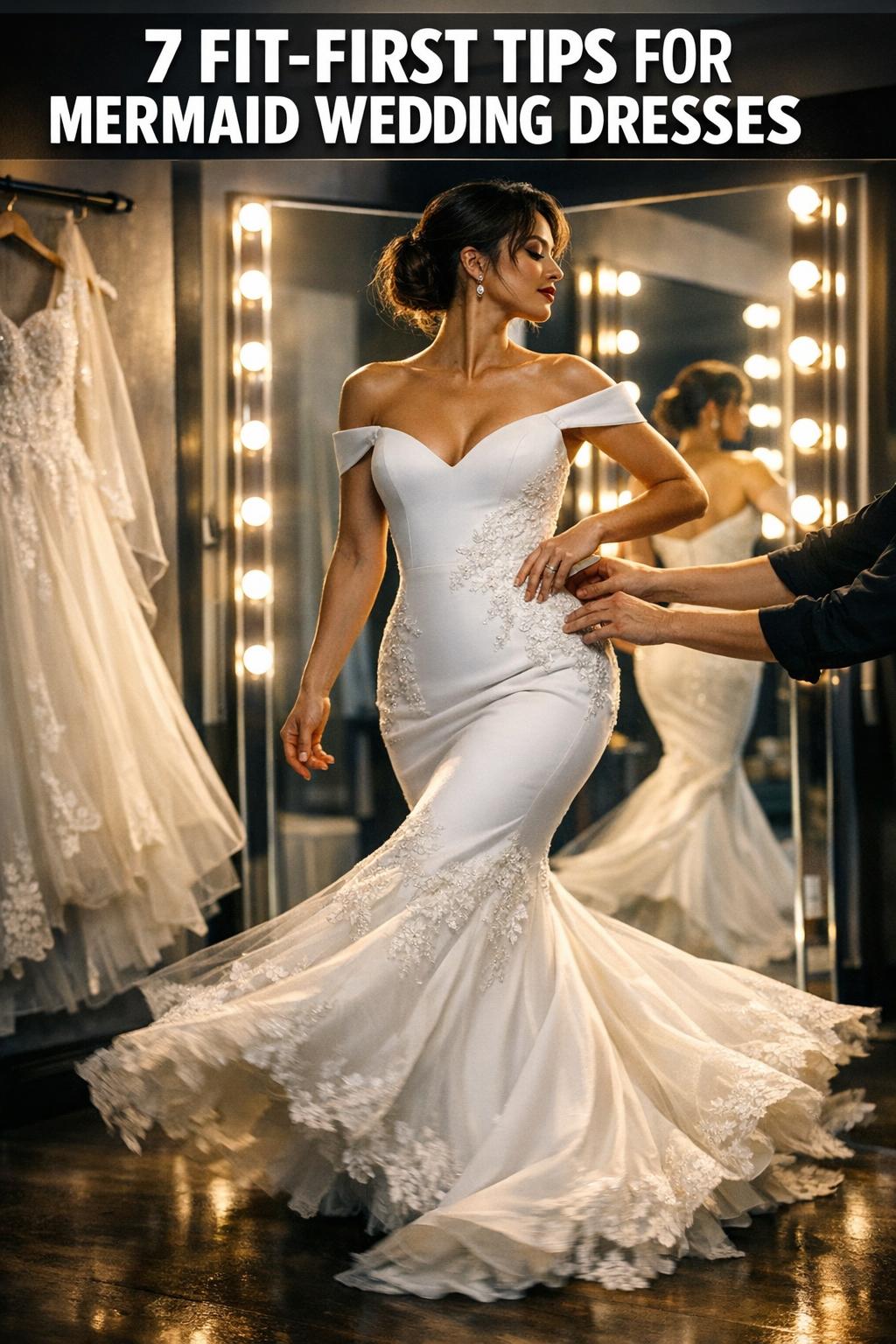
The mermaid silhouette is often described as figure-flattering because it’s designed to emphasize curves and create a strong, defined shape. That said, “flattering” depends on proportion, comfort, and where the flare begins on your body. The goal is to pick a mermaid silhouette wedding dress that complements your proportions rather than feeling like it’s wearing you.
Petite: How to Keep the Look Balanced
If you’re shopping for a mermaid dress for petite proportions, balance is everything. The fitted line can be stunning, but an overly dramatic flare or very heavy decoration can visually “shorten” the overall look if it overwhelms your frame.
- Consider a cleaner, streamlined bodice (often seen in crepe mermaid options) to keep the silhouette long and uninterrupted.
- Choose necklines that feel elongating, such as a V-neck mermaid gown, if that matches your style preferences.
- Think carefully about how dramatic you want the flare to be; a softer mermaid or a close cousin like trumpet can sometimes feel easier to wear.
Tip: When you’re in the fitting room, ask yourself where your eye goes first in the mirror. If the flare is the first thing you notice and it pulls focus away from you, try a softer flare or a more refined fabric and compare.
Curvy: Enhancing Shape Without Feeling Overly Restricted
Many brides seeking a mermaid gown for curves are drawn to how the silhouette celebrates the waist and hips. The most important factor is fit through the hips and upper thighs, because that’s where mermaid wedding dresses do the most shaping—and where comfort can vary the most from gown to gown.
- Look for thoughtful construction and support in the bodice so the fitted shape feels secure rather than tight.
- If you love detail, lace mermaid wedding dresses and beaded mermaid gowns can create beautiful contouring effects when the embellishment follows the body’s lines.
- Try multiple neckline and sleeve combinations; long sleeves or off-the-shoulder designs can balance the fitted lower silhouette and create a cohesive look.
Tip: Prioritize how the gown feels when you sit and walk, not just how it looks standing still. A mermaid gown can look perfect in the mirror but feel too restrictive for a full day if the hip and thigh fit isn’t right.
Tall: Leaning Into Drama (or Refining It)
Taller brides often have the option to go very dramatic with a mermaid silhouette, because the long vertical line can carry a bold flare and a train without feeling visually compressed. If you prefer a cleaner, more understated aesthetic, a structured mikado mermaid gown or an ivory crepe mermaid style can deliver impact through shape rather than ornamentation.
Tip: If you’re tall and deciding between “glam” and “minimal,” try on one beaded mermaid gown and one clean crepe or mikado style back to back. The contrast makes your preference obvious quickly—especially under boutique lighting.
Mermaid Dresses in Action: Mini Profiles for Inspiration
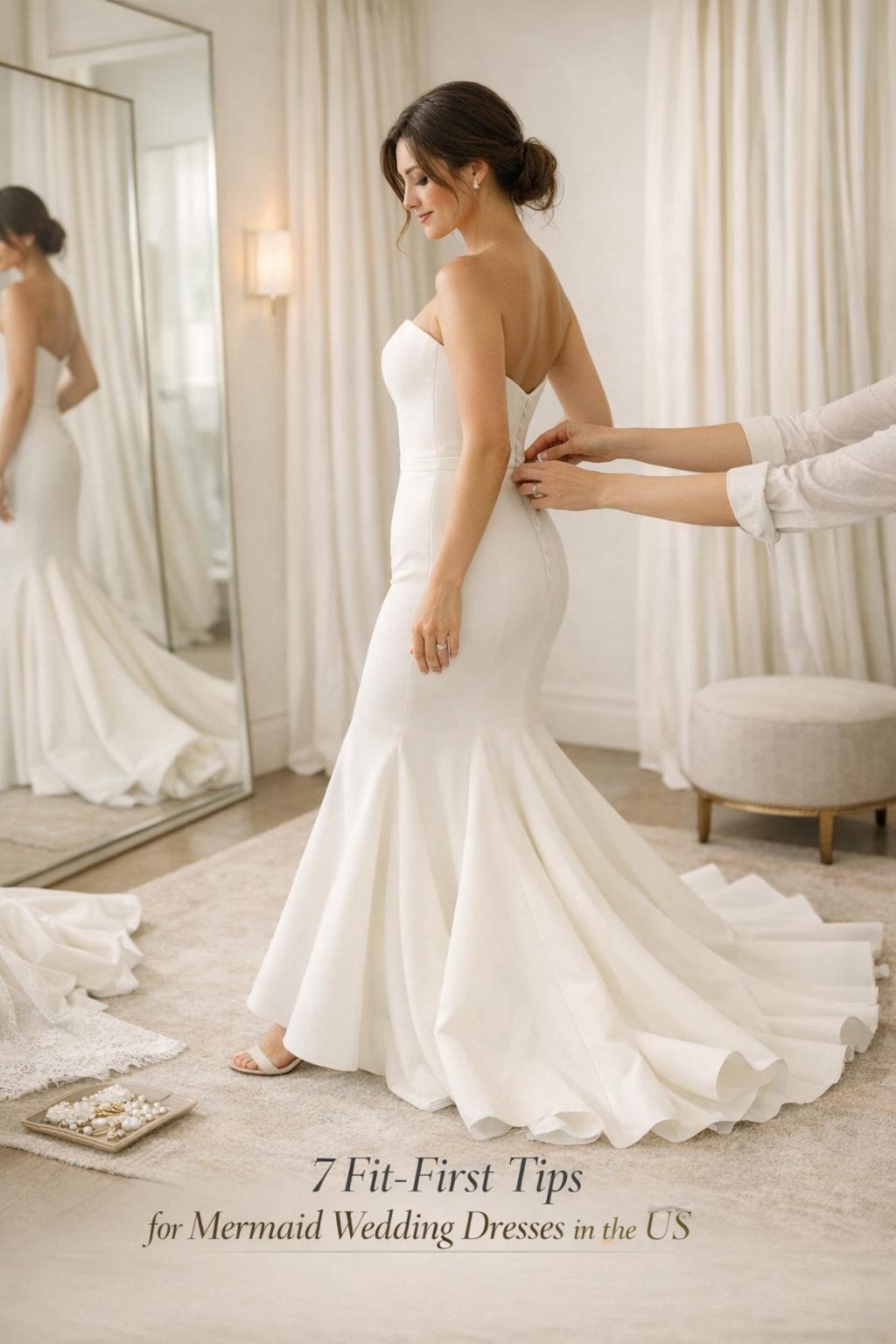
Seeing mermaid gowns styled in different ways can help you decide what you want to emphasize: fabric, neckline, sleeves, embellishment, or train. Below are a few practical inspiration profiles you can use to guide your try-on list, whether you’re drawn to lace appliqués, sleek crepe, or dramatic details.
The Clean & Modern Mermaid
This look focuses on the mermaid silhouette itself—often featuring a smooth, minimalist fabric such as crepe or mikado, with limited decoration. The impact comes from clean lines, a confident fit through the hips, and a refined finish that feels sophisticated rather than ornate.
Tip: If you love a clean look, pay extra attention to fit and tailoring. In a minimalist mermaid gown, small fit differences are more visible, so precise adjustments can make the entire dress look custom.
The Lace-Forward Mermaid With Appliqués
A lace mermaid dress often emphasizes texture and dimension through lace overlays and appliqués, sometimes concentrated on the bodice and continuing down the fitted portion. The result can feel romantic and detailed, while still showcasing the sculpted shape that makes mermaid wedding dresses so recognizable.
The Glam Beaded Mermaid Gown
A beaded mermaid gown is all about light-catching detail. Beading can elevate the silhouette into a bold, evening-ready statement and is often paired with structured lines, defined seams, or layered lace for an intentionally glamorous finish.
Tip: Beading can change how the dress feels on the body. When you try on beaded styles, move around and note whether the embellishment adds weight or stiffness that affects comfort—especially through the hips where the dress is most fitted.
The Long-Sleeve Mermaid
Mermaid wedding dresses with sleeves—especially long lace sleeves or illusion sleeves—can balance the fitted lower silhouette and add a refined, dramatic top line. This style is especially useful if you want coverage without sacrificing the curve-focused look of a mermaid-cut gown.
The Mermaid Wedding Dress With Train as the Focal Point
In this profile, the train is the centerpiece, extending the flare into a true statement finish. It can read glamorous, romantic, or sophisticated depending on whether the dress is clean (letting the shape speak) or embellished with lace and beading for texture.
Shopping Guide: What to Look for When Trying Mermaid Wedding Dresses
Because mermaid wedding dresses are engineered to fit closely through the hips, the try-on process is less about “Do I like this silhouette?” and more about “Do I like this silhouette in this exact fabric, construction, and flare placement?” The best shopping experiences are the ones where you test comfort, movement, and proportions—not just the front-facing mirror moment.
Fit First: Where It Should Feel Snug (and Where It Shouldn’t)
A good mermaid silhouette should feel supportive and secure through the bodice and hips without making it hard to breathe, sit, or walk. Because the skirt is designed to restrict and then release at the flare, even small differences in size or construction can change your mobility.
- Walk normally, then take smaller steps as if moving through a crowded room to see if the dress still feels manageable.
- Sit down fully to test whether the hip and thigh fit feels restrictive.
- Turn and look at the side view; mermaid dresses are defined by profile as much as the front view.
Tip: If the dress looks right but feels difficult to move in, don’t assume “I’ll get used to it.” Use that information to adjust your search—consider a softer flare, a different fabric, or a silhouette closer to trumpet.
Alterations and Comfort: What to Expect With Mermaid Dresses
Mermaid dress alterations often matter most in the fitted portion: the bust, waist, hips, and upper thighs. The goal is to keep the silhouette smooth and intentional without flattening the body or creating pulling lines. Trains add another layer of consideration because hemming and bustle planning can affect how the dress behaves during the reception.
Tip: When you try on a mermaid wedding dress with a train, ask how the train will be managed later in the day. Even if you haven’t chosen the exact bustle approach, confirming that the design can be adjusted for movement helps you avoid surprises.
Budgeting: Price Ranges and What Drives Cost
Mermaid gowns appear across a wide range of price points in shopping catalogs, from more accessible options to designer-driven collections. In many cases, the biggest cost drivers are fabric choice, level of embellishment (especially heavy beading), and construction details like statement trains or detachable elements.
Tip: If you’re trying to keep the overall spend controlled, decide early whether your priority is a luxury fabric (like a structured mikado feel), ornate detail (beading, appliqués), or a dramatic train. Choosing one main “wow factor” can keep the dress focused and help you compare styles more clearly.
Returns and Online Shopping Considerations
If you’re considering ordering mermaid wedding dresses online, focus on size and fit guidance, try-on notes, and return policies. Mermaid silhouettes are less forgiving than more relaxed shapes, so clarity on sizing and the ability to exchange or return can make the process feel much safer.
Tip: Treat online browsing like building a fitting-room lineup. Narrow by the features that matter most—fabric, neckline, sleeves, and train—then compare a small set of dresses that represent different “versions” of mermaid (clean, lace-forward, beaded, dramatic train) before committing.
Care, Preservation, and Longevity of Mermaid Dresses
Mermaid dress care starts with recognizing what makes the silhouette special: it’s structured, fitted, and often detailed with lace, beading, or layered fabrics. Caring for that construction means protecting the areas that experience the most stress—hips, seams, and the transition into the flare—as well as any decorative elements that can snag or compress in storage.
Cleaning, Storage, and Preservation Tips
Plan ahead for cleaning and storage so the dress maintains its shape and finish after the wedding. A mermaid gown’s structure and embellishments deserve careful handling to avoid flattening details or stressing seams, especially around the fitted areas and any train.
- Handle embellished areas gently to reduce the chance of snagging lace appliqués or stressing beaded sections.
- Store the gown in a way that supports the fitted shape rather than folding it tightly through the hips.
- Protect the train and flare area from being crushed, since these sections help create the signature mermaid profile.
Tip: If your dress has detachable elements, store those pieces separately and securely so they keep their form and don’t pull on delicate areas of the gown.
Gallery: Explore Mermaid Dress Options by Feature
One of the fastest ways to narrow down mermaid gowns is to group them by a single defining feature, then compare within that group. As you browse collections, consider saving or bookmarking styles into mini categories so you can quickly spot patterns in what you love.
- By fabric: ivory crepe, mikado, satin, chiffon, lace overlays
- By neckline: V-neck, off-the-shoulder, boat neck
- By sleeve: sleeveless, illusion, long lace sleeves
- By detail level: clean/minimal, lace appliqué, beaded/embellished
- By drama factor: subtle flare, dramatic flare, mermaid wedding dress with train
Tip: If you’re stuck between two styles, choose the one that best supports your priorities for the day—comfort and movement, a standout neckline, or a train moment. Mermaid wedding dresses can deliver all three, but the “best” one is the dress that aligns with what you’ll value most while wearing it.
Conclusion: Start Your Mermaid Dress Journey With a Clear Plan
Mermaid wedding dresses stand out because they’re designed with intention: a fitted, curve-focused line that flares into a dramatic finish. Once you understand how mermaid compares to trumpet and fit-and-flare, the rest becomes easier—choose a fabric direction, pick the neckline and sleeves that match your style, then decide whether you want clean sophistication, lace romance, or beaded glam.
Build a short try-on list that includes at least one clean mermaid, one lace mermaid wedding dress, and one option with a train or standout detail. That focused comparison will help you identify not only what you like, but what you’ll love wearing from the ceremony through the final dance.
FAQ
Do mermaid wedding dresses flatter all body types?
Mermaid wedding dresses can be very figure-flattering, but comfort and proportion matter most; the best results come from choosing the right flare placement, fabric, and bodice support for your frame, then tailoring the fitted areas so you can move and sit comfortably.
What’s the difference between a mermaid dress and a trumpet wedding dress?
A mermaid silhouette is typically more fitted through the hips with a more dramatic flare, while trumpet styles and fit-and-flare options usually transition into the flare more gently, which can feel less restrictive and look slightly softer depending on the design.
What fabrics are most common for mermaid gowns?
Common fabric options for mermaid gowns include crepe, mikado, chiffon, satin, and lace overlays; each changes how structured the silhouette feels and whether the overall look reads clean and modern or textured and ornate.
Are lace mermaid wedding dresses more formal than clean styles?
Lace mermaid wedding dresses often feel more decorative because of appliqués and texture, while clean crepe or mikado mermaid styles feel more minimalist and streamlined; either can look formal, but the level of embellishment usually sets the tone.
What should I check when trying on a fitted mermaid silhouette wedding dress?
Focus on comfort and mobility in the fitted areas—walk, sit, and turn to test the hip and thigh fit—then evaluate the side profile, because the mermaid silhouette is defined as much by its shape from the side as from the front.
Do mermaid wedding dresses work for every venue?
Mermaid wedding dresses can suit many settings, but your venue can influence the most practical choice of train and embellishment; if you anticipate lots of movement or tighter spaces, prioritize comfort and manageability along with the look.
How long is the train typically on a mermaid wedding dress with train?
Train length varies by design, but mermaid wedding dresses commonly feature trains as a focal point; when choosing one, focus on how it complements the flare and how you plan to manage it later in the day for comfort and movement.
What alterations are most common for mermaid dress alterations?
Mermaid dress alterations often center on the fitted portions—bust, waist, hips, and upper thighs—because small changes there can dramatically affect comfort and the smoothness of the silhouette, and additional adjustments may be needed to accommodate a train.
How should I think about returns if I’m ordering a mermaid gown online?
Because mermaid gowns are more fitted and less forgiving, it’s important to rely on clear size guidance and confirm return or exchange options before ordering, so you can adjust sizing or style if the hip and thigh fit isn’t right.