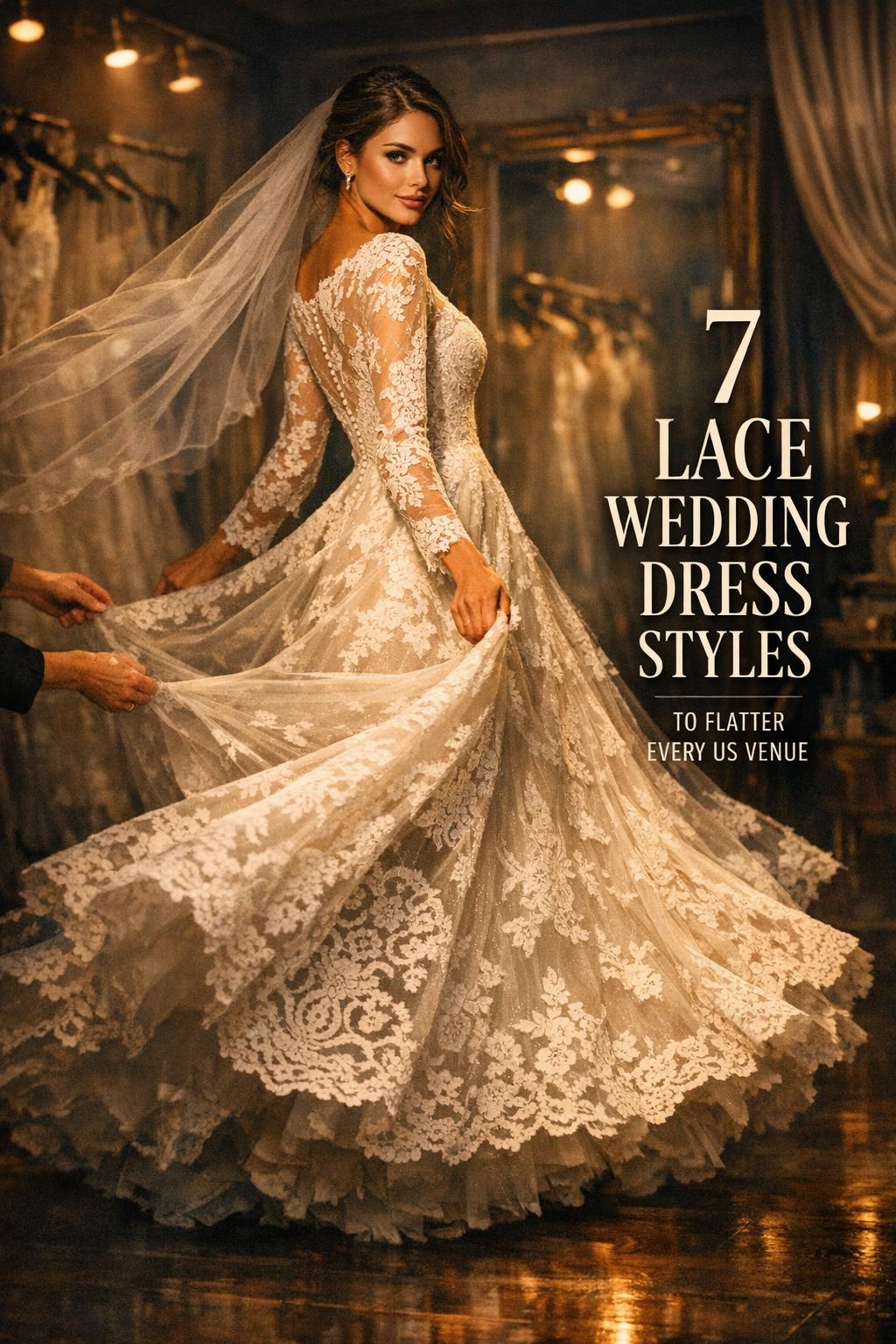
7 Lace Wedding Dresses Styles to Flatter Every US Venue
Lace Wedding Dresses: The Ultimate Guide to Finding Your Perfect Gown
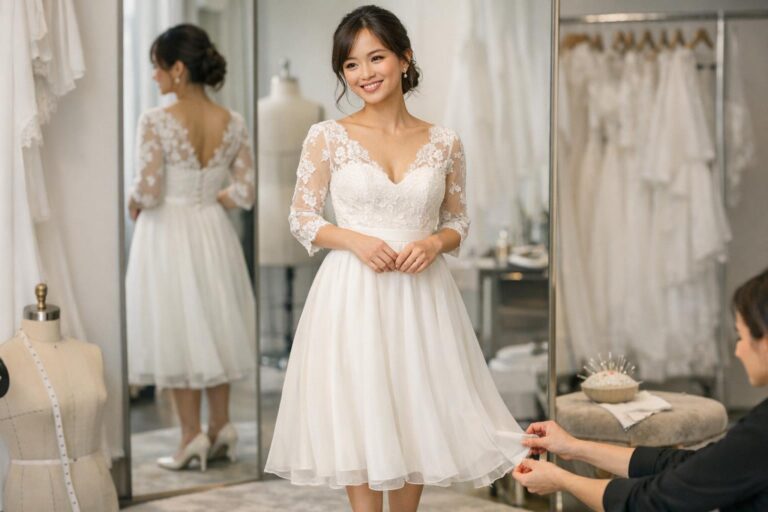
Lace wedding dresses sit at the center of bridal style for a reason: lace can look modern, vintage, boho, or classically romantic depending on the pattern, the silhouette, and the way it’s layered and lined. But “lace” isn’t one look—there are different lace fabrics (like Chantilly and Guipure), different lace detailing approaches (all-over lace vs. embroidered lace accents), and endless ways to combine lace with sleeves, necklines, and trains.
This guide is designed to help you shop with confidence—whether you’re browsing a filterable catalog with dozens of silhouettes and price points, considering handmade details and artisanal craftsmanship, or narrowing down a specific long-tail style such as a strapless lace wedding gown, a long sleeve lace wedding dress, an off-the-shoulder lace wedding gown, or a lace mermaid wedding dress. You’ll learn how to compare lace types, match fabric weight to season and venue, plan for fit and alterations, and protect your gown with smart care choices.
What Makes Lace a Timeless Choice for Weddings
Lace remains a bridal staple because it can deliver texture and dimension without relying on heavy embellishment. A floral lace wedding gown can feel soft and romantic, while a crisp, structured lace can feel bold and graphic. Lace also adapts to a wide range of bridal aesthetics: modern, boho, minimalist, or vintage-inspired—all from the same “fabric family,” simply executed differently.
Another reason lace holds its place is versatility. You’ll see lace used as a full overlay, as lace detailing on bodices and sleeves, or as a highlight on necklines and hemlines. Lace can also be paired with other wedding dress fabrics—like tulle—so you get both a dreamy silhouette and the refined texture lace brings.
Your wedding look is only the beginning.
Keep your guest list, vendors, timeline, and every important detail together with Zarellea — so your day feels as considered as your style.
Finally, lace has movement. In many contemporary collections, the focus is on how lace behaves as you walk, dance, and pose. A gown that looks stunning on a hanger still needs to feel good in motion, and lace can be chosen specifically to support that: lighter patterns for softness, more defined patterns for structure, and strategic placement for comfort and shape.
Tip: When you try on lace gowns, take a few extra minutes to move—sit, turn, raise your arms, and walk. If you’re choosing between two dresses, the one that looks great and feels comfortable in motion is usually the better long-term choice.
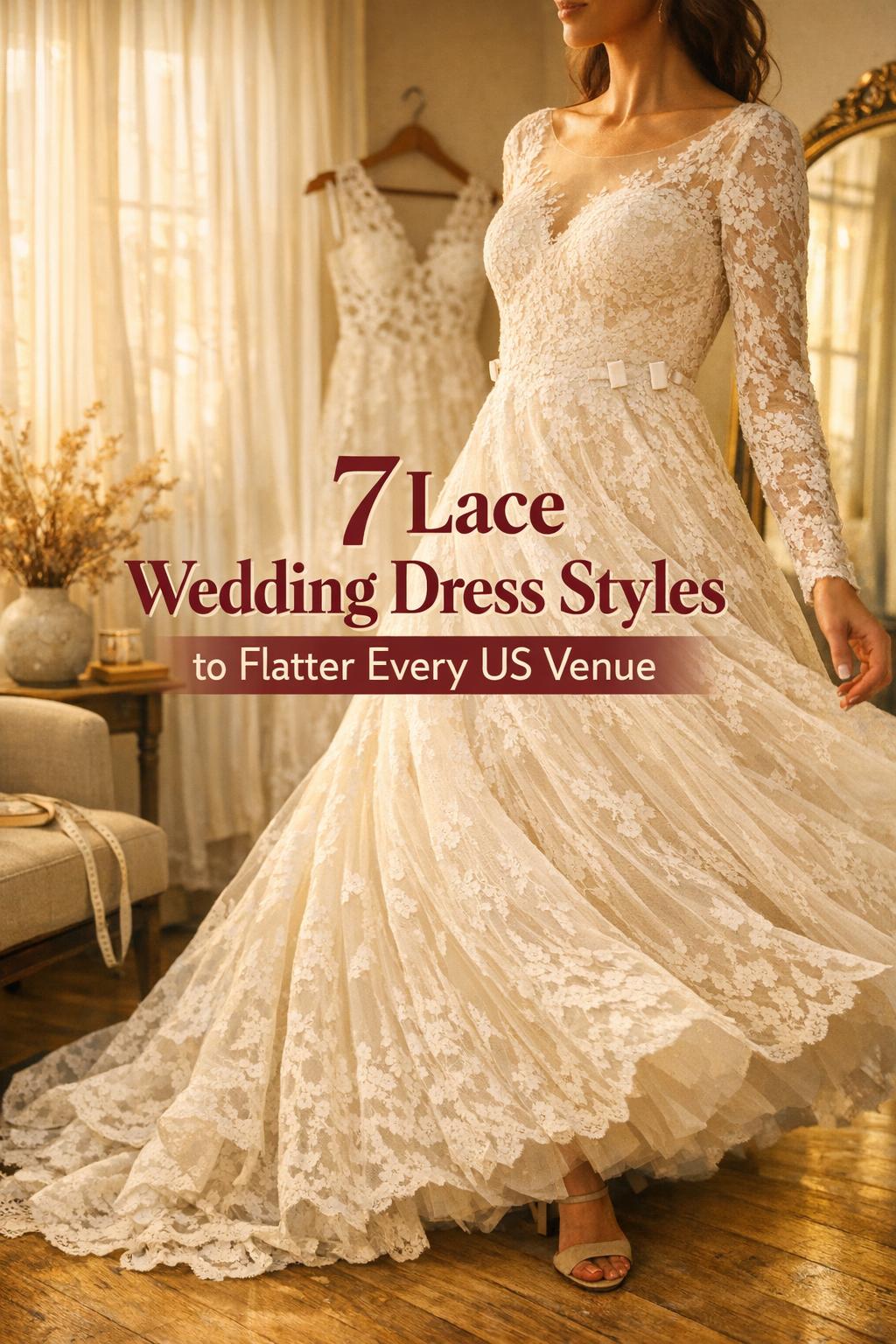
Understanding Lace Fabrics: Chantilly, Guipure, Alençon, and More
Many shoppers start by filtering for “lace,” then get surprised by how different each lace gown looks and feels. That’s because lace fabrics vary in pattern scale, texture, and visual density. If you’re comparing an ivory lace dress with a fine, airy pattern to an embroidered lace wedding dress with a bolder motif, you’re already seeing how wide the category can be.
Rather than treating lace as a single fabric, think of it as a set of options that affect the overall vibe of your bridal gown textures: delicate vs. bold, soft vs. structured, subtle vs. statement.
Alençon vs. Chantilly
Shoppers often compare Alençon lace and Chantilly lace because both are common reference points when browsing lace wedding dresses online. In practice, the key is how the lace reads at a distance: some laces look finer and more delicate (which can feel ethereal and light), while others look more defined (which can feel more graphic and detailed). If you’re drawn to an illusion neckline lace wedding dress or illusion sleeves, you may find that a more delicate-looking lace creates a softer, “barely there” effect, while a more defined lace makes the illusion feature stand out more clearly.
Tip: When you’re deciding between two lace types, zoom in on product photos and also look at full-length images. Lace that feels perfect up close can either disappear or dominate in full-body photos depending on pattern scale and contrast against the lining.
Guipure lace explained
Guipure lace (often listed as a specific filter or product descriptor) typically reads as bolder and more structured in appearance than finer laces. If you’re looking for a lace dress that feels modern, architectural, or statement-making, a Guipure lace wedding dress can be a strong direction—especially in clean silhouettes like sheath styles or structured strapless lace wedding gowns.
Tip: If you love bold lace but want a softer overall feel, consider where the lace is placed. A gown can feature strong lace motifs on the bodice while keeping the skirt more fluid, or layer lace over tulle for a lighter impression.
Other lace descriptors you’ll see while shopping
Many retailers and collections use additional descriptors that help you anticipate the look: embroidered lace, floral lace, eyelet-style lace detailing, and combinations like a tulle lace gown. These terms usually describe the visual effect or construction approach rather than a single standardized lace family. They’re still useful for narrowing your choices when you’re browsing quickly.
- Floral lace wedding gown: A romantic, nature-inspired look that can lean classic or boho depending on silhouette and sleeve styling.
- Embroidered lace wedding dress: Lace detailing that appears more dimensional, often giving a more pronounced texture.
- Tulle lace gown: A layered look that can feel airy and soft, especially in skirts and trains.
- Eyelet lace detailing: Often reads fresh and simple; can pair well with modern, unfussy silhouettes.
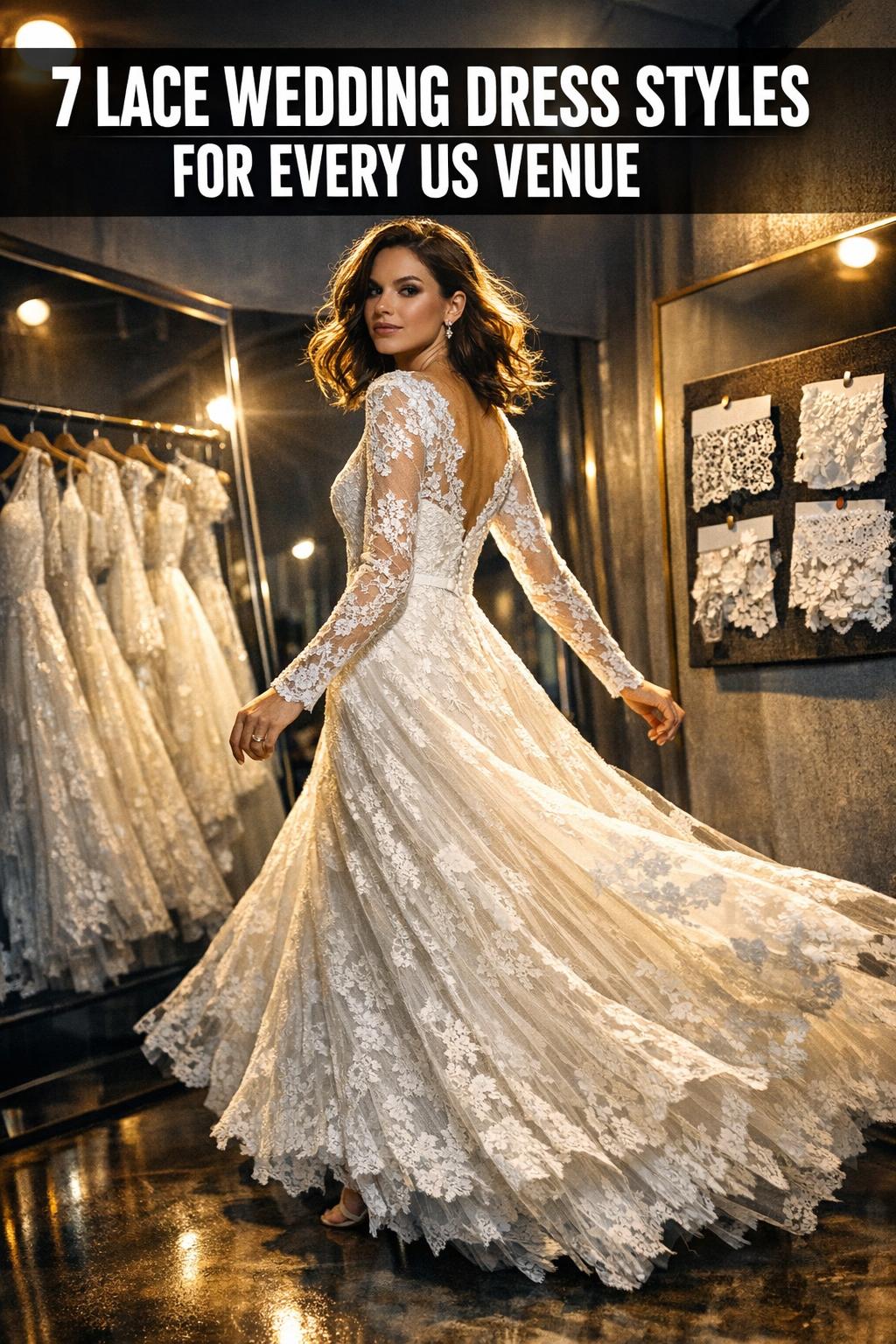
Silhouettes That Pair Perfectly with Lace
Lace can complement almost any silhouette, but the “best” match depends on what you want lace to do for the design: add softness, add structure, create visual shaping, or bring detail to a minimalist base. Because lace patterns draw the eye, the silhouette you choose influences where that attention goes—waist, neckline, hips, or train.
A-line, ballgown, mermaid, and sheath
Filterable catalogs often group lace wedding dresses by silhouette because silhouette is the fastest way to narrow your shortlist. Lace behaves differently across shapes: a fluid A-line can emphasize movement and romance; a mermaid silhouette can showcase lace’s patterning through the fitted portion; a sheath silhouette can feel modern and clean with the right lace choice; and a ballgown can create high-impact drama when lace is used as an overlay or as concentrated detailing on the bodice and skirt.
- A-line lace wedding dress: A widely loved option for balancing comfort, movement, and visual detail without feeling overly fitted.
- Ballgown with lace detailing: Great when you want a statement look; lace can add texture so the volume feels intentional rather than plain.
- Lace mermaid wedding dress: Ideal for emphasizing the lace pattern along the body and creating a striking, sculpted effect in photos.
- Sheath lace dress: A sleek route for modern brides; lace can supply texture while the overall line stays minimalist.
Tip: If you’re torn between two silhouettes, ask yourself what you want to remember most in photos: the overall shape (choose silhouette first) or the fabric texture (choose lace type and placement first). That single decision often makes the rest of the selection clearer.
Sleeves and necklines that work beautifully with lace
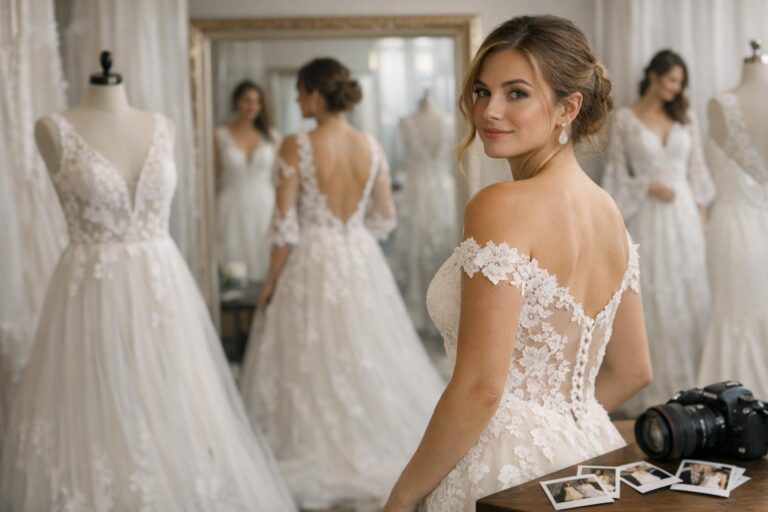
Lace is one of the most expressive tools for sleeves and necklines. A strapless lace wedding gown can feel timeless, while lace added to the neckline can create a more detailed frame for the face. Lace sleeves—especially long sleeve lace wedding dresses—can range from delicate and barely-there to bold and dramatic depending on the lace scale and sheerness.
When you compare lace bridal gowns, pay close attention to how the neckline edge is finished and whether the lace motif looks symmetrical and intentional. These small design choices can be the difference between “pretty” and “polished.”
Sleeve and Neckline Variations: Lace Edition
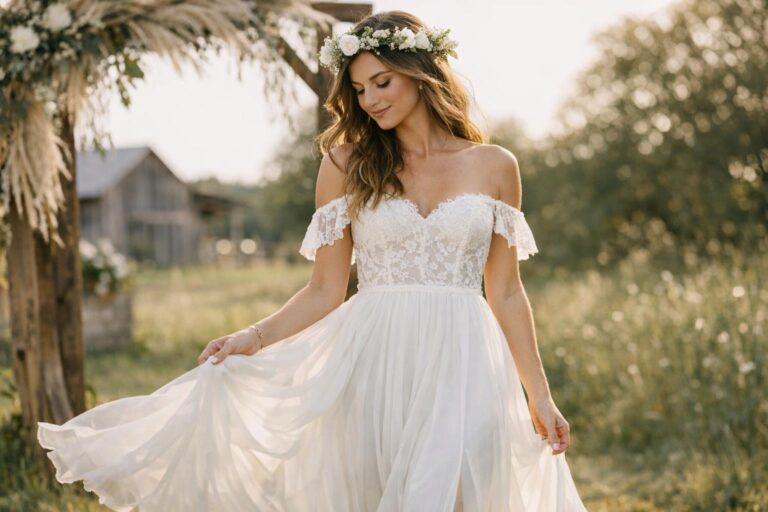
One reason lace wedding gowns stay so popular is that lace can change the mood of a gown without changing the underlying structure. If you already know you want a fitted shape, for example, you can still choose between a modern strapless lace wedding gown, a romantic off-the-shoulder lace wedding gown, or a more classic long sleeve lace wedding dress—each with a different overall impression.
Long sleeves in lace gowns
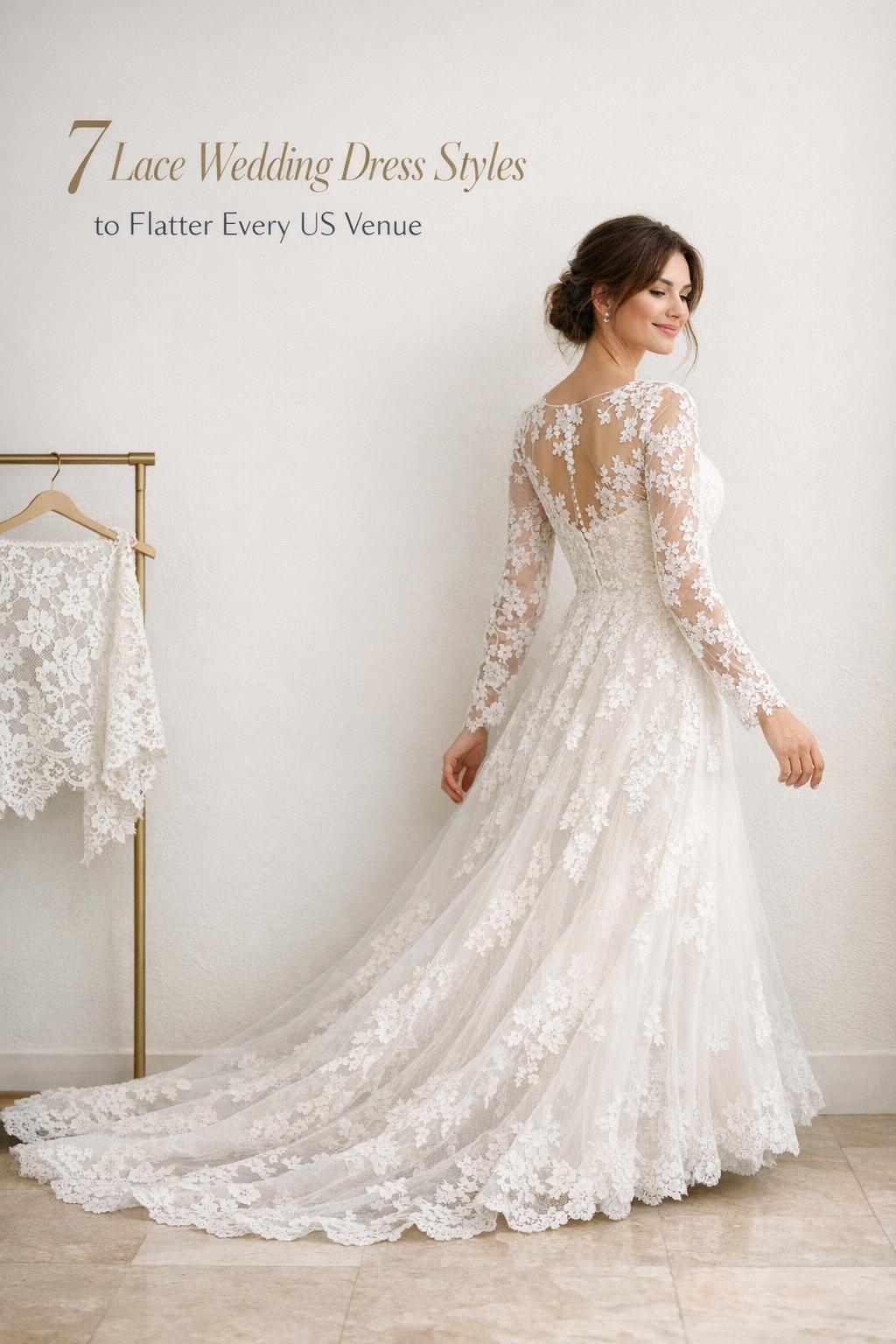
Long lace sleeves can be a defining feature. They can read vintage, classic, modern, or boho depending on the lace pattern and how sheer the sleeve is. Long sleeves also draw attention to the arms and hands, which can be a plus if you love statement rings or want a refined, editorial feel in photos.
Tip: If you’re choosing lace sleeves, test comfort at the elbow and shoulder. Lace can be beautiful but may feel different than smooth fabrics when you bend your arms, hug people, or dance.
Illusion and sheer lace (necklines and sleeves)
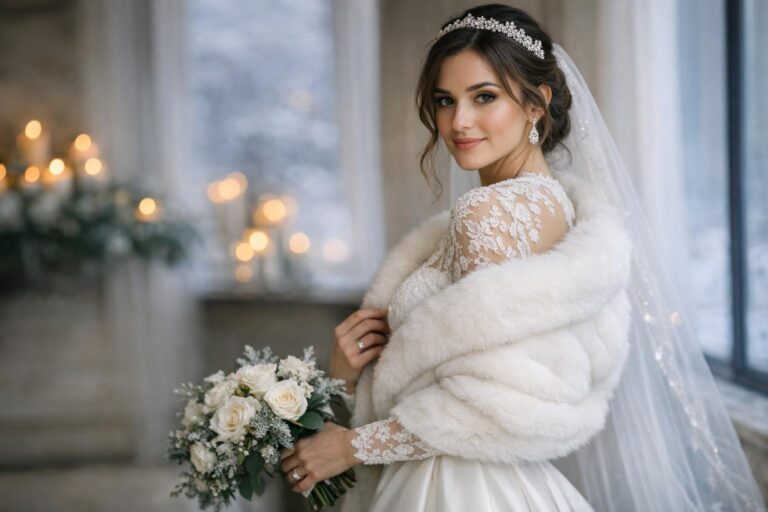
Illusion and sheer lace features—like an illusion neckline lace wedding dress or illusion sleeves—often create the look of lace floating on the skin. This can be especially striking with floral lace motifs. The key is ensuring the transition from lace to skin-toned mesh (if used) looks intentional and that the lace pattern placement feels balanced from front to back.
Tip: In fitting rooms or at home try-ons, take photos in natural light and indoor light. Illusion details can appear different depending on lighting, and a quick photo check helps you confirm the look you want.
Off-the-shoulder, strapless, and other popular lace necklines
Off-the-shoulder lace wedding gowns are a favorite for a romantic frame and a softer, more styled neckline. Strapless lace wedding gowns are equally popular for a clean, confident look—often making the lace texture the main star. Many shoppers also filter by neckline when browsing lace wedding dresses, because neckline preference can quickly eliminate dozens of options.
If you’re building your shortlist online, consider saving one or two options from each neckline family you like. Seeing them side-by-side can help you decide if you truly have a favorite—or if the neckline choice depends more on venue, season, or accessories.
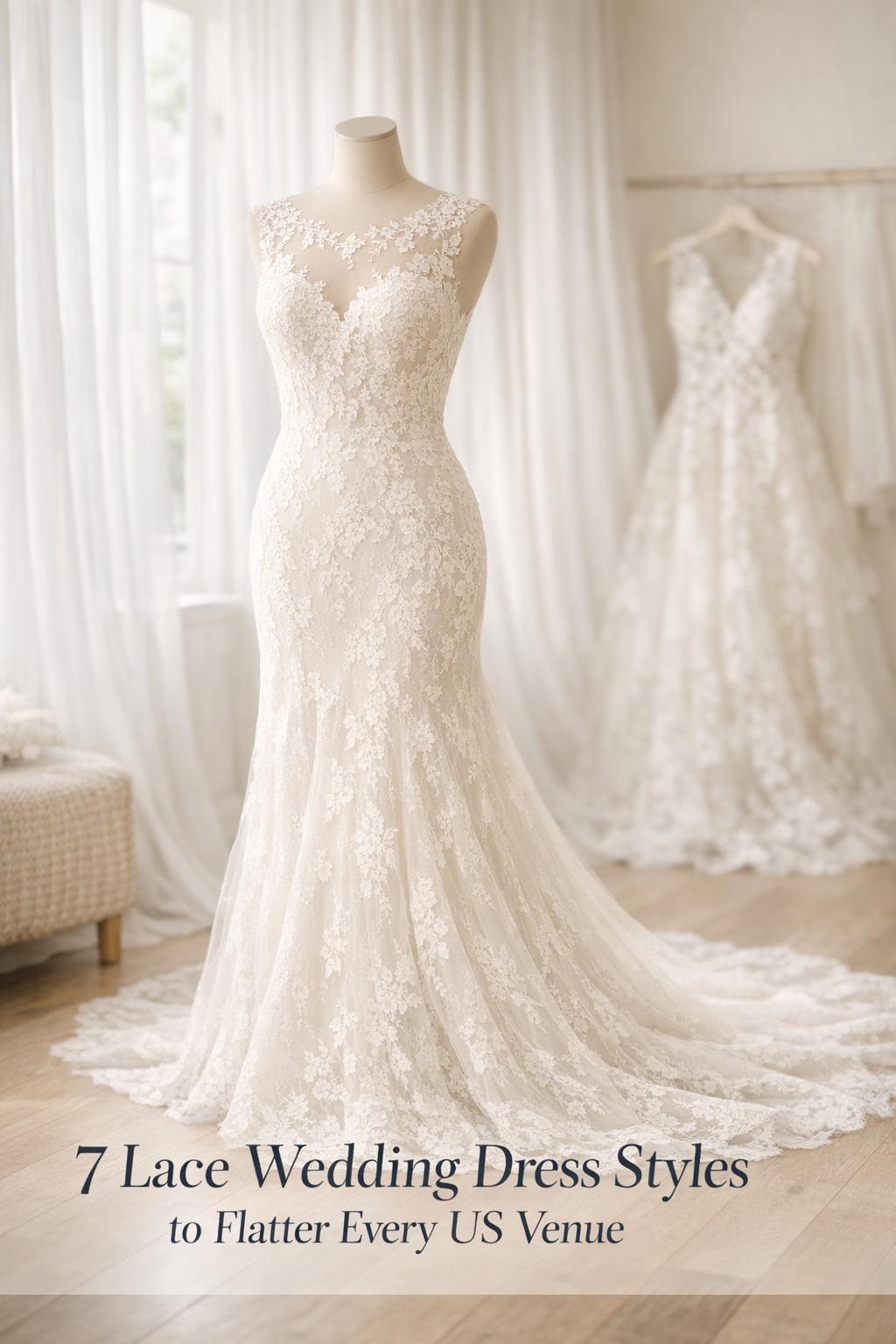
Fabric Weight and Comfort by Season and Venue
Not all lace feels the same on the body, and comfort is often the deciding factor once you’ve narrowed down style. Fabric weight, the density of the lace pattern, and what the lace is layered over (lining, underlay, tulle) can affect how the dress moves and how it feels over a full day—from ceremony through reception.
Lightweight vs. heavier lace: choosing based on movement
Some lace looks airy and delicate; other lace reads bolder and more substantial. If you’re prioritizing movement—especially for dancing and walking—pay attention to whether the lace is used as a light overlay or as a more dominant structural element. Many modern lace gowns emphasize movement as part of the design experience, so don’t hesitate to prioritize how the gown behaves when you move.
Tip: When comparing two lace dresses online, look for photos that show the skirt in motion and check whether the lace appears to “flow” or “hold shape.” That visual cue often aligns with how it will feel on your wedding day.
Lining options and privacy
Because lace can be sheer in areas, lining decisions matter. Lining affects coverage, contrast (how strongly the lace motif shows), and comfort. A more opaque lining can make lace patterns look bolder and can feel more secure, while a lighter or more minimal lining can highlight the delicacy of the lace and create a softer effect.
As you browse lace wedding dresses for brides, look for product notes that mention lining and fit. When available, these details can help you avoid surprises—especially with illusion areas, lace sleeves, or fitted lace skirts.
How to Shop for Lace: Where to Buy and What to Look For
Most shoppers encounter lace wedding dresses through large, browseable collections and filterable category pages—where you can sort by silhouette, sleeve length, neckline, color, and price. This makes it easy to compare styles quickly, including budget-friendly picks and more premium options that emphasize handmade details or artisanal craftsmanship.
To shop effectively, focus on three layers at the same time: design (silhouette, sleeves, neckline), lace characteristics (fine vs. bold, floral vs. graphic, lace overlay vs. lace accents), and real-world practicality (size options, fit guidance, care notes, and returns/alterations). The more intentional you are, the less likely you’ll end up with a lace gown that’s gorgeous but difficult to wear.
Designer-feel vs. mass-market: what changes in the experience
You’ll find lace gowns positioned across a wide spectrum. Some collections emphasize handcrafted or artisanal elements, distinctive lace placement, and a carefully considered approach to movement and details. Other retailers provide breadth: many silhouettes, frequent new options, and strong filter tools that help you locate a “strapless lace wedding gown under X budget” style quickly. Neither approach is automatically better—it depends on whether you value a curated design philosophy or fast comparison across many options.
Tip: If you’re shopping across multiple retailers, create a simple comparison note for each contender: silhouette, neckline, sleeve style, lace descriptor (Chantilly, Guipure, embroidered lace, etc.), and any available fit/care notes. This prevents “pretty dress blur” after you’ve viewed dozens of options.
Fit, size inclusivity, and what to check on product pages
Many lace wedding gown collections highlight size variety and provide size guidance. Use those tools early, not after you fall in love with a dress. Lace can be forgiving in some designs and less forgiving in others, depending on construction and silhouette. The most helpful product pages typically include quick specs (neckline, sleeve type, fabric details) and guidance that helps you anticipate fit and comfort.
- Look for fit and care notes, especially for fitted lace silhouettes.
- Check whether the brand provides clear sizing guidance and whether the dress is available in your preferred size range.
- Pay attention to neckline and sleeve descriptions (strapless, off-the-shoulder, long sleeves, illusion) and how they’re supported in the construction.
- Review any information provided about fabric details (lace type or lace descriptor), lining, and overall feel.
Alterations: planning ahead for lace gowns
Alterations can be part of the lace dress journey, particularly if you’re choosing a fitted lace mermaid wedding dress or a gown with detailed lace sleeves and a defined neckline. Because lace can include motifs and edges that are meant to align symmetrically, it helps to treat alterations as a planned step rather than a last-minute fix. Build enough time into your purchase decision so you’re not rushing to adjust complex lace details close to the wedding date.
Tip: If a lace motif is a major reason you love a gown—like a scalloped edge or a standout floral placement—make sure that feature won’t be compromised by hem or bodice changes. It’s reasonable to ask how the lace detailing will be handled during alterations before you commit.
Budgeting and Value: What a Lace Dress Really Costs
The price range for lace wedding dresses varies widely across brands, from accessible “cheap lace wedding dresses” to more premium lace bridal gowns that highlight craftsmanship and boutique experiences. Your goal isn’t simply to find the lowest number—it’s to understand value: what you’re paying for in terms of design details, lace texture, comfort, and the overall buying experience (including size guidance and support).
Also consider what you might spend beyond the dress itself. Lace can influence accessory choices and undergarments, and some silhouettes or necklines may require more consideration for fit and coverage. Thinking in “total outfit” terms helps you avoid budget surprises later.
Mid-range lace dresses vs. luxury-feel lace gowns
Mid-range options often win on variety: multiple silhouettes, many neckline choices, and plenty of filter tools that make it easy to locate a specific look (for example, strapless lace wedding gowns or long sleeve lace wedding dresses in a certain price band). More premium-feel lace gowns often emphasize distinctive lace placement, a focused design aesthetic (modern, boho, minimalist-romantic), and heightened attention to handmade details. Both can be excellent—especially if you’re clear about what matters most to you: breadth and convenience, or a highly curated lace experience.
Tip: If two dresses are priced similarly but one provides more clarity on fabric details, care notes, and fit guidance, that transparency is part of value. It reduces risk—especially for lace gowns where comfort and detailing matter.
Accessories and styling: keeping lace the hero
Lace is already visually rich, so styling often works best when it complements rather than competes. If your gown features bold Guipure lace, you may prefer cleaner accessories; if your gown is a fine, delicate Chantilly lace wedding dress, you can choose accessories that gently echo that softness. Consider how sleeves and necklines influence jewelry choices: an off-the-shoulder lace wedding gown frames the collarbone; a high illusion neckline may shift attention to earrings or hair accessories.
- If the lace pattern is bold, consider simpler accessories to avoid visual overload.
- If the gown is strapless, think about how the neckline and lace texture will look in close-up portraits.
- If you have lace sleeves, confirm bracelets and rings won’t snag or feel uncomfortable.
- If you’re wearing a veil, ensure it doesn’t hide the most beautiful lace features on the back of the gown.
Care, Cleaning, and Longevity of Lace Dresses
Lace is beautiful, but it benefits from thoughtful handling—before, during, and after the wedding. Many lace wedding dresses come with care notes, and those details matter because lace can be more delicate than smooth fabrics. Even if your gown is designed for movement and comfort, it’s still worth planning for how you’ll travel with it, store it, and clean it after the event.
Cleaning, storage, and traveling with lace
Start with what your brand or retailer provides in terms of care guidance and follow it closely. Lace can catch on sharp jewelry, rough surfaces, or overly packed bags. To protect the gown, treat it as an item that needs space and a gentle approach from the moment you pick it up to the moment it’s stored after the wedding.
- Use any provided care instructions and keep them accessible leading up to your wedding day.
- Be mindful of snags: lace sleeves and lace overlays can catch on jewelry or textured surfaces.
- Plan travel and storage so the lace isn’t crushed or overly wrinkled.
- After the wedding, prioritize appropriate cleaning and storage so the lace detailing stays intact.
Tip: Do a full outfit “wear test” at home for a short period (with shoes and planned accessories). This helps you spot snag risks and comfort issues early, when they’re easier to address.
Real Brides: How Lace Gowns Look in the Wild
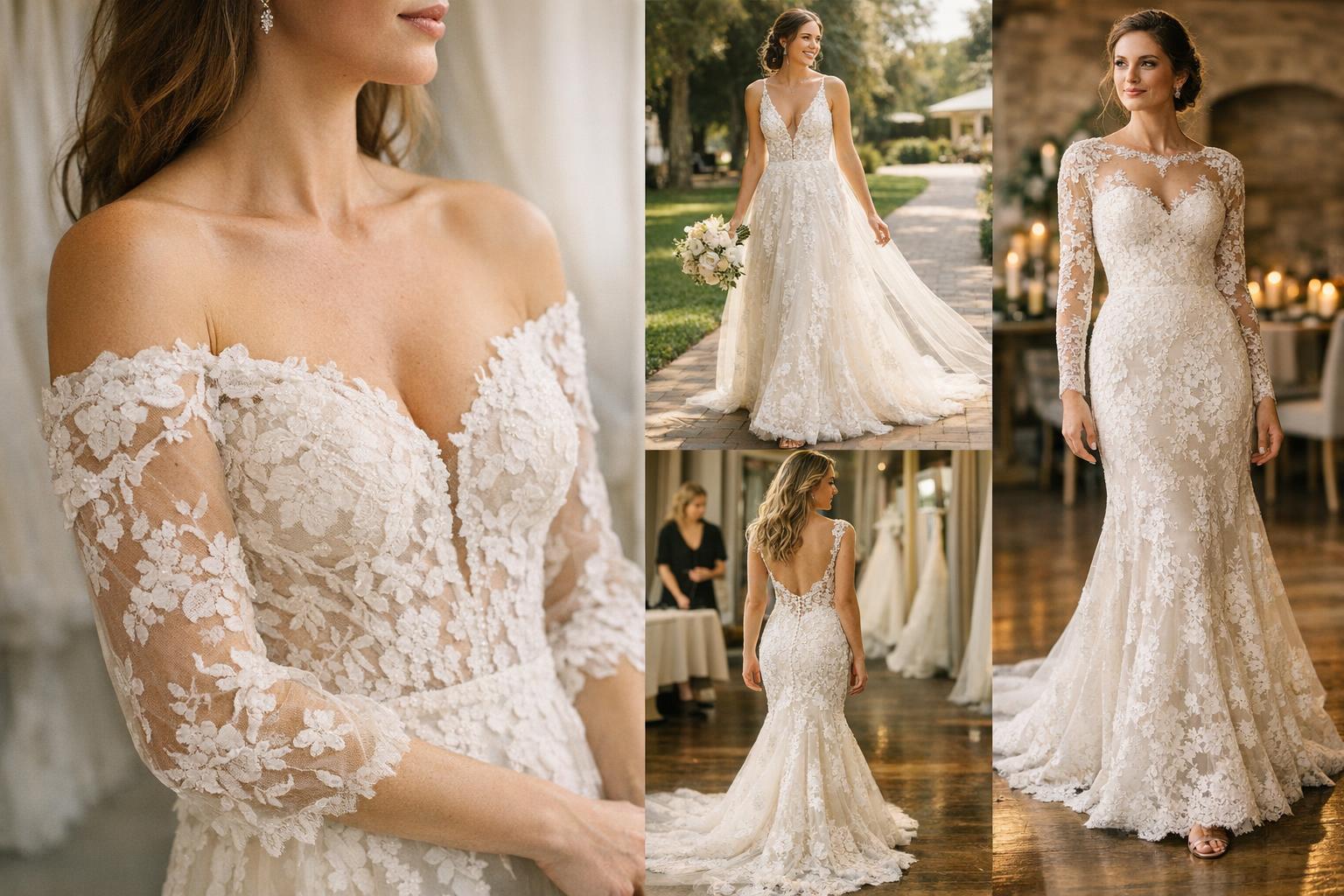
Product photos are curated; real-life wear is where lace gowns prove themselves. When you’re evaluating lace wedding dresses, look for images that show different lighting, different angles, and natural movement. You’re trying to confirm three things: the lace reads the way you want in photos, the silhouette maintains the intended line, and the dress remains comfortable through real wedding moments.
Gallery guide: what to look for by silhouette
Even without a formal gallery in front of you, you can “scan” real-wear images with a consistent checklist. Focus on where the lace is concentrated, how it interacts with lining, and whether the overall look matches your goal (boho lace wedding dress, vintage lace wedding dress, or modern clean-lined lace gown).
- A-line lace gowns: Check how the skirt falls and whether the lace overlay moves smoothly as the bride walks.
- Mermaid lace gowns: Look for clean lines through the hips and whether lace motifs remain visually balanced from front to back.
- Sheath lace dresses: Notice whether the lace reads as refined texture (not “busy”) and whether the gown looks comfortable when sitting.
- Long sleeve lace wedding dresses: Look at the wrists and elbows for comfort and how the sleeve lace appears in different light.
Tip: When you find a lace dress you love, try to locate images that show it in motion. Lace can be stunning in still photos and feel entirely different once the skirt is moving, especially in layered looks like a tulle lace gown.
Quick-Start Checklist: Your 14-Day Lace Dress Plan
If you’re overwhelmed by options, a short, structured plan helps you go from inspiration to decision without endless scrolling. Use this 14-day approach to narrow down lace wedding dresses based on what you actually want to wear—not just what looks good online.
- Days 1–2: Choose your top two silhouette families (A-line, mermaid, sheath, or ballgown) and your top two neckline preferences (strapless, off-the-shoulder, illusion, etc.).
- Days 3–4: Decide what lace look you want: delicate (often associated with Chantilly lace) or bold (often associated with Guipure lace), plus whether you want all-over lace or lace detailing.
- Days 5–7: Build a shortlist of 10–15 dresses using filters for lace fabric, sleeves, neckline, and budget; include at least one “wild card” style like a vintage lace wedding dress or boho lace wedding dress if you’re curious.
- Days 8–10: Reduce to your top 5 by reviewing photos in different angles, reading available fit/care notes, and confirming sizing options.
- Days 11–12: Compare your top 5 for comfort priorities: sleeve comfort, movement, lining/coverage, and how the lace reads at full length.
- Days 13–14: Finalize the winner and plan next steps (purchase, appointment, or try-on), plus time for fit adjustments if needed.
Tip: During the 14 days, keep one consistent rule: if a dress description doesn’t clearly explain a key feature you care about (like sleeve style, lining, or lace detailing), don’t “assume it’s fine.” Either verify with more images/info or move on.
Final Considerations: Standing Out in the Lace Landscape
With so many lace wedding dresses available, standing out usually comes down to specificity. Rather than searching for “a lace gown,” define what kind of lace experience you want: modern lace with clean lines, a boho lace wedding dress with relaxed romance, a vintage lace wedding dress vibe, or a refined classic look with an illusion neckline lace wedding dress.
Also consider how you’ll coordinate the full look. Lace can harmonize with a bridal party’s style and color palette because it’s texture-forward; even simple choices can look elevated when your gown has strong lace detailing. If you’re shopping from a collection that emphasizes fit notes, care guidance, and the movement of lace, use those details to choose a gown that doesn’t just photograph well—it wears well.
Tip: If you want a memorable lace look without overwhelming detail, choose one “hero” area: sleeves, neckline, or train. Let the rest support it with a simpler lace placement or a cleaner silhouette.
FAQ
What are the most popular styles of lace wedding dresses?
Popular styles include long sleeve lace wedding dresses, strapless lace wedding gowns, off-the-shoulder lace wedding gowns, and lace mermaid wedding dresses, with many brides also choosing A-line lace gowns for a balance of comfort, movement, and detail.
What is the difference between Chantilly lace and Guipure lace in a wedding dress?
Chantilly lace is often described and perceived as more delicate-looking, while Guipure lace typically reads bolder and more structured in appearance; the best choice depends on whether you want a soft, airy effect or a more graphic, statement texture.
Are lace wedding dresses comfortable for an all-day wedding?
They can be, but comfort depends on factors like fabric weight, lining, sleeve construction, and how the lace is placed; it’s smart to test movement (walking, sitting, raising arms) to make sure the lace feels good throughout the day.
Do lace wedding dresses work for every season and venue?
Yes, because lace can be used in lightweight or more substantial ways and can be paired with different linings; matching the lace’s overall density and layering to your climate and venue helps keep the look and feel comfortable.
How do I choose the right sleeves and neckline for a lace gown?
Start with the vibe you want—romantic (off-the-shoulder), clean and classic (strapless), or detailed and ethereal (illusion neckline or illusion sleeves)—then confirm the design feels secure and comfortable when you move.
Do lace wedding dresses require special alterations?
They can, especially if the gown has prominent lace motifs, scalloped edges, or detailed sleeves and necklines; planning alterations early helps protect the symmetry and placement of lace detailing.
How should I care for and store a lace wedding dress?
Follow any provided care instructions closely, handle the gown gently to avoid snags, and plan for appropriate cleaning and storage after the wedding so lace overlays, sleeves, and detailing stay intact.
What should I look for when shopping online for lace wedding dresses?
Look for clear fabric details (such as lace type or descriptors like embroidered or floral lace), neckline and sleeve specifics, lining information when available, size guidance, and any fit or care notes that help you anticipate comfort and coverage.