7 Expert Tips for Choosing Crystal Wedding Dresses in the US
Crystal Wedding Dresses: A Complete Guide to Sparkling Bridal Gowns
Crystal wedding dresses are designed to catch the light—sometimes with a subtle shimmer, sometimes with head-to-toe shine. Whether you’re drawn to a jewel-like chevron motif on tulle, iridescent crystal embroidery with floral details, or heavy rhinestone beading on satin, the right crystal placement can transform a silhouette and define the entire look of your day.
This guide breaks down the most common styles you’ll see when shopping for crystal wedding gowns, how crystal detailing changes the feel of a dress, what to look for in necklines and back designs, and how to plan for sizing, alterations, production timelines, and long-term care. If you’re deciding between an allover crystal-embellished ball gown and a lighter A-line with scattered sparkle, you’ll also find practical tips to help you choose confidently.
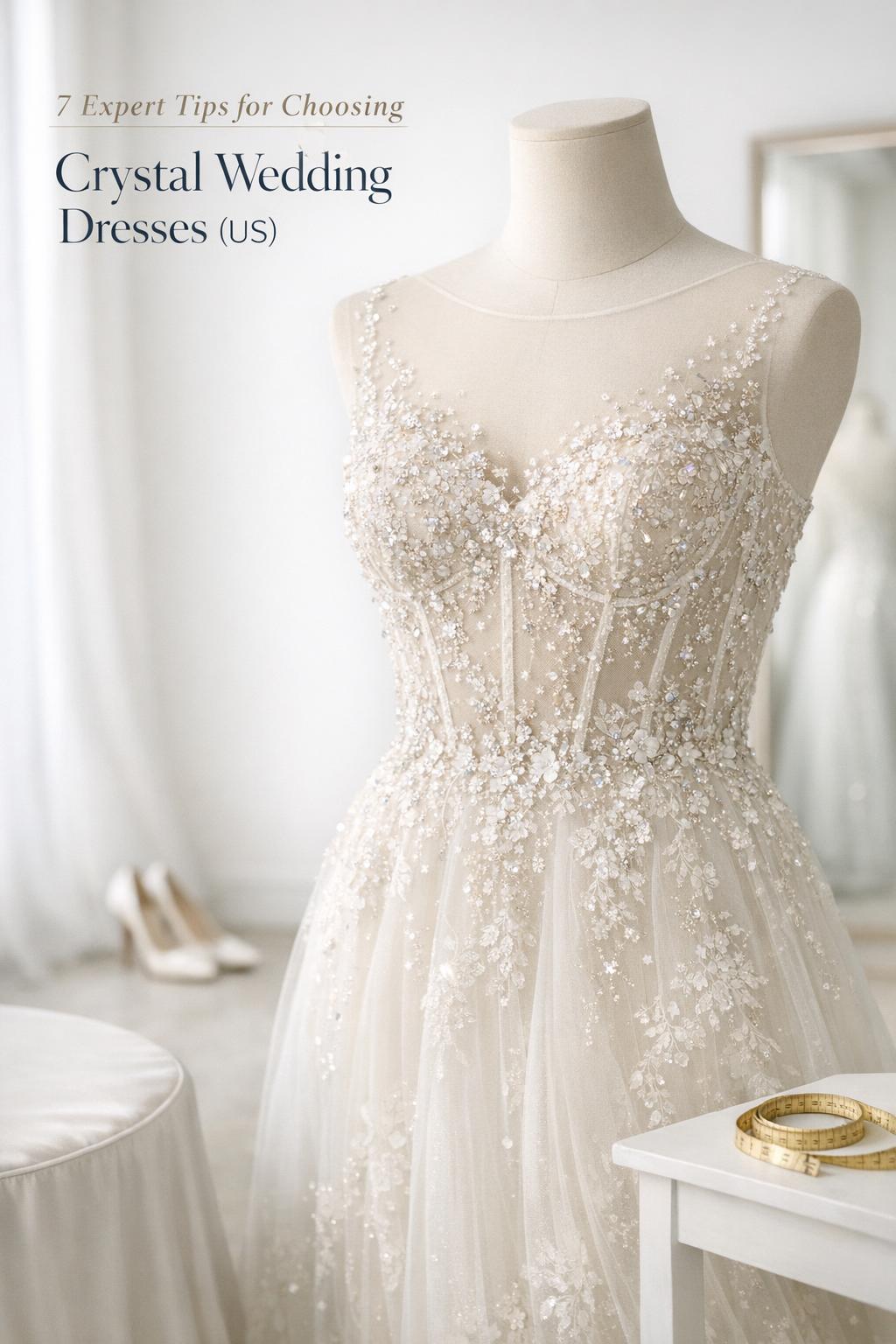
What Are Crystal Wedding Dresses?
Crystal wedding dresses are bridal gowns that feature crystal embellishment as a key design element. The sparkle can appear as crystal beading, rhinestone detailing, crystal appliqué, or crystal embroidery integrated into lace, tulle, satin, or illusion/mesh components. Depending on the design, crystals may be concentrated on the bodice, placed in a motif (such as a chevron pattern), scattered across the skirt for a soft glow, or applied more densely for a “heavy beaded” statement.
You’ll often see crystal work paired with specific visual themes: floral motifs in embroidery, lace-and-tulle combinations for an airy look, or structured corset bodices that balance sparkle with defined shape. Some dresses position crystals to highlight neckline edges, illusion panels, or back details, while others use them to create an overall luminous finish.
Your wedding look is only the beginning.
Keep your guest list, vendors, timeline, and every important detail together with Zarellea — so your day feels as considered as your style.
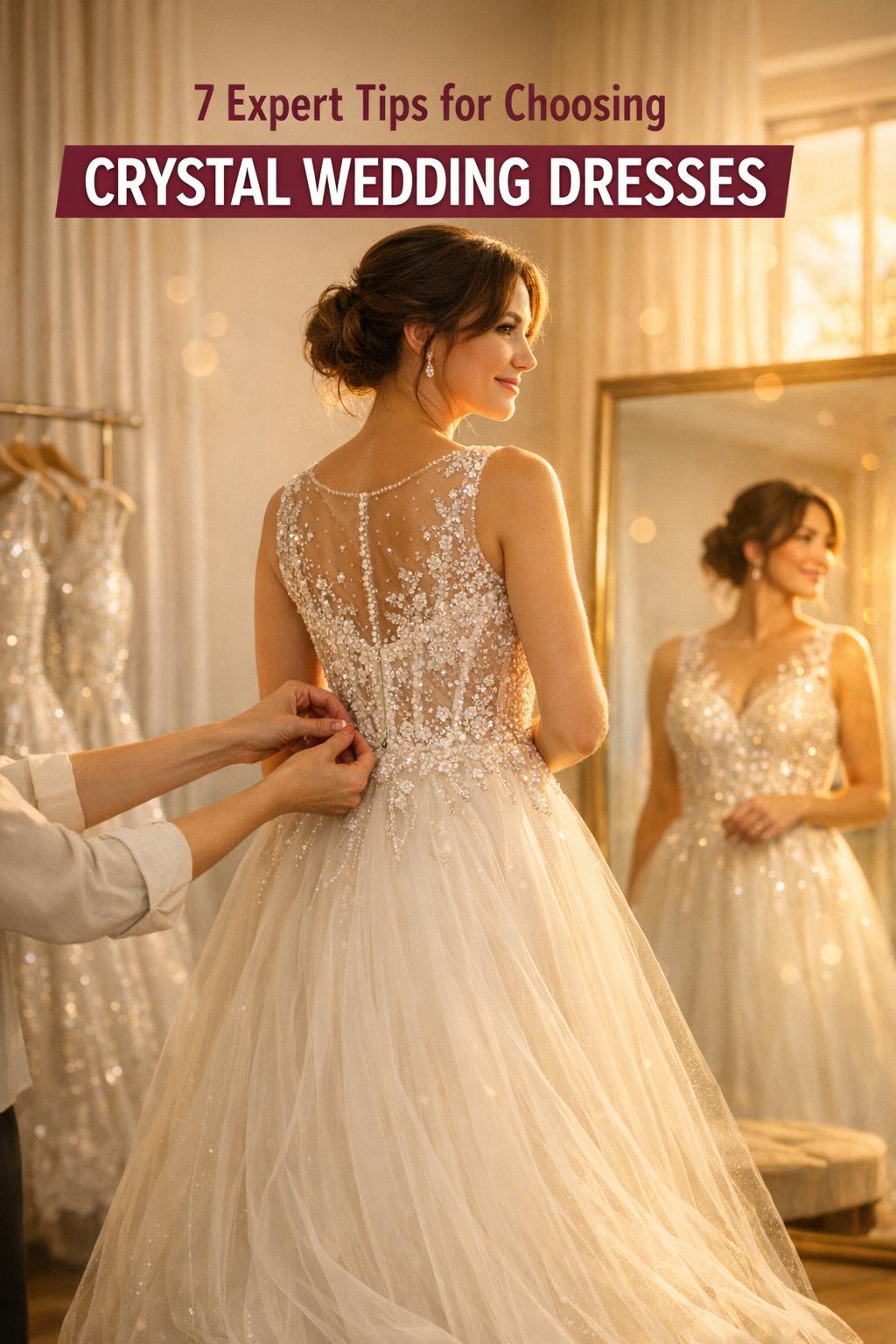
Popular Silhouettes for Crystal-Heavy Gowns
Crystals can be used on any silhouette, but the way they read (and feel) depends heavily on the cut of the dress and where the embellishment is concentrated. When browsing product pages, you’ll see crystal styles most commonly described within ball gown and A-line categories, with additional options that focus on bodice structure, illusion elements, and back details.
Ball Gown with Crystal Embellishments
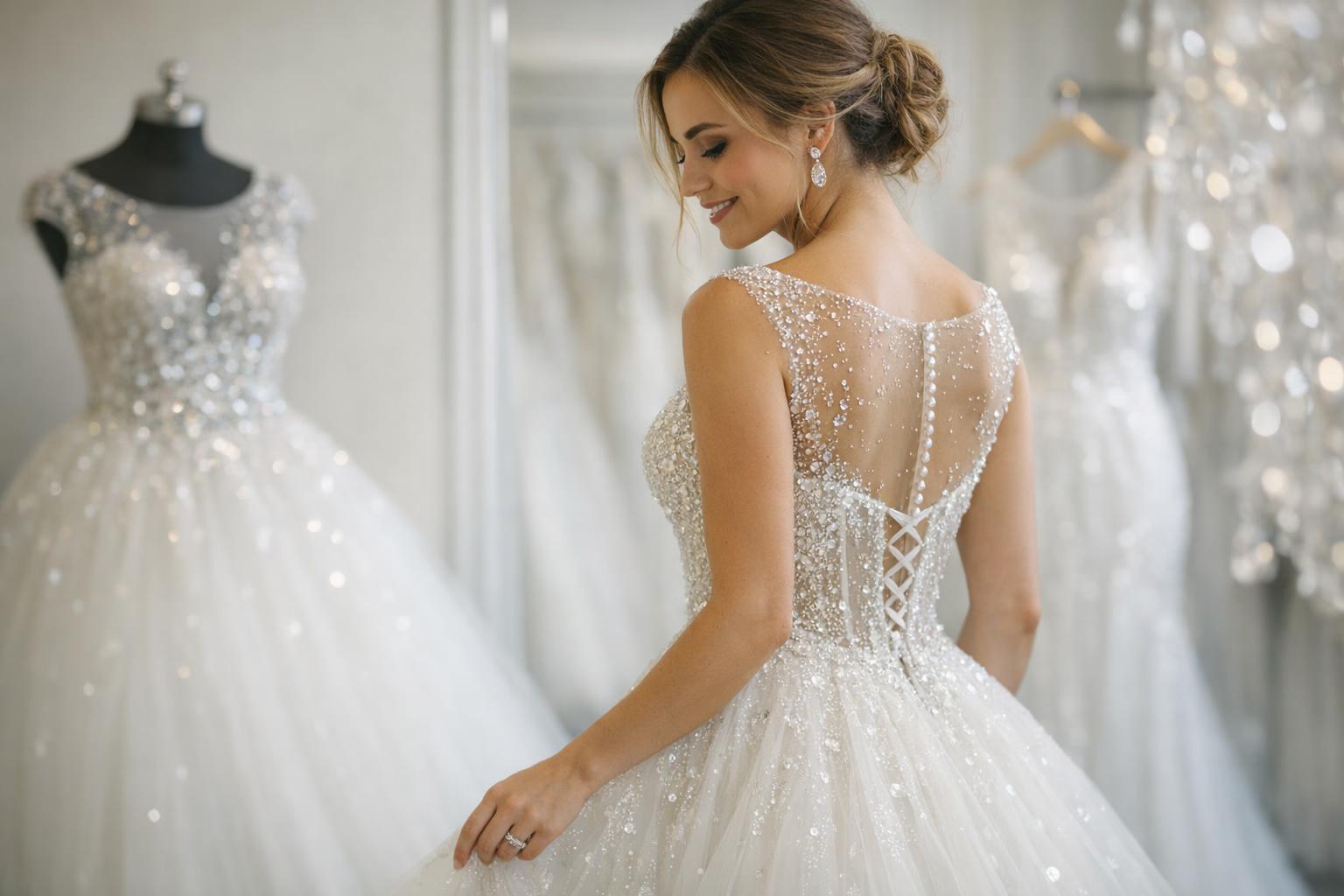
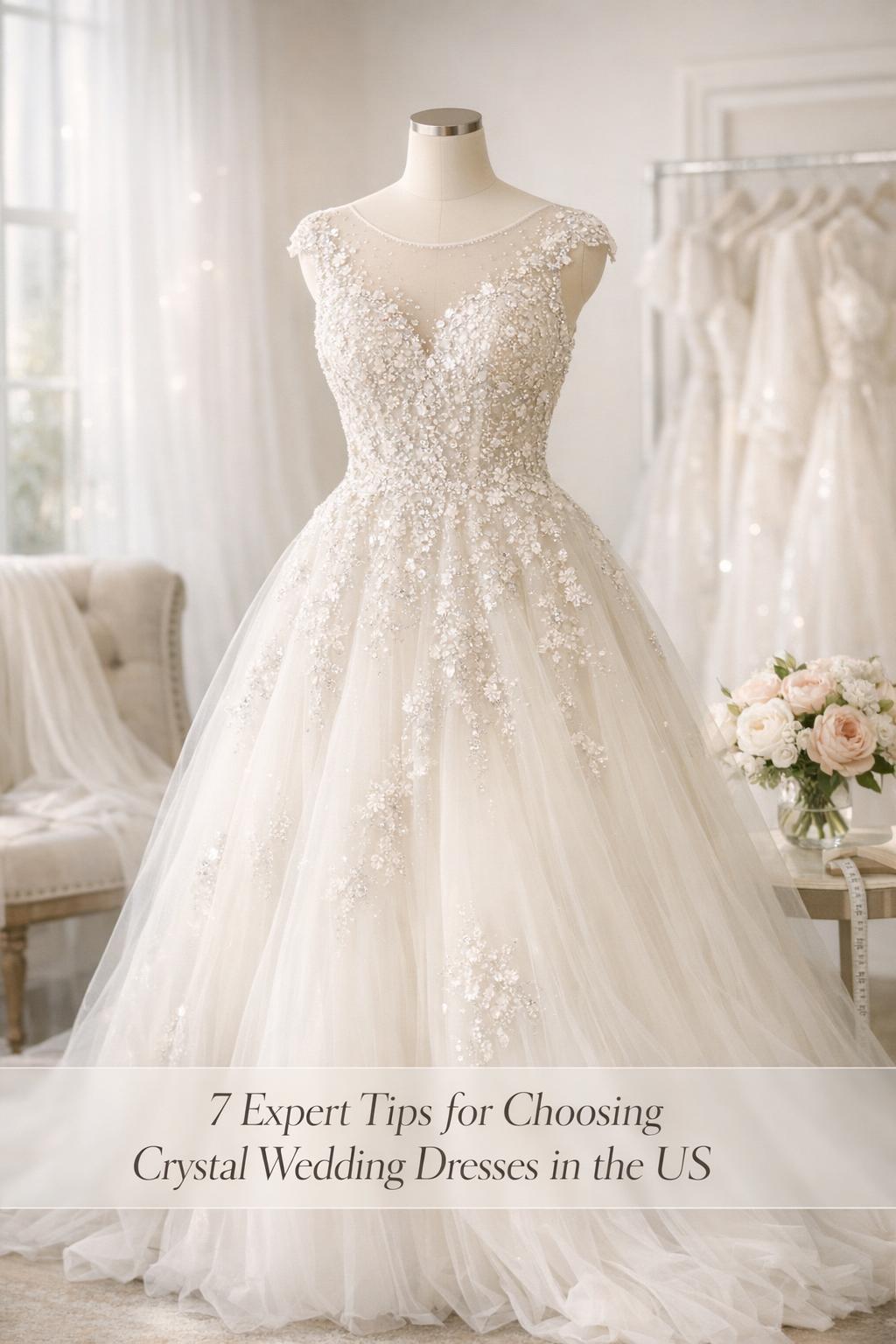
A crystal embellished ball gown wedding dress is built for drama: a fitted bodice paired with a full skirt gives crystals room to sparkle without overwhelming the figure. Many ball gown styles highlight the bodice with beaded crystal work and then let the skirt (often in tulle) carry lighter embellishment or a defined motif. You’ll also see illusion necklines and crystal detailing used to frame the upper body while keeping the look airy.
Ball gowns are a common choice for dense embellishment, including heavy rhinestone and crystal beading. When crystals are concentrated on the bodice, the silhouette stays balanced—especially when the skirt is lighter, layered, or patterned with a consistent design such as a chevron arrangement.
A-Line Dresses with Crystal Detailing
Crystal A-line gowns offer a classic outline with flexible styling potential. A-lines frequently feature crystal embroidery and iridescent accents that feel romantic rather than overly formal, especially when paired with floral motifs. Crystal lace and tulle combinations are also popular here: lace can carry the intricate sparkle, while tulle keeps the skirt light in appearance.
If you want shine without the weight or intensity of allover beading, an A-line with crystals focused on the bodice (or in embroidered panels) is a strong middle ground. It can read as “sparkling” in photos while still feeling wearable across a range of venues.
Sheath/Column Dresses with Crystal Accents
Some brides prefer crystal accents rather than a fully encrusted look. In streamlined silhouettes, crystal placement is often used as a focal point—along a neckline, over a corset-style bodice, or to emphasize back details. Even when a product listing doesn’t present the dress as “heavy beaded,” small clusters of crystals can create a refined finish that looks intentional and elevated.
With a simpler silhouette, crystal distribution matters even more: the goal is typically to enhance the lines of the dress, not compete with them.
Crystal Detailing: Embroidery, Lace, Rhinestones, and Beading
When shoppers search for crystal wedding dresses, they’re often looking for a specific type of sparkle. Product descriptions tend to be very direct about how crystals show up—whether that’s rhinestones on satin, crystal embroidery on a corset bodice, or lace-and-tulle designs that combine multiple textures.
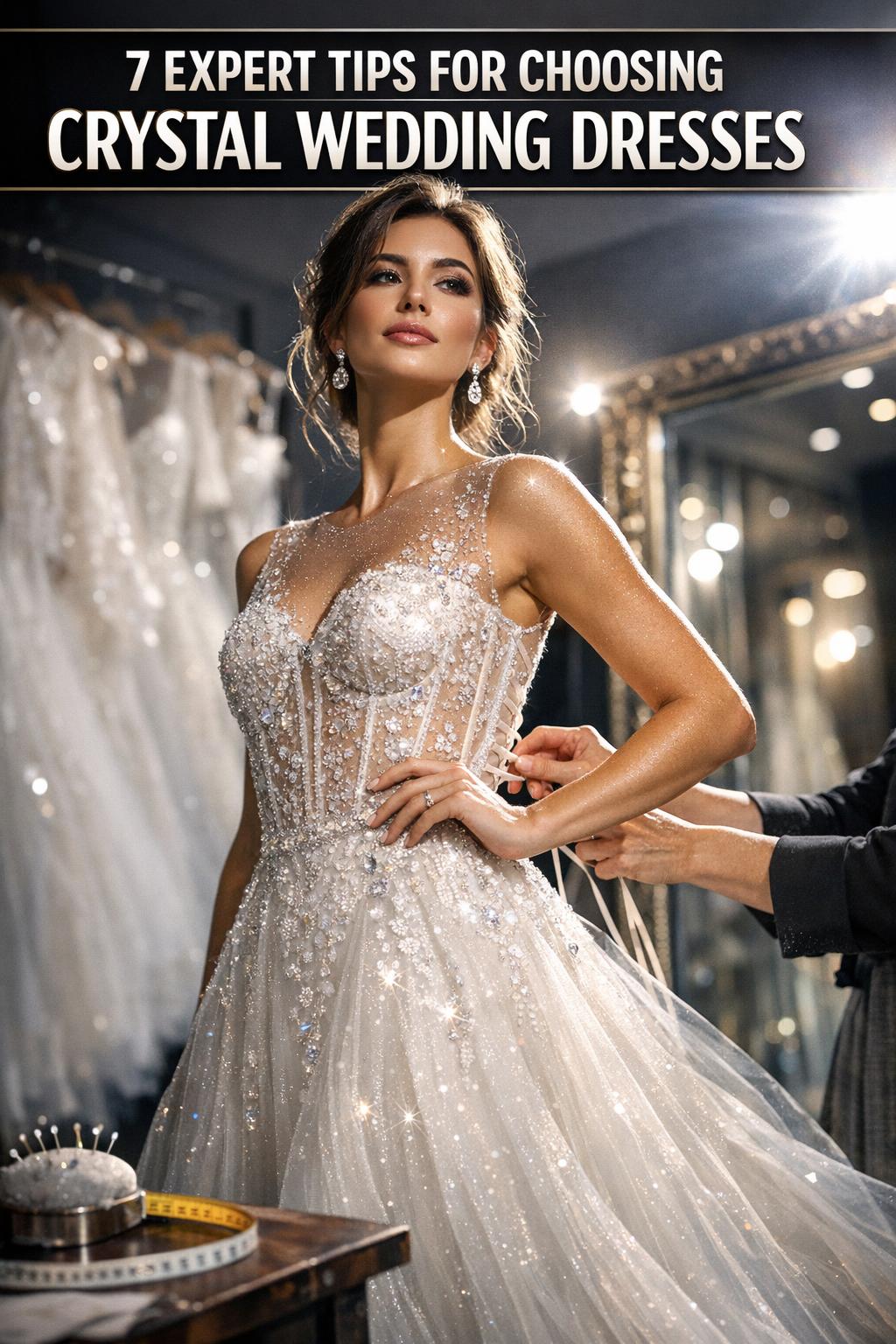
Crystal Embroidery Wedding Gowns
A crystal embroidery wedding gown typically features crystals stitched into embroidered patterns, sometimes with floral motifs or iridescent threadwork. This style can feel dimensional and artistic, especially when embroidery is layered over tulle or placed strategically on the bodice. Crystal embroidery can also work beautifully with structured elements like corsets, where the pattern follows the shape and creates a defined focal point.
Because embroidery is inherently pattern-based, it often reads as more “designed” than scattered crystals. Brides who want detail that feels intentional (and not simply added on) tend to gravitate toward embroidered crystal looks.
Crystal Lace and Tulle Designs
Crystal lace wedding dress A-line styles frequently blend lace, tulle, and illusion/mesh elements to create a light, layered effect. Lace provides an intricate base for crystal accents, while tulle softens the overall silhouette. Illusion panels can add structure and support while allowing crystals to appear as if they float on the skin.
This combination is especially popular for brides who want sparkle that feels integrated with the fabric rather than sitting on top of it. It’s also a versatile direction if you’re weighing a romantic look against a more glamorous, rhinestone-forward design.
Rhinestone Crystal Wedding Gowns
A rhinestone crystal wedding gown usually signals a brighter, more reflective type of shine and a more overtly glamorous aesthetic. Many rhinestone-forward gowns are described as “exquisite” or “luxury,” and you’ll often see customization options for back details and sizing, including mention of plus-size availability. These designs can be built on satin or other smooth bases where the contrast between fabric sheen and crystal sparkle is especially noticeable.
Rhinestone-heavy styles can range from concentrated bodice embellishment to high-density beading across large areas of the dress. If your goal is maximum sparkle, rhinestones and heavy beading are typically the design language used to communicate that intensity.
Heavy Beaded Crystal Wedding Dresses
“Heavy beaded” crystal bridal gowns emphasize density: more crystals, more beading, and often more visual texture. Listings for these gowns commonly include production time notes, express or rush options, and detailed sizing guidance. That’s a practical signal—dresses with dense embellishment benefit from careful planning, and they often require deliberate alteration decisions to preserve the integrity of the beadwork.
Heavy crystal density can create a couture-like presence, especially in formal silhouettes. The tradeoff is that planning, handling, and alterations tend to be more involved than with lightly embellished gowns.
Necklines, Back Details, and Crystal Placement Tips
Crystal placement doesn’t just add sparkle—it shapes where the eye goes. Necklines, back designs, and closure choices (including corset backs) play a major role in how crystals look from every angle, especially in photos and while you move.
Necklines That Pair Well with Crystal Work
Crystal embellishment can frame the face and upper body when it’s concentrated near the neckline. Illusion necklines are especially common in crystal-forward designs, because they allow beading and crystals to appear suspended while still providing structure. If your dress features an illusion neckline with crystal detailing, the overall look can feel lighter than an allover beaded bodice, even when the sparkle level is high.
Tip: If you love a dramatic crystal bodice, consider whether the neckline edge is clean and intentional. A well-defined neckline helps crystal work look like part of the architecture of the dress rather than an afterthought.
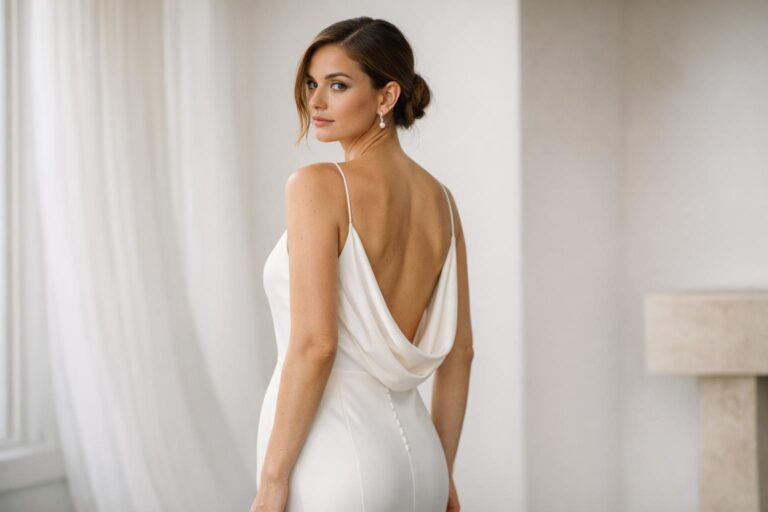
Back Designs, Corset Closures, and Custom Options
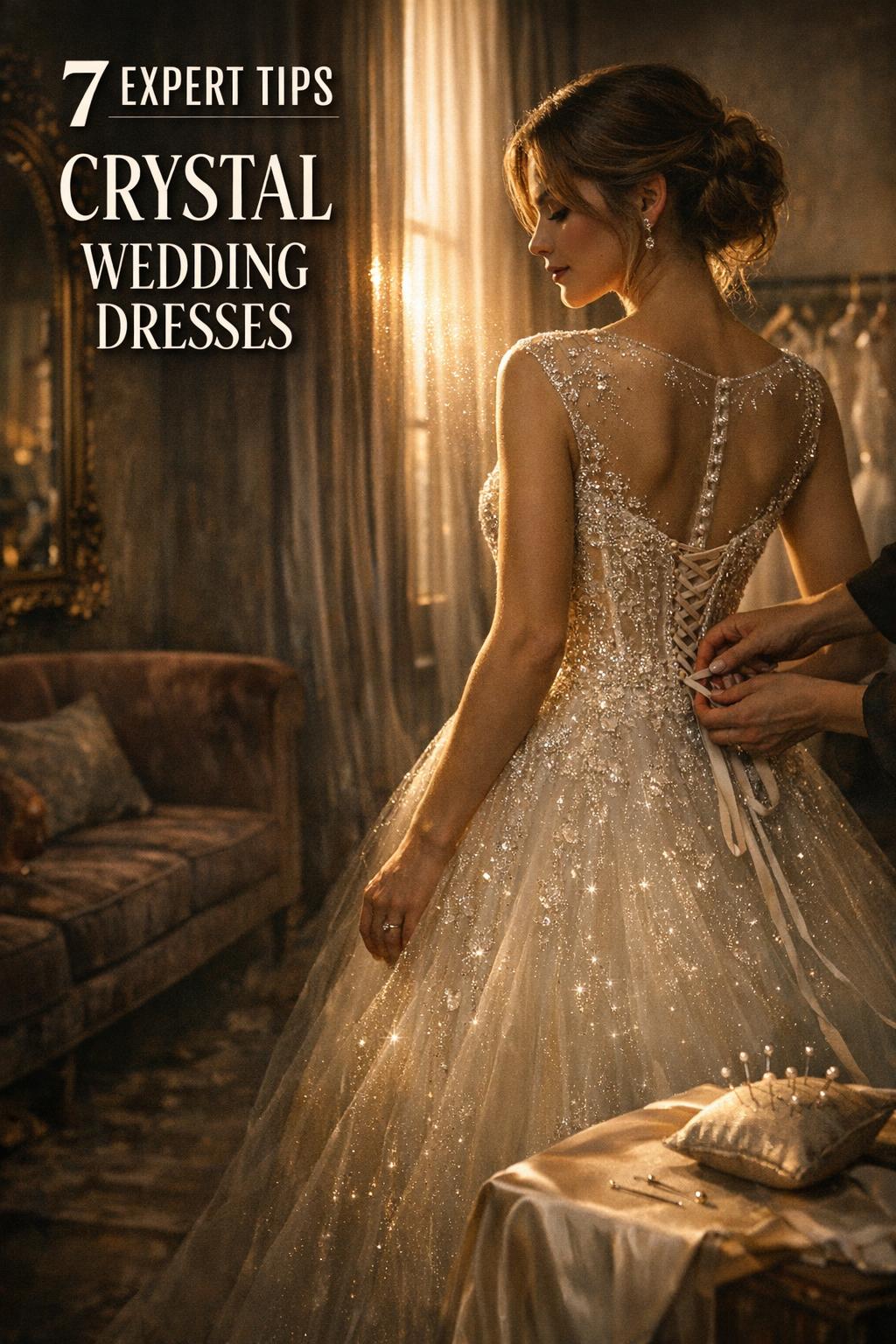
Many crystal wedding gowns highlight the back with design options that can be customized. Corset backs show up in crystal embroidery corset wedding dress styles, and other gowns offer choices in back details or closure approaches. These decisions matter because crystals near closures must be planned carefully: the dress needs to adjust and move without stressing the embellished areas.
Tip: If you’re choosing a corset back, consider how the crystal pattern will align when the dress is tightened. A symmetrical pattern can look especially polished when the closure is adjusted during fittings.
Density and Distribution: Allover Sparkle vs. Accents
Crystal wedding dresses range from accent gowns (sparkle in specific areas) to allover designs with consistent shine. Product descriptions often call out crystal “coverage” and “density,” which are useful terms to pay attention to when you’re shopping online. A bodice with dense crystal beading can create a bright focal point, while a skirt with lighter crystal placement keeps the look balanced.
- Accent placement often highlights bodice structure, neckline edges, or a defined motif.
- Motif-based placement (such as chevron crystal patterns) creates a directional, graphic effect on tulle.
- High-density placement is commonly associated with luxury rhinestone and heavy beaded gowns.
Tip: If you’re unsure which direction suits you, start by deciding where you want the “sparkle moment” to be—near your face, at the waistline, across the skirt, or all over. That single choice narrows down silhouettes and fabric combinations quickly.
Materials and Design Details You’ll See in Crystal Bridal Gowns
Crystal detailing is rarely described alone; it’s usually paired with fabric and construction notes that help you predict the final look. Across crystal bridal gown listings, several material themes appear repeatedly: tulle for volume and softness, lace as a base for embellishment, satin for a sleek foundation, and illusion/mesh for structured transparency.
You’ll also see bodice-specific language—beaded bodices, corset bodices, and embroidered panels—because the bodice is where crystal work is most often concentrated. Some designs include additional options for back materials or finishes, which underscores that crystal gowns are frequently built with customization in mind.
Tulle Ball Gowns and Patterned Crystal Motifs
Tulle ball gowns are a natural canvas for crystal motifs. A chevron crystal pattern on tulle, for example, reads clearly because the fabric is light and the motif can stand out. In this style family, the sparkle can feel “drawn” onto the skirt while the layers of tulle keep the overall look airy.
Tip: If you’re choosing a patterned crystal skirt, look for descriptions that clarify how far the motif extends and whether the embellishment is concentrated in one zone or distributed throughout the skirt.
Satin Bases with Rhinestone Detailing
Satin-based crystal wedding gowns often emphasize contrast: the smooth, luminous base fabric sets off rhinestones and beading, making sparkle appear sharper and more defined. These dresses commonly mention back options and customization notes, which can be especially valuable if you want the fit and closure to match the intensity of the embellishment.
Tip: If the gown is described as rhinestone-heavy, plan ahead for comfort during fittings. The goal is a fit that stays secure so the embellished areas sit smoothly rather than shifting with movement.
Illusion and Mesh Elements with Beaded Bodices
Illusion/mesh elements frequently appear in crystal and beaded bodice designs. They can create the look of floating crystals, add structure at the neckline, and support lace-and-tulle layering. When paired with intricate beading, illusion construction can make the gown feel detailed without appearing visually heavy.
Tip: If you love illusion details, confirm how the embellishment is attached around seam lines and edges. Clean finishing at these points helps the sparkle look refined in close-up photos.
Shopping for Crystal Wedding Dresses: What to Look For
Shopping for crystal wedding gowns often blends inspiration with practical decision-making. Many top listings include sections or notes that go beyond the photos: details blocks, sizing and customization guidance, production timelines, shipping information, and return policy language. Treat these as part of the dress—not afterthoughts—because crystal gowns are more sensitive to fit and handling than minimal styles.
Start with Your Preferred Crystal “Vibe”
Before comparing dresses, decide whether you want delicate sparkle (crystal accents and embroidery) or a statement look (heavy rhinestone beading). From there, narrow by silhouette: ball gown for maximum presence, A-line for balanced romance, or a sleeker shape with controlled crystal placement.
- Soft glow: crystal embroidery, floral motifs, light crystal lace on tulle.
- High-glam shine: rhinestone-forward gowns, heavy beaded crystal density, satin foundations.
- Graphic sparkle: patterned crystal motifs like chevron on tulle skirts.
Tip: If you keep saving “everything,” switch the decision from “Which dress?” to “Which kind of crystal detailing?” That one filter reduces overwhelm fast.
Evaluate the Details Section Like a Checklist
Crystal dress listings often include a dedicated details area that can clarify what photos can’t: material composition (lace, tulle, satin, illusion), closure type, and where the crystals are placed. Use this to ensure the dress matches your expectations about sparkle density and structure.
- Where are the crystals concentrated: bodice, neckline, skirt, or allover?
- Is the gown described as “heavy beaded” or more lightly embellished?
- Are there notes about back details, corset closures, or customization options?
- Is the dress pre-order, made-to-order, sample sale, or ready to ship?
Tip: If the listing includes reviews, read them specifically for comments about crystal coverage, comfort, and how the dress looks in different lighting. Those notes tend to be more actionable than general praise.
Understand Sample Sale vs. Made-to-Order
Some crystal bridal gowns are offered in sample sale formats with price reductions and limited size availability. Others are presented as pre-order or custom order items, often with clear production timelines and shipping information. The best route depends on your timeline and how much you want to personalize fit and design details.
Tip: If you’re considering a sample sale crystal gown, focus on fit and alteration feasibility. Crystal embroidery and beading can make certain changes more complex, so it helps to choose a size that needs fewer structural adjustments.
Sizing, Fit, and Alterations for Crystal-Embellished Gowns
Crystal wedding dresses reward precise fit. Because the embellishment creates texture and often follows a pattern, the dress should sit correctly on the body to keep motifs aligned and ensure the sparkle looks smooth rather than puckered. Many crystal gowns also come with sizing guidance and customization notes, which are especially important if the dress includes a corset back or multiple back options.
What to Know About Alterations
Alterations on crystal gowns should prioritize preserving the embellished design. When beading and crystals are dense, changing seam lines or shortening areas may require careful handling so the finished hem or seam remains clean. Even lighter crystal embroidery needs attention to avoid disrupting the pattern placement.
- Expect extra care around bodice seams, neckline edges, and closures where crystals may be concentrated.
- If your gown has a specific motif (like a chevron pattern), ask how alterations will maintain alignment.
- For corset-back styles, fittings should ensure the closure sits evenly so the embellished bodice stays symmetrical.
Tip: Bring your intended undergarments and shoes to fittings. With crystal detailing, small fit changes can affect how the embellishment lies and how light hits the surface.
Plus-Size and Custom Sizing Considerations
Some crystal wedding gown listings explicitly mention plus-size options and customization. If you’re ordering a heavily embellished style, sizing guidance becomes even more valuable because the gown’s structure and embellishment density can affect how it feels and moves. A supportive bodice and a well-planned back design can make a major difference in comfort.
Tip: If you have multiple back options available, choose the one that best supports your preferred fit. A secure closure helps the embellished bodice sit flat, which is key for a polished look.
Production Timelines, Shipping, and Planning Ahead
Crystal bridal gowns often come with clear production timing and shipping details, particularly for custom or made-to-order designs. Some listings mention express or rush options, while others highlight pre-order status or custom order workflows. The more embellished the gown, the more important it is to build a comfortable time buffer for production and alterations.
How to Build a Crystal Gown Timeline
A practical approach is to align three moving parts: production, shipping, and fittings. Custom order and pre-order gowns require earlier decisions, while sample sale gowns can reduce lead time but may increase alteration planning.
- Custom/made-to-order: plan for stated production timelines plus shipping and at least a few fitting appointments.
- Pre-order: confirm expected availability dates and what happens if timing shifts.
- Sample sale: confirm size, condition, and how crystal detailing affects alteration options.
Tip: If a listing offers rush production, decide early. The closer you get to the event date, the fewer options you’ll have, and crystal-heavy styles benefit from calm, careful fittings rather than last-minute changes.
Care, Longevity, and Cleaning for Crystal Wedding Dresses
Crystal embellishments elevate a gown, but they also require thoughtful care. Many crystal dress listings include care instructions, and that’s worth paying attention to as early as the shopping stage. Proper cleaning and storage help preserve sparkle, prevent snagging, and protect delicate embroidery and lace.
Cleaning Methods for Crystal Embellishments
Cleaning a crystal wedding gown should be approached carefully, especially when the dress includes dense beading, rhinestones, or crystal embroidery. The key is to follow the gown’s care guidance and avoid anything that could loosen embellishments or catch on lace and tulle.
Tip: If you’re planning post-wedding cleaning, handle the gown gently when changing out of it and during transport. Minimizing friction and snag risk helps preserve crystal placement and embroidery integrity.
Storage and Preservation
Storage matters because crystals can snag on fabrics, and embellished areas can press into softer layers if the gown is folded or compressed. When you store a crystal bridal gown, the goal is to keep weight and pressure off embellished zones and prevent abrasion during movement.
Tip: If you’re traveling with your dress, prioritize stable packing that avoids crushing the bodice and prevents crystals from rubbing against delicate tulle or lace sections.
Alterations Without Disturbing Crystals
Even after the gown arrives, crystal detailing should guide how alterations are approached. Motifs, embroidered panels, and heavy beading can be sensitive to changes at seams and edges. Planning alterations with the embellishment map in mind helps keep the final look cohesive.
Tip: During your first fitting, identify which areas are heavily embellished and treat them as “do not disturb” zones unless changes are absolutely necessary. This keeps sparkle placement intentional and reduces the risk of uneven texture.
Styling Crystal Wedding Gowns: Accessories and Finishing Touches
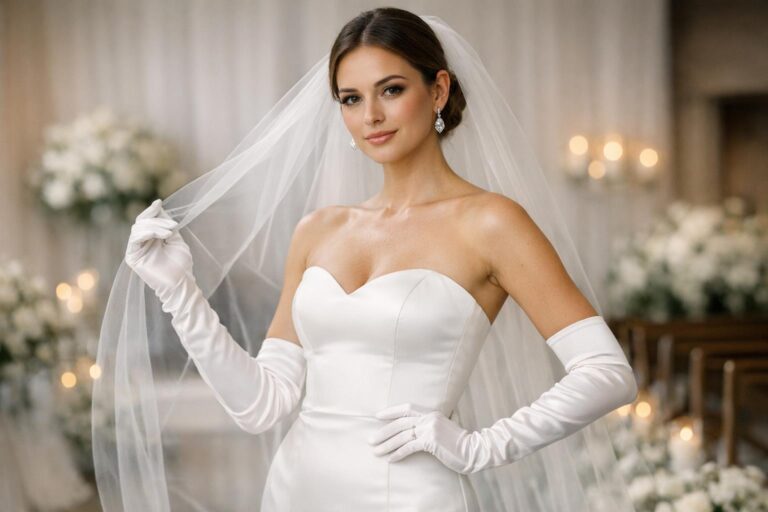
Crystal wedding dresses make a statement on their own, so styling works best when it supports the gown’s focal points. Many brides choose to echo crystal elements with a coordinated veil, jewelry, and shoes, while keeping the overall look balanced so the dress remains the centerpiece.
Accessory Pairings: Veils, Jewelry, and Shoes
When the gown is heavily embellished, accessories can be simpler and more streamlined. When sparkle is lighter—such as crystal embroidery on the bodice—accessories can add a bit more shine without overpowering the dress.
- If the bodice is heavily beaded, consider quieter jewelry and let the neckline area stay visually clean.
- If crystals are accent-only, you can add a bit more sparkle through jewelry or a veil detail.
- If the gown has a strong motif, keep accessories consistent in tone so the pattern remains the hero.
Tip: Choose one main sparkle source—either the dress or the jewelry. If both are equally intense, the final look can feel busy rather than luminous.
Venue and Lighting Considerations
Crystals are all about reflected light, so think about how your gown will appear across different moments of the day. A dress with crystal accents can photograph as softly radiant, while a luxury rhinestone heavy beaded crystal wedding gown will project a brighter, more dramatic effect.
Tip: When you try on dresses, take photos and short videos from multiple angles. Crystal placement can look different when you’re moving, and back details often become a highlight in motion.
Real-World Inspiration: Choosing Your Sparkle Level
Crystal gowns span a wide spectrum, and the best choice is the one that matches your comfort level and your style identity. Some brides want a light, romantic A-line with iridescent embroidery and floral motifs; others want a royal ball gown wedding dress with crystal embellishments, an illusion neckline, and a beaded bodice; others prefer a structured corset look with crystal embroidery and a customizable back.
Try framing your decision around how you want to feel in the dress: softly glowing, unmistakably glamorous, or somewhere in between. Crystal wedding gowns are at their best when the sparkle feels like an extension of you—not a costume you’re wearing for one day.
Quick Tips for Deciding Between Two Crystal Dresses
If you’re stuck choosing between two styles that both feel right, use practical tie-breakers that matter for crystal gowns: comfort, closure confidence, alteration feasibility, and timing. The most beautiful crystal pattern won’t feel like a win if it requires stressful last-minute changes or doesn’t sit securely.
- Pick the dress with the clearer, more supportive bodice fit.
- Choose the gown whose crystal placement enhances your favorite feature (neckline, waist, back).
- Prefer the option with a timeline that leaves room for fittings and careful handling.
- Lean toward the dress whose fabric-and-crystal combination matches your overall vision (lace/tulle romance vs. satin/rhinestone glamour).
Conclusion: Finding the Right Crystal Wedding Dress for You
The best crystal wedding dress is the one that balances sparkle with structure, and beauty with practicality. Start with the silhouette you love—ball gown, A-line, or a sleeker shape—then refine by crystal style: embroidery, lace-and-tulle accents, rhinestone shine, or heavy beaded density. Confirm the details, plan for production and shipping, and treat care and alterations as part of the purchase decision. With the right approach, your gown won’t just sparkle—it will feel like it was made for your moment.
FAQ
Are crystal wedding dresses heavy to wear?
They can be, depending on crystal density and whether the gown is described as heavy beaded or rhinestone-heavy. Dresses with crystals concentrated on the bodice may feel more manageable than allover high-density designs, and structured bodices can help distribute weight more comfortably.
How long does it take to make a crystal wedding gown?
Timing varies by whether the dress is made-to-order, pre-order, or a custom order, and many listings include specific production timelines along with shipping details. If rush or express options are offered, they typically need to be selected early to keep your schedule realistic.
Can crystals be added to an existing dress later?
It may be possible in some cases, but crystal placement should be planned so it looks intentional and doesn’t interfere with seams, closures, or delicate fabrics like tulle, lace, or illusion mesh. If you’re considering this, focus on whether your dress has areas that can accept embellishment without disrupting the original design lines.
What’s the difference between crystal embroidery and rhinestone beading?
Crystal embroidery typically integrates crystals into stitched patterns, often with motifs like florals and a more dimensional, designed look, while rhinestone beading usually emphasizes brighter, more reflective shine that reads as high-glam. Both can be used lightly or densely, but they create different visual textures.
What silhouettes work best for crystal-heavy gowns?
Ball gowns and A-lines are especially common because they balance sparkle with strong structure and allow crystal placement to be concentrated on the bodice or patterned across a fuller skirt. Sleeker silhouettes often use crystal accents more strategically to keep the overall line clean.
What should I check in the details section when shopping online?
Look for notes on where crystals are placed and how dense the embellishment is, plus fabric information like lace, tulle, satin, and illusion/mesh. Also confirm closure type and back details, whether the gown is pre-order or custom order, and any sizing, customization, shipping, or return policy information included.
Are corset-back crystal wedding dresses adjustable?
Corset-back designs are typically chosen for adjustability and structure, and they appear in crystal embroidery corset wedding dress styles. Because crystal patterns may be placed near the closure, it’s important that fittings ensure the corset tightens evenly so the embellished bodice remains symmetrical.
How do I care for a crystal-embellished wedding dress after the wedding?
Follow the gown’s care instructions and handle embellished areas gently to avoid snagging or loosening crystals, especially on lace, tulle, and embroidered sections. For storage, prioritize protecting embellished zones from compression and friction so crystals and beading keep their look over time.