7 Photo-Ready Girls Wedding Dresses: U.S. Fit Guide
Girls Wedding Dresses: A Complete US Buyer’s Guide for Flower Girls, Junior Bridesmaids, and Wedding Guests
Shopping for girls wedding dresses can feel surprisingly complex: you’re balancing the wedding’s formality and color palette with a child’s comfort, movement, and fit—often on a tight timeline. Whether you’re choosing flower girl dresses for a little one walking down the aisle, junior bridesmaid dresses for an older child in the bridal party, or a polished wedding guest look for family photos, the right approach is part style guide, part practical checklist.
This guide walks through the roles kids can play in weddings, the most common silhouettes and fabrics (like lace, tulle, satin, and organza), smart sizing and alteration planning, comfort-first construction details, and a clear way to coordinate colors and accessories. It’s written for U.S. shoppers who want an outfit that looks right in photos and feels good for hours of sitting, walking, dancing, and celebrating.
Understanding Roles: Flower Girl, Junior Bridesmaid, and Wedding Guest
Before you fall in love with a dress, confirm the child’s role. The role determines expectations for color coordination, formality, and how closely the dress should match the rest of the wedding party.
Flower girl dresses: classic, playful, and photo-forward
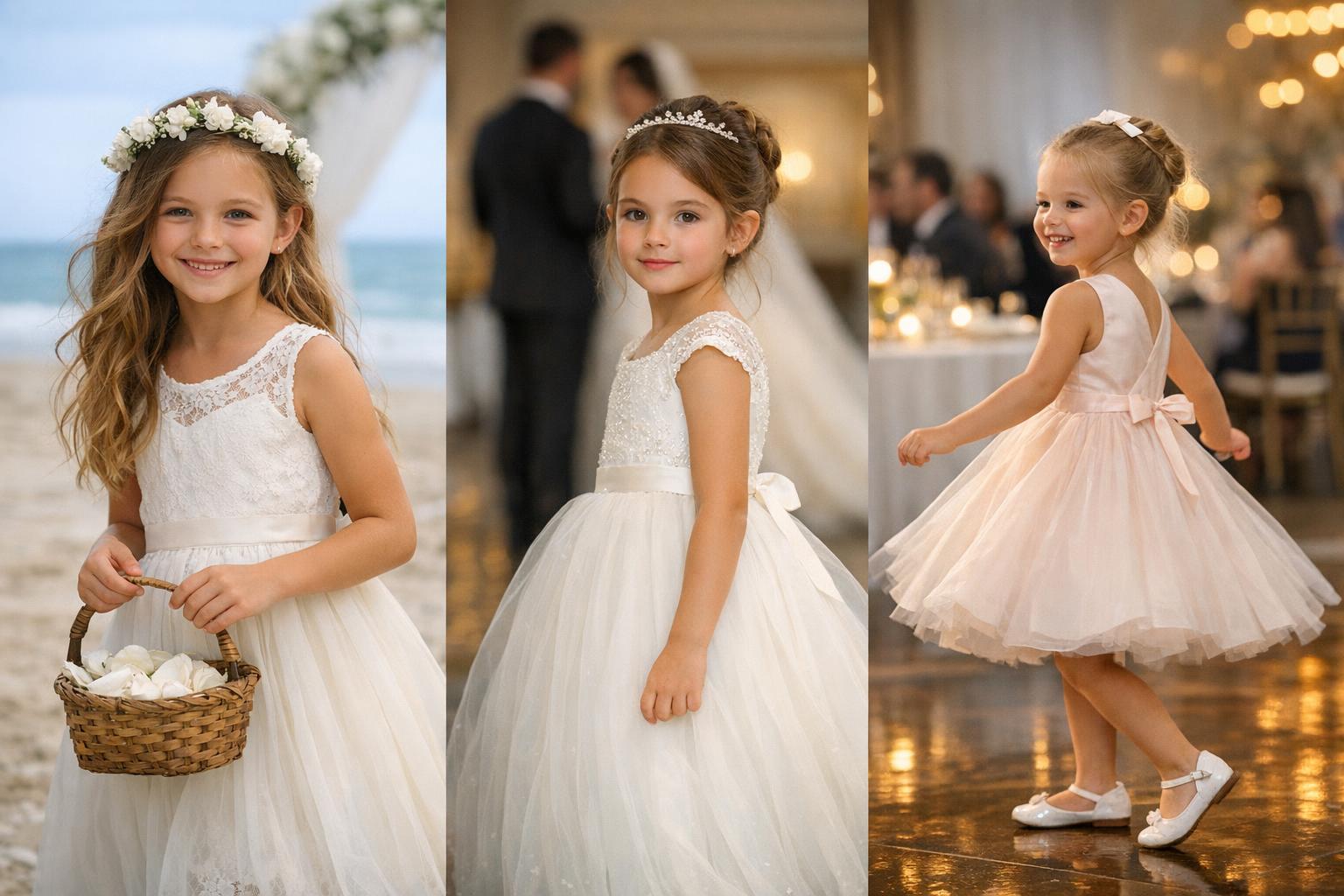
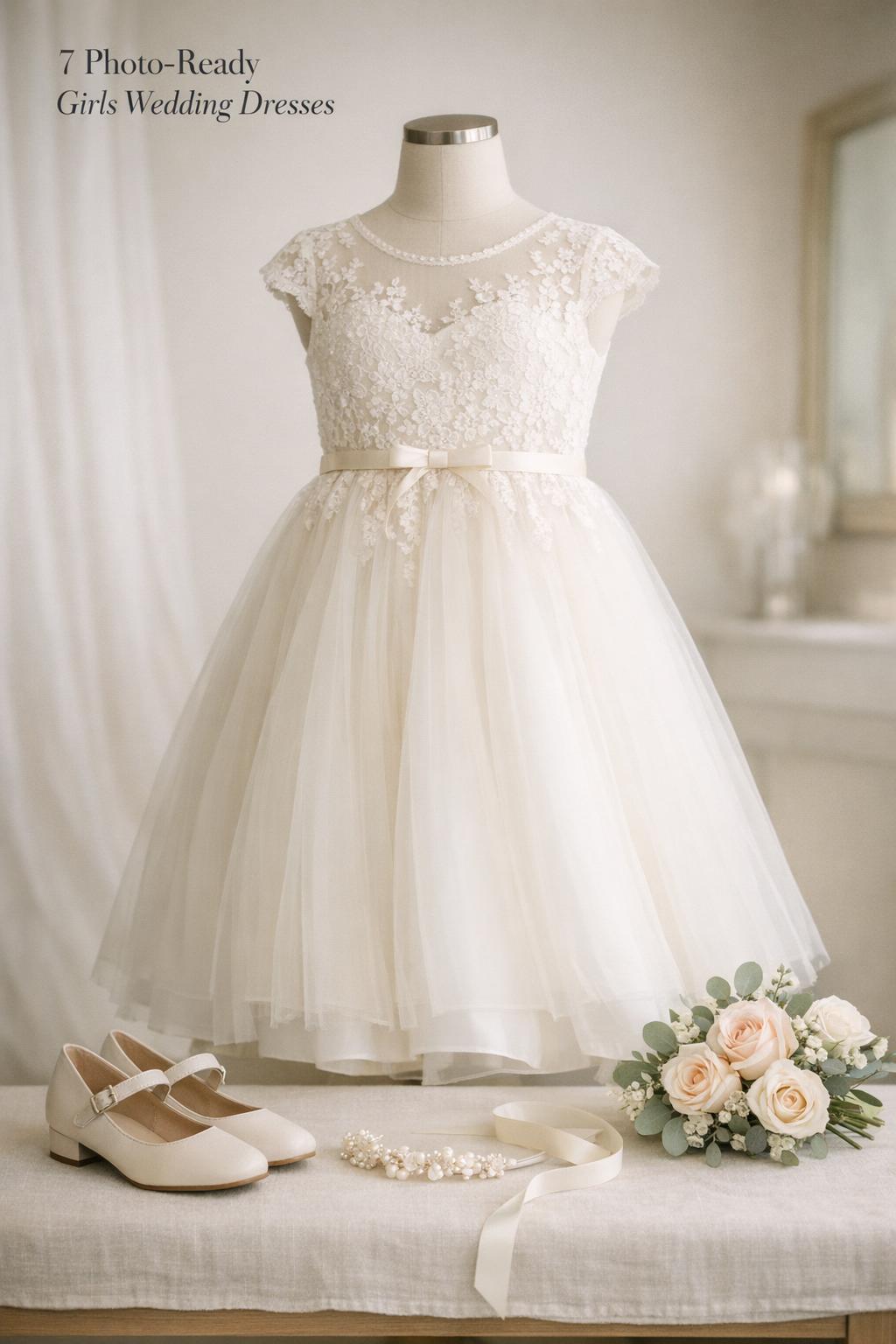
A flower girl outfit is usually designed to echo the wedding style without looking like a miniature adult gown. Many families gravitate toward a flower girl gown with soft volume (often from tulle) or detail (often lace) because it photographs beautifully. Since flower girls are often younger, comfort and easy movement matter as much as the look.
Your wedding look is only the beginning.
Keep your guest list, vendors, timeline, and every important detail together with Zarellea — so your day feels as considered as your style.
Junior bridesmaid dresses: more grown-up, still age-appropriate
Junior bridesmaid dresses usually aim for a more “bridal party” look. They may match the bridesmaids exactly, or they may be coordinated (same color family, different silhouette). This is where you’ll often see more structured materials and longer hemlines, but fit flexibility remains important for a growing child.
Wedding guest dresses for girls: polished and flexible
When the child is attending as a guest, the outfit typically doesn’t need to match the wedding palette precisely. That flexibility opens up more options—especially if you want a dress that can be worn again for other special occasions. The best “kids party dress for wedding” choices still prioritize comfort and secure, kid-friendly closures.
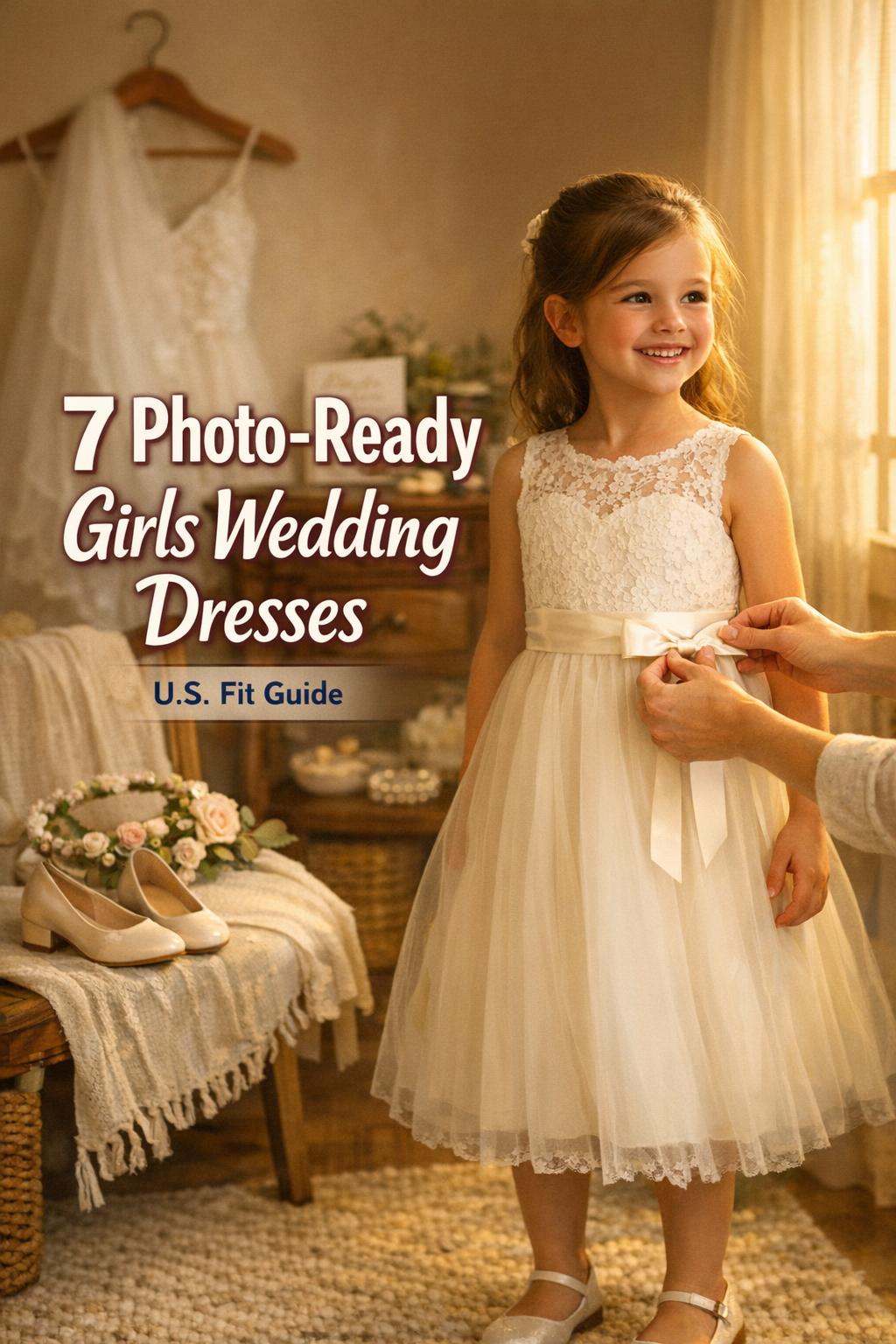
How to Choose the Right Dress for Your Child’s Age and Role
Age and role are closely linked to practical needs. Younger children need softer linings, easier closures, and styles that won’t trip them up. Older children may want a more refined look and may care more about how the dress feels and fits.
- For babies and toddlers: prioritize comfort, breathable linings, and movement-friendly silhouettes; avoid anything that restricts sitting or walking.
- For young flower girls: aim for a secure fit (especially at shoulders and waist), and consider whether the dress will stay comfortable during photos, ceremony, and reception.
- For junior bridesmaids: plan for growth and consider coordinated options if exact matching increases fit or budget stress.
- For guests: choose a versatile color and fabric that suits the wedding’s vibe while staying practical for a full day.
A helpful way to decide is to picture the child’s full day: getting ready, traveling, ceremony, photos, sitting through speeches, and dancing. A beautiful dress that becomes itchy or tight will feel like a problem long before the cake is served.
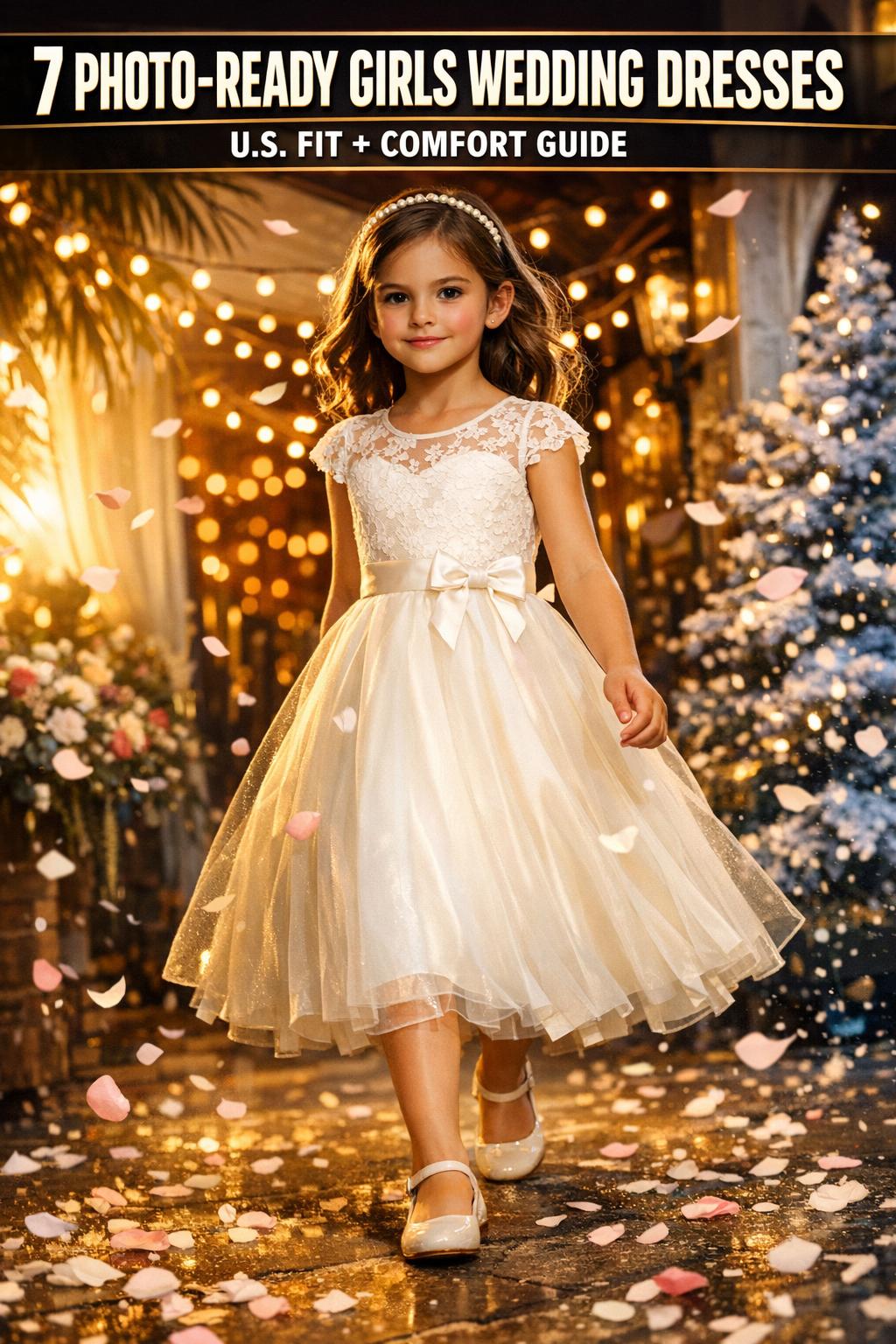
Dress Styles for Girls: Pros, Cons, and How They Move
Most girls wedding dresses fall into a few common silhouettes. Each has its own “movement profile”—how it feels when walking, sitting, climbing stairs, or spinning on the dance floor. Choosing with movement in mind reduces fussing and wardrobe malfunctions.
A-Line, ballgown, and empire waist: what to expect
A-line dresses are a frequent favorite because they’re easy to move in and flatter a range of body shapes. Ballgowns deliver maximum drama and fairytale volume—often a hit for flower girl gowns—but can feel bulky for small kids and may require extra attention to hem length. Empire waist styles can feel softer through the midsection and are often comfortable for long wear, especially when paired with gentle linings.
Matching vs coordinated dresses for junior bridesmaids
For junior bridesmaid dresses, there are two common approaches. Matching means the junior bridesmaid wears the same color and similar style as the adult bridesmaids. Coordinated means the dress harmonizes with the palette but doesn’t replicate every detail. Coordinated styling can be a practical solution when you’re dressing multiple kids of different ages or trying to balance comfort and uniformity.
Tips: choosing a silhouette that survives a full wedding day
Tip: If the child will be carrying petals, walking down steps, or moving quickly during the ceremony, consider a style that won’t tangle around the legs. Tip: For long ceremonies, favor silhouettes that remain comfortable when seated and don’t dig into the waist or underarms. Tip: If you expect lots of dancing, pick a shape that allows big movement without constant pulling or adjusting.
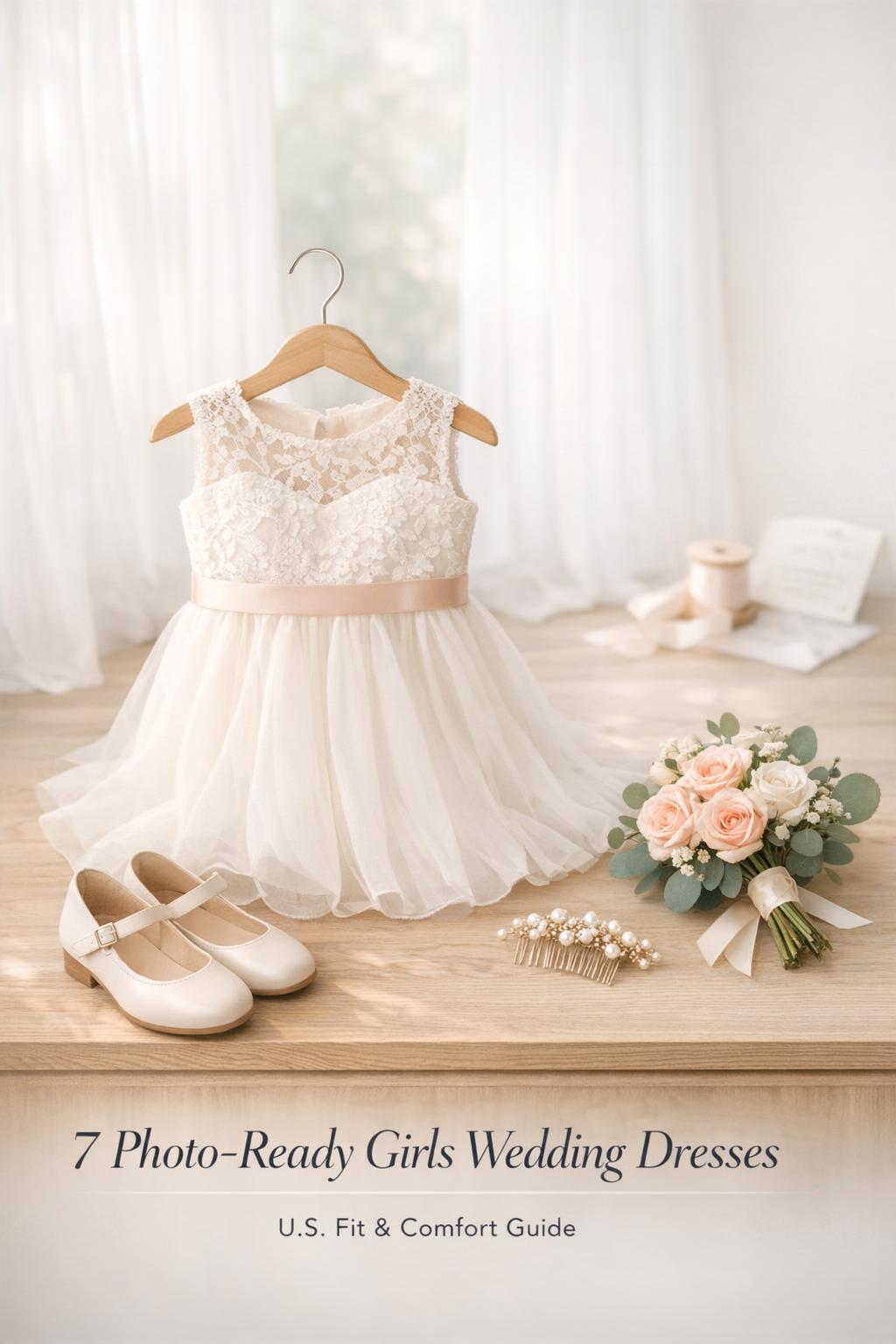
Fabrics and Comfort: Lace, Tulle, Satin, and Organza (Plus Linings That Matter)
Fabric affects not only how the dress looks, but how it feels against skin and how well it holds up through the day. Common materials in flower girl dresses and children’s wedding dress collections include tulle, lace, satin, and organza. The “right” choice depends on formality, season, and the child’s sensitivity.
Tulle: airy volume with a fairytale feel
Tulle is often used to create a soft, full skirt and a classic flower girl look. It can look light and dreamy in photos, especially in ivory, white, or blush. Because tulle can sometimes feel scratchy depending on construction, the lining and how the layers are finished can make a big difference in comfort.
Lace: texture and detail that reads “special occasion”
Lace adds visual interest and can make a simple silhouette feel elevated. Many shoppers look specifically for “girls flower girl dresses lace tulle” combinations, where lace appears on the bodice and tulle builds the skirt. When choosing lace, pay attention to how it sits at the neckline and armholes, since these areas can cause irritation if not lined or finished smoothly.
Satin and organza: structured shine and crisp shape
Satin often reads more formal and can look especially polished for junior bridesmaid gowns. Organza can add structure and volume with a lighter feel than some heavier fabrics. In both cases, comfort comes down to lining quality and whether seams and closures are designed with kids in mind.
Comfort and longevity details to look for
- Breathable linings: helpful for long wear and active kids.
- Secure closures: zippers or buttons should feel sturdy and not pinch.
- Movement-friendly construction: adjustable straps, adjustable waist, or flexible panels help with fit and comfort.
- Thoughtful finishing: smooth edges at armholes and necklines reduce irritation.
Tip: If you’re deciding between two dresses that look equally appropriate, choose the one with the softer lining and more flexible fit. Kids remember how a dress feels far more than how photogenic the fabric looked on a hanger.
Seasonal and Theme-Driven Guidance: Summer, Winter, Beach, and Formal Weddings
Weddings can range from breezy outdoor ceremonies to formal indoor events. Planning around season and theme helps you choose fabrics and details that support comfort, while still looking intentional with the wedding style.
Summer and warm-weather weddings
For a summer wedding, comfort tends to come from lighter-feeling materials and breathable linings. If you’re searching for the best flower girl dress for a summer wedding, prioritize easy movement, secure straps or sleeves, and a silhouette that won’t feel heavy during outdoor photos or dancing.
Winter weddings and cooler venues
In cooler settings, sleeves and layering become important. Many families look for a white or ivory flower girl dress with sleeves to keep the outfit seasonally appropriate. Beyond warmth, sleeves can also add formality and may help some kids feel more comfortable and covered during the ceremony.
Beach weddings and outdoor ceremonies
Outdoor and beach weddings often call for simpler silhouettes and materials that move well. The key is to avoid anything too restrictive, too heavy, or too delicate for walking on uneven ground. A flexible waist and a manageable hem length can make a big difference for a child who’s walking a long aisle or navigating sand or grass.
Formal and black-tie-leaning events
More formal weddings may steer you toward structured fabrics, longer lengths, and elevated details like lace bodices or layered skirts. If the event is highly formal, think in terms of cohesion: coordinated colors, consistent levels of embellishment, and accessories that complete the look without becoming uncomfortable or distracting.
Color Palettes and Theme Coordination (Without Overcomplicating It)
Color is one of the most common stress points in dressing children for weddings—especially when multiple kids are involved. The good news is you don’t need perfect matching to achieve a cohesive look. You need harmony: colors that read as part of the same visual story.
Classic white and ivory
Classic white and ivory flower girl dresses remain popular because they pair easily with most wedding palettes and feel traditional. If you’re choosing between them, focus on consistency: if there are multiple children, keeping them in the same family (white with white, ivory with ivory) can make group photos look intentional.
Pastels, blush, and soft palette choices
Pastels and blush tones can complement many wedding themes and allow the child’s outfit to stand out gently against the bridal gown. These shades are often chosen when the wedding party is already colorful and the couple wants the children to coordinate without looking identical to adult bridesmaids.
Palette techniques for coordinated looks
- One color family, varied shades: useful for dressing multiple kids of different ages.
- Consistent fabric texture: lace bodices across the group can unify different silhouettes.
- Repeat a detail: similar sash styles, similar sleeves, or similar skirt volume creates cohesion.
- Coordinate across roles: flower girl outfit and junior bridesmaid gown can share a color family even if the styling differs.
Tip: If you’re unsure how strict the color match needs to be, ask whether the goal is “matching” or “coordinated.” That single clarification often prevents unnecessary re-orders and last-minute stress.
Sizing, Fitting, and Alterations: A Practical Approach for Kids
Sizing is one of the biggest make-or-break factors for children’s wedding attire. Kids grow quickly, and formalwear sizing can vary by brand. A smart fitting plan includes careful measuring, time for exchanges, and a realistic view of whether alterations might be needed.
Measuring tips and how to read size charts
Use the brand’s size chart and measure your child before ordering. If the chart uses height and weight guidance, treat it as a starting point and confirm with key body measurements when possible. The goal is not only a correct size on paper, but a fit that’s comfortable across shoulders, chest, and waist, with a hem length that won’t become a tripping hazard.
Planning for growth: buying too early vs too late
Buying too early increases the chance the dress won’t fit by the wedding date. Buying too late can limit your options and make exchanges stressful. A balanced plan builds in shipping time, try-on time, and a small buffer for adjustments. If the child is between sizes, prioritize a fit that can be gently adjusted rather than a dress that’s tight in critical areas.
Alteration path: what to expect
Alterations for kids often focus on hem length and simple fit refinements. Even if the dress technically “fits,” a small adjustment can improve comfort and reduce fussing during the ceremony. The key is timing: you want enough lead time to make changes without rushing, and you want the child to try the dress on again after any adjustment to confirm comfort and movement.
Tips: a low-stress fitting routine at home
Tip: Do a full dress rehearsal at home—dress, shoes, and any headpiece—so you can catch issues like scratchy seams or slipping straps. Tip: Have the child sit, walk, raise arms, and spin to test comfort. Tip: If the child is sensitive to textures, pay extra attention to lace edges and tulle layers and make sure the lining feels smooth against skin.
Comfort and Durability: Construction Details That Matter for Real Kids
Many dresses look beautiful on a product page but feel different in real life. Comfort is not a luxury for kids at weddings; it’s what determines whether the child stays happy and confident throughout the day.
Breathable linings and secure closures
Breathable linings can help prevent overheating, while secure closures reduce mid-ceremony adjustments. Zippers and buttons should feel stable and easy enough to manage during bathroom breaks. If a dress relies on delicate closures, consider how practical it will be during a long event.
Movement-friendly details: adjustable straps, elastic waists, and flexible fit
Adjustable straps and flexible waist construction can make a big difference for children who are between sizes or who need freedom of movement. These details also support longevity, especially if you hope the dress can be worn again for another special occasion.
Day-of-wear reality check
Weddings involve sitting for stretches, walking on different surfaces, hugging relatives, and dancing at the reception. A durable kids wedding dress should hold up to those moments without constant worry. If you’re choosing between a more delicate option and a sturdier one, consider the child’s personality and activity level, not just the photos you want.
Accessories That Complete the Look: Headpieces, Veils, and Shoes
Accessories can elevate flower girl dresses and junior bridesmaid gowns, but they should never create discomfort or distraction. Aim for pieces that feel secure, photograph well, and are easy to keep track of during a busy day.
Headpieces and veils: keep it secure and comfortable
Headpieces and veils can add a traditional touch to a flower girl outfit. The best options stay in place without pinching or sliding. If a headpiece is likely to bother the child, it may end up removed and lost, so choose comfort-first designs that the child can tolerate for more than a few minutes.
Shoes: the unsung hero of a happy wedding day
Shoes affect how confidently a child walks down the aisle. Look for a fit that feels stable and doesn’t rub. If possible, have the child wear the shoes during a home try-on so you can confirm the dress hem works with the shoe height and that the child can walk comfortably.
Tip: build the outfit around the dress, not the other way around
Tip: Choose the dress first, then add accessories that support the overall look. When accessories drive the decision, you risk ending up with a dress that doesn’t fit the wedding theme or doesn’t feel comfortable for the child.
Where to Buy in the US: Retailer Types, Price Ranges, and Timelines
Most shoppers compare a mix of retailer types: large children’s brands with dedicated wedding categories, boutique collections focused on wedding and flower girl styles, and curated junior bridesmaid dress collections. Each has strengths depending on budget, timeline, and how specific your style needs are.
Budget tiers: what to plan for
Price ranges tend to vary by fabric, detail level (like lace overlays), and how formal the dress is. A practical way to shop is to decide whether you’re aiming for an entry-level option, a mid-range dress with more construction and detail, or a higher-end choice where design and materials may be more elaborate.
Shopping for fast-turnaround weddings
When time is tight, prioritize retailers with clear shipping timelines and easy returns. Even the best measurements can’t guarantee perfect fit across brands, so you want a plan that allows an exchange if needed. If you’re ordering close to the wedding date, consider coordinated styling choices that are more forgiving—like flexible silhouettes or colors that are easier to match.
Tips: a timeline that reduces stress
- Confirm the role and color direction first: matching vs coordinated is a key decision.
- Order with enough buffer for exchanges: plan for at least one round of try-on and decision-making.
- Schedule a final try-on closer to the date: especially for younger kids and growth spurts.
- Keep accessories simple until the dress is confirmed: it avoids buying items that don’t work with the final look.
Many families find it easier to shop from collections labeled for “wedding & flower girl” or “girls bridesmaid dresses,” since those categories are already filtered toward appropriate levels of formality and common wedding palettes like white, ivory, and blush.
Real-World Style Inspiration: Dress Ideas by Theme
If you’re stuck between a few options, shift from “Is this pretty?” to “Does this match the wedding story?” Thinking in themes can help you quickly narrow down silhouettes, fabrics, and accessories while staying cohesive across multiple children.
Classic ceremony: timeless white or ivory
Classic weddings often pair well with white or ivory flower girl dresses and simple, traditional accessories. A-line shapes and gentle tulle skirts tend to feel timeless. If the bridal party is formal, adding lace detail can help the children’s look feel elevated without being overdone.
Soft romantic: pastels, blush, and lace-tulle combinations
Romantic themes often work beautifully with blush and pastel tones, especially when you combine lace texture with soft volume in the skirt. This is also a strong direction when you want coordinated dresses across different ages: the shared palette and fabric feel can unify the group.
Seasonal storytelling: summer, winter, and in-between
Seasonal styling is less about strict rules and more about comfort meeting aesthetics. Summer weddings often favor lighter-feeling looks and easy movement, while winter weddings may lean into sleeves and layered styling. When in doubt, choose a dress that supports the child’s comfort first; a relaxed, happy child will look better in photos than a perfectly styled but uncomfortable one.
Quick Reference Resources: Dress Terms, Care, and Planning Tools
It helps to have a few quick references as you shop, especially if you’re comparing multiple styles and reading product descriptions that use formalwear terms.
Glossary of common dress terms
Many listings describe dresses using silhouette and material terms such as A-line, ballgown, and empire waist, along with fabrics like lace, tulle, satin, and organza. When you understand those terms, you can more easily predict how a dress will look and move and whether it will feel soft or structured.
Care planning: keeping the look fresh for the wedding day
Kids’ formalwear can wrinkle, snag, or pick up lint during travel. Make a plan for keeping the dress clean and presentable from arrival to ceremony. Even simple steps—like storing the dress carefully and doing a final try-on—can prevent last-minute surprises.
Tip: coordinate across the whole outfit, not just the dress
Tip: When you’re coordinating multiple children, align the “big three” elements: the overall color family, the level of formality (simple vs detailed), and the general silhouette (sleek vs voluminous). Once those are consistent, small differences in details become charming rather than distracting.
Final Checklist: A 12-Point Dress Readiness Plan
Use this checklist to move from browsing to a confident, wedding-ready outfit—without last-minute scrambling.
- Confirm the child’s role: flower girl, junior bridesmaid, or guest
- Confirm whether dresses must match or simply coordinate
- Clarify the color direction (white, ivory, blush, pastels, or a specific palette)
- Choose a silhouette that supports movement and sitting comfortably
- Pick fabrics with comfort in mind (especially linings and seam finishing)
- Decide on sleeves or sleeveless based on season and comfort
- Measure your child and compare carefully to the size chart
- Order with time for shipping, try-on, and possible exchange
- Do a full at-home try-on with shoes and accessories
- Confirm hem length and comfort at armholes, neckline, and waist
- Plan for alterations if needed and schedule a final try-on
- Choose accessories that are secure, comfortable, and easy to manage
When these basics are handled early, you can enjoy the fun part—seeing the child feel confident and comfortable while looking perfectly suited to the wedding’s style.
FAQ
How far in advance should you buy girls wedding dresses?
Buy early enough to allow shipping, a home try-on, and time for an exchange or minor alterations, but not so early that growth becomes a major risk; the best plan includes a buffer for fit adjustments and a final try-on closer to the wedding date.
What’s the difference between flower girl dresses and junior bridesmaid dresses?
Flower girl dresses often lean more whimsical and traditional (frequently with tulle or lace for a fairytale feel), while junior bridesmaid dresses are typically styled to align more closely with the bridal party, either matching the bridesmaids or coordinating within the wedding palette.
Should junior bridesmaid dresses match the bridesmaids exactly?
They can match, but coordinated dresses are also common and can be more practical for comfort, sizing, and budget; the most important factor is achieving a cohesive look through shared colors or design details rather than insisting on identical styling.
What are the most comfortable fabrics for kids’ wedding dresses?
Comfort depends on both the outer fabric and the lining, but many families find that dresses with soft, breathable linings and smooth finishing at the neckline and armholes feel better for long wear, whether the outer layer is tulle, lace, satin, or organza.
How do I choose the right size if my child is between sizes?
Use the size chart and prioritize a fit that won’t be tight in key areas like chest and waist, then rely on adjustable features or minor alterations for refinement; a slightly roomier dress is often easier to adapt than one that’s snug and uncomfortable.
What’s a smart choice for a summer wedding flower girl dress?
For warm-weather ceremonies, look for a movement-friendly silhouette, comfortable lining, and secure fit through the shoulders and waist, so the child stays comfortable during outdoor photos, walking, and dancing.
Are sleeves a good idea for flower girl dresses?
Sleeves can be a great option for cooler seasons or more formal weddings and are commonly sought in white or ivory styles; the best choice is one that doesn’t restrict arm movement and feels comfortable at the armholes for extended wear.
Can you rent a dress for a child for a wedding?
Dress rental is a question many families consider, but the practical priority is ensuring the dress fits comfortably and allows free movement; if you explore rental, confirm sizing flexibility and try-on timing so you can avoid day-of fit surprises.