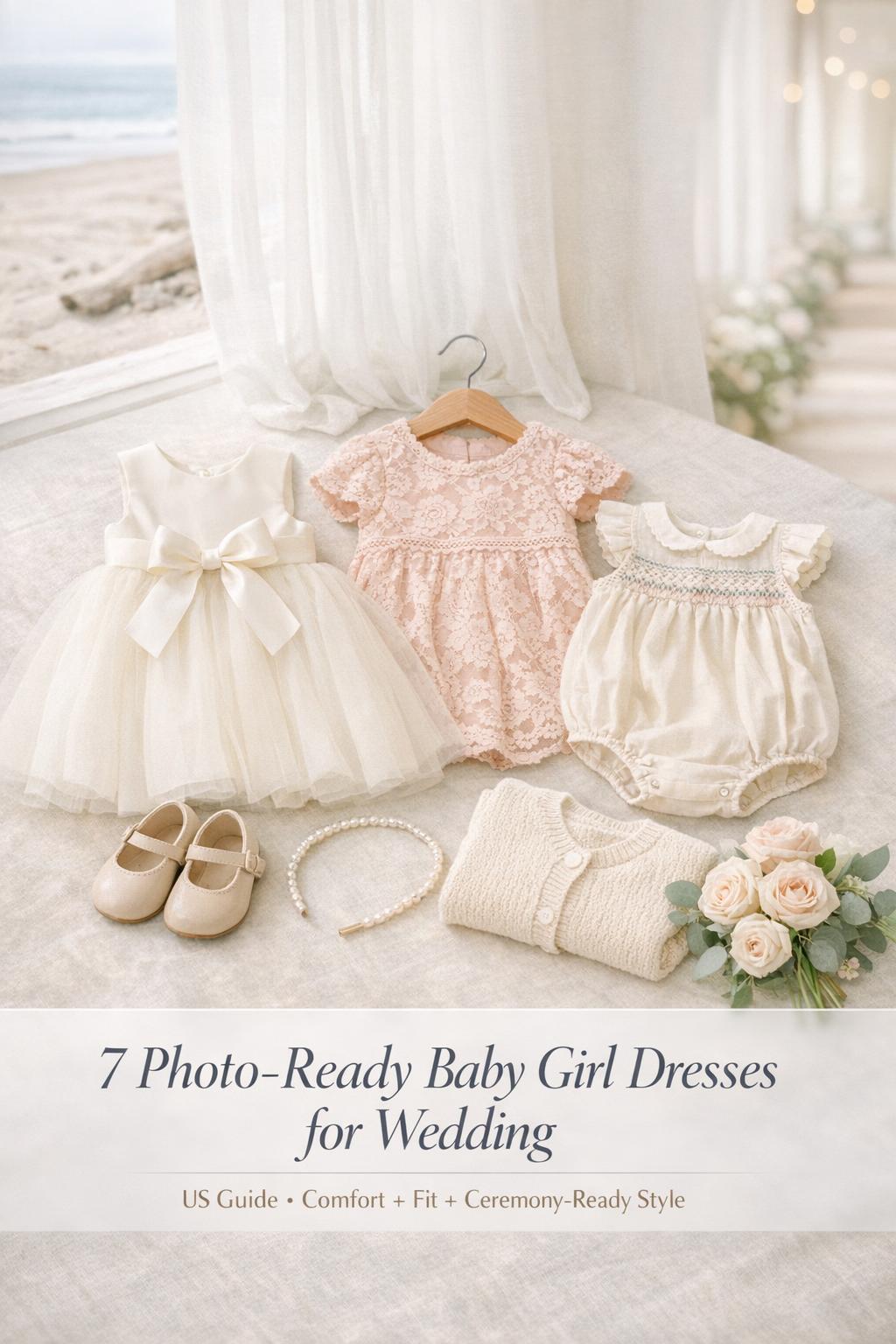
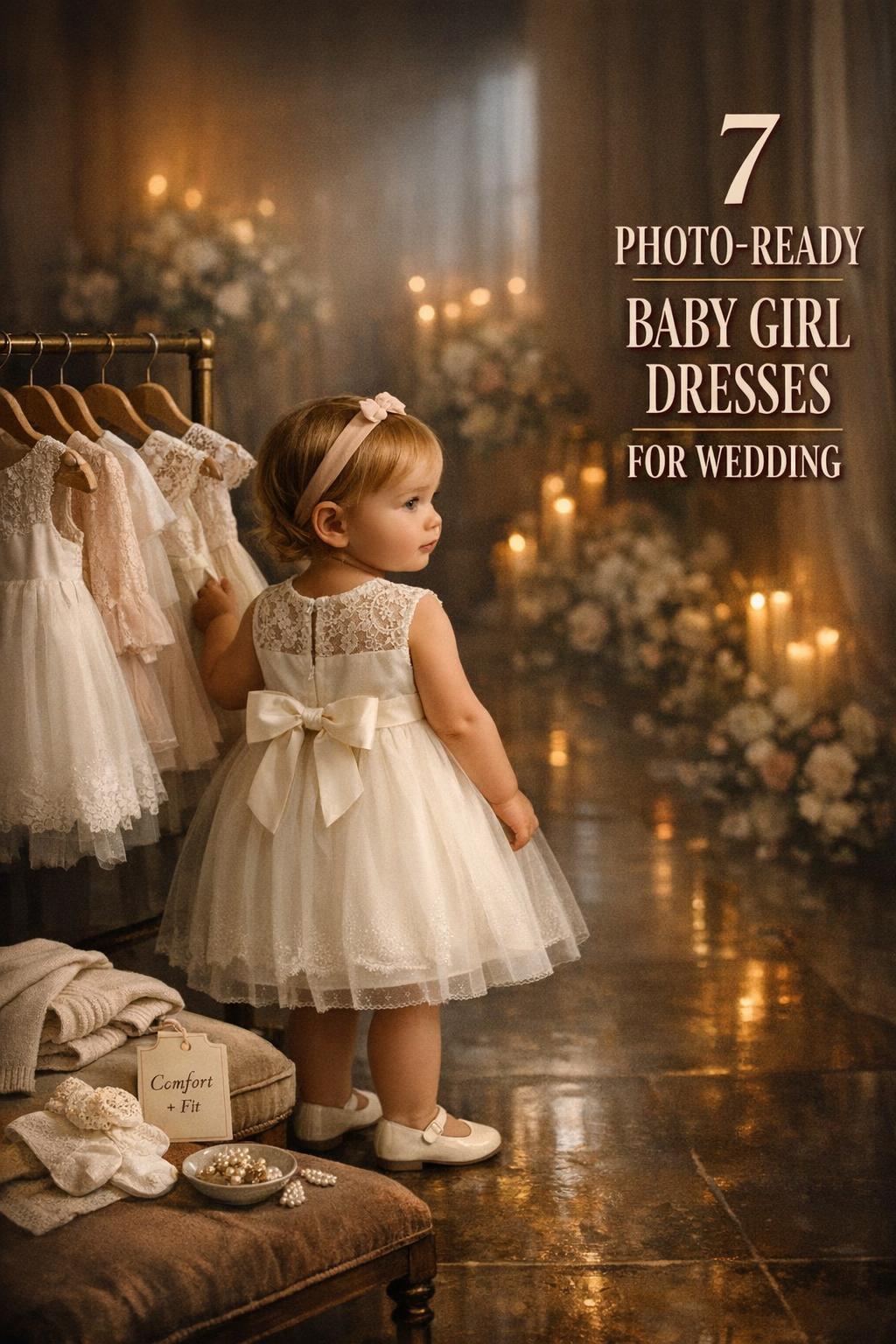
7 Photo-Ready baby girl dresses for wedding (US Guide)
Baby Girl Dresses for Wedding: A Practical, Style-Forward Guide for 0–12 Years
Shopping for baby girl dresses for wedding celebrations is a little different than buying everyday outfits: you’re balancing the wedding’s vibe (and venue), the comfort needs of a baby or toddler, and the look you want in photos—often while juggling sizing uncertainty and tight timelines. This guide walks you through choosing wedding-ready dresses and outfits for babies, toddlers, and young girls, with clear style ideas, fabric and care considerations, fit guidance, accessory coordination, budget planning, and a brand-agnostic approach to where and how to shop.
Whether you’re looking for a classic flower girl dress, an infant wedding dress alternative, or a baby wedding outfit that’s comfortable enough for a full day, the goal is the same: a polished look that still lets your little one move, sit, snack, and nap without a struggle.
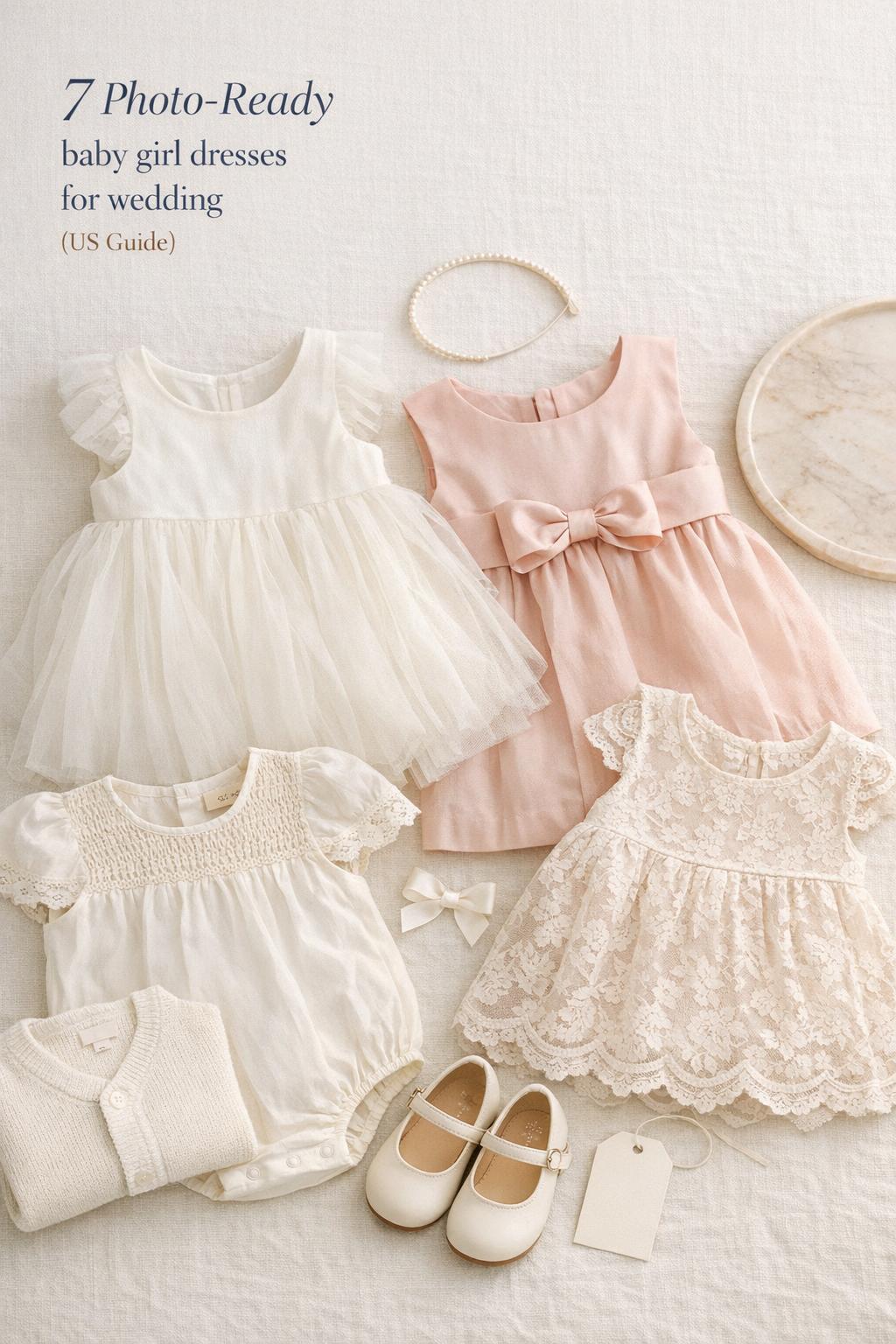
How to Choose the Right Baby Girl Dress for a Wedding
The best “wedding outfit” is the one that matches the occasion while respecting what babies and kids actually need: softness, flexibility, and easy on/off. Start by clarifying the wedding setting and expectations, then narrow choices by comfort, fabric, and fit.
Consider the wedding formality and venue
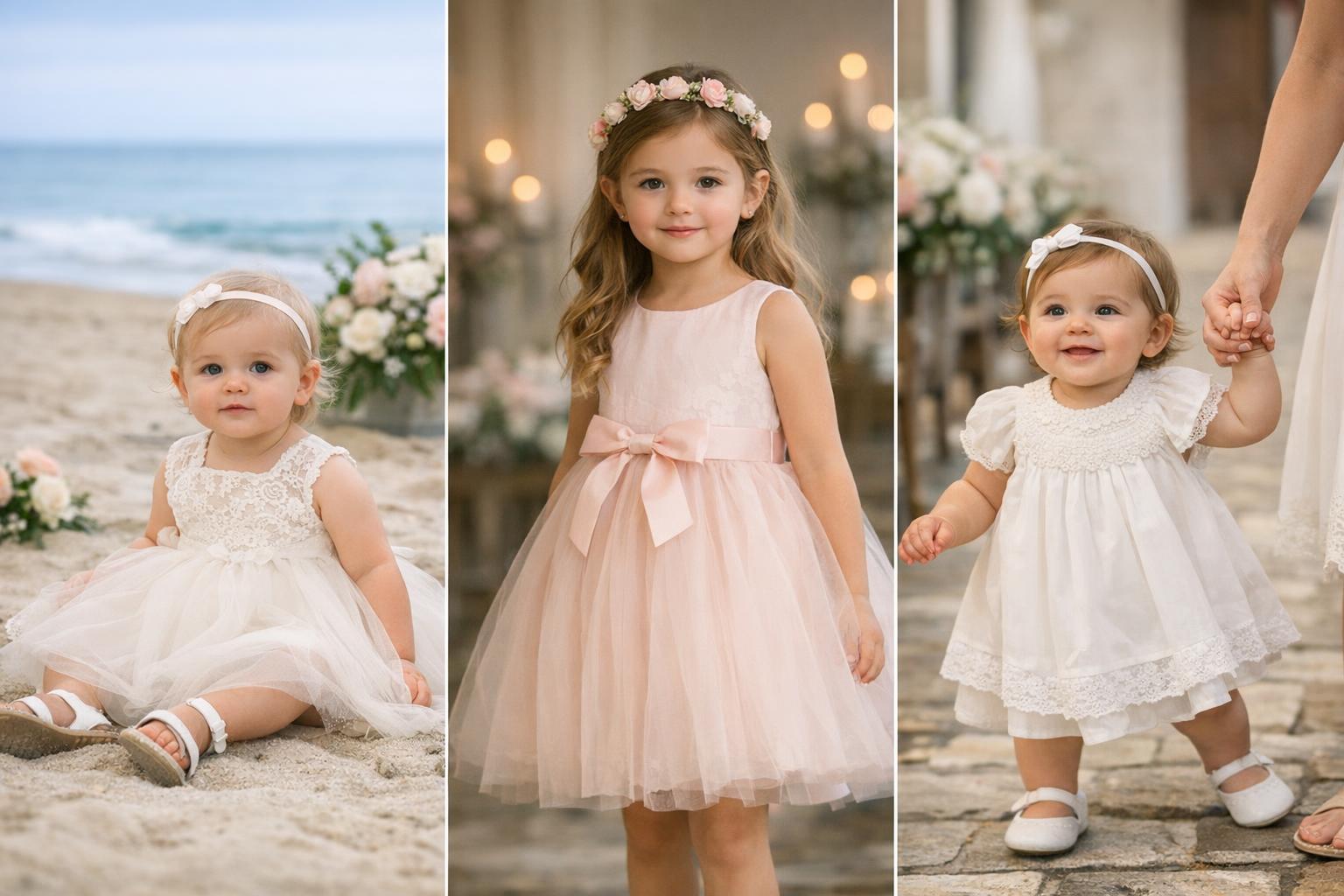
Weddings range from casual beach ceremonies to formal indoor events, and that context should shape your choice of silhouette, fabric, and overall finish. A fuller flower girl gown can feel right for a formal setting, while a simpler A-line dress or a neat baby wedding outfit set can suit a more relaxed venue. When you’re unsure, look for versatile “occasion dress” styles that read special without being overly fussy.
Your wedding look is only the beginning.
Keep your guest list, vendors, timeline, and every important detail together with Zarellea — so your day feels as considered as your style.
Tip: If you don’t have specific direction, prioritize adaptable styles in classic wedding-friendly palettes (like ivory, blush, and soft pastels) and wedding-appropriate fabrics such as lace, satin, and tulle—then adjust the formality with accessories.
Prioritize comfort and movement for little ones
Babies and toddlers spend much of the day being carried, sitting, crawling, or being changed—so comfort can’t be an afterthought. Many families choose flower girl dresses for older kids, but for younger ages, a romper-style option or a soft, flexible dress can be more realistic. For older girls, comfort still matters: scratchy trims and stiff fabrics can create meltdowns long before the ceremony starts.
- Look for gentle linings, especially under lace or tulle overlays.
- Choose fits that allow easy sitting and walking.
- Consider simple closures that make diaper changes or restroom breaks easier.
- Plan for layers (like a cardigan) if the venue shifts from outdoor to indoor.
Fabric safety, breathability, and easy-care fabrics
Wedding outfits often feature lace, satin, tulle, or organza-style looks—beautiful, but sometimes stiff or irritating without the right lining. Since spills and smudges happen, it also helps to choose fabrics you can care for confidently. Even when you’re shopping for a “dream dress,” you’ll want to know how it holds up through a long day.
Tip: If you’re deciding between two similar dresses, choose the one with the softer inside feel and simpler care requirements. Wedding day outfits don’t just need to look good on a hanger—they need to feel good for hours.
Sizing tips and how to measure a child’s proportions
“Baby girl dresses for wedding” shopping often involves brands with different size charts and fit models. A size that works in one retailer may fit differently in another, especially across dress silhouettes. Instead of relying only on age-based sizing, measure and compare to the brand’s chart when possible.
Tip: If you’re between sizes, the more comfortable choice is usually the one that allows movement (and layering) without pinching—especially for infants and toddlers. When needed, small fit tweaks can be easier than trying to “make do” with something too tight.
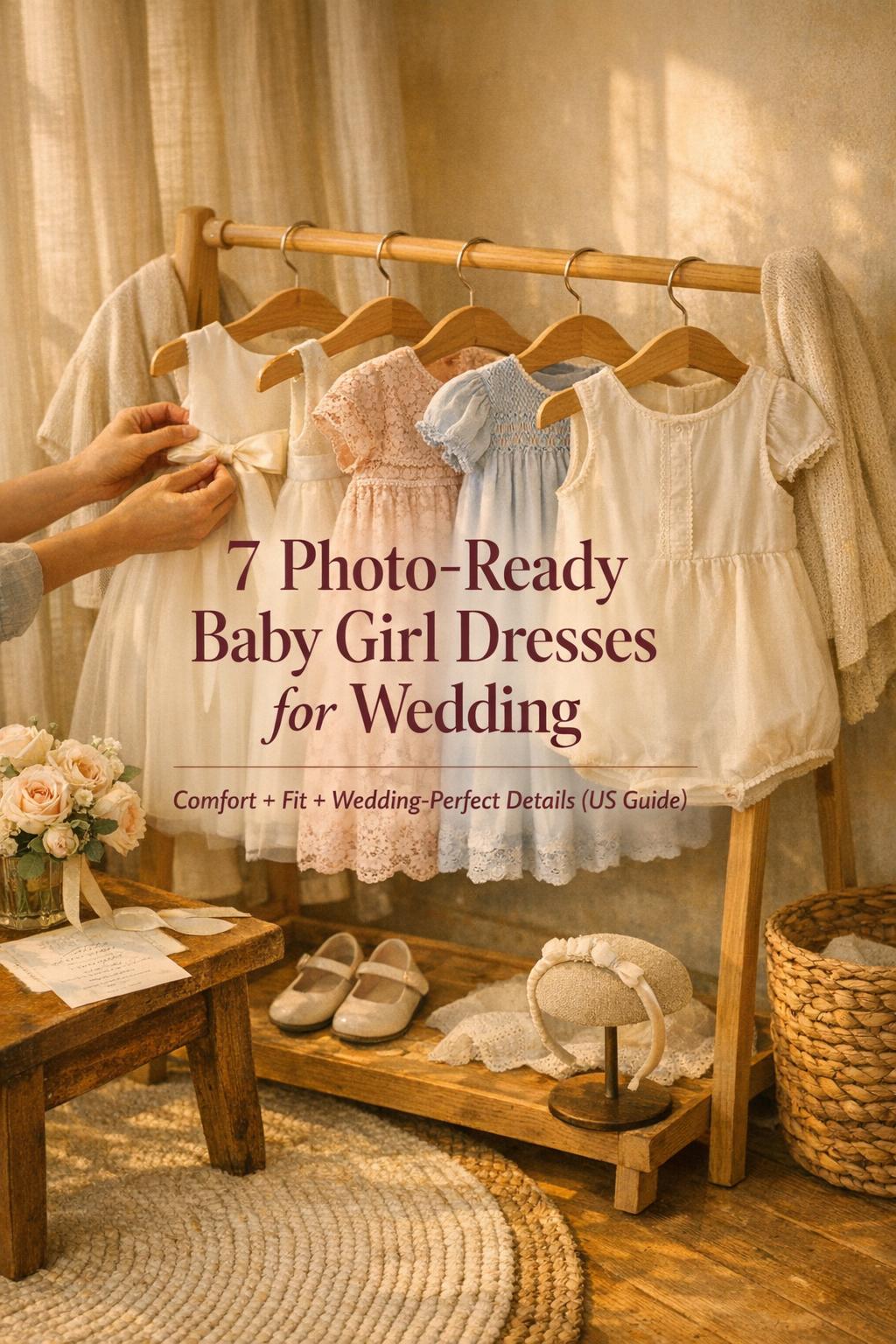
Dress Styles That Work for Weddings
Wedding-ready looks for babies and girls typically fall into two big categories: classic flower girl dresses and modern alternatives (like two-piece sets or rompers). Within those, you’ll see recurring shapes and details: A-line, ball gown, empire waist, smocking, lace overlays, satin shine, and tulle volume.
Classic flower girl dresses: A-line, ball gown, and empire waist
Classic flower girl styles are popular for a reason: they photograph beautifully and clearly communicate “wedding.” A-line silhouettes are often the most universally wearable because they skim the body and allow easy movement. Ball gown shapes add drama with fuller skirts (often tulle), while empire waist styles place the seam higher for a softer, airy feel.
- A-line: A go-to for comfort and a timeless wedding look.
- Ball gown: Ideal when you want a formal, princess-like silhouette.
- Empire waist: A gentle fit that can feel less restrictive for younger kids.
Modern silhouettes: two-piece sets and rompers
Not every baby needs a traditional dress to be wedding-appropriate. Many wedding outfits for babies include rompers or coordinated sets that still look polished. For infants and toddlers in particular, a romper can be a practical alternative that stays in place during crawling or being carried, while still looking special enough for family photos.
Tip: If you’re considering a romper as a “wedding dress for baby” alternative, focus on elevated details—like lace accents, satin finishes, or soft tulle elements—so the overall outfit still reads as occasionwear.
Traditional details: smocking, lace, and bishop-inspired looks
Some families gravitate toward heirloom-style wedding outfits featuring smocking, lace, and classic silhouettes like bishop-style dresses. These designs can feel especially appropriate for formal ceremonies and can overlap with christening/wedding dress styling—especially when the look is delicate and traditional.
When choosing more detailed trims, it’s worth paying extra attention to comfort: lace placement, how the seams feel against skin, and whether any embellishments could irritate or snag during the day.
Fabric highlights: lace, satin, tulle, and organza-style finishes
Wedding outfits commonly use a few signature fabrics. Lace adds texture and a formal tone. Satin brings a smooth, classic sheen that feels “dressy” instantly. Tulle adds volume and movement, making it popular for flower girl gowns. Organza-style looks (crisp and airy) can create structure, though they may feel stiffer depending on construction.
- Lace: Elegant and wedding-forward; best with a soft lining.
- Satin: A clean, classic finish that works across many dress shapes.
- Tulle: Light, floaty volume; great for photos and formal events.
- Structured overlays (organza-style): Adds shape; check for scratchiness.
Color palette guidance: ivory, blush, and soft pastels
Many flower girl dress collections lean into wedding-friendly shades like white, ivory, blush, and other pastels. These colors can blend seamlessly with most wedding aesthetics and read as “occasion” without needing heavy embellishment. If you’re shopping without a set color requirement, these tones are a reliable place to start.
Tip: When comparing similar shades across retailers, focus on how the color is described (white vs. ivory, blush vs. pastel pink) and consider choosing a tone that complements rather than competes with the wedding party’s look.
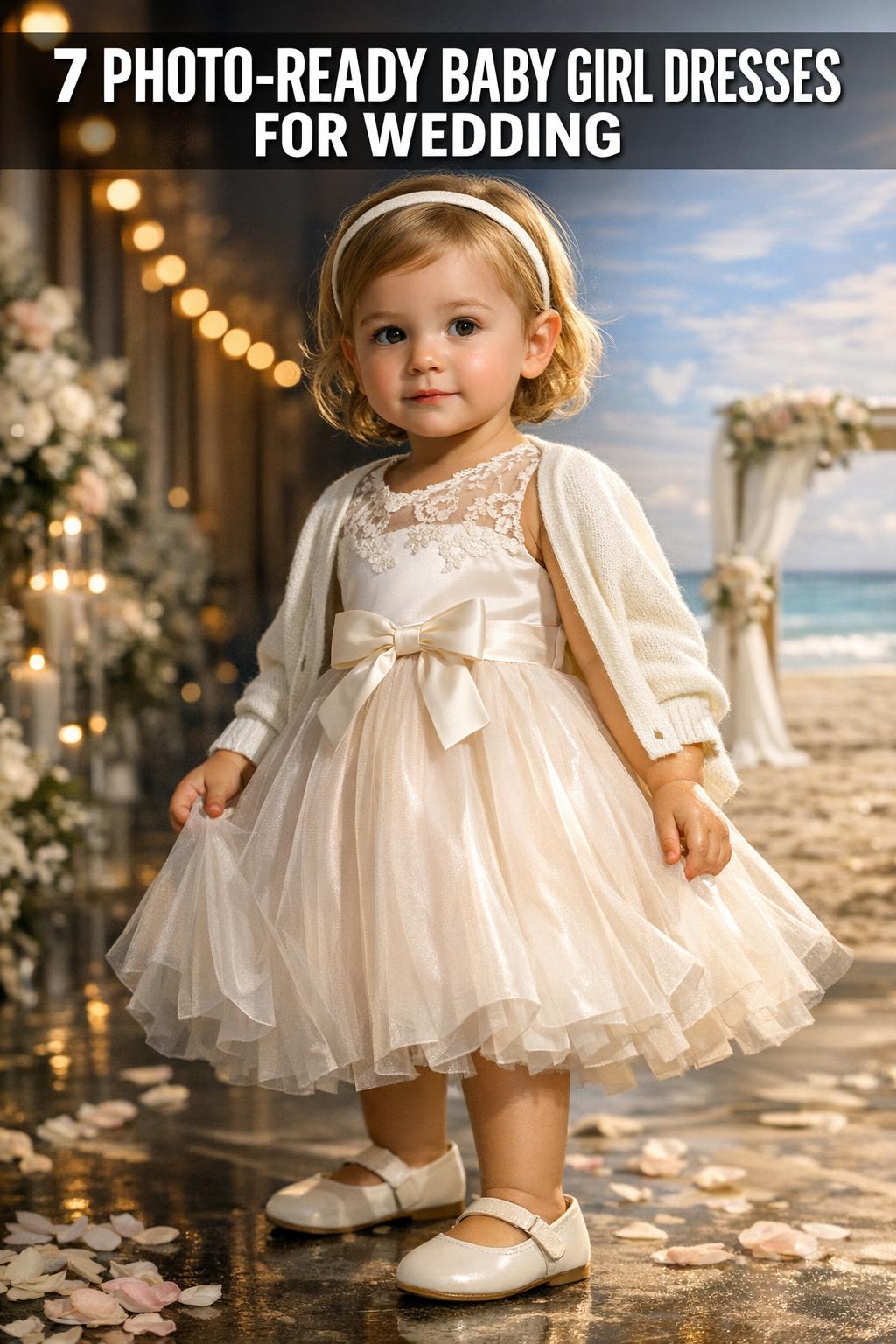
Fabrics, Comfort, and Safety for Little Dress Wearers
A wedding outfit should feel secure and gentle for the child wearing it. Comfort and safety are not “nice extras”—they’re what make the outfit wearable beyond the first five minutes. The most successful baby wedding outfits combine pretty materials with thoughtful construction: smooth linings, flexible fits, and embellishments that won’t scratch.
Breathable linings and non-irritating trims
Lace and tulle are common in flower girl dresses, but what matters most for comfort is what touches the skin. Look for breathable linings and trims that feel soft and smooth. If a dress feels itchy to your hand, it’s likely to bother a baby or toddler even more during a long ceremony and reception.
Tip: If you’re shopping online, prioritize listings that clearly mention lining and comfort cues. If you can shop in person, do a quick “inside check” by feeling seams, waistbands, and armholes.
Safe embellishments: secure bows and gentle detailing
Occasion dresses often include decorative elements such as bows and embellishments. For little ones, the best designs are those where details are secure and smooth, without sharp-feeling edges. A simpler dress with well-attached accents is often a better wedding-day choice than a heavily embellished look that risks discomfort.
Easy-care cleaning and durability
Weddings are joyful, but messy: snacks, drinks, and travel can take a toll on delicate outfits. Many top wedding collections emphasize materials and construction that hold up to wear. Before the event, think through whether you’ll need quick spot care, and whether you can confidently clean the outfit after the wedding.
Tip: Build a buffer into your outfit plan. If possible, have the dress arrive early enough that you can check fit and condition, and handle any quick care needs without last-minute stress.
Sizing, Measurements, and Fit Guide
Fit issues are one of the most common pain points when shopping for baby girl wedding dresses, flower girl gowns, and toddler wedding dress options online. Brands may size differently, and dresses often fit differently than everyday clothes. A simple measurement routine and a plan for ordering early can make the process far easier.
Step-by-step measurement checklist
When you’re comparing dresses across retailers, use consistent measurements so you’re not guessing. Focus on the proportions that most affect comfort and drape. Even if a listing doesn’t provide every measurement, having your child’s baseline numbers helps you interpret what you’re seeing.
- Chest
- Torso length
- Shoulder width
Tip: Measure when your child is calm and standing (or lying comfortably for a baby). Keep the measuring tape snug but not tight, and write the numbers down so you can compare across multiple size charts quickly.
How to interpret size charts across brands
Because many wedding collections are sold across different retailers—ranging from everyday children’s stores to luxury boutiques—you’ll see variation in how sizes are labeled and how dresses are cut. Some lines prioritize room for movement, while others aim for a more tailored, couture-like fit.
When a brand provides a chart, use it as the primary reference point rather than relying only on the child’s age. For dresses with structured bodices or fuller skirts, pay extra attention to chest and torso length so the dress sits comfortably where it should.
When to order early and consider alterations
Wedding outfits are often purchased for a specific date, and kids can grow quickly—so timing matters. Ordering early gives you time to compare fit, exchange if needed, and decide whether small alterations would help. Even when you don’t plan on tailoring, early shopping reduces the risk of being forced into a second-choice option due to limited availability.
Tip: If you’re choosing between two sizes and the wedding is still a ways out, consider how quickly your child is growing and whether layering (like a cardigan) is likely. Aim for a fit that stays comfortable even if the day runs long.
Styling, Accessories, and Coordination
Accessories can elevate a simple baby girl dress into a wedding-ready outfit and help a more formal dress feel more comfortable and practical. The goal is coordinated, not cluttered: a few well-chosen items that support the dress, suit the weather, and keep your child comfortable.
Headbands, shoes, and cardigans that pair well
Many wedding outfit collections include coordinating accessories such as headbands, and it’s common to style occasion dresses with simple shoes and an extra layer for changing temperatures. When you’re choosing accessories, prioritize secure-but-gentle pieces that won’t distract or irritate during the ceremony.
- A soft headband or hair accessory that stays put comfortably
- Simple shoes that won’t pinch and can handle walking or being carried
- A light cardigan for warmth and a more polished layered look
Tip: If the dress includes standout details (like lace or tulle volume), keep accessories minimal. If the dress is simple satin or a clean A-line, accessories can add personality while staying wedding-appropriate.
Coordinating sibling outfits (brothers and sisters)
Coordinating siblings can be one of the hardest parts of wedding styling, and it’s often under-planned until the last minute. Instead of aiming for identical looks, focus on coordination through color, fabric “feel,” or overall formality. A baby flower girl gown can be coordinated with a sister’s dress by matching the palette (ivory, blush, pastels) or echoing a fabric note like lace.
Tip: Choose one “anchor” element—like color tone or fabric family (lace/satin/tulle)—and build the sibling looks around it. This makes the photos cohesive without forcing every outfit into the exact same style.
Practical packing tips for wedding day logistics
Wedding days can involve travel, outfit changes, and long stretches away from home. Packing with intention helps the outfit look better and reduces stress when something unexpected happens. Think of the outfit as a mini system: dress, underlayers (if needed), accessories, and backup essentials.
- Pack the dress to reduce wrinkling and keep accessories together
- Bring an easy backup outfit for the ride or downtime
- Keep small care items on hand for quick fixes
Tip: If you’re traveling to the venue, consider bringing the wedding outfit as a “change-into” look rather than wearing it for hours beforehand—especially for babies and toddlers.
Budget Ranges and Brand-Agnostic Picks
“Baby girl dresses for wedding” can be found across a wide range of price points, from budget-friendly occasion dresses to luxury flower girl gowns with premium finishes. The best approach is to set your budget early, then prioritize what matters most: comfort, return flexibility, and the specific look you need for the event.
Affordable, mid-range, and luxury: what typically changes
Across price tiers, you’ll often see consistent wedding themes—lace, satin, tulle, classic silhouettes—but the differences tend to show up in material feel, finishing, and the overall “couture” effect. Some retailers position their collections as everyday-accessible occasionwear, while boutique shops may emphasize luxury craftsmanship and premium materials.
- Affordable (under $50): Great for simple occasion dresses and practical wedding outfits, especially when you want flexibility and value.
- Mid-range ($50–$150): Often a sweet spot for special details, better linings, and more structured flower girl dress options.
- Luxury (over $150): Typically focused on elevated finishing, premium feel, and a designer or couture-like look.
Quick picks by category (without locking into one store)
If you want to keep your options open, decide first what category best matches your child and the wedding: a classic flower girl dress, a soft baby wedding dress, a romper alternative, or a traditional smocked/lace outfit. Then compare similar looks across multiple retailers using consistent filters like size range, color, fabric, and silhouette.
Tip: When two dresses look similar in photos, let practical factors break the tie: comfort cues (linings), easy-care expectations, and whether the retailer offers straightforward returns or exchanges.
Where to Buy: A Brand-Agnostic Shopping Guide
The most common shopping experience for wedding outfits is browsing collection pages that group “girls wedding dresses,” “wedding & flower girl dresses,” “baby girl wedding outfits,” or general “baby girl dresses” that include wedding-appropriate styles. You’ll typically find filters (or at least clear product labeling) that help you narrow down by size and style.
Quick filters to use: age, color, silhouette, and fabric
Start broad, then refine quickly. Wedding collections often include many similar-looking options, and filters keep the process manageable—especially when you’re shopping for a specific palette like ivory or blush, or you know you want lace or tulle.
- Age range (baby, toddler, older girls)
- Color family (white/ivory/pastels)
- Silhouette (A-line, ball gown, empire waist)
- Fabric focus (lace, satin, tulle)
How to compare similar styles across retailers
Retailers often show dresses in a consistent “collection tile” format with key details, then offer more information on the product page. When comparing, aim to evaluate like-for-like. If you’re comparing a lace flower girl dress to another lace option, check whether both are lined, whether the skirt has multiple layers (common with tulle), and whether the fit seems structured or flexible.
Tip: Save your top contenders and compare them side by side using the same checklist: comfort, fabric, closure ease, color accuracy, and fit confidence based on size guidance.
Returns, exchanges, and sizing guarantees
Return flexibility matters more for kids’ wedding outfits than many people expect, because growth and brand sizing variation can create surprises. Before you commit, confirm you’re comfortable with the store’s approach to returns or exchanges, especially if you’re ordering multiple sizes to compare at home.
Tip: If the wedding date is close, prioritize retailers with clear shipping expectations and straightforward exchanges. This is one of the simplest ways to reduce last-minute outfit stress.
Expert Picks and Editorial-Style Roundups: Building “Dream Looks” by Age and Wedding Style
One reason editorial wedding outfit guides are helpful is that they normalize multiple correct answers: a baby can wear a dress or a romper, and a toddler can look wedding-ready without wearing an overly stiff gown. Use the ideas below as starting points to create a look that suits your child and the wedding setting.
Baby (0–12 months): soft, secure, and photo-ready
For babies, comfort and easy changes should guide every decision. Consider a soft baby wedding dress with gentle lining, or a romper-based baby wedding outfit with dressy lace or satin details. The best “infant wedding dress” look is one that stays comfortable in arms, in a stroller, and during quick changes.
- Choose soft linings under lace and tulle.
- Keep accessories minimal and secure (like a comfortable headband).
- Plan for temperature changes with a cardigan layer.
Toddler (1–3 years): movement-friendly flower girl looks
Toddlers need freedom to move, and they’re often most sensitive to scratchy textures. A toddler wedding dress that’s A-line or empire waist can offer a wedding-ready appearance without restricting movement. If the wedding is long, prioritize easy on/off features and consider whether the dress will stay comfortable through meals and activity.
Tip: If a dress has tulle volume, check how it feels when your child sits. The right construction will still allow comfort during quiet moments.
Girls (4–12 years): classic flower girl gowns and modern options
For older girls, you have the widest range of formal options: ball gown silhouettes, lace flower girl dresses, satin-and-tulle combinations, and more modern “occasion” shapes. This age group often participates more actively in the ceremony, so you’ll want a balance of polish and mobility—especially if walking down the aisle is part of the role.
Tip: Let the wedding role guide the formality. If your child is the flower girl, a traditional flower girl gown can be a great fit. If she’s attending as a guest, a slightly simpler occasion dress can look equally appropriate.
Practical Checklist for Parents (Printable-Friendly)
A wedding-day plan for your child’s outfit should cover more than the dress itself. Use this checklist to reduce surprises, especially if you’re traveling or juggling multiple kids.
- Confirm the outfit (dress or baby wedding outfit set) and try it on ahead of time
- Confirm shoes and accessories; check comfort for at least a few minutes at home
- Pack a cardigan or layer for temperature changes
- Bring a backup outfit for travel or downtime
- Pack quick-care essentials for small messes
- Keep sizing and order info handy in case an exchange is needed
Tip: If you can, do a complete “head-to-toe” practice run before the wedding day—including shoes and accessories. It’s the fastest way to catch comfort issues early.
FAQ
Do babies need a wedding dress, or is a romper acceptable?
A romper can be completely acceptable as a baby wedding outfit, especially for infants and younger toddlers who need comfort and easy changes; choosing elevated details like lace or satin helps the look feel wedding-ready even without a traditional dress silhouette.
How early should I shop for baby girl dresses for wedding events?
Shop early enough to compare sizing, allow time for shipping, and handle exchanges if the fit isn’t right; early shopping is especially helpful because kids’ sizing varies across brands and children can grow quickly.
What dress styles are most reliable for comfort at a wedding?
A-line and empire waist dresses are often reliable because they allow movement and sitting more easily, while still looking formal; for babies, softer dresses or romper-based outfits can be more wearable for long ceremonies and receptions.
Which fabrics are most common for wedding-ready baby and flower girl dresses?
Lace, satin, tulle, and organza-style overlays are commonly used in wedding and flower girl dresses, with comfort often depending on details like soft linings and non-irritating trims where the fabric touches the skin.
How do I choose the right size across different retailers?
Use your child’s measurements (such as chest, torso length, and shoulder width) and compare them to each brand’s size chart when available, since age-based sizing and fit can vary widely across dress collections and silhouettes.
What colors are safest if I don’t know the wedding palette?
Ivory, blush, and soft pastels are commonly used for wedding and flower girl looks and tend to coordinate well with many wedding aesthetics, making them a practical starting point when you don’t have exact color direction.
How can I coordinate siblings without making outfits identical?
Coordinate by choosing one shared element—such as a color tone (ivory or pastel) or a fabric feel (like lace or satin)—and letting each child wear an age-appropriate style within that theme for a cohesive look that still feels comfortable and natural.
What should I prioritize when choosing accessories for a wedding outfit?
Prioritize comfort and security first—such as a gentle headband, simple shoes, and a cardigan for layering—then keep the overall look balanced by letting the dress remain the focus, especially if it has lace or tulle details.
What’s the smartest way to compare similar flower girl dresses online?
Compare dresses using the same checklist—fabric (lace/satin/tulle), lining and comfort cues, silhouette (A-line/ball gown/empire), closure ease, and return or exchange flexibility—so you’re choosing based on real wearability, not just photos.