Modern wedding dresses ball gown: structure, shine, and ease
Wedding dresses ball gown: a modern guide to the most iconic silhouette
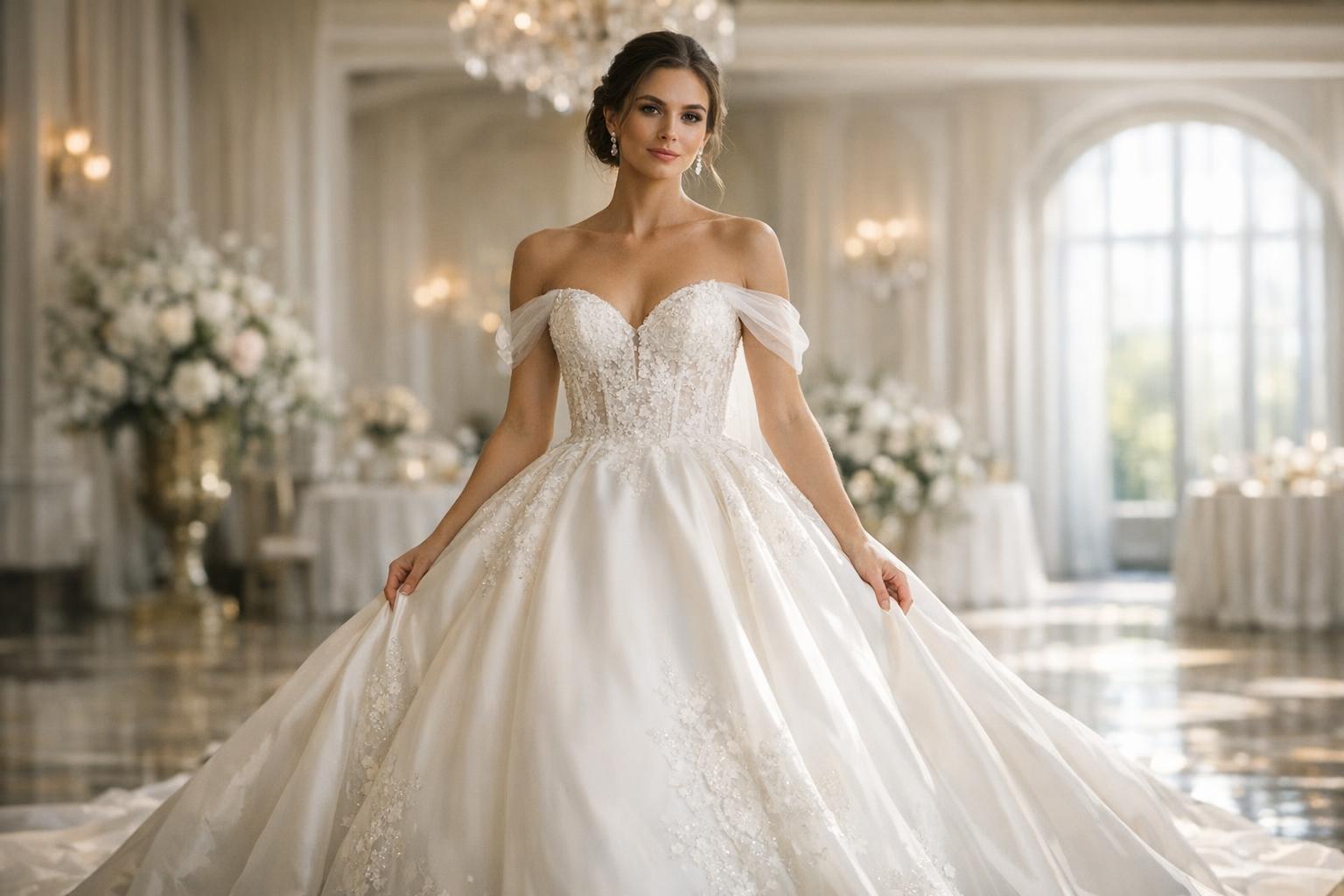
The moment a bride steps into a true ball gown, the room tends to go quiet for a second—partly because the skirt is dramatic, but mostly because the silhouette changes posture, movement, and presence instantly. Wedding dresses ball gown styles sit at the intersection of structure and fantasy: a fitted bodice anchored by internal support (often a hoop or crinoline) and a full skirt that reads timeless in photos from every angle.
In the U.S. market, ball gown wedding dresses are also one of the easiest silhouettes to shop online because brands and retailers organize them clearly by style, then refine by fabric, embellishment, and sleeve options. You’ll see this approach across collections from David’s Bridal, Allure Bridals, Petalisse, Avery Austin, RosyMae, Love Angel Dress, 27dress, and SELINADRESS, as well as designer galleries like Lea-Ann Belter. The challenge isn’t finding ball gowns—it’s finding the right kind of ball gown for your venue, comfort level, and personal style.
This editorial breaks down what actually defines a ball gown, how fabrics and details change the look, and how to make practical decisions about sleeves, necklines, train length, alterations, and accessories—so your “royal” moment still feels like you.
What “ball gown” really means (and what it doesn’t)
A ball gown wedding dress is defined by contrast: a structured, fitted bodice and a full skirt with significant volume. That volume is usually created with layers and internal structure such as a crinoline or hoop, which gives the skirt lift and shape rather than letting it collapse against the legs. The result is a silhouette that reads formal, traditional, and undeniably bridal.
Your wedding look is only the beginning.
Keep your guest list, vendors, timeline, and every important detail together with Zarellea — so your day feels as considered as your style.
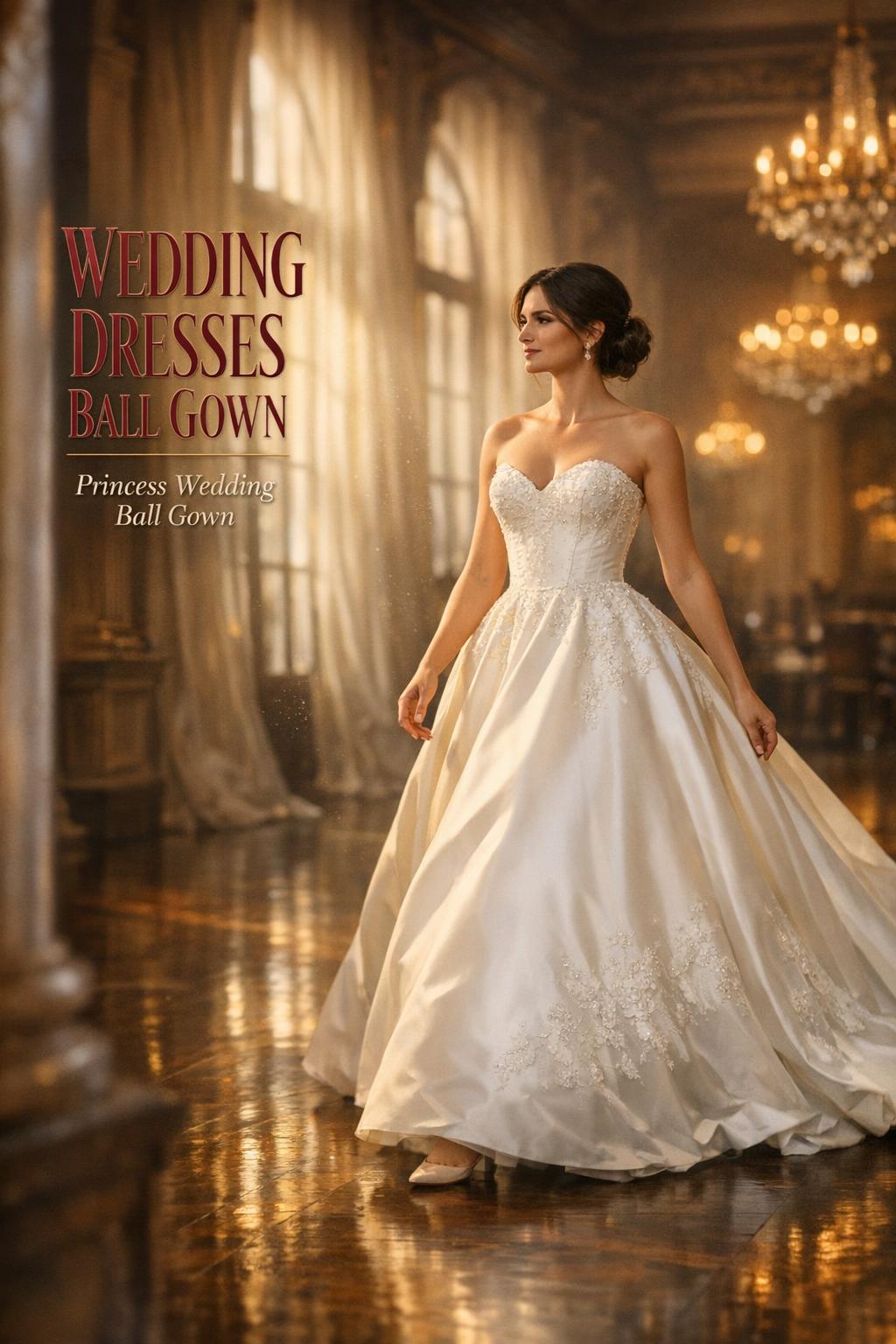
It’s easy to confuse “ball gown” with “princess” language, and you’ll see overlapping terms like princess wedding ball gown and full-skirt wedding dress. Those descriptions are often pointing to the same visual effect: the fitted top plus a skirt that starts at the waist and blooms out. What separates ball gown from adjacent silhouettes is the level of volume and the degree of structure; the skirt is not just wider, it’s engineered to hold a rounded shape.
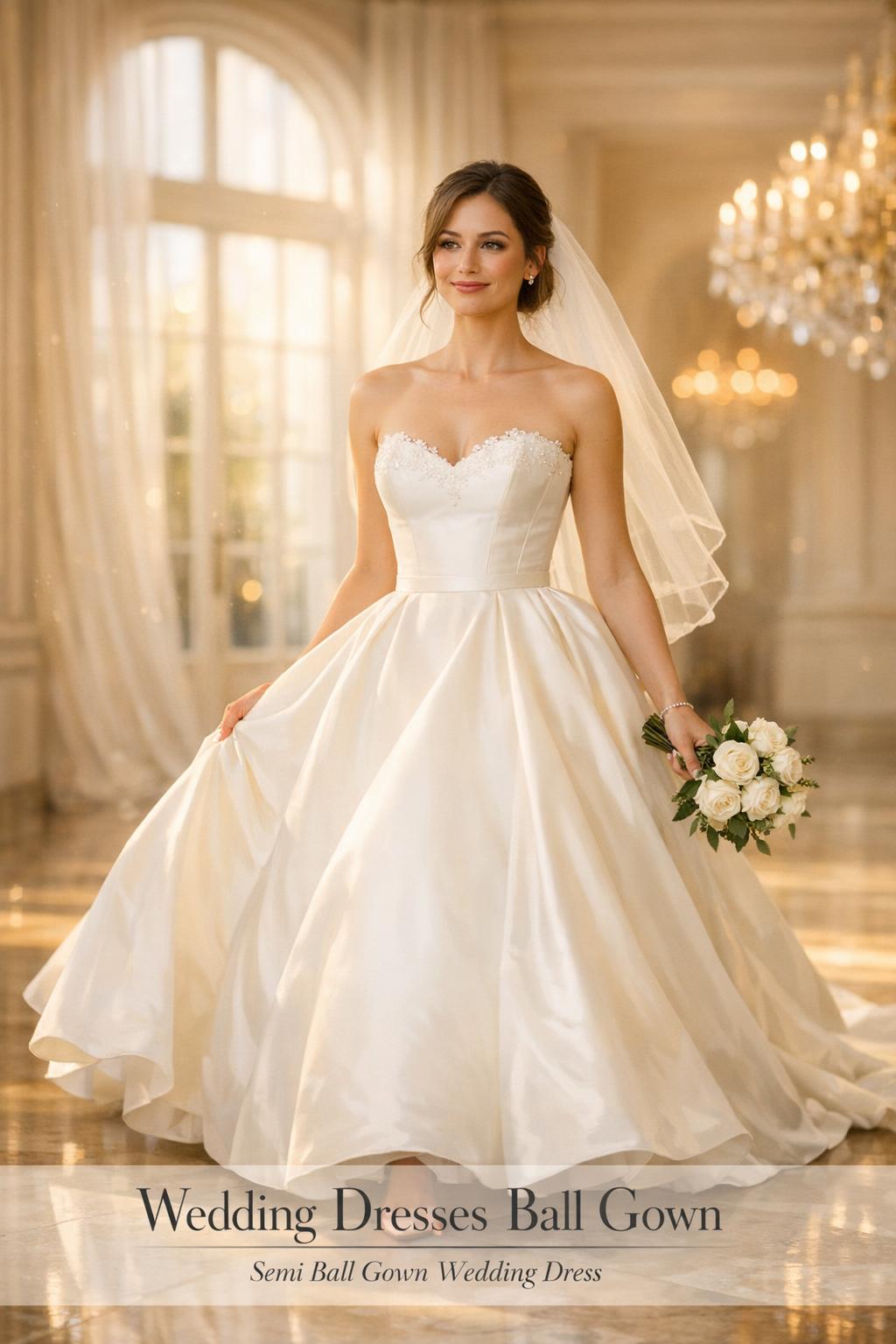
The semi ball gown wedding dress: when you want volume without maximum drama
If you love the romance of a full skirt but worry about navigating aisles, cars, or crowded dance floors, a semi ball gown wedding dress can feel like the sweet spot. Think of it as the ball gown’s more flexible sibling: still fitted through the bodice, still clearly full-skirted, but with less extreme volume. In real life, that often translates to easier movement, fewer “wide turns,” and a silhouette that can feel slightly more contemporary while still photographing as classic.
Fabric is the hidden architect: tulle, satin, and mikado in ball gowns
In ball gowns, fabric choice doesn’t just change the vibe—it changes how the dress behaves. The same skirt pattern in different materials can look airy and cloud-like or sculptural and glossy. Across ball gown collections, you’ll see recurring fabric language and cues: tulle for lightness, satin for sheen, and mikado (including references like New Magnolia Mikado) for body and clean structure.
Tulle ball gowns: light, romantic, and movement-forward
Tulle is a common go-to for brides who want maximum skirt volume without maximum weight. Because tulle holds air and layers beautifully, it supports the classic full shape while still moving easily—especially when you’re walking quickly between photo locations or turning on the dance floor. When paired with lace appliqués or beading, tulle also creates dimension: embellishments can appear to “float” over the skirt rather than sitting flat.
Satin and duchess satin: glossy, formal, and unmistakably ball-gown
Satin is the fabric that leans most into that formal, ballroom-ready attitude. It tends to read more minimal and architectural, even before you add any lace or beading. Duchess satin, often referenced in ball gown conversations, reinforces that structured look by holding shape well—ideal for brides who want a crisp skirt line and a refined finish in photos. The trade-off is that structured satins can feel more “present” on the body; you’ll want to pay attention to comfort at the waist and how the skirt volume moves through doorways and seating.
Mikado (including satin mikado): clean structure with couture energy
Mikado, including satin mikado, is often associated with designer-level polish because it creates a smooth, sculpted silhouette. On a ball gown, mikado can make the dress look intentionally built—like the skirt is designed to stand on its own. In designer contexts like Lea-Ann Belter, you’ll see mikado referenced as part of a couture-leaning story, where the construction and shape are as much the statement as any sparkle or lace.
Embellishments that change the personality: lace, appliqués, beading, sequins, rhinestones
Once the fabric sets the foundation, embellishments decide whether the gown feels romantic, glamorous, or ornate. Across U.S. ball gown collections, the most repeated details are lace, beading, appliqués, sequins, and rhinestones. These are more than decoration: each one affects how light hits the dress and where the eye travels across the silhouette.
Lace tends to read timeless and bridal, especially when it’s placed to contour the bodice and soften transitions into the skirt. Appliqués can feel more dimensional than lace alone—particularly on tulle—because they sit on top of the fabric surface. Beading and sequins introduce shine that photographs strongly under venue lighting, while rhinestones are a direct route to high-glam sparkle.
Strapless ball gown wedding dress sparkle: balancing shine with structure
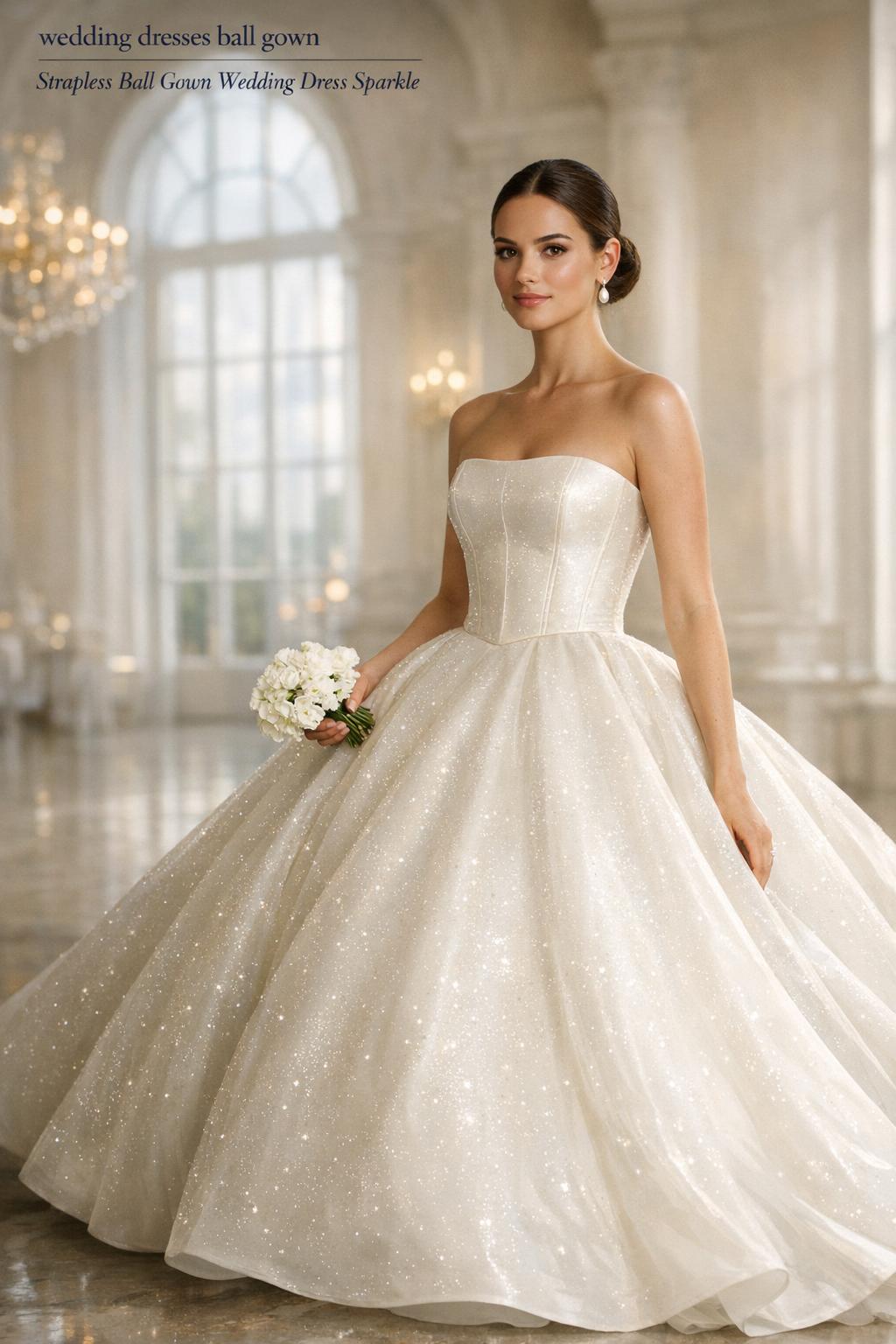
A strapless ball gown wedding dress sparkle moment can be breathtaking, but it asks for smart structure. Strapless necklines put all the security burden on the bodice, so dresses with rhinestones, beading, or heavy embellishment need support that keeps the top from shifting. In practice, the most comfortable strapless experience usually comes from a bodice that feels anchored and smooth—so the sparkle reads intentional, not fussy. If you’re drawn to glamour-forward retailers like Love Angel Dress or 27dress, pay close attention to how sparkle is distributed: concentrated on the bodice can emphasize the waist and torso, while scattered shine across the skirt amplifies the full silhouette.
Necklines and sleeves: the details that decide comfort and confidence
Ball gowns can handle almost any neckline because the skirt already supplies visual drama. That means the bodice is where you can fine-tune modesty, support, and how “bridal” versus “fashion” the look feels. Across many collections, popular choices include strapless, sweetheart, illusion, and off-shoulder—paired with sleeve variations like long sleeve illusion and other sheer treatments.
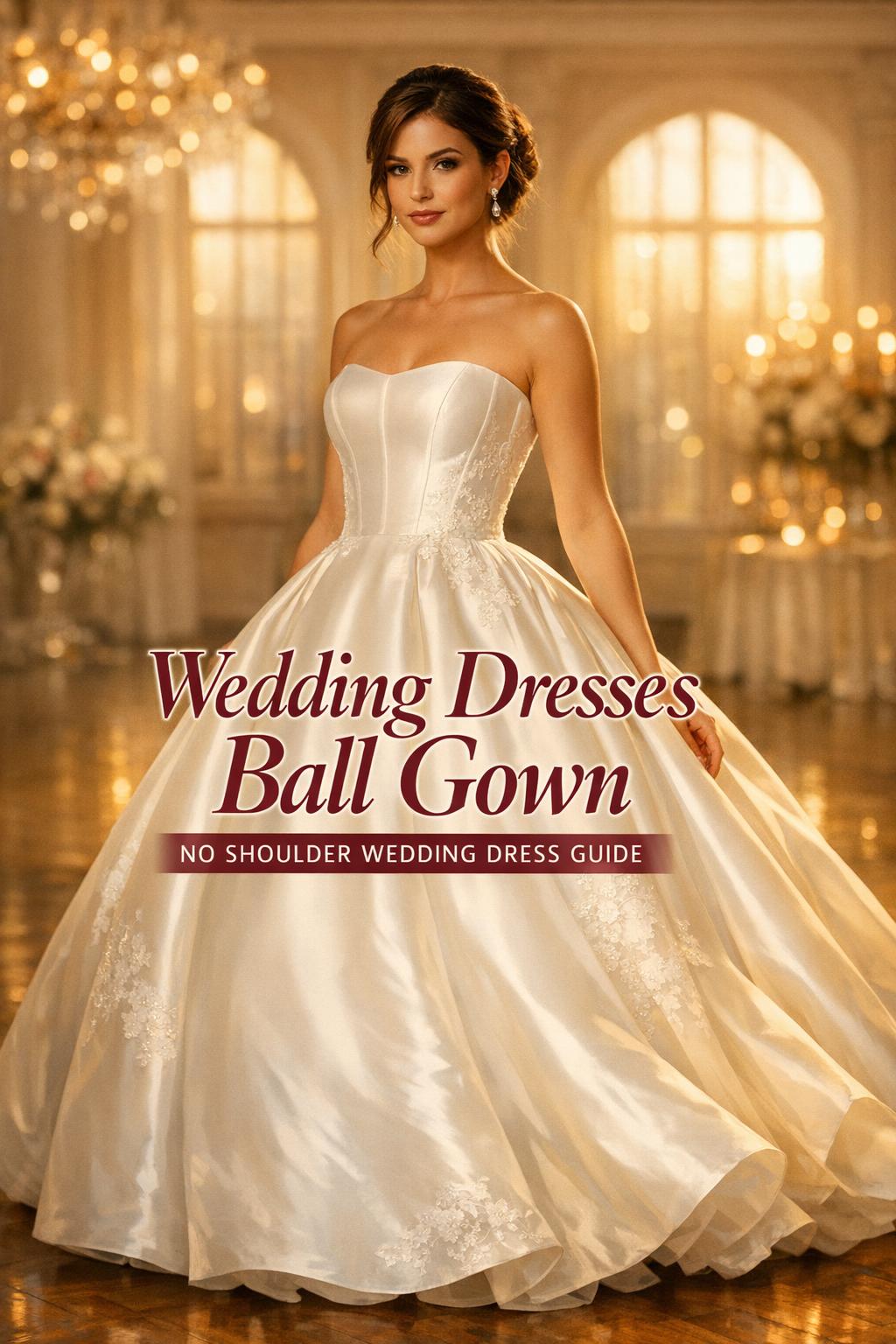
Off-shoulder and “no shoulder wedding dress” styling considerations
Brides searching for a no shoulder wedding dress often mean an off-shoulder neckline that highlights collarbones while still feeling secure. On a ball gown, off-shoulder lines can visually widen the shoulders slightly, which can create a pleasing balance against a very full skirt. The real-life trade-off is range of motion: if you plan to lift your arms often (greeting guests, dancing, hugging), an off-shoulder sleeve can sometimes feel restrictive. This is where it helps to test movement in the fitting room—raise your arms, sit down, and mimic a hug—so you’re choosing based on your actual day, not just the mirror.
Illusion sleeves and illusion bodices: romance with a practical edge
Illusion details show up repeatedly in ball gown categories, including illusion sleeves and illusion bodices. The appeal is twofold: they can create a softer, romantic frame for the face and shoulders, and they can offer coverage without the heaviness of opaque fabric. Long sleeve illusion options are especially popular for brides who want a formal feel while keeping the look airy. One practical note: illusion fabrics can draw attention to fit through the upper body, so precise sizing and clean finishing matter—small tweaks in alterations can make the difference between “barely there” and “visibly tugging.”
An editor’s way to shop: matching ball gown energy to the brand and collection style
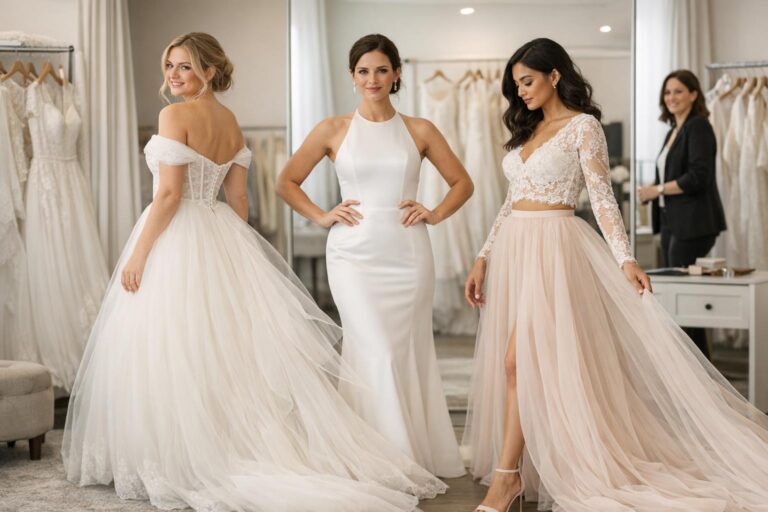
Ball gown shopping in the U.S. often starts with a brand’s category page, where you can compare dozens of looks quickly. But the most effective shopping approach is to identify what kind of ball gown story you want—affordable and accessible, ornate and embellished, or couture and sculpted—then use that as your filter before you ever fall in love with a photo.
Here’s how the major names commonly present ball gown options, so you can choose a starting point that aligns with your expectations.
- David’s Bridal: a large selection with visible variation in lace, illusion bodices, and train length, making it practical for comparison shopping and narrowing by features.
- Allure Bridals: ball-gown wedding dresses often presented with strong design variation in bodice styles and fabrics, with an emphasis on the silhouette’s full-skirt impact.
- SELINADRESS: positioned around luxury and haute couture language, ideal if you’re drawn to elevated, dramatic presentation and ornate bridal styling.
- Lea-Ann Belter: a designer-led, couture-leaning approach, with collection storytelling and fabric callouts like satin mikado and New Magnolia Mikado; it’s a different browsing experience than mass retail.
- Avery Austin: highlights salon-quality with accessibility and pricing emphasis, appealing to brides who want the ball gown look with a value-conscious lens.
- Petalisse: organizes ball gown options with filters like appliqués, illusion sleeves, and off-shoulder, which is helpful when you already know your preferred details.
- RosyMae, Love Angel Dress, 27dress: typically present ball gowns with detail-forward options like lace, sequins, rhinestones, and long sleeves, useful for brides who want a more embellished or glamorous direction.
A useful real-world strategy is to shop “top-down”: pick two brands that match your style identity (for example, Allure Bridals for variety and SELINADRESS for luxury cues), then pick one brand that matches your logistics (for example, David’s Bridal for breadth or Avery Austin for budget clarity). This way you’re not endlessly scrolling with no decision framework.
Venue reality check: where ball gowns look effortless (and where they need planning)
Ball gowns are famously versatile in photos, but in real life they interact with space. The most common regret isn’t about style—it’s about navigating the day. The fix is not avoiding a ball gown; it’s choosing the right volume level, sleeve setup, and train length for your venue’s physical reality.
Ballroom and formal indoor venues
Formal indoor venues are where ball gown wedding dresses feel the most “native.” Full skirts make sense against grand interiors and evening lighting, and embellishments like beading, sequins, or rhinestones show their depth as you move. If you’re considering a strapless ball gown wedding dress sparkle look, indoor lighting is where sparkle reads richest—just remember that comfort matters over a long timeline of ceremony, photos, dinner, and dancing.
Church ceremonies and traditional aisles
Church settings often pair naturally with ball gown formality, but aisle width and pew spacing can influence your ideal skirt volume. If the aisle is narrow or the seating is tight, a semi ball gown wedding dress can be a practical choice that still gives the regal outline without constant skirt management. Illusion sleeves or a long sleeve illusion bodice can also read especially appropriate in more traditional contexts.
Outdoor gardens and open-air settings
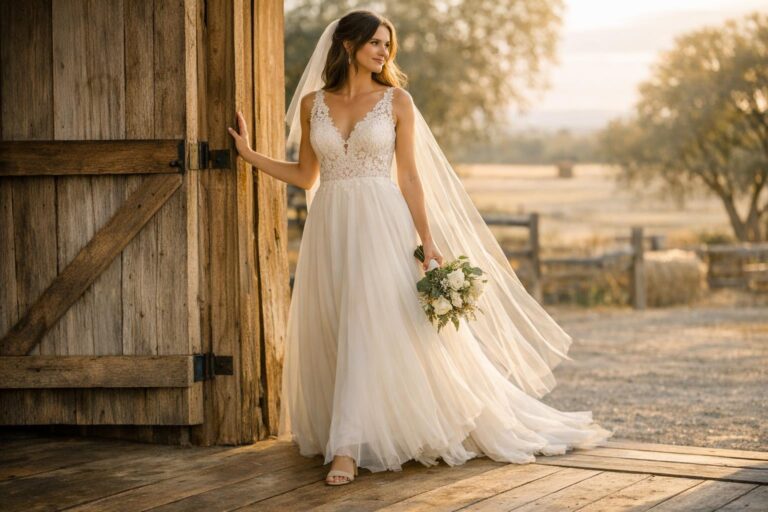
Outdoor settings can be stunning for ball gowns, particularly tulle-based skirts that feel light and romantic. The planning consideration is movement: walking on grass, stepping over uneven ground, and managing a longer train. Lace and appliqués often photograph beautifully outdoors because natural light highlights texture without requiring heavy sparkle. If you do want shine, beading can catch daylight subtly, while rhinestones may read more dramatically depending on the sun and shade.
Tips from real fittings: comfort, movement, and the “long day” factor
Ball gowns are a commitment, not because they’re difficult, but because they’re engineered. Brides tend to focus on the first mirror moment and forget that the dress has to perform for hours. The best fittings aren’t just about how the gown looks standing still—they’re about how it behaves in motion.
Tips: how to test a ball gown like you’re already at your wedding
- Sit down fully and adjust the skirt once, then notice whether it settles naturally or needs constant rearranging.
- Walk in a tight circle to see how the hem follows you; this matters in crowded reception spaces.
- Do an “aisle pace” walk with your hands positioned as if you’re holding a bouquet; it changes posture and reveals bodice stability.
- Raise your arms and mimic a hug to test off-shoulder and no shoulder wedding dress comfort, especially if sleeves are involved.
- Assess weight distribution: if the skirt feels heavy, ask whether the structure (crinoline or hoop) is doing enough work, or if the fabric choice is driving weight.
These tests might sound simple, but they catch most day-of issues early—before you’ve committed to a specific sleeve style or train length that looks perfect in a photo and frustrating in real life.
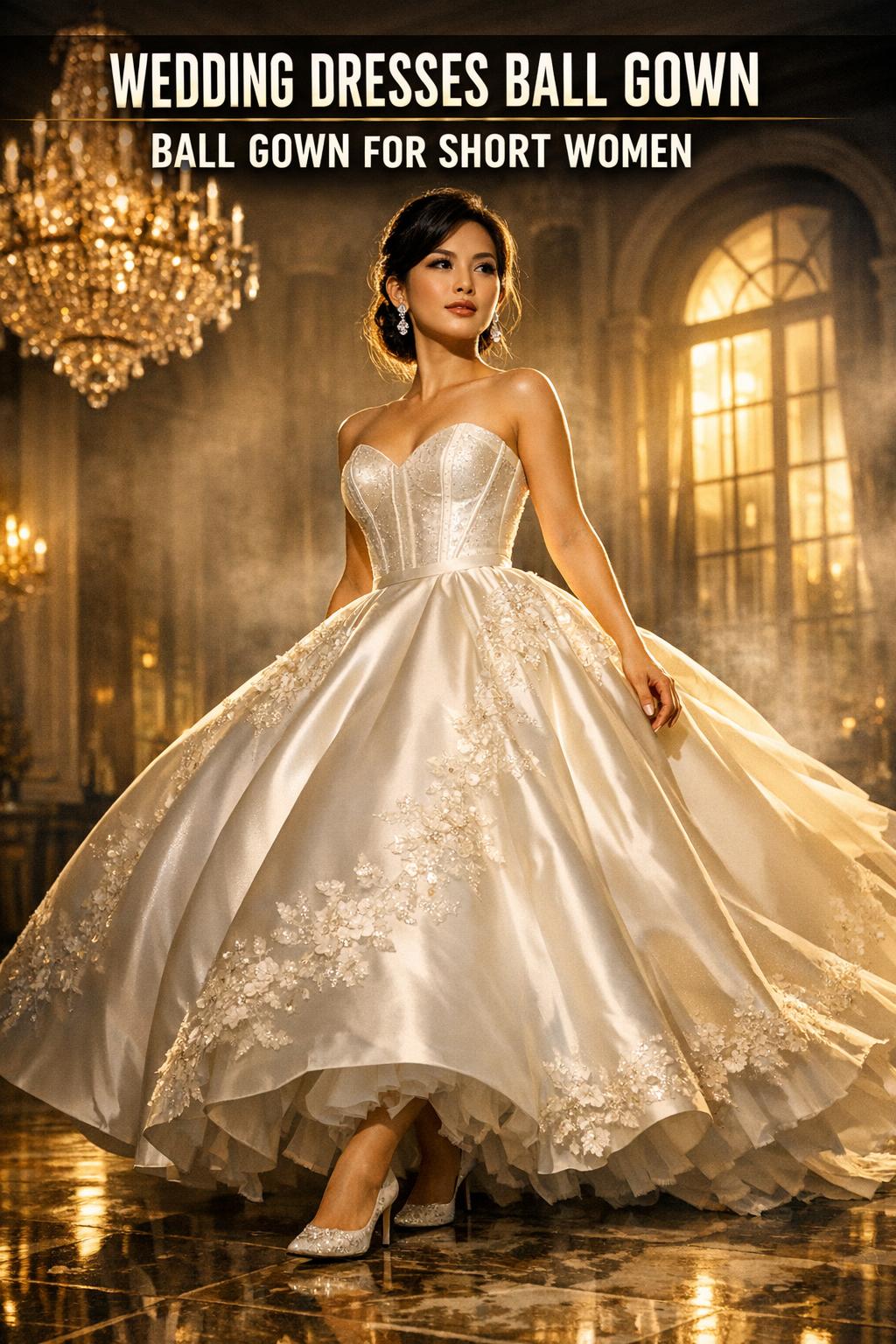
Ball gown for short women: making volume look intentional, not overwhelming
Searching for a ball gown for short women usually comes with one fear: that the skirt will “wear you” instead of the other way around. In practice, petite brides can wear ball gowns beautifully, but the styling logic matters. The goal is to keep the bodice visually clear and the waist placement precise, so the skirt reads like an extension of your shape rather than a separate object.
Structure is your friend here. A well-fitted bodice (including supportive strapless or a clean illusion bodice) creates a strong top line, and a skirt with controlled volume prevents the silhouette from becoming too wide too soon. Petite brides often find that a semi ball gown wedding dress delivers the “princess” feeling—think princess wedding ball gown energy—while staying proportionate in photos and easier to move in during a long reception.
Tips: petite-friendly ball gown decisions that show up in photos
Prioritize a bodice that feels anchored, consider off-shoulder or illusion elements only if they don’t visually shorten the torso, and pay attention to where lace or appliqués begin on the skirt. When embellishments start slightly below the waist and flow downward, the eye travels vertically, which helps balance the skirt’s width. If you’re drawn to sparkle, concentrating beading or rhinestones on the bodice can keep the focus upward—especially in a strapless ball gown wedding dress sparkle style.
The train conversation: drama, practicality, and how much you’ll actually want
Train length shows up as a meaningful differentiator in ball gown shopping because it changes both the ceremony look and the logistics. Many retailers display train length or provide enough imagery for you to infer it, and it’s worth treating this as a core decision, not an afterthought.
A longer train amplifies the formality of a ball gown and can look striking in aisle photos, but it also increases the need for planning once the reception begins. Even if you love a dramatic train, you’ll likely want a solution for movement later in the day.
Tips: plan your bustle conversation early
When you’re trying on gowns, ask how the skirt will be managed post-ceremony—this is where bustle options matter. The “right” bustle is the one that preserves the look of the skirt’s fullness while letting you move comfortably; ball gowns have enough volume that a poorly planned bustle can change the silhouette. If you’re shopping through a broad assortment like David’s Bridal, it can be helpful to shortlist by train length first, then refine by lace, illusion, or sleeve details.
Budgeting and alterations: what brides underestimate with ball gowns
Ball gowns can be surprisingly varied in price, in part because fabric quantity, structure, and embellishment level drive cost. Some brands lean into affordability and accessibility—Avery Austin, for example, emphasizes salon-quality with pricing clarity—while others position ball gowns in luxury and haute couture territory, as you’ll see with SELINADRESS. David’s Bridal’s breadth can also help you understand how lace, illusion bodices, and train length influence price across a wide category.
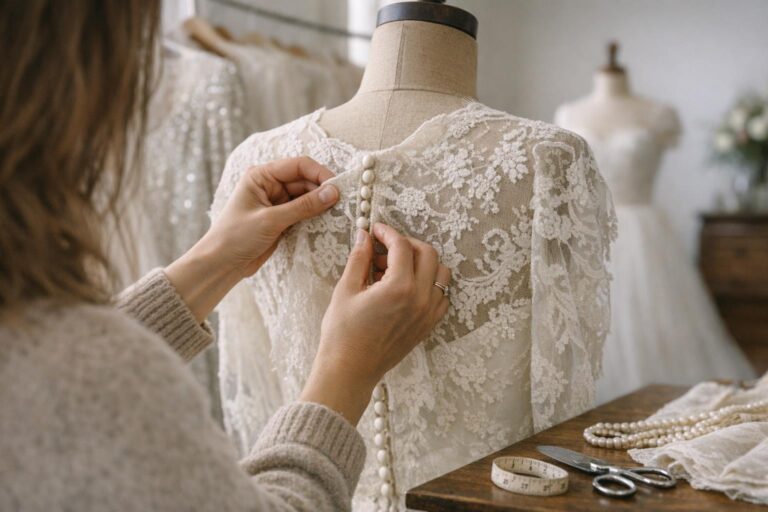
Alterations are where ball gown planning becomes practical. The more structured the skirt and bodice, the more important it is to get the fit right at the waist and through the top. Even small adjustments can change comfort dramatically, especially for strapless and off-shoulder looks.
Tips: a ball gown alterations mindset that prevents stress
- Start with bodice fit: if the bodice isn’t secure, no amount of skirt perfection will feel comfortable all day.
- Hem and structure go together: adjusting length on a full skirt can affect how the crinoline or hoop sits, which changes the skirt’s shape.
- Account for embellishments: lace, beading, appliqués, sequins, and rhinestones can complicate certain alterations, so factor that into your timeline.
- Rehearse movement after changes: once the dress is altered, repeat the sit/walk/hug tests before signing off.
The goal isn’t perfection in a fitting room; it’s confidence that you can breathe, sit, and dance without constantly thinking about the dress.
Accessory styling for ball gowns: veils, gloves, capes, and the “don’t compete with the skirt” rule
Ball gowns already deliver a complete silhouette, so accessories work best when they support a single clear idea: refined romance, regal drama, or glamorous sparkle. The common mistake is layering statement on statement until the look feels busy. Instead, let the dress lead, then choose accessories that either echo its detail level or intentionally simplify it.
If your gown is lace-forward or covered in appliqués, a simpler veil can keep the overall look cohesive. If you’re wearing a sleek satin or mikado ball gown—especially the sculpted styles associated with designer-level construction—a more dramatic accessory like a cape can add ceremony energy without adding surface texture that clashes. Gloves can lean into the royal mood of a princess wedding ball gown, while still feeling modern if the rest of the look is clean.
Tips: match accessory weight to gown weight
A lightweight tulle ball gown pairs naturally with airy accessories, while a heavier satin or duchess satin ball gown can handle bolder, more structured finishing touches. If you’re in a strapless ball gown wedding dress sparkle style, consider whether your jewelry needs to be quiet—sparkle on the bodice often replaces the need for a statement necklace. For illusion sleeves or long sleeve illusion styles, prioritize earrings or hair accessories so you’re not competing with the sleeve detail.
Common ball gown missteps (and how to avoid them)
Most ball gown regrets aren’t about picking the “wrong” dress; they come from underestimating how the gown behaves beyond the mirror. These are a few patterns that show up repeatedly when brides choose a silhouette as structured as a ball gown.
- Choosing volume without considering the venue: a grand skirt may feel perfect, but if your ceremony space is narrow, a semi ball gown wedding dress might give you the look with fewer obstacles.
- Falling for sleeves without testing movement: off-shoulder and no shoulder wedding dress styles can feel dreamy until you try hugging, lifting your arms, or dancing.
- Under-planning sparkle: rhinestones, sequins, and heavy beading can look stunning but may change comfort and weight distribution; balance the placement and confirm bodice support.
- Ignoring train management: train length affects how relaxed you feel at the reception; plan a bustle strategy early.
- Not aligning fabric with the “vibe”: tulle reads soft and romantic; satin and mikado read formal and sculpted—choose the one that matches your overall wedding tone.
A helpful mental check is this: if you can’t comfortably imagine wearing the dress for an entire evening—photos, dinner, and dancing—then it’s not the right ball gown for you, even if it’s beautiful on a hanger.
Shopping pathways in the U.S.: online categories, boutiques, and designer galleries
Ball gown shopping often starts online because silhouette categories are easy to browse quickly. Many brides use category pages as a research tool, then narrow down to a short list for try-ons. Retailers and brands like David’s Bridal, Allure Bridals, Petalisse, Avery Austin, RosyMae, Love Angel Dress, 27dress, and SELINADRESS make it straightforward to filter by details such as lace, beading, appliqués, sleeves (including illusion sleeves and long sleeve options), and neckline styles like off-shoulder.
Designer galleries, such as Lea-Ann Belter, add a different dimension: the storytelling often highlights couture sensibility, fabric choices like satin mikado and New Magnolia Mikado, and collection-specific design identity. If you’re choosing between a broad retailer and a designer-led option, the decision often comes down to whether you want maximum variety at once or a more curated, signature approach.
A practical way to shortlist before you try on
Create two shortlists: one based on silhouette behavior and one based on surface detail. For silhouette behavior, decide whether you want a full ball gown or a semi ball gown wedding dress, and whether you’re open to a hoop or crinoline structure. For surface detail, choose your top two: lace, appliqués, beading, sequins, or rhinestones. This method makes online browsing more decisive and makes in-person try-ons more productive, because you’re comparing meaningful differences rather than endlessly sampling random styles.
Bringing the “royal” look into the present: modern interpretations of the ball gown
The ball gown silhouette is often described as royalty-inspired bridal, but modern ball gowns don’t have to feel costume-like. Contemporary styling shows up in the choices: a cleaner bodice line in satin or mikado, a strategic use of illusion sleeves, or a controlled placement of sparkle rather than an all-over glitter effect.
If your style leans minimal, look for structure and fabric to do the work—especially satin, duchess satin, or mikado—then keep accessories restrained. If your style leans romantic, lace and appliqués can soften the full skirt and add movement in photos. If you want glamour, let a strapless ball gown wedding dress sparkle choice be the focal point and avoid competing textures elsewhere. Each approach is valid; the key is clarity.
FAQ
What defines a ball gown wedding dress silhouette?
A ball gown is defined by a fitted bodice and a full, structured skirt with significant volume, often supported by internal structure like a crinoline or hoop to hold the classic rounded shape.
Is a semi ball gown wedding dress still considered a ball gown?
A semi ball gown wedding dress keeps the fitted-bodice-plus-full-skirt concept but reduces overall volume, which can make it easier to move in while still delivering a formal, full-skirt look in photos.
What fabrics are common in ball gown wedding dresses?
Common ball gown fabrics include tulle for airy volume and movement, satin and duchess satin for a more formal, glossy, structured look, and mikado (including satin mikado and references like New Magnolia Mikado) for clean, sculpted shape.
How do I choose between lace, appliqués, beading, sequins, and rhinestones?
Lace and appliqués typically create romantic texture and dimension, while beading, sequins, and rhinestones add shine and glamour; the best choice depends on whether you want a softer, timeless finish or a more sparkle-forward statement.
Are illusion sleeves practical for a ball gown wedding dress?
Illusion sleeves and illusion bodices can be practical because they offer coverage with a lighter visual effect, but the fit must be precise since illusion details draw attention to the upper-body area and can feel uncomfortable if they tug.
What should I consider with a no shoulder wedding dress or off-shoulder ball gown?
Off-shoulder and no shoulder wedding dress styles can be flattering and balanced with a full skirt, but you should test real movement—raising your arms, hugging, and dancing—because these designs can reduce range of motion depending on construction.
Is a ball gown for short women a good idea?
A ball gown for short women can look stunning when the bodice fit is secure and the skirt volume is controlled; many petite brides prefer a semi ball gown wedding dress or carefully placed embellishments to keep proportions looking intentional.
How important is train length when buying a ball gown wedding dress?
Train length affects both the ceremony look and day-of logistics, since longer trains increase drama but require a clear plan for managing the skirt later, including discussing bustle options during fittings.
Where can I shop ball gown wedding dresses in the U.S.?
Many brides shop ball gown categories through widely known retailers and brands such as David’s Bridal, Allure Bridals, Petalisse, Avery Austin, RosyMae, Love Angel Dress, 27dress, and SELINADRESS, and also explore designer-focused collections like Lea-Ann Belter for a more curated, couture-leaning approach.