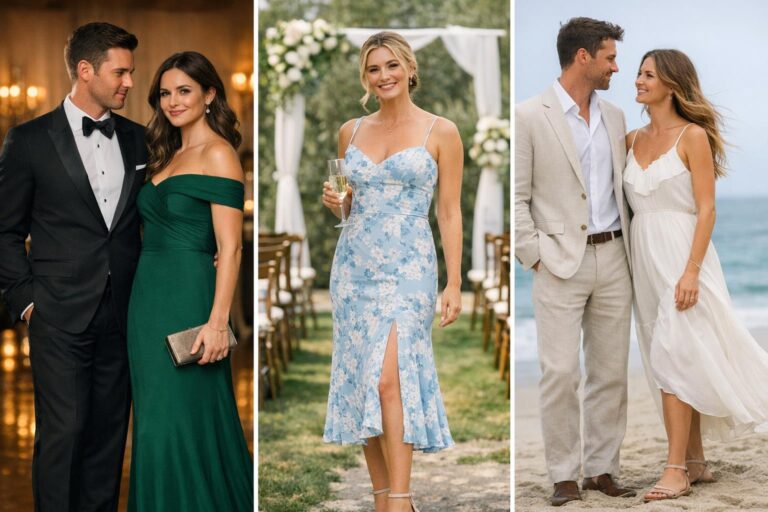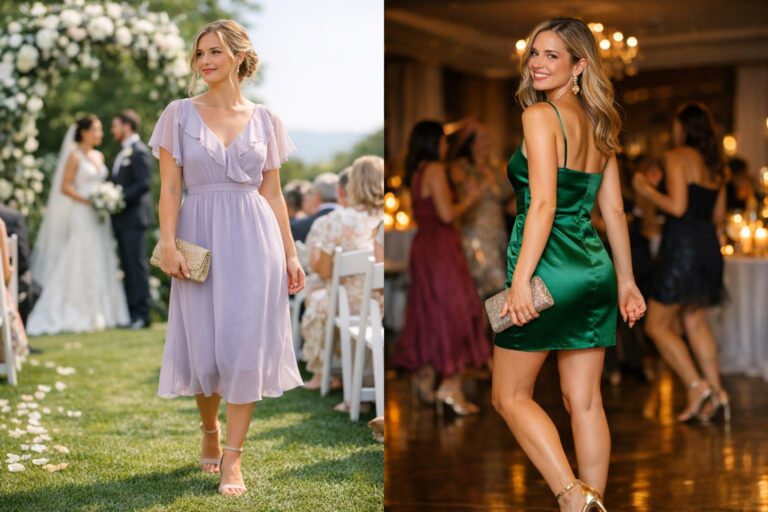
Soft-Structured Pastel Wedding Guest Dress for Every Venue
Pastel wedding guest dress: the soft-glow aesthetic that photographs like a dream
The morning of a wedding has its own light—bright windows, steam from an iron, the quiet hum of last-minute plans. In that kind of glow, a pastel wedding guest dress doesn’t just look “pretty”; it reads as intentional. Pastels bring a gentle color story that feels celebratory without competing with the wedding party, and they carry an unmistakable romantic ease from ceremony to reception.
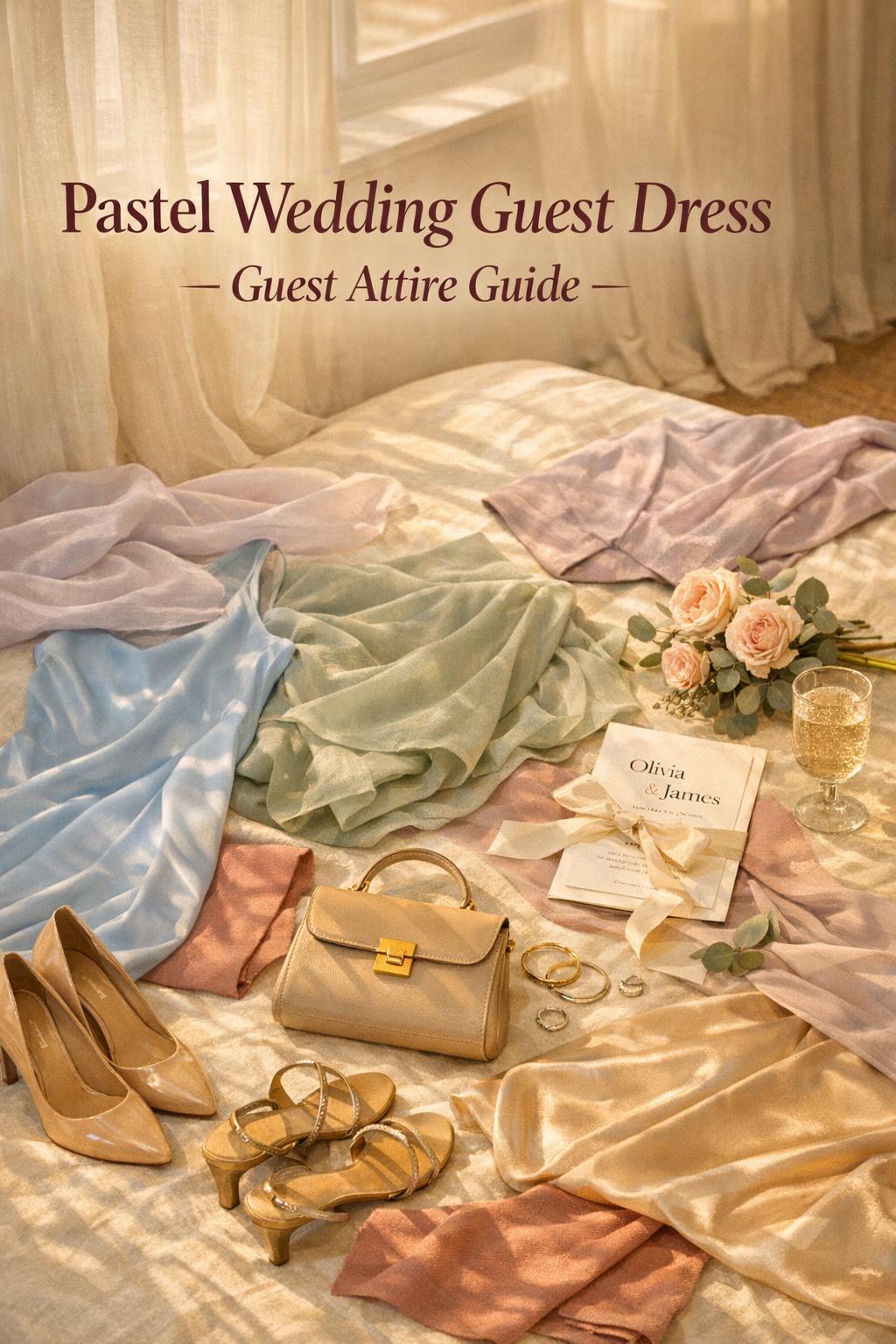
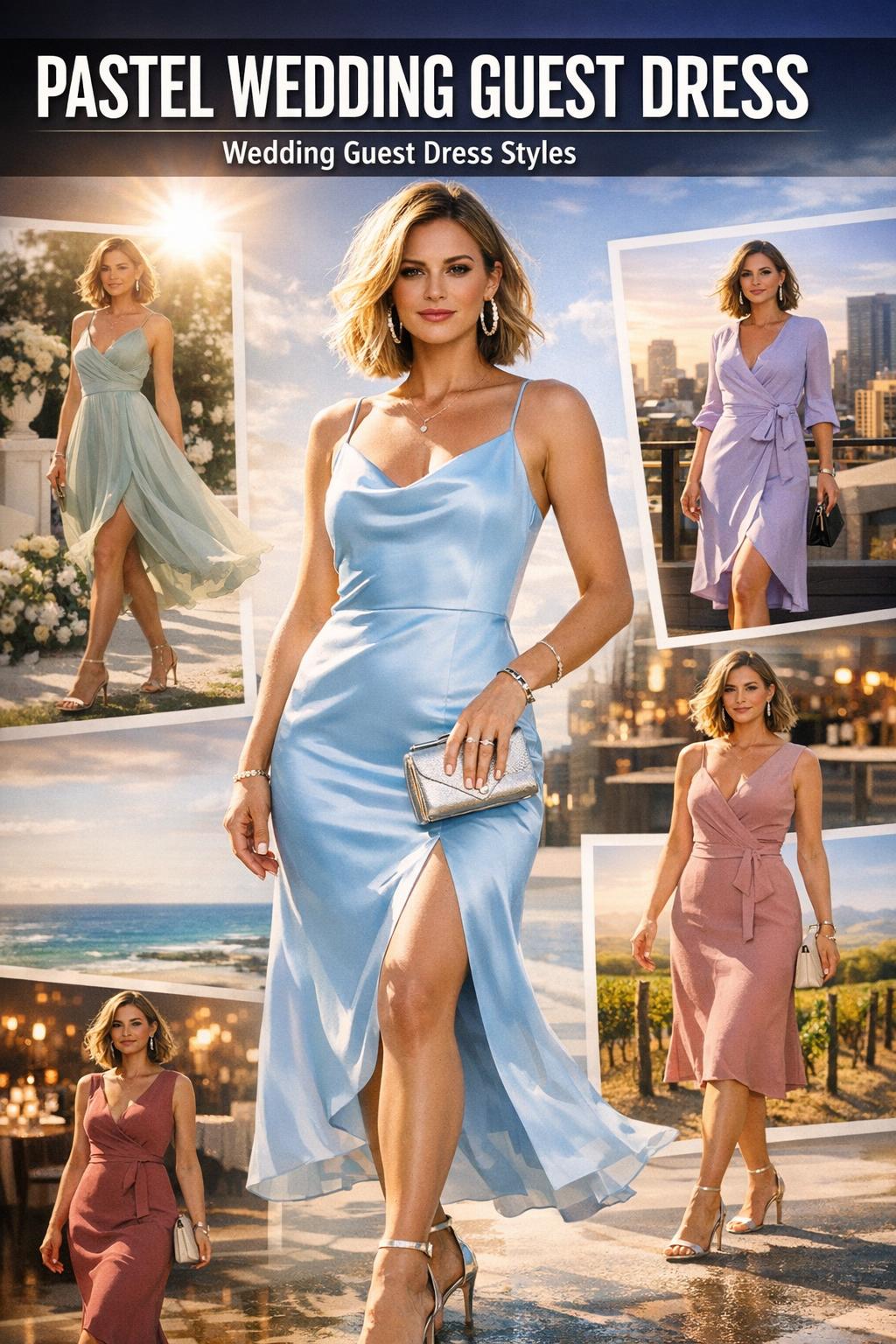
This aesthetic is defined by softness with structure: powdery blues, sage greens, lavender, blush pink, champagne, mint, dusty rose, and pale lilac—shades that feel airy but polished. Paired with the right silhouette and fabric, pastels can look modern and editorial rather than sweet, and they hold their own across venues like gardens, beaches, rooftop terraces, and ballrooms.
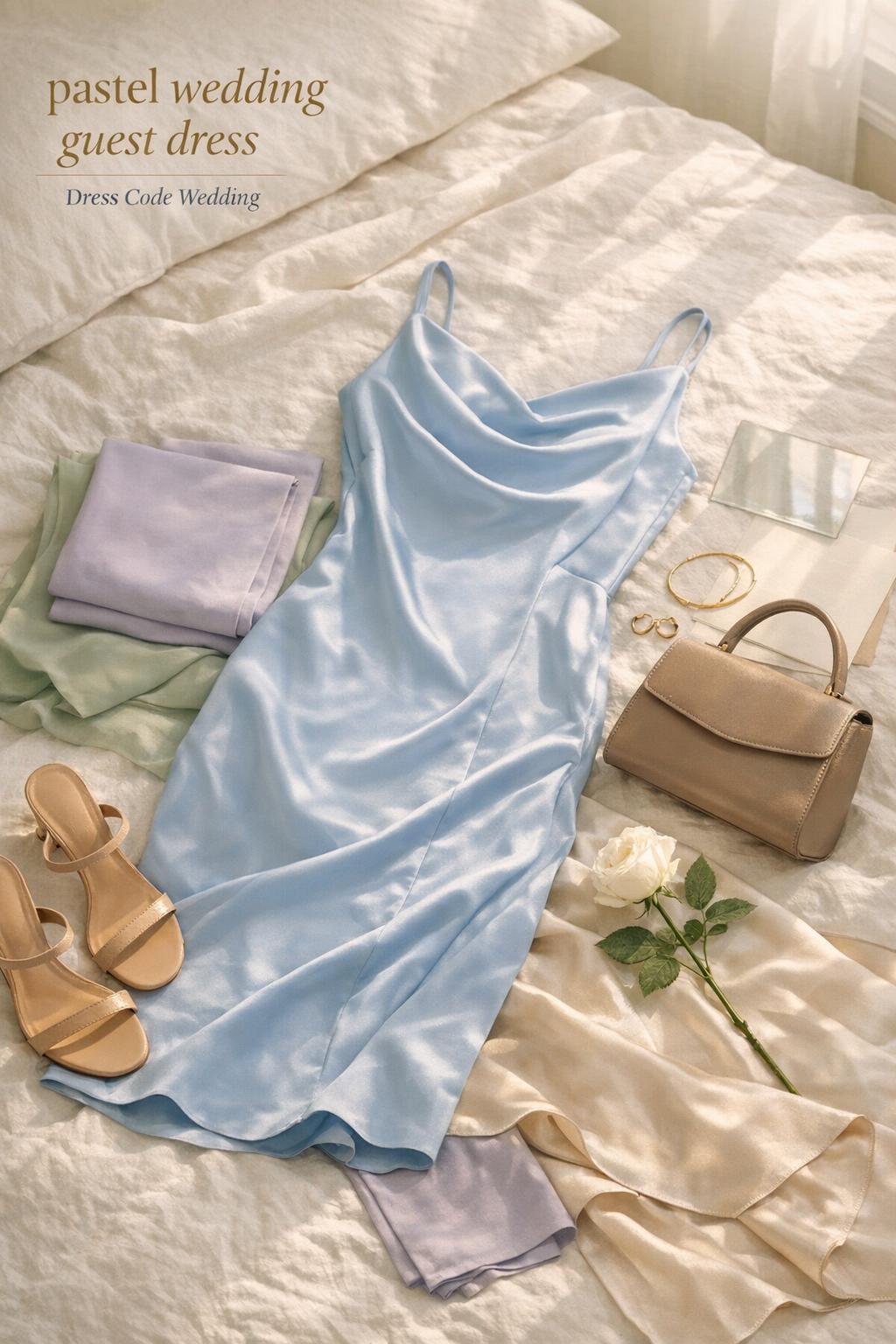
Pastels remain popular because they’re adaptable. They can be styled for a dress code wedding moment—semi-formal, cocktail, even more elevated settings—simply by shifting fabric (chiffon versus satin), hemline (midi versus maxi), and accessories (nude heels versus metallics). Think of the pastel look as a palette you can tailor to your role as a guest and the atmosphere of the day.
Why pastels work for guest attire (and when they don’t)
For guest attire, pastels are a smart middle ground: they harmonize with common wedding color palettes while still reading festive. In daytime settings—garden ceremonies, afternoon venues, or rooftop celebrations—soft tones feel natural under bright light and golden hour. In evening settings, pastels become more sophisticated when you choose cleaner lines (sheath, slip-leaning shapes) or richer textures (satin, crepe) that catch candlelight rather than flatten under it.
That said, pastel dressing is most successful when you respect contrast and context. Extremely pale shades can photograph close to white in certain lighting, and some weddings will lean into specific coordination—especially if the bridal party is dressed in pastels (think light pink bridesmaids or a powder blue lineup). The goal is to look aligned with the event, not accidentally “assigned.” If you suspect the wedding party palette is pastel-heavy, choose a tone that feels adjacent but distinct (sage instead of mint, dusty rose instead of blush) and avoid anything that could be mistaken for bridal styling.
The core pastel palettes to know (and how to make each one feel intentional)
Pastel is a color family, not a single shade. The most wearable pastel wedding guest choices tend to fall into a few recognizable groups, each with its own mood. Knowing the palette helps you decide whether your dress should feel breezy, modern, romantic, or quietly glamorous—and it makes accessorizing much easier.
Powder blue: airy, clean, and quietly modern
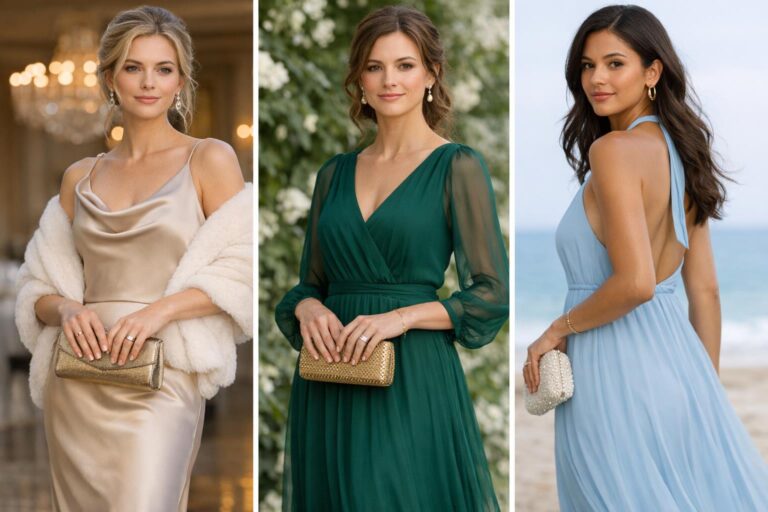
A powder blue dress reads fresh and contemporary, especially for spring and summer weddings. It’s a particularly strong choice if you want a pastel that feels crisp rather than sugary. Powder blue shines in satin or crepe for evening, and in chiffon for daytime movement.
Sage: soft green with an effortless, grounded elegance
Sage is one of the most versatile pastel-leaning shades for wedding guest dress styles because it behaves almost like a neutral. It works across seasons and venues, from a beach ceremony to an indoor reception, and it pairs seamlessly with understated accessories like nude heels or subtle metallic jewelry.
Lavender and pale lilac: romantic, luminous, and editorial
Lavender guest dresses have a dreamy quality that’s made for floral settings and soft lighting. Pale lilac can feel especially refined in minimalist silhouettes—midi lengths, clean necklines, and smooth fabrics that let the color do the work without extra embellishment.
Blush pink and dusty rose: the “pink wedding guest dresses” spectrum
Pink wedding guest dresses span from barely-there blush to deeper dusty rose. Blush can be ethereal in chiffon for daytime; dusty rose often photographs richer and can feel more grounded for cocktail settings. If the wedding includes light pink bridesmaids, a dusty rose or champagne-leaning pink is usually the easier, less matchy choice.
Champagne and mint: understated glow versus playful freshness
Champagne reads like a soft highlight—elegant, warm, and naturally suited to dress code wedding moments that skew formal. Mint, on the other hand, is bright and youthful; it feels especially at home at outdoor celebrations where greenery and natural light bring it to life.
Stylist’s approach: silhouette first, then color
When guests shop pastels, the temptation is to fall in love with a shade and hope the cut works out. A more reliable method is to choose silhouette first—because pastels amplify shape. Soft colors highlight drape, seam lines, and proportions; the wrong cut can feel overly sweet or underdressed, while the right cut looks editorial and intentional.
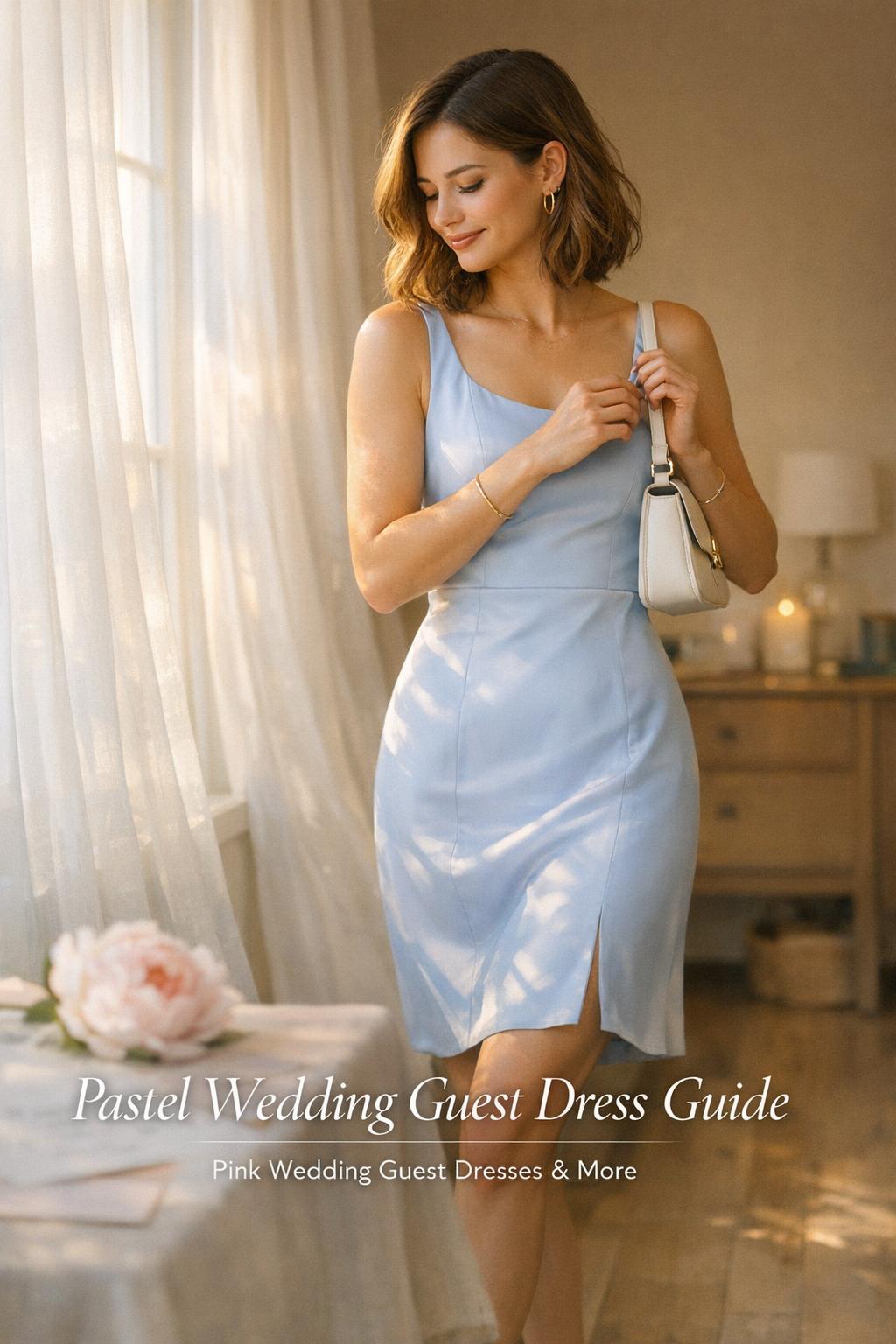
Five silhouettes appear again and again in wedding guest dress styles, especially within pastel collections across retailers: A-line, sheath, wrap, maxi, and midi. Each one carries its own movement and level of formality, and each interacts differently with fabrics like chiffon, satin, crepe, and linen blends.
- A-line: balanced and universally flattering; especially graceful in chiffon for garden venues.
- Sheath: sleek and modern; a strong match for satin or crepe in candlelit receptions.
- Wrap: adjustable, comfortable for long celebrations; pairs well with soft pastel tones that don’t overpower the shape.
- Maxi: elevated and ceremony-ready; great for beach breezes or formal-leaning dress codes depending on fabric.
- Midi: polished and practical; ideal for cocktail dress code weddings where you’ll move between ceremony and dance floor.
Once you know your silhouette, choosing color becomes far simpler. A blush chiffon wrap has a very different mood than a powder blue satin sheath—even though both are pastels. Your goal is to align the visual story: venue, lighting, and dress code, all expressed through shape and texture as much as hue.
Fabric & texture: the difference between “pretty” and “polished”
Pastel colors are sensitive to fabric behavior. In some materials, they look luminous and dimensional; in others, they can appear flat. For a wedding, where you’ll be seen in motion and photographed in changing light, fabric choice is your best tool for making a pastel dress look elevated.
Chiffon: movement for garden ceremonies and warm-weather venues
Chiffon is the signature fabric for airy pastels. It floats, it softens the outline, and it suits daytime weddings where the mood is romantic and the air is warm. A pastel chiffon midi or maxi feels especially right for spring garden celebrations, where the dress moves with the breeze and never looks heavy.
Satin: soft shine for cocktail and evening receptions
Satin gives pastel hues a reflective glow, which can instantly increase perceived formality. This is where powder blue, champagne, and pale lilac become sleek rather than sweet. The trade-off is that satin emphasizes lines, so fit and underlayers matter more—worth considering if you’ll be seated through a long ceremony and dinner.
Crepe: clean drape for minimalist guests
Crepe is a quiet power move in pastel. It has a controlled fall that suits sheath and midi silhouettes, creating a refined look with less shine than satin. If you want a modern pastel wedding guest dress that feels tailored, crepe makes soft color feel grown-up.
Linen blends: relaxed elegance for destination or daytime settings
Linen blends can read elevated in the right setting—think daytime ceremonies, warm climates, and venues that feel airy and natural. In pastel tones like sage, mint, or dusty rose, linen-blend dresses create a relaxed polish that’s especially comfortable for travel and outdoor celebrations.
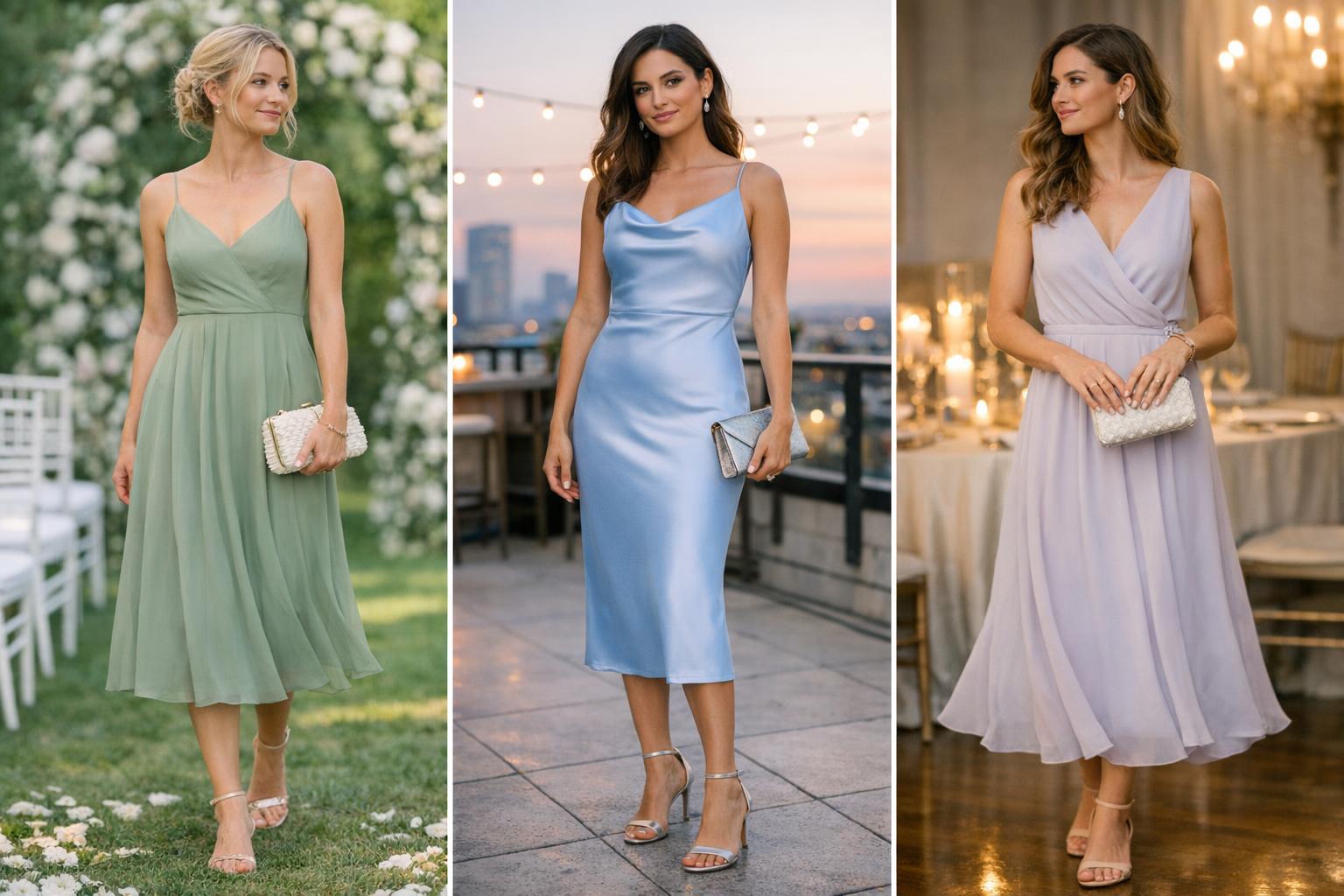
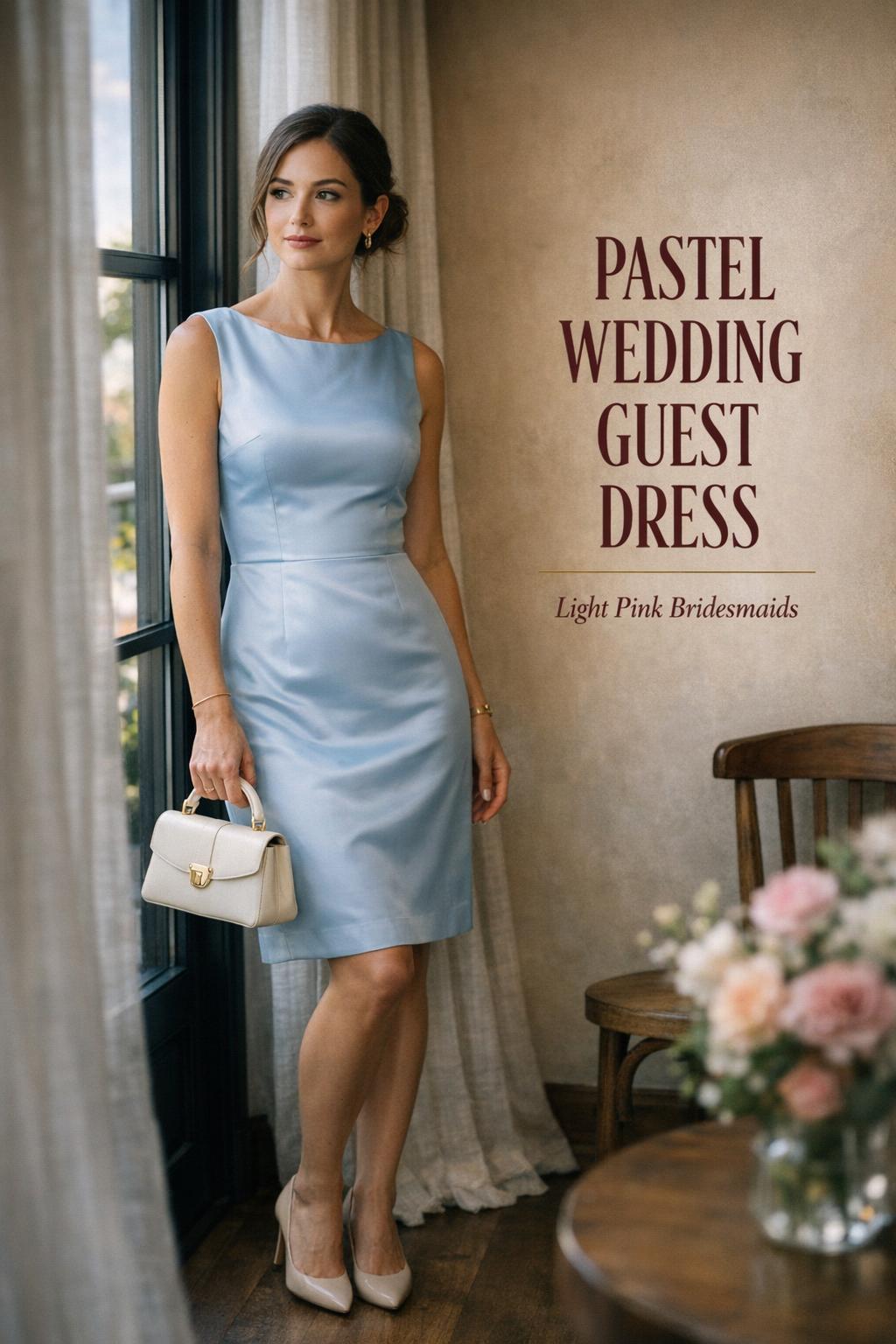
Look: powder blue satin sheath for a rooftop dress code wedding
This look is all clean lines and skyline light—minimal, glossy, and modern. A powder blue sheath creates a long, uninterrupted silhouette that feels calm and editorial, the kind of guest attire that looks intentional in photos without calling for extra drama.
Choose satin for its soft reflection, especially if the ceremony transitions into an evening reception. Keep the palette tight: powder blue, understated metallic accents, and a neutral base that lets the color lead. The dress feels especially suited to a cocktail dress code wedding where you want polish but still want to move comfortably from ceremony to dance floor.
- Key garments: powder blue satin sheath dress (midi or maxi depending on venue formality)
- Footwear: nude heels or minimalist metallic sandals
- Accessories: metallic jewelry, a small structured bag
The styling insight here is restraint: when the fabric already glows, you don’t need heavy embellishment. This is a look that relies on fit, clean seams, and thoughtful accessories—ideal for guests who prefer a sleek interpretation of pastels.
Look: sage chiffon A-line for a spring garden ceremony
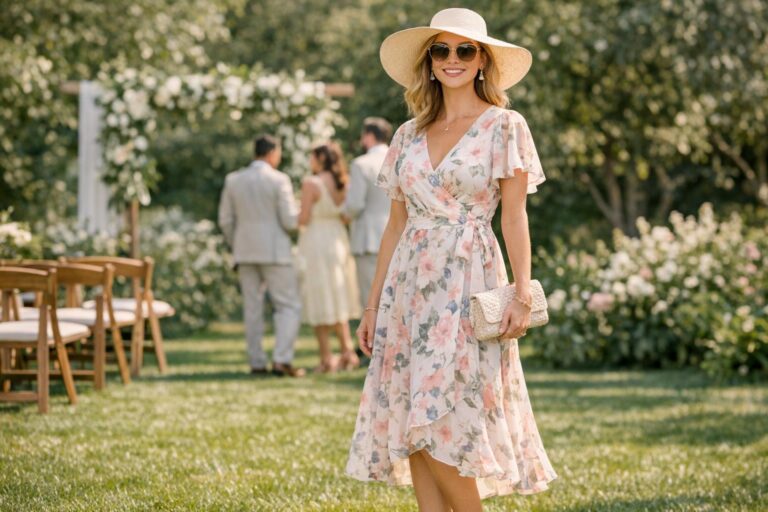
In a garden setting—florals, soft wind, bright afternoon light—sage feels like it belongs. An A-line silhouette gives you a gently defined waist with room to move, sit, and mingle, while still reading elevated and event-ready.
Chiffon is the key texture: it turns sage into a floating wash of color rather than a flat block, and it keeps the dress feeling breathable when the ceremony runs long. This is one of those wedding guest dress styles that looks romantic without looking overly styled, and it transitions beautifully from daytime ceremony to outdoor cocktails.
- Key garments: sage chiffon A-line midi or maxi dress
- Footwear: nude heels (especially practical for garden paths)
- Accessories: light metallic jewelry and a soft-toned bag
What makes this feel like a complete aesthetic is the harmony between venue and palette. Sage complements greenery naturally, and chiffon keeps the mood light—perfect for guests who want a pastel that feels subtle and sophisticated.
Look: lavender wrap midi for an afternoon-to-evening celebration
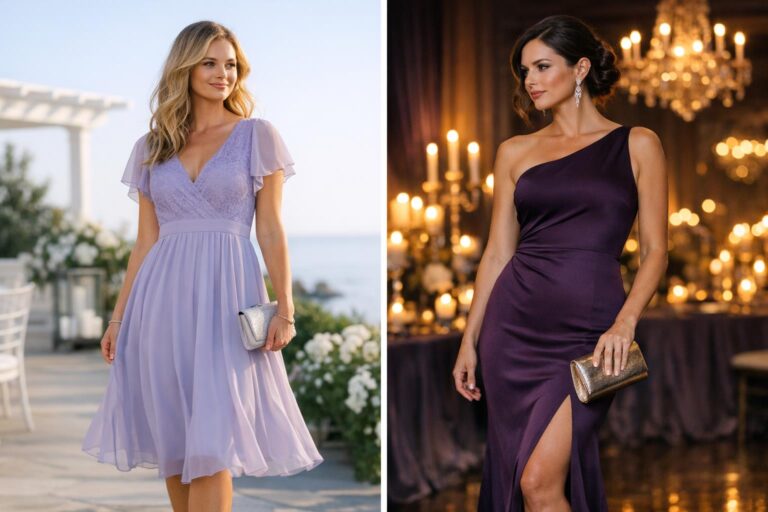
A wrap midi in lavender is the definition of romantic practicality. The silhouette is comfortable through long hours—ceremony seating, dinner, dancing—while still giving you definition and a graceful line. In late-afternoon light, lavender reads soft and luminous, especially when the fabric has gentle movement.
This is where you can lean into a pastel palette without feeling precious: keep the dress the focal point, then add neutral shoes and delicate metallic jewelry. Lavender is a natural choice when you want a color that feels celebratory but not loud, and the wrap shape makes it especially adaptable to different body preferences within guest attire.
The styling insight: a wrap midi works across multiple dress code wedding interpretations because you can adjust the formality through accessories. Minimal shoes and a clean bag lean cocktail; softer accessories keep it daytime-appropriate.
Look: champagne satin maxi for a candlelit formal mood
For a ballroom reception or an evening venue where the lighting is warm and low, champagne is the pastel that feels closest to “gala” without losing softness. A satin maxi moves like liquid under candlelight, creating an elegant glow that photographs beautifully in darker settings.
Keep the silhouette streamlined—maxi length, clean lines—so the color reads refined instead of overly bridal. Champagne pairs naturally with metallic jewelry and a polished bag, and it’s one of the simplest ways to elevate a pastel wedding guest dress into a more formal register.
The key here is nuance: champagne is delicate, so choose accessories that feel intentional rather than flashy. A minimalist approach keeps the look firmly in guest territory while still feeling special.
Look: dusty rose crepe midi for a modern cocktail dress code wedding
Dusty rose is the pink that feels composed—less “princess,” more modern romance. In crepe, it becomes especially sophisticated: the fabric drapes cleanly, the silhouette looks tailored, and the color reads richer than blush without leaving the pastel family.
A crepe midi is a strong answer when the invitation calls for cocktail attire and you want a pastel that feels season-flexible. If you’re wary of overlapping with light pink bridesmaids, dusty rose is often a safer lane than ultra-light blush, especially when the cut is sleek and the accessories are restrained.
- Key garments: dusty rose crepe midi (sheath-leaning or softly structured)
- Footwear: nude heels or minimalist metallics
- Accessories: simple jewelry, structured bag for a polished finish
The styling insight: crepe gives dusty rose a confident edge. It’s a look that feels current, clean, and easy to wear—especially if you prefer your wedding guest attire to be understated but unmistakably intentional.
Look: mint linen-blend midi for a destination or beach ceremony
Mint can feel playful, but in the right silhouette and texture it becomes breezy and refined. For destination weddings or beach ceremonies, a linen-blend midi offers the relaxed elegance that makes sense for travel and warm air—soft, breathable, and naturally comfortable over hours of celebration.
Lean into the natural mood of the fabric: a clean midi length, simple lines, and accessories that keep the look light. Nude heels work when the setting allows; otherwise, understated metallic sandals keep the palette elevated while staying practical for sand, boardwalks, or outdoor walkways.
The styling insight: mint looks best when you avoid over-accessorizing. Let the color feel fresh and the fabric feel real—this is guest attire that fits the atmosphere instead of fighting it.
Look: pale lilac maxi with soft movement for a vineyard or countryside venue
Pale lilac has a delicate, romantic presence that feels especially at home in open-air venues—vineyards, countryside settings, and outdoor receptions where the light shifts from afternoon to sunset. A maxi with soft movement brings elegance without stiffness, giving you a sweeping silhouette that still feels approachable.
Choose a fabric that holds color gently—chiffon for float or satin for glow—depending on how formal the venue feels. Pale lilac pairs beautifully with neutral footwear and metallic jewelry, and it creates a cohesive pastel palette without relying on pink.
The styling insight is about scale: a maxi gives pale lilac enough presence to feel special, while soft movement keeps it romantic instead of heavy. It’s a graceful answer when you want your wedding guest dress styles to feel dreamy but still grounded.
How to accessorize pastels without losing the softness
Accessories are where many pastel looks either become effortlessly polished or start to feel costume-like. The easiest approach is to keep your supporting elements in a tight, neutral range—nude heels, subtle metallic jewelry, and a bag that feels clean and structured. This keeps the color story intact and ensures the dress remains the focal point.
Tips for shoes, bags, jewelry, and outerwear
Think about the venue underfoot and the temperature shift between ceremony and reception. A garden path asks more of your shoes than a ballroom floor, and an outdoor evening often needs a light layer that doesn’t disrupt your palette.
- Shoes: nude heels are the most versatile for pastel palettes; metallic sandals can elevate a look for evening receptions.
- Bags: a small structured bag keeps the outfit polished; softer shapes feel more daytime and relaxed.
- Jewelry: metallic jewelry is the simplest complement to powder blue, champagne, sage, and lilac tones.
- Outerwear: choose a light layer that doesn’t compete with the dress—clean lines and a neutral tone help the pastel remain the hero.
The best accessory rule for a pastel wedding guest dress is consistency. If your dress is whisper-soft, let your accessories feel equally intentional: clean shapes, quiet shine, and nothing that visually “shouts” over the color.
Choosing your look by season and venue (the decisions stylists actually make)
Seasonality isn’t just a color question—it’s a fabric and comfort question. A pastel maxi might be gorgeous, but if it’s heavy or fussy in heat, it stops feeling elegant fast. The most successful pastel guest attire looks are the ones that respect the environment: warmth, wind, walking surfaces, and the length of the day.
Spring garden weddings: romantic movement and breathable fabrics
Spring is where chiffon excels, especially in sage, blush pink, or lavender. A-line, wrap, and midi lengths feel natural for daytime ceremonies, and nude heels are a practical choice for grass and garden pathways.
Summer beach ceremonies: lighter structure and easy textures
For summer and beach venues, linen blends and chiffon keep pastels looking fresh. Mint and powder blue feel especially bright in sun, while a maxi silhouette can look elevated if it moves well and doesn’t feel restrictive.
Autumn indoor celebrations: refined silhouettes that carry color
When the setting is indoors and the light is warmer, crepe and satin help pastels read polished rather than washed out. Dusty rose and champagne can feel especially suited to transitional seasons, and midi lengths handle varied temperatures well.
Winter formal receptions: glow, drape, and controlled elegance
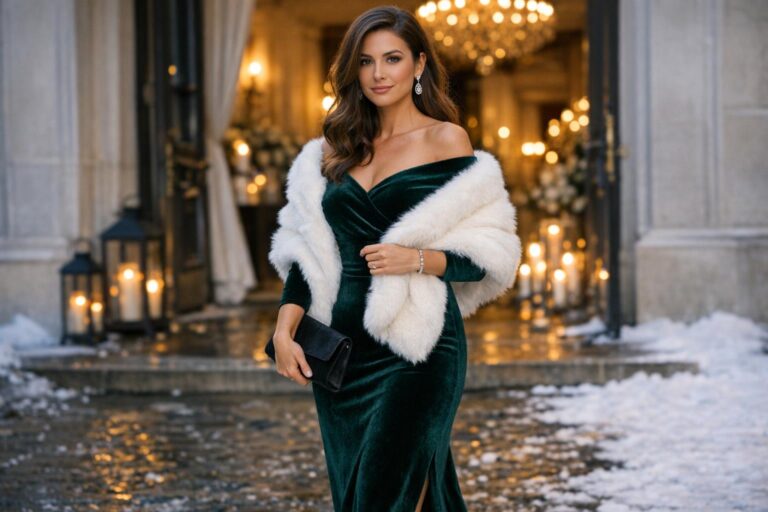
Pastels can work in winter when the execution is elevated: satin or crepe in champagne, powder blue, or pale lilac, with a sleek sheath or refined maxi silhouette. The goal is to keep the look luminous and intentional, so the softness feels like a choice—not a leftover from spring.
Brand and retailer spotlight: where pastel wedding guest styles show up most
If you’re shopping in the U.S., you’ll notice pastels often appear in two main places: wedding guest dress edits and bridesmaid collections. Bridesmaid categories can be surprisingly helpful for guests because they offer strong color range (sage, icy blue, lavender, blush) and consistent palette options, while guest-focused boutiques and pastel collections tend to curate silhouettes specifically for guest attire.
These brands and retailers are frequently associated with pastel dress shopping and inspiration, each with a slightly different emphasis—from curated guest edits to full pastel color sections:
- Andaaz Fashion (USA): pastel-focused wedding dress categories and color-driven browsing that can inspire a pastel palette approach for wedding events.
- Birdy Grey: pastel bridesmaid dresses with color variety and practical measurement/fit guidance that can translate well to guests choosing refined pastels.
- Park & Fifth (US): pastel bridesmaid collections with a modern mix-and-match sensibility that suits sleek guest styling.
- Bella Bridesmaids: editorial guidance on pastel bridesmaid dresses and silhouettes—useful for understanding which shapes pair well with soft color palettes.
- Wedding Guest Boutique: dedicated “pastel dresses” shopping section that aligns directly with guest attire needs.
- Avery Austin: a “pastels” collection with occasion-ready options and sizing considerations for guests shopping by hue.
- ChicSew: pastel bridesmaid dresses with fabric and silhouette detail—helpful when you want a specific pastel shade in a particular cut.
- Boho Pretty: wedding guest dresses with an editorial-retailer feel that can lean pastel and style-driven.
- The Bridal Post and FameWorthies: pastel wedding guest dress ideas and inspiration-focused roundups that help you visualize the aesthetic before you buy.
A practical shopping note: if you’re pulling from a bridesmaid pastel category, keep your styling guest-forward—avoid ultra-uniform looks that mimic bridal party coordination. It’s an easy fix: choose more neutral accessories, keep hair and jewelry understated, and opt for a silhouette that feels like you chose it for you, not for a lineup.
Key pieces that make a pastel aesthetic feel cohesive
A pastel look becomes truly “Wedding Look” editorial when the pieces feel connected—color, texture, and shape all speaking the same language. Instead of chasing novelty, build around a few anchor items that support multiple weddings and multiple dress code wedding invitations.
- A dress in a core pastel shade: powder blue, sage, lavender, blush, champagne, mint, dusty rose, or pale lilac.
- One reliable shoe direction: nude heels for maximum versatility, or minimalist metallic sandals for a subtle lift.
- Metallic jewelry: the simplest way to add polish to soft colors without disrupting the palette.
- A small, structured bag: helps keep chiffon and other floaty fabrics from skewing too casual.
Once you have these anchors, your wedding guest dress styles can rotate without losing your personal aesthetic. Pastels become a wardrobe language rather than a one-off purchase.
Common pastel styling mistakes (and the simple fixes)
Pastels are forgiving in mood but unforgiving in execution. The most common misstep is treating a pastel dress like it needs “more” to be special—more sparkle, more contrast, more statement pieces. In reality, pastels become elevated through refinement: better fabric behavior, cleaner lines, and accessories that quietly support the palette.
- Mistake: choosing an extremely pale shade without considering lighting. Fix: pick a slightly deeper pastel (dusty rose over blush, sage over mint) if you’re worried about washout.
- Mistake: styling with accessories that overpower the softness. Fix: keep to nude heels and metallic jewelry to maintain a cohesive pastel palette.
- Mistake: ignoring venue practicality (grass, sand, long hours). Fix: select a midi length and stable footwear for outdoor settings, then elevate with fabric (satin or crepe) and polish (structured bag).
- Mistake: accidentally matching the bridal party (especially light pink bridesmaids). Fix: shift hue (dusty rose, champagne, sage) and choose a distinct silhouette from bridesmaid styling.
These fixes are subtle, but they’re what make a pastel wedding guest dress look stylist-chosen. Soft color should feel effortless—not uncertain.
A quick pastel planner: match wedding context to your best dress choice
When you’re deciding quickly—often the reality with invitations and shipping timelines—anchor your choice to three questions: What’s the venue? What’s the dress code wedding requirement? And how long will you be in the outfit? From there, the ideal pastel is often obvious.
- Garden + daytime: sage or lavender in chiffon; A-line, wrap, or midi for comfort and movement.
- Beach + destination: mint or powder blue in chiffon or linen blends; midi or easy maxi that won’t feel heavy.
- Rooftop + cocktail: powder blue or pale lilac in satin or crepe; sheath or sleek midi with metallic accents.
- Ballroom + evening: champagne in satin; refined maxi with clean accessories.
- Uncertain palette (bridesmaids unknown): sage or dusty rose in crepe; polished midi that won’t read like a bridesmaid look.
The reason this planner works is simple: it keeps you focused on the relationship between color, fabric, and setting—exactly what determines whether pastels look romantic and elevated or merely light-colored.
FAQ
What makes a pastel wedding guest dress feel appropriate for a dress code wedding?
Appropriateness comes from silhouette and fabric more than color alone: satin or crepe in a sheath, midi, or refined maxi reads more elevated for cocktail or formal-leaning settings, while chiffon and linen blends suit daytime or outdoor venues; keeping accessories polished (nude heels, metallic jewelry, structured bag) helps the pastel palette look intentional rather than casual.
Are pastel colors okay for guest attire year-round?
Yes, pastels can work in any season when the fabric and styling match the setting: chiffon feels natural for spring gardens and warm weather, while satin or crepe helps pastels like champagne, powder blue, or pale lilac feel polished for indoor or evening receptions where you want more structure and glow.
How do I wear pink wedding guest dresses without matching light pink bridesmaids?
Choose a pink with a different depth and finish—dusty rose often feels more distinct than very light blush—and avoid bridal-party styling cues by selecting a guest-forward silhouette (a sleek crepe midi or modern sheath) and keeping accessories understated rather than uniform or matchy.
Which pastel shades are the easiest to accessorize?
Sage and champagne are often the simplest because they behave like soft neutrals; they pair naturally with nude heels, metallic jewelry, and a clean bag, while powder blue, lavender, and pale lilac also accessorize well when you keep the supporting pieces minimal and within a cohesive pastel palette.
Is chiffon too casual for a wedding guest look?
Chiffon isn’t inherently casual—its formality depends on silhouette and styling; a chiffon midi or maxi in a defined A-line or wrap shape can look ceremony-ready for garden and daytime venues, and it becomes more polished with refined accessories like metallic jewelry and a structured bag.
Can I wear a pastel dress to a cocktail dress code wedding?
Yes, especially in satin or crepe with a cleaner silhouette such as a sheath or tailored midi; powder blue, dusty rose, pale lilac, and champagne can all feel cocktail-appropriate when you keep the look sleek and finish with nude heels or subtle metallic sandals.
What’s the best pastel wedding guest dress style for an outdoor venue like a garden or beach?
For gardens, chiffon A-line or wrap midi styles in sage, lavender, or blush pink offer breathable movement and a romantic silhouette; for beach or destination settings, lighter fabrics like chiffon or linen blends in mint or powder blue feel airy and practical while still looking elevated.
Where can I browse pastel dresses and pastel wedding guest dress ideas in the U.S.?
You’ll find pastel shopping sections and inspiration across retailers and editorial sources such as Wedding Guest Boutique (pastel dresses), Avery Austin (pastels), and brand collections like Birdy Grey, Park & Fifth, ChicSew, Andaaz Fashion, and Bella Bridesmaids, along with idea-focused roundups from The Bridal Post and FameWorthies that help visualize pastel palettes and wedding guest dress styles.