7 Puffy Wedding Dresses for 2026: Modern, Wearable Drama
Puffy Wedding Dresses: A Complete Guide to Volume, Silhouettes, and Styling for 2026
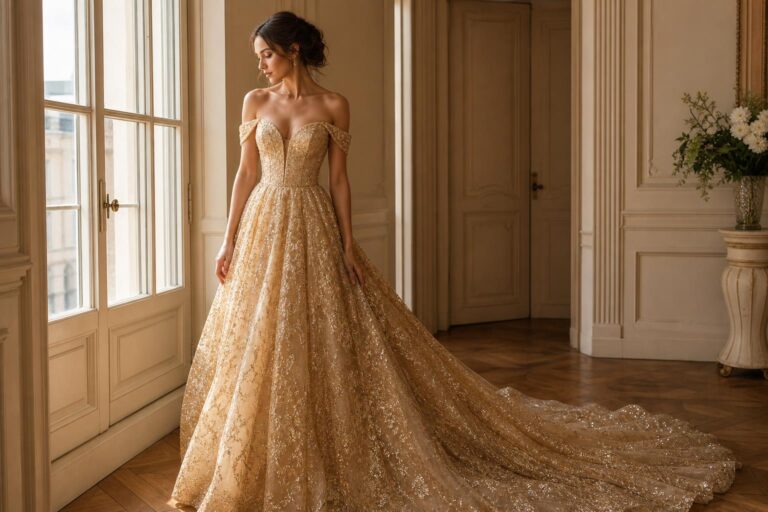
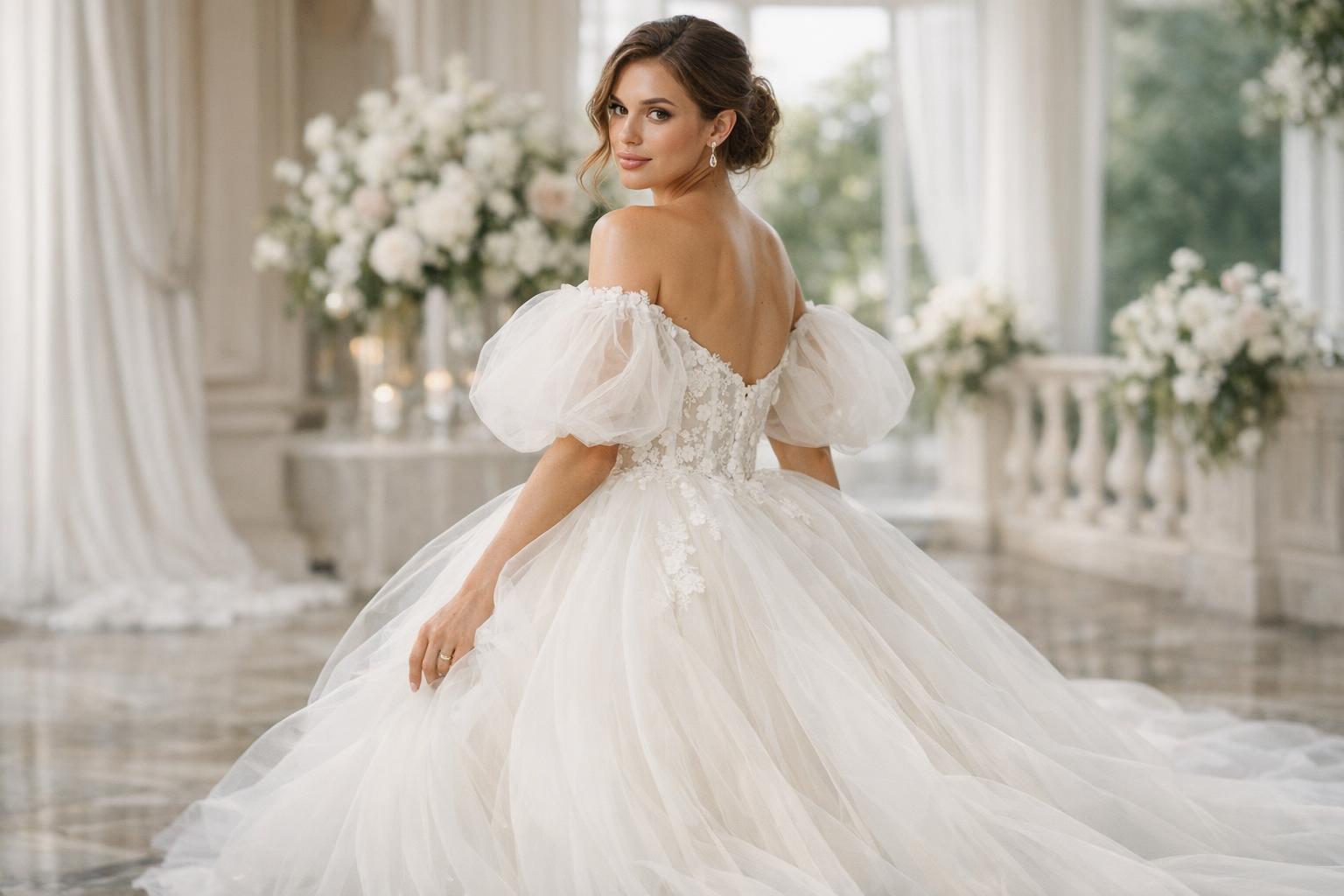
Puffy wedding dresses are having a major moment—again—but today’s versions feel more versatile than ever. From a classic ball gown wedding dress with a cloud-like skirt to a puff sleeve wedding dress with floral appliqué and an empire waist, “puffy” can describe sleeve volume, skirt volume, or both. This guide breaks down what creates that dramatic look, how to choose fabrics and silhouettes, and how to style and shop with confidence.
Whether you want a princess wedding dress with a big poofy wedding dress vibe, or you’re looking for a voluminous wedding dress that still moves easily and photographs beautifully, the details matter: layers, structure, fabric, neckline, and where the fullness is placed. Use this as a practical roadmap from inspiration to final fitting.
What Makes a Dress “Puffy”?
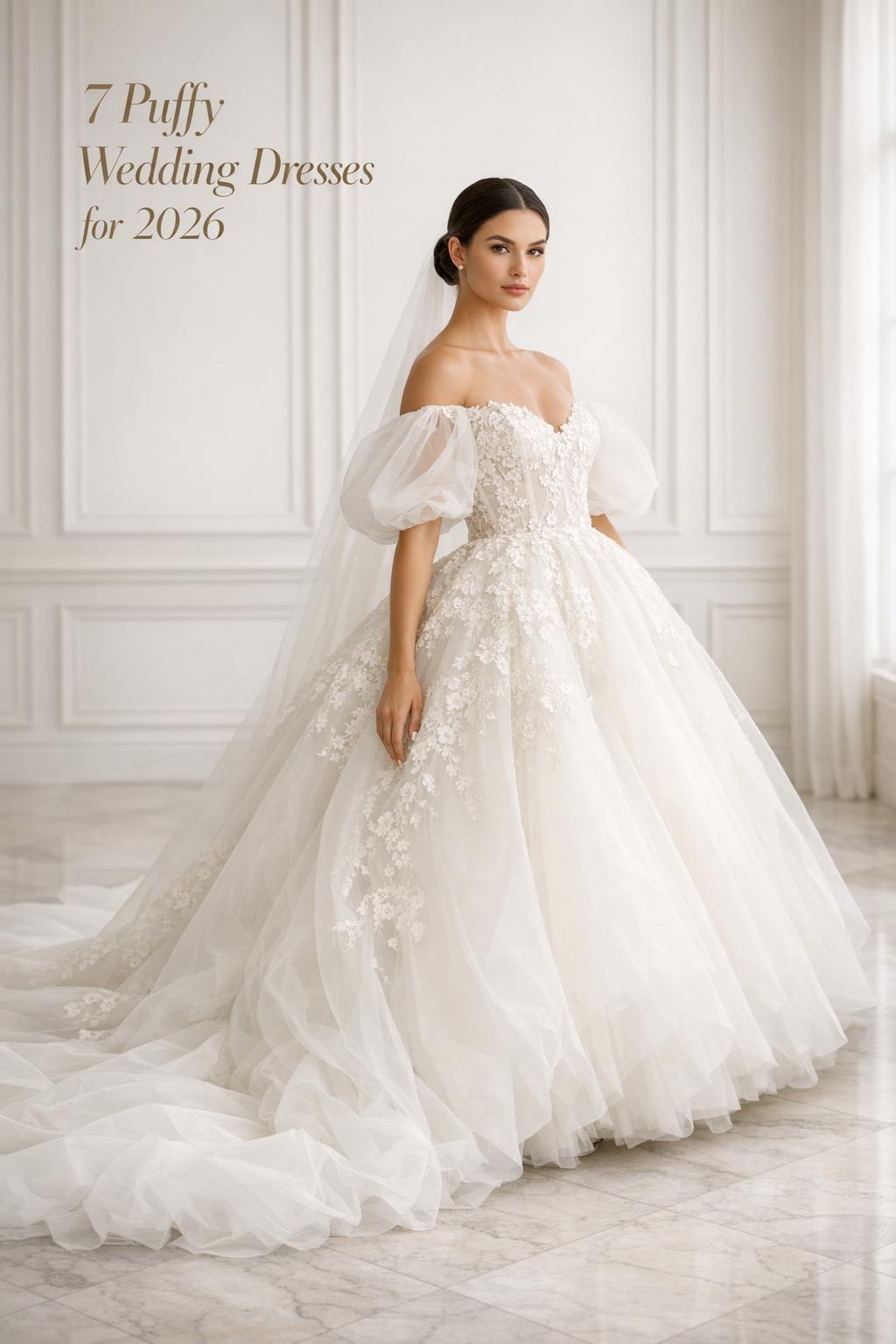
“Puffy” is less about a single silhouette and more about how the gown is built. Puffiness usually comes from added volume—either in the sleeves, the skirt, or both—created through layers and internal structure. Understanding these building blocks helps you compare gowns more accurately and avoid surprises when you try them on.
Key construction elements that create volume
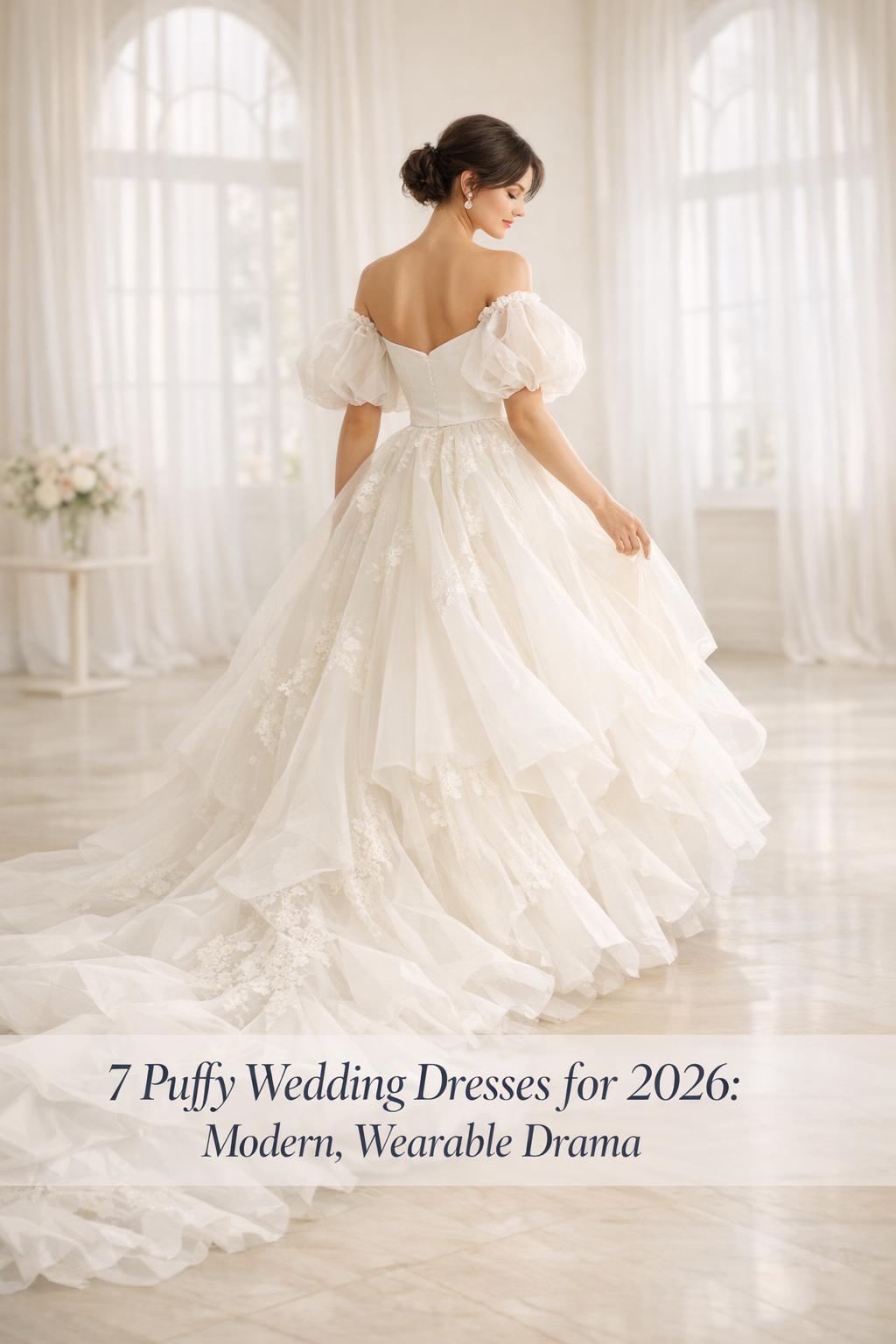
The most common way to achieve a puffy, dramatic wedding gown is by stacking lightweight layers (often tulle or organza) to create fullness without making the dress feel heavy. Some gowns lean on a built-in base layer for shape, while others rely on many soft layers for a more airy, tutu-style wedding dress effect.
Your wedding look is only the beginning.
Keep your guest list, vendors, timeline, and every important detail together with Zarellea — so your day feels as considered as your style.
- Multiple layers of tulle and/or organza to build a voluminous skirt
- Structured underlayers that help the skirt “stand away” from the body
- Design details that emphasize volume, like gathered fabric, oversized proportions, and dramatic trains
Typical silhouettes associated with puffy wedding dresses
When most brides picture puffy wedding dresses, they’re usually imagining a ballgown or a princess-cut shape: fitted through the bodice with a large-skirt wedding gown silhouette. But puffiness can also show up in an A-line where the skirt has extra layers for movement and a softer sense of drama.
Tip: If you love the look of a ballgown but want a slightly less intense “poofy” feel, start by trying A-line options with layered tulle. You’ll often get that romantic volume in photos without feeling swallowed by the skirt.
Puff-Sleeve vs. Puff-Skirt: Defining the Look
Not every “puffy” bridal gown is puffy in the same place. Some dresses focus on sleeve volume (puff sleeve bridal gown styles), while others emphasize a voluminous skirt (ballgown wedding dress styles), and many combine both for a bold, royalty vibe.
Puff sleeves: how they change the balance of a gown
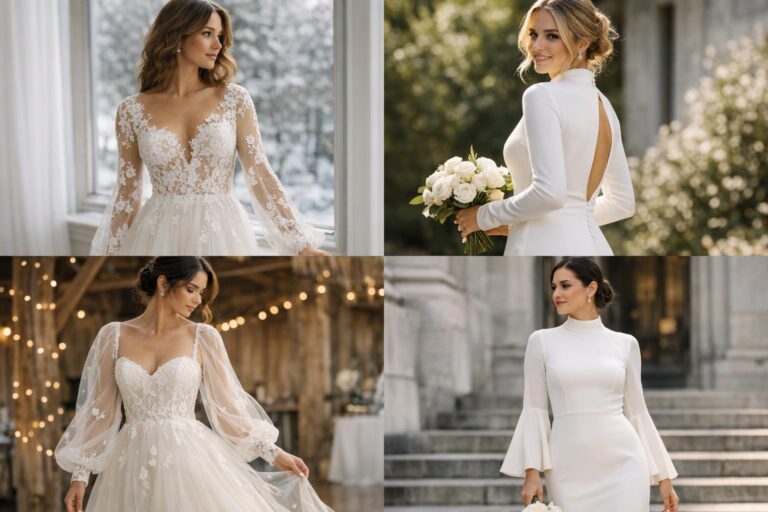
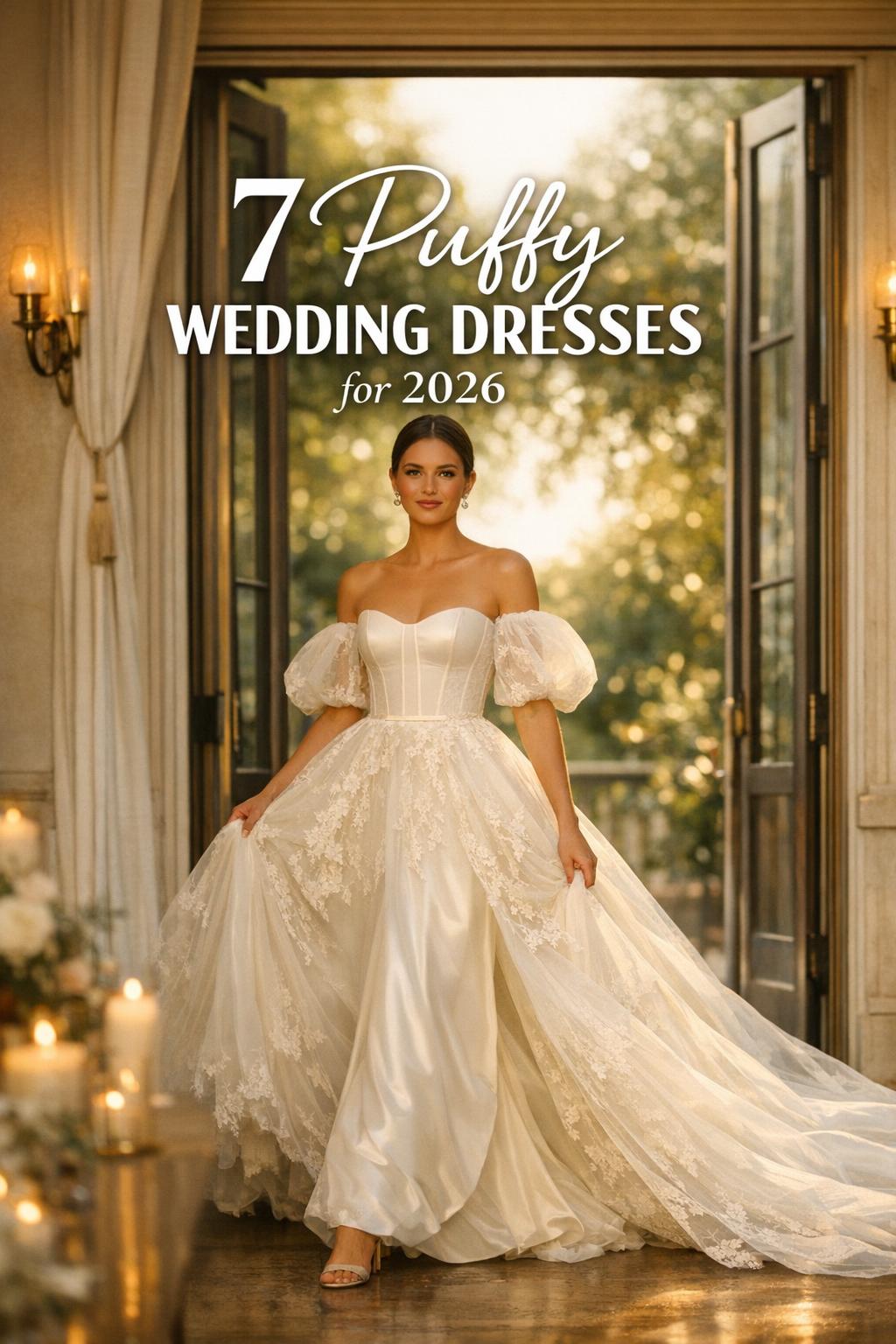
Puff sleeves can be short, three-quarter, or long, and the sleeve shape interacts directly with the bodice and neckline. A V-neck puff-sleeve wedding gown can feel elongated and modern, while an off-the-shoulder puff sleeve can feel romantic and dramatic. Puff sleeves also pair well with details like floral appliqués and lace overlays, adding texture to the upper half of the look.
Tip: When trying on puff sleeves, lift your arms and move naturally. The best puff sleeve wedding dresses look dreamy but still allow comfortable motion for hugging, dancing, and sitting.
Puff skirts: layered tulle vs. structured fullness
Skirt volume can be achieved in different ways. Multi-layered tulle can create a soft, cloud-like wedding dress effect with plenty of movement, while other builds create a more pronounced shape that reads as “big poofy wedding dress” from a distance. For brides who love a cathedral train, the skirt’s structure also impacts how the train drapes and photographs.
- If you want softness and float: look for multi-layered tulle skirts
- If you want a strong “royalty vibe”: consider more structured volume and a dramatic train
- If you want balance: combine puff sleeves with a slightly less voluminous A-line skirt
Popular Fabrics and How They Impact the Look
Fabric determines how puffiness looks and feels. Even within the same silhouette, a tulle wedding dress will move differently than an organza puff skirt, and a satin ballgown will reflect light differently than a lace overlay puff gown. When you’re comparing options online, the fabric callout is one of the most useful clues for predicting the final effect.
Tulle, organza, satin, and lace overlays
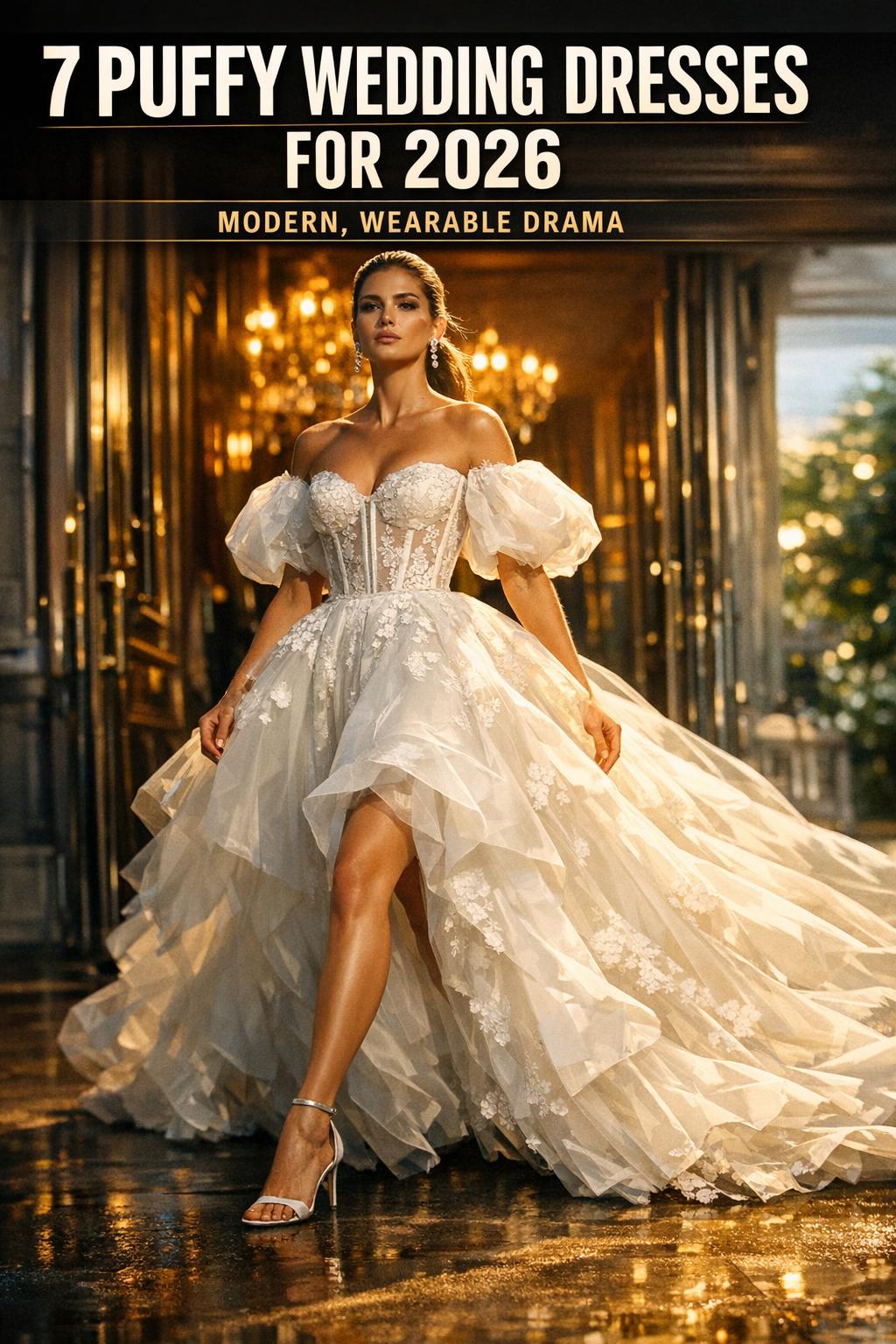
Tulle and organza are common choices for volume because they can be layered without looking bulky. Satin tends to look smoother and can read more formal, especially in a classic ballgown shape. Lace overlays and floral appliqués add texture and dimension, which can soften the boldness of a very voluminous silhouette and create a romantic, detailed finish.
- Tulle: airy, layered, often used to create a cloud-like or tutu-style effect
- Organza: light with a crispness that can hold shape for dramatic volume
- Satin: smooth, structured look; can feel more classic in a ballgown silhouette
- Lace overlays and floral appliqués: texture and detail, often paired with tulle for depth
Sheen, translucency, and movement cues
Beyond the label, pay attention to how the dress handles light and movement. A matte, layered skirt can look soft and romantic, while a fabric with more sheen can appear more formal and sculptural. Translucency can also matter in multi-layered skirts: more layers often increase opacity, while fewer layers may feel lighter and more delicate.
Tip: If you’re shopping from product pages or collection grids, look for close-ups of the fabric and any notes about layers, lining, or how the skirt is built. Those small details often signal whether the volume will feel soft, crisp, or structured.
Picking the Right Puff-Sleeve Style for Your Body Type
Puffy wedding dresses can flatter a wide range of body types, but the best results come from balancing proportions. Think of the gown in two halves: the top (neckline, bodice, sleeves) and the bottom (skirt volume and shape). The goal is to create a silhouette that feels intentional, not overwhelming.
Hourglass, pear, apple, and rectangle: what to prioritize
For an hourglass shape, puff sleeves can add romantic volume without throwing off balance—especially when paired with a defined waist and a classic A-line or ballgown. For pear shapes, puff sleeves can help draw attention upward and balance a fuller lower half, while an A-line skirt keeps the look cohesive. For apple shapes, consider necklines and bodice lines that feel elongating (like a V-neck) and choose sleeve volume that doesn’t crowd the upper torso. For rectangle shapes, puff sleeves and textured details like floral appliqués can add dimension, while a defined waistline helps create shape.
Tip: If you’re unsure where to start, try on two extremes—one puff sleeve ball gown wedding dress and one A-line puff sleeve gown. The contrast makes it easier to identify what kind of volume you truly love.
Necklines and sleeve combinations that balance proportions
Necklines influence how puff sleeves read. A V-neck can visually lengthen the neckline and pair well with puff sleeves and an empire waist for a romantic, lifted look. Off-the-shoulder styles emphasize the collarbone and can enhance the drama when combined with a voluminous skirt and cathedral train. Pay attention to the bodice line, too—how the bodice meets the skirt affects whether the dress feels “princess,” “modern romantic,” or “dramatic couture.”
- V-neck + puff sleeves: can feel elongating and balanced
- Off-the-shoulder + puff sleeves: romantic, statement-making
- Empire waist + puff sleeves: soft, elevated, and often comfortable
- Floral appliqué bodice + layered skirt: textured, dimensional, photo-friendly
Season, Venue, and Wedding Theme Considerations
Puffy wedding dresses can work almost anywhere, but the “right” version depends on where and when you’re getting married. A dramatic wedding gown designed for an indoor formal setting may feel different in an outdoor garden ceremony, and fabric behavior matters when you’re moving between climates, venues, and photo locations.
Outdoor vs. indoor venues: what changes
In an indoor ballroom or formal space, bigger volume can feel perfectly in place—especially with a cathedral train and a clean aisle. In outdoor settings like gardens or open-air venues, softer volume and lighter layers can be easier to navigate while still delivering the “cloud-like” effect. Destination weddings can also call for careful choices: a puff sleeve destination lace bridal gown may prioritize lighter movement and packability while keeping the romantic sleeve detail.
Tips for venue planning: Make sure you can comfortably walk on the surfaces you’ll encounter (grass, stone, steps) and consider whether your skirt volume needs extra management for tight spaces, seating, or transportation.
Seasonal fabric behavior and comfort
Season can influence which puff elements feel best. In warmer months, lighter and more breathable-feeling layers often feel more comfortable, while colder seasons can be a great match for gowns with more coverage or the option to add wraps or outerwear. The goal is to pick a dress that looks dramatic without distracting you from enjoying the day.
- Warm weather: consider lighter-feeling layered fabrics and avoid excessive bulk
- Cooler weather: puff sleeves can pair well with wraps or outerwear options
- Mixed conditions: prioritize comfort and ease of movement over maximum volume
Top Puff-Sleeve Gown Styles to Consider
If you’re shopping across galleries, designer roundups, and brand collection pages, you’ll see recurring styles that define today’s puffy wedding dresses. Use the categories below as a quick way to narrow your search based on the look you want and how you want the volume distributed.
Classic ballgown puff-sleeve
This is the most iconic “princess wedding dress” interpretation: fitted bodice, dramatic skirt, and puff sleeves that bring focus to the upper body. It’s a strong choice for brides who want a formal, unforgettable presence and love the idea of a big poofy wedding dress that feels timeless.
A-line puff-sleeve with floral appliqué
An A-line silhouette with puff sleeves can be a perfect middle ground: you still get volume and romance, but the skirt typically feels easier to move in than a full ballgown. Floral appliqués (or lace overlay details) add softness and texture that reads beautifully in both close-up photos and full-length shots.
Off-the-shoulder puff sleeves with cathedral train
If you want drama, this combination delivers. Off-the-shoulder lines emphasize the neckline and create a romantic frame for the face, while a cathedral train adds ceremonial impact. This style often feels especially aligned with a “royalty vibe,” particularly when the skirt has layered volume and the sleeves are intentionally bold.
V-neck puff sleeves with an empire waist
A V-neck and empire waist pairing can create a lifted, elongating effect while still embracing the puff sleeve trend. This style can work beautifully with floral appliqués and layered skirts, and it’s often appealing to brides who want a romantic silhouette with a bit of ease through the waistline.
Tip: When comparing these styles, look at where the dress “starts” to get wide. That point—natural waist, empire waist, or lower hip—changes the overall vibe and how the puffiness reads on your frame.
How to Style a Puffy Wedding Dress
Styling matters more when the dress is already a statement. The best accessories for puffy wedding dresses support the silhouette rather than competing with it. Focus on one or two hero elements—like a veil or bold earrings—and keep the rest intentional and clean.
Veils, jewelry, and footwear that complement volume
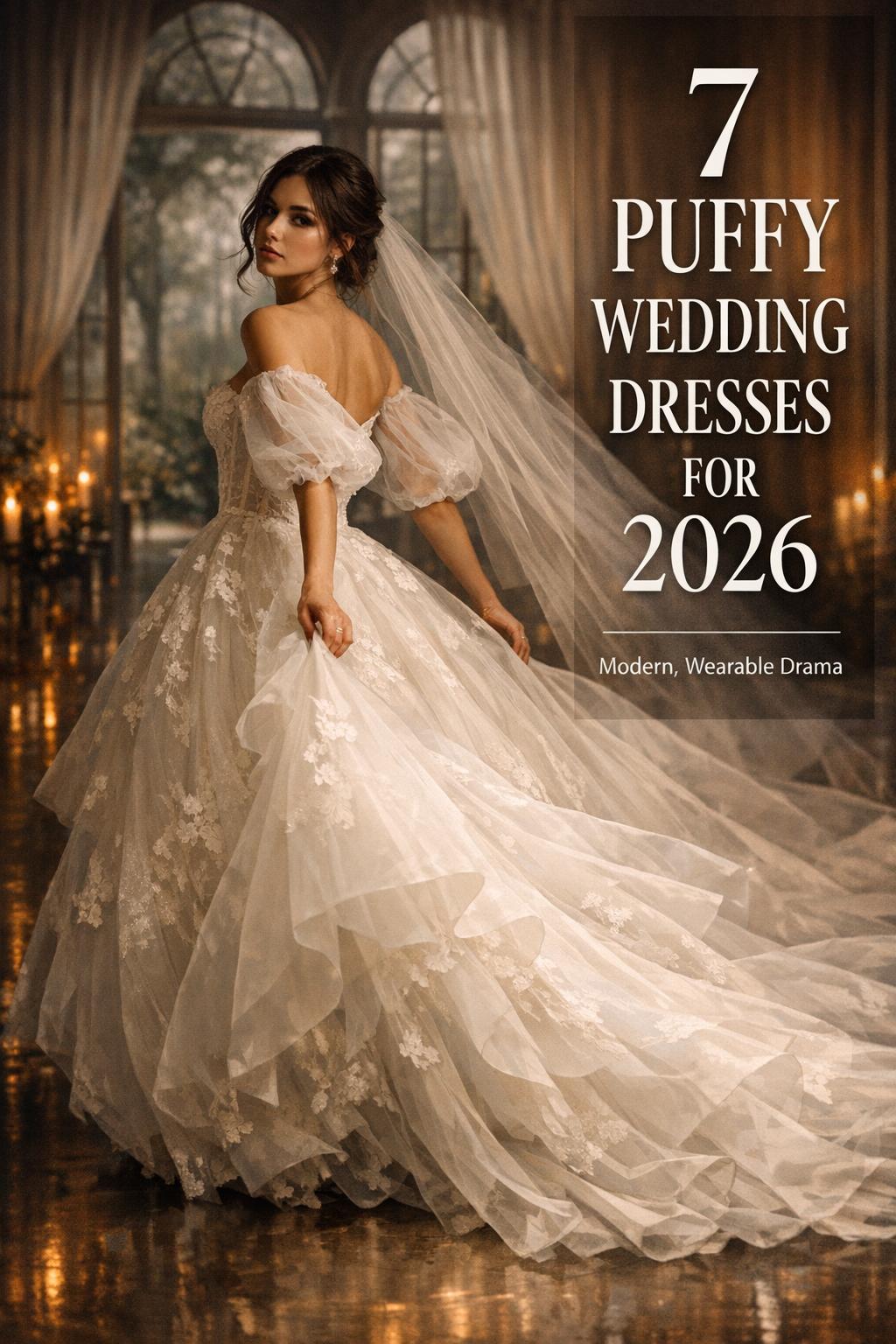
With puff sleeves and/or a voluminous skirt, aim for accessories that fit comfortably and photograph clearly. Veils can add to the drama, especially with longer trains, while jewelry should harmonize with the neckline and sleeve shape. Footwear choices should consider both comfort and the reality that your shoes may peek out as you walk or dance—especially with layered tulle movement.
- Veil ideas: choose a veil that works with your train length and doesn’t overcrowd your sleeves
- Jewelry: match the neckline; keep proportion in mind if sleeves are very full
- Shoes: prioritize stability and comfort, especially with a large skirt and long day
Outerwear and wrap options for ceremonies
Outerwear can be both practical and stylish, particularly for cooler venues or seasonal transitions. The key is to choose something that doesn’t crush sleeve volume or snag delicate fabrics. A wrap that sits comfortably around the shoulders can work well with off-the-shoulder looks, while other options may pair better with V-necks and long sleeves.
Tips for styling trials: Bring a similar neckline top or mock sleeve volume to accessory appointments, and take photos from multiple angles. Puffy elements can look different head-on versus in profile, especially in structured fabrics.
Alterations, Fit, and Care
Puffy wedding dresses often require thoughtful fittings because volume changes how the dress sits when you move, sit, and dance. Sleeve volume, layered skirts, and back details can all affect comfort and proportions. Planning ahead reduces stress and helps preserve the intended silhouette.
When to start fittings and what to expect
Alteration timelines vary by gown and complexity, but puff sleeves and layered skirts benefit from early planning. The goal of alterations isn’t just to “make it smaller”—it’s to ensure the bodice is stable, the sleeves sit correctly, and the skirt volume falls evenly. If your gown has a low-back design, special attention to fit and support is especially important.
- Schedule fittings with enough lead time to adjust bodice, sleeves, and hem
- Practice sitting, walking, and raising your arms during fittings
- Plan for bustle discussions if you have a longer train
Caring for delicate fabrics and keeping volume intact
Layers of tulle, organza, lace overlays, and floral appliqués can be delicate, and the shape of a puffy skirt can be affected by storage and handling. Care starts before the wedding: how you hang, store, and transport the dress can influence wrinkles, tangles, and how the layers sit when you put it on.
Tip: If you’re purchasing through an e-commerce product page or brand collection, read any available care notes and policies closely. It’s also smart to confirm what options exist if the dress arrives needing adjustments, and how alterations might affect return eligibility.
Real-Bride Style Planning: Case-Study Approach You Can Copy
You don’t need a full photoshoot to learn from real-bride outcomes. A case-study approach simply means testing how a puffy wedding dress looks in motion, in different lighting, and from different camera angles—then making small adjustments to styling and fit until it feels right.
Before: define your priorities and non-negotiables
Start by deciding what “puffy” means to you. Do you want sleeve volume, skirt volume, or both? Are floral appliqués essential? Is a low-back detail important? Would you rather have an A-line with layered tulle movement or a full ballgown with a dramatic presence? These decisions reduce decision fatigue when you’re scrolling galleries and product grids.
- Pick your main focal point: sleeves, skirt, or train
- Choose your silhouette: ballgown or A-line as your baseline
- Decide on fabric direction: tulle/organza lightness vs satin smoothness
- Note any must-have details: floral appliqué, lace overlay, low-back design
After: test how it photographed and felt, then refine
Once you’ve tried on a few options, take simple photos and short videos: walking, turning, sitting, and lifting your arms. Puffy sleeves can shift, and layered skirts can look different depending on how they’re arranged. Use these visuals to decide whether you want more structured volume, softer layering, or a different neckline to balance the look.
Tip: If you’re between two dresses, choose the one that still looks intentional when you’re moving—not just standing still. Puffy elements are all about volume in motion.
Budgeting for a Puffy Wedding Dress
Pricing for puffy wedding dresses varies widely because volume, fabric, and detail work can change the complexity of construction. You’ll see everything from affordable puff wedding gown options on aggregator storefronts to designer-focused pieces in editorial roundups and brand boutiques.
What typically affects price
As a general guide, dresses with more layers, more detailing (like lace overlays and floral appliqués), and more dramatic trains often require more materials and labor. Customization options, color options, and back detailing can also affect pricing and delivery timelines depending on where you purchase.
- More layers and more volume can increase cost
- Floral appliqués and lace overlays can add to price due to detail work
- Dramatic trains and complex back details can raise complexity
- Customization and color options may change the final total and timing
How to maximize value (without sacrificing the look)
Value isn’t just the sticker price—it’s also how confident you feel about fit, policies, and what you’ll spend after purchase. Many brides look for sales (including “as is” listings) or shop off-season to stretch their budget. Another way to maximize value is choosing a silhouette that already flatters you so alterations stay focused and predictable.
Tips for smart budgeting: Consider the total cost of ownership—dress, potential alterations, and any care needs—then compare that to your comfort with the retailer’s return policy and delivery timelines.
Shopping Guide: Where to Buy Puffy Wedding Dresses
Most shoppers discover puffy wedding dresses through a mix of editorial galleries (to see many designers at once) and storefront collection pages (to browse by price, silhouette, and details). You’ll also find specific product pages that go deep on one gown, including sizing, reviews, and return information.
Brand pages, retailers, and specialty boutiques (what each is best for)
Collection pages are helpful when you want to compare many puff styles quickly—ballgowns, A-lines, lace options, organza options, and more. Product pages are best when you’ve narrowed down to a specific gown and need purchase details like sizing, care, shipping, and policies. Editorial galleries are ideal when you want to explore silhouettes and designer variety before committing to one direction.
- Editorial galleries: fast inspiration across many designers and silhouettes
- Brand collection pages: browse a focused assortment with filters and quick specs
- Individual product pages: the best place to evaluate sizing, care, and return details
How to evaluate authenticity, returns, and alterations support
When buying online, the “extras” matter: shipping timelines, customization notes, and return eligibility can impact your peace of mind—especially with voluminous dresses that may need tailored adjustments. Look for clear information about sizing, care, and what happens if the dress arrives not as expected. If you’re considering an “as is” gown, confirm what that means for condition and returns before you commit.
Tip: Before you place an order, map your timeline backwards: expected delivery date, first fitting window, and any follow-up fittings. Puffy sleeves, layered skirts, and low-back designs can take extra attention to perfect.
FAQ
Are puffy wedding dresses the same as puff sleeve wedding dresses?
Not always. “Puffy wedding dresses” can refer to volume in the sleeves, the skirt, or both, while puff sleeve wedding dresses specifically describe sleeve volume; many popular gowns combine puff sleeves with a layered, voluminous skirt.
What makes a wedding dress look “big” and poofy?
A big poofy look usually comes from the skirt construction—most often multiple layers of tulle or organza and added internal structure—plus a silhouette like a ballgown or princess-cut that’s designed to stand away from the body.
Are puff-sleeve gowns appropriate for formal weddings?
Yes, puff sleeves can be very formal, especially when paired with classic silhouettes like ballgowns, refined fabrics, and dramatic elements such as a cathedral train or detailed lace overlays and floral appliqués.
How do I choose between a puff-sleeve ballgown and an A-line puff-sleeve dress?
Choose a puff-sleeve ballgown if you want maximum drama and a strong princess silhouette, and consider an A-line if you want visible volume with easier movement; trying both styles is often the quickest way to find your preferred level of fullness.
What fabrics are most common in puffy wedding dresses?
Tulle and organza are commonly used to create volume through layering, while satin can create a smoother, more structured look; lace overlays and floral appliqués are often added for texture and dimension.
How do I style a dress with puff sleeves and a voluminous skirt without overdoing it?
Keep styling intentional by choosing one or two standout accessories—often a veil or a jewelry focus—then ensuring everything else complements the neckline and doesn’t compete with the gown’s built-in volume.
How should I care for a multi-layered tulle or organza skirt?
Handle layered skirts gently, store and transport the dress in a way that protects delicate layers and appliqués, and follow any care guidance provided by the seller so the volume and shape aren’t crushed before the wedding day.
What should I pay attention to when buying a puffy wedding dress online?
Focus on sizing information, shipping timelines, customization notes, and return policies, and review any available care and alteration guidance; these details are especially important for dresses with puff sleeves, layered skirts, or low-back designs.
Do “as is” puff sleeve wedding dresses come with any special considerations?
Yes—“as is” typically signals special sale conditions, so you should confirm the item’s condition expectations and the exact return policy before purchasing, since those terms may differ from standard listings.