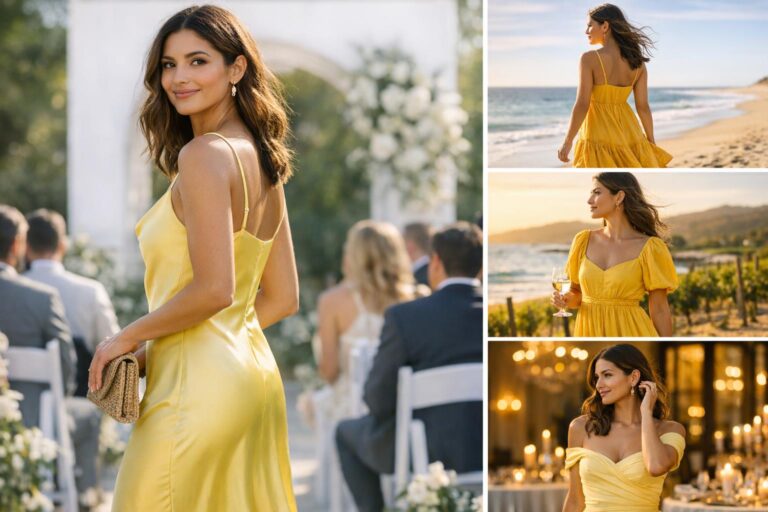
Ceremony to Dance Floor: Wedding Reception Dress for Guest Picks
Wedding reception style, decoded: the reception-ready guest dress vs. the ceremony-to-reception look
The moment a wedding reception begins, the style brief subtly shifts. The lighting softens, the music gets louder, and the pace of the room changes—from poised greetings to toasts, photos, and a dance floor that asks more of your outfit than the ceremony ever did. That’s why searching for a wedding reception dress for guest so often leads to a question that’s more styling philosophy than shopping: do you dress for the entire wedding day, or dress specifically for the reception experience?
These two approaches are frequently discussed together because they overlap in the same wardrobe categories—wedding guest dresses, cocktail looks, formal gowns, maxis, minis, and those in-between midi silhouettes that can do everything. Yet they’re not identical. A ceremony-to-reception look prioritizes versatility and etiquette across multiple moments. A reception-first look prioritizes comfort, movement, and evening polish—especially once you’re seated for dinner or dancing for hours.
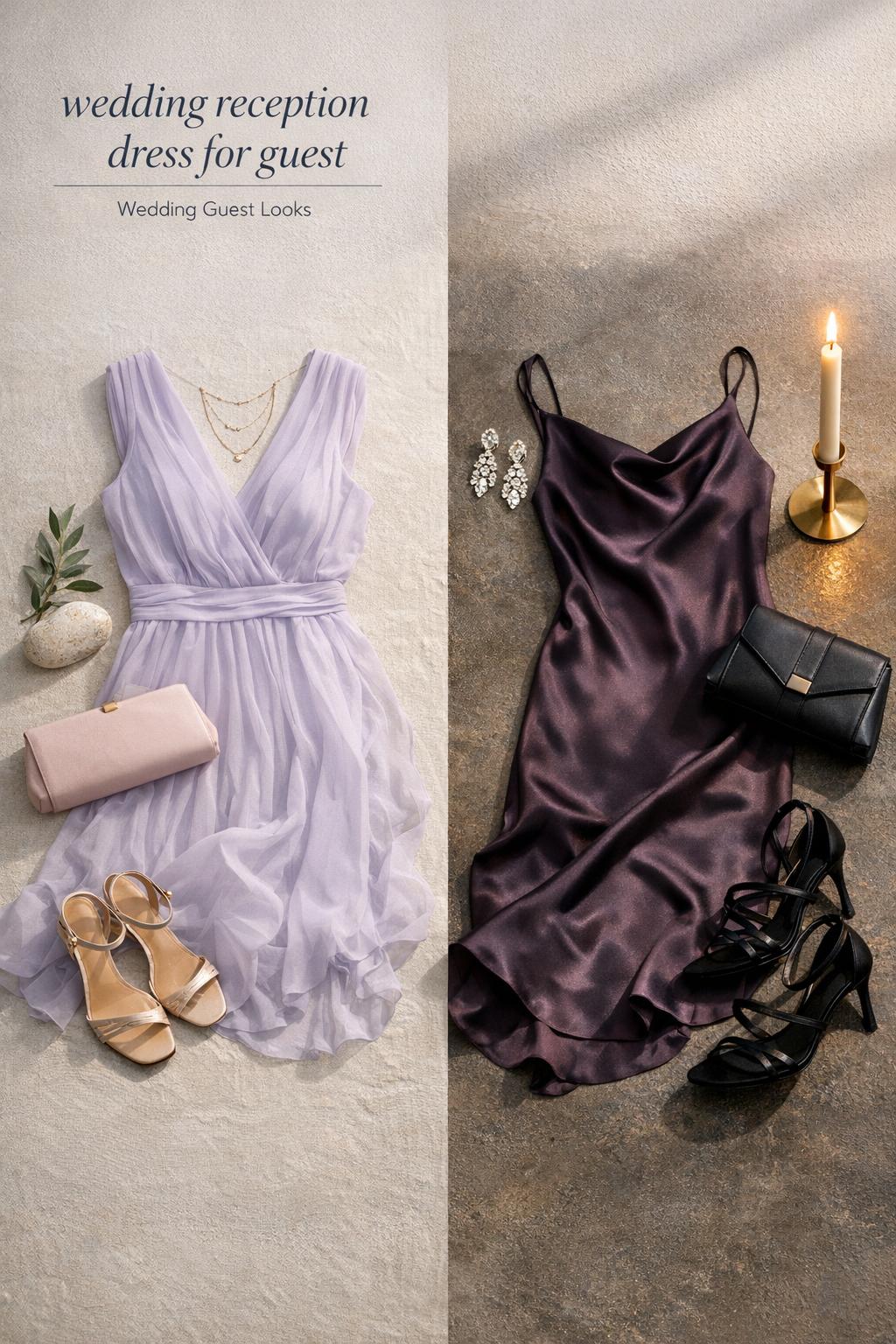
Below, we’ll compare the two styles in a clear, visual way: how each reads under common dress code wedding language (casual, cocktail, formal, black-tie), what silhouettes and fabrics tend to work best, how color stories—from soft pastels like lavender to richer tones—change the mood, and how to build wedding guest looks that stay stylish and wearable. You’ll also find practical tips for fit, last-minute decisions, petite wedding guest outfits, and smart ways to shop across familiar destinations like Anthropologie, REVOLVE, JJ’s House, Grace Loves Lace, Goddiva, Pamela Scott, Blue Bungalow, and even resale options like Stillwhite.
Style overview: the ceremony-to-reception “all-day elegant” guest dress
This style is built for continuity. The all-day elegant approach assumes you’ll be present for multiple parts of the wedding—arrival, ceremony, cocktail hour, reception—and you want your guest attire to feel appropriate in every setting without needing a reset. It’s a favorite of retailers that blend editorial guidance with product curation, where silhouettes, fabrics, occasions, and how to style are treated as one connected system.
Your wedding look is only the beginning.
Keep your guest list, vendors, timeline, and every important detail together with Zarellea — so your day feels as considered as your style.
Defining characteristics tend to include balanced silhouettes (midi, maxi, or refined knee-length), fabrics that photograph well in daylight and still read polished in evening light, and styling choices that can shift with accessories. The aesthetic mood is composed and wedding-specific: pretty without being precious, elevated without feeling like a gala costume.
- Typical silhouettes: midi dresses, maxi dresses, knee-length fits; shapes that aren’t overly restrictive for sitting through ceremony and dinner
- Color palette: season-aware tones (soft for spring/summer; deeper for fall/winter) that can stay consistent through changing light
- Fabrics and textures: crepe, satin, chiffon, lace—chosen for drape, comfort, and a clean finish
- Overall mood: polished, versatile, “wedding guest dress” in its most classic sense
Style overview: the reception-first “dance-floor ready” wedding guest dress
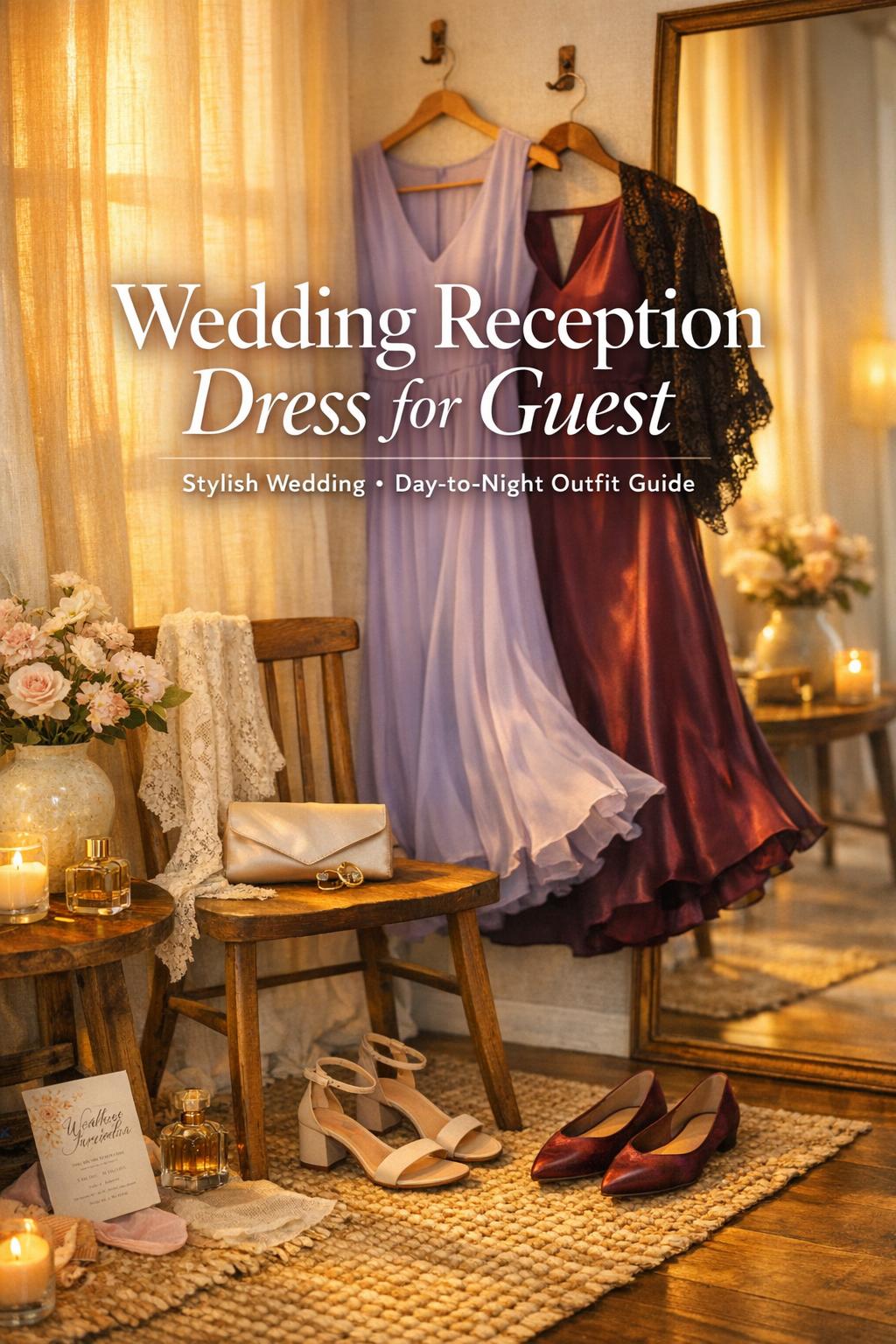
The reception-first approach treats the reception as its own event: evening-forward, movement-focused, and intentionally comfortable. This is where “after the ceremony” language becomes a real style filter—what feels romantic and right in a seated ceremony can feel fussy once you’re navigating a crowded room, greeting tables, and dancing. Brands that highlight comfort and movement lean into this approach, framing reception dresses as party-ready by design.
Defining characteristics include silhouettes that move—maxis that swish, midis with ease, minis that feel celebratory—plus fabrics that are tactile and flexible. Lace often signals romance, while satin brings sleek evening shine; chiffon keeps things airy when the energy rises.
- Typical silhouettes: maxis, midis, minis; pieces that don’t restrict your stride or your shoulders
- Color palette: reception lighting-friendly tones, including rich colors and trend shades like lavender
- Fabrics and textures: lace, satin, chiffon, crepe—chosen for movement and comfort
- Overall mood: festive, stylish wedding energy, and comfortable enough to stay out late
The key differences that change everything (even when the dresses look similar on a hanger)
Silhouette and structure: sitting vs. dancing is the real test
All-day elegant silhouettes often prioritize a smooth line that holds its shape for hours—ideal for ceremony photos and long stretches of sitting. Reception-first silhouettes prioritize how the dress behaves in motion: walking between tables, stepping onto a dance floor, moving your arms comfortably. Even within the same family (say, a satin midi), the difference shows up in ease: a reception-forward midi typically feels less restrictive and more “party dress” in spirit.
Color palette: daylight romance vs. candlelit impact
Ceremony-to-reception dressing often starts with daylight considerations—how the shade reads in natural light, how it looks in outdoor settings like a garden, and how it complements the overall wedding atmosphere. Reception-first dressing often leans into evening presence. This is where color stories become intentional: lavender can feel fresh and modern, while deeper tones can look especially refined under warm reception lighting. The point isn’t that one palette is “right,” but that each approach optimizes for a different kind of moment.
Level of formality: interpreting dress code wedding language with nuance
Both styles can work across casual, cocktail, formal, and black-tie, but they interpret those categories differently. All-day elegant tends to stay closer to classic guest attire rules: a cocktail wedding guest dress reads polished from first arrival to last toast. Reception-first can still be formal, but it’s often filtered through comfort—choosing a formal maxi that moves, or a sleek silhouette that doesn’t need constant adjusting.
Styling philosophy: “one look, many moments” vs. “one moment, perfect look”
The ceremony-to-reception style is about adaptability. Accessories, outerwear, and small styling shifts (like changing shoes or adding a clutch) help the same dress feel right across the event. Reception-first styling is more singular: the dress is chosen because it’s inherently aligned with the reception’s energy—comfortable, dance-floor-ready, and visually confident in evening settings.
Dress code wedding clarity: how each style behaves under casual, cocktail, formal, and black-tie
Most confusion around wedding reception dresses for guests isn’t about the dress—it’s about translation. Invitations and venue cues imply a level of formality, but guests still need a practical system for choosing silhouettes, fabrics, and styling details that feel correct. Use the dress code as the starting point, then choose your style approach: all-day elegant or reception-first.
Casual receptions: polished ease without looking underdressed
For casual, the all-day elegant approach tends to favor lighter silhouettes and fabrics that look intentionally “wedding.” The reception-first approach can also work here—just keep the look refined rather than nightclub-coded. Focus on comfort, but maintain a guest-of-a-wedding finish through fabric choice and thoughtful accessories.
Cocktail receptions: the sweet spot where both styles overlap
Cocktail is where the two aesthetics can look almost identical at first glance: a midi silhouette, a clean neckline, a fabric like satin or crepe, and accessories that feel celebratory. The difference comes later in the night. If you know you’ll be dancing, reception-first logic nudges you toward movement-friendly construction. If you’ll be moving through ceremony, cocktail hour, and dinner with equal focus, all-day elegant keeps the look steady and versatile.
Formal and black-tie: when fabric and finish carry the message
Formal and black-tie guest attire often leans toward longer lengths and elevated textures. All-day elegant tends to prioritize a refined silhouette that feels composed from early photos to late-night farewells. Reception-first formal dressing asks a different question: can you actually enjoy the night in this dress? A maxi can be both formal and comfortable—especially when fabric choice supports movement. In either approach, the “wedding guest dress” should feel intentional, not like a generic evening outfit pulled from an unrelated occasion.
Silhouettes in motion: maxi, midi, and mini through a reception lens
Silhouettes are often described as a matter of taste, but in wedding contexts they’re also a matter of logistics. You’ll be sitting, standing, walking, hugging, and possibly dancing for hours. The silhouette you choose should align with the pace of the reception and the space you’ll be in—ballroom, city venue, garden, beach, or a hybrid schedule with multiple locations.
Maxi dresses: romantic sweep vs. practical ease
A maxi can read effortlessly elevated, which is why it’s a staple across wedding reception dresses for guest collections. In an all-day elegant interpretation, a maxi is about length and polish—photogenic and formal-leaning. In a reception-first interpretation, the maxi becomes about movement: a skirt that flows without tripping you up, a bodice you can breathe in, and fabric that doesn’t cling in a crowded room. When comfort and dance-floor-ready energy matter, maxi dressing becomes less about drama and more about ease.
Midi dresses: the most adaptable silhouette for wedding guest looks
The midi sits at the center of modern wedding guest fashion because it’s adaptable. It can be styled to look casual, cocktail, or formal depending on fabric and accessories. For all-day elegant guest attire, a midi is a reliable anchor—appropriate for ceremony and reception without needing a second thought. For reception-first styling, a midi is chosen for mobility and balance: it feels stable on the dance floor and usually plays well with a range of shoes.
Mini dresses: the reception-forward choice that needs extra dress code awareness
Minis often read as celebratory and youthfully modern, which can be perfect for a stylish wedding reception—especially in a city setting. The trade-off is dress code clarity. In casual or cocktail contexts, a mini can feel right if the fabric and styling are polished. In formal or black-tie environments, mini lengths can feel out of step unless the overall look communicates elevated occasion wear through fabric, structure, and accessories. Reception-first doesn’t mean “less formal”; it means comfort and party-ready design, still filtered through the event’s expectations.
Fabrics and texture: chiffon, satin, lace, and crepe as style signals
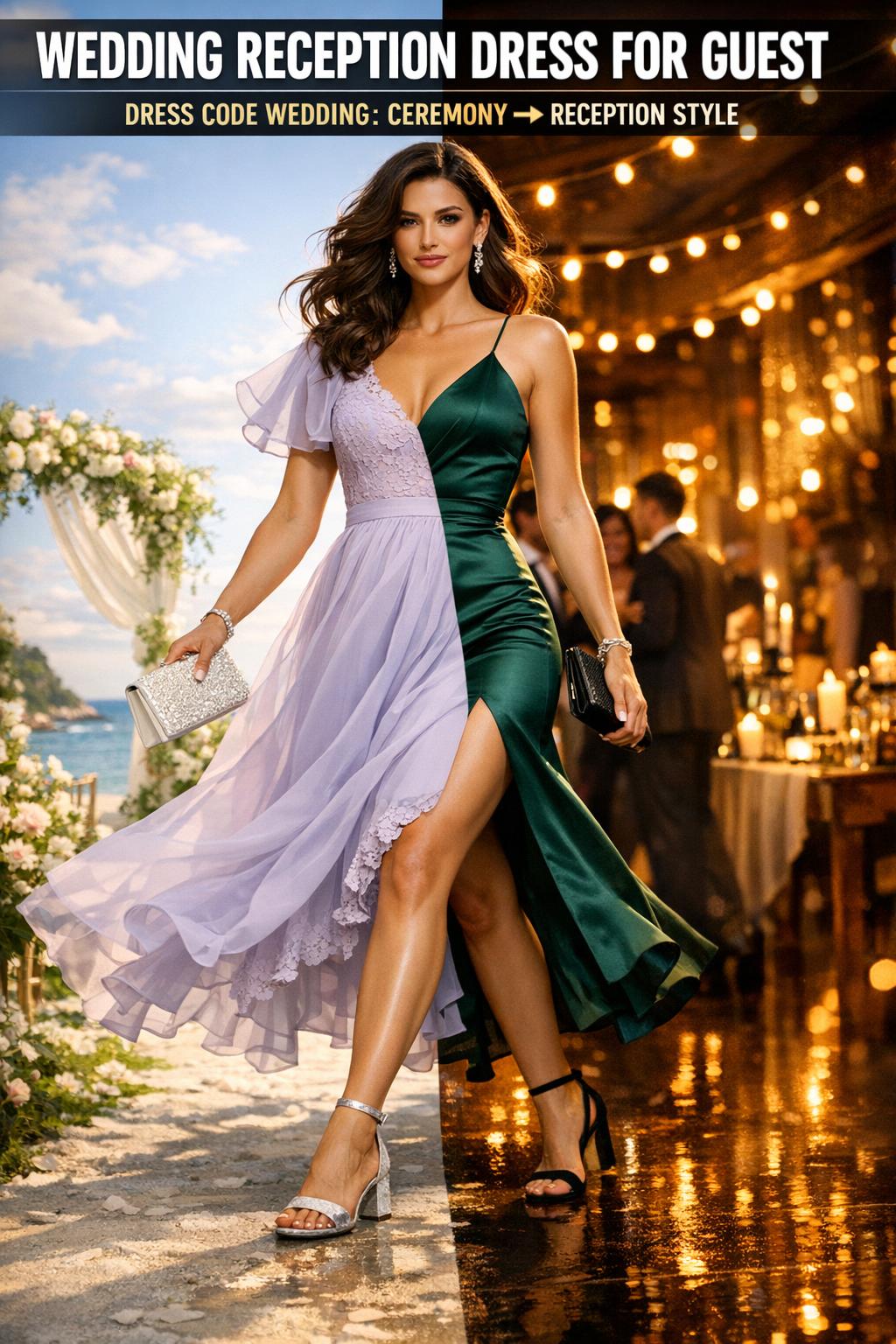
Fabric is where reception comfort meets visual sophistication. The same color can look entirely different depending on whether it’s rendered in satin’s sheen, chiffon’s float, lace’s texture, or crepe’s clean matte finish. Thinking in fabrics also helps you choose between the two style approaches: all-day elegant often favors fabrics that hold a polished line; reception-first leans toward fabrics that move.
Chiffon: airy movement for outdoor and high-energy receptions
Chiffon reads romantic and light, which makes it a natural partner for garden settings and warmer months. It also has a practical advantage for reception-first styling: it moves well, making it a comfortable companion for dancing. The limitation is that chiffon can feel less “evening” unless the silhouette and accessories bring enough structure to the overall guest attire.
Satin: evening polish that changes under reception lighting
Satin is a reception favorite because it reflects light in a way that feels special—especially in candlelit spaces. For all-day elegant dressing, satin can be beautiful but requires confidence in how it reads in daylight as well as at night. For reception-first dressing, satin often works best when the silhouette is movement-friendly, so the look feels sleek rather than restrictive.
Lace: texture, romance, and a natural bridge between ceremony and reception
Lace carries wedding romance almost by default, which is why it’s often associated with after-ceremony and reception-ready styling. It can feel soft and celebratory without needing excessive embellishment. The key is balancing lace texture with silhouette: a lace maxi can lean formal; a lace midi can sit comfortably in cocktail territory; lace can also signal a brand’s signature style when the collection leans into that fabric identity.
Crepe: clean lines for modern, composed wedding guest fashion
Crepe is for guests who want a smooth, modern finish—often ideal for city receptions where the mood is sleek and edited. It supports both aesthetics: all-day elegant crepe looks refined and stable, while reception-first crepe works when the cut allows easy movement. If you prefer understated styling, crepe lets accessories do more of the storytelling.
Venue-driven style: garden, beach, city, and black-tie receptions as distinct fashion worlds
A venue isn’t just a backdrop; it sets the rules for how fabrics behave, how silhouettes feel, and how formal your guest attire reads. Many wedding guest dresses are categorized by theme—formal, garden, beach—because venue logic helps shoppers land on a look that feels intuitive. Here’s how the two styles compare when you anchor them to place.
Garden receptions: soft silhouettes with practical grounding
Garden settings reward movement and softness—an atmosphere that naturally suits chiffon, lace, and flowy silhouettes. The all-day elegant approach leans into gentle romance with balanced proportions, often a midi or a maxi that reads graceful in daylight. The reception-first approach keeps the same romance but prioritizes comfort: a dress you can walk in on uneven paths and still feel light once the evening gets lively. If you’re building wedding guest looks for an outdoor schedule, this is where “pretty” and “practical” need to coexist.
Beach receptions: the same elegance, with a different set of constraints
Beach weddings are often categorized separately for a reason: sand changes everything. All-day elegant beach dressing tends to favor breathable fabrics and silhouettes that don’t feel heavy. Reception-first beach dressing places even more emphasis on comfort and mobility—especially when the reception is outdoors and the evening is long. The styling difference becomes visible in footwear and hemlines: what looks effortless in a city venue can feel cumbersome when the ground isn’t smooth.
City receptions: sleek lines, modern fabrics, and polished accessories
Urban receptions often invite a more edited aesthetic: crepe’s clean finish, satin’s glossy confidence, and silhouettes that feel intentional rather than overly whimsical. All-day elegant city dressing is about a refined look that can move from ceremony to reception without feeling too “daytime.” Reception-first city dressing can embrace a stronger party mood—mini and midi silhouettes are common here—while still maintaining a formal, wedding-appropriate finish.
Black-tie and formal receptions: where length and fabric communicate respect
In black-tie settings, the all-day elegant approach often lands naturally: longer lengths, elevated fabrics, and a silhouette that feels composed for the entire event. Reception-first styling works too, but it’s most successful when it stays grounded in formal signals—think a maxi that feels comfortable and dance-floor-ready rather than a dress that looks spectacular but feels unwearable after dinner. The most stylish wedding guest outfits in these rooms look effortless because they’re built on comfort, not in spite of it.
Visual style breakdown: how accessories shift the same dress into two different wedding guest looks
Accessories are where you can intentionally choose your aesthetic—without changing the dress itself. This is especially useful if you’re shopping from broad catalogs where the same silhouettes appear across brands and price tiers. The goal is to make your styling feel reception-aware: a clutch that stays close, jewelry that catches evening light, and outerwear that doesn’t collapse the silhouette.
Layering approach: subtle transitions between ceremony and reception
All-day elegant styling treats layering as a bridge—something that makes guest attire adaptable as the setting changes. A light outer layer can keep the look ceremony-appropriate, then disappear for dancing. Reception-first styling tends to minimize layers from the start, keeping the silhouette clean and movement-forward, with outerwear considered only if weather demands it.
Proportions and balance: where your accessories sit matters
In wedding guest fashion, proportion is quiet but powerful. A maxi silhouette often benefits from accessories that feel deliberate—especially when the reception space is formal. A midi can take a wider range of styling, which is why it’s so common in wedding guest dresses collections. Minis read most reception-forward when accessories elevate rather than overwhelm: the goal is stylish, not noisy.
Shoes and bags: comfort is part of the dress code at a reception
Reception-first guest attire treats footwear as a core component of the outfit, not a last-minute add-on. If you plan to dance, your shoes should be part of your silhouette decision—especially with maxi lengths. All-day elegant styling can accommodate a shoe change more easily, which is one reason it’s favored for long wedding schedules. In both cases, a small bag with secure closure is more practical than anything that requires constant attention.
Color stories that feel current: from lavender to deeper reception-ready tones
Color is one of the quickest ways to telegraph mood. Some guests gravitate toward classic, understated palettes; others want a trend-forward tone that still feels wedding-appropriate. Pastels and florals often read naturally romantic, while deeper tones can look especially refined in evening settings. Lavender, in particular, sits in a sweet spot: modern, soft, and visually distinctive without feeling overly loud.
Lavender wedding guest dress energy: soft, modern, and photogenic
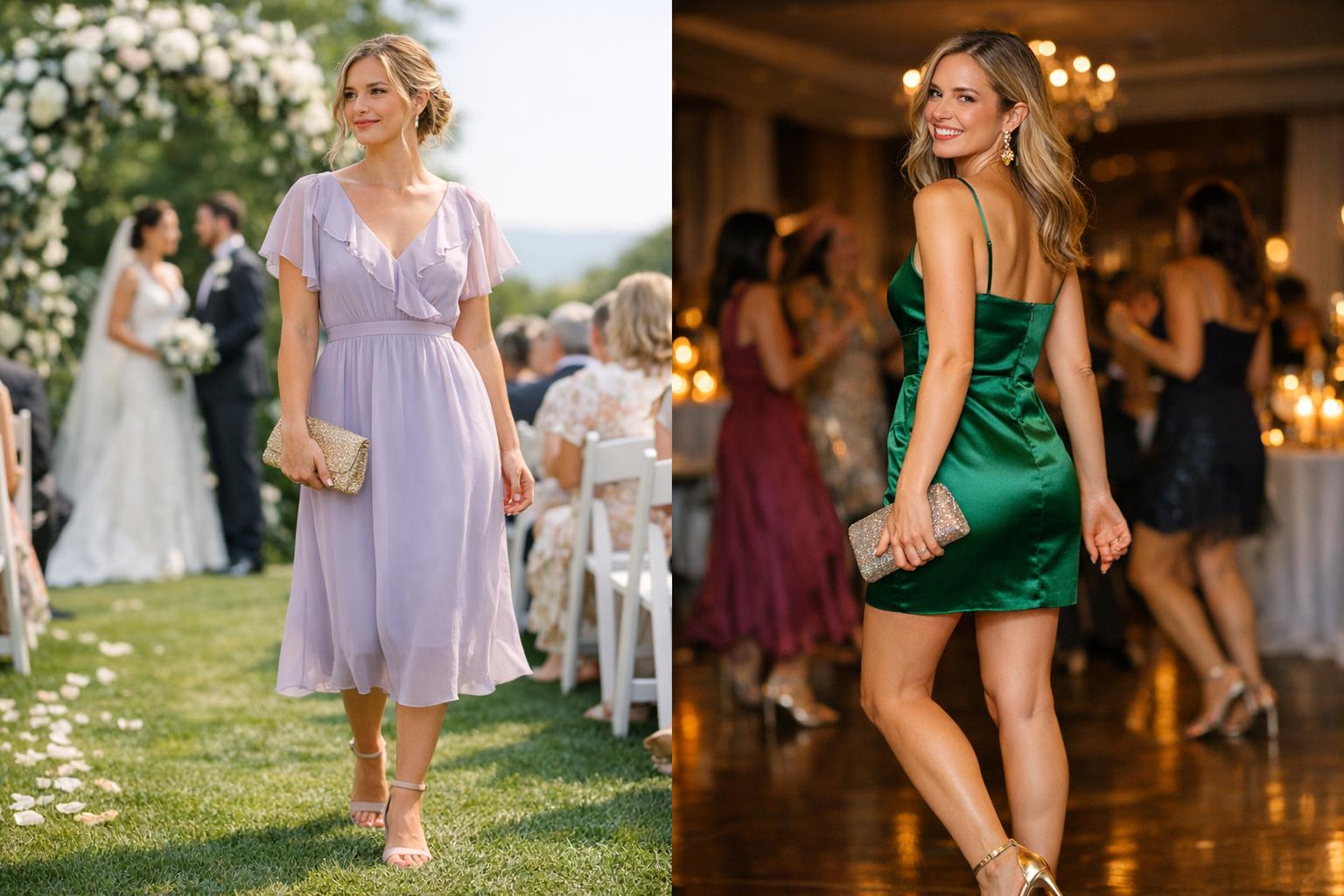
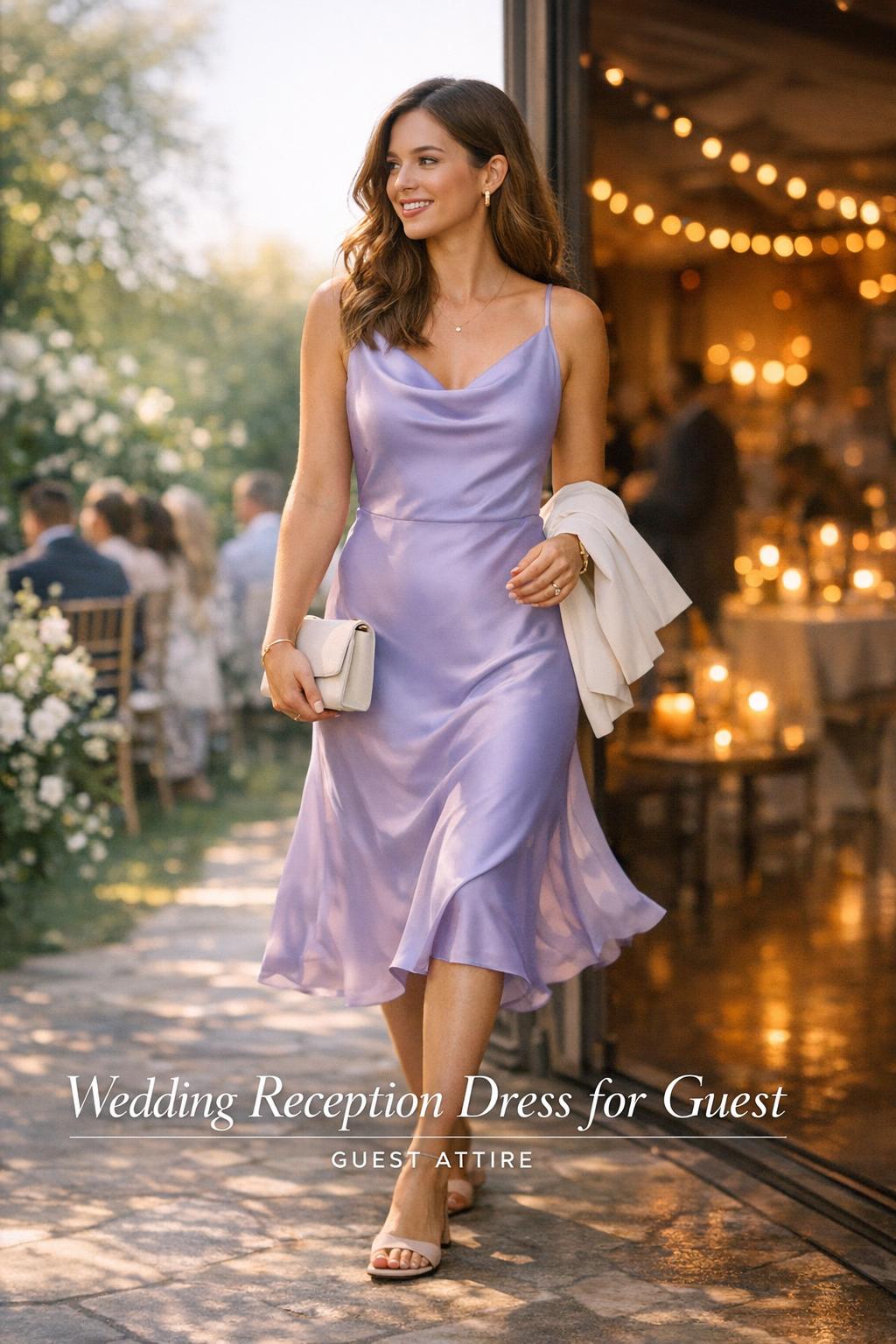
A lavender wedding guest dress can read airy in a garden ceremony and still feel luminous at a reception, which makes it unusually versatile across the two styles. In an all-day elegant approach, lavender is often paired with refined fabrics and restrained accessories for a composed look. In a reception-first approach, lavender can lean more playful—especially in a silhouette chosen for movement—while still staying within the romantic language of weddings.
Seasonal logic without overthinking: matching fabric weight to the moment
Seasonality isn’t just about color; it’s about how fabric feels over hours. In warmer months, chiffon and lighter constructions can support comfort, particularly for outdoor receptions. In cooler seasons, textures like lace and more structured fabric behavior can help the look feel grounded. The most wearable wedding guest looks are the ones where color and fabric tell the same story—light and floaty, or sleek and evening-polished—rather than competing.
Outfit examples as comparisons: one occasion, two styling approaches
Rather than imagining these styles as separate wardrobes, it helps to see them as two ways of solving the same problem. Below are a few scene-based comparisons—each one showing how all-day elegant and reception-first styling interpret the same type of reception.
Example comparison: garden-to-reception celebration with golden-hour photos
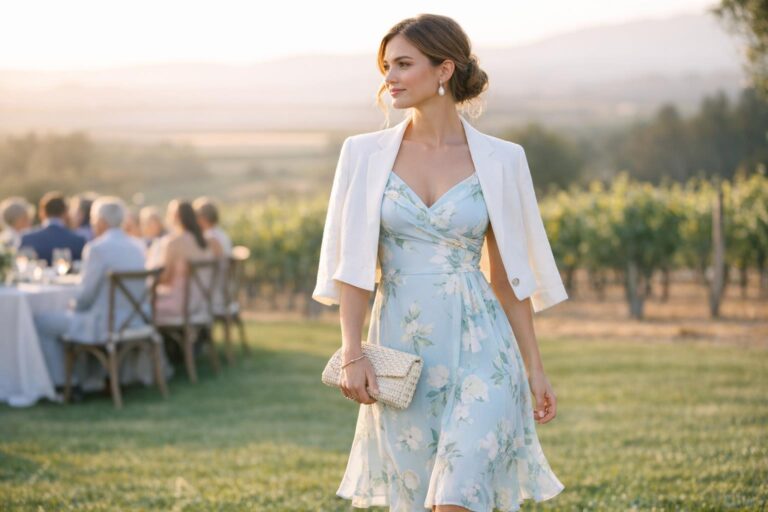
All-day elegant leans into a midi or maxi silhouette in chiffon, lace, or crepe—something that looks refined in daylight, holds its shape in photos, and remains comfortable through dinner. Reception-first chooses a similarly romantic silhouette but prioritizes movement: a flowy maxi that sways on the dance floor, or a midi that feels stable on outdoor ground, finished with accessories that feel evening-ready once the sun sets.
Example comparison: city wedding reception with a cocktail-leaning dress code
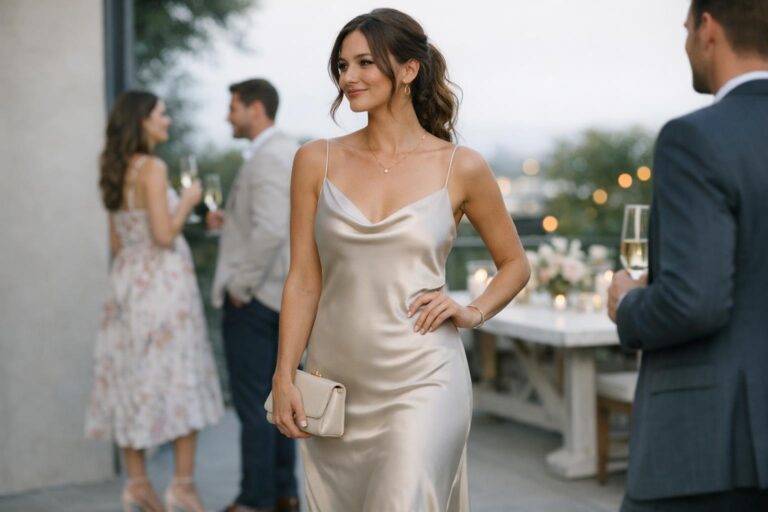
All-day elegant opts for a polished cocktail wedding guest dress—often a satin or crepe midi with understated accessories so the look stays appropriate across ceremony and reception. Reception-first keeps the cocktail framework but turns up the evening mood: a sleek silhouette that feels more “party dress,” perhaps a mini or a sharper midi, chosen because it moves easily through a crowded room and still reads as wedding-appropriate under reception lighting.
Example comparison: formal or black-tie reception where comfort still matters
All-day elegant typically lands on a formal maxi that feels composed and respectful of the setting, supported by refined accessories. Reception-first also chooses a formal silhouette, but the deciding factor is wearability after dinner: fabric that doesn’t restrict movement, construction that allows comfortable sitting and dancing, and details—like lace texture or satin finish—that look elevated without requiring constant adjustment throughout the night.
Where “wedding guest looks” meet real wardrobes: shopping strategies across brands and resale
Most guests aren’t building a one-time outfit; they’re building a practical solution for a season of invitations. That’s why shopping hubs and category pages are popular: they let you compare silhouettes (gowns, maxis, minis), fabrics (satin, lace), and occasion labels (garden, beach, formal) in one place. The key is knowing what you’re shopping for—an all-day elegant dress, or a reception-first wedding reception dress for guest.
If your style is editorial and variety-driven, browsing broad selections can help you identify your signature silhouette quickly—then refine by fabric and occasion. Stores and collections known for wedding guest dresses and wedding guest looks often blend this browsing experience with styling guidance, which is useful when you’re deciding between similar options. Brand-forward collections focused on reception dresses may feel more cohesive and comfort-led, which can be a relief if your priority is a dance-floor-ready fit.
- For a wide, curated catalog of reception-appropriate dresses: browse a category experience like REVOLVE, where brands and silhouettes (gowns, maxis, minis) help you compare quickly
- For editorial guidance paired with product options: look to an experience like Anthropologie, where silhouettes, fabrics, occasions, and how to style are treated as part of the decision
- For theme-based categories (formal, garden, beach): a retailer structure like JJ’s House helps translate venue and dress code wedding expectations into shoppable groupings
- For reception-centric comfort and movement cues: a collection approach like Grace Loves Lace emphasizes “after the ceremony” and dance-floor-ready comfort as the core value
- For accessible occasionwear shopping with filtering by size, color, and silhouette: a catalog like Goddiva supports quick narrowing when time is short
- For curated “looks” and visual styling direction: Pamela Scott and Blue Bungalow lean into imagery and seasonal picks that help you see the outfit as a full story
- For a resale-driven alternative: Stillwhite shows how pre-owned listings can still align with wedding guest contexts, especially when brand and sizing details are clear
Petite wedding guest outfits: choosing proportions that stay elegant through the reception
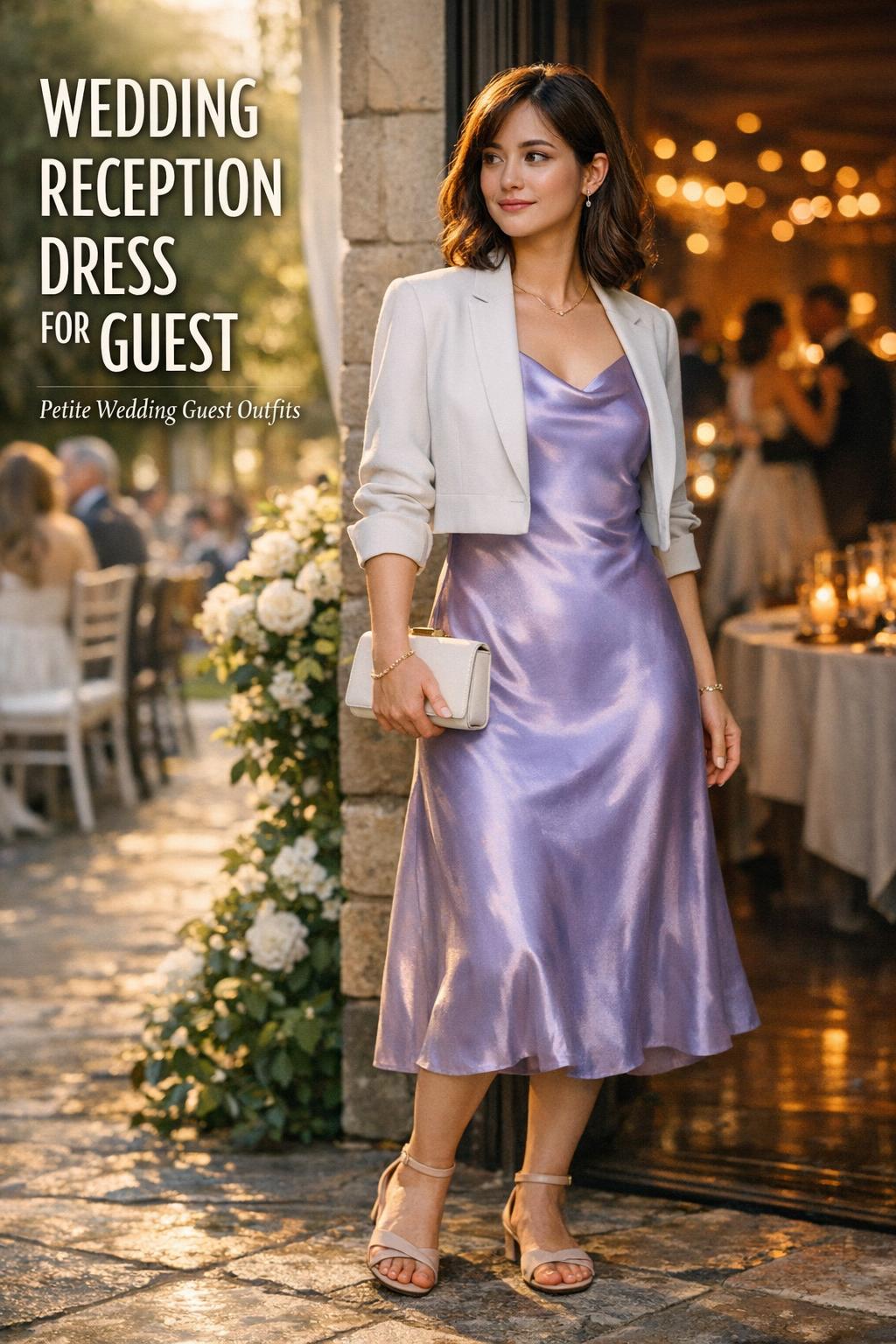
Petite wedding guest outfits benefit from the same style logic as any guest look—dress code awareness, comfortable fabrics, and reception-ready movement—but proportions become more noticeable across a long event. A midi that hits at an awkward point, or a maxi with too much volume, can visually “weigh down” the silhouette, even if the dress itself is beautiful.
All-day elegant petite styling often starts with clean lines: crepe and satin can create a continuous column effect, while lace adds texture without adding bulk. Reception-first petite styling prioritizes movement without extra fabric; the goal is to feel free on the dance floor while keeping the overall look polished. If you’re petite and choosing a maxi, pay attention to how the hem behaves when you walk—because a reception is not a stationary event.
Tips: petite-friendly reception styling without sacrificing the mood
- Choose silhouettes that feel intentional in length—midis that look balanced and maxis that don’t overwhelm your frame
- Use fabric behavior as a guide: chiffon for airy movement, crepe for clean lines, satin for evening polish, lace for texture
- Keep accessories proportionate so they enhance the outfit rather than competing with it
Stylist’s notes: common reception-dress mistakes (and how to avoid them gracefully)
Most wedding guest outfit regrets aren’t about taste—they’re about context. A dress can be objectively beautiful and still feel wrong once you’re in the space, under the lighting, and committed to wearing it for hours. Thinking like a stylist means anticipating friction points before they happen.
Mistake: choosing a silhouette that looks perfect in a mirror but fails in motion
A reception involves repeated movement: standing to greet, sitting through dinner, stepping onto a dance floor. If the silhouette restricts your stride or requires constant adjusting, it quietly pulls you out of the celebration. Reception-first styling naturally protects against this, but even all-day elegant guest attire should be tested for movement—especially with maxis and satin finishes.
Mistake: ignoring venue cues and over-relying on a single idea of “formal”
Formal isn’t one look—it’s a relationship between fabric, silhouette, and setting. A formal maxi that feels right in a ballroom may feel heavy outdoors; a cocktail midi that looks ideal in a city venue may feel underpowered in a black-tie room if the fabric reads too casual. Use the venue (garden, beach, city) and the stated dress code wedding language together, then choose your style approach.
Mistake: building the outfit only for photos, not for a full evening
Photos matter—but so does comfort. The most stylish wedding guest looks tend to be the ones that stay consistent from first photo to last dance. This is where fabrics that move (like chiffon) and textures that elevate without discomfort (like lace) become practical choices, not just aesthetic ones.
Choosing between the two styles: a quick decision framework for real wedding schedules
If you’re torn between all-day elegant and reception-first, the decision often comes down to schedule and energy. A full wedding day with multiple locations rewards versatility. A reception-only invite, or a reception where dancing is the main event, rewards comfort-led choices. Neither approach is “better”; each is simply optimized for a different experience of the same celebration.
Tips: decide in five minutes by asking the right questions
- Am I dressing for ceremony and reception, or primarily the reception?
- Is the venue garden, beach, city, or black-tie formal—and will I be outdoors?
- Do I want my look to feel steady all day, or especially festive at night?
- What matters more: a polished line in photos, or all-night comfort and movement?
- Will I need petite-friendly proportions to keep the silhouette balanced?
How to blend both aesthetics for a stylish wedding guest outfit that lasts all night
In practice, the best guest attire often borrows from both philosophies: the polish and appropriateness of all-day elegant, with the comfort and movement of reception-first. The blend is especially useful when you want one dress that can handle ceremony photos and still feel effortless once the party begins.
A classic way to blend is to choose a versatile silhouette—often a midi or a movement-friendly maxi—then let fabric and accessories do the tuning. Satin can lean more reception-polished, crepe can lean more modern and composed, chiffon can lean more airy and romantic, and lace can bring wedding-specific texture without requiring extra embellishment. This is also where curated “wedding guest looks” collections are useful: they help you imagine the full outfit story rather than shopping a dress in isolation.
FAQ
What does “wedding reception dress for guest” mean compared to a regular wedding guest dress?
A wedding reception dress for guest is typically chosen with the reception experience in mind—comfort, movement, and evening polish—while a general wedding guest dress may be selected to work across multiple moments, including the ceremony. Both can overlap in silhouettes like midi and maxi, but the reception-first approach prioritizes dance-floor-ready wearability.
How do I interpret dress code wedding terms like cocktail, formal, and black-tie for a reception?
Start with the stated dress code (casual, cocktail, formal, black-tie), then use venue cues—garden, beach, city, ballroom—to refine fabric and silhouette. Cocktail often favors polished midis, while formal and black-tie lean toward longer lengths and elevated fabrics like satin, crepe, or lace, with comfort considerations for a long evening.
Which silhouette is most reliable for a wedding reception: maxi, midi, or mini?
Midi is often the most adaptable because it can read casual to formal depending on fabric and accessories, and it typically moves well for receptions. Maxi can feel especially elegant for formal settings if it’s comfortable to sit and dance in, while mini is usually more reception-forward and works best when the dress code and overall styling still feel wedding-appropriate.
Are chiffon, satin, lace, and crepe all appropriate fabrics for guest attire?
Yes—these fabrics appear frequently in wedding guest dresses because each communicates a different mood. Chiffon emphasizes airy movement, satin emphasizes evening shine, lace adds romantic texture, and crepe offers clean modern lines; the most important factor is matching the fabric’s feel and finish to the venue and formality.
Is a lavender wedding guest dress a safe choice for a reception?
Lavender is a popular color story in wedding guest fashion because it feels soft, modern, and visually distinctive without overwhelming the setting. It can work for both ceremony-to-reception dressing and reception-first styling, especially when paired with reception-appropriate fabrics and accessories that match the formality.
How should I shop if I want lots of options across brands and silhouettes?
Browse category-style collections that let you compare gowns, maxis, midis, and minis and filter by occasion, then narrow by fabric and color. Retailers and collections such as Anthropologie, REVOLVE, JJ’s House, Goddiva, Pamela Scott, and Blue Bungalow are structured around these comparisons, while brand-focused reception collections like Grace Loves Lace emphasize comfort and after-ceremony energy.
Can petite wedding guest outfits follow the same rules as standard sizing?
Yes, but proportions become more noticeable over a long event. Petite wedding guest outfits often look best when the silhouette feels balanced—midis that hit cleanly, maxis that don’t overwhelm, and fabrics like crepe, satin, lace, or chiffon chosen for how they drape and move during the reception.
Is buying a pre-owned dress a reasonable option for a wedding guest look?
It can be, especially if the listing clearly explains brand, size, and condition so you can assess fit and practicality for the event. Resale marketplaces like Stillwhite show that wedding-related occasionwear can be sourced secondhand when you prioritize accurate details and reception-ready wearability.