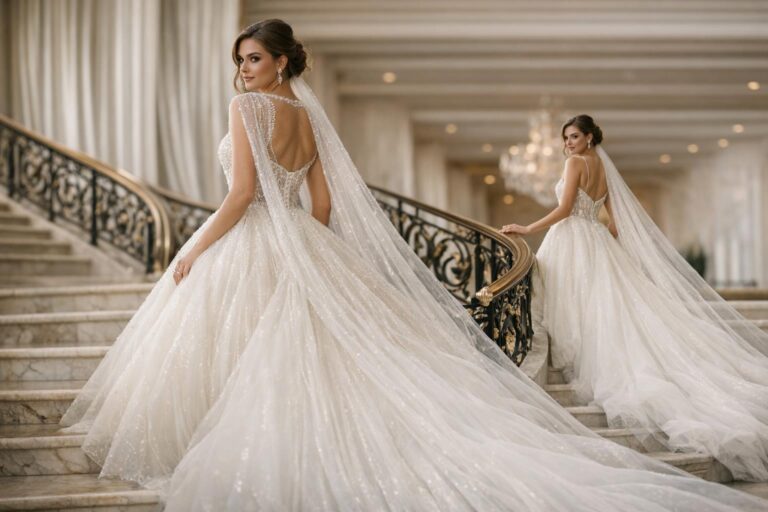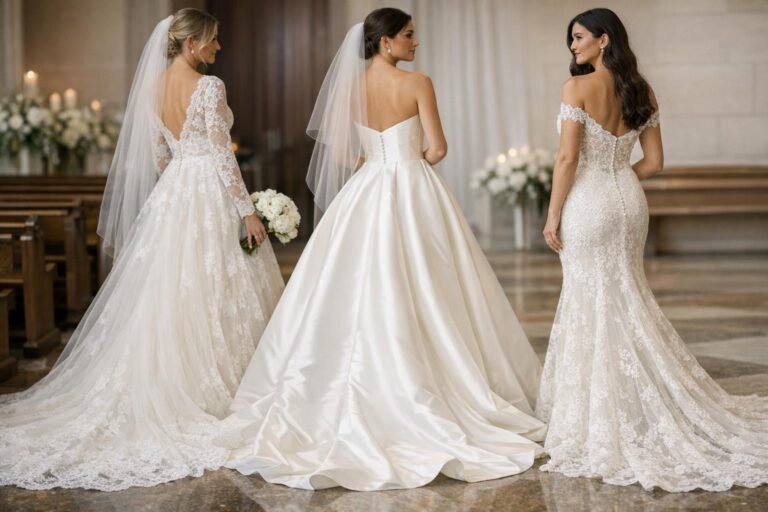
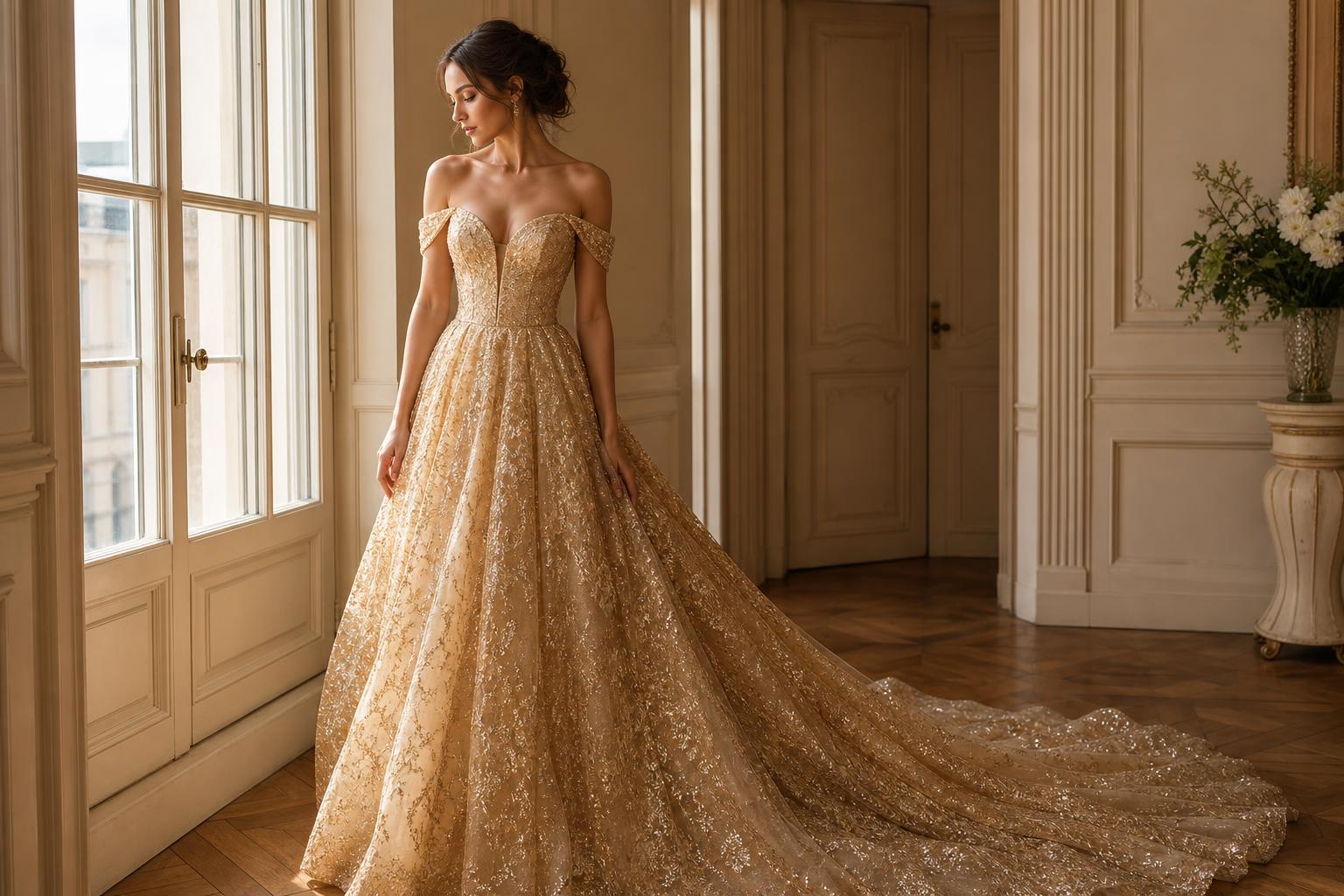
How to Style a Gold Wedding Dress With Modern Elegance
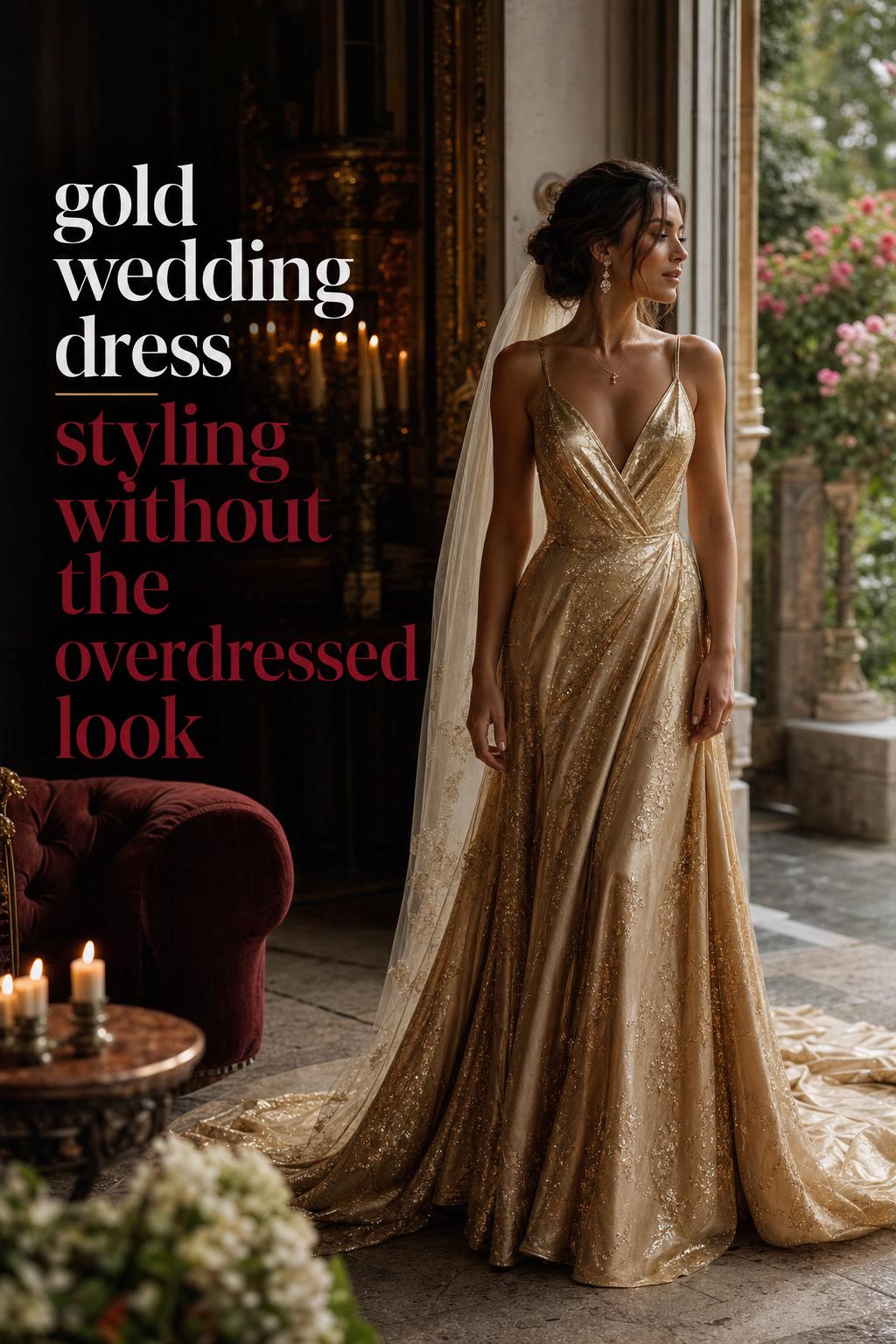
There is a particular kind of hesitation that happens when a bride falls in love with a gold wedding dress. The color feels glamorous, memorable, and unmistakably fashion-forward, yet the practical questions arrive immediately: will it photograph beautifully, will it still feel bridal, and which shade of gold will look elegant rather than overpowering? For many brides, the challenge is not whether gold is beautiful. It is how to wear it with confidence and clarity.
A gold bridal gown also asks more of the styling process than a traditional ivory dress. Tone, texture, silhouette, venue, and light all matter. A sequined column dress that feels thrilling in a candlelit ballroom may read too heavy on a windy beach, while a soft champagne gold slip can feel effortless at golden hour but too understated for a black-tie reception. This guide is designed to solve that problem with practical, editorial direction so you can choose a gold wedding dress that suits your setting, flatters your features, and feels intentional from ceremony to last dance.
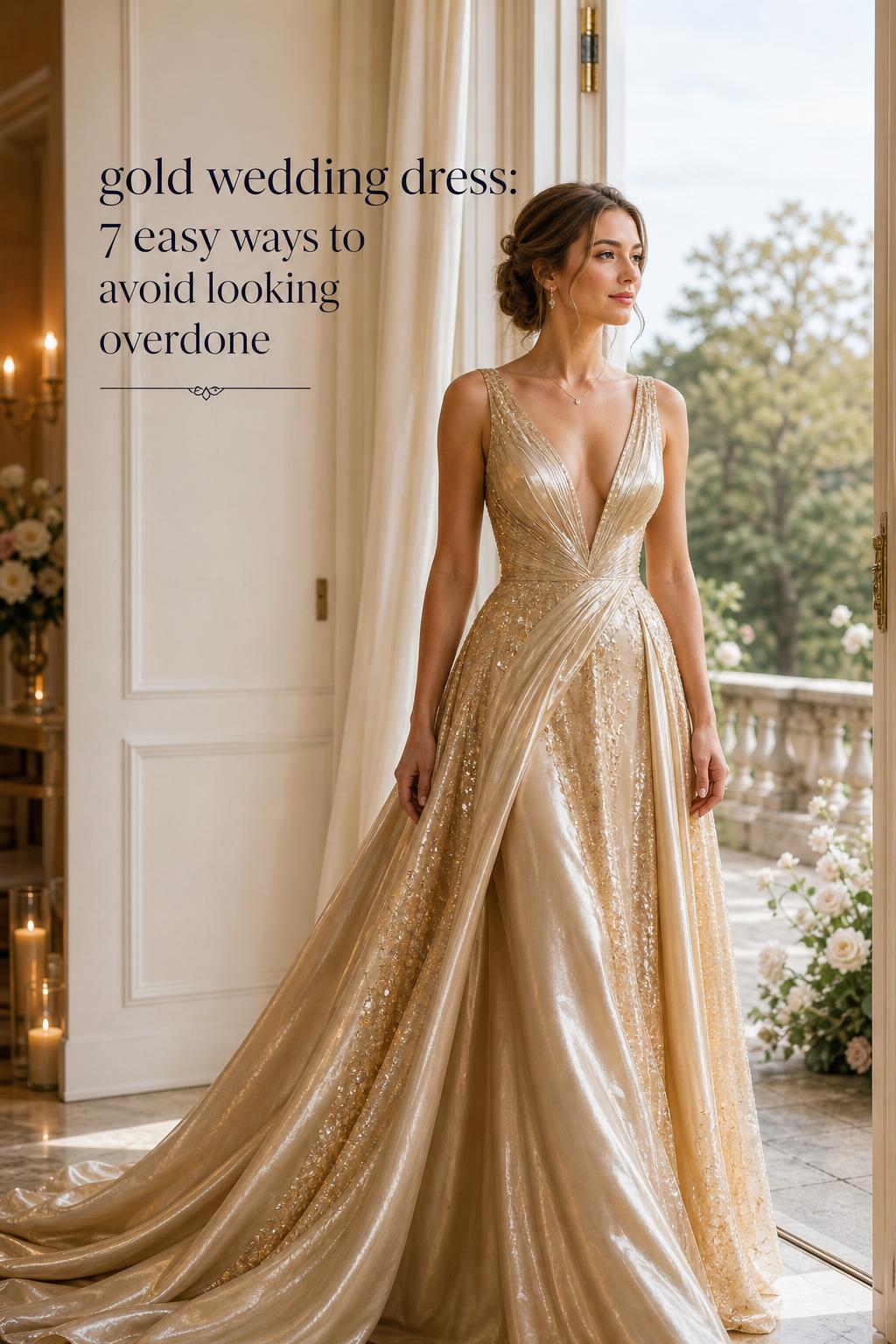
Why gold has become a modern bridal color
Gold has moved from statement fashion into the bridal conversation because it offers something many modern brides want: individuality without sacrificing elegance. In bridal style, gold can mean many things. It can be liquid and high-shine, romantic and champagne-toned, softly bohemian, richly embellished, or minimal and sculptural. That flexibility is why it appears across such varied aesthetics, from Studio 54 sparkle to regency cuts, beach dressing, and Art Deco drama.
The appeal is also emotional. Gold carries associations with glamour, celebration, warmth, and abundance, which makes it especially compelling for wedding fashion. For the bride who wants her look to feel festive rather than conventional, a metallic wedding dress offers a fresh answer. The key is understanding that “gold” is not a single color or mood. It is a family of tones and finishes, and the right version depends on where you are getting married, how formal the day will be, and how much visual impact you want.
Your wedding look is only the beginning.
Keep your guest list, vendors, timeline, and every important detail together with Zarellea — so your day feels as considered as your style.
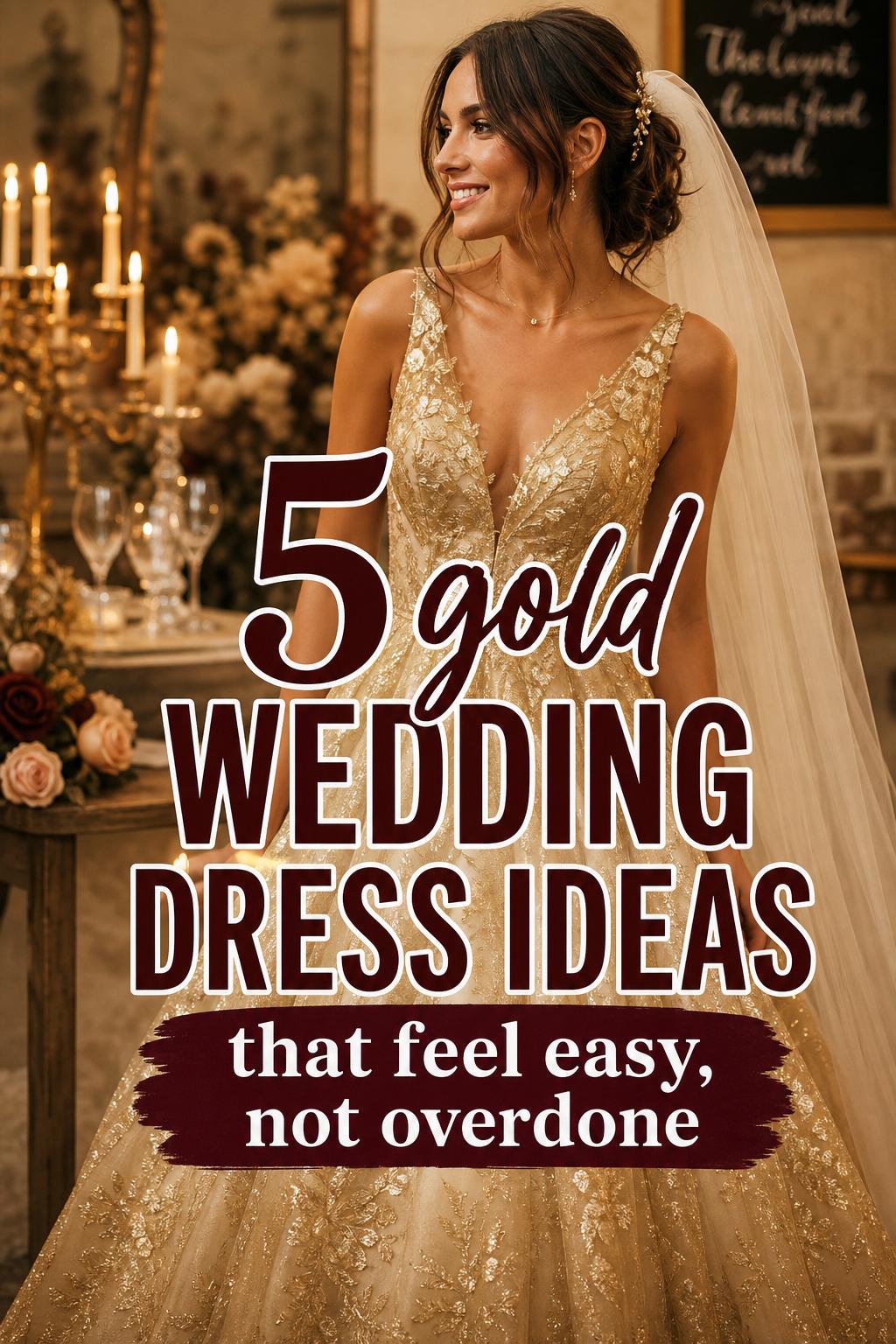
Understanding the styling challenge behind a gold wedding dress
Choosing a gold wedding dress is often harder than choosing a white one because every design element becomes more visible. Metallic fabrics, sequins, beading, satin, and lamé catch light differently throughout the day. Morning ceremonies, outdoor garden weddings, beach settings, winter receptions, and evening ballrooms all change how gold appears. A tone that looks soft indoors may read brighter in direct sun, and a heavily embellished gown can feel luxurious but less comfortable during a long celebration.
Comfort is part of the equation too. Brides are not only standing for portraits. They are walking, sitting, dancing, greeting guests, and often moving between ceremony and reception spaces. Silhouette matters because gold fabrics can add visual weight. A fitted mermaid shape in all-over sequins creates drama, but a column silhouette in satin or silk may feel easier to wear. Practicality also matters with accessories. Jewelry, shoes, and veil styling need to support the dress rather than compete with it.
This is why a gold bridal gown should be approached as a complete styling system, not just a color choice. Shade, silhouette, venue, and finish all have to work together.
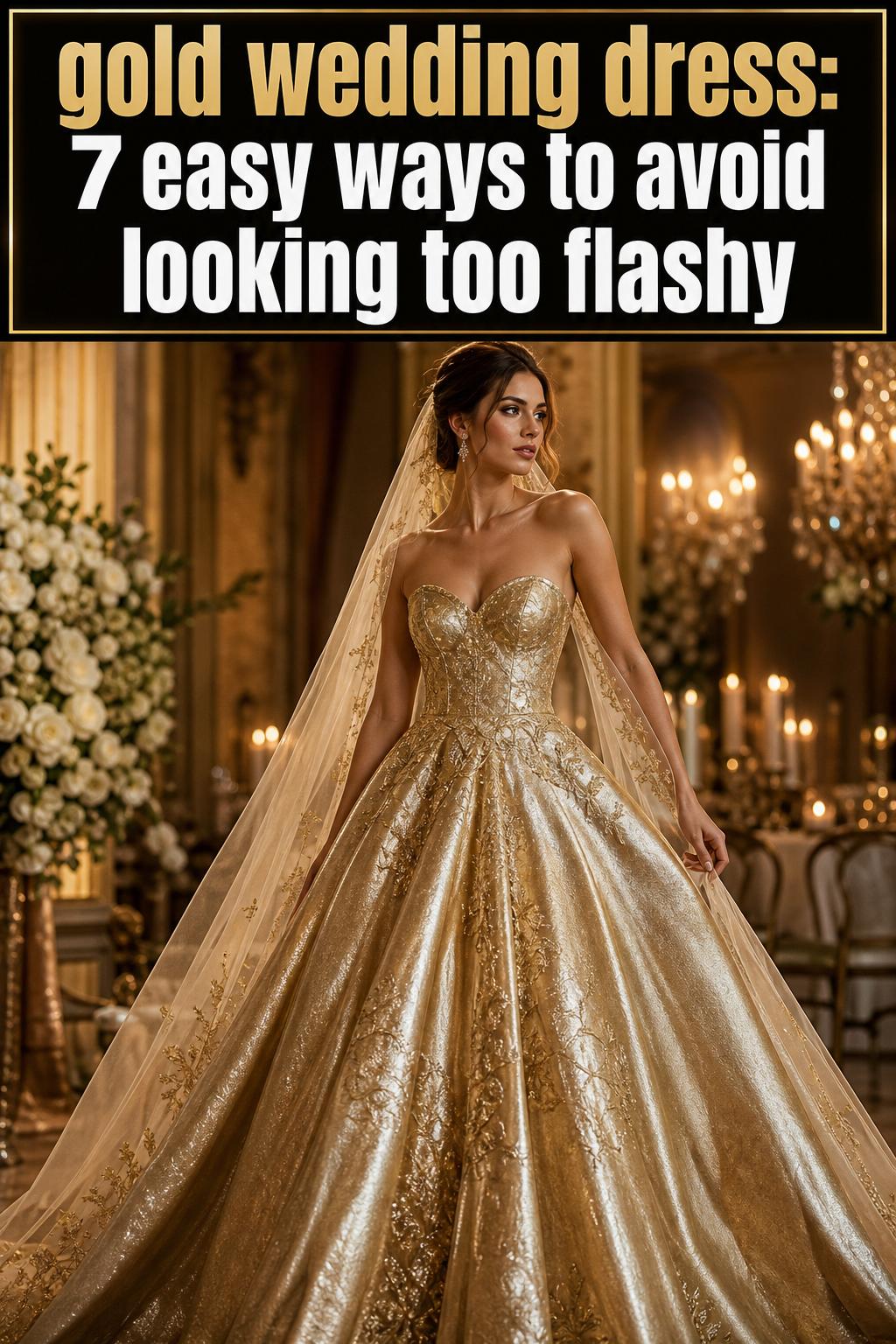
The gold tone palette: rose gold, champagne gold, antique gold, and brighter metallics
One of the most useful ways to narrow your options is to decide what kind of gold you are actually drawn to. Brides often say they want a gold wedding dress when they really mean one of several distinct tonal directions.
Rose gold for softness and romance
Rose gold wedding dresses tend to feel romantic, modern, and slightly ethereal. This tone works especially well when a bride wants the warmth of metallic color without the bolder statement of bright yellow gold. In visual terms, rose gold often suits softer silhouettes and can be especially beautiful in embellished gowns, sheer lace overlays, or dresses with a delicate shimmer rather than a mirror-like finish.
Champagne gold for a bridal look with subtle warmth
Champagne gold sits closest to conventional bridal dressing while still offering a distinctive twist. It is a strong choice for brides who want a gold bridal gown that still reads refined, soft, and ceremony-appropriate. In satin, silk, or lightly beaded fabric, champagne gold can feel elegant in formal settings while remaining gentle enough for outdoor weddings. It is also one of the easiest shades to style if you want a polished, minimalist look.
Antique gold and deeper metallics for drama
Antique gold and richer metallic tones bring more depth and often more vintage character. These shades can feel regal, especially in structured gowns or designs with Art Deco references. They tend to suit brides who want a stronger fashion statement and who are comfortable embracing a look that leans glamorous rather than understated. In evening light, these tones can be particularly striking.
Bright gold, sequined gold, and liquid metallic finishes
At the boldest end of the spectrum are bright gold and high-shine metallic finishes, often seen in sequined dresses, lamé, and heavily embellished gowns. This is the direction for brides inspired by glam girl energy, Studio 54 sparkle, or a statement-making Vegas or black-tie celebration. These dresses are memorable, but they require careful balance elsewhere. Hair, makeup, jewelry, and accessories usually work best when they are deliberate and restrained.
Key dressing principles that make a gold bridal gown work
Before falling in love with a designer or a specific product image, it helps to anchor your decision in a few styling principles. These are the details that separate a beautiful idea from a dress that truly works on your wedding day.
- Match the tone of gold to the atmosphere of the wedding. Softer champagne and rose gold shades suit garden, beach, and romantic outdoor settings, while brighter metallics and deeper antique gold tones often feel strongest in black-tie or evening environments.
- Let the silhouette control the drama. If the fabric is heavily embellished, a simpler column or sheath shape can keep the look refined. If the fabric is smooth and minimal, you may have room for a more dramatic mermaid or ballgown silhouette.
- Think about movement as much as photographs. Gold fabrics can be visually rich, so comfort and fluidity matter. The gown should still feel wearable after hours of standing, dancing, and celebrating.
- Use accessories to frame the dress rather than compete with it. The richer the finish of the gown, the more important it becomes to keep jewelry, shoes, and beauty styling cohesive.
- Consider the full light story of the day. Outdoor ceremony light, indoor reception lighting, and evening photography can all shift how metallic color appears.
These principles apply whether you are looking at a KYHA Studios Nile Gown in gold, a Reformation Annabelle Silk Dress, a Naeem Khan embellished gown, or a more dramatic Dior or Monique Lhuillier statement piece. The names may differ, but the styling logic remains the same.
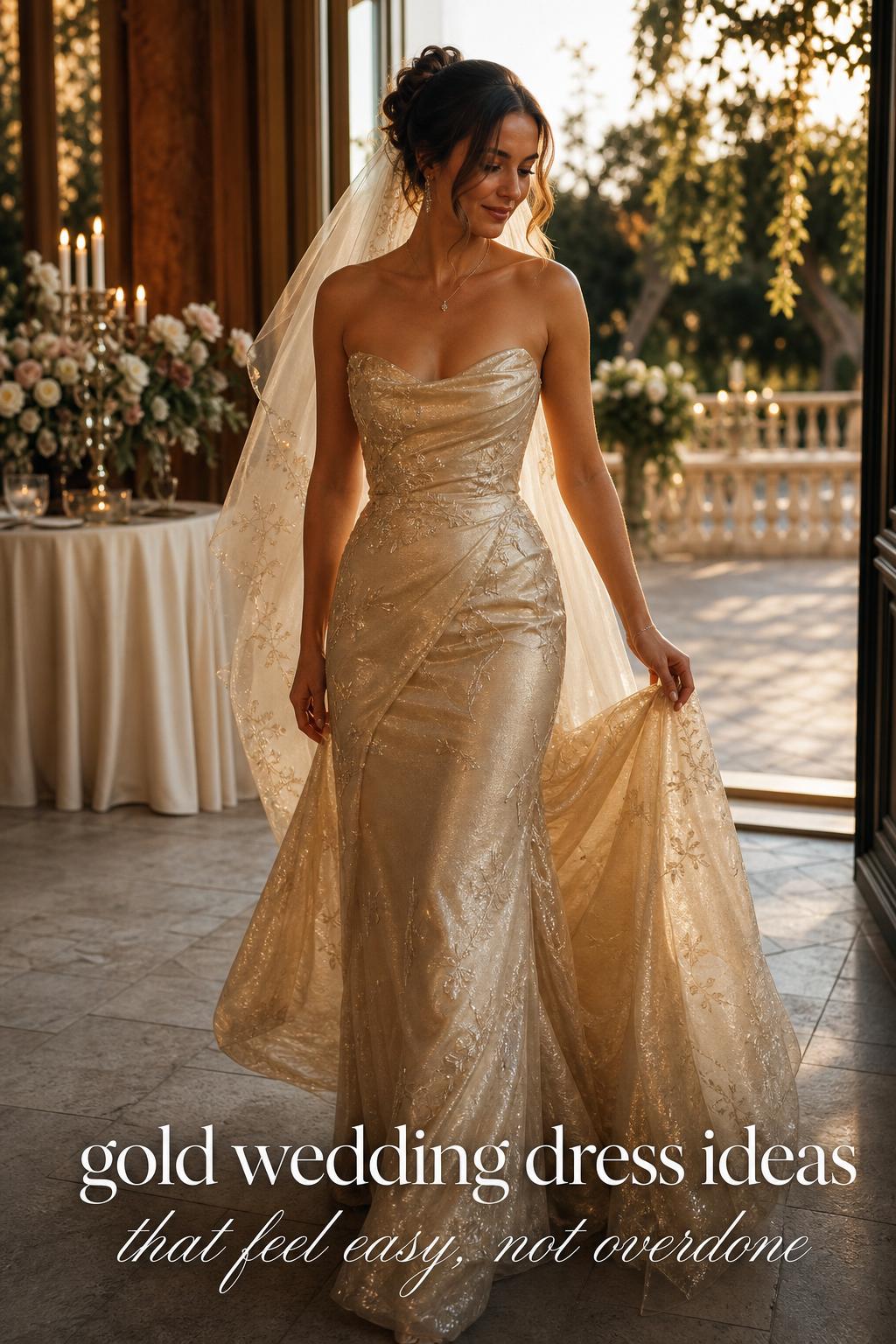
Silhouette and fabric families in gold
Silhouette is where many brides solve their biggest concern: how to make a gold wedding dress feel flattering and intentional rather than costume-like. Gold has presence. The shape of the dress determines whether that presence feels balanced.
A-line and ballgown shapes for classic drama
An A-line gold gown offers one of the easiest balances to wear. It creates shape through the waist and movement through the skirt, allowing metallic details to feel romantic instead of overwhelming. This is especially useful for brides considering champagne gold wedding gowns or softer rose gold dresses for formal weddings. Ballgown versions can feel regal, though they work best when the fabric finish is controlled. Too much shine plus too much volume can become visually heavy, especially in daylight.
Mermaid and fitted gowns for high-impact glamour
Mermaid silhouettes are often the natural home for bold gold. A fitted shape highlights the body and turns metallic embellishment into a feature rather than a distraction. This route suits brides drawn to Vera Wang, Rene Ruiz, or other glamorous fashion directions where the dress is intended to command the room. The trade-off is comfort and mobility. For a long reception, be honest about whether you want all-evening structure or a silhouette that allows easier movement.
Column and sheath dresses for minimalist gold
A column or sheath silhouette is one of the most elegant ways to wear a gold bridal gown. It lets satin, silk, or liquid metallic fabrics speak without adding extra visual complexity. Reformation and Nanushka are useful references for this kind of cleaner line, where the color itself becomes the focus. Brides planning a city wedding, a fashion-led reception, or a smaller ceremony often find this shape especially modern.
Sequins, beading, satin, and metallic texture
Fabric changes the mood of a gold wedding dress just as much as silhouette. Sequins deliver sparkle and celebration, ideal for black-tie, evening, or Studio 54-inspired weddings. Beading can feel ornate, luxurious, and often slightly more dimensional in photos. Satin and silk usually create the cleanest result, especially in champagne gold or rose gold. Burnout textures, feathered details, and metallic embellishments add personality, but should be chosen with your venue in mind. A dramatic Basix Burnout Feathered Gown in champagne has a very different energy from a minimalist slip dress.
Outfit solution: black-tie ballroom gold with formal polish
For a ballroom ceremony or evening reception, richer textures and sharper silhouettes often feel most convincing. This is where liquid gold, all-over beading, or a fitted column gown can truly come alive under chandeliers and candlelight. A Monique Lhuillier, Dior, or Naeem Khan-inspired approach works well here: refined structure, considered embellishment, and an overall sense of occasion.
The styling logic is straightforward. A formal room can support more shine, more detail, and a stronger shape because the environment already carries visual grandeur. A mermaid gown in antique gold, a sequined column with Art Deco drama, or a high-shine metallic dress with a clean neckline all solve the challenge of looking bridal and dramatic at once. Shoes should feel elegant but stable enough for a long evening, and jewelry should echo the dress rather than multiply its intensity.
Outfit solution: garden romance in champagne or rose gold
A garden ceremony calls for softness, movement, and a tone of gold that does not fight the setting. This is where champagne gold and rose gold become especially useful. Instead of hard shine, think shimmer, drape, and a silhouette that catches the breeze. Zimmermann, Costarellos, Rebecca Vallance, and similarly romantic references fit this mood well, especially when the dress has lightness in the skirt or sleeve.
The practical advantage of this approach is that it respects both comfort and atmosphere. A-line silhouettes, softer sheath shapes, and dresses with lighter embellishment photograph beautifully in natural light without looking overly formal. If the ceremony extends into an outdoor reception, the dress remains wearable and graceful. This is often the best answer for brides who want a gold wedding dress idea that feels dreamy rather than overtly theatrical.
Outfit solution: beach-ready gold that still feels elevated
Gold can work at the beach, but only when the styling is edited carefully. Heavy beading, rigid volume, and dense fabrics usually feel out of place in a setting defined by wind, sun, and movement. A beach gold bridal gown works best in lighter fabrics and simpler silhouettes, with the metallic element appearing as a wash of warmth rather than intense shine.
A soft column dress, a minimal slip, or an easy A-line in champagne gold often suits this environment beautifully. Harper’s Bazaar-style “on the beach” inspiration and bohemian notes point in this direction: less armor, more glow. The point is not to mute the dress completely, but to make sure it moves naturally and sits comfortably against the setting. If golden hour portraits are part of the plan, this softer metallic family tends to look especially harmonious.
Outfit solution: winter ceremonies and warm metallic depth
Winter weddings often invite deeper golds, richer embellishment, and a more enveloping sense of glamour. Antique gold, stronger metallic embroidery, and sleeves can feel especially right in colder-season celebrations. Wedding Forward’s emphasis on gold for sleeves and broader taxonomy of tones is useful here because winter often rewards texture.
In practical terms, this means choosing a gown that holds its presence in lower light and against richer seasonal surroundings. Sleeved gowns, column dresses with beading, or fuller silhouettes in champagne gold with metallic detailing can all work. The visual payoff is clear: gold feels warm and luminous in winter settings without needing to rely on brightness alone.
How to choose the right gold shade for your skin tone
One of the most useful decisions a bride can make is choosing the shade of gold that complements her natural coloring. This matters in person and in photographs, especially because metallics reflect light onto the face and shoulders. The goal is not to follow a rigid rule, but to find harmony between the gown and your complexion.
As a practical guide, warmer gold tones often feel especially cohesive on skin with warmer undertones, while rose gold and softer champagne gold can feel gentler and more balanced for brides who prefer a subtler effect. If bright metallic gold feels too forceful near the face, moving toward champagne or antique gold often solves the issue. If pale tones seem to disappear, stronger gold or richer embellishment can create more definition.
The easiest way to test this is to compare shades in natural light and evening light rather than relying on one fitting-room mirror. Gold that flatters under bridal salon lighting may behave differently outdoors. This is one of the clearest examples of why shade selection is not just a fashion preference but a practical bridal decision.
Designer and brand inspiration worth studying
A helpful way to refine your taste is to notice which designers align with the version of gold you love most. Some names repeatedly appear because they represent distinct directions within the category.
- KYHA Studios brings a modern, fashion-driven edge, useful for brides who want structure and clean impact.
- Reformation offers softer silk and satin possibilities, especially for minimal or understated gold bridal gown styling.
- Monique Lhuillier and Vera Wang suggest a more classic couture glamour, often ideal for formal weddings.
- Naeem Khan is a strong reference for intricate embellishment, sparkle, and statement texture.
- Dior, Fendi, Valentino, Lanvin, and Gucci point toward high-fashion metallic dressing with editorial confidence.
- Zimmermann and Costarellos often fit brides drawn to bohemian romance, beach styling, or softer destination settings.
- Pronovias, Reem Acra, Peter Langner, and Francesca Miranda help frame the wider world of gold-toned bridal fashion beyond one single aesthetic.
Even if you are not shopping directly from these houses, identifying the design language you prefer can clarify your silhouette, finish, and formality level.
Accessories, hair, and makeup: keeping the dress as the focal point
Once a bride chooses a gold wedding dress, the next challenge is avoiding overstyling. Metallic gowns already offer color, depth, and light reflection. Accessories should support that effect, not compete with it. This is why the cleanest styling often looks the most expensive.
Jewelry pairings that feel intentional
If the gown leans yellow gold, matching jewelry metals usually creates the most cohesive result. If the dress is rose gold, softer metal harmony can feel more elegant than a contrasting statement. Brides wearing heavily beaded or sequined gowns often need less jewelry than they expect. A simple earring or bracelet can be enough, particularly with dresses inspired by labels like Mac Duggal, BCBGMAXAZRIA, or Rene Ruiz where embellishment already does much of the visual work.
Shoes and veils with practical balance
Shoes matter because many gold dresses already draw the eye downward through shine or reflective movement. Neutral or metallic shoes usually feel most seamless. For outdoor weddings, stability matters as much as style. Garden paths, grass, sand, and long receptions all reward sensible heel choices. Veils should be chosen according to the complexity of the gown. Minimal dresses can support a more noticeable veil, while ornate metallic gowns often benefit from restraint.
Hair and makeup that complement metallics
Gold dresses tend to look best with polished beauty styling rather than anything too busy. The idea is to create balance: enough definition so the face is not overshadowed by the dress, but not so much that every element competes. For romantic garden settings, softer finishes often feel right. For black-tie or evening weddings, more sculpted glamour can hold its own against a stronger metallic gown.
Practical shopping guidance: online galleries, retailers, and fit decisions
Many brides begin with inspiration galleries and then move into shopping, and that transition is where decision fatigue often starts. Gold wedding dress roundups from editorial and retail-led sources can be useful because they show how varied the category is, from specific dresses like the KYHA Studios Nile Gown in gold and the Reformation Annabelle Silk Dress to broader galleries featuring Saks, Nordstrom, MatchesFashion, Neiman Marcus, and similar retailers.
When you move from inspiration to purchase, focus on three practical questions: what is the real tone of the gold, how heavy is the embellishment, and how does the dress behave when moving? Product images can emphasize shine or soften it. If a return policy or detailed fit information is available, that can make a meaningful difference, especially with metallic fabrics and fitted silhouettes that are less forgiving than matte ones.
Brides who are considering online shopping should compare product descriptions carefully. Sequins, beading, satin, and silk all create very different experiences even when the dresses appear similar in photos. A gold wedding dress that looks ideal for a formal wedding may feel far too ornate for a garden ceremony once you understand the fabric and finish.
Tips that make gold easier to wear all day
The most successful gold bridal looks usually come from thoughtful editing rather than excess. A few small decisions can make the gown feel significantly more comfortable and polished across the full wedding day.
- Try on gold shades in multiple lighting conditions if possible, especially natural daylight and evening light.
- Sit, walk, and turn in the dress before making a final decision, particularly with fitted sequined or beaded styles.
- If your gown is heavily embellished, scale back the accessories instead of adding more statement pieces.
- For beach and garden settings, prioritize lighter movement and softer shine over dense sparkle.
- If you want gold but worry it may feel too bold, start with champagne gold or rose gold rather than bright metallic tones.
Where brides often go wrong
The most common mistake is treating all gold dresses as interchangeable. A champagne slip, a sequined mermaid gown, and an antique gold ballgown belong to entirely different styling worlds. Problems usually happen when the dress and the setting are mismatched. A highly embellished gown can feel overdressed on the beach, while a very soft minimal dress may not carry enough presence in a grand ballroom.
Another frequent issue is over-accessorizing. Because gold already creates visual richness, brides sometimes add dramatic shoes, heavy jewelry, bold veils, and strong beauty styling all at once. The result can feel less editorial and more crowded. In most cases, the better solution is to let one element lead and allow the rest to reinforce it quietly.
Finally, some brides choose a shade based only on trend appeal rather than wearability. Rose gold, champagne gold, and brighter metallics can all be beautiful, but not every tone will create the same effect on every person or in every venue. The most polished choice is usually the one that looks effortless on you, not simply the one that appears most dramatic on a product page.
The final styling perspective
A gold wedding dress works best when it feels aligned with the whole wedding story: the venue, the light, the silhouette, the level of formality, and the bride herself. Whether your taste leans toward Dior-level drama, a Monique Lhuillier romantic statement, a Naeem Khan embellished showpiece, or a Reformation-style minimalist slip, the same principle applies. Gold is most beautiful when it is chosen with intention.
If you approach the process by narrowing the tone first, then the silhouette, then the setting, the category becomes far easier to navigate. That is the real secret to finding the right gold bridal gown. Not more sparkle, not more trend, but better balance.
FAQ
Is gold considered a bridal color?
Yes, gold can absolutely be a bridal color, especially for modern brides who want something more fashion-forward than traditional white or ivory. Softer versions such as champagne gold and rose gold often feel especially bridal because they retain warmth and elegance without looking overly theatrical.
Which shade of gold is easiest to wear for a wedding?
Champagne gold is often the easiest option because it feels soft, refined, and adaptable across venues. It tends to work well for formal weddings, garden ceremonies, and minimalist bridal styling, especially when compared with brighter metallic gold that makes a much stronger statement.
How do I choose between rose gold and champagne gold?
Choose rose gold if you want a romantic, slightly modern softness with a more distinct tonal personality. Choose champagne gold if you want a look that still feels clearly bridal and understated. The decision often comes down to whether you want warmth with subtlety or warmth with a touch more fashion presence.
What silhouettes work best for a gold wedding dress?
A-line, column, sheath, mermaid, and ballgown silhouettes can all work, but the best choice depends on the fabric and level of shine. Simpler silhouettes often balance heavily embellished gold fabrics, while smooth satin or silk can support more sculptural shapes without feeling overwhelming.
Can a gold wedding dress work for a beach wedding?
Yes, but softer gold tones and lighter silhouettes are usually the strongest choice. A champagne gold slip, easy column dress, or gentle A-line with subtle shimmer tends to suit the beach better than a dense sequined gown or a heavily structured ballgown.
What jewelry goes with a gold bridal gown?
The most polished jewelry choices usually echo the dress rather than contrast with it. If the gown is already heavily beaded or sequined, minimal jewelry often looks more elegant. Simpler satin or silk gold dresses can handle slightly more noticeable earrings or bracelets without feeling overstyled.
Are sequined gold wedding dresses too much for daytime ceremonies?
Not necessarily, but they are more difficult to balance in daylight. In general, strong sequins and bright metallic finishes feel most natural in evening or black-tie settings, while daytime ceremonies often benefit from softer shine, lighter beading, or satin-based metallic tones.
Which designers are known for gold wedding dresses and gold-toned gowns?
Brides often look to names such as KYHA Studios, Reformation, Monique Lhuillier, Naeem Khan, Dior, Vera Wang, Zimmermann, Fendi, Valentino, Pronovias, Reem Acra, and Peter Langner when exploring gold-toned bridal fashion. These brands represent different aesthetics, from minimalist satin slips to highly embellished formal gowns.
How can I make a gold dress feel more bridal and less like an evening gown?
Focus on softer gold tones, bridal-leaning silhouettes, and restrained styling. Champagne gold, romantic A-line shapes, elegant veils, and thoughtful accessories can shift the overall impression from eveningwear to bridal without losing the distinctive beauty of the color.