Lace Wedding Dress With Sleeves for a Romantic Ceremony
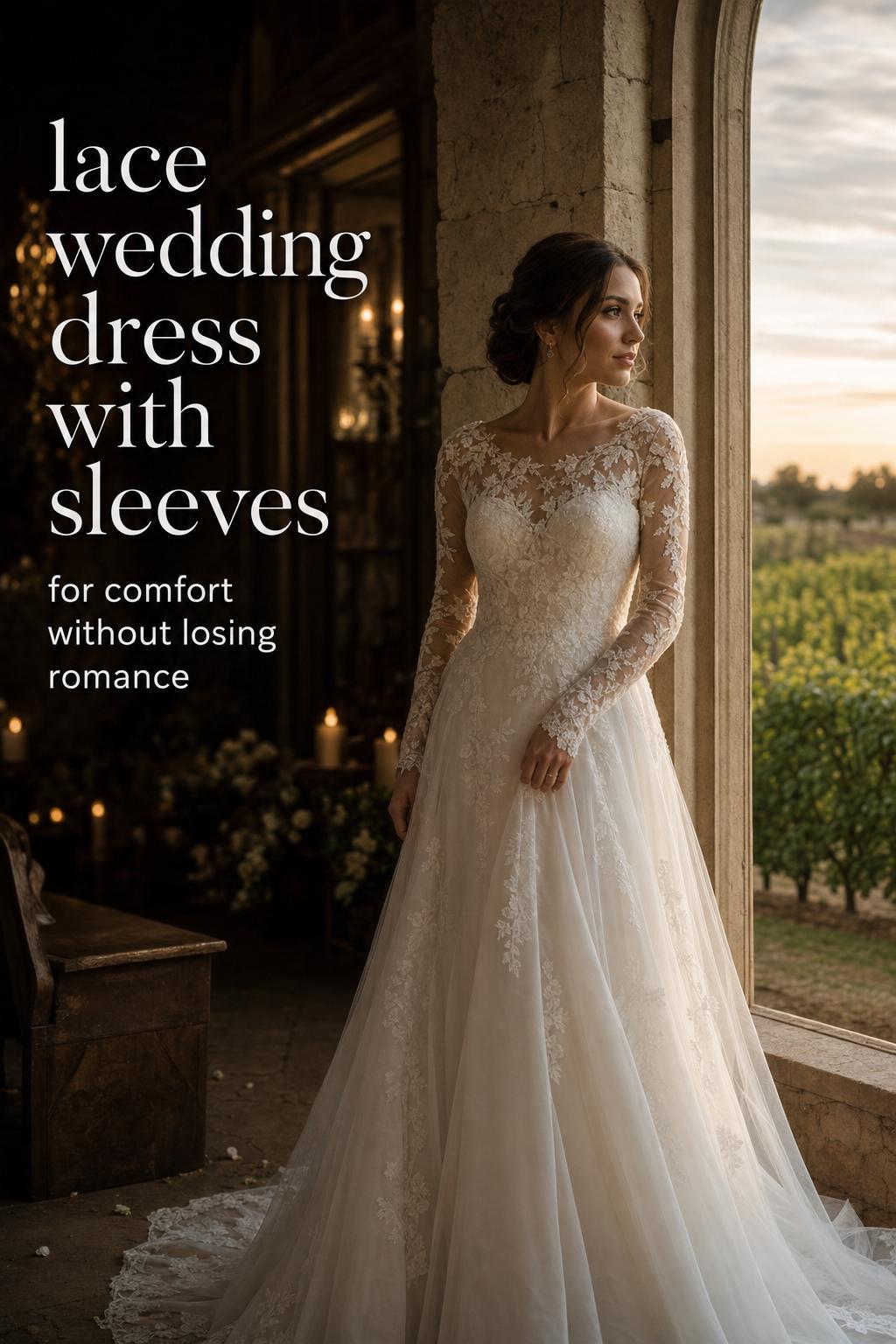
There is a particular kind of bridal romance that only a lace wedding dress with sleeves can create. It feels polished without being severe, romantic without trying too hard, and quietly dramatic in the way soft texture catches light from a garden ceremony to a candlelit ballroom reception. For many brides in the U.S., sleeves are not simply a style detail. They shape comfort, coverage, movement, and the overall mood of the gown, whether the vision is modest and timeless, bohemian and flowing, or sleek and couture-inspired.
The most memorable sleeved gowns work because every element speaks to the next: lace to sleeve, sleeve to neckline, neckline to silhouette. An A-line lace gown with long sleeves creates a very different impression from a sheath dress with lace sleeves or a bell sleeve bridal look with a softer, free-spirited line. Understanding those relationships makes dress shopping far more focused, and it helps you choose a gown that looks beautiful not just in a fitting room mirror, but throughout an entire wedding day.
The enduring appeal of lace and sleeves in bridal fashion
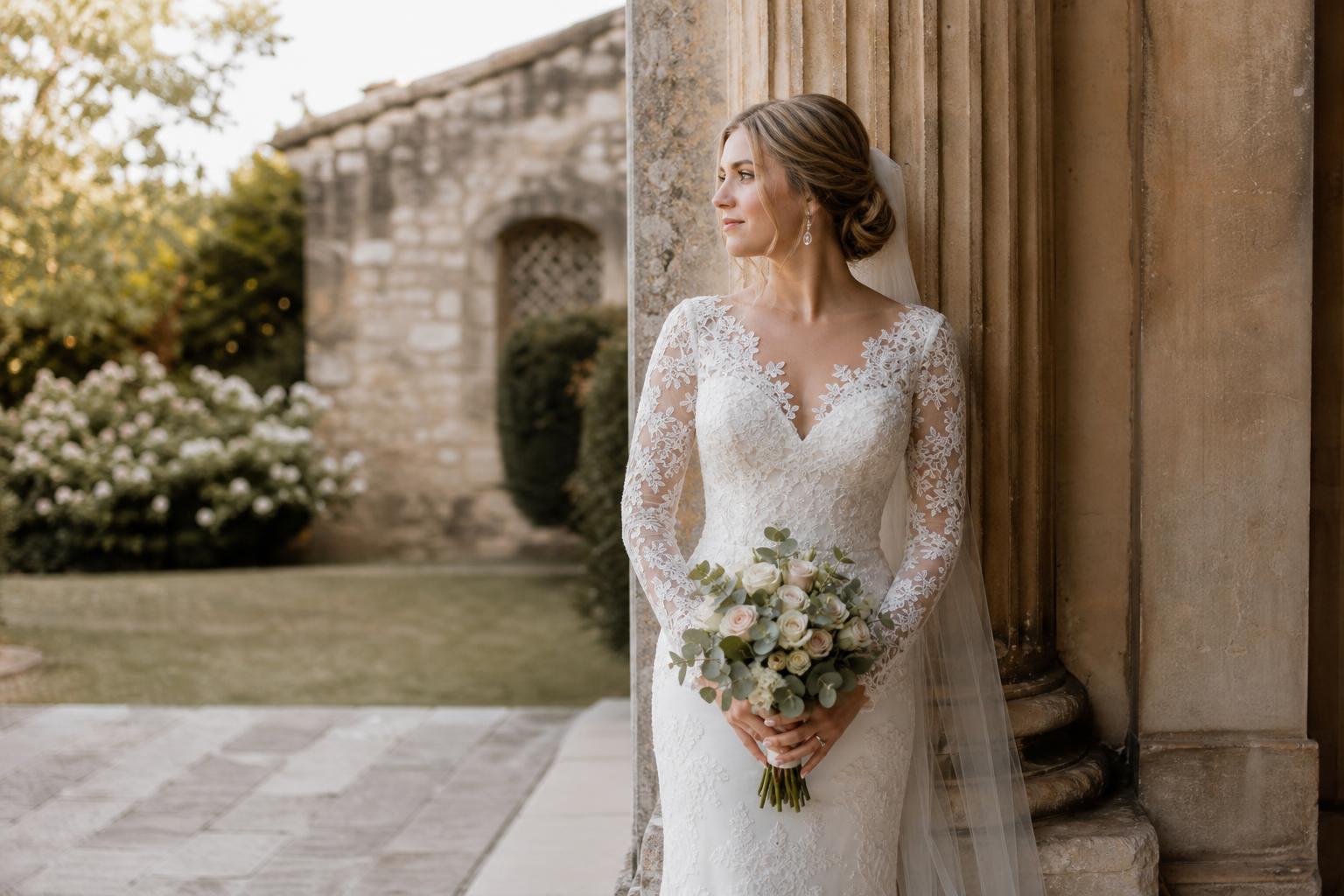
Lace brings dimension to a wedding dress in a way smooth fabric alone rarely can. It can appear delicate, sculpted, ornate, or lightly embroidered depending on the finish, and sleeves give that texture a framework. Together, they create a bridal look that feels intentional. In practical terms, sleeves also influence support, warmth, coverage, and how a dress transitions from ceremony to reception.
This is one reason long sleeve wedding dress styles, cap sleeve designs, and removable sleeve options continue to draw so much interest. Some brides want a modest lace wedding dress with long sleeves for a more covered, composed effect. Others prefer a lighter lace gown with sleeves that feel sheer, airy, and romantic during golden hour portraits. The appeal lies in versatility: sleeves can make the same core dress feel regal, vintage, modern, or relaxed depending on how they are cut and finished.
Your wedding look is only the beginning.
Keep your guest list, vendors, timeline, and every important detail together with Zarellea — so your day feels as considered as your style.
Retailers and bridal labels reflect that variety clearly. Azazie presents lace wedding dresses with sleeves as a broad collection built around sleeve length, silhouette, and neckline. Boutique and designer-led options, including Ines Di Santo at The Bridal Finery, frame lace sleeves through luxury detailing such as beaded lace appliqué and sculpted design lines. Meanwhile, brands such as Avery Austin and Dream Dresses emphasize removable or detachable sleeves for a two-in-one bridal wardrobe.
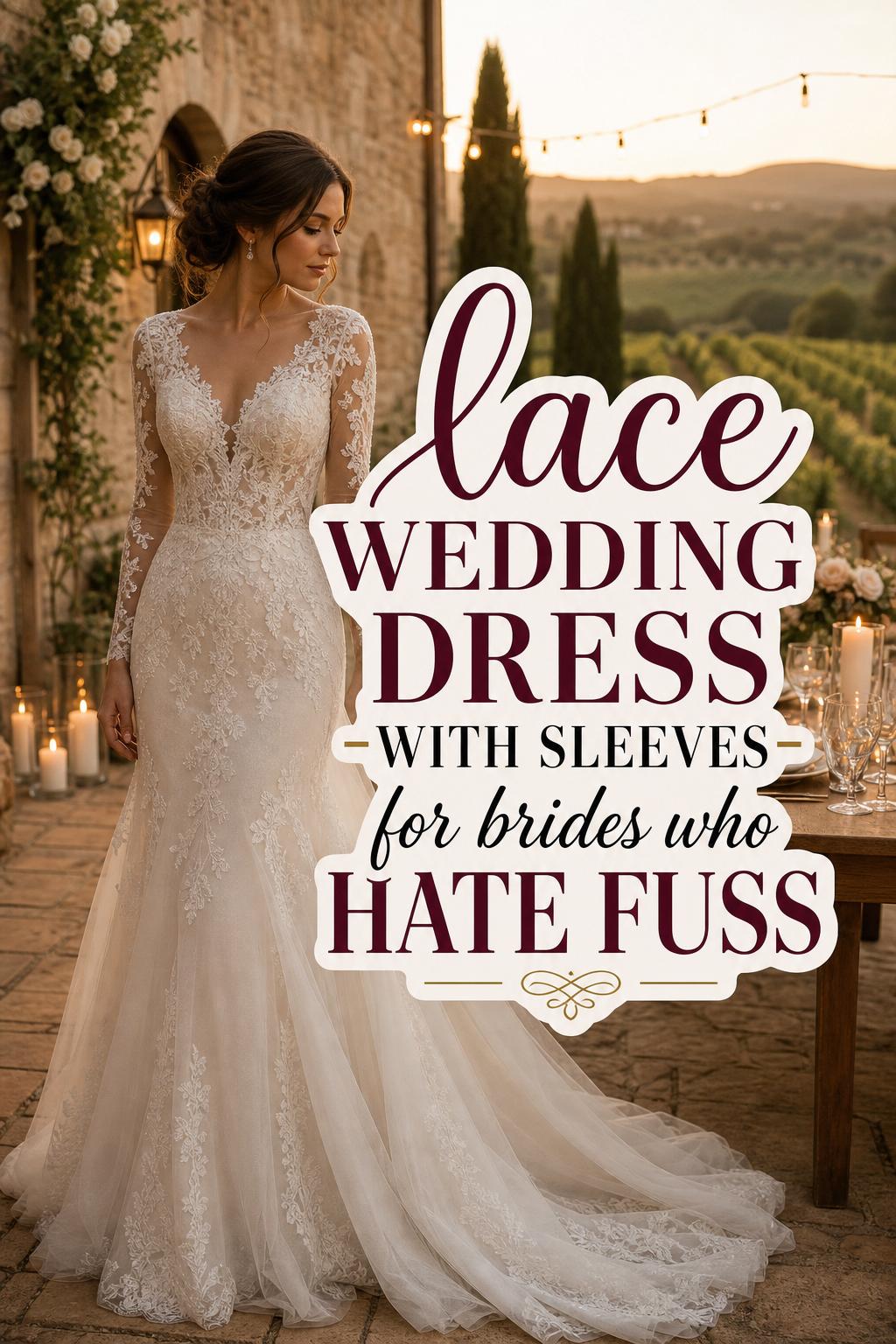
How sleeve styles change the entire mood of a gown
Not all sleeves function the same way, even when the dress is made from lace. The right choice depends on the atmosphere of the wedding, the bride’s comfort preferences, and the shape of the gown itself. A romantic chapel ceremony, a vineyard reception, and a breezy outdoor celebration each ask something slightly different from a dress.
Long sleeves for polish, coverage, and quiet drama
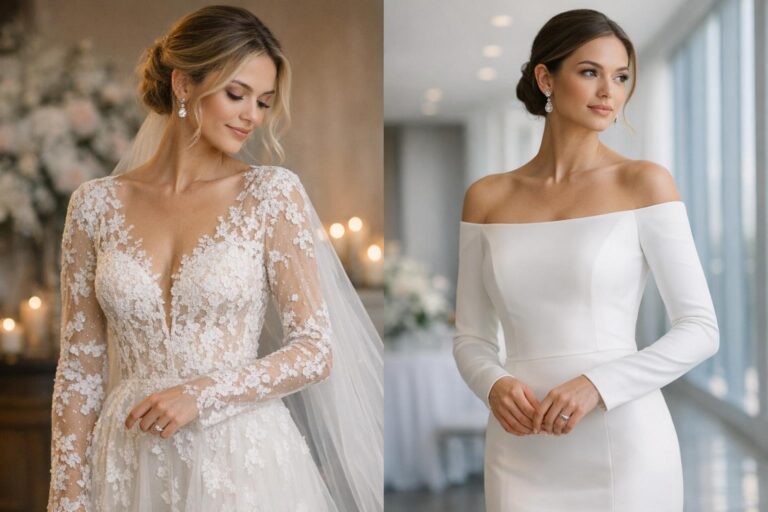
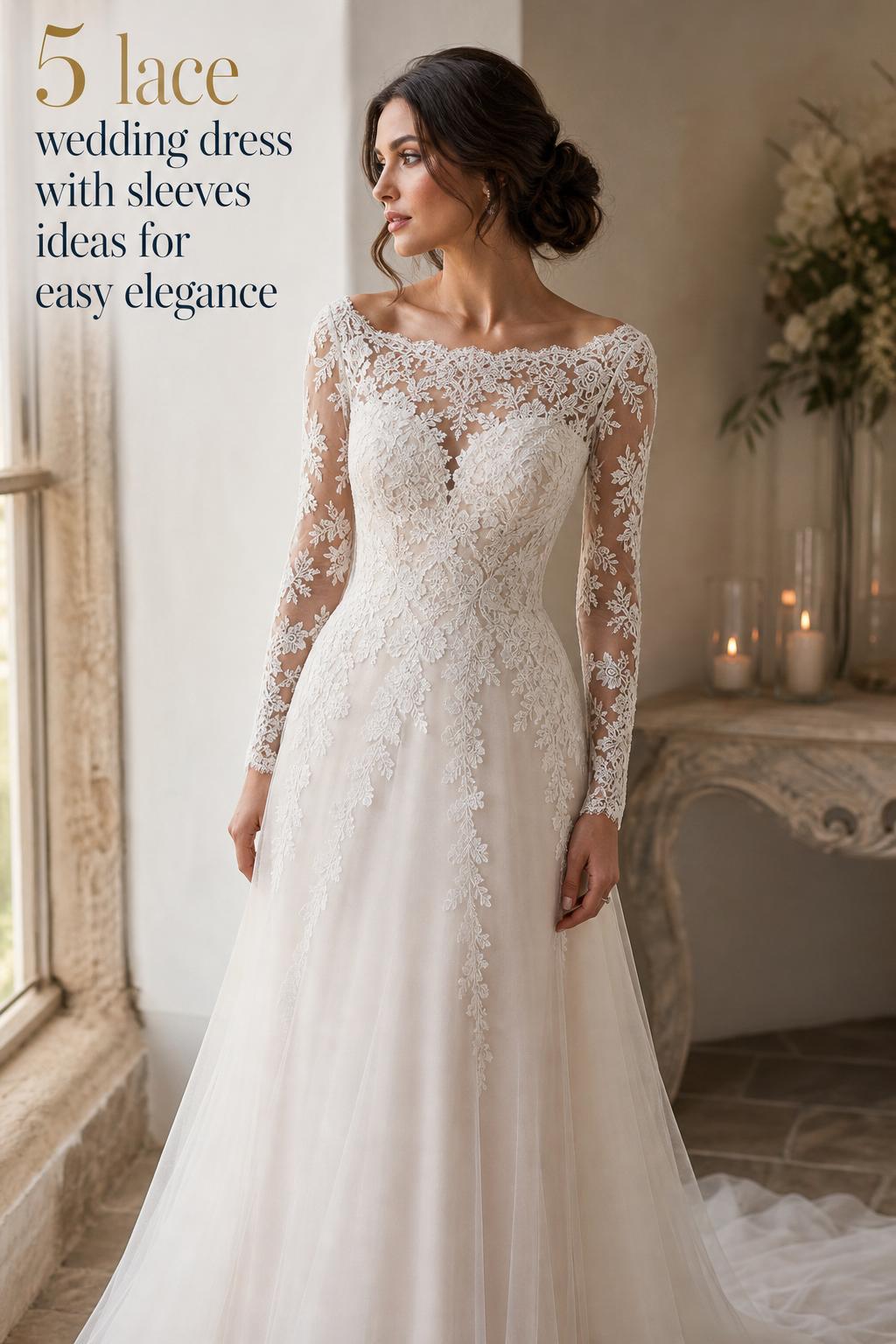
A lace wedding dress with long sleeves often feels the most formal and the most iconic. It naturally brings definition to the upper body and can create a composed line from shoulder to wrist. In product-driven bridal collections, this style appears repeatedly because it balances aesthetics with function. Angrila’s A-line princess scoop neck lace wedding dress with long sleeves leans into classic structure, while IEIE Bridal’s SERAPHINE modest lace wedding dress with long sleeves emphasizes graceful coverage.
Long sleeves are especially compelling when the wedding setting calls for elegance with a little restraint. Think of a late-afternoon ceremony in a historic venue, or a cooler-season celebration where a bride wants warmth without adding separate layers. A-line and sheath silhouettes both work here, but they communicate differently. A-line softens the effect. Sheath sharpens it.
Cap sleeves and short sleeves for softness and lightness
Cap sleeves and short sleeves carry a gentler visual weight. They can feel vintage-romantic, especially when paired with lace texture and a balanced neckline. On a wedding morning with natural light filtering into a garden or countryside venue, this type of sleeve often reads as delicate rather than dramatic. It gives a little more coverage than a sleeveless bodice while keeping the overall look open and light.
For brides who are drawn to lace but do not want the stronger statement of a full long sleeve, cap sleeves can be the elegant middle ground. They also pair well with classic bridal shopping concerns like comfort through a long reception and freedom of movement during portraits or dancing.
Bell sleeves and bishop-inspired volume for bohemian romance
There is a different energy to a bell sleeve lace wedding dress. It feels more fluid, more expressive, and often more bohemian than fitted sleeve styles. Dreamers and Lovers’ Allegra bell sleeve lace wedding dress captures this mood well, using sleeve shape to create movement and a softer, romantic silhouette. In the right setting, such as an outdoor ceremony at sunset or a relaxed destination-style celebration, a bell sleeve can bring an effortless poetry to the look.
Bishop sleeve language also belongs in this conversation because volume in the sleeve shifts the gown away from strict formality and toward softness. These styles work best when the rest of the dress stays balanced. Too much volume everywhere can overwhelm the frame, while a cleaner skirt allows the sleeve detail to remain the focal point.
Detachable and removable sleeves for a two-look bridal plan
Few modern bridal details are as practical as detachable sleeves. A couture lace wedding dress with detachable sleeves, like the Cateline style from Dream Dresses, offers one look for the ceremony and another for the reception without changing the entire gown. Avery Austin’s Kalea lace wedding dress with removable long sleeves follows a similar idea, making the sleeve itself part of the styling strategy.
This option is especially useful for brides who want a more covered entrance and a lighter, freer silhouette later in the evening. It is also ideal when the wedding day moves across different settings, such as an outdoor ceremony followed by an indoor reception. Rather than treating sleeves as fixed, these gowns make them adaptable.
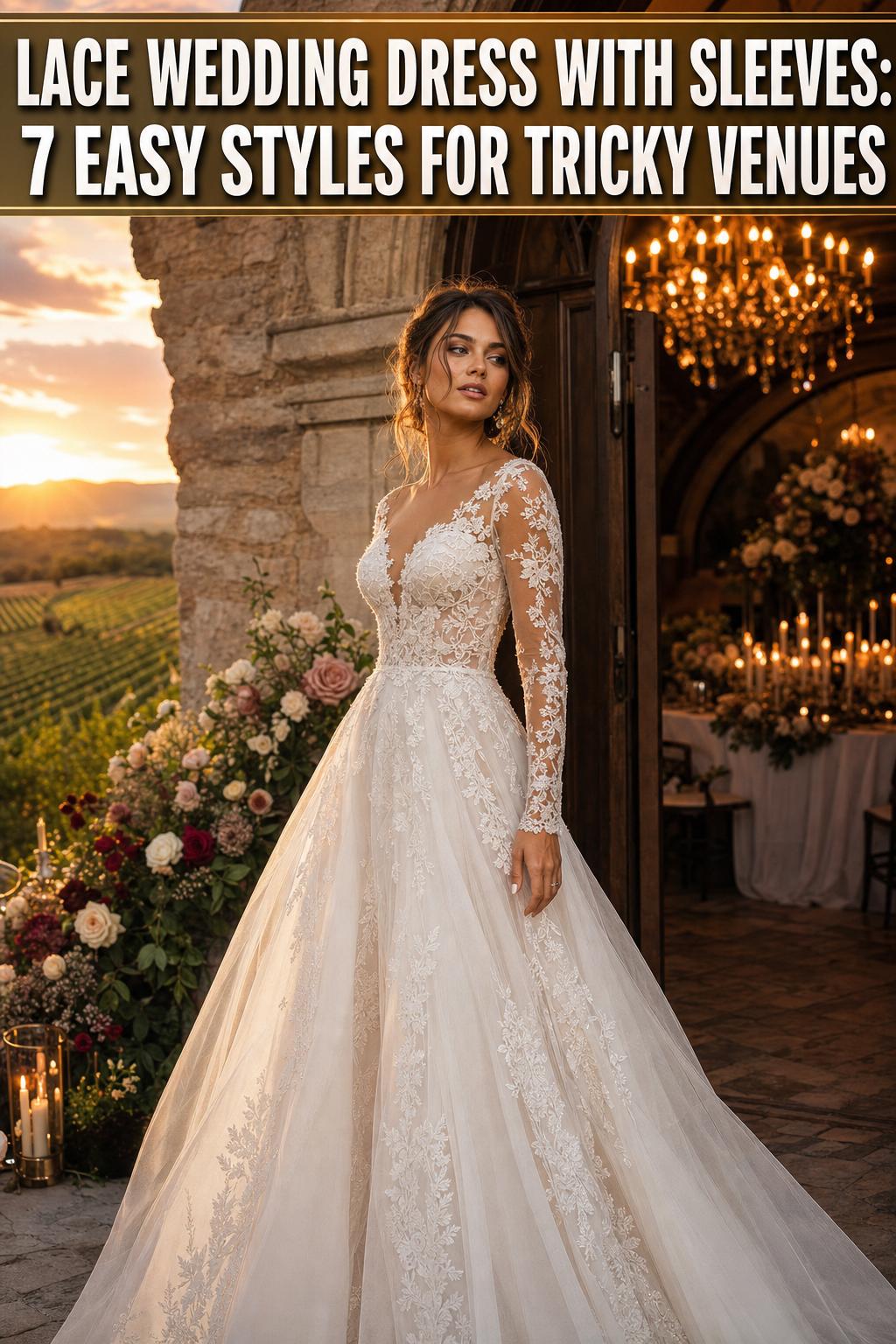
Silhouette first, sleeves second, neckline always
One of the most common dress-shopping mistakes is evaluating sleeves in isolation. Sleeves only look right when they are in conversation with the silhouette and neckline. A scoop neck with lace long sleeves creates a different balance from a bateau-style line, and an A-line skirt changes the visual weight of sleeves more gently than a close-fitting sheath.
A-line: the most versatile pairing for lace sleeves
The A-line silhouette appears repeatedly across lace sleeve styles because it is dependable and visually balanced. Angrila’s scoop neck A-line princess dress and CanAn Bridal’s lace tulle A-line wedding dress with long sleeves both point to the same reason: A-line allows the upper body detail to shine without making the gown feel heavy. Long sleeves, lace texture, and even customization options tend to sit comfortably within this shape.
For a traditional ceremony, an A-line lace wedding dress with sleeves feels polished and familiar in the best way. For a bride who wants romance without excessive volume, it also offers movement and ease. This matters across a full wedding day, especially for walking, sitting through a ceremony, and transitioning into a reception.
Sheath and fit-and-flare: cleaner, closer, more fashion-forward
A sheath wedding dress with lace sleeves creates a more elongated and understated effect. Nars Bridal’s simple sheath wedding dress with lace and long sleeves illustrates how a minimal silhouette can make sleeve detail feel refined rather than ornate. If the mood is modern, intimate, or quietly confident, sheath can be a beautiful answer.
Fit-and-flare sits nearby in spirit, though it adds more shape through the body. In category collections like Azazie, fit-and-flare appears as part of the broader sleeve conversation because it gives brides another route to balancing lace texture with body definition. The trade-off is that more fitted silhouettes ask more from tailoring, especially around the arm, shoulder, and waist.
Scoop, bateau, and off-shoulder necklines with sleeves
Neckline choice quietly changes how sleeves read. A scoop neck with long lace sleeves can feel classic and approachable, especially in an A-line setting. Bateau lines create a more composed, extended shoulder line, which often feels elegant for formal weddings. Off-shoulder interpretations introduce softness and a more overtly romantic tone.
The key is proportion. If the sleeve has visual weight, such as dense lace or beaded detailing, the neckline should give the eye a clean frame. If the sleeve is lighter or sheer in effect, the neckline can afford a little more softness. This is where trying dresses in motion matters as much as seeing them on a hanger.
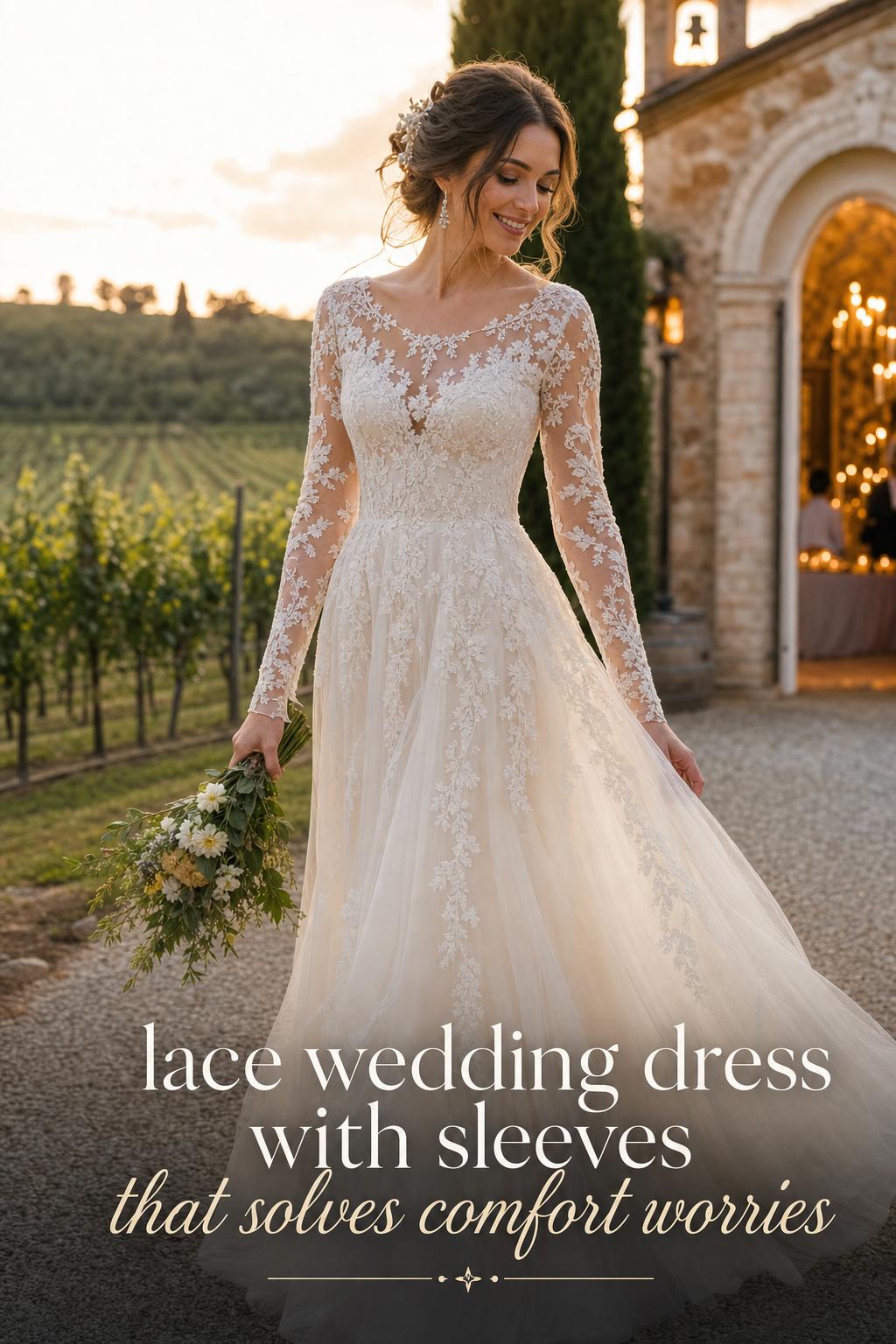
The fabric story: lace, tulle, chiffon, and appliqué
Not every lace wedding dress with sleeves feels the same because lace is rarely working alone. The base fabric, the finish of the lace, and the amount of appliqué all affect how sleeves look and behave. In bridal collections, this often shows up through combinations like lace and tulle, lace and chiffon, or beaded lace over a softer underlayer.
Chantilly, Alençon, and the language of lace detail
When brides start comparing gowns more closely, lace type becomes part of the conversation. Chantilly lace and Alençon lace are useful distinctions because they help explain why one sleeve feels airy and another feels more defined. Even without overcomplicating the terminology, it is helpful to notice whether the lace reads soft and sheer, raised and outlined, or more structured in pattern.
This matters because sleeves sit in constant view. A lace pattern that looks beautiful on a skirt may feel too dense on the arm, while a lighter lace can make long sleeves feel graceful and breathable. If a dress includes lace appliqué or embroidered lace, that placement becomes even more important around the wrist, shoulder, and neckline.
Lace tulle and lace chiffon for a lighter impression
CanAn Bridal’s lace tulle A-line wedding dress with long sleeves and Daisda’s long sleeves lace chiffon wedding dress both show how supporting fabrics influence mood. Tulle tends to keep the look soft and bridal, with a sense of light diffusion that works beautifully in natural light. Chiffon adds fluidity and comfort, often making the gown feel easier and less structured.
These combinations are especially appealing for weddings where movement matters: an outdoor aisle, a destination setting, or a reception with plenty of dancing. The sleeve still gives shape and polish, but the overall gown remains gentle in motion rather than rigid.
Beaded lace and nude accents for couture impact
At the more fashion-led end of the bridal spectrum, details like nude bodices and beaded lace appliqué create a distinctly couture effect. The Ines Di Santo reference at The Bridal Finery reflects this approach, where sleeve styling is part of a more elevated design language rather than a simple coverage feature. These gowns are often less about minimalism and more about dimension, shimmer, and close-up craftsmanship.
For an evening reception under low lighting, beaded lace can be extraordinary. The trade-off is that heavily embellished sleeves may feel more formal and sometimes less understated than a bride originally imagined. That is not a disadvantage, but it is worth recognizing early in the shopping process.
Designer and brand perspectives worth knowing
Bridal shopping becomes easier when you start noticing how different labels interpret the same idea. A lace gown with sleeves is not one category so much as many expressions of the same bridal theme. Looking at retailer and designer patterns can help narrow what style language you are actually drawn to.
- Azazie presents broad collection shopping, making it easier to compare sleeve lengths, silhouettes, and necklines in one place.
- Angrila leans into classic bridal descriptors such as A-line, princess line, scoop neck, and long sleeves.
- Ines Di Santo, through The Bridal Finery, brings a designer-led perspective with beaded lace appliqué and luxury detailing.
- Dreamers and Lovers highlights romance and movement, especially through the Allegra bell sleeve lace wedding dress.
- Nars Bridal offers a cleaner approach, where a simple sheath and long lace sleeves create understated polish.
- Dream Dresses emphasizes versatility through detachable sleeves.
- IEIE Bridal’s SERAPHINE speaks directly to brides seeking a modest lace wedding dress with long sleeves.
- CanAn Bridal blends lace and tulle with customization notes around size, sleeve style, and neckline.
- Avery Austin builds around removable long sleeves and two-in-one styling.
- Daisda focuses on lace chiffon combinations with comfort and customization in mind.
That range matters because it shows there is no single correct version of bridal sleeves. Some brides need customization. Some care most about modest coverage. Some want a removable element so the dress evolves across the day. The right brand is often the one whose default design priorities already match your own.
Choosing sleeves for the setting, season, and rhythm of the day
A sleeved lace gown should feel beautiful in photographs, but it also has to function across real wedding hours. Ceremony temperatures can differ from reception temperatures. Outdoor portraits can feel very different from indoor dining. The sleeve that looks most elegant in still images is not always the one that feels best after six or eight hours of wear.
For garden, vineyard, and countryside weddings
These settings often suit softer lace stories: cap sleeves, lighter long sleeves, bell sleeves, and lace tulle combinations. Natural light flatters texture beautifully, and a gown that moves gently tends to feel in tune with the landscape. A lace tulle A-line with long sleeves can feel romantic here without becoming too formal, especially when the atmosphere is relaxed and luminous.
For formal indoor ceremonies and evening receptions
A more structured lace wedding dress with sleeves comes into its own in a ballroom, chapel, or refined indoor venue. Long sleeves, sheath silhouettes, and beaded lace details often feel especially appropriate once the lighting grows softer and the setting becomes more architectural. A gown with nude and beaded lace accents may feel excessive outdoors at noon, yet perfectly at home by candlelight.
For weddings that need versatility
If the day includes multiple environments or a noticeable shift in dress code from ceremony to party, removable sleeves deserve serious consideration. A bride might want the elegance of long sleeves for the aisle and the freedom of a strapless or more open silhouette later. In those cases, Avery Austin’s removable long sleeves concept or Dream Dresses’ detachable sleeve approach makes practical as well as stylistic sense.
Tips for matching sleeves to the wedding context
- Choose fitted long sleeves when the setting is formal and the overall silhouette is clean.
- Choose cap or short sleeves when you want gentle coverage without the visual weight of a full arm detail.
- Choose bell sleeves when the mood is romantic, bohemian, or less traditional.
- Choose detachable or removable sleeves if your day moves from a more ceremonial atmosphere into a high-energy reception.
- Pay attention to how the fabric feels in motion, not just how it looks in still photos.
What brides often underestimate about modesty and comfort
Modesty in bridal fashion is often discussed as a visual preference, but in practice it is also about confidence and ease. A bride who feels secure in her dress tends to move differently, stand more naturally, and enjoy the day without constantly adjusting her neckline or bodice. This is part of why modest lace wedding dresses with long sleeves remain such a meaningful category.
SERAPHINE at IEIE Bridal speaks directly to that need, combining lace, long sleeves, and a more covered design vocabulary. The result is not simply conservative styling. It is a cohesive look where coverage feels intentional and elegant. For some brides, that may reflect personal taste. For others, it may suit the tone of the ceremony, family expectations, or the desire for a more timeless silhouette.
Comfort also deserves honest consideration. Lace sleeves can feel supportive and beautiful, but the construction matters. A sleeve that is too fitted may limit movement. One that is too loose may twist or distract. Brides often benefit from asking not only how a dress looks, but how it feels when raising the arms, hugging guests, sitting down, and moving through a full reception.
Alterations, tailoring, and the reality of changing a sleeve
Sleeves are one of the most style-defining parts of a wedding dress, and they are also one of the most technically sensitive. That is why alterations matter so much. The line at the shoulder, the fit through the upper arm, and the placement of lace motifs all affect whether the final result feels custom and polished or slightly off.
Many brides ask whether lace sleeves can be added later, and in many cases the answer is that additions or changes are possible. But the success of that change depends on how naturally the new sleeve can integrate with the original dress fabric, lace pattern, and neckline. A gown already designed with removable sleeves often offers a smoother path than retrofitting an unrelated sleeve shape onto a finished bodice.
Tailoring priorities to discuss early
- Whether the lace pattern can be matched cleanly across bodice and sleeve
- How the sleeve affects the neckline and shoulder line
- Whether a fitted silhouette like sheath or fit-and-flare needs additional refinement through the arm
- How detachable or removable sleeves will fasten and sit during movement
- Whether comfort during sitting, dancing, and hugging feels natural
Tip: Bring your veil, jewelry ideas, and undergarment plan into sleeve fittings whenever possible. A dress with lace sleeves can feel beautifully balanced on its own, but accessories change the final picture. What looks ideal with bare arms may feel busier once lace reaches the wrist and the neckline is framed by bridal details.
A closer look at real style directions brides are choosing
Across current bridal collections, a few sleeve-led directions appear again and again. They are worth noticing because they reflect the main reasons brides search for this category in the first place: beauty, versatility, modesty, and memorable detail.
The classic romantic
This bride gravitates toward an A-line silhouette, a soft scoop or similarly gentle neckline, and long lace sleeves that frame rather than dominate. The effect is timeless and graceful. Angrila and CanAn Bridal both speak to this direction through A-line structure and long sleeve styling.
The understated minimalist with texture
Here, the appeal lies in restraint. A simple sheath wedding dress with lace and long sleeves, as seen through Nars Bridal, is ideal for a bride who wants detail without excess. The silhouette stays close and clean, while the sleeve adds the necessary softness.
The bohemian romantic
Bell sleeves, softer lines, and a sense of motion define this look. Dreamers and Lovers’ Allegra design is a strong example. It suits brides who imagine an outdoor aisle, relaxed floral styling, and a dress that feels expressive rather than formal in the strict sense.
The versatile modern bride
For this bride, the ideal gown evolves across the day. Removable sleeves from Avery Austin or detachable sleeves from Dream Dresses allow a more covered ceremony look and a lighter reception silhouette. The dress feels intentional in both phases instead of requiring a complete costume change.
The couture detail lover
Nude accents, beaded lace appliqué, and designer language matter here. The Ines Di Santo perspective at The Bridal Finery embodies this mood. It is less about simplicity and more about close-up artistry, especially for evening weddings where detail reveals itself slowly in changing light.
Caring for lace sleeves so they keep their shape and beauty
Lace sleeves deserve thoughtful handling because they are delicate by nature and highly visible in photographs. Storage, cleaning, and transport all matter. Beaded lace, embroidered lace, and lighter sleeve constructions each require care so the arm line, appliqué placement, and overall finish remain intact.
Even if a gown feels sturdy during fittings, sleeves are often where strain appears first. The constant movement of dressing, hugging, and dancing places pressure on these areas. Brides should pay attention to care guidance from the retailer or boutique and avoid assuming that every lace behaves the same way.
Tip: If your gown includes removable sleeves, store and transport them as carefully as the dress itself. Because they are separate components, they are easier to misplace or crush, yet they are central to the full look.
The details that make a sleeved gown feel truly finished
A bridal look succeeds when the details work together rather than compete. With a lace wedding dress with sleeves, the sleeve itself already contributes texture and visual focus, so restraint elsewhere can be powerful. Neckline clarity, balanced accessories, and a silhouette that supports the lace all help the gown feel complete.
For example, a bride in a lace tulle A-line with long sleeves may want the softness of the gown to lead the overall impression, especially in natural daylight. A bride in a sheath dress with long lace sleeves may choose cleaner finishing touches so the shape remains the statement. Meanwhile, a beaded Ines Di Santo-style look can support more glamour because the dress is already operating in that visual register.
The strongest styling decisions usually come from respecting the dress’s original language. Romantic gowns ask for softness. Clean sheath styles ask for precision. Bell sleeves ask for movement and ease. Detachable sleeve dresses ask for a deliberate plan for both ceremony and reception styling.
A bridal stylist’s shortlist for narrowing the options
If you are deciding among several lace sleeve dresses, clarity often comes from comparing not just what you like, but what you need the gown to do. The practical side of bridal dressing should never be treated as separate from beauty. The best dresses deliver both.
- Start with the setting: outdoor, indoor, formal, relaxed, or multi-location.
- Decide how much coverage actually feels best, not just how much looks appealing in photos.
- Choose a silhouette before becoming attached to a sleeve detail in isolation.
- Notice whether you are drawn to classic A-line balance, sheath simplicity, or bohemian volume.
- If you want flexibility, prioritize removable or detachable sleeves from the beginning.
- Check whether the lace feels soft, defined, embroidered, or beaded, because that texture changes the mood of the sleeve.
- Try to imagine the dress in motion through the full day, not only at the altar.
A beautiful bridal wardrobe decision is rarely about finding the single most dramatic option. More often, it is about finding the dress whose proportions, sleeve style, and fabric story feel aligned with your wedding atmosphere and with the way you want to feel while moving through it.
FAQ
Can lace sleeves be added to a wedding dress later?
In many cases, sleeves can be added later, but the result depends on how well the new sleeve matches the original dress fabric, lace pattern, and neckline. Dresses designed with detachable or removable sleeves usually offer the smoothest path, while custom additions require careful tailoring through the shoulder and arm.
What is the most versatile silhouette for a lace wedding dress with sleeves?
A-line is generally the most versatile because it balances upper-body detail well and works with many sleeve lengths and necklines. It allows long lace sleeves, cap sleeves, or lace tulle combinations to feel romantic without overwhelming the dress.
Are detachable sleeves worth considering for a wedding day?
Yes, especially if you want one look for the ceremony and another for the reception. Detachable or removable sleeves create flexibility without requiring a full outfit change, which is why styles from Dream Dresses and Avery Austin are appealing to brides planning a two-part bridal look.
How do I choose between long sleeves and cap sleeves?
Long sleeves usually feel more formal, more covered, and more dramatic, while cap sleeves feel lighter and softer. The decision often comes down to venue, season, desired coverage, and whether you want the dress to read as classic, modest, airy, or understated.
What fabrics pair well with lace sleeves?
Lace works beautifully with tulle and chiffon because both fabrics soften the overall impression and support movement. Lace appliqué, embroidered lace, and beaded lace can also change the sleeve effect, making it feel lighter, more textured, or more couture depending on the finish.
Is a modest lace wedding dress with long sleeves still fashionable?
Yes. A modest lace wedding dress with long sleeves remains a strong bridal choice because it combines elegance, confidence, and intentional coverage. Styles such as SERAPHINE show that modesty can feel refined and romantic rather than overly rigid.
Do sleeves affect wedding dress alterations?
They often do, because sleeves involve shoulder fit, arm movement, lace placement, and the relationship between the bodice and neckline. Fitted sleeves and heavily detailed lace usually require especially precise tailoring to look natural and feel comfortable.
Which brands offer notable lace wedding dresses with sleeves?
Brides often look at Azazie, Angrila, Dreamers and Lovers, Nars Bridal, Dream Dresses, IEIE Bridal’s SERAPHINE, CanAn Bridal, Avery Austin, Daisda, and designer options such as Ines Di Santo at The Bridal Finery. Each approaches sleeves differently, from modest long sleeves to bell sleeves and removable designs.
What should I prioritize when trying on a lace gown with sleeves?
Pay close attention to arm movement, neckline balance, overall silhouette, and how the lace looks in natural motion. The right dress should feel beautiful while standing still, but also comfortable when sitting, walking, hugging guests, and moving through the reception.