Plus Size Formal Dresses For Wedding
The search for plus size formal dresses for wedding celebrations often begins with one very specific question: what will feel elegant, photograph beautifully, and still let you move through a long ceremony and reception with confidence? That decision becomes easier when you stop chasing a single “perfect” dress and start matching silhouette, fabric, and dress code to the actual wedding setting. A candlelit ballroom asks for different drama than a breezy garden ceremony, and the most flattering choice is rarely about hiding your shape. It is about selecting lines, drape, and detail that work with your body, the event, and the atmosphere of the day.
A polished wedding guest look in plus-size formalwear usually comes down to a few essentials: a silhouette that feels balanced, a fabric that moves well, a length that suits the formality, and enough fit flexibility to stay comfortable from ceremony to final dance. From soft chiffon A-line gowns to satin wrap dresses, from romantic Grecian drape to modern blazer-style dresses, there are more options than the usual default black gown. This guide brings those options into focus in a way that is practical, visually inspiring, and easy to use when you are narrowing down your shortlist.
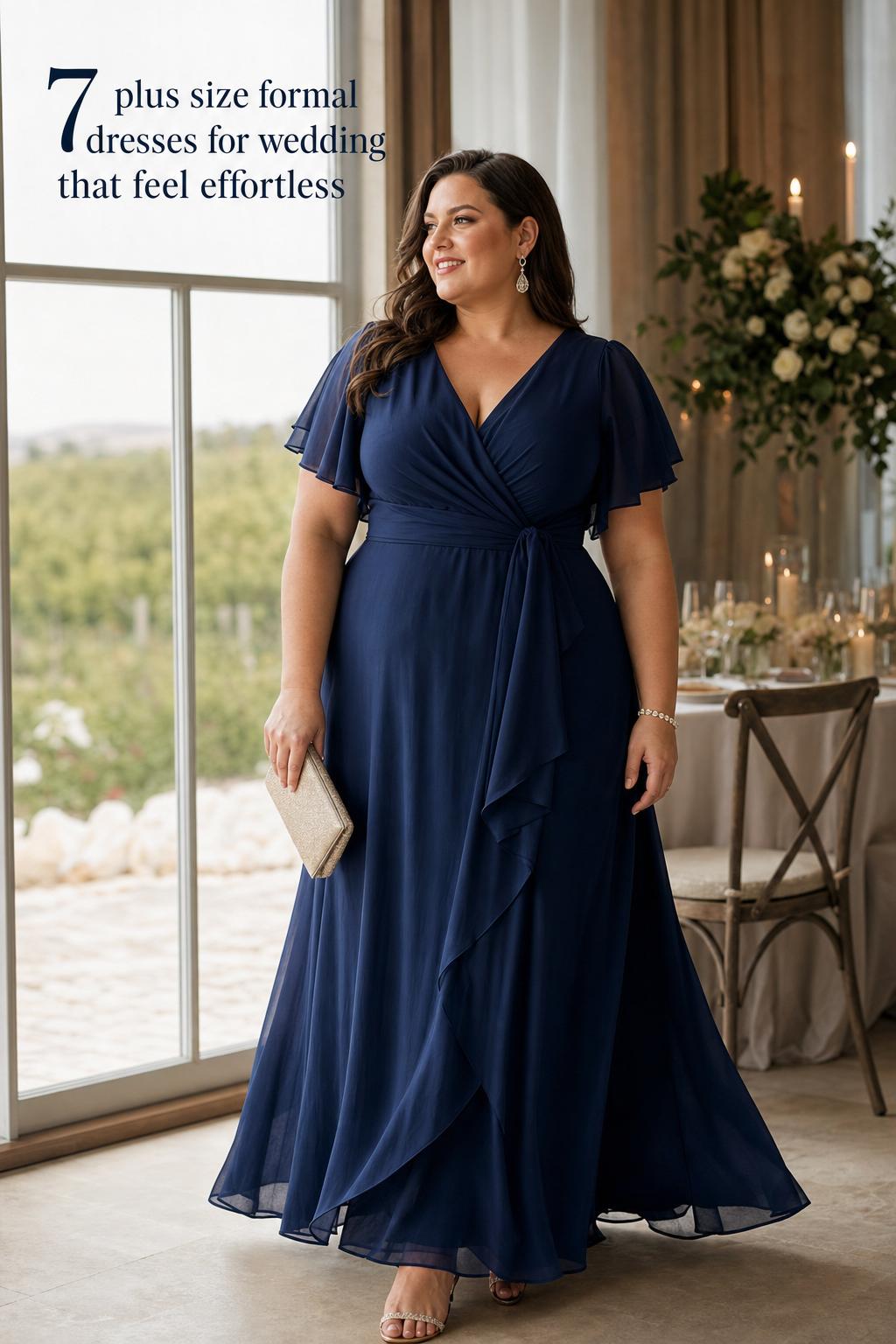
Start with the wedding, not the dress rack
Before comparing necklines or sleeve lengths, consider the wedding itself. A black-tie evening reception, a formal church ceremony, and a semi-formal vineyard celebration all call for different levels of structure, coverage, and length. This is where many shoppers save time: when the event sets the tone first, your dress choices become clearer and more intentional.
Formal and black-tie weddings generally support floor-length or long gowns, richer fabrics, and a more elevated finish. Semi-formal celebrations still welcome elegance, but a refined midi can make just as much sense as a full-length gown. The key is proportion. If the venue is grand and the lighting is evening-soft, a dramatic silhouette like mermaid or trumpet can feel right at home. If the setting is daytime and airy, a wrap or empire waist dress in chiffon often reads more natural and effortless.
Your wedding look is only the beginning.
Keep your guest list, vendors, timeline, and every important detail together with Zarellea — so your day feels as considered as your style.
- Best for: narrowing your options quickly without overbuying
- Choose this if: you are deciding between long, midi, or floor-length styles
- Style tip: let the venue mood guide the finish—soft drape for romantic settings, cleaner structure for formal interiors
- Avoid this: selecting a heavy fabric for a light, outdoor celebration if comfort and movement matter
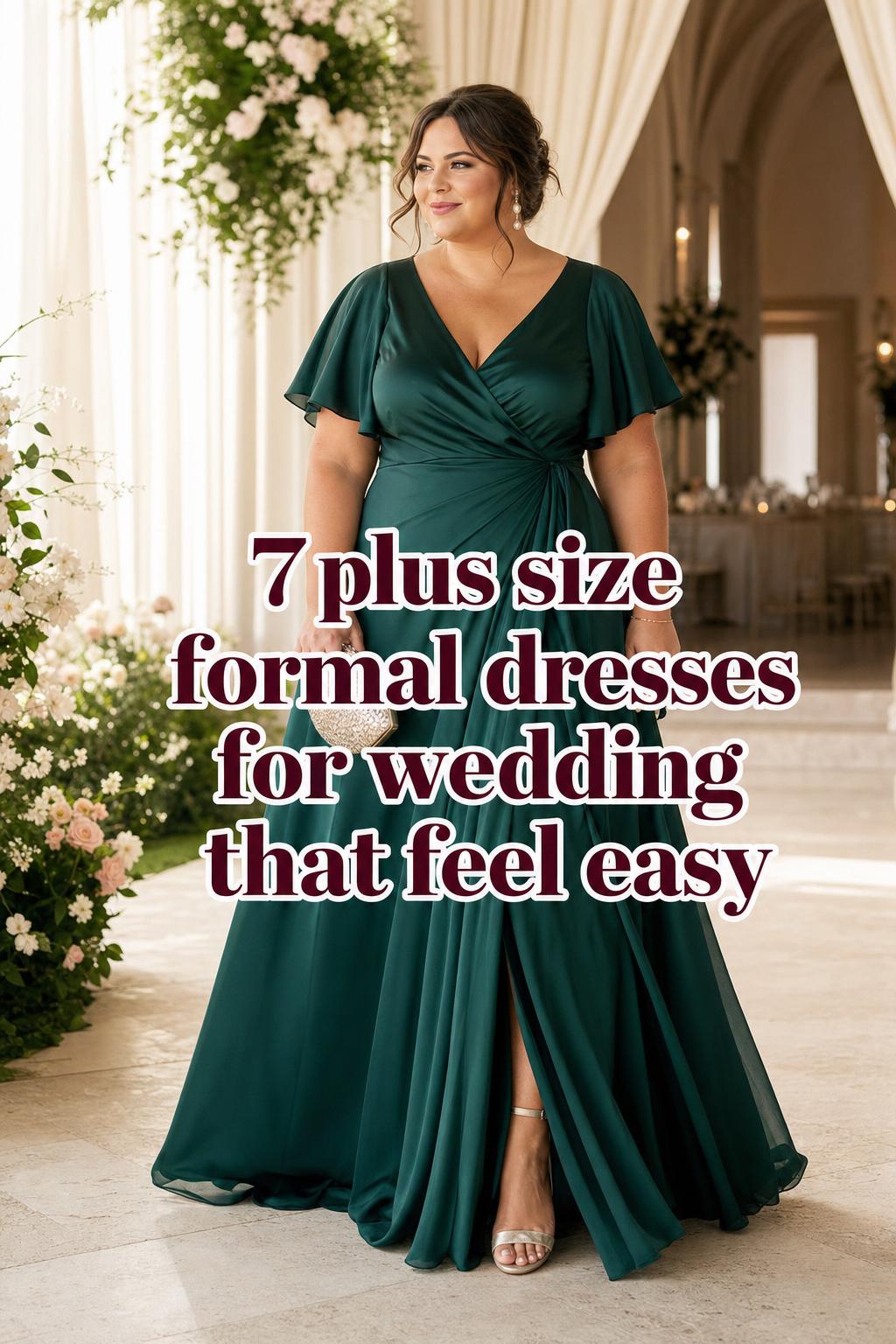
How to choose a silhouette that actually works for the day
The silhouettes that appear again and again in wedding guest formalwear are not popular by accident. A-line, empire waist, wrap, and mermaid or trumpet styles each solve a different styling problem. Some create softness and balance, some define the waist, and some bring presence in photos. The right choice depends on how you want the dress to move and where you want visual emphasis.
A-line for graceful balance and easy movement
An A-line dress remains one of the safest and most stylish options for wedding guests because it creates shape without feeling restrictive. Fitted more closely through the upper body and easing out through the skirt, it offers structure while preserving softness. In wedding photography, this silhouette tends to look fluid and balanced, especially when cut in chiffon or satin.
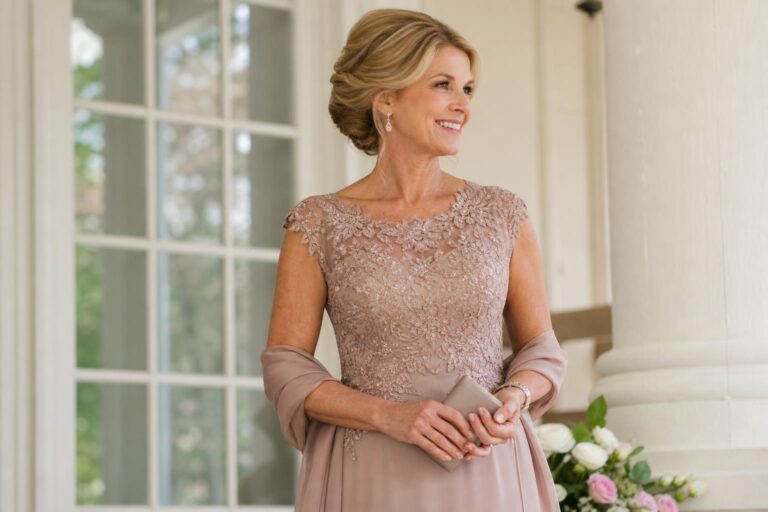
For a garden ceremony or formal daytime celebration, an A-line gown in chiffon has a light, floating quality that feels romantic rather than heavy. In satin, the same silhouette becomes more polished and evening-leaning, with smoother lines and a slightly dressier finish. If you want a silhouette that can transition between ceremony, dinner, and dancing without constant adjustment, A-line is often the easiest answer.
Pinterest-worthy idea: a floor-length satin A-line in a bold color under golden-hour light, paired with softly styled sleeves or a refined high neckline for a clean, formal frame in photos.
Empire waist for softness, comfort, and a longer visual line
Empire waist dresses sit higher on the torso and allow the fabric to fall away with a gentle vertical line. That shape can feel especially elegant for weddings because it reads soft, elongated, and romantic. It is also one of the silhouettes that tends to remain comfortable over a full day, particularly when sitting through a ceremony or moving between multiple parts of the event.
This style works beautifully for venues with a dreamy mood—outdoor receptions, garden weddings, or settings where flow and movement matter more than sharp structure. Chiffon and tulle both support that effect. Chiffon gives a lighter drape, while tulle can create a touch more volume and fantasy. If your priority is comfort with a formal finish, empire waist deserves a close look.
Works especially well with: soft sleeves, delicate movement, and weddings where a romantic rather than sculpted silhouette feels more appropriate.
Wrap dresses for adjustability and a naturally defined waist
A wrap dress earns its reputation because it combines shape with flexibility. For wedding guests, that adjustability matters. Formal events can be long, meals can change how a dress feels, and slight fit variation between brands is common. A wrap silhouette helps solve that by allowing a more custom-feeling fit through the waist and bust without looking casual when done in an evening-ready fabric.
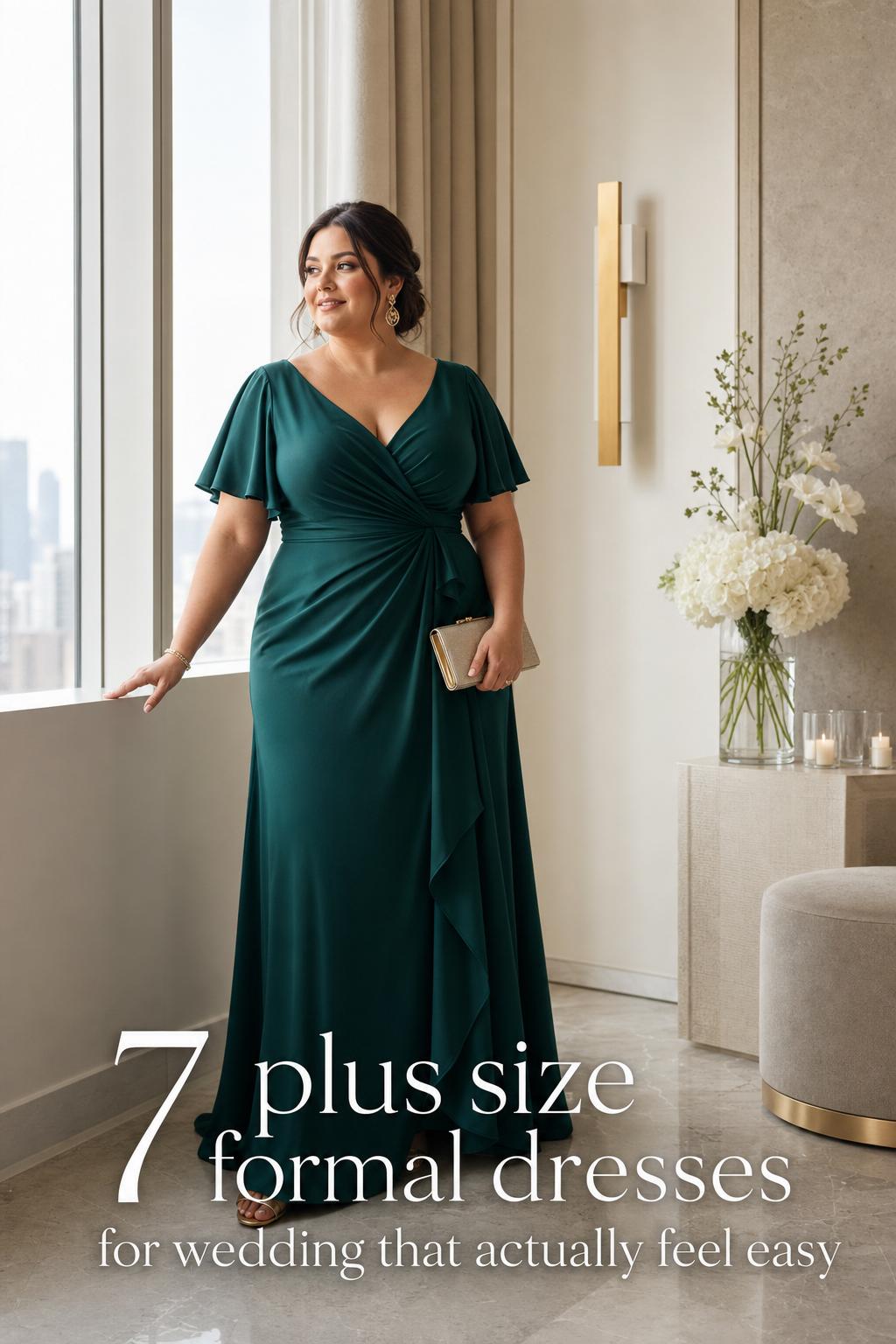
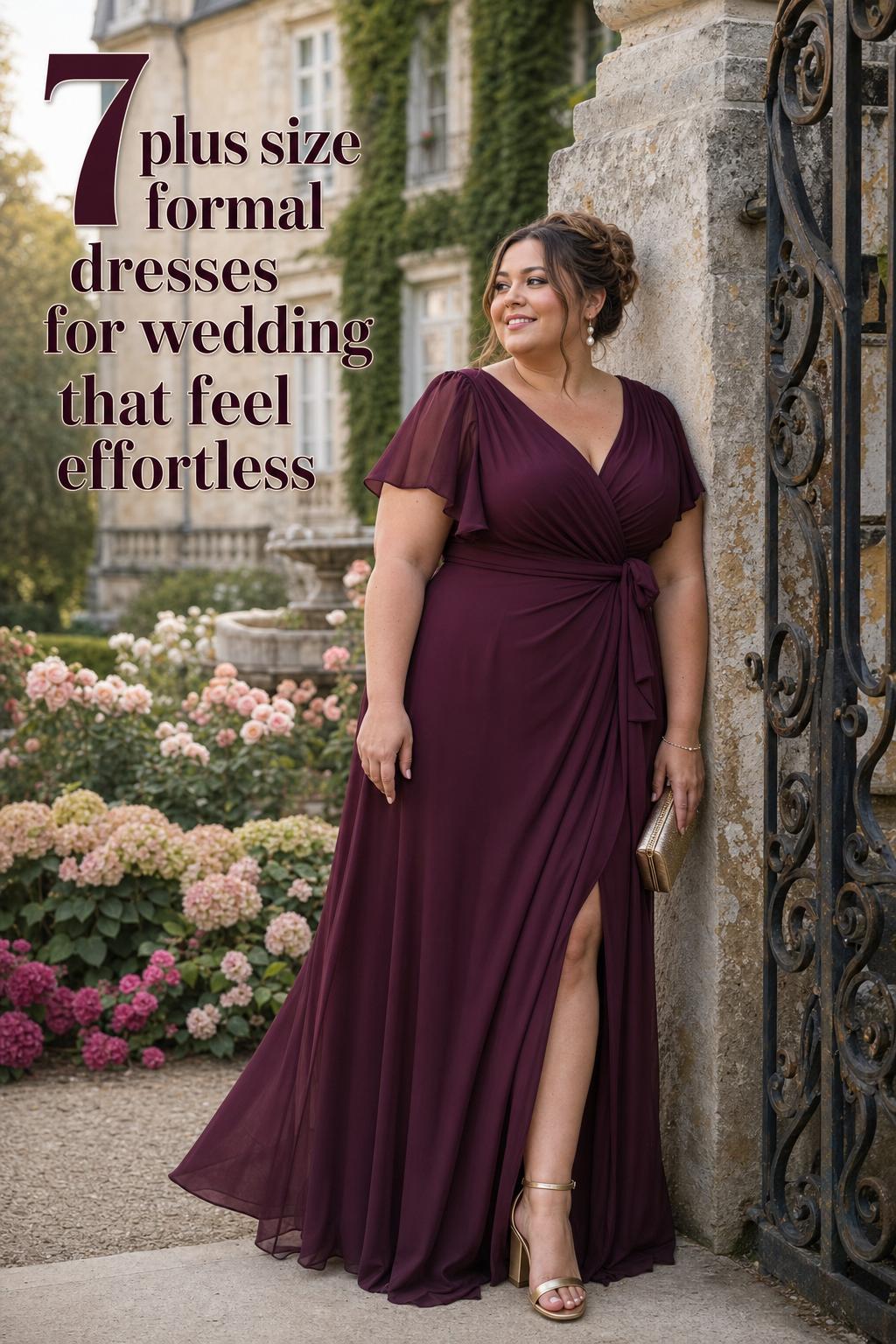
In satin, a wrap dress can look sleek and quietly glamorous. In chiffon, it takes on a softer, more relaxed elegance. This is a particularly smart choice for semi-formal to formal weddings when you want comfort without sacrificing definition. It also works well if you prefer a silhouette that highlights the waist while still keeping movement easy.
Choose this if: you want a flattering plus-size wedding guest dress that feels less rigid than a fitted gown and easier to wear across a full event schedule.
Mermaid and trumpet gowns for a formal statement
Mermaid and trumpet silhouettes bring drama. They are closer through the body and then open near the lower skirt, creating movement and visual impact that suits more elevated wedding settings. In a ballroom, at an evening reception, or in a setting with a clear black-tie mood, this shape can look especially striking.
That said, this silhouette is not the most forgiving if comfort is your first priority. It tends to be better for weddings where dramatic photos and formal presence matter more than unrestricted movement. Fabric choice matters here. Satin can sharpen the shape; tulle can soften the effect; velvet adds richness but also visual weight. If you love statement dressing and want your gown to feel event-worthy from every angle, mermaid or trumpet may be the answer.
Avoid this: choosing this silhouette for a long outdoor wedding if you already know you prefer looser movement or more flexibility when seated.
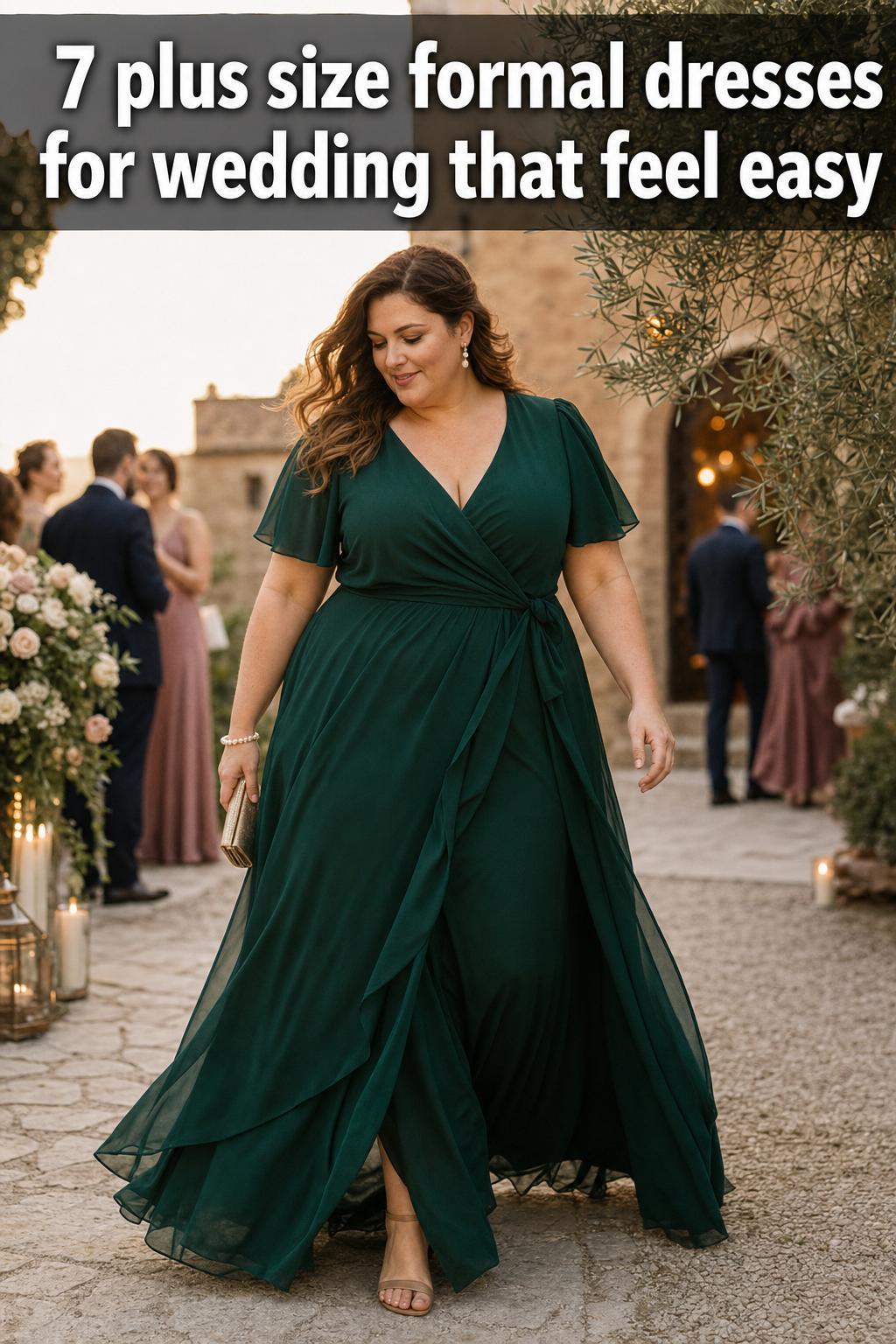
Modern alternatives that feel fashion-forward at a wedding
Not every formal guest wants a classic gown shape. Some of the most memorable wedding looks come from silhouettes that feel slightly unexpected while still respecting the dress code. Blazer-style dresses, cape dresses, statement sleeves, and Grecian drape all add individuality without stepping outside the formal category.
Blazer-style dresses for a crisp, modern mood
A blazer-style dress brings structure, confidence, and a more directional point of view. For a city wedding, contemporary evening venue, or reception with a sleek atmosphere, this silhouette can feel refreshingly polished. It offers a stronger shoulder line and a cleaner shape than softer gowns, which can be useful if you want a more tailored visual balance.
This style is not the obvious choice for every wedding, and that is part of its appeal. It works best when the event has a modern or fashion-conscious tone. If the celebration leans romantic and flowing, Grecian or chiffon styles may feel more aligned. But for a guest who wants formalwear with edge, this option can be both elegant and distinctive.
Cape dresses and statement sleeves for coverage with drama
Cape sleeves and other statement sleeve details offer a beautiful compromise between coverage and movement. Instead of adding a separate outer layer, the drama is built directly into the silhouette. That can look particularly striking in motion—walking into a reception, crossing a terrace, or catching candlelight at an evening dinner.
For guests who want a formal look with elegant arm coverage, this is one of the strongest styling directions. It feels intentional rather than purely practical. In photos, the extra movement from a cape or sleeve detail often creates a more styled finish than a simple fitted sleeve.
Style tip: if coverage matters, choose a silhouette where it is integrated into the design, not added as an afterthought.
Grecian drape for soft formality
Grecian gowns are known for flow, drape, and a feminine line that feels timeless in wedding settings. The appeal is in the movement. Rather than clinging, the fabric skims and falls in a way that creates elegance without stiffness. This makes Grecian drape especially suited to destination-feeling weddings, romantic outdoor receptions, and venues where a soft silhouette complements the setting.
If you are trying to avoid anything too structured or severe, this is a beautiful middle ground. It carries formal presence while remaining relaxed enough to feel effortless.
Fabrics that make a plus-size formal dress feel better on the body
Fabric is where many formal dresses either succeed or disappoint. The silhouette may look perfect on a hanger, but the drape of the material determines how it behaves in motion, how it photographs, and whether it remains comfortable over hours. For wedding guest dressing, chiffon, tulle, satin, and velvet appear repeatedly because each brings a distinct visual and practical advantage.
Chiffon for movement and soft romance
Chiffon is one of the most forgiving and wedding-friendly options for a reason. It moves beautifully, creates softness around the body, and works across several silhouette types including A-line, empire waist, and wrap dresses. In an outdoor setting or a venue with natural light, chiffon has a particularly flattering airy quality.
It is often the easiest fabric to style when you want formal without feeling overly heavy. For a wedding guest who values comfort and flow, chiffon is a smart first choice.
Tulle for volume and a more romantic finish
Tulle leans more whimsical and decorative. It can add shape and presence, making it useful when you want your dress to feel distinctly occasion-ready. In formal weddings, tulle works best when balanced by a silhouette that keeps the look refined rather than overly busy. Empire waists and soft A-line gowns are often the most natural pairing.
Best for: weddings where the atmosphere is dreamy, celebratory, and a little more theatrical in photographs.
Satin for polish, glow, and evening elegance
Satin reflects light in a way that instantly elevates a dress. It is especially effective for formal evening receptions, black-tie weddings, and venues with candlelight or low-lit interiors. In wrap dresses and A-line silhouettes, satin feels refined and smooth. In mermaid and trumpet gowns, it can create a stronger sculpted effect.
The trade-off is that satin tends to reveal the line of the garment more clearly, so fit becomes especially important. When the tailoring is right, it looks extraordinary. When the fit is off, the fabric is less forgiving than chiffon.
Velvet for richness and depth
Velvet brings a richer texture and a deeper visual presence. For a formal dinner, evening wedding, or cooler-season celebration, it can look striking and luxurious. It is less about airy movement and more about depth, color saturation, and softness under indoor lighting.
Choose this if: the wedding mood is formal and atmospheric, and you want texture to do some of the styling work for you.
Color decisions that feel elegant in photos
Many guests default to black because it feels safe, formal, and easy. Black certainly has a place, but it is not the only polished option. One of the strongest styling shifts in formalwear is the move toward bold colors and prints that still read wedding-appropriate. When chosen thoughtfully, color can make a dress feel more memorable and more alive in photographs.
Classic black is sleek, particularly in satin, velvet, or a clean wrap silhouette. It works well for evening receptions and more formal venues. But if the celebration is joyful, seasonal, or outdoor, stepping away from black can soften the overall effect. Bold color in an A-line, empire waist, or Grecian gown often feels fresher and less predictable, especially in natural light.
Prints and textures should be approached with a little more caution in formal settings. They can be beautiful, but the silhouette needs to remain clear. A busy print on a complicated shape can feel visually crowded, while a simple line in a bold color usually looks cleaner and more elevated.
- Style tip: if the silhouette already has statement sleeves, a cape, or a dramatic neckline, let the color be the supporting detail rather than the main event
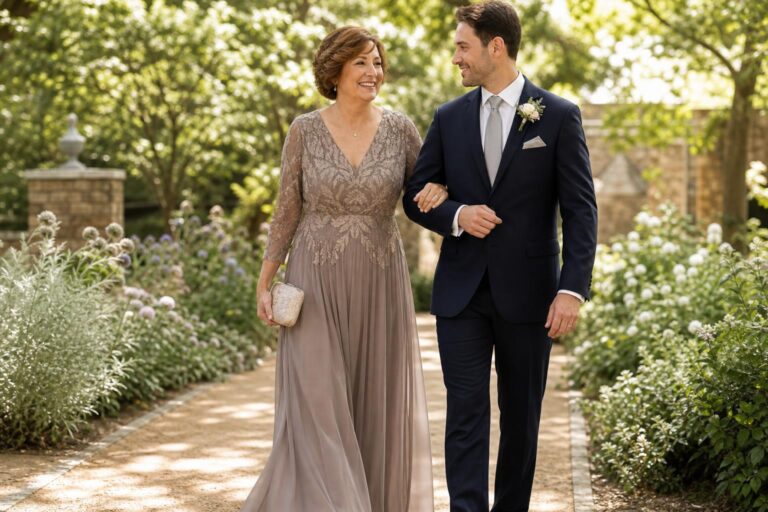
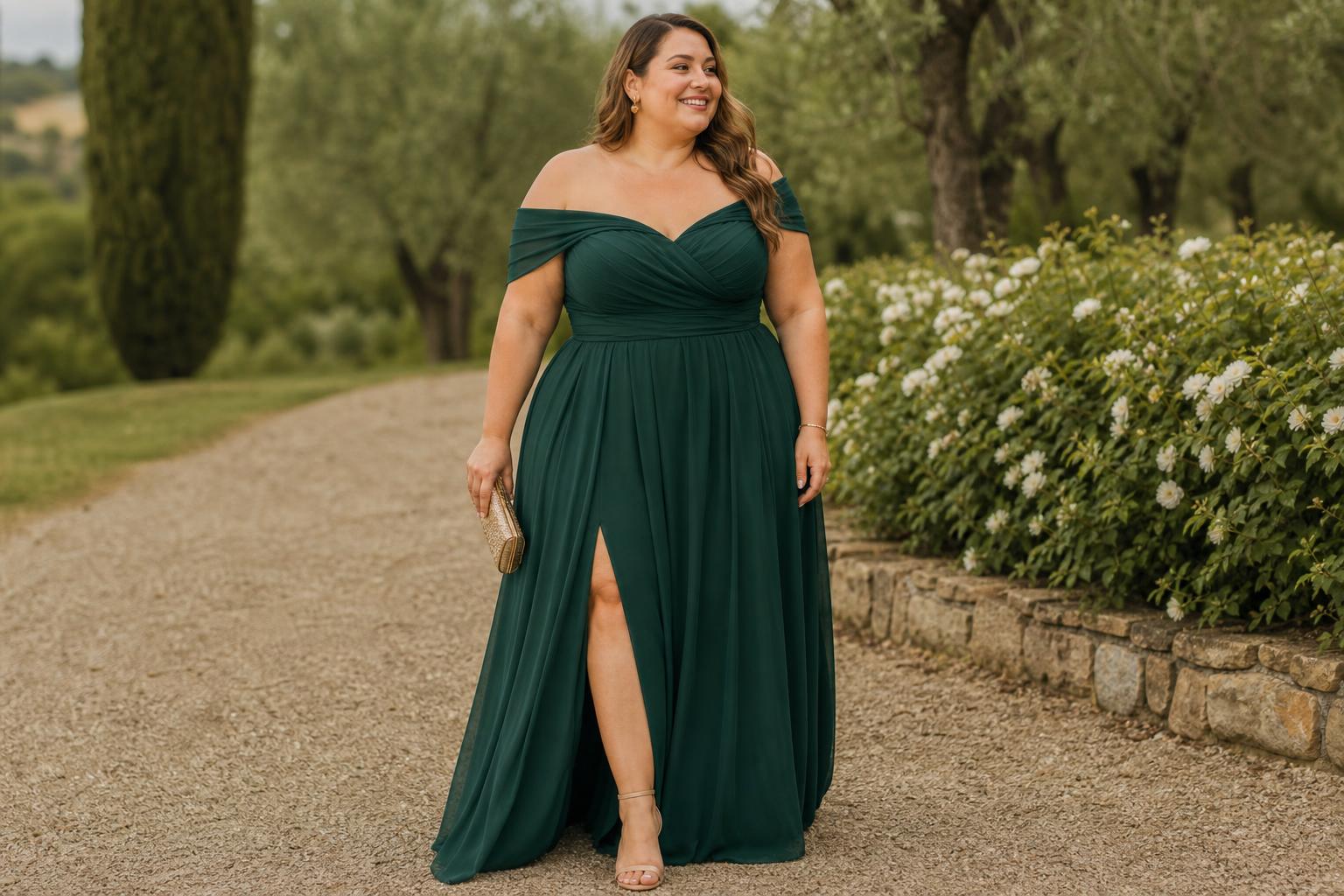
- Pinterest-worthy idea: a chiffon A-line in a bold hue moving through a vineyard path or garden aisle at golden hour
- Avoid this: combining strong print, strong texture, and a highly dramatic silhouette all at once
Necklines, sleeves, and finishing details that change the entire look
Once silhouette and fabric are set, the details determine the mood. High necklines, off-shoulder styling, long sleeves, low-back details, and cape effects all shift how formal, modern, or romantic a dress feels. These elements also affect comfort, coverage, and how balanced the finished outfit looks.
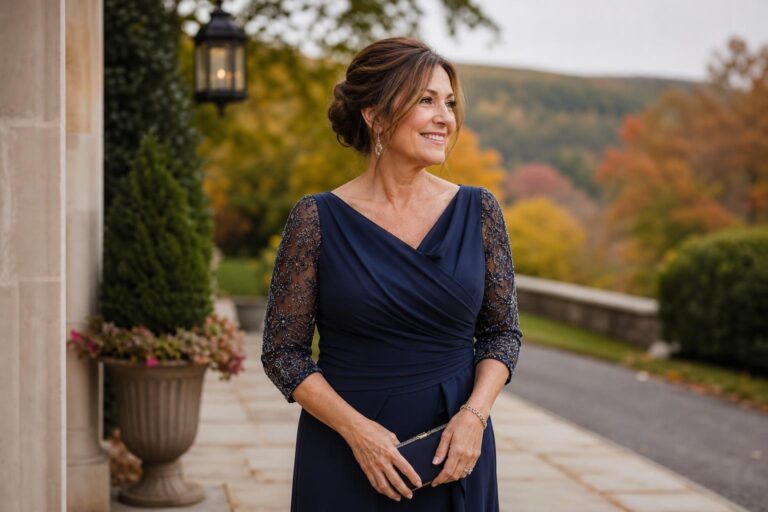
A high-neck, low-back dress creates contrast: modest from the front, dramatic from the back. That can be especially effective at evening weddings, where the look unfolds gradually in motion and in reception photos. Off-shoulder styling softens the upper line and can pair beautifully with A-line and Grecian silhouettes, especially in more romantic venues. Long sleeves and statement sleeves add visual interest while also addressing coverage concerns in a way that still feels formal.
This is where you should also think beyond the ceremony. If the reception will last for hours, choose details that remain comfortable after sitting, eating, and dancing. The most elegant dress is the one you do not have to keep adjusting.
Where to shop: size-inclusive brands and retailers worth knowing
For U.S. shoppers, the plus-size formalwear landscape includes both brand-specific collections and broader retailer catalogs. The difference matters. Brand sites often give a more defined point of view, while department-style retailers and multi-brand boutiques can be useful for comparing silhouettes, lengths, and price bands in one place.
Adrianna Papell is a recognizable name in wedding guest dressing, with a dedicated plus-size wedding guest dress collection that leans polished and occasion-aware. Macy’s offers a broad shopping approach, including brands such as Adrianna Papell and London Times, which can be helpful if you want to compare styles across one retailer. H&M’s plus occasionwear category speaks to shoppers looking for more affordable formalwear options. Ever-Pretty Plus, Avenue, Dia & Co, Miusol, Simply Dresses, and The Dress Outlet all appear in the plus-size wedding guest space with collection-style shopping pages.
Hello Curve approaches the category with more editorial guidance, especially around flattering silhouettes and styling logic, which can be useful if you are still deciding what shape works best before you buy. Tadashi Shoji, Sydney’s Closet, Jessica Howard, and London Times are also names frequently associated with the size-inclusive formalwear conversation, particularly when shoppers are comparing style direction and fit expectations across brands.
- Best for: building a short list before ordering multiple options
- Choose this if: you want a mix of editorial inspiration and product-driven shopping
- Style tip: compare by silhouette first, then by retailer, rather than getting lost in dozens of product tiles
The overlooked step: fit, tailoring, and alterations
One of the biggest differences between a dress that feels merely acceptable and one that feels truly elegant is tailoring. Plus-size formal dresses for wedding events often need small refinements even when the style itself is right. Hem length, waist placement, sleeve proportion, and bust fit all affect how the silhouette reads.
This matters especially in satin and in more defined silhouettes such as mermaid or trumpet gowns, where the line of the garment is more visible. Chiffon and wrap styles tend to be more forgiving, but even then, a cleaner hem or slight waist adjustment can transform the final look. Tailoring is not a sign that a dress failed. In formalwear, it is often part of the finishing process.
It also helps to think about timing. If you are ordering from a brand collection or a retailer with many styles, leave enough room for returns, exchanges, and alterations. A practical wedding guest wardrobe decision is rarely about ordering one dress at the last second. It is about trying with intention, comparing fit honestly, and allowing enough time to perfect the shape.
Save-worthy tip: if you are choosing between two dresses, keep the one that needs the least correction in the areas that matter most to comfort—waist, bust, and movement.
How to interpret size charts and shopping pages without getting overwhelmed
Many top shopping results for wedding guest dresses are collection pages rather than deep editorial guides. That is useful for browsing, but it can also make size and fit decisions harder. Product grids show style variety, yet they rarely explain how an empire waist differs from a wrap fit in real wear, or how one brand’s long formal gown may compare with another’s in proportion.
Approach shopping pages with a method. First choose your likely silhouette family. Then narrow by length—midi, maxi, long, or floor-length—based on the dress code. After that, compare fabric. This sequence keeps you from buying a dress that is technically formal but wrong for the wedding atmosphere or your comfort needs.
Return policies and exchange flexibility matter here as much as style. If you are deciding between a formal wedding guest gown from Ever-Pretty Plus and a plus-size wedding guest dress from Adrianna Papell or Macy’s, the right choice may come down to fit confidence and how easy it is to adjust course if the first order is not ideal.
Wedding-setting style notes that make the final look feel intentional
A garden wedding calls for softness. Chiffon, Grecian drape, and empire waist styles usually feel naturally aligned with flowers, daylight, and movement outdoors. In these settings, the most beautiful dresses often have motion before they have structure. A floating skirt, an elegant sleeve, or a soft color can feel more harmonious than a sharply sculpted gown.
A ballroom or black-tie reception allows more drama. Satin A-line gowns, mermaid silhouettes, high-neck and low-back combinations, or velvet textures all make sense when the room itself is formal. The lighting in these venues tends to reward richer surfaces and cleaner shapes.
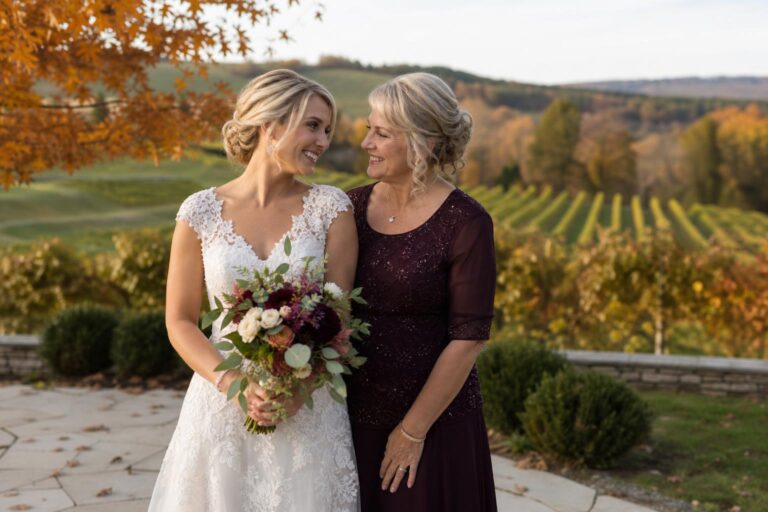
For a vineyard, countryside, or destination-feeling venue, wraps and midi-to-maxi dresses often strike the best balance. They read polished without feeling overworked. If you know the celebration will include walking across grass, transitions between ceremony and reception spaces, or a longer social atmosphere, comfort becomes part of elegance.
- Works especially well with: chiffon for outdoor weddings and satin or velvet for evening interiors
- Pinterest-worthy idea: a cape-sleeve gown moving through a candlelit reception entrance
- Avoid this: choosing a highly structured silhouette simply because it looks dramatic online if the venue and timeline call for ease
Common mistakes that make formal wedding guest dressing harder than it needs to be
One common mistake is choosing by trend alone. Cape sleeves, bold colors, blazer-style dresses, or statement mermaid gowns can all be beautiful, but they need the right setting and the right fit. A trend only works when it supports the event and your own comfort.
Another is treating all formal fabrics as interchangeable. They are not. Chiffon moves differently from satin, tulle creates a different volume story than velvet, and each one changes how a silhouette behaves. If you have ever loved a dress online and felt underwhelmed in person, fabric mismatch is often part of the reason.
A third mistake is skipping the practical test. Sit in the dress. Walk in it. Imagine the ceremony, the dinner, and the final hour of the reception. A dress can be flattering and still be the wrong choice if it demands constant adjustment or makes you feel restricted. Wedding guest style is at its best when it is both beautiful and sustainable for the whole event.
Pinterest-worthy ideas to save for later
If you are building a mood board, save by wedding atmosphere rather than by random dress images. That creates a more useful visual library and helps you spot the silhouettes and fabrics you keep returning to.
- A flowing chiffon A-line for a garden ceremony with soft sleeves and a romantic, airy finish
- An empire waist tulle gown for a dreamy formal celebration where movement matters as much as shape
- A satin wrap dress for a semi-formal to formal evening wedding with an elegant but easy line
- A velvet floor-length gown for a candlelit reception where texture and depth look especially rich
- A high-neck, low-back formal dress for an evening venue where subtle drama feels more refined than excess detail
- A cape dress for guests who want built-in coverage with movement that stands out in photographs
- A Grecian gown for an outdoor reception that calls for softness, ease, and understated femininity
- A blazer-style dress for a city wedding with a modern, fashion-forward mood
- A bold-colored formal gown instead of classic black when the wedding setting feels bright, celebratory, and expressive
Final checklist before you choose
By the time you are ready to order, the decision should feel grounded rather than rushed. The best plus-size formal wedding guest looks usually come from editing carefully, not endlessly browsing. Focus on what the dress needs to do for the event: flatter, move, suit the dress code, and hold up comfortably over time.
- Does the silhouette match the formality of the wedding?
- Does the fabric support the look you want in motion and in photos?
- Will the length make sense for the venue and timeline?
- Do the sleeves or neckline offer the right balance of style and comfort?
- Would a small alteration make this dress significantly better?
- Is this a dress you can actually wear for the entire celebration without fuss?
The safest choices are often A-line, empire waist, and wrap dresses in chiffon or satin, especially when you want reliability across different venues and dress codes. The most dramatic choices tend to be mermaid, trumpet, velvet, cape details, and strong evening finishes. The most Pinterest-worthy looks usually combine one clear statement—silhouette, color, fabric, or sleeve detail—with thoughtful restraint everywhere else. Choose the dress that feels aligned with the celebration and with your own style, and the final result will look polished, current, and completely at ease.
FAQ
What silhouettes are most flattering for plus-size formal dresses for wedding guests?
A-line, empire waist, wrap, and mermaid or trumpet silhouettes are the main options to consider. A-line is often the easiest all-around choice because it balances shape and movement, empire waist offers softness and comfort, wrap dresses give adjustability and waist definition, and mermaid or trumpet gowns create a more dramatic formal effect.
Which fabric is best for a formal wedding guest dress in plus sizes?
That depends on the setting and the look you want. Chiffon is ideal for softness and movement, satin adds polish and works beautifully for evening weddings, tulle creates a more romantic and occasion-ready finish, and velvet offers rich texture for formal indoor celebrations.
Can I wear black to a wedding if I need a formal plus-size dress?
Yes, especially for evening, black-tie, or more formal weddings where black already feels natural in the venue and lighting. Black is elegant and reliable, but it is not the only refined choice. Bold colors can feel fresher and more expressive, particularly for outdoor or daytime celebrations.
What is the difference between a formal wedding guest dress and a semi-formal one?
Formal wedding guest dresses usually lean toward long, floor-length, or more elevated fabrics and finishes, while semi-formal styles can include more relaxed silhouettes and shorter lengths such as midi. The wedding venue and time of day help determine which level of formality makes the most sense.
Are wrap dresses formal enough for weddings?
Yes, when they are made in formal fabrics like satin or chiffon and styled with the right level of polish. A wrap dress is one of the most useful options for wedding guests because it combines a flattering shape with comfort and fit flexibility.
Where can I shop for plus-size formal wedding guest dresses in the U.S.?
Options include Adrianna Papell, Macy’s, H&M, Avenue, Ever-Pretty Plus, Simply Dresses, Dia & Co, Miusol, The Dress Outlet, and Hello Curve. Some offer broad product collections, while others provide a more brand-specific style point of view or more editorial guidance on silhouettes and fit.
Should I alter a formal wedding guest dress?
In many cases, yes. Hem length, waist placement, sleeve proportion, and bust fit often benefit from minor tailoring. This is especially important in satin or in more sculpted silhouettes such as mermaid and trumpet gowns, where the line of the dress is more visible.
How do I choose between an A-line and an empire waist dress?
Choose A-line if you want a classic, balanced silhouette with broad versatility across venues and dress codes. Choose empire waist if you prefer a softer, more romantic line with easy comfort and a gentle vertical effect, especially for outdoor or flowing wedding settings.
What details help with coverage while still looking formal?
Cape sleeves, statement sleeves, long sleeves, and high-neck silhouettes all offer elegant coverage without taking away from the formal mood. These design details usually look more intentional and polished than trying to solve coverage with an unrelated extra layer.