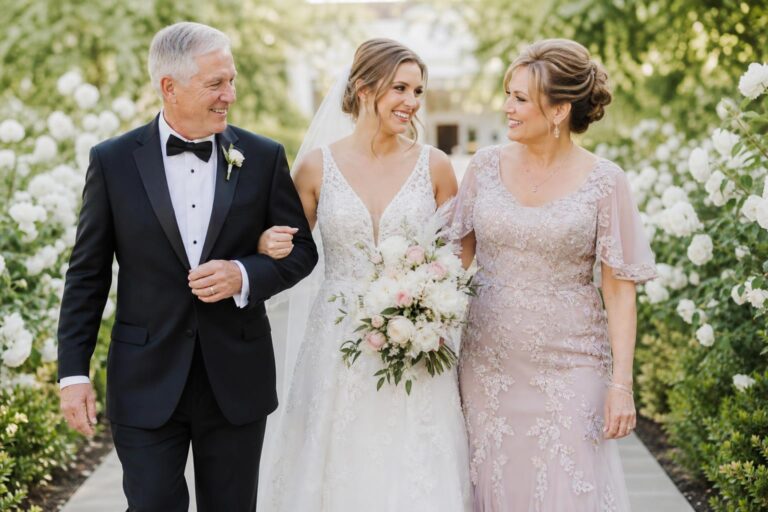
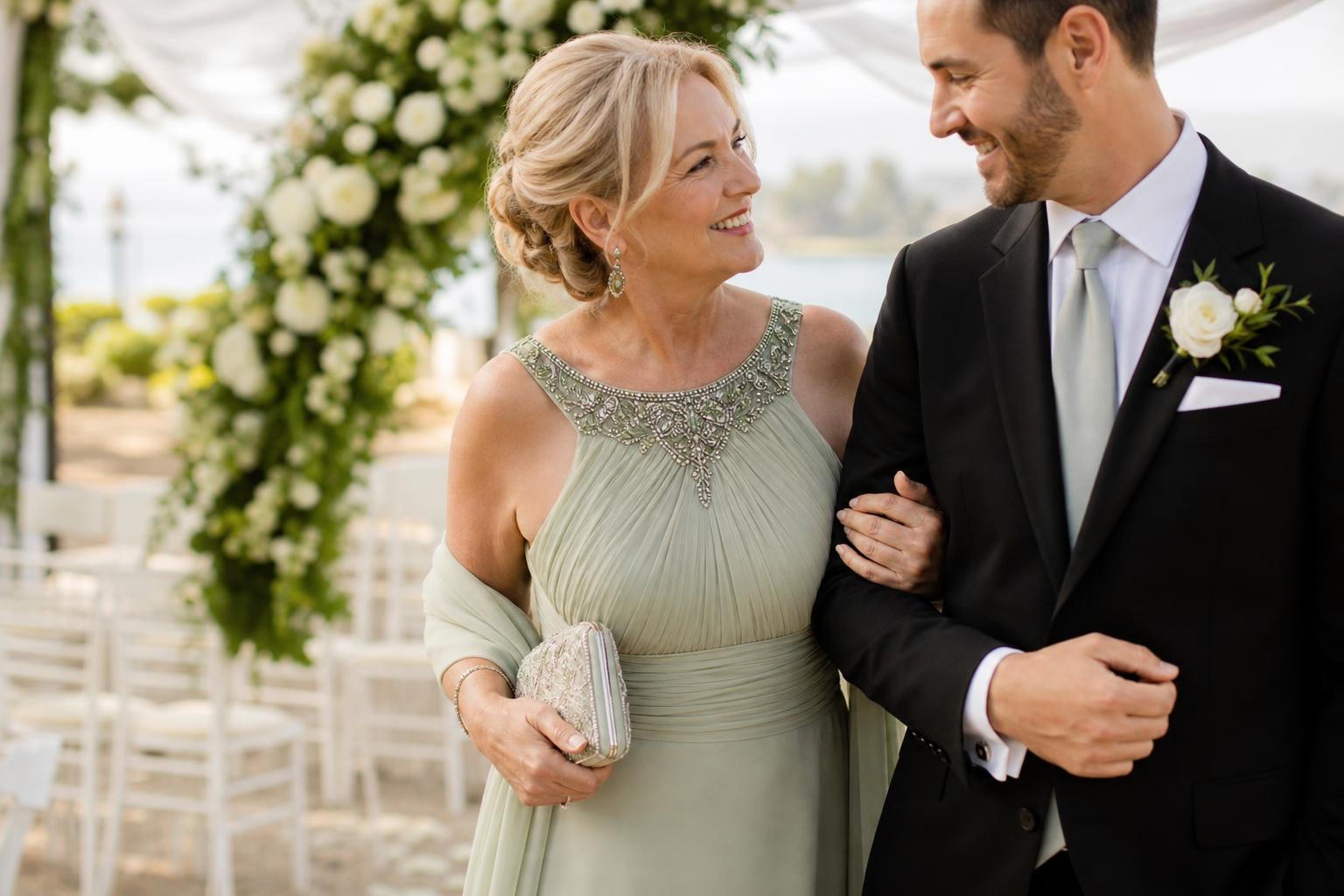
Mother In Law Dresses For Wedding in Style
There is a particular elegance to mother in law dresses for wedding celebrations: they sit at the intersection of family significance, personal style, and event formality. The mood is less about chasing a trend and more about creating a polished presence that feels gracious in photographs, comfortable through a long day, and beautifully aligned with the atmosphere of the ceremony and reception.
Whether the setting is a church, a garden ceremony, a beach gathering, or a candlelit ballroom reception, the visual identity of this style is refined occasion wear with intention behind every detail. Silhouettes, fabrics, and colors matter because these dresses are part of the visual story of the wedding party, yet they also need to reflect the confidence and individuality of the woman wearing them.
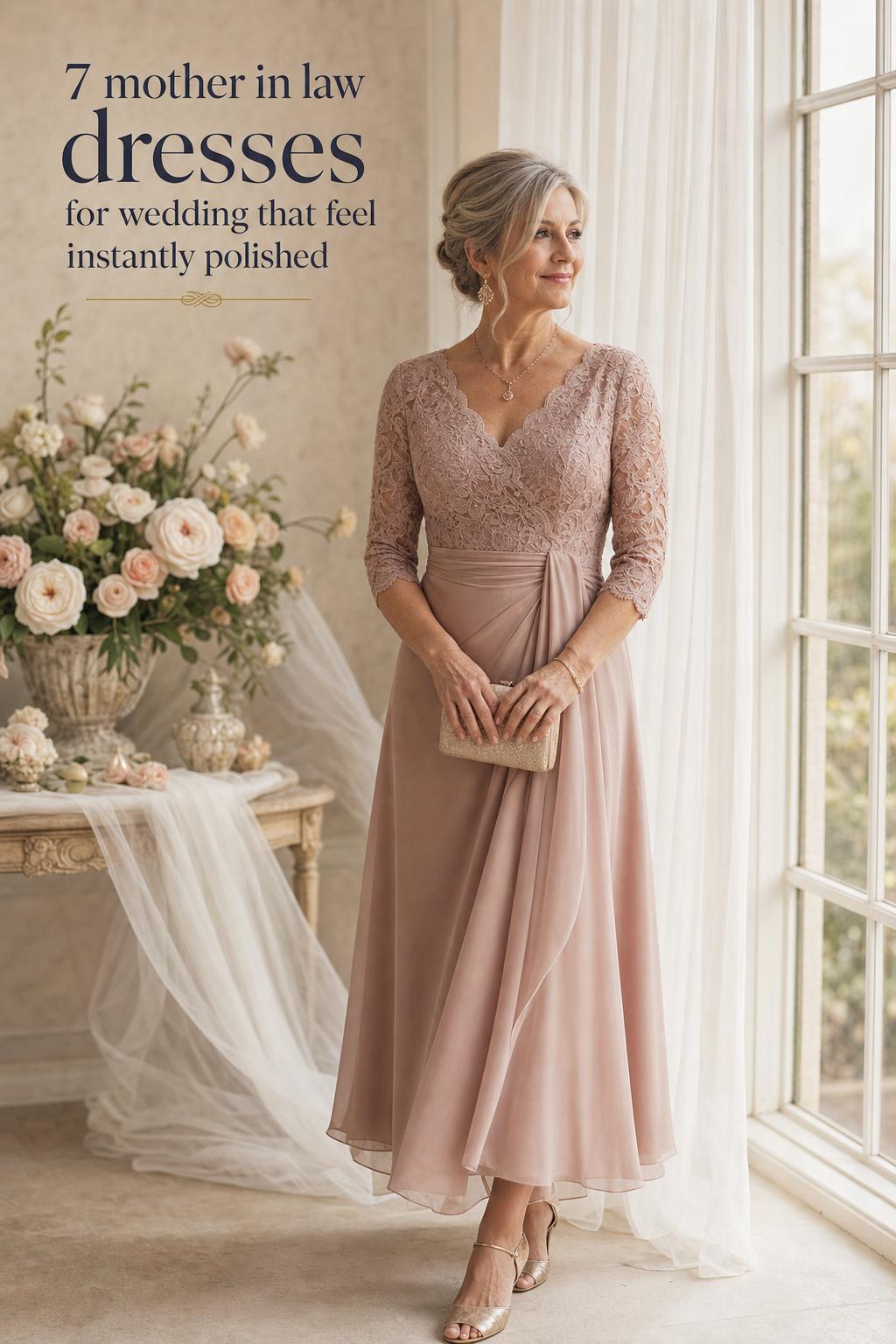
That is why this category remains so appealing in the U.S. market. Mothers of the bride, mothers of the groom, and mothers-in-law are looking for attire that reads celebratory rather than overdone, formal without feeling stiff, and flattering without sacrificing ease. The most successful looks blend wedding etiquette, thoughtful coordination, and a clear sense of style.
The wedding mood starts with dress code
Before color, neckline, or accessories enter the conversation, the first styling decision is formality. A casual daytime wedding asks for a different visual language than a black-tie evening reception. In practical terms, that means the same woman might look best in a flowing midi for a garden event, a tea-length silhouette for a church ceremony, or a floor-length gown in richer fabric for a ballroom setting.
Your wedding look is only the beginning.
Keep your guest list, vendors, timeline, and every important detail together with Zarellea — so your day feels as considered as your style.
Dress code is not only about appearing appropriate. It also affects comfort, movement, and how the look reads in wedding photos. Semi-formal and cocktail weddings often allow a lighter hand with structure, while formal and evening celebrations call for more polish in fabric and finish. This is where the distinction between a cocktail dress and a formal gown becomes especially useful for mother of the bride dresses and mother of the groom dresses.
Coordination with the bridal party matters here too. A mother-in-law dress should feel connected to the event palette and tone, even if it is not a direct match to bridesmaid styling. The goal is harmony, not duplication. Retailers and editorial hubs such as The Knot, Nordstrom, Bloomingdale’s, Birdy Grey, Dillard’s, and Jasmine Bridal often frame their collections this way because shoppers want both inspiration and a clear path to event-ready options.
Tip: read the venue as carefully as the invitation
A ballroom, vineyard, church, garden, or beach venue changes the behavior of a dress. Hemline, sleeve choice, and fabric weight all feel different depending on terrain, weather, and lighting. A graceful look on a polished indoor floor may become impractical on grass or sand, so the most elegant decision is often the one that quietly accounts for the setting.
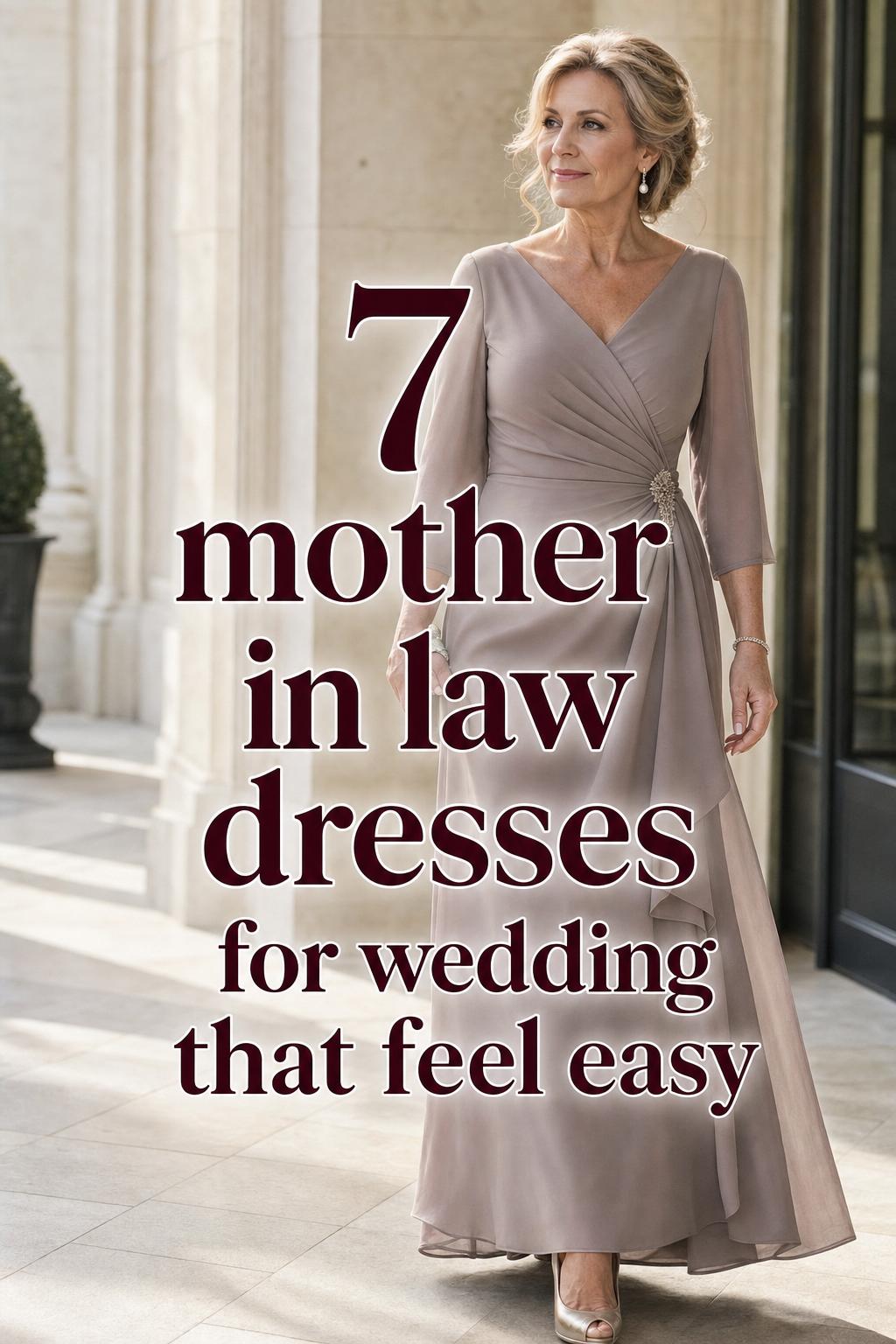
Look: soft formal elegance for a church or ballroom wedding
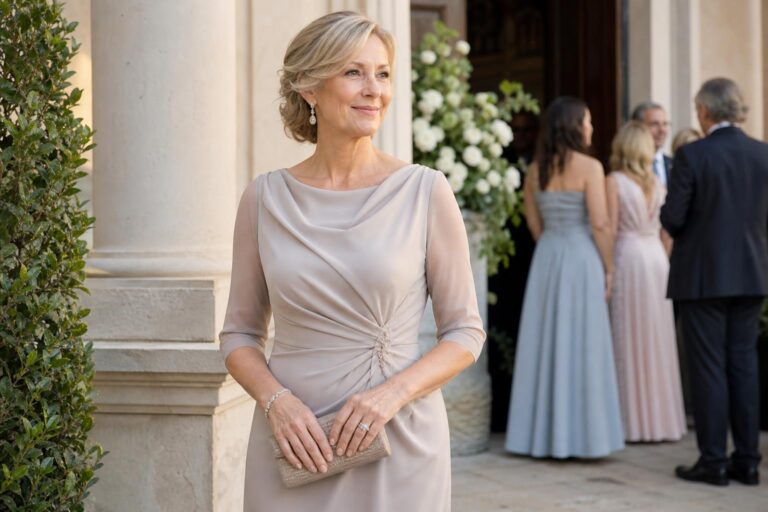
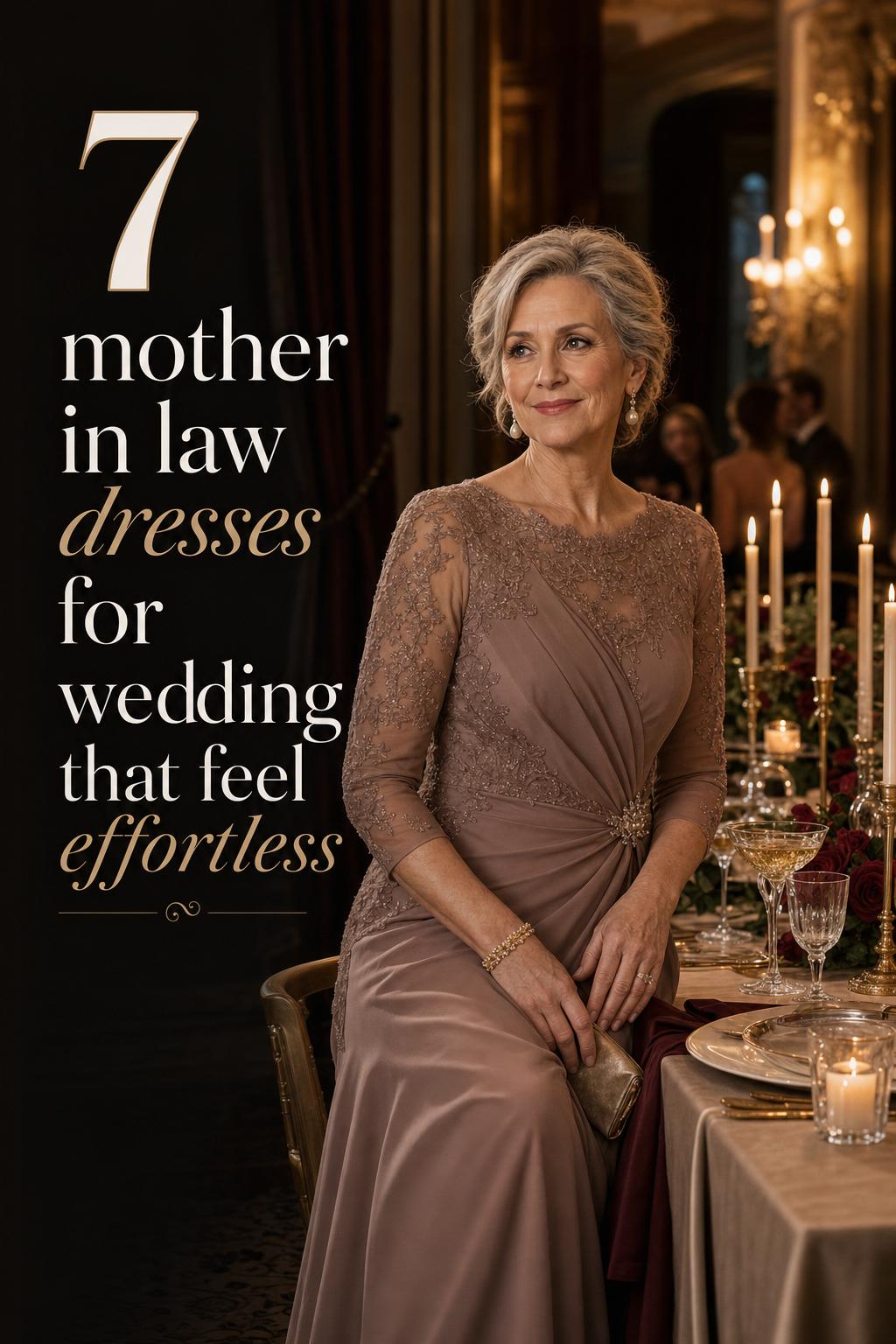
This interpretation of the mother-in-law aesthetic is poised, classic, and quietly ceremonial. The silhouette tends to be elongated, with enough structure to feel dressed for the significance of the occasion without looking severe. It carries especially well in traditional venues where the atmosphere leans formal and the photography captures symmetry, architecture, and family portraits.
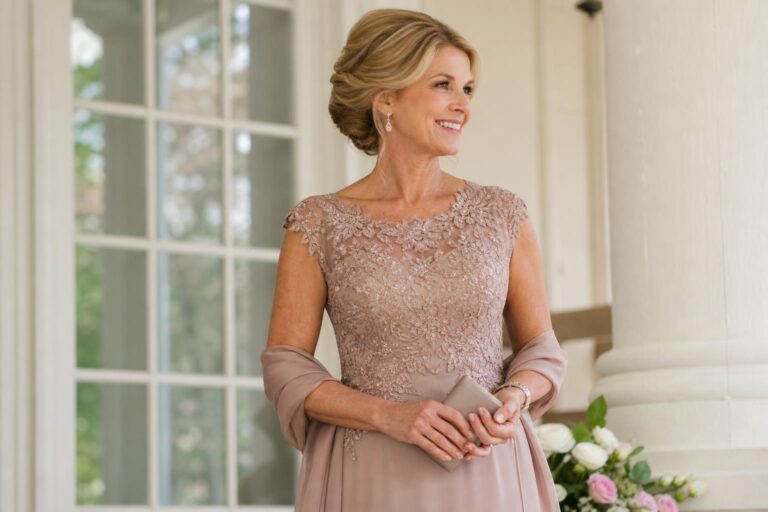
Floor-length or tea-length dresses in chiffon, lace, crepe, or satin create the right visual depth here. A-line shapes and gently skimming sheath styles are often the most balanced because they photograph cleanly and move well from ceremony to reception. A bateau, boat neck, jewel neckline, or V-neck can all work depending on the desired finish, while sleeves or refined sleeve coverage may feel especially right in a church setting. Color palettes that coordinate with the wedding palette rather than compete with it tend to feel most polished.
- Key garments: floor-length gown, tea-length dress, softly structured A-line
- Fabrics: chiffon for movement, lace for texture, crepe for clean lines, satin for a richer finish
- Accessories: understated jewelry, elegant shoes, a refined handbag or clutch
What makes this look work is its restraint. In a formal setting, a mother of the bride outfit or mother of the groom outfit looks strongest when every element feels considered but not crowded. This is the kind of styling often supported by department-store collections and bridal retailers because it balances timelessness with occasion-specific polish.
Look: romantic garden softness in a midi or tea-length silhouette
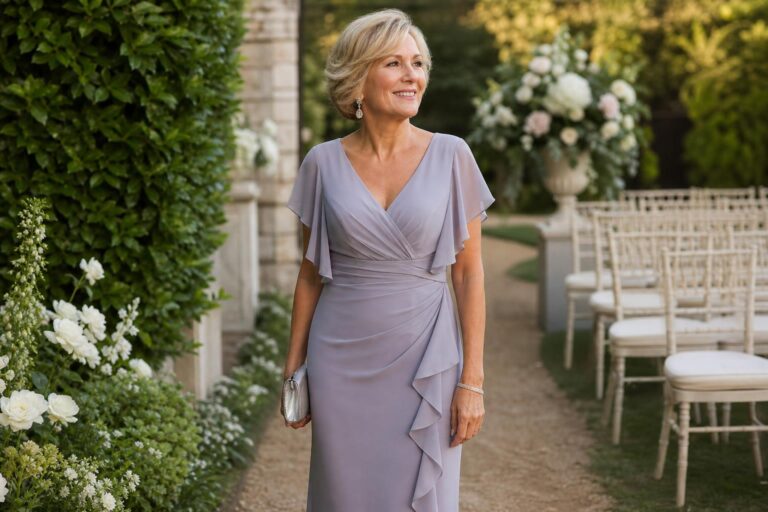
A garden wedding invites a gentler interpretation of wedding dressing. The atmosphere is lighter, often shaped by daylight, florals, and movement, so the mood can shift toward ease without losing elegance. Here, the visual story is about softness: a silhouette that feels breathable, feminine, and natural against an outdoor backdrop.
Midi and tea-length dresses are especially effective for this setting because they communicate celebration while staying practical on grass paths and uneven ground. Chiffon and lace are natural choices, and a fit-and-flare or empire waist shape can create a graceful line that feels comfortable through a long ceremony and reception. Soft palette coordination matters in this setting, particularly if the wedding party colors are visible in florals or bridesmaid dresses. Birdy Grey’s emphasis on color coordination and confidence reflects why this look resonates so well for outdoor weddings.
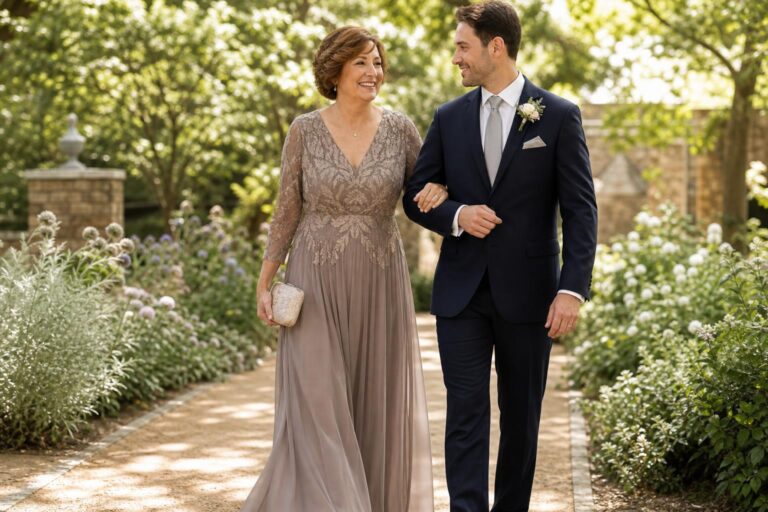
The reason this aesthetic remains popular is that it feels romantic without becoming costume-like. It understands that a mother-in-law is not dressing as a generic guest; she is dressing as part of the family’s visual center. A garden wedding favors dresses that move beautifully in photographs and still feel easy enough for mingling, walking, and extended wear.
How to recreate the mood
- Choose a lighter fabric with movement rather than a very rigid construction
- Keep the hem practical for outdoor walking and photos
- Use the wedding palette as a guide so the dress feels connected to the celebration
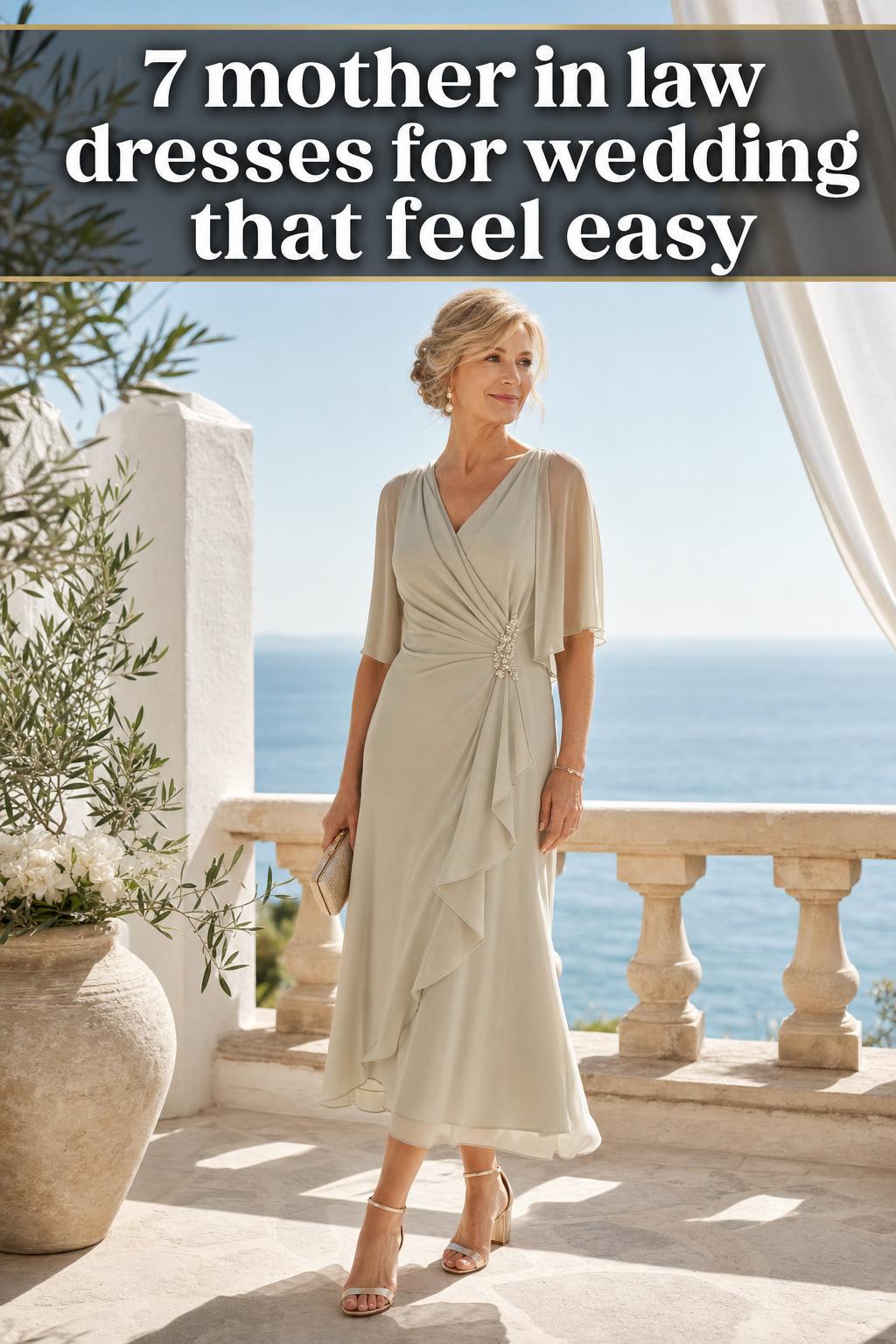
Look: sleek cocktail refinement for a city reception
Not every wedding asks for sweeping length and maximal formality. For a modern city reception or a semi-formal event, a cocktail-minded mother-in-law look can feel chic, current, and entirely appropriate. The silhouette here is a little sharper, with cleaner lines and a more edited feel, making it ideal for women who prefer understated sophistication.
Sheath and fit-and-flare dresses come into focus in this mood, especially in crepe or satin where the fabric gives enough structure to hold shape without appearing heavy. Knee-length, midi, and tea-length options all belong in this lane, depending on the invitation and time of day. Nordstrom and Bloomingdale’s category hubs often present these event-ready and cocktail-adjacent styles because shoppers are looking for versatile formalwear that still reads distinctly wedding appropriate.
The appeal of this look lies in precision. A clean silhouette paired with thoughtful accessories can feel incredibly elevated, particularly for a reception setting where movement, conversation, and transitions between ceremony and dinner matter. It is also one of the easiest approaches for women who want a polished wedding mother dress without the commitment of a full gown.
Silhouettes that shape the overall impression
Silhouette is the quiet architecture of any wedding look. It determines whether a dress reads soft, statuesque, classic, or modern, and it often matters more than decorative details. The best mother-in-law dress is usually the one whose shape supports comfort while creating a balanced line in photos and in motion.
A-line
The A-line remains one of the most dependable choices in mother of the bride dresses because it offers structure through the upper body and ease through the skirt. It suits many levels of formality and works especially well in chiffon, lace, and satin. For ceremonies with family portraits and a more traditional visual tone, it tends to feel graceful and proportionate.
Sheath
A sheath silhouette creates a sleeker profile and often feels more urban or evening-oriented. In crepe or satin, it can look elegant for cocktail receptions, city weddings, or formal dinners. The trade-off is that very fitted versions may require more attention to movement and alterations, so comfort should be considered early.
Fit-and-flare
Fit-and-flare styles offer a celebratory shape without becoming too dramatic. They are especially effective for garden and daytime weddings because they hold a feminine mood while remaining practical for walking and sitting through a long event. This silhouette also pairs easily with a range of hemlines, from knee-length to midi.
Empire waist
An empire waist introduces softness and ease, making it a natural option when comfort is a priority or when the wedding atmosphere leans romantic. In lighter fabrics such as chiffon, it can feel airy and flattering, particularly for warm-weather settings. The key is ensuring the fabric drapes well rather than appearing too loose or unfinished.
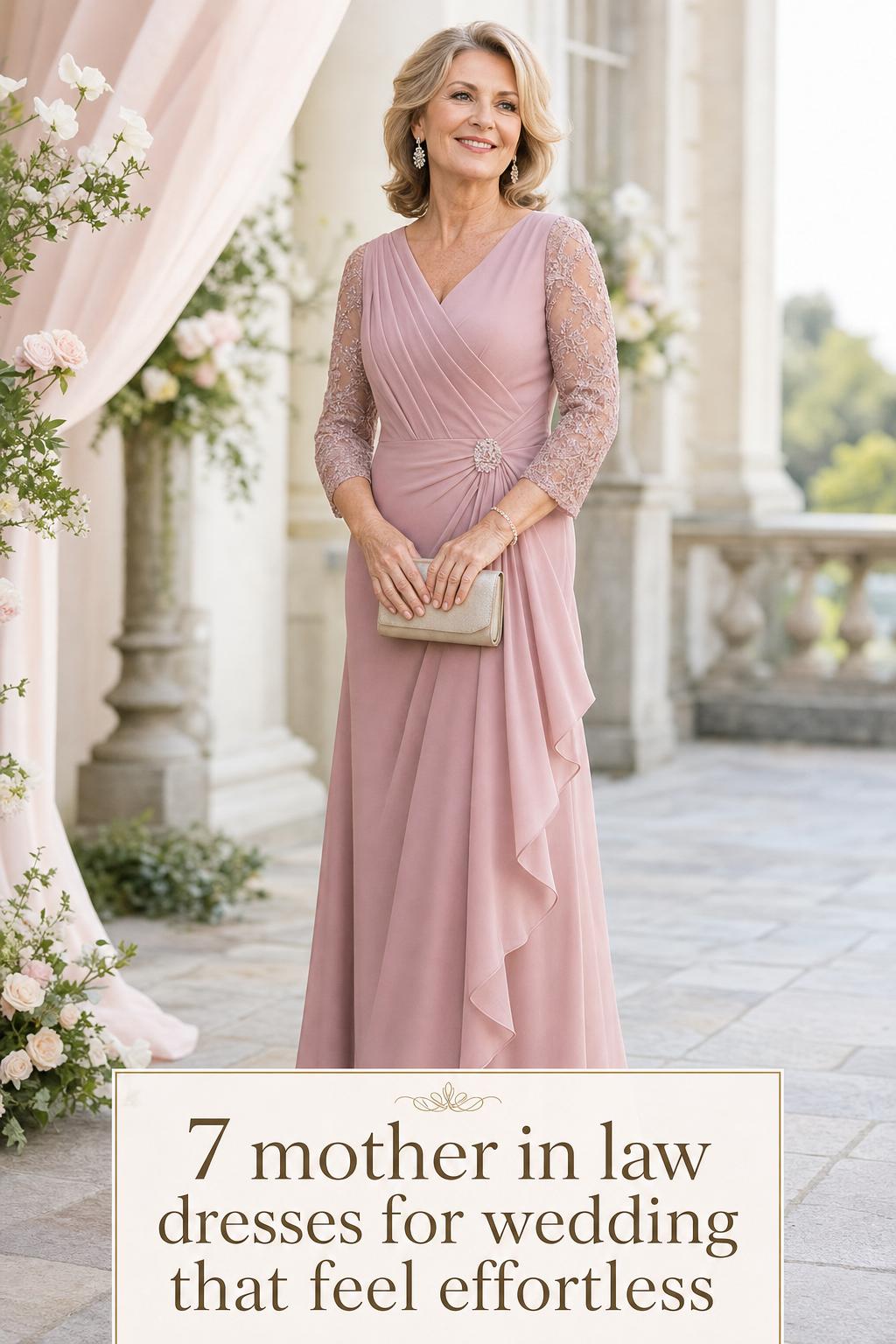
Look: beach and destination lightness with fluid movement
A beach or destination wedding asks for a different kind of elegance—one that reads polished in photographs but never looks weighed down by the climate. The ideal mood is airy, fluid, and sunlit, with a silhouette that responds beautifully to breeze and movement. This is one of the clearest examples of why fabric choice can be just as important as shape.
Chiffon is particularly compelling here because it offers softness without heaviness, and midi or floor-length silhouettes can both work depending on the dress code. A flowing A-line or empire shape often makes more sense than a rigid sheath in this environment. The color story should still connect to the wedding palette, but the overall finish usually feels lighter and more relaxed than what you might choose for a church or ballroom. For mothers deciding between formal and semiformal, this setting often rewards a dress that moves with ease rather than one that looks overly constructed.
The beauty of this aesthetic is that it balances destination romance with family-role polish. It understands that comfort in warm conditions is not a compromise; it is part of what makes the styling successful throughout the ceremony, reception, and photos.
Palette direction: colors that coordinate rather than compete
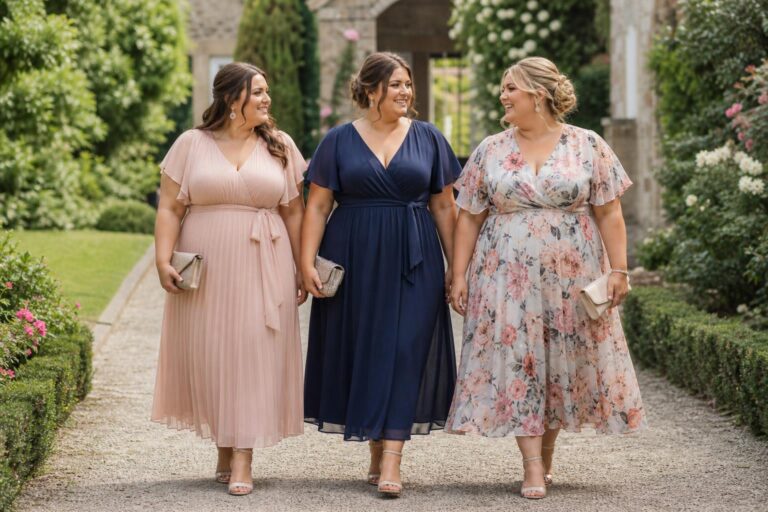
Color coordination is one of the most nuanced parts of shopping for mother in law dresses for wedding events. The dress does not need to match the bridal party exactly, but it should relate to the overall palette in a way that feels intentional. This is why so many leading category pages organize by color alongside length and silhouette: shoppers are not only buying a dress, they are buying visual harmony.
For practical purposes, start with the wedding setting and palette direction. Outdoor ceremonies often support softer, lighter, more romantic tones, while evening receptions can absorb deeper or richer shades with more ease. Birdy Grey’s focus on courtesy color coordination reflects a useful principle: mothers of the bride and groom should feel integrated into the wedding story without blending into the bridal party or introducing a clashing note.
Colors also behave differently depending on fabric. Satin reads more luminous, lace adds texture, chiffon diffuses tone with softness, and crepe keeps color cleaner and more architectural. In photographs, these distinctions can matter as much as the shade itself, particularly under daylight, golden hour, or candlelit reception lighting.
Style tip: let the fabric influence the final color choice
If two dresses are similar in shade but different in fabric, they may create entirely different impressions. A satin tone can feel more formal and reflective, while the same tone in chiffon may read softer and more relaxed. That subtle difference often determines whether the dress feels right for the venue and time of day.
Look: autumn and winter richness with elegant texture
Seasonal dressing comes into its own in fall and winter weddings, where the atmosphere naturally invites depth, coverage, and texture. This is the mother-in-law look that feels at home in evening light, cooler air, and more layered styling. The mood is richer, often more formal, and especially suited to ceremonies followed by indoor receptions.
Long-sleeve mother of the bride dress options, refined midi silhouettes, and floor-length gowns all fit this aesthetic well. Satin, lace, and crepe gain visual presence in cooler seasons, while outerwear becomes part of the outfit rather than an afterthought. The Knot’s seasonal curation and BSB Fashion’s attention to outerwear coordination both point to the same reality: for autumn and winter weddings, the complete ensemble matters. A wrap, tailored layer, or elegant outerwear choice should support the dress rather than interrupt it.
- Best mood: candlelit reception, formal indoor venue, late-season ceremony
- Strong fabrics: satin for depth, lace for texture, crepe for structure
- Useful additions: sleeves, wraps, coordinated outerwear, polished shoes
This look works because it considers the entire event timeline. Cooler temperatures, longer indoor receptions, and the need to move between ceremony and celebration all influence the final choice. Seasonal formality often rewards dresses that feel substantial without becoming heavy.
Fabrics, feel, and care: what the dress is made of changes everything
Among all the variables in wedding dressing, fabric is often the one that most directly affects comfort. It changes how the dress hangs, how warm it feels, how formal it looks, and how much support it offers through a full day of celebration. For mothers shopping online or in department-store collections, this is one of the most important details to read carefully.
Chiffon
Chiffon creates movement and softness, making it especially popular for garden, beach, and spring or summer weddings. It tends to feel lighter and more forgiving in long events. Its main strength is grace in motion; its limitation is that it may feel too airy if the wedding demands a more structured formal look.
Lace
Lace brings texture and traditional elegance. It can feel beautifully at home in church weddings, daytime formal events, and romantic settings. Because lace adds visual detail on its own, it often pairs best with simpler accessories and a silhouette that lets the texture speak clearly.
Crepe
Crepe is often favored for cleaner lines and a modern feel. It supports sheath and more streamlined silhouettes particularly well, making it useful for cocktail or city wedding dressing. It has less overt softness than chiffon or lace, which is precisely why it feels so polished in a contemporary event setting.
Satin
Satin has a richer finish and often reads as more evening-oriented. It can elevate a simple silhouette through sheen alone, which makes it appealing for ballroom receptions and formal weddings. The main consideration is balance: because satin naturally catches light, the shape and accessories should remain edited.
Care also deserves attention, especially if the wedding involves travel or a long lead time between purchase and wear. A beautiful fabric is only practical when the wearer can maintain its finish, transport it safely, and feel confident that it will still look composed on the day itself.
Look: polished layering with outerwear for transitional weather
Some of the most elegant mother-in-law dressing happens when the outfit is conceived as an ensemble rather than a single dress. Transitional weddings—early spring, late fall, breezy evening receptions—often require layering that feels integral, not improvised. The visual effect should remain cohesive from arrival through the final dance.
A satin or crepe midi dress paired with a wedding-appropriate wrap or refined outer layer can look deeply polished, especially when the colors are close in tone. BSB Fashion’s collection guidance is useful here because it treats outerwear as part of the mother-in-law wardrobe, not a separate utility item. The ideal layer protects the line of the dress, supports the season, and allows easy transition between outdoor and indoor settings.
This version of the aesthetic is less about dramatic contrast and more about continuity. It is especially practical for women attending ceremonies with changing temperatures, and it can make a more formal dress feel wearable across the entire day.
Accessories that complete the wedding look
Accessories should finish the look, not compete with it. In mother of the bride outfit and mother of the groom outfit styling, shoes, jewelry, handbags, and outerwear are most effective when they support the silhouette and level of formality already established by the dress. Department stores such as Nordstrom and Bloomingdale’s frequently cross-sell this way because a coordinated finish is often what makes the outfit feel complete.
For softer chiffon or lace dresses, delicate jewelry and refined footwear usually feel more in tune than anything visually heavy. With crepe or satin, a slightly sharper accessory story can work beautifully, particularly for evening receptions. A handbag should be elegant but practical enough for the rhythm of the day, and shoes should respect the venue as much as the dress does. Grass, sand, stairs, and long standing periods all matter more than they seem at first.
Key pieces for this aesthetic
- Comfortable occasion shoes appropriate for the venue
- Jewelry that echoes the dress mood rather than overwhelms it
- A compact handbag or clutch for essentials
- Seasonal outerwear or wrap when the event extends into cooler hours
The strongest accessory choices feel quiet in isolation and completely right in context. That balance is what gives mother-in-law styling its polished authority.
Budget, shopping paths, and where to buy in the U.S.
Shopping for wedding mother dresses often falls into three broad paths: department-store browsing, bridal-retailer collections, and editorial discovery through curated roundups. Each route has a different advantage. Department stores like Nordstrom, Bloomingdale’s, and Dillard’s make comparison easier through filters for price, size, color, and length. Bridal retailers such as Jasmine Bridal and AW Bridal-style collection pages often provide a stronger occasion-specific focus. Editorial platforms such as The Knot help translate broad inspiration into a more directed shopping mindset.
Budgeting is easier when it starts with the event role and dress code rather than a random price point. A highly formal ballroom wedding may justify a fuller investment in fabric and finish, while a daytime garden or semi-formal event may open more flexible options. Shoppers also benefit from checking return policies, size guidance, and whether a dress is likely to need alterations before ordering.
Affordable mother of the bride dresses online in the U.S. are often found by narrowing the search through silhouette, sleeve preference, and wedding season first. That approach reduces the risk of buying a dress that looks appealing on a product page but feels disconnected from the actual event. It also makes sale and full-priced options easier to compare in a practical way.
A practical shopping checklist
- Start with the dress code and venue
- Filter by silhouette before getting distracted by embellishment
- Check fabric details for season and comfort
- Confirm size charts, return terms, and alteration expectations
- Consider accessories and outerwear as part of the total look
Designer and retailer perspective: why brand context matters
Brand context helps set expectations. A bridal-focused name such as Jasmine Bridal typically approaches mother of the bride dresses through collections, fabrics, and occasion logic. A store such as Nordstrom or Bloomingdale’s presents a broader designer mix, often useful for comparing cocktail, evening, and special-occasion categories side by side. Dillard’s and Birdy Grey similarly support the shopper who wants a clearer bridge between style preference and wedding coordination.
The Knot occupies a slightly different role because it blends style guidance with shopping direction. That hybrid approach mirrors how many women actually shop: first by imagining the right wedding mood, then by translating that mood into length, color, neckline, and price range. This is also why mother of the groom dresses and mother of the bride dresses often appear together in the strongest shopping destinations. The event logic is shared, even if the final styling differs.
For the reader, the lesson is simple: use the strengths of each kind of source. Editorial guidance sharpens your taste and decision-making, while retailer filters and product pages help turn that clarity into a realistic purchase.
A thoughtful note on etiquette and visual balance
Wedding attire for mothers-in-law carries an emotional layer that ordinary occasion dressing does not. The dress sits within family dynamics, wedding photography, and longstanding expectations about not distracting from the couple. Etiquette, in this context, is less about rigid rules than about visual balance and respect for the overall celebration.
Cultural discussion around this subject occasionally becomes very public, as shown by widely shared stories about mother-in-law fashion moments and the reactions they create. Those moments underline a useful principle: the most successful dress is one that feels special and confident while staying in conversation with the tone set by the couple and the wedding party. Harmony is memorable in the best way.
Common styling missteps to avoid
The most common issue is not choosing the “wrong” dress in isolation but choosing a dress that ignores context. A very formal gown may feel too heavy for a beach ceremony, while a casual midi may underdeliver in a black-tie ballroom. Another frequent mistake is treating outerwear, shoes, or alterations as afterthoughts. In wedding dressing, those details often determine whether the final look feels effortless or unfinished.
Real-life styling logic: from ceremony photos to the last dance
The best mother-in-law dresses succeed across multiple moments, not just at first glance. They need to work in family portraits, while seated during the ceremony, through dinner, and during movement at the reception. That is why practical decisions such as hemline, sleeve comfort, and fabric ease deserve as much attention as color and trend appeal.
Imagine two realistic wedding scenarios. In the first, a mother of the groom attends a late-afternoon garden ceremony followed by an outdoor dinner. A chiffon midi with soft structure, practical shoes, and a light wrap creates a look that feels romantic, breathable, and photograph-friendly. In the second, a mother of the bride dresses for an evening ballroom reception. A satin or crepe floor-length gown with refined jewelry and elegant shoes offers the visual depth the setting demands. Both women are well dressed, but each response is specific to the event.
This is the real advantage of a considered approach: it prevents overdressing, underdressing, and unnecessary compromise. Wedding style always looks most authoritative when it responds to place, season, and role all at once.
Timing, sizing, and alterations deserve early attention
Even the most beautiful dress can feel disappointing if timing is rushed. Sizing and alterations are recurring concerns in this category because mothers are often buying for a highly photographed event with little room for last-minute adjustments. Product hubs and editorial roundups consistently return to these topics for good reason: fit is part of the elegance.
Size charts, returns, and likely alteration needs should be checked before purchasing, especially when ordering online. A-line and fit-and-flare silhouettes may offer more flexibility, while sheath dresses and some satin styles may require more precise tailoring. This is not a flaw; it is simply part of selecting a silhouette that delivers the exact effect you want.
When the wedding season is busy, leaving time for adjustments can make the difference between a dress that only looks good on a hanger and one that truly becomes your look. Alterations are often where confidence enters the picture.
Closing the look with confidence
The enduring appeal of mother-in-law wedding style lies in its balance. It is romantic but grounded, elegant but wearable, and personal while still connected to the larger wedding aesthetic. The strongest choices are rarely the loudest ones; they are the dresses that understand venue, season, silhouette, and family role all at once.
Whether you are drawn to a soft chiffon midi for a garden celebration, a sleek crepe cocktail silhouette for a city reception, or a satin floor-length gown for a formal ballroom, the goal is the same: a look that feels composed, flattering, and beautifully part of the day. Adapt the aesthetic to your wardrobe, your comfort, and the event setting, and the result will feel both elevated and entirely your own.
FAQ
What are the best mother in law dresses for wedding events with different dress codes?
The best choice depends on formality and venue. Casual or garden weddings often suit midi, tea-length, or softly flowing silhouettes, while formal and black-tie celebrations usually call for more polished fabrics such as satin, crepe, lace, or a floor-length gown. Matching the dress to the invitation and setting is more important than following one fixed style rule.
How should a mother-in-law coordinate her dress with the wedding palette?
The most polished approach is to choose a color that relates to the wedding palette without matching the bridal party exactly. Coordination should feel intentional but not identical, and fabric affects how color appears in photos. Chiffon tends to soften color, while satin creates a richer, more reflective finish.
Which dress silhouettes are most flattering for mothers of the bride and groom?
A-line, fit-and-flare, sheath, and empire waist styles are the most commonly recommended because each offers a distinct balance of shape and comfort. A-line is widely versatile, sheath is sleek and refined, fit-and-flare feels feminine and celebratory, and empire waist styles can create a softer, more relaxed line.
What fabrics work best for a mother of the bride or mother of the groom dress?
Chiffon works well for lightness and movement, lace adds texture and traditional elegance, crepe offers a clean modern line, and satin brings richness for evening events. The right fabric depends on the venue, season, and desired level of formality, as well as how much structure or softness you want in the final look.
Are midi dresses appropriate for mothers-in-law at weddings?
Yes, midi dresses can be very appropriate, especially for garden weddings, daytime ceremonies, semi-formal receptions, and venues where ease of movement matters. The key is choosing a fabric and silhouette that still feel occasion-ready, such as chiffon, lace, crepe, or a refined fit-and-flare shape.
How important is outerwear for a mother-in-law wedding outfit?
Outerwear can be essential for transitional seasons, outdoor ceremonies, and evening receptions. A wrap or coordinated layer should feel like part of the outfit rather than an afterthought, especially for fall and winter weddings. It should protect the line of the dress and maintain the same level of formality.
Where can I shop for mother of the bride dresses and mother of the groom dresses in the U.S.?
Well-known U.S. shopping destinations include Nordstrom, Bloomingdale’s, Dillard’s, Birdy Grey, Jasmine Bridal, and The Knot’s shopping and inspiration pages. Each offers a different shopping experience, from department-store filters and designer mixes to bridal-focused collections and editorial guidance.
Should mothers buy or rent a wedding dress look?
That decision depends on budget, formality, and how specific the dress needs to be. Buying may make more sense when alterations are likely or when the event is highly formal, while rental can appeal to shoppers who want flexibility. In either case, return terms, fit details, and timing should be reviewed carefully.
How far in advance should a mother-in-law shop for a wedding dress?
It is wise to allow enough time for browsing, ordering, and possible alterations, especially for formal dresses or online purchases. Waiting too long can limit options in preferred colors, lengths, and sizes, and it may also create pressure around tailoring. Starting early usually leads to a more confident final choice.
What is the biggest styling mistake mothers-in-law make when choosing a wedding dress?
The biggest mistake is choosing a dress without considering the full context of the wedding. A dress may be beautiful on its own but feel out of place if it ignores venue, season, dress code, or the wedding palette. The strongest looks are the ones that connect personal style to the event’s atmosphere and practical realities.