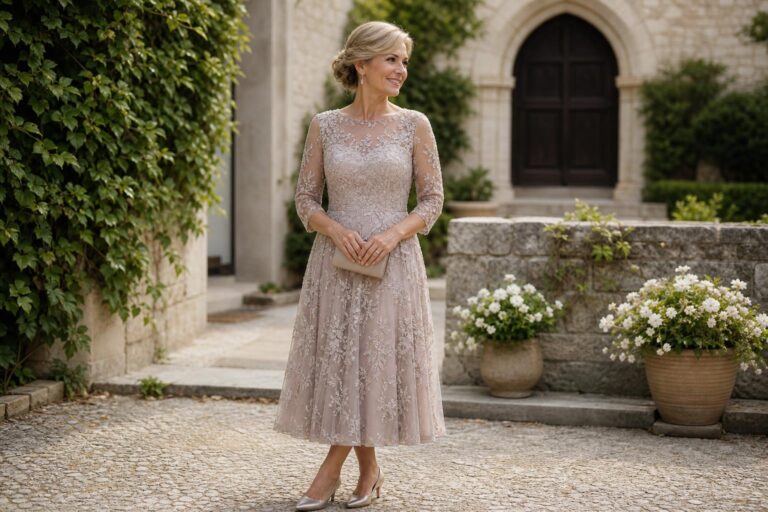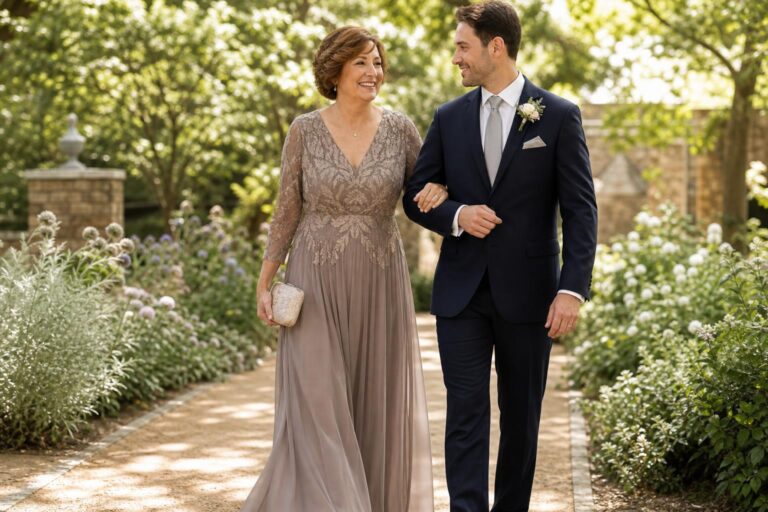
Casual Mother of the Bride Dresses for Every Venue
The search for casual mother of the bride dresses often begins with one deceptively simple question: how relaxed can a wedding look feel while still honoring the occasion? That tension is exactly why so many mothers find themselves comparing similar but not identical style directions—casual, smart casual, semi-formal, cocktail, and the softer end of formal. In practice, these categories overlap, especially at garden ceremonies, beach weddings, vineyard celebrations, church services followed by outdoor receptions, and summer events where comfort matters as much as polish.
What makes the decision more nuanced is that a casual mother of the bride look is rarely truly casual in the everyday sense. It is usually a refined version of ease: a chiffon midi instead of a floor-length gown, a wrap dress instead of a heavily structured silhouette, or a polished pants set in place of a beaded evening ensemble. This article compares the most relevant style approaches within the casual MOB category, showing where they overlap, where they differ, and how to choose the right one for your setting, season, and wedding palette.
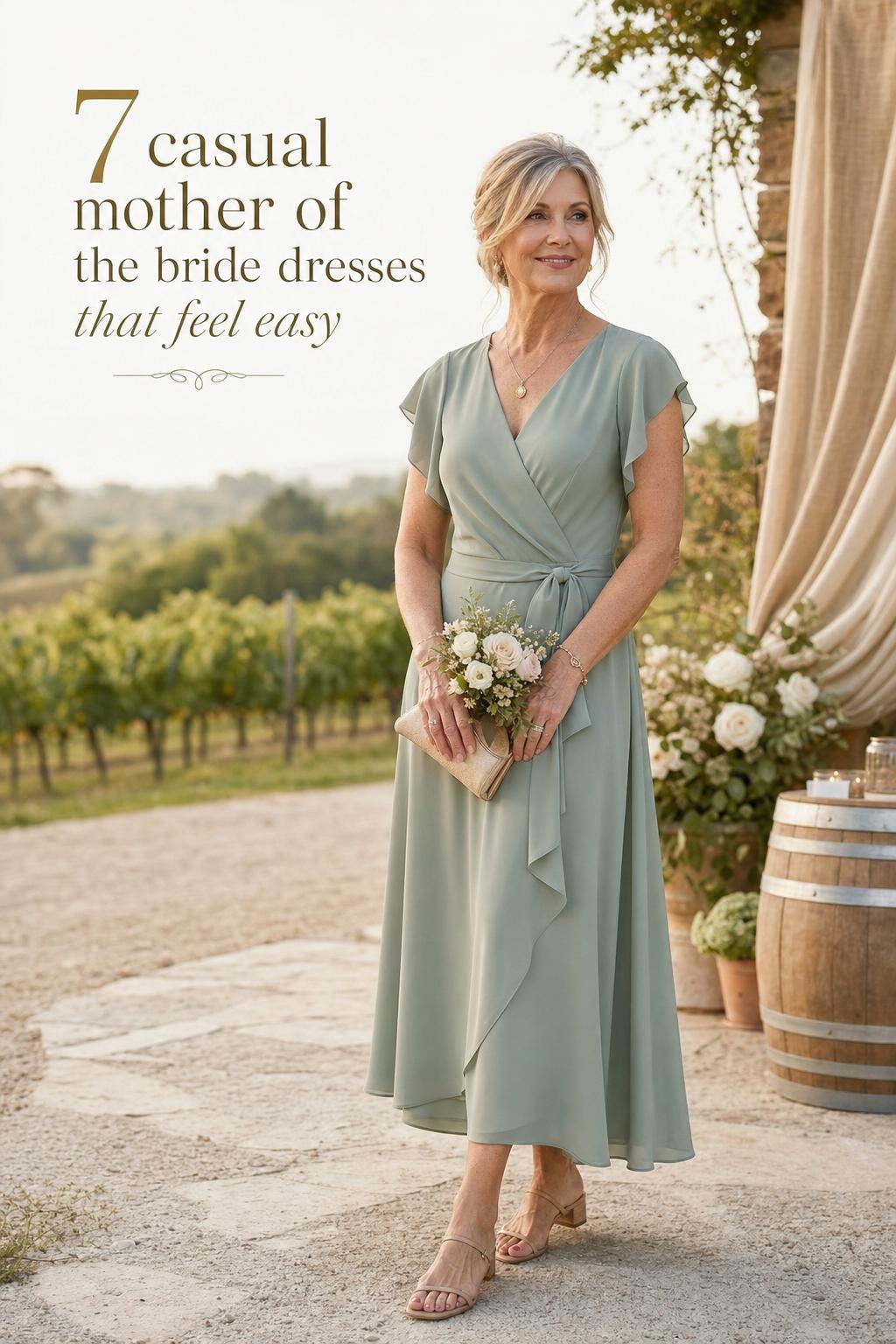
Rather than simply listing dresses, this breakdown explores styling logic. You will see how wrap dresses compare with A-line silhouettes, how midi dresses differ from two-piece sets and jumpsuits, how fabrics like crepe, chiffon, jersey, and satin shape the mood of an outfit, and how brands such as Adrianna Papell, Macy’s, David’s Bridal, and Mon Cheri collections like Cameron Blake, Ivonne D, Montage, and Social Occasions fit into the wider picture.
What “casual” really means for a mother of the bride
Within wedding dressing, “casual” is best understood as a level of formality rather than a single look. A casual MOB outfit still needs intention, coordination, and event awareness. It should photograph beautifully, transition from ceremony to reception, and feel appropriate beside the bridal party without competing with the bride. In a U.S. wedding context, that usually means softer structure, lighter fabrics, and easier silhouettes than a traditional long formal gown.
Your wedding look is only the beginning.
Keep your guest list, vendors, timeline, and every important detail together with Zarellea — so your day feels as considered as your style.
Casual and semi-formal are often discussed together because they share many of the same pieces. A midi dress in crepe, for instance, can read casual at a daytime garden wedding and semi-formal at an early evening reception depending on accessories, sleeves, and color depth. A jumpsuit can feel modern and understated at a beach ceremony, yet polished enough for an urban venue when paired with elegant jewelry and tailored proportions.
The most helpful distinction is this: casual MOB dressing favors comfort, movement, and visual lightness, while formal MOB dressing tends to emphasize length, structure, and occasion weight. The difference is not about looking less special. It is about matching the wedding’s atmosphere—golden-hour vineyard vows, coastal breezes, or a flower-filled afternoon ceremony—without appearing overdressed or disconnected from the setting.
Style overview: the four main casual MOB directions
Style overview: wrap dresses
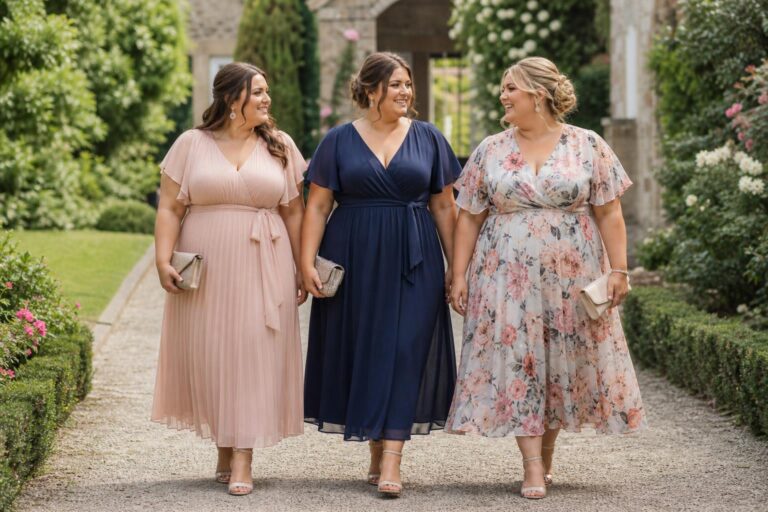
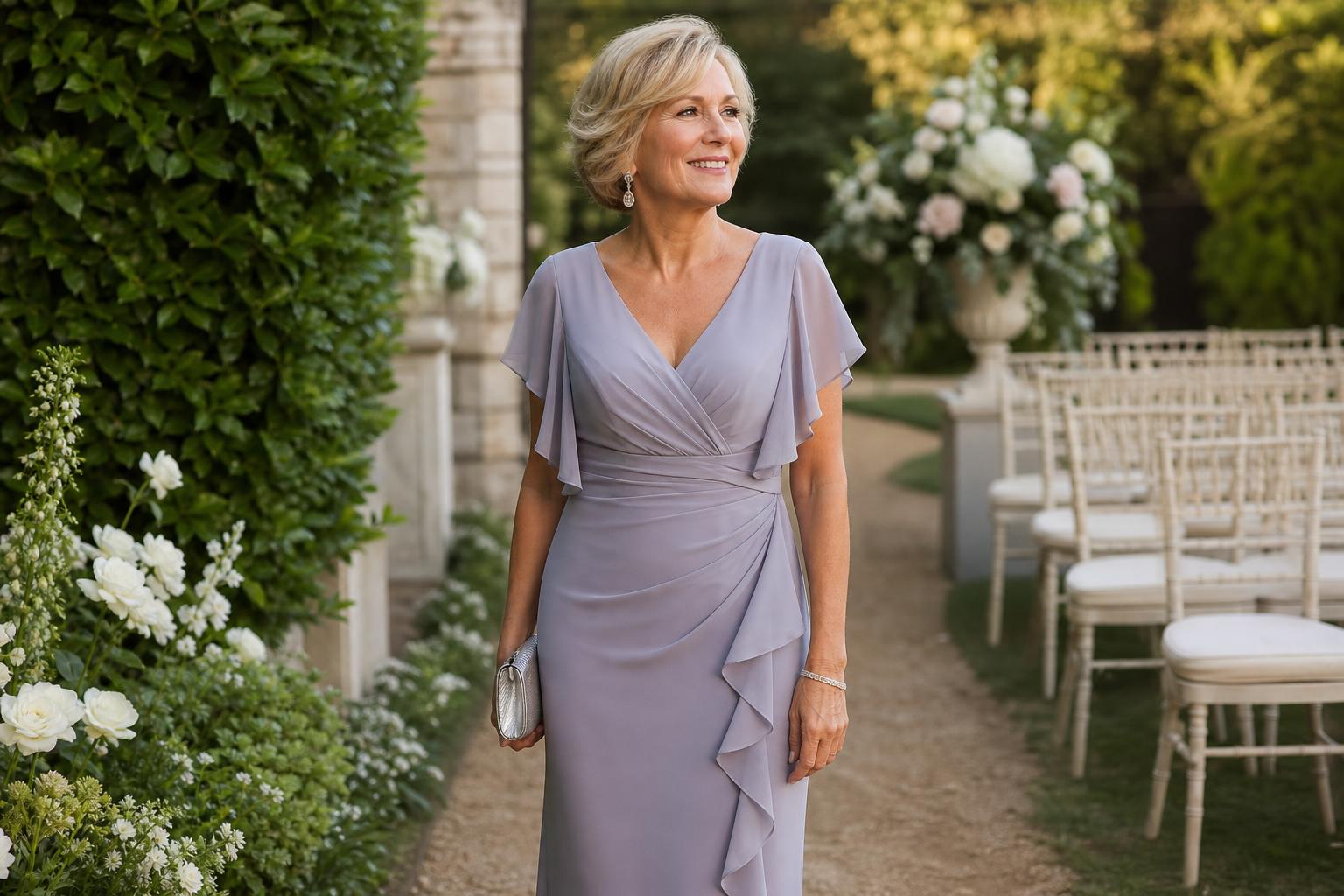
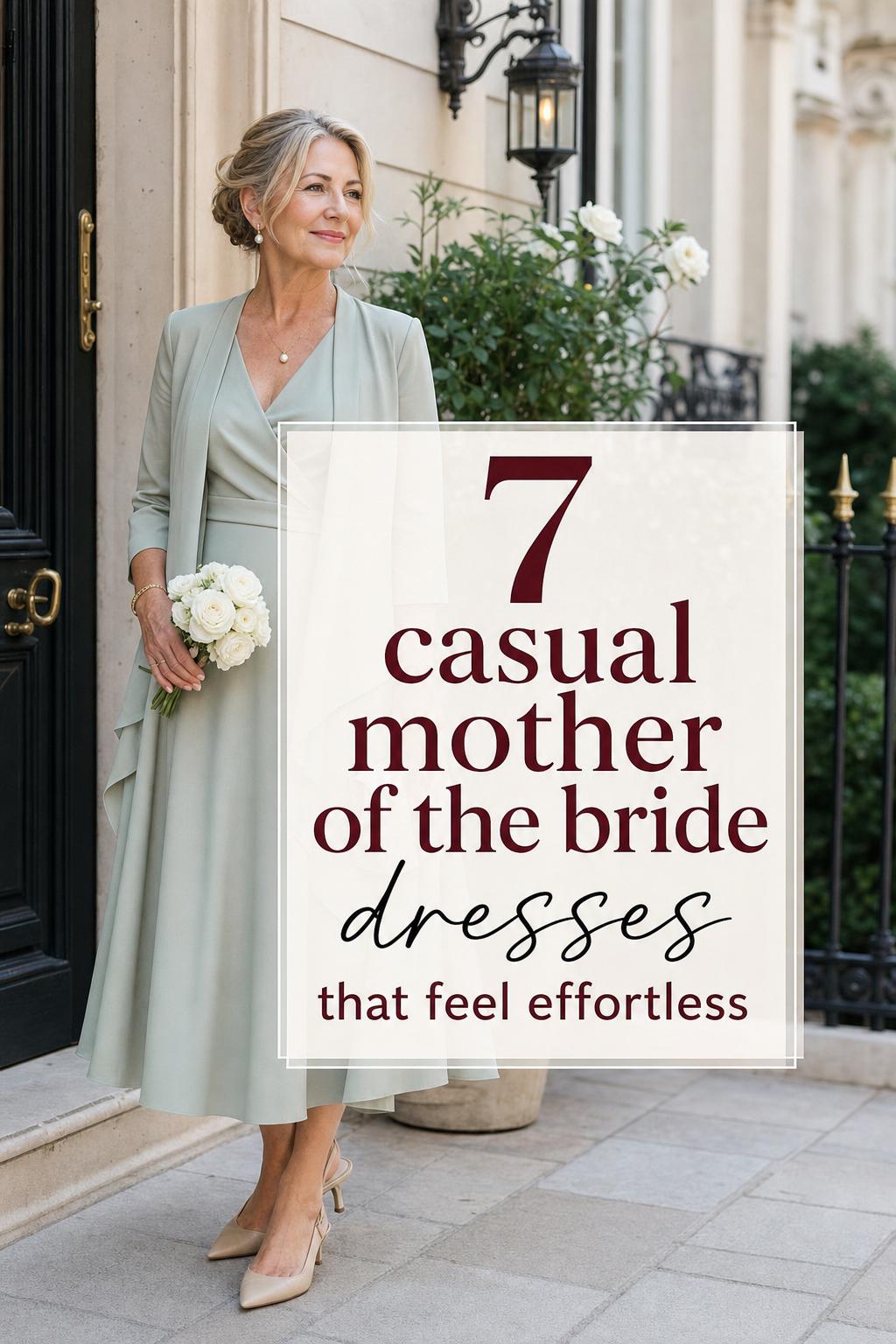
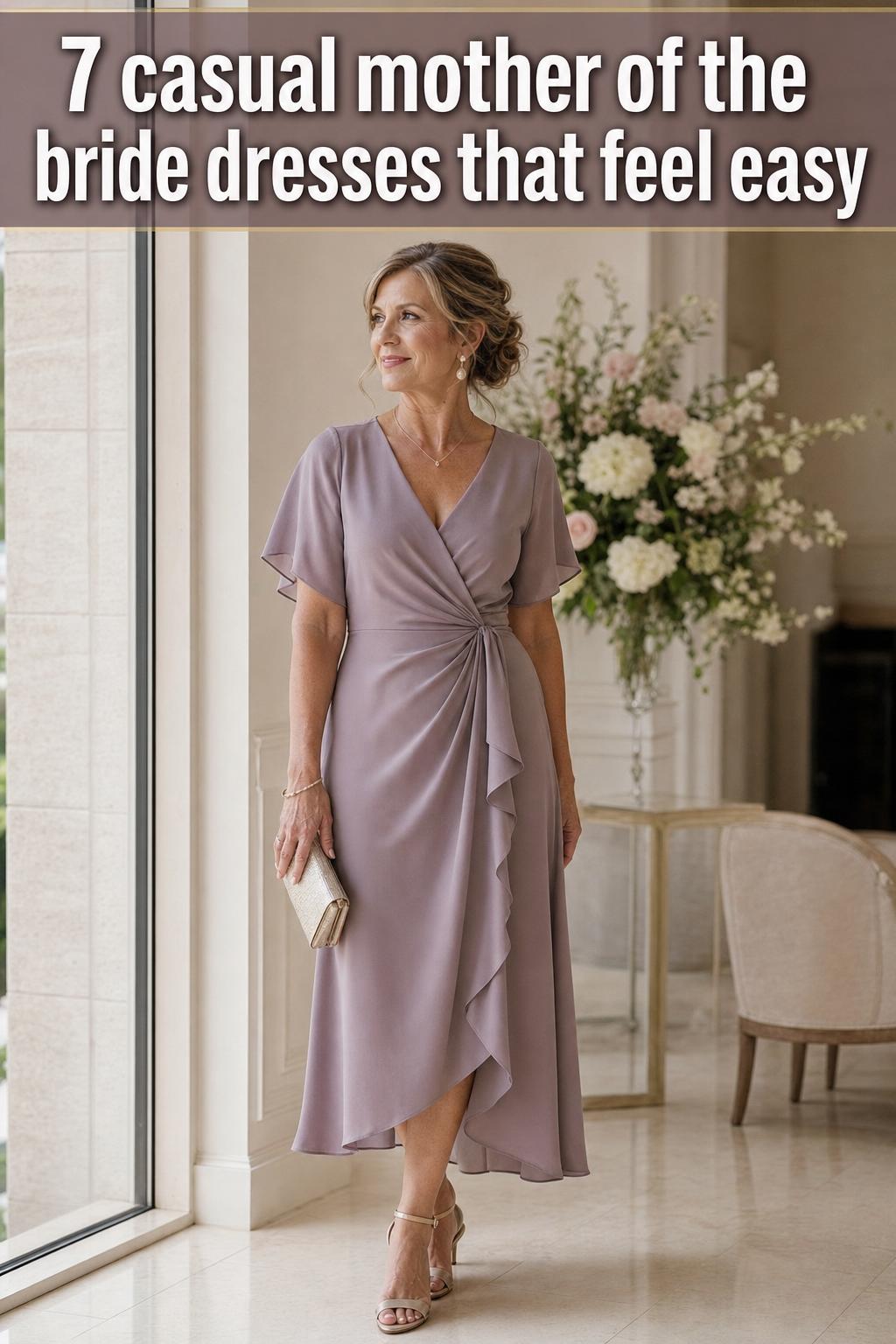
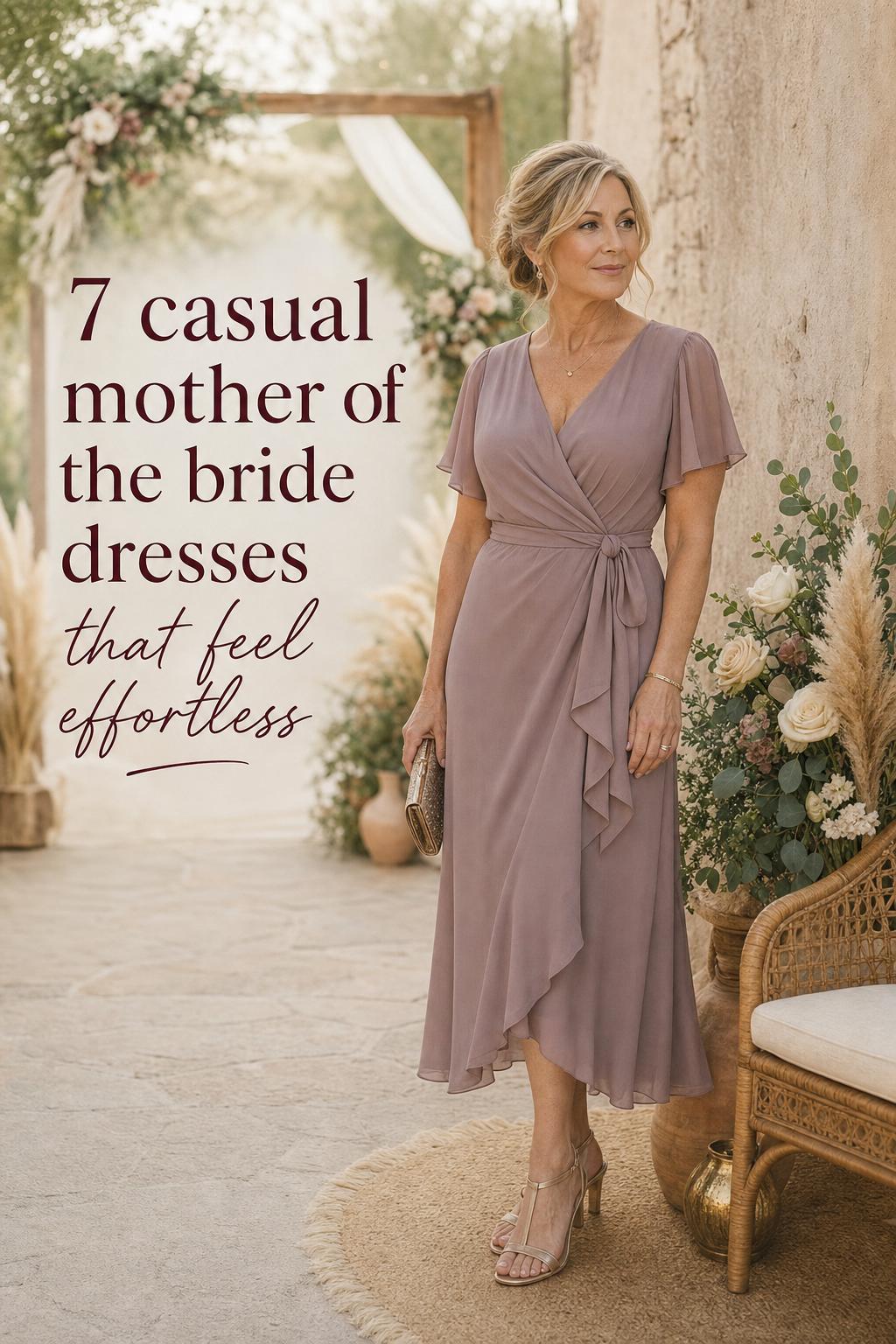
Wrap dresses are one of the clearest expressions of casual elegance. Their defining characteristic is adjustability: the silhouette shapes the waist without feeling rigid, which is especially useful during long celebrations that move from seated ceremony to standing cocktail hour to dancing at the reception. In the MOB context, wrap dresses often appear in crepe, chiffon, or jersey, with sleeves or soft draping that create coverage without heaviness.
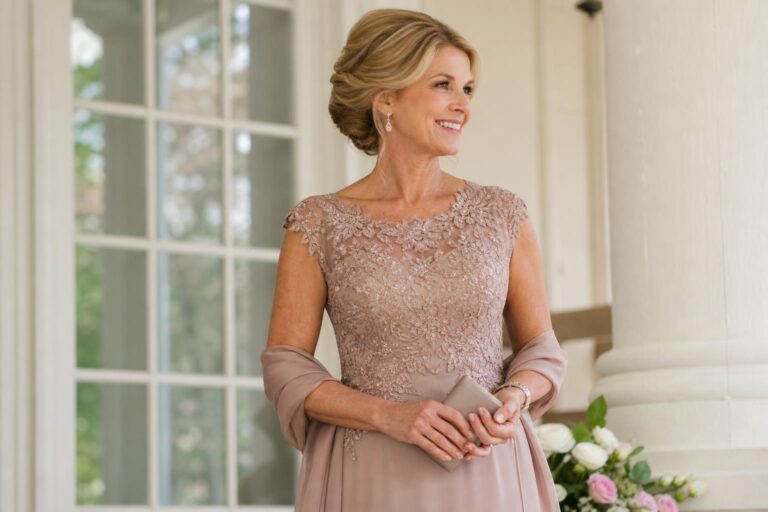
Visually, a wrap dress reads approachable and graceful. It sits comfortably in the smart casual to semi-formal range, making it ideal for garden, beach, and daytime church weddings. Its color palette can move easily from powder blue, sage, and mauve in spring and summer to jewel tones or deeper neutrals in fall and winter.
Style overview: A-line and fit-and-flare dresses
A-line and fit-and-flare dresses are the classicists of the casual MOB wardrobe. They define the waist and release through the skirt, creating a camera-friendly line that feels timeless rather than trend-driven. Compared with wrap dresses, they often look slightly more composed and structured, though still far softer than a full evening gown.
These silhouettes work well in midi, knee-length, and occasionally long interpretations. They suit weddings where the tone is polished but not heavily formal—country club receptions, church ceremonies followed by lunch, or romantic outdoor venues where movement and comfort still matter. They also coordinate well with jackets, wraps, and lightweight layers.
Style overview: midi and knee-length dresses
Midi and knee-length styles are less a silhouette than a hemline strategy, but they form a distinct aesthetic category in casual mother of the bride dressing. Their defining characteristic is balance. They have enough presence for wedding photos and enough practicality for daytime movement, grass, sand, staircases, and long hours on your feet.
The mood of a midi dress depends heavily on fabric and shape. In chiffon, it can look light and romantic for a garden ceremony. In crepe, it feels cleaner and more tailored. In satin, it leans dressier and may move closer to cocktail territory. This is often the easiest category for mothers who want polish without the commitment of a floor-length gown.
Style overview: two-piece sets and jumpsuits
Two-piece MOB outfits, dressy separates, pant sets, and jumpsuits represent the modern end of the spectrum. They are often chosen by mothers who want something current, streamlined, and practical. A coordinated set can offer the same finish as a dress while giving more flexibility in fit, layering, and movement. A jumpsuit brings a clean vertical line that can feel especially right for urban venues or contemporary wedding settings.
These options are not automatically more casual, but they often feel less traditional. In a soft fabric and subdued palette, they fit beautifully into casual MOB dressing. In a richer tone or more structured fabric, they can shift upward into cocktail or semi-formal territory. The styling mood is usually confident, modern, and slightly architectural compared with the softness of chiffon dresses.
Where these styles differ most
Silhouette and structure
Wrap dresses are fluid and adjustable, which gives them a forgiving quality over the course of a long wedding day. A-line and fit-and-flare dresses feel more shaped and classic. Midi dresses can belong to either family depending on cut, while jumpsuits and two-piece sets offer a more linear, fashion-forward profile. If your priority is soft movement, wrap and chiffon midi styles lead. If your priority is composed structure in photos, A-line and tailored separates usually feel stronger.
Color palette and visual softness
Color changes the tone of every category. Pastels such as powder blue, sage, and mauve tend to soften a silhouette, making it feel lighter and more suited to spring, beach, or garden weddings. Jewel tones deepen the mood and can make the same dress shape feel more evening-appropriate. Neutrals offer versatility, though very dark neutrals in daytime settings can sometimes feel heavier than the venue suggests. This is why the same midi silhouette may feel airy in one palette and distinctly more formal in another.
Level of formality
Among casual mother of the bride dresses, jersey and soft crepe generally read more relaxed than satin. Chiffon often occupies a graceful middle ground: elegant, photogenic, and wedding-appropriate without becoming severe. Two-piece sets and jumpsuits can be the hardest to classify because they depend so much on styling. With minimal jewelry and practical shoes, they feel easy and contemporary. Add refined accessories and a sleek outer layer, and they can rival a cocktail dress.
Styling philosophy
Traditional casual MOB dressing is built around harmony—coordinating with the wedding palette, respecting venue tone, and balancing elegance with comfort. The newer approach, seen in many pant sets and jumpsuits, introduces individuality more directly. Neither philosophy is better; they simply express different priorities. One emphasizes timelessness and continuity with classic wedding imagery. The other values modern confidence and ease of movement.
Visual style breakdown in real wedding settings
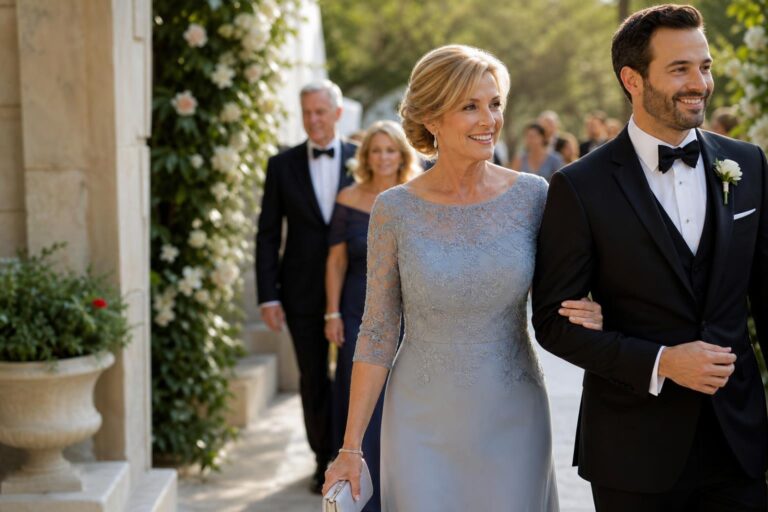
A garden ceremony calls for visual softness. Here, wrap dresses and chiffon midis often look most natural because they move with the landscape rather than against it. Think gentle sleeve detail, a skirt with enough flow for walking across grass, and a color story that sits comfortably beside florals and bridesmaids’ dresses. A-line silhouettes also work beautifully, particularly when the bodice is clean and the skirt is not overly full.
At a beach wedding, the distinction becomes even clearer. Long, heavy gowns can feel out of step with wind, sand, and bright light. Casual MOB outfits in breathable fabrics make more sense—midi lengths that avoid dragging, crepe or chiffon that stays polished, and layers that can be added if the breeze picks up. A jumpsuit may also work well here, especially if the cut is fluid rather than stiff.
Church weddings followed by a reception often benefit from coverage options. This is where jacket and dress sets, wraps, sleeves, and shrugs become visually important. The outfit needs to feel modest enough for the ceremony, then comfortable and elegant enough for later celebration. A-line and fit-and-flare dresses tend to shine in this setting because they bridge etiquette and ease so well.
For urban or more modern venues, two-piece sets and tailored jumpsuits look especially intentional. They suit clean architecture, evening lighting, and a wedding atmosphere that leans contemporary rather than overtly romantic. The outfit balance here depends on restraint: one strong silhouette, refined accessories, and color coordination that still respects the bridal palette.
Fabrics that change the mood of casual MOB outfits
Crepe: quiet structure for polished ease
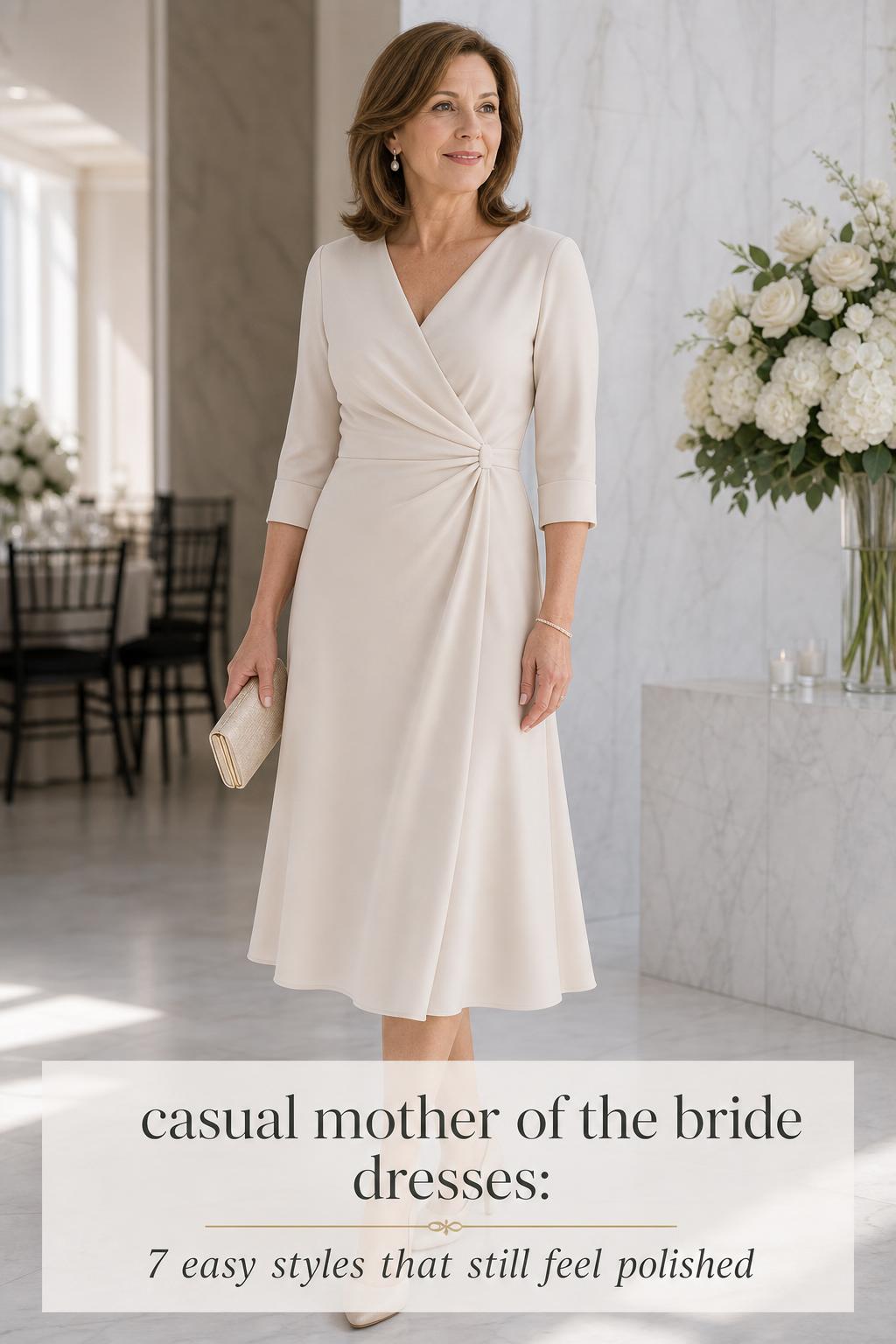
Crepe sits at the heart of many casual MOB looks because it offers shape without stiffness. A crepe wrap dress feels neat and controlled, making it a strong option for mothers who want a smoother line and a more tailored finish. It travels well across dress codes too, which is useful when a wedding falls between smart casual and semi-formal.
Chiffon: movement, lightness, and ceremony romance
Chiffon is often the fabric that gives casual mother of the bride dresses their sense of occasion. It catches movement beautifully during outdoor ceremonies and photographs well in natural light. In midi lengths or layered A-line silhouettes, it creates softness without overwhelming the wearer. It is especially well suited to spring and summer weddings, including beach and garden settings.
Jersey: comfort first, with some limits
Jersey has an ease that can be ideal for long wedding days, particularly for mothers prioritizing comfort and flexibility. In a wrap silhouette, it can look very elegant. The caution is that jersey can read too relaxed if the cut, color, or finishing feels overly simple. It works best when the venue itself supports a more laid-back mood and when accessories add enough polish.
Satin: the dressier edge of casual
Satin brings sheen and formality, so it should be handled with intention in the casual MOB category. A satin midi or a softly structured cocktail-length silhouette can work beautifully for an evening reception or a more elevated venue. It is less forgiving in very bright daylight or highly relaxed settings, where it may feel more formal than the event requires.
Color coordination: casual does not mean disconnected
One of the easiest mistakes in mother of the bride dressing is treating “casual” as separate from the wedding palette. In reality, coordination becomes more important as outfits become less overtly formal. Without the built-in occasion weight of a long gown, color helps anchor the look within the celebration.
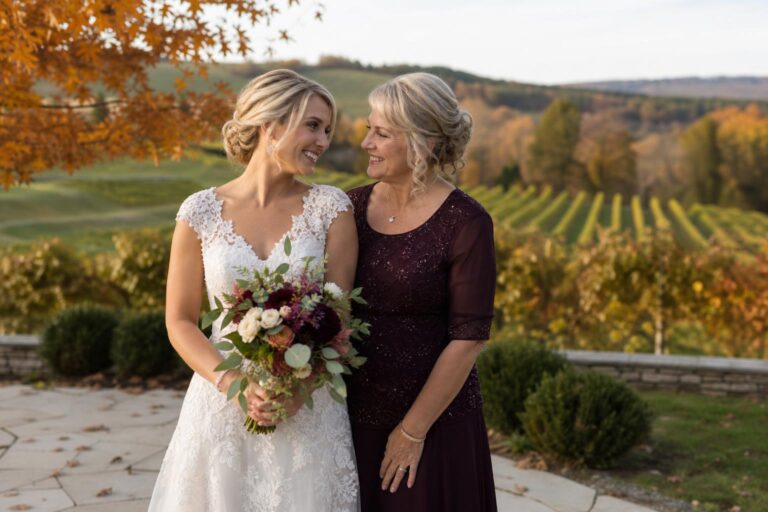
Pastels are especially effective for daytime weddings. Powder blue, sage, and mauve carry a gentle elegance that suits gardens, vineyards, and spring or summer ceremonies. Jewel tones can be striking for fall and winter receptions, adding richness without requiring a fully formal silhouette. Neutrals remain versatile, though they need careful handling so they do not feel too stark, too dark, or too close to bridal white.
Coordination with bridesmaids matters, but matching them exactly is rarely the goal. A mother of the bride outfit should sit within the same visual family while still holding its own identity. The most successful looks usually echo the palette rather than duplicate it—perhaps a softer tone, a deeper related tone, or a neutral that complements the overall color story.
Tips for choosing the right color direction
- For spring and summer weddings, begin with softer pastels or light neutrals, then decide whether the venue needs more structure or more romance.
- For fall and winter, jewel tones often give enough depth to keep a casual silhouette from feeling too informal.
- Avoid white and near-white shades that could blur visually with the bride’s gown in photos.
- If the ceremony is daytime, be careful with very dark neutrals unless the venue or season supports them.
- Check how your color choice sits beside the bridal party rather than judging it in isolation.
Comparing dresses, pant sets, and jumpsuits for comfort over a full wedding day
Wedding attire is tested not in the fitting room but across hours: greeting guests, sitting through the ceremony, walking across uneven ground, posing for family portraits, and moving into the reception. This is where style comparisons become practical rather than theoretical.
A wrap dress usually wins on adaptability. It adjusts subtly through the day, offers natural waist definition, and tends to be forgiving when seated. An A-line dress often wins on visual consistency; it holds its shape well in photos and feels reliably polished from ceremony to evening. A midi dress can provide the best compromise, particularly if the hemline and fabric suit the venue.
Pant sets and jumpsuits can be exceptionally comfortable, especially for mothers who prefer more coverage through the leg or simply feel more like themselves outside a dress. Their main advantage is ease of movement. Their main challenge is occasion balance. In a very romantic setting, they need thoughtful styling to avoid feeling too businesslike or too minimal for the celebration.
Comfort details that matter more than they seem
Sleeves, lightweight layers, and closures can shape the whole experience of the day. A jacket or wrap offers polish and practical coverage for changing temperatures. Stretch lining or a forgiving fabric helps during long seated moments. Accessibility also deserves attention: easy closures and ergonomic fits can make a real difference, particularly when dressing independently or moving quickly between ceremony and reception. These details do not change the elegance of the outfit; they often improve it by allowing the wearer to look composed because she feels at ease.
Brand perspective: how shopping destinations differ
Not every shopping source approaches the mother of the bride category in the same way. Some are strongest for broad guidance and classic silhouettes, while others are more useful when you want a particular line or a more modern alternative. Understanding these differences can make the search feel more focused.
Macy’s and David’s Bridal for broad category coverage
Macy’s and David’s Bridal are useful when you want range: wrap dresses, A-line shapes, midi and cocktail lengths, jacket and dress sets, and formal pant sets all within one shopping framework. This kind of breadth is helpful if you are still deciding between styles rather than searching for one exact silhouette. It also supports comparisons across color, sleeve options, and levels of coverage.
Adrianna Papell for a clear casual MOB lens
Adrianna Papell’s approach is especially relevant when your goal is to understand what casual MOB dressing actually looks like in practice. The focus on fabrics such as crepe, chiffon, and jersey, along with dress versus separates thinking, makes it easier to compare styling directions rather than only browse products.
Mon Cheri lines for brand-specific identities
Mon Cheri brings another layer through distinct lines such as Cameron Blake, Ivonne D, Montage, and Social Occasions. This can be useful if you prefer to shop by design identity. Even within casual mother of the bride dresses, brand lines often shape expectations around silhouette, embellishment level, and overall mood. That distinction helps mothers narrow the field more efficiently.
Practical tip on price and value
Budget often becomes easier to manage when you first decide on fabric family and formality level. A crepe midi for a garden wedding and a chiffon A-line for a church reception may both feel appropriate, but they suggest different finishing details and alteration needs. Best value is not simply the lowest price; it is the option that needs the fewest compromises in fit, comfort, and event suitability.
Inclusive fit: petite, plus-size, and ease-focused styling
Fit is one of the most significant differences between a dress that merely works and one that feels right. Petite mothers often benefit from clean proportions and hemlines that do not overwhelm the frame. Midi dresses can be very elegant here, but the exact length matters. A wrap silhouette can help maintain shape without excessive bulk, while an A-line with a well-placed waist can create a balanced line in photos.
Plus-size styling is not about hiding the body; it is about selecting silhouettes and fabrics that move well and feel intentional. Wrap dresses, A-line shapes, and fit-and-flare cuts are repeatedly strong because they define shape while allowing comfort. Coverage options such as sleeves, jackets, and wraps can add confidence, especially in venues where the day shifts from ceremony to cooler evening reception.
Inclusive thinking also extends to adaptive and accessibility-forward details. Easy closures, manageable layers, and garments that allow natural movement matter. In a category as occasion-based as MOB dressing, these features are often overlooked, yet they can determine whether an outfit feels graceful for ten minutes or for ten hours.
A regional and venue-based lens on casual MOB dressing
Wedding style in the United States is never completely detached from location. A coastal ceremony, a mountain setting, an urban reception, and a countryside venue can all use the phrase “casual” while meaning slightly different things. This is one of the reasons casual mother of the bride dresses are so often misunderstood.
Coastal and beach weddings usually favor breathable fabrics, lighter layers, and silhouettes that resist looking weighed down. Garden and vineyard weddings often support romantic midis, soft A-line dresses, and pastel or botanical color stories. Church ceremonies tend to benefit from more coverage and a polished silhouette, even if the reception that follows is relaxed. Urban venues can absorb sharper lines such as jumpsuits or dressy separates without losing wedding appropriateness.
Regional norms can influence how dressed-up a mother appears, even within the same broad dress code. That is why the best approach is not to chase a label in isolation, but to place the label beside season, venue, and family expectations. Casual should still look considered in context.
Outfit comparisons that show the styling logic
Example comparison: a garden wedding in late spring
A wrap dress approach would lean into movement and softness: perhaps chiffon or crepe in sage or mauve, with sleeves or a light wrap for changing temperatures. The styling logic is harmony with the garden setting and comfort through an outdoor ceremony. An A-line interpretation would look slightly more classic and composed, using the same soft palette but relying on a cleaner waistline and fuller skirt shape for a more timeless photograph-ready silhouette.
Example comparison: a beach ceremony at golden hour
A midi dress in chiffon or lightweight crepe would prioritize practicality, avoiding excessive length while still feeling graceful in motion. The color story might remain soft and sunlit, with accessories kept compact and simple. A jumpsuit interpretation would shift the mood modern: cleaner lines, less fabric movement, and a slightly sharper visual profile that works especially well if the wedding itself feels contemporary rather than overtly romantic.
Example comparison: a church ceremony with evening reception
A fit-and-flare or A-line dress with a jacket or matching wrap would answer both parts of the day elegantly. It offers ceremony-appropriate polish and built-in flexibility when the reception becomes more festive. A two-piece set, on the other hand, would interpret the same event through modern structure. It can be a strong choice for a mother who wants comfort and refined coverage, though it works best when the set feels occasion-specific rather than office-adjacent.
Common styling mistakes that blur the look
The first mistake is reading “casual” too literally. A simple dress is not automatically a successful MOB outfit. Wedding dressing still needs visual finish, whether that comes through fabric, silhouette, coordinated color, or accessories. If the dress feels like something that would slip into an ordinary lunch wardrobe without adjustment, it may need more occasion presence.
The second is overcorrecting in the opposite direction. Some mothers become concerned about appearing underdressed and choose satin, length, or embellishment that no longer fits the venue. This usually happens when the event sits between categories. In those cases, a midi or cocktail-length option with refined accessories often solves the problem more elegantly than jumping to a full formal gown.
The third is ignoring transitions. A church ceremony, breezy beach, or reception that extends into evening all place different demands on the outfit. Outerwear, wraps, sleeves, practical shoes, and a manageable bag are not afterthoughts. They are part of what makes a look feel finished and comfortable.
Quick tips from a wedding styling perspective
- Choose your silhouette before your exact shade if you are torn between multiple looks.
- Use fabric to control formality: chiffon softens, crepe refines, jersey relaxes, satin elevates.
- For outdoor venues, think about walking surfaces before choosing hemline and shoes.
- If you want more coverage, a jacket or wrap often feels lighter than moving into a heavier dress.
- When in doubt, coordinate with the wedding palette first and trend details second.
When each style works best
Choose a wrap dress when you want flexibility
This is often the strongest option for long daytime weddings, garden venues, destination settings, and mothers who want a flattering silhouette that adapts through the day. It is especially effective when comfort, movement, and easy elegance are your highest priorities.
Choose an A-line or fit-and-flare when you want timeless polish
This direction works beautifully for church weddings, traditional family celebrations, and any event where you want a classic look that still feels lighter than formal eveningwear. It is often the most dependable category for mothers who value balanced proportions and a familiar sense of occasion.
Choose a midi or knee-length dress when venue practicality matters
If the wedding includes outdoor walking, daytime movement, or a less formal atmosphere, this hemline strategy can be ideal. It suits beach, vineyard, and garden celebrations especially well, and it transitions easily from ceremony to reception with the right accessories.
Choose a two-piece set or jumpsuit when your style is modern
This is a smart choice for contemporary venues, urban settings, and mothers who feel more confident in tailored dressing. The key is keeping the look wedding-aware through color, fabric, and accessories so the outfit feels elegant rather than merely practical.
Bringing both worlds together
The most successful casual mother of the bride looks rarely belong to one rigid category. A crepe midi may carry the ease of a casual silhouette with the precision of semi-formal dressing. A jumpsuit may gain softness through a pastel palette. An A-line dress may feel less traditional when styled with lighter layers and understated jewelry. This is where modern MOB fashion becomes most interesting: not in choosing between comfort and elegance, but in blending them with intention.
There is also room here for thoughtful, future-facing choices. Some mothers may want sustainable or traceability-minded options within the broader category of occasionwear. Others may need accessibility-forward details, more inclusive fit guidance, or a look that reflects cultural or faith-based expectations while remaining easy and contemporary. Those considerations do not sit outside style; they refine it.
Ultimately, the clearest way to identify the right direction is to ask what the outfit needs to do. Should it move through a breezy beach ceremony, hold its shape in family portraits, coordinate with sage bridesmaid dresses, offer church-appropriate coverage, or feel current in a city reception space? Once that answer is clear, the best silhouette usually reveals itself.
FAQ
What should the mother of the bride wear to a garden wedding?
A garden wedding usually suits soft silhouettes and breathable fabrics such as chiffon or crepe. Wrap dresses, midi dresses, and A-line styles often work especially well because they feel elegant without looking too formal, and they move comfortably through outdoor settings.
Can the mother of the bride wear black?
Black can work, particularly for evening receptions or more elevated venues, but it may feel heavier at a daytime or spring wedding. In the casual MOB category, softer neutrals, jewel tones, and seasonal colors often blend more naturally with the wedding atmosphere.
Should the mother of the bride avoid white or near-white shades?
Yes, it is generally wise to avoid white and very pale near-white tones because they can photograph too closely to the bride’s gown. Coordination with the wedding palette is usually a more elegant route than choosing a bridal-adjacent shade.
Are jumpsuits appropriate for casual mother of the bride dresses?
Yes, especially for modern weddings, beach ceremonies, or urban venues where a contemporary silhouette feels natural. The key is selecting a polished fabric, a wedding-appropriate color, and accessories that keep the outfit aligned with the formality of the event.
What fabrics are best for summer MOB dresses?
For summer weddings, lightweight fabrics such as chiffon, crepe, and some jersey styles are usually the most comfortable. They allow movement, feel breathable in warmer weather, and help a casual MOB look remain graceful rather than heavy.
How do I choose between a wrap dress and an A-line dress?
Choose a wrap dress if you want adjustability, softness, and all-day comfort. Choose an A-line if you prefer a more structured, timeless look with a defined shape that often feels especially polished in family photos.
What colors work best for spring and summer casual MOB outfits?
Pastels such as powder blue, sage, and mauve are especially strong for spring and summer because they feel light, romantic, and easy to coordinate with many wedding palettes. Light neutrals can also work well if they are clearly distinct from white.
Can the mother of the bride wear a two-piece outfit instead of a dress?
Absolutely. Dressy separates and coordinated pant sets can be a sophisticated alternative to a dress, particularly for mothers who want comfort, coverage, or a more modern aesthetic. The success of the look depends on elegant fabric, good fit, and accessories that suit the wedding setting.
How can the mother of the bride coordinate with bridesmaids without matching them?
The easiest approach is to stay within the same color family or mood rather than duplicating the exact bridesmaid shade. A softer related tone, a deeper complementary tone, or a refined neutral often creates the right sense of connection while still allowing the mother of the bride to have her own identity.