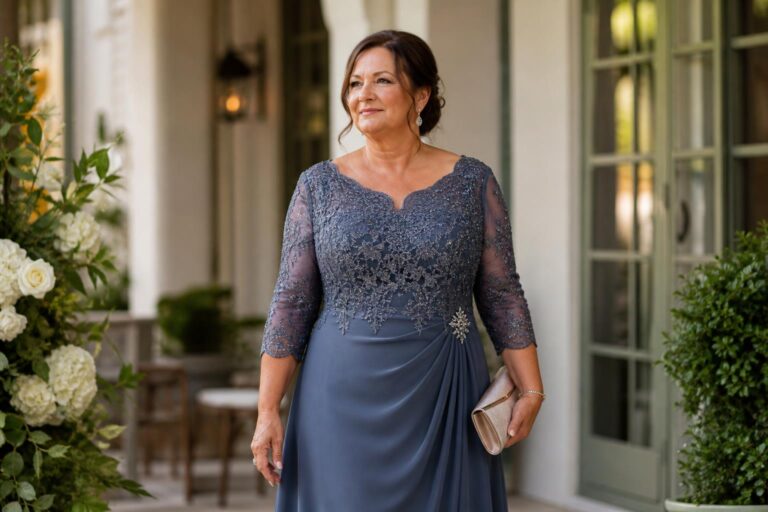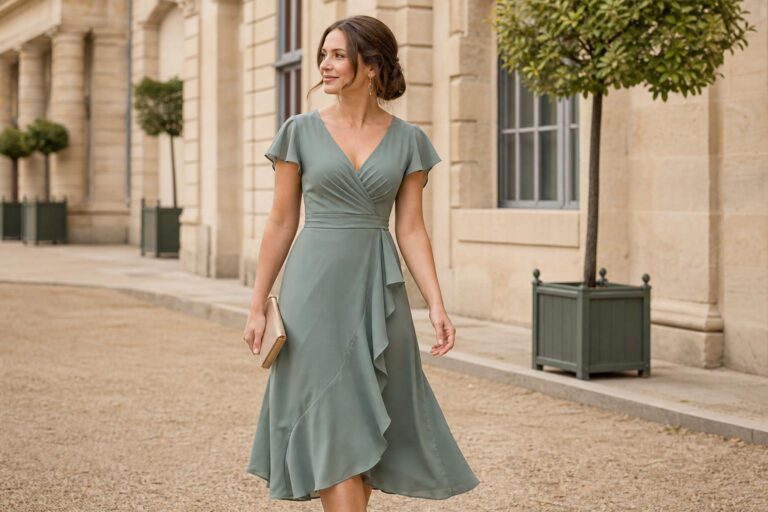
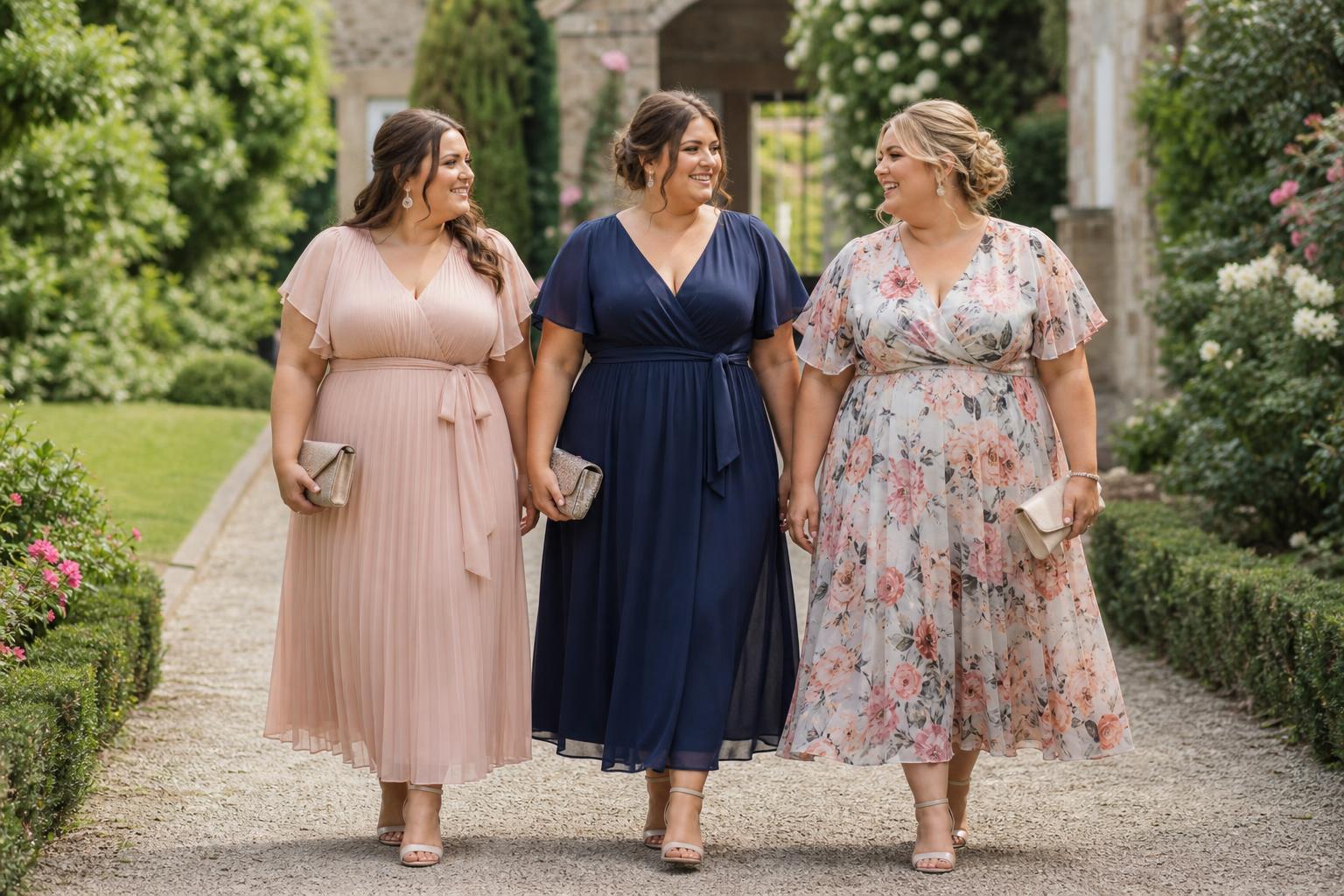
What to Wear: Plus Size Wedding Guest Styles by Venue
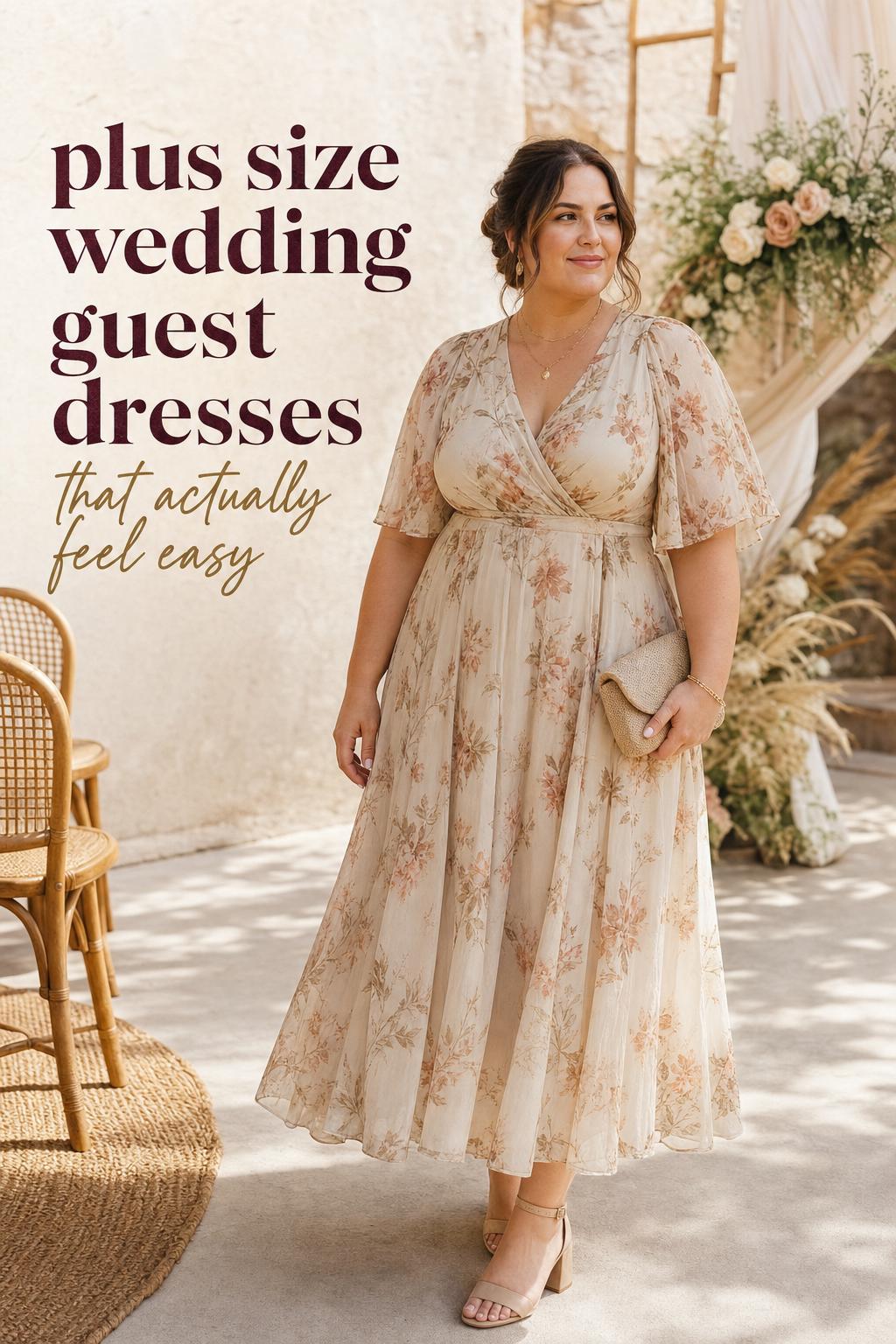
Some wedding invitations feel simple until the dress search begins. A garden ceremony in late summer, a candlelit ballroom reception, a destination celebration near the water, a church service followed by dancing into the evening—each setting asks something slightly different of a plus size wedding guest. The challenge is rarely just finding a pretty dress. It is understanding which style language makes sense for the event, which silhouettes feel elegant for hours, and which shopping approach leads to confidence rather than compromise.
The most useful comparison is not simply between one dress and another, but between styling approaches: cocktail versus black-tie, midi versus maxi, structured versus fluid, body-skimming versus waist-defined. These categories are often discussed together because they overlap in stores and roundups, yet they create very different impressions in real life. What reads polished at a vineyard wedding may feel underdressed in a formal evening ballroom, while a dramatic satin gown can look too heavy for a beach ceremony.
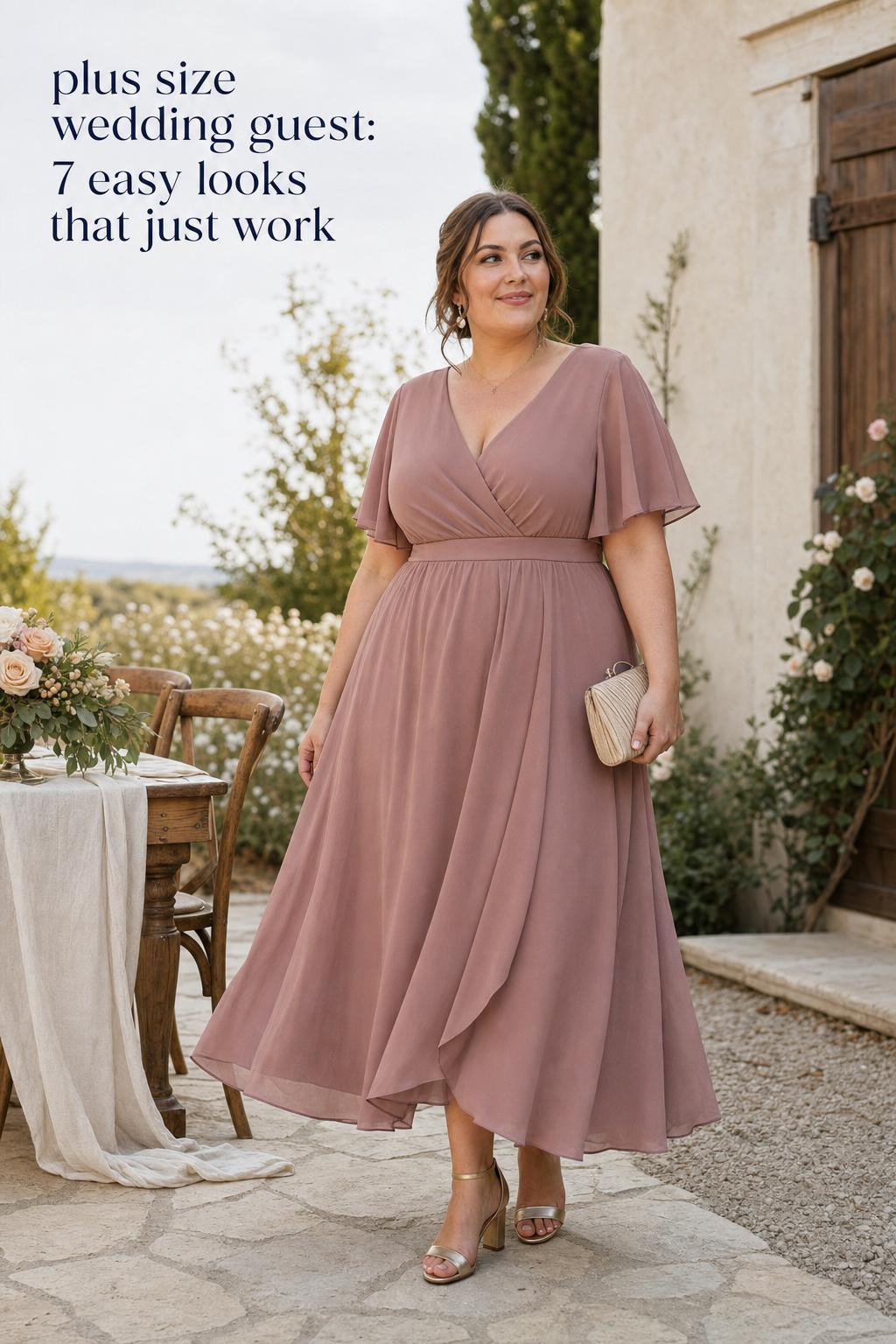
This guide breaks those styles down in a practical, editorial way. You will see how silhouettes such as A-line, fit-and-flare, empire waist, midi, and maxi compare; how fabrics like chiffon, satin, jersey blends, crepe, georgette, and ponte change the mood of a look; and how retailers such as Nordstrom and Azazie fit into the shopping conversation. The goal is to make wedding guest dressing feel considered, flattering, and realistic from ceremony to reception.
The two style conversations that shape wedding guest dressing
For most plus-size occasion wear, two comparisons come up repeatedly. The first is cocktail dressing versus black-tie dressing. The second is silhouette-led styling versus fabric-led styling. Together, these define how a wedding guest outfit feels on the body and how it reads in the room.
Your wedding look is only the beginning.
Keep your guest list, vendors, timeline, and every important detail together with Zarellea — so your day feels as considered as your style.
Cocktail and black-tie are often confused because many dresses can move between them with small adjustments. A refined midi in crepe may look cocktail for a daytime reception and almost formal with richer accessories for evening. In the same way, a floor-length chiffon dress can feel elevated yet still soft enough for a garden venue rather than a ballroom. The distinction lies in proportion, finish, and context.
Silhouette-led styling begins with shape: A-line, fit-and-flare, empire waist, maxi, or midi. Fabric-led styling starts with how a dress moves and wears over a long celebration: satin for sheen, chiffon for airiness, ponte for structure, jersey blends for ease. Both matter, but one usually leads the decision depending on the event.
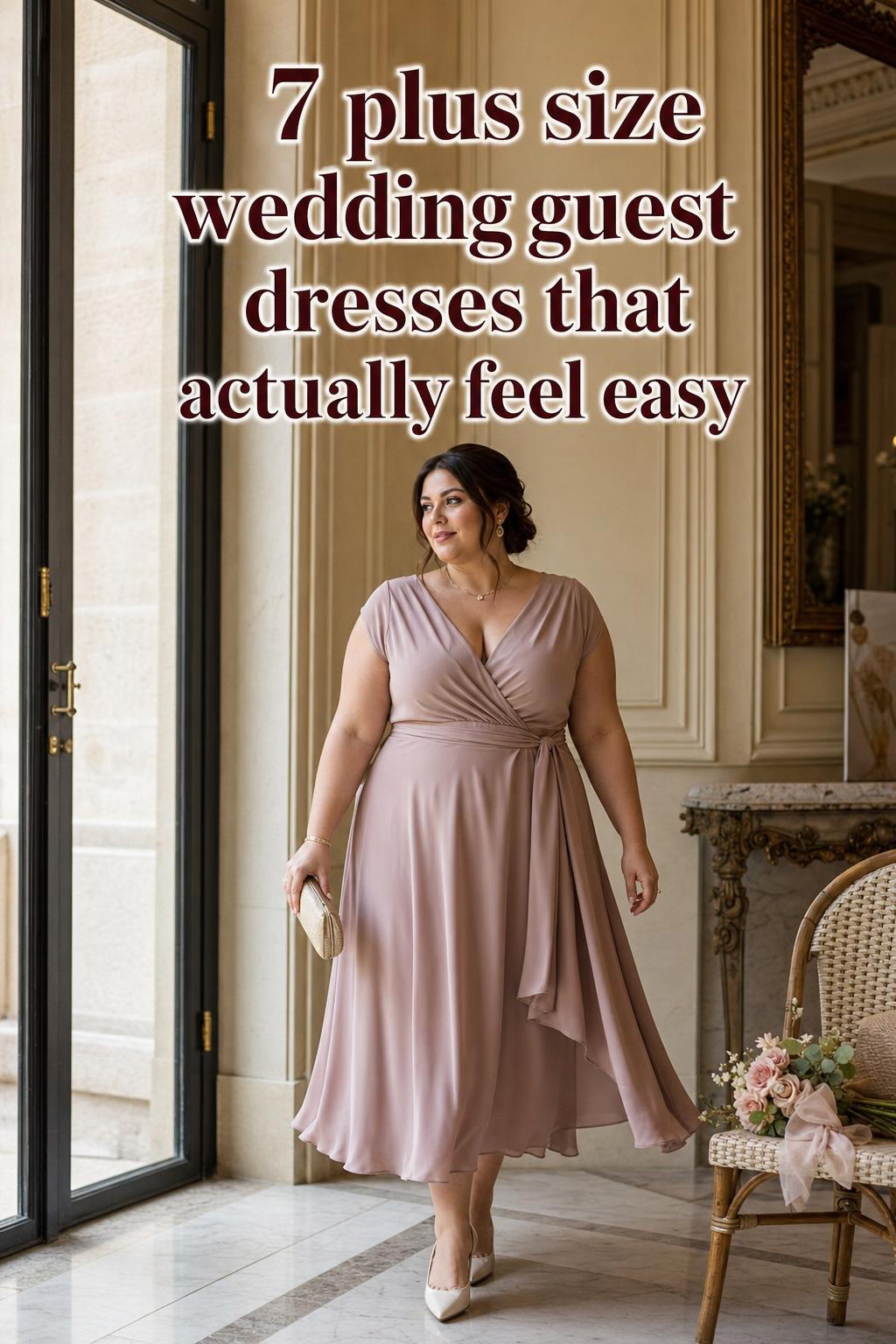
Style overview: cocktail wedding guest dressing
Cocktail dressing is the most versatile part of the wedding guest wardrobe. It often centers on midi or knee-grazing lengths, balanced silhouettes, and enough polish to feel occasion-ready without the ceremony of a full evening gown. For a plus size wedding guest, cocktail styles frequently include fit-and-flare shapes, A-line dresses, and softly tailored designs that define the waist while allowing movement.
The color palette can move widely here. Soft tones suit daytime celebrations, while deeper shades create more presence for fall weddings or evening receptions. The fabrics are usually lighter or more adaptable than strict formalwear: chiffon, georgette, jersey blends, and crepe all fit naturally in this category. The overall mood is festive, elegant, and easy to wear across different venues.
In visual terms, cocktail dressing tends to look more approachable and more flexible. It transitions well from ceremony to reception, which is one reason it appears so often in wedding editorial roundups and shopping guides.
Style overview: black-tie wedding guest dressing
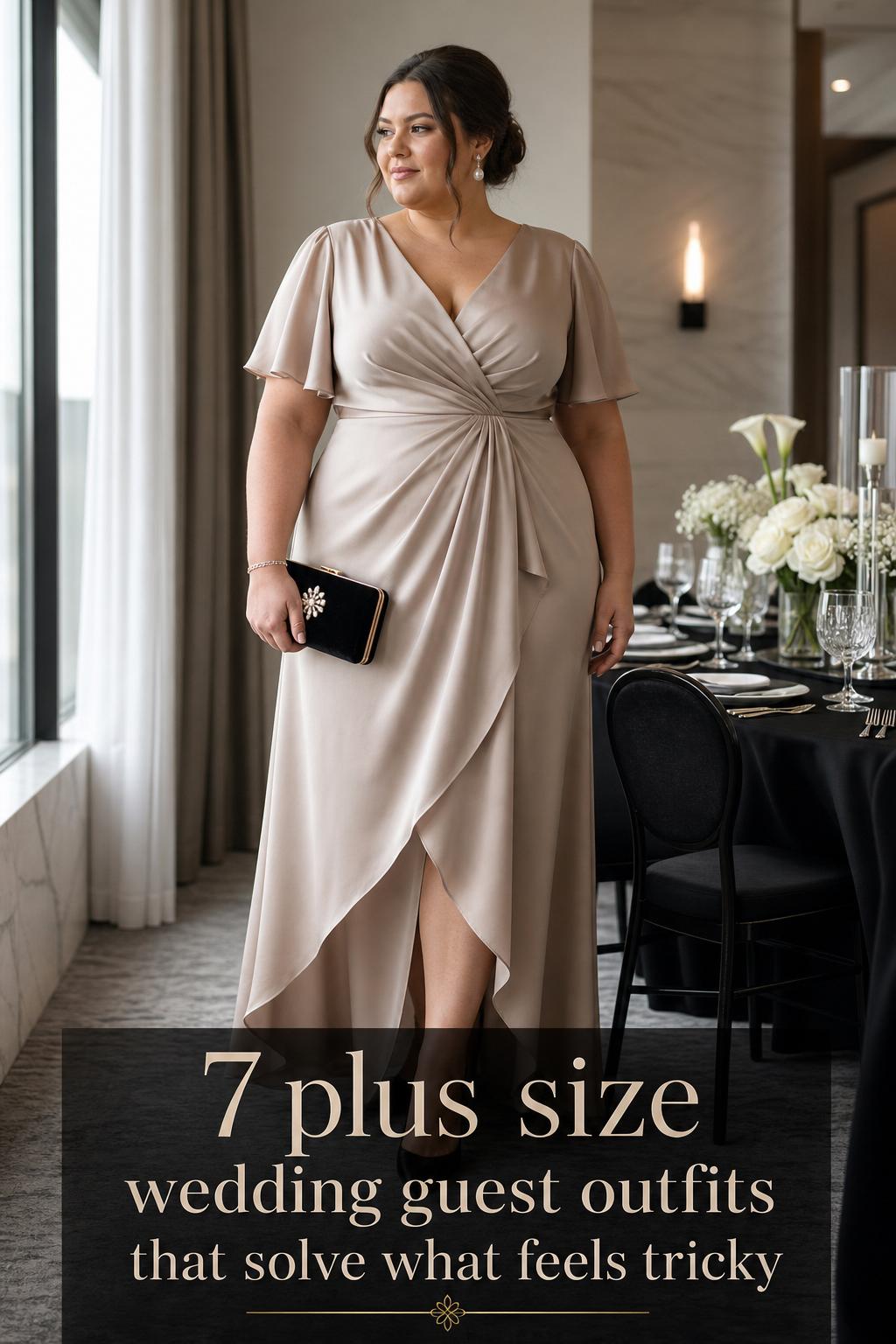
Black-tie dressing is more deliberate. It relies on longer lines, richer fabric stories, and a more formal finish. For plus-size black tie wedding guest dresses, the styling language shifts toward maxi lengths, draped silhouettes, satin, and refined chiffon. Hemlines, accessories, and fabric quality matter more because the dress is expected to hold its own in a more elevated setting.
This style is less about ease and more about atmosphere. A black-tie wedding usually asks for a look that feels composed under evening lighting, whether that means subtle sheen, fuller length, or a more sculpted neckline. Even when the silhouette is simple, the effect should feel intentional rather than casual.
For a plus-size wedding guest, black-tie dressing can be especially effective when the dress offers both structure and fluidity. Too much stiffness can make a long event uncomfortable, while too little structure may not provide the clean line many guests want in formal photographs.
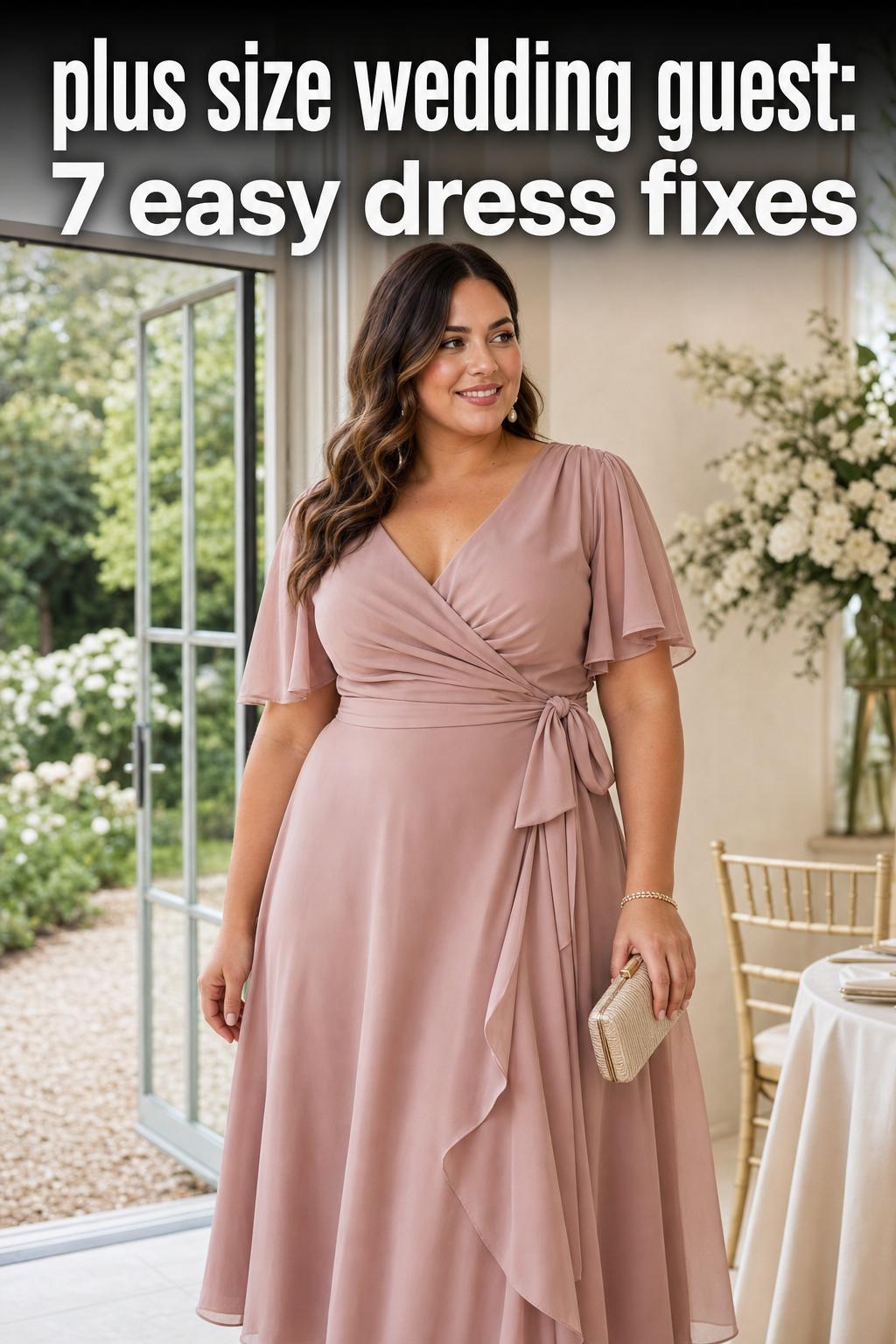
Style overview: silhouette-first dressing
A silhouette-first approach begins by asking one central question: what shape makes the body feel balanced and the outfit feel secure? This is where the most frequently discussed plus-size dress forms come in—A-line, fit-and-flare, empire waist, midi, and maxi. These styles appear repeatedly because they offer dependable proportion and work across a range of wedding settings.
The mood of silhouette-first dressing is polished and strategic. It is especially helpful for guests who want clarity before they shop. Rather than scrolling through every possible trend, they can narrow the search to shapes that support comfort, movement, and confidence.
Style overview: fabric-first dressing
A fabric-first approach starts with climate, venue, and duration. A humid destination wedding, a warm outdoor ceremony, and a formal evening reception all place different demands on a dress. Chiffon and georgette create breathability and movement. Jersey blends offer softness and stretch. Crepe and ponte bring structure. Satin adds formality and light-catching finish.
This approach is often overlooked in favor of silhouette alone, yet it shapes how a dress behaves from the first look at the ceremony to the final dance at the reception. In practice, many of the best plus-size wedding guest outfits succeed because the fabric choice supports the silhouette, not because either one works on its own.
Where the styles truly differ
Silhouette and structure
Cocktail styles usually favor shorter or mid-length proportions and a lighter sense of structure. A-line and fit-and-flare dresses are common because they create shape without requiring the visual drama of a full-length gown. Black-tie styles extend the line of the body. Maxi dresses, elongated skirts, and more fluid drape create a stronger vertical effect.
Silhouette-first dressing focuses on how the waist, skirt, and neckline interact. Fabric-first dressing is more concerned with whether the material supports that structure gracefully. A fit-and-flare in a soft jersey blend feels different from the same cut in crepe or satin, even if the outline is similar.
Color and visual impact
Cocktail dressing often leaves more room for playful color stories and easier daytime brightness. Black-tie usually leans toward tones that feel richer under evening light. For wedding guest attire, the key is not dramatic color for its own sake but color that suits the venue, formality, and personal confidence.
Color also changes how shape is perceived. A soft, flowing chiffon in a lighter tone can feel romantic and airy for a garden wedding, while satin in a deeper shade naturally reads more formal. For many guests, the most flattering choice is the one that lets the silhouette remain visible without overwhelming it.
Level of formality
This is the most practical dividing line. Cocktail is polished but flexible. Black-tie is elevated and less forgiving of casual details. A church wedding in the afternoon may call for a midi with more coverage and a composed neckline, while a ballroom reception can support a longer hemline, a glossier fabric, and stronger accessory choices.
For a plus size wedding guest, formality also influences comfort planning. The more formal the event, the more important it becomes to consider movement, support, and how the dress feels during seated moments, walking, and dancing.
Styling philosophy
Cocktail dressing usually aims for balance: enough detail to feel special, enough simplicity to remain easy. Black-tie dressing aims for presence. Silhouette-first dressing prioritizes flattering lines from the outset. Fabric-first dressing prioritizes wearability and atmosphere. None of these approaches is inherently better; they simply solve different problems.
The silhouette comparison every plus-size wedding guest should know
A-line versus fit-and-flare
These two are often grouped together because both are widely considered flattering, but they do not create the same effect. An A-line dress usually skims away from the body in a cleaner, quieter line. It is especially useful when the goal is elegance without too much emphasis. A fit-and-flare defines the waist more clearly and introduces movement through the skirt, which can feel more festive and dynamic on the dance floor.
For a beach wedding or warm-weather garden ceremony, an A-line in chiffon or georgette can feel effortless and breathable. For a reception where the mood is more celebratory, a fit-and-flare in crepe or a soft structured fabric may offer more shape and visual rhythm. The trade-off is that fit-and-flare can feel more styled and slightly less minimal, while A-line can feel more understated.
Empire waist versus natural waist definition
Empire styles shift emphasis upward and allow the fabric to drape from just below the bust. This can create ease and softness, especially for guests who prefer less structure through the midsection. A natural waist dress, especially in fit-and-flare form, creates more visible shape and often feels more tailored.
The difference is not simply aesthetic. It affects comfort over a long wedding day. An empire silhouette can feel gentler during seated portions of the event and may suit fluid fabrics beautifully. A natural waist silhouette can feel more secure in photographs and more defined in formal settings. Choosing between them depends on whether the priority is drape or structure.
Midi versus maxi
Midi dresses are often the bridge between modern and classic wedding guest style. They suit cocktail dress codes, many church weddings, and a wide range of semi-formal receptions. A maxi dress immediately increases the formality and brings a more romantic sweep, making it a strong choice for black-tie, evening, or grand venue settings.
Visually, midi styles reveal more of the shoe and create a lighter profile. Maxi styles lengthen the line and shift attention toward fabric movement. If the venue includes grass, sand, or uneven paths, a maxi requires more thought. If the reception is candlelit and formal, a midi may need stronger fabric or accessories to hold the same sense of occasion.
Body-type guidance without overcomplication
Body-type advice is most useful when it clarifies choices rather than narrows them too rigidly. For a plus-size wedding guest, silhouettes should be treated as tools, not rules. The most effective comparison is between where the dress creates emphasis and where it releases into movement.
- Pear-shaped styling often benefits from A-line or fit-and-flare silhouettes that define the upper waist and allow graceful movement through the skirt.
- Apple-shaped styling may feel especially comfortable in empire waist or softly draped dresses that avoid excessive cling through the midsection.
- Rectangle proportions can gain shape through fit-and-flare or waist-defined silhouettes that create contrast between bodice and skirt.
- Inverted triangle proportions may feel balanced in styles that soften the shoulder line and add movement through the lower half of the dress.
These are not strict prescriptions. They are simply useful starting points when the shopping process feels crowded. Many editorial guides mention flattering silhouettes in general terms; the real value comes from matching shape to the experience you want from the dress—freedom, definition, softness, or structure.
Venue changes the answer more than trends do
The same dress can feel entirely different depending on where it is worn. Wedding guest style is context-driven, and venue is one of the clearest signals. A vineyard celebration at golden hour asks for romance and movement. A ballroom invites richer textures and more formal proportion. A destination wedding near the water makes breathability a practical priority, not just a styling preference.
Garden and beach weddings
For open-air settings, fluid fabrics tend to outperform heavy ones. Chiffon, georgette, and lighter jersey blends bring comfort in heat and produce a softer silhouette in natural light. Cocktail and midi lengths often feel especially appropriate here because they move easily and avoid the heaviness that can look out of place outdoors.
An A-line midi with gentle drape feels visually at home in a garden ceremony. On a beach, a simpler silhouette in a breathable fabric usually works better than a very structured dress. The atmosphere favors ease, and the styling should reflect that.
Church and traditional ceremonies
These settings often reward polish and restraint. Midi lengths, composed necklines, and dresses with enough structure to look refined in daylight are often stronger than anything overly dramatic. Crepe, chiffon overlays, and clean A-line shapes tend to feel balanced here.
For a plus-size wedding guest, this is where silhouette-first dressing can be especially helpful. A thoughtfully cut midi in a dependable shape often feels more elegant than a trend-driven dress that does not quite fit the tone of the ceremony.
Ballroom and black-tie receptions
Evening venues invite more glamour, but the elegance should come from finish rather than excess. Satin, longer hemlines, and softer draped shapes gain presence in this setting. A maxi silhouette or a refined full-length gown often feels natural under low lighting and formal decor.
This is also where accessory balance matters. If the dress already carries visual weight through sheen or length, the styling can remain restrained. If the silhouette is simple, details like neckline and jewelry take on more importance.
The fabric comparison: movement, comfort, and polish
Chiffon and georgette versus satin
Chiffon and georgette are often the answer when the event includes heat, outdoor air, or a desire for softness. They create movement without demanding visual drama, and they photograph beautifully in natural settings. They also support A-line and empire styles particularly well because the drape feels intentional.
Satin tells a different story. It reflects light, raises the formality, and makes even a straightforward silhouette feel more dressed. For black-tie weddings, satin often creates the elegant finish that cocktail fabrics cannot quite match. The trade-off is that satin can feel less forgiving in warm climates and may place more emphasis on line and fit.
Jersey blends versus crepe and ponte
Jersey blends are often chosen for comfort and flexibility. They work well for long celebrations where sitting, walking, and dancing all matter. In a cocktail silhouette, jersey can feel easy and modern, especially for destination weddings or less rigid dress codes.
Crepe and ponte bring more structure. They can create a cleaner outline, which is useful when the goal is a polished shape with visible tailoring. For a plus-size wedding guest dress, this distinction matters: comfort fabrics tend to feel forgiving and gentle, while structured fabrics tend to deliver a sharper finish. The strongest choice depends on whether the event asks for softness or definition.
Visual style breakdown: how these looks read in real life
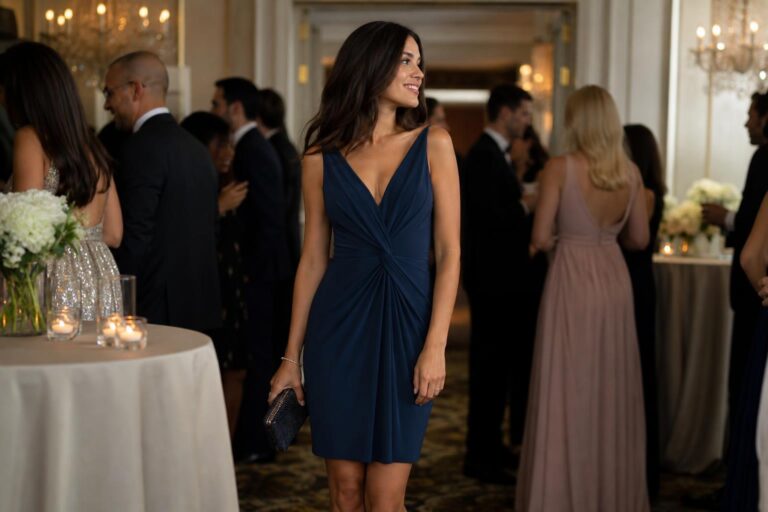
On the hanger, many occasion dresses seem similar. On the body and in motion, the differences become clear. A cocktail midi in georgette appears light, balanced, and social. It suggests movement through a garden path, a cocktail hour on a terrace, an easy transition from ceremony seating to reception dancing. A black-tie maxi in satin or chiffon feels longer, quieter, and more composed. It has a stronger relationship to posture, line, and evening atmosphere.
Accessories change the visual language but do not erase the base category. A fit-and-flare midi remains cocktail-minded even with elevated jewelry, while a floor-length satin gown remains formal even when styled minimally. This is why starting with the right proportion matters more than trying to force a dress into a different dress code through accessories alone.
Layering is another visual clue. In lighter wedding guest styling, any added layer should feel practical and discreet, supporting comfort from ceremony to reception. In formal styling, the dress itself carries more of the statement, so extra layers need to be considered carefully. Overall outfit balance should feel calm, not crowded.
Outfit comparisons for common wedding scenarios
Golden-hour garden ceremony
A cocktail interpretation might begin with an A-line midi in chiffon or georgette, chosen for breathability and gentle movement. The styling logic is softness: a silhouette that skims, a fabric that lifts in the air, and accessories that do not interrupt the romance of the setting. This approach works especially well when the celebration begins in daylight and continues casually into the evening.
A more formal interpretation of the same scene could shift to a maxi dress with a fluid empire line. The goal here is not to compete with the venue but to add length and occasion. It suits a garden wedding that leans refined rather than rustic, particularly if the reception has a more elevated dinner atmosphere.
Church ceremony followed by dinner and dancing
A silhouette-first approach would likely favor a fit-and-flare or clean A-line midi with enough structure to feel polished during the ceremony. Crepe is especially useful here because it supports the line of the dress and maintains its shape over several hours. The look feels respectful, composed, and versatile.
A fabric-first approach might choose a softer jersey blend or chiffon-layered style if comfort through the reception is the priority. The dress may look slightly less tailored, but it can feel easier during a long schedule. This is a classic trade-off: sharper structure versus all-evening ease.
Candlelit ballroom reception
Here the cocktail option would need intention. A midi in a richer fabric, perhaps crepe with a refined neckline or a more sculpted fit-and-flare, can still work if the invitation does not specify black-tie. The aim is clean elegance rather than casual prettiness.
The black-tie interpretation is more straightforward: a maxi silhouette, likely in satin or chiffon, with an elongated line and fewer playful details. On a ballroom floor, under evening lighting, this style reads immediately as formal. It does not need much explaining, which is often the mark of a successful black-tie look.
Destination wedding in warm weather
For destination settings, the practical argument often wins. A plus-size cocktail dress in breathable chiffon, georgette, or jersey blend usually makes more sense than heavy formalwear, especially if travel, humidity, or outdoor transitions are involved. The silhouette should move easily and feel light enough to wear for hours.
If the destination wedding is formally styled, a maxi can still work beautifully, but fabric becomes the deciding factor. A fluid full-length dress often performs better than one with heavy structure. The objective is still elegance, just adapted to climate and movement.
Color, neckline, and accessory logic
Color is one of the most personal parts of wedding guest dressing, but it also changes how the outfit is perceived. Softer palettes naturally align with daytime and outdoor ceremonies, while richer tones feel more grounded in evening and formal settings. The most successful choice is often the one that supports the venue atmosphere and allows the wearer to feel visible without feeling overworked.
Necklines and accessories should bring balance rather than competition. In a flowing silhouette, accessories can add definition. In a structured dress, accessories often work best when they stay restrained. This is particularly true for plus-size occasion wear, where the line of the dress is usually the main source of elegance.
- If the dress features strong drape, keep accessories controlled so the silhouette remains the focus.
- If the dress is simple and tailored, neckline interest and jewelry can add presence.
- If the venue is outdoors, choose styling that transitions easily from ceremony conditions to reception comfort.
- If the dress already feels formal through length or satin finish, avoid adding too many competing statement elements.
Where to shop and how different retail paths compare
Shopping for plus-size wedding guest dresses tends to fall into two categories: retailer browsing and editorial-style curation. Both have value, but they solve different problems. A category page like Nordstrom offers direct product filtering by size, color, and style. That is practical when the dress code is clear and the goal is efficient comparison.
Editorial roundups and guides, such as those found on PureWow, Bridebook, Wedding Guest Style, Dress for the Wedding, The Perfect Wedding, and The Curvy Fashionista, are more useful when the shopper needs interpretation first. These guides connect silhouettes, seasons, and event types to shopping ideas. They help narrow the aesthetic before the purchase stage begins.
Azazie stands out in the conversation around plus-size black tie wedding guest dresses because it frames the decision around fabrics, hemlines, and accessories that work in formal settings. That is especially helpful for guests who understand the dress code but want clarity on why one look reads more formal than another.
Who What Wear enters from a different angle, emphasizing the wider shift toward size inclusivity and the role of designers such as Jenny Yoo in that conversation. This perspective matters because access is not only about style ideas; it is also about whether brands and designers are genuinely responding to plus-size shoppers with thoughtful options.
Tips for shopping with less guesswork
- Start with dress code and venue before you start with trend or color.
- Choose whether silhouette or fabric is the lead factor in your decision.
- Use retailer filters for length, size, and formality once you know the category you need.
- Check size charts, return policies, and fit notes before committing, especially for event-specific purchases.
- Leave room for alterations if the dress is close to right but not quite there.
Budget versus finish: what changes at each level
Price usually changes fabric quality, finish, and fit consistency more than it changes the basic styling idea. An A-line chiffon midi remains an A-line chiffon midi whether it is a budget purchase or a more elevated one. What shifts is often how the fabric drapes, how secure the dress feels, and how much alteration may be needed.
For that reason, budget planning for a wedding guest look should include the possibility of tailoring. A strong silhouette with minor adjustments often looks more expensive than a more trend-driven dress with no refinement. This is especially true for formal events, where fit is visible from a distance and in photographs.
Guests deciding between a less expensive cocktail option and a more polished formal option should weigh rewear value. A versatile midi may serve multiple weddings and occasion events. A black-tie maxi may be more specific, but when the setting calls for it, nothing else creates quite the same effect.
An editorial note on inclusivity and confidence
The conversation around plus-size occasion wear is no longer only about finding something that fits. It is also about whether brands, retailers, and designers approach inclusive sizing with intention. Wedding guest fashion increasingly reflects a broader shift in size inclusivity, and that shift matters because celebration dressing should not require settling for fewer silhouettes, fewer fabrics, or less elegance.
Body positivity appears often in wedding style coverage because confidence is not separate from fit. It comes from wearing a silhouette that feels aligned with the event, a fabric that behaves well over time, and a dress that supports movement rather than restricting it. Whether the inspiration comes from a retailer page, a fashion publisher, or a niche curvy fashion source, the strongest advice remains consistent: flattering does not mean hiding. It means dressing with intention.
How to choose between these styles on a real invitation
If the invitation leans cocktail, daytime, garden, or semi-formal, begin with midi lengths, A-line shapes, fit-and-flare cuts, and breathable fabrics. If the wedding is black-tie, evening, or set in a ballroom, move toward maxi silhouettes, satin or refined chiffon, and a more composed accessory story. If the venue is hot or outdoors, let fabric guide the final decision. If the event is more traditional or formal, let silhouette and finish lead.
For many guests, the most reliable formula is simple: match the dress length to the formality, match the fabric to the climate, and match the silhouette to the feeling you want in your body for the full day. That balance is what turns a dress from merely suitable into truly wearable.
When each style works best in a real wardrobe
Cocktail styles belong in the most adaptable part of an occasion wardrobe. They serve daytime ceremonies, transitional dress codes, and venues where elegance should feel fresh rather than grand. They are often easier to rewear and easier to style across seasons.
Black-tie styles are best reserved for evenings, formal receptions, and settings where the atmosphere expects a stronger visual statement. They may be less flexible, but they deliver exactly what more elevated weddings require.
Silhouette-first dressing works best for guests who want clarity, consistency, and a reliable flattering framework. Fabric-first dressing works best for guests dealing with travel, weather, outdoor conditions, or long wear time. Most accomplished wedding guest looks borrow from both approaches.
Final thoughts on building a polished wedding guest look
The central distinction is not between trendy and classic, but between styles designed for different wedding moments. Cocktail looks speak in shorter lines, lighter movement, and flexible elegance. Black-tie looks speak in longer proportions, richer finish, and greater formality. Silhouette-led dressing defines shape first; fabric-led dressing defines experience first.
Once you learn to identify those differences, shopping becomes far more intuitive. A plus size wedding guest dress should suit the invitation, the venue, the climate, and the rhythm of the day. The best looks often borrow selectively from more than one category: the softness of chiffon with the clarity of an A-line, the polish of crepe with the ease of a midi, or the drama of a maxi with the comfort of fluid drape. That is where wedding guest style feels most modern—elegant, intentional, and genuinely wearable.
FAQ
What is the most flattering silhouette for a plus size wedding guest?
A-line and fit-and-flare silhouettes are the most consistently recommended because they create balance, define shape, and work across many dress codes. Empire waist styles are also a strong option when a softer drape or more ease through the midsection feels preferable.
Should I choose a midi or maxi dress for a wedding?
Choose a midi for cocktail, daytime, church, or semi-formal weddings where polish and flexibility matter most. Choose a maxi for black-tie, evening, or ballroom settings where a longer line naturally fits the formality and atmosphere.
Which fabrics work best for warm-weather weddings?
Chiffon, georgette, and lighter jersey blends are the most practical choices for heat, humidity, and outdoor settings because they feel breathable and move well. They are especially effective for garden, beach, and destination weddings where comfort matters throughout the day.
What makes a dress read as black-tie instead of cocktail?
The strongest signals are length, fabric, and finish. Black-tie dresses usually feature maxi hemlines, more elevated fabrics such as satin or refined chiffon, and a more composed overall look, while cocktail dresses rely more on midi lengths and lighter occasion styling.
Where can I shop for plus-size wedding guest dresses?
Nordstrom is useful for direct browsing through product filters, while editorial-style sources such as PureWow, Bridebook, The Perfect Wedding, Dress for the Wedding, Wedding Guest Style, and The Curvy Fashionista are helpful for inspiration and comparison. Azazie is particularly relevant for formal and black-tie guest dressing.
How do I choose a dress for a beach or destination wedding?
Start with climate and movement rather than formality alone. Breathable fabrics, fluid silhouettes, and manageable lengths usually work best, with chiffon, georgette, or soft jersey blends offering more comfort than heavy structured materials in warm outdoor conditions.
Are alterations worth it for wedding guest dresses?
Yes, especially when the silhouette is already right but the fit needs refinement. A well-chosen dress with thoughtful alterations often looks more polished than a trend-driven option that fits only approximately, particularly for formal weddings and photographs.
How should I think about color for wedding guest dressing?
Use color to support the venue, time of day, and your own confidence. Softer palettes often suit daytime and outdoor celebrations, while richer tones feel more natural for evening and black-tie settings. The goal is harmony with the event rather than visual excess.
What is the best approach if I am unsure whether to prioritize comfort or structure?
If the wedding involves travel, heat, or long outdoor stretches, start with fabric and comfort. If the event is traditional, highly formal, or photography-heavy, start with silhouette and structure. In most cases, the best result comes from combining a flattering cut with a fabric that can carry you through the full celebration.