Italian Wedding Guest Dress: Dolce Vita vs Boho Chic Style
Italian wedding guest dress, decoded: two aesthetics that look similar in photos—and feel very different in real life
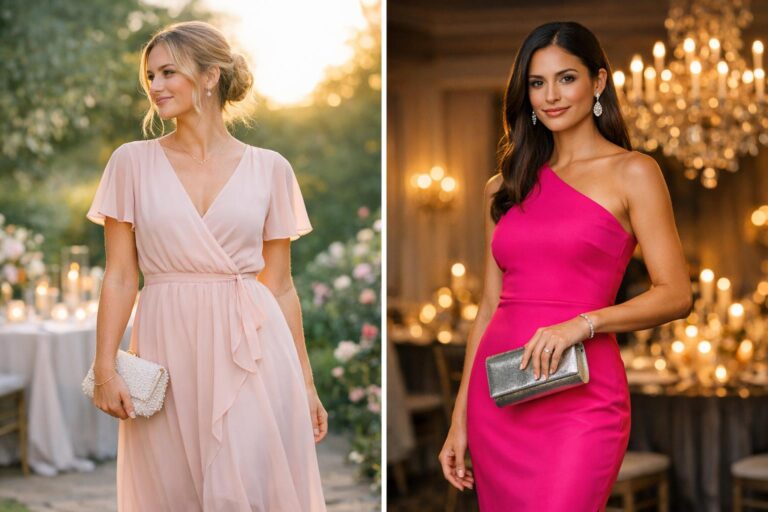
The Italian wedding guest dress lives at the intersection of setting and style: a ceremony that might move from a church to a villa courtyard, then into a candlelit reception that runs late. In that kind of day, the “right” dress isn’t just about looking beautiful in golden-hour photos—it’s about choosing a silhouette and fabric that can handle heat, stone streets, and the subtle formality that often defines celebrations in Italy.
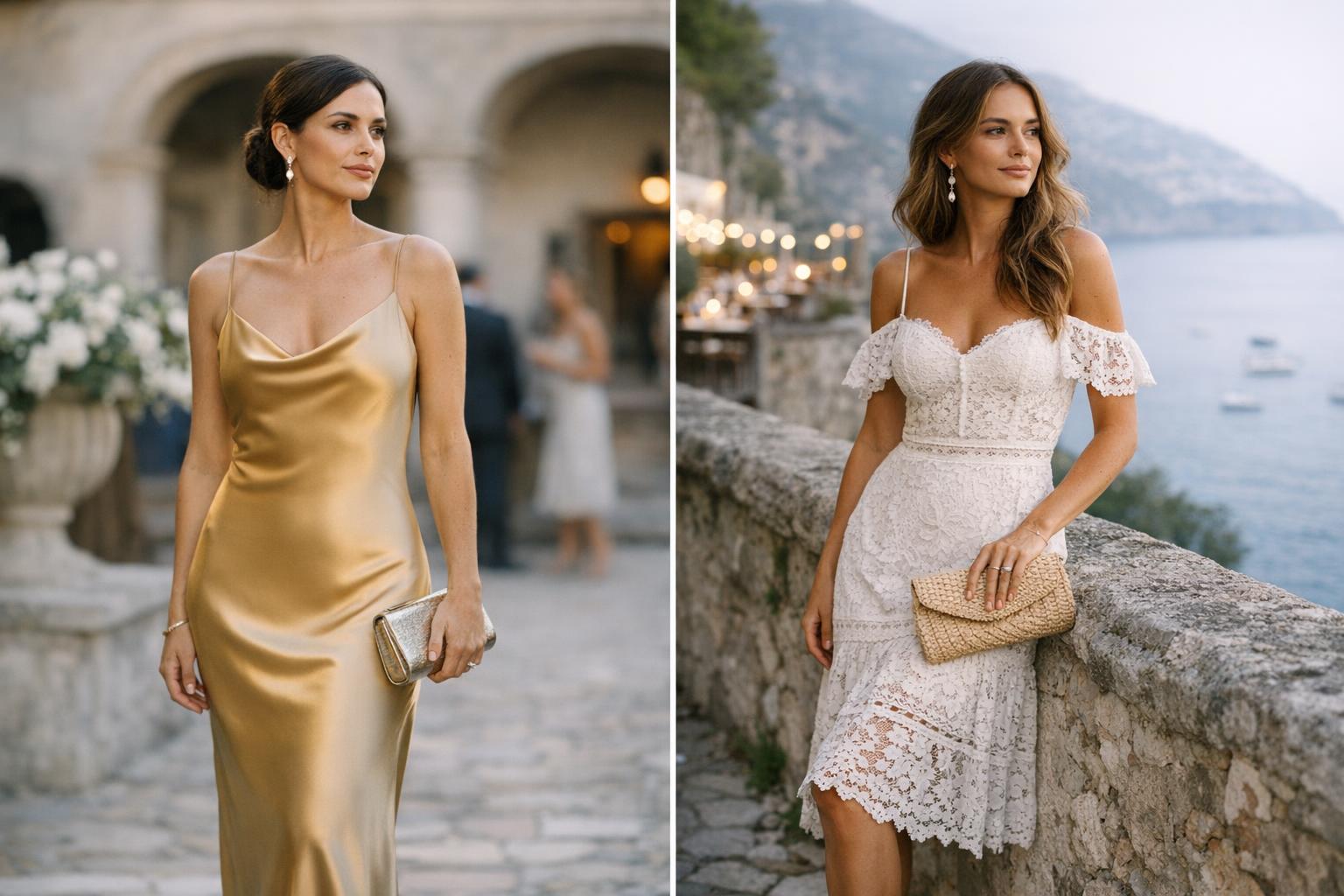
Two aesthetics dominate the conversation, and they’re frequently confused because both can feel romantic, feminine, and Mediterranean. The first is a polished, tailored “dolce vita” approach—sleek slip dresses, fitted shapes, satin, and a composed sense of glamour seen in editorial coverage and stylist-led recommendations. The second is a softer, breezier “Mediterranean boho” approach—movement-first silhouettes, lighter textures, and a relaxed mood that still reads wedding-appropriate when styled with intention. Both can work for a wedding in Italy guest dress moment; the difference is how they behave across venues, dress codes, and the long arc of an Italian celebration.
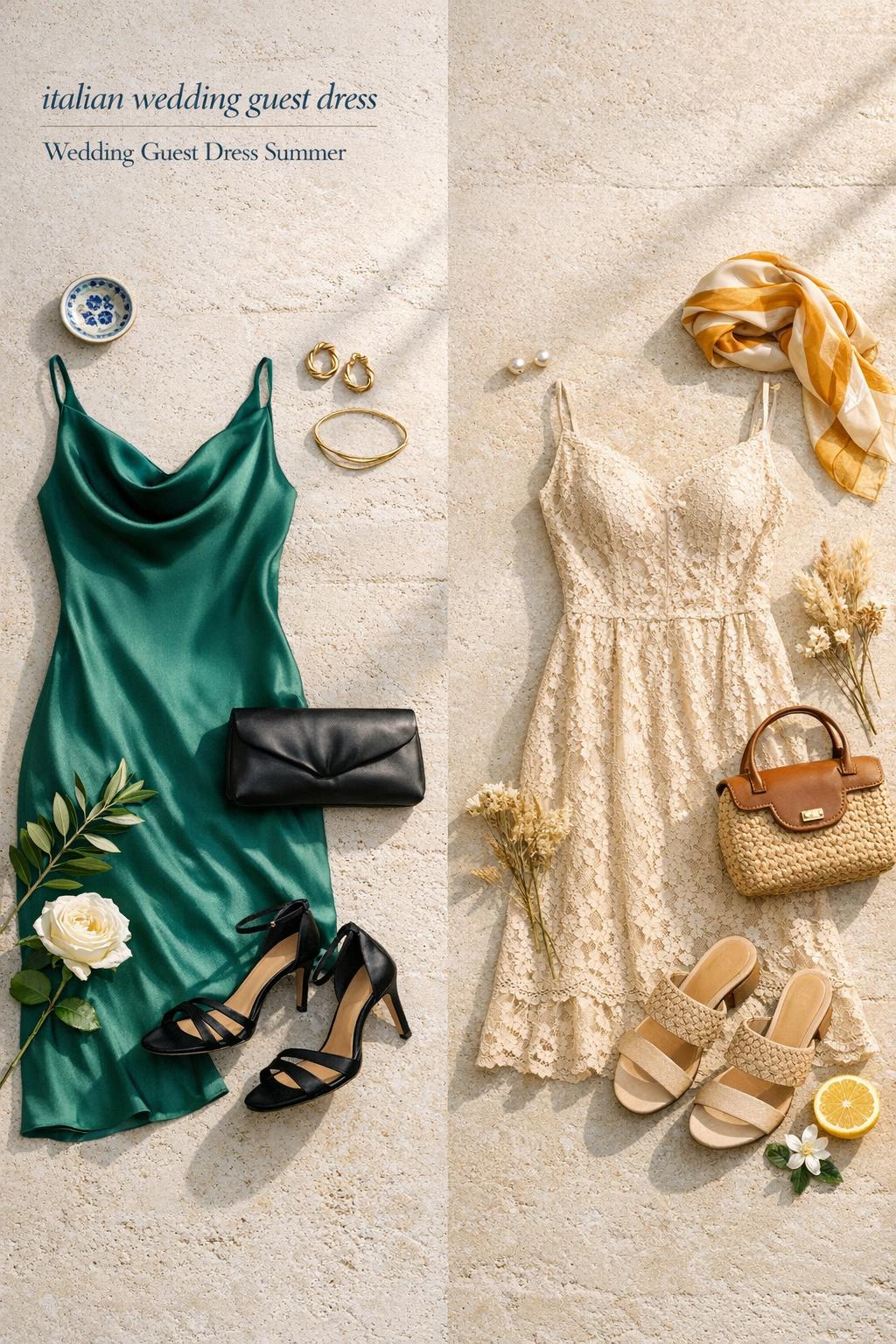
This comparison breaks down what separates these looks (and where they overlap), using Italy as the anchor: Venice and Veneto elegance, Tuscan vineyard romance, and the Amalfi coast’s seaside glow. You’ll learn how to choose silhouettes and textures—slip, lace midi, satin maxi—and how to translate inspiration from familiar style signals like Sienna Miller in Venice or Lady Amelia Spencer in Italy into something that feels personal, comfortable, and appropriate.
Style overview: the “dolce vita” polished guest
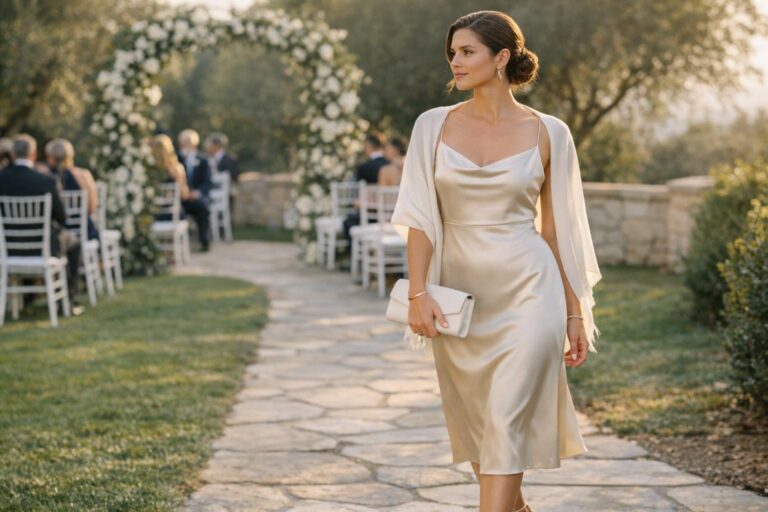
The “dolce vita” polished guest aesthetic is rooted in restraint and refinement. It’s the look that reads instantly “occasion,” without relying on excess: clean lines, considered tailoring, and fabrics that catch light—especially satin and silk-like finishes. It often shows up as a 1990s-inspired slip silhouette, a fitted dress that skims the body, or a flowing satin maxi that feels deliberate rather than casual.
Your wedding look is only the beginning.
Keep your guest list, vendors, timeline, and every important detail together with Zarellea — so your day feels as considered as your style.
In modern coverage, this style is frequently supported by stylist authority—think Avigail Collins framing what to wear to an Italian wedding as a guest through silhouettes that look sleek in an Italian setting. It’s also where brand-led references tend to sit comfortably, from a Versace-leaning glamour cue to a designer-focused mood pulled from Italian designers grouped by retailers like The Outnet.
Defining characteristics: minimal seams, a refined fit, polished surfaces, and an emphasis on elegance that works in church settings and formal receptions.
- Typical silhouettes: slip dress, fitted dress, satin maxi, structured midi
- Color palette: elevated statement tones (including the marigold yellow trend associated with Venice), deep jewel-leaning shades, or intentionally chosen neutrals
- Fabrics & textures: satin, silk-like drape, lace used with structure (not overly casual), sleek finishes that photograph well at night
- Mood: composed, cinematic, “Italian evening” even in daylight
Style overview: Mediterranean boho (the boho guest wedding dress, refined for Italy)
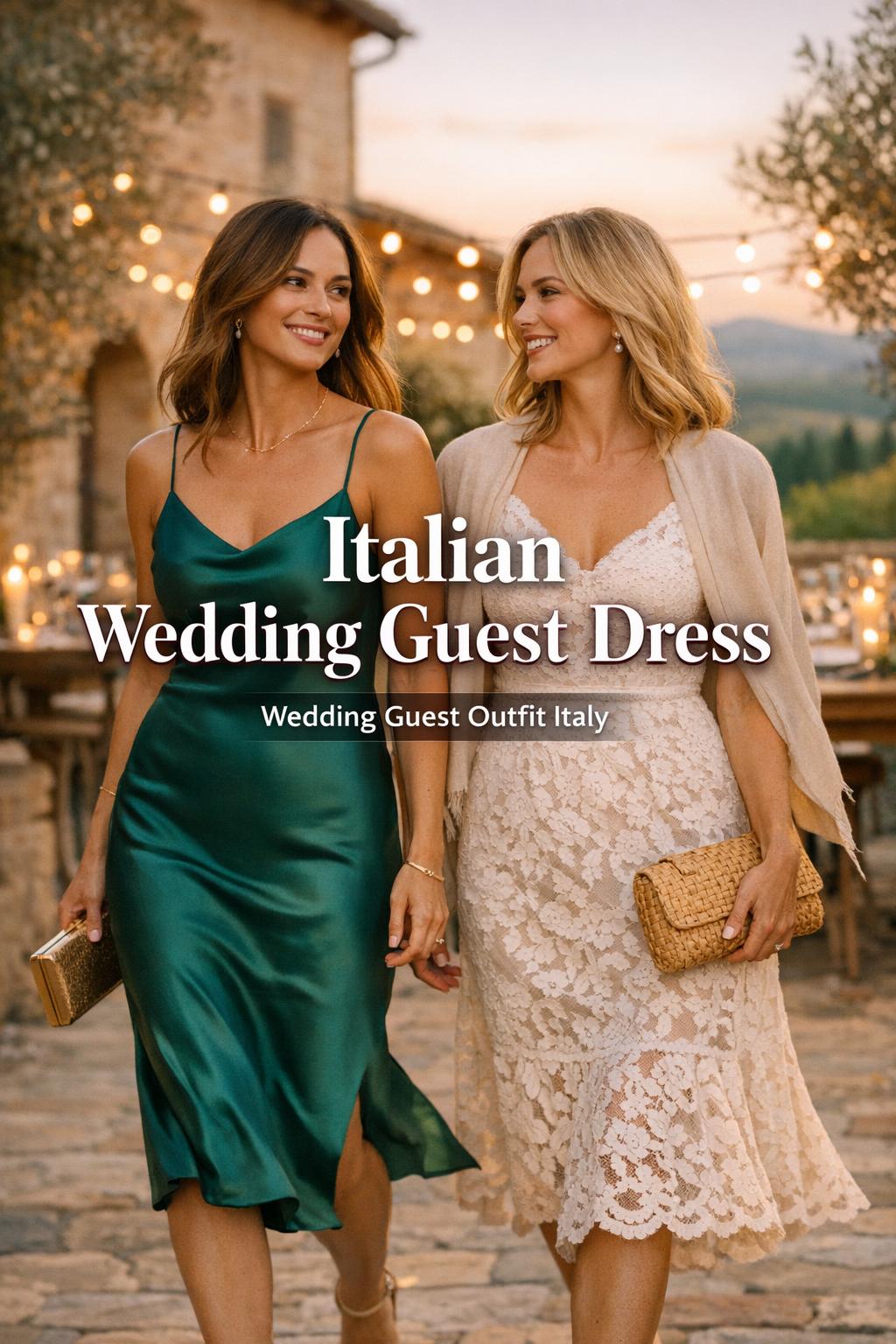
The Mediterranean boho aesthetic is less about sharp polish and more about airy romance—movement, softness, and ease. Done well, it still respects the formality of an Italian wedding guest setting, but it prioritizes comfort and lightness: an effortless drape, a breathable feel, and a silhouette that looks alive when you walk through a courtyard or along a waterfront.
This is where “resortwear for weddings” sensibilities come into play, especially for wedding guest dress summer scenarios. The trick is that boho can drift too casual if the fabric looks daytime-only or if the styling lacks structure. A boho guest wedding dress becomes Italy-appropriate when the finishing is elevated—texture that feels intentional, a hemline that reads occasion, and accessories that pull the look out of beachwear territory.
Defining characteristics: softness, ease, and a romantic sense of place—Mediterranean by mood, not costume.
- Typical silhouettes: flowing midi, fluid maxi, softer lace moments, relaxed shapes balanced by elegant styling
- Color palette: sun-warmed tones inspired by Italian settings (yellows, sea tones, garden hues), plus occasional bold color when the fabric and cut keep it refined
- Fabrics & textures: light drape fabrics, lace with softness, floaty materials that suit warm weather and destination pacing
- Mood: romantic, breezy, quietly festive
The key differences: polished vs. boho in silhouette, color, and “wedding energy”
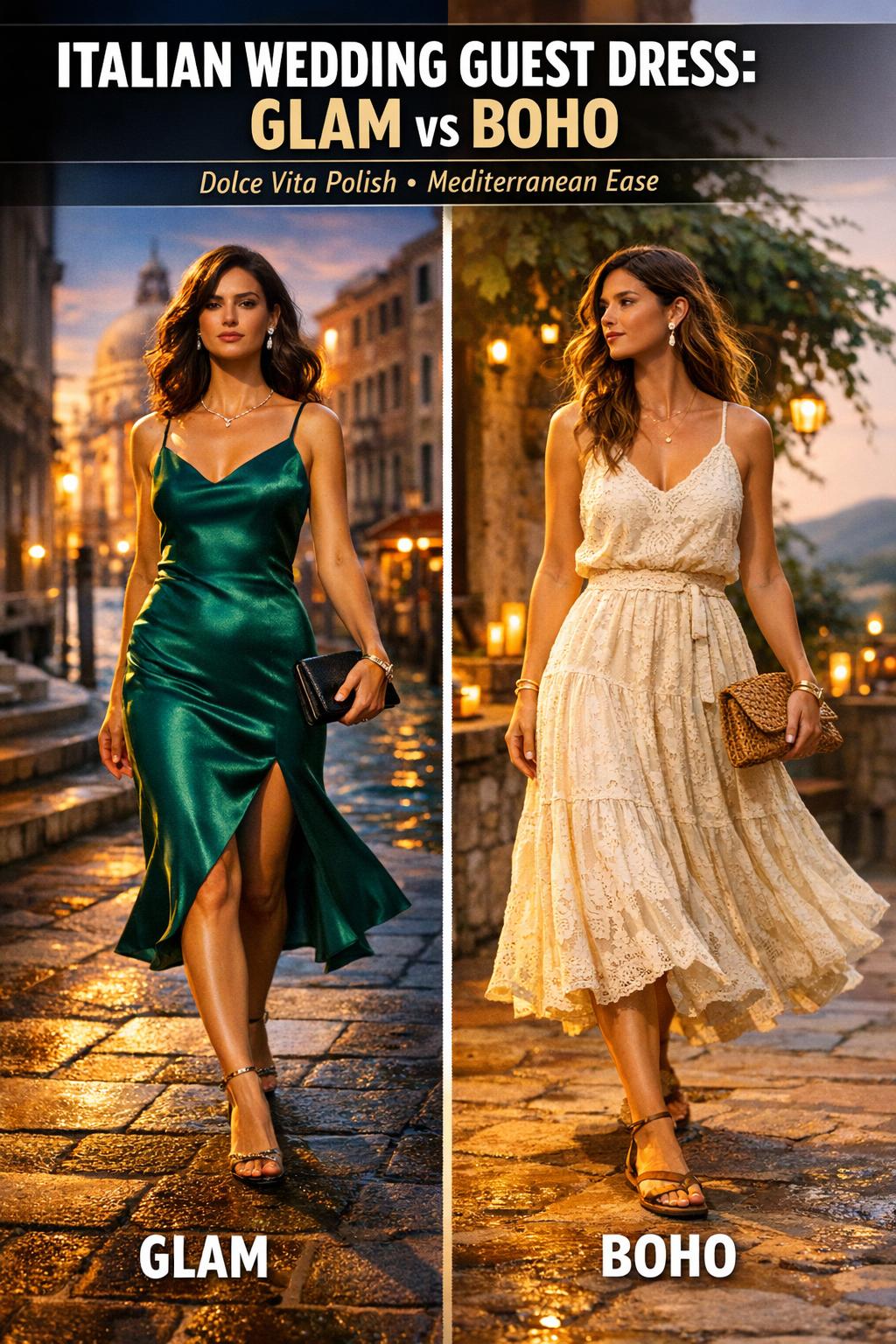
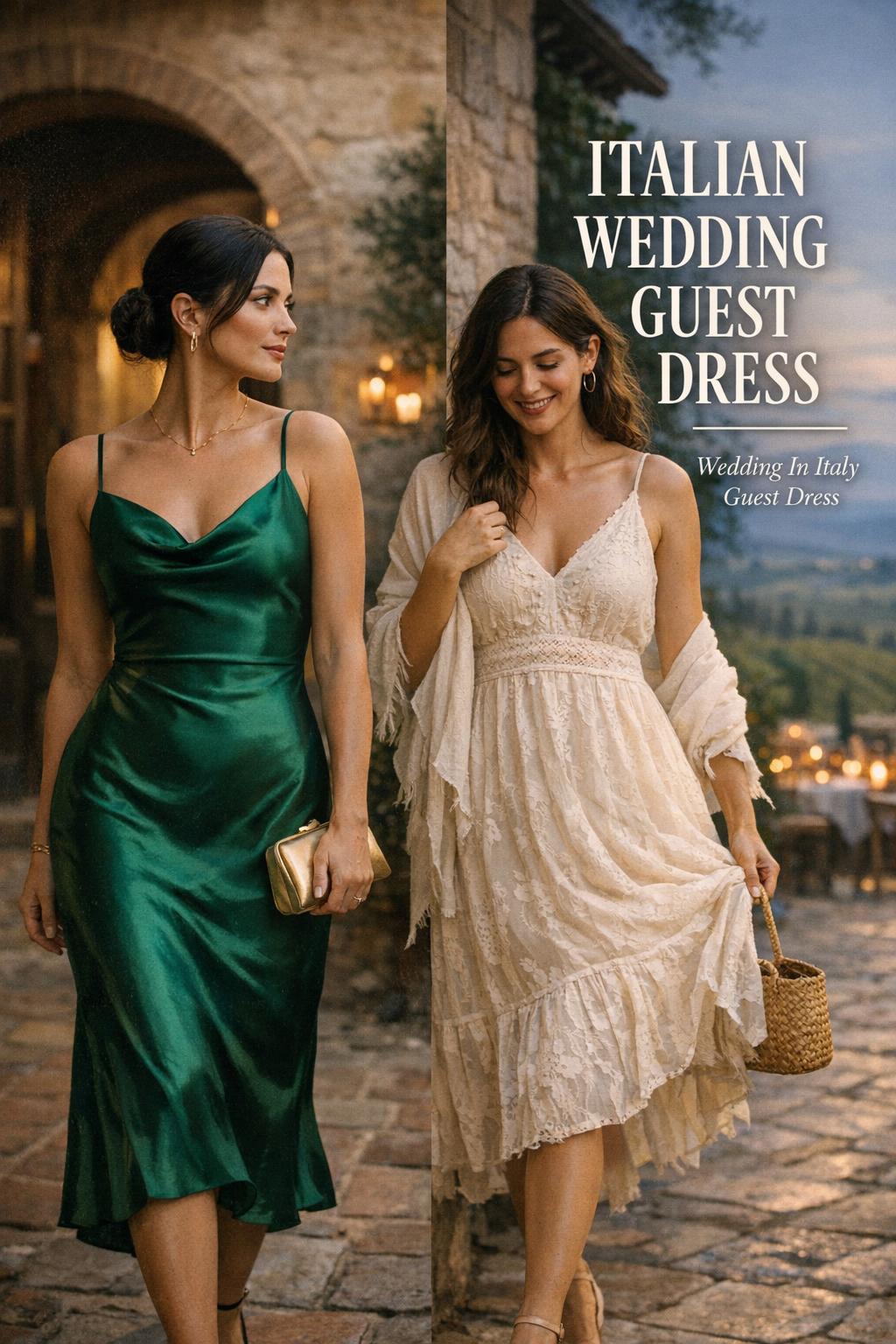
The easiest way to tell these styles apart is to look at what they prioritize. The polished “dolce vita” guest is built on intention: a slip or fitted dress that looks tailored to the venue’s formality. The Mediterranean boho guest is built on movement: a softer line that feels relaxed, especially in warm settings. Both can look elegant; they simply arrive there through different logic.
Silhouette and structure
Polished looks tend to be more defined: a slip dress with a clean line, a fitted dress that holds shape, or a satin maxi that falls in a controlled column. Boho looks are more fluid: a midi that sways, a maxi that floats, lace that reads romantic rather than graphic. If you anticipate a church ceremony, the polished silhouette often feels naturally aligned with “elegant attire,” while boho benefits from a slightly more structured finish—clean straps, a refined neckline, or a crisp hem.
Color palette and texture cues
Both aesthetics can use statement color, but they express it differently. The polished camp uses color like a spotlight—marigold yellow in the spirit of a Venice moment, or a striking red lace dress that reads formal and editorial. Mediterranean boho tends to look best when the color feels sunlit and natural, with texture doing some of the talking. If the fabric is too matte or too casual, the dress risks slipping into “vacation dinner” rather than wedding guest attire.
Level of formality
In Italy, formality often appears in the details: how finished the look feels, how it reads in a church, and whether it holds up through a long celebration. Polished dresses are usually the safer choice for events that skew formal—especially evening receptions. Boho can absolutely work, but it’s less forgiving: it needs elevated fabric and thoughtful styling to avoid looking underdressed.
Styling philosophy
The polished guest dresses for the photographs and the room: sleek lines, a sense of intention, and accessories that stay quiet but powerful. The boho guest dresses for the experience: comfort in warm air, movement on stone paths, and a relaxed elegance that still respects etiquette. Neither is “better.” The best choice depends on venue, dress code, and your personal comfort with structure.
Visual style breakdown: how these looks read at a wedding in Italy
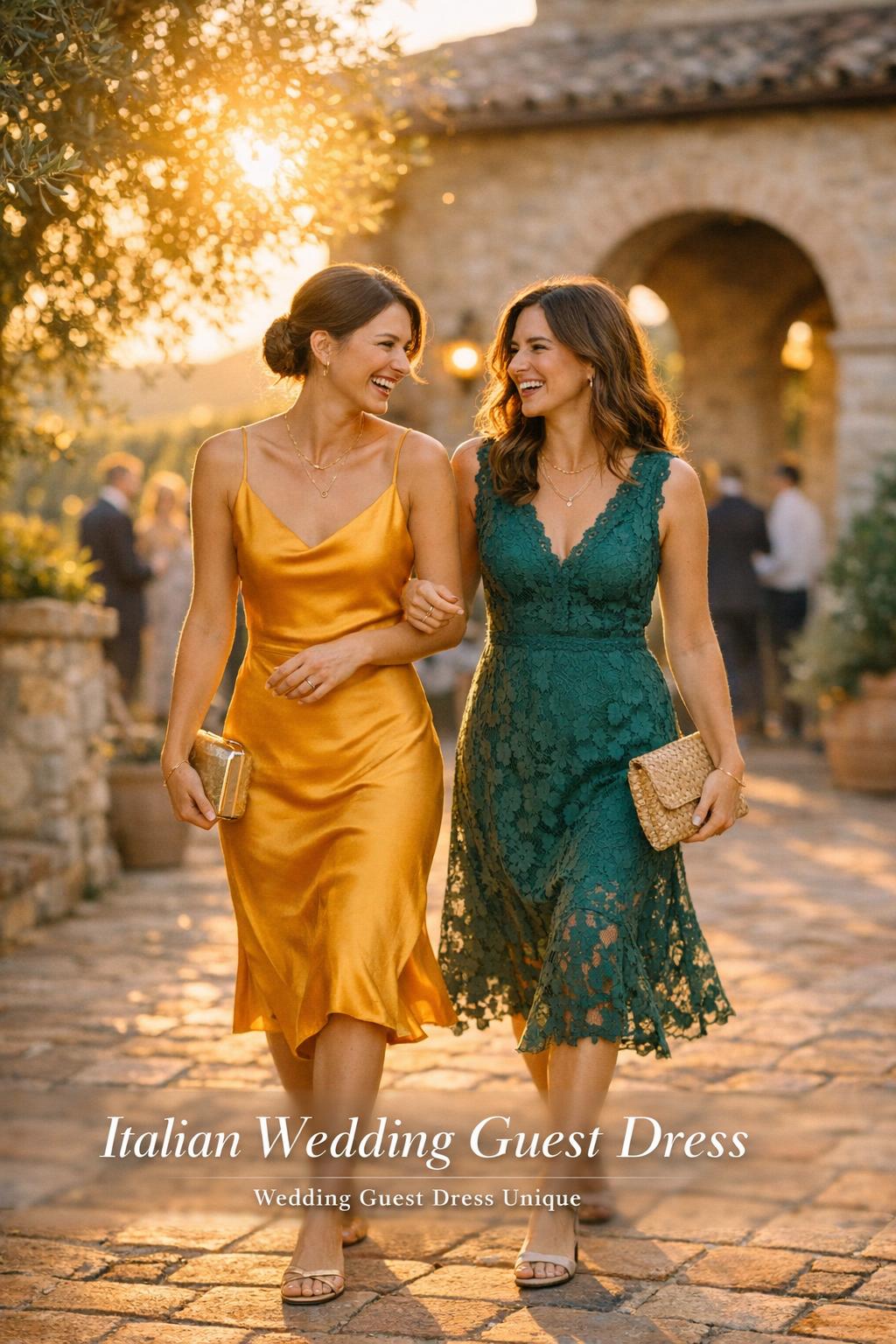
Imagine two guests arriving at the same Italian celebration. Both are dressed beautifully. One looks sharply composed in the way a candlelit reception demands; the other looks like they belong in the landscape, as if the dress was chosen for the venue’s rhythm. Here’s how the difference shows up in real outfits—especially in a wedding guest outfit Italy context where the day can unfold across multiple locations.
Layering and ceremony transitions (church to reception)
Polished styling typically plans for transitions: the dress stands on its own for the reception, and any added layer feels minimal and refined. In a church setting where modesty norms can matter, that same approach makes it easy to look respectful without losing the clean silhouette. Boho styling can handle layering too, but it works best when the add-on layer doesn’t collapse the look into casual—keep the lines tidy and the overall finish elevated so the outfit still reads “wedding guest attire,” not weekend wear.
Proportions and balance
The polished guest often leans into a single statement: a slip or fitted dress with a strong line, then accessories that don’t compete. The boho guest often creates balance through softness: a floating skirt line with a cleaner top shape, or lace with a more restrained silhouette. When boho becomes too voluminous without structure, it can overwhelm in photos—especially in venue settings like Venice where architecture and water reflections already create visual drama.
Accessories and finishing details
Polished looks typically treat accessories as punctuation—an elegant bag, refined jewelry, a deliberate shoe choice. This is the world where you might see a brand-forward cue in the styling mix, referenced alongside names like Versace or a curated selection in the spirit of Who What Wear’s shopping-led edits. Boho looks treat accessories as atmosphere—still elevated, but more organic in feel. The risk is over-texturing: too many “artisanal” elements can push the outfit away from formal wedding energy. The goal is a wedding guest dress unique in mood, not busy in styling.
Silhouette comparison for an italian wedding guest dress: slip, lace midi, satin maxi
Silhouette is where the polished-versus-boho choice becomes easiest to execute. Italy’s wedding settings reward dresses that move beautifully, hold up in heat, and still look composed after hours. The three silhouettes below show up repeatedly in Italian wedding guest conversations—because they perform well across venues and photographs.
The slip dress: minimalist chic vs. relaxed romance
The slip dress is the natural home of the polished “dolce vita” guest. It nods to the 1990s silhouette revival and reads instantly elevated when the fabric has a satin finish and the cut is clean. It also connects naturally to a Venice mood—especially when you look at how a single color choice can become the focal point, as with the marigold yellow conversation tied to a Venice setting.
For Mediterranean boho, a slip-inspired line can still work, but it usually needs softness rather than sharpness: think less body-skimming tension and more float. The key is avoiding a slip that feels too casual or too “night out.” In an Italian wedding guest dress context, you want the slip to read as occasionwear from the first glance.
The lace midi: romantic structure vs. airy ease
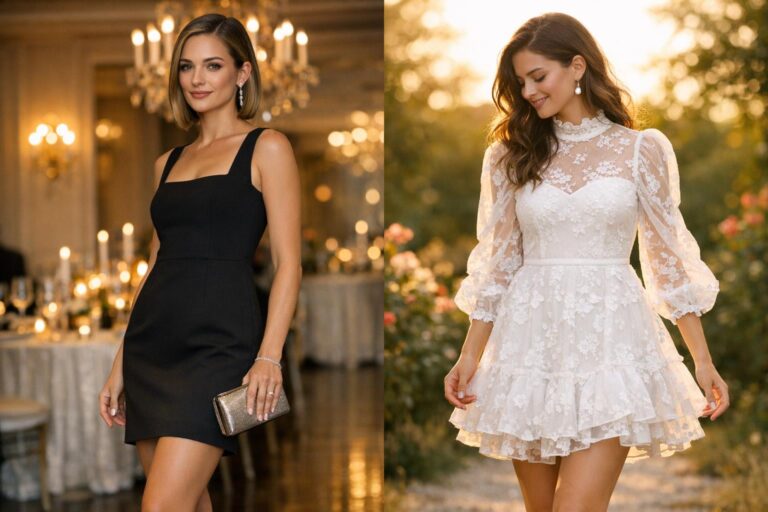
Lace midi dresses can bridge both aesthetics, depending on the lace and the cut. A structured lace moment leans polished—especially when the color is bold and the silhouette is crisp. The clearest style signal here is a red lace wedding guest look like the one associated with Lady Amelia Spencer in Italy, where the dress is anchored to a specific designer label (Self-Portrait) and the overall effect is formal and editorial.
Boho lace is softer in its mood, and it needs careful finishing to stay wedding-appropriate. If the lace feels too delicate without structure, the look can drift casual. For an Italian celebration—especially one with a church component—lace can be an elegant answer, but it’s worth choosing a silhouette that still looks intentional and respectful.
The satin maxi: coastal glamour vs. Mediterranean drift
A satin maxi is the easiest “yes” for a wedding guest dress summer moment when you want the look to feel formal without feeling heavy. Polished styling keeps the line controlled and the accessories refined, so the dress reads like eveningwear even at sunset. In a coastal setting—think Amalfi atmosphere—the light-catching surface feels right at home.
Boho styling can also use a maxi dress, but the visual message changes. The dress feels more “holiday romance,” which is beautiful for a destination celebration, but it needs a clear wedding finish: clean styling, balanced proportions, and a sense that you planned the look for the event rather than the trip.
Color and texture: choosing tones that feel Italian without becoming costume
Italy-inspired color is often described in scenes: Venetian canal gold, Amalfi sea tones, Tuscan sun-kissed warmth. Those references are helpful, but the real goal is simpler: choose a palette that feels elevated in daylight and still looks rich under evening lighting. That’s why satin, lace, and other light-reactive textures are recurring favorites—they help color look dimensional rather than flat.
Polished “dolce vita” color logic
Polished styling tends to treat color as a statement with restraint. Marigold yellow—discussed as a trend you’re likely to see on chic wedding guests—works here precisely because it feels intentional. It doesn’t need much else: a sleek silhouette and refined finishing turn the color into a complete look.
Mediterranean boho color logic
Boho styling often prefers color that feels sunlit and natural, paired with softer texture. The risk isn’t wearing color; it’s wearing color in a fabric that reads too casual. If you love a breezier aesthetic, let texture elevate the palette—choose a fabric that drapes elegantly so the color feels wedding-ready.
Tips: the “photograph test” for Italy’s light
If you’ve ever seen a dress look perfect in a mirror and slightly dull in photos, you already understand the importance of texture. For Italian celebrations—often bright in the afternoon, then warm and low-lit at night—favor fabrics and finishes that catch light gently. Satin and lace tend to do this naturally. If your dress is matte and very minimal, consider elevating the overall finish with sleek accessories so the look doesn’t flatten in evening lighting.
Brand paths: how Italian designers and fashion-led labels shape each aesthetic
Shopping for a wedding in Italy guest dress often splits into two paths: you either start with a vibe (polished dolce vita or Mediterranean boho) or you start with a brand that already carries the aesthetic. Many guests end up doing both—using a brand as the anchor, then refining by silhouette, color, and venue needs.
The polished edit: designer-led, sleek, evening-ready
The polished aesthetic aligns naturally with designer storytelling and curated edits. Retailer groupings like The Outnet’s Italian designers wedding guest dresses make it easy to browse by provenance and design language—especially if you’re looking for a dress that reads unmistakably “occasion.” Within this world, names like MISSONI can signal Italian design energy, while fashion-editorial references can include brands shown in style roundups, such as Haney or Lisa Marie Fernandez, and house-level glamour cues like Versace.
This approach is ideal if your priority is a clean silhouette, formal impact, and a confident finish that holds up from ceremony to late reception.
The Mediterranean boho edit: relaxed lines, destination ease, still elevated
The boho-leaning guest often gravitates to collections that feel occasion-ready but not overly rigid. Brand-led wedding guest collections—like those presented by Lucca Collection, ArtiGogna, and Dress By Vicky’s Mediterranean wedding guest dresses—make the aesthetic explicit: romantic, warm-weather friendly, and designed to feel at home in a destination setting.
If you want a boho guest wedding dress without looking underdressed, consider shopping through these clearly framed occasion collections, then editing carefully for fabric finish and structure.
Where Pinko and Luisa Spagnoli fit into the picture
For guests who want an Italian fashion point of view without going fully minimalist or fully boho, references like Pinko and Luisa Spagnoli can serve as useful style anchors. They’re often mentioned in the context of Italian wedding guest attire as wearable inspiration—pieces that feel like real wardrobe choices while still respecting the event. This middle ground is especially helpful if you want a wedding guest dress unique in detail, but not so trend-driven that it dates quickly.
Regional nuance: Veneto polish vs. Tuscany romance vs. Amalfi glow
Italy is not one dress code. Even when invitations don’t spell out formality, the setting often does. Thinking regionally helps you choose between polished and boho aesthetics—or blend them—with fewer styling regrets.
Venice and Veneto: reflective light, architectural backdrops, and a natural pull toward polish
Venice is visually dramatic: water reflections, historic architecture, and a sense that even daytime looks are part of a cinematic scene. This is where the polished “dolce vita” silhouette thrives, and it’s why a Venice case study—like Sienna Miller’s wedding guest moment—can shape color and silhouette trends so quickly. If you choose boho here, keep it refined: clean lines, elevated texture, and a finish that can stand next to the city’s grandeur.
Tuscany: vineyard romance and soft elegance that still needs structure
Tuscany invites romance—vineyards, warm air, long outdoor dinners—but it still rewards intention. A satin maxi can look stunning at golden hour, while a lace midi can feel timeless in a villa setting. Boho works beautifully here, especially when the dress has a deliberate silhouette and the styling doesn’t drift into “resort-only.” For many guests, Tuscany is where the two aesthetics meet: soft movement with a polished finish.
Amalfi: coastal brightness, movement, and the art of not looking too casual
The Amalfi mood is luminous and breezy, which makes Mediterranean boho feel tempting—and often right. But Amalfi also highlights finishing: a dress that reads elevated in sunlight and still holds presence after dark. Satin and other light-reactive fabrics can give you that “coastal glamour” without adding heaviness. If you love a relaxed silhouette, make sure it still reads wedding guest attire through fabric quality and overall polish.
Celebrity and media signals: how to use them without copying them
Celebrity references can be genuinely helpful in Italian wedding guest dressing because they distill a concept: one strong color, one clean silhouette, one memorable texture. But real weddings ask more of you than a single photograph. The goal isn’t to replicate a look; it’s to borrow the logic behind it and apply it to your venue, your comfort level, and the invitation’s tone.
Sienna Miller in Venice: the case for a single, confident color
A Venice setting paired with a marigold yellow moment makes a compelling argument for statement color in an otherwise restrained silhouette. The takeaway isn’t “wear yellow.” It’s that a single color trend becomes chicest when the dress is uncomplicated and the finish is refined—especially for wedding guest dress summer events where heat makes heavy styling feel impractical.
Lady Amelia Spencer in Italy: the power of lace when it’s clearly formal
A red lace wedding guest dress is inherently bold, but lace can read either elegant or overly decorative depending on cut and context. When anchored to a recognizable occasionwear label like Self-Portrait and styled with a formal sensibility, lace becomes a confident choice for Italy—particularly for evening receptions or ceremonies that lean traditional.
Outfit comparisons: the same wedding scenario, two styling approaches
These comparisons aren’t meant to prescribe a uniform. They’re meant to show how style logic changes with the same dress code and venue cues—so you can choose the version that feels like you, while still honoring the celebration.
Example comparison: Venice evening reception (formal energy, low light, high impact)
Polished dolce vita: a satin slip or sleek fitted dress, chosen for a clean line that reads sharp against Venice’s architecture. The styling stays edited—one light-catching texture, a refined accessory, and a silhouette that holds presence in candlelight. Mediterranean boho: a fluid maxi with movement, but with a deliberately elevated finish—fabric that catches light and proportions that feel composed, so the look doesn’t soften into casual when the evening turns formal.
Example comparison: Tuscan vineyard ceremony into courtyard dinner (romantic, outdoors, long wear time)
Polished dolce vita: a structured midi or satin maxi that feels refined in photographs and stays comfortable through hours of sitting and standing. Color can be warm and sunlit, but the silhouette remains intentional. Mediterranean boho: a breezy midi or floaty maxi that echoes the landscape; the styling emphasizes “wedding guest” through clean finishing, so the overall effect is romantic rather than relaxed-to-the-point-of-casual.
Example comparison: church ceremony, then a villa reception (etiquette-forward, then festive)
Polished dolce vita: lace midi or sleek satin with a modest, elegant line that reads respectful at the ceremony and glamorous at the reception. Mediterranean boho: softer lace or a fluid dress that feels airy, paired with a more composed silhouette so the church setting still feels appropriately “elegant attire,” not purely destination casual.
When to choose each style (and when to blend them)
A wedding guest outfit Italy decision often comes down to two practical questions: how formal is the day likely to feel, and how much structure do you enjoy wearing for hours? The most stylish choice is the one you can wear confidently from arrival to last dance.
Choose polished dolce vita when you want clarity and formality
If the invitation hints at formal dress code, if the venue is architectural and grand (Venice is the classic example), or if the celebration is weighted toward an evening reception, polished styling is the straightforward path. It’s also the easiest route to a wedding guest dress unique in presence without requiring layers of styling—because the silhouette and fabric do most of the work.
Choose Mediterranean boho when the setting is warm, outdoors, and movement-led
If you’re attending a wedding guest dress summer celebration with outdoor time—vineyard dinners, coastal ceremonies, or a destination schedule—boho can feel more natural and comfortable. The important condition is finishing: elevate fabric and keep proportions intentional so the look stays wedding-appropriate when the day transitions into evening.
Blend them when you want romance with a polished spine
The most modern approach is often a hybrid: a fluid silhouette with a refined fabric, or a sleek shape in a sunlit color palette. This is where brand anchors can help—shopping a designer-led edit for structure, then choosing colors and textures that feel Mediterranean in mood. Done well, this blend is the easiest way to make an italian wedding guest dress feel personal rather than “styled from a template.”
Etiquette primer: elegant attire that respects the room
Italian wedding guest attire is as much about social awareness as it is about fashion. Etiquette is rarely about restricting style; it’s about reading the environment—especially when ceremonies involve a church or when the celebration’s tone leans traditional. A dress can be modern, fitted, or boldly colored and still feel respectful if it’s styled with intention.
- Start with the venue cues: a church ceremony generally benefits from a more modest, composed presentation than an outdoor-only celebration.
- Avoid the obvious pitfalls: don’t compete with the wedding’s focal point by choosing something that reads like bridal territory.
- Dress for transitions: Italian celebrations can be long; choose a silhouette you can sit, stand, and move in—especially on stone streets or outdoor terraces.
- Keep “over-glam” in check: high shine can be beautiful, but balance it so you look like a guest, not the headline.
Tips: how stylists keep a dress looking fresh after hours
A practical styling habit—often overlooked—is planning for the midpoint of the day. If your dress is satin, pay attention to how it behaves when seated for dinner; if it’s lace, consider whether it feels structured enough to stay polished by the reception. The most reliable strategy is choosing one “hero element” (a sleek slip silhouette, a formal lace texture, or a rich color) and keeping everything else refined and supportive.
A shopping mindset, not a shopping list: how to choose the right dress from brand-led collections
Many guests begin with a retailer or brand collection because it narrows choices quickly. The key is to shop with a framework so you don’t end up with a beautiful dress that doesn’t match the wedding’s pace.
Step 1: decide whether you’re shopping “silhouette-first” or “brand-first”
If you already know you want a slip dress or a lace midi, start with silhouette and filter through designer edits—this is where a curated environment like The Outnet’s Italian designers category can help. If you’re more inspired by a Mediterranean mood, start with brand-led wedding guest collections such as Lucca Collection, ArtiGogna, or Dress By Vicky, then edit for formality.
Step 2: tag your choices the way a stylist would
Even without a formal “lookbook,” you can mentally tag each option: silhouette (slip, fitted, midi lace, satin maxi), texture (satin, lace), and venue compatibility (church-friendly vs. outdoor-only). This is also how editorial sources build their recommendations—connecting Italian wedding etiquette to specific dress shapes and finishes, then grounding the mood with designer references like Haney, Lisa Marie Fernandez, or an Italian-house glamour cue like Versace.
Step 3: aim for “occasionwear energy” in daylight
In Italy, daytime weddings can still feel formal because the setting is inherently elevated. If you’re choosing a Mediterranean boho dress, check that it doesn’t read like everyday resortwear once you remove the vacation context. If you’re choosing a polished slip, check that it doesn’t read like nightlife. A wedding guest dress unique is usually the one that threads that needle: clearly special, clearly guest-appropriate.
Common styling mistakes (and how to avoid them) for a wedding in Italy guest dress
Most “wrong dress” moments in Italy don’t happen because someone ignored style completely—they happen because the guest dressed for the idea of Italy rather than the reality of a wedding day. A few small miscalculations can make a look feel out of place.
- Choosing boho without elevating the finish: if the fabric looks too casual, the whole look reads like travel wear rather than wedding guest attire.
- Going sleek but forgetting comfort: a fitted dress that restricts movement can feel like a mistake by hour three, especially across multiple venues.
- Overloading the look with “Italian” signals: if every element is dramatic, the outfit can feel like costume instead of personal style.
- Ignoring ceremony context: if a church is involved, plan a respectful, elegant approach that still feels like you.
Tips: the one-minute readiness check
Before you commit, imagine the full sequence: arriving, ceremony, photos, dinner, dancing. If your dress only feels right for one slice of the day, adjust the silhouette or texture. The best italian wedding guest dress choices are the ones that keep their elegance across the entire timeline.
Putting it all together: a quick comparison guide you can actually use
If you’re torn between aesthetics, use this as your deciding lens. Polished “dolce vita” is your choice for clean silhouettes, formal clarity, and evening-ready elegance—especially in Venice or any setting that feels architecturally grand. Mediterranean boho is your choice for warm-weather ease and romantic movement—especially for Tuscany and coastal schedules—so long as the finish stays elevated. Most guests end up happiest in the middle: a fluid dress with a refined surface, or a sleek line softened by a warm, Italy-inspired palette.
FAQ
What is the safest italian wedding guest dress silhouette if I’m unsure about the dress code?
A refined midi or a satin maxi is usually the safest because it can read elegant in daylight and still feel appropriate for an evening reception; both silhouettes also transition well if the day includes multiple venues, including a church ceremony.
Can I wear a slip dress to a wedding in Italy as a guest?
Yes, a slip dress is one of the most common polished options for Italian weddings, especially when the fabric has a satin finish and the styling feels composed rather than nightlife-oriented; it’s a strong match for a Venice-inspired, “dolce vita” look.
How do I make a boho guest wedding dress feel elevated enough for Italy?
Keep the silhouette fluid but intentional, prioritize elevated texture over overly casual fabrics, and edit your styling so the overall finish reads “elegant attire”; the goal is romantic movement without drifting into resortwear that looks too daytime-only.
Is marigold yellow a good color for a wedding guest outfit Italy moment?
Marigold yellow can work beautifully, particularly in a sleek silhouette where the color becomes the focal point; it’s been spotlighted as a chic wedding guest color trend in an Italian context, including Venice, and tends to photograph richly when paired with refined texture.
Are lace dresses appropriate for Italian wedding guest attire?
Lace can be very appropriate when the cut and overall finish read formal rather than casual; a structured lace midi can feel especially elegant for ceremonies and evening receptions, and a bold lace moment—like a red lace dress—can look distinctly occasion-ready when styled with restraint.
How should I think about brand choices like Self-Portrait, Pinko, or Luisa Spagnoli for an Italian wedding?
Use the brand as an aesthetic anchor: Self-Portrait is often associated with formal, statement lace; Pinko and Luisa Spagnoli can serve as wearable Italian fashion reference points that balance occasion energy with real-wardrobe practicality, especially if you want something polished but not overly rigid.
Where do Italian designers like MISSONI fit into wedding guest dressing?
Italian designers, including names like MISSONI, often appear in curated retailer edits that emphasize Italian design language; they’re a helpful starting point if you want a dress that feels unmistakably “occasion” and aligns with a polished, fashion-forward approach.
What should I prioritize for a wedding guest dress summer event in Italy?
Prioritize a fabric and silhouette that stay comfortable and polished over long hours, especially if the celebration moves between outdoor and indoor spaces; satin, lace, and fluid but refined shapes tend to perform well in bright afternoon light and later, low-lit receptions.
How do I decide between a polished look and a Mediterranean-inspired look for a wedding in Italy guest dress?
Choose polished “dolce vita” if the venue or tone is formal or architectural (such as Venice) and you want a sleek, composed finish; choose Mediterranean boho if the schedule is warm-weather and outdoor-heavy (such as Tuscany or coastal settings) and you can keep the finish elevated so it still reads as wedding guest attire.