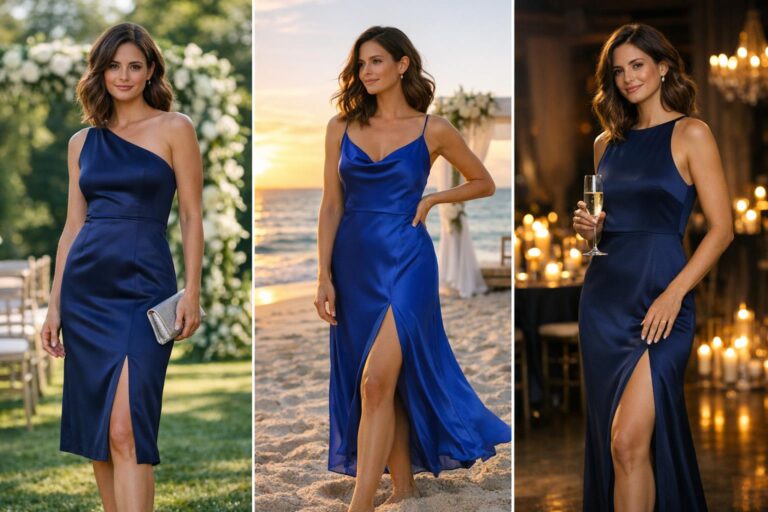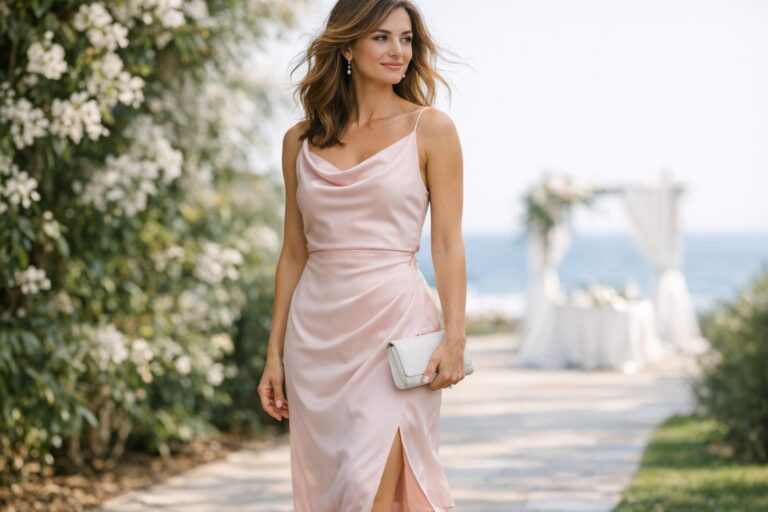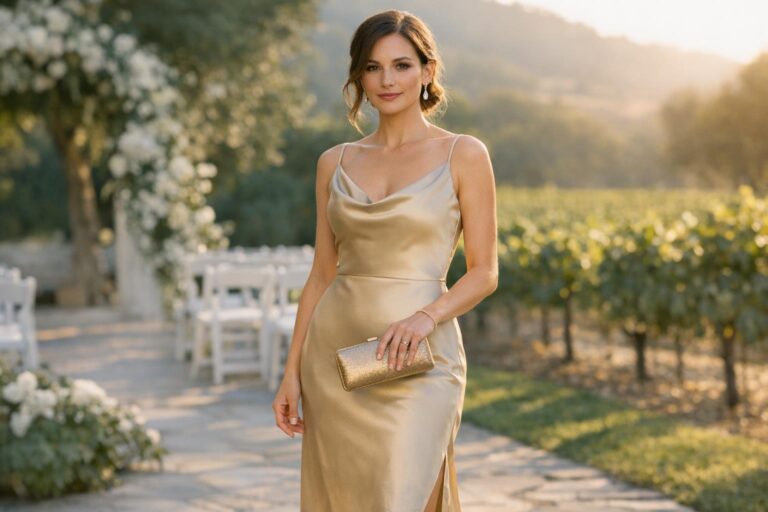
Red Dress Wedding Guest Style: Elegant, Not Overstated
Red dress wedding guest: a modern romantic statement, done with intention
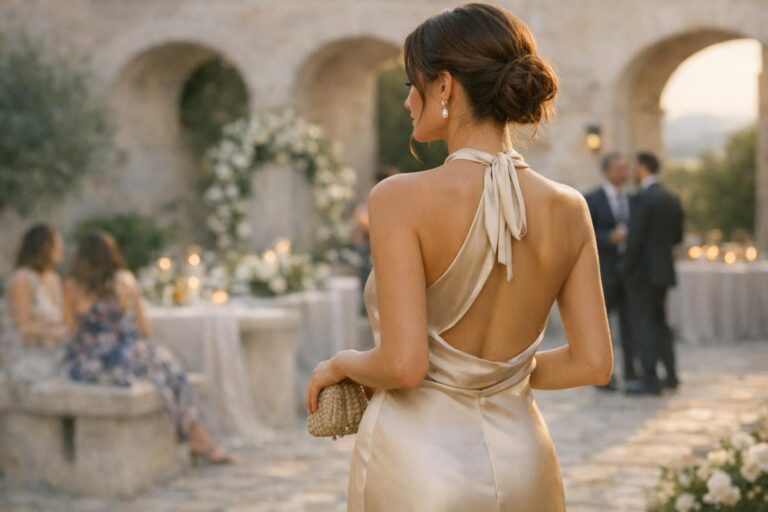
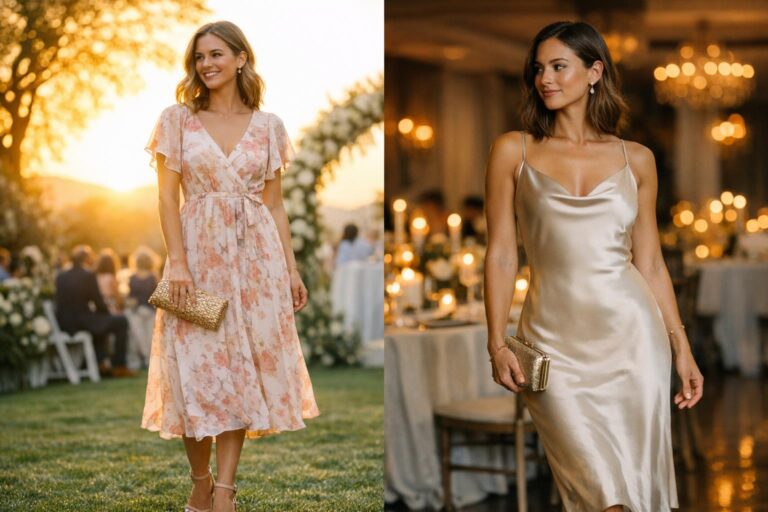
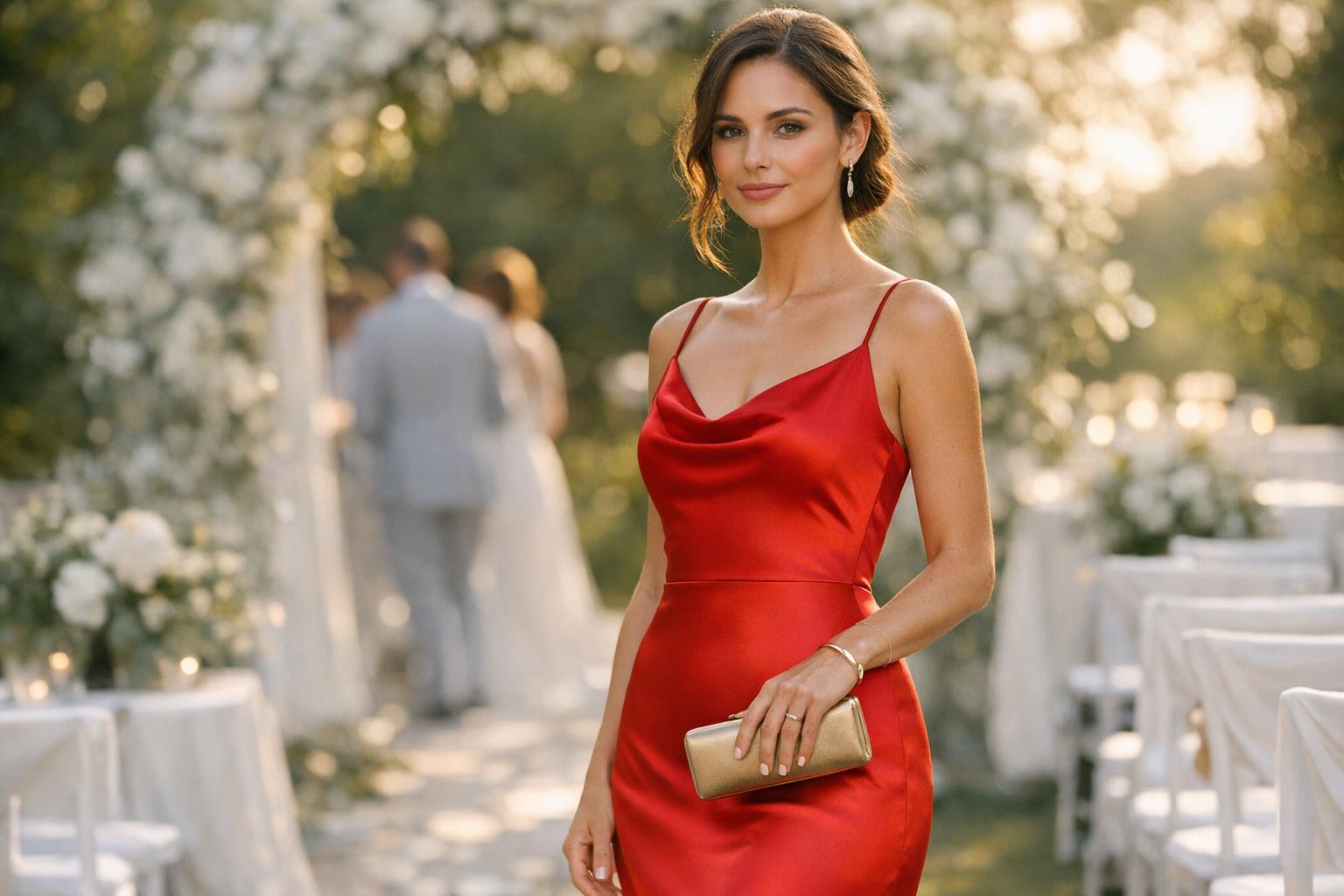
The moment you step into a ceremony space—sunlight spilling across a garden aisle, or candlelight warming a ballroom—red reads like a living color. It photographs vividly, it holds its own against florals and tailoring, and it can feel unapologetically celebratory. That’s exactly why a red dress wedding guest look is so captivating, and also why it deserves a thoughtful approach.
Red is not a neutral. It carries perception and symbolism, and in wedding settings those signals are amplified: by dress code, by cultural context, and by the bride’s own styling choices. The goal is never to dim your style—it’s to refine it, so the look feels elegant, respectful, and perfectly calibrated to the day.
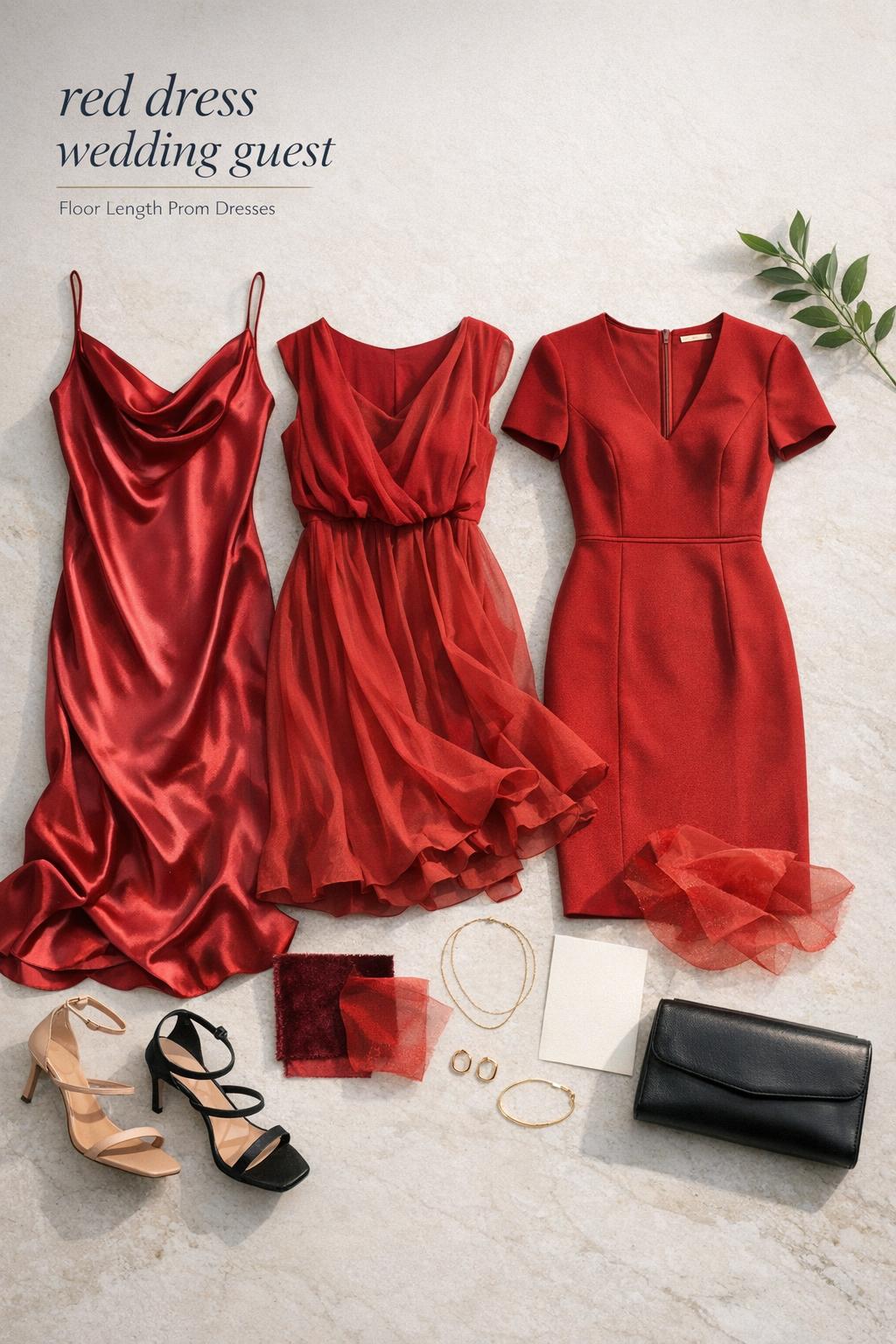
This guide is written like a wedding stylist’s mood board: a set of cohesive red wedding guest outfit interpretations that shift with venue, season, and formality. Along the way, you’ll find practical clarity on etiquette, a shade taxonomy that helps you choose between ruby and burgundy, and styling logic that makes red feel intentional rather than attention-seeking.
Understanding red at weddings: etiquette, traditions, and perception
Before choosing a silhouette or fabric, decide whether red is appropriate for this particular wedding. In U.S. wedding etiquette conversations, the “rules” around red tend to be less about hard bans and more about social context: how the color might be interpreted, whether it competes with key wedding visuals, and whether it aligns with the couple’s expectations.
Your wedding look is only the beginning.
Keep your guest list, vendors, timeline, and every important detail together with Zarellea — so your day feels as considered as your style.
Many guests love red because it feels festive, confident, and polished. The potential downside is that a vivid, high-impact red—especially in a glossy fabric or a dramatic long red dress—can pull focus in photos or feel overly bold at a subdued ceremony. That doesn’t mean you can’t wear it; it simply means your shade, neckline, and styling should respect the room.
Cultural context matters. Editorial wedding guidance increasingly emphasizes that red can have specific cultural meaning at weddings, and some traditions reserve red for the bride or bridal wardrobe moments. If the wedding includes international family or culturally specific attire expectations, treat red as a “check first” color. When in doubt, it’s reasonable to ask the couple or someone close to them about any color guidance, especially if you’re considering a saturated scarlet or a standout cowl neck dress in a sheen fabric.
A stylist’s quick litmus test before you commit to red
Think in terms of impact. A deep burgundy in velvet usually reads quieter than a bright crimson in satin; a midi silhouette often feels more cocktail-appropriate than a floor-length gown; and minimal accessories can keep the look chic rather than theatrical. Red works beautifully when it looks like you dressed for the celebration—not for the spotlight.
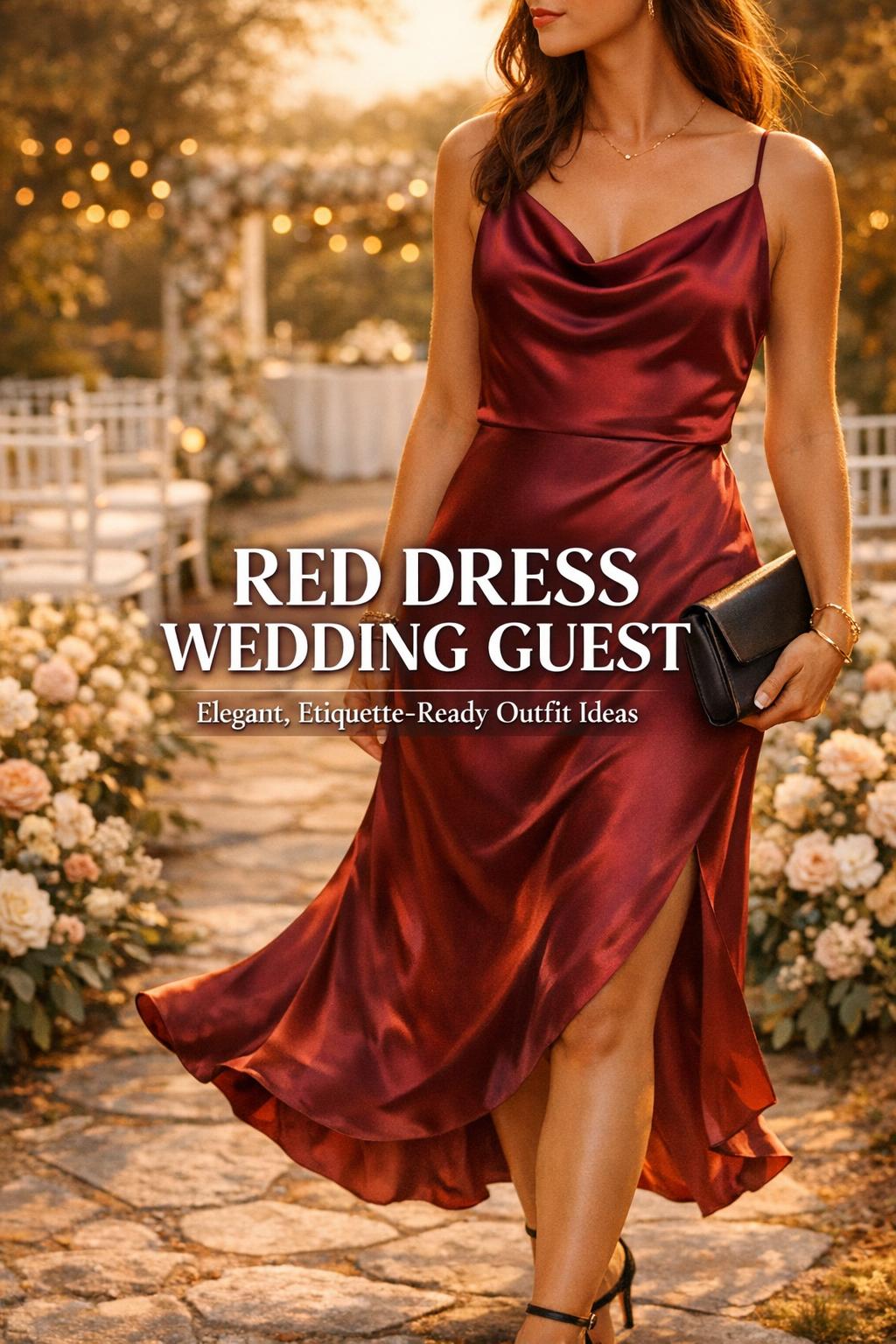
The red shade taxonomy: crimson vs burgundy vs ruby vs scarlet
Shopping pages often group everything into “red,” but wedding styling is more nuanced than that. Building a shade taxonomy helps you choose a tone that matches formality, lighting, and overall mood—without changing the core aesthetic of a red wedding guest outfit.
- Scarlet: the brightest, most immediately eye-catching red; best handled with simpler silhouettes and understated accessories when worn to weddings.
- Crimson: rich and saturated, often reading glamorous; works well for evening receptions and sleek silhouettes.
- Ruby: jewel-toned and polished, a classic “event red” that can feel both celebratory and elegant.
- Burgundy: deeper and moodier, often perceived as more formal and subtle; especially strong for fall and winter atmospheres and candlelit rooms.
Perception shifts with fabric, too. Satin and organza tend to intensify color and catch light; velvet deepens and softens it; chiffon often makes red feel airier and more romantic. If you’ve ever tried on two “red” dresses and felt like one looked editorial while the other looked loud, it’s usually the combination of shade and fabric finish—not just the color name.
Tip: let venue lighting choose your red
Golden-hour outdoor ceremonies can make warm reds glow; candlelit receptions can make brighter reds feel more intense. If you expect dim lighting, a ruby or burgundy often photographs with depth and looks sophisticated even in a simple silhouette. If you expect bright midday sun, consider a slightly softened red (or choose matte textures) so the look stays refined rather than visually overpowering.
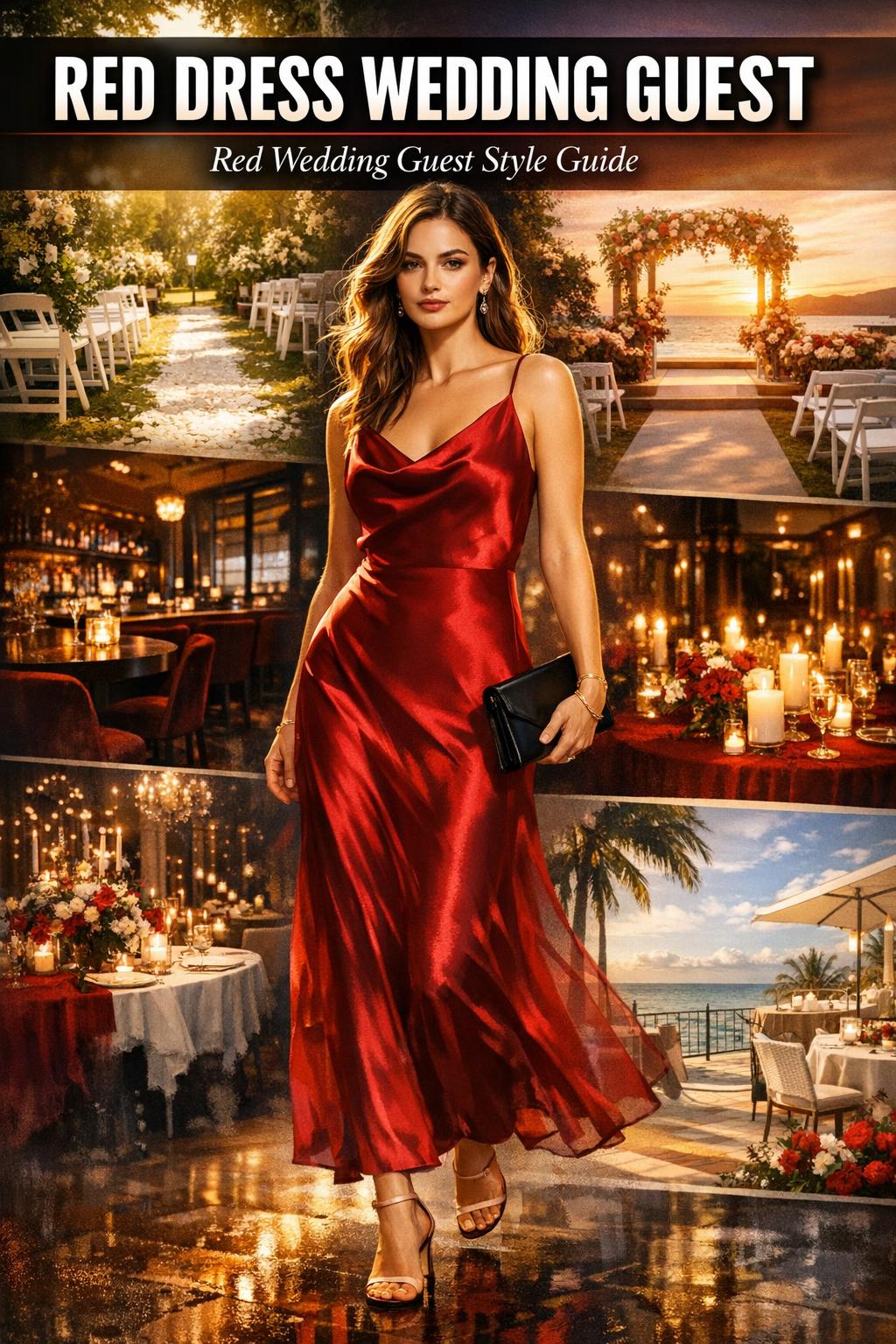
Choosing the right red for skin tone and undertone—without overthinking it
In real fittings, the easiest way to make red look expensive is to choose a shade that harmonizes with your undertone. That doesn’t require complicated color theory—just a clear comparison in natural light. Hold two reds up near your face: one slightly warm (orange-leaning), one slightly cool (blue-leaning). The shade that makes your skin look clearer and more even is the one that will feel effortless all day.
Hair color and makeup also shift the impression. A strong red lip with a saturated red dress can read fashion-forward, but at a wedding it may feel like “too much” depending on the dress code. If the dress is already high-impact—say, a crimson satin bodycon—softening makeup or choosing quieter jewelry can keep the look within wedding guest elegance.
Most importantly, comfort affects confidence. If you’re constantly adjusting a strapless neckline or tugging a hem during cocktail hour, even a perfect shade will feel less polished. A red dress wedding guest look should feel secure enough for long celebrations: hugs, photos, dancing, and that final sparkler exit.
Silhouette and length: translating dress code into a red moment
When guests ask “can you wear red to a wedding,” they’re often really asking: “Will this look feel appropriate in this room?” Silhouette and length answer that question as much as color does. The same ruby tone can read minimalist and modern in a slip silhouette, or dramatic and formal in a structured gown.
For cocktail dress codes, midi lengths and clean shapes are dependable: a red midi dress wedding guest look has enough presence to feel special, without the sweeping drama of a gown. For formal or black-tie-leaning receptions, a long red dress becomes more natural—especially when the fabric and cut are refined rather than overly revealing.
- Maxi: often the easiest way to look formal; ideal when the invitation leans elevated.
- Midi: a modern sweet spot for cocktail and semi-formal; elegant, comfortable, and photogenic.
- Bodycon: can be stunning, but benefits from balance—richer fabrics, restrained accessories, and careful attention to venue and cultural context.
If you’re drawn to the “floor length prom dresses” energy—full-length, dramatic, undeniably special—translate it into wedding guest polish by choosing a refined fabric and a less costume-like finish. A floor-length silhouette can absolutely be correct for weddings, especially when the dress code supports it, but it should feel like formalwear, not stagewear.
Tip: decide your hemline based on the ground you’ll walk on
Garden lawns, vineyards, and outdoor paths are not friendly to overly long hems. If you want the romance of a long red dress outdoors, prioritize a hem that clears the ground with your chosen shoes. For indoor ballrooms, a longer hem is easier to manage—especially with candlelit ambience where the movement of fabric becomes part of the look.
Look: candlelit ballroom glamour in ruby satin
This is red at its most classic and cinematic: a jewel-toned ruby that glows under reception lighting, paired with a clean, elongated silhouette that reads formal without feeling heavy. The mood is confident but controlled—like you knew exactly what the room required.
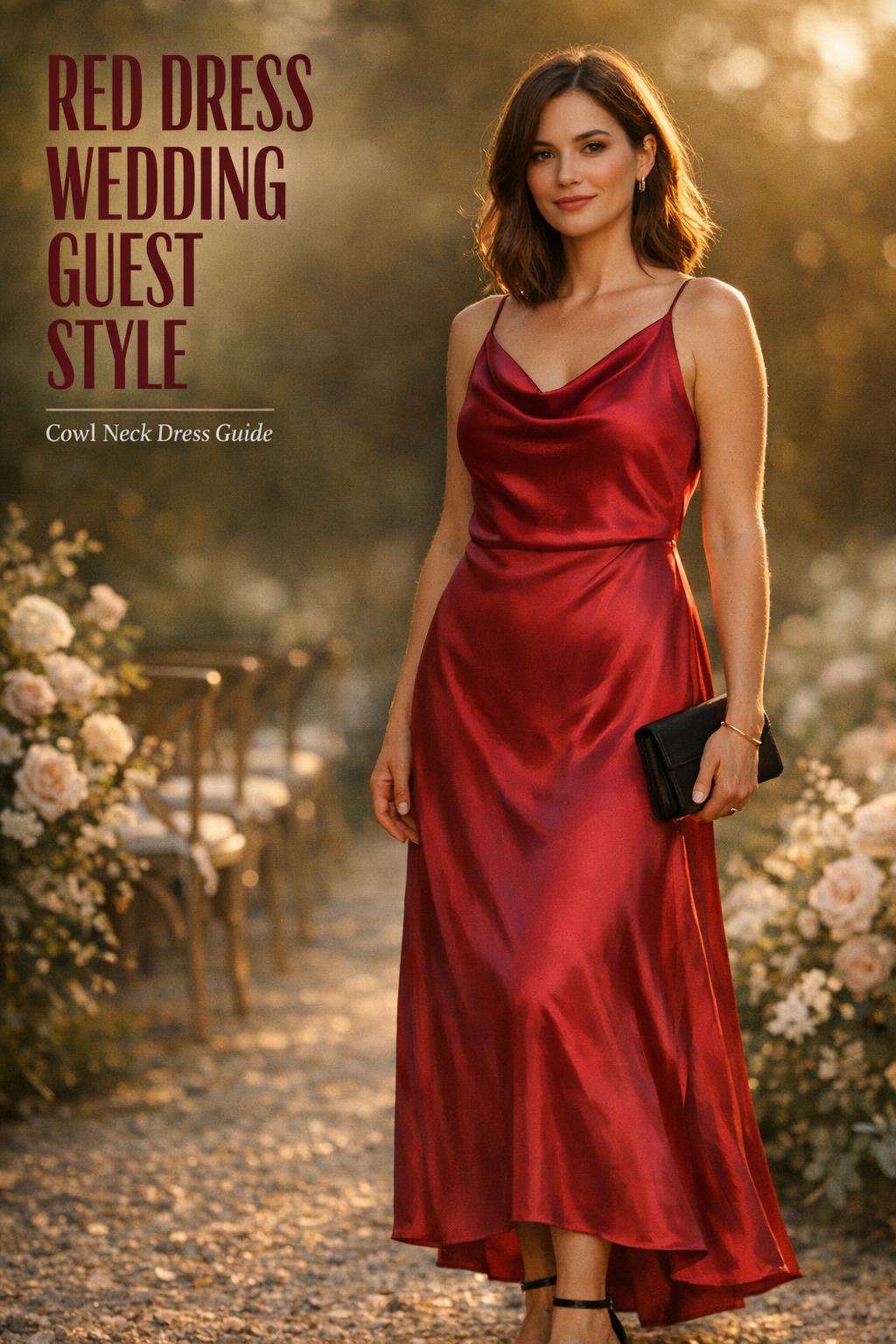
Choose satin for its light-catching finish, but keep the design streamlined: a slip-inspired shape, a subtle drape, or a cowl neck dress that looks intentional rather than trendy. Accessories should feel like punctuation, not competition—think a restrained shoe and jewelry that doesn’t fight the color.
- Key garments: ruby satin maxi or long red dress with a refined neckline (including a cowl neck option)
- Footwear: minimal evening heels appropriate for formal interiors
- Accessories: sleek clutch; delicate jewelry that complements red’s saturation
The styling insight: satin already provides drama through shine. Let the fabric do the work, and keep the rest clean so the look feels wedding-appropriate rather than performance-coded.
Look: golden-hour garden romance in softened crimson chiffon
For a garden ceremony, red can be romantic rather than bold—especially when the silhouette moves gently in the breeze. The visual story here is lightness: a softened crimson that reads joyful, with a floaty line that complements florals instead of overpowering them.
Chiffon is a natural partner for this mood because it diffuses color and adds softness. A midi length often feels ideal outdoors: elegant for photos, manageable for grass, and comfortable through a long day that moves from ceremony to cocktails. If you prefer a maxi, look for airy movement rather than heavy structure.
The styling insight: in bright natural light, a sheer or lightweight fabric makes red feel less “loud.” It’s one of the simplest ways to wear a red wedding guest outfit with ease at daytime celebrations.
Look: modern city cocktail in a structured red midi
A city wedding often rewards clean lines—think architectural venues, crisp invitations, and a dress code that leans cocktail with a polished edge. Red fits beautifully here when it’s tailored: not fussy, not overly romantic, just sharply elegant.
A structured red midi dress wedding guest silhouette feels intentional and versatile. Fabrics with a bit of body—rather than ultra-shiny finishes—can keep the color sophisticated. This is also where minimal styling shines: a refined bag, thoughtful shoes, and jewelry that reads modern rather than ornate.
The styling insight: when the silhouette is tailored, red reads like a confident style choice rather than a dramatic statement. It’s a strong formula for guests who want impact without feeling overdone.
Look: velvet burgundy elegance for a winter reception
In winter, red becomes deeper, quieter, more atmospheric—especially in velvet. Burgundy feels like a formal nod to the season, and velvet’s texture brings richness that looks elevated in candlelight and evening photography.
Let the dress be the texture story: velvet in a midi or maxi length, with a neckline that feels secure and refined. Burgundy can support slightly more jewelry than bright reds because the color is less visually loud, but keep the finish cohesive—if the dress is plush, lean into smooth accessories rather than overly intricate ones.
The styling insight: velvet is a comfort play as much as it is a visual choice. For long celebrations, it can feel warm and substantial—an understated way to look dressed up without fussing all night.
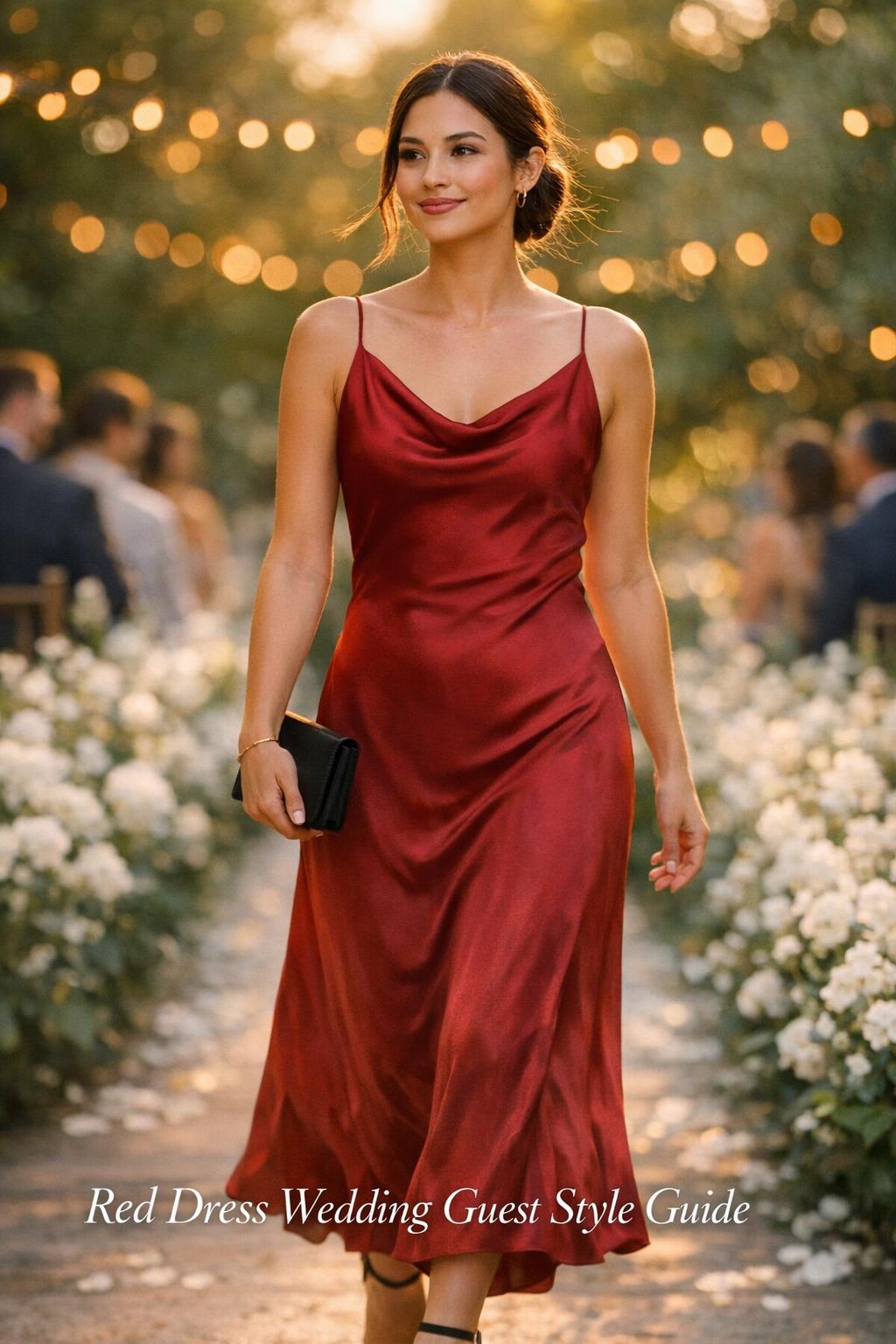
Look: destination wedding ease in red organza with controlled volume
Destination settings—whether coastal or simply far from home—ask for a dress that holds its beauty through travel, movement, and changing light. A red that feels celebratory can be perfect here, but the silhouette should still respect the occasion and the environment.
Organza brings a light, slightly structured feel and can look striking in photos. The key is “controlled volume”: a shape that feels airy, not overwhelming. If your setting is breezy, avoid anything that requires constant adjusting, and keep hemlines practical for walking between ceremony and reception locations.
The styling insight: destination weddings often include multiple photo moments. A fabric like organza creates movement and dimension, which makes red feel editorial—without relying on heavy embellishment.
Style tip interlude: how to keep red from feeling “too much”
Red becomes instantly more wedding-appropriate when one element is intentionally restrained. If the dress is bright, keep the accessories quiet. If the silhouette is dramatic, choose a deeper shade like burgundy. If the fabric shines, skip competing sparkle. These are not rules meant to limit you—they’re balancing tools stylists use to keep a statement color elegant.
- If your red is scarlet, choose a simpler silhouette and fewer accessories.
- If your dress is satin, keep jewelry sleek so shine doesn’t stack.
- If you want a bodycon cut, consider crimson or burgundy for a more formal impression.
- If you’re wearing a cowl neck dress, let the neckline be the focal point and keep hair and earrings streamlined.
When guests worry about “standing out,” it’s usually not the color alone—it’s the combination of color, shine, and skin exposure. Adjust one lever, and the entire look shifts into a more refined register.
Accessories that complement red: jewelry, shoes, and the finishing palette
Accessories determine whether red reads romantic, modern, or dramatic. The strongest red styling is cohesive: shoes, jewelry, and bag should feel like they belong to the same visual story as the dress, not like separate ideas layered on top of it.
Use the dress as your anchor. A ruby satin slip can carry sleek, minimal accessories; a burgundy velvet midi can support slightly richer accents. With brighter reds, restraint looks expensive—clean shapes, thoughtful proportions, and a consistent finish. With deeper reds, texture becomes the star, so avoid overly busy accessories that compete.
Tip: match accessory “intensity” to shade and fabric
If your dress is high-intensity (scarlet, shiny satin, or a dramatic long red dress), keep accessories lower-intensity (simple jewelry, streamlined shoes). If your dress is lower-intensity (burgundy, velvet, matte finishes), you can raise the accessory intensity slightly without losing the wedding guest balance.
Fabric and comfort: choosing materials for long celebrations
A wedding day for guests is a marathon: sitting through the ceremony, moving through cocktail hour, taking photos, then dancing at the reception. Fabric is not just a fashion choice; it’s a comfort strategy. Many red wedding guest dresses look similar on a hanger, but feel wildly different after four hours.
- Satin: luminous and formal-feeling; can read especially dramatic in bright reds, and often shines in evening lighting.
- Chiffon: airy and romantic; softens red and moves beautifully, especially for garden or daytime weddings.
- Velvet: rich and seasonal; deepens reds like burgundy and suits cooler-weather receptions.
- Organza: light structure and dimension; strong for fashion-forward silhouettes that still feel refined.
Comfort is also about function: secure straps, manageable hems, and a fit that allows you to sit and dance without constant adjustments. When red is the statement, the construction should be the quiet support—so you can enjoy the celebration rather than manage your outfit.
Where to shop: brand and retailer signals without losing your personal style
Shopping for red wedding guest dresses usually falls into two paths: editorial inspiration and catalog browsing. Editorial features often highlight designer moments—such as celebrity styling tied to brands like Cult Gaia or For Love & Lemons—while retailer collections make it easy to compare silhouettes, fabrics, and price points in one place.
If you want variety and quick comparison, browsing a dedicated “red wedding guest dresses” edit at retailers like Lulus, Windsor, VowSatin, Couture Candy, or Adrianna Papell can help you filter by length (midi vs maxi), silhouette (bodycon vs flowy), and material cues (satin, velvet, organza). Retail-focused pages typically shine for practicality: lots of options, clear categories, and a straightforward path to a complete red wedding guest outfit.
If you’re starting with etiquette questions—especially around cultural context—guidance-led fashion content like Azazie’s wedding etiquette perspective can help you decide whether red is appropriate before you even begin shopping. The smartest approach is often a blend: start with etiquette, move into shade selection, then shop with clear filters so you’re not tempted by a dress that’s beautiful but mismatched to the wedding’s tone.
How to vet a red dress quickly (especially online)
Because red is unforgiving in photos, look closely at fabric descriptors and silhouette details. A glossy finish will amplify brightness; a matte or textured fabric will soften it. Pay attention to neckline and support—cowl neck styles can be elegant, but only when the drape feels secure. And if you’re choosing a long red dress, ensure the hemline and movement suit the venue you’ll walk through.
Celebrity inspiration, translated for weddings: Selena Gomez and Blake Lively as style cues
Celebrity red dresses are often what push guests to consider the color in the first place: the confidence of the shade, the sleekness of the styling, the way the look reads instantly “event-ready.” In wedding guest terms, the key is translation—taking the mood without copying the drama.
Selena Gomez’s red dress moment—often framed as a wedding guest-ready inspiration and linked with brands like Cult Gaia in fashion coverage—captures a modern, sculptural approach to red: clean silhouette, purposeful styling, and a look that holds attention through shape rather than excess embellishment. That’s a strong template for formal weddings: let structure and drape create elegance.
Blake Lively’s red dress styling—covered in a party context—leans into the idea of red as a statement color supported by strong accessories. For weddings, borrow the principle but soften the execution: keep the accessories cohesive and the overall effect respectful of the couple’s spotlight. It’s less about copying a headline look and more about understanding how a red dress becomes polished through proportion and restraint.
Common missteps with red wedding guest outfits (and how to correct them)
Red tends to magnify small styling misalignments. A dress that feels just slightly too tight, too shiny, or too revealing can look more extreme in red than it would in another color. The fix is rarely “don’t wear red.” It’s usually a matter of recalibrating one element so the look reads celebratory and appropriate.
- Misstep: overly bright shade for a conservative setting. Correction: choose ruby or burgundy, or soften impact with chiffon instead of satin.
- Misstep: high shine plus high exposure. Correction: keep one dramatic element—either sheen or skin—so the look stays refined.
- Misstep: floor-length drama for an informal dress code. Correction: move to a midi, or choose a simpler maxi without heavy embellishment.
- Misstep: accessories that compete. Correction: let the red be the focal point; keep jewelry and bag clean and cohesive.
When in doubt, edit. Wedding guest styling is about elegance under pressure: long timelines, changing light, and constant photos. Red can thrive in that environment, but it needs the calm confidence of good choices.
How to recreate the aesthetic: a red dress decision tree you can use before you shop
Red feels easiest when you make a few decisions in order. Start with the social context (dress code and cultural expectations), then choose a shade based on venue lighting, then finalize silhouette and fabric for comfort. This prevents the common trap of buying a beautiful dress that doesn’t match the wedding’s tone.
Step 1: interpret the invitation and the room
If the wedding leans formal, a long red dress in ruby, crimson, or burgundy can look intentional. If the wedding is cocktail, a red midi is often the safest “high style, low risk” choice. If you’re unsure about cultural traditions, treat bright reds like scarlet as a question to clarify rather than an automatic yes.
Step 2: choose shade + fabric as a pair
Think of shade and fabric as one combined signal. Scarlet satin is high-impact; burgundy velvet is moody and formal; ruby satin is classic evening glamour; crimson chiffon feels romantic and softened. Once you decide the signal you want, shopping becomes dramatically simpler.
Step 3: pick silhouette that supports the event—and your comfort
Maxi, midi, bodycon: each can work, but the most successful wedding guest looks prioritize secure fit, ease of movement, and a hemline that makes sense for the venue. If you’re drawn to floor length prom dresses, keep the finish wedding-appropriate: refined drape, elegant fabric, and styling that doesn’t tip into costume.
Etiquette cheatsheet: quick rules for wearing red to a wedding
Red doesn’t need to be stressful. A few simple guardrails make it easy to wear confidently and respectfully across venues and dress codes.
- Check the dress code first; let it guide length and level of drama.
- Consider cultural context; in some traditions, red may be bride-coded.
- Match the shade to the setting: brighter reds for lively evenings, deeper reds for formal or winter atmospheres, softened reds for daytime gardens.
- Balance one statement at a time: color, shine, silhouette, or accessories—choose your focal point.
- Prioritize comfort and secure fit for a long timeline of photos, sitting, and dancing.
If you follow one principle, let it be this: the best red wedding guest outfit looks like it belongs to the celebration’s aesthetic—romantic, elegant, and thoughtfully edited.
Key pieces that make red feel elevated (even in simple silhouettes)
Red is inherently expressive; you don’t need excessive detail for it to feel special. A few intentional elements can make even a minimal dress look styled, formal, and complete.
- A purposeful neckline: a clean cowl neck dress drape, a refined V, or a structured strap detail that reads secure and elegant.
- Texture that supports the mood: velvet for winter richness, chiffon for garden softness, satin for evening glow, organza for dimension.
- A wedding-aware hemline: midi for cocktail ease, maxi for formal polish, with practicality for outdoor terrain.
- Accessories with restraint: a cohesive bag and jewelry story that doesn’t compete with the color.
These pieces aren’t about trends; they’re about making the color look intentional. That’s the difference between “I wore red” and “I styled red.”
Closing thoughts: why red works when it’s styled like a guest, not a headline
Red is one of the most memorable colors you can wear to a wedding, which is exactly why it’s worth approaching with nuance. When you choose a shade that suits the lighting, a silhouette that matches the dress code, and styling that respects cultural context, a red dress becomes pure celebration—romantic in a garden, glamorous in a ballroom, modern in the city. Start with intention, edit with restraint, and you’ll end up with a look that feels unmistakably you while still honoring the day.
FAQ
Can you wear a red dress to a wedding as a guest?
Yes, a red dress can be appropriate for a wedding guest, but it depends on dress code, the wedding’s overall tone, and cultural context; choosing the right shade, fabric, and silhouette helps red feel celebratory and respectful rather than overly attention-grabbing.
Is red considered disrespectful at weddings?
Red isn’t automatically disrespectful, but it can carry strong social and cultural signals; in some traditions red may be bride-coded, so it’s wise to consider cultural expectations and, when uncertain, ask the couple or someone close to them before wearing a very bright red.
Which shade of red is safest for a wedding guest dress?
Deeper or jewel-toned reds like ruby and burgundy are often the easiest to wear at weddings because they tend to look polished and photograph with depth, while brighter reds like scarlet can feel more intense and usually require simpler styling to stay balanced.
Can I wear a long red dress to a formal wedding?
A long red dress can suit a formal wedding, especially in refined fabrics such as satin or velvet and in elegant shades like ruby, crimson, or burgundy; keep the overall styling controlled so the look reads formal and guest-appropriate rather than overly dramatic.
Is a red midi dress appropriate for cocktail attire?
Yes, a red midi dress is a strong choice for cocktail attire because it looks polished without the full drama of a gown; selecting a wedding-appropriate neckline and keeping accessories cohesive helps the color feel chic and intentional.
How do I style a cowl neck dress in red for a wedding?
Let the cowl drape be the focal point by keeping jewelry streamlined and avoiding competing detail; a cowl neck dress looks especially elegant in satin for evening receptions, and it benefits from a secure fit so the neckline stays refined throughout the event.
What fabrics work best for red wedding guest dresses?
Satin creates a luminous, formal look; chiffon softens red for romantic daytime settings; velvet deepens shades like burgundy for winter receptions; and organza adds light structure and dimension, which can feel fashion-forward while still appropriate when the silhouette is controlled.
Where can I shop for red wedding guest dresses?
You’ll find dedicated red wedding guest dress selections at retailers and brands such as Lulus, Windsor, VowSatin, Couture Candy, and Adrianna Papell, while guidance-led resources like Azazie can help you think through etiquette and styling before you buy.