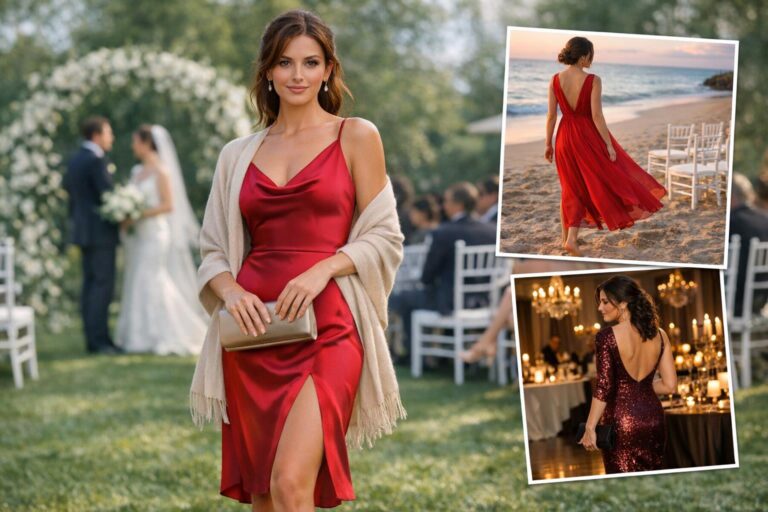
Black Formal Wedding Guest Dress: Polished, Not Too Serious
The black formal wedding guest dress dilemma: elegant, appropriate, and not accidentally “too much”
The invitation says formal, the venue looks candlelit, and the photos will live on long after the last dance. Yet choosing a black formal wedding guest dress can feel like walking a stylist’s tightrope: black is timeless and undeniably chic, but weddings come with etiquette, mood, and a very specific kind of polish.
The challenge usually isn’t finding a black dress you love—it’s finding one that reads celebratory (not corporate), elevated (not nightlife), and comfortable enough for a full ceremony-to-reception timeline. Add in dress-code language like “black tie,” the reality of weather, and the unknowns of travel and venue surfaces, and it’s easy to second-guess every detail of your guest attire.
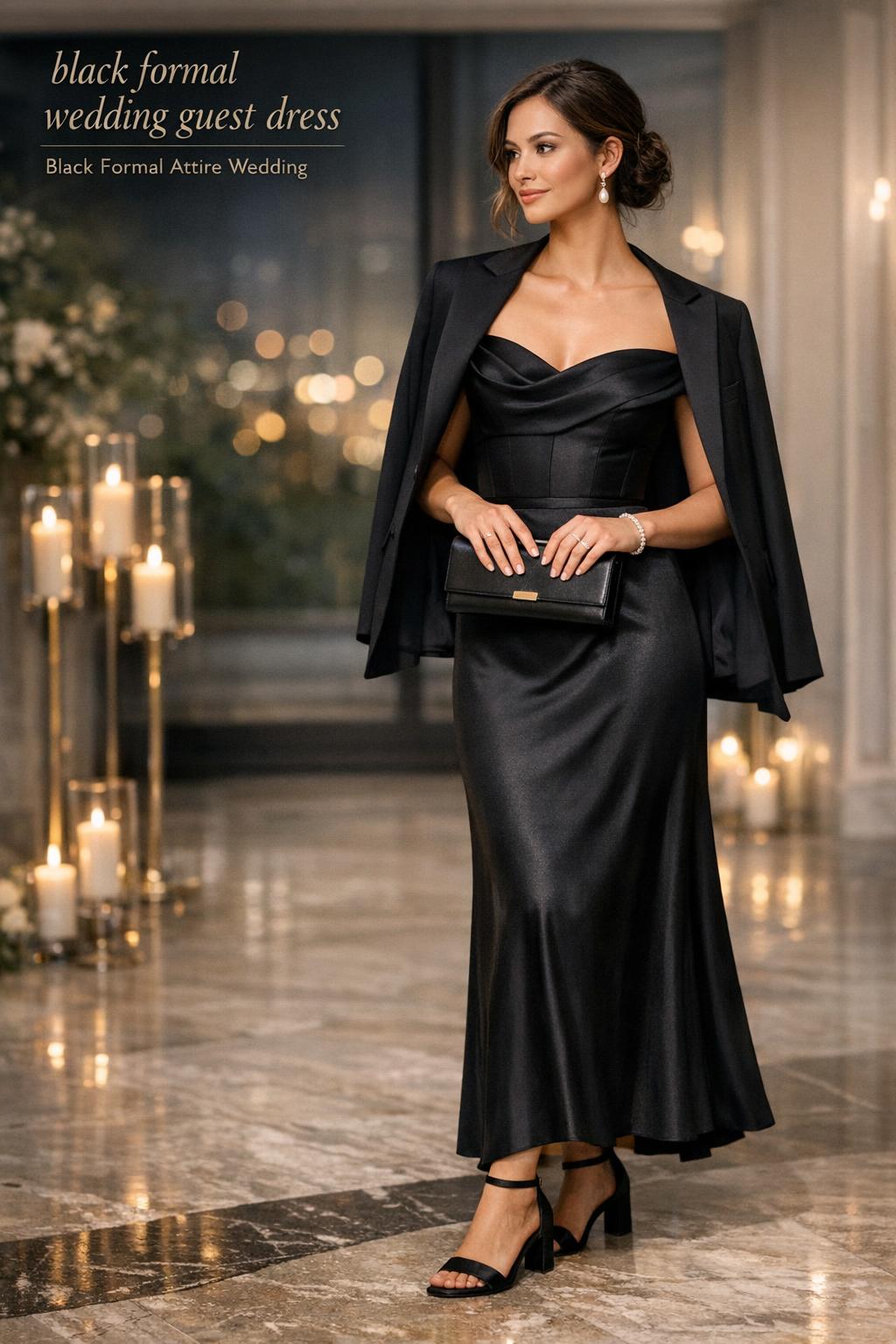
This guide is designed as a problem-solving fashion edit: clear principles, scene-setting outfit solutions, and the small styling decisions that separate “a black dress” from black formal wedding attire that feels wedding-right in every photo and every moment.
Understanding the styling challenge for formal wedding guests in black
Black is often the most dependable color in a closet, which is exactly why it can cause the most doubt at a wedding. For formal wedding guests, black needs to communicate intention: an evening-appropriate silhouette, refined fabric choice, and accessories that signal celebration. When those signals are missing, the look can drift toward office-ready or after-hours.
Your wedding look is only the beginning.
Keep your guest list, vendors, timeline, and every important detail together with Zarellea — so your day feels as considered as your style.
Practical factors complicate things further. Outdoor ceremonies bring temperature swings and uneven ground; indoor ballrooms bring warm rooms, long seated dinners, and high-contrast lighting that can make flat black fabrics photograph harshly. Comfort matters, too: a formal dress that restricts movement will feel like a compromise by the time you reach the dance floor.
The goal is not simply “wear black.” The goal is to choose black formal attire wedding guests can wear confidently—honoring the couple’s dress code while staying comfortable, polished, and unmistakably festive.
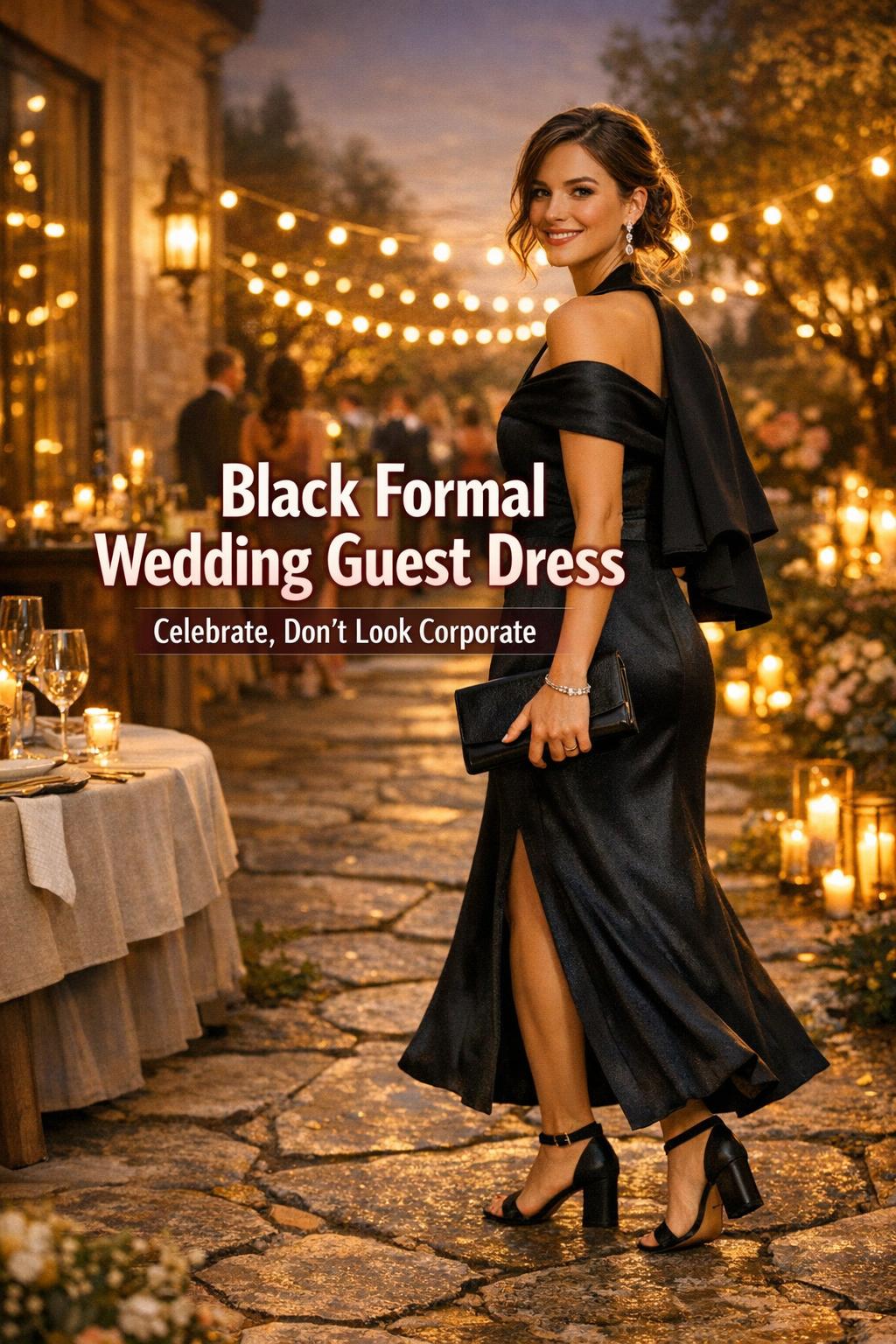
Key dressing principles that make black feel wedding-appropriate
Start with the dress code, then translate it into silhouette
Dress codes are less about strict rules and more about the visual “volume” of formality. For black tie wedding guests, that volume typically means longer lengths, more structure, and elevated finishing—details that look intentional in evening light. For formal (but not black tie), you have a wider range: a refined midi or full-length gown can both work, as long as the overall effect reads dressed up.
Let fabric do the heavy lifting
In black, fabric choice is the difference between subdued and spectacular. A black formal wedding attire moment usually comes from materials that catch light softly or hold shape cleanly. If the fabric looks matte and thin, black can skew casual; if it has depth—through drape, texture, or a subtle sheen—it instantly feels more ceremonial.
Balance coverage with a single point of romance
A useful styling logic for a black formal wedding guest dress is “one focal point.” That could be an open back, an off-the-shoulder neckline, a slit, or sculpted sleeves. Keeping the rest of the silhouette clean prevents the look from veering into partywear while still feeling special for a wedding setting.
Plan for real wedding movement: sitting, standing, walking, dancing
A formal look should feel as good at the dinner table as it does during the reception. Before committing, think through the full timeline: Will the fabric crease heavily? Will the neckline shift when you hug someone? Can you walk across grass or cobblestones without constantly lifting the hem? Practicality is not the enemy of elegance—it’s what makes elegance sustainable for a long event.
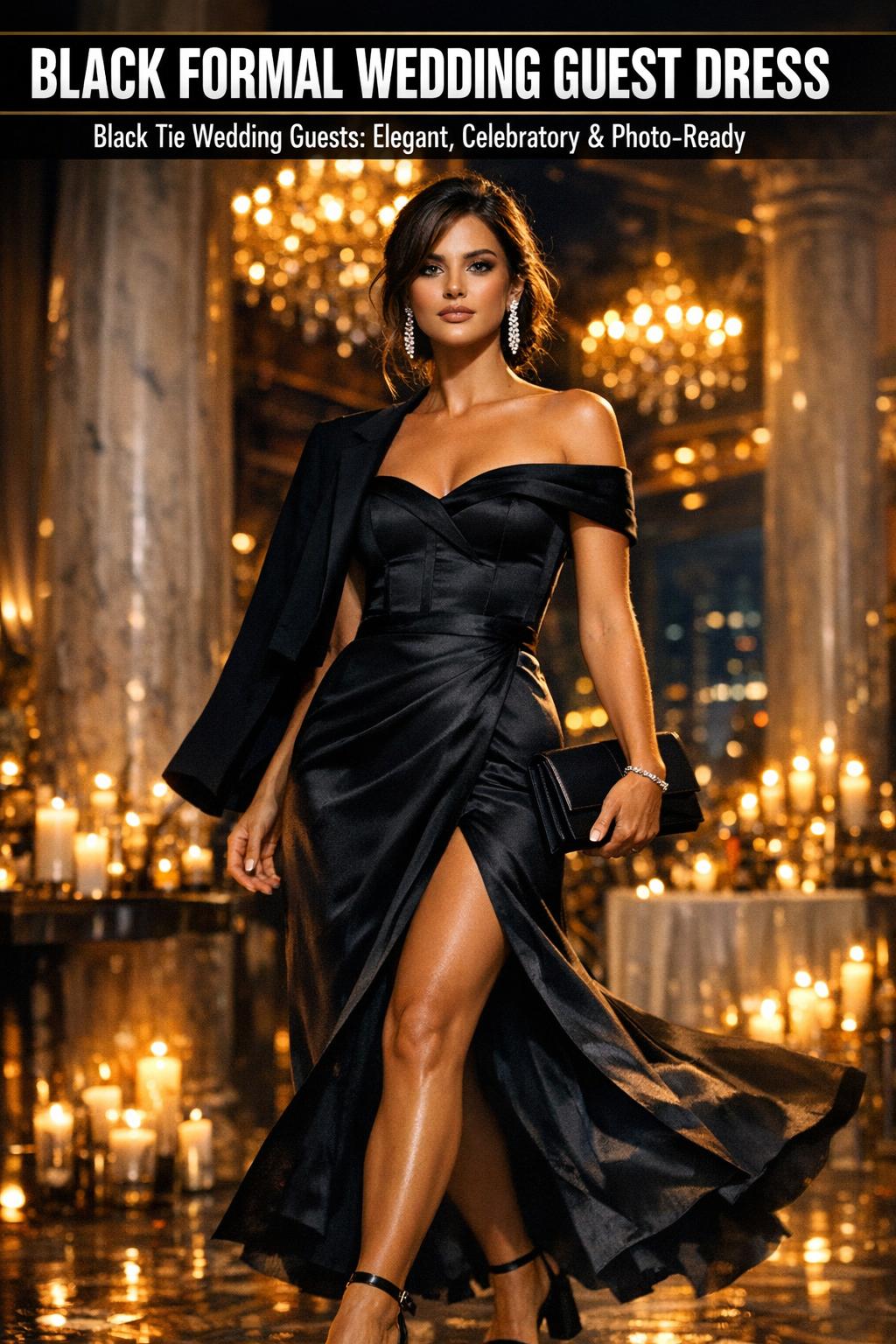
Outfit solutions: black formal attire wedding looks built for real venues
Outfit solution: black tie wedding guests—floor-length, fluid, and unmistakably evening
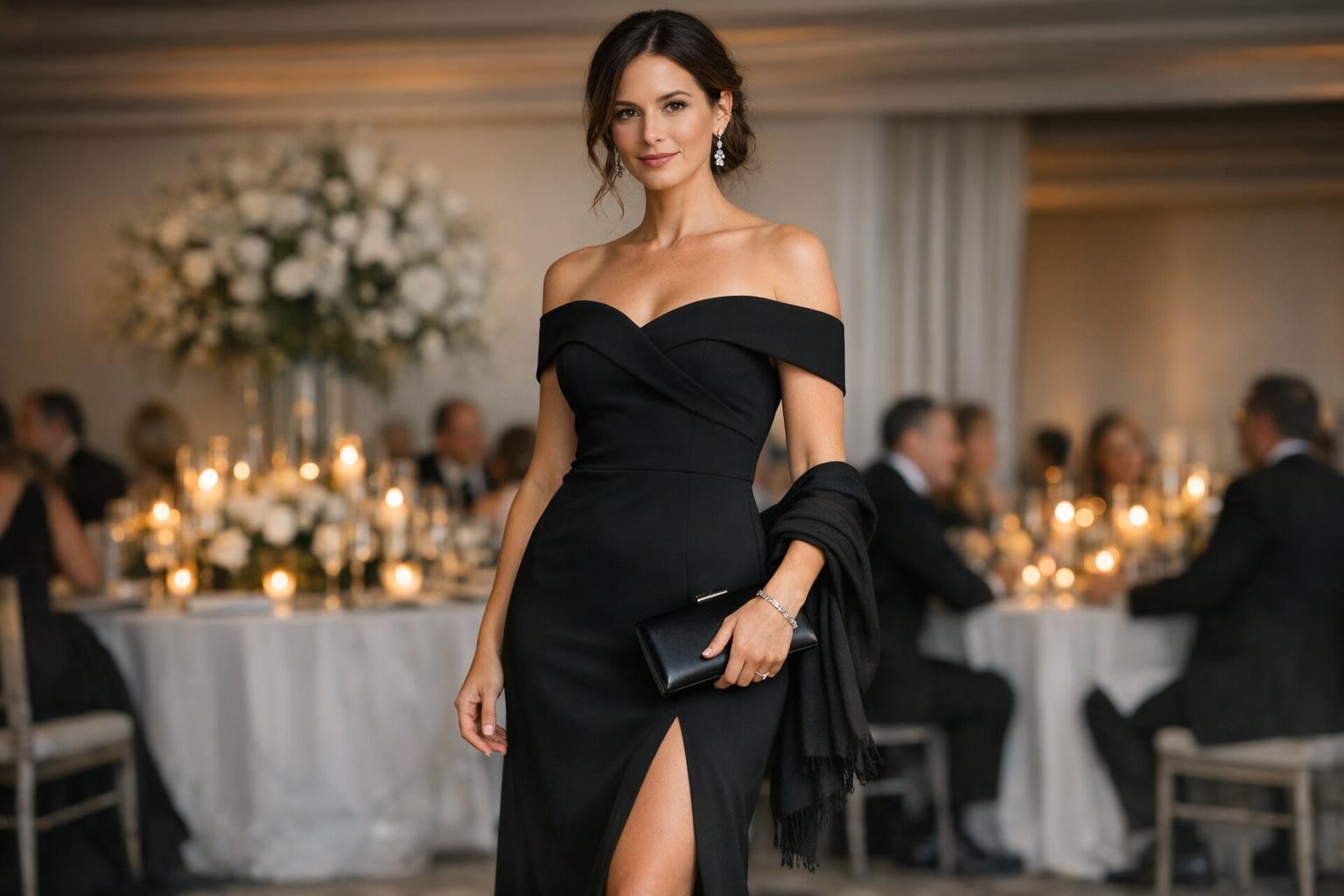
For a true black tie wedding, lean into a long black gown with clean lines and a refined finish. The most foolproof route is a silhouette that skims rather than clings—elegant in photos, forgiving through dinner, and comfortable on the dance floor. Keep the neckline classic, then choose one modern element (a low back, a sleek slit, or architectural sleeves) to make it feel current without feeling loud.
Why this works: black tie wedding guests are expected to meet the room’s level of formality. A floor-length silhouette instantly communicates dress-code fluency, while a single focal detail keeps the look wedding-appropriate rather than “night out.”
- Key pieces: floor-length black gown, streamlined evening clutch, refined jewelry, stable heels
- Best settings: candlelit ballroom, formal hotel reception, black tie evening ceremony
- Comfort cue: prioritize ease through the hips and a secure neckline you won’t adjust all night
Outfit solution: formal wedding guests—polished midi with elevated accessories
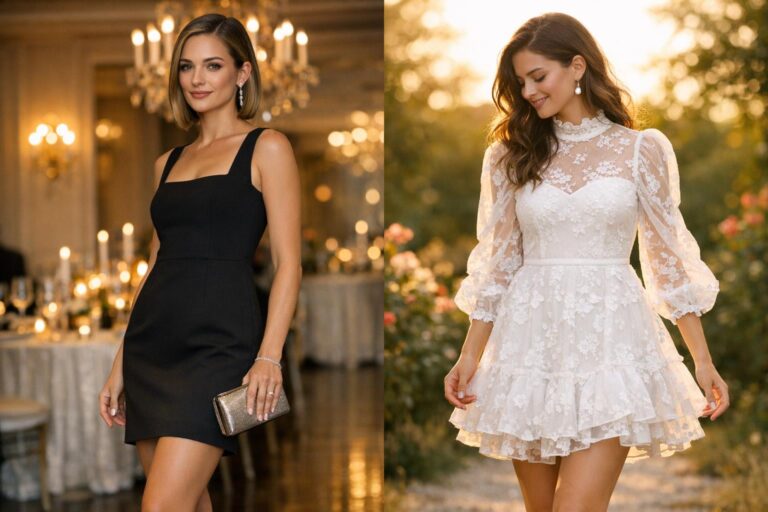
If the invitation says formal (without specifying black tie), a black midi dress can be your most versatile choice—especially when the fabric has movement and the hemline feels intentionally “occasion.” Think a fluid skirt, a refined neckline, and a tailored waist that defines shape without restricting your breath during a long ceremony.
Why this works: a midi keeps you comfortable and mobile while still reading elevated, and it’s easy to scale up with accessories. This is often the sweet spot for formal wedding guests who want sophistication without the full commitment of a gown.
- Key pieces: black midi dress with drape or structure, statement earrings or a bold cuff, dressy sandals or classic pumps
- Best settings: city ceremony, museum venue, evening reception that starts late afternoon
- Comfort cue: look for a hem that won’t tangle at your calves while walking or dancing
Outfit solution: garden ceremony to candlelit reception—romantic black with breathable ease
A garden wedding can be the most deceptive setting for black formal wedding attire: the atmosphere is soft, the light is natural, and the temperature can change quickly. Choose a black dress that feels airy in motion—lightweight and breathable—then add formality through finishing touches like a structured bag and elegant jewelry rather than heavy layers.
Why this works: the dress stays comfortable outdoors, while the styling signals “formal” once you step into a more polished reception space. The look feels romantic against florals and greenery, especially when the silhouette moves with the breeze rather than fighting it.
- Key pieces: flowing black midi or gown, a refined wrap or light layer for later, a heel designed for grass-friendly stability
- Best settings: garden, vineyard-style outdoor ceremony, tented reception
- Comfort cue: prioritize breathable construction and a bodice that won’t overheat in late sun
Outfit solution: destination wedding packing—one dress, multiple moods
For destination weddings, your black formal wedding guest dress needs to perform like a capsule-wardrobe hero. The smartest choice is a black dress that can shift from ceremony to reception with accessory swaps: a clean neckline that works with different jewelry, a hem that travels well, and fabric that resists wrinkles so you aren’t fighting your suitcase.
Why this works: you minimize packing stress while staying dress-code correct. Destination celebrations often involve multiple events, and black can be re-styled without looking repetitive—especially when you vary texture through accessories.
- Key pieces: packable black dress, a second pair of shoes (flats or low heel), a “ceremony” accessory and a “reception” accessory
- Best settings: travel-heavy weekends, multi-event itineraries, hotel-based celebrations
- Comfort cue: choose a dress you can sit in for long dinners and wear for hours without pinching
Outfit solution: cool-weather formal—sleek layering that stays elegant
Cold-weather weddings are where many black dresses stumble: the moment you add an outer layer, the look can lose its line. The solution is to keep your dress silhouette clean and your layering equally intentional—think a tailored topper that matches the formality of the event rather than a bulky, casual piece.
Why this works: black already creates a long visual line; refined layering preserves that elegance while keeping you warm during outdoor photos or a chilly walk between spaces.
- Key pieces: long-sleeve black dress or sleeveless dress with a structured outer layer, closed-toe heels if weather demands, a small evening bag
- Best settings: winter ceremonies, mountain venues, drafty historic spaces
- Comfort cue: ensure you can lift your arms and move freely even with an added layer
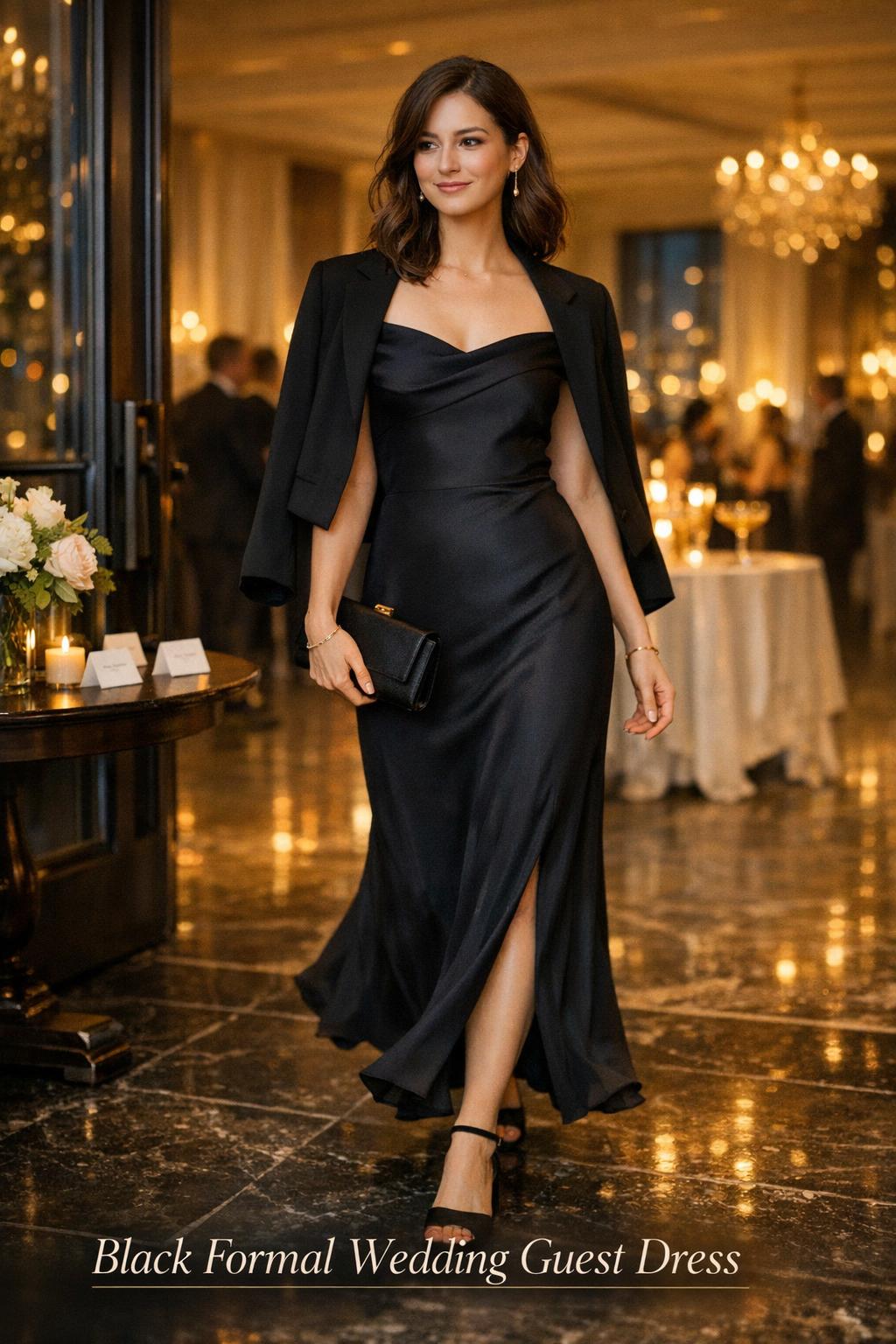
Accessory strategy: how to make black formal wedding attire feel celebratory
Accessories are where black becomes “wedding guest” rather than simply “black dress.” The goal is to add light, dimension, and occasion energy—especially under reception lighting, where all-black can read flat if the textures are too similar.
Jewelry: choose a focal point that matches the neckline
Let the dress lead. A higher neckline often looks best with statement earrings; a more open neckline can handle a refined necklace or a bold cuff. What matters most is intention: one strong jewelry note tends to look more formal than multiple competing pieces.
Shoes: prioritize stability without sacrificing the look
Formal wedding guests often underestimate how much walking a wedding involves—parking lots, venue paths, photo locations, and the inevitable hours on your feet. Choose a heel height you can truly manage, especially if you’ll be on grass, gravel, or stairs. A slightly lower heel that stays graceful is more elegant than a higher heel you can’t walk in.
Bag: small, structured, and practical enough for the timeline
A structured clutch or compact bag keeps black formal attire wedding styling crisp. Just make sure it fits the essentials you’ll actually need—phone, lip color, and a few touch-up items—without forcing you to carry it awkwardly all night.
Tips from the getting-ready mirror: small adjustments that elevate the entire look
Black can be incredibly forgiving, but it’s also honest about fit and finishing. The best “secret” is to style with the full event in mind, not just the first impression when you step out of the car.
- Do a seated fit check: sit, stand, and take a few steps to ensure the dress doesn’t ride up, pull, or twist at the neckline.
- Check the fabric in different light: daylight and warm indoor lighting can change how black photographs and how texture shows up.
- Plan one comfort tool: a light layer, a shoe backup for late-night, or a minimal blister solution if you’re in new heels.
- Keep the beauty look aligned: black formal wedding attire pairs best with a polished, intentional finish rather than overly casual hair or last-minute makeup.
If you’re unsure whether your look reads “wedding,” consider the overall story: the dress should feel like it belongs in a room of dressed-up guests, not in an office lobby or a club line. Usually, that comes down to fabric, silhouette, and restraint in how much skin you show at once.
Common mistakes with a black formal wedding guest dress (and what to do instead)
Mistake: treating black as a shortcut instead of a styling choice
Black is easy, which is why it’s tempting to default to the first black dress you own. The problem is that not every black dress is formal—and not every formal black dress is wedding-appropriate. Instead, choose a silhouette and fabric that signal occasion first, then build your guest attire around it with elevated accessories.
Mistake: going too bodycon or too short for the dress code
Even when a couple isn’t strict about formality, a wedding is still a multi-generational event with ceremony moments that deserve a refined approach. If the dress is very short or very tight, it can read more nightlife than formal celebration. A more balanced silhouette—midi or floor length, with a thoughtful focal detail—usually photographs better and feels more respectful in a ceremony setting.
Mistake: ignoring venue reality (especially outdoors)
Outdoor venues ask more of your outfit: wind, grass, gravel, and changing temperatures. Thin straps and sky-high stilettos may look beautiful in theory, but they can become a distraction in practice. Build in stability—either through shoes you can walk in, a hemline you can manage, or a layer that keeps you comfortable through golden hour into evening.
Mistake: letting the look go flat in photos
All-black can photograph as a single dark shape if the dress and accessories have the same finish. Introduce dimension through texture and shape: a structured bag, jewelry that catches light, or a dress fabric with subtle depth. This is especially important for black tie wedding guests, where evening lighting can be dramatic.
A calm checklist for choosing the right black formal attire wedding look
When you’re deciding between two dresses, the winner is usually the one that solves the most practical problems while still feeling special. Use this as your final edit before you commit.
- Does the silhouette match the invitation’s formality (formal vs. black tie)?
- Can you sit, walk, and dance comfortably for hours?
- Does the fabric look elevated in both daylight and indoor lighting?
- Is there one focal detail that makes it feel romantic rather than basic?
- Do your shoes make sense for the venue surface?
- Do your accessories add dimension, not clutter?
If you can answer yes to most of these, you’re not just wearing black—you’re wearing black formal wedding attire with confidence and intention.
Conclusion
A black formal wedding guest dress is one of the most elegant choices you can make—when it’s styled with the celebration in mind. The most reliable approach is simple: translate the dress code into the right silhouette, let fabric and fit create formality, and use accessories to bring light and dimension to black.
Once you start thinking like a wedding stylist—considering venue, movement, weather, and photo moments—choosing guest attire becomes far less stressful. Black becomes not a question mark, but a beautifully composed answer for formal wedding guests and black tie wedding guests alike.
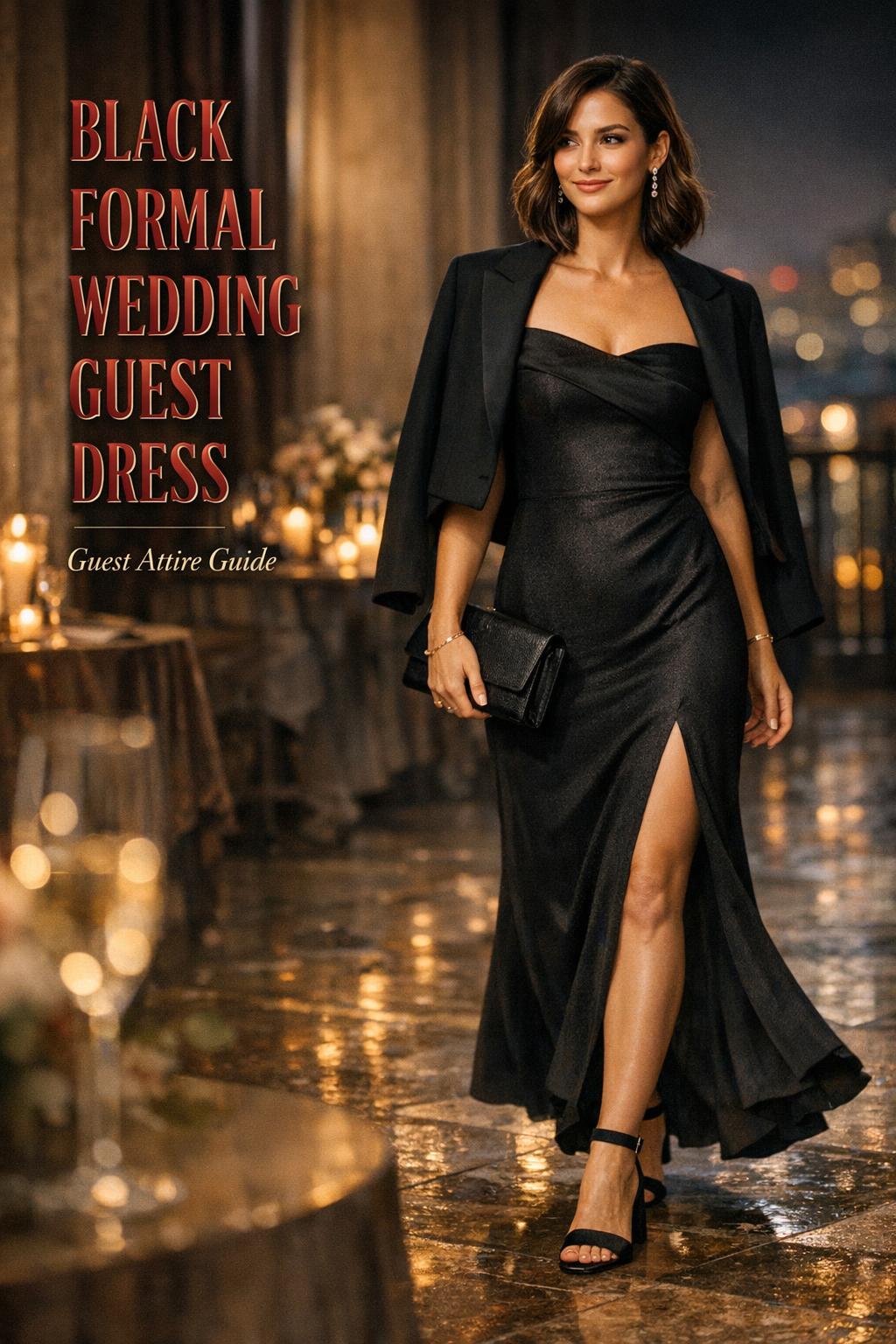
FAQ
Is a black formal wedding guest dress always appropriate?
In most formal settings, black is a classic choice, but it should look intentionally celebratory: refined fabric, a formal silhouette, and elevated accessories help ensure it reads as wedding-appropriate guest attire rather than workwear or nightlife.
What should black tie wedding guests wear if they want to choose black?
For black tie, a floor-length black gown with a clean, elegant line is the safest choice; focus on elevated finishing like a structured clutch, polished jewelry, and shoes you can confidently wear for the full ceremony-to-reception timeline.
Can formal wedding guests wear a black midi dress instead of a long gown?
Yes—when the invitation says formal (not explicitly black tie), a black midi can work beautifully if it looks occasion-ready through fabric, fit, and styling; the overall effect should feel dressy enough for evening photos and a formal room.
How do I keep black formal wedding attire from looking too plain?
Add dimension with one intentional focal point—such as a standout neckline, sculpted sleeves, or a slit—and choose accessories that catch light; mixing finishes (matte with subtle shine, or smooth with texture) prevents the look from photographing flat.
What shoes work best with a black formal wedding guest dress for an outdoor venue?
Choose a stable heel you can truly walk in and that suits the surface, since outdoor weddings often involve grass, gravel, or uneven paths; a slightly lower, steadier option usually looks more polished than a heel that forces you to struggle.
How do I layer for a cool-weather formal wedding without ruining the look?
Keep the dress silhouette clean and choose a structured, intentional outer layer that matches the event’s formality; bulky or casual layering can break the elegant line that makes black formal attire wedding styling look refined.
How can I tell if my black dress looks more like office wear than wedding guest attire?
If the fabric reads flat, the cut feels overly simple, or the styling relies on minimal accessories, it can skew corporate; shifting to a more formal silhouette, adding a romantic focal detail, and choosing celebratory accessories typically moves it firmly into formal wedding guests territory.
What’s the easiest way to make one black dress work for a destination wedding weekend?
Pick a packable, formal-leaning dress that can be re-styled and bring two accessory “moods” (one for the ceremony, one for the reception) plus a backup shoe option; this keeps your black formal wedding attire flexible without overpacking.