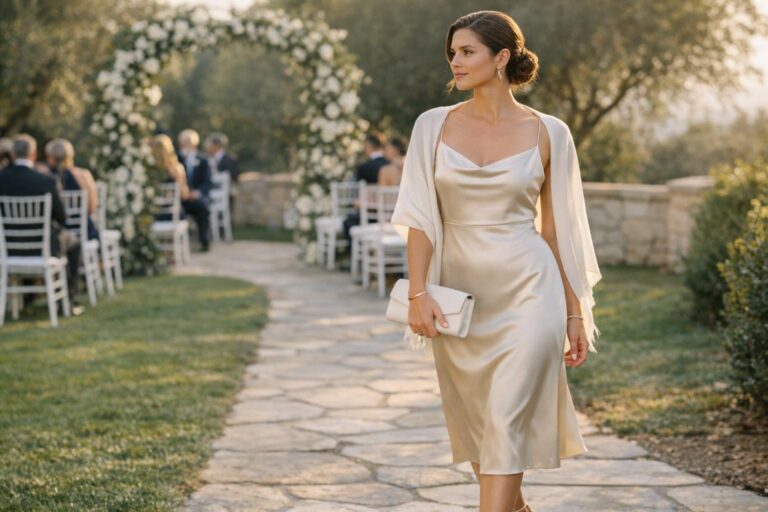
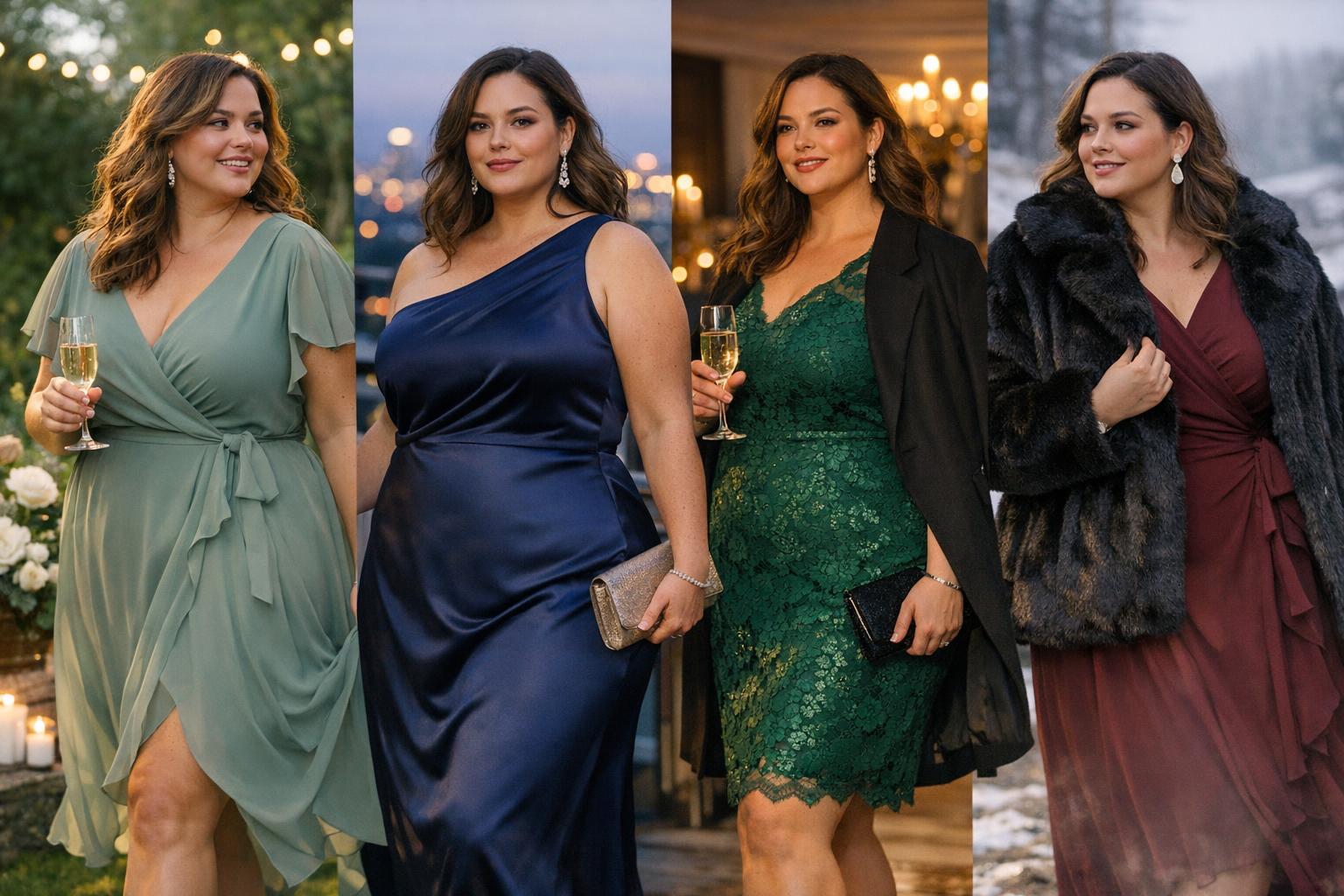
Plus Size Wedding Guest Dress That Travels, Dances, Photographs Well
Plus size wedding guest dress: the moment starts before you arrive
The day of a wedding often begins in motion: a dress bag folded carefully into a carry-on, a last glance at a weather app, a quick change in a hotel bathroom before the ceremony. In that swirl of travel, timelines, and photographs, the right plus size wedding guest dress does more than look beautiful—it behaves beautifully. It sits comfortably through a long ceremony, it moves with you during cocktails, it holds its shape under candlelit reception lighting, and it still feels like “you” when the dance floor finally opens.
Most wedding-guest shopping pages are built to help you buy quickly—filters for silhouette, color, sleeve length, and fabric—while style-forward collections add a softer editorial layer of guidance. This guide brings those two worlds together: the practical decision-making you need (fit, fabrics, dress code, comfort) and the romantic visual direction you want (garden-party ease, black-tie polish, winter layering). Along the way, you’ll see the silhouettes and materials that appear again and again in size-inclusive wedding guest dressing—A-line, sheath, wrap, maxi; chiffon, satin, lace, jersey—and how to choose them with intention.
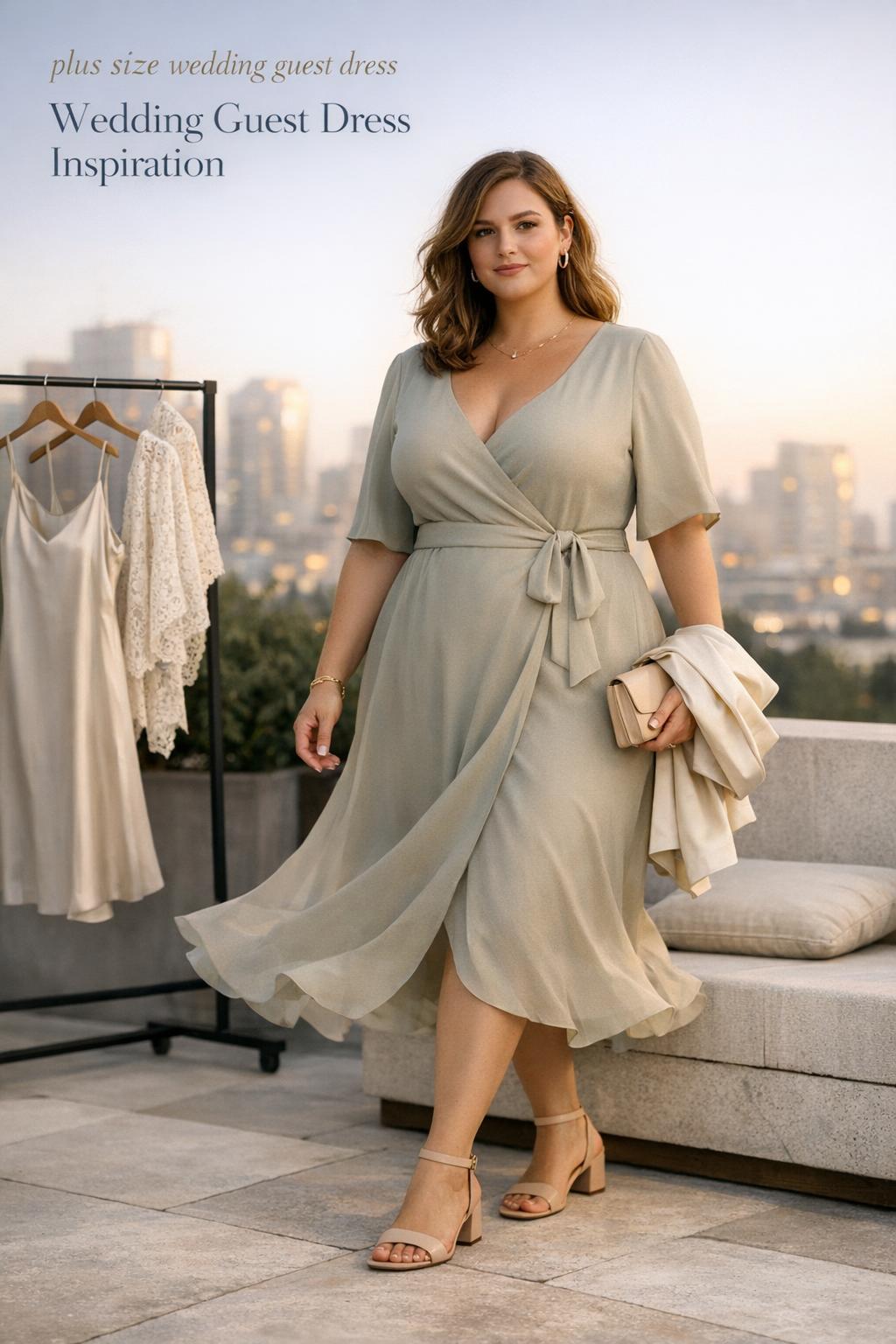
Consider this your wedding guest dress inspiration map: outfit logic first, then the styling details that make wedding guest looks plus size feel elevated rather than merely “appropriate.”
Start with the dress code, then translate it into silhouette
Wedding invitations rarely explain exactly what to wear—they gesture. “Formal,” “black-tie,” “semi-formal,” “garden,” “beach.” Those words are less about rules and more about the venue’s mood and the couple’s expectations for photographs. Before you fall in love with a neckline or a color, decide what the dress needs to communicate. Then choose a silhouette that delivers that message while still flattering and comfortable.
Your wedding look is only the beginning.
Keep your guest list, vendors, timeline, and every important detail together with Zarellea — so your day feels as considered as your style.
In size-inclusive shopping, silhouette is your first anchor because it shapes everything that comes next: fabric drape, underlayer choices, sleeve comfort, and even how easy alterations will be. The most repeated, high-utility silhouettes across major retailers and collections—A-line, sheath, wrap, and maxi—show up for a reason: they’re adaptable across dress codes and forgiving across fit variations.
A-line: timeless elegance with movement
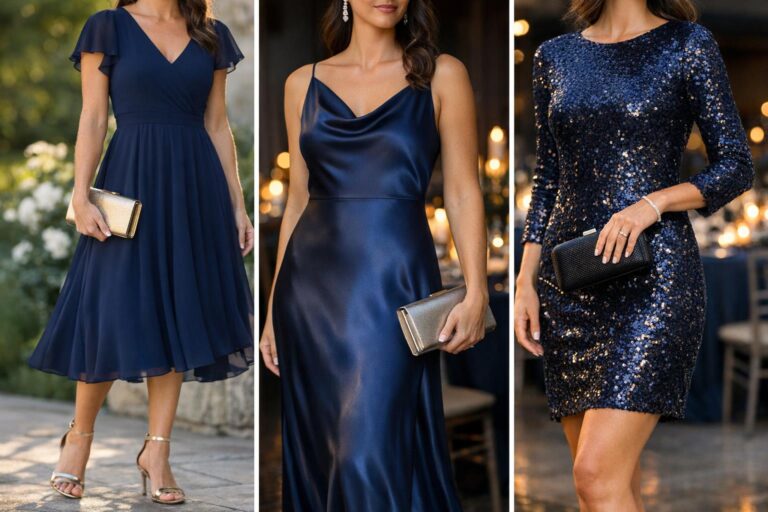
An A-line plus size wedding guest dress reads romantic in almost any setting. The gentle flare creates air and movement—especially in chiffon—so it photographs beautifully at golden hour and feels breathable in a crowded reception. It also offers styling flexibility: minimal jewelry for a daytime ceremony, statement earrings for an evening shift. If you’re unsure of the dress code nuance, A-line is often the safest choice because it can lean polished or playful depending on fabric and detail.
Sheath: sleek, modern, and best when fabric does the work
A sheath silhouette gives a streamlined look that feels especially right for city venues or a more modern reception. The trade-off is that fabric matters more: satin can feel luminous and structured under evening lighting, while crepe can look refined without clinging. If you love sheath styles, prioritize comfort cues like drape and stretch where available, and be honest about how long you’ll be sitting, standing, and dancing—because sheath dresses feel their most confident when you can move freely.
Wrap: the style editor’s favorite for a reason
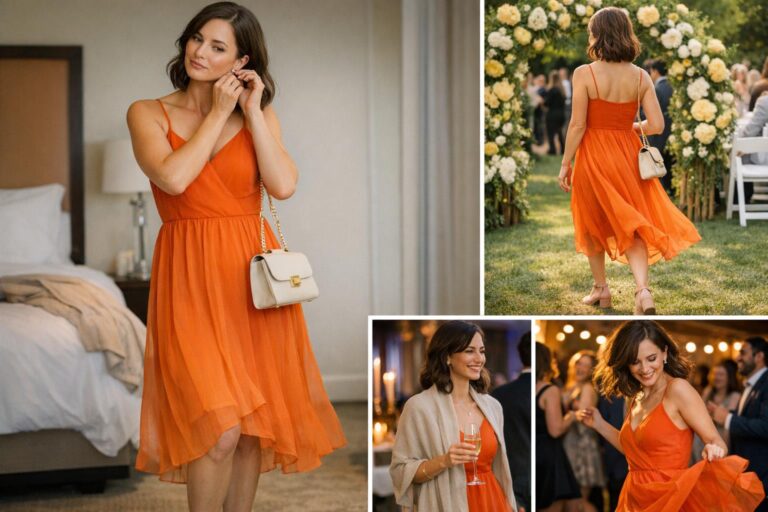
A plus size wrap wedding guest dress is the rare option that can feel both effortless and considered. The wrap line visually defines the waist and naturally creates shape, which is why it appears so often in curated “guest dress” categories. Wrap works across venues—from a vineyard ceremony to a candlelit reception—especially when paired with an elevated fabric like satin or a soft, airy chiffon. The practical advantage is adjustability: it can accommodate minor size fluctuations and still sit correctly.
Maxi: ceremony-to-reception drama without trying too hard
Maxi dresses can read formal even when the construction is simple, which makes them ideal when you want a longer hemline without the stiffness of a heavily structured gown. In chiffon, a maxi feels floaty for outdoor ceremonies; in satin, it becomes instantly evening-ready. The key is proportion: consider your neckline and sleeves carefully so the overall look feels balanced rather than heavy.
Fabric is the comfort strategy (and the photo strategy)
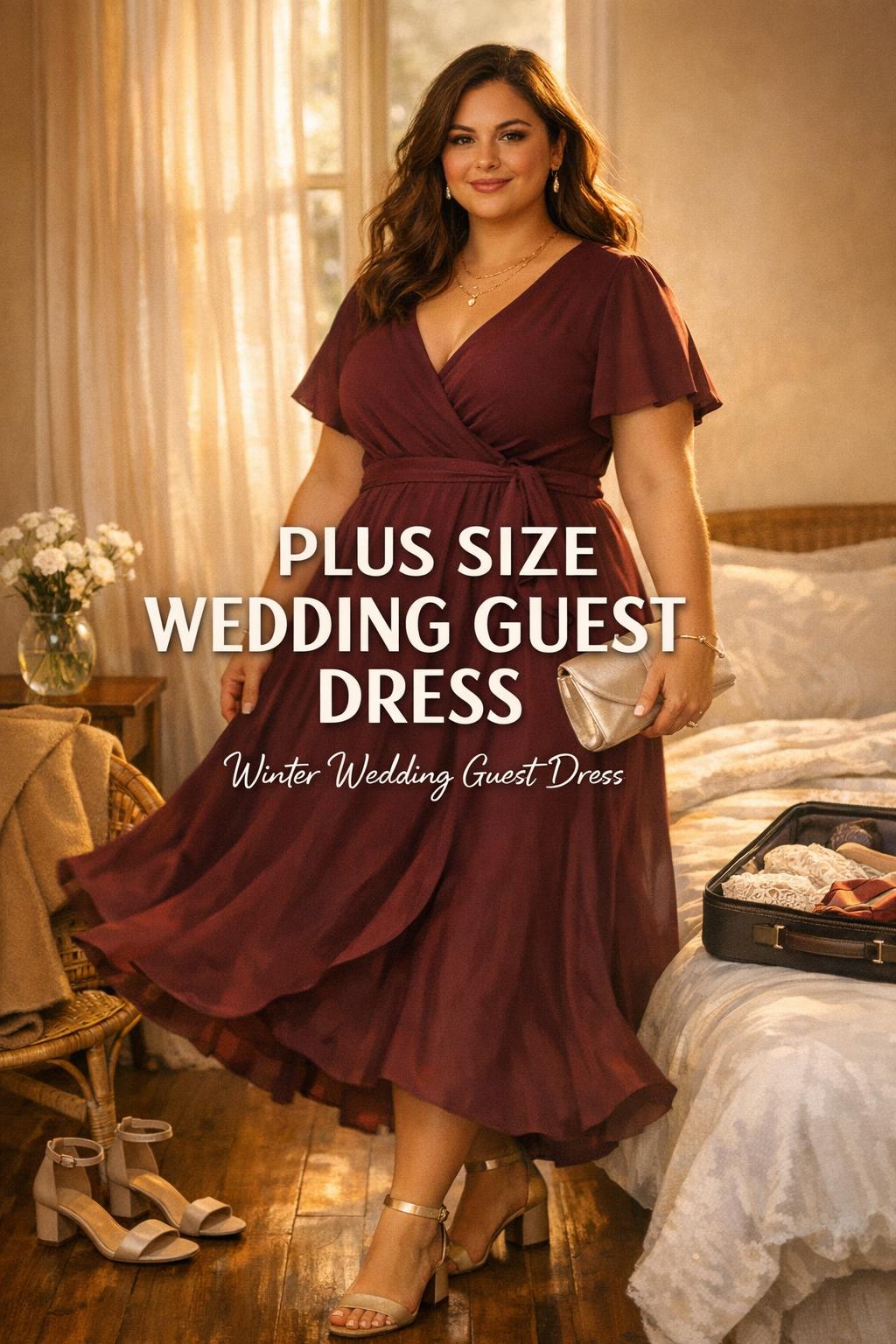
Silhouette sets the outline, but fabric determines your experience: whether the dress breathes in the afternoon sun, whether it creases during travel, whether it catches the light during toasts. The most common wedding-guest fabrics in plus-size collections—chiffon, satin, lace, jersey, and crepe—each bring a different kind of confidence.
Chiffon: light, romantic, and forgiving in motion
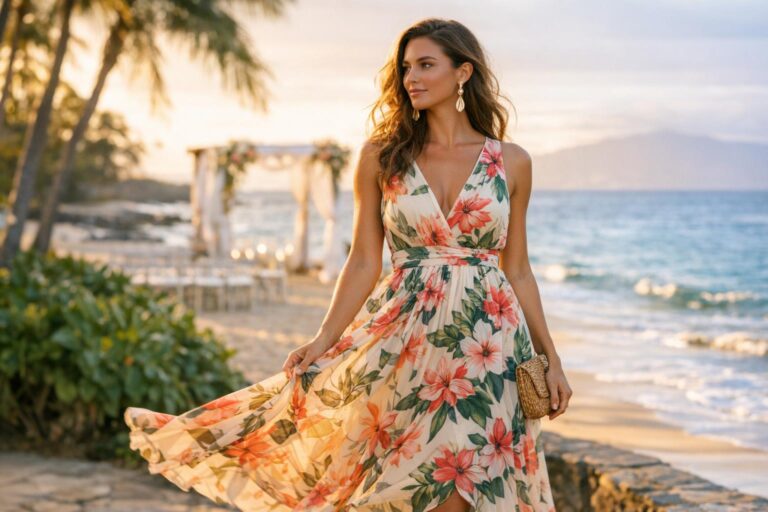
Chiffon is a staple for plus-size wedding guest dresses in chiffon because it drapes softly and moves beautifully when you walk. It’s especially compelling for outdoor ceremonies where air and comfort matter, and it pairs naturally with A-line and maxi silhouettes. Chiffon can feel more relaxed than satin, so if the wedding is formal, elevate the overall look with refined accessories and clean lines in your shoes and outerwear.
Satin: luminous polish for evening receptions
Satin is about light. Under reception lighting—string lights, candles, dim ballrooms—it gives a glow that reads instantly dressy. It also tends to feel more “occasion” than everyday, which is perfect for black-tie-leaning invitations. The caution is that satin can highlight fit details, so accurate sizing and thoughtful alterations matter more. If you want the elegance of satin with greater comfort, look for options described with stretch or a softer drape.
Lace: texture that feels celebratory
Lace adds depth without needing heavy embellishment. It’s a natural choice when you want the dress itself to feel special, especially for semi-formal settings where you don’t want to be overly glossy. Lace details can feel classic in a sheath or more romantic layered over an A-line. Because lace can vary widely in softness and structure, pay close attention to how it feels against the skin—comfort matters over a long event.
Jersey and crepe: understated, packable, and quietly chic
Jersey and crepe can be the unsung heroes of destination weddings and travel-heavy weekends. They’re often easier to pack and can feel more forgiving in fit. Jersey leans comfortable and fluid; crepe tends to look a touch more tailored. If your goal is a plus size wedding guest outfit that feels polished without feeling restrictive, these fabrics can be a smart starting point—then you add occasion through color, neckline, and accessories.
Necklines, sleeves, and details: the small choices that change everything
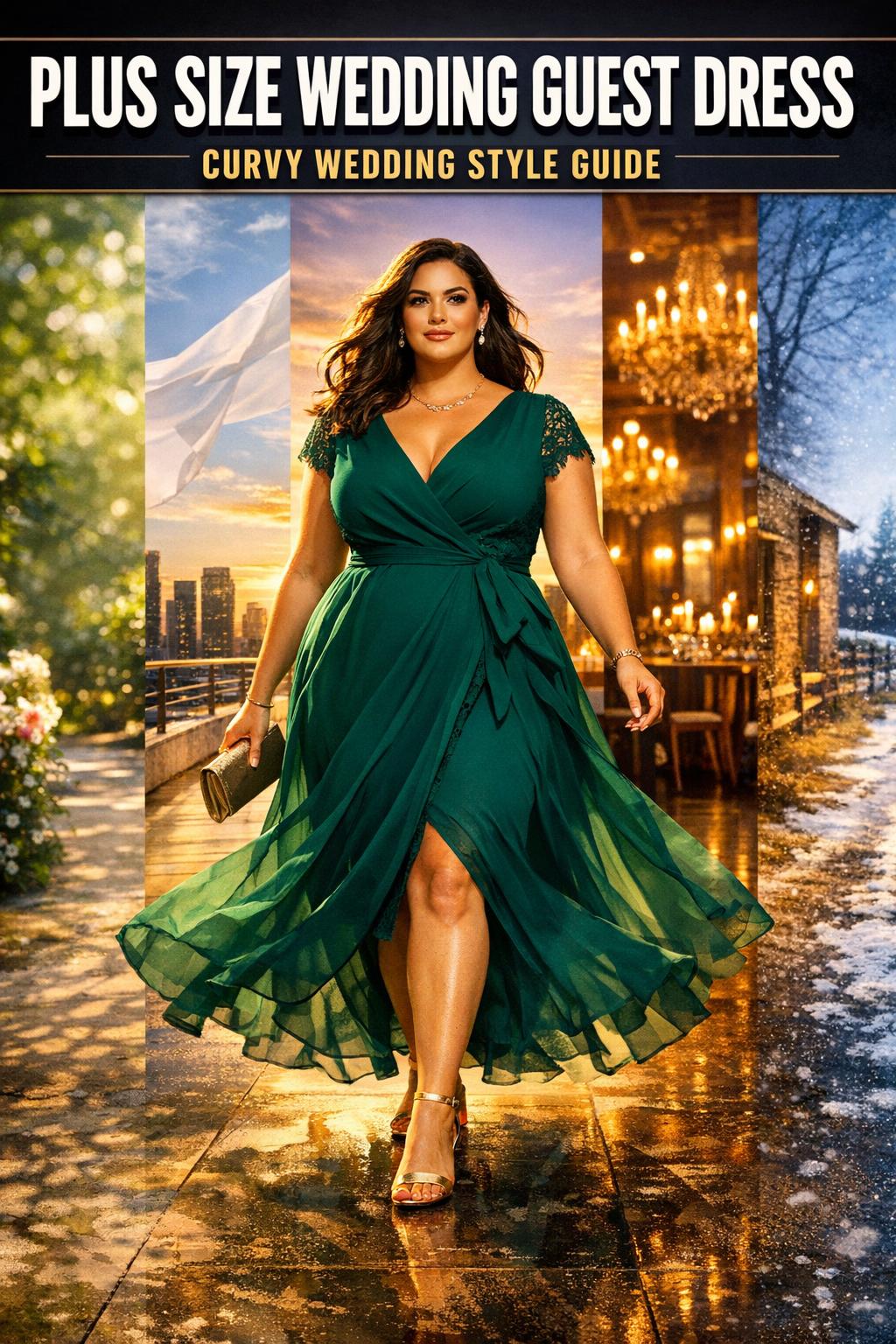
Once silhouette and fabric are set, the details become your styling language. Necklines influence the overall proportion of the look, while sleeves and straps determine whether you’re comfortable during a long ceremony and whether you’ll need outerwear. Many top product pages spotlight these features—square neck, V-neck, boat, one-shoulder; long sleeve, short sleeve, cap sleeve, flutter—because they are decisive.
Square neck: structured romance with a modern edge
Square-neck options show up frequently in party and wedding guest categories because they frame the décolletage cleanly and feel current without chasing a trend. A square neck can bring balance to a fuller skirt (A-line or fit-and-flare) and can look especially refined in satin or crepe. If you’re aiming for a more architectural, modern wedding guest look, square neck is a strong choice.
V-neck and one-shoulder: flattering focal points for photos
V-necklines are often favored in curvy wedding styling because they create a clear vertical line that feels open and elegant. One-shoulder dresses, often found among best sellers and new arrivals, offer a sculptural silhouette that looks striking in photographs—particularly for evening receptions. The practical consideration is support and comfort: if you prefer stability while dancing, choose construction and fabric that feel secure rather than overly slippery.
Long sleeves, cap sleeves, and everything in between
For many guests, sleeves are less about modesty and more about temperature control and confidence. Long sleeve plus size wedding guest dress options can be invaluable for transitional seasons and indoor venues with strong air-conditioning. Cap sleeves and flutter sleeves add softness and can balance a simpler skirt silhouette. If the dress is sleeveless, plan your outerwear early—your ceremony and your reception may feel like two different climates.
Tips: If you’re choosing between two similar dresses, decide based on the detail that will affect you for the longest part of the day: strap comfort, sleeve movement, and whether the neckline stays in place when you sit and stand. Those practical points matter more than a slightly prettier color swatch.
Color theory for wedding guest looks plus size: mood, season, and invitation nuance
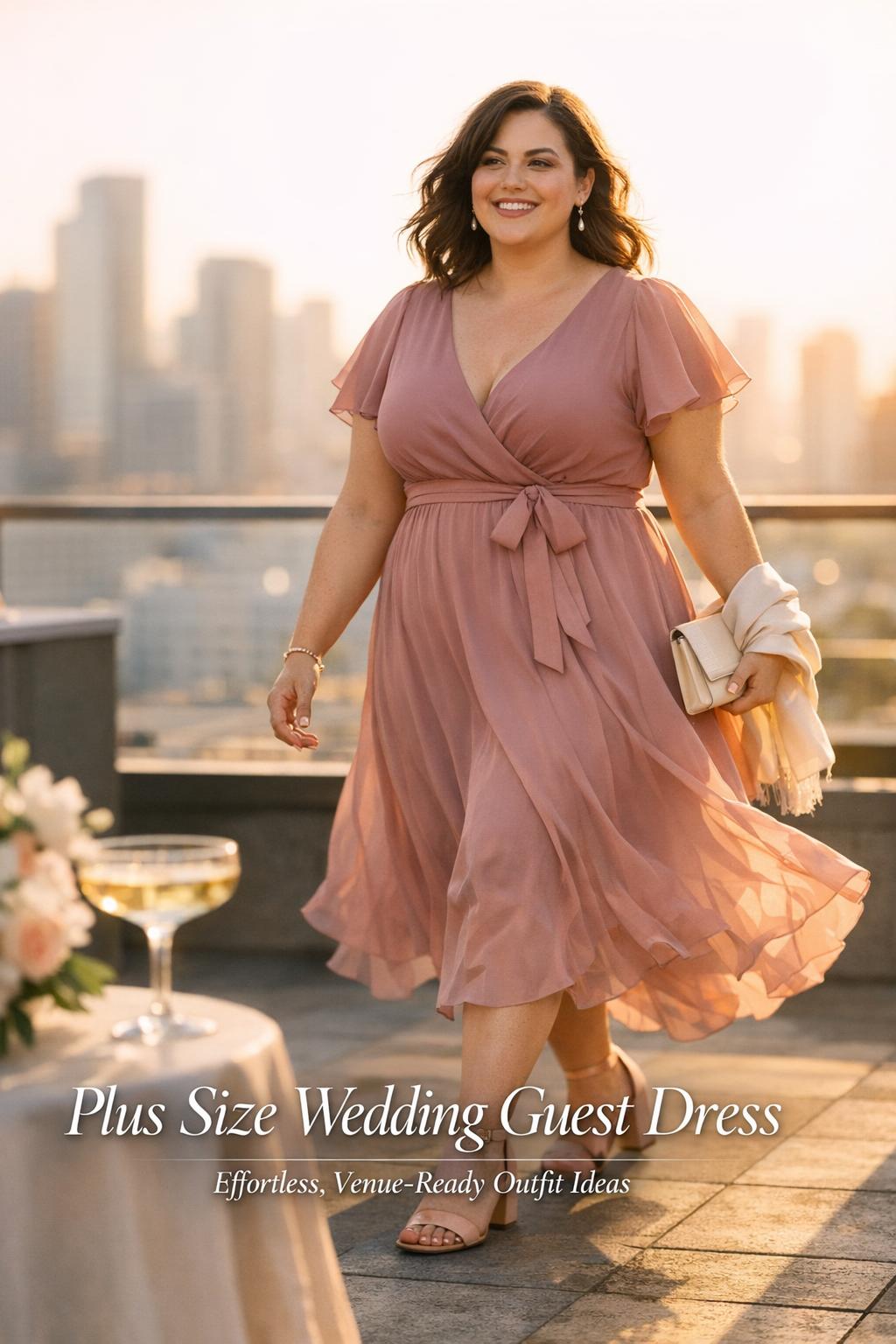
Color is emotional—especially at weddings, where the palette is part of the atmosphere. While many product pages offer broad filters (black, pastels, prints), an editorial approach asks a slightly different question: what does the setting want? A bright garden ceremony at midday asks for a different mood than a formal evening reception where everything is candlelit.
Pastels and prints for daytime ceremonies
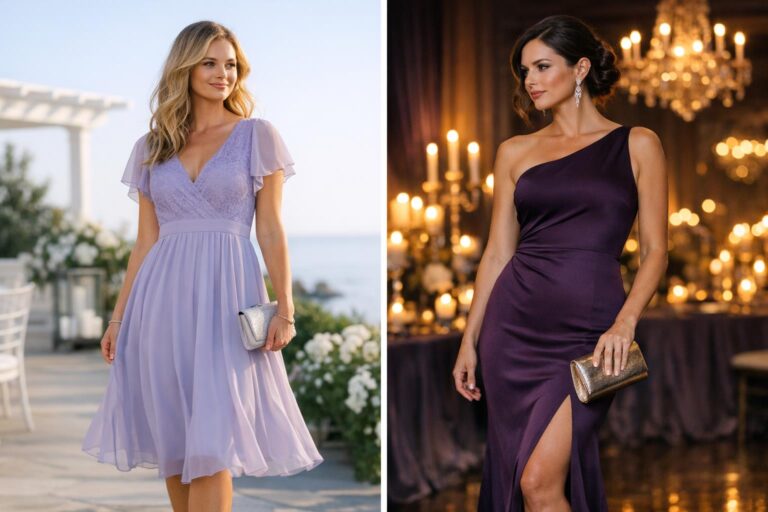
Pastels and soft prints feel natural for garden-party and daytime weddings, where sunlight can make heavy colors look overly serious. In chiffon, a pastel maxi can read breezy and romantic. Prints can also be practical: they disguise wrinkles from travel and can feel lively in outdoor venues. If you choose a print, keep accessories calmer so the dress remains the focal point.
Jewel tones and dark neutrals for evening polish
Richer tones and darker neutrals tend to feel more formal in photographs, especially in satin. If the invitation leans black-tie, deeper shades can elevate even a simple silhouette. The key is to keep the finish intentional—satin for glow, crepe for refinement, lace for texture—so the dress reads “occasion,” not office.
A note on black
Black appears in nearly every retailer’s wedding guest category because it’s reliable and endlessly re-wearable. Whether it feels right depends on the wedding’s tone: a formal evening reception often welcomes it, while some daytime garden settings may feel softer in pastels or prints. If you love black, consider introducing warmth through accessories—an elegant wrap, a luminous shoe, or textured details like lace—so the look feels celebratory.
Fit is not a guess: size charts, tailoring, and the confidence of readiness
In plus-size occasionwear, fit is where style becomes personal. E-commerce pages often place size charts, fit notes, and reviews front and center because they answer the real question: “Will this work on my body for a full day?” Use that same clarity while shopping. Treat sizing as a process, not a single click.
How to use size charts with intention
Size charts exist because sizing varies across brands and even across silhouettes within the same retailer. When you’re choosing between sizes, consider your fabric and silhouette: a wrap dress offers adjustability, while a satin sheath may require a more precise fit. If a brand provides fit notes or customer reviews, read them for consistent themes—comfort at the bust, waist placement, arm mobility—rather than one-off opinions.
Alterations: the finishing touch that makes a dress look custom
Alterations are often under-discussed in wedding guest content, yet they’re one of the simplest ways to elevate a plus size wedding guest dress from “nice” to “perfect.” Hemming a maxi to the right length for your shoes, refining straps so they don’t slip, or adjusting the waist placement can change how you feel all day. If you’re purchasing online, leave time for this step—especially for structured fabrics like satin or detailed lace.
Tips: Try on your dress with the shoes you plan to wear, then sit, reach, and walk as if you’re moving through the day. A dress that looks flawless while standing can feel different during a ceremony or dinner. This quick “real life” test often reveals whether you need a minor alteration.
Where to shop in the U.S.: a curated map of retailers, collections, and price moods
Shopping for a plus size wedding guest dress in the U.S. usually falls into three lanes: large retailers with extensive filters, brand-led collections with an editorial voice, and product-driven marketplaces where details like shipping and returns are prominent. The best choice depends on your timeline, your budget, and how much guidance you want while browsing.
- Nordstrom: a wide plus-size wedding guest dress category with deep filtering by silhouette, fabric, sleeve, and color, plus strong product-level details like fit notes and reviews. Brand and designer presence may appear through product cards, with names like Watters and other labels visible on individual product pages.
- Lulus: a plus-size wedding guest dresses assortment anchored in trend-forward shapes like one-shoulder and maxi, often organized with “new arrivals” and “best sellers,” plus customer reviews for decision support.
- JJ’s House: a collection with extensive style variety and practical shopping tools—filters, color options, fabric notes like chiffon and satin, and customer reviews—often appealing when you want a wide range of formal looks.
- Princessly: a plus-size wedding guest dress collection that blends product browsing with descriptive guidance, including classic silhouettes like sheath and A-line and fabric details such as lace and satin.
- Rewritten London: a brand-led, editorial-leaning approach that pairs product selection with styling guidance and a body-positive perspective; fabrics like viscose, jersey, and chiffon appear across its collection voice.
- Lady Black Tie: a lifestyle and editorial shopping experience that offers style suggestions and occasion cues alongside product links, suited to guests who want inspiration with their browse.
- Target: product-focused pages with clear sections (overview, details, reviews, size chart) for specific items, including square-neck party and wedding-guest options.
- Walmart: product pages that emphasize practical purchase factors—description, details, size chart, reviews, shipping, and returns—helpful when speed and convenience matter.
When browsing any of these retailers, use their structure to your advantage: filter by silhouette first (A-line, wrap, sheath, maxi), then narrow by fabric (chiffon for float, satin for glow, lace for texture), and only then commit to color. It’s the most reliable way to avoid falling for a dress that suits the palette but not the occasion.
Real-life styling scenes: wedding guest dress inspiration by venue and atmosphere
The best curvy wedding style decisions are venue-aware. A beach ceremony has wind and sand; a garden wedding has grass and shifting sunlight; a ballroom reception has formal lighting and long hours. Below are a few scene-based ideas designed to translate directly into a confident plus size wedding guest outfit—without turning your morning into guesswork.
Garden ceremony: airy chiffon and gentle shape
Imagine a ceremony framed by flowers and soft sunlight. A flowing chiffon midi or maxi in an A-line silhouette feels natural here: it moves when the breeze passes, it photographs softly, and it remains comfortable during outdoor mingling. Choose a neckline that feels secure—square neck or V-neck—then keep jewelry refined rather than heavy so the overall look stays light.
Tips: If the venue includes grass, consider shoe stability early. A slightly more supportive heel or a dress hem that clears the ground can prevent the constant “lift and step” dance during cocktail hour.
Beach or destination setting: jersey ease or crepe polish
Destination weddings reward fabrics that travel well. Jersey can be a quiet luxury when you want comfort through humidity and movement, while crepe can look crisp without feeling overly formal. A wrap silhouette works particularly well here because it adjusts easily after travel and can be styled up with a clean neckline and intentional accessories. If you prefer a one-shoulder look, ensure it feels secure enough for wind and walking.
City cocktail reception: sheath silhouettes and modern necklines
For a rooftop or downtown venue, a sheath dress in satin or crepe reads modern and confident. This is where a square neck or one-shoulder detail can feel editorial, especially under evening lights. Keep the overall line sleek: minimal outerwear, a refined shoe, and accessories chosen for sparkle rather than volume.
Formal evening reception: satin maxi and rich color
When the invitation leans formal, the easiest path to polish is a longer hemline paired with a luminous fabric. A satin maxi in a deeper tone feels immediately elevated, even with simple construction. If you’re wearing lace, keep the silhouette clean so the texture remains the statement. This is also where sleeves become strategic—long sleeves can look sophisticated and keep you comfortable in air-conditioned venues.
Rustic countryside venue: soft structure and texture
A countryside celebration often blends romance and practicality—uneven pathways, changing temperatures, long transitions between ceremony and reception. Lace details or chiffon layers can feel beautifully in theme, while a wrap dress offers comfort and adjustability across a long day. Choose a hemline you can walk in easily and consider a sleeve option that moves with you.
Winter wedding guest dress decisions: warmth without heaviness
A winter wedding guest dress needs a different kind of planning. You’re dressing for temperature changes—cold arrivals, warm rooms, a draft near the venue entrance—while still wanting that polished, celebratory finish. The smartest approach is to start with the dress fabric and sleeve strategy, then build outward with outerwear and shoes.
Long sleeves are the obvious hero, but not every long sleeve is equal. Prioritize sleeves that allow movement at the shoulders and elbows, especially if you’ll be lifting a coat on and off throughout the evening. Satin can look stunning in winter lighting, while lace provides texture that feels seasonally rich without requiring heavy embellishment.
- Choose the dress first, then the outer layer: a sleek sheath in satin pairs well with structured outerwear, while chiffon benefits from softer, less bulky layering to maintain the dress’s flow.
- Plan for “in-between” moments: the walk from car to venue and the time spent waiting for photos are when you’ll feel winter most sharply.
- Consider hemline practically: maxi lengths feel formal, but ensure the hem won’t drag if streets or entrances are wet.
Tips: For winter weddings, try your full outfit at home for ten minutes—dress, shoes, outerwear—then move around. If you feel restricted, adjust early: a different sleeve, a more fluid fabric like jersey, or a wrap silhouette can preserve comfort without sacrificing elegance.
Accessories, shoes, and outerwear: finishing touches that feel intentional
Accessories are not an afterthought; they’re the bridge between “a nice dress” and a complete wedding guest look. Many shopping experiences nudge you toward related categories, and it’s worth following that logic—especially if your dress is simple in shape. The goal is balance: let one element lead (fabric sheen, neckline architecture, lace texture), and keep everything else supportive.
Jewelry and hairline harmony
Necklines decide your jewelry. A square neck often looks best with cleaner lines—think earrings as the statement rather than a competing necklace. A V-neck can handle a delicate pendant or a refined collar shape. One-shoulder silhouettes typically shine with asymmetry: a statement earring or an elegant updo that reveals the neckline.
Shoes that respect the venue
A beautiful shoe is only beautiful if you can stay in it until the last song. Consider venue surfaces (grass, sand, polished floors), and choose a heel height that supports your plans for the night. If you’re wearing a maxi, remember the hem-to-shoe relationship: even a small heel change can require a hem adjustment, especially after alterations.
Outerwear that doesn’t fight the dress
Outerwear should complement the dress’s silhouette rather than compress it. A structured layer pairs best with a sleek sheath; a softer layer preserves the romance of chiffon or lace. For winter weddings and heavily air-conditioned venues, outerwear isn’t optional—it’s what keeps you comfortable enough to look relaxed in photos.
What wedding stylists notice first: common missteps (and how to avoid them)
Even the most beautiful plus-size wedding guest dresses can fall short if the practical details aren’t addressed. These are the quiet issues that show up repeatedly in real event settings—usually when it’s too late to fix them.
- Buying for a fantasy venue, not the real one: a satin sheath can feel too slick for an outdoor rustic setting, while an ultra-light chiffon may feel underdressed for a formal evening reception unless styled thoughtfully.
- Ignoring the “sit test”: if the neckline shifts, straps slide, or the fabric pulls when seated, you’ll spend the night adjusting instead of celebrating.
- Waiting too long for alterations: hemming and strap adjustments are common, especially for maxi lengths and structured satin.
- Choosing sleeves without checking mobility: long sleeves can be elegant, but restrictive construction can make dinner and dancing feel uncomfortable.
- Over-accessorizing a statement fabric: satin shine and lace texture already speak; let them.
Tips: If you’re torn between two options, choose the dress that requires fewer “workarounds.” The best wedding guest look is the one you can forget about once you arrive.
Size-inclusive shopping truths: confidence comes from clarity
The modern plus-size market offers more choices than ever—more silhouettes, more necklines, more event-specific edits—but the experience can still feel uneven across brands and retailers. The most trustworthy approach is to shop with clear criteria and use the tools that product pages provide: size charts, reviews, fabric descriptions, and fit notes. Those details are not filler; they’re your roadmap.
It’s also worth remembering that “plus size” is a category signal, not a guarantee of identical fit. A-line, wrap, and maxi styles can be more forgiving; sheath silhouettes can be more exacting. When you treat fit as part of styling—alongside fabric and dress code—you end up with wedding guest looks plus size that feel intentional rather than improvised.
If you’re building a small rotation of occasionwear, prioritize re-wearable elements: a dark neutral satin maxi, a chiffon A-line in a soft palette, a lace dress with a clean silhouette. That creates a wardrobe of options for garden ceremonies, city receptions, and the inevitable last-minute invitation that appears a few weeks before the date.
A quick decision toolkit for the final week
The week before a wedding is when small uncertainties turn into stress. Use this toolkit to keep your choices grounded and practical, especially if you’re finalizing online orders or deciding whether you have time for tailoring.
- Confirm venue + timing: outdoor vs indoor, day vs evening, and whether temperatures shift dramatically.
- Choose silhouette based on movement: wrap for adjustability, A-line for ease, sheath for sleek structure, maxi for formal impact.
- Match fabric to climate: chiffon for air, satin for evening glow, lace for texture, jersey/crepe for travel-friendly polish.
- Check the details that affect comfort: neckline security, sleeve mobility, hemline practicality.
- Decide on alterations now: if you need hemming, strap refinement, or waist shaping, schedule it immediately.
- Do a full try-on rehearsal: dress, shoes, outerwear, and accessories—then sit and walk.
With those pieces in place, your plus size wedding guest outfit stops being a question mark and becomes part of the celebration—something you wear with ease, not something you manage all night.
FAQ
What silhouettes are most reliable for a plus size wedding guest dress?
A-line, wrap, sheath, and maxi silhouettes are the most consistently useful because they appear across major retailers and work across multiple dress codes; A-line and wrap tend to be the most forgiving for comfort and adjustability, while sheath and satin styles usually benefit from more precise sizing and, sometimes, minor alterations.
Which fabrics are best for outdoor weddings versus indoor receptions?
For outdoor ceremonies, chiffon is often the easiest choice because it’s light and moves well, while jersey and some crepe options can also feel comfortable for travel and warmth; for indoor evening receptions, satin and lace tend to look especially elevated under lower, warmer lighting, with satin offering shine and lace adding texture.
How do I choose between a satin dress and a chiffon dress for the same dress code?
If the wedding leans formal or evening-focused, satin usually reads more polished because of its luminous finish, while chiffon feels softer and more romantic for daytime or garden settings; if you’re concerned about highlighting fit details, chiffon and drapier fabrics can feel more forgiving, while satin rewards precise fit and thoughtful tailoring.
Are square neck and one-shoulder styles appropriate for wedding guest looks plus size?
Yes—square neck and one-shoulder dresses are common in plus-size wedding guest collections and can look especially modern and photo-friendly; the key is choosing a construction that feels secure through sitting and dancing, and pairing the neckline with balanced accessories so the overall look stays refined.
What should I look for in size charts and fit notes when shopping online?
Use size charts as a brand-specific guide rather than assuming consistency across retailers, and read fit notes and reviews for repeated comfort themes like bust support, waist placement, arm mobility, and fabric drape; wrap silhouettes usually allow more flexibility, while sheath and satin styles often require a more exact match.
What alterations are most common for plus-size wedding guest dresses?
The most common adjustments are hemming (especially for maxi lengths), strap refinements to prevent slipping, and small waist or bodice tweaks to improve comfort and proportion; these changes can make a dress look intentionally tailored and help it stay comfortable through a long ceremony and reception.
How can I style a winter wedding guest dress without feeling bulky?
Start with the dress’s sleeve plan—long sleeves where possible—and choose fabrics that look elevated without heaviness, like satin for glow or lace for texture; then add outerwear that complements the silhouette rather than compressing it, and do a full try-on with shoes and layers to ensure you can move comfortably.
Where can I shop for plus-size wedding guest dresses in the U.S.?
U.S. shoppers commonly browse category collections at Nordstrom and Lulus for breadth and reviews, JJ’s House and Princessly for wide style and fabric variety, and brand-led edits like Rewritten London or Lady Black Tie for a more guided, editorial shopping experience; for specific items with clear size charts and practical purchase details, Target and Walmart product pages are also frequently used.