Modern Etiquette for Wedding Guest Dress Black, Explained
The invitation says “wedding”, the location sounds romantic, and then comes the question that sparks the most debate in a guest’s group chat: is a wedding guest dress black a chic, modern choice—or a risky one? Black is both a fashion cornerstone and a color with a long memory, which is why it can feel simultaneously effortless and loaded. Yet scroll through what’s available from major retailers and designer storefronts, and it’s clear that black wedding guest dresses aren’t a niche—they’re a major category, shaped by everything from silhouette and fabric to venue and dress code.
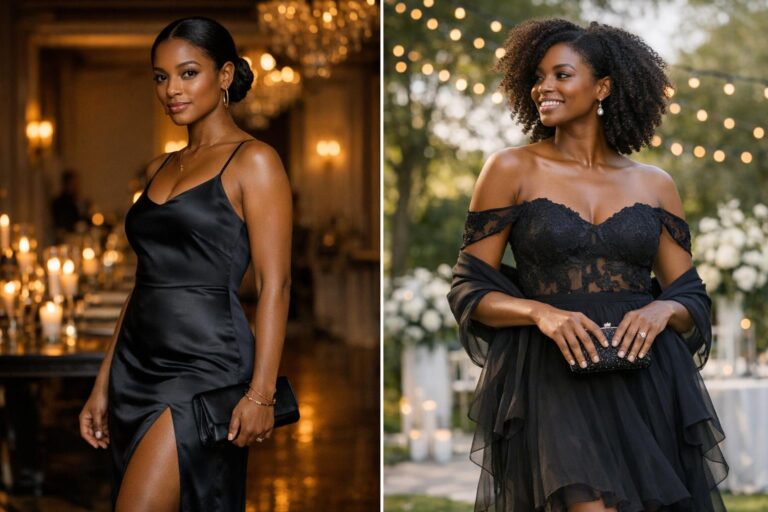
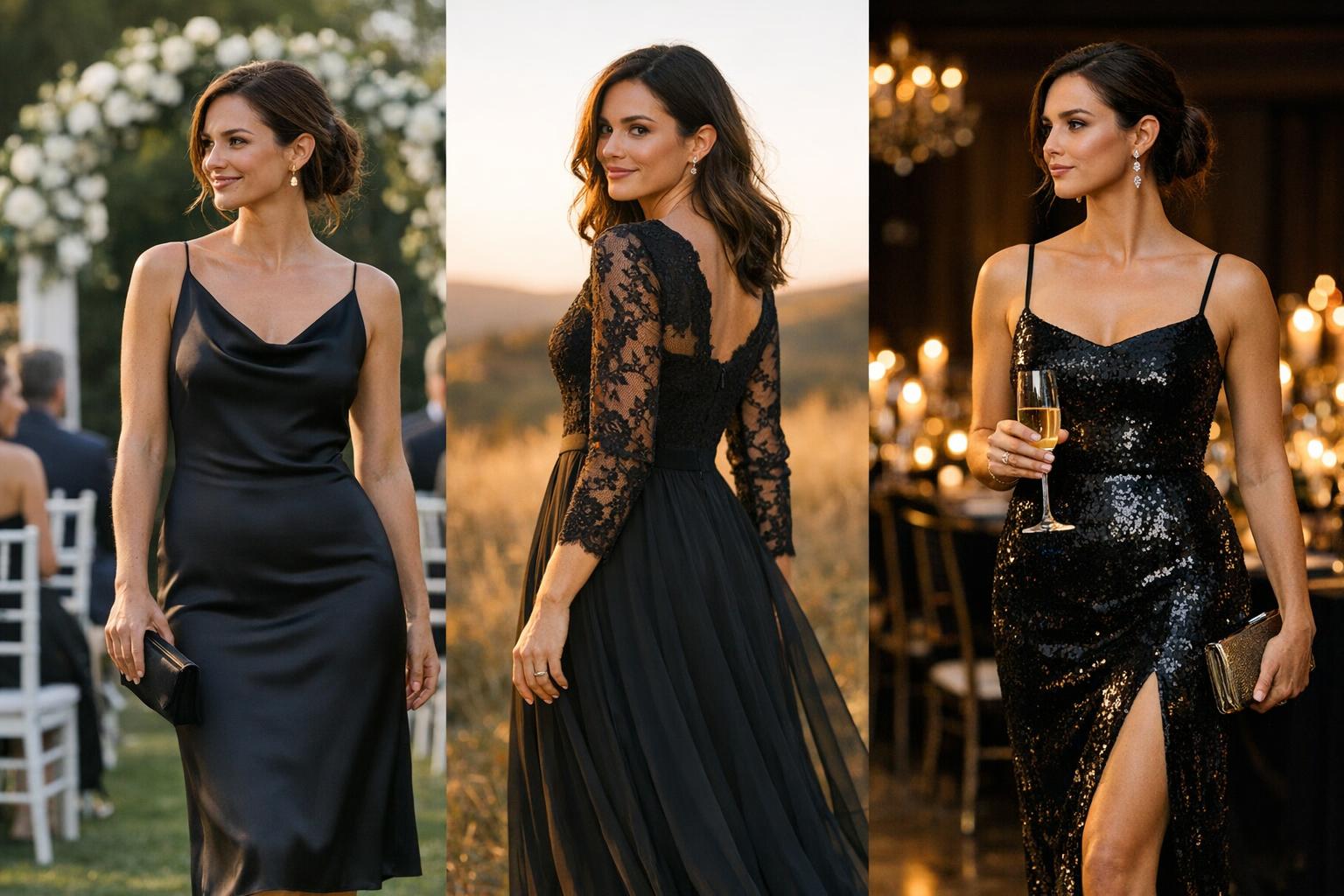
This editorial breaks down two styling approaches that often get bundled together: the “minimalist black” wedding guest look (clean lines, subtle texture, quiet accessories) and the “decorated black” wedding guest look (lace, sequins, statement details, and bolder styling). They can look similar on a hanger—both are black dresses, after all—but they behave very differently at a ceremony, in photos, and under reception lighting.
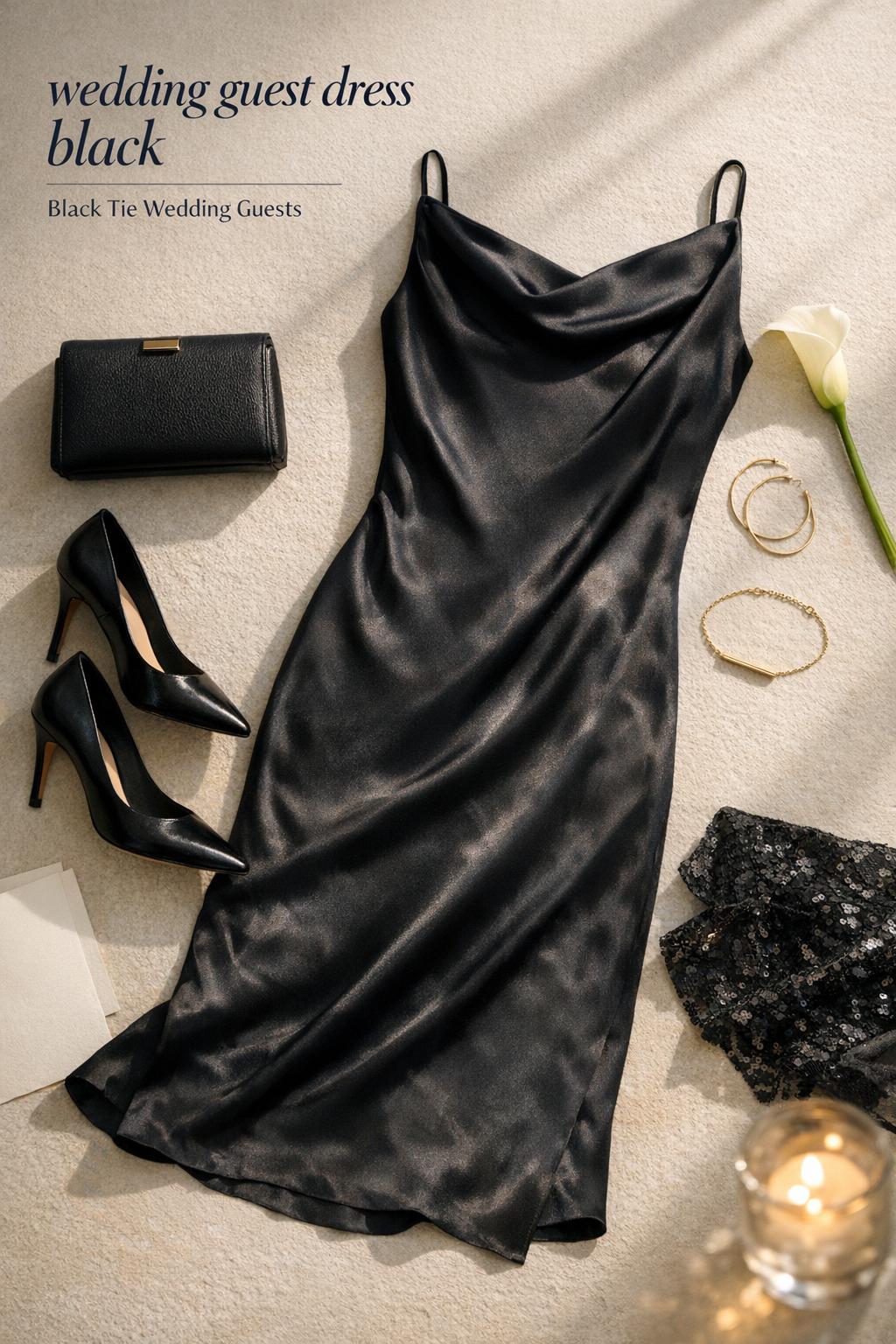
Along the way, you’ll also see how these approaches translate across the silhouettes most common in black wedding guest dressing—sheath/column, A-line, midi with sleeves, and the black maxi dress—plus how to calibrate for context, from daytime semi-formal to a black tie wedding with black tie wedding guests dressed to the nines. The goal isn’t to prescribe one “correct” black dress; it’s to help you choose the right kind of black for the wedding you’re attending.
Style overview: minimalist black wedding guest dressing
Minimalist black is the clean, modern side of wedding guest attire: think streamlined silhouettes, controlled proportions, and fabrics that create polish without needing extra decoration. On a wedding day, it reads calm and intentional—especially in evening settings or formal venues—because it relies on shape and finish rather than sparkle to look special.
Your wedding look is only the beginning.
Keep your guest list, vendors, timeline, and every important detail together with Zarellea — so your day feels as considered as your style.
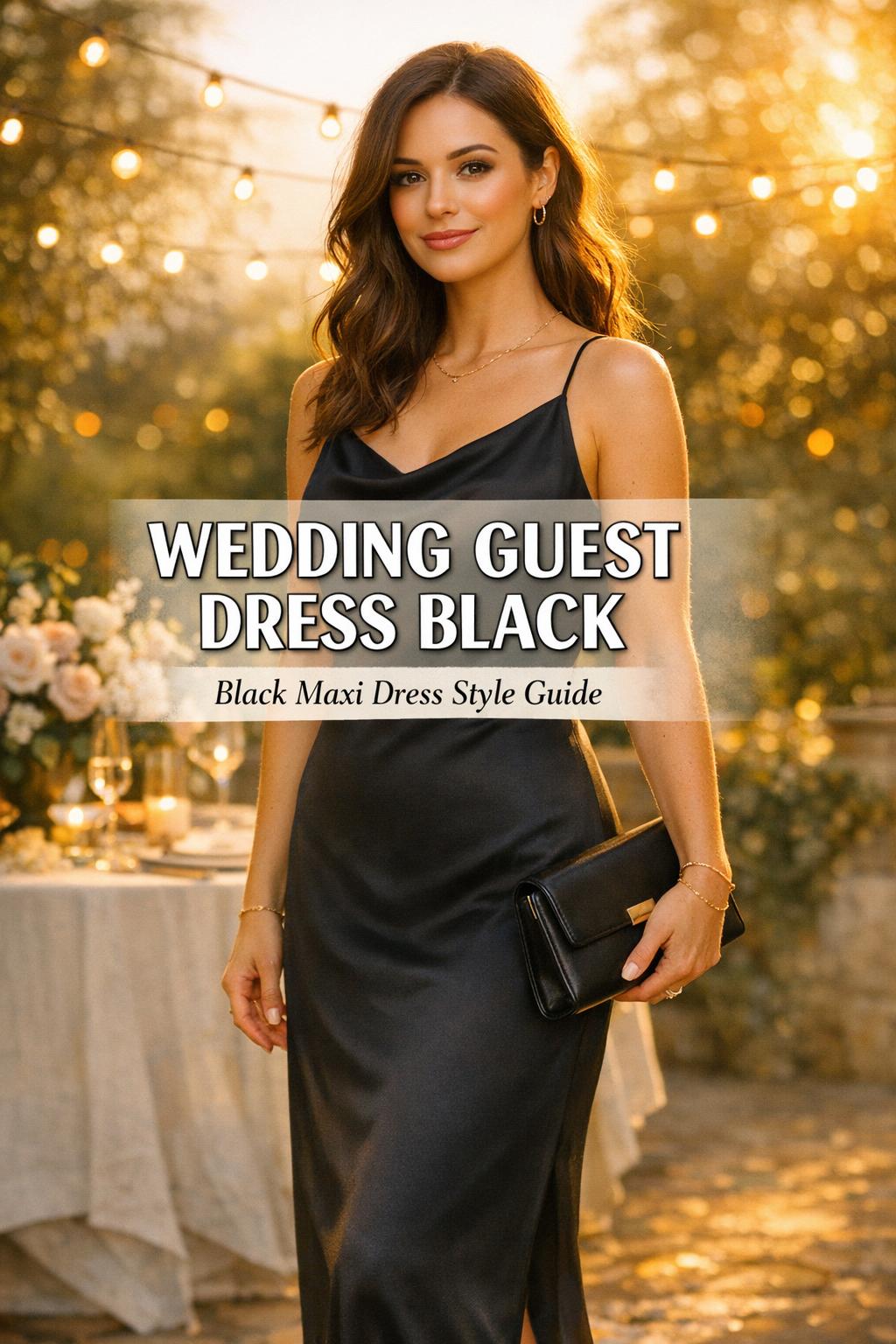
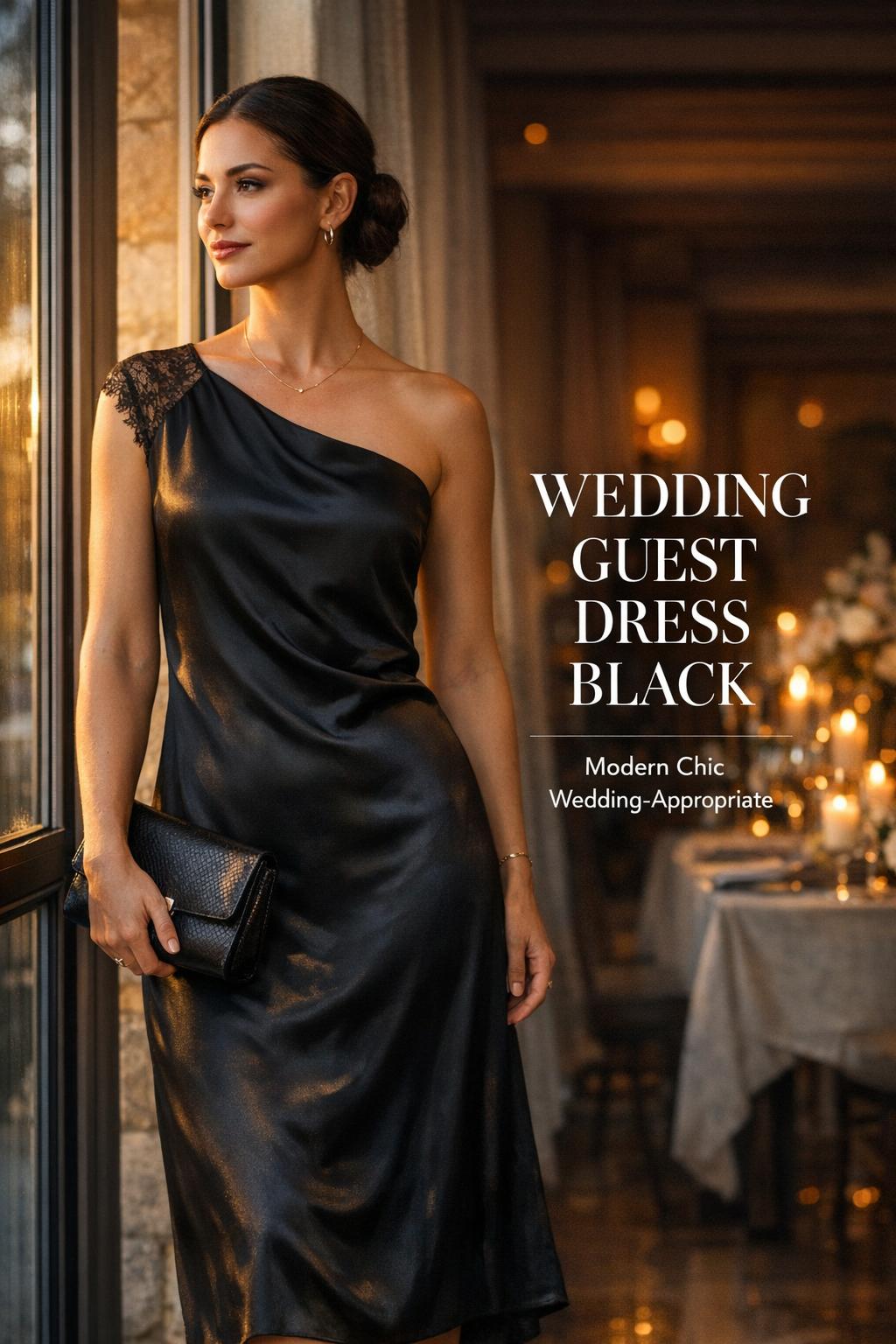
Defining characteristics tend to include sheath or column lines, a sleek midi, or a simple black maxi dress that emphasizes movement and fit. Fabrics matter here: satin, crepe, and chiffon are the common “quiet luxury” players in black. Even without heavy embellishment, these materials change the mood—satin catches candlelight, crepe stays crisp, chiffon softens the outline.
The palette is, of course, black—but the styling is rarely “all black, all the time.” Minimalist black often invites subtle accessory play: refined jewelry, a polished clutch, and shoes that feel elevated rather than loud. The mood is elegant, restrained, and versatile—ideal if you want your look to feel wedding-appropriate without competing with the celebration itself.
Style overview: decorated black wedding guest dressing
Decorated black leans into texture, detail, and occasion drama. It’s still a black dress, but the styling philosophy is different: the “specialness” is built into the garment through lace, sequins, or a standout design detail. This is the side of black that loves a dance floor and photographs with a deliberate sense of occasion.
Silhouette can be just as varied—A-line, midi, or maxi—but the eye is drawn to surface interest: embellished panels, shimmering accents, or distinctive construction that changes how the dress reads from ceremony to reception. Even a single detail can shift the vibe; a bias-cut midi with a sculptural shoulder detail feels markedly more expressive than a plain column dress, despite sharing the same color.
Decorated black tends to pair naturally with bolder accessories, though the balance is important. Because the dress is already speaking, the best styling choices are usually edited: one strong jewelry moment, or a clutch that complements the texture rather than fighting it. The mood is festive, editorial, and overtly “event-ready.”
Why these two black dress aesthetics get confused
In wedding guest shopping, categories often flatten nuance: “black wedding guest dresses” can include everything from minimalist satin midis to lace-embellished maxis. Retail collections from US-focused storefronts and international variants place them side by side, which makes it easy to assume they’ll perform similarly at an actual wedding. In practice, they won’t.
Minimalist black and decorated black share a common base color and can share silhouettes, but they diverge in three areas that matter at weddings: how formal they read, how they respond to lighting and photography, and how much accessory styling they require to feel celebratory rather than somber. This is where a little intention saves you from that “I wore black and somehow feel underdressed” feeling—or the opposite: “I wore black and somehow look like I’m headed to a different event.”
Key differences: silhouette, formality, and styling philosophy
Both aesthetics can look refined, but they signal different things when you step into a venue—especially when dress code language is involved. Here’s how to separate them quickly, using the same silhouette vocabulary you’ll see across major retailers and designer collections.
Silhouette and structure: minimalist black tends to prioritize line—sheath/column and clean A-line shapes that feel “architectural” in their simplicity. Decorated black can use the same shapes, but the focal point often becomes the surface or detail, which changes where the eye lands and how the dress feels in motion.
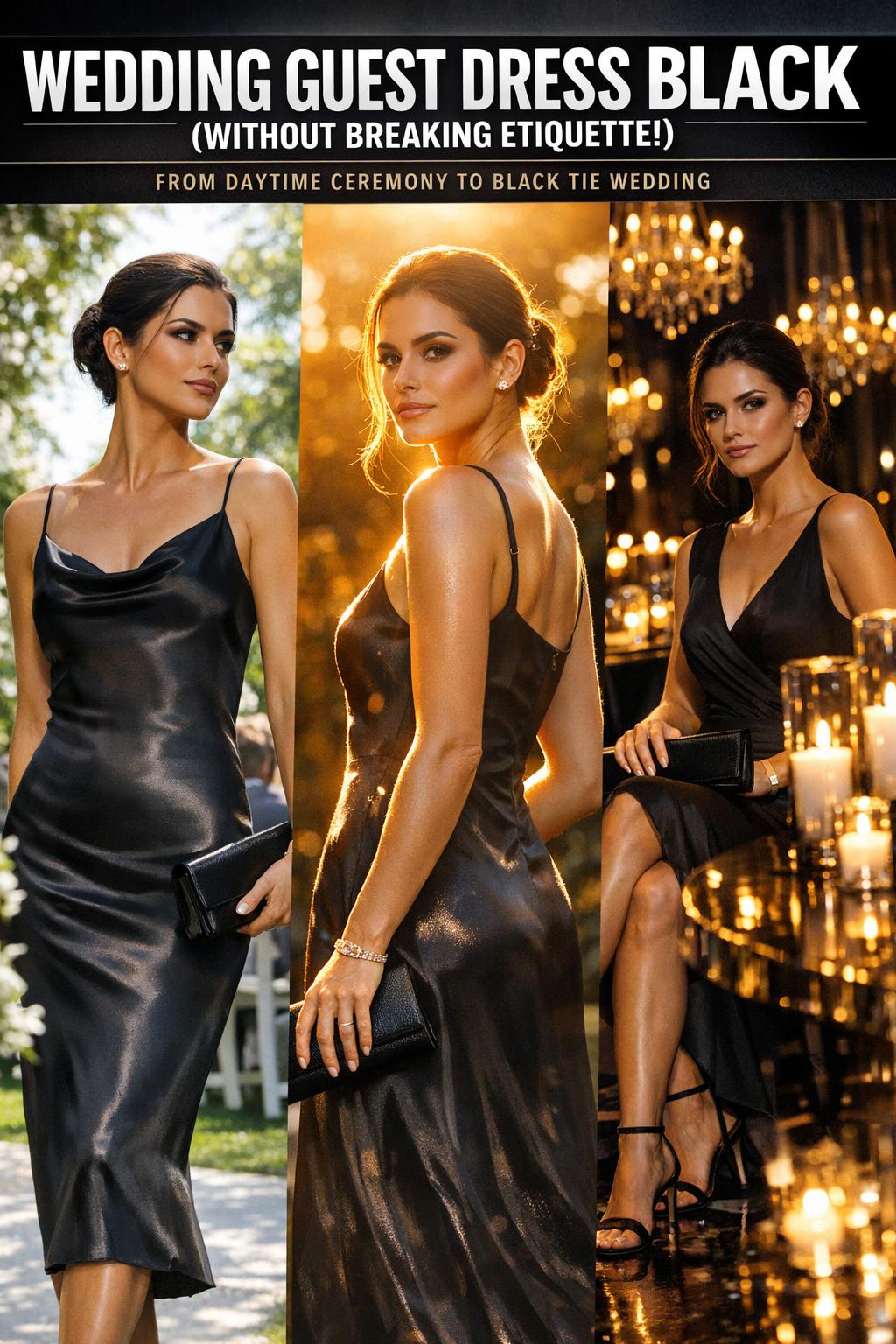
Level of formality: minimalist black can go extremely formal when it’s executed in a long, fluid black maxi dress or a sleek, well-fitted column. Decorated black can also be formal, but it often reads more “party formal,” particularly when sequins or pronounced lace are involved. For black tie wedding guests, both can work; the difference is whether you want your look to feel quietly elevated or intentionally statement-making.
Styling philosophy: minimalist black relies on the wearer’s styling choices (jewelry, shoes, clutch, outer layer) to set the tone. Decorated black arrives with its own built-in energy, so styling is about restraint and harmony. With minimalist black, you add celebration; with decorated black, you refine it.
Visual style breakdown: how minimalist vs decorated black reads at real weddings
Weddings move through multiple “lighting chapters”: daytime arrivals, golden-hour portraits, and a candlelit reception. Black absorbs light, which makes it flattering—but also means fabrication and detail decide whether your look appears crisp, soft, or flat in photos.
Minimalist black is most striking when the silhouette is clearly defined and the fabric has a considered finish. Satin creates highlights that outline the body elegantly. Crepe looks smooth and tailored, lending a more modern minimalism. Chiffon softens edges, especially in a midi or maxi that moves with you as you cross grass at an outdoor ceremony or step onto a dance floor.
Decorated black introduces contrast through texture. Lace breaks up the surface and reads romantic—particularly in close-up photos. Sequins catch light and can look luminous in evening receptions, but the same sparkle can feel louder in a daytime setting if the rest of the look isn’t tempered. The dress becomes its own visual accessory, which is why decorated black often looks best with simplified shoes and a clutch that doesn’t compete.
Etiquette, context, and the “is it OK?” question
The etiquette conversation around black at weddings is real—so treat it as context, not a blanket rule. Guidance in wedding-guest editorial spaces tends to focus on when black is appropriate and how to style it so it feels celebratory. In general, black is often positioned as especially fitting for evening celebrations and formal settings, where deeper tones match the atmosphere and dress codes are more structured.
Context is the deciding factor: time of day, venue, and requested dress code. A black tie wedding is inherently aligned with darker, more formal attire, so a black dress can feel entirely natural. A daytime, semi-formal celebration may still welcome black, but the “how” matters more: softer fabric, lighter accessories, and silhouettes that feel airy rather than severe.
Also consider what the wedding party is wearing. While a guest’s black dress is different from a wedding party look such as a black silk bridesmaid dress, it’s smart to keep your styling in the guest lane: elegant, but not indistinguishable from a coordinated bridesmaid lineup. And if you’re shopping for menswear in parallel—perhaps helping a partner interpret a groom dress moment or simply coordinating a date—black’s formality can be a useful anchor, as long as the overall couple styling doesn’t read like wedding-party attire.
Silhouette comparisons: the same shape, two different outcomes
Silhouette is the shared language across nearly every “black wedding guest dresses” collection—from JJ’s House and Showpo to Lulus, Windsor, Boohoo, and a designer collection like Rebecca Vallance. Below, each core silhouette is paired with both styling aesthetics so you can see how the same basic outline shifts depending on fabric and detail.
Sheath/column: modern minimalism vs textured statement
In minimalist black, a sheath or column dress is the definition of polished. It’s clean-lined, often sleek, and naturally reads “evening-ready” with the right accessories. In decorated black, the same silhouette becomes more expressive: lace panels or sequin detailing changes the emphasis from shape to surface, making it feel more festive and visually active—especially under reception lighting.
Stylist’s note: a column silhouette is unforgiving about fit. If you want the minimalist approach, prioritize fabric with a smooth finish like crepe for a crisp line, or satin for a luminous edge. If you want decorated black, keep accessories quieter so the texture remains the focal point.
A-line: romantic movement vs dramatic detail
A-line is often the most universally wedding-friendly silhouette because it offers movement and ease, especially when you’ll be seated for long stretches, walking across varied terrain, or dancing late. Minimalist A-line in black feels softly elegant—particularly in chiffon, where the skirt moves beautifully and keeps the mood light. Decorated A-line in black can feel more overtly “special occasion,” where lace or other embellishments heighten the romance.
Practical trade-off: A-line is forgiving and comfortable, but the more decoration you add, the more you should edit everything else. A decorated black A-line can look stunning, but it’s easy to over-style if you add heavy jewelry and a dramatic shoe.
Midi with sleeves: elegant restraint vs ornate balance
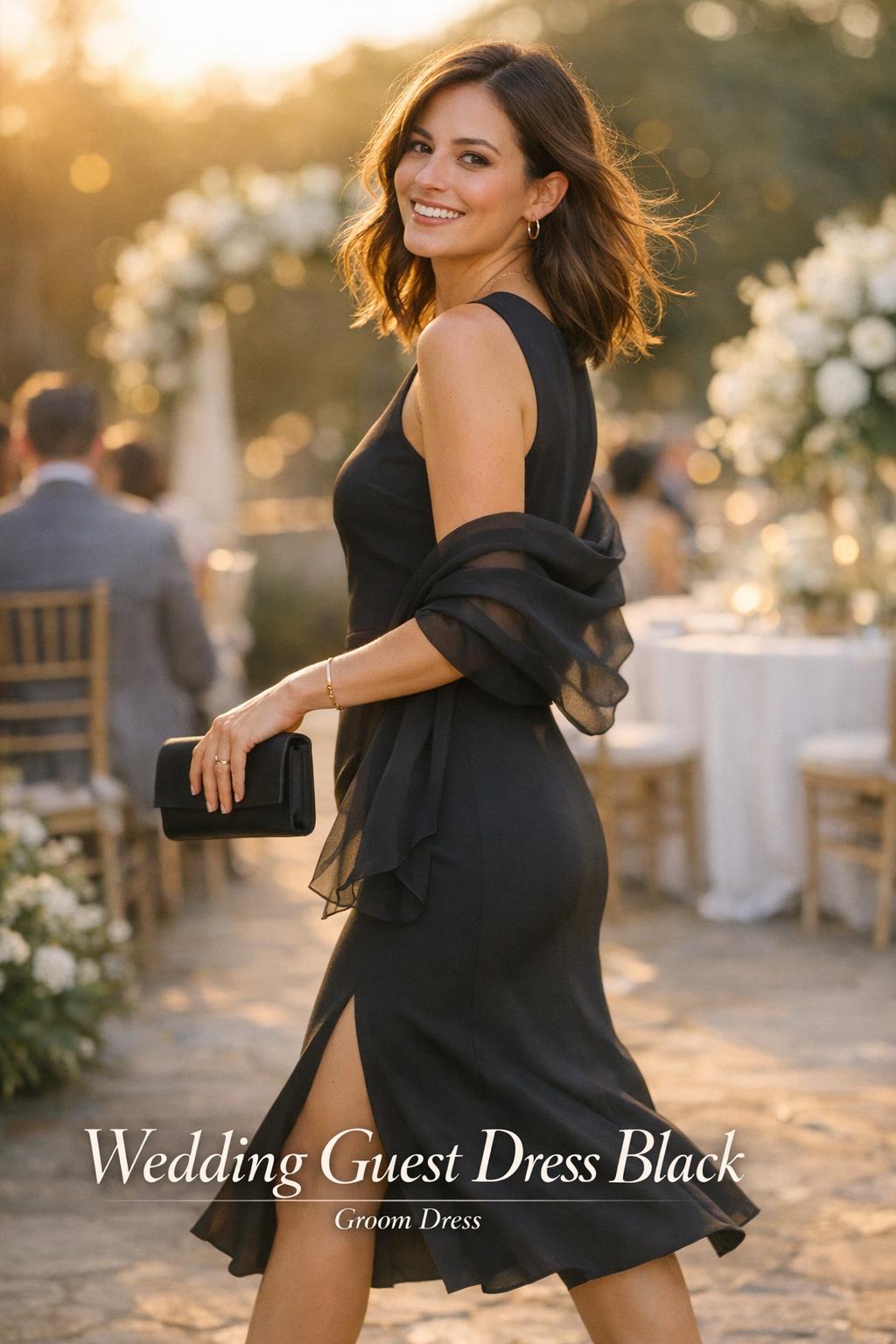
A black midi dress with sleeves is a quiet workhorse for weddings because it bridges seasons and settings. Minimalist versions feel refined and modern—especially when the sleeves create clean lines and the fabric drapes neatly. Decorated versions can feel more romantic, particularly when lace or textural elements appear on the sleeves, creating a thoughtful “detail zone” that photographs beautifully during toasts and table conversations.
Where this silhouette shines: ceremonies that involve a more modest mood or layered weather. Sleeves also help a black dress look intentional in daytime settings, especially when paired with lighter accessories that keep the look from feeling heavy.
Black maxi dress: black tie elegance vs event-glam emphasis
The black maxi dress is the clearest bridge to formal dressing. In minimalist styling, it can look statuesque—particularly in satin or crepe, where the fabric finish does the work. In decorated styling, the maxi becomes a stage for sparkle or lace, making it ideal for a formal evening reception when the lighting rewards texture and shine.
For black tie wedding guests, the maxi length often feels naturally aligned with the dress code, but the difference is mood: minimalist maxi feels refined and timeless; decorated maxi feels celebratory and more “occasion-forward.” Both can be correct—choose based on venue energy and your personal comfort with attention.
Fabric and detail: satin vs crepe vs chiffon, and how embellishments change everything
When you choose black, you’re choosing a color that can either look dimensional and luxurious—or flat—depending on fabric. Fabric isn’t a technical afterthought in wedding guest dressing; it’s the difference between a dress that looks elevated in photos and one that disappears into the background.
Satin, crepe, chiffon: three moods of black
Satin black is luminous. It reflects light, which gives the dress contour and presence—particularly in a slip-like silhouette or long maxi length. Crepe black reads smooth and modern, ideal when you want structure without stiffness and a polished line that holds up through a long ceremony and reception. Chiffon black is softer, often the best choice when you want the dress to feel lighter for daytime or outdoor settings, or when you prefer movement over a sculpted outline.
If you’re deciding between minimalist and decorated black, fabric often points the way: satin and crepe lend themselves naturally to minimalist styling, while chiffon pairs well with romantic shapes and can support subtle embellishment without feeling overly heavy.
Embellishments (lace, sequins) vs minimalist black
Lace and sequins create their own kind of “accessory,” which is why they’re best treated as a styling anchor. Lace tends to read romantic and detailed—beautiful for close-up photography and intimate venues. Sequins read celebratory and high-energy, especially for evening receptions. The key is not to treat embellished black the same way you treat a plain black dress. A minimalist black dress may need jewelry to feel wedding-ready; an embellished black dress usually needs editing to avoid visual overload.
Accessory play: the quiet art of making black feel festive
Black is famously versatile, but weddings demand something more specific than “goes with everything.” The best accessories for a black wedding guest dress are chosen with intention: they shift the mood from everyday black to celebration black, and they help you align with dress code without changing your whole wardrobe.
Jewelry, shoes, and clutch: minimalist vs decorated styling
Minimalist black benefits from one or two polished focal points: a refined jewelry choice and a clutch that reads special. Shoes can lean elegant rather than extreme; the dress is doing the “line” work, so the accessories can provide the personality. Decorated black, on the other hand, looks best when accessories behave like supporting cast. If the dress has lace or sequins, keep jewelry simpler, choose shoes that feel clean, and let the dress remain the headline.
- Minimalist black: elevate with a considered jewelry moment and a sleek clutch; keep the overall mood refined.
- Decorated black: choose quieter accessories so texture and embellishment remain the focus.
- In-between approach: if you’re unsure, pick one statement element (jewelry or shoes or bag), not all three.
Layering for modesty and weather without losing the silhouette
Wedding days often start cooler and end later than planned. Layering is where many black outfits go off track: bulky outerwear can swallow a sleek silhouette. Minimalist black pairs naturally with streamlined layers that preserve line. Decorated black is more delicate; if your dress already has texture, keep the layer simple so it doesn’t fight the dress’s detail.
One practical mindset: plan your outfit as “ceremony look” and “reception look.” Your layer can be part of the ceremony’s formality—then you can remove it once the room warms and the energy shifts.
Where to shop: comparing brand approaches to black wedding guest dresses
The easiest way to understand how black wedding guest dressing has evolved is to look at how different retailers present it. Some storefronts emphasize breadth—silhouettes, lengths, and constant new arrivals—while others frame black as a designer signature with craftsmanship and a specific point of view.
Retailer collections: breadth, filters, and silhouette variety
Catalog-style collections from JJ’s House, Showpo (US), Lulus, and Windsor lean into variety: multiple lengths (from midi to long), a range of silhouettes, and shopping-friendly organization such as “new arrivals,” “best sellers,” and “by silhouette.” This format is ideal if you’re starting with a dress-code question and need options fast—especially if you’re comparing a minimalist sheath against an A-line or a black maxi dress.
Because these retailers present black wedding guest dresses as a core category, they naturally support different wedding contexts. It’s the kind of shopping experience that helps you match the shape to the venue—ballroom, outdoor ceremony, or a semi-formal daytime celebration—without committing to one aesthetic too early.
Designer perspective: Rebecca Vallance and the “signature black” mindset
A designer storefront like Rebecca Vallance frames black wedding guest dresses through a different lens: silhouette as a signature, and black as a timeless statement of quality and elegance. The storytelling tends to emphasize craftsmanship and the idea that black isn’t just a safe choice—it can be the most intentional one when the construction is strong and the details are precise.
This is where minimalist and decorated black can converge beautifully. A designer-leaning dress can be “minimal” in palette and still feel special because of the cut, structure, or finish—exactly the kind of nuance that matters for formal dress codes.
Single standout pieces: the Boohoo perspective
Sometimes shopping is about one specific dress rather than browsing a category. A product page like Boohoo’s Coast Rose Shoulder Bias Cut Midi Wedding Guest Dress captures how a single detail can define the entire styling direction: “bias-cut,” “midi,” and a shoulder feature point immediately toward decorated black (or at least detail-led black), even if the rest of the dress is relatively clean.
This is useful if you already know your venue and want a specific silhouette. A bias-cut midi moves differently than a structured crepe column; it can feel more fluid, more romantic, and often more “reception-ready” without requiring heavy embellishment.
Wedding type and venue: choosing your black dress aesthetic by setting
A wedding look is never just about the dress; it’s about where the dress is worn. Black can suit nearly any venue, but the success of minimalist vs decorated black depends on setting, time of day, and how festive the couple’s vision feels.
Black tie wedding: what reads correct for black tie wedding guests
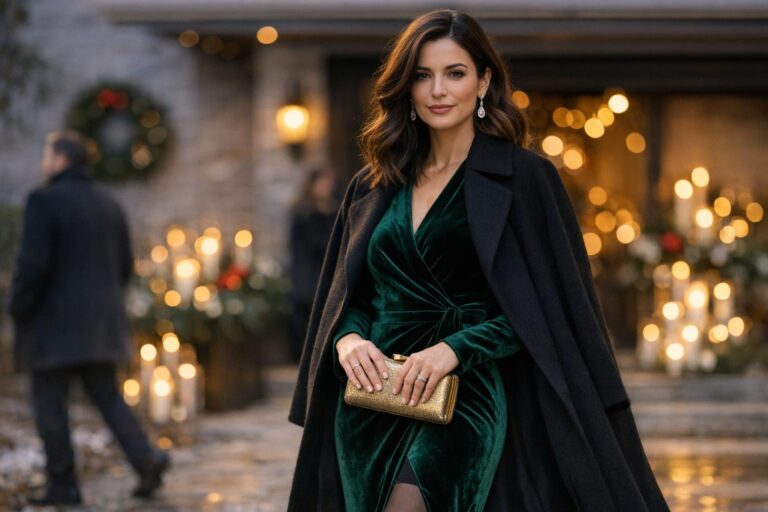
In a black tie wedding setting—think evening ceremony, formal reception energy, and a room designed for candlelight—both aesthetics are welcome. Minimalist black is often the most timeless interpretation: a sleek black maxi dress in satin or crepe, refined accessories, and a confident silhouette. Decorated black works beautifully too, particularly when embellishments are elegant rather than costume-like; the key is that the overall look remains formal, not clubby.
If you’re coordinating with a partner, black tie can invite a cohesive approach: your black dress can echo the formality of classic menswear without looking like a matched set. The goal is harmony, not uniformity—especially important if there’s a groom dress moment being discussed in your circle, where formality and personal expression meet.
Semi-formal and daytime weddings: keeping black from feeling heavy
Daytime settings ask more of black. The color can still be appropriate, but it benefits from softness and movement: chiffon, a gentler A-line, or a midi with sleeves that feels polished rather than severe. Minimalist black can work if you lighten the overall impression through accessories and proportion. Decorated black can work too, but choose texture that reads romantic (like lace) rather than high-shine sparkle that might feel out of step with sunlit ceremonies.
One simple calibration: the earlier the ceremony, the more you’ll want black to feel airy—through fabric choice, hemline (midi is often a sweet spot), and styling that feels festive rather than stark.
Outdoor weddings and weather: movement, comfort, and real-life logistics
Outdoor ceremonies introduce practical considerations that don’t show up on a product page: walking on grass, shifting temperatures, and long stretches of standing. A-line and midi silhouettes often outperform tight columns in these settings simply because they move better and feel less restrictive. Chiffon can be a strong ally for movement, while crepe holds its line if you prefer structure.
Decorated black can be gorgeous outdoors, especially if lace adds dimension, but be mindful of comfort: if the dress is already visually busy, keep the rest of your look simple so you don’t feel overworked in a natural setting.
Tips from a wedding-stylist mindset: how to decide in five minutes
When you’re short on time, you don’t need a full fashion thesis—you need a decision framework that keeps you aligned with the wedding. These tips are the quick checkmarks that prevent the most common black-dress missteps.
- Start with the dress code language: if it signals formal or black tie wedding expectations, a black maxi dress in satin or crepe is an easy win.
- Match detail level to venue energy: candlelit receptions reward texture (lace, sequins); daytime settings favor softer detail and lighter movement.
- Choose one hero element: in minimalist black, the hero can be jewelry; in decorated black, the hero is usually the dress itself.
- Think about photos: black looks best when something creates dimension—fabric finish, a sleeve line, or textural detail.
- Stay in the guest lane: if you’re worried about looking like part of a lineup (especially near a black silk bridesmaid dress palette), lean minimalist and understated rather than coordinated and identical.
If you’re still torn, default to silhouette first, then aesthetic. A flattering A-line or a well-chosen midi with sleeves will carry you through a long celebration more gracefully than a dress you love in concept but can’t comfortably wear from ceremony to last dance.
Common styling mistakes with black wedding guest dresses (and how to fix them)
Black is forgiving in many wardrobes, but weddings are high-context events. The mistakes guests make with black usually aren’t about the color itself—they’re about ignoring how black communicates in a wedding setting.
Mistake: treating a black wedding guest dress like an everyday black dress
A simple black dress can read too casual if it’s styled the way you’d style it for dinner. The fix is “occasion signaling”: a more formal shoe, a polished clutch, and jewelry that feels intentional. Even minimalist black needs one element that says celebration.
Mistake: piling on accessories with decorated black
Lace and sequins already create visual noise—in the best way—so they don’t need competition. The fix is to choose one accessory category to emphasize (earrings or shoes, not both) and keep everything else clean so the dress photographs beautifully.
Mistake: ignoring fabric behavior
Two black dresses can fit similarly but photograph very differently. The fix is to treat fabric as part of the styling plan: satin for glow, crepe for modern polish, chiffon for softness and movement. If you want black to look dimensional, fabric choice is your strongest tool.
Outfit comparisons: the same wedding scenario, two black aesthetics
Instead of imagining “ten dresses,” it’s more useful to imagine the same wedding through two styling lenses. Below are a few scene-based comparisons that show how minimalist and decorated black solve the same dress-code puzzle differently.
Example comparison: formal evening reception (black tie wedding mood)
Minimalist approach: a black maxi dress with a clean silhouette—think satin for candlelit glow or crepe for sharp modern lines—paired with refined jewelry and a sleek clutch. The effect is composed and quietly luxurious, aligned with black tie wedding guests without needing overt sparkle. Decorated approach: a black maxi with lace or sequin elements, styled with edited accessories so the dress remains the focal point; it feels more celebratory on the dance floor while still reading formal.
Example comparison: semi-formal daytime ceremony with an outdoor component
Minimalist approach: a black midi with sleeves in a softer fabric like chiffon or a clean crepe, balanced with lighter accessory choices so the look doesn’t feel heavy in sunlight. Decorated approach: a black A-line or midi with lace detail that adds romance without relying on shine; keep shoes and bag simple, letting texture do the work in photos.
Example comparison: city venue with a modern, fashion-forward guest crowd
Minimalist approach: a sheath/column silhouette that feels contemporary and intentional—sleek lines, crisp finish, and one decisive accessory moment. Decorated approach: a detail-led midi, such as a bias-cut shape with a distinctive shoulder, where the construction itself reads “styled,” allowing you to keep the rest minimal and still look event-ready.
When to choose each style (and when to blend them)
Most guests don’t live fully in one aesthetic. You might want minimalist black for one wedding and decorated black for another—or you may want a dress that sits between the two. The best choice depends on how you want to feel, how formal the invitation reads, and how expressive your personal style is in a wedding setting.
Choose minimalist black when you want maximum versatility and a polished, timeless look—especially for formal events, evening receptions, or when you’re unsure of the crowd and want elegance without risk. Choose decorated black when the wedding feels overtly celebratory, when the venue and lighting reward texture, or when you love the idea of your dress being the statement.
Blending the two is often the most sophisticated path. A minimally embellished dress—subtle lace, a refined detail, or a distinctive construction—can deliver the best of both: the ease of black plus the wedding-ready cue of texture. It’s also a thoughtful choice if you’re navigating proximity to the wedding party palette; you can look festive without echoing a coordinated black silk bridesmaid dress look too closely.
Practical checklist: fit, comfort, and care for a long wedding day
Weddings are endurance events in the most romantic sense: ceremony, cocktails, dinner, dancing, and photos in between. A black dress can look flawless, but only if it performs over hours—not just minutes.
- Fit check: sit, walk, and raise your arms—especially in a sheath/column silhouette where movement restrictions show up quickly.
- Hem and venue check: maxi lengths feel dramatic, but consider outdoor terrain; midi can be the most adaptable across settings.
- Comfort check: sleeves can add confidence and warmth, but ensure they don’t pull or pinch during toasts and hugs.
- Fabric check: satin and crepe can read very polished; chiffon can feel lighter for daytime or outdoor weddings.
- Accessory check: minimalist black needs one celebratory accent; decorated black needs restraint to stay elegant.
If you anticipate alterations—hemming a black maxi dress or refining sleeve length—plan ahead. Small fit adjustments can make a black dress look dramatically more intentional, which is exactly what wedding guest style is about.
A note on coordinated looks: guests, bridesmaids, and formalwear expectations
Black’s popularity means you may share the color with others at the wedding, including the wedding party. That doesn’t automatically create a problem, but it does call for awareness. A guest look should feel distinct from coordinated party attire—particularly if the wedding includes black bridesmaid dressing, such as a black silk bridesmaid dress concept where fabric sheen and uniformity are part of the plan.
The easiest way to stay clearly “guest” is to avoid overly uniform styling: skip anything that looks like a matched set with multiple attendants, and choose details that feel personal rather than coordinated. And if your household is styling multiple outfits—perhaps coordinating with a partner’s formalwear or navigating a groom dress conversation in a fashion-forward circle—keep the guiding principle simple: match the formality of the event, not the exact look of the wedding party.
FAQ
Is it OK to wear a black wedding guest dress?
Yes, black is widely worn as wedding guest attire, especially for evening and formal celebrations, but context matters: align your dress choice with the invitation’s dress code, the venue, and the time of day, and style it so it reads festive rather than somber.
Can I wear black to a daytime wedding?
You often can, but it helps to choose softer silhouettes and fabrics—such as a black midi with sleeves or a chiffon A-line—and use accessories to lighten the overall impression so the look feels appropriate in daylight.
What works best for black tie wedding guests: minimalist or decorated black?
Both can work for a black tie wedding; minimalist black typically reads timeless in a satin or crepe black maxi dress, while decorated black (lace or sequins) feels more overtly celebratory, especially under evening reception lighting, as long as accessories remain refined.
How do I avoid looking too somber in a black dress at a wedding?
Focus on “occasion cues”: choose a fabric that adds dimension (satin glow, crepe polish, or chiffon movement), add a deliberate accessory moment like jewelry or a clutch, and avoid styling that feels overly severe from head to toe.
Is a black maxi dress always the most formal option?
A black maxi dress often reads more formal due to its length, but fabric and detail still determine the final effect; a simple crepe maxi can feel minimalist and very formal, while a textured or embellished maxi can feel more event-glam, and a well-finished midi can still be perfectly appropriate for many weddings.
What silhouettes are most reliable for a black wedding guest dress?
Sheath/column styles read modern and polished, A-line shapes offer movement and comfort, midi dresses with sleeves balance elegance and practicality, and maxi gowns suit formal settings—choose based on venue needs and how long you’ll be wearing the dress.
How should I accessorize an embellished black dress with lace or sequins?
Let the dress be the focal point by keeping accessories edited: choose clean shoes and a simple clutch, and limit jewelry to one primary statement so the texture photographs beautifully without looking overstyled.
Where can I shop for black wedding guest dresses in the US?
You’ll find extensive US-focused collections and categories at retailers like JJ’s House, Showpo, Lulus, and Windsor, designer options through Rebecca Vallance, and specific statement pieces via product-focused pages like Boohoo, making it easy to compare silhouettes, lengths, and styling directions in one color family.
How do I make sure my black dress doesn’t look like a black silk bridesmaid dress?
Avoid overly uniform styling and coordinated details that mimic a lineup, choose a silhouette or finish that feels personal rather than matching, and keep your look clearly in the guest lane with accessories that express your individual style rather than wedding-party cohesion.