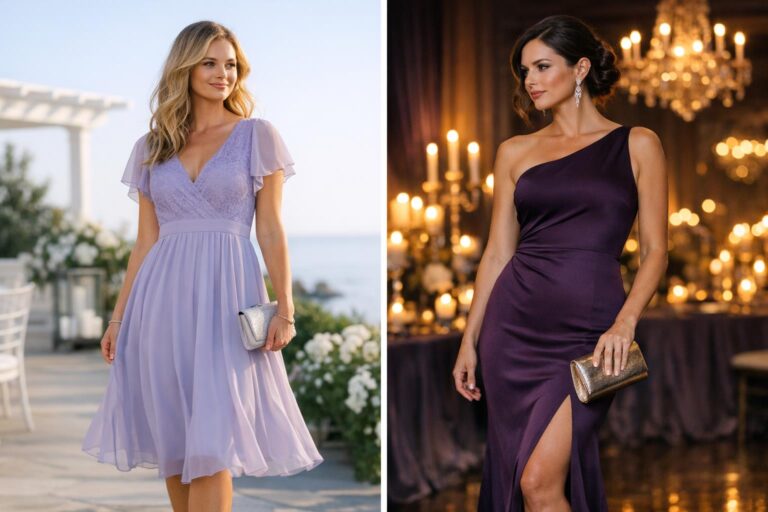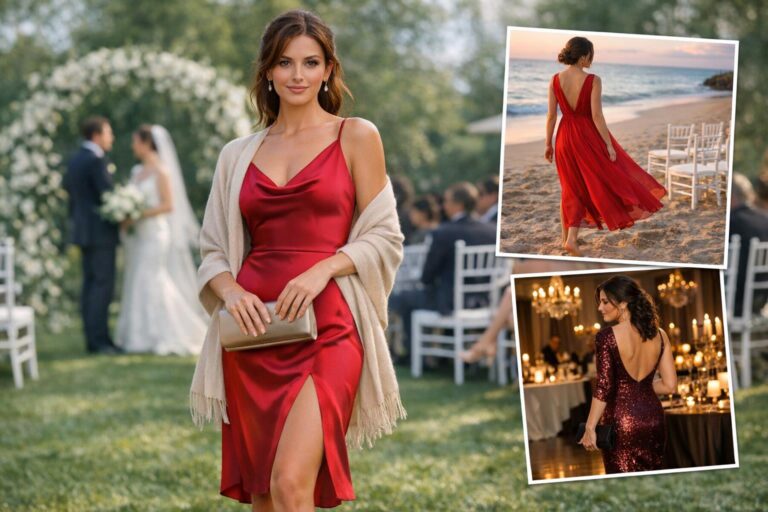
Semi Formal Wedding Guest Dress Rules for Polished Comfort
The semi formal wedding guest dress is the invitation you didn’t know you needed: a dress code that promises elegance, but leaves just enough room for doubt. One couple’s “semi-formal” reads like a polished midi dress and delicate jewelry; another’s feels closer to cocktail attire with satin, a sharper silhouette, and a heel you can actually dance in. That uncertainty is exactly where most wedding guests get stuck—trying to look appropriately elevated without drifting into black-tie drama or, worse, looking too casual in photos that last forever.
This styling challenge gets harder in real life, where weddings aren’t held in a vacuum. You might be moving from a breezy ceremony to a candlelit reception, navigating grass, stairs, or a packed dance floor, all while staying comfortable for hours. Fabric choice matters. Hem length matters. Even the way a dress moves—chiffon floating versus satin skimming—changes how “semi-formal” reads.
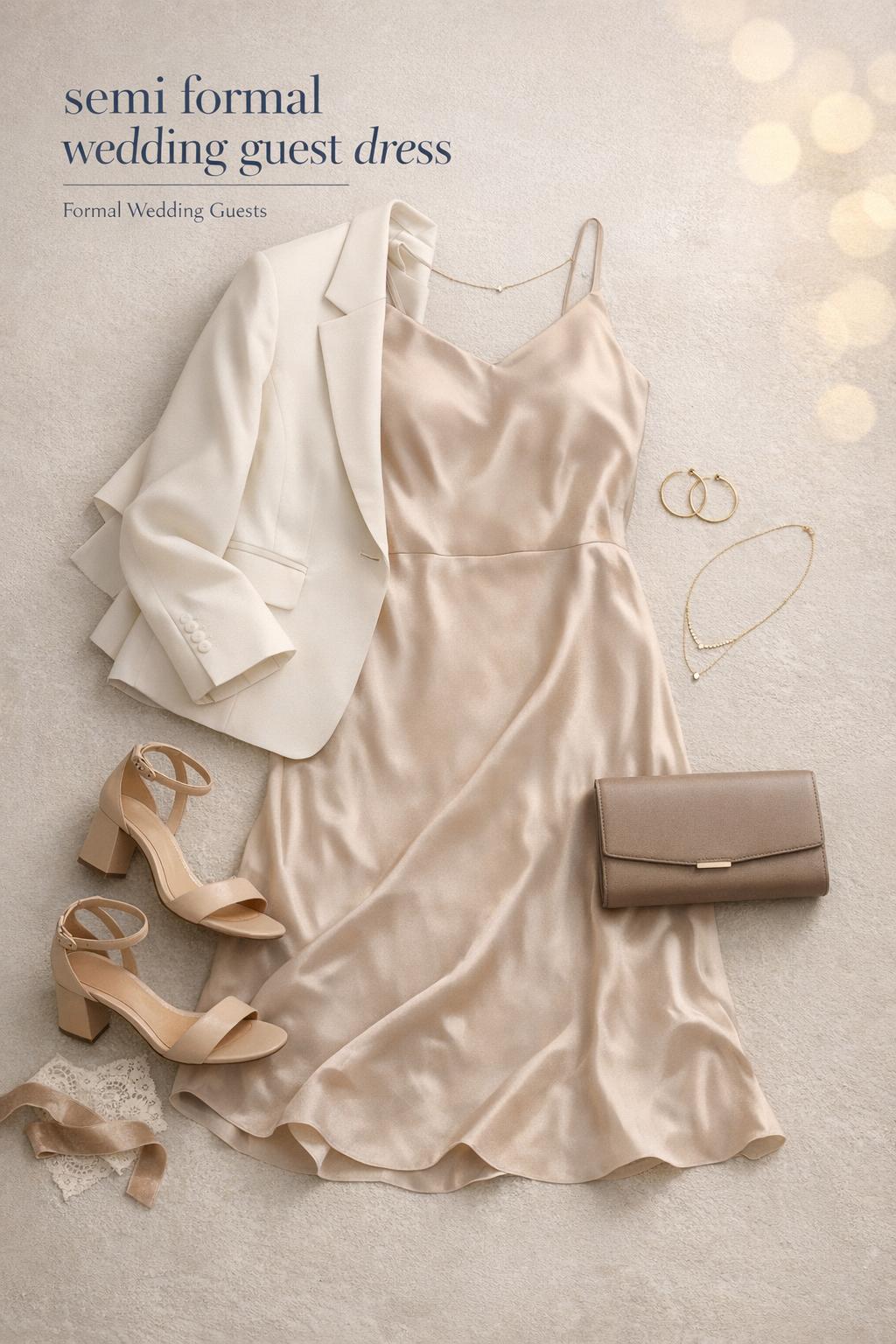
This guide solves the problem with a wedding-stylist approach: clear dress code logic for U.S. weddings, a fabric and silhouette roadmap, and outfit solutions built around the brands guests consistently browse for semi-formal wedding attire—Alyce Paris, Windsor, TOBI, Lulus, JJ’s House, Fehaute, Sunfere, and Berylove. You’ll also find practical finishing details—shoes, bags, jewelry, and a checklist for the week-of—so your guest attire feels intentional, not improvised.
Understanding the styling challenge: why “semi-formal” feels ambiguous
Semi-formal sits in a narrow, highly photographed middle ground. In the United States, it typically signals wedding guest attire that’s dressy and refined, but not as formal as the most traditional formal wedding guests would dress for an ultra-elevated evening event. The problem is that invitations often don’t translate the vibe: a “semi-formal” garden ceremony at golden hour asks for different styling choices than a downtown reception with mood lighting and a late-night dance set.
Your wedding look is only the beginning.
Keep your guest list, vendors, timeline, and every important detail together with Zarellea — so your day feels as considered as your style.
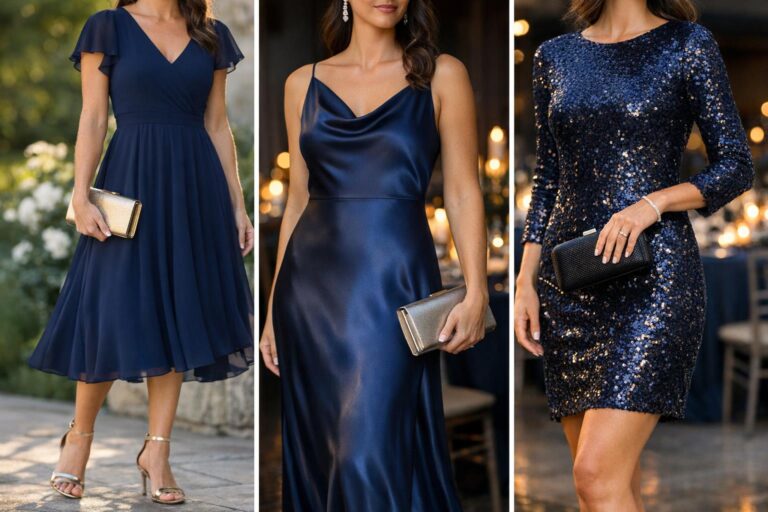
Comfort is the hidden pressure point. Semi-formal clothing should look polished in still photos and remain wearable through movement—walking to your seat, standing through part of a ceremony, and dancing. That’s why the most reliable semi-formal outfits in real weddings tend to be thoughtful combinations of fabric, silhouette, and length: chiffon for ease, satin for glow, lace for romance, and well-chosen midis or tea-length hems that won’t fight you all night.
Semi-formal vs cocktail attire vs formal: a U.S. wedding guest translation
If you’re deciding between a semi-formal wedding guest dress and something that feels more like cocktail attire, start with what each level communicates. Semi-formal typically means elevated but approachable—clean lines, dressy fabric, and a hem length that feels intentional. Cocktail attire leans more “evening ready,” often with bolder silhouettes or shine. Formal attire moves closer to gowns and a more commanding level of polish, which is where many formal wedding guests naturally land.
In practice, semi-formal wedding attire guest styling is about balance: you can choose one “dressy” element (a satin finish, a one-shoulder neckline, or lace texture) and keep the rest refined rather than over-embellished. This is also why midi, knee-length, and tea-length dresses dominate semi-formal options across popular wedding guest dress collections—those lengths visually read as occasionwear without forcing the commitment of a true floor-length moment.
Key dressing principles that make semi-formal wedding attire feel effortless
When you’re building guest attire for a wedding, the goal isn’t to chase a single “correct” dress. It’s to create a look that holds up under real conditions: changing temperatures, long timelines, and lots of standing and walking. These principles keep the decision-making clear.
- Let fabric set the formality. Satin, lace, chiffon, velvet, and crepe each signal “event dressing” in different ways. Choose fabric first, then silhouette.
- Choose a hem that matches movement. Midi and tea-length are consistent semi-formal winners because they move easily and look elevated in photos.
- Balance one statement with one restraint. If you choose a one-shoulder neckline or ruffles, keep jewelry minimal. If you choose a simple sheath, elevate with a clutch and polished heels.
- Match your look to the venue’s practical realities. Outdoor settings reward stable shoes and breathable fabrics; indoor evening receptions can handle richer color and a sleeker finish.
- Build a “ceremony-to-reception” layer plan. A light outer layer is often the difference between a look that feels composed and one that looks like you were caught off guard.
Fabric decisions: the fastest way to get semi-formal right
Fabric is the quiet authority of a semi-formal wedding guest dress. It determines how the dress photographs, how it drapes, and whether you’ll feel comfortable when you’re sitting for dinner or dancing later. The most common semi-formal fabrics across wedding guest collections include satin, chiffon, lace, velvet, and crepe—each with its own styling logic.
Satin: sleek, light-catching, and naturally dressy
Satin reads elevated with very little effort, which is why it shows up so often in semi-formal collections from brands like JJ’s House, Fehaute, and Lulus. A satin midi in a clean silhouette (sheath or softly fitted) gives you instant polish, especially for evening receptions. The trade-off is that satin highlights line and drape, so fit matters—if you’re between sizes, prioritize the one that sits smoothly at the waist and hips, then consider minor alterations.
Chiffon: breathable movement for ceremonies and warm-weather venues
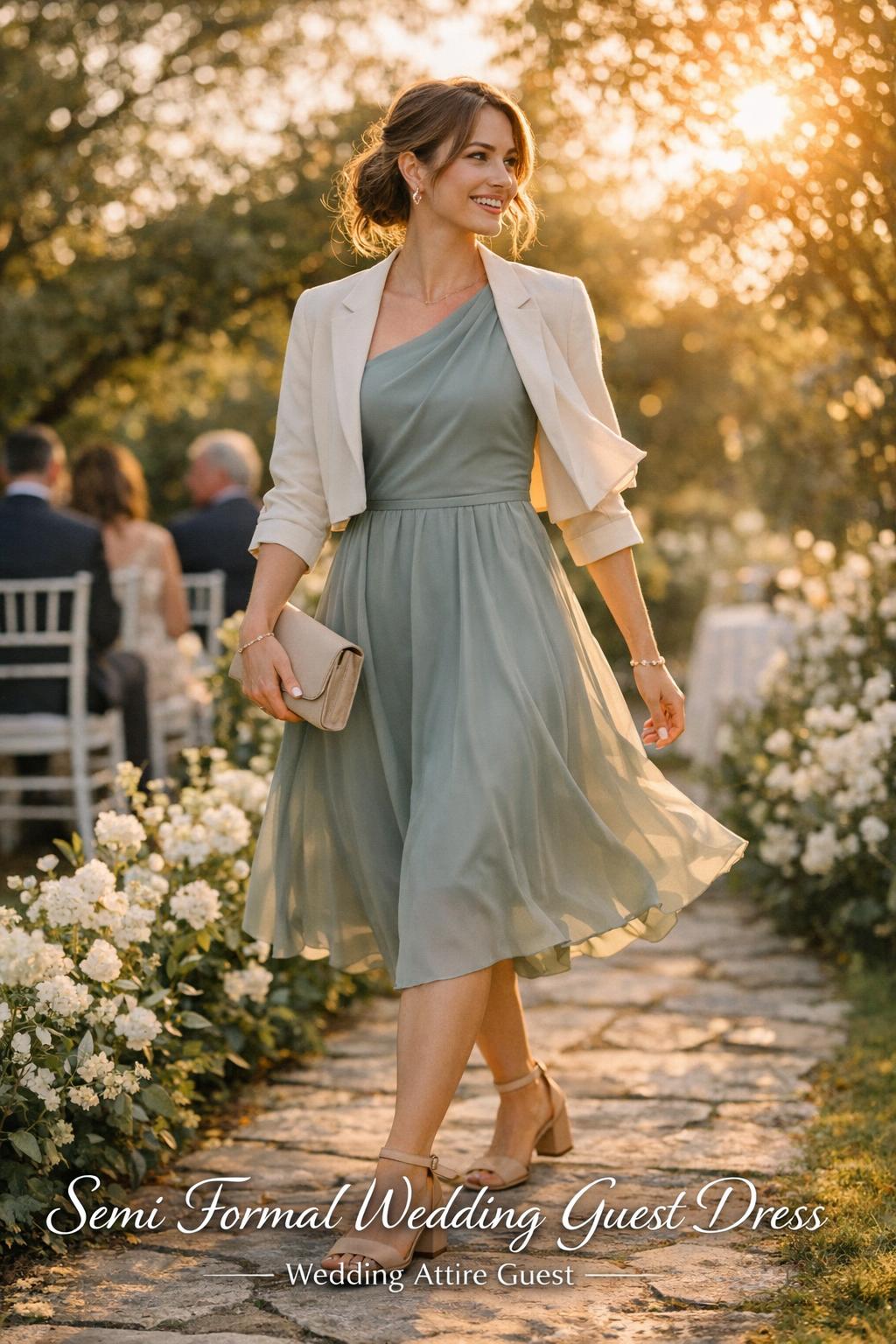
Chiffon is the problem-solver for guests who want elegance without feeling restricted. It’s especially useful for outdoor ceremonies, daytime weddings, and venues where comfort is part of the dress code even when the invitation says semi-formal. Chiffon is also a recurring fabric across JJ’s House and Lulus-style assortments, often paired with flattering shapes that move—ideal when you’ll be walking across a garden path or standing for extended moments.
Lace: romantic texture that looks intentional in photos
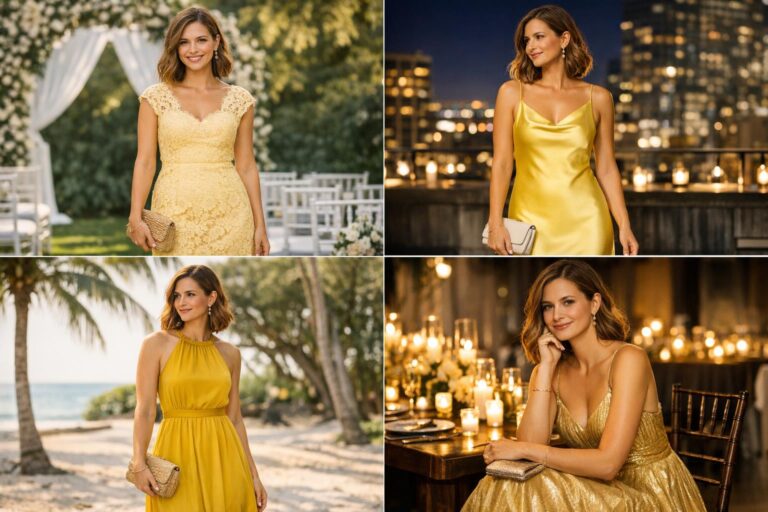
Lace carries a built-in wedding mood—soft, celebratory, and detailed. For semi-formal, lace works best when the silhouette is clean: a lace midi or knee-length dress can read refined rather than overly ornate. Lace also handles transitional lighting well, which is helpful when your wedding day moves from sun to indoor reception.
Velvet: a richer option when you want depth (and warmth)
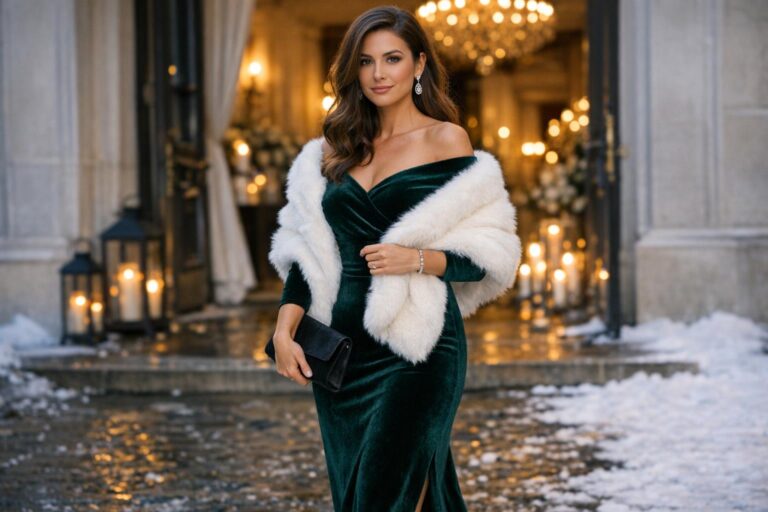
Velvet is a useful semi-formal tool when you want to lean more “evening” without jumping all the way to formal attire. It brings visual depth and feels special occasion–appropriate. The key is keeping the rest of the look streamlined—velvet already carries presence, so avoid piling on heavy details if the wedding leans more understated.
Crepe: clean structure for minimalists and modern venues
Crepe often reads modern and tailored, making it a smart fabric choice when you want a crisp silhouette that still feels wedding-appropriate. In semi-formal styling, crepe shines in sheath and A-line shapes because it holds a line without looking stiff. If your wedding is in a city venue or a sleek indoor setting, crepe helps your guest attire look intentional and current.
Silhouette and length: choosing a shape that behaves well all day
Many guests focus on color first, but silhouette and length are what keep you comfortable from ceremony through the last dance. The strongest semi-formal options tend to be midi, knee-length, and tea-length, paired with silhouettes that photograph cleanly: A-line, sheath, and fit-and-flare. You’ll also see design details—ruching, pleats, ruffles, and one-shoulder necklines—used to add occasion energy without requiring a formal gown.
Midi dresses: the modern semi-formal anchor
Midi length is one of the easiest ways to land precisely in the semi-formal zone, which is why TOBI frequently emphasizes the midi dress as a core option for wedding guest dressing. A midi works across venues and seasons, and it’s easier to pair with a range of shoes. Choose midi when you want flexibility: you can dress it up toward cocktail attire with sleek accessories, or keep it lighter for a daytime ceremony.
Knee-length: crisp, classic, and especially practical
Knee-length is often overlooked because it feels simple, but simplicity can be a strength at semi-formal weddings—particularly daytime events or venues where you’ll be walking a lot. The key is to ensure the fabric and finish do the elevating: lace texture, satin sheen, or a well-placed ruched detail will keep knee-length from reading like everyday wear.
Tea-length: romantic movement with a little extra drama
Tea-length sits in that sweet spot: more romantic than knee-length, less commitment than floor-length. Sunfere highlights movement-friendly silhouettes in this zone—pleats and soft structure that look beautiful when you walk. Tea-length is especially flattering when you want a twirl moment without worrying about a long hem around stairs or crowded reception spaces.
Sheath, A-line, and fit-and-flare: choosing based on comfort and photos
A sheath silhouette reads sleek and modern, especially in satin or crepe, and it can lean closer to cocktail attire without being flashy. A-line is the most universally easy to wear—it gives definition at the waist with room to move. Fit-and-flare carries a celebratory shape that works beautifully for garden ceremonies and receptions where you expect to dance. If you’re unsure, choose A-line in a semi-formal fabric; it tends to perform well in both comfort and photos.
Color palettes and seasonality: making your dress look right in the light
Color reads differently depending on setting and timing. Daytime weddings and outdoor ceremonies tend to flatter softer palettes, while evening receptions can handle deeper tones and a little shine. Across semi-formal collections, you’ll often see neutrals, jewel tones, blush, burgundy, and metallics—each creating a slightly different mood without changing the core dress code.
Daytime and outdoor ceremonies: neutrals, softer color families, and breathable styling
For a garden ceremony or an airy daytime venue, neutrals and softer shades feel effortless and appropriate. A chiffon midi in a neutral color family reads refined without feeling heavy. Lace also works beautifully in daylight because texture creates dimension even in softer hues.
Evening receptions: jewel tones, metallics, and satin glow
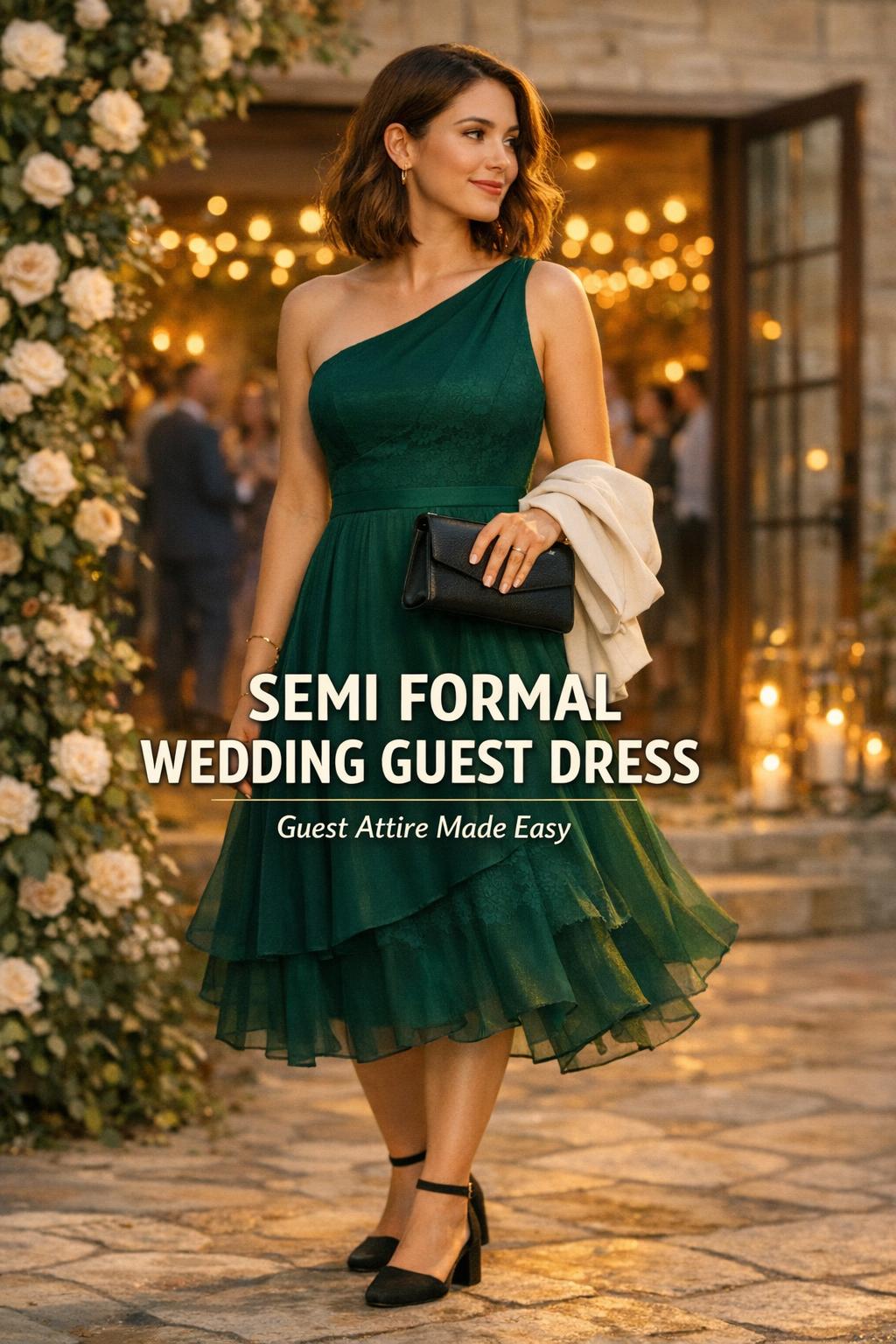
If the celebration turns candlelit or the venue leans more formal, lean into jewel tones and subtle metallics. Satin is especially effective here: it catches reception lighting in a way that feels intentional and celebratory. This is the moment for a sleek sheath, a one-shoulder neckline, or a ruffle detail—elements frequently featured in Alyce Paris and Fehaute-style semi-formal assortments.
A note on “spring bridesmaid dresses” and guest color logic
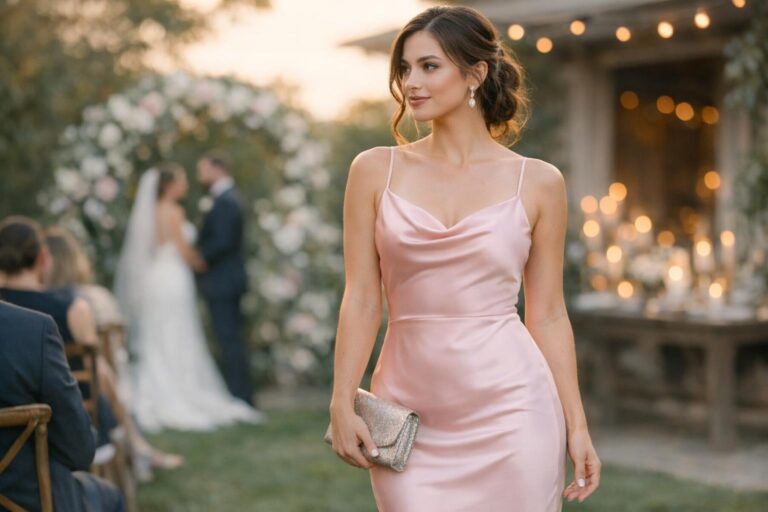
You’ll often see spring bridesmaid dresses in soft, romantic palettes—exactly the colors many guests are drawn to for spring weddings. The solution is not to avoid softness, but to avoid looking coordinated with the wedding party. Choose a different texture (lace instead of chiffon, or satin instead of matte), a different hemline (midi or tea-length rather than a long bridesmaid-adjacent look), or a slightly deeper tone within the same color family so your wedding attire guest choice still feels distinct.
Outfit solutions: semi-formal looks built for real wedding scenarios
Rather than treating semi-formal as a single uniform, it helps to style for the setting. Below are outfit solutions that use the most common semi-formal building blocks—midi and tea-length hems, satin/chiffon/lace fabrics, and practical finishing pieces—so you can adapt to venue, lighting, and comfort needs without second-guessing your guest attire.
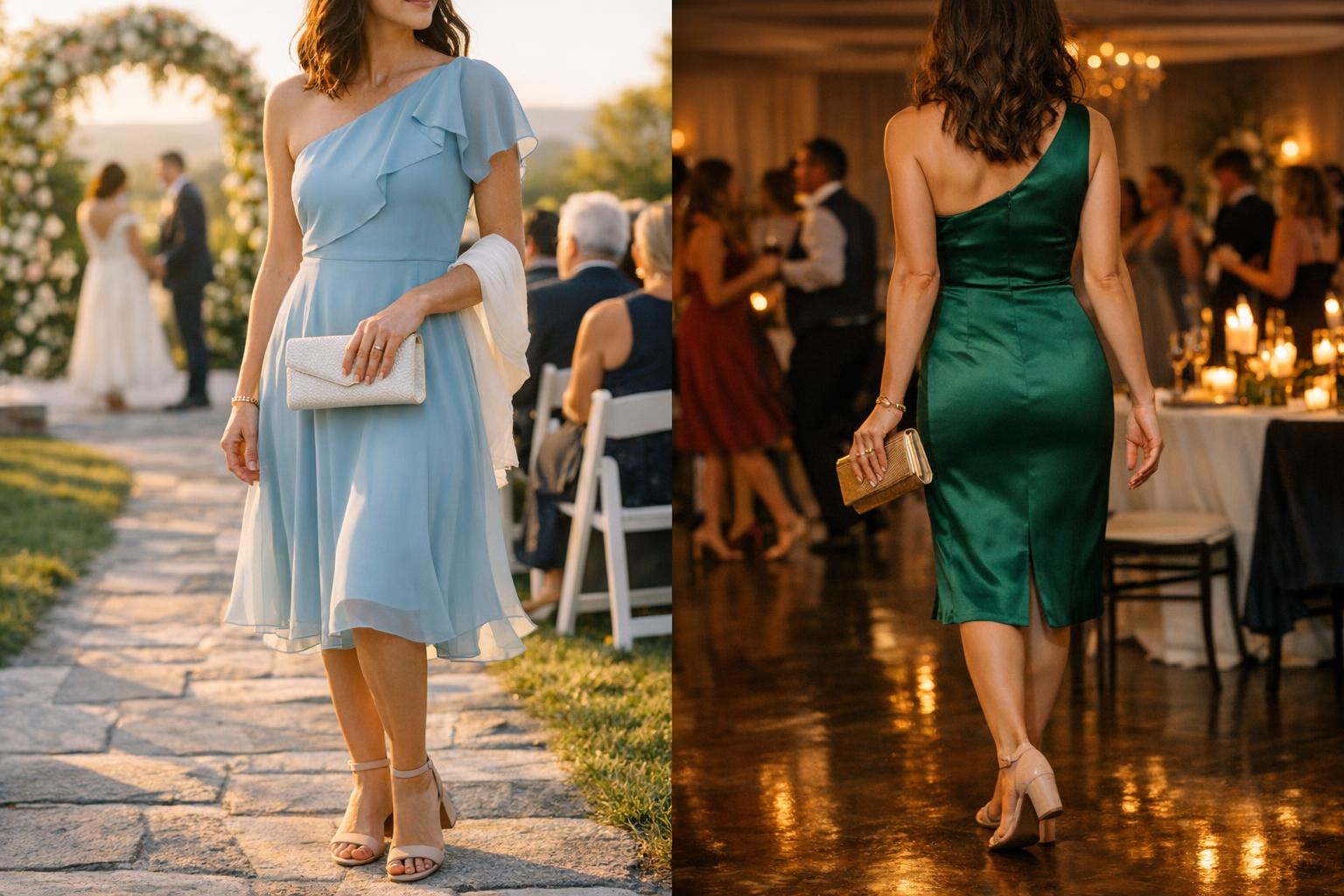
Outfit solution: the garden ceremony chiffon midi with movement
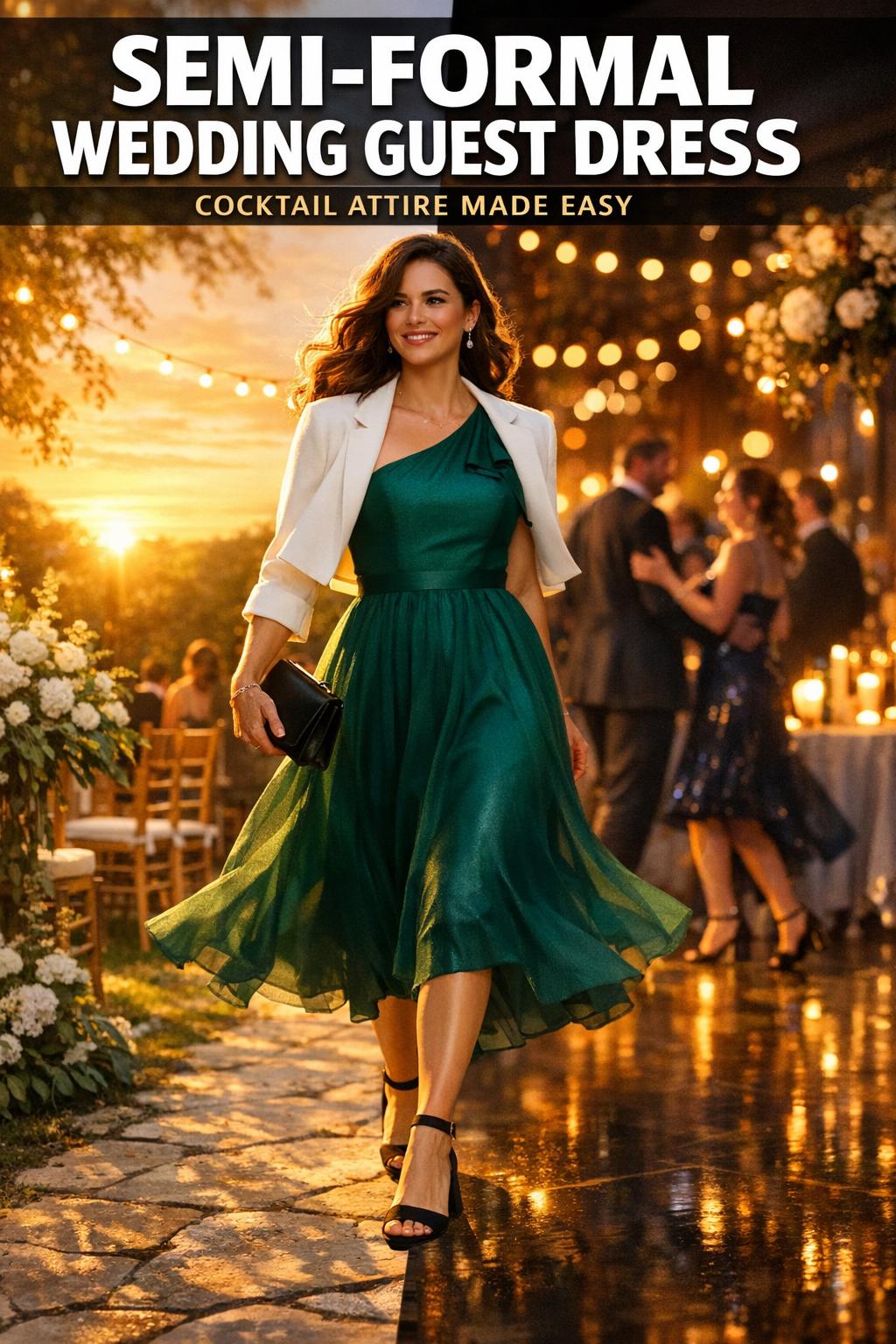
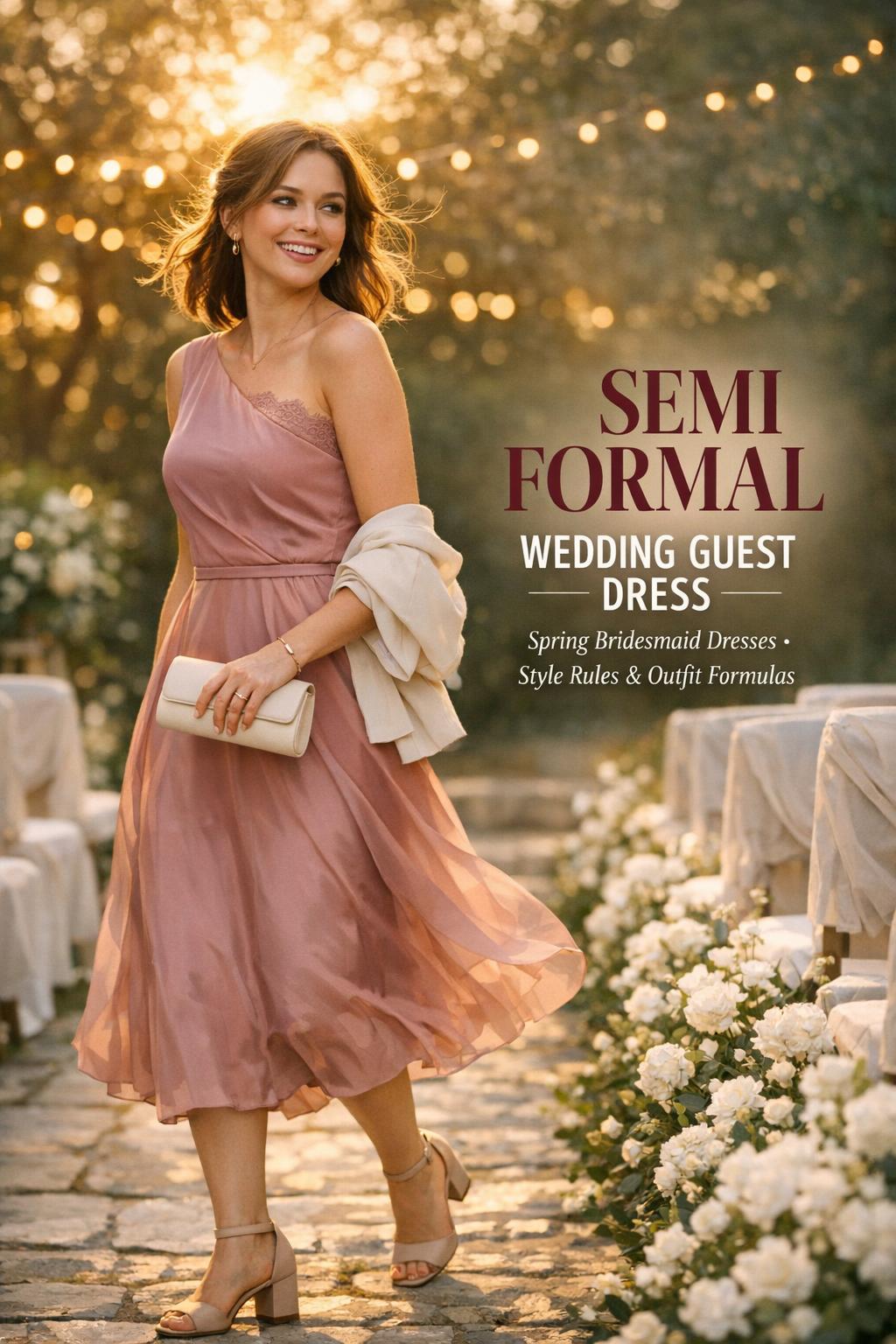
Picture a late-afternoon ceremony on grass, with a breeze that picks up during cocktail hour. A chiffon midi dress is the calm, confident answer: polished enough for semi-formal, breathable enough to stay comfortable. Choose a silhouette with gentle volume—an A-line or fit-and-flare—so the dress moves instead of clinging. This kind of movement-forward styling aligns with the approach seen in Sunfere’s semi-formal wedding guest dresses, where comfort and polish share equal billing.
Finish it with a structured clutch and jewelry that doesn’t snag on chiffon. If the temperature drops after sunset, a light outer layer keeps the look composed without changing the dress code tone.
Outfit solution: the satin sheath that bridges semi-formal and cocktail attire
For an indoor reception with moody lighting—think candlelit tables and a dance floor that fills fast—satin becomes your best styling shorthand. A satin sheath midi reads sleek and elevated, gently nudging into cocktail attire while still staying within semi-formal expectations. You’ll find this aesthetic frequently across JJ’s House, Lulus, and Fehaute-style semi-formal assortments, where satin and clean lines do the heavy lifting.
Because satin reflects light, keep the silhouette tidy and the accessories intentional: a clutch with clean edges, jewelry that feels refined, and shoes that you can realistically stand in for hours. This outfit works especially well when the invitation doesn’t specify “cocktail” but you know the venue will feel more dressed up.
Outfit solution: the lace midi for romantic photos and ceremony-to-reception ease
Lace is for the guest who wants to look undeniably “wedding” without wearing a gown. A lace midi or knee-length dress photographs beautifully from ceremony through reception because texture adds depth in every kind of lighting. This is an elegant option when the wedding atmosphere feels romantic and traditional, but the dress code remains semi-formal.
Keep the styling modern: a clean silhouette (A-line or sheath), minimal jewelry, and a clutch that doesn’t compete with the lace pattern. Lace can feel warm depending on construction, so it’s particularly comfortable when you expect a longer evening or a cooler venue.
Outfit solution: the one-shoulder or ruffle detail for a statement without “formal” weight
If your personal style leans fashion-forward, you don’t need to abandon it to dress semi-formal. A one-shoulder neckline or a refined ruffle adds celebration energy while staying within the semi-formal lane—an approach frequently seen in Alyce Paris collections that spotlight neckline variety and special-occasion silhouettes. Choose a midi or tea-length hem to keep the look grounded, and let the detail be the centerpiece.
This styling solution is especially useful for weddings that feel trendy or modern, where a simple dress might feel underdone but a full gown would be too much. One statement feature, one clean supporting palette—that’s the balance.
Outfit solution: the semi-formal “outfit” approach for guests considering jumpsuits and sets
Some guests feel more like themselves in an outfit rather than a dress, and semi-formal wedding guest dressing often allows for that—especially when retailers highlight “semi-formal wedding guest outfits,” not only dresses, as Windsor does. The key is keeping the finish event-ready: clean lines, a polished fabric feel, and accessories that signal wedding rather than weekday.
To keep the look in the semi-formal zone, prioritize a refined silhouette and a wedding-appropriate color palette. This is a smart option for guests who want freedom of movement and a confident, modern shape—without relying on a hemline for elegance.
Brand and collection navigation: where to look when you want fast clarity
When you’re shopping with limited time, it helps to start with retailers that explicitly group semi-formal wedding guest dresses and outfits. That labeling matters because it filters out overly casual styles and narrows you into silhouettes, fabrics, and details that consistently align with semi-formal expectations.
- Alyce Paris: a strong destination for special-occasion energy within semi-formal, including one-shoulder and ruffle-forward silhouettes.
- Windsor: useful when you want semi-formal wedding guest outfits as well as dresses, especially if you’re styling toward cocktail attire.
- TOBI: a practical starting point if you’re specifically seeking a midi dress as your semi-formal anchor.
- Lulus: a broad mix of lace, chiffon, and sheath options that suit a range of venues and seasons.
- JJ’s House (including international browsing): variety across chiffon and satin, with many length options and the ability to compare styles quickly; international browsing can matter if you’re shopping while traveling.
- Fehaute: a polished semi-formal direction that often leans into satin finishes and dressy detailing.
- Sunfere: a good fit when you want movement-friendly, midi/tea-length silhouettes with comfort in mind.
- Berylove: a collection-driven way to compare multiple semi-formal styles, including common fabric and length options.
If you like the idea of curated browsing rather than searching endless grids, an editorial roundup like Emmaline Bride’s “best semi-formal wedding guest dresses” approach can be a helpful way to see multiple brands side-by-side. Even when you ultimately purchase from a single retailer, that kind of curation can clarify what “semi-formal” looks like across different aesthetics.
Accessories that solve problems: shoes, bags, jewelry, and outer layers
Accessories are where semi-formal looks become wearable. They aren’t just decoration; they’re comfort tools that keep you poised through long timelines. The best approach is to let your dress set the mood, then use accessories to stabilize the look—literally, in the case of shoes, and visually, in the case of finish and proportion.
Shoes: choose stability first, then height
For outdoor venues, prioritize a shoe you can walk in without hesitation. For indoor receptions, you can go sleeker, but remember the real test is standing through the ceremony and moving through a crowded room. Semi-formal doesn’t require uncomfortable shoes; it requires polished ones. The more fluid your dress (chiffon, tea-length), the more a stable shoe keeps the look intentional rather than floaty.
Bags: a clutch that holds the essentials without interrupting the silhouette
A clutch bag is the classic semi-formal answer because it doesn’t compete with the dress shape. Choose one that feels structured if your dress is soft and flowing, or choose a softer finish if your dress is sleek and minimal. This balancing act is especially effective with satin, where the dress already brings shine.
Jewelry and finishing details: the “one focal point” rule
If your dress has a defined neckline—like one-shoulder—let that be the visual moment and keep jewelry restrained. If your dress is minimal, add a focal point with refined jewelry that suits the wedding’s tone. Semi-formal style is rarely about maximal sparkle; it’s about coherent polish.
Outerwear: the quiet difference between styled and unprepared
Weddings often run longer than expected, and temperatures shift. A light layer for the ceremony-to-reception transition keeps your guest attire looking cohesive. This matters most with chiffon and lace, where a mismatched layer can disrupt the romance of the look. Aim for a layer that complements the dress’s formality and doesn’t add bulk at the waist.
Tips for shopping smarter: budget, timing, and realistic planning
Semi-formal shopping is easier when you treat it like a short project: define the venue and time of day, pick your fabric lane, then shop within a few brand collections instead of browsing the entire internet. Because many retailers present semi-formal as dedicated categories—Berylove, Windsor, TOBI, JJ’s House, Alyce Paris, Lulus, Fehaute, and Sunfere—you can move quickly once you know what you’re solving for.
Tips: a 7-step checklist for a calm week-of
- Confirm the dress code language and wedding timing (daylight vs evening).
- Choose your “anchor” first: fabric (satin, chiffon, lace, velvet, crepe) or length (midi, knee-length, tea-length).
- Decide your comfort baseline: how long you’ll stand, walk, and dance.
- Order early enough to allow for sizing changes and minor alterations.
- Test the full look at home, including shoes and clutch, and move around in it.
- Plan a layer for transitions between ceremony and reception spaces.
- Keep return policies and shipping timelines in mind, especially if browsing international storefronts like JJ’s House international options.
If you’re styling under a tight timeline, prioritize a silhouette you already trust (an A-line midi, a sheath midi, or a tea-length with movement) and choose a fabric that carries the formality. That’s the fastest path to a semi-formal look that feels intentional.
Common mistakes that make semi-formal look “off” (and what to do instead)
Most semi-formal missteps aren’t about taste—they’re about misreading the dress code’s center of gravity. Semi-formal is not an invitation to go casual, and it’s not a demand for a full gown. It’s a request for polished guest attire that matches the event’s significance.
- Mistake: relying on a casual fabric in a dressy shape. A fitted silhouette can still look underdressed if the fabric reads everyday; instead, choose a semi-formal fabric like satin, chiffon, lace, velvet, or crepe.
- Mistake: choosing length without considering venue. Floor-length can feel too close to formal in many semi-formal settings; instead, try midi or tea-length for balanced elegance.
- Mistake: adding too many statement elements at once. Ruffles, shine, and bold jewelry can push the look beyond semi-formal; instead, let one feature lead.
- Mistake: ignoring comfort until event day. Shoes and straps that feel “fine” at home can become a problem after hours; instead, wear-test the full look.
A helpful rule: if your look is trending toward cocktail attire, keep the silhouette clean; if it’s trending softer and more daytime, let fabric texture (lace, chiffon) maintain the occasion feel. This is how you stay in the semi-formal lane without flattening your personal style.
Building a semi-formal wardrobe you can reuse (without repeating the same look)
The most useful semi-formal wardrobe isn’t a closet of one-time dresses—it’s a small set of silhouettes and fabrics you can rotate across venues. A satin midi and a chiffon midi already cover a wide range of weddings, from evening receptions to outdoor ceremonies. Add a lace option for romantic settings, and you’ve created variety without starting from scratch every time an invitation arrives.
When you shop from clearly labeled semi-formal collections—like those from Lulus, TOBI, Windsor, Alyce Paris, JJ’s House, Fehaute, Sunfere, and Berylove—you also train your eye for what “semi-formal” looks like in practice: intentional fabric, polished details, and lengths that move with you. That’s the foundation for wedding attire guest dressing that feels consistently right.
FAQ
What does “semi-formal” mean for wedding guest attire in the United States?
In the U.S., semi-formal wedding guest attire generally means a polished, dressy look that sits between casual and formal: think midi, knee-length, or tea-length dresses in elevated fabrics like satin, chiffon, lace, velvet, or crepe, styled with refined accessories rather than everyday basics.
How is semi-formal different from cocktail attire for a wedding?
Semi-formal is slightly more flexible and often softer in execution, while cocktail attire typically leans more “evening ready” with sleeker finishes, sharper silhouettes, or more obvious glamour; a satin sheath midi can bridge both, depending on accessories and the venue.
Is a midi dress appropriate as a semi formal wedding guest dress?
Yes—midi is one of the most reliable semi-formal lengths because it reads elevated, photographs well, and stays practical for walking, sitting, and dancing, which is why it’s emphasized across semi-formal wedding guest dress categories like TOBI and many broader collections.
Are chiffon and lace too casual for semi-formal weddings?
No—chiffon and lace are common semi-formal fabrics because they signal occasion dressing through movement and texture; the key is choosing a silhouette and finish that look intentional, such as a clean A-line or sheath in midi, knee-length, or tea-length.
Can I wear a one-shoulder dress to a semi-formal wedding?
Yes—one-shoulder styles are a classic semi-formal detail that feels special without requiring a gown, and they show up frequently in special-occasion-focused collections like Alyce Paris; keep the rest of the styling refined so the neckline remains the focal point.
Is floor-length too formal for semi-formal wedding attire guest styling?
Often, floor-length can read closer to formal attire, so many guests find midi or tea-length a safer semi-formal choice; if you’re considering longer lengths, keep details and styling restrained so the look doesn’t drift into formal wedding guests territory.
How do I choose colors for daytime vs evening semi-formal weddings?
Daytime settings tend to suit neutrals and softer palettes, while evening receptions can handle deeper jewel tones or subtle metallics; satin also becomes more impactful at night because it catches reception lighting in a way that feels intentionally dressy.
What brands are known for easy-to-browse semi-formal wedding guest dresses and outfits?
Many guests start with clearly labeled semi-formal categories from brands such as Lulus, Windsor, TOBI, JJ’s House (including international browsing), Alyce Paris, Fehaute, Sunfere, and Berylove, then narrow by fabric, length, and detail preferences like satin, chiffon, lace, ruching, or pleats.