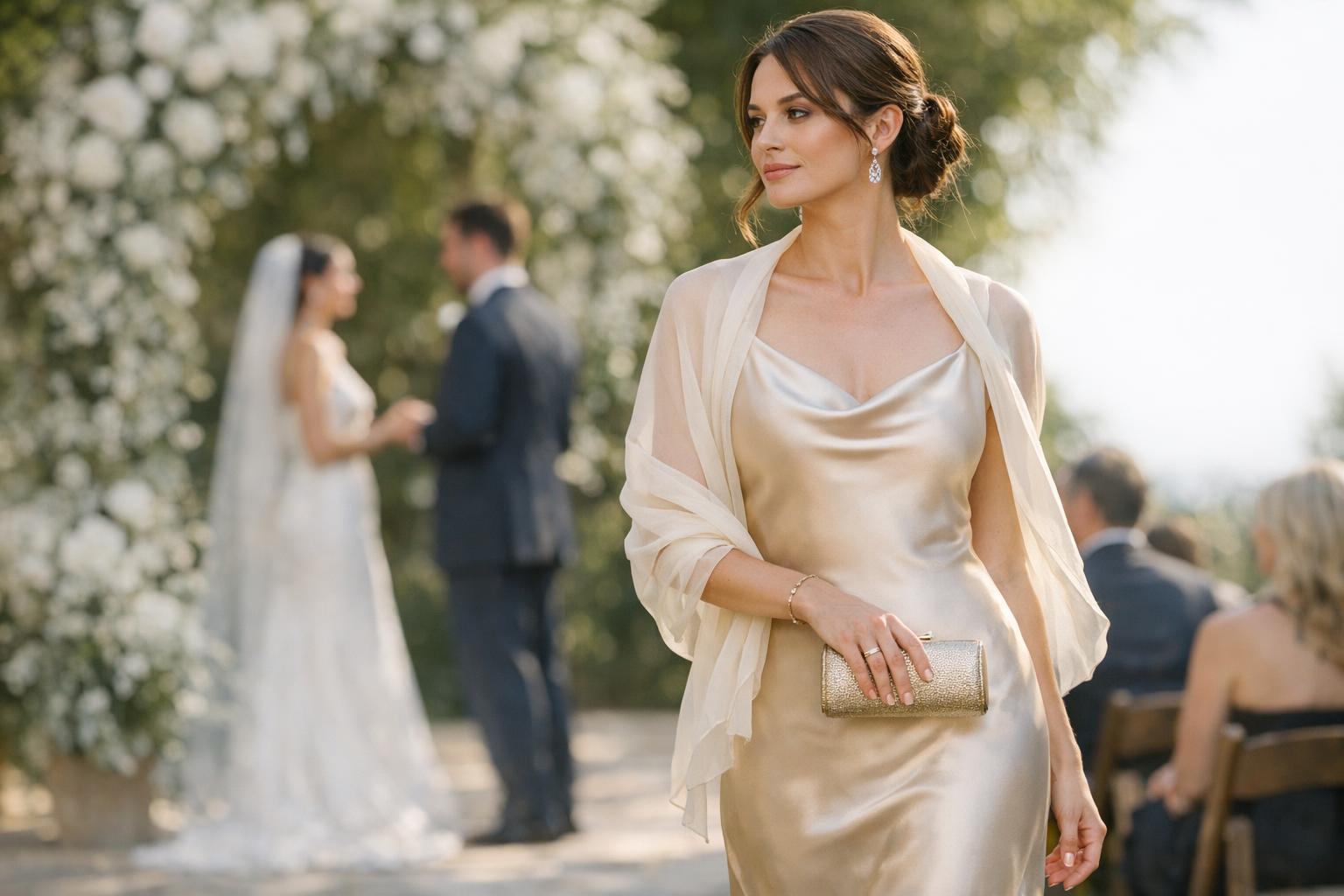
Quiet Luxury Picks: Wedding Guest Dress Elegant For 2026
Introduction
The most elegant wedding guest look is rarely the loudest in the room. It’s the one that feels composed from every angle: a clean silhouette that photographs beautifully, a fabric that catches light without demanding it, and styling that reads intentional from ceremony to last dance. That’s the quiet power behind the “wedding guest dress elegant” aesthetic—polished, romantic, and confident enough to let the celebration stay centered on the couple.
This style identity shows up everywhere modern weddings happen in the United States: a garden ceremony that drifts into golden-hour cocktails, a city hall vow exchange followed by dinner, a candlelit ballroom reception, and the formal sparkle of a black-tie wedding. It’s popular because it works. Elegant dressing can be trend-aware without being trendy, flattering without being fussy, and elevated without turning your outfit into a costume.
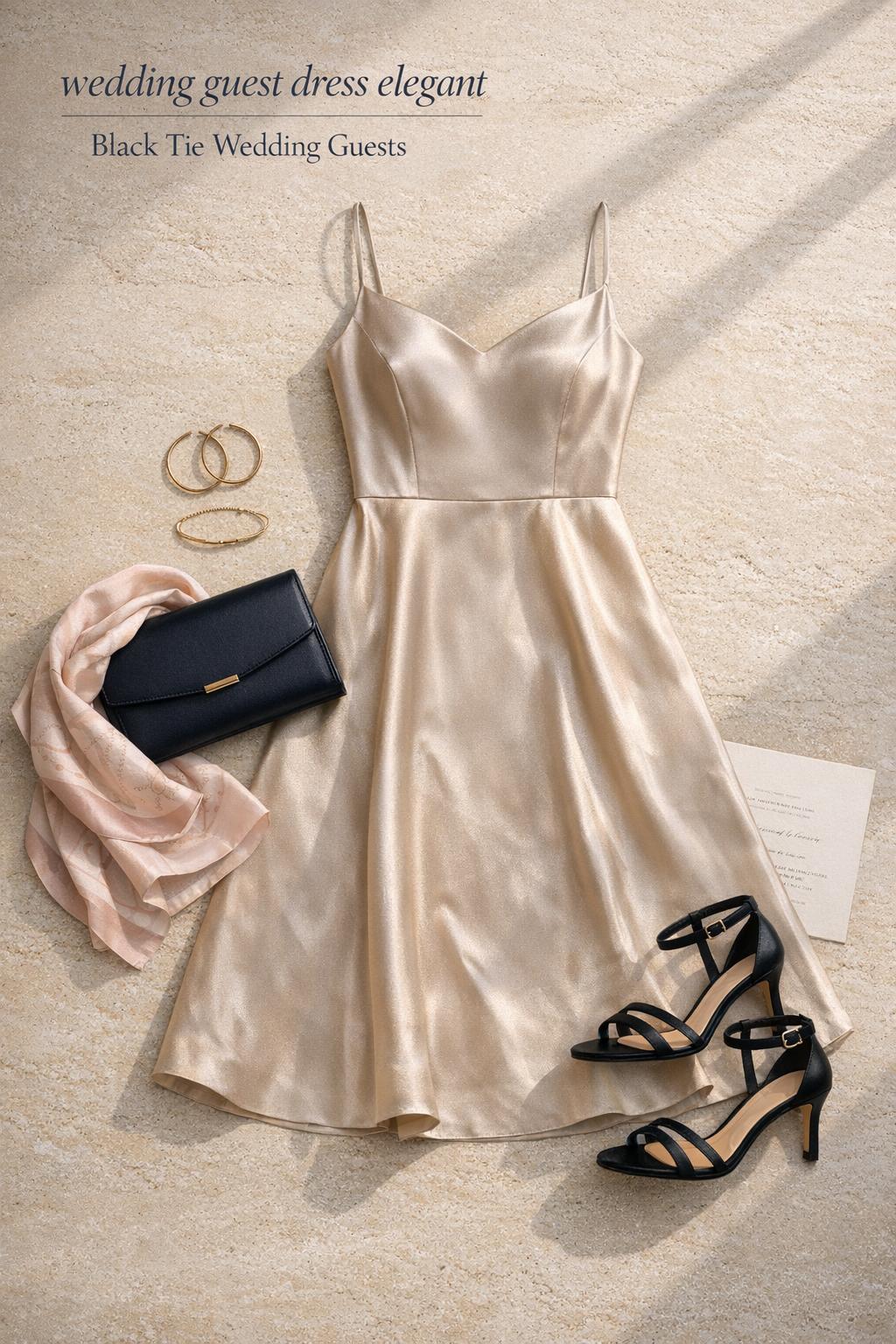
Below, you’ll find outfit looks that interpret the same elegant guest mood through different silhouettes—midi, maxi, gown—and through textures like satin, crepe, lace, and velvet. You’ll also see how brands that dominate wedding guest shopping—Reformation, Jovani, Lulus, JJ’s House, Eloquii, Ohrose, Emprada, and Lady Black Tie—fit into a practical decision process that considers venue, dress code, and the kind of elegance that feels like you.
What “elegant” means for a wedding guest in 2026
Elegance is a relationship between three core choices: silhouette, fabric, and formality. A sheath or column dress in satin reads sleek and modern; an A-line midi in lace reads romantic and classic; a maxi or gown with formal structure reads black-tie ready. In other words, elegance isn’t one dress—it’s a visual language that communicates respect for the occasion and confidence in your own style.
Your wedding look is only the beginning.
Keep your guest list, vendors, timeline, and every important detail together with Zarellea — so your day feels as considered as your style.
In real weddings, “elegant” also has to behave well across the day. Think about sitting for the ceremony, walking across grass or sand, hugging relatives, and staying comfortable through dinner. A wedding guest dress elegant enough for photos should still allow movement, especially when dress codes lean formal and you’ll be wearing elevated footwear and jewelry for hours.
- Silhouette sets the mood (midi for modern classic, maxi for drama, gown for black tie).
- Fabric signals refinement (satin, crepe, lace, velvet) and determines how the dress drapes.
- Color palette communicates tone (classic neutrals, jewel tones, pastels) and shifts with venue lighting.
- Accessories finish the story (scarves, clutches, belts, jewelry, footwear) without overwhelming it.
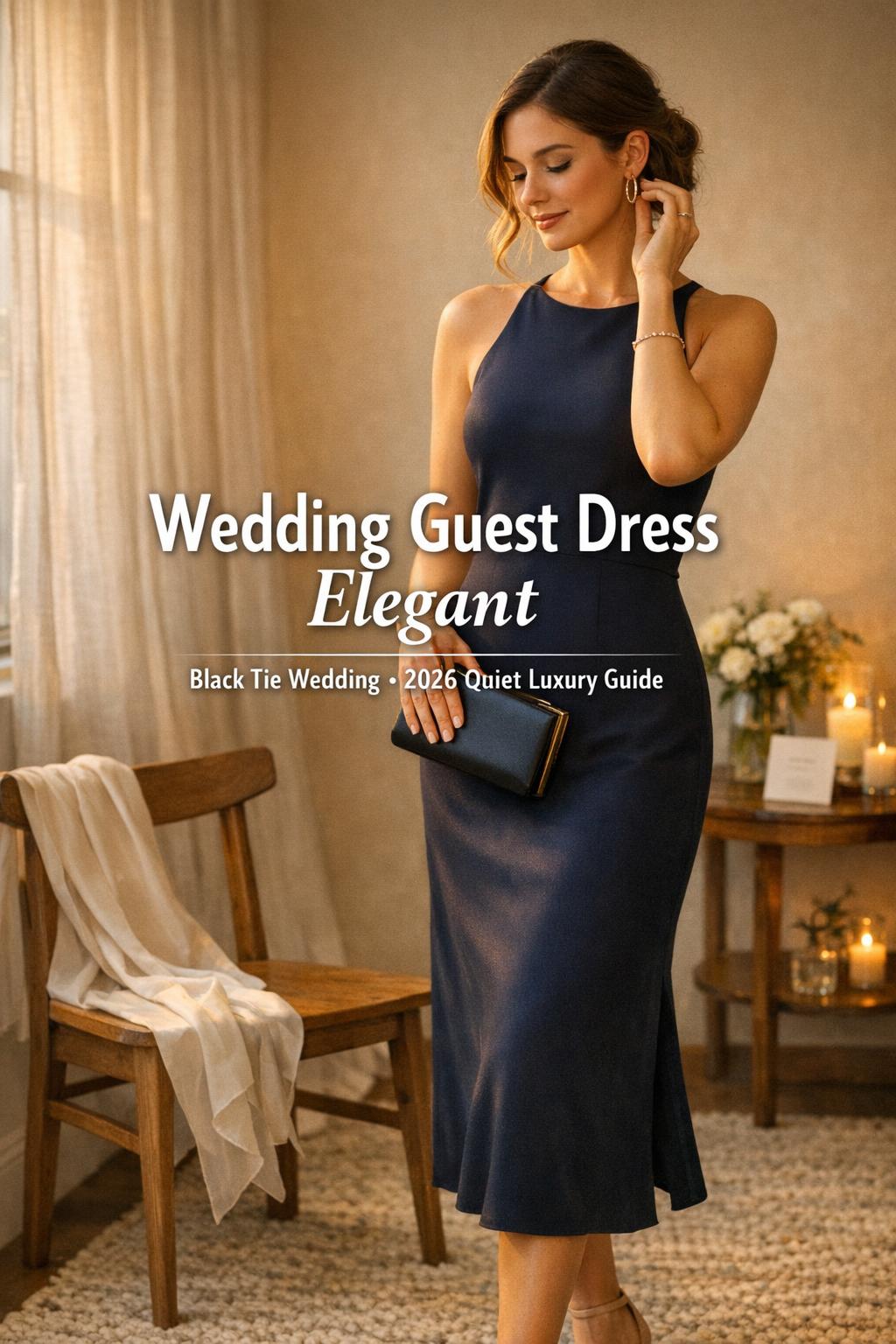
Key silhouette clusters that always read polished
Silhouettes are the easiest way to steer your look toward “elegant” without overthinking. Most wedding guest wardrobes fall into a few reliable shapes—A-line, sheath, column, mermaid/trumpet, midi, maxi, and gown—each with its own visual effect. The best choice depends on where the wedding happens and how formal the invitation feels.
A-line and midi: the modern classic (including the elegant midi dress classy simple mood)
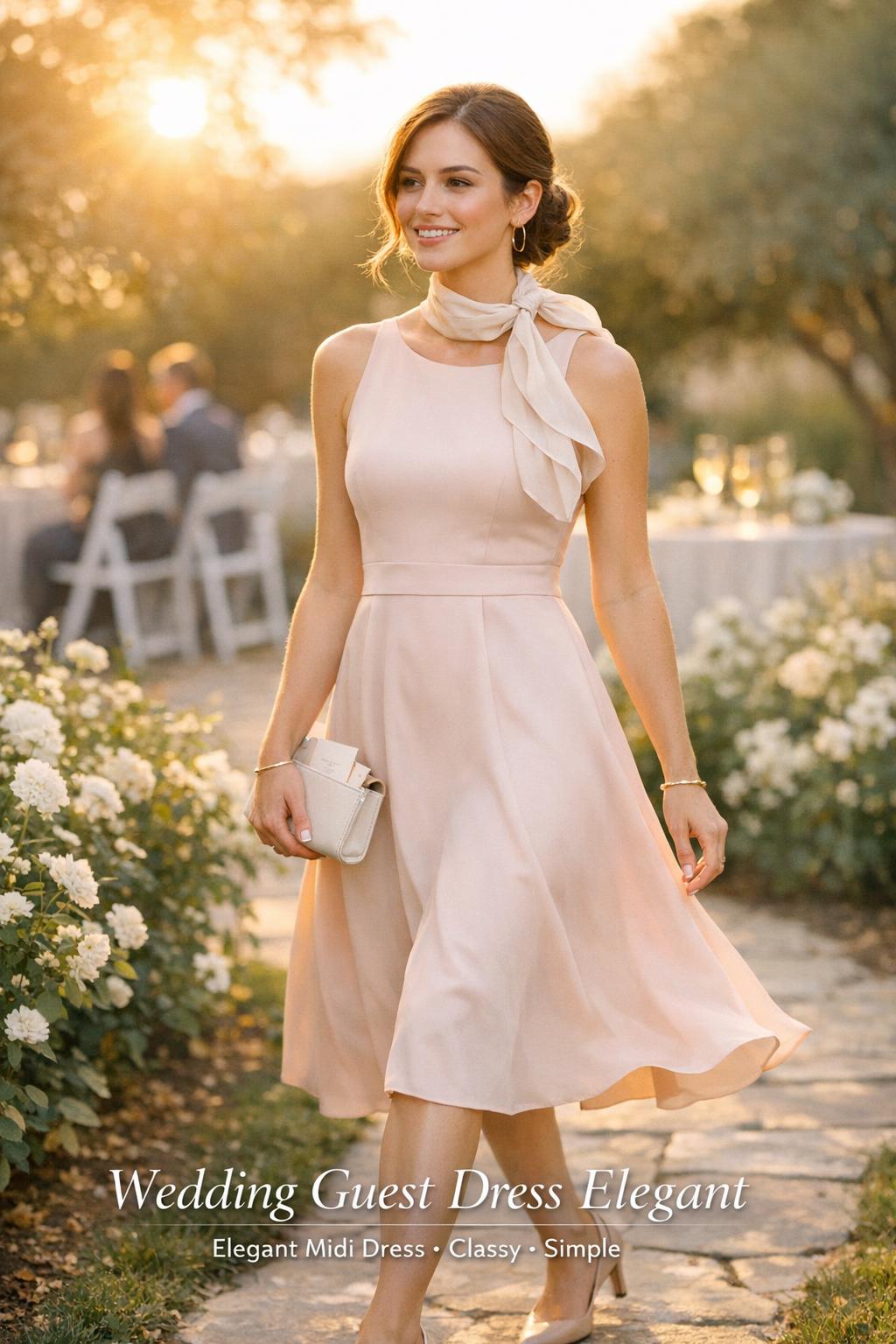
An A-line midi is the kind of elegance that feels effortless—structured enough to look intentional, relaxed enough to move through a long celebration. The hemline keeps it modern and venue-flexible, making it especially strong for daytime ceremonies, garden settings, and city weddings that blur formal and semi-formal cues.
When you want an “elegant midi dress classy simple” look, prioritize clean lines and thoughtful details. Lace brings romance without extra volume; crepe leans minimalist and refined. Brands with strong category selections—like Lulus and JJ’s House—make it easy to filter into this silhouette zone, while Eloquii’s elegant collection is a key destination for a polished midi or maxi moment that still feels fashion-forward.
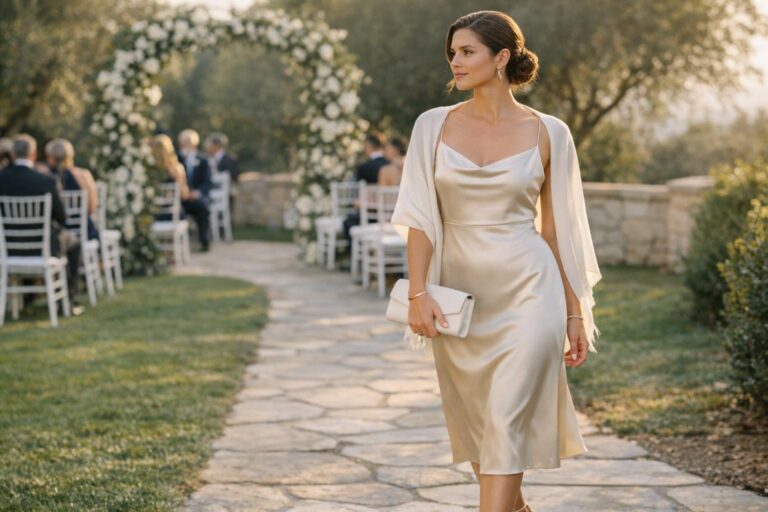
Styling insight: keep the neckline and accessories in conversation. A simpler midi silhouette welcomes a scarf styling moment (a trend-forward nod that still reads bridal-appropriate), while a detailed bodice often needs only a clutch and refined jewelry to feel complete.
Sheath and column: minimalist sophistication
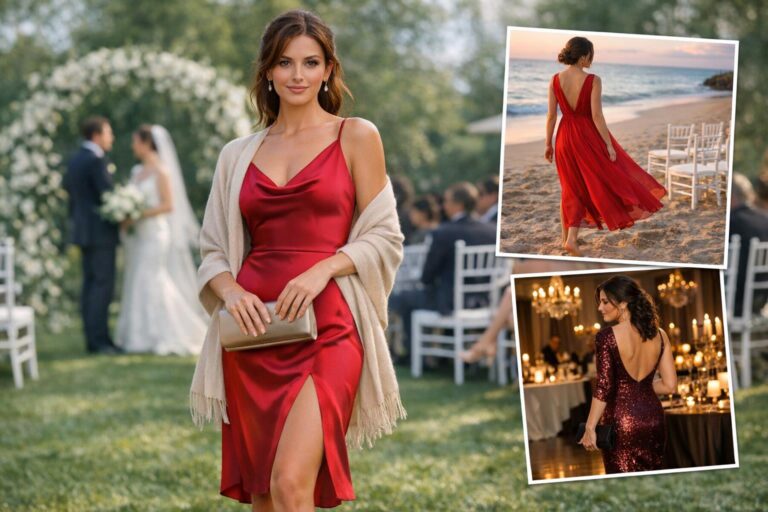
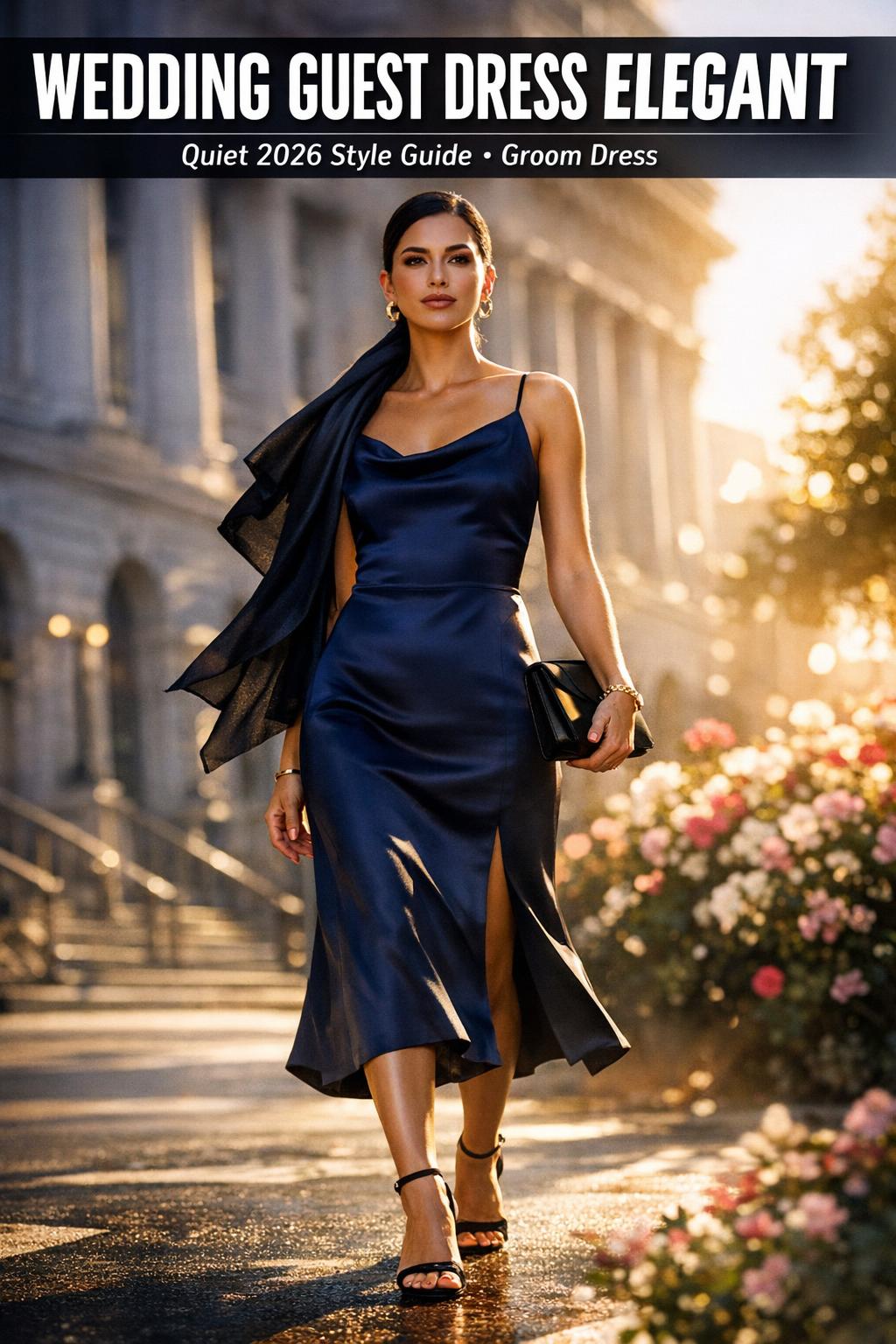
A sheath or column silhouette is the quiet-luxury version of wedding guest elegance—clean, elongated, and especially striking in evening light. This shape photographs beautifully because it creates a smooth line from shoulder to hem, making it a favorite for city venues and more formal receptions where the overall atmosphere is sleek.
Fabric becomes everything here. Satin amplifies the polish; crepe keeps it matte and modern. Editorial roundups that spotlight “best wedding guest dresses of 2026” often lean into these refined shapes because they pair well with statement accessories without looking busy. If you’re browsing brand-heavy edits, you’ll see this silhouette language repeatedly connected to labels like Reformation and other fashion-forward names featured alongside it.
Styling insight: choose one focal point—either a satin finish, a bold jewel tone, or a scarf detail—but avoid stacking all three. Minimalism looks expensive when it’s edited.
Maxi and gown energy: formal venues and black tie
For formal venues—ballrooms, upscale evening receptions, and any event that leans into ceremony—maxi lengths and true gowns deliver instant elegance. This is where “black tie wedding guests” typically land: floor-length silhouettes, elevated fabrics, and styling that feels deliberate from head to toe.
Jovani’s wedding guest dresses are strongly associated with formal gowns, venue-aware styling, and craftsmanship, making it a natural reference point when you need the dress to do more of the talking. Lady Black Tie, as the name suggests, curates the black-tie mood through formal options that align with an elevated dress code. If you want a wide browse with filters and a sense of category breadth, collections like Emprada’s and Lulus’s elegant wedding guest dresses also support this search style—especially when you’re deciding between maxi drama and cocktail polish.
Styling insight: the longer the hemline, the more important proportion becomes. Keep the overall look refined—one clutch, cohesive jewelry, and footwear that can handle a full evening without changing the posture of the dress.
Mermaid and trumpet: sculpted elegance with a fashion edge
Mermaid and trumpet silhouettes bring a sculpted, occasion-forward energy—glamorous but still appropriate when done in the right fabric and color. This shape is a natural fit for nighttime receptions and formal wedding settings where the room itself is already dressed: dim lighting, polished floors, and a sense of celebration.
Collections like JJ’s House explicitly surface trumpet and mermaid styles, often paired with lace and other elevated textures. The key is to keep the finish elegant rather than costume-like: refined fabric, clean styling, and a color palette that complements the wedding’s tone instead of competing with it.
Styling insight: because the silhouette is the statement, avoid over-accessorizing. Let the line of the dress be the visual centerpiece.
Fabrics and textures that instantly elevate a guest dress
Fabric is what makes a dress feel expensive—or simply feel right for the setting. In wedding guest styling, the goal isn’t just beauty; it’s behavior. You want a fabric that drapes well, holds shape when you sit, and looks intentional under different lighting, from outdoor sun to evening candles.
Satin wedding guest dress: glossy elegance that photographs beautifully
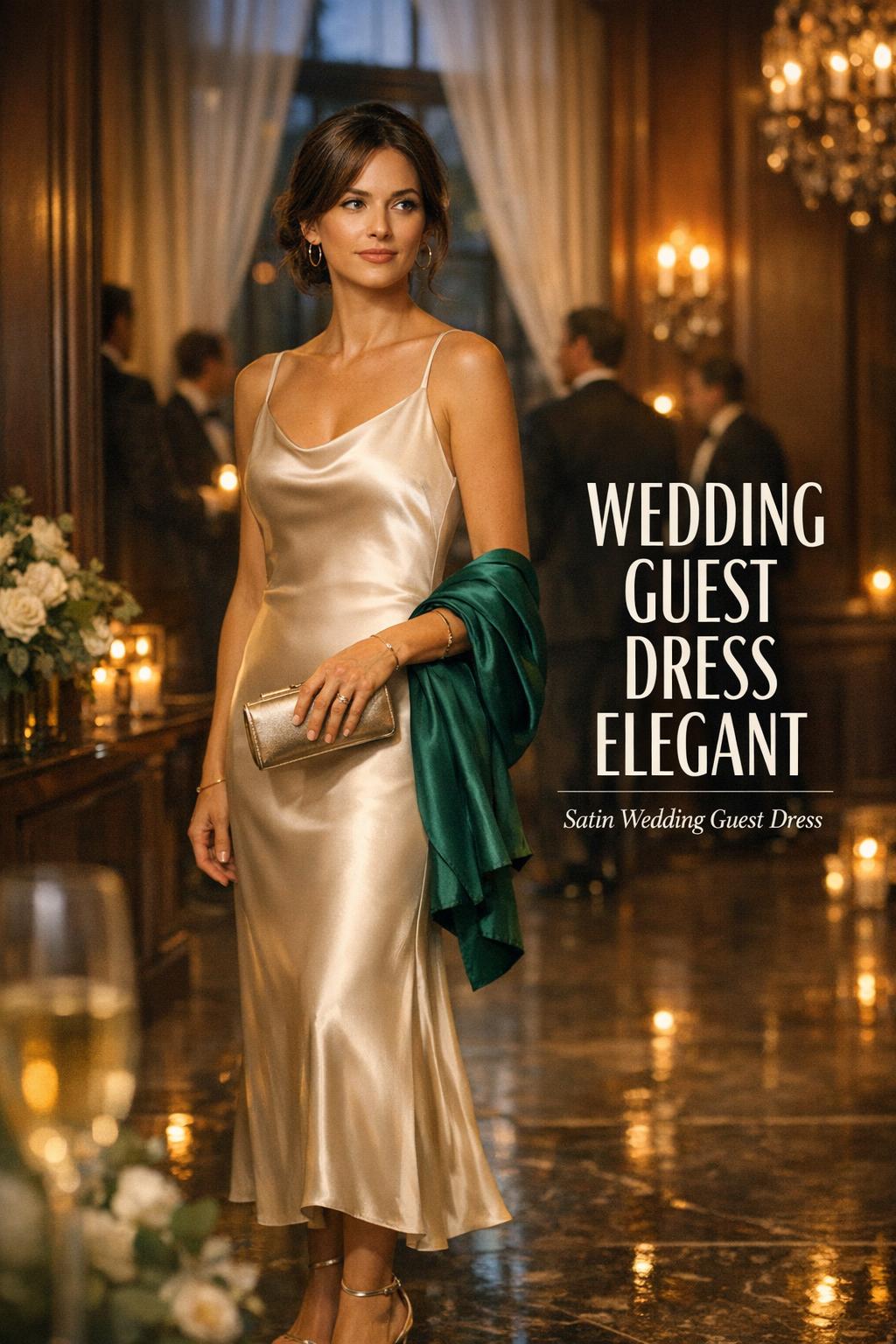
A satin wedding guest dress is a shortcut to polish. Satin reflects light, which reads especially elegant at evening receptions and formal venues. It’s also one of the clearest ways to make a simple silhouette feel elevated—think clean sheath lines, a refined midi, or a formal maxi that moves fluidly on the dance floor.
Style tip: satin shows texture and structure more than matte fabrics, so pay attention to fit and underpinnings. A well-fitted satin dress looks intentional; a poorly fitted one looks distracted.
Crepe: modern and clean, ideal for minimalist silhouettes
Crepe reads refined because it’s smooth and typically matte, making it ideal for sheath and column silhouettes. It also balances statement accessories beautifully—scarves, jewelry, or a bolder color story—without making the look feel overloaded. When the wedding vibe is modern (city hall, downtown venues, contemporary receptions), crepe is one of the most reliable elegance signals.
Lace: romantic texture for classic wedding settings
Lace offers built-in detail, which is why it continues to appear across elegant collections. It’s especially effective in A-line and midi shapes, where texture creates softness and dimension—perfect for garden ceremonies, traditional venues, and weddings that lean romantic in their overall atmosphere.
Velvet: rich texture for cooler seasons and evening receptions
Velvet delivers depth. It’s a natural choice when the wedding is later in the year or the venue is candlelit and formal, because the texture looks luxurious under low lighting. When you want elegance with warmth—without sacrificing polish—velvet can do what lighter fabrics can’t.
Color stories that feel elegant (and how to choose without second-guessing)
Color is where wedding guest anxiety often shows up: “Will this photograph too bright?” “Is this too close to the wedding palette?” “Can I wear black?” The most elegant approach is to choose a color story that fits the venue and time of day, then keep the rest of the styling cohesive and calm.
Classic neutrals: black, navy, and champagne
Classic neutrals are elegant because they’re stable—they don’t fight the room. Black and navy are particularly strong for evening receptions and formal settings, while champagne reads softly luminous for daytime-to-evening transitions. Modern guest guides explicitly make space for black as a valid option; the key is to ensure it looks celebratory rather than severe through texture (satin, lace, velvet) and accessories.
Styling insight: if you wear black, bring in warmth—through jewelry, a scarf, or a clutch that adds dimension—so the look feels wedding-appropriate, not like corporate eveningwear.
Jewel tones and pastels: emerald, sapphire, blush
Jewel tones feel inherently formal because they’re saturated and rich; pastels feel romantic and airy. Both can be elegant when matched to the venue’s energy. Jewel tones shine at evening receptions and black-tie moments, while blush and other soft pastels pair beautifully with garden weddings and outdoor ceremonies where the light is natural and forgiving.
Practical tip: let one element carry the “color statement.” If the dress is a jewel tone, keep accessories refined and minimal. If the dress is a soft pastel, you can add polish with satin texture or a scarf styling detail that feels intentional.
Look: candlelit black-tie glamour for a black tie wedding
Picture a ballroom reception where everything glows—glassware, florals, the soft shine of evening lighting. This is where a floor-length silhouette feels not just appropriate, but harmonious. The aesthetic is sleek glamour: elongated lines, controlled drama, and a finish that reads formal without feeling heavy.
A satin wedding guest dress in a maxi or gown silhouette is the anchor here, especially in classic neutrals like black or navy. If you’re shopping within formal-focused edits or curated collections, you’ll see this mood reflected in Jovani’s formal gown options and in Lady Black Tie’s black-tie-forward assortment. Keep the fabric elevated and the styling precise—this is not the moment for overly casual accessories.
- Key garments: floor-length satin gown or formal maxi in a clean silhouette
- Footwear: refined evening heels suited to long wear
- Accessories: clutch, jewelry that complements (not competes), optional scarf detail if the dress is minimalist
Why it works: black-tie elegance is about continuity. When silhouette, fabric, and accessories speak the same language, the outfit looks elevated in photos and feels effortless in motion—even through a long reception timeline.
Look: garden ceremony romance in lace and soft movement
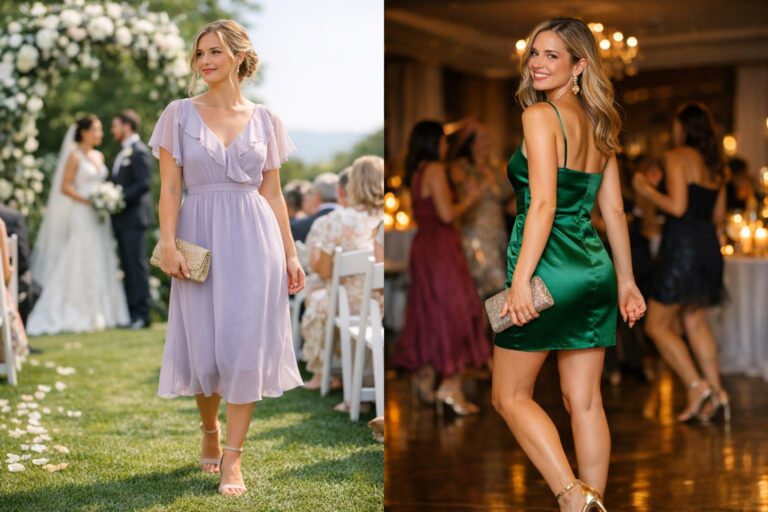
A garden wedding asks for elegance that breathes. The mood is romantic but not precious—soft silhouettes that move with a breeze, textures that look dimensional in daylight, and colors that feel at home among florals. This is where an A-line or midi silhouette becomes your best ally.
Choose lace for its built-in refinement, or crepe if you want the romance to come from shape rather than texture. Pastels like blush and other gentle tones feel naturally aligned with outdoor ceremonies, while champagne neutrals glow beautifully in afternoon light. Lulus’s elegant wedding guest dresses category is a common shopping destination for this mood, and Eloquii’s elegant collection also supports romantic silhouettes with elevated detailing like embroidery.
Why it works: in a garden setting, elegance looks best when it’s slightly softened. Lace, embroidery, and gentle color stories keep the look wedding-appropriate without feeling overly formal for daylight.
Look: city hall polish with an elegant midi dress classy simple attitude
City hall weddings and modern urban venues call for a different kind of elegance—streamlined, minimal, and very intentional. The aesthetic is “edited”: clean lines, thoughtful proportions, and accessories chosen like punctuation rather than decoration.
An elegant midi dress classy simple in crepe or satin hits the sweet spot. A sheath or column-leaning midi reads modern, while an A-line midi adds a touch of classic femininity without losing structure. This is also a setting where trend-aware styling—like a scarf—can feel especially chic, echoing the way wedding guest dress trends are often presented with versatile styling moves.
- Key garments: minimalist midi in crepe or satin, refined neckline
- Footwear: polished heels that can handle walking and standing
- Accessories: scarf (optional), clutch, jewelry kept sleek
Why it works: the city hall setting rewards restraint. A pared-back silhouette lets fabric choice—especially satin—carry the elegance, while accessories keep the look celebratory.
Look: beach or destination ease with elevated simplicity
Destination and beach weddings are where elegance has to be practical. The mood is effortless, but the photos still matter—wind, sun, and movement can make overly structured looks feel out of place. Here, the most elegant styling choice is often the one that looks natural in the environment.
Lean into midi or maxi lengths that move easily, in fabrics that don’t look stiff in outdoor conditions. Softer color stories—pastels and champagne neutrals—tend to feel harmonious in bright light. A scarf can be more than a trend detail here: it can double as a practical styling tool for wind or changing temperatures while keeping your look cohesive and elevated.
Why it works: destination elegance is about alignment. When the dress moves with the setting, the entire outfit reads intentional—romantic, comfortable, and ready for a long day of celebration.
Look: evening reception drama with a sculpted mermaid or trumpet silhouette
Some receptions feel like a moment—dim lights, a formal room, and a guest list dressed to impress. For that atmosphere, a sculpted silhouette creates an elegant impact without requiring excessive embellishment. Mermaid and trumpet shapes add drama through line, not volume.
Choose lace for romance or satin for sleek glamour, then keep the color palette sophisticated: classic neutrals or jewel tones that deepen the evening mood. JJ’s House explicitly surfaces trumpet and mermaid options within its elegant wedding guest dress collection, and formal-focused shopping hubs frequently cluster these silhouettes around black-tie and formal dress code needs.
Why it works: sculpted silhouettes look elevated because they’re architectural. When paired with refined fabric and minimal accessories, the result feels formal, modern, and confidently appropriate.
Where to shop elegance: brand paths that match your dress code
Shopping becomes easier when you treat brands like style “filters.” Some are strongest for formal gowns; others are built for versatile midis and modern silhouettes; others focus on curated black-tie energy. A wedding guest dress elegant enough for 2026 doesn’t have to come from one kind of store—it just needs to match the dress code, venue, and your comfort with different silhouettes.
Brand map for wedding guest dressing (from broad browse to black-tie specialization)
- Emprada: wedding guest dresses collection browsing with filters; useful when you want variety and an easy sorting experience.
- Jovani: formal gowns, maxi options, and venue-aware choices; strong when the event leans formal or black tie.
- Lulus: a deep category for elegant wedding guest dresses with extensive style variety, especially for midi-to-maxi ranges.
- JJ’s House: elegant wedding guest dresses with silhouettes like trumpet and mermaid, plus lace-forward options.
- Eloquii: elegant collection with elevated details like embroidery, with a clear place in inclusive occasion dressing.
- Ohrose: a trend- and guidance-oriented approach to 2026 guest dressing, including clarity around color choices like black.
- Lady Black Tie: curated black-tie and formal mood dressing; helpful when the dress code is explicit and evening-forward.
- Reformation: frequently referenced in trend and “best of” wedding guest dress conversations, including specific product examples like a silk strapless maxi dress.
Practical shopping tip: start with the venue and dress code, then choose a brand lane. If the invitation suggests a black tie wedding, narrow quickly to formal specialists and gown-focused catalogs. If the event is garden or city, prioritize brands with strong midi and modern classic options, then refine by fabric and color story.
Occasion decoding: matching elegance to venue and dress code
Most wedding guest outfit stress comes from ambiguity. Dress codes can be brief, venues can be unfamiliar, and the day can shift from outdoor ceremony to indoor reception. The easiest way to stay elegant is to dress for the most formal part of the day, then use accessories and layering to adapt.
Ballroom and formal reception
Go maxi or gown, and let satin, velvet, lace, or crepe elevate the finish. This is the natural environment for black-tie dressing and for brands like Jovani and Lady Black Tie that build collections around formal energy.
Garden ceremony and outdoor venues
Choose A-line or midi silhouettes that move well, with lace or softer fabric behavior that looks romantic in daylight. Pastels and champagne neutrals often feel harmonious outdoors, while refined jewel tones can work when the wedding leans more formal.
Beach and destination weddings
Prioritize comfort and movement: midi or fluid maxi, elegant fabric choice, and accessories that can adapt—scarves are especially useful for styling versatility while still feeling elevated.
City hall and modern venues
Lean into minimalist sophistication: an elegant midi dress classy simple in crepe or satin, refined accessories, and a controlled palette like navy, black, or a soft neutral. It’s elegant because it’s edited.
Accessories that elevate without stealing focus
Accessories are where a wedding guest look becomes styled. The goal isn’t to add more—it’s to add clarity. A clutch makes the outfit feel event-ready. Jewelry sets the level of formality. A belt can define the silhouette. And a scarf, highlighted as a versatile styling idea in wedding guest trend conversations, can shift a dress from simple to intentional in seconds.
Style tip: the “one hero accessory” rule
When your dress already has a strong identity—satin shine, lace texture, mermaid structure—choose one hero accessory and keep the rest quiet. For example, pair a minimalist satin column dress with a scarf, or pair a lace A-line midi with jewelry and skip the scarf. This keeps the overall look elegant and prevents the styling from looking busy in photos.
Footwear and movement (the part guests forget until hour three)
Elegance is posture, and posture is often footwear. If the venue includes grass, sand, or long walking distances, choose shoes that keep you steady and comfortable—because the most beautiful dress loses impact if you spend the night adjusting your steps. For black-tie wedding guests, especially, comfort matters: formal receptions are long, and a refined shoe that you can actually wear is part of what makes the look feel effortless.
What stylists notice first: common elegance mistakes (and quick fixes)
Elegant guest dressing is less about having the most statement piece and more about avoiding the small mismatches that read as unfinished. In fittings, stylists tend to look for harmony: whether fabric suits the venue, whether the silhouette matches the formality, and whether the accessories support the dress rather than competing with it.
- Mistake: choosing a formal gown for a casual daytime setting. Fix: switch to a midi silhouette or soften the look with a lighter color story.
- Mistake: wearing a minimalist dress with accessories that feel unrelated. Fix: pick one styling theme—sleek, romantic, or fashion-forward—and keep everything within it.
- Mistake: ignoring fabric behavior. Fix: if you want polish, prioritize satin, crepe, lace, or velvet; they naturally read more refined.
- Mistake: underestimating comfort for long events. Fix: choose a silhouette that lets you sit, walk, and dance; elegance shows in ease.
One more nuance: wedding guest dressing is about not upstaging the bride. Elegance does not require bridal-adjacent choices; it requires thoughtful ones. Let the wedding environment guide your level of glamour.
Size inclusivity, accessibility, and the buy-vs-rent conversation
Elegant style should be accessible, and a modern guest wardrobe benefits from flexibility. Inclusive sizing and comfort-first construction matter because weddings are long, photographed events—your dress needs to feel good, not just look good. Eloquii’s presence in elegant wedding guest dressing conversations signals how central inclusive occasionwear has become to the category.
It’s also worth acknowledging how people build guest wardrobes now: some shop by category pages with filters (Lulus, Emprada), some use formal specialists (Jovani, Lady Black Tie), and some prefer editorial guidance that curates trends and “best of” picks (like the kind of roundup that includes brands such as Reformation, Zara, and Tory Burch). The most practical approach is the one that matches your calendar: if you have multiple weddings, you may prioritize versatility in a midi or a minimalist silhouette that can be re-styled with scarves and accessories.
On sustainability and alternatives, the guest fashion conversation increasingly includes rental vs. buying and eco-focused thinking. Even when you’re shopping traditionally, the most sustainable choice is often a dress you will re-wear—something with a timeless silhouette (A-line, sheath, column) and a color story that works beyond one wedding.
A note on coordination: the couple, the wedding palette, and that “groom dress” search
Wedding guests often try to coordinate subtly with the celebration—echoing the mood without matching the wedding party. If you’ve found yourself searching terms like “groom dress,” it’s usually shorthand for wanting your look to feel aligned with the event’s formality and polish, especially when the couple’s styling (including the groom’s look) sets a clear tone. The solution isn’t to mirror; it’s to harmonize.
Harmonizing can be as simple as choosing a silhouette that matches the dress code and a color story that complements the wedding’s palette without duplicating it. If the wedding feels formal, move toward satin, crepe, velvet, or a gown-level silhouette. If the wedding feels romantic and soft, lean into lace, pastels, and movement. Either way, elegance comes from coherence.
How to recreate the elegant guest aesthetic with a simple decision map
If you’re standing in front of an open tab of dresses—midi, maxi, gown—and everything looks “pretty,” make the choice in the same order stylists do: occasion first, then silhouette, then fabric, then color, then accessories. This prevents impulse picks that look disconnected once you try to style them.
- Step 1: Define the setting (garden, beach, city, ballroom, destination).
- Step 2: Match the dress code (formal/black tie versus more relaxed).
- Step 3: Choose a silhouette cluster (A-line/midi, sheath/column, maxi/gown, mermaid/trumpet).
- Step 4: Choose a fabric that supports the mood (satin, crepe, lace, velvet).
- Step 5: Commit to a color story (neutrals, jewel tones, pastels).
- Step 6: Add one intentional styling element (scarf, jewelry, belt, clutch) and keep the rest refined.
This is also where brand-shopping becomes strategic. If you land on “formal gown in satin,” you’ll naturally gravitate toward Jovani, Lady Black Tie, or gown-heavy sections of large collections. If you land on “elegant midi in crepe,” you’ll likely find your match faster in broad, filter-friendly categories like Lulus, or in curated collections like Eloquii’s elegant edit.
FAQ
What makes a dress elegant for a wedding guest?
An elegant wedding guest dress is defined by a refined silhouette (such as A-line, sheath, column, midi, or gown), an elevated fabric (satin, crepe, lace, or velvet), and styling that feels intentional without competing with the wedding’s spotlight.
Can I wear black to a wedding as a guest?
Yes—modern wedding guest guidance recognizes black as a valid option, especially for evening and formal settings; the key is to keep it celebratory through elegant fabric choice (like satin or velvet) and refined accessories so it reads festive rather than severe.
What’s the best silhouette for black tie wedding guests?
For a black tie wedding, floor-length maxis and formal gowns tend to read most appropriate, particularly in satin, crepe, velvet, or lace; sculpted silhouettes like mermaid or trumpet can also work when kept refined and not over-accessorized.
How do I choose between a midi and a maxi for an elegant wedding guest look?
Choose a midi for modern classic elegance that suits daytime ceremonies, garden venues, and city weddings, and choose a maxi or gown when the venue is formal (like a ballroom) or the dress code leans black tie and the overall atmosphere calls for more formality.
How do I style a satin wedding guest dress so it looks polished?
Keep the silhouette clean, prioritize good fit, and choose refined accessories like a clutch and cohesive jewelry; if you add a scarf, let it be the single styling focal point so the satin’s shine still feels elegant rather than overwhelming.
Which brands are known for elegant wedding guest dresses?
Common brand destinations for elegant wedding guest dressing include Jovani for formal gowns, Lulus for a large elegant category selection, JJ’s House for silhouettes like trumpet and mermaid, Eloquii for an elegant collection that supports inclusive occasion dressing, Lady Black Tie for black-tie curation, and style-guided shopping conversations that frequently reference Reformation alongside broader “best of” edits.
Are scarves actually wedding-appropriate, or too trendy?
Scarves can be wedding-appropriate when used as a refined styling tool—especially with minimalist silhouettes—because they add intention and versatility; keep the rest of the accessories understated so the scarf reads elegant rather than overly fashion-costume.
How do I avoid upstaging the bride while still looking elegant?
Aim for harmony: choose a silhouette and fabric that match the dress code, avoid overly attention-grabbing styling combinations, and let elegance come from cohesion—refined fabric, thoughtful color, and accessories that support the dress rather than dominate it.
What should I prioritize if I’ll be at the wedding all day?
Prioritize a silhouette that allows comfortable sitting and movement, footwear you can wear for hours, and a fabric that holds its shape through the ceremony and reception; elegance shows most when you look relaxed and confident across the full timeline of events.