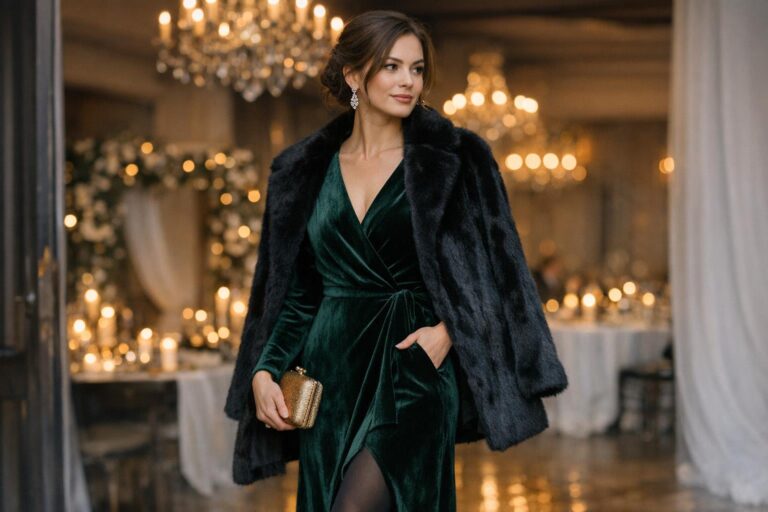
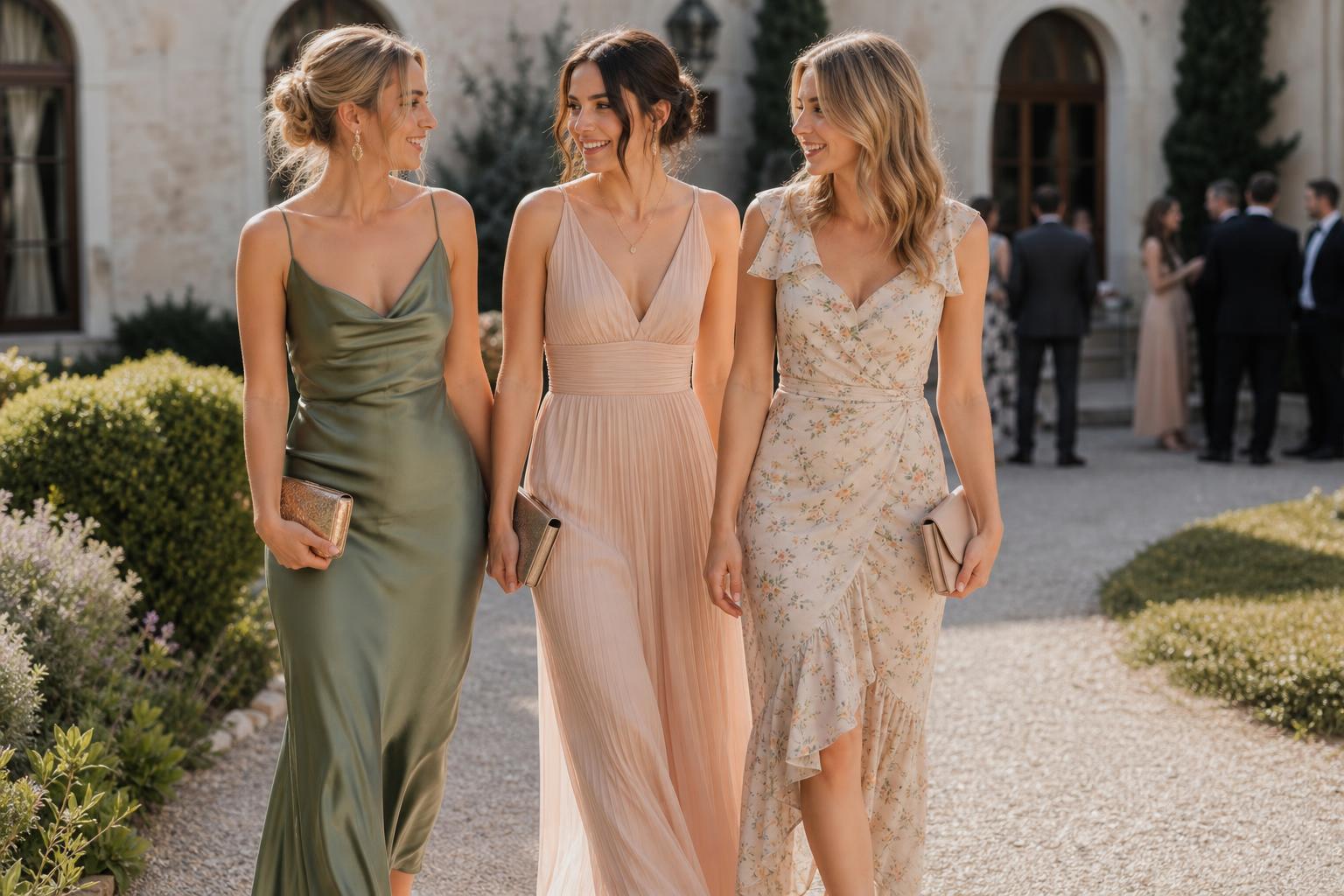
Wedding Guest Dress Classy for Every Elegant Venue
There is a particular kind of confidence in a wedding guest dress classy enough to feel timeless, yet expressive enough to suit the mood of the celebration. It is less about chasing a single trend and more about creating a polished visual story: graceful lines, refined fabrics, thoughtful color, and a silhouette that belongs in the setting, whether the invitation leads to a candlelit ballroom, a breezy beach ceremony, or a romantic garden aisle at golden hour.
The appeal of this aesthetic is easy to understand. A classy wedding guest look feels elegant without appearing overworked. It draws on the language of occasion wear—midi dresses, satin slips, A-line shapes, crepe tailoring, chiffon movement, and carefully chosen accessories—while still leaving room for personality. In recent seasons, the mood has leaned toward quiet luxury and understated glamour, making the sophisticated dress one of the most reliable choices in the modern guest wardrobe.
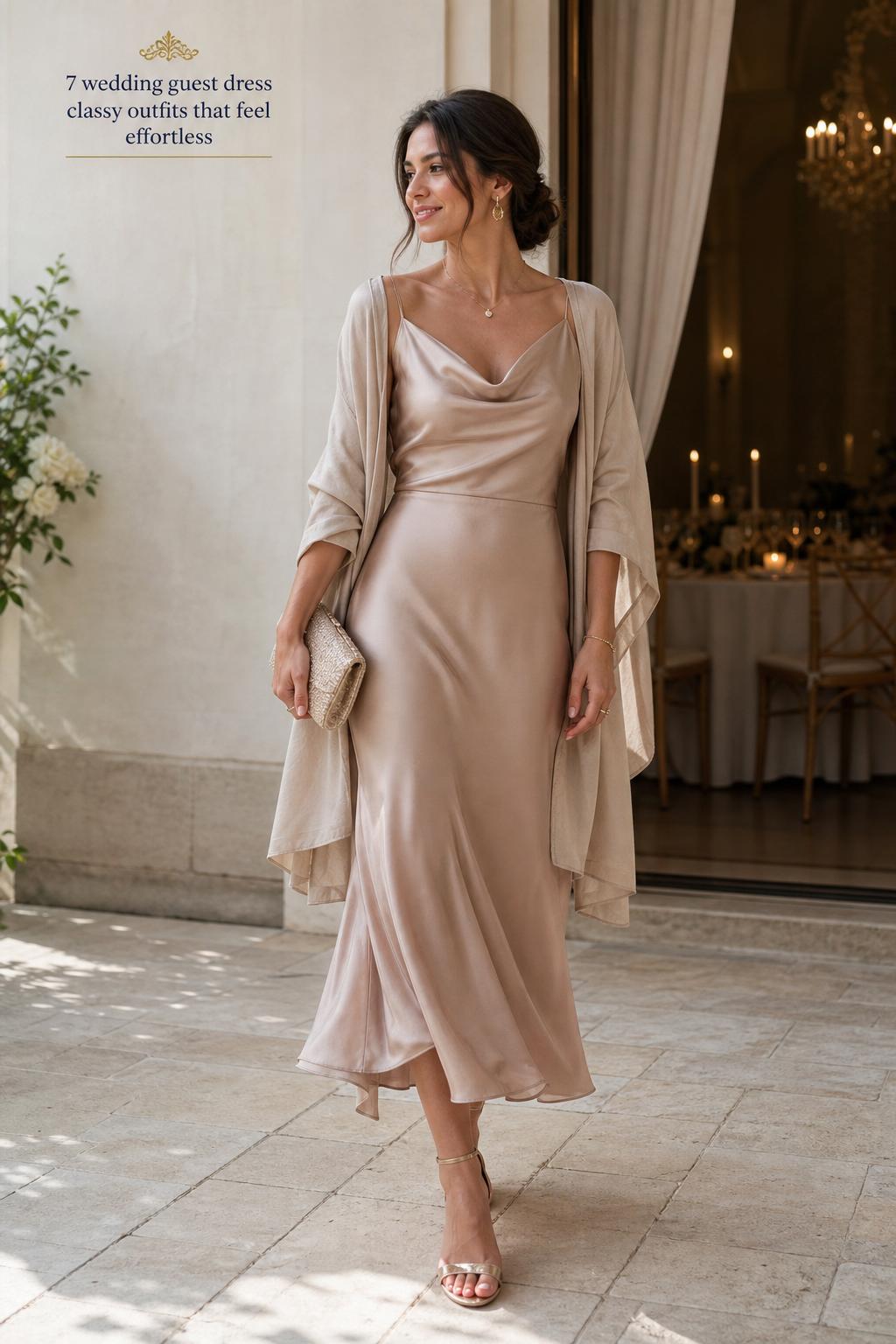
This style is popular because it travels well across dress codes and venues. It can shift from daytime ceremony to evening reception with only a change of shoe, bag, or outer layer. It also respects one of the central truths of wedding dressing: the best guest outfit should feel beautiful in photographs, comfortable through a long celebration, and appropriate to the tone set by the couple.
Defining the classy wedding guest aesthetic
Classy, in wedding guest style, usually comes down to balance. The look is polished but not rigid, romantic but not overly embellished, current but not fleeting. A refined guest outfit often starts with a clear relationship between silhouette and fabric: a midi dress in satin feels different from a midi in chiffon, and a slip dress in silk creates a more fluid impression than a structured A-line in crepe. The elegance comes from choosing elements that speak the same visual language.
Your wedding look is only the beginning.
Keep your guest list, vendors, timeline, and every important detail together with Zarellea — so your day feels as considered as your style.
Dress codes matter here. Black-tie, formal, cocktail, and semi-formal all shape what reads as appropriate, and the most stylish guests understand that classiness is not one fixed formula. In a ballroom, deeper tones and richer textures often feel more at home. At a garden wedding, softer movement and lighter fabrics make more sense. At a beach ceremony, polish still matters, but comfort and ease become part of the equation.
Many of the strongest interpretations of this mood are built around a few recurring ideas: midi length for versatility, slip dresses for sleek simplicity, A-line and fit-and-flare silhouettes for graceful movement, and premium-looking fabrics such as satin, silk, crepe, and chiffon. Add a discreet bag, elegant shoes, and jewelry that complements rather than competes, and the overall effect looks intentional instead of busy.
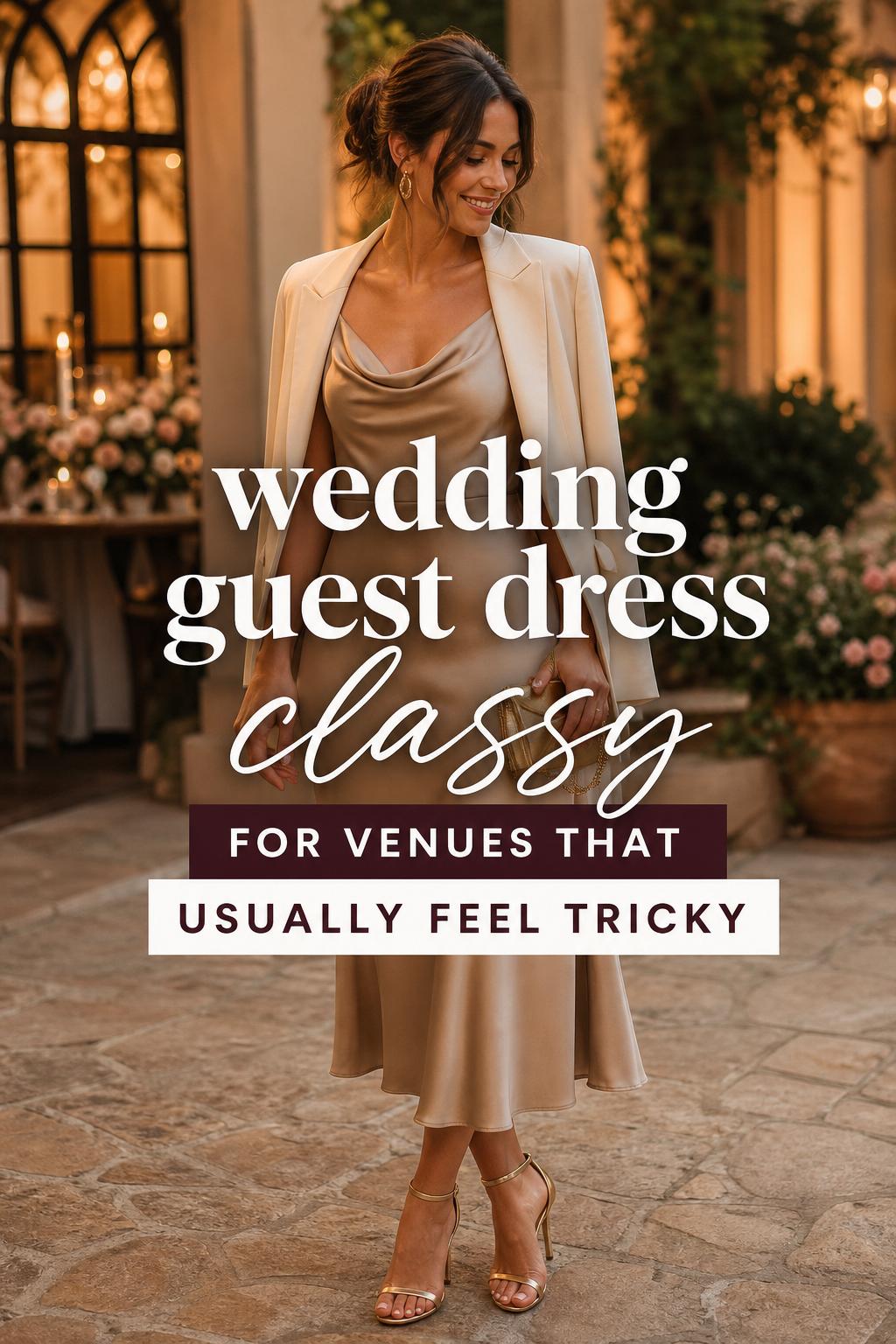
Look: quiet luxury in a satin midi
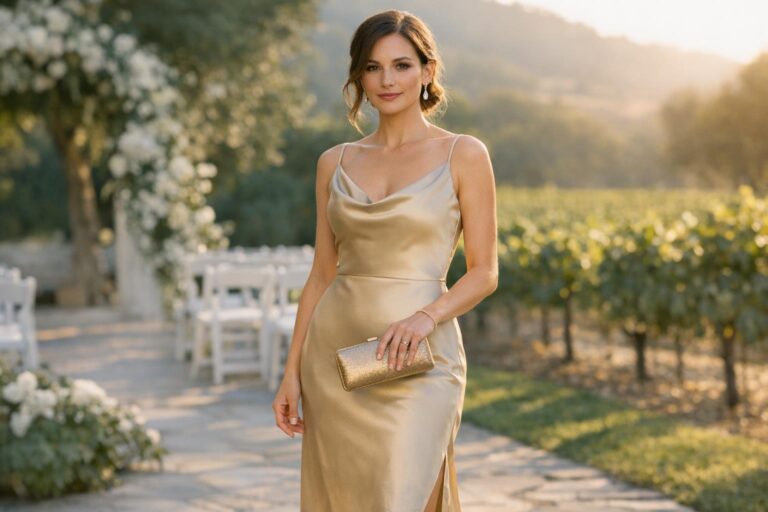
This is the look that feels instantly composed the moment you step into the venue. The silhouette is clean, the line is fluid, and the finish catches light in a subtle way rather than a flashy one. For a city wedding, a modern hotel reception, or an evening dinner celebration, a satin midi dress carries the kind of restraint that often reads most expensive and most elegant in photographs.
The key is simplicity with intention. A midi length remains one of the most adaptable options across dress codes, which is why it appears so often in editorial and retailer guidance alike. In satin or silk, it feels polished; in a neutral or jewel-toned palette, it becomes even more timeless. Think along the lines of the sleek, occasion-focused style language associated with brands such as Reformation, Self-Portrait, Staud, Azazie, Adrianna Papell, or TOBI, where wedding guest dresses often balance trend awareness with classic appeal.
- Key garments: satin midi dress or silk midi dress
- Footwear: refined heels suited to a long reception
- Accessories: compact bag, restrained jewelry, tailored outer layer if needed
What makes this look classy is its discipline. The fabric does the work, so the styling can stay quiet. It is also one of the easiest ways to embrace the “looks chic” effect without over-accessorizing, especially when the wedding invitation suggests cocktail or formal attire.
Style tip: let the hemline and fit lead
If a satin midi feels slightly too minimal on the hanger, tailoring often changes everything. A better fit at the waist, bust, or hem can make a simple dress feel more polished than a more embellished option that fits only adequately. This is one of the clearest examples of how classy dressing depends on proportion, not just product choice.
Look: chiffon maxi softness for garden and beach ceremonies
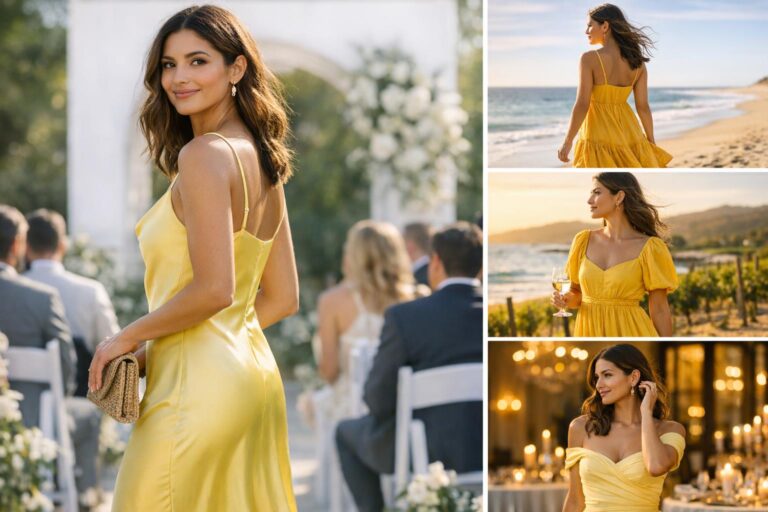
A garden ceremony asks for movement. So does a coastal wedding, where sunlight, breeze, and open surroundings can make a heavily structured outfit feel out of place. In these settings, a chiffon maxi creates a romantic line that feels airy, occasion-appropriate, and visually soft without losing sophistication.
Chiffon and satin often appear side by side in wedding guest guidance because they answer different needs. Satin offers sleek polish; chiffon offers graceful motion. A chiffon maxi in a timeless neutral, a jewel tone, or a subtle print can feel especially elegant for daytime celebrations and destination settings. It also transitions beautifully into evening if the reception moves outdoors or if the lighting shifts from bright ceremony sun to softer dinner ambiance.
The strongest version of this look avoids excess. A sweeping chiffon shape already carries visual romance, so accessories should stay measured. The result feels considered rather than costume-like, which is the difference between simply wearing a dress and wearing one with the calm assurance of a wedding stylist’s recommendation.
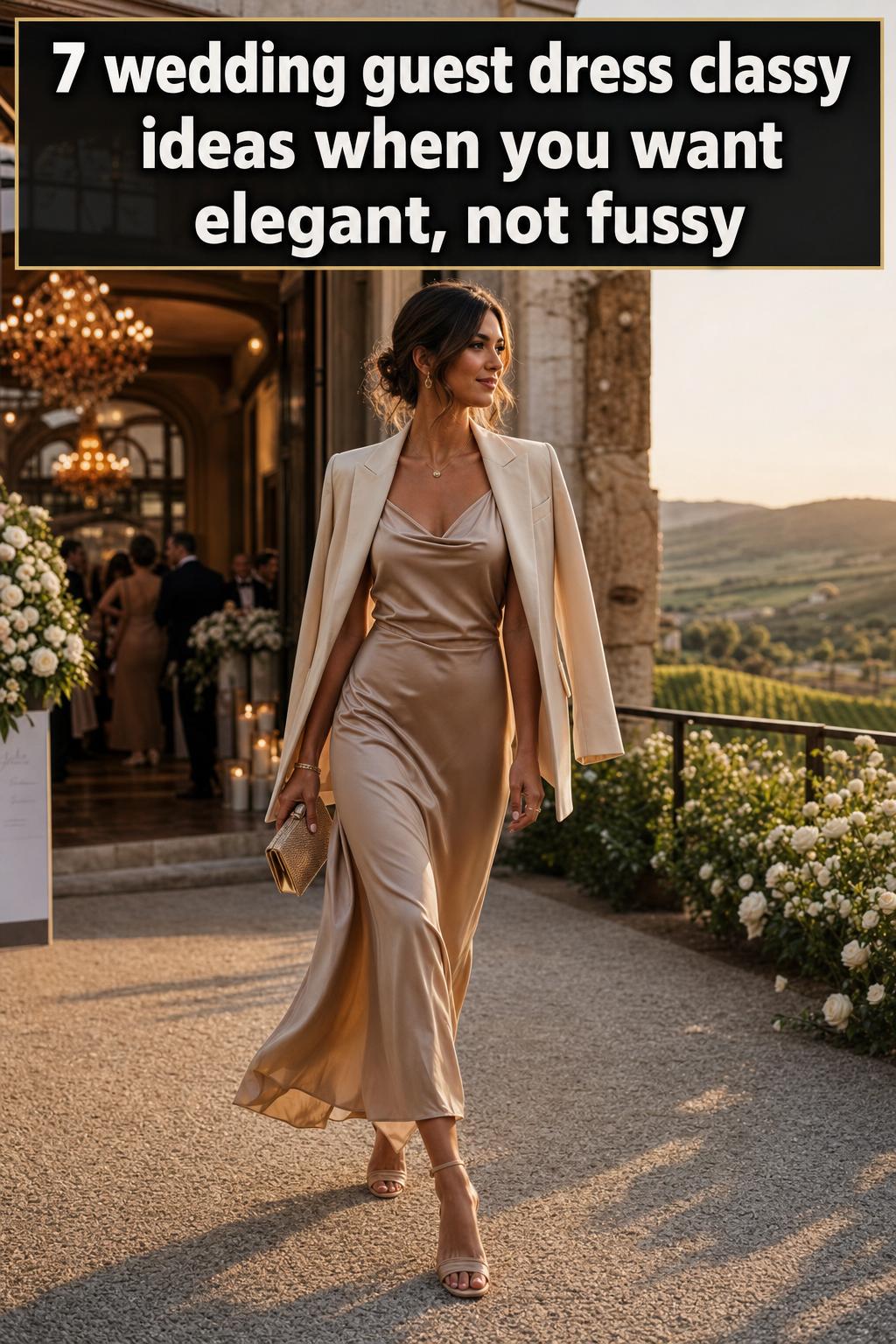
How to recreate the mood
- Choose chiffon when the venue suggests air, light, and movement
- Keep the palette soft or rich, but avoid colors that conflict with guest etiquette
- Use simple shoes and a small bag so the dress remains the visual focus
This is also a practical choice for long celebrations. Breathable fabrics tend to feel more comfortable across ceremony, cocktail hour, dinner, and dancing, especially at outdoor venues where temperature and weather can shift throughout the day.
Look: the tailored crepe A-line for formal assurance
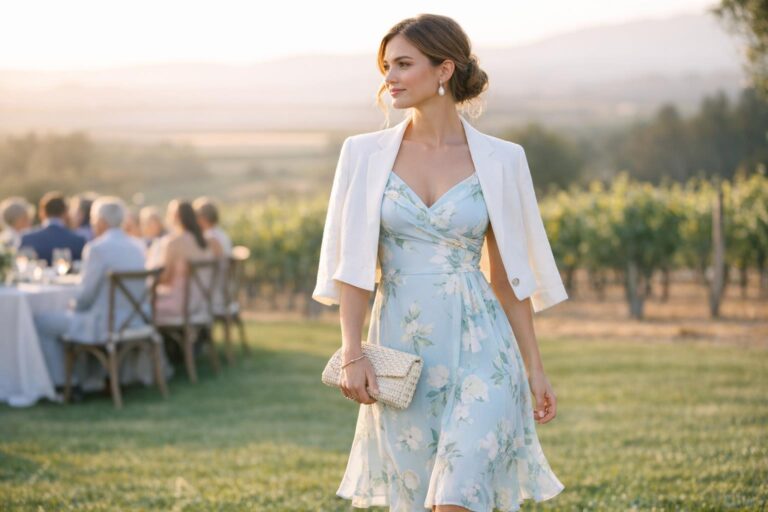
Some weddings call for a little more structure. A formal reception, a winery celebration at sunset, or a venue with a more traditional mood often suits an A-line or fit-and-flare silhouette in crepe. This interpretation of classy is less ethereal and more composed, with a shape that skims rather than clings and a fabric that holds its line beautifully.
Crepe has the kind of quiet authority that often photographs well and resists looking too trend-driven. In a wedding guest context, it can make a sophisticated dress feel modern, especially when paired with a clean neckline and a midi or longer hem. This is the kind of silhouette that works especially well when the invitation says formal or when the venue itself suggests a degree of polish even if the wording is less explicit.
A-line dresses remain a classic because they offer movement and ease without sacrificing refinement. They also create one of the easiest foundations for accessorizing: elegant heels, a neat clutch, and outerwear that follows the same clean line. If you prefer a guest look with more shape than a slip dress, this is often the most dependable path.
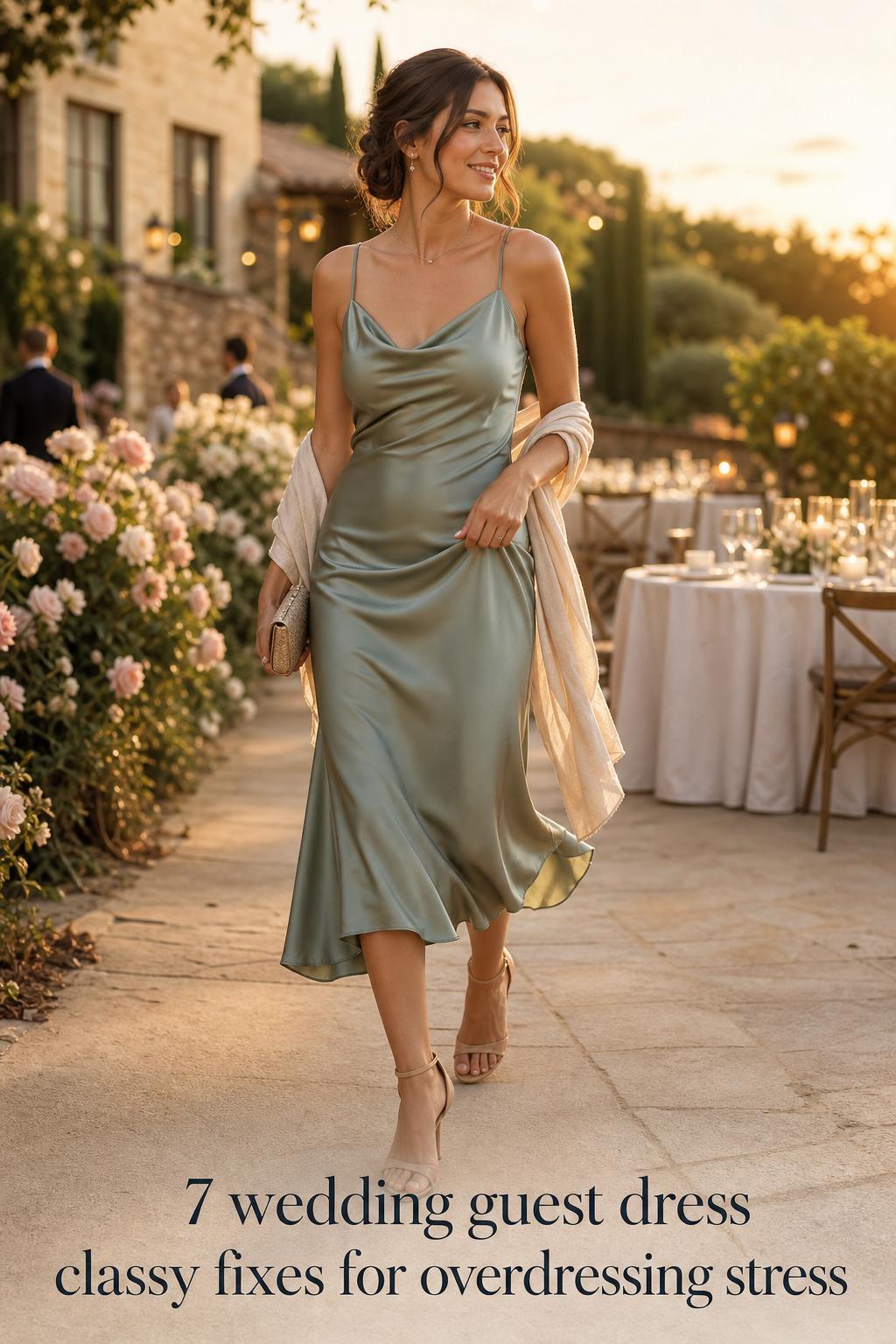
Color palettes that keep the look timeless
Color can decide whether an outfit reads festive, formal, or understated. For wedding guest dressing, the most reliable classy palettes tend to fall into two groups: timeless neutrals and richer jewel tones. Both offer versatility, but they create different moods. Neutrals feel softened and modern, while jewel tones bring depth, especially in evening settings.
Color guidance matters because wedding etiquette still plays a practical role in styling. One of the clearest and most consistent principles is avoiding white and ivory tones that can blur the visual boundary between guest attire and bridal dressing. Beyond that, the best shade often depends on season, venue, and time of day. A deeper hue may feel striking in candlelight, while a lighter but still distinct palette may feel more natural at a daytime outdoor ceremony.
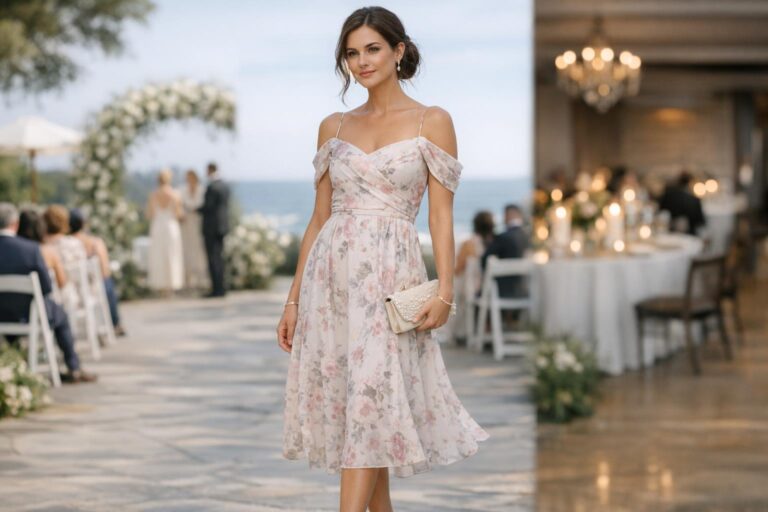
Subtle prints can also work when the pattern remains refined. A restrained floral can feel elegant for a spring or garden setting, provided it still reads as guest wear rather than bridal party styling. That is where the difference lies between a polished guest look and something that feels overly thematic. The same caution applies to pieces that resemble floral bridesmaid dresses too closely; the goal is harmony with the celebration, not visual confusion with the wedding party.
Color notes that support a classy finish
- Neutrals create a quiet luxury effect when the fabric has depth, such as satin, silk, or crepe
- Jewel tones often feel especially strong for formal, evening, and ballroom weddings
- Subtle prints work best when the silhouette remains polished and the print does not dominate
- Avoid white and ivory-adjacent shades to stay aligned with guest etiquette
Look: the slip dress, styled with intention
The slip dress remains one of the most talked-about wedding guest silhouettes because it captures minimal glamour so well. Yet it is also one of the easiest styles to misread. Worn thoughtfully, it looks sleek, elegant, and thoroughly modern. Worn without attention to fit, underlayers, or dress code, it can feel too casual or too revealing for the setting.
What makes a slip dress classy is not only the cut but the finishing choices around it. In silk or satin, with tailoring where needed and accessories that elevate rather than distract, it suits cocktail receptions, city weddings, and evening celebrations beautifully. It is less universally flexible than a midi A-line, but when the venue and invitation support it, few styles look as effortlessly chic.
This is where practical judgment matters. For a formal wedding, the slip should feel substantial enough in fabric and polished enough in styling to hold its place in the room. For a daytime garden event, a softer interpretation can work, though some guests may still prefer a more structured silhouette. There is no need to force the slip dress into every setting just because it is fashionable; real style often comes from knowing when another shape makes more sense.
Key pieces for this aesthetic
- Slip dress in satin or silk
- Underlayers that keep the line smooth and comfortable
- Elegant shoes that feel stable enough for ceremony and reception
- Minimal jewelry and a compact evening bag
Dress code decoding without losing personal style
The most successful guest looks begin with reading the invitation correctly. Black-tie, formal, cocktail, and semi-formal are not decorative labels; they shape how a dress should feel in silhouette, fabric, and finish. If a guest wants to look classy, the first step is not shopping by trend but interpreting the level of formality accurately.
Black-tie generally asks for the richest presentation. Longer lengths, elevated fabrics, and more evening-oriented styling usually feel most appropriate. Formal can overlap with black-tie in polish but often allows a little more flexibility, especially with elegant midi dresses in premium fabrics. Cocktail is where many of the most versatile wedding guest dresses live: polished, celebratory, and suitable for a wide range of silhouettes. Semi-formal invites more ease, though it still benefits from refined construction and occasion-aware styling.
If the dress code feels unclear, the venue can act as a secondary guide. A ballroom points toward richer textures and a more elevated finish. A beach ceremony suggests breathable movement and practical footwear choices. A city hall or modern urban celebration often supports cleaner lines and minimalist silhouettes. In other words, classiness often comes from reading context correctly rather than dressing to one rigid formula.
A practical framework for choosing well
- Start with the invitation wording: black-tie, formal, cocktail, or semi-formal
- Use the venue to refine your interpretation
- Match fabric weight and shine to the time of day
- Keep accessories aligned with the dress code instead of trying to “fix” a mismatched dress later
Look: polished daytime romance for garden, vineyard, and city hall weddings
Daytime weddings often ask for a softer kind of elegance. The atmosphere is lighter, the photography brighter, and the setting usually more visible, whether that means a lawn, a vineyard path, or a city hall staircase. In these moments, a classy guest look leans into refinement without feeling too evening-specific.
A midi or chiffon maxi works particularly well here. The silhouette should move easily, the color palette should feel celebratory without overpowering the event, and the accessories should remain polished but comfortable enough for walking, standing, and moving between ceremony and reception spaces. This is also where subtle prints and soft color stories can shine, as long as the final effect stays sophisticated rather than casual.
For guests who want something slightly more covered or culturally adaptable, a longer sleeve, a more modest neckline, or a layered interpretation can still fit beautifully within the classy wedding guest aesthetic. Some style guides also acknowledge hijab-friendly options within this category, proving that elegance is not tied to one narrow silhouette but to the overall coherence of the outfit.
Look: evening glamour for ballroom and candlelit receptions
Evening weddings allow for a deeper expression of glamour, but classy still means restraint. The mood is richer, the lighting more dramatic, and the fabrics can carry more depth. Satin, silk, and crepe all come into their own here, especially in silhouettes that feel elongated and graceful rather than overly complicated.
A polished slip dress, a longer satin midi, or a refined A-line in crepe all make sense in this setting. The strongest versions rely on one point of emphasis. It might be a beautifully draped fabric, a rich jewel tone, or a particularly elegant neckline. Once that focal point is established, the rest of the styling should support it quietly. That is how the outfit remains sophisticated instead of slipping into excess.
Evening receptions also expose the importance of comfort. A guest may be seated for dinner, moving between cocktail and dance floor, and navigating several hours of celebration. Shoes, hemlines, and fit matter as much as the first impression. The most graceful guest rarely looks the most restricted.
Brand perspectives across price and style
One reason wedding guest shopping can feel fragmented is that editorial inspiration and practical buying often happen in different places. Magazine-style roundups from Vogue or Who What Wear may shape the visual mood, while retailers and brand blogs such as Azazie, Adrianna Papell, and TOBI translate that mood into direct shopping paths. Bringing those perspectives together helps create a more grounded wardrobe decision.
Azazie often emphasizes elegant wedding guest dresses through outfit formulas, fabrics, and shopping filters, which can be helpful when a guest knows the general direction she wants but needs a simpler way to narrow options. Adrianna Papell tends to frame dresses through dress code language, making it easier to align a look with etiquette. TOBI offers a catalog-focused route for formal wedding guest dresses, while magazine-style sources such as Vogue and Who What Wear contribute broader trend and styling context, including the ongoing relevance of quiet luxury, sleek midi shapes, and occasion-ready fabrics.
For readers comparing across budgets, the practical lesson is this: brand identity matters, but the core markers of a classy look remain consistent. Fabric quality, fit, silhouette, and appropriateness to venue will matter more than the label alone. The strongest shopping strategy is not to search for one perfect brand, but to recognize the design language that best matches your event.
Shopping logic that makes the process easier
- Use dress code first, not trend first
- Filter by silhouette: midi, slip, A-line, fit-and-flare, maxi
- Then refine by fabric: satin, silk, crepe, chiffon
- Finally choose a color family that suits the venue and time of day
Accessories that polish the entire look
Accessories determine whether a guest outfit feels finished or merely assembled. With a classy wedding guest dress, shoes, jewelry, bags, and outerwear should create continuity rather than compete for attention. This does not mean the accessories must be invisible; it means they should belong to the same mood as the dress.
A satin slip paired with overly casual footwear will lose some of its elegance. A romantic chiffon maxi with a heavy, visually dominant bag can feel unbalanced. A tailored crepe A-line usually benefits from accessories that echo its structure. The practical goal is harmony. At weddings, where the event often shifts through different spaces and lighting conditions, balanced styling tends to look more intentional from arrival through reception.
Outerwear deserves more thought than it usually gets. A polished layer can protect the line of the outfit during cooler evenings or transitional weather, especially for garden, winery, or city celebrations. Since guests may wear this layer in photos before the reception begins, it should feel like part of the story rather than an afterthought.
Tips for elegant accessorizing
- Choose one visual focal point: the dress, the jewelry, or the shoe
- Match the weight of the accessories to the weight of the fabric
- Plan for walking surfaces at beach, garden, and outdoor venues
- Consider how the look will feel after several hours, not just in the mirror at home
Where “classy” can go wrong
One of the most useful style decisions is knowing what to edit out. A classy guest look can lose its impact when too many ideas compete at once: a high-shine fabric, an aggressive accessory story, a difficult heel, and a silhouette that does not suit the venue. Wedding dressing rewards cohesion more than novelty.
Another common mistake is ignoring context. A formal satin dress may feel beautiful on its own but too heavy for a beach ceremony. A whisper-light chiffon piece may feel underdressed in a black-tie ballroom. Even color can work against the setting if it clashes with the atmosphere or approaches shades that wedding etiquette traditionally asks guests to avoid.
There is also a practical side to elegance. If the dress needs constant adjustment, if the shoes limit movement, or if the bag cannot hold the basics needed for a long event, the outfit may stop feeling polished as the celebration goes on. A truly sophisticated dress supports the wearer through the event, not just the first fifteen minutes.
Fit, alterations, and rental-minded practicality
Among all the visual decisions, fit remains the one that changes the outcome most dramatically. It is the quiet difference between a dress that looks fine and one that feels fully resolved. A hem adjusted to the correct length, a waist refined, or a neckline sitting properly can elevate even a relatively simple guest dress into something memorable.
Alterations are especially valuable with satin, silk, and crepe because these fabrics reveal proportion clearly. If a guest wants that poised, quiet luxury effect, tailoring is often what makes it visible. It also helps bridge the gap between shopping categories; a dress discovered through a retailer filter can look far more personal once fitted correctly.
Rental and borrowing options are also part of the modern conversation around wedding guest attire, particularly for formal events or one-time dress codes. They offer a practical path when a guest wants variety without committing to a permanent purchase. While some style coverage still underuses this angle, it aligns naturally with how many people now build occasion wardrobes around flexibility and repeat wear.
Practical wedding-guest checklist before the event
- Try the full look on with shoes, bag, and outerwear
- Walk, sit, and move in the dress before the wedding day
- Check hem length for stairs, grass, sand, or dance floor movement
- Confirm the outfit still feels aligned with the invitation and venue
A note on family style language and adjacent occasion wear
Wedding guest fashion often overlaps visually with other celebration dressing categories, which is why shoppers sometimes encounter related ideas such as robes mère de la mariée or floral bridesmaid dresses while searching for their own look. These categories can offer useful inspiration in terms of fabric, color, and formality, but they should not be copied too closely if the goal is distinct guest attire.
The most elegant guest wardrobe takes cues from the wider occasion-wear world without becoming confused with it. A mother-of-the-bride silhouette may suggest beautiful structure, but the final styling should remain clearly guest-oriented. A bridesmaid-like floral may inspire a palette, but the dress should still feel independent from the wedding party. This distinction is subtle, yet it is one of the clearest signs of seasoned wedding style judgment.
The classy guest blueprint
For readers who prefer a single framework instead of endless browsing, the easiest way to build a classy wedding guest outfit is to think in connected parts. Silhouette sets the shape. Fabric sets the tone. Color sets the mood. Accessories set the level of finish. Dress code and venue decide whether all of those choices feel correct together.
A satin midi in a refined palette with polished shoes and simple jewelry creates one version of elegance. A chiffon maxi with soft movement and discreet accessories creates another. A crepe A-line with tailored lines and balanced structure creates yet another. They are different outfits, but they belong to the same aesthetic because they share proportion, restraint, and occasion awareness.
That is why the classy wedding guest style endures. It does not depend on one hemline, one trend report, or one retailer. It works because it is built on relationships that continue to hold up: dress code and venue, fabric and movement, color and mood, fit and confidence.
FAQ
What makes a wedding guest dress look classy?
A classy wedding guest dress usually combines a refined silhouette, quality-looking fabric, appropriate color, and strong fit. Midi dresses, slip dresses, A-line shapes, and fabrics such as satin, silk, crepe, and chiffon often create that polished effect, especially when styled with restraint and matched to the dress code.
Is a midi dress the best option for a classy wedding guest look?
For many weddings, yes. A midi dress is one of the most versatile choices because it suits cocktail, formal, and many daytime settings while still feeling elegant. It also works across different fabrics, from satin to chiffon to crepe, making it easier to adapt to venue and season.
Can I wear a slip dress to a wedding and still look appropriate?
Yes, if the slip dress is styled thoughtfully. In silk or satin with good fit, suitable underlayers, and polished accessories, it can look very elegant for cocktail, city, and evening weddings. It is less universal than an A-line or tailored midi, so the venue and dress code should guide the decision.
What colors are safest for a classy wedding guest outfit?
Timeless neutrals, jewel tones, and subtle prints are often the safest and most elegant choices. The one color rule that remains especially important is avoiding white and ivory, since those shades can conflict with bridal styling and guest etiquette.
How do I choose between chiffon, satin, and crepe?
Choose based on the setting and the mood you want. Chiffon works well for garden, beach, and lighter daytime celebrations because it moves beautifully. Satin and silk suit sleek, dressier looks and often feel strong for cocktail and evening events. Crepe is ideal when you want structure, polish, and a more tailored formal appearance.
What should I wear if the wedding dress code is unclear?
Use the venue and time of day as your guide. A ballroom or evening setting usually calls for a more elevated fabric and finish, while a beach, garden, or daytime venue often favors lighter fabrics and softer silhouettes. A polished midi dress in a refined color is usually a reliable middle ground.
Are accessories important for making a dress look more sophisticated?
Very much so. Shoes, jewelry, bags, and outerwear can either elevate the dress or disrupt the overall balance. The most sophisticated styling usually keeps accessories aligned with the dress fabric, venue, and level of formality rather than competing for attention.
Should I alter a wedding guest dress?
If the fit is not quite right, alterations are often worth it. Hem length, waist placement, and neckline fit can significantly improve how elegant a dress looks, especially in satin, silk, or crepe where proportion is easy to notice. Tailoring often has more visual impact than adding extra accessories.
Can a floral dress still feel classy for a wedding?
Yes, as long as the print is refined and the silhouette remains polished. Subtle florals work especially well for daytime, garden, and spring celebrations. The key is to avoid anything that looks too casual or too close to coordinated floral bridesmaid dresses, so the outfit stays clearly in guest territory.
How can I make one wedding guest dress work for multiple events?
Start with a versatile silhouette such as a midi, slip, or A-line dress in a timeless fabric and color. Then change the styling according to each event: lighter accessories for daytime, richer jewelry or evening shoes for nighttime, and outerwear that reflects the venue. This is one of the simplest ways to build a classy occasion wardrobe without overbuying.