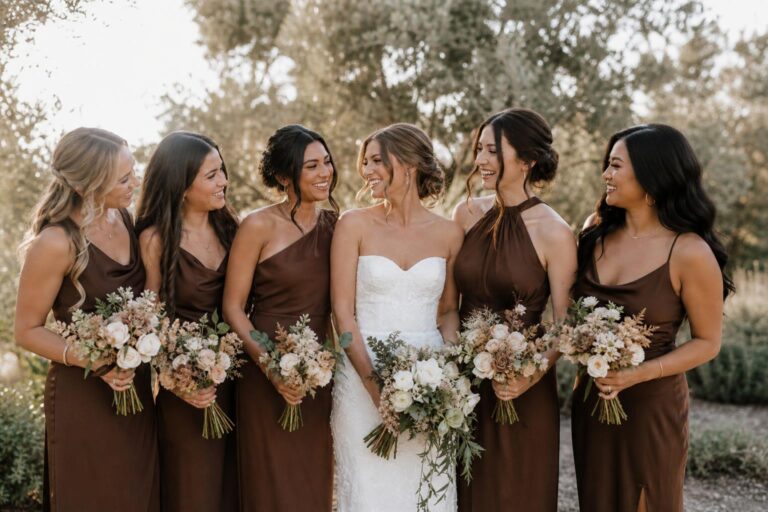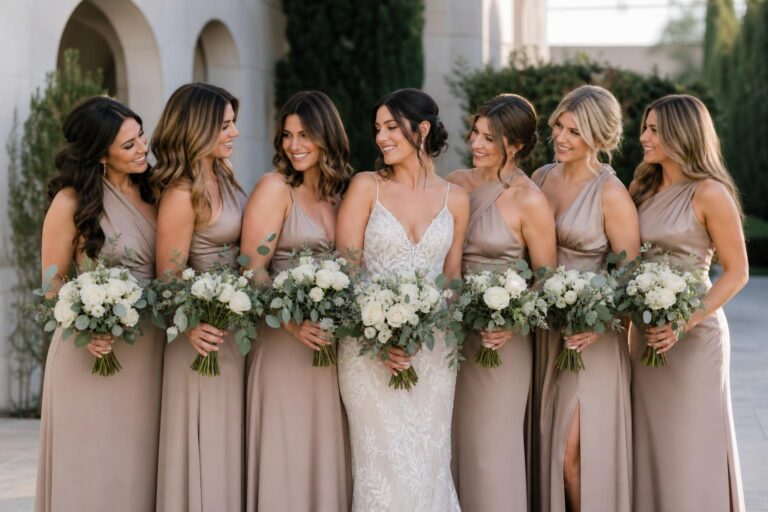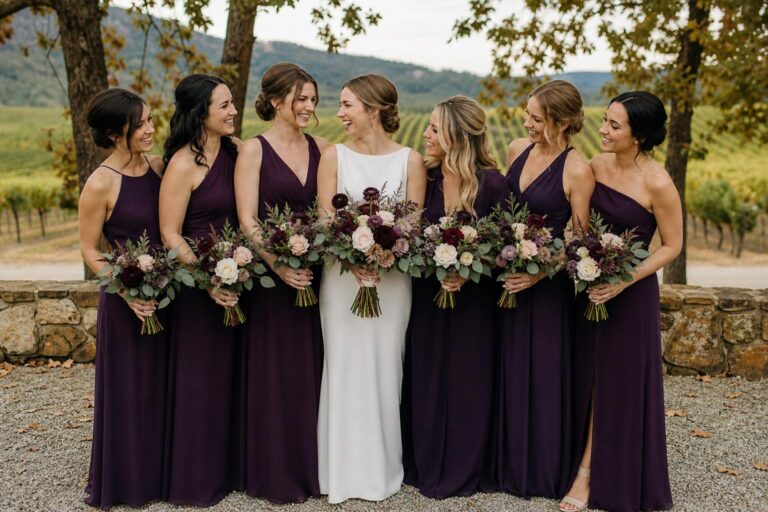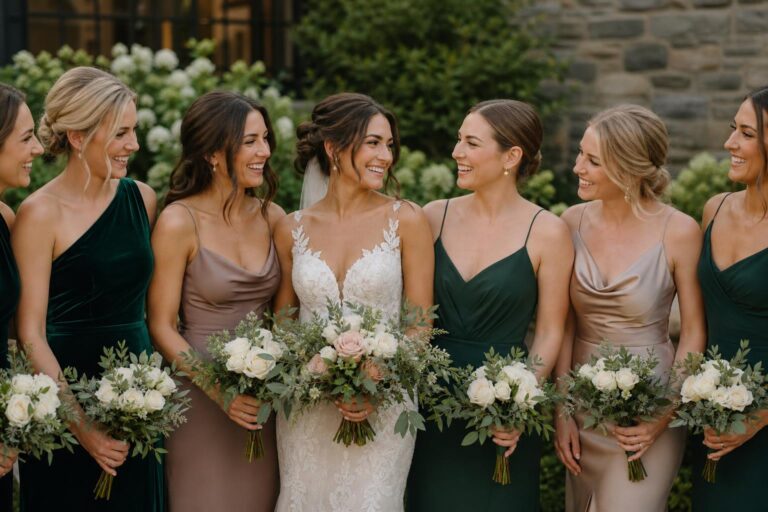
Spring Mother Of The Bride Dresses That Feel Refined
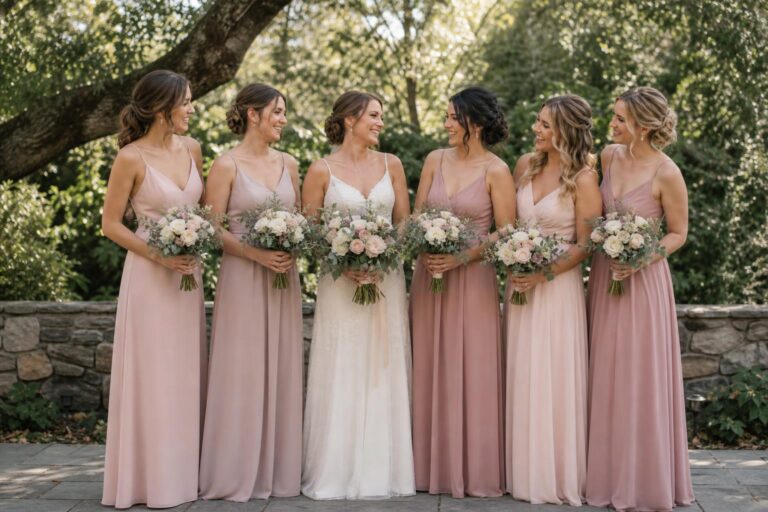
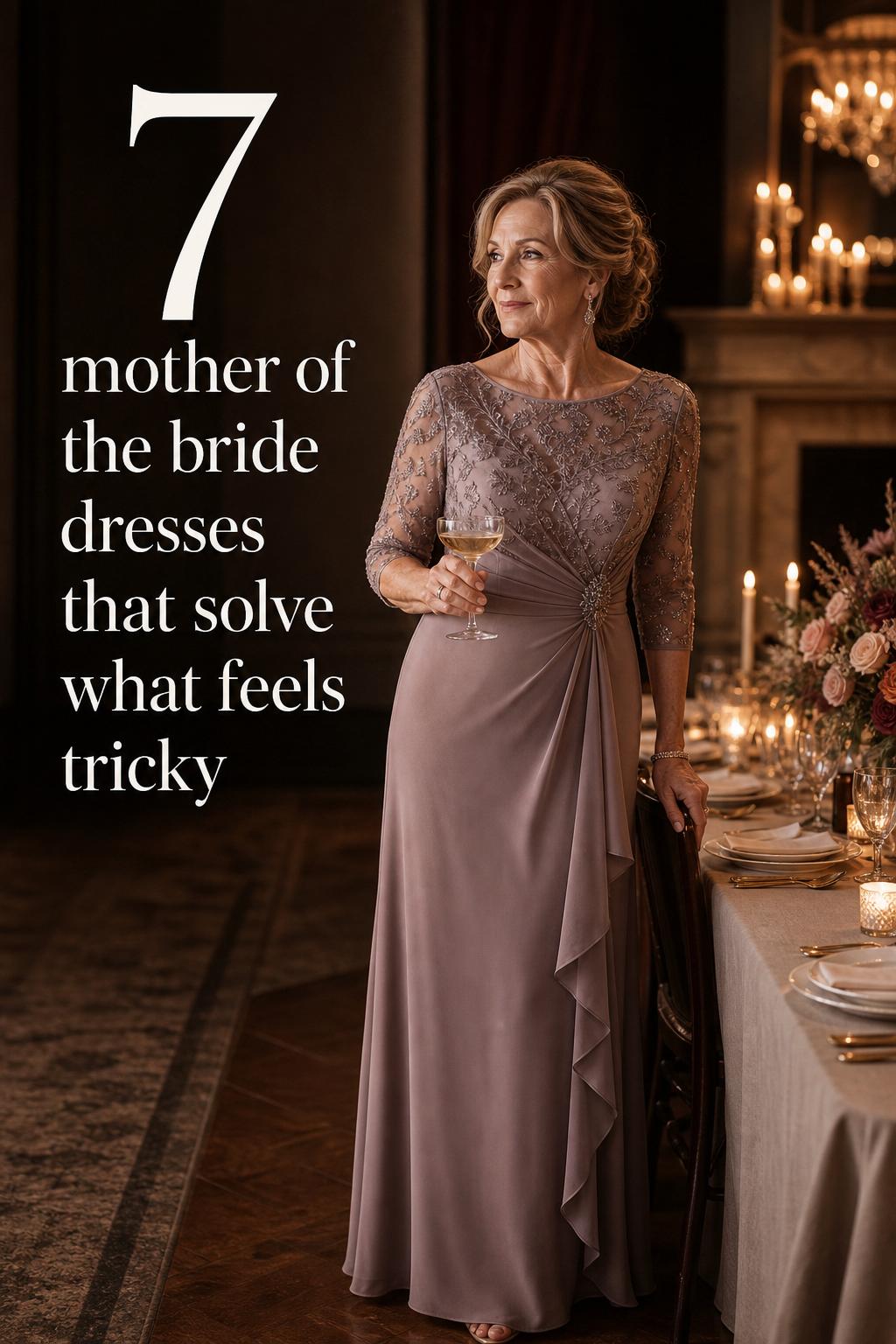
There is a particular kind of elegance expected of mother of the bride dresses in the United States: polished but never rigid, memorable without competing for attention, and expressive enough to feel personal in a room full of photographs. The mood is romantic and occasion-aware, shaped by ceremony light, venue atmosphere, and the quiet importance of being central to the day. A ballroom wedding invites richer texture and structure, while a garden ceremony leans toward softer movement, lighter fabric, and a palette that feels airy at golden hour.
What makes this category so enduring is its range. mother of the bride dresses can be classic, modern, floral, formal, understated, or richly detailed, and the best choices balance silhouette, color, and comfort over a long celebration. From catalog-driven destinations such as The Knot, Macy’s, DressFinder, Kuki’s Bridal, Lili Bridals, Windsor, Dorris Wedding, and Needle & Thread to designer-led names including Jade Couture, Jasmine K, Azazie, Mac Duggal, Xscape, Adrianna Papell, and Alex Evenings, the visual language of this style is broad enough to suit many wedding settings and many kinds of mothers.
The appeal is not only about finding a dress. It is about creating a cohesive wedding look that feels flattering, photographed beautifully, works with the event’s color palette, and carries comfortably from ceremony to reception. That is why the strongest mother-of-the-bride style decisions consider far more than trend alone: they take into account neckline, sleeve coverage, fabric behavior, alterations, budget, season, and the emotional tone of the day.
The visual language of mother of the bride style
The most successful mother-of-the-bride wardrobes share a clear visual identity. They are occasion-focused, refined, and grounded in wedding etiquette, yet they do not all look the same. Some lean toward classic lines in crepe or lace, others feel softly romantic in chiffon, and others still are sleek and modern with column silhouettes or clean bateau necklines. The unifying detail is intention: every element should feel considered, from color choice to hem length.
Your wedding look is only the beginning.
Keep your guest list, vendors, timeline, and every important detail together with Zarellea — so your day feels as considered as your style.
Across major shopping destinations, the strongest recurring themes are silhouettes, fabrics, colors, and brand-led design signatures. That means a mother shopping for a formal evening reception may be comparing a Mac Duggal gown with a more understated Alex Evenings style, while another may prefer the softer romance associated with Needle & Thread or a practical, filter-friendly option through Macy’s or DressFinder. The aesthetic itself is not one fixed look. It is a family of elegant interpretations built around the wedding setting.
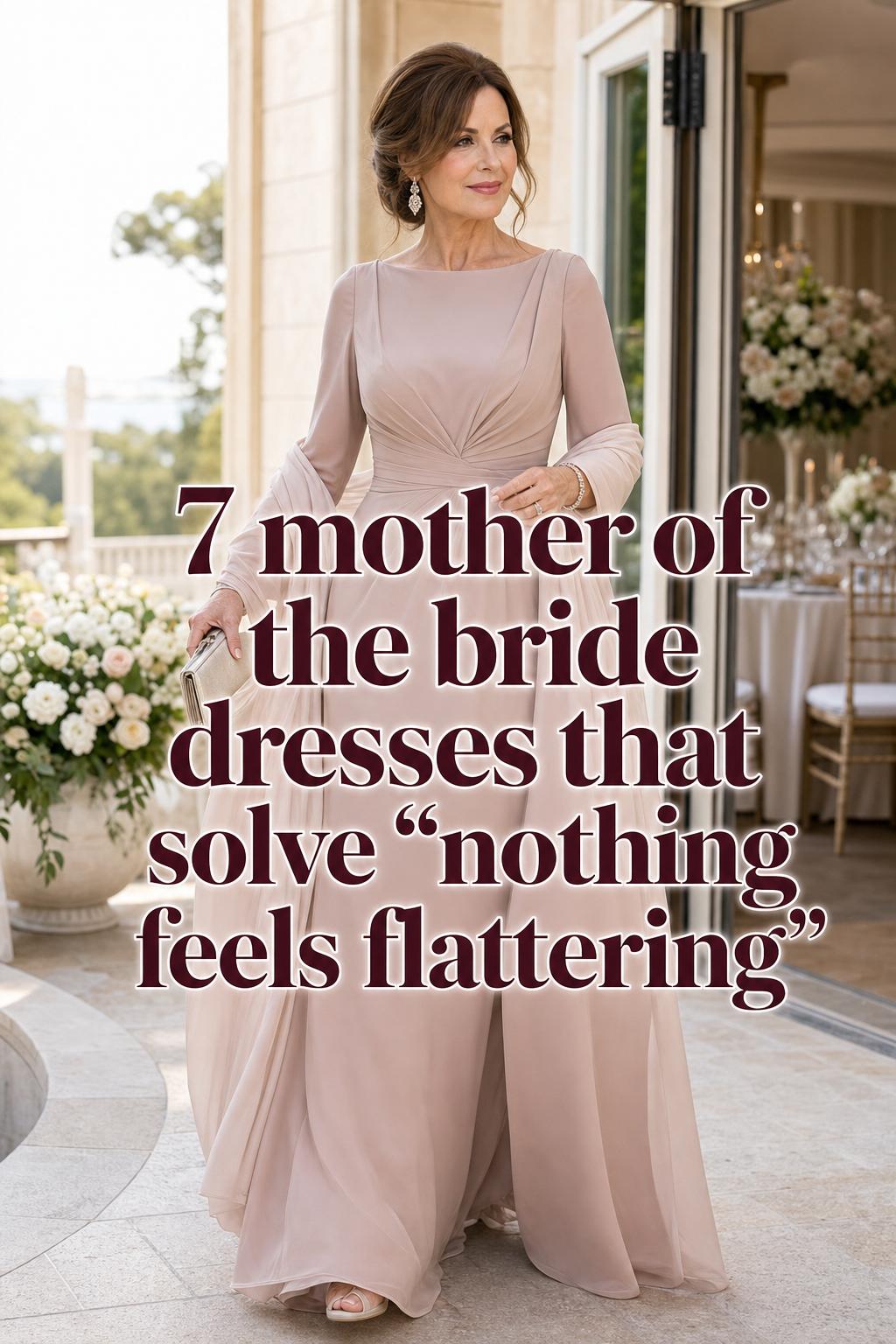
Look: timeless A-line grace for a classic ceremony
This is the look many people picture first when they think of mother of the bride dresses: balanced, flattering, and quietly formal. The silhouette skims rather than clings, creating a gentle line through the waist and skirt that feels especially right for traditional church ceremonies, hotel ballrooms, and formal indoor venues. The mood is classic, not severe, and it photographs well from every angle, particularly during processional moments and family portraits.
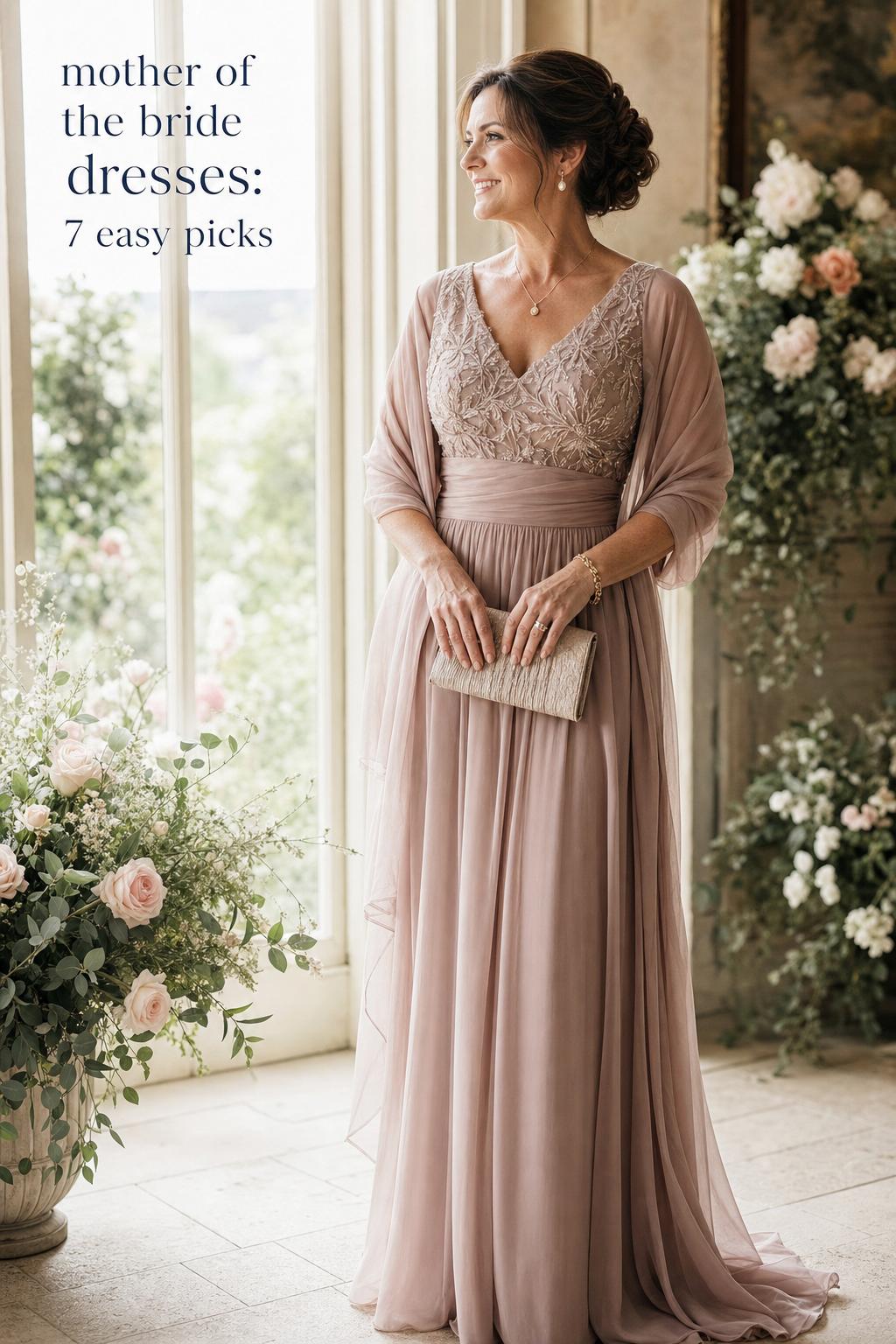
Chiffon and lace are natural companions here, especially in navy, champagne, dusty blue, or other softened event-ready shades that sit comfortably within a wedding palette. A-line dresses often pair well with sleeves or light coverage, and brands carried by larger retailers and bridal collections frequently return to this shape because it adapts easily across price bands and body types. Designers and labels seen across major catalogs, including Adrianna Papell, Alex Evenings, and Azazie, fit easily into this refined, dependable mood.
- Key garments: A-line gown or midi dress, light sleeve detail, softly defined waist
- Textures: chiffon, lace, crepe
- Accessories: shawl or shrug for ceremony coverage, understated jewelry
The reason this look endures is simple: it creates shape without demanding discomfort. For a mother who wants poise, movement, and confidence over a long day, the A-line silhouette remains one of the most intuitive style decisions.
Look: bateau neckline polish for a modern formal mood
A bateau neckline brings a cleaner, more architectural elegance to the mother-of-the-bride wardrobe. The effect is graceful and composed, with a subtle frame across the shoulders that feels especially at home at city weddings, contemporary hotel receptions, and sleek evening celebrations. It is a look with editorial restraint: less overt decoration, more emphasis on line and carriage.
The Knot’s dedicated focus on bateau mother of the bride dresses reflects how distinct this substyle has become. Brands such as Jade Couture, Jasmine K, Azazie, and Mac Duggal are often associated with the kind of neckline-driven design that makes the dress itself feel elevated before accessories are even added. In crepe, satin-like finishes, or lace overlays, the bateau line can read stately and modern at the same time. Deeper shades such as navy or richer formal tones work particularly well in evening light, while champagne softens the look for daytime formality.
This interpretation works because it keeps the outfit streamlined. A bateau neckline already brings visual presence, so the overall styling benefits from restraint: a neat silhouette, a carefully chosen shoe, and a wrap or bolero if additional coverage is needed. For mothers drawn to a polished, urban elegance, this is one of the strongest directions.
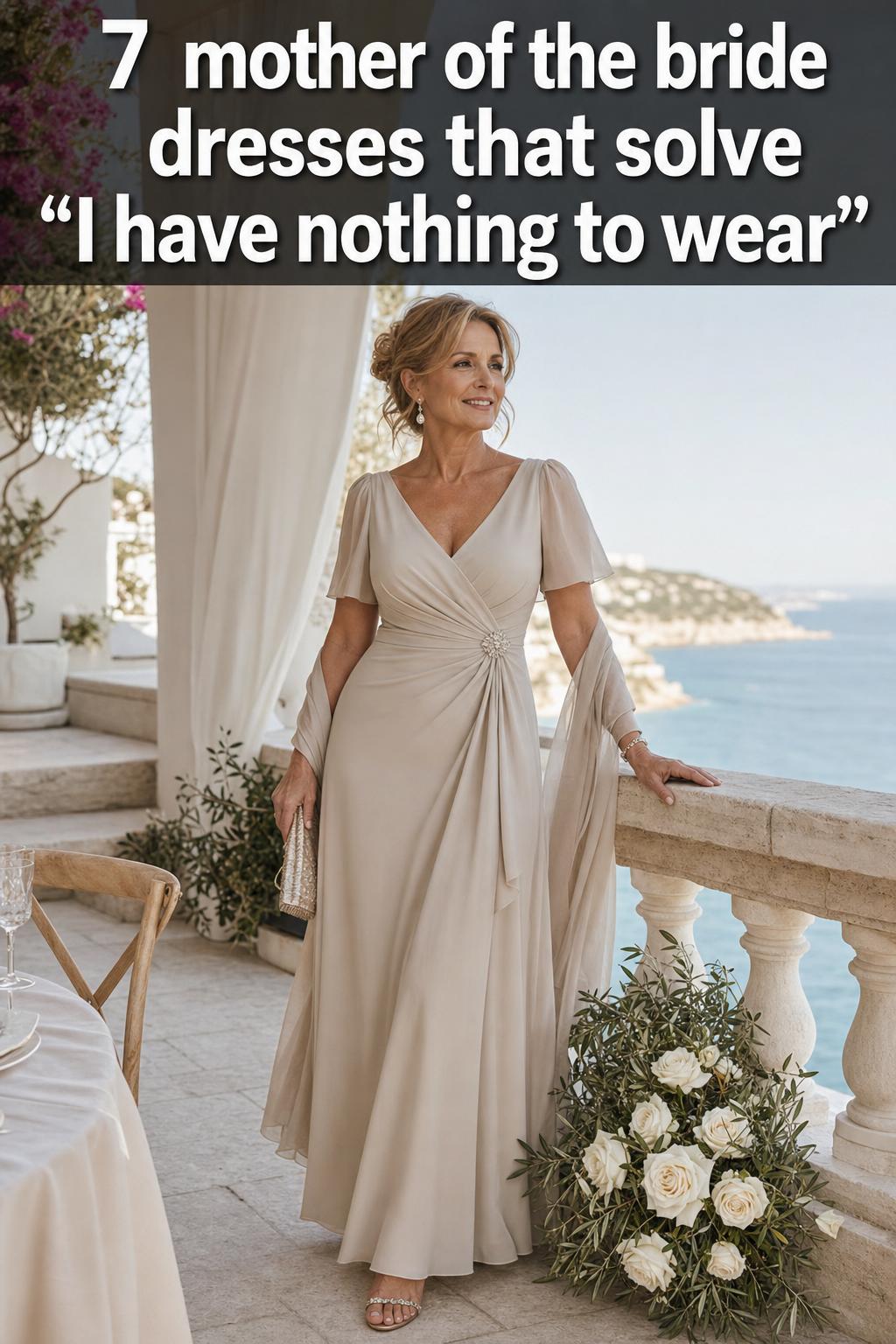
Look: soft floral romance for a garden or daytime wedding
Not every wedding asks for strict formality. A garden celebration, vineyard setting, or daytime ceremony often feels more natural with a dress that carries light pattern, airy movement, and a slightly softer visual rhythm. In these settings, mother of the bride dresses with floral detail can feel especially harmonious, bringing a sense of occasion without the weight of a more severe evening gown.
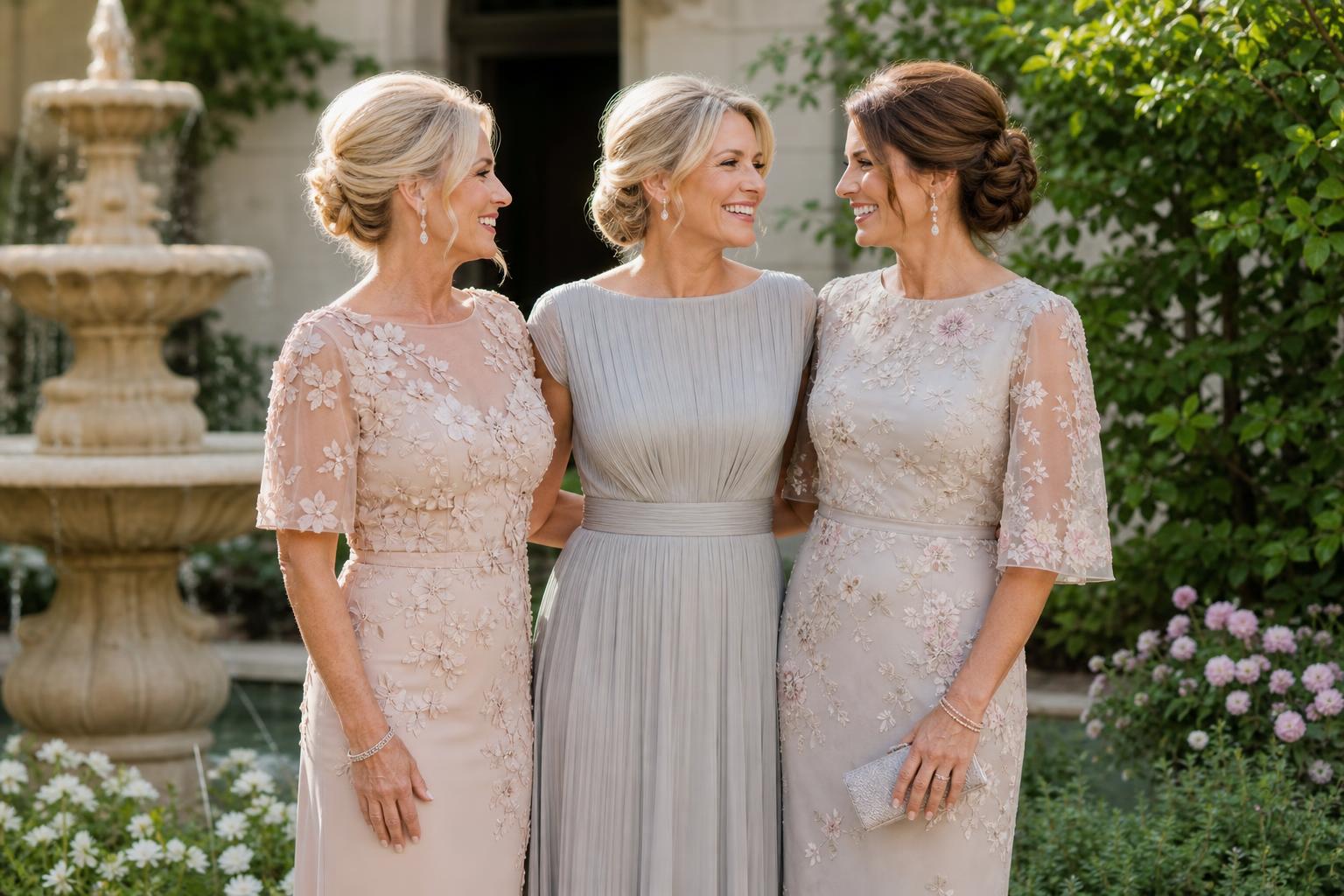
Floral styles frequently appear in broad shopping hubs because they sit between classic and expressive. They can be rendered in chiffon for movement, lace for texture, or layered fabric for depth, and they work best when the palette remains wedding-aware. Dusty blue, muted neutrals, and softened tones tend to feel easier to place within the ceremony landscape than anything overly sharp or attention-seeking. A dress in this mood suits an outdoor aisle, natural light, and receptions that flow from afternoon into sunset.
The styling insight here is balance. Because floral dresses already carry visual detail, the overall outfit should stay cohesive rather than crowded. A simple shawl, a modest heel, and a clean bag line keep the romantic quality intact without pushing the look into excess.
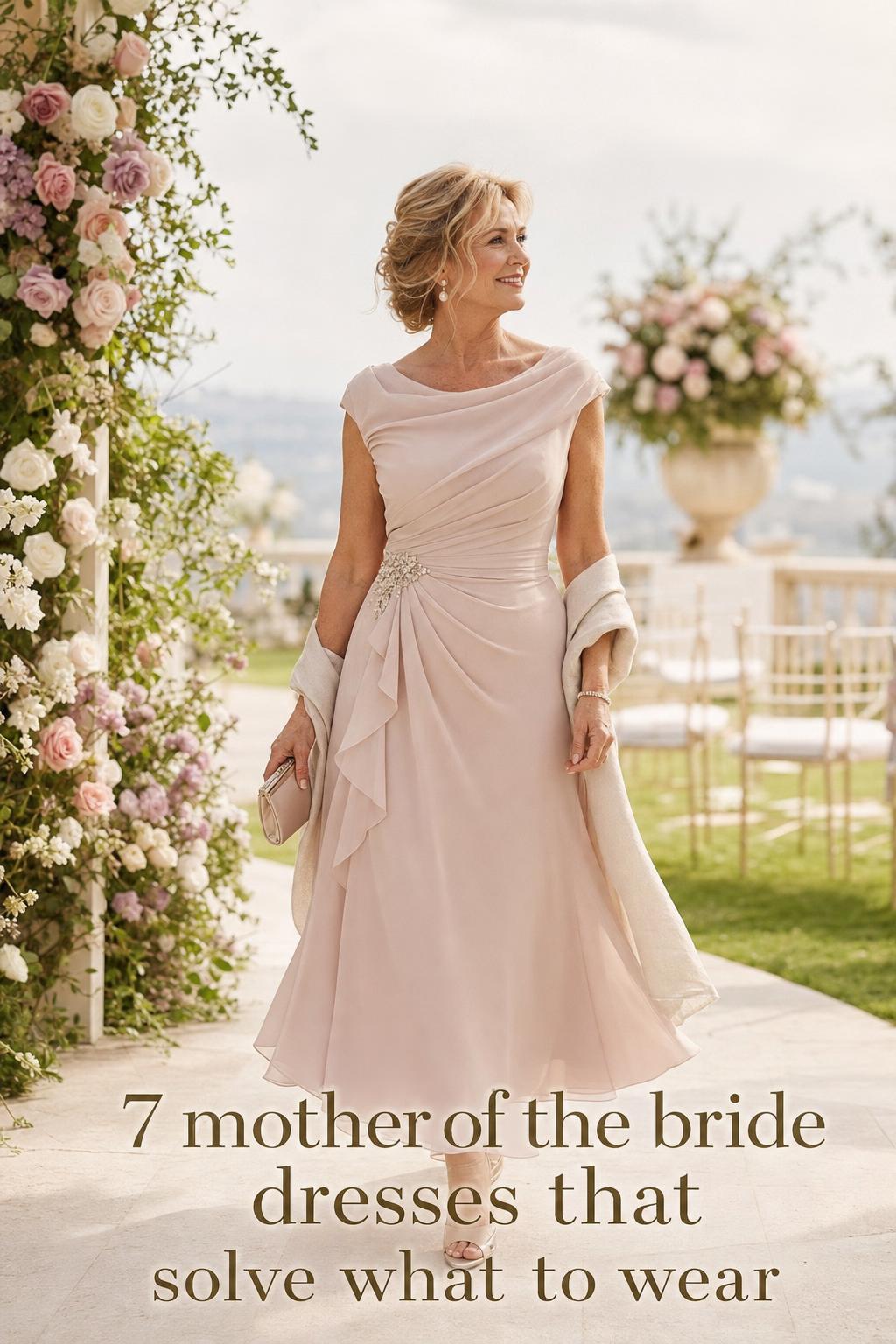
Look: tea-length refinement for an elegant daytime reception
Tea-length silhouettes bring a graceful mid-point between formal and approachable. They feel celebratory without the sweep of a full gown, which makes them well suited to daytime weddings, semi-formal receptions, and venues where movement matters, such as garden terraces or intimate private rooms. There is something inherently poised about a hemline that allows easy walking, sitting, greeting guests, and dancing later into the evening.
In fabric terms, tea-length mother-of-the-bride looks often come alive through texture. Lace, chiffon, and crepe each create a different tone: lace reads refined and traditional, chiffon softens the line, and crepe gives a cleaner modern finish. This is also a practical direction for women who want visible footwear to become part of the styling story. Since the hemline sits above the floor, comfort and polish in the shoe matter more than they do with a long skirt.
For many mothers, tea-length also solves a real event-day concern: it feels dressed up without feeling cumbersome. That trade-off can be especially valuable for ceremonies with transitions between outdoor and indoor spaces or for long celebrations where comfort is as important as appearance.
Look: the long formal gown for candlelit evening receptions
Some wedding settings ask for a more dramatic line, and this is where long mother of the bride gowns come into their own. In a candlelit ballroom, a grand hotel, or a black-tie leaning reception, a floor-length silhouette can feel entirely appropriate. The mood is richer, more ceremonial, and often more sculpted, whether the design leans ballgown, sheath, or column.
Department-store assortments and formalwear specialists such as Macy’s and Windsor tend to foreground this category with filters for color, silhouette, size, and price, while bridal-focused collections at Kuki’s Bridal and Lili Bridals widen the designer mix. A long gown in navy, champagne, black-adjacent formal tones, or dusty blue can feel elevated and seasonally versatile. Chiffon lends float and softness, while crepe and more structured fabrics create cleaner, more evening-driven lines. Needle & Thread offers a brand-led interpretation that often favors dressy romance and occasion texture, while labels like Mac Duggal can speak to a stronger formal presence.
The key to making this look work is proportion. Richer length often needs visual calm elsewhere. If the skirt moves dramatically, keep the accessories edited. If the neckline is statement-making, avoid too many competing details. Formal does not need to mean heavy; it simply needs to look resolved.
Color, fabric, and texture: creating a cohesive wedding look
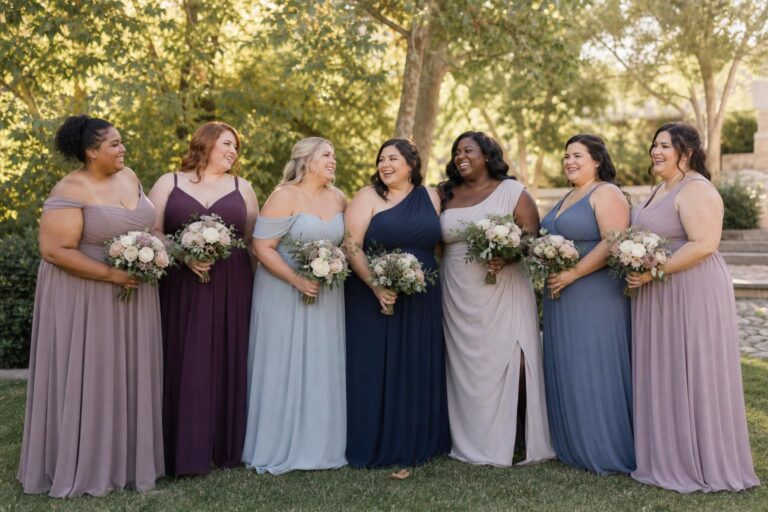
Color choice is one of the most important decisions in mother-of-the-bride dressing because it influences the dress’s mood, how it sits within the wedding palette, and how it photographs beside the bride, bridal party, and family members. Navy remains a dependable formal option because it feels elegant and versatile. Champagne brings softness and quiet luminosity. Dusty blue reads romantic and gentle, particularly in daylight. Black may appear in formal retail filters, but etiquette and event tone still matter, especially if the wider palette is light or celebratory.
Fabric changes the emotional effect just as much as color does. Chiffon introduces movement and breathability, making it useful for spring and summer weddings or venues that transition from ceremony to outdoor cocktail hour. Lace brings texture and a more traditional decorative quality. Crepe often feels modern and clean, especially in simple shapes or bateau necklines. Satin-like finishes can create a more polished evening mood. These textile families do not simply change the look; they also affect comfort, drape, and the ease of alterations.
- Navy: polished, versatile, especially strong for formal receptions
- Champagne: soft, elegant, luminous in daylight and indoor lighting
- Dusty blue: romantic and easy to place in gentle wedding palettes
- Chiffon: airy movement and comfort over a long day
- Lace: classic texture and decorative depth
- Crepe: clean line and modern restraint
A well-chosen color and fabric combination does more than flatter the wearer. It ties the mother’s look back to the atmosphere of the wedding itself, which is why the best dresses feel visually connected to the celebration rather than selected in isolation.
Seasonal palettes that feel right in the room
Season influences more than shade. It affects how a dress reads under natural light, whether a fabric feels comfortable for hours, and how formal the outfit appears against the venue backdrop. For a spring wedding, lighter and softer tones paired with chiffon or lace often feel aligned with the setting. Summer usually benefits from breathable fabric and color choices that remain polished without feeling heavy. Fall can support richer depth, and winter allows for a more formal, structured mood.
A spring garden ceremony may call for dusty blue chiffon with gentle texture, while a summer event might still accommodate navy if the silhouette remains fluid and breathable. A fall ballroom can support deeper tones and a little more structural definition. Winter formalwear often looks strongest in long silhouettes, richer texture, and a cleaner line. These are not rigid rules, but they help explain why some dresses feel effortless in one setting and less natural in another.
Style tip: let the venue guide the palette
If the ceremony takes place outdoors at golden hour, softer shades and light-reflective fabrics tend to feel more integrated with the scene. In a candlelit indoor reception, deeper tones and cleaner silhouettes often hold their shape visually and read more formal in photographs.
Look: plus-size elegance with shape, movement, and confidence
Plus-size mother-of-the-bride style works best when the focus shifts away from hiding and toward balance. The most elegant results come from dresses that create structure where wanted, allow movement through the skirt or sleeve, and use fabric intentionally. An A-line or empire-informed shape can feel fluid and supportive, while sheath or column lines may suit mothers who prefer a cleaner silhouette with less volume.
Retailers with larger assortments and useful filters, including Macy’s and DressFinder, make this category easier to browse by size, color, and silhouette, while bridal-focused boutiques may offer stronger brand-specific guidance. Chiffon can soften the body line and feel comfortable over long hours. Lace can add surface interest without demanding extra embellishment. A dress with thoughtful sleeve treatment or a flattering neckline often provides more confidence than heavy decorative detail placed everywhere at once.
What matters most is proportion. If the skirt has movement, a more defined upper silhouette can restore balance. If the neckline makes a statement, the rest of the dress can remain quieter. The most flattering dresses are usually the ones that feel calm, not overworked, on the body.
Shopping the right way: from broad catalogs to designer-focused collections
The shopping landscape for mother of the bride dresses is broad, and each type of retailer serves a different stage of the decision. Broad editorial-shopping platforms such as The Knot help mothers discover styles, themes, and subcategories, including specific neckline groups like bateau. Large retailers such as Macy’s offer extensive filtering by size, color, price, and silhouette, which is useful when the brief is clear but the exact dress is not. Directory-style resources such as DressFinder expand the field even further with a large number of listings.
Bridal boutiques and specialist stores such as Kuki’s Bridal, Lili Bridals, and motherbridedress.com tend to feel more focused around the category itself, often making them helpful for mothers who want brand-driven browsing. Windsor leans into formalwear mood, Dorris Wedding highlights value and budget sensitivity, and Needle & Thread offers a more brand-specific visual identity. The right place to shop depends on whether the priority is price, silhouette, designer, or a narrower occasion mood.
- Use broad catalogs first if you are still defining the silhouette
- Use department-store filters when size, color, and budget are already clear
- Use bridal collections when brand identity and occasion polish matter most
- Compare by neckline, sleeve, and hem length before comparing by embellishment
This is also where realism matters. A beautiful dress that cannot be tailored in time, that feels too heavy for the venue, or that conflicts with the wedding palette is rarely the best choice. Shopping well means narrowing the field with event logic, not only visual attraction.
Designer spotlight: different moods from different brands
Brands shape the personality of mother-of-the-bride fashion as much as color or silhouette. Even when dresses are viewed side by side in a large catalog, their design signatures tend to come through. Understanding those differences can make shopping more efficient and more intuitive.
Jade Couture and Jasmine K: polished occasion dressing
These names are closely tied to formal mother-of-the-bride assortments and often appear where neckline, shape, and refined event dressing are emphasized. They suit mothers who want a clearly occasion-specific look with bridal-party polish rather than generic eveningwear.
Azazie: accessible variety with strong category presence
Azazie appears naturally in the conversation around mother of the bride dresses because it bridges style range and shopping practicality. For mothers comparing cuts, palettes, and event formality, this kind of broad assortment can be especially useful.
Mac Duggal: stronger formal presence
Mac Duggal is a natural reference point for dresses with more statement and evening energy. When the wedding leans formal and the venue supports a richer silhouette, this label aligns well with a more dramatic interpretation of occasion dressing.
Adrianna Papell, Alex Evenings, and Xscape: versatile event-ready options
These names fit comfortably into the core of the category because they tend to support wearability, broad appeal, and event polish. They are especially helpful for mothers who want elegance without moving too far into either trend or theatricality.
How stylists think about silhouette before detail
One of the most common shopping mistakes is choosing embellishment first and shape second. In practice, silhouette determines whether a dress will feel balanced for an entire celebration. A-line dresses often create broad appeal because they skim the body and move easily. Sheath and column dresses feel more streamlined and modern but usually ask for more confidence with close fit. Ballgowns bring ceremony drama but are best reserved for venues and dress codes that can carry that scale.
Body-type guidance matters here, not as a set of rigid rules but as a way to make the shopping process more efficient. A mother who wants softness through the waist may gravitate toward an A-line shape. Someone who prefers visual length and cleaner structure may favor a column or sheath. A neckline such as bateau can draw attention upward and create a graceful shoulder line, while sleeves or overlays can provide the additional comfort many mothers want in photographs and throughout the reception.
Key pieces for this aesthetic
- A silhouette that supports movement for ceremony, photos, and reception
- A fabric that suits the season and level of formality
- A color that harmonizes with the wedding palette
- Accessories such as a shawl, shrug, bolero, or fascinator only if they support the overall line
Accessories that complete rather than compete
Accessory styling for mother-of-the-bride dressing is at its best when it feels integrated with the silhouette. The research around category gaps points toward shawls, shrugs, boleros, hats, and fascinators as underused but highly relevant pieces. These items are not afterthoughts. They can solve practical needs such as coverage, temperature shifts, or finishing a more minimal dress for a formal venue.
A chiffon dress may benefit from a light shawl that moves with the fabric rather than interrupting it. A clean crepe or bateau style can take a structured bolero more easily. A hat or fascinator may suit a daytime or particularly formal wedding atmosphere, though the rest of the look should remain edited so the accessory does not overwhelm the dress. Good accessory styling preserves the visual hierarchy: the dress leads, and the supporting pieces refine it.
Footwear deserves equal consideration. Tea-length dresses make the shoe more visible, while long gowns allow greater freedom to prioritize comfort. Since mothers typically stand, walk, greet guests, and remain active for many hours, the most elegant shoe is often the one that supports posture and confidence all day rather than the one with the strongest visual impact in isolation.
Fit, sizing, and alterations: where the finished look is really made
Even the most beautiful mother of the bride dress can fall flat without proper fit. This is one of the least glamorous parts of the process and one of the most important. Category pages across retailers are strong on assortment and filters, but fit guidance and alteration language are often less visible. In real terms, that means mothers should pay close attention to size range, likely adjustment needs, and how the fabric behaves before making a final decision.
Alterations are especially relevant for hem length, sleeve refinement, shaping through the waist, and balancing coverage with movement. Chiffon may drape softly but can still require careful hemming. Lace may need more considered handling because of pattern placement. Crepe can look beautifully clean when tailored well, but any fit issue may also be more visible because the fabric line is so clear. In bridal and occasionwear, tailoring is not a sign that something is wrong with the dress. It is often what transforms it from good to finished.
Tips for a smoother fitting process
- Decide on shoes before final hem adjustments
- Bring any shawl, shrug, or bolero to the fitting if it affects shoulder or sleeve balance
- Pay attention to seated comfort, not only standing posture
- Check how the dress moves during walking and greeting, not just in front of the mirror
There is also a timing element to consider. Bridal and occasion dressing often involves lead times, availability shifts, and the practical reality of securing tailoring support before the wedding date. A strong purchase is one that leaves room for refinement.
Budget without losing the mood
Price matters, but budget-conscious shopping does not have to flatten the aesthetic. One of the clearest themes across the category is that mothers often search by price band as much as by style. That is why “MOB dress under $200” and similar searches hold real importance. Retailers such as Dorris Wedding make budget a central part of the conversation, while larger stores and directories allow practical sorting across many options.
The strongest budget strategy is to prioritize the elements that most affect how the dress reads: silhouette, fabric appearance, and fit. A simpler dress in a flattering cut with thoughtful alterations can look more elevated than a heavily detailed option that does not fit quite right. If the budget is limited, place the emphasis on shape and finish first, and let accessories remain subtle and selective.
Shopping by budget also benefits from honesty about event conditions. If the wedding is outdoors in warm weather, an airy chiffon silhouette may deliver more value than a more elaborate structured gown that feels uncomfortable after an hour. Cost should support the experience of wearing the dress, not just the initial visual appeal on a product page.
Common styling missteps worth avoiding
The most frequent issue is selecting a dress with no reference to the wedding’s visual tone. A formal gown may feel disconnected at a light daytime ceremony, while an overly casual silhouette can look underdressed in a ballroom setting. Another common misstep is choosing color without considering the wedding palette and etiquette. The mother’s outfit should feel distinguished, but it should still support the larger picture.
Over-accessorizing is another risk. When dresses include lace, floral detail, or a statement neckline, too many additional elements can distract from the line of the outfit. Finally, many mothers underestimate the importance of fit over catalog imagery. Product listings are useful, but the final impression depends on tailoring, movement, comfort, and proportion in real life.
How to recreate the look with confidence
Start with the wedding setting, then narrow to silhouette, then color, then fabric, and only then move into embellishment and accessories. This order mirrors how experienced occasion dressing decisions are usually made, and it prevents impulse choices that look attractive on a screen but do not resolve well at the event itself.
Real-wedding thinking: matching the dress to the day’s atmosphere
A mother dressing for a beach-adjacent ceremony will likely need something different from a mother preparing for a black-tie hotel evening. In one scenario, movement, breathability, and a lighter visual effect may matter most. In the other, stronger structure, a longer hemline, and a richer tone may feel more in step with the setting. The best mother-of-the-bride style choices are not isolated fashion decisions. They are event responses.
Imagine a daytime vineyard wedding in soft light: a dusty blue chiffon tea-length dress with a wrap creates enough formality while still feeling natural outdoors. Now consider a winter ballroom reception: a navy long gown with a bateau neckline and a clean shawl brings the right degree of polish. These scenarios illustrate why no single “best” dress exists for every mother. The right look is the one that integrates with the event’s rhythm, palette, and level of formality.
This is also why editorial inspiration matters. Looking at brands, silhouettes, and color groups through the lens of wedding context helps mothers move beyond simply buying a dress and toward building a look that feels complete.
FAQ
How do I choose among mother of the bride dresses for a specific wedding style?
Begin with the venue and level of formality, then choose a silhouette that suits both the setting and your comfort. Garden and daytime weddings often feel best with softer fabrics and lighter visual weight, while ballroom or evening receptions usually support longer, more structured, or richer-looking dresses.
What colors are most common for mother of the bride dresses?
Navy, champagne, and dusty blue are recurring choices because they feel elegant, photograph well, and work across many wedding palettes. The best color is the one that complements the event’s overall tone and does not feel disconnected from the bridal party or family group photographs.
Are bateau mother of the bride dresses a good choice?
Yes, especially for mothers who prefer a polished, refined neckline with a modern formal feel. A bateau line brings graceful structure across the shoulders and often works well in clean fabrics or understated evening silhouettes.
What fabrics work best for mother-of-the-bride style?
Chiffon, lace, and crepe are among the most useful fabrics because each creates a distinct mood. Chiffon offers softness and movement, lace adds texture and tradition, and crepe provides a cleaner, more modern line that can look especially elegant in simpler silhouettes.
How can I find a flattering mother of the bride dress if I need plus-size options?
Focus on balance rather than coverage alone. A-line, empire-informed, and thoughtfully cut sheath styles can all work well depending on your preferences, and large assortments with size filters can make it easier to compare shape, neckline, and sleeve detail before choosing the final look.
Should I budget for alterations when buying a mother of the bride dress?
Yes, because alterations often make the difference between a dress that looks good and one that looks finished. Hem length, waist shaping, sleeve adjustments, and fit through the shoulders are all common refinements that can improve comfort and appearance.
Where can I shop for mother of the bride dresses in the U.S.?
Shoppers commonly browse broad style destinations such as The Knot, department-store assortments like Macy’s, large directories such as DressFinder, and bridal-focused collections from Kuki’s Bridal, Lili Bridals, Windsor, Dorris Wedding, Needle & Thread, and brand-grouped category pages like motherbridedress.com.
What accessories work best with mother-of-the-bride outfits?
Shawls, shrugs, boleros, and other light coverage pieces are especially useful because they support both comfort and polish. The best accessories follow the line of the dress rather than competing with it, so a more detailed dress usually benefits from simpler finishing pieces.
Is it better to choose a long gown or a tea-length dress?
That depends on the dress code, venue, and how you want to move through the day. Long gowns generally feel more formal and evening-appropriate, while tea-length dresses offer ease, visibility of the shoe, and excellent versatility for daytime or semi-formal celebrations.
What is the most important factor when comparing mother of the bride dresses online?
Look beyond the product image and compare silhouette, fabric, color, fit details, and alteration potential. The most successful online purchase is usually the dress that suits the wedding context and can be tailored well, not simply the one with the most striking catalog presentation.