Romantic Bun Hairstyles For Wedding With Veil-Ready Style
In bridal beauty, few choices feel as quietly consequential as the bun. It sits at the intersection of elegance and practicality, shaping the neckline, supporting a veil, framing the face in photographs, and lasting through ceremony, portraits, dinner, and the final dance. That is why bun hairstyles for wedding celebrations remain such a constant point of discussion for brides, bridesmaids, and guests alike. A bun can read classic, modern, romantic, sculptural, effortless, or formal, often with only a few changes in placement, texture, and accessories.
The styles are often grouped together because they belong to the same updo family: the classic bun, the low bun or chignon, the braided bun, the messy bun, the wrapped knot bun, and accessory-driven versions that shift the mood with flowers, crystal pins, or delicate hair jewelry. Yet they are not interchangeable. A sleek chignon under candlelight in a ballroom creates a very different impression from a softly braided bun at a garden ceremony or a textured messy bun at a warm outdoor reception. Understanding those distinctions makes the decision far easier.
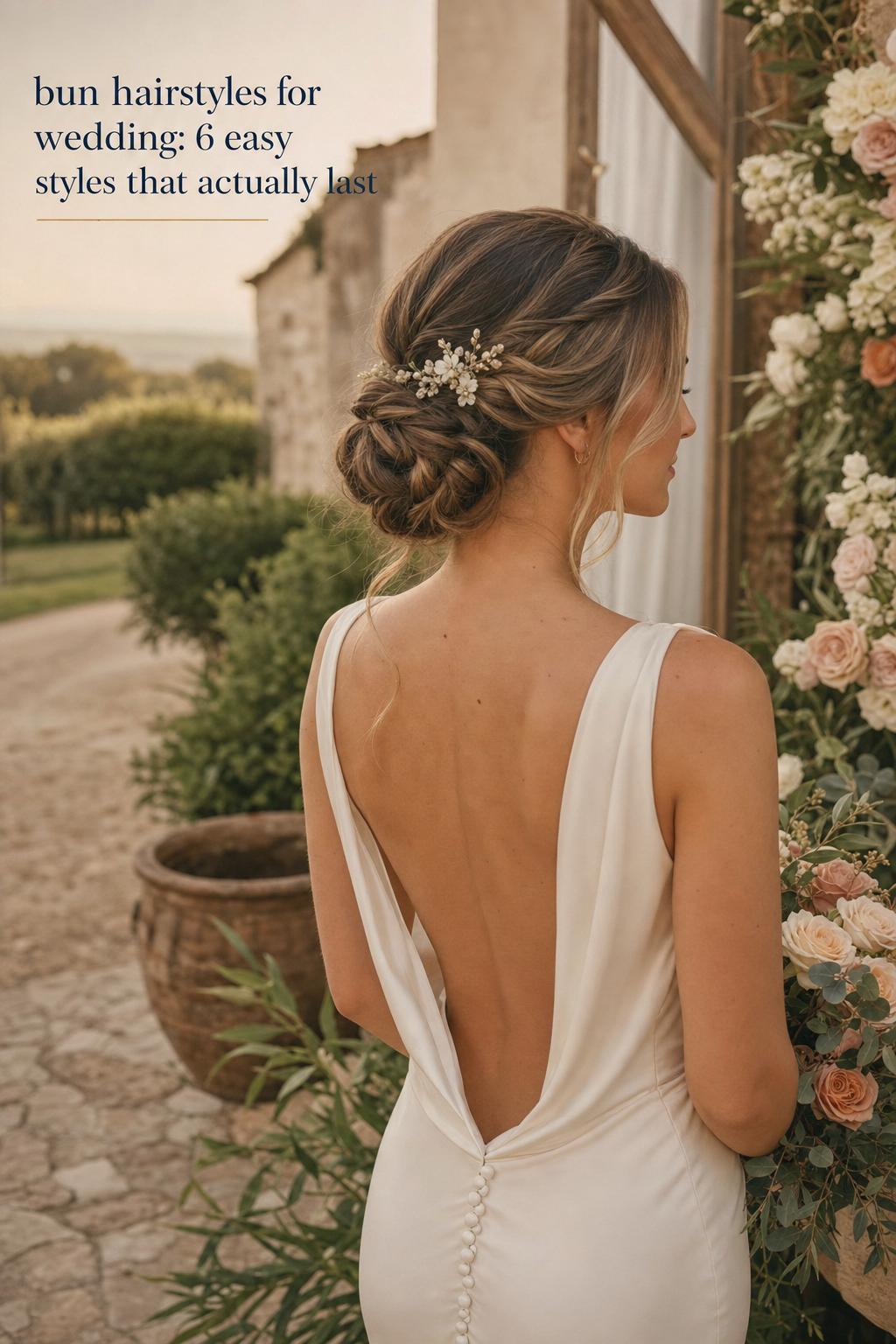
This guide breaks down the major wedding bun styles as a true comparison, not simply a gallery of ideas. You will see how each bun differs in structure, finish, formality, and real-world wear, plus how to match it to dress necklines, wedding themes, hair texture, season, and veil compatibility. The goal is not just to admire bridal buns, but to choose one with clear styling logic.
The bun family at a glance
Wedding buns are frequently discussed as one category, but in practice they divide into distinct aesthetics. Some are polished and architectural. Others rely on looseness, texture, or braid detail. Some are designed to disappear into the overall bridal silhouette, while others act as a visible feature, especially when paired with accessories. Looking at them side by side helps clarify what each one contributes to the final look.
Your wedding look is only the beginning.
Keep your guest list, vendors, timeline, and every important detail together with Zarellea — so your day feels as considered as your style.
Style overview: classic bun
The classic bun is the timeless reference point. It usually has a controlled silhouette, balanced shape, and refined finish, often sitting at the mid or lower back of the head. In wedding styling, it pairs naturally with traditional gowns, elegant veils, and formal venues. The mood is poised rather than trendy, and the visual effect is one of calm polish.
Style overview: low bun or chignon
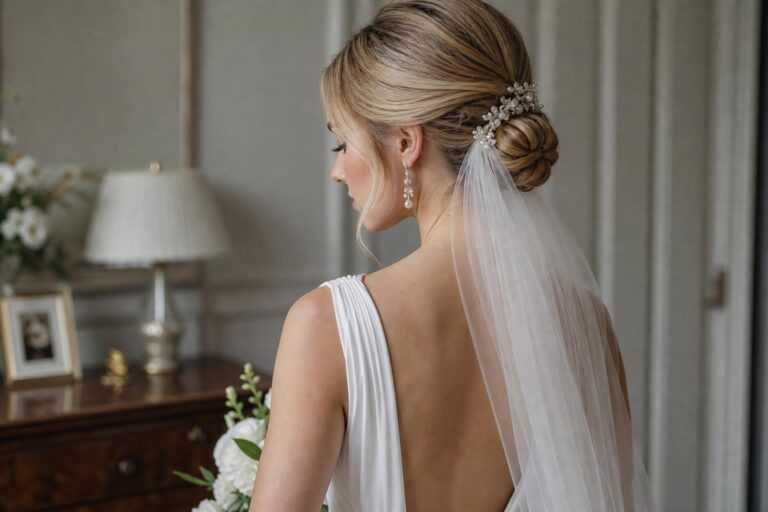
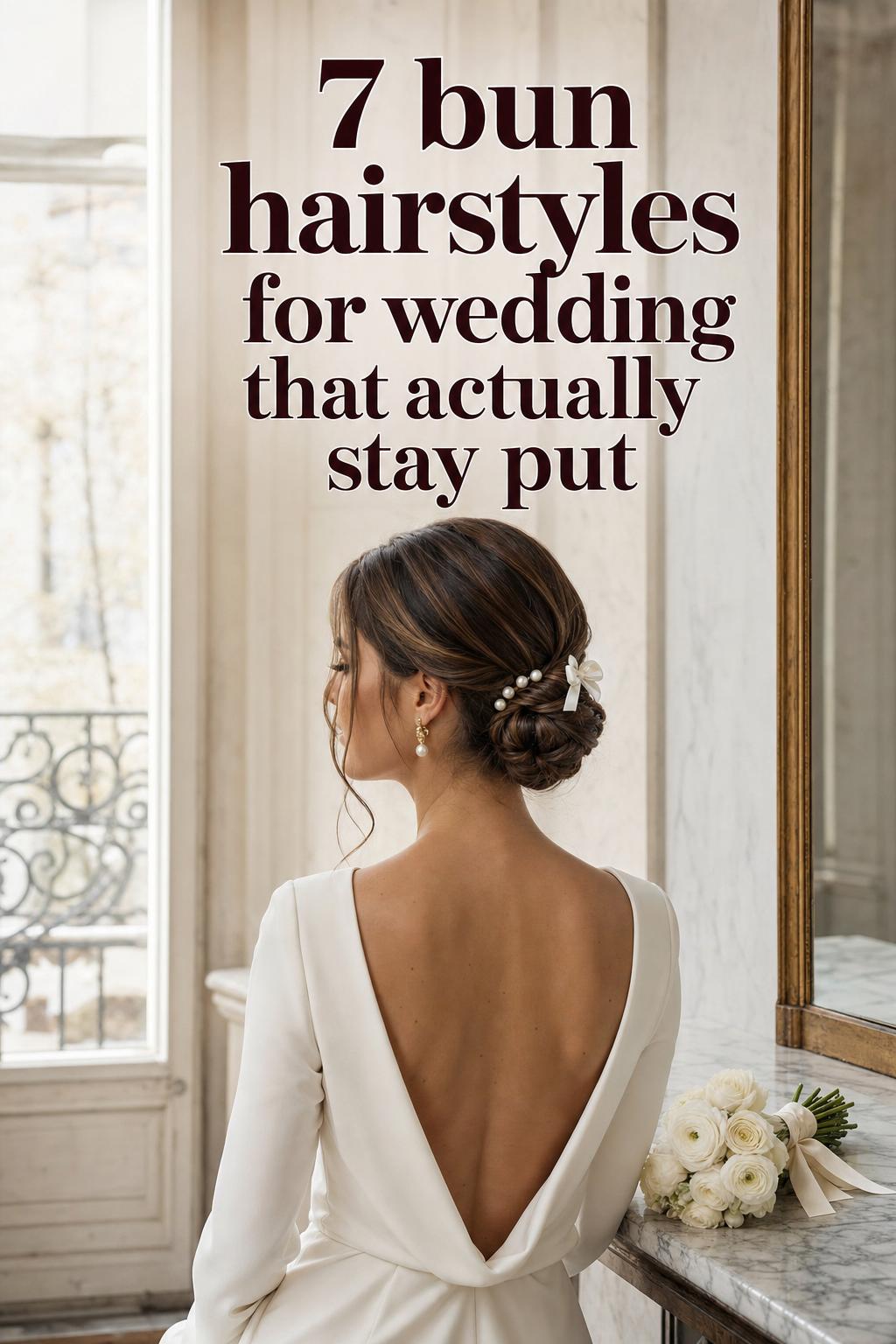
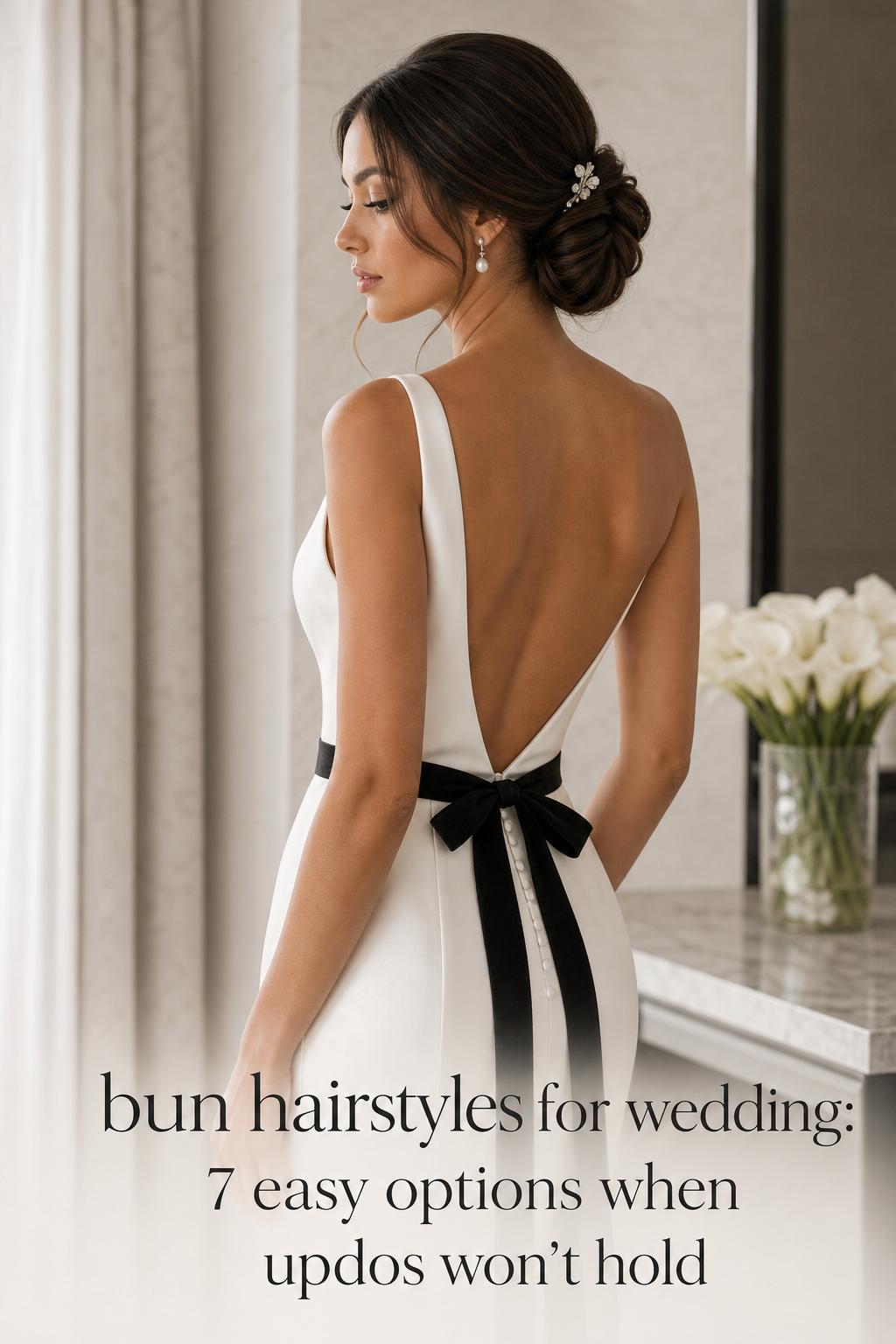
The low bun, often referred to as a chignon, sits at the nape and tends to feel the most sophisticated of the group. It elongates the neck, works beautifully with open backs and strapless shapes, and suits ballroom weddings, black-tie receptions, and understated bridal styling. Whether sleek or softly loosened, the low placement gives it a graceful, grounded quality.
Style overview: braided bun
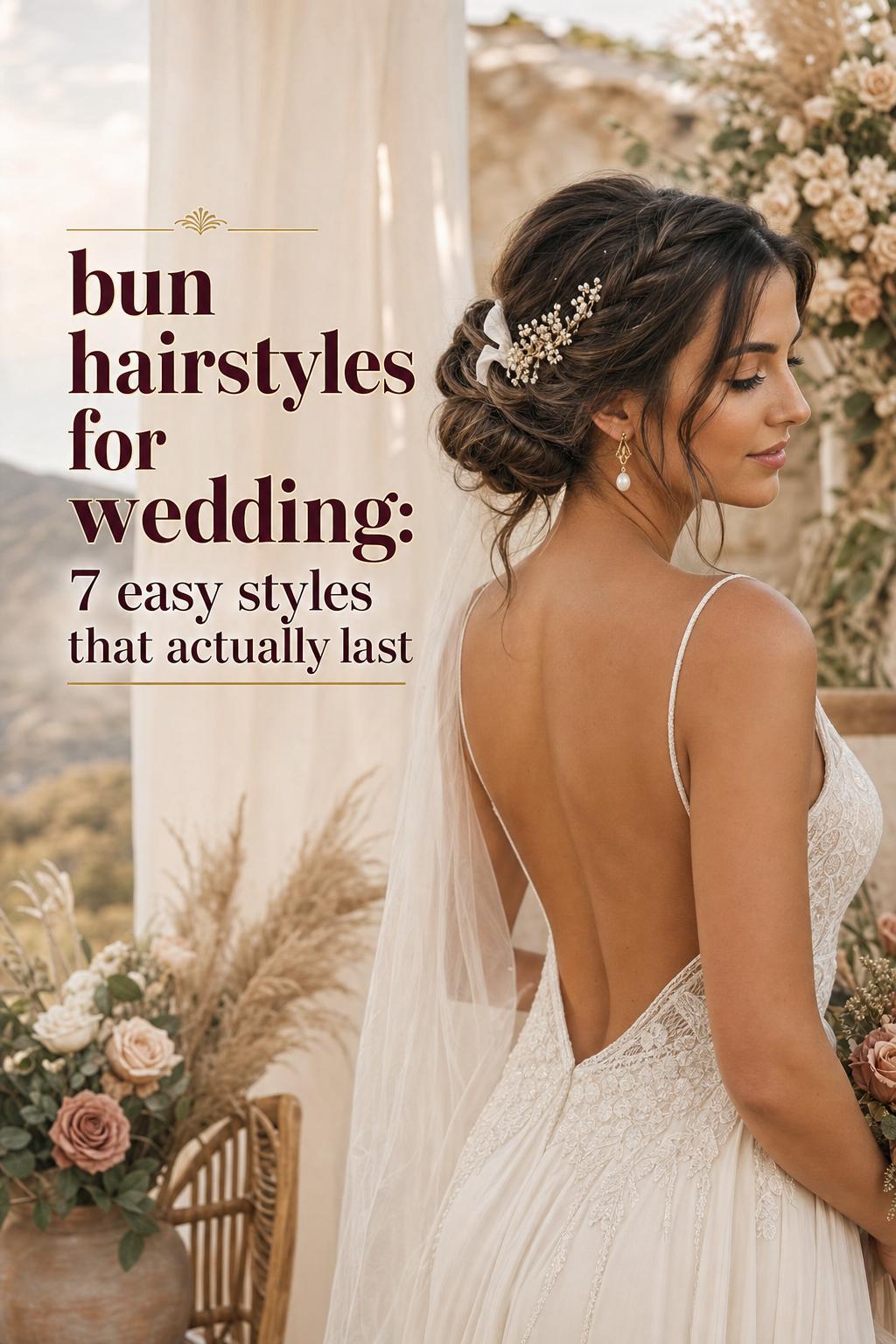
A braided bun introduces texture and visible detail. Braid techniques can wrap around the base, feed into the structure, or soften the crown before joining the bun. This style often feels romantic, slightly vintage, or bohemian depending on the finish. It is especially compelling in outdoor settings where natural light catches the woven shape.
Style overview: messy bun
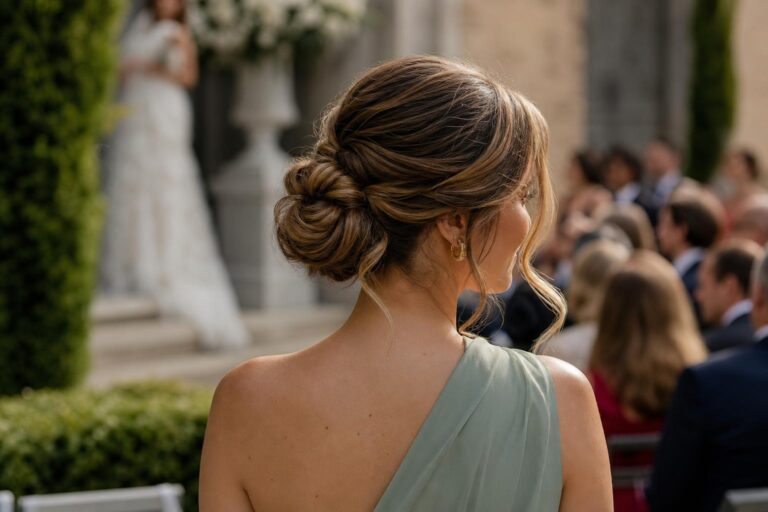
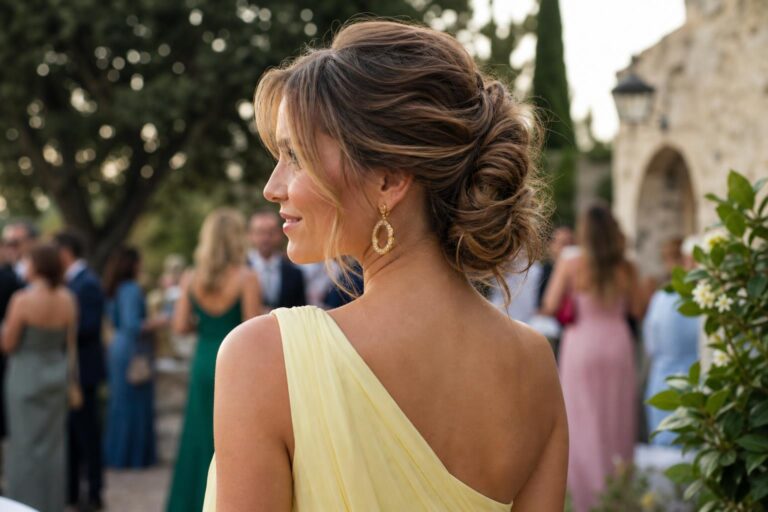
The messy bun is best understood not as careless, but as intentionally relaxed. It favors movement, airy texture, and face-framing pieces over perfect smoothness. In wedding terms, it often suits warmer weather, less rigid dress codes, and brides who want softness rather than precision. It can still be elegant, but the elegance is more effortless than formal.
Style overview: wrapped or knot bun
The wrapped bun, sometimes described as a knot bun, leans modern and sculptural. Hair is arranged with visible wraps or twists that create shape rather than softness. This is the bun for a contemporary bridal wardrobe, clean lines, and a deliberate fashion-forward mood. It works especially well when the dress itself is minimalist, because the hairstyle becomes part of the statement.
Style overview: accessory-driven bun
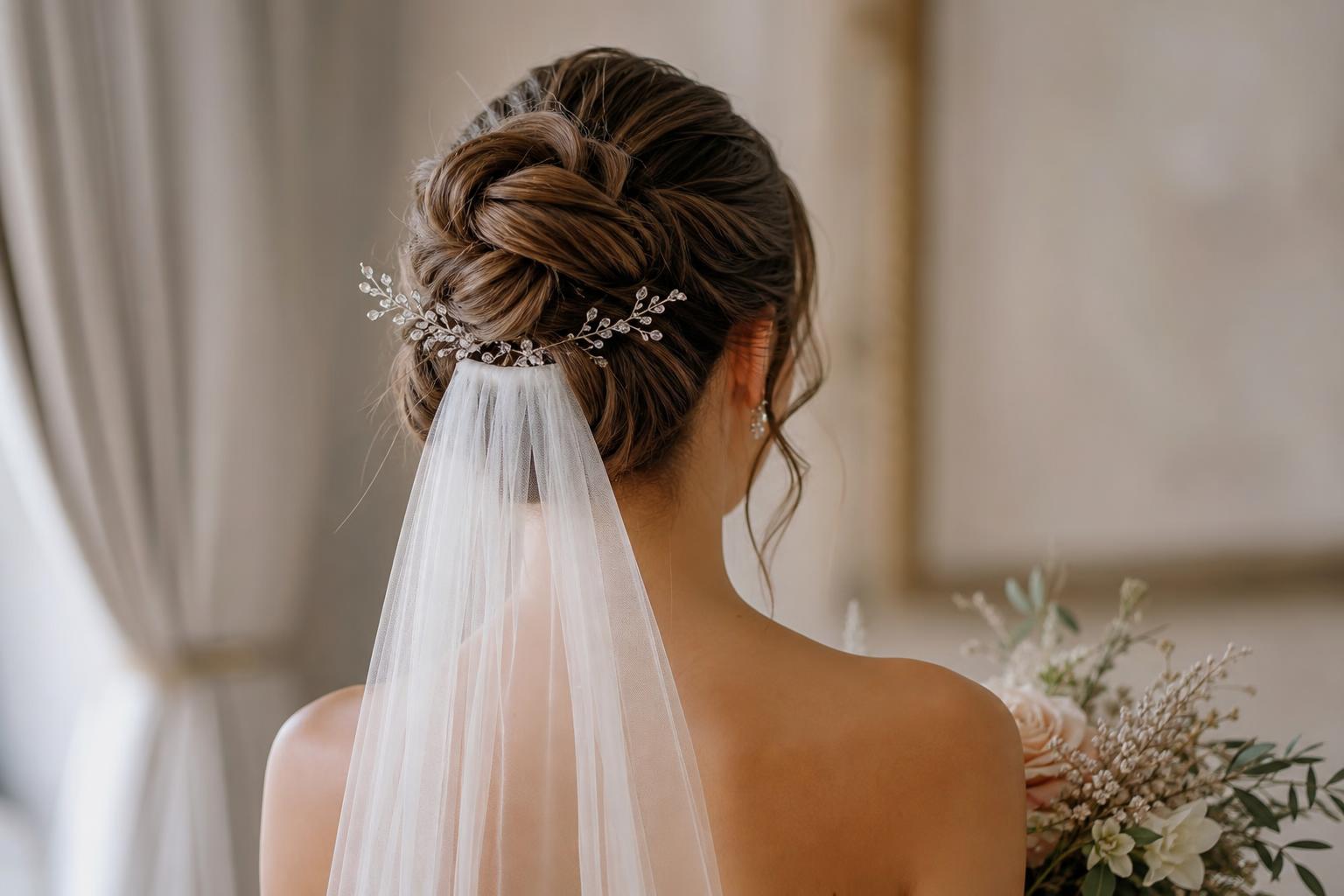
In an accessory-driven bun, the bun itself may be classic, low, braided, or textured, but its personality comes from adornment. Flowers, pins, crystals, or jewelry-like accents influence the final mood. A simple low bun with floral accents can feel romantic in a vineyard setting, while a sleek bun with crystal hairpins can look striking at an evening reception. The accessory changes the message without requiring an entirely different updo.
Where the differences really show
Many wedding buns share the same basic purpose, but the distinction lies in finish, placement, and the kind of bridal styling they support. These differences become obvious once you compare them through the lens of silhouette, formality, and styling philosophy.
Silhouette and structure
A classic bun tends to be symmetrical and centered, while a low bun or chignon is defined more by placement at the nape. Braided buns are textural by design, with visible patterning that breaks up the silhouette. Messy buns resist rigid structure and often look slightly undone around the edges. Wrapped knot buns are more sculptural, emphasizing shape and technique. If your dress has a strong, clean silhouette, a structured bun often reinforces it. If your gown is airy or romantic, texture usually feels more harmonious.
Finish and visual polish
The sleekest finish usually belongs to the classic bun, low bun, and certain chignon variations. They are ideal when you want shine, precision, and a formal mood. The braided bun sits in the middle: polished enough for a ceremony, but softer and more dimensional. The messy bun is intentionally less pristine, relying on touchable texture and movement. A wrapped bun can be sleek or soft, but usually appears more deliberate than a messy bun because the design is visible.
Level of formality
For the most formal settings, the low bun, classic bun, and refined chignon usually lead. They feel at home in black-tie venues, church ceremonies, and traditional wedding portraits. Braided buns bridge formal and romantic styling, making them versatile for countryside estates, elegant garden weddings, and vintage-inspired celebrations. Messy buns lean less formal, though they can still be bridal when carefully finished. Wrapped buns often read modern-formal rather than traditional-formal.
Styling philosophy
The classic bun is about timeless restraint. The low bun or chignon is about refined elegance. The braided bun emphasizes romance and detail. The messy bun favors softness and ease. The wrapped bun highlights design. Accessory-driven buns shift the focus toward adornment and curation. Once you identify the styling philosophy that suits your wedding, the field narrows quickly.
A closer comparison of the most requested wedding buns
Classic bun vs low bun
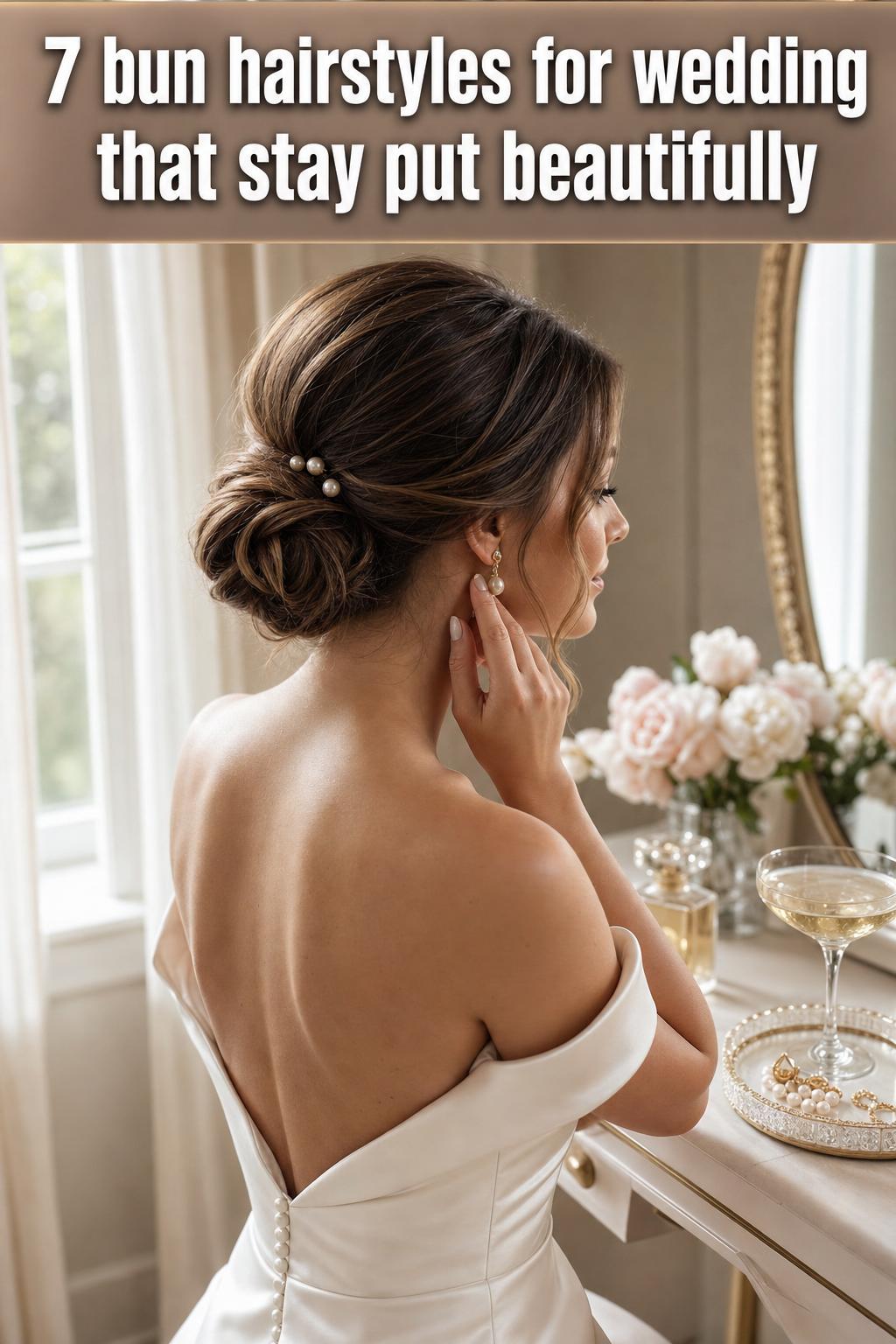
These are the two styles most often confused because both can appear elegant and minimalist in photos. The difference is placement and mood. A classic bun may sit slightly higher and feel more universally formal, while a low bun or chignon sits at the nape and creates a softer line through the neck and shoulders. For a ballroom reception with a dramatic veil, either can work. For a gown with an open back or delicate straps, the low bun often feels especially graceful.
There is also a subtle difference in personality. The classic bun feels archetypal and timeless. The chignon feels cultivated and sophisticated, often with a slightly European editorial mood. If your bridal styling leans traditional, the classic bun is a safe and elegant anchor. If you want understated polish with a little more softness, the low bun often wins.
Braided bun vs messy bun
Both styles appeal to brides who want texture, but they achieve it differently. A braided bun uses visible braid structure to create interest. A messy bun relies on looseness, pull, and softly imperfect placement. In golden-hour outdoor photography, a braided bun catches light in a more defined way, while a messy bun creates a cloudlike softness around the head and face.
For a bohemian celebration or a garden ceremony, either can be beautiful. The braided bun tends to feel more intentional and often photographs with greater definition from the back. The messy bun feels lighter and more spontaneous. That can be lovely, but it also means it requires thoughtful securing if the event includes heat, dancing, or wind.
Sleek chignon vs wrapped knot bun
This is a comparison between classic sophistication and contemporary edge. A sleek chignon is smooth, close to the head, and quietly luxurious. A wrapped knot bun introduces visible lines, twists, and a more directional finish. If your gown has satin simplicity, sharp tailoring, or a modern neckline, the wrapped bun can echo that clean fashion language. The sleek chignon, by contrast, is less about statement and more about refinement.
For brides who love current trend references, this is also where editorial influences matter. Publications such as Marie Claire have highlighted the Delaney bun trend, and stylists including Adam Reed have connected bun styling to broader trend cycles. In practice, that means some brides may prefer a more directional knot shape rather than a conventional round bun, particularly for a city wedding or fashion-led reception look.
How each bun reads in real wedding settings
A hairstyle is never viewed in isolation at a wedding. It is seen in context: under ceremony light, against the dress neckline, beside earrings, under a veil, and through changing settings from daylight to candlelit reception. That context is where the visual style of each bun becomes especially clear.
At a garden ceremony
Garden weddings tend to favor movement and softness. A braided bun or textured messy bun often feels most natural here, especially when paired with floral accents or subtle pins. In this setting, the hairstyle should not appear too rigid against fresh surroundings. A low bun can still work beautifully, but it often benefits from a few softened pieces or an accessory to avoid feeling too severe in daylight.
At a beach or destination wedding
Beach ceremonies and destination celebrations usually ask more from a style in terms of comfort and hold. A low bun or messy bun with secure internal structure tends to make sense because it keeps hair controlled while preserving a relaxed mood. Overly delicate front pieces can become impractical in wind or humidity. The best choice in this setting is often the bun that balances softness with reliable pinning.
At a formal evening reception
Once the lighting shifts to chandeliers or candlelight, shine and shape become more visible. A sleek chignon, classic bun, or wrapped knot bun can look especially polished in evening settings. Crystal hairpins and refined accessories tend to register more clearly after dark than flowers do. This is where cleaner finishes often feel richer and more intentional.
At a rustic countryside or vineyard venue
Vineyard and countryside venues often sit in the middle ground between formality and ease. Braided buns are especially effective here because they feel styled without becoming too strict. Low buns with face-framing pieces are another strong option. The atmosphere usually calls for something romantic, but still polished enough for extended celebration and photography.
Matching the bun to the dress neckline
One of the most useful ways to compare bun hairstyles for wedding looks is by neckline. Hairstyle and gown should support each other, not compete. The bun changes how the shoulder line, neck, and back are seen, which is why this decision matters just as much as the hairstyle itself.
- Sweetheart and strapless necklines often pair beautifully with low buns, classic buns, and softly textured braided buns because they leave room around the collarbone and shoulders.
- V-neck gowns can work with almost every bun type, but sleek buns tend to echo a cleaner line while messy or braided buns soften the angularity.
- Open-back dresses often look especially elegant with a low bun or chignon because the hair stays lifted away from the back detail.
- Minimalist gowns with modern lines tend to suit wrapped knot buns and sleek chignons, where shape and polish support the same visual language.
- Romantic dresses with softer fabrics often feel most balanced with braided buns or messy buns rather than highly severe finishes.
One practical consideration is proportion. If the gown is already highly detailed with lace, embellishment, or dramatic texture, a very intricate bun plus elaborate hair accessories can feel visually crowded. In that case, a quieter classic bun or low chignon may create a better balance.
Hair type and length: which bun works best
Hair type is one of the most under-discussed parts of choosing a bridal bun, yet it often determines whether a style looks effortless or overworked. The right bun should respect what the hair naturally wants to do. Texture, density, and length all affect the final result.
Fine hair
Fine hair often benefits from buns that create the impression of fullness without exposing too much structure. A low bun, classic bun, or wrapped bun can work well when built carefully and supported with pins, elastics, and, where desired, a bun ring or donut. Very loose messy buns can sometimes collapse visually on fine hair unless enough texture is added during prep.
Thick hair
Thick hair can support dramatic shape, which makes it well suited to braided buns, substantial low buns, and sculptural knot styles. The main consideration is control. A style that appears soft on thick hair still requires thoughtful internal securing so it lasts through a full wedding-day timeline. Thick hair often photographs beautifully in textured buns because the shape reads clearly from every angle.
Curly or textured hair
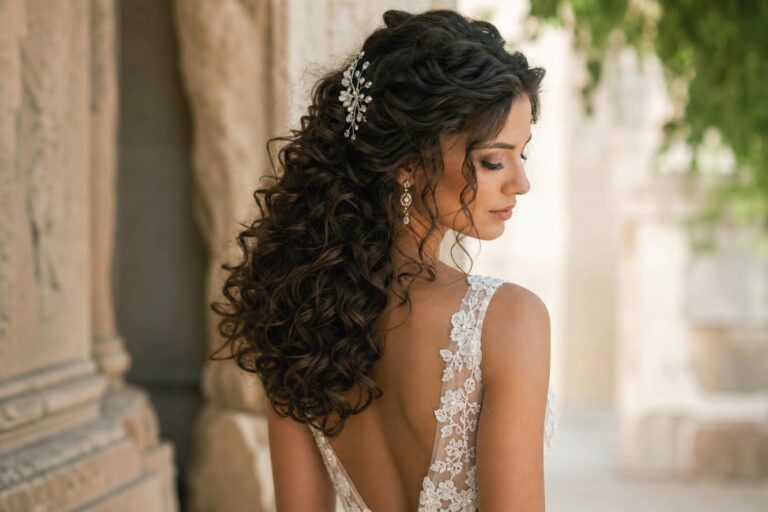
Curly and textured hair often shines in buns that embrace dimension rather than flatten it. A textured low bun, braided bun, or softer updo can feel especially authentic and flattering. Forcing curly hair into an overly sleek finish may work for some brides, but it can also remove the movement that makes the hair beautiful in the first place. In wedding styling, texture is often an asset, not something to erase.
Short or mid-length hair
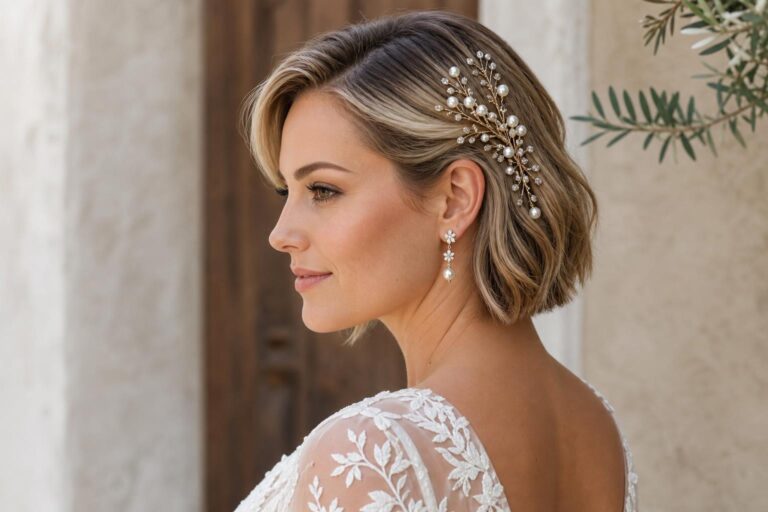
Short and mid-length hair can absolutely wear a bun, though the style usually benefits from strategic shaping and secure pin placement. Low buns and smaller chignons often feel more natural than oversized styles. This is also where accessories become useful, because pins, flowers, or crystals can complete the bridal effect even when the bun itself is more compact.
The practical styling guide: prep, hold, and finish
The difference between a beautiful bun in a still photo and a successful bun across an entire wedding day is preparation. Whether the look is created by a bridal hairstylist or done with a more DIY approach, the sequence matters: prep, structure, secure, refine, then finish. This is true across classic, braided, messy, and wrapped styles.
What supports longevity
- Good internal structure, usually with elastics and carefully placed hairpins or bun pins.
- Texture that helps the style grip, especially important for fine or very smooth hair.
- A finish that matches the weather rather than fighting it, particularly for outdoor weddings.
- Accessories that are secured into the bun structure, not just placed on the surface.
- A realistic shape for the hair type, since buns that demand too much from the hair tend to loosen fastest.
Tools that matter
Across wedding guides and beauty editorials, the same supporting tools appear repeatedly: elastics, hairpins, bun pins, styling brushes, and finishing products. Some buns also benefit from donuts or bun rings, especially when extra shape is needed. The exact product line varies, and beauty brands such as L’Oréal Paris are often discussed in wedding-season coverage, but the broader principle is consistent: the bun lasts best when the tool choice matches the style’s structure.
Tips for outdoor summer weddings
Heat and humidity change the equation. In warm weather, a sleek low bun can hold beautifully, but only if the hairline and nape are secured thoughtfully. A messy bun may feel appealing because it already welcomes softness, yet that same looseness can drift too far if the style is under-pinned. Braided buns often do well outdoors because the braid adds grip and visual order even as the day progresses.
A practical tip from long wedding days: choose one area where softness is intentional and keep the rest controlled. For example, allow a few face-framing pieces but keep the bun itself stable. That balance tends to photograph better than a style that loosens everywhere at once.
The day-of timeline and what each bun demands
Not all wedding buns require the same amount of time or adjustment. This matters when you are building a beauty schedule with a hairstylist, planning bridesmaid services, or deciding how ambitious a DIY look should be. The more texture, braid work, or accessory placement involved, the more time the style usually requires.
A simple low bun or sleek classic bun can be one of the more efficient choices because the shape is focused and the finish is controlled. Braided buns usually demand more time because the braid itself must be placed precisely before it is integrated into the updo. Messy buns may look effortless, but bridal versions often take careful editing to appear soft rather than unfinished. Wrapped or knot buns also need precision, especially if the final look depends on visible sculptural lines.
For a morning ceremony followed by portraits, travel, and an evening reception, reliability matters as much as beauty. Bridesmaids may prefer low buns or simple chignons for consistency across the bridal party, while the bride chooses a more detailed braided or accessory-driven version. That kind of tiered approach often works well in real life because it keeps the overall look cohesive without asking everyone to wear the exact same styling complexity.
Accessories change the message of the bun
Accessories are not an afterthought in wedding hair. They can move a bun from understated to decorative, from classic to romantic, or from simple ceremony styling to evening glamour. In comparison terms, accessories are often the bridge between similar bun shapes that need to suit different wedding aesthetics.
Flowers, pins, and crystals
Flowers soften a bun immediately, making them especially compelling for garden, vineyard, and bohemian settings. Hairpins and crystal accents bring a more formal, jewelry-like effect that suits receptions and candlelit venues. A sleek chignon with crystals can feel almost architectural, while a braided bun with floral accents looks more organic and romantic. The same base style can read entirely differently depending on this choice.
Veil compatibility
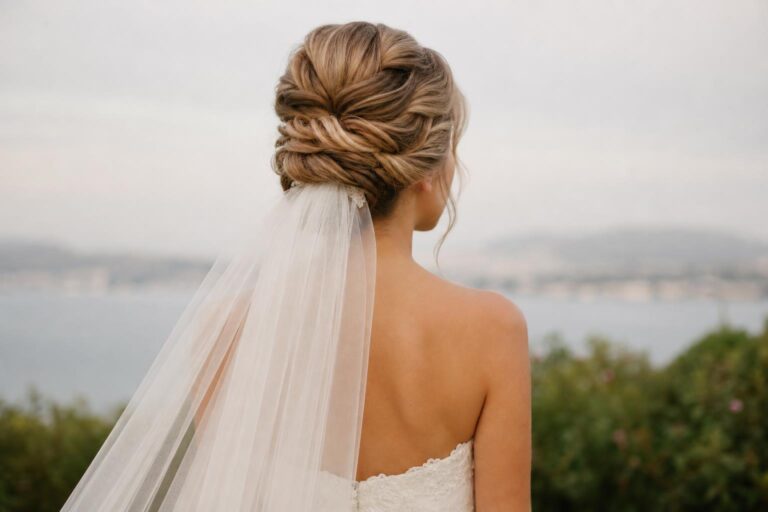
Veils are one reason low buns and classic buns remain such perennial bridal favorites. Their structure gives a clear place for the veil to sit, and they keep the back of the hairstyle visible once the veil is removed. Braided buns can also work well with veils, particularly when the braid detail wraps around the bun rather than covering the mounting point. Messy buns can be lovely with a veil too, but they require clean planning so the softness does not get crushed by the attachment.
Trend-led buns versus timeless bridal buns
Wedding hair always moves between two instincts: the desire for timelessness and the appeal of a current trend. Trend references from fashion and beauty media, including Marie Claire and Who What Wear, often influence what brides save for inspiration, whether that means sleeker shapes, celebrity-informed buns, or the Delaney bun discussion that has circulated in beauty coverage. In the U.S., where wedding style often blends tradition with fashion editorial influence, both approaches can coexist.
Timeless bridal buns usually include the classic bun, low bun, and chignon. Their advantage is longevity in photos and broad compatibility with veils, formal gowns, and mixed wedding aesthetics. Trend-led buns often include more sculptural knot work, looser modern texture, or celebrity-inspired finishes. Their advantage is personality. The trade-off is that a highly directional style may feel tied to a particular moment.
If you are deciding between the two, consider where you want the fashion statement to live. If the gown is already a strong modern piece, a sleek chignon may be enough. If the dress is deliberately minimal, a wrapped knot bun or trend-led finish can add contemporary tension in a beautiful way.
Wedding party styling: bride, bridesmaids, and beyond
The bride is not the only person considering a bun for a wedding. Bridesmaids, mothers of the bride or groom, and even wedding guests often gravitate toward buns because they are elegant, secure, and event-appropriate. The style logic is similar, but the priorities can differ.
For the bride
The bridal bun should reflect the dress, veil, and overall theme first. This is where a more detailed comparison matters most. The bride can justify a slightly more intricate style because she will be photographed from every angle and often changes from ceremony to reception with the same hair.
For bridesmaids
Bridesmaid low bun hairstyles remain popular for good reason. They are cohesive without looking severe, they suit a range of face shapes and dress necklines, and they hold up well over a long day. A bridal party may wear variations on the low bun or chignon so the group feels coordinated but not uniform. That often looks more natural in photographs than identical styling on every person.
For mothers and guests
For mothers of the bride or groom and for guests attending a formal U.S. wedding, buns often work best when they feel polished but not overworked. A simple chignon or low bun with subtle pinning usually strikes the right tone. The goal is elegance and comfort across a long event rather than highly bridal detail.
Insight section: common wedding bun mistakes
Beautiful inspiration can sometimes hide practical problems. A bun that looks perfect in one reference photo may not suit the venue, dress, weather, or hair type in front of you. Several mistakes tend to come up repeatedly when comparing wedding buns in real-life settings.
- Choosing a bun for trend value alone without considering the neckline or veil.
- Requesting excessive looseness in a humid or windy outdoor setting.
- Adding too many accessories to an already detailed gown and textured bun.
- Forcing a sleek finish onto hair that looks more flattering with natural texture.
- Ignoring comfort at the nape and crown, which matters over many hours.
- Assuming a messy bun takes less planning than a classic bun.
A useful stylist mindset is to decide what the hairstyle needs to do before deciding what it needs to look like. Does it need to support a veil? Survive a summer garden ceremony? Balance a minimalist dress? Coordinate with bridesmaids? Once those needs are clear, the right bun style often becomes obvious.
Style scenarios: how the same wedding moment changes by bun choice
Ceremony in a formal ballroom
A classic bun approaches this setting with quiet authority. It complements a cathedral veil, refined jewelry, and a structured gown without pulling focus. A braided bun in the same ballroom would soften the look and introduce romance, which may be lovely if the dress has lace or vintage detail. A messy bun, however, would need very careful refinement here to avoid feeling too casual for the scale of the room.
Golden-hour vows in a vineyard
A low bun with a few face-framing pieces creates an elegant but approachable mood, especially with chiffon or flowing fabrics. A braided bun would lean more overtly romantic and catch light beautifully in photos among vines and soft landscape. A sleek wrapped knot bun could work too, though it would shift the atmosphere toward modern editorial rather than relaxed romance.
Beach ceremony with movement and wind
A secure low bun is often the most balanced interpretation here because it keeps the hair controlled while still feeling bridal. A messy bun can suit the mood, but only if the looseness is intentional and the structure beneath is strong. A highly polished classic bun may look beautiful, yet in a very relaxed destination setting it can sometimes feel more formal than the environment suggests.
How to choose your best bun with confidence
If the options still feel close, narrow them by asking four practical questions: what is the dress neckline, what is the wedding setting, what does the weather likely demand, and what does the hair naturally do well? The answer often points directly toward one family of buns. Formal venue plus open-back gown may suggest a low chignon. Garden ceremony plus romantic dress may point to a braided bun. Minimalist fashion-forward styling may call for a wrapped knot bun.
Another helpful approach is to decide whether you want the bun to blend in or stand out. Classic buns and sleek chignons usually blend beautifully into the total bridal look. Braided, messy, and wrapped buns are more likely to become visible design features. Neither is better; they simply create different types of bridal presence.
And finally, remember that a successful wedding bun is not only about the first look in the mirror. It is about the final dance, the veil removal, the outdoor photographs, the long dinner, and how you feel carrying it for hours. The most elegant choice is usually the one that still feels intentional from first light to last call.
FAQ
What is the best bun for a wedding?
The best bun depends on the dress, venue, hair type, and desired mood. A low bun or chignon is often the most versatile because it feels elegant, supports veils well, and works across formal and romantic settings, while braided, messy, classic, and wrapped buns each suit more specific styling directions.
What is the difference between a low bun and a chignon?
In wedding styling, the terms are often used closely together. Both sit low at the nape, but chignon usually suggests a slightly more refined, polished interpretation of the low bun, with a softer or more sophisticated finish rather than a simple basic shape.
Can short hair wear a wedding bun?
Yes, short or mid-length hair can absolutely be styled into a wedding bun. Smaller low buns and compact chignons are often the most natural option, and accessories such as flowers, pins, or crystals can help complete the bridal look when the bun itself is more subtle.
Which bun works best with a veil?
Classic buns and low buns are usually the easiest styles to pair with a veil because they provide stable structure and clear placement. Braided buns can also work beautifully when the braid detail does not interfere with the attachment point, while messy buns need a little more planning to preserve their softness.
How long does a wedding bun take to do?
The timing varies by style complexity. A simple low bun or sleek classic bun is often quicker than a braided bun, wrapped knot bun, or heavily accessorized style, since those require more detailed shaping, pinning, and finishing.
Are messy buns formal enough for a wedding?
They can be, especially for garden, beach, or romantic outdoor weddings. The key is that the texture should look intentional rather than unfinished, and the bun still needs secure structure so it lasts throughout the ceremony and reception.
What bun is best for humid outdoor weddings?
Braided buns and well-secured low buns often perform especially well because they combine structure with controlled texture. In humid conditions, it helps to keep one area soft by design while making sure the bun itself is firmly anchored with elastics and pins.
Do bridesmaids look best in matching buns?
Not always. A coordinated family of styles, such as low buns or chignons with small variations, often looks more flattering and modern than identical hair on every bridesmaid. This keeps the bridal party cohesive while allowing for different hair textures, lengths, and dress necklines.
Should I choose a timeless bun or a trend-led bun for my wedding?
If you want the hairstyle to feel enduring in photos, a classic bun, low bun, or sleek chignon is usually the safest direction. If your dress and overall styling are modern and fashion-led, a wrapped knot bun or trend-inspired shape can feel exciting and personal, especially when balanced with a simple gown.