Short Evening Gowns for Weddings and Evening Events
The invitation says formal evening celebration, but the venue, timing, and mood suggest something more nuanced than a floor-length gown. That is where short evening gowns become especially useful. They offer the polish of eveningwear with easier movement, lighter visual balance, and a modern sense of occasion that feels right for weddings, cocktail receptions, galas, and prom-inspired formal events.
The challenge is knowing how short is appropriate, which silhouettes feel elevated rather than casual, and how fabrics, sleeves, and embellishments shift the overall impression. A knee-length evening dress in satin can feel refined in a candlelit ballroom, while a fit-and-flare style in chiffon may suit a romantic garden reception better. This guide walks through the practical decisions that matter so you can choose short evening gowns with confidence, style them thoughtfully, and dress appropriately for the setting.
Why short evening gowns can feel tricky to get right
Short evening dressing often sits between categories. Many shoppers compare an evening dress, a cocktail dress, and a formal short dress without always knowing where one ends and another begins. That uncertainty becomes even more noticeable when an event includes a ceremony, a reception, photographs, dancing, and hours of standing. You want elegance, but you also need comfort, practicality, and enough structure to feel event-ready from arrival through the last dance.
Weather also plays a role. A warm evening reception may call for chiffon, sleeveless cuts, or softer A-line movement, while a cooler ballroom or late-night gala may look and feel better in satin, lace, or a short-sleeved silhouette. The problem is rarely just about the hemline. It is about balancing formality, body proportions, venue atmosphere, and how the fabric behaves under evening lighting.
Your wedding look is only the beginning.
Keep your guest list, vendors, timeline, and every important detail together with Zarellea — so your day feels as considered as your style.
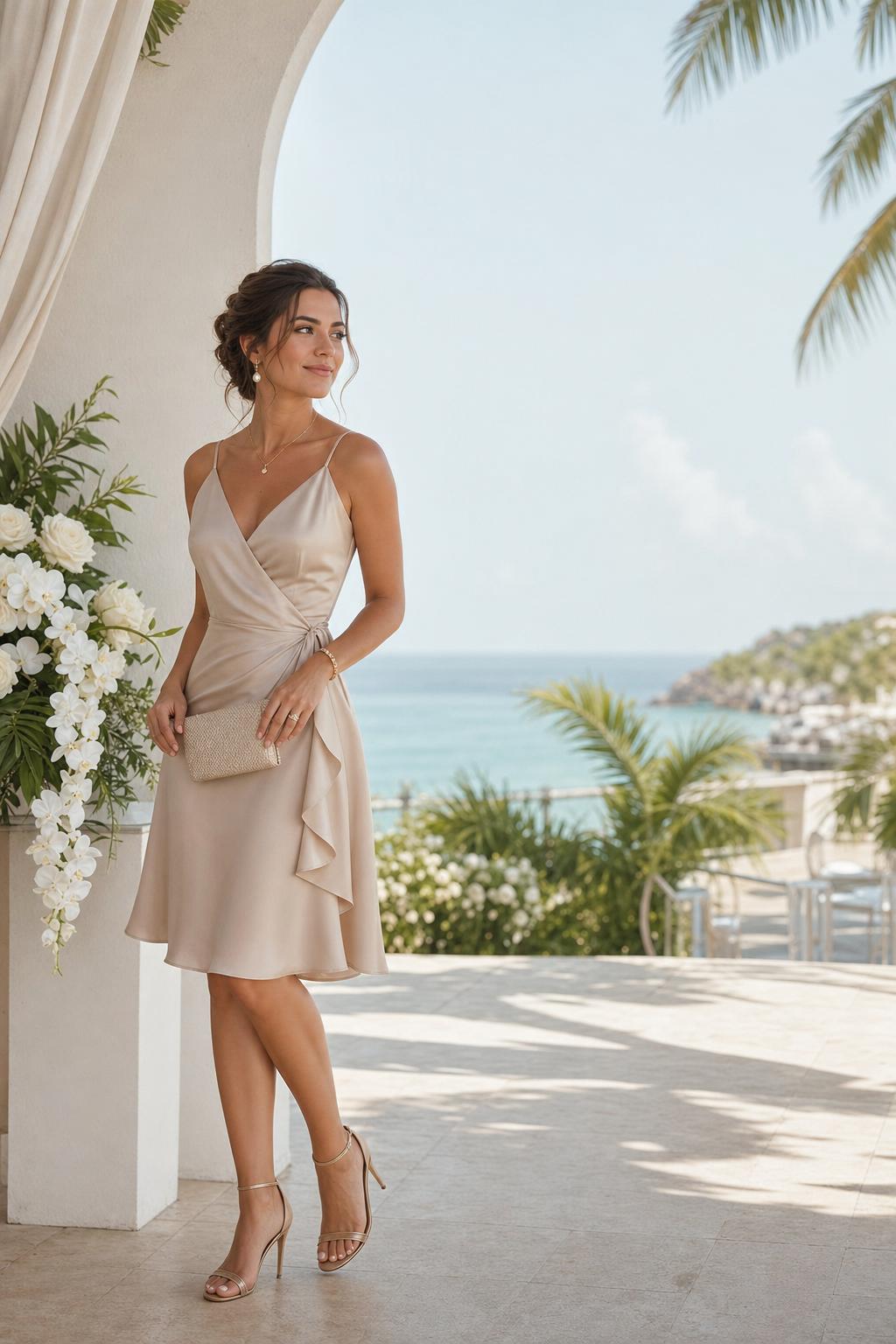
What defines a short evening gown
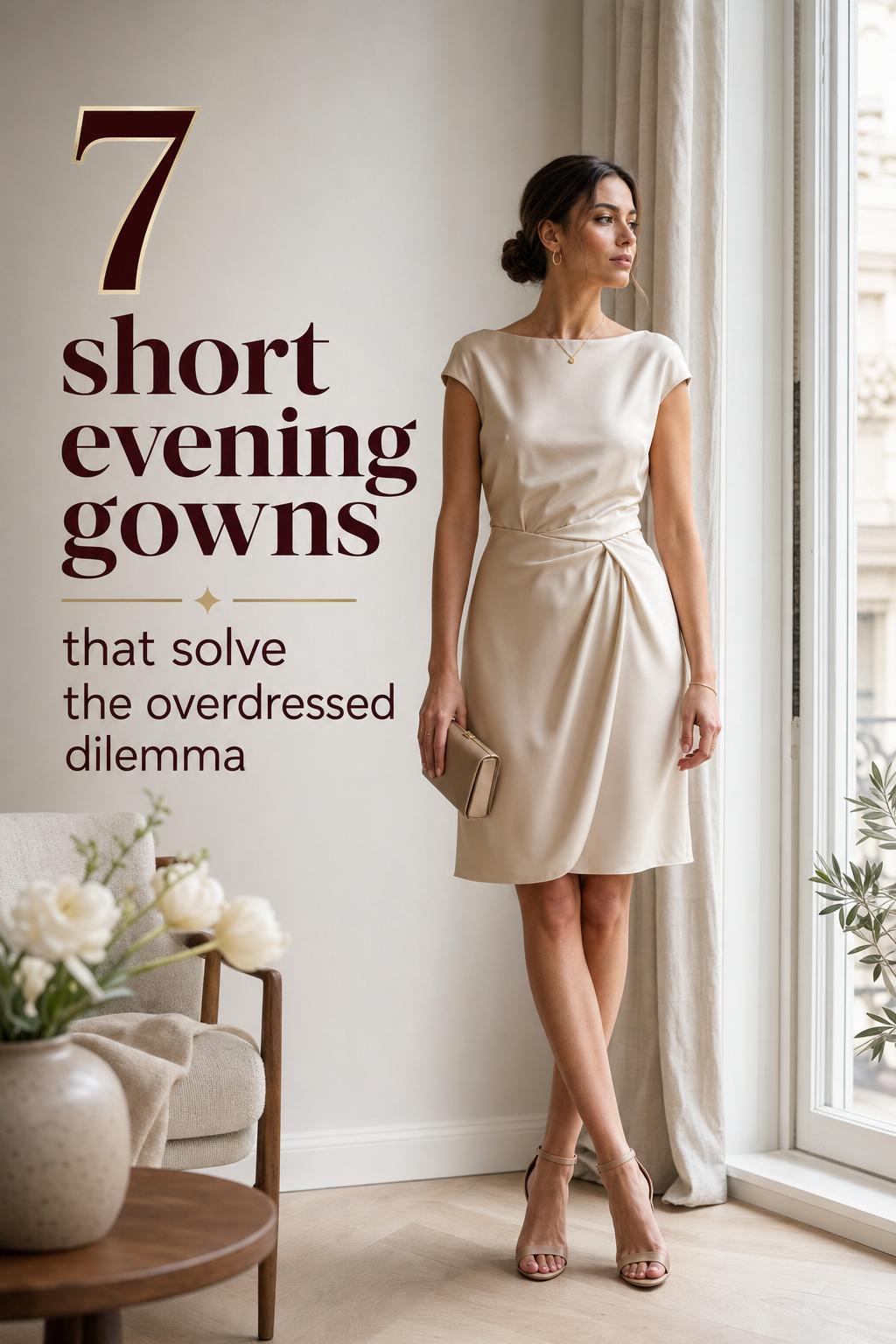
A short evening gown is generally a formal or semi-formal evening dress with a shorter hem than a traditional long gown. In practice, this often means a knee-length evening dress or another short silhouette designed with eveningwear details such as satin, chiffon, lace, beading, sequins, embroidery, or a more structured fit. The shorter length is what changes the mood, but the fabric, finish, and silhouette are what make it feel appropriate for an evening event rather than daytime wear.
This is also why the terms overlap. A short cocktail dress may function as a short evening gown when the cut, material, and styling are elevated enough for a formal setting. A party dress, by contrast, may feel too casual if the fabric lacks drape or the construction is too simple. When deciding between categories, look less at the label and more at the total effect: silhouette, finish, embellishment, and event context.
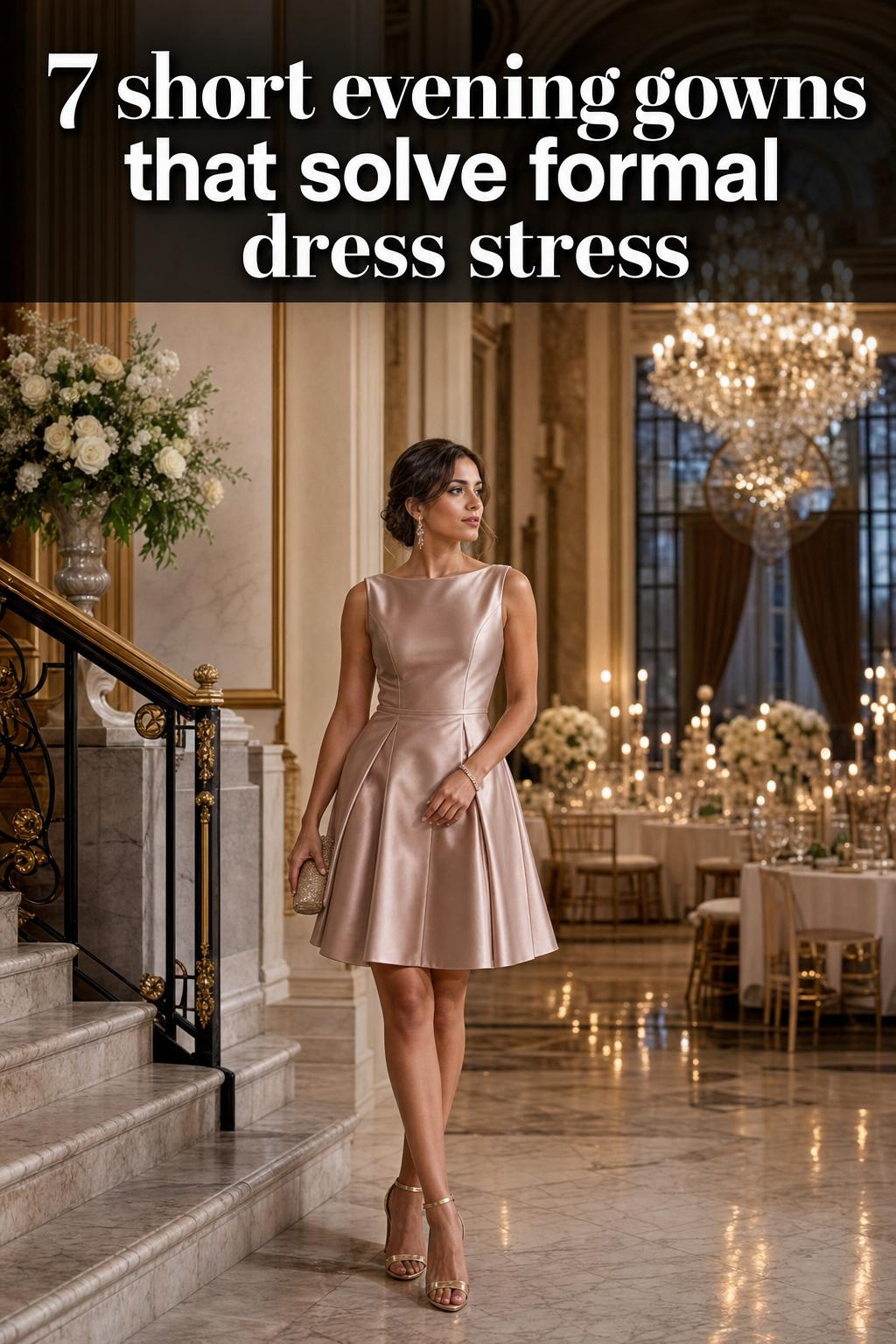
The styling principles that solve most short-gown problems
Before looking at specific outfit directions, it helps to understand the logic behind successful evening dressing. The best short evening gowns do not rely on one dramatic detail alone. They work because the length, fabric, neckline, sleeve treatment, and accessories support the same mood.
- Choose formality through fabric. Satin, lace, chiffon, sequins, and beading immediately lift a short silhouette.
- Balance the shorter hemline with polish elsewhere, such as a sheath shape, elegant neckline, or refined sleeve.
- Match movement to the venue. A structured sheath suits sleek settings, while A-line and fit-and-flare shapes feel softer and more romantic.
- Use embellishment strategically. Beading and sequins create evening impact, but too many competing details can make a short dress feel busy.
- Think about the full event timeline. Sitting, dancing, outdoor walking paths, and late-night temperature changes all affect the best choice.
These principles are especially helpful for wedding guest dressing. The key to a polished wedding guest outfit is balancing elegance with comfort. A short gown should feel intentional, not like a compromise between casual and formal.
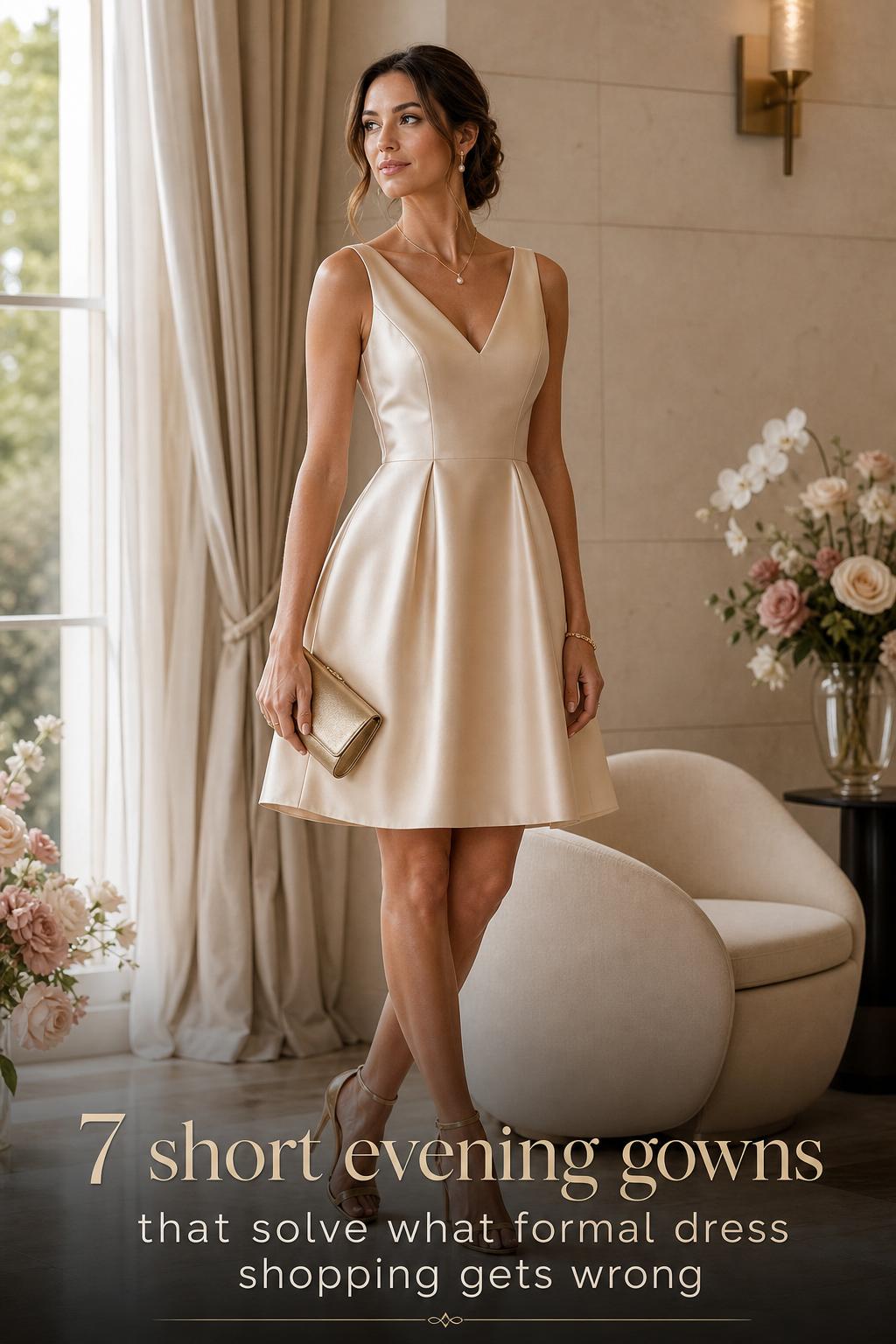
Choosing the right silhouette for the occasion
Silhouette is often the fastest way to solve uncertainty. Two dresses in the same fabric can read very differently depending on whether they are sheath, A-line, or fit-and-flare. The right shape affects movement, comfort, and visual proportion throughout the event.
Sheath for sleek evening polish
A short sheath evening dress is one of the clearest choices for a more refined atmosphere. It follows the body more closely, which gives a crisp line that works beautifully for cocktail parties, galas, and formal receptions. On a candlelit evening schedule, a sheath in satin, crepe-inspired structure, or embellished fabric can feel especially elegant without needing a long hem.
This silhouette also works well when you want the dress to carry detail through beading, sequins, or embroidery. The streamlined shape gives embellishment room to stand out. A product style like the Alex Evenings embellished short sheath cocktail dress at Nordstrom reflects this logic clearly: the silhouette remains simple, while beading and finish add formality.
A-line for balance and versatility
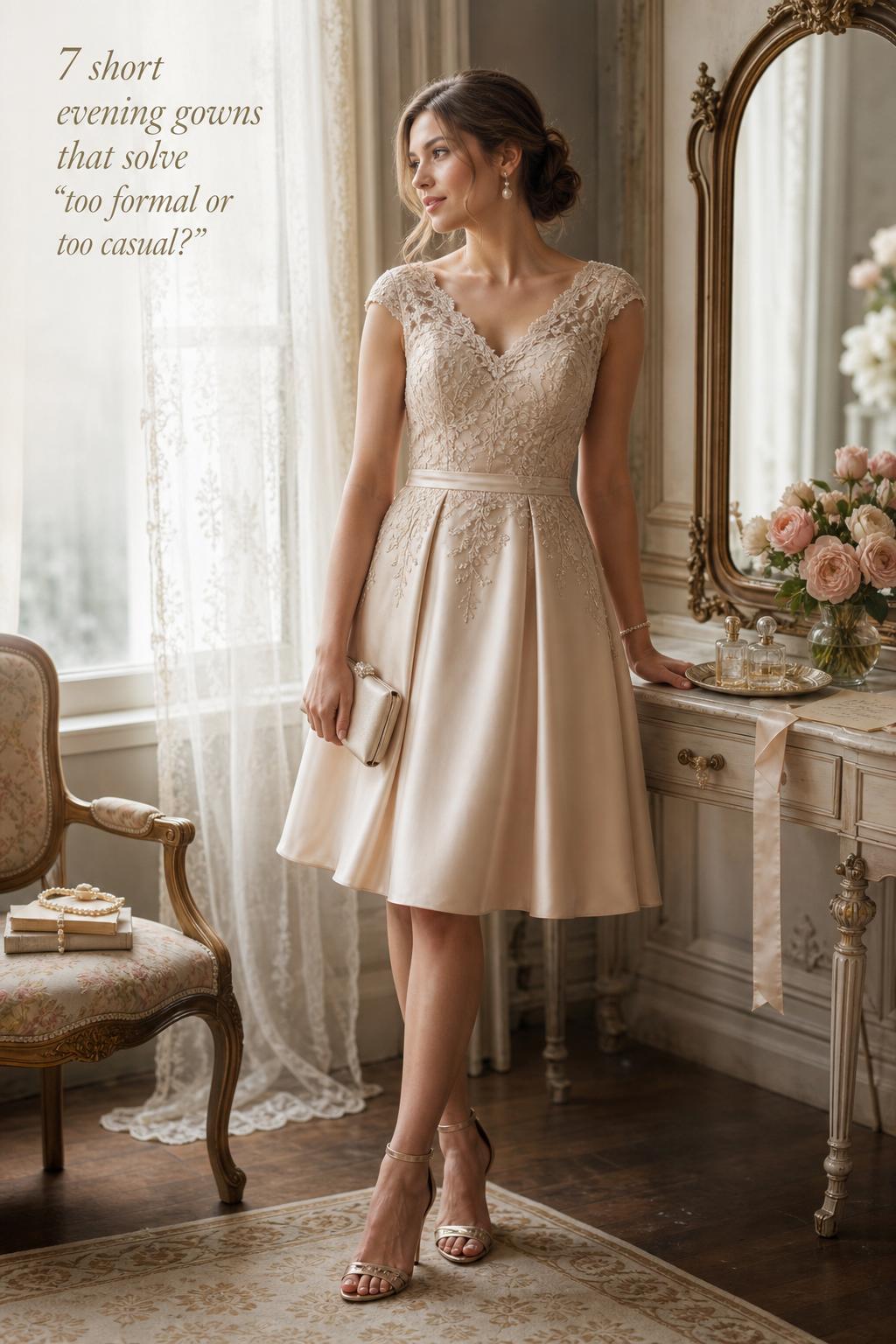
A-line short evening gowns are easier to wear across different venues because they create shape without feeling restrictive. For wedding guests, they are often the safest choice when the invitation is dressy but not strictly black-tie. In a ballroom, vineyard, or evening garden setting, an A-line silhouette in chiffon or lace offers graceful movement while still reading polished in photographs.
This shape is also useful when comfort matters. If the event includes a ceremony followed by hours of mingling and dancing, an A-line dress gives breathing room and keeps the look romantic rather than stiff.
Fit-and-flare for festive movement
Fit-and-flare styles bring energy to short evening dressing. Fitted through the bodice and fuller through the skirt, they create a celebratory silhouette that suits proms, parties, and lively wedding receptions. When done in the right fabric, they can still look formal enough for evening wear, especially with satin shine, lace overlays, or subtle beadwork.
The trade-off is that a fit-and-flare can lean youthful or playful more quickly than a sheath or A-line. To keep it event-appropriate, choose richer fabrics and cleaner accessories rather than overly casual shoes or daytime bags.
Mermaid or trumpet-inspired short shapes for a statement
More sculpted shapes can create a dramatic evening look even with a shorter hem. These options are less common than sheath or A-line styles in the short category, but they can work for events where you want stronger glamour. Because the silhouette already carries visual impact, it usually looks best with controlled embellishment and thoughtful fit.
Fabric decisions that change everything
Many styling mistakes happen because the silhouette is right but the fabric sends the wrong message. Eveningwear depends heavily on drape, texture, and how the material reacts to light. The same knee-length dress can feel understated or fully occasion-ready depending on whether it is cut in jersey, chiffon, satin, or lace.
Satin and similar polished finishes
Satin gives short evening gowns a strong formal identity. It catches light, creates clean lines, and works especially well for cocktail receptions, galas, and wedding venues with a more elevated interior setting. If you are concerned that a shorter hemline might feel too relaxed, satin is one of the easiest ways to restore evening formality.
Chiffon and georgette-inspired softness
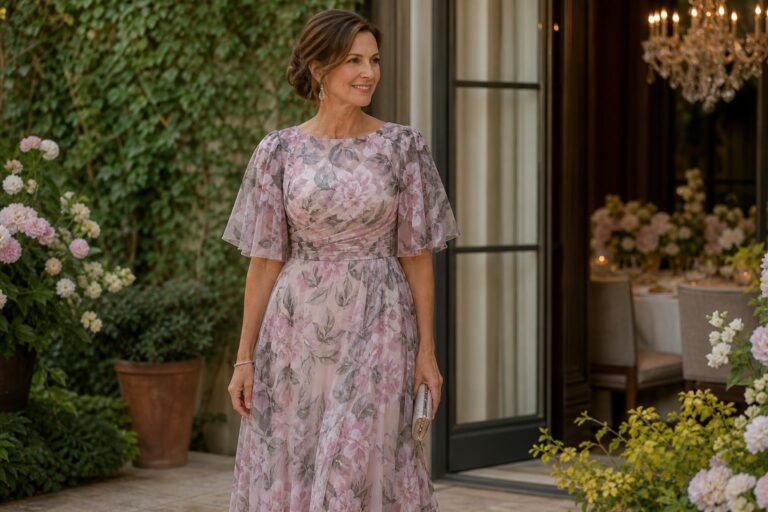
Chiffon brings movement and softness, making it ideal for warm-weather celebrations and romantic settings. A garden ceremony calls for soft silhouettes and breathable fabrics, and chiffon naturally supports that mood. In short evening dresses, it helps lighter silhouettes remain graceful rather than casual.
Lace, beading, and embroidery for added dimension
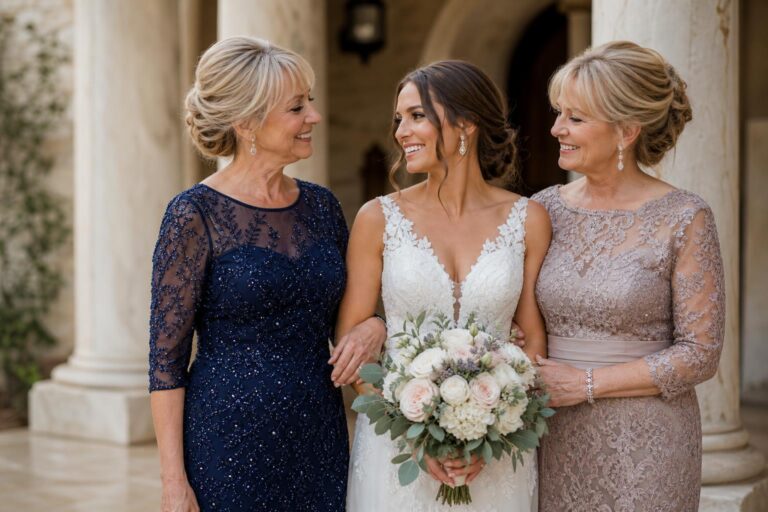
Lace and beading are especially effective when you want a shorter dress to feel more ceremonial. They add surface detail, visual richness, and a sense of occasion without requiring dramatic volume. This makes them useful for wedding guest looks, receptions, and gala dressing where the hemline is shorter but the expectation is still refined.
Sequins and metallic finishes for evening light
Sequined and metallic short gowns are at their best under evening lighting, whether that is a festive cocktail party, a prom venue, or a reception that shifts into dance-floor energy. The practical question is not whether sparkle works, but how much. A short sequin evening dress for gala settings often works best when the silhouette is simple and the accessories remain restrained.
Necklines, sleeves, and embellishment: the details that refine the look
Once silhouette and fabric are in place, the upper half of the gown does much of the final styling work. Necklines, sleeves, and decorative details influence comfort, modesty, and the event’s overall dress code.
- V-neck styles create a lengthening effect and pair well with sheath and A-line silhouettes.
- Sweetheart necklines bring softness and often suit romantic wedding or prom settings.
- Boat neck and similar higher lines can make a short dress feel more composed and formal.
- Strapless and sleeveless options feel lighter but may need more deliberate accessory choices to stay balanced.
- Cap sleeves, short sleeves, and elbow-length treatments add coverage and can make eveningwear feel more secure over a long event.
For readers who prefer more arm coverage, short-sleeved evening dresses are a strong solution. Princessly, for example, reflects the continued interest in short sleeve and cap sleeve evening options. These sleeve details can be especially useful for wedding guests who want a little more structure without committing to a heavier layer.
Wedding guest dressing: where short evening gowns make the most sense
Wedding styling is where many readers hesitate, largely because formality can vary so much from one venue to another. Short evening gowns for weddings work best when the setting, time of day, and finish of the dress all support each other. A shorter hem can be elegant, but it should still look intentional within the celebration.
For a garden ceremony and outdoor reception
Soft movement matters outdoors. An A-line or fit-and-flare knee-length evening dress in chiffon or lace feels romantic under golden hour light and practical on grass or stone walkways. Sleeveless or cap-sleeve versions can work beautifully when the weather is warm, while embellishment should stay delicate rather than heavy. This is where a floral-feeling mood can be suggested through texture and movement, even without relying on a louder silhouette.
For a ballroom or formal evening reception
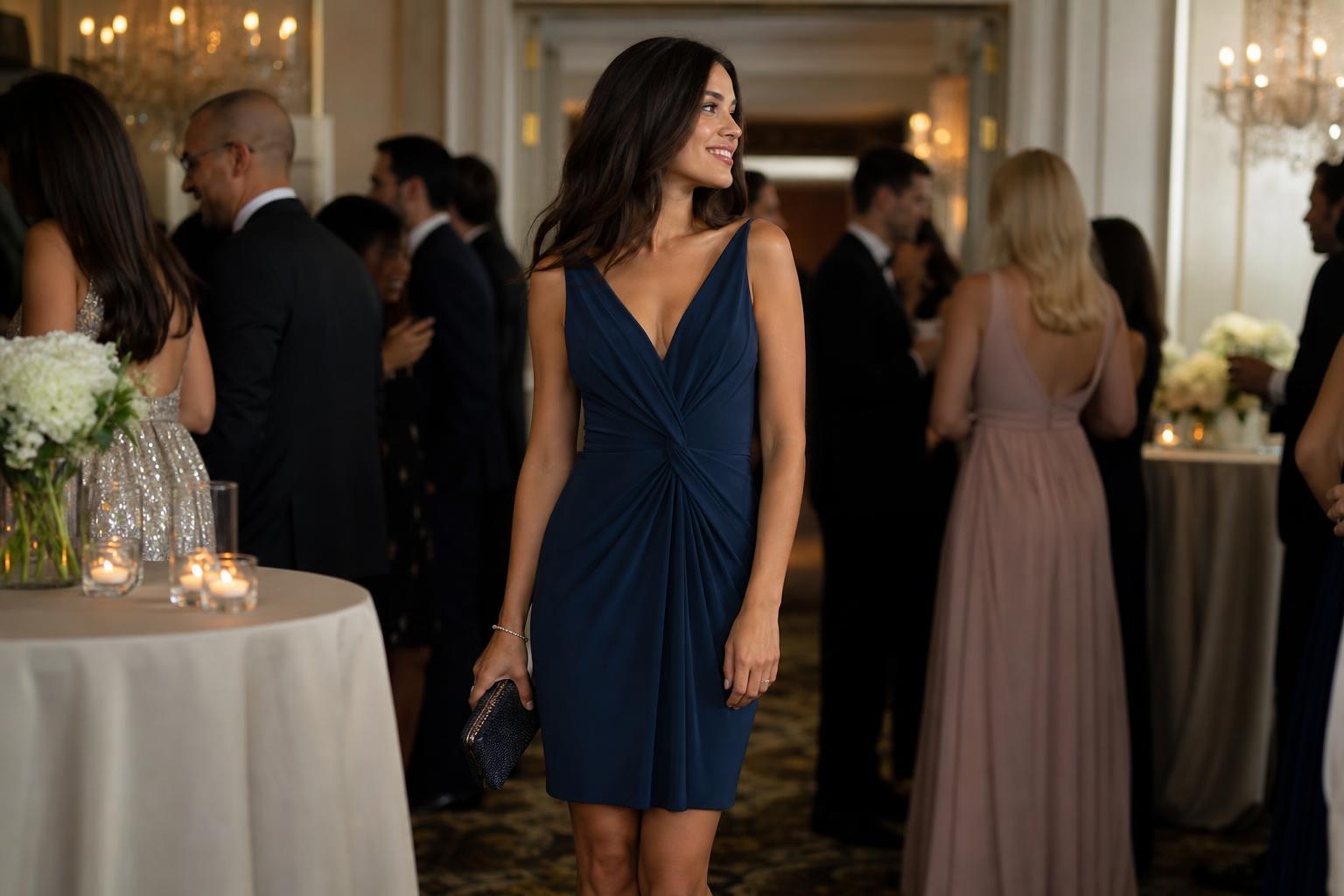
Richer textures and deeper tones elevate the look in more formal interiors. A short sheath evening dress with beading, satin structure, or sequined detail feels at home in a candlelit reception space. For these events, the shorter length reads best when the rest of the styling remains polished: refined pumps or heels, a compact clutch, and jewelry that supports the dress rather than competes with it.
For a destination or beach-adjacent celebration
In lighter, more relaxed evening settings, the practicality of a short gown becomes even more valuable. Fabrics with movement, easier hemlines, and less weight help with comfort during travel and changing temperatures. A flowing chiffon midi-adjacent short evening dress or knee-length dress can feel elegant without becoming cumbersome.
Outfit solution: the romantic chiffon reception look
Picture a vineyard wedding moving into an evening dinner under string lights. A short A-line gown in chiffon, finished with a sweetheart or V-neckline, creates exactly the right balance of softness and structure. The lighter fabric keeps the look breathable, while the shorter hem makes walking between outdoor spaces far easier than a full-length gown.
This combination solves a common problem: wanting to look dressed up without feeling overdressed for a scenic, open-air venue. Add elegant heels or sandals, a small clutch, and restrained jewelry. The result feels romantic, polished, and realistic for a long celebration.
Outfit solution: the embellished sheath for a candlelit evening
For a hotel ballroom reception, gala, or sophisticated cocktail wedding, an embellished short sheath cocktail dress is one of the strongest choices. Think of the sleek line associated with Alex Evenings at Nordstrom: close-fitting, refined, and elevated through beadwork rather than volume. A navy or silver-toned finish can feel especially elegant under evening light, though the broader principle matters more than a specific shade.
This outfit works because it answers the concern many guests have about whether short can still look formal. Here, the answer comes through construction and detail. Beading, a clean neckline, and a deliberate fit create occasionwear credibility immediately.
Outfit solution: the festive fit-and-flare for dancing and celebration
Some events demand energy as much as elegance. Proms, younger wedding crowds, and festive cocktail receptions often suit a fit-and-flare short evening dress in satin, sequins, or lace. The fitted bodice creates shape, while the fuller skirt gives movement on the dance floor and comfort while seated.
This option is particularly helpful if you want a dress that looks lively in motion. It solves the challenge of feeling restricted in more structured silhouettes, while still keeping an eveningwear finish. The key is to avoid overloading the look with too many statement elements at once.
Outfit solution: the short-sleeved gown for comfort and coverage
There are moments when sleeve coverage is not just a style preference but a practical need. In air-conditioned venues, cooler evening weather, or more conservative family celebrations, a short-sleeved evening gown offers reassurance without making the outfit feel heavy. Cap sleeves, flutter sleeves, and simple short sleeves can all soften the line of a short gown while keeping it graceful.
This works especially well in lace or chiffon-based designs, where the sleeve detail feels integrated rather than added on. For readers who often feel caught between sleeveless glamour and full coverage, this is one of the most wearable middle grounds.
Where brands and retailers fit into the shopping decision
Shopping for short evening gowns in the U.S. often means moving between broad retailers, occasionwear specialists, and marketplaces. The smartest approach is to match the retailer to the kind of decision you need to make.
- Azazie is useful when you want a wide range of silhouettes, fabrics, necklines, and sleeve options in one category.
- David’s Bridal is a practical stop for short dresses tied to weddings, formal events, sizing guidance, and alterations.
- Nordstrom offers access to polished product pages and brands such as Alex Evenings, which are especially helpful if you already know you want a sheath or embellished cocktail direction.
- Couture Candy, Laveliya, and Flormiss are strong for browsing event-based short evening dress collections with varied finishes and silhouettes.
- PromGirl and Windsor lean into short prom dresses and short cocktail dresses, which can be ideal for festive receptions and younger formal events.
- Princessly helps highlight sleeve-based variations, especially short-sleeved evening dresses.
- Etsy becomes relevant when petite short evening gowns, handmade touches, or indie seller options are part of the search.
No single retailer solves every problem. A guest shopping for a wedding may prioritize fit guidance and alteration support, while someone attending a gala may care more about embellishment, designer finish, or a more sculpted silhouette.
Fit, sizing, and alterations that make a short gown look expensive
Short evening gowns are less forgiving than many long gowns when it comes to hem placement and fit. Because more of the leg is visible, the exact point where the dress hits matters. A knee-length dress that ends at the right spot can look elegant and balanced. One that lands awkwardly can disrupt the entire silhouette, even if the fabric is beautiful.
This is why size guides and alteration services matter so much on category pages from retailers such as David’s Bridal and Azazie. Hem adjustments, waist shaping, and sleeve refinement can change a dress from almost right to truly polished. Petite shoppers should be especially attentive here, which helps explain the continued interest in petite short evening gowns seen through marketplace demand on Etsy.
Tips for evaluating fit before you buy
- Check whether the silhouette is meant to skim the body or flare away from it.
- Notice where the hem falls in product photos and imagine how that point will shift on your height.
- Prioritize dresses with clear size and measurement guidance.
- Leave room in your budget for simple tailoring, especially at the hem or waist.
- If sleeve comfort matters, pay attention to how fitted the arm opening appears.
Accessories that support rather than distract
Accessories are especially visible with short evening gowns because the full outfit reads more immediately. Shoes, jewelry, and clutches need to reinforce the gown’s tone, not compete with it. A heavily beaded dress generally benefits from cleaner accessories, while a simpler satin or chiffon style can handle a more noticeable earring or shoe.
For wedding guest styling, heels and pumps often create the most cohesive line, especially with sheath and A-line silhouettes. Statement sandals can work for warmer venues and festive settings, but the finish should still feel evening-appropriate. A clutch remains the most reliable bag option because it keeps the look compact and formal. If the reception continues late into the evening, outerwear should stay light and neat so it does not collapse the dress’s silhouette.
Care, packing, and getting through a long event gracefully
Even the right dress can become frustrating if it wrinkles easily, feels delicate to pack, or demands constant adjustment. This is one of the most overlooked parts of buying occasionwear. Product pages often mention care for a reason: evening fabrics can behave very differently after travel, hanging, and hours of wear.
If you are choosing between two similar styles, consider the practical side. A chiffon dress may travel differently than a heavily beaded sheath. A sequined style may be ideal for a gala but less convenient for a destination wedding. Steaming, storage, and careful handling all matter more with short gowns because the eye notices every line and crease quickly.
Simple care tips that protect the look
- Review care instructions before purchasing, especially for lace, sequins, and beading.
- Hang the dress early if you are traveling to give the fabric time to settle.
- Use gentle steaming where appropriate to restore drape before the event.
- Store embellished dresses carefully so decorative surfaces do not snag.
Common mistakes that make short formal dresses look less polished
Most short evening dress mistakes come from imbalance rather than the dress itself. The hemline is shorter, so every other choice becomes more visible. When the details do not support the occasion, the outfit can slip away from eveningwear and into something less defined.
- Choosing a casual fabric for a formal venue. The silhouette may be right, but the material weakens the effect.
- Adding too many statement elements at once, especially with sequins, beading, bold jewelry, and dramatic shoes together.
- Ignoring venue conditions such as grass, stairs, dancing, or cool evening air.
- Skipping tailoring on a dress that is close but not quite right in hem or waist.
- Assuming all short dresses are interchangeable, when a cocktail dress, prom dress, and evening gown can carry very different levels of formality.
The solution is usually simple: let one feature lead. If the dress has strong embellishment, keep the silhouette and accessories calmer. If the silhouette is playful, choose richer fabric and cleaner styling. Evening dressing rarely improves through excess.
A practical shopping checklist for short evening gowns
Before committing to a dress, pause and run through the practical questions that separate a good purchase from a last-minute compromise. This is especially useful when comparing options across Azazie, David’s Bridal, Windsor, Couture Candy, Flormiss, Laveliya, PromGirl, Princessly, Nordstrom, or Etsy sellers.
- Is the event a wedding, prom, gala, cocktail party, or another formal evening celebration?
- Does the fabric feel formal enough for the venue and lighting?
- Will the silhouette stay comfortable during sitting, walking, and dancing?
- Does the neckline and sleeve treatment match your comfort level and the event tone?
- Is tailoring likely to be needed for hem, waist, or sleeves?
- Do your shoes and clutch support the dress rather than compete with it?
- Can the dress travel and store well enough for your plans?
Glossary of the most useful terms while shopping
A few core terms appear across nearly every short evening dress collection. Knowing them makes browsing faster and helps you compare styles more accurately.
- Sheath: a close-fitting silhouette with a sleek, streamlined shape.
- A-line: fitted near the top and gradually wider through the skirt.
- Fit-and-flare: fitted through the bodice with a fuller skirt for movement.
- Cocktail dress: a short dress appropriate for cocktail events and sometimes formal evening settings, depending on fabric and finish.
- Knee-length dress: a short formal length often used for evening and wedding guest dressing.
- Beading: decorative beadwork that adds texture and evening shine.
- Sequins: reflective embellishment often used for party, gala, and prom dressing.
- Cap sleeve or short sleeve: sleeve options that add coverage while keeping the look light.
Final styling perspective
The best short evening gowns solve a very specific problem: how to look fully dressed for an evening event without relying on a long hem for formality. Once you focus on silhouette, fabric, sleeve treatment, embellishment, and venue context, the choice becomes far clearer. A short gown can feel every bit as intentional as a longer one when it is selected with care.
Whether you are dressing for a wedding guest moment, a gala, a prom, or a cocktail reception, the most successful look is the one that allows you to move comfortably and still feel aligned with the setting. Elegant evening dressing is not about following one rigid formula. It is about understanding what each design detail contributes and using that knowledge to build a look that feels polished from the first greeting to the final photograph.
FAQ
What is the typical length of a short evening gown?
A short evening gown is usually above full length and often falls around the knee, though some styles may sit slightly above or below that point. The exact hem matters less than whether the fabric, silhouette, and finish make the dress feel appropriate for evening wear.
Can short evening gowns be formal enough for black-tie or gala events?
They can work for some formal evening settings when the dress has elevated details such as satin, lace, beading, sequins, or a refined sheath silhouette. The key is that the shorter hem should be balanced by strong fabric quality, polished styling, and an event context where a short formal dress feels appropriate.
What is the difference between a short evening gown and a cocktail dress?
The terms often overlap, but a short evening gown generally emphasizes more formal eveningwear elements, while a cocktail dress can range from moderately dressy to quite formal depending on construction and embellishment. In practice, the line between them is shaped by fabric, silhouette, and styling.
Are short evening gowns appropriate for weddings?
Yes, especially for wedding guest dressing when the venue, dress code, and time of day support a shorter formal look. A knee-length evening dress in chiffon, satin, lace, or beaded fabric can feel elegant and wedding-ready when styled thoughtfully.
Which silhouette is best if I want something flattering and easy to wear?
A-line is often the most versatile starting point because it balances structure and comfort well. Sheath styles feel sleeker and more formal, while fit-and-flare dresses offer more movement and a festive mood for receptions, proms, and parties.
What fabrics make short evening gowns look more expensive?
Satin, chiffon, lace, sequined finishes, and beaded surfaces tend to create a more elevated evening impression than simpler casual materials. The way the fabric drapes and reflects light has a major effect on how formal the dress appears.
How should petite shoppers approach short evening gowns?
Petite shoppers should pay close attention to hem placement and overall proportion, since a few inches can change the look dramatically. Petite short evening gowns or dresses with clear measurement guidance are especially useful, and simple tailoring can make a major difference.
Which stores are popular for shopping short evening gowns in the U.S.?
Well-known options include Azazie, David’s Bridal, Nordstrom, Couture Candy, Flormiss, Laveliya, PromGirl, Windsor, Princessly, and Etsy sellers. Each offers a slightly different shopping experience, from broad occasionwear assortments to sleeve-specific styles and petite-focused marketplace finds.
Do short evening gowns usually need alterations?
Often, yes. Hem adjustments, waist shaping, and sleeve refinements are common, and they matter more with shorter dresses because proportion is so visible. Even a modest alteration can make the dress look far more polished.
What accessories work best with short evening gowns?
Heels, pumps, statement sandals, compact clutches, and selective jewelry usually work best. The ideal accessories depend on the dress itself, but the general rule is to support the gown’s tone rather than compete with embellishment, neckline, or fabric texture.